The 10 Worst Royal Portraits In History & 10 Of The Best
Some Royal Portraits Made Rulers Look Powerful. Others Just Make Them Look Bad.
Royal portraits have always had a bigger job than just showing what a king, queen, prince, or princess looked like. They helped royals seem powerful, impressive, lovable, serious, or ready for marriage, depending on what the moment called for. That’s why a bad royal portrait can be so memorable. When the face looks off, people don’t forget it. These 20 royal portraits are famous for praise, criticism, awkward history, and the kind of reactions that keep art interesting.
 Jean-Auguste-Dominique Ingres on Wikimedia
1. King Charles III’s Crimson Portrait
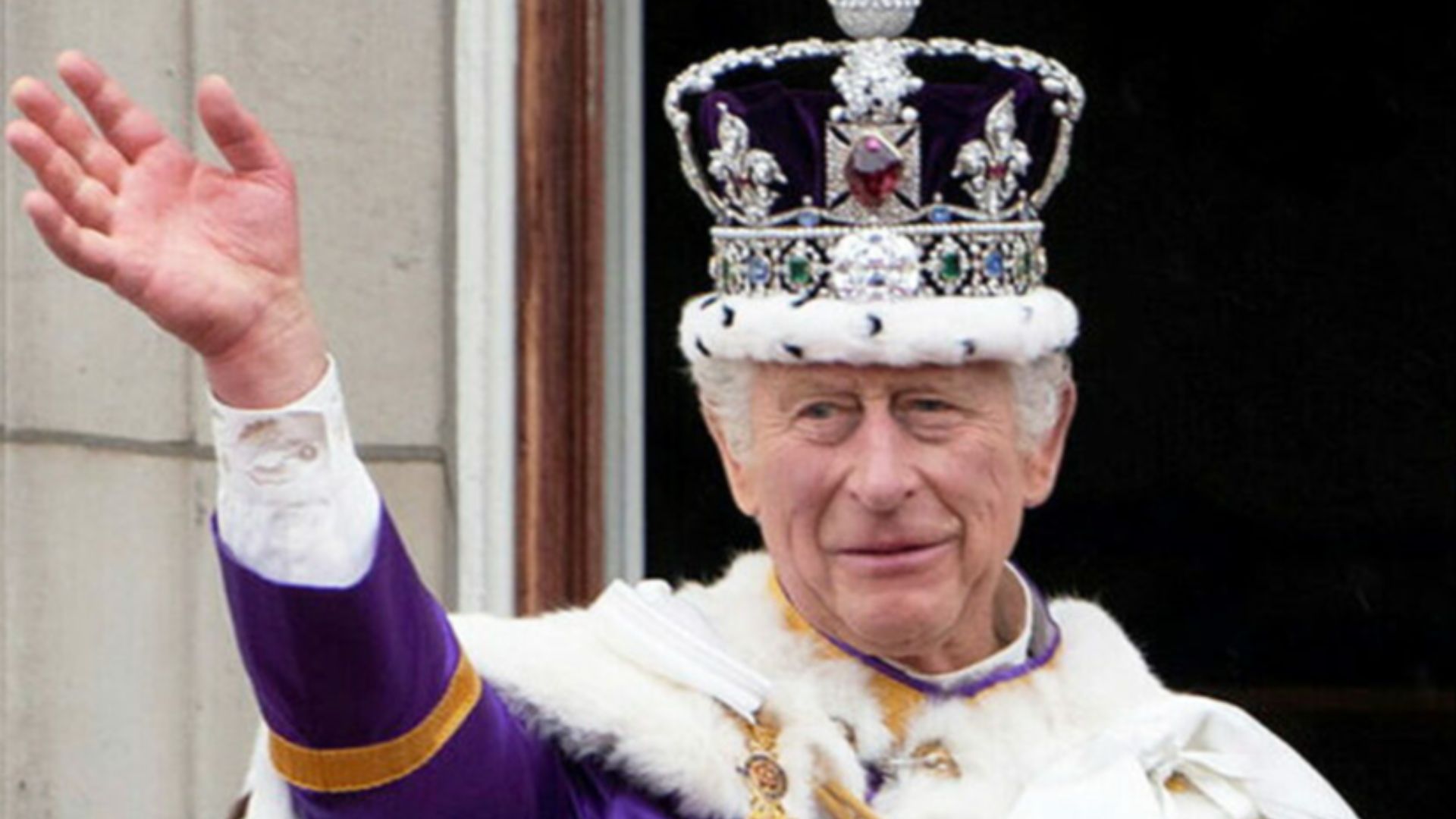
Jonathan Yeo’s portrait of King Charles III caused a stir almost as soon as people saw it. Charles appears in the red uniform of the Welsh Guards, with a bright crimson background nearly swallowing him up and a butterfly near his shoulder. Some people liked the bold look, while others thought the heavy red felt alarming, bloody, or too intense for a royal portrait.
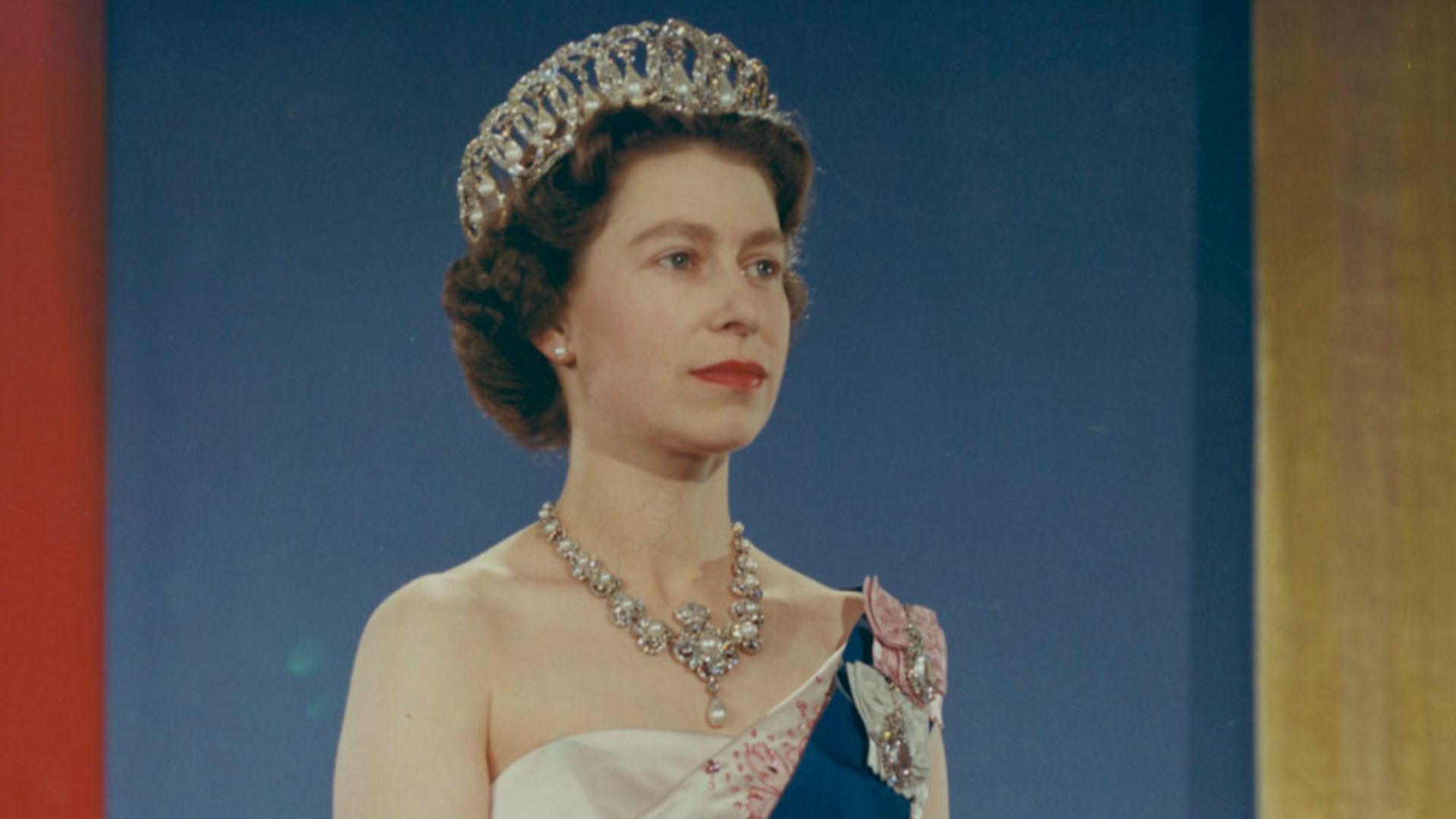
2. Queen Elizabeth II By Lucian Freud
Lucian Freud wasn’t known for making people look soft, shiny, or especially flattering, so his portrait of Queen Elizabeth II was always going to be a bold choice. The painting is small and close up, with the Queen looking heavy-faced, stern, and unusually exposed.
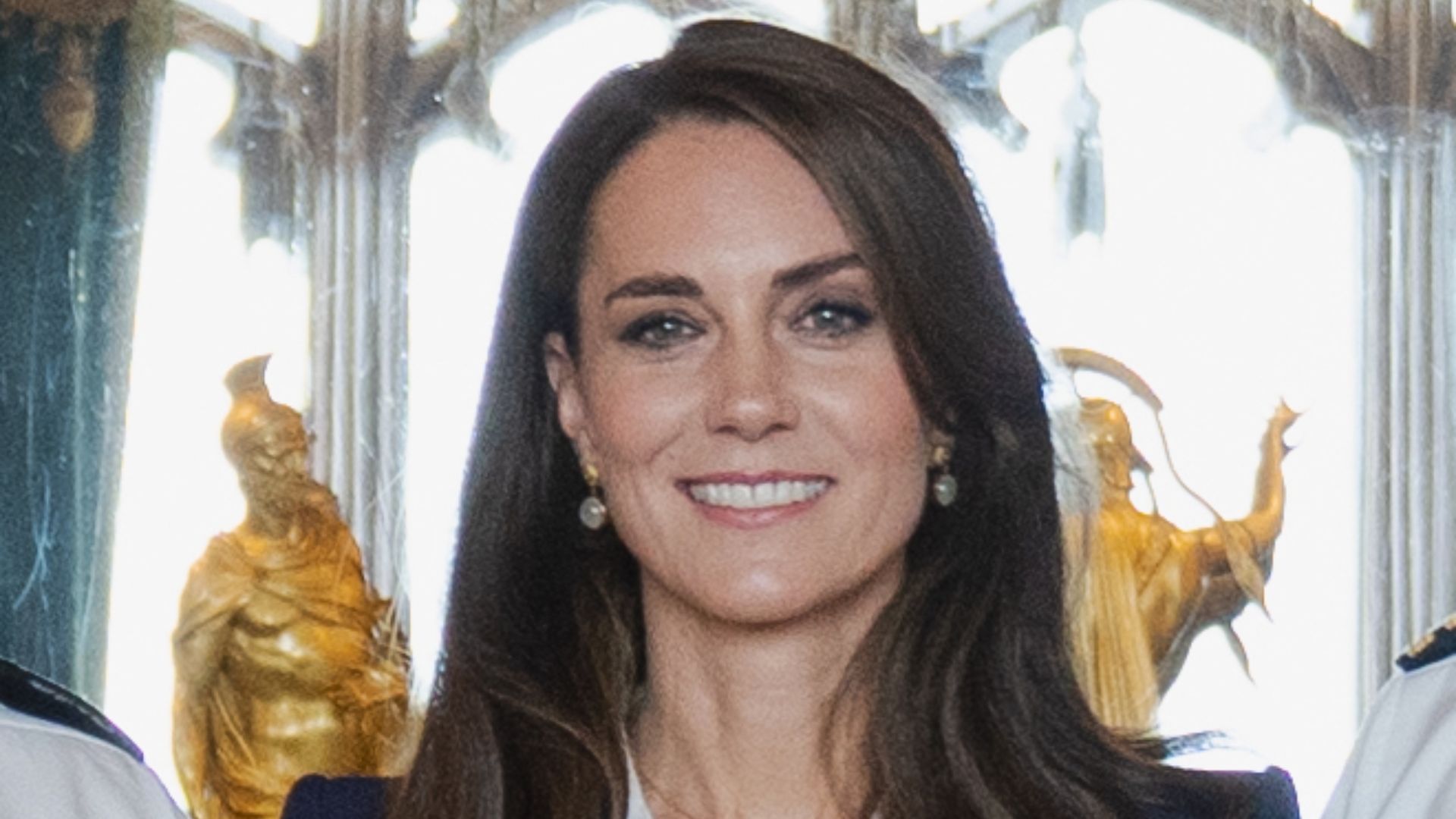
3. Catherine, Princess Of Wales By Paul Emsley
Paul Emsley’s portrait of Catherine was meant to show a natural, relaxed side of her. Many viewers felt the painting missed the warmth people were used to seeing in her photos and made her look older than expected. The reaction showed how hard it can be to paint someone the public already feels it knows so well.
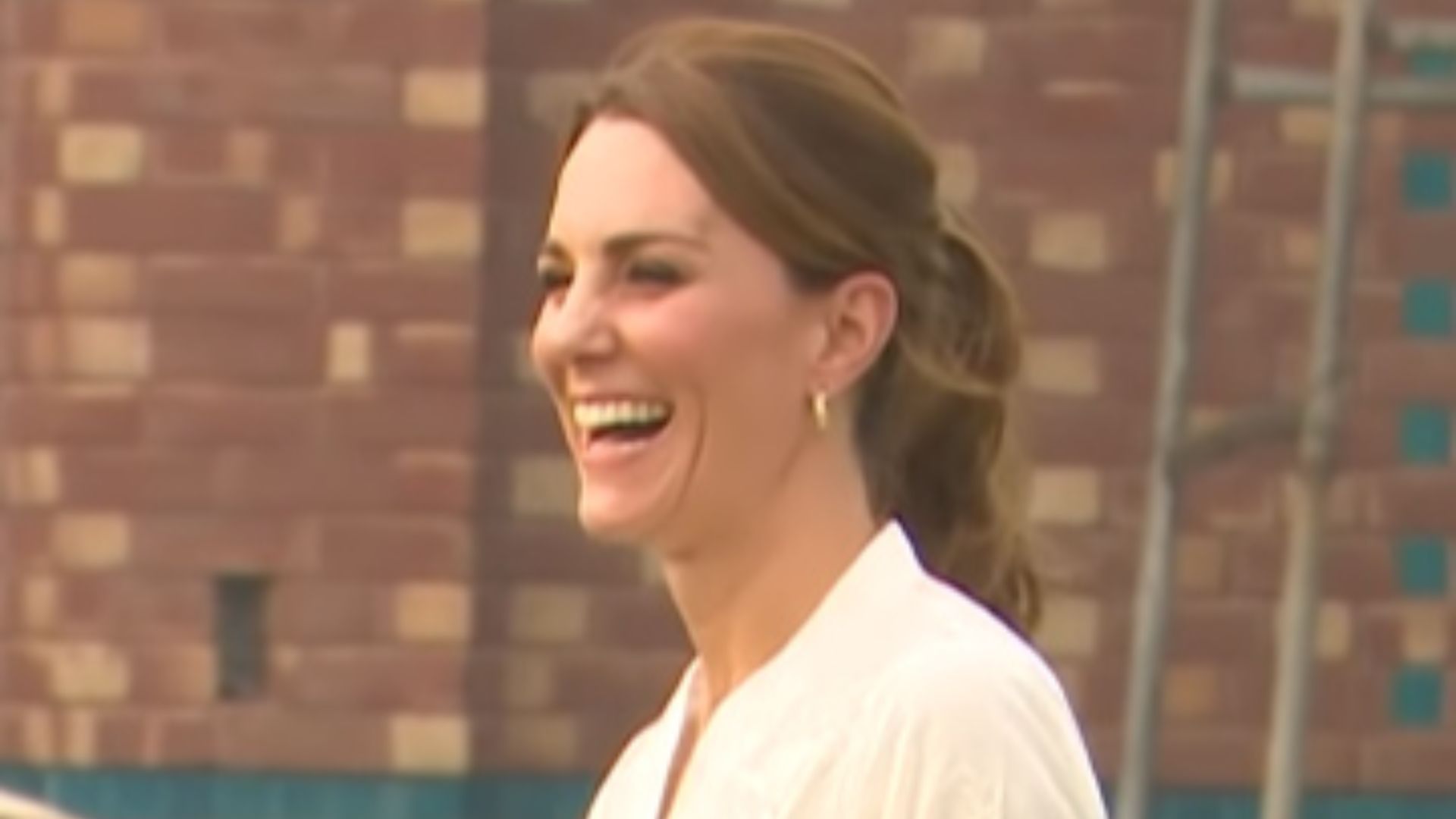
4. Catherine, Princess Of Wales By Hannah Uzor
Hannah Uzor’s portrait of Catherine got attention partly because it was based on public images rather than a live sitting. The painting aimed for grace and calm during a sensitive time in Catherine’s public life. Many viewers still questioned whether it really looked like her.
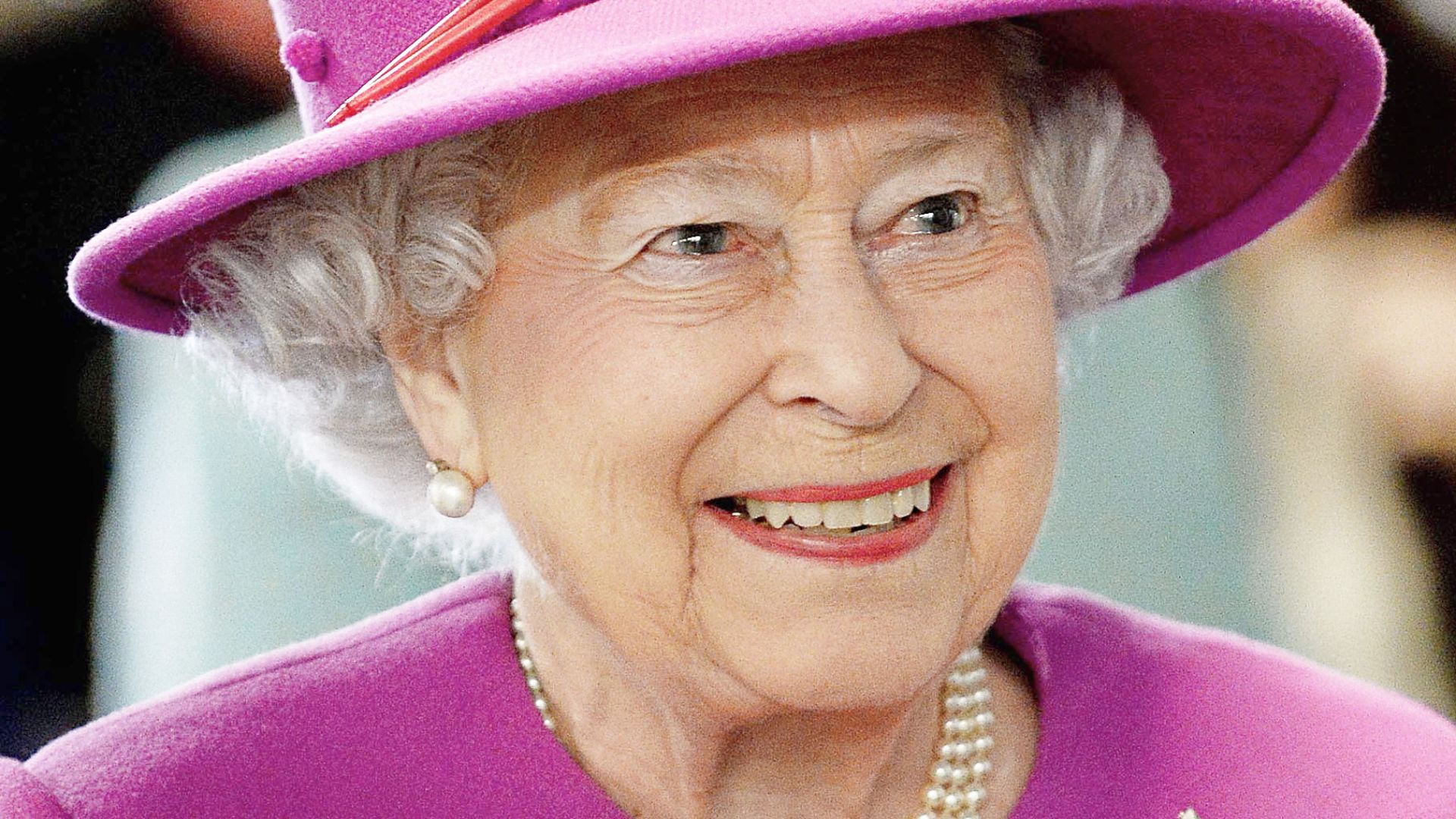
5. Queen Elizabeth II By Rolf Harris
Rolf Harris’s portrait of Queen Elizabeth II was first connected to a public birthday celebration and a televised art project. At the time, it seemed like a friendly, familiar moment centered on the Queen. Later criminal convictions against Harris changed how many people saw the painting, making it much harder to view as a simple tribute.
 Joel Rouse/ Ministry of Defence on Wikimedia
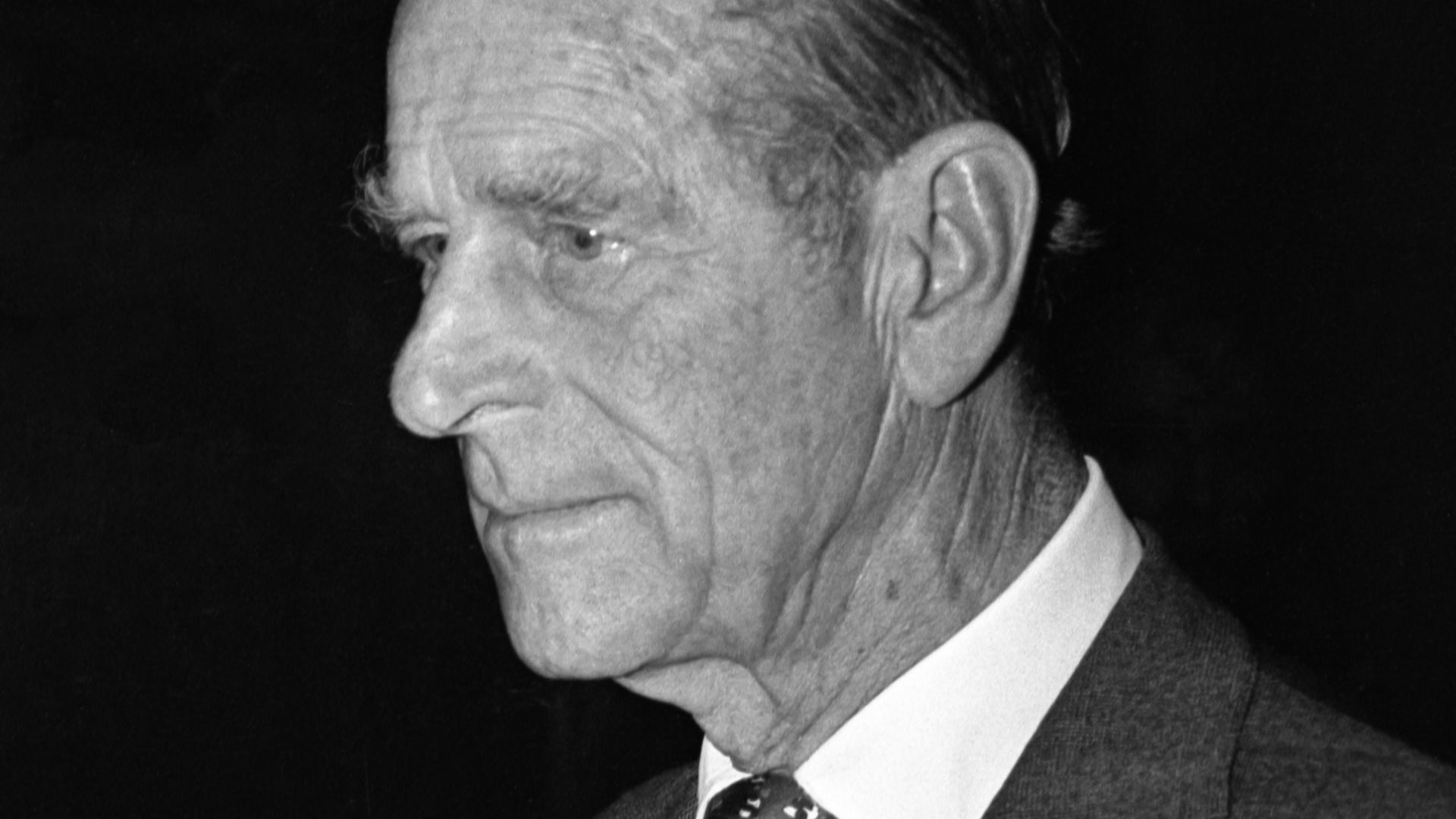
6. Prince Philip By Stuart Pearson Wright
Stuart Pearson Wright’s portrait of Prince Philip became famous for its strange original idea. The first version reportedly included bare shoulders, a bluebottle, and cress sprouting from one finger, which isn’t exactly what most people expect from a royal portrait.
 Leo Medvedev/Лев Леонидович Медведев on Wikimedia
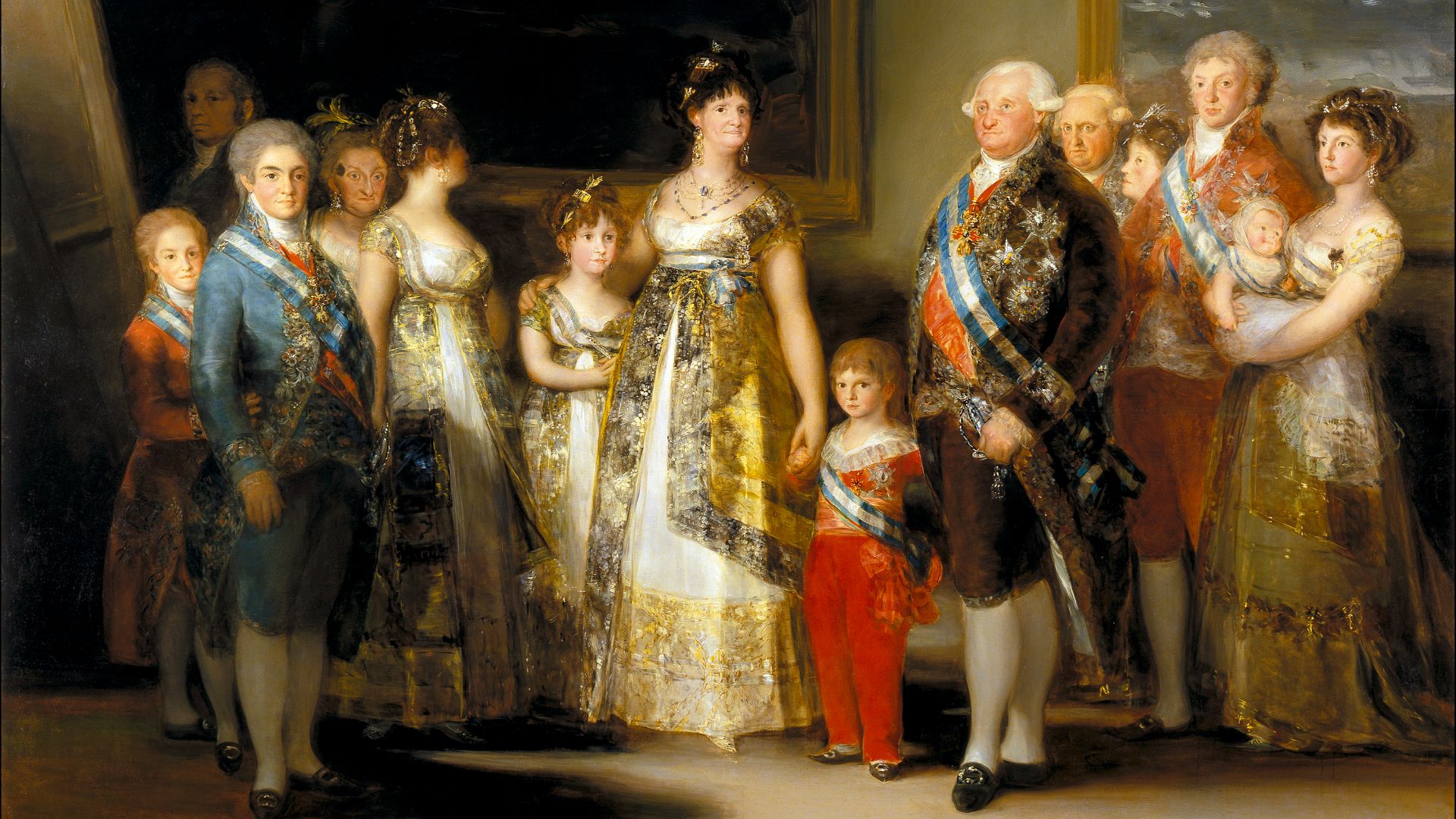
7. Charles IV Of Spain And His Family By Francisco Goya
Goya’s portrait of Charles IV and his family is a great painting, which makes its place here a little tricky. The royal family appears in rich clothing, but their faces look blunt, exposed, and surprisingly ordinary. Instead of making monarchy look polished and distant, the painting makes power look human and awkward.
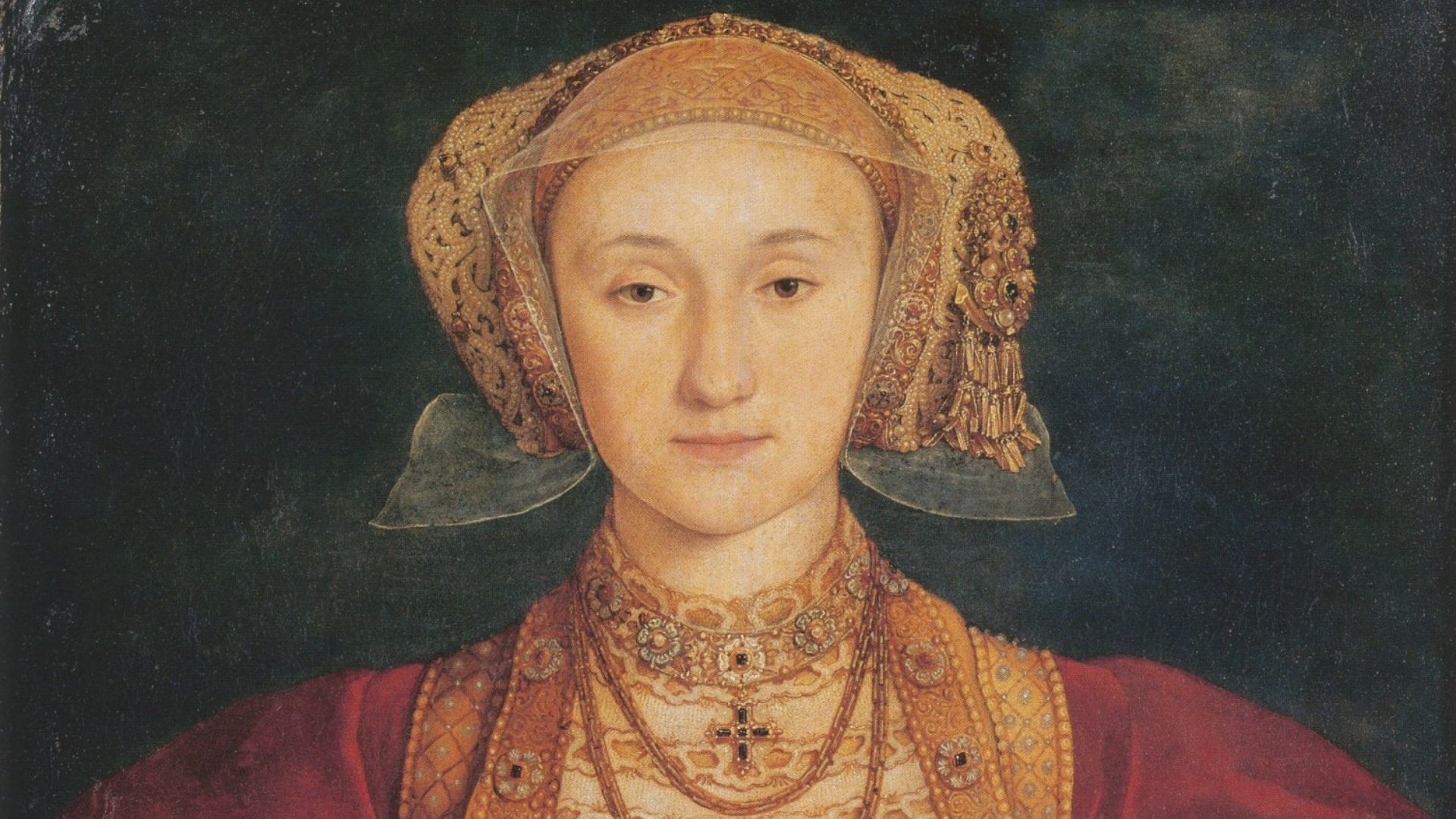
8. Anne Of Cleves By Hans Holbein The Younger
Hans Holbein’s portrait of Anne of Cleves is beautiful, careful, and tied to a very uncomfortable royal story. Henry VIII sent Holbein to paint Anne while he was thinking of marrying her, then later complained that the portrait had misled him. The painting itself isn’t ugly, but its link to that failed royal match gave it a messy legacy.
 Hans Holbein the Younger on Wikimedia
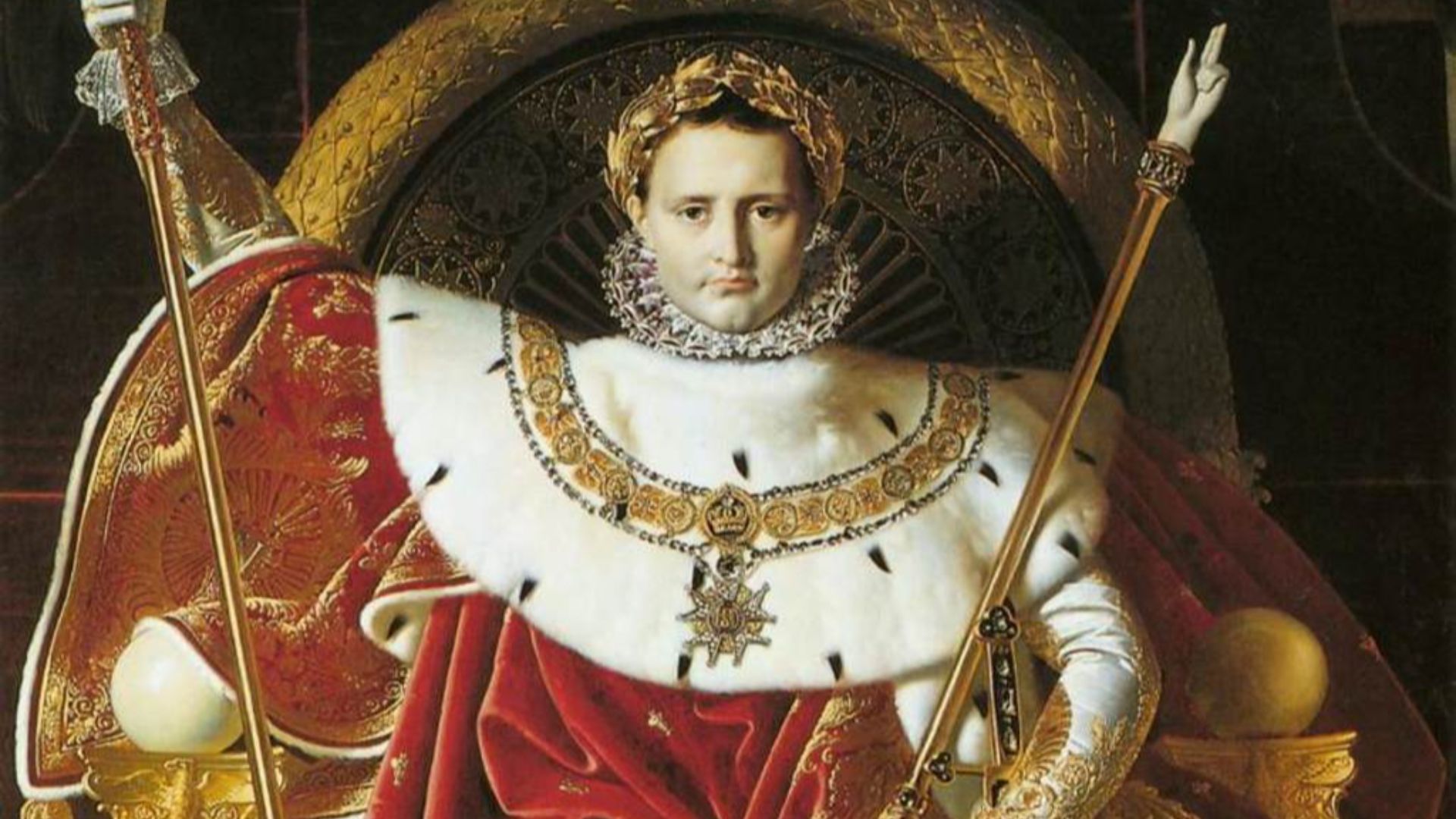
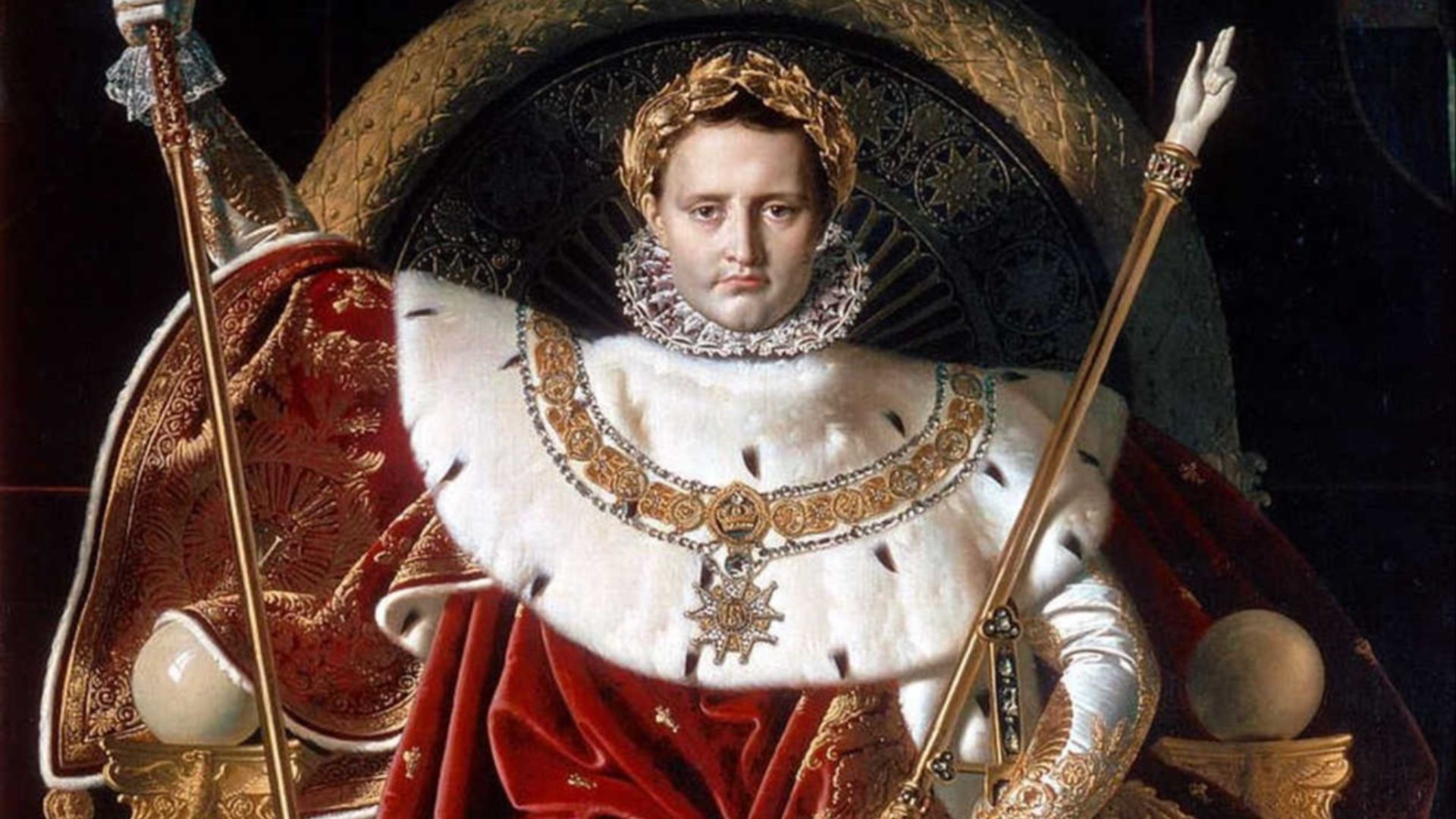
9. Napoleon I On His Imperial Throne By Jean-Auguste-Dominique Ingres
Ingres painted Napoleon surrounded by symbols of power, and there are a lot of them. The robes, throne, scepters, and stiff front-facing pose all push him toward a grand image of command. Some early viewers found the result too stiff, too loaded, and oddly old-fashioned for a ruler who wanted to seem modern.
 Jean-Auguste-Dominique Ingres on Wikimedia
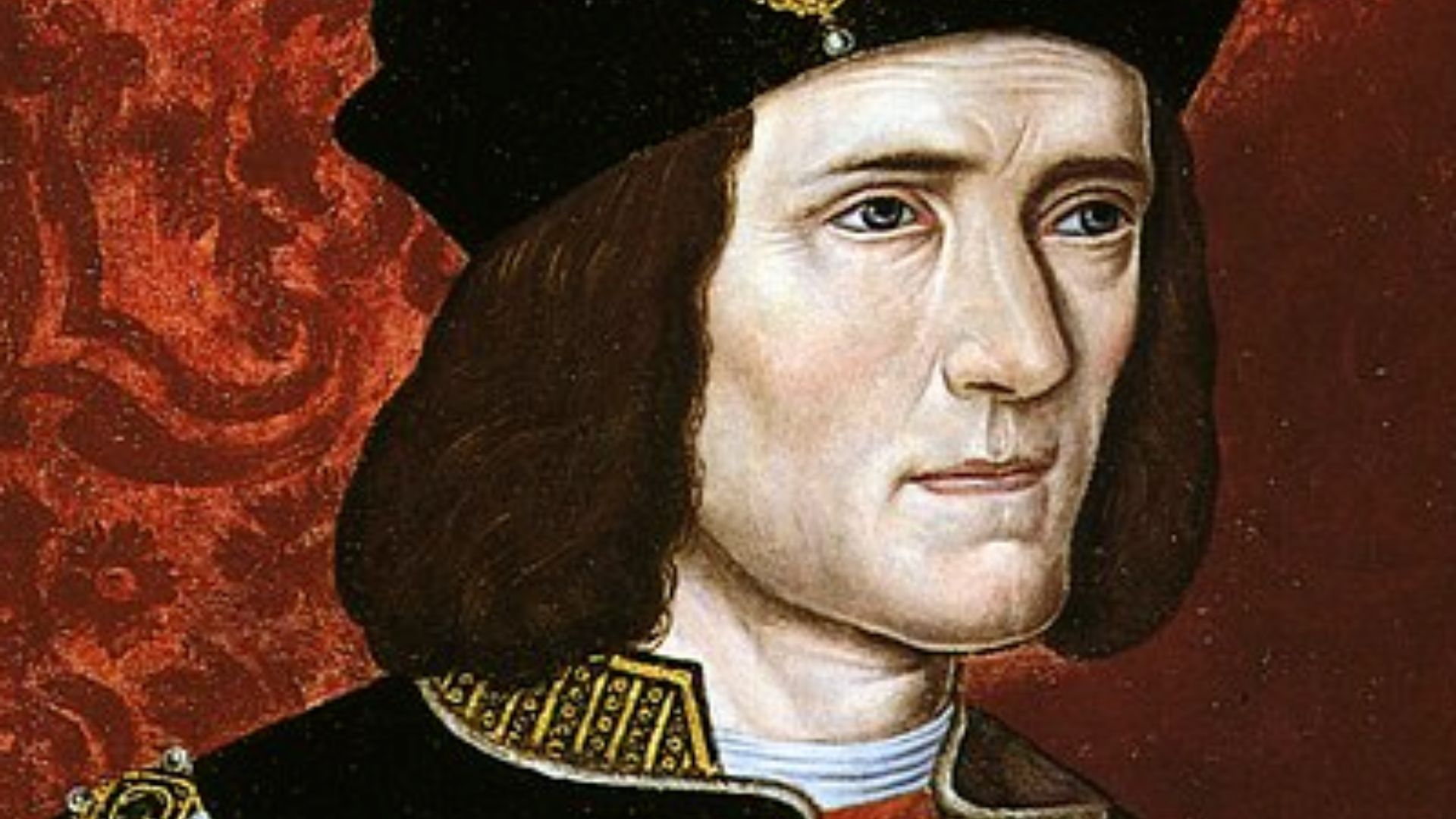
10. Richard III By An Unknown Artist
The well-known portrait of Richard III was painted long after he died, when his reputation had already been shaped by politics, rumor, and drama. The severe face and physical irregularity helped feed the idea of Richard as sinister and deformed. Fair or not, the portrait became more than a likeness; it helped shape how people pictured him.
 Unknown authorUnknown author on Wikimedia
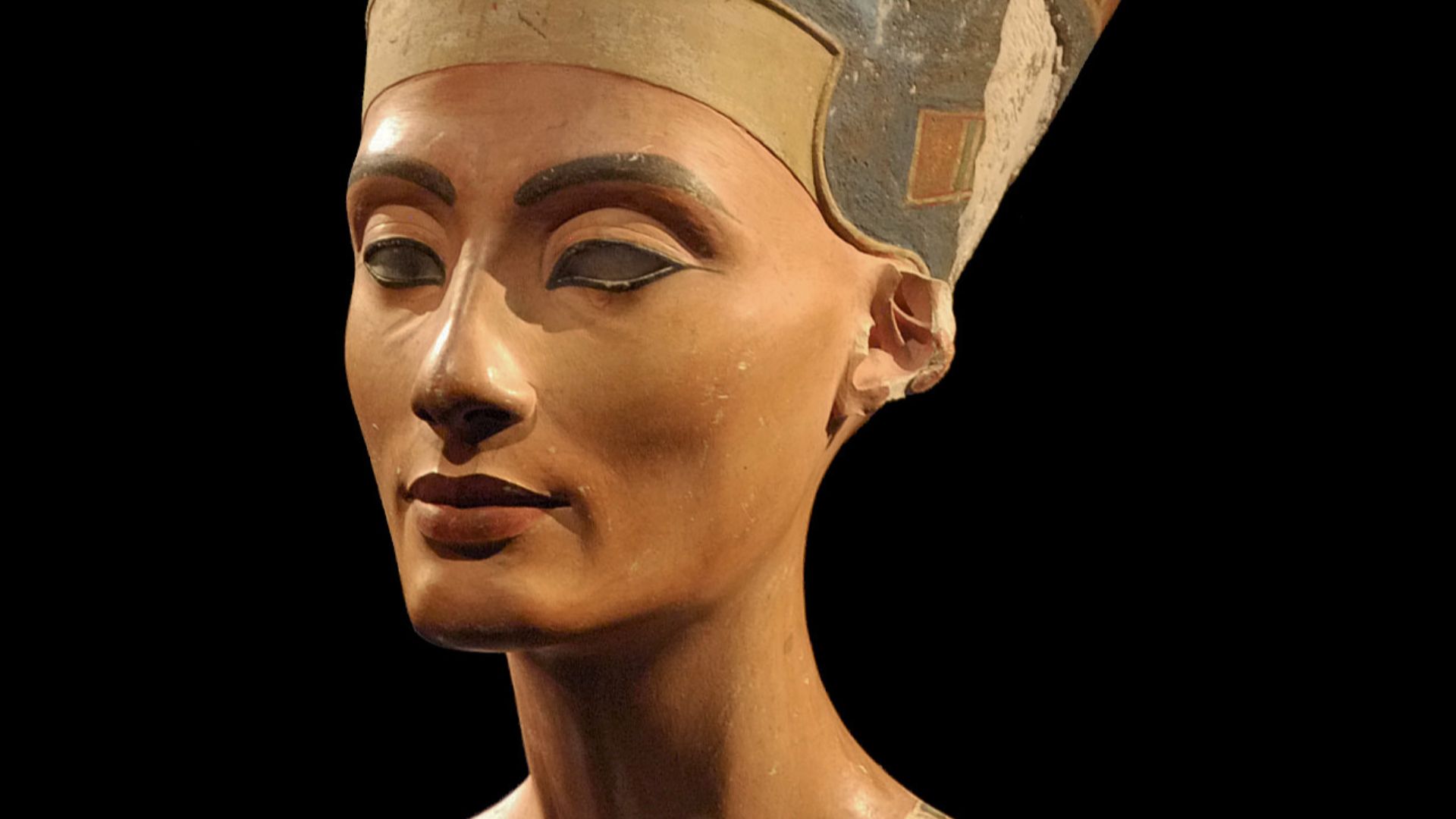
1. Bust Of Nefertiti
The Bust of Nefertiti is still one of the most famous royal images ever made. Its painted surface, long neck, calm face, and carefully shaped features give the Egyptian queen a striking presence.
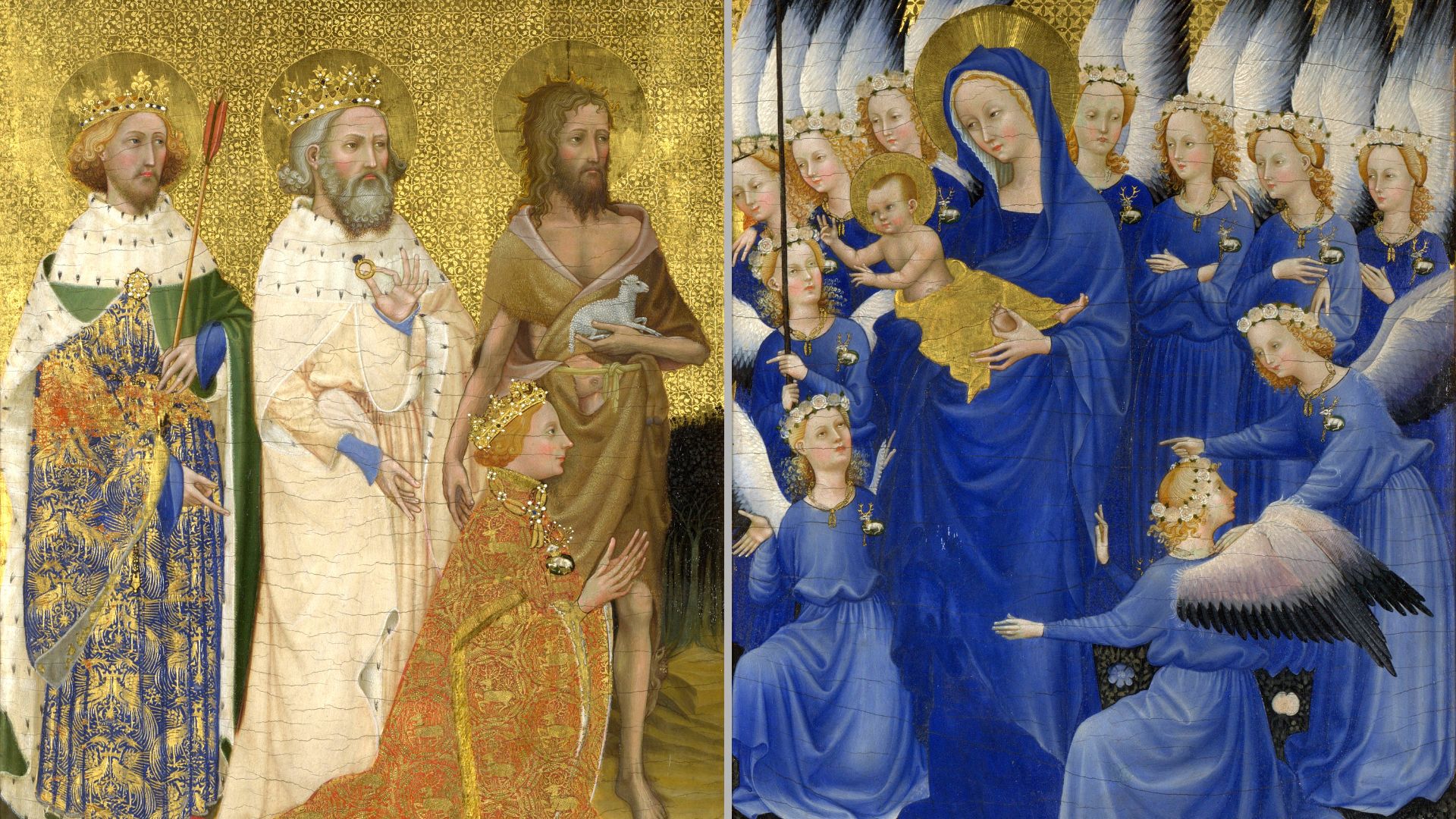
2. The Wilton Diptych
The Wilton Diptych shows Richard II as more than just a king in fancy clothing. He kneels before sacred figures in a rich devotional scene that connects his rule with religion. The work is small, but its message about kingship is anything but.
 Unknown (English or French) on Wikimedia
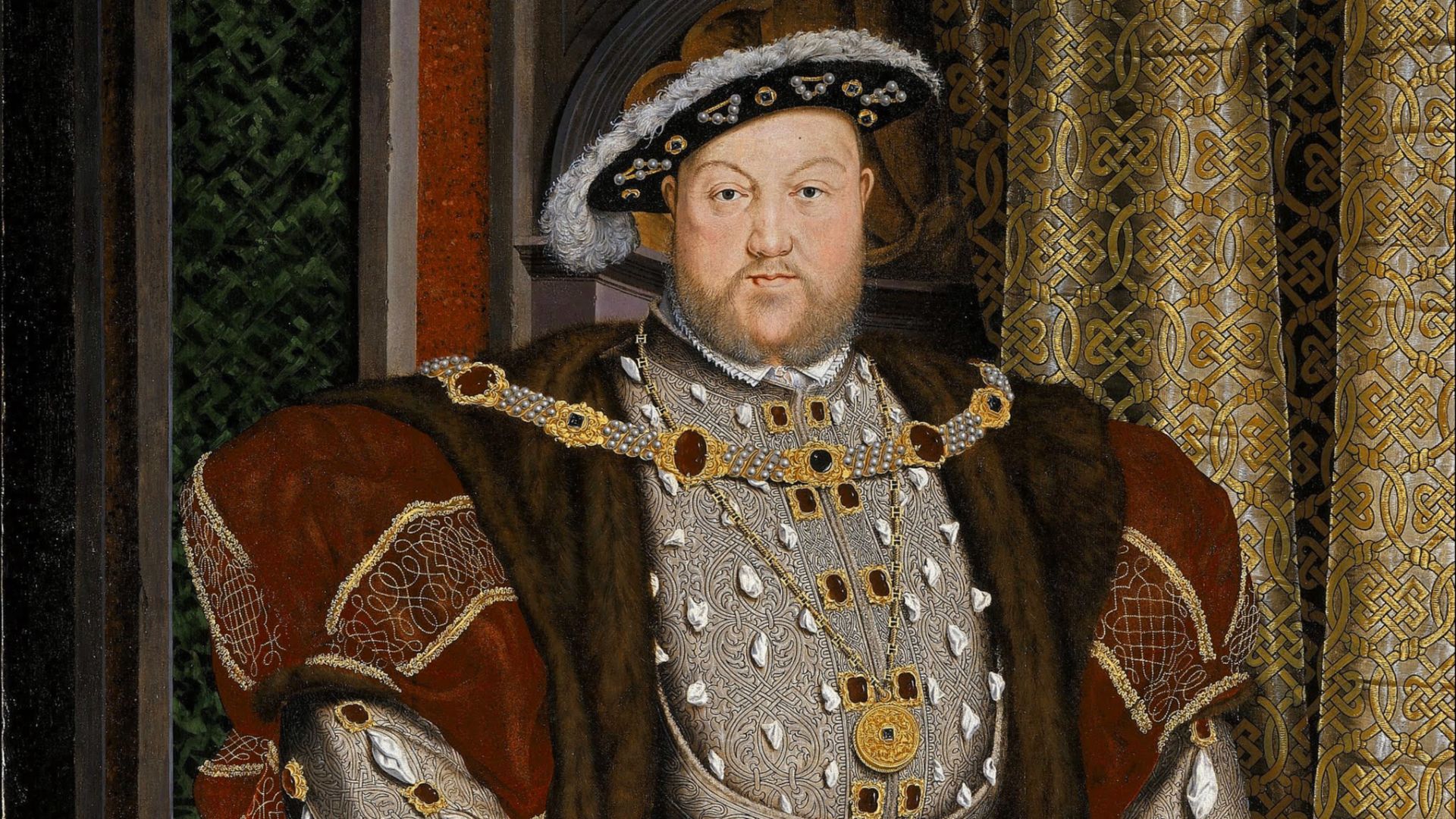
3. Henry VIII After Hans Holbein’s Whitehall Mural
Holbein’s image of Henry VIII shaped the version of the king most people still picture today. The wide stance, heavy clothing, direct stare, and broad body all make Henry look like Tudor power in human form.
 Workshop of Hans Holbein the Younger on Wikimedia
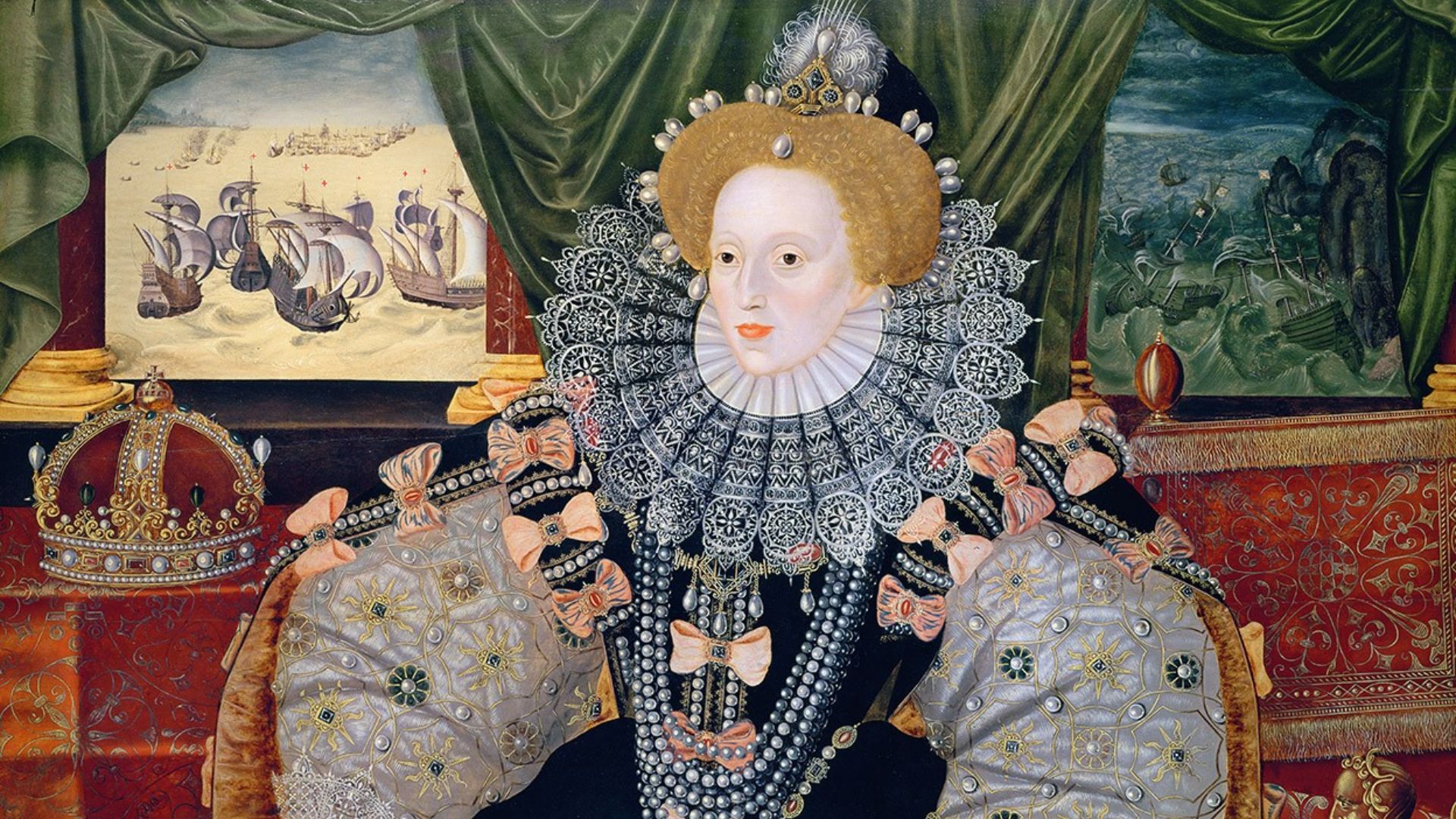
4. Elizabeth I’s Armada Portrait
Elizabeth I’s Armada Portrait turns a major political and military victory into a confident royal image. Her hand rests on a globe, while scenes behind her point to England’s defeat of the Spanish Armada.
 Formerly attributed to George Gower on Wikimedia
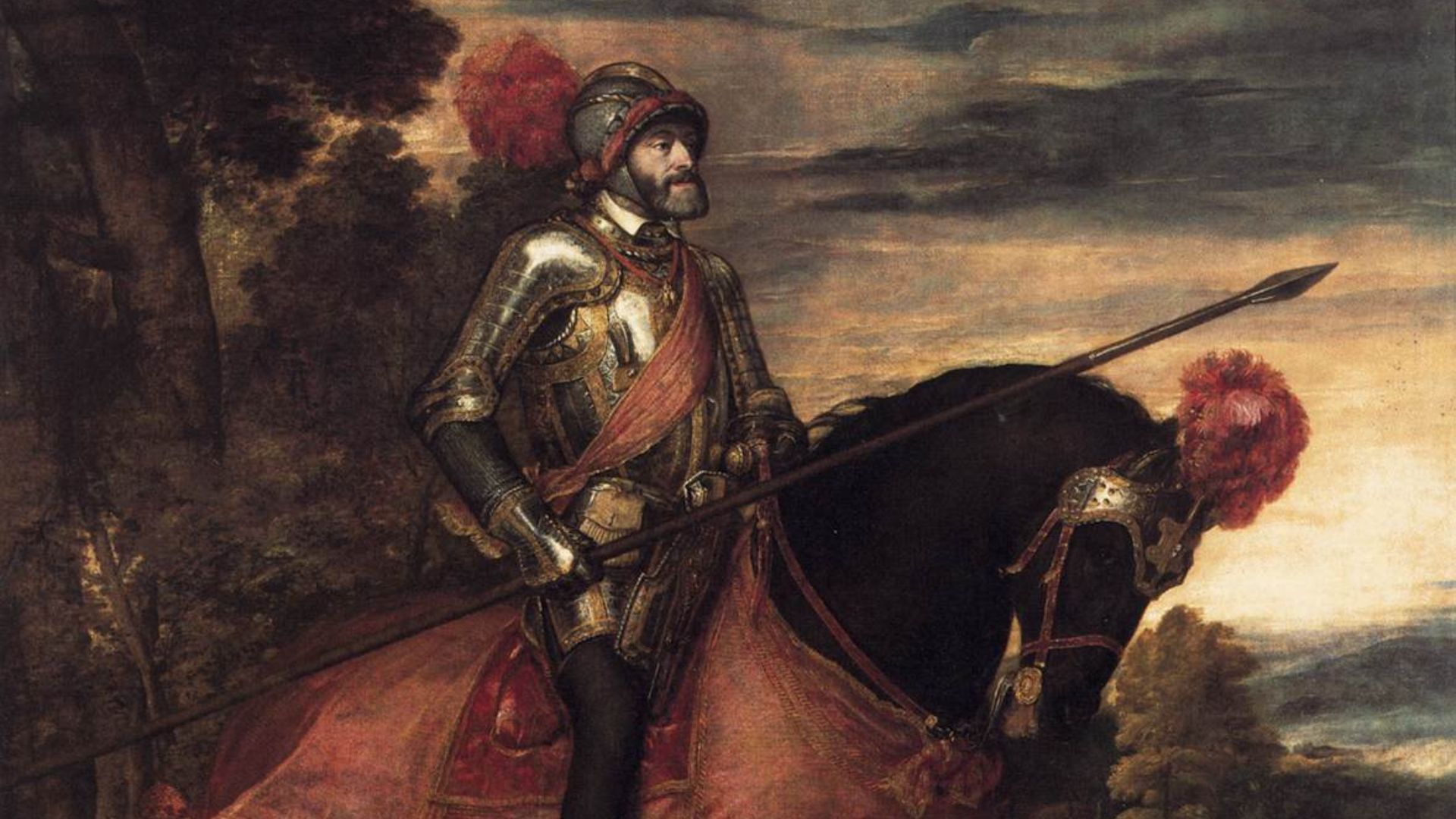
5. Emperor Charles V At Mühlberg By Titian
Titian’s portrait of Emperor Charles V after the Battle of Mühlberg works because it doesn’t overdo the moment. Charles appears in armor on horseback, carrying the weight of victory without looking flashy or frantic. The painting makes power feel serious, controlled, and earned.
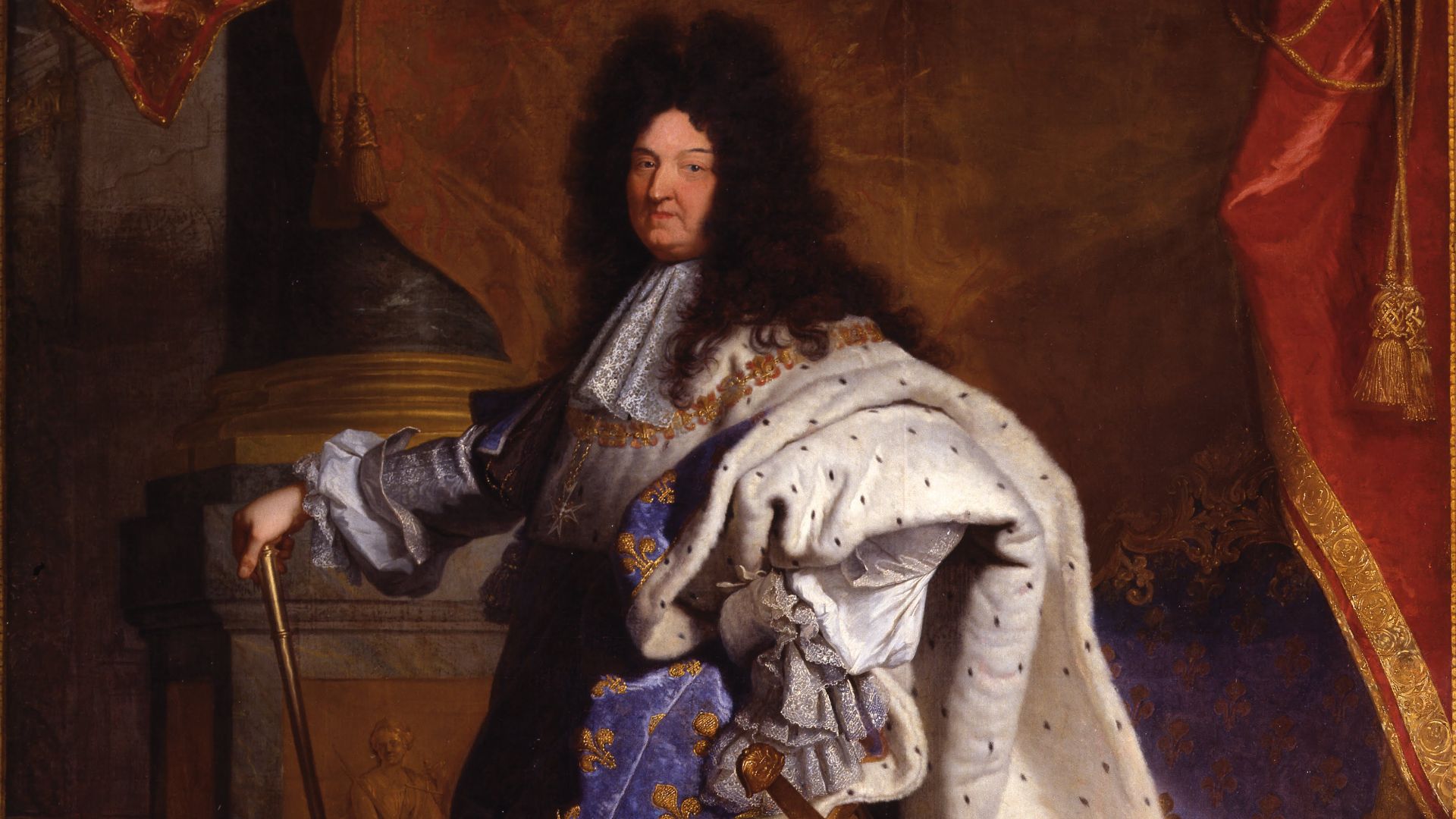
6. Louis XIV In Coronation Robes By Hyacinthe Rigaud
Louis XIV’s coronation portrait is a royal display at full volume. The huge robe, polished pose, rich symbols, and careful styling all put the king at the center of the scene. Few portraits have made absolute monarchy look so confident and so pleased with itself.
 Hyacinthe Rigaud and workshop on Wikimedia
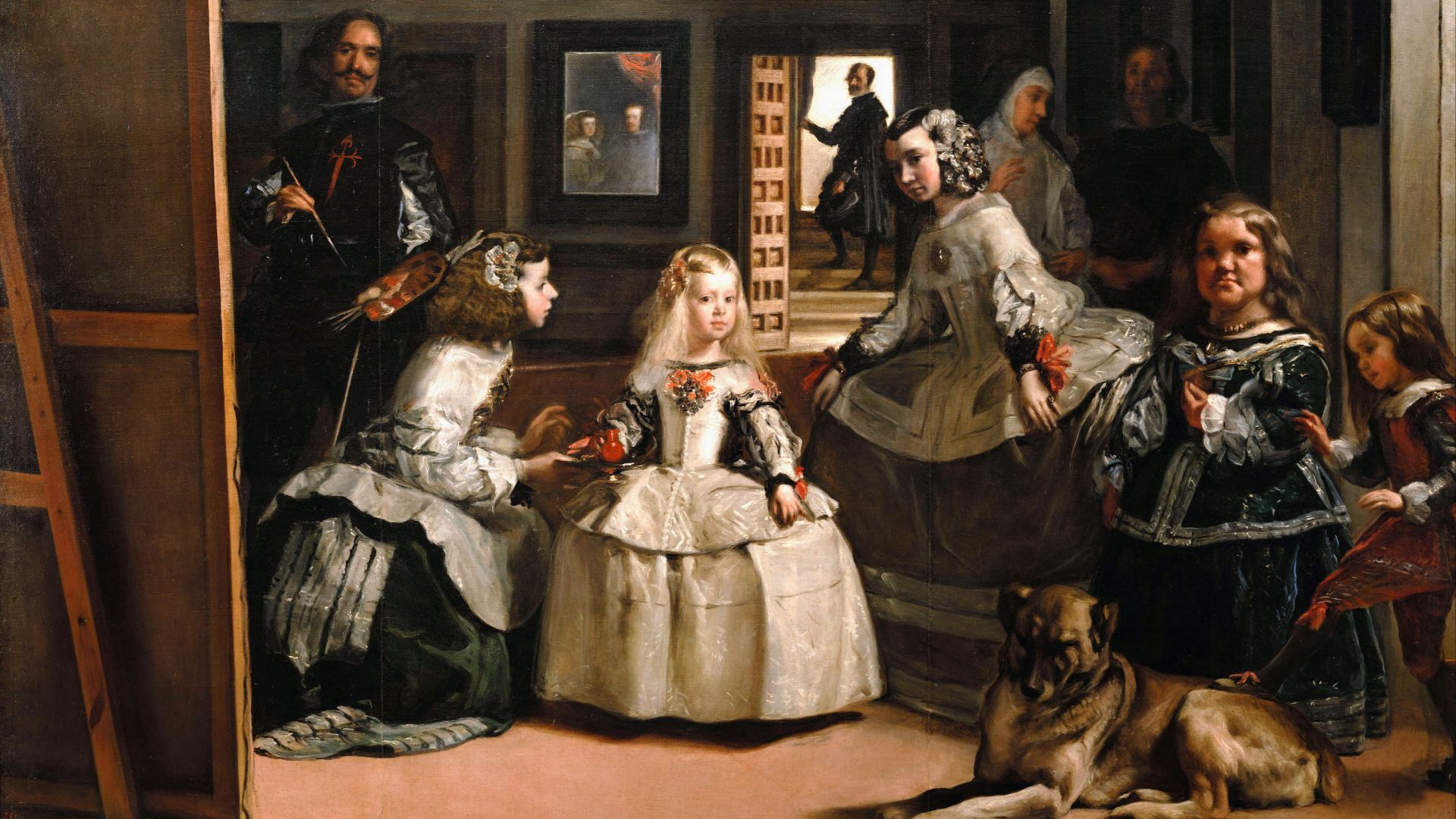
7. Las Meninas By Diego Velázquez
Las Meninas doesn’t act like a simple royal portrait, which is part of why people still talk about it. The young Infanta stands near the center, surrounded by attendants, while the painter and reflected royal figures make the scene feel layered and strange.
8. Charles I In Three Positions By Anthony Van Dyck
Van Dyck’s triple portrait of Charles I was made for a practical reason, but it became far more interesting than a basic reference image. Showing the king from three angles helped a sculptor create a bust. The format also gives Charles a thoughtful, personal presence that a single pose might not have captured.
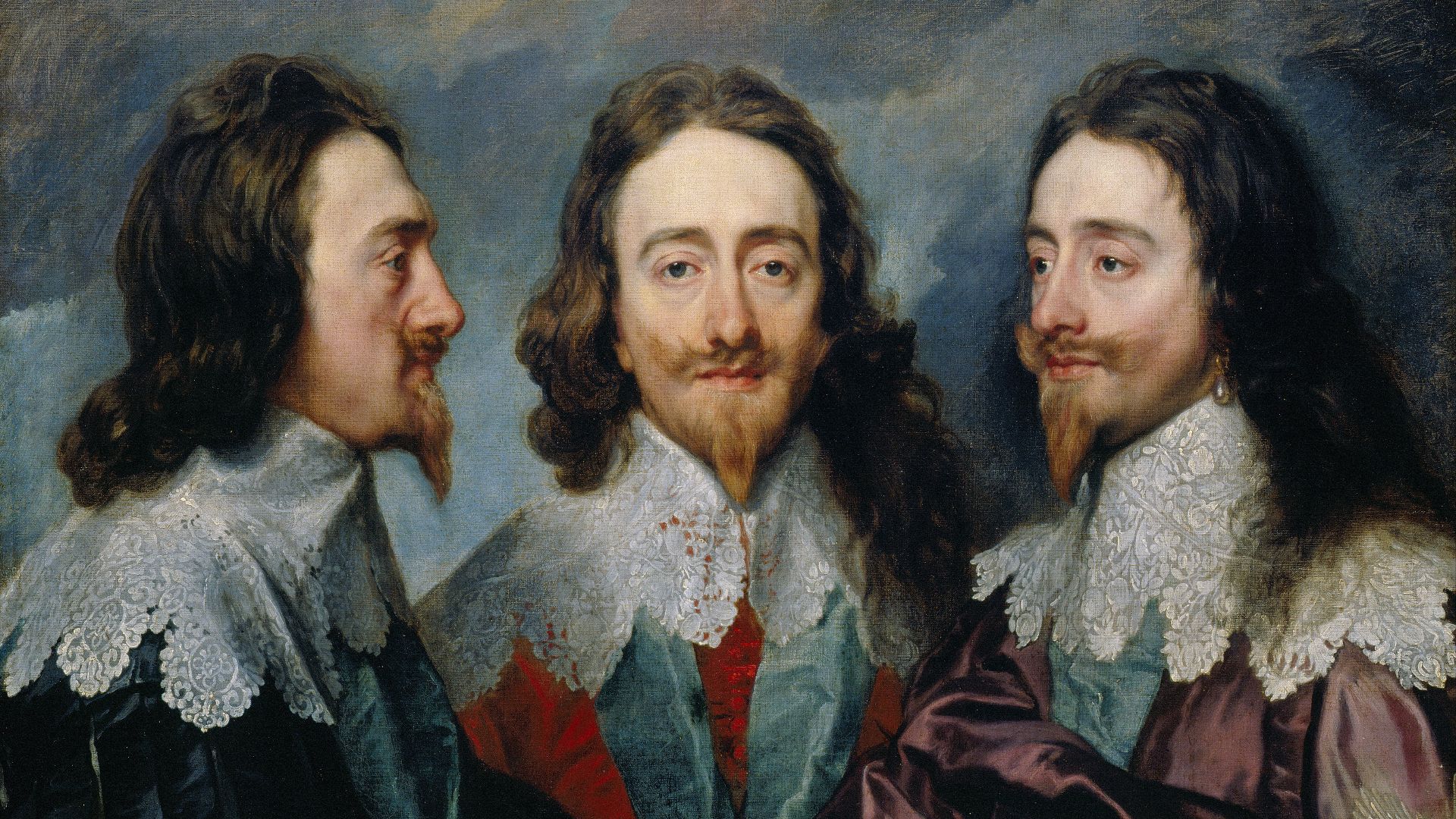 Sir Anthony Van Dyck (1599 - 1641) Details on Google Art Project on Wikimedia
9. Marie Antoinette And Her Children By Élisabeth Vigée Le Brun
Marie Antoinette’s portrait with her children was meant to soften a damaged public image. Instead of leaning on luxury, it shows her as a mother in a restrained gown, surrounded by her family. The empty cradle adds a painful note of loss, giving the image more feeling than a simple royal makeover.
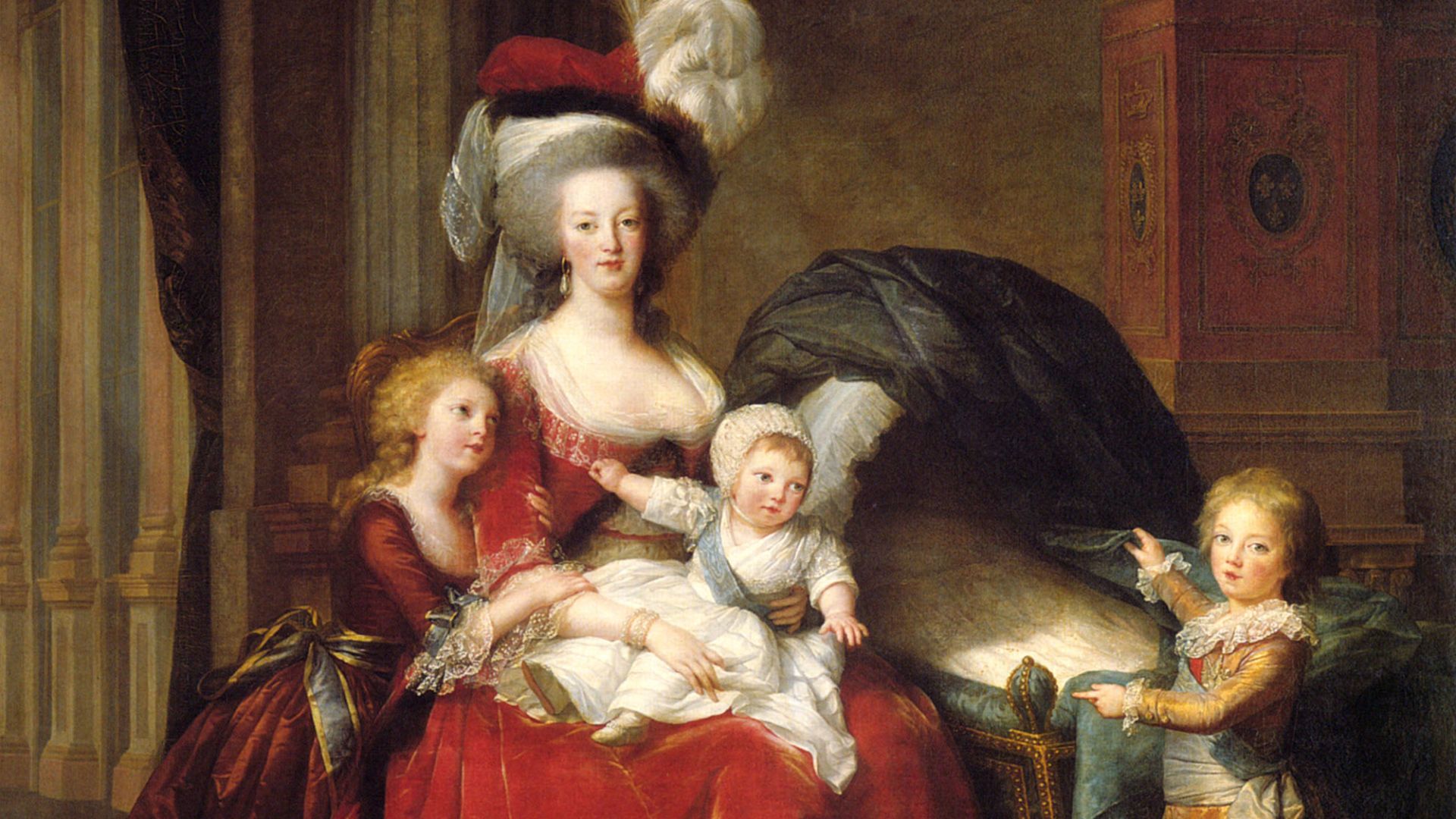 Élisabeth Louise Vigée Le Brun on Wikimedia
10. Queen Elizabeth II, Lightness Of Being By Chris Levine
Chris Levine’s Lightness Of Being gives Queen Elizabeth II a rare moment of stillness. Her eyes are closed, and the portrait feels calm rather than stiff or ceremonial. Instead of showing a monarch commanding a room, it shows a quiet, private-looking moment that feels unexpectedly human.
KEEP ON READING