

When Clothes Became a Crisis
Fashion has never just been about looking good, it's been a reliable way to make people furious for centuries. A hemline, a hat, or the wrong kind of trouser has been enough to trigger sermons, legislation, and the occasional riot. Some of it looks almost comically tame from here, and some of it makes total sense once you know what was actually going on underneath. Clothes have always doubled as a stand-in for bigger arguments about gender and class. Here's 20 fashion choices that caused real outrage in their time.
 Tim Evanson from Cleveland Heights, Ohio, USA on Wikimedia
1. Poulaines
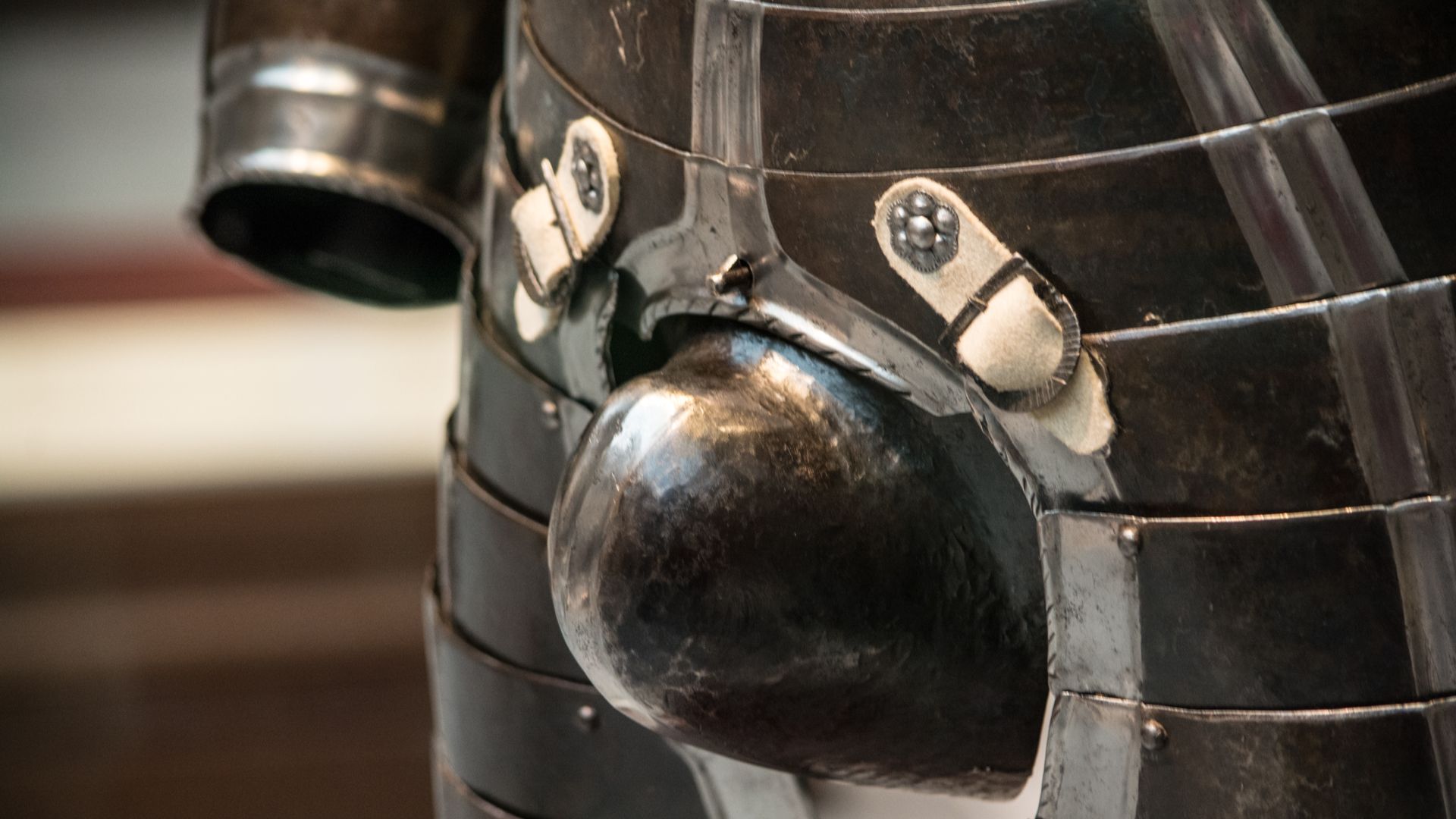
Extremely long, pointed shoes called poulaines became fashionable across parts of Europe in the late 1300s, with some tips stretching a foot or more beyond the toes. Moralists complained they were impractical and vain, and England eventually passed a law in 1463 limiting how far the point could extend.
 commons.wikimedia.org on Google
2. Codpieces
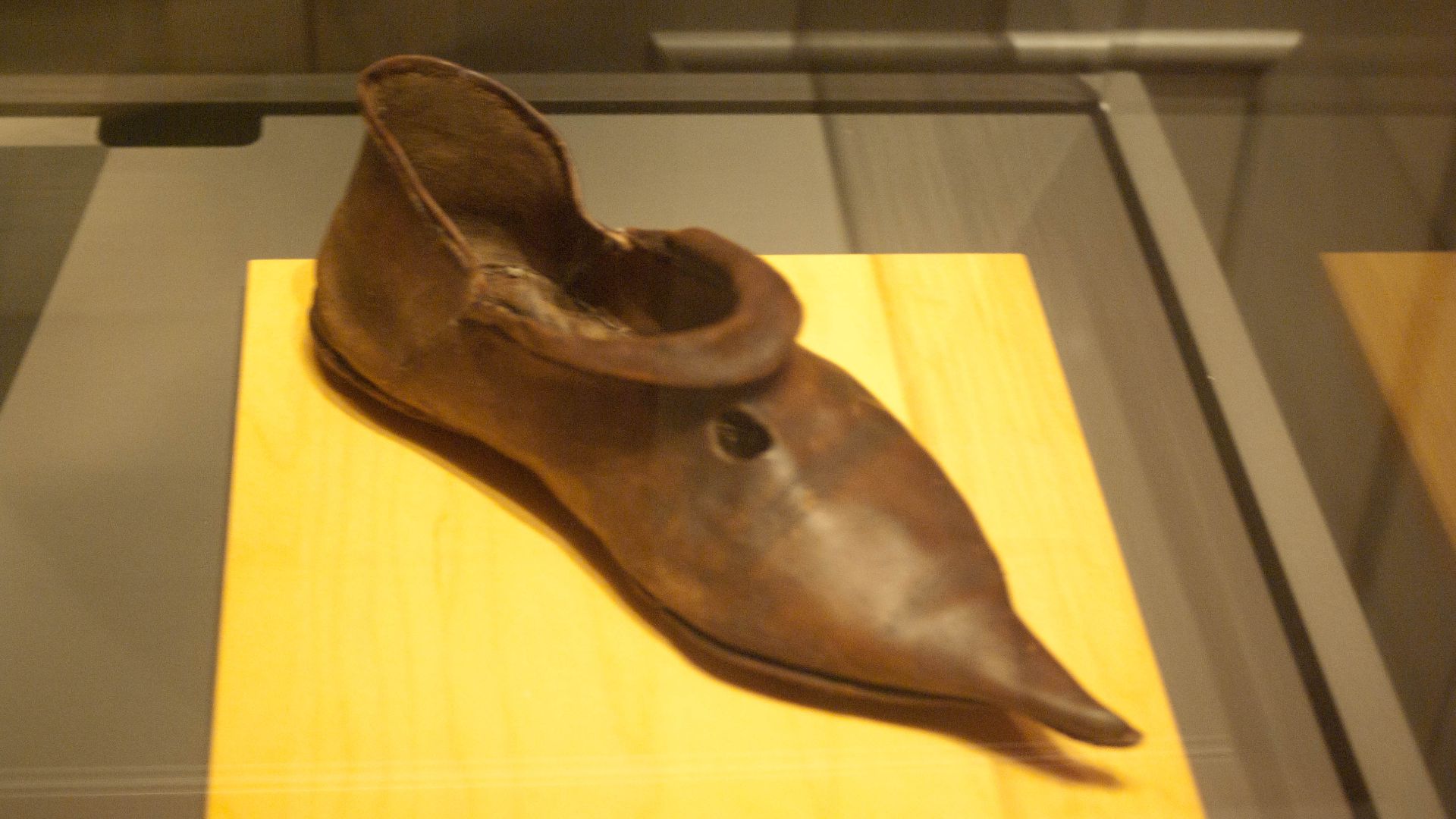
Tudor-era codpieces started as a practical solution for covering the gap in men's hose, then turned into an exaggerated fashion statement under Henry VIII's court. Padded, decorated, and sometimes comically oversized, they drew criticism from clergy who saw them as vulgar rather than modest.
3. Ruffs
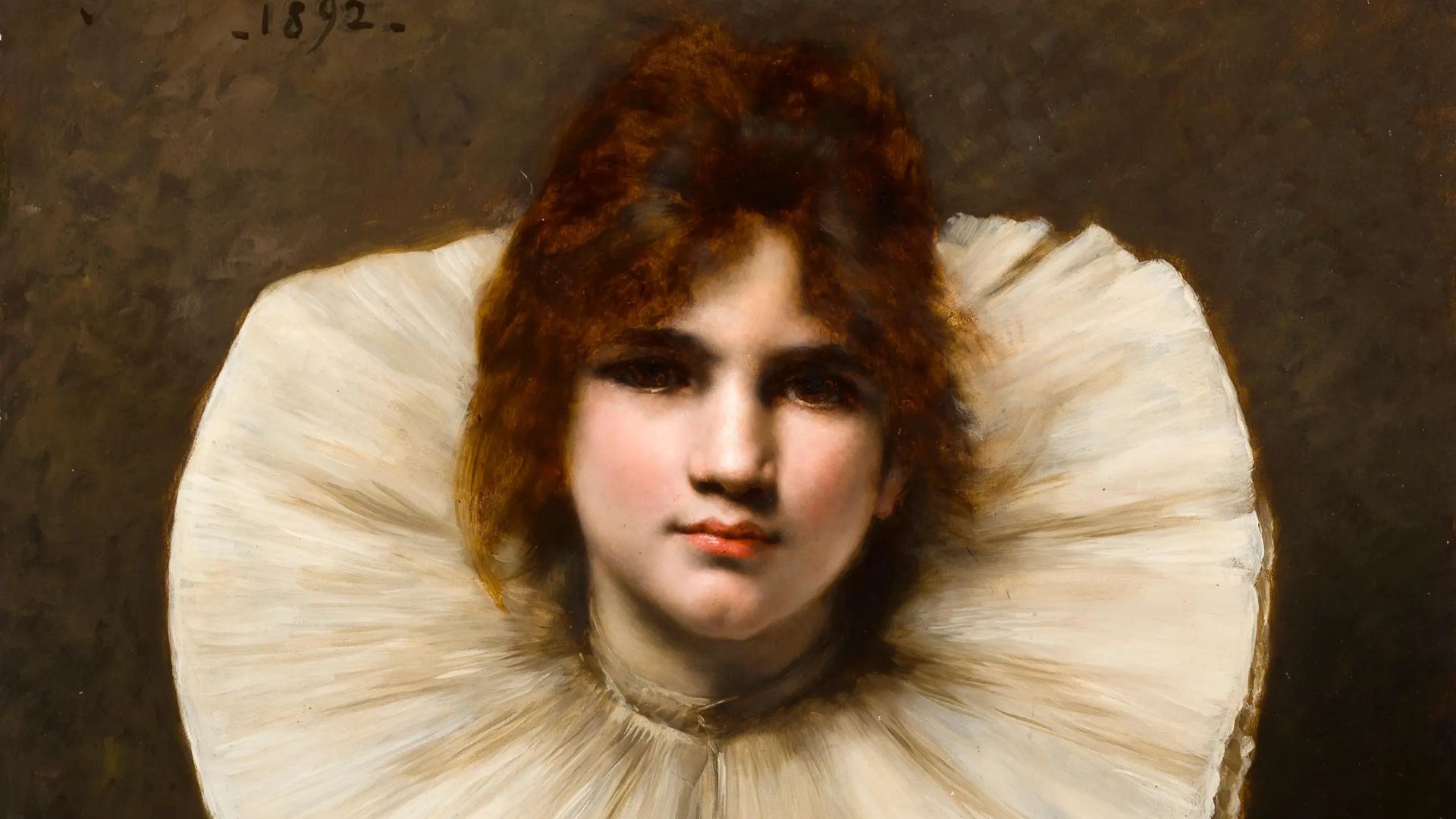
The stiff, elaborate neck ruffs of Elizabethan England grew so large that some required wire supports just to stay upright. Puritan critics condemned them as wasteful vanity, and several sumptuary laws tried to cap their size based on a wearer's social rank.
 Carolina Carlesimo on Wikimedia
4. Chopines
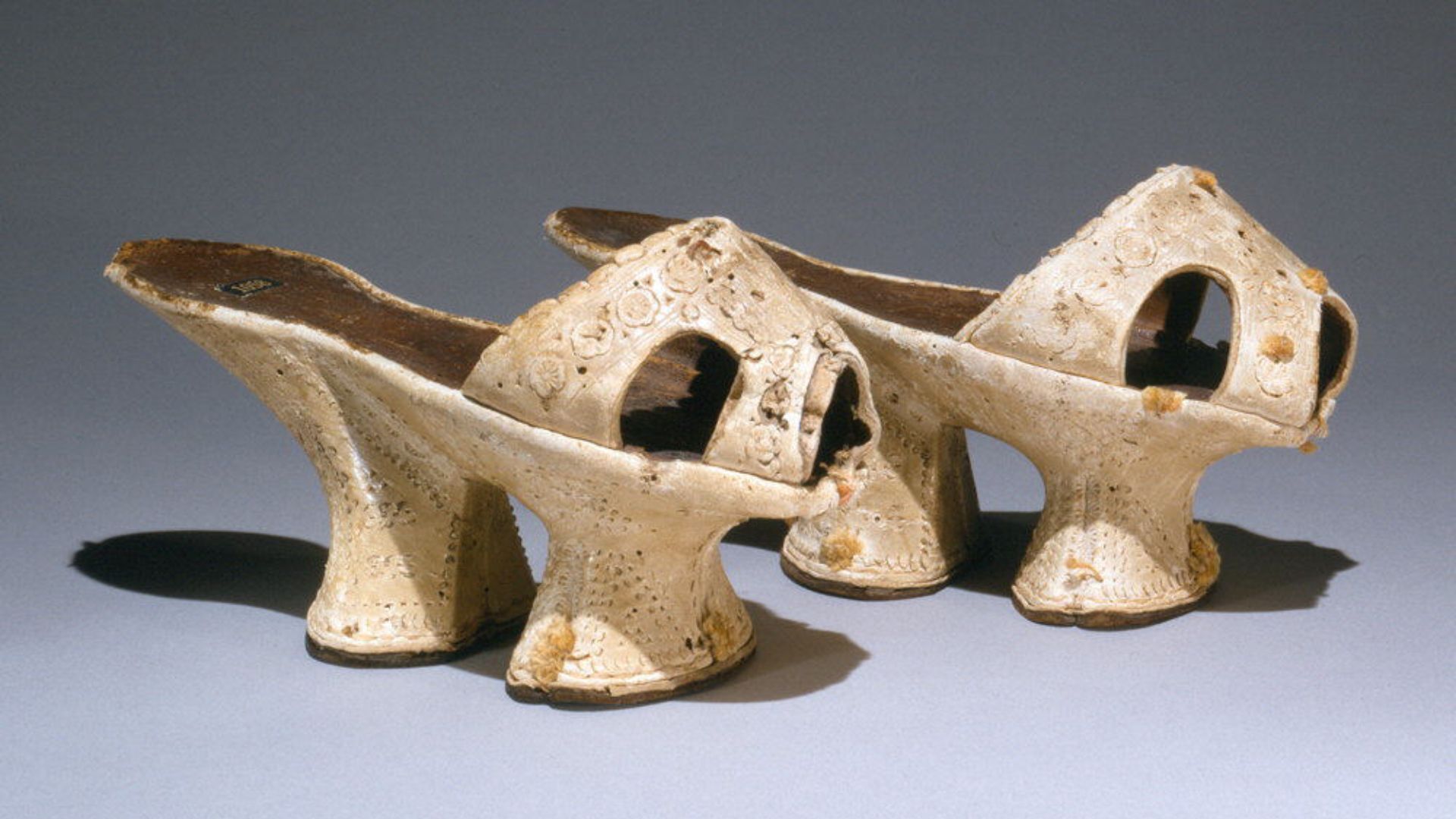
Venetian chopines were platform shoes that could reach well over a foot in height, sometimes requiring servants just to help a woman stay upright while walking. Critics associated the exaggerated height with vanity and, in some cases, with courtesans trying to stand out.
5. Sheer Muslin Dresses
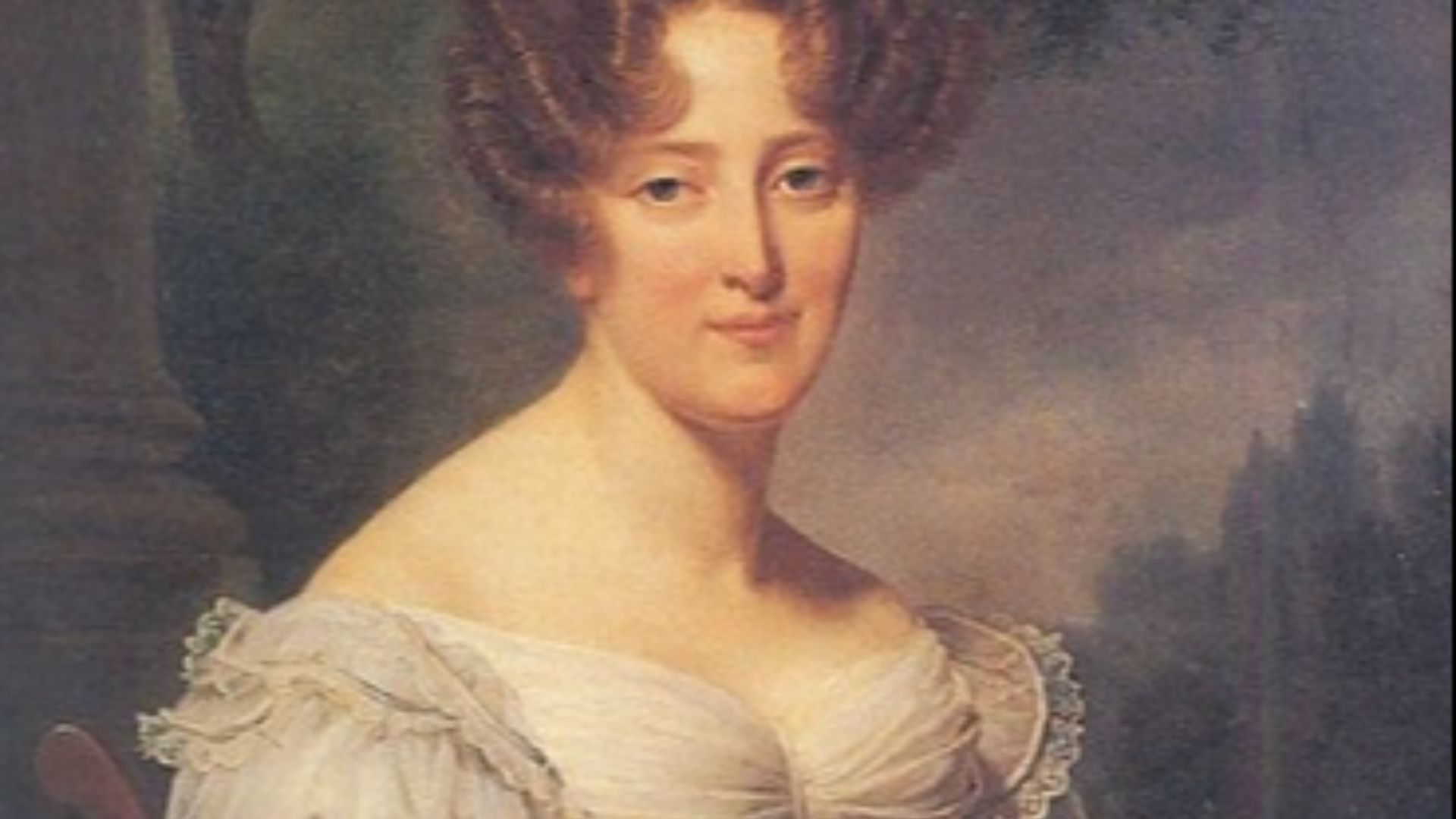
After the French Revolution, fashionable women in Paris started wearing sheer, lightweight muslin dresses inspired by classical statues, some of them dampened to cling even closer to the body. Critics were scandalized by how much the fabric revealed, and satirists had a field day drawing women who looked essentially undressed.
 Auguste-François Laby on Wikimedia
6. Women in Trousers
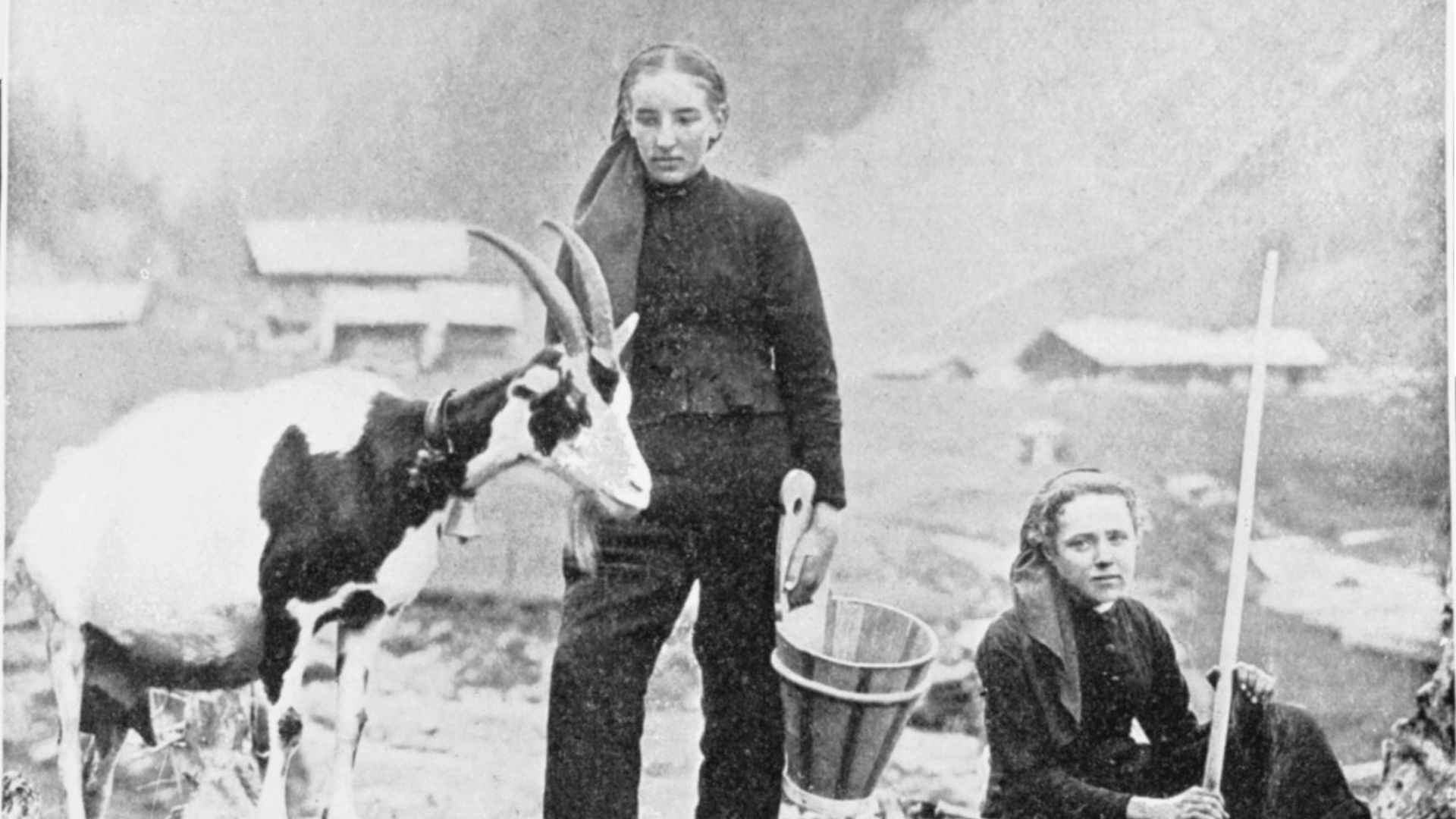
Paris passed an ordinance in 1800 requiring women to get police permission before wearing trousers in public, treating menswear on a woman as something close to a public order issue. Writers like George Sand defied it anyway and became notorious for wearing men's clothing openly. The law technically stayed on the books, mostly ignored, until it was formally repealed in 2013.
 J. Brocherel, Aosta, Italy. on Wikimedia
7. Crinoline
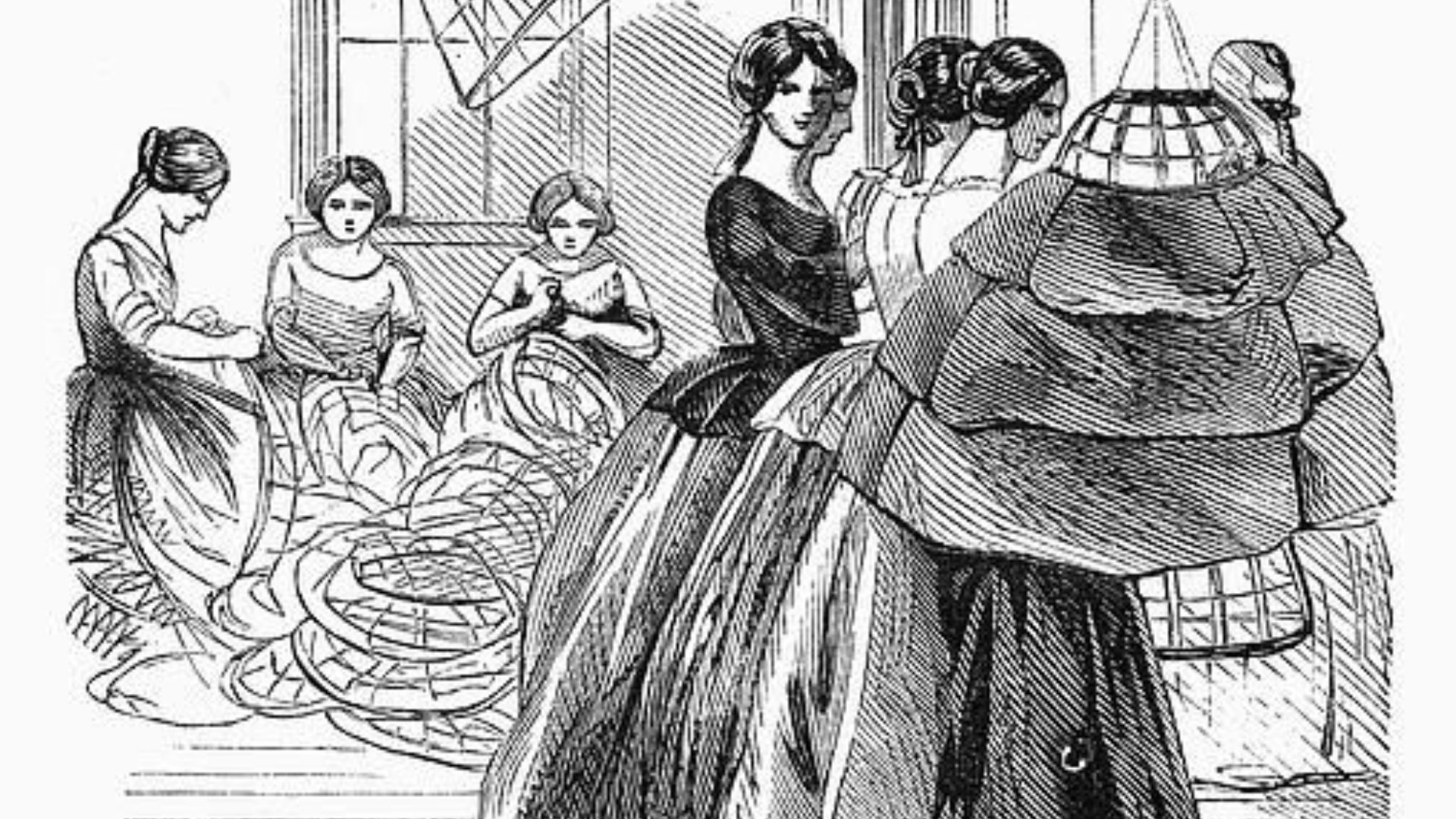
The crinoline cage that ballooned women's skirts in the 1850s and 60s made for dramatic silhouettes and a genuinely dangerous amount of flammable fabric. Newspapers reported women catching fire from fireplaces and candles with alarming regularity, and the style got mocked relentlessly in cartoons even as it stayed popular.
 Unknown authorUnknown author on Wikimedia
8. Bloomers
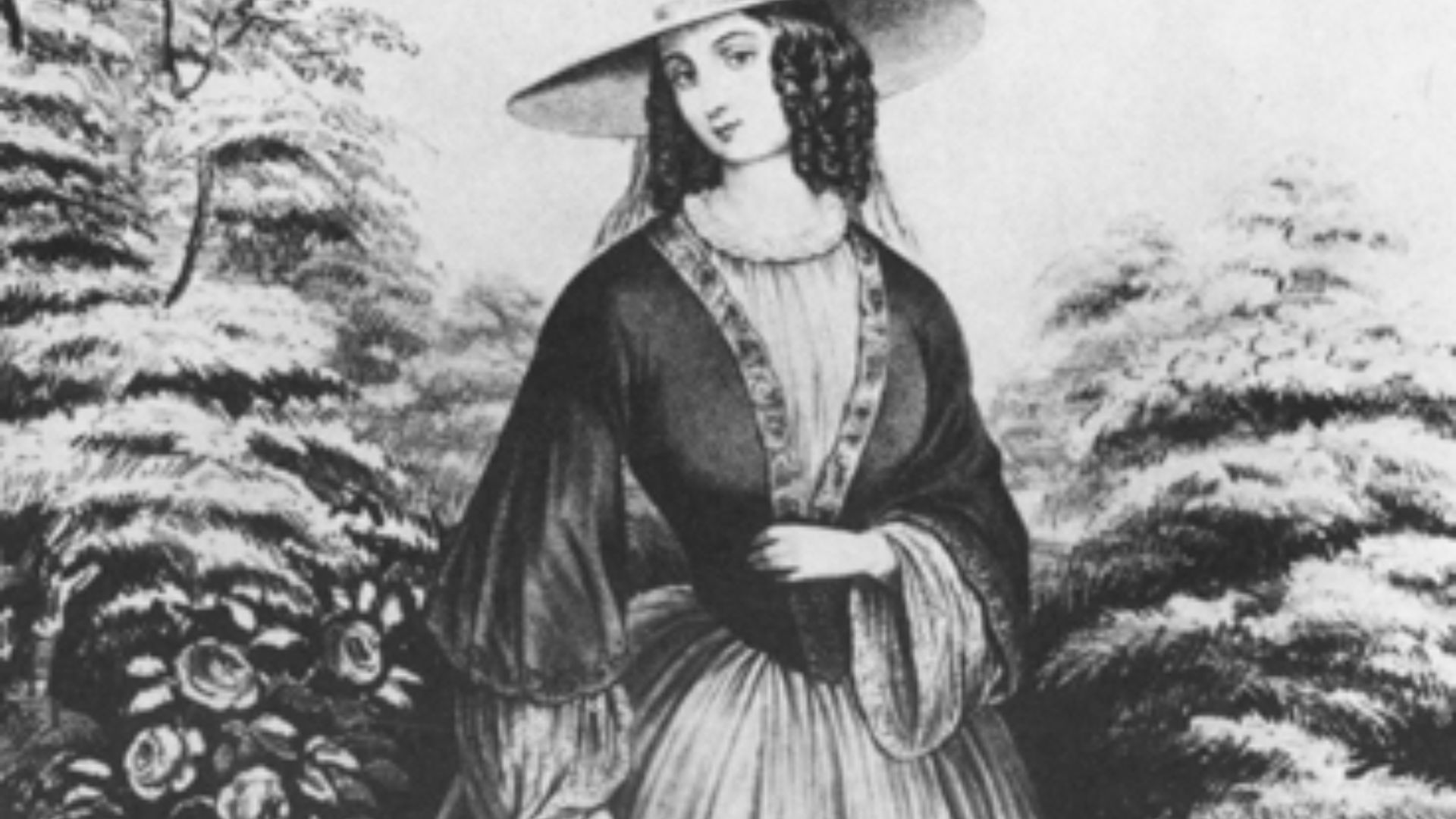
Amelia Bloomer helped popularize loose trousers worn under a shorter skirt in the 1850s, meant as a practical alternative to heavy, restrictive dresses. The press had a field day mocking the style as unfeminine and vaguely threatening to the social order. Women who wore them in public sometimes faced open harassment, and the trend faded quickly under the pressure.
 Unknown authorUnknown author on Wikimedia
9. Feathered Hats
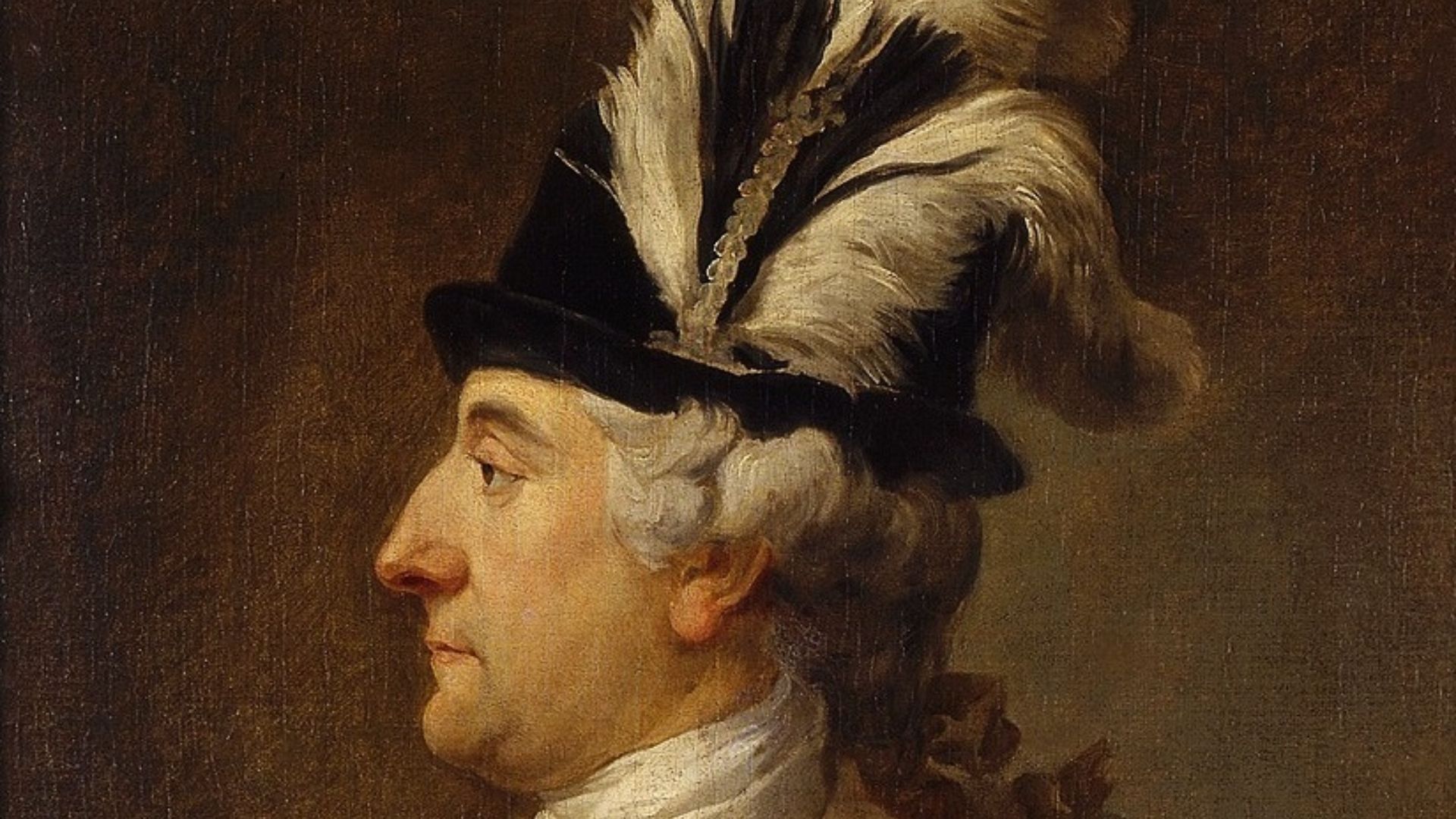
Edwardian hats piled high with feathers, and sometimes entire preserved birds, became a status symbol at the turn of the twentieth century. The demand for plumes fueled a hunting industry so aggressive that conservationists organized real campaigns against it, eventually helping push early wildlife protection laws.
 Marcello Bacciarelli on Wikimedia
10. Annette Kellerman's Swimsuit
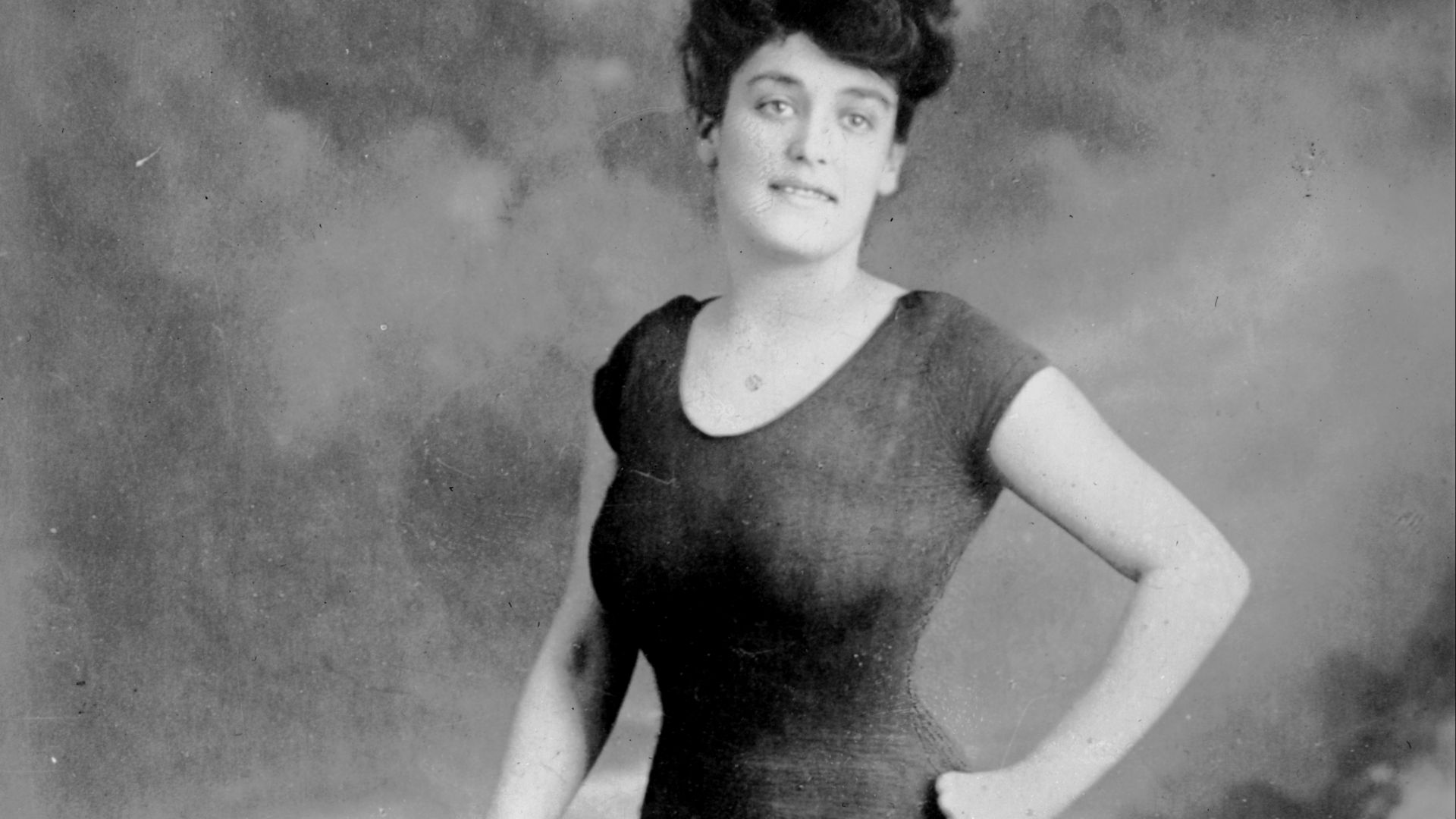
Australian swimmer Annette Kellerman was arrested on a Boston beach in 1907 for wearing a form-fitting one-piece swimsuit that showed her arms and legs. At the time, women's swimwear was expected to include full skirts and stockings, so her streamlined suit read as scandalous rather than practical. The arrest ended up helping normalize more functional swimwear over the following decade.
 Bain News Service, publisher on Wikimedia
11. Hobble Skirts
Designer Paul Poiret introduced hobble skirts in the 1910s, cut so narrow at the ankle that walking required tiny, shuffling steps. Newspapers reported women tripping, and in some cases getting seriously hurt trying to board streetcars in them.
12. Flapper Dresses
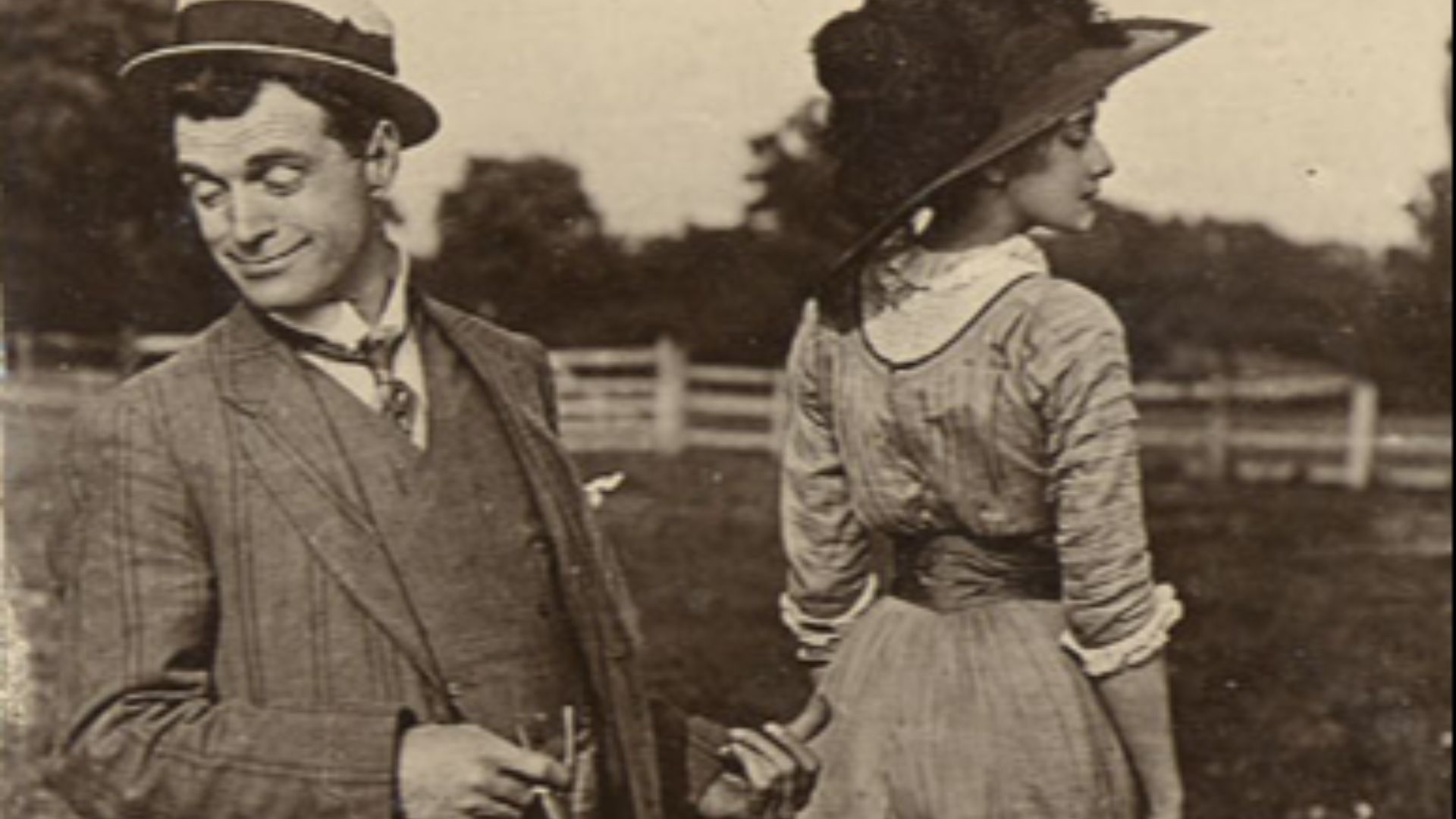
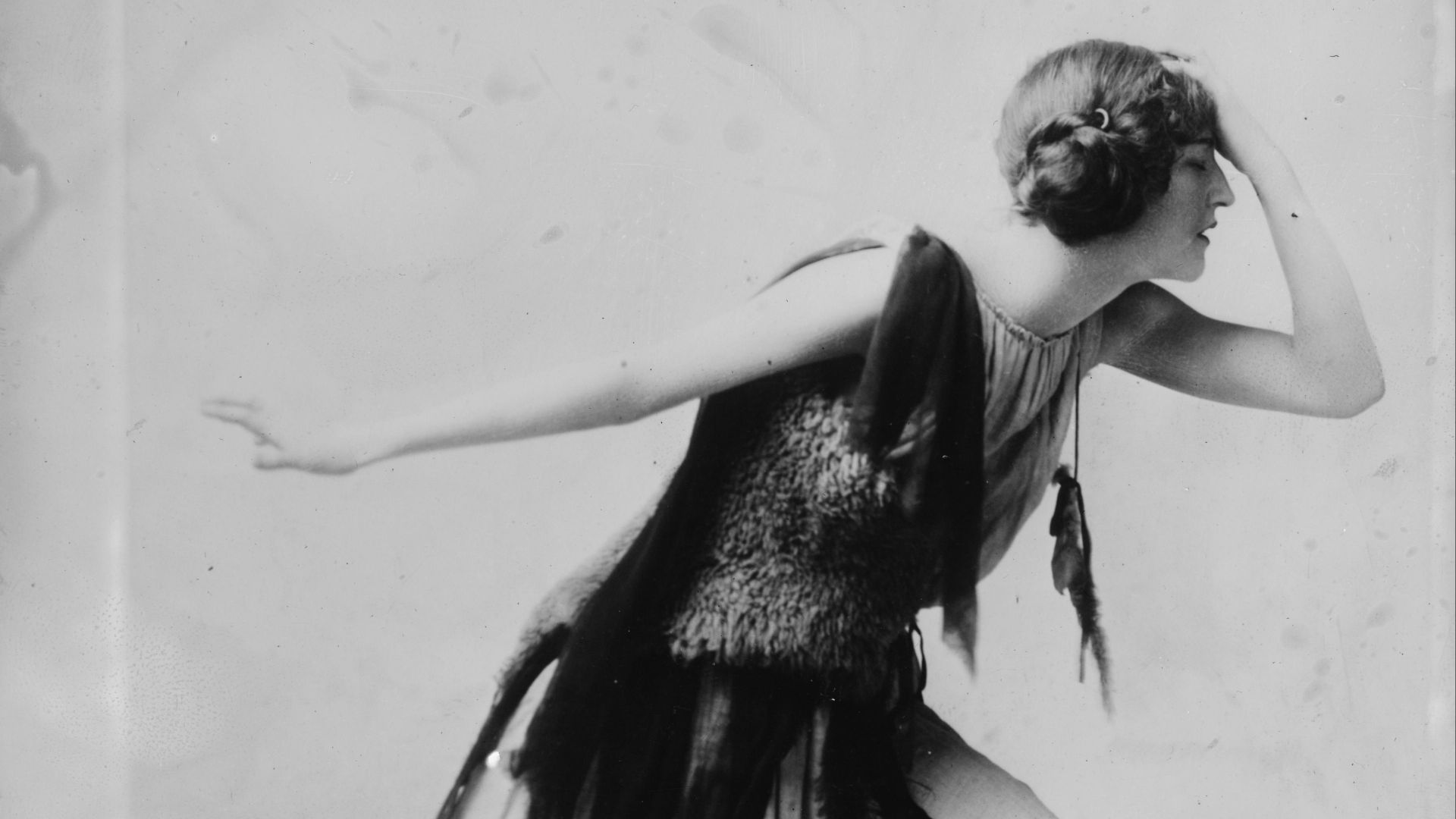
1920s flapper dresses raised hemlines above the knee and did away with restrictive corseting, which plenty of critics treated as a moral emergency. Clergy denounced the style from the pulpit, and several U.S. towns floated actual ordinances trying to regulate how short a skirt could legally be. None of it stopped the trend from spreading fast.
 Bain News Service on Wikimedia
13. Chanel's Jersey Trousers
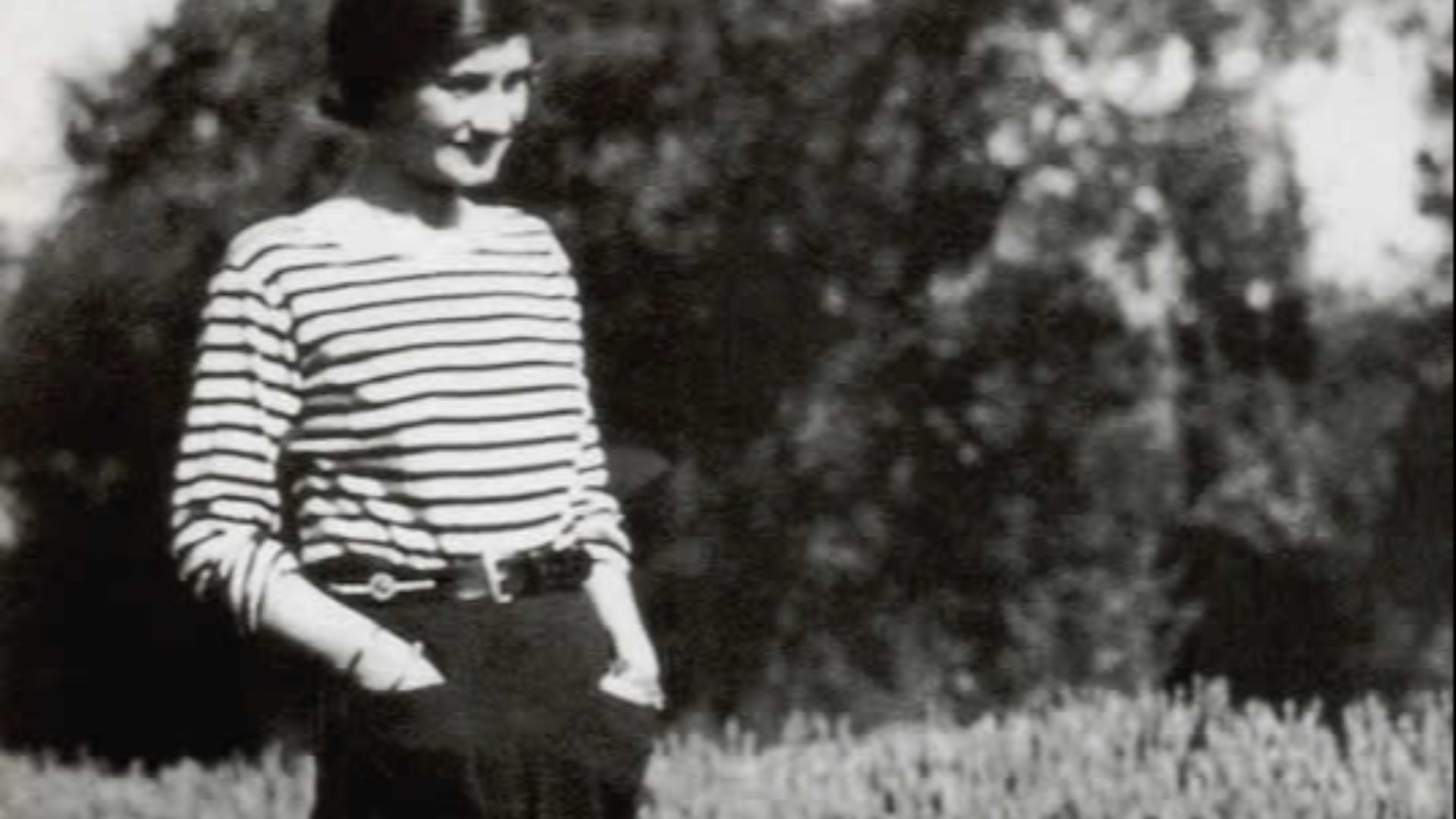
Coco Chanel built part of her early reputation on using jersey, a fabric previously reserved for men's underwear, to make simple, unstructured women's clothing. High society at first treated the look as cheap and scandalously plain compared to the elaborate dresses it was replacing. It ended up reshaping what women's fashion looked like for the rest of the century.
 commons.wikimedia.org on Google
14. Marlene Dietrich's Suits
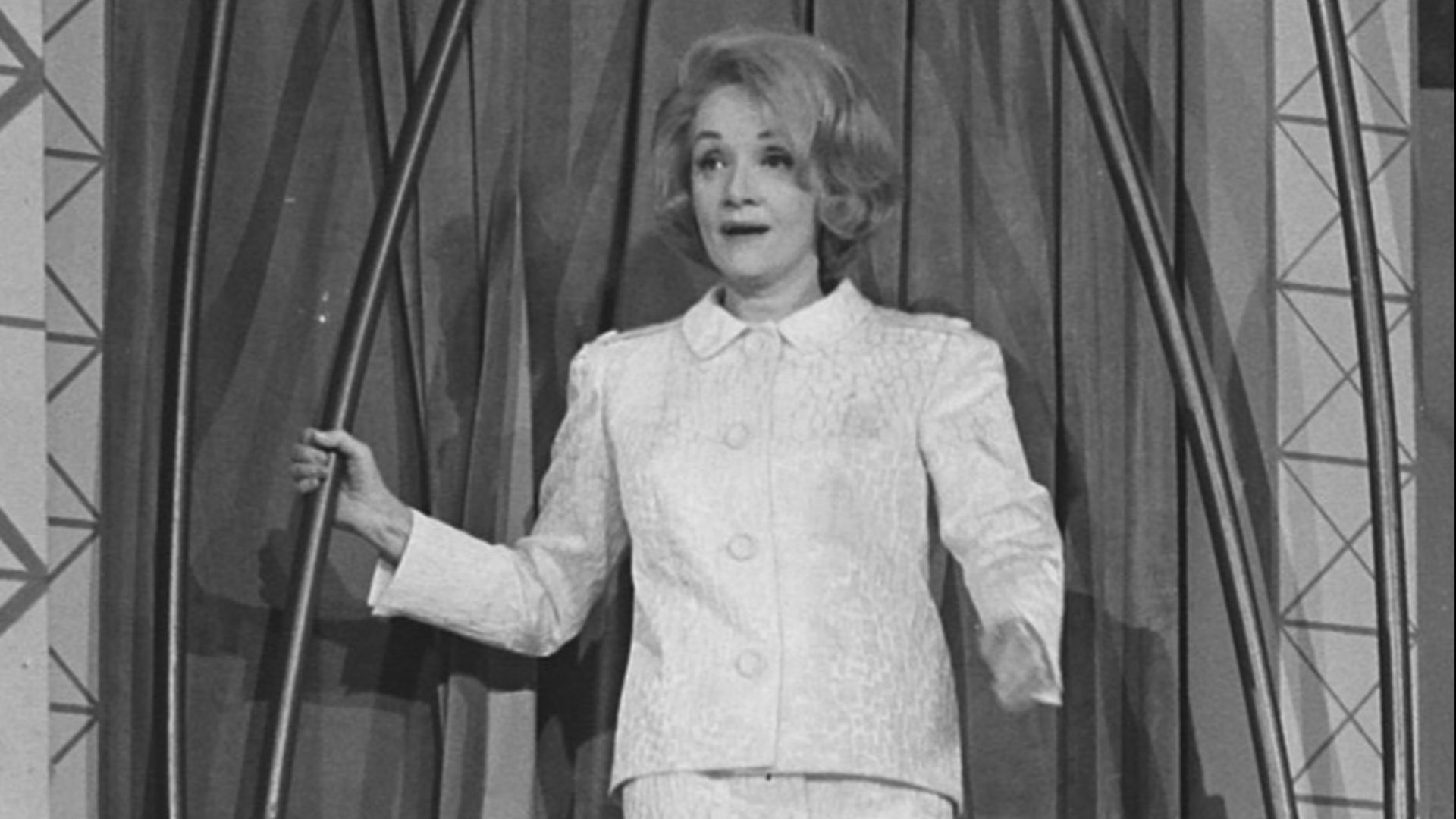
Marlene Dietrich wore full men's suits in public and on screen during the 1930s, at a time when that kind of cross-dressing could draw real legal trouble in some cities. Studios worried about the backlash, and some venues reportedly threatened to turn her away for it.
 Eric Koch for Anefo on Wikimedia
15. Zoot Suits
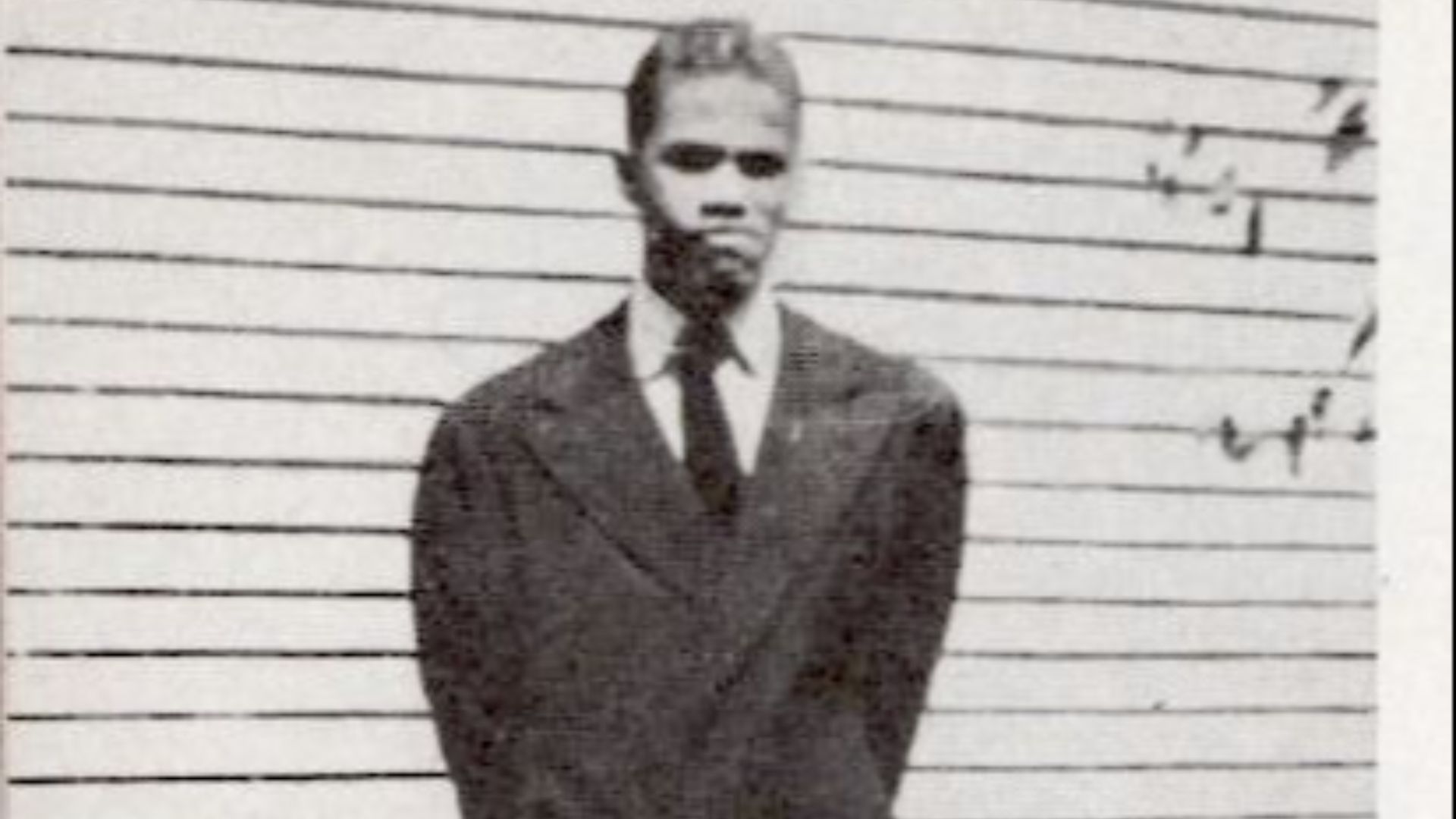
Zoot suits, with their oversized jackets and high-waisted, tapered pants, became popular among Mexican American and Black youth in the early 1940s. Critics called them wasteful during wartime fabric rationing, and the tension boiled over into the 1943 Zoot Suit Riots in Los Angeles, where servicemen attacked young men wearing the style.
 Unknown authorUnknown author on Wikimedia
16. The Bikini
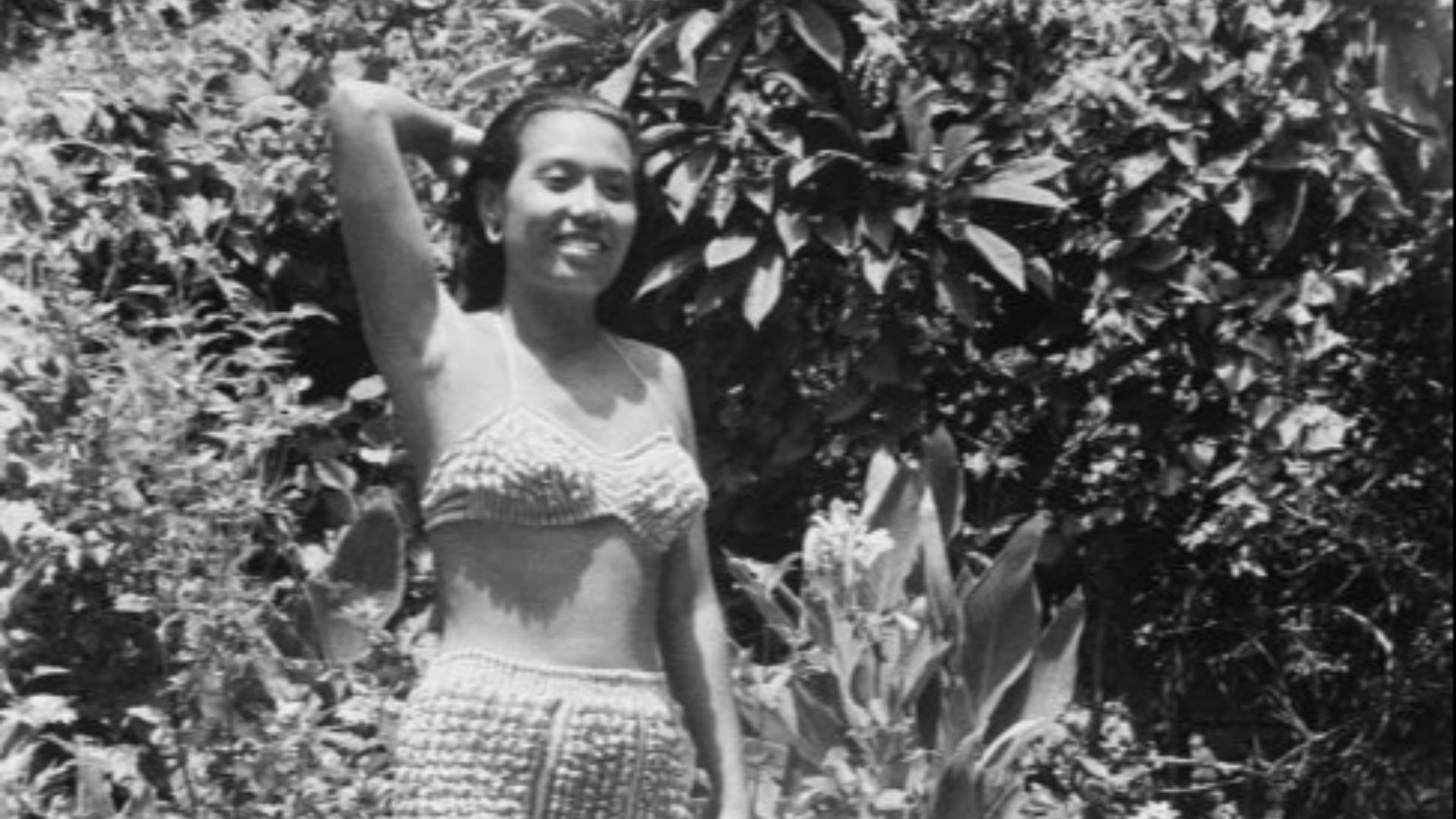
Louis Réard introduced the bikini in Paris in 1946, and it caused enough of a stir that no professional model would agree to wear it publicly at first. A dancer named Micheline Bernardini eventually modeled it instead. Several countries, including Italy and Spain, banned it from public beaches for years afterward.
 C.J. (Cees) Taillie (Fotograaf/photographer). on Wikimedia
17. Miniskirt
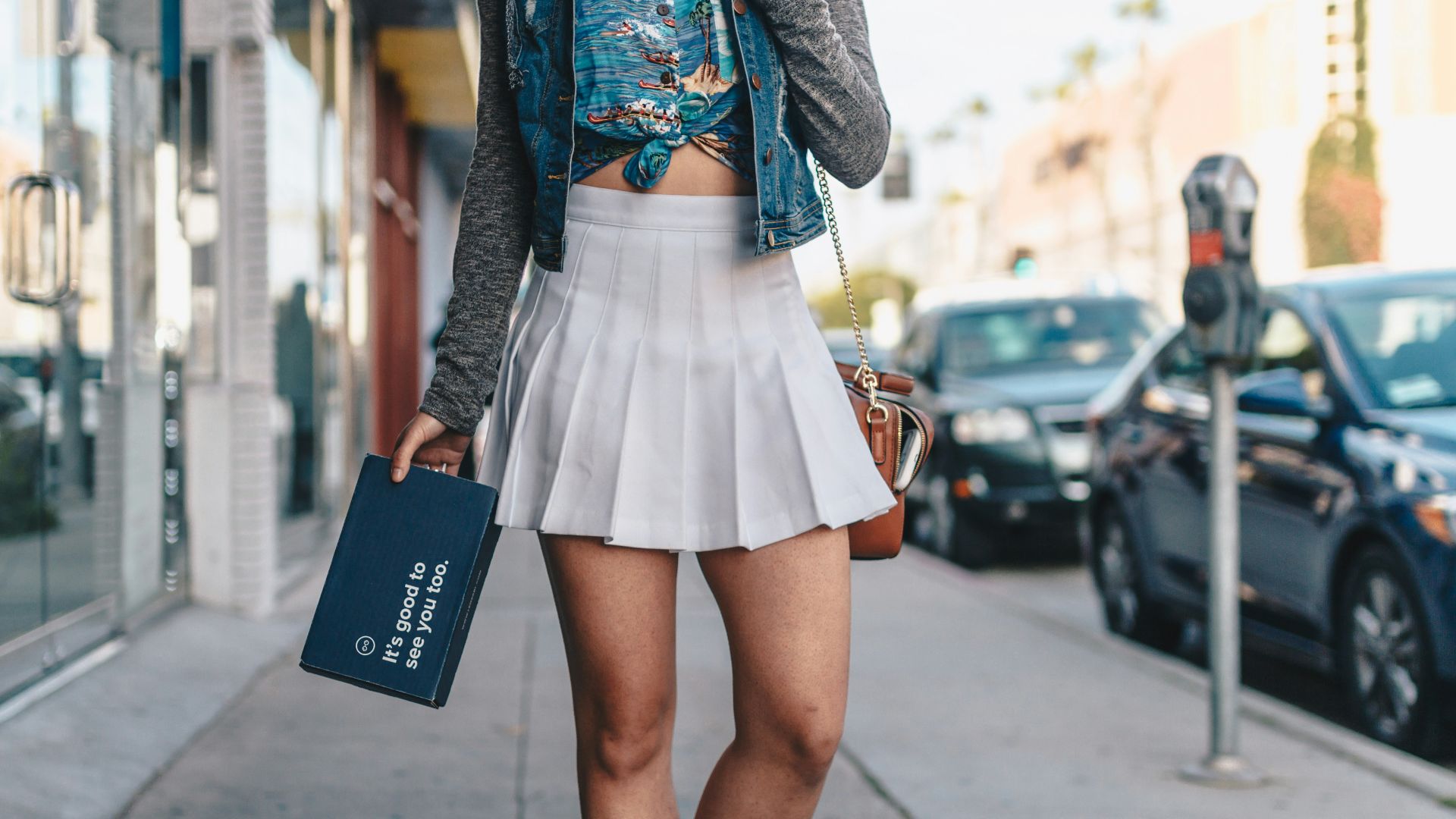
Mary Quant's miniskirts in the 1960s pushed hemlines higher than flapper dresses ever had, and reactions were just as heated. Some schools and workplaces banned them outright, and plenty of commentary treated the trend as a sign of moral decline. It became one of the defining looks of the decade anyway.
18. Doc Martens
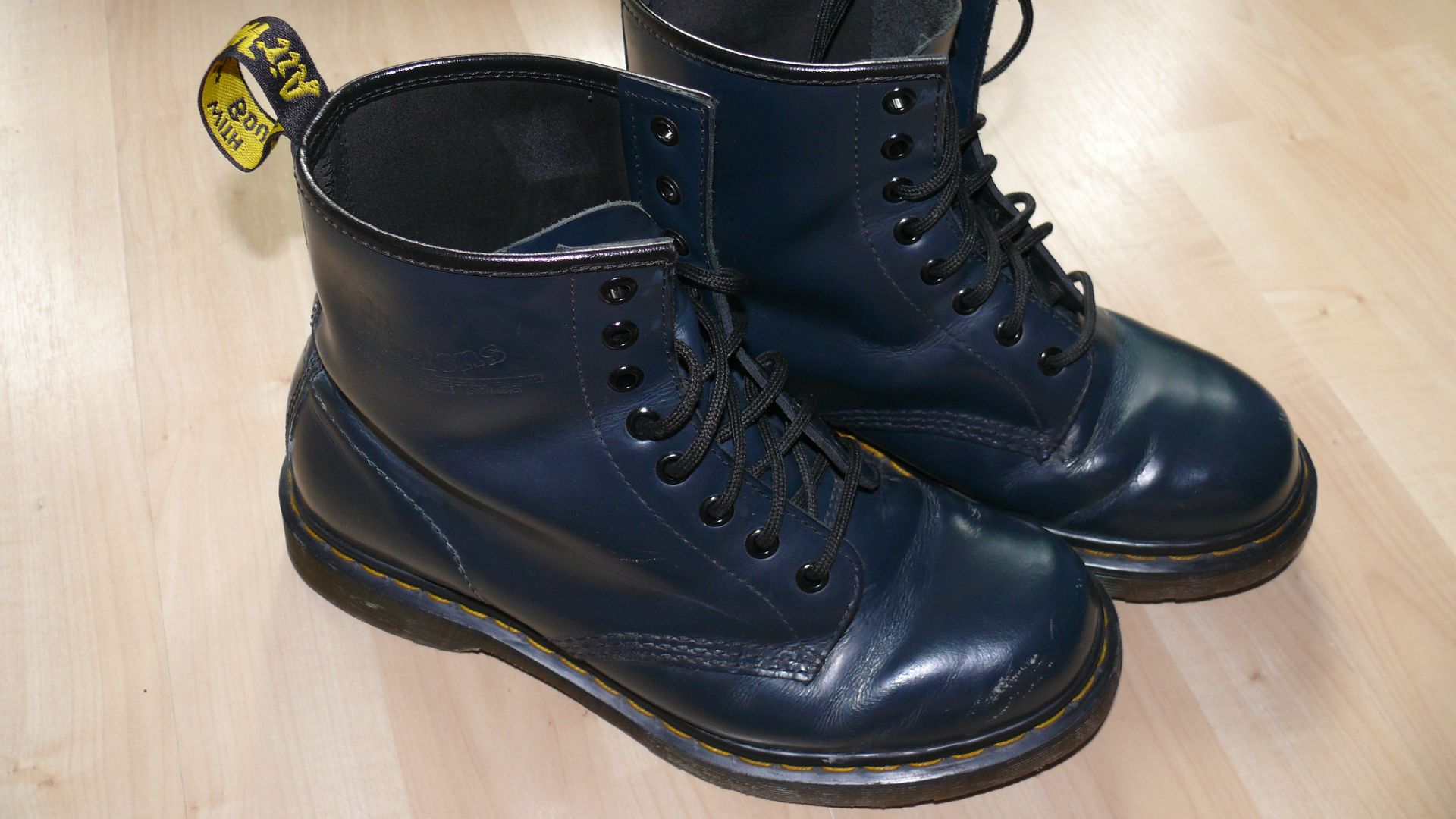
Doc Martens boots, originally designed as sturdy work footwear, got adopted by the skinhead subculture in Britain during the late 1960s and 70s and quickly became linked with football hooliganism and street violence in the press. Several UK schools banned them outright, treating the boots as a discipline problem rather than just footwear. The association stuck for years, even as later subcultures embraced the same boots for entirely different reasons.
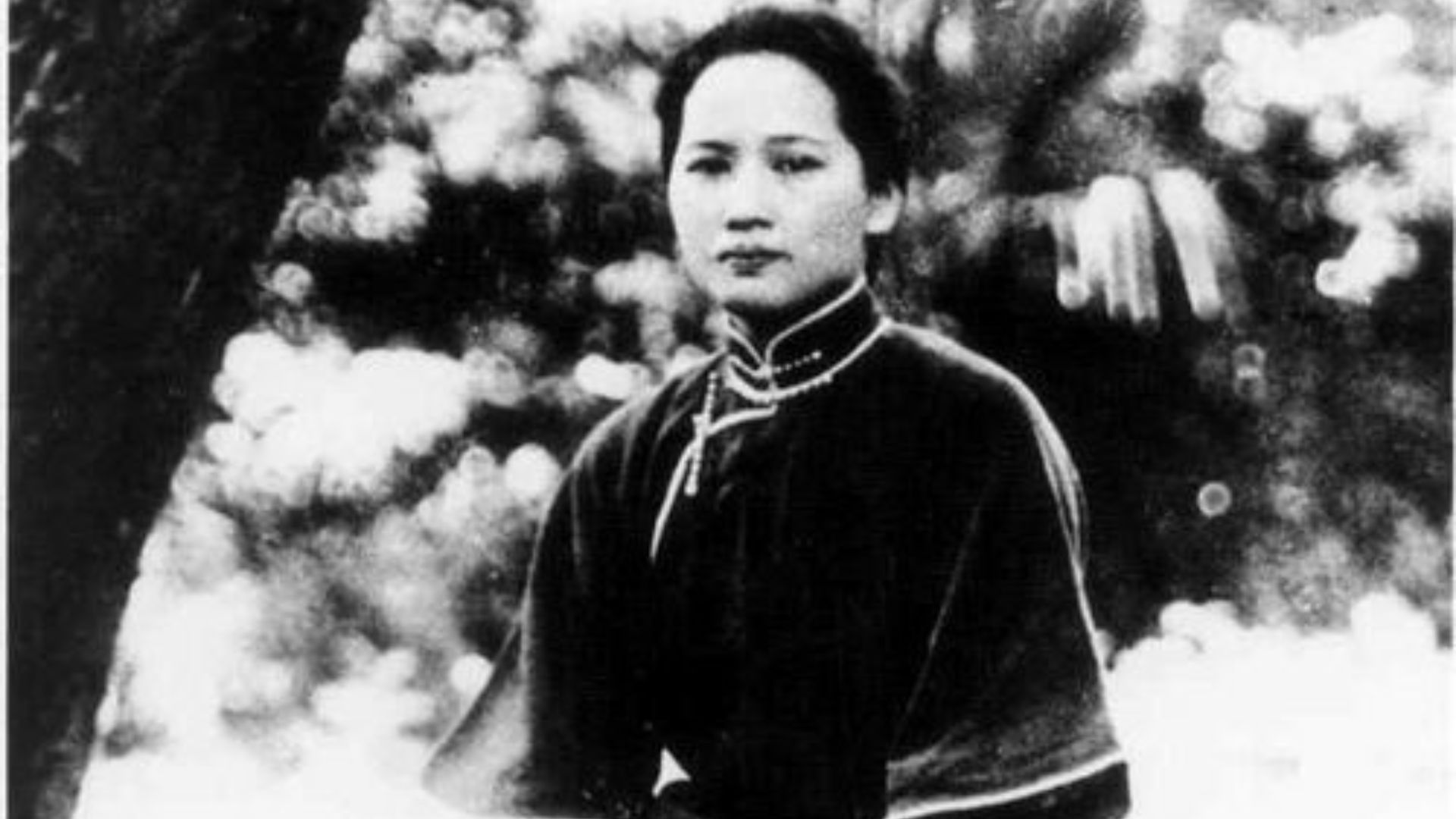
19. 1920s Shanghai Qipao
The qipao's transformation in 1920s Shanghai, tighter through the body and slit higher at the leg, marked a sharp break from looser, more traditional Chinese dress. Conservative critics saw the new silhouette as scandalously revealing and too influenced by Western fashion. It became wildly popular anyway and remains closely associated with the era.
 Unknown authorUnknown author on Wikimedia
20. Punk Fashion
Vivienne Westwood's punk designs in the 1970s, safety pins and deliberately ripped fabric, were built to provoke a reaction, and they got one. British tabloids treated the look as a genuine threat to public decency, and some venues banned punk-dressed patrons outright. The backlash mostly just cemented the style's reputation.

KEEP ON READING



.jpg)
