What They Never Meant To Send
Letters have always been more honest than the public version of a person, mostly because nobody expected them to end up in print. Plenty of famous authors built careers on a certain image, only to have private correspondence surface years later and complicate it. Sometimes it's one letter that got out when it shouldn't have. Sometimes it's a whole archive that paints a fuller picture than anyone signed up for. Here's 20 authors whose own letters ended up telling on them.
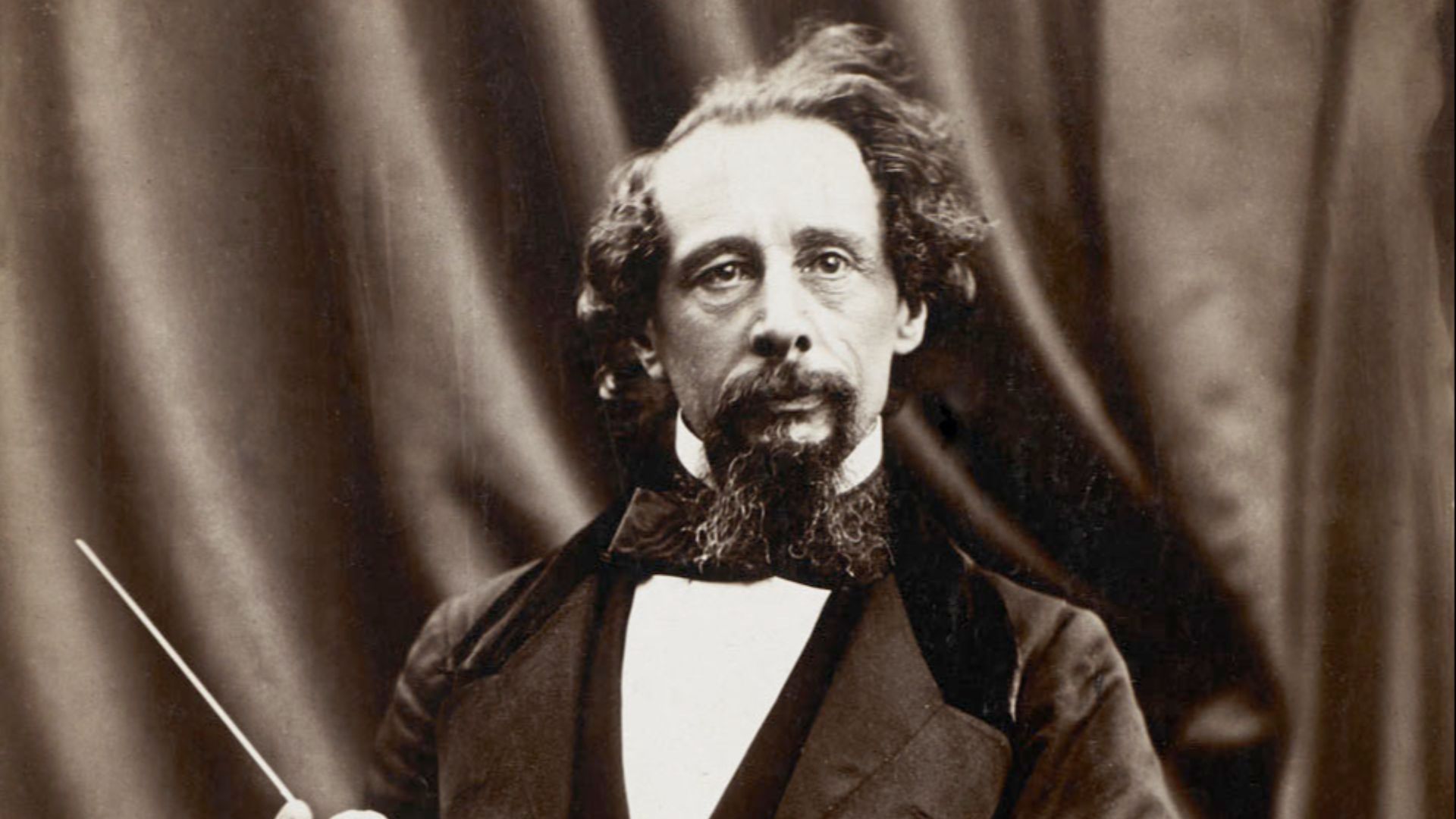 Herbert Watkins (1828–1916) on Wikimedia
1. Charles Dickens
Dickens spent years cultivating the image of a devoted family man, right up until his marriage to Catherine fell apart in 1858. A letter meant to stay private, explaining the split to a friend, ended up circulating in the press and painted Catherine unfairly while barely mentioning his own involvement with a young actress.
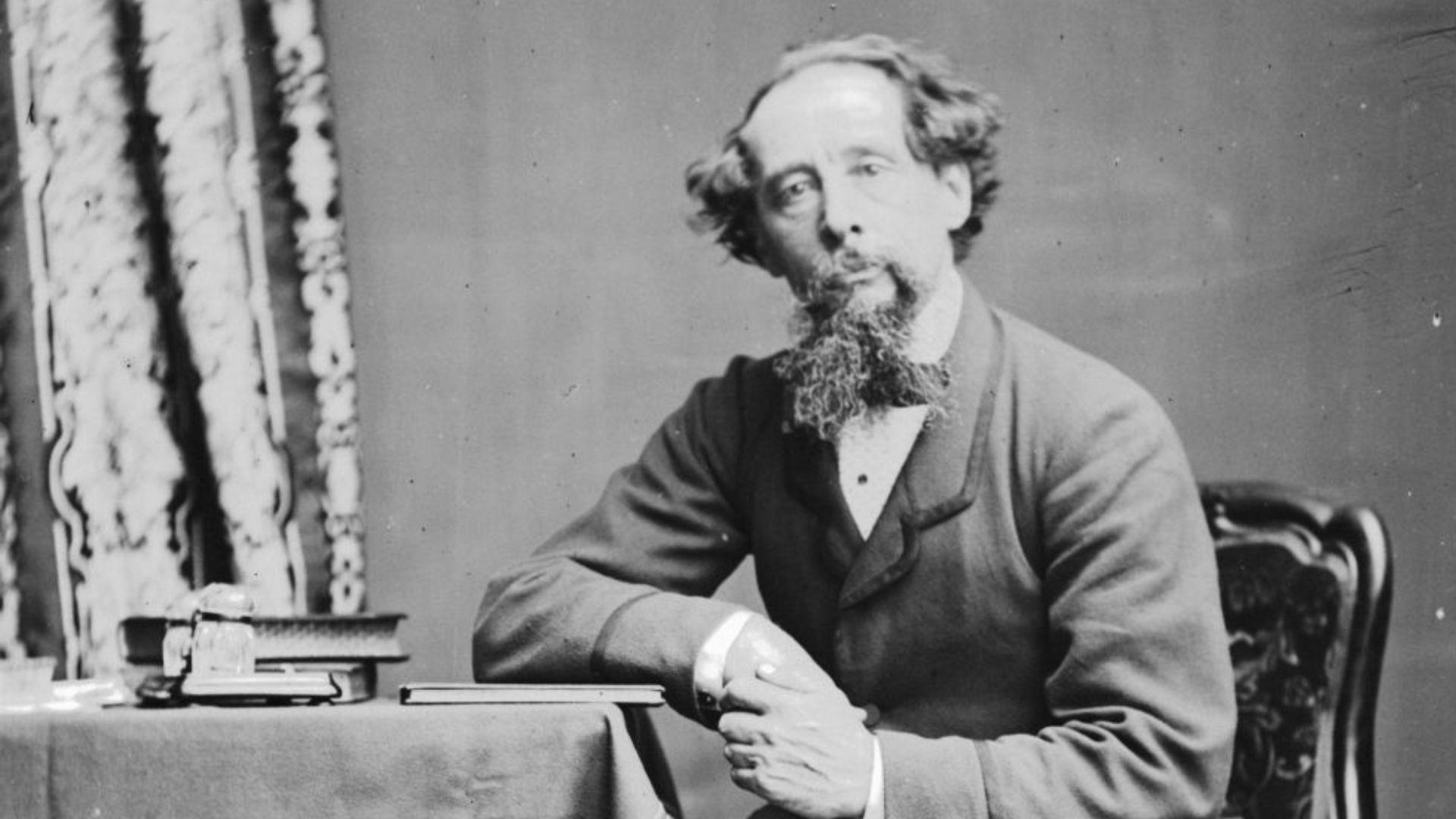
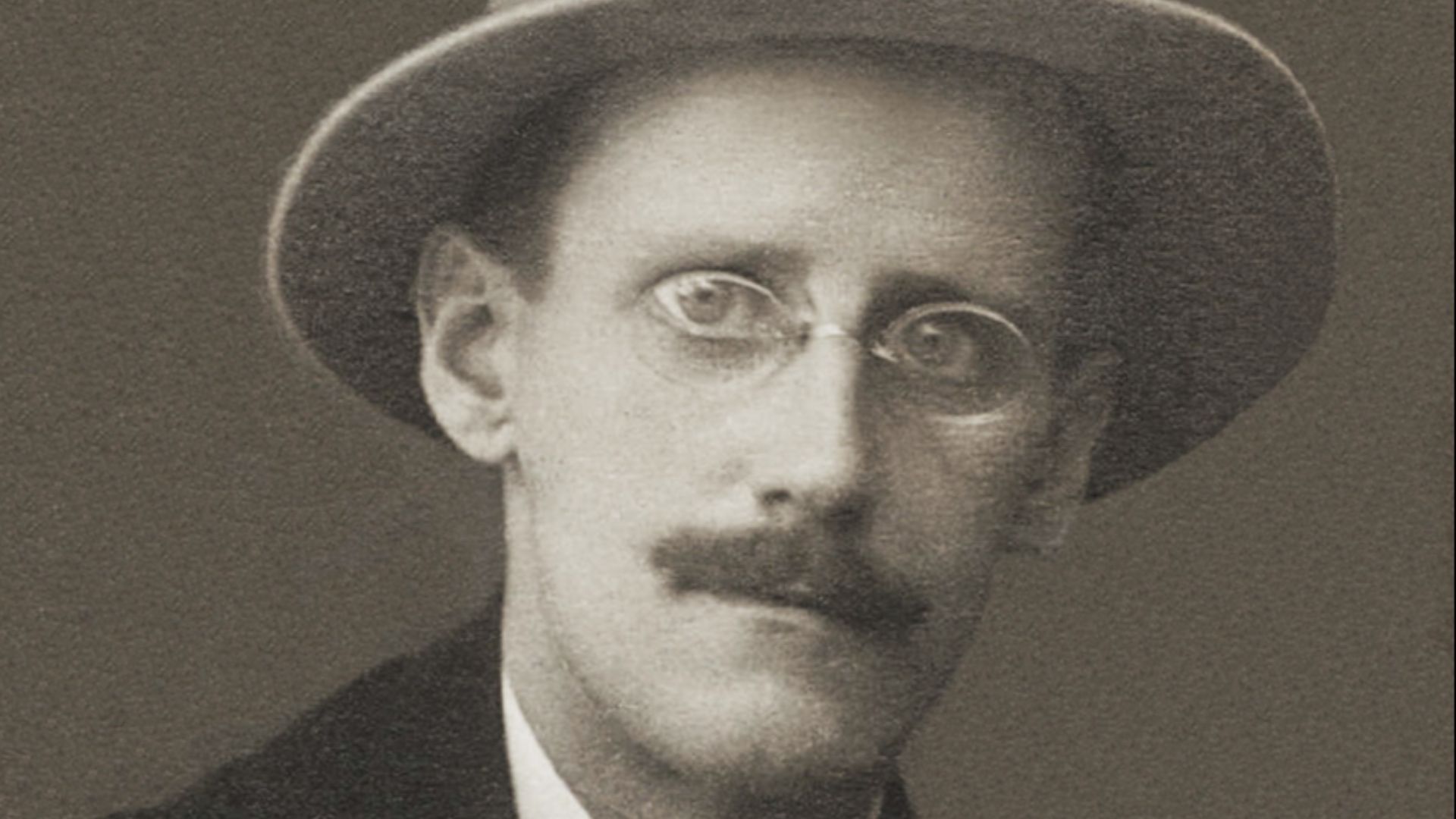
2. James Joyce
Joyce built his reputation on dense, cerebral modernism, the kind of writing that made him seem removed from anything crude. His 1909 letters to his partner Nora Barnacle told a very different story, and when they eventually became public decades later, readers got a much racier picture of the man behind Ulysses.
3. Sylvia Plath
Plath's story has always been tangled up with her marriage to Ted Hughes and her death in 1963. Letters she wrote to her psychiatrist, sealed for decades and released in 2017, included allegations of physical abuse that complicated the narrative biographers had long settled on. It reopened a conversation that had felt closed for years.
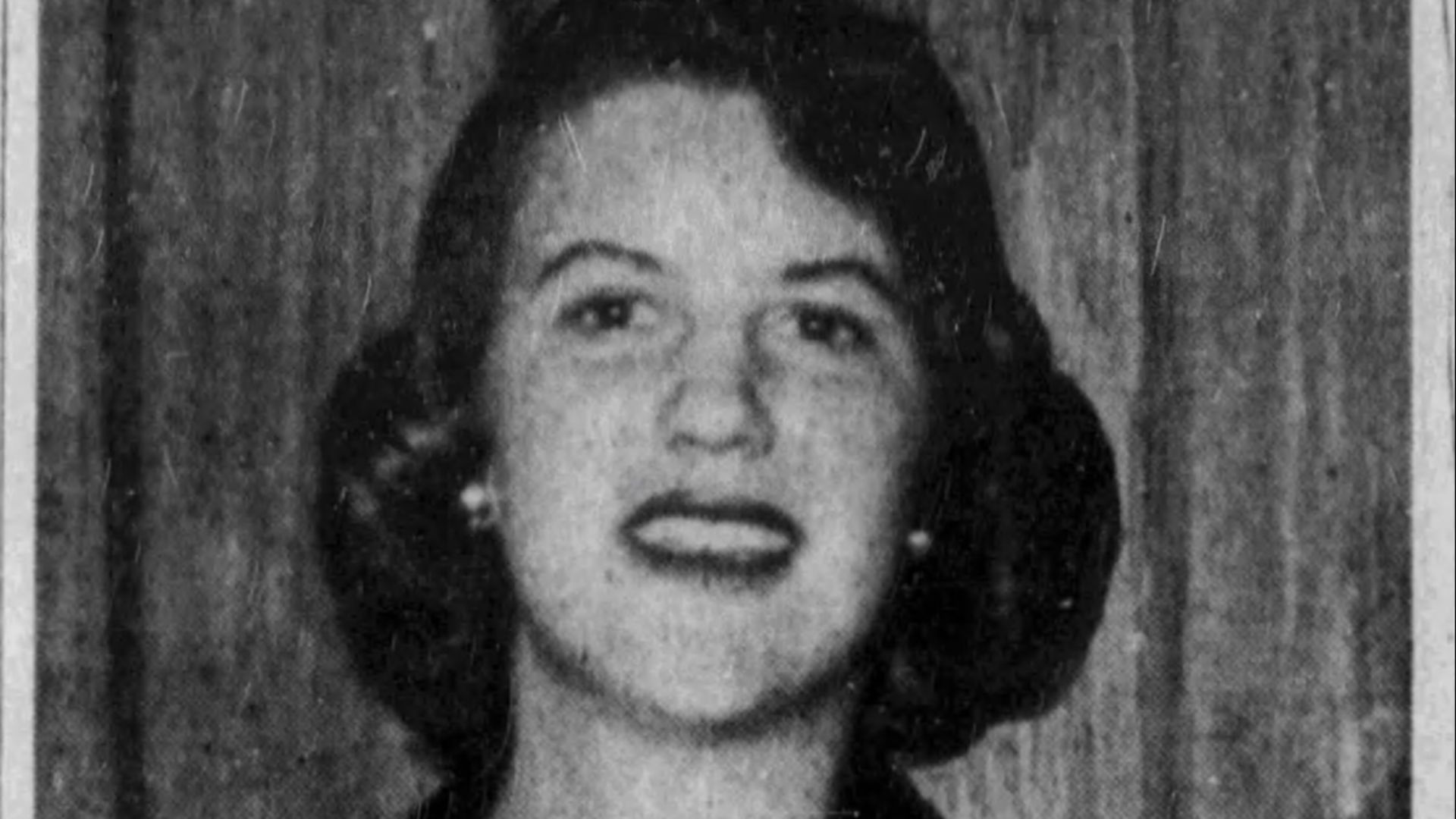 Distributed by Associated Press on Wikimedia
4. Ted Hughes
Hughes spent much of his later life staying quiet about his marriage to Plath and his affair with Assia Wevill. Correspondence made public well after his death filled in details he'd never discussed publicly, including just how far along the affair was before Plath's death.
5. Ezra Pound
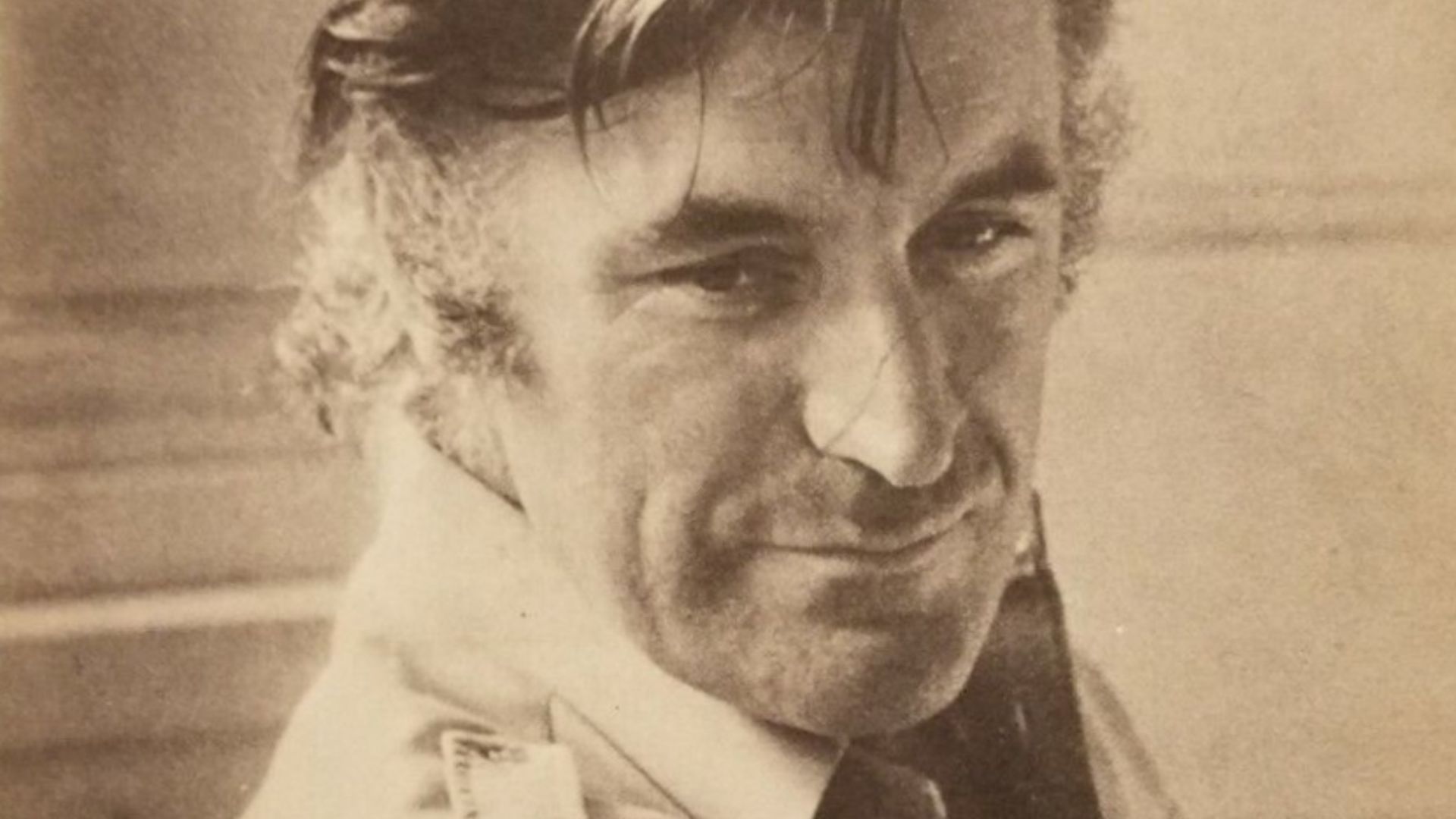
Pound was one of modernism's most influential editors, the guy who helped shape Eliot's The Waste Land into what it became. His letters and wartime radio broadcasts told a much darker story, full of fascist sympathy and open antisemitism, serious enough to get him arrested for treason. The correspondence made it impossible to separate the poet from the politics.
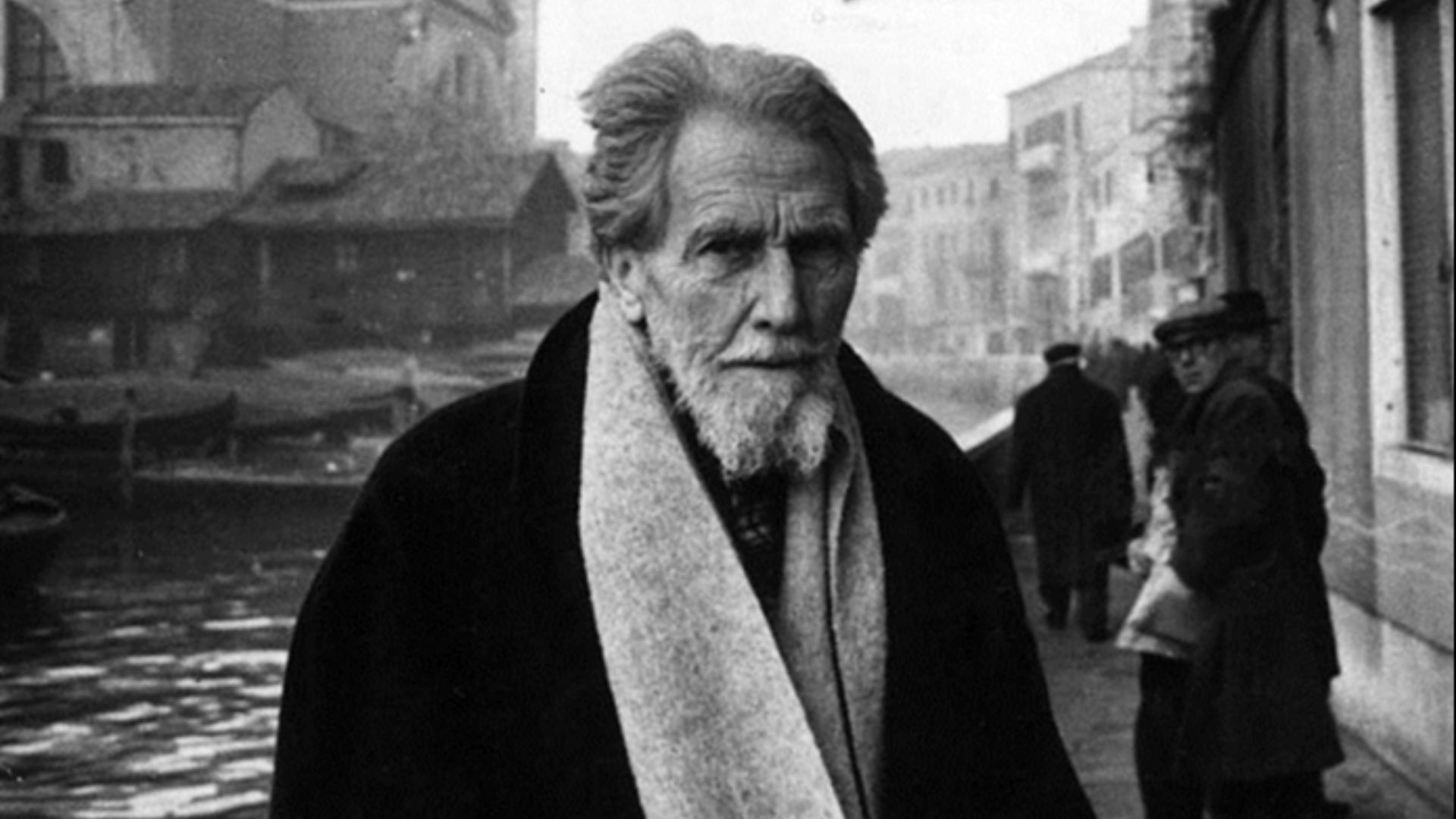 Walter Mori (Mondadori Publishers) on Wikimedia
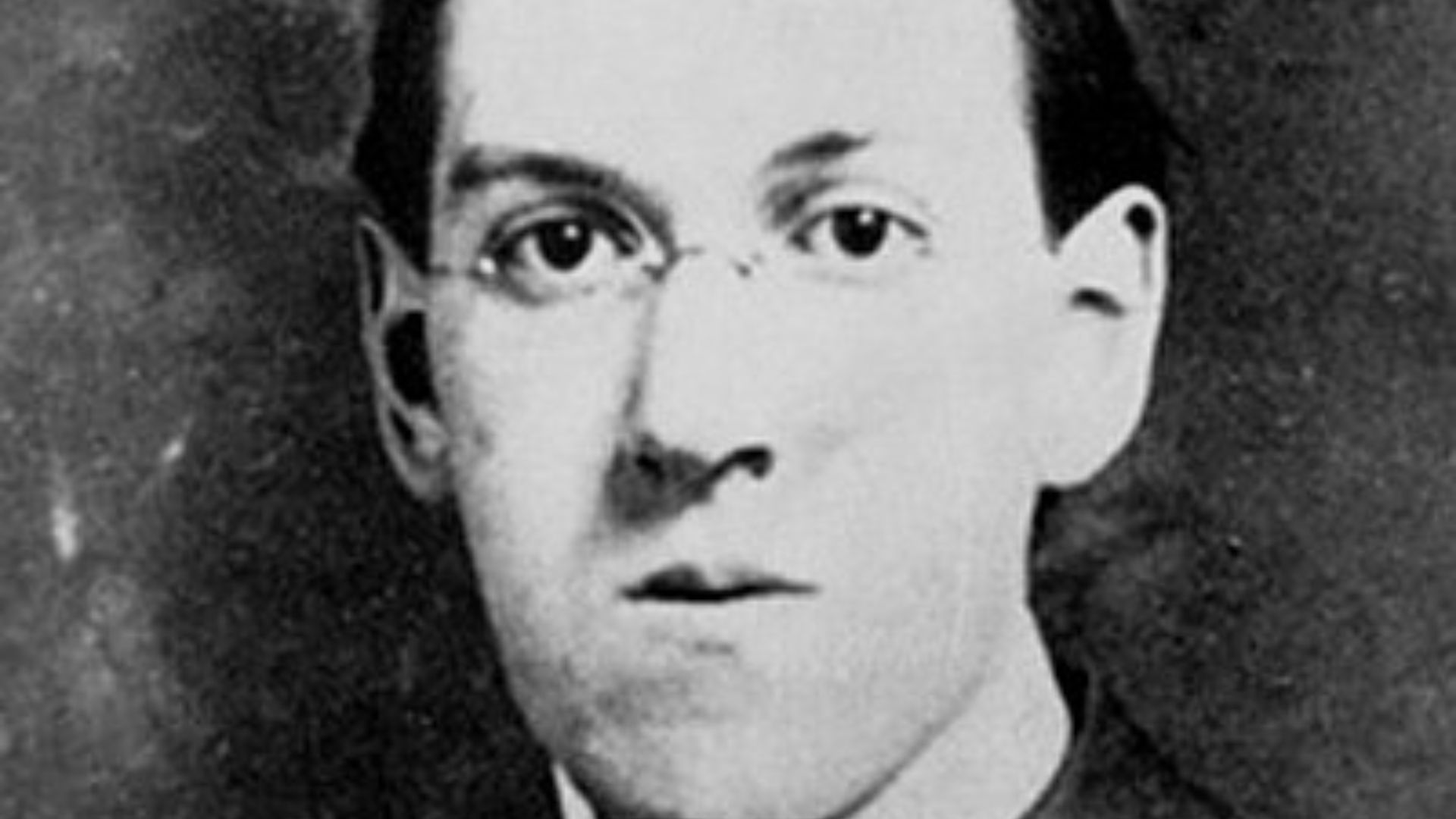
6. H.P. Lovecraft
Lovecraft's fiction always carried racial anxiety under the surface, but his letters removed any doubt about it. Thousands of them survived and were collected after his death, and they show views far more explicit and frequent than anything in his published stories.
 Amateur Publishing Association on Wikimedia
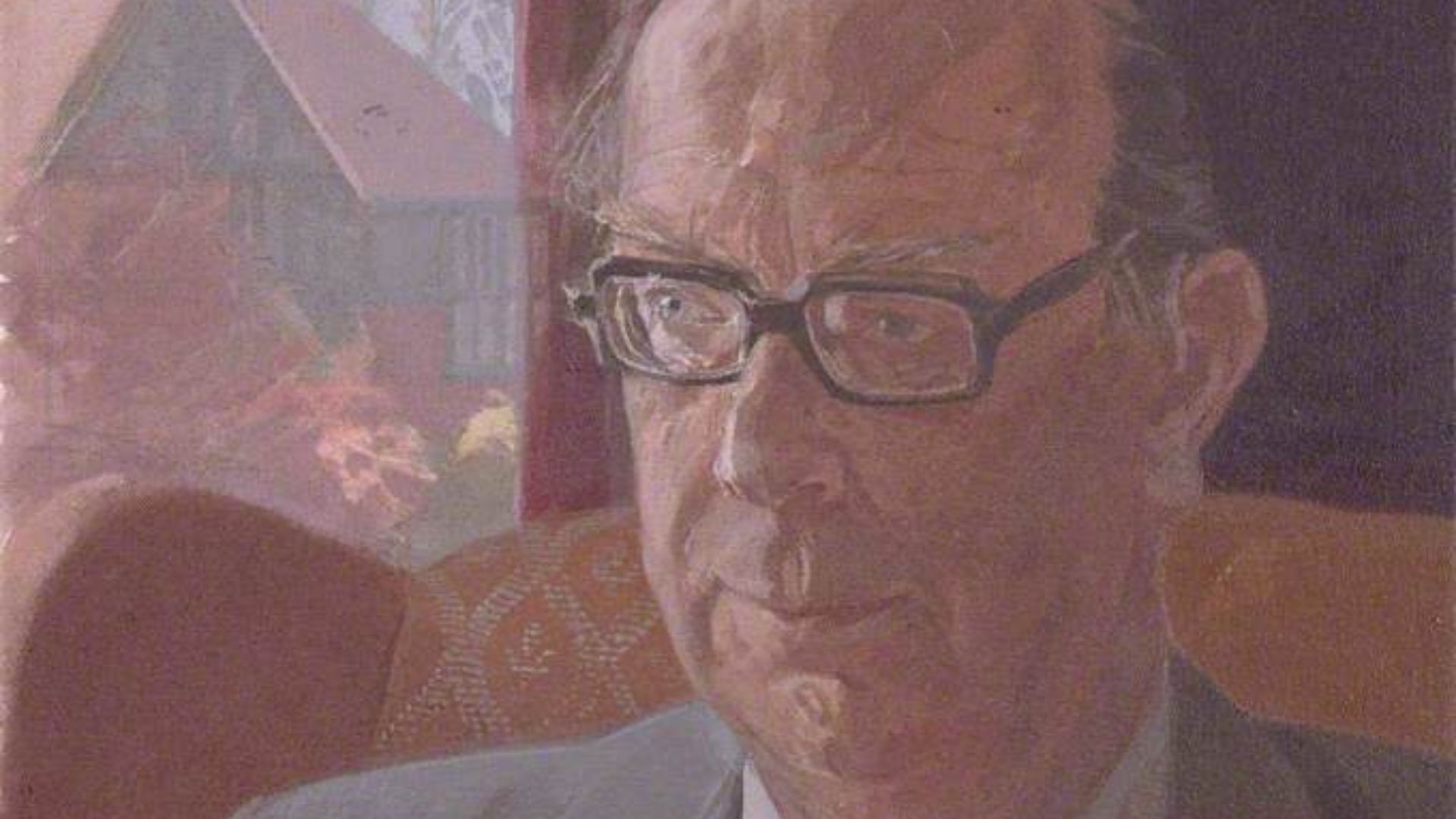
7. Philip Larkin
Larkin's public persona was reserved, precise, and a little melancholy, the kind of poet who seemed too careful to cause trouble. His Selected Letters, published in 1992, showed a private side full of racist jokes and casual misogyny that stunned a lot of his readers. The gap between the poems and the letters was hard to reconcile.
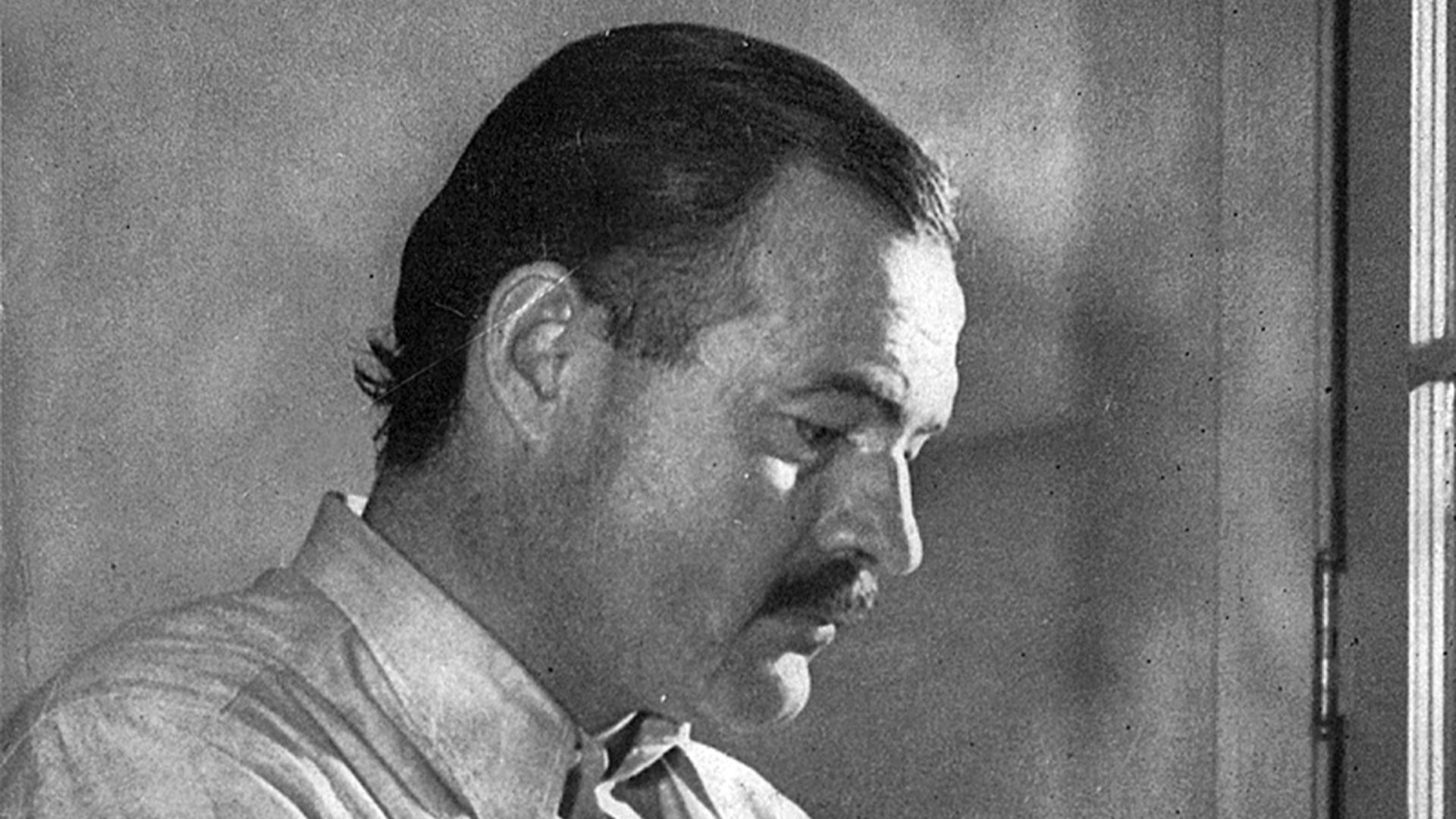
8. Ernest Hemingway
Hemingway cultivated a larger-than-life image, tough and generous in equal measure. His personal letters tell a pettier story in places, including harsh antisemitic remarks about people he considered rivals.
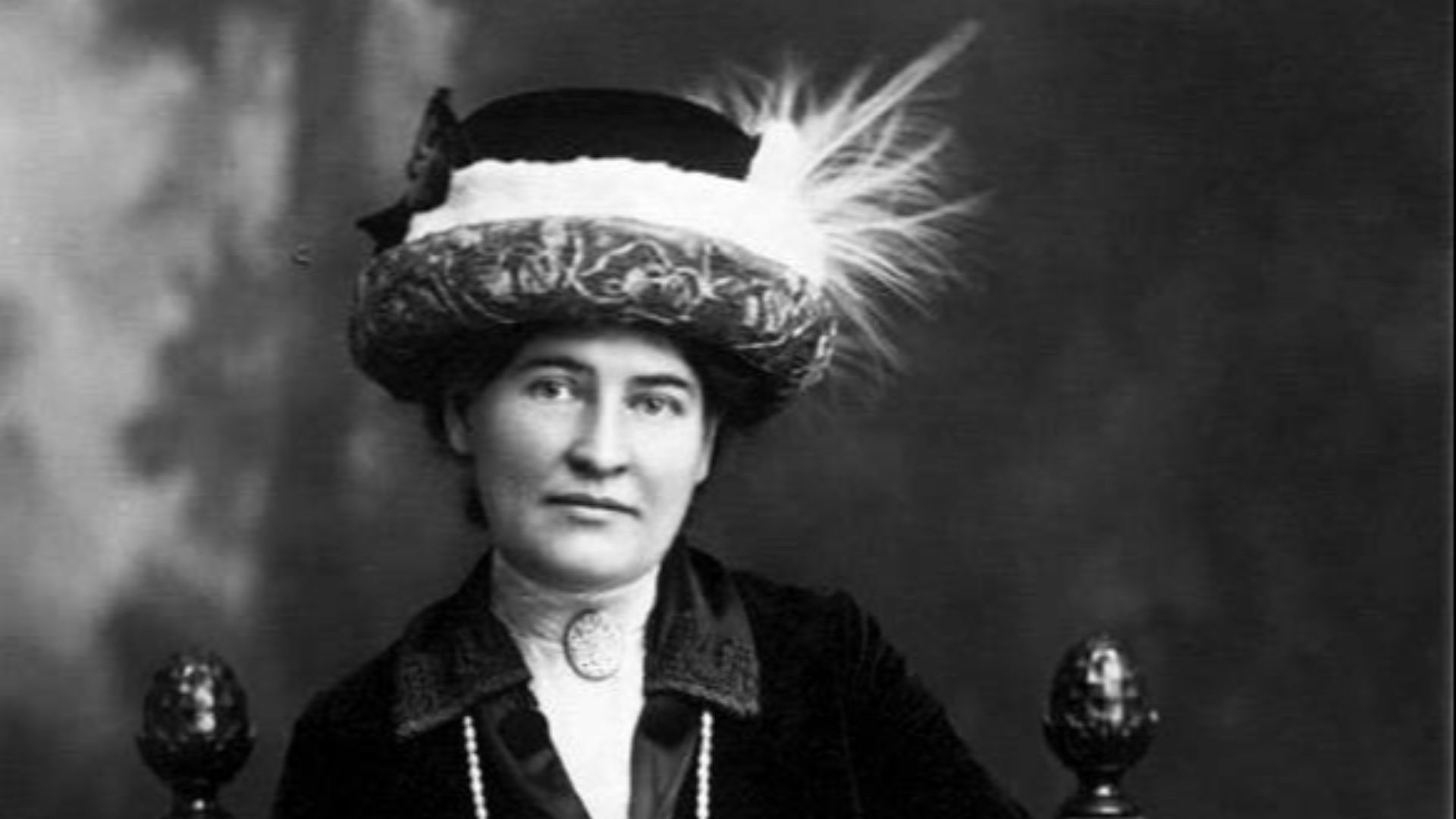
9. Willa Cather
Cather spent her whole life guarding her privacy and asked that her letters never be published. When a full collection came out in 2013, it revealed a much clearer picture of her romantic relationships with women than the public image had ever let on.
 Photographer: Aime Dupont Studio, New York on Wikimedia
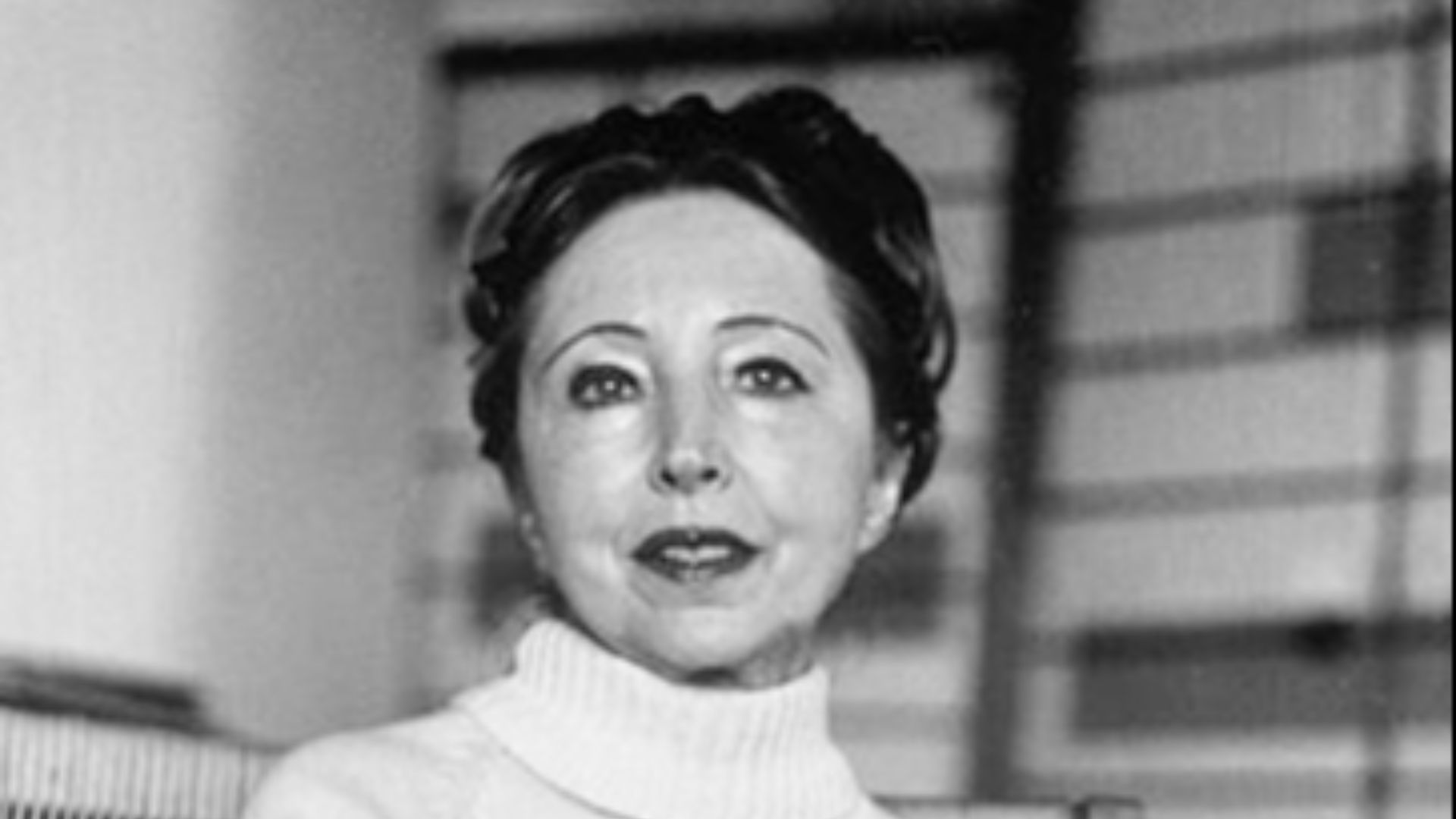
10. Anaïs Nin
Nin's diaries made her famous for candor, but her letters revealed something even the diaries didn't fully spell out. She was legally married to two men at once for over a decade, keeping each in the dark about the other.
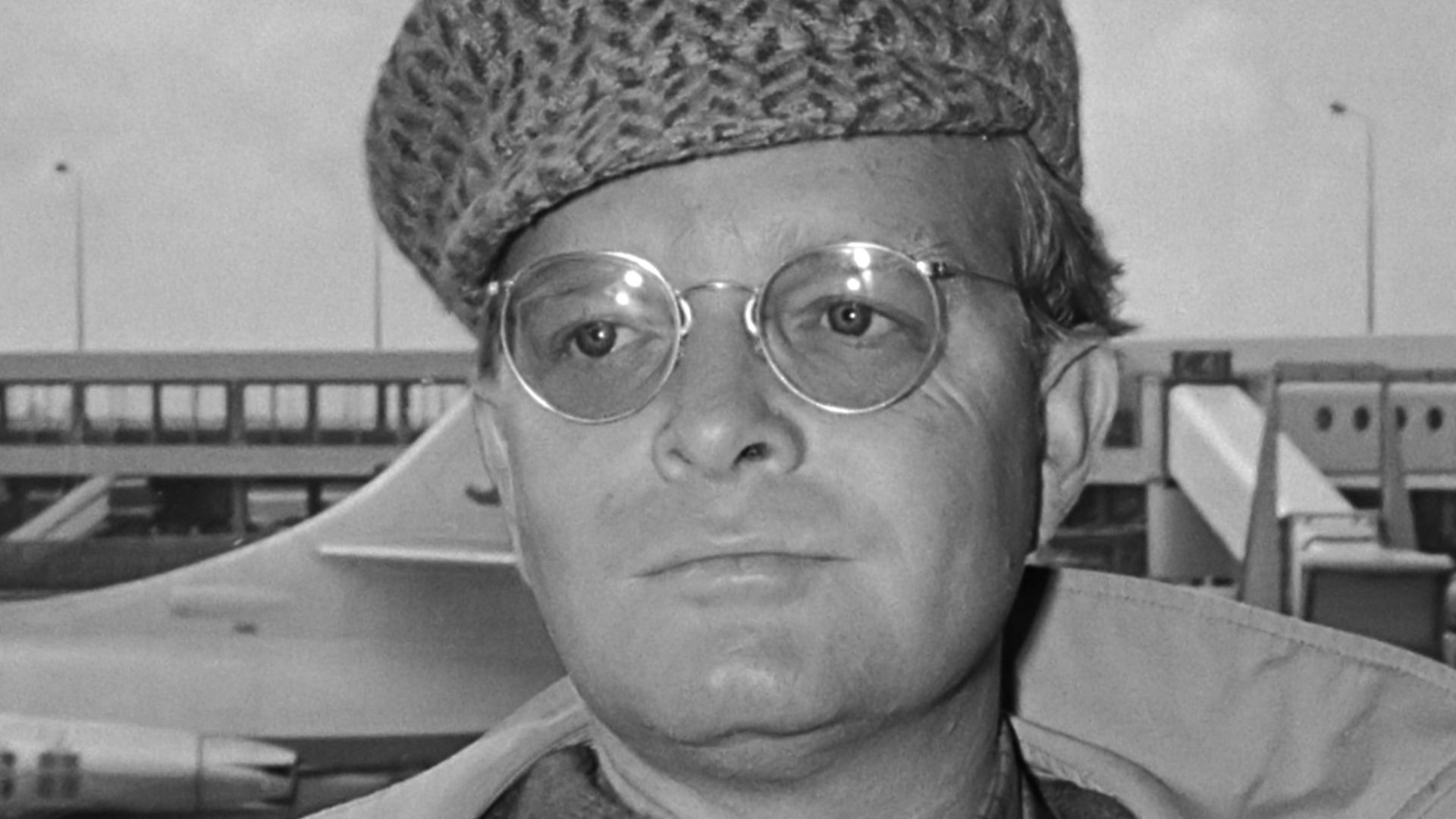
11. Truman Capote
Capote built his career charming New York's high society, then turned around and used their private confessions as material. His letters recounting their secrets, alongside the published excerpts of Answered Prayers, made clear he'd been collecting material the whole time he was being invited to dinner. He was cut off by that same circle almost overnight.
 Eric Koch for Anefo on Wikimedia
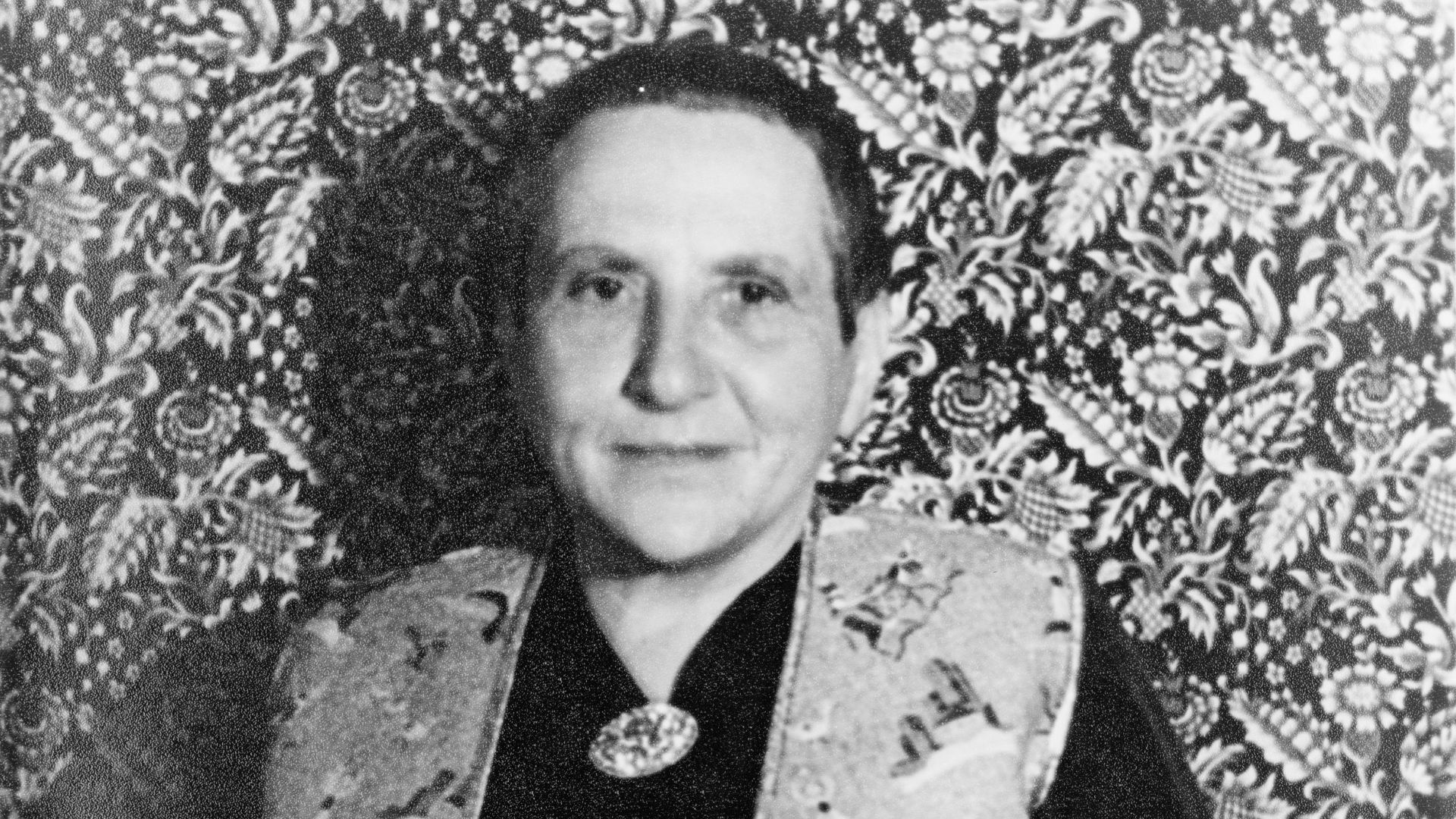
12. Gertrude Stein
Stein spent the Nazi occupation of France safely, an unusual outcome for a Jewish American in Vichy territory. Her correspondence with Bernard Faÿ, an official tied to the collaborationist government, later showed how much protection she'd actually received and from whom.
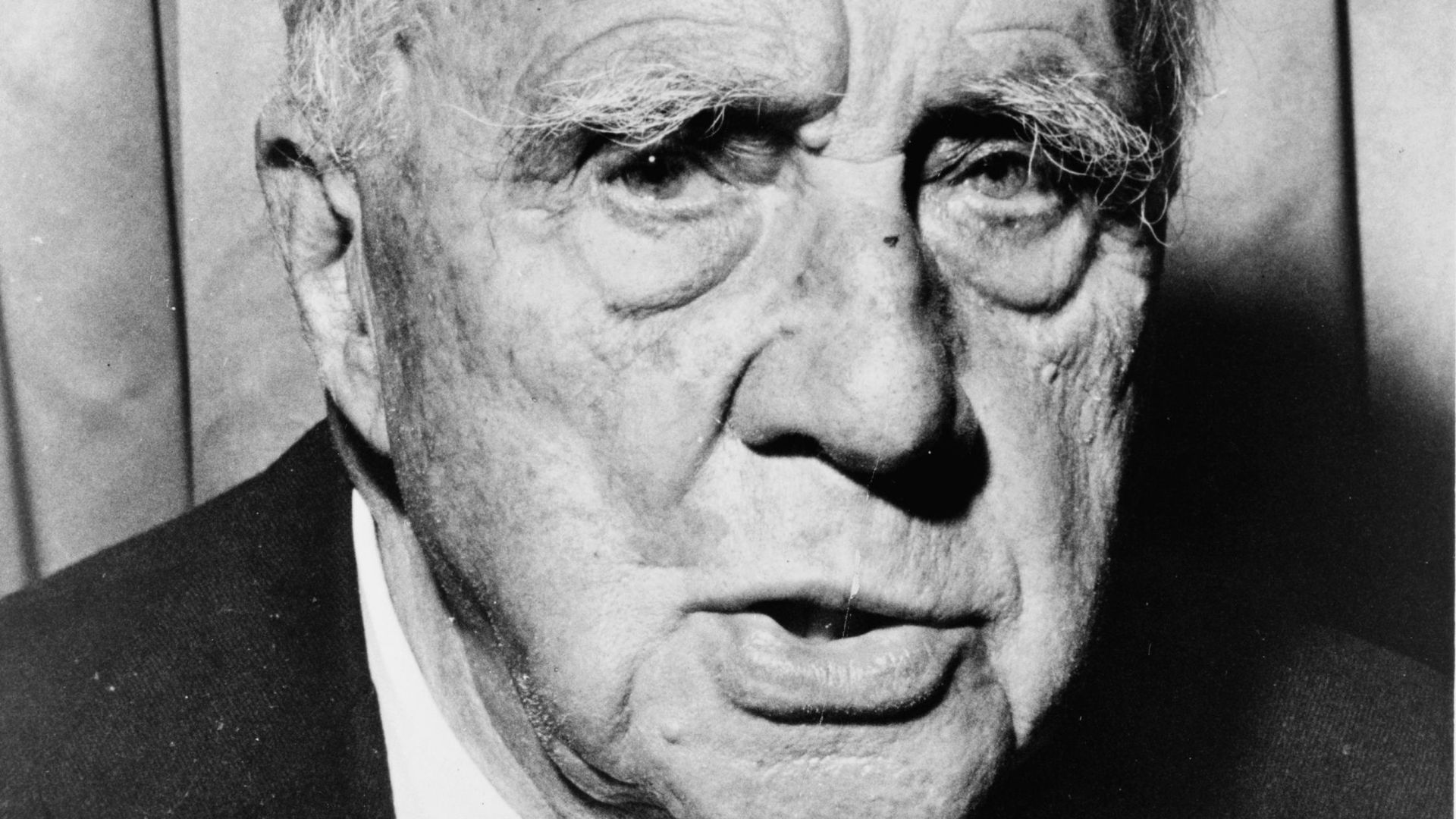
13. Robert Frost
Frost's public image was the kindly New England farmer-poet, plainspoken and warm. His private letters and journals, mined for Lawrance Thompson's biography, revealed someone far more competitive, prone to jealousy over other poets' success. The contrast surprised readers who only knew him from the poems.
 Walter Albertin, World Telegram staff photographer on Wikimedia
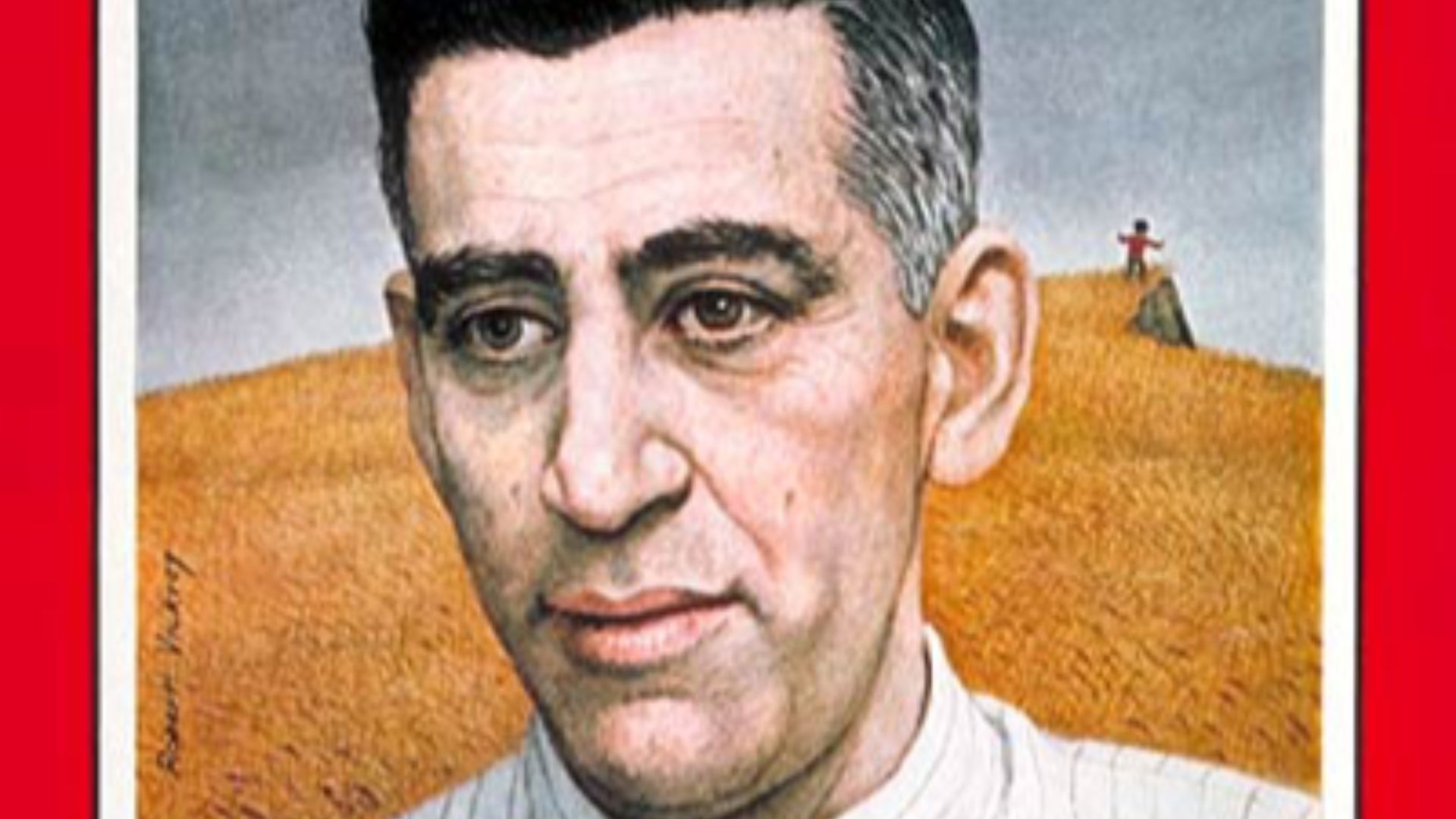
14. J.D. Salinger
Salinger disappeared from public life for decades, which only made people more curious about who he actually was. His letters to Joyce Maynard, excerpted in her 1998 memoir, showed a controlling side to their relationship, one that began when she was eighteen and he was fifty-three. It complicated the recluse mythology around him.
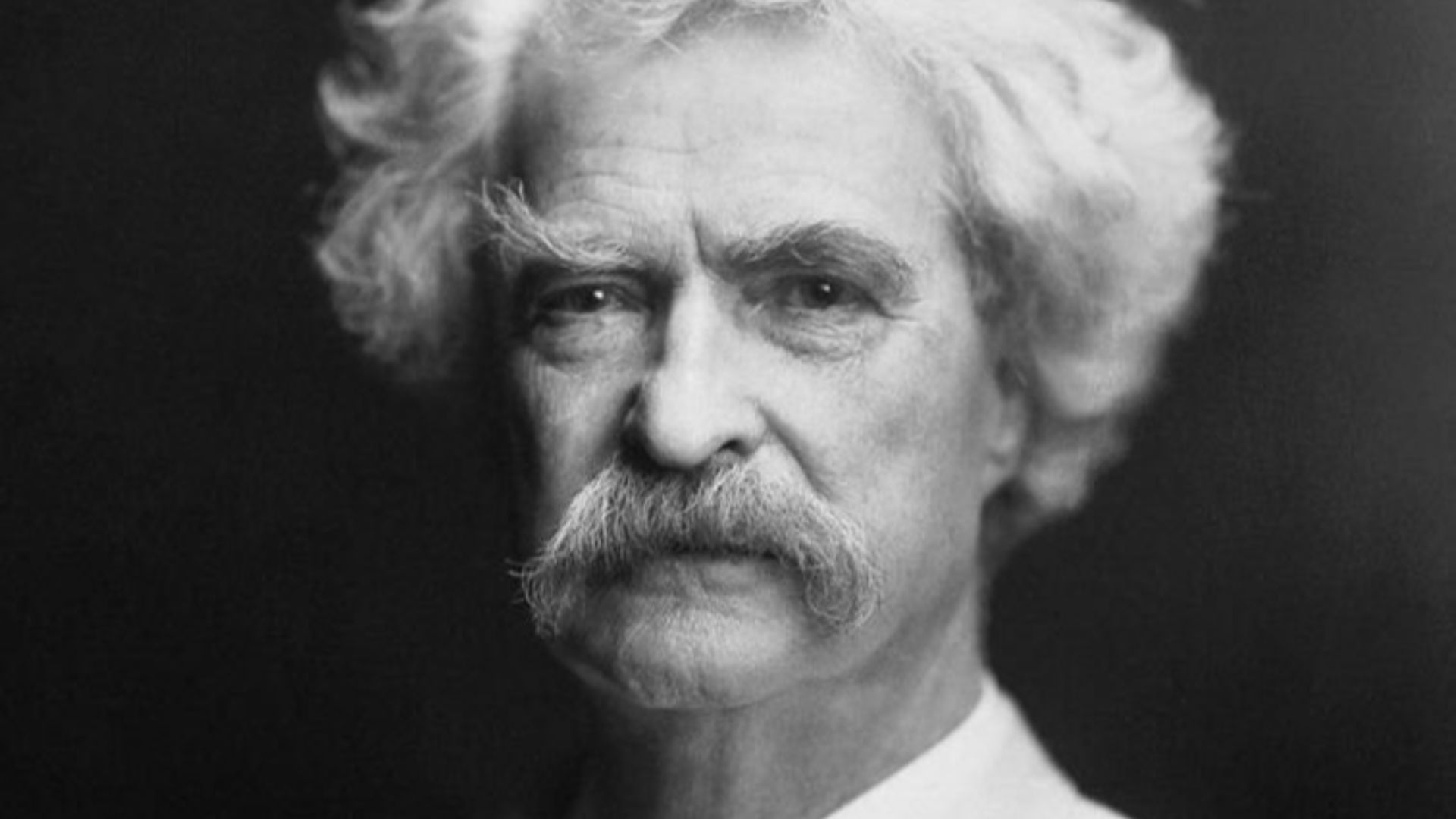
15. Mark Twain
Twain wanted some of his private writing held back for a century after his death, which is exactly what happened before an unabridged autobiography came out in 2010. The letters and dictated notes inside were blunter and occasionally harsher than the folksy wit everyone associated with him.
 A.F. Bradley, New York on Wikimedia
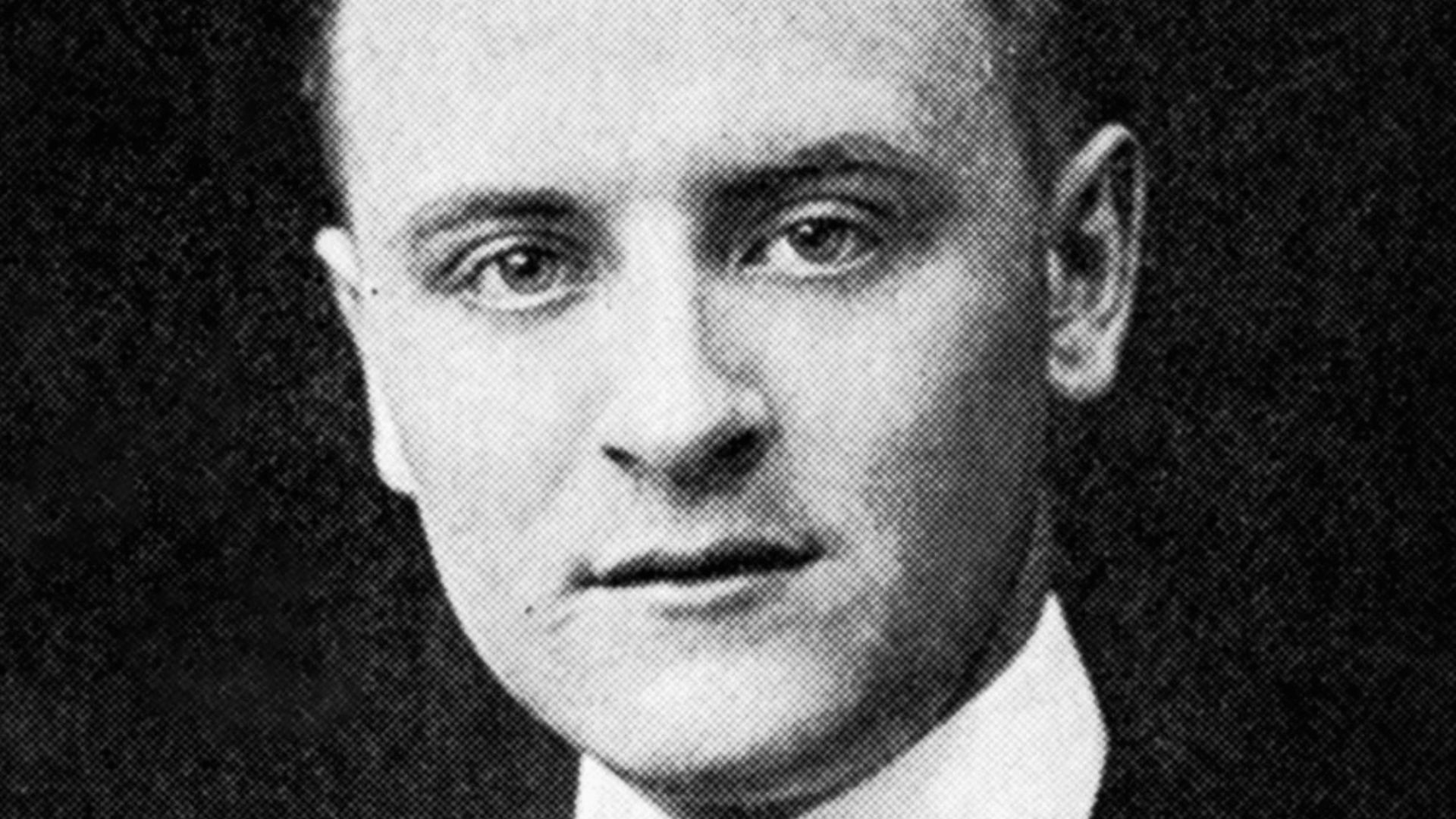
16. F. Scott Fitzgerald
Fitzgerald and Zelda were the golden couple of the Jazz Age, at least from the outside. His letters to editor Max Perkins and to Zelda show a marriage strained by his drinking and periods of real cruelty toward her.
 Photographer for The Nassau Herald, June 1917 on Wikimedia
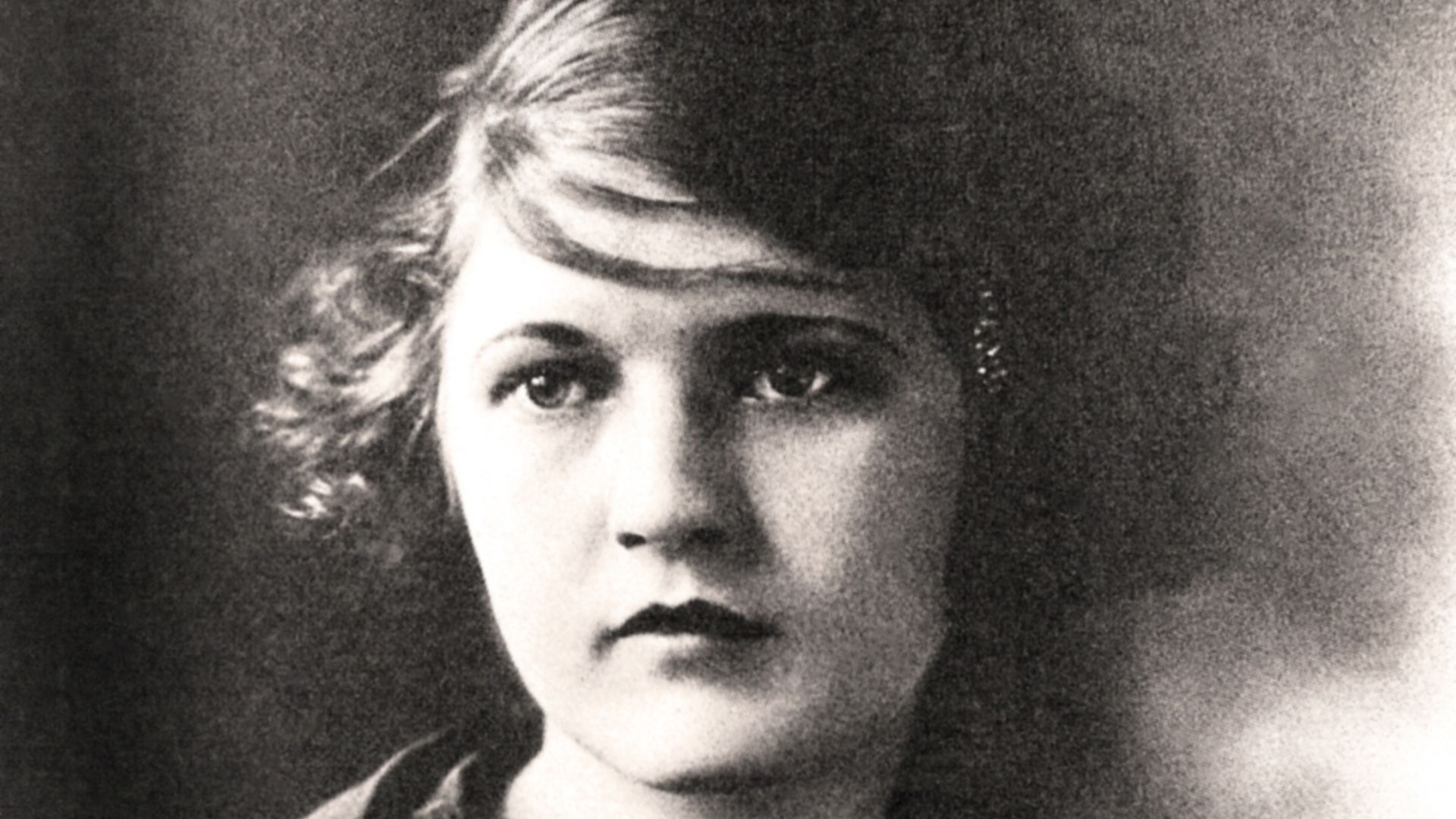
17. Zelda Fitzgerald
Zelda's own letters pushed back against the version of the marriage Scott presented publicly. She wrote about feeling like her writing and her diaries were treated as material for his novels without much credit going her way. Those letters became a key piece of evidence for biographers sorting out who did what.
 Studio photographer on Wikimedia
18. Jack Kerouac
Kerouac got remembered as the restless voice of the Beat movement, always moving, always searching. His later letters, along with a widely noted appearance on William F. Buckley Jr.'s television show, showed a far more reactionary and disillusioned man than the one people expected from On the Road. It didn't fit the counterculture image.
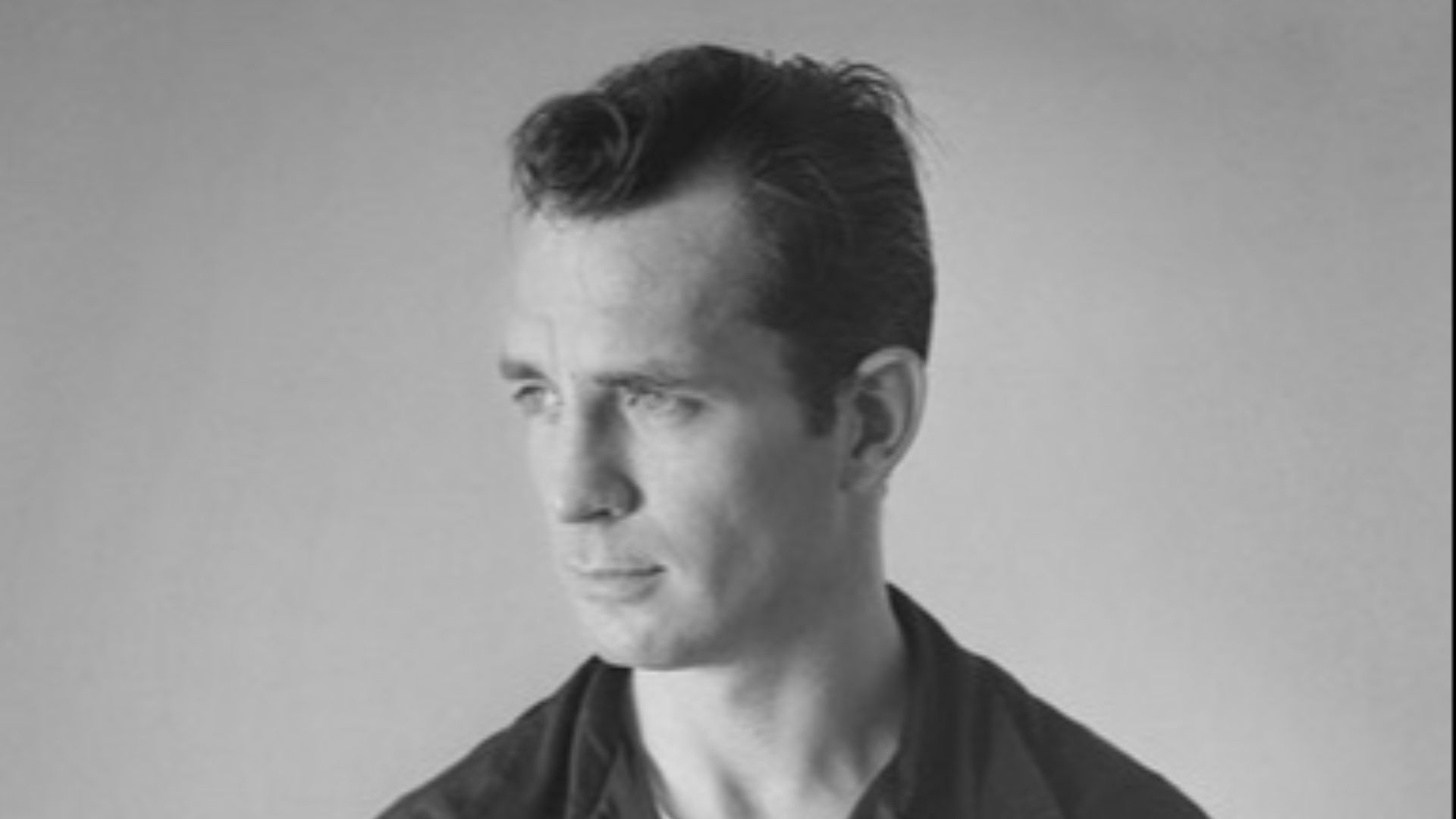 Tom Palumbo from New York, NY, USA on Wikimedia
19. Agatha Christie
Christie's eleven-day disappearance in 1926 turned into a national mystery, with plenty of speculation that it was a publicity stunt. A note she left behind, along with letters and family accounts from around that time, eventually helped confirm a sadder explanation involving a breakdown after her mother's death and her husband's affair.
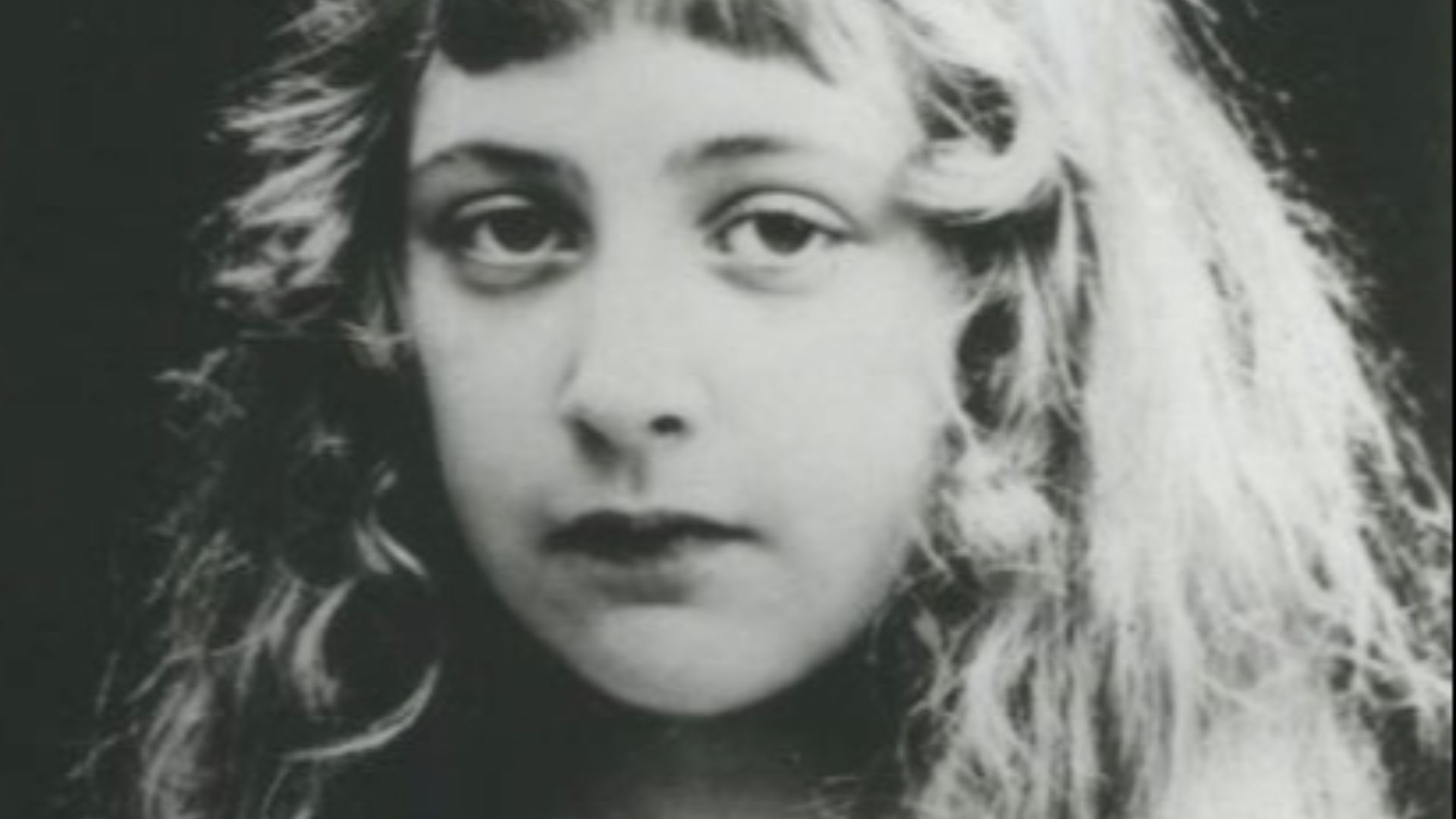
20. Vita Sackville-West
Sackville-West maintained an unconventional but publicly manageable marriage to Harold Nicolson. Her private writing and letters, later drawn on for her son's book Portrait of a Marriage, revealed the extent of her relationships with women, including a well-documented affair with Virginia Woolf. The letters ended up saying more than she probably intended.
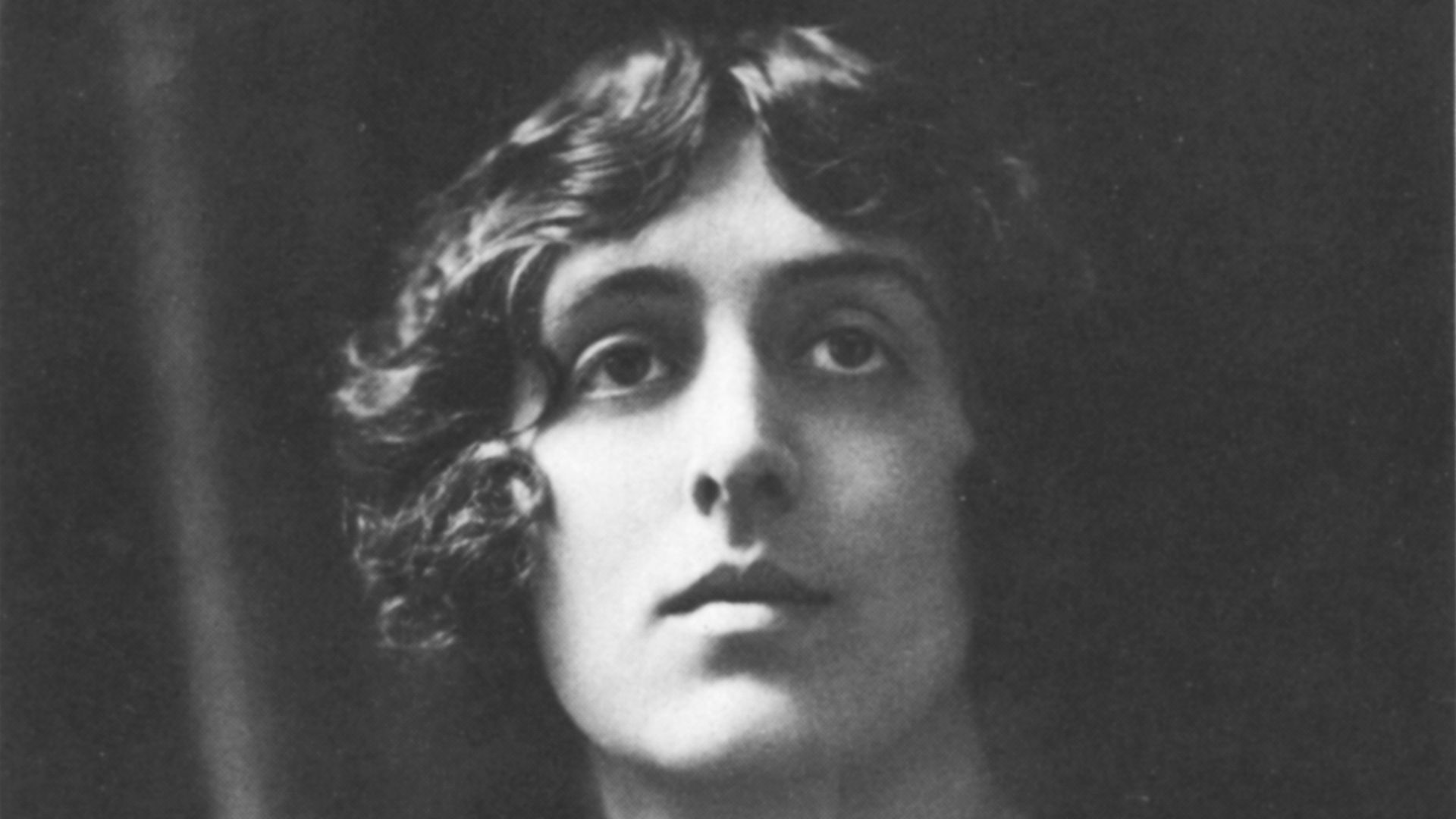 Unknown authorUnknown author on Wikimedia