

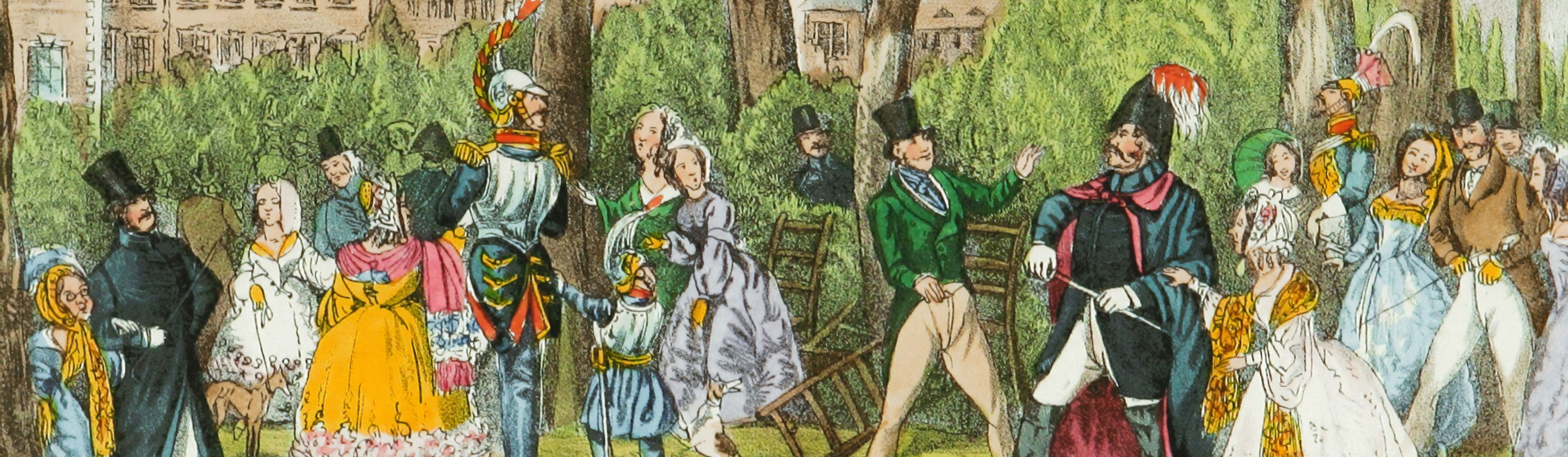
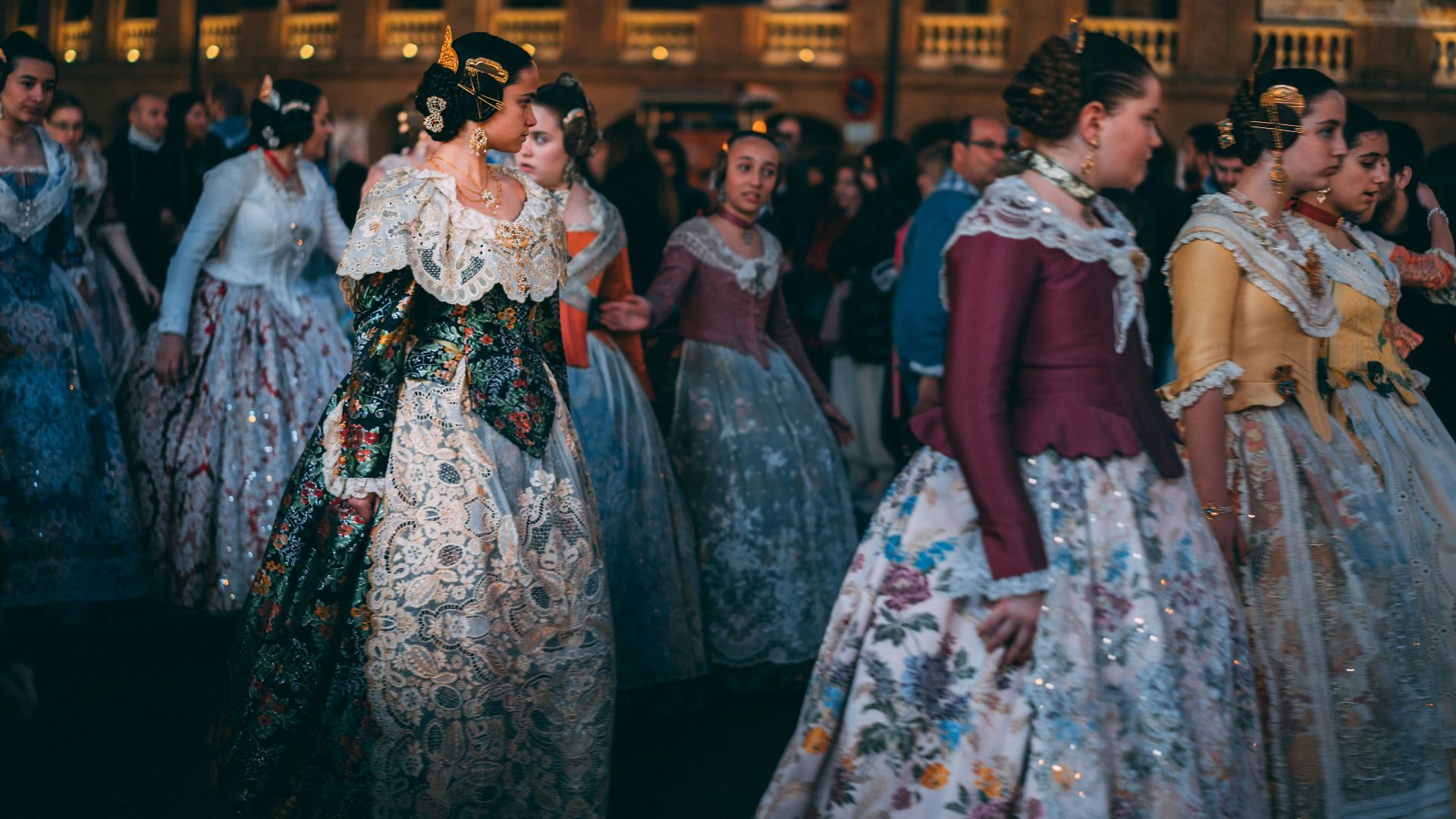
Clothing has long served as more than simple protection from the weather or practicality in daily life. Across many civilizations, what people wore often revealed their wealth, occupation, education, political influence, or place within social hierarchies. In societies with rigid class systems, clothing could immediately signal who held power and who did not. People were often judged quickly based on the fabrics, colors, and accessories they displayed publicly.
The connection between fashion and status changed over time, but the idea itself remained remarkably consistent across different historical eras. Expensive materials, restricted colors, jewelry, and tailored garments frequently became symbols of privilege reserved for elites. When you study historical fashion closely, you can often understand a society’s power structure simply by looking at how different groups dressed. Clothing often worked almost like a visual language that communicated social position without words.
Clothing And Status In The Ancient World
In ancient Egypt, clothing reflected both wealth and social importance very clearly. Upper-class Egyptians often wore lightweight linen garments that required significant labor and resources to produce, while poorer workers usually dressed in simpler clothing with fewer decorative details. Jewelry made from gold, lapis lazuli, and precious stones further separated wealthy elites from ordinary laborers and farmers. Wealthy Egyptians also used cosmetics and elaborate wigs to reinforce their higher social standing publicly.
Ancient Rome also used clothing to communicate rank and citizenship throughout society. Roman senators wore togas with broad purple stripes, while emperors and high-ranking officials displayed even more elaborate purple garments because the dye itself was extremely expensive. Since purple dye came from rare sea snails and required enormous effort to produce, it became closely associated with political authority and wealth. Ordinary citizens generally wore much simpler tunics that lacked the decorative elements reserved for elites.
In ancient China, clothing color and fabric frequently reflected a person’s social standing and relationship to imperial authority. Silk became especially important because producing it required specialized labor and expensive materials that common peasants often could not afford easily. During several dynasties, laws even restricted certain colors and embroidered dragon symbols to members of the imperial family or high-ranking officials. These clothing restrictions helped reinforce social order and protect the prestige of the ruling class.
Fashion During The Middle Ages and the Renaissance
During medieval Europe, clothing laws called sumptuary laws attempted to regulate what different social classes could wear publicly. Rulers worried that wealthy merchants might begin dressing similarly to nobles, which could blur visible class distinctions within society. These laws often restricted expensive fabrics like velvet, fur, and silk to aristocrats and members of royal courts. Violating those rules could sometimes result in fines or public punishment, depending on the region.
Nobility during the Renaissance used fashion aggressively to display political influence, education, and financial power. Wealthy families in cities like Florence and Venice commissioned elaborate garments made with embroidery, jewels, lace, and imported fabrics from international trade networks. Clothing became so detailed and expensive that portraits from the period often highlighted garments almost as much as the individuals wearing them.
Peasant clothing during these same centuries remained far more practical and limited by economic realities. Most ordinary laborers wore simple wool or linen garments in muted colors because bright dyes and imported fabrics cost too much for most families to afford. The sharp contrast between noble and peasant clothing made social divisions immediately visible in everyday public life.
Industrialization And Modern Fashion Changes
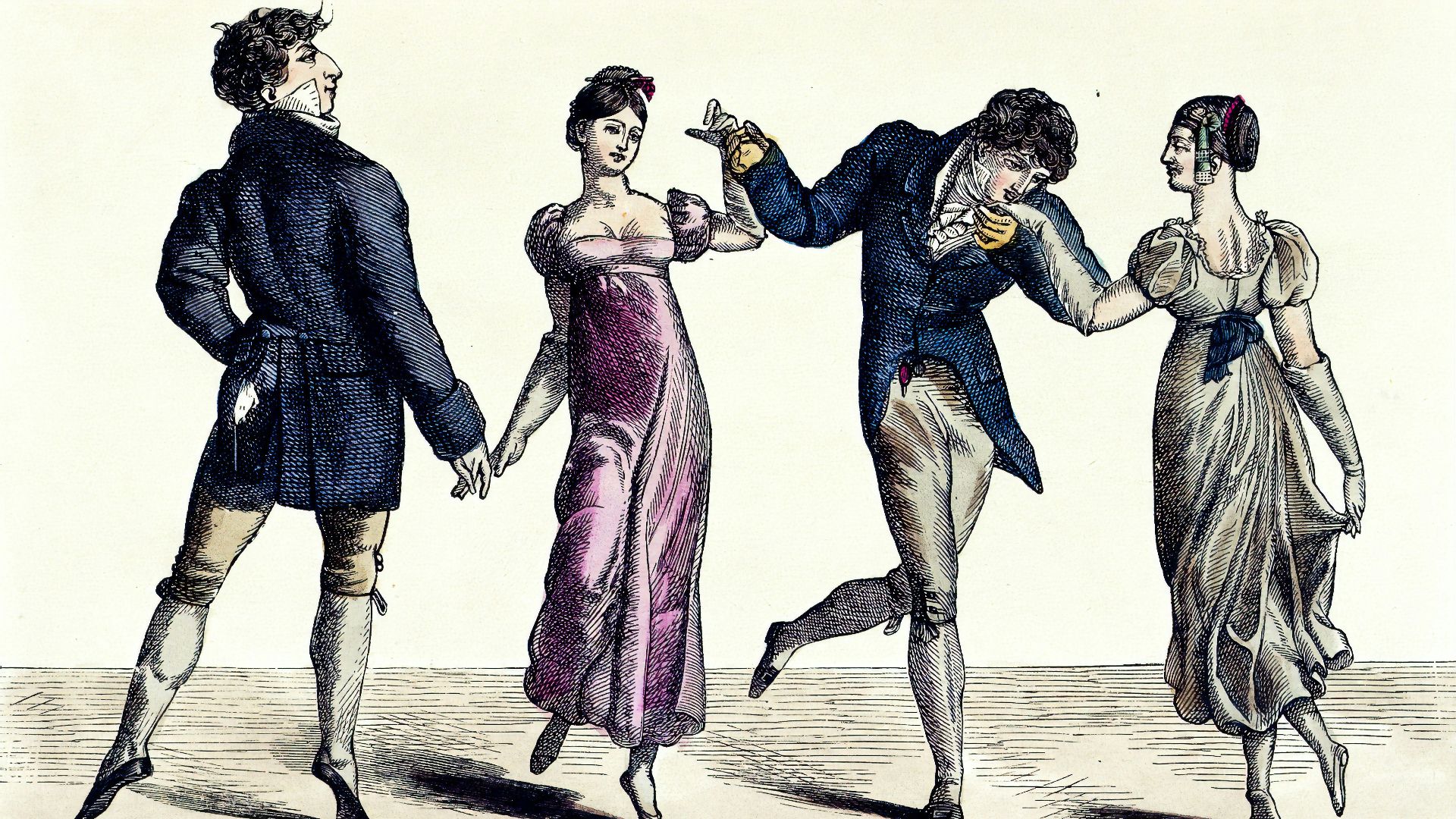
The Industrial Revolution transformed clothing production and gradually changed how status appeared through fashion. Mass manufacturing lowered the cost of many garments, allowing middle-class consumers to purchase styles that previously would have been inaccessible to anyone outside the wealthy elite. Fashion became more widely available, although luxury brands and fine tailoring remained important status symbols.
During the late nineteenth and early twentieth centuries, clothing also became closely connected to professionalism and social respectability. Tailored suits, structured dresses, gloves, and hats often signaled education, financial stability, and access to white-collar employment opportunities. In many cities, dressing well became associated not only with inherited wealth but also with personal ambition and modern success.
Modern fashion reflects status differently than earlier eras, yet many of the same ideas still exist beneath the surface. Designer brands, luxury watches, custom tailoring, and limited-edition products often function as modern signals of wealth and exclusivity. Social media has also expanded fashion’s role in displaying lifestyle and status because appearance now reaches audiences far beyond immediate local communities.
Fashion today allows more personal freedom than in many historical periods, but clothing still communicates information about identity, wealth, profession, and cultural influence. Throughout history, people consistently used garments to signal power, belonging, ambition, or prestige within their societies. Even as styles change across centuries, the relationship between clothing and social status remains deeply connected to human culture and public perception.
KEEP ON READING

The 10 Youngest Monarchs In History & The 10 Oldest
Age Is Just A Number. Imagine being crowned king or…
By Chase Wexler Mar 11, 2025
You Think You Have Problems? These Royal Families Were Cursed
Boasson and Eggler St. Petersburg Nevsky 24. on WikimediaHeavy is…
By Ashley Bast Dec 5, 2025
You Can Thank This Greek-Canadian For Creating Pineapple On Pizza…
Love it or hate it, pineapple on pizza sparks debate…
By David Davidovic Dec 1, 2025
Yes, Female Gladiators Existed, And Here's Everything You Need To…
History of Women in Combat. Most people picture gladiators as…
By David Davidovic Jan 17, 2026
Yes, Australians Once Lost A Battle Against Flightless Birds
David Clode on UnsplashIn 1932, the Australian military went to…
By David Davidovic Nov 24, 2025
The Y2K Bug: Why Did Everyone Think Year 2000 Was…
Alan W on UnsplashOn December 31, 1999, people all over…
By Christy Chan Dec 22, 2025