

History Keeps Receipts
Long before laws had polished names and press conferences, they often came from panic, scandal, and public disgust. One murder, one fire, one poisoning, or one act of betrayal could show a society exactly where its rules were too weak. The older examples are messier than modern victim-named laws because history rarely hands over a clean cause-and-effect story. Still, again and again, a terrible act forced lawmakers to write new rules for everyone who came after. Here are 20.
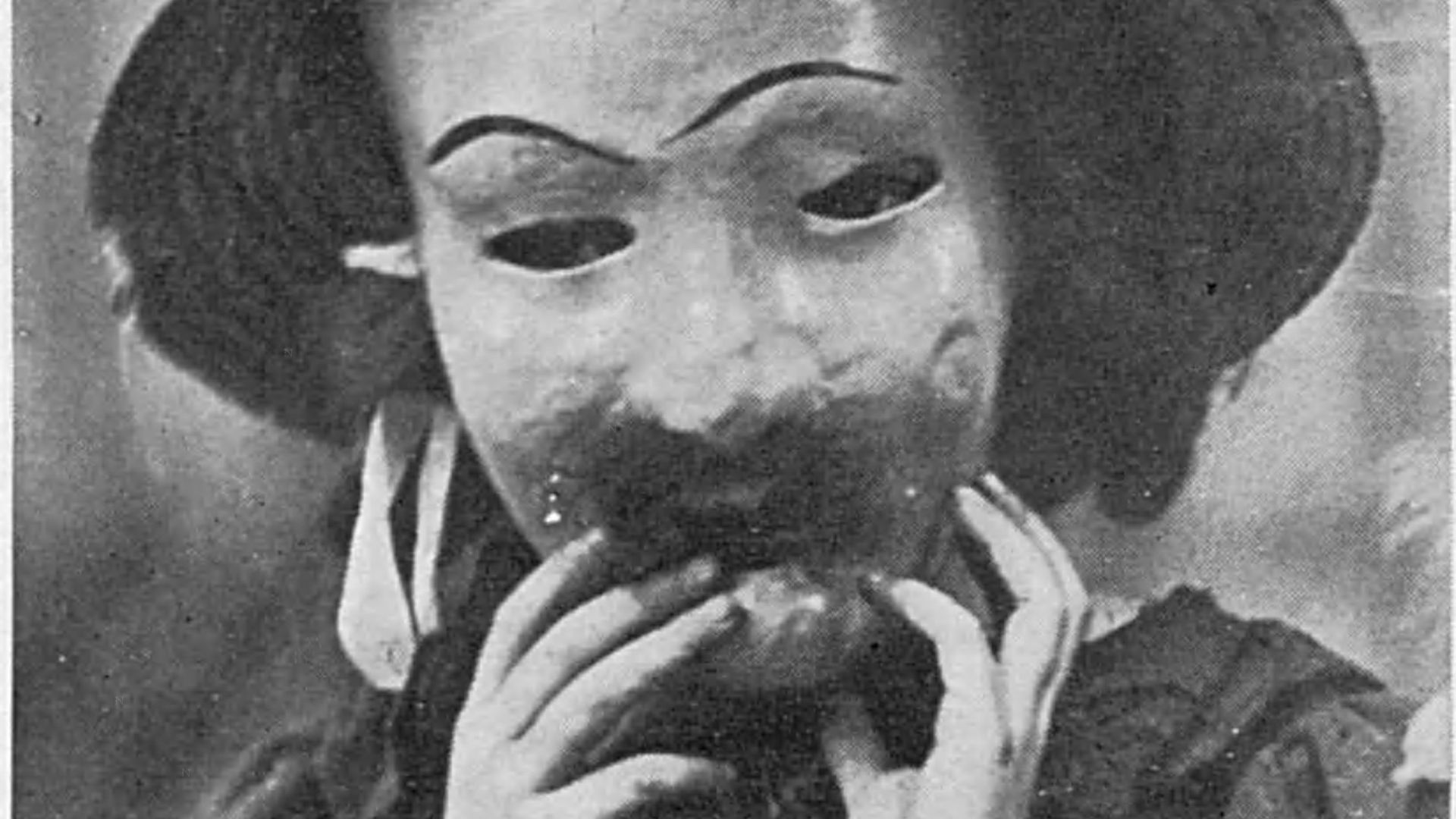
1. The Ban On Herostratus’s Name
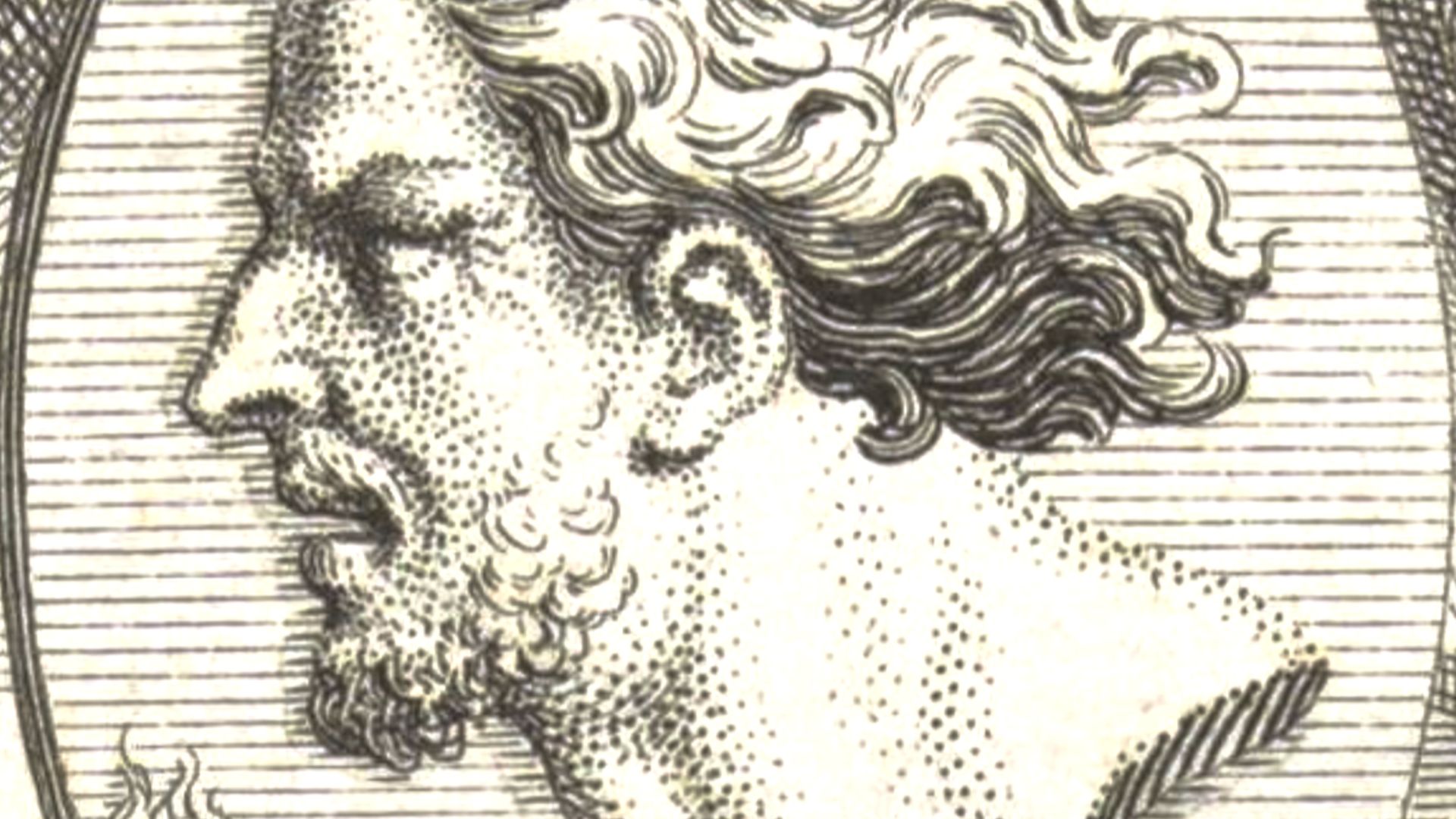
In 356 BCE, Herostratus set fire to the Temple of Artemis at Ephesus, reportedly because he wanted his name remembered forever. The city responded by executing him and banning anyone from speaking or recording his name, trying to deny him the fame he had murdered history to get.
 commons.wikimedia.org on Google
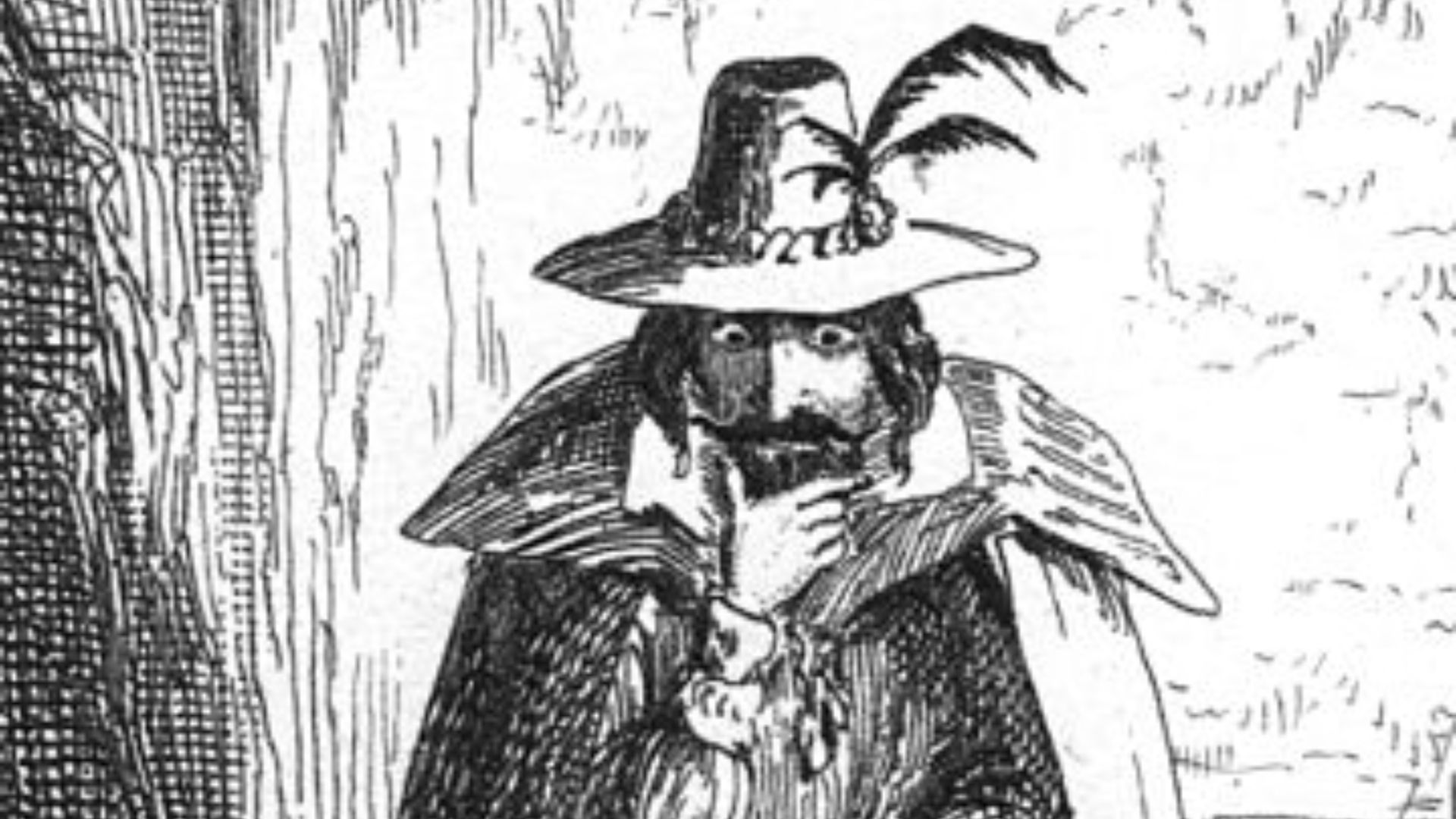
2. The Gunpowder Plot Acts
Guy Fawkes was only one member of the conspiracy, but he became the face of the attempt to blow up King James I and Parliament in 1605. The failed plot led to laws such as the Thanksgiving Act and stricter rules aimed at Catholic recusants, turning a night of attempted mass murder into centuries of official memory.
 George Cruikshank on Wikimedia
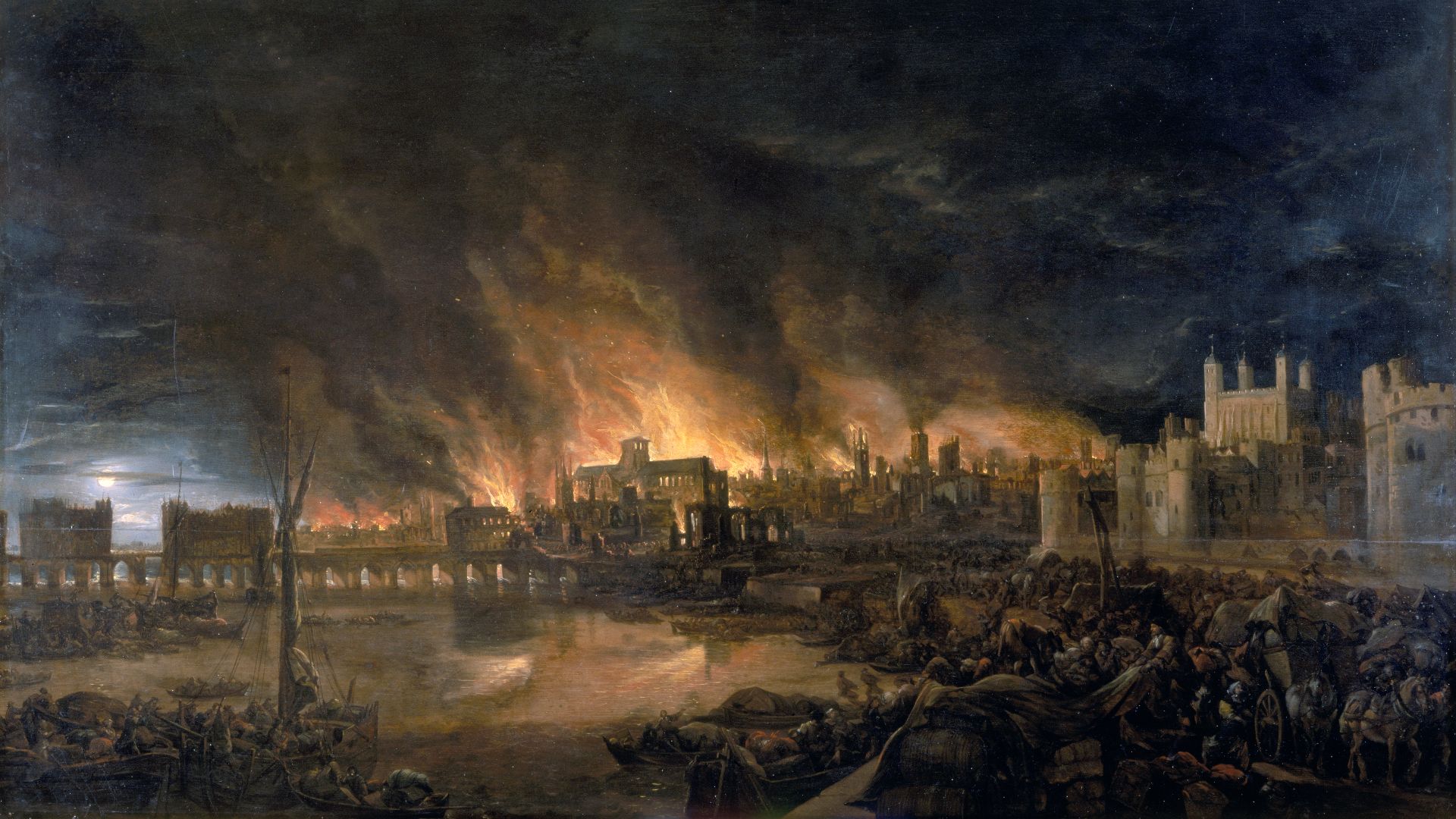
3. The Rebuilding Of London Act
The Great Fire of London began in 1666 in a bakery on Pudding Lane owned by Thomas Farriner, though the exact spark remains uncertain. After the city burned, Parliament passed rebuilding rules that pushed London toward brick, stone, wider streets, and a less flammable future.
 Unknown artistUnknown artist on Wikimedia
4. The Anatomy Act
The Burke and Hare murders exposed a grim market for bodies in 19th-century Britain, where medical schools needed cadavers and criminals supplied them. The Anatomy Act of 1832 regulated access to bodies for dissection, trying to end the incentives that had made murder profitable.

5. The Anti-Dueling Act
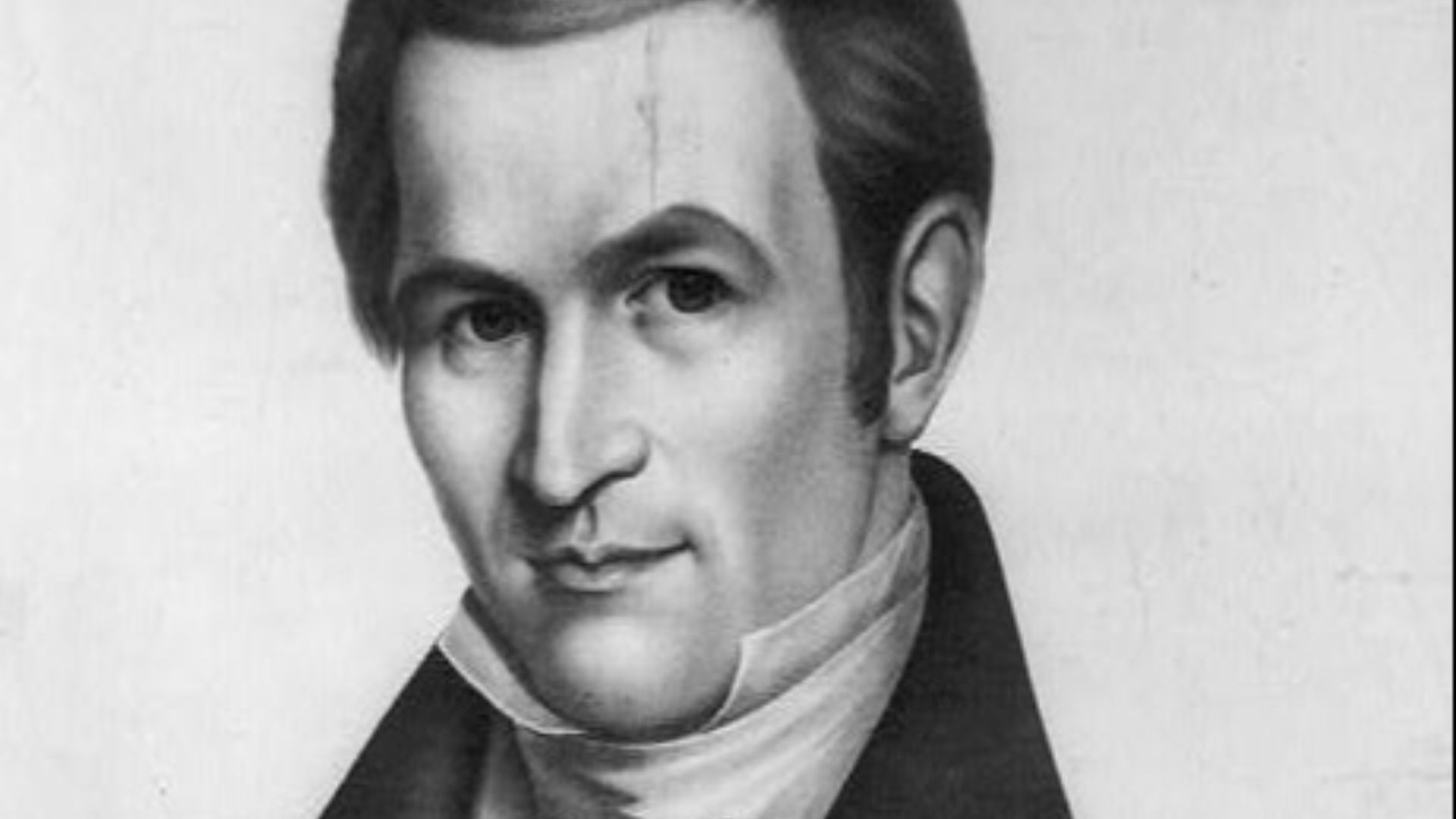
When Representative William Graves killed Representative Jonathan Cilley in an 1838 duel, Congress could no longer treat dueling as a private matter of honor. The next year, it outlawed giving or accepting a duel challenge in the District of Columbia, because public men had made private pride a public problem.
6. The M’Naghten Rules
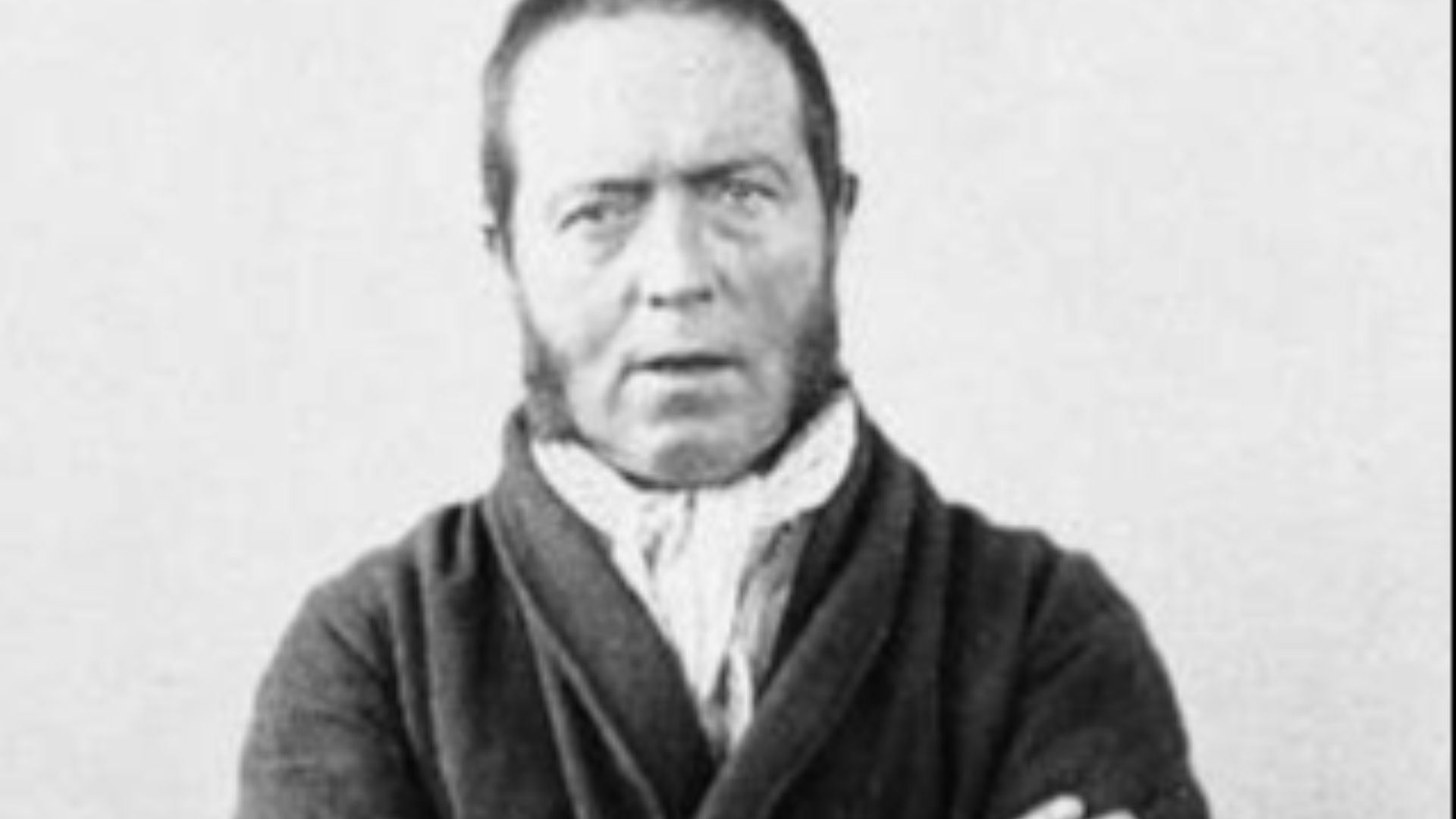
In 1843, Daniel M’Naghten shot and killed Edward Drummond, the private secretary to British Prime Minister Robert Peel, after apparently mistaking him for Peel. His acquittal on insanity grounds caused public outrage and pushed the House of Lords to define a broader legal test for criminal insanity.
 Henry Hering, photographer (1814-1893) on Wikimedia
7. The Garrotters Act
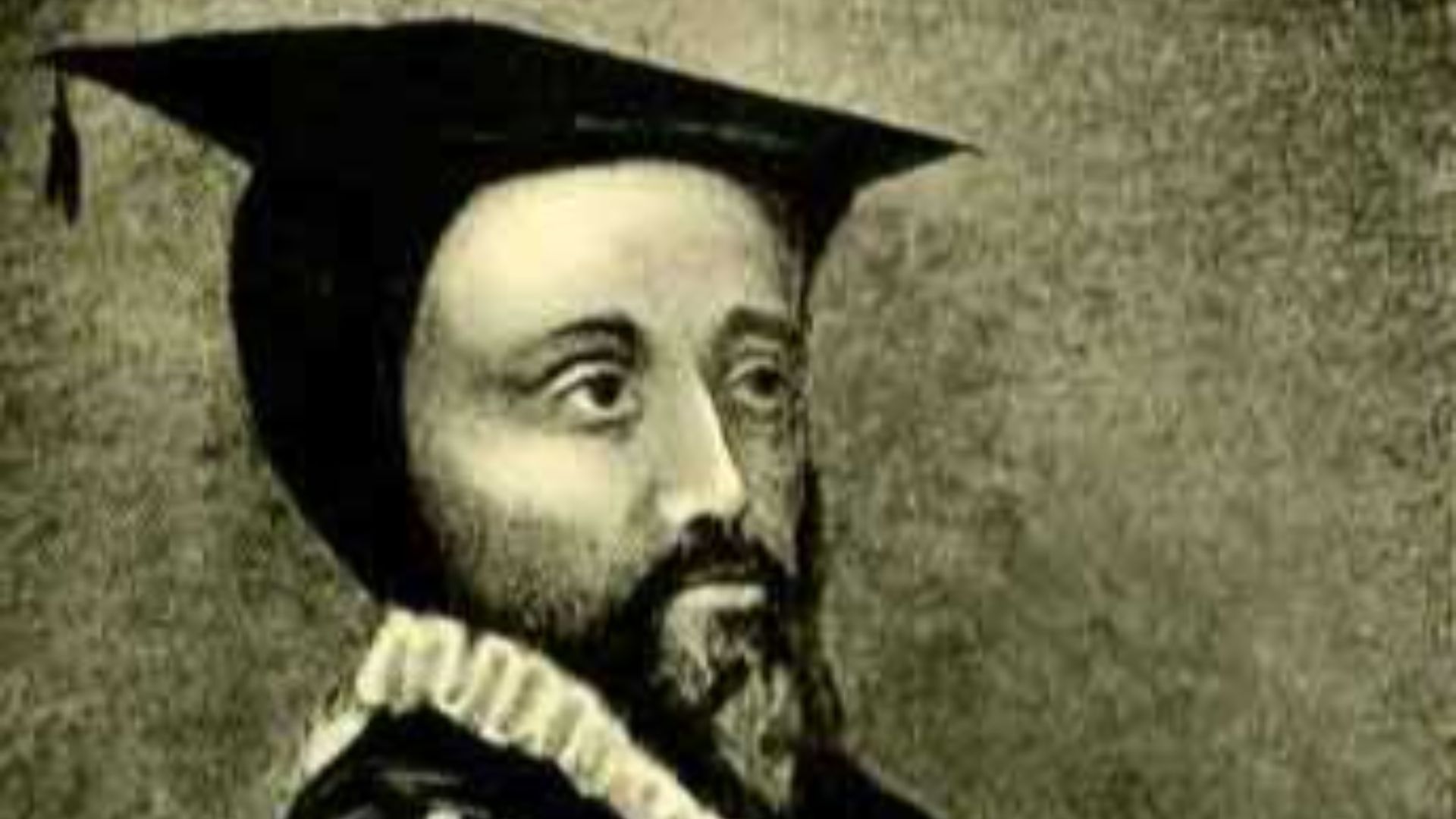
In 1862, the attack on Member of Parliament James Pilkington helped fuel a London panic over violent street robbery. The Security from Violence Act, often called the Garrotters Act, brought back flogging for certain violent robberies, a harsh law born from fear as much as policy.
 Unknown authorUnknown author on Wikimedia
8. The Pendleton Act
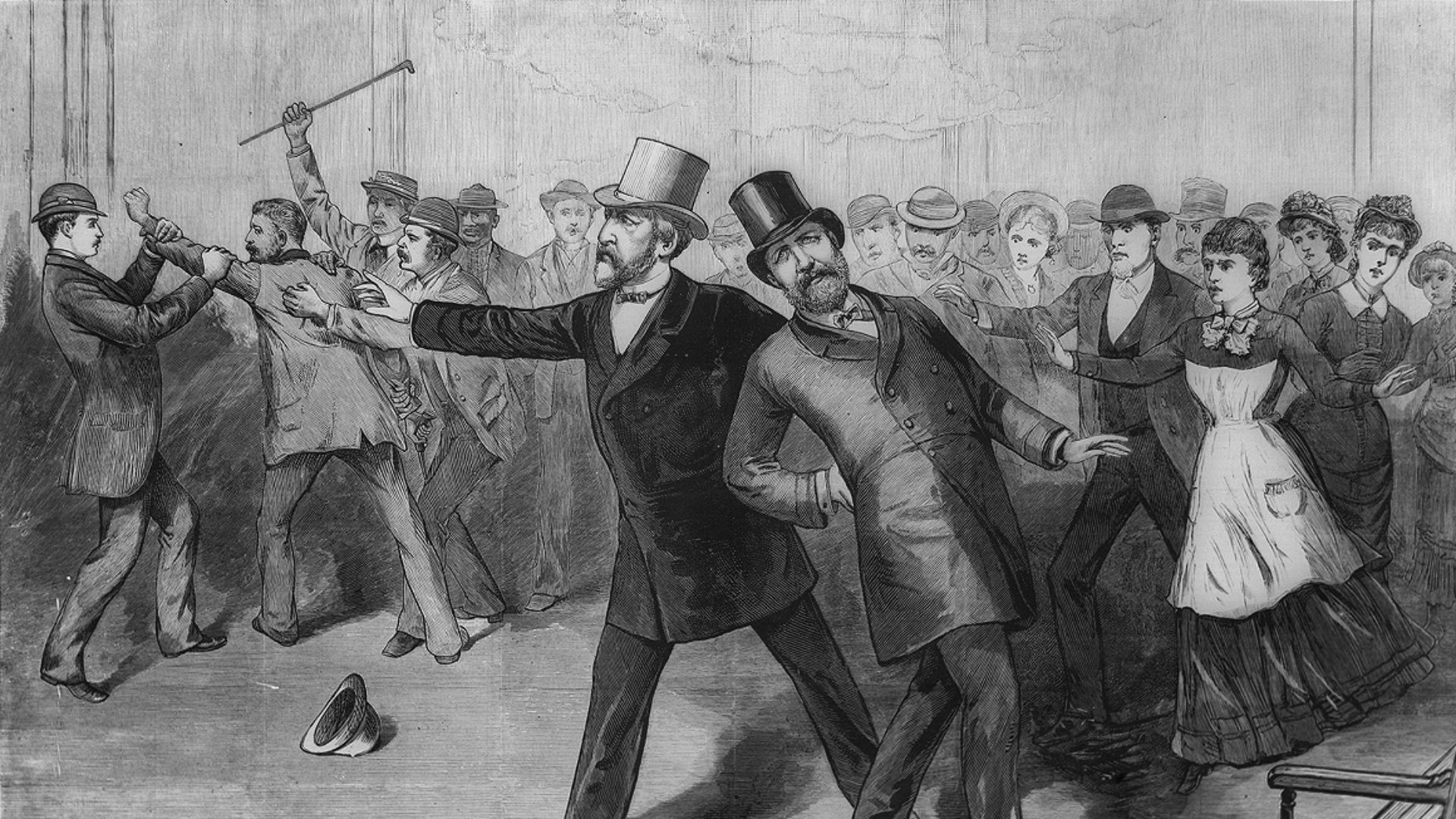
Charles Guiteau shot President James Garfield after convincing himself he deserved a government job. Garfield’s assassination made the spoils system look not merely corrupt, but dangerous, and the Pendleton Act of 1883 pushed federal hiring toward exams, merit, and a little less political chaos.
 A. Berghaus and C. Upham, published in Frank Leslie's Illustrated Newspaper. on Wikimedia
9. Presidential Secret Service Protection
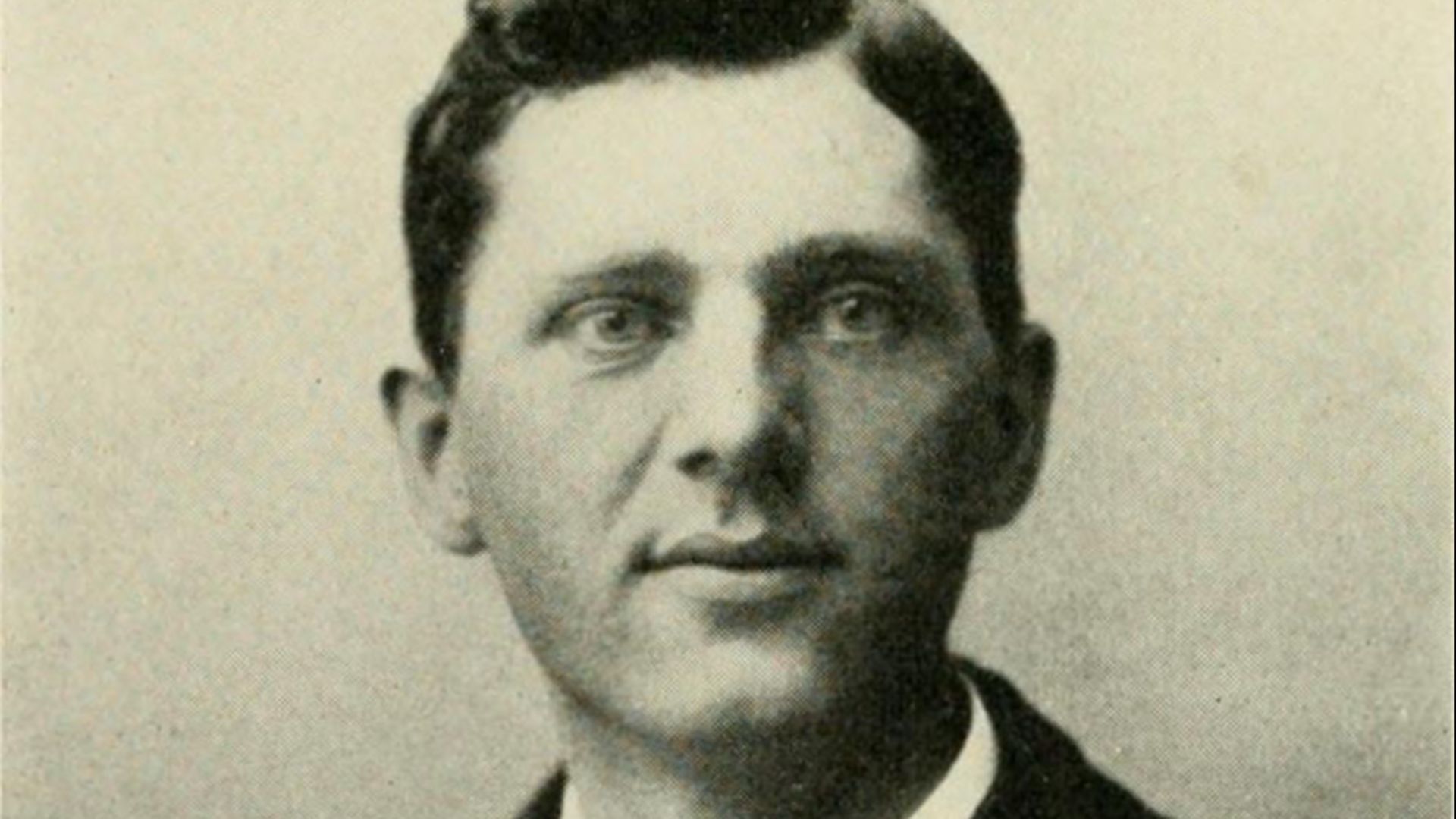
When Leon Czolgosz shot President William McKinley in 1901, the country had already lost Lincoln and Garfield to assassins. After McKinley’s death, Congress requested Secret Service protection for presidents, and the agency soon took on the role that now seems inseparable from the office.
 Wiendenthal Photo Company of Cleveland,Ohio on Wikimedia
10. The Iroquois Theater Rules
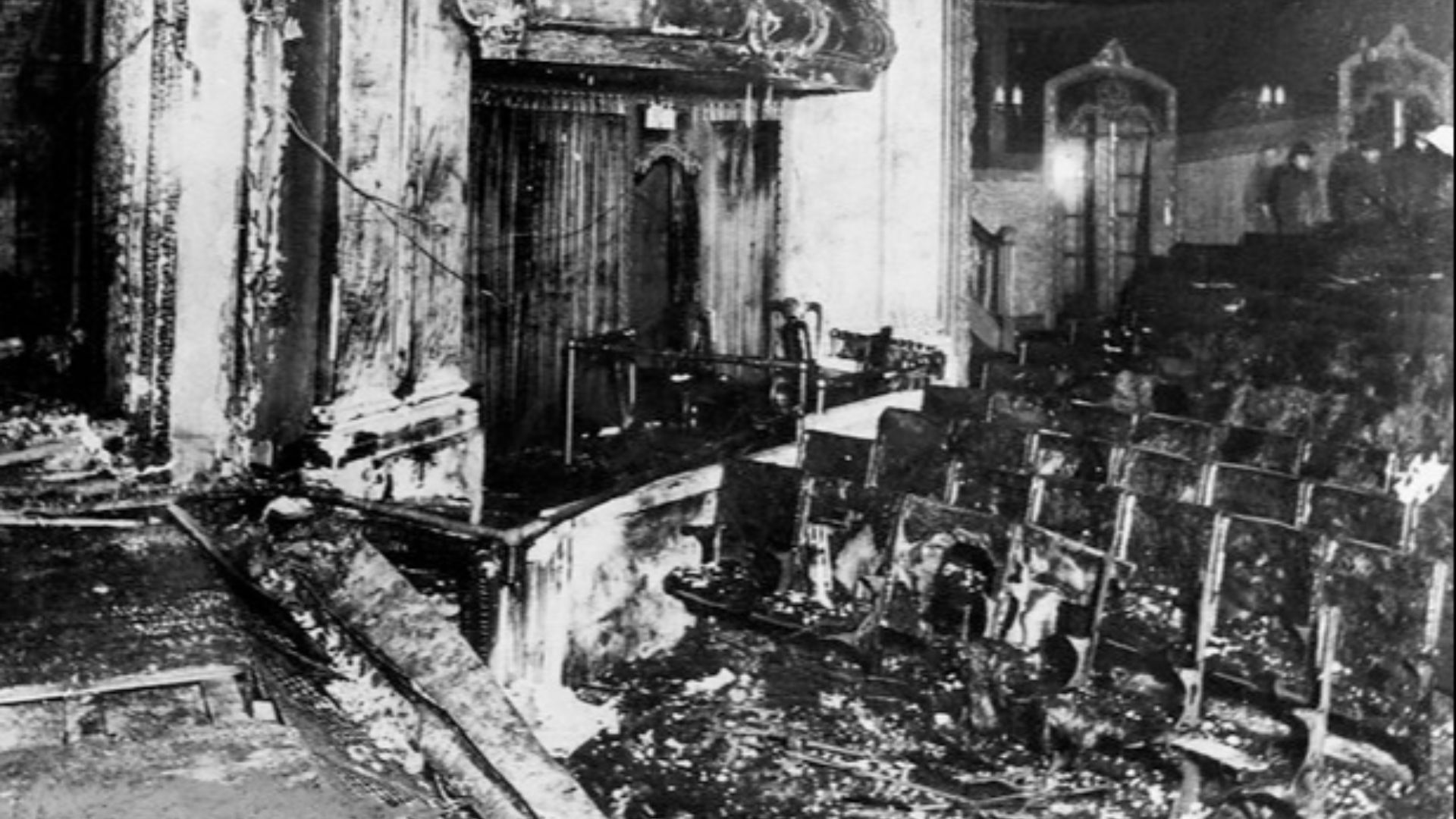
The 1903 Iroquois Theatre fire in Chicago killed hundreds of people in a building advertised as safe. Locked exits, poor signage, and failed fire equipment helped turn one afternoon performance into a disaster, and the aftermath pushed reforms in exit doors, panic hardware, and theater safety.
 http://fire-truck.ru/encyclopedia/pozharyi-v-teatrah.html/nggallery/thumbnails on Wikimedia
11. The Triangle Fire Reforms
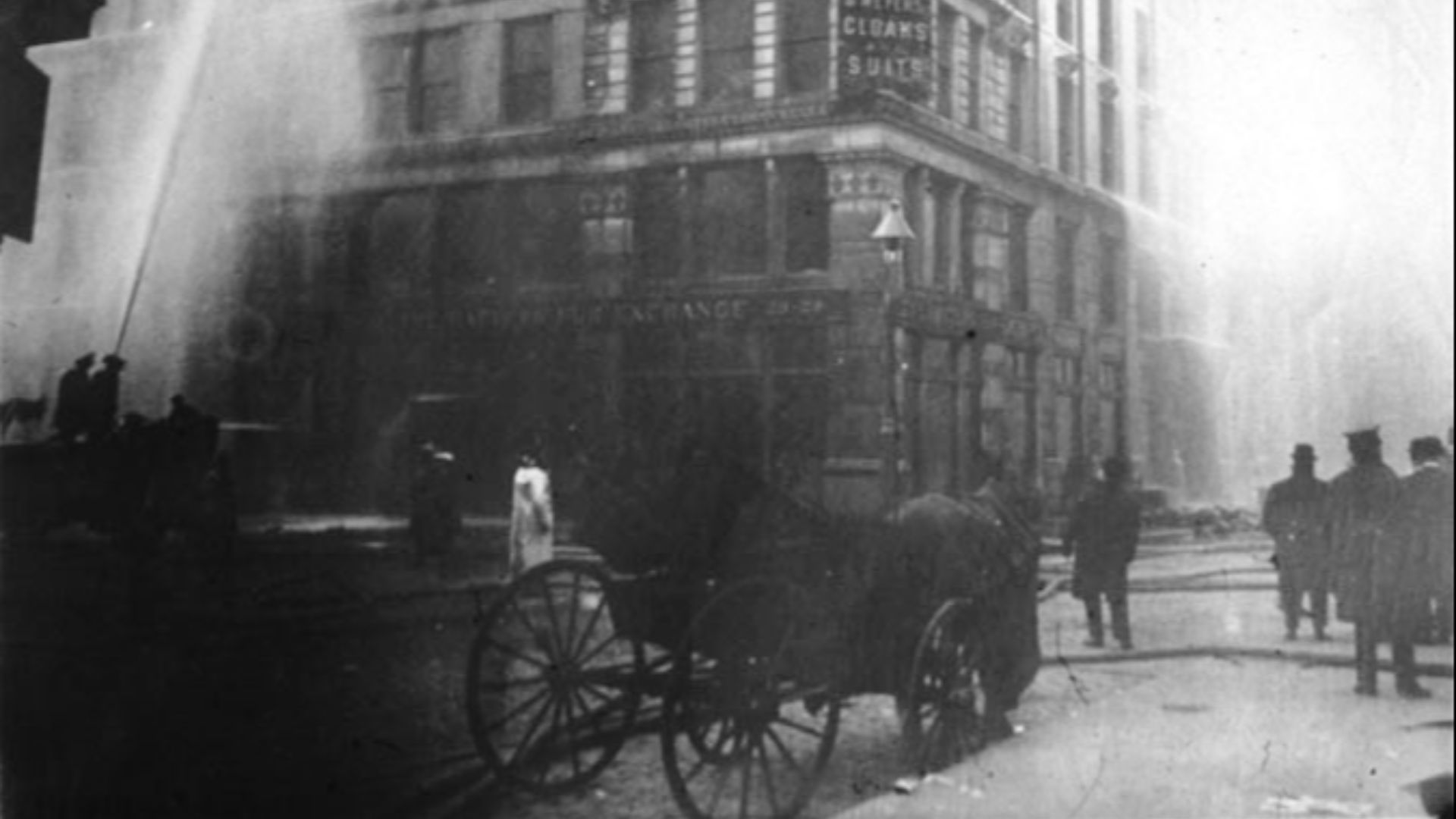
The Triangle Shirtwaist Factory fire in 1911 killed 146 workers, many of them young immigrant women trapped by unsafe conditions. New York responded with stronger workplace and fire-safety rules, proving that locked doors and ignored hazards were not just business practices; they were political failures.
 Unknown authorUnknown author on Wikimedia
12. The Radio Act And SOLAS
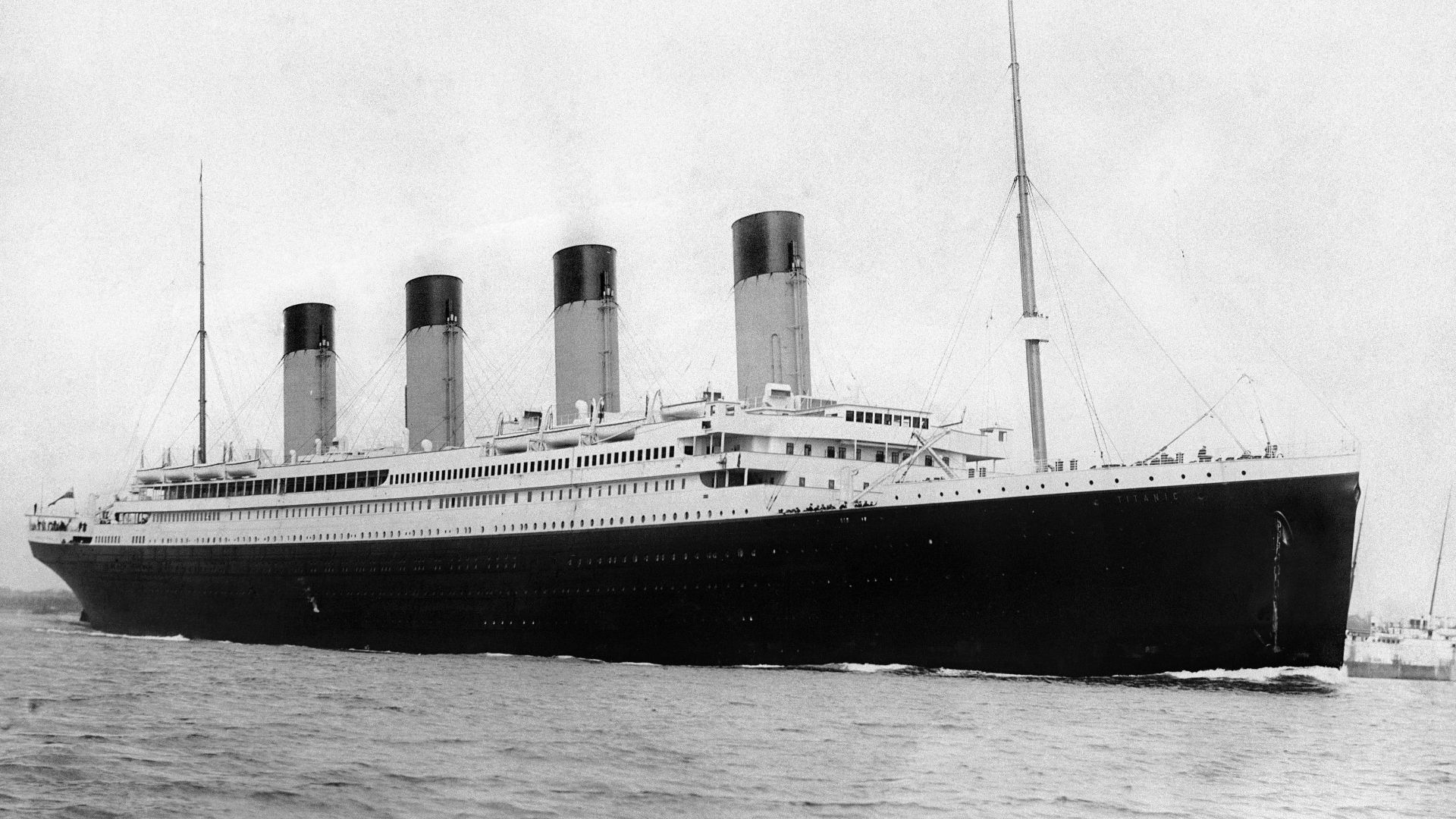
The sinking of the Titanic was not caused by one villain, but it exposed deadly arrogance, weak communication rules, and a shocking shortage of lifeboats. The disaster helped produce the Radio Act of 1912 and the first.
 Francis Godolphin Osbourne Stuart on Wikimedia
13. The Lindbergh Law
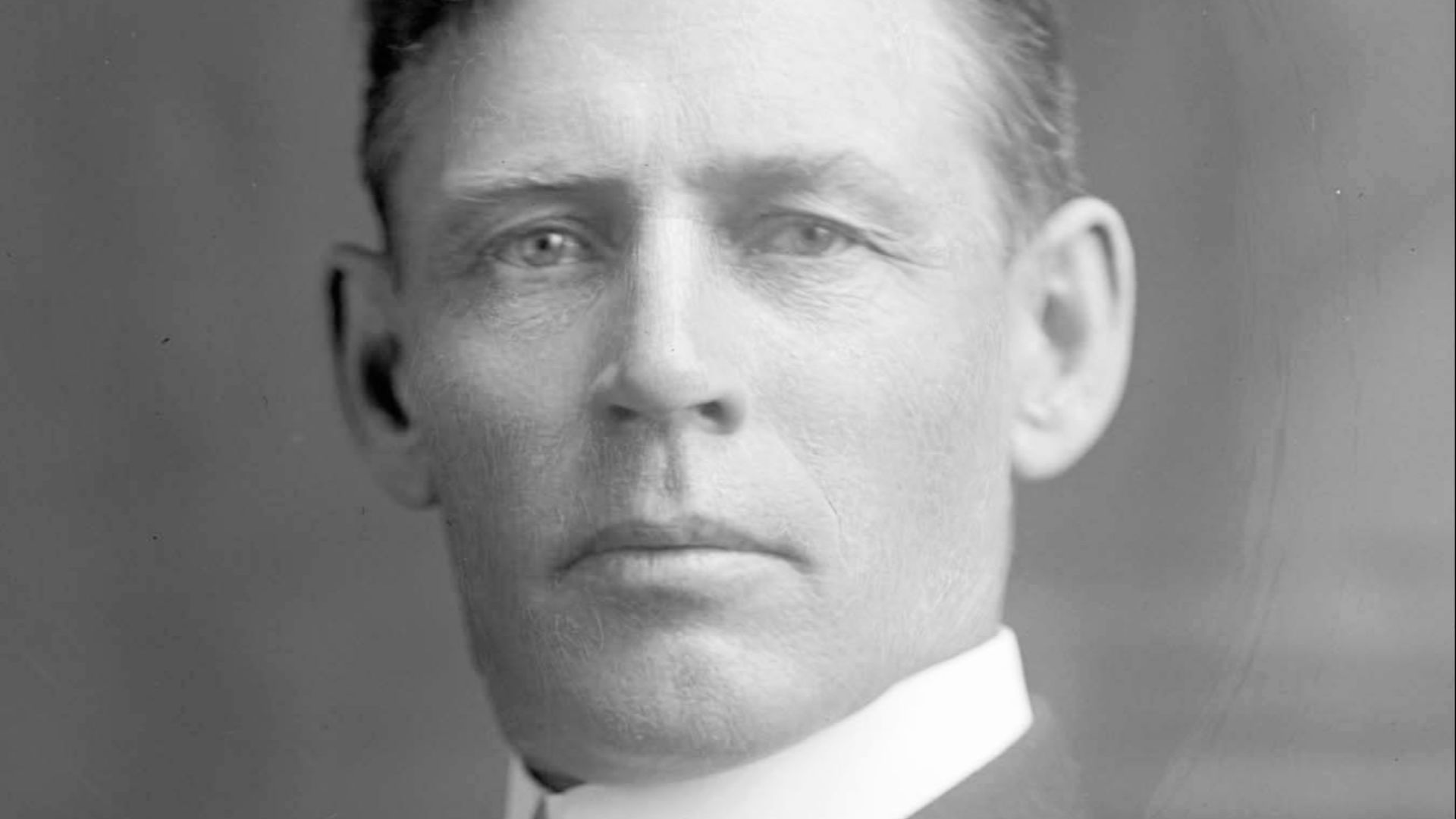
The kidnapping and murder of Charles Lindbergh’s toddler son turned a family tragedy into a national obsession. The Federal Kidnapping Act, known as the Lindbergh Law, gave federal authorities power to pursue kidnappers across state lines, because criminals had learned to use borders as cover.
 commons.wikimedia.org on Google
14. The Food, Drug, And Cosmetic Act
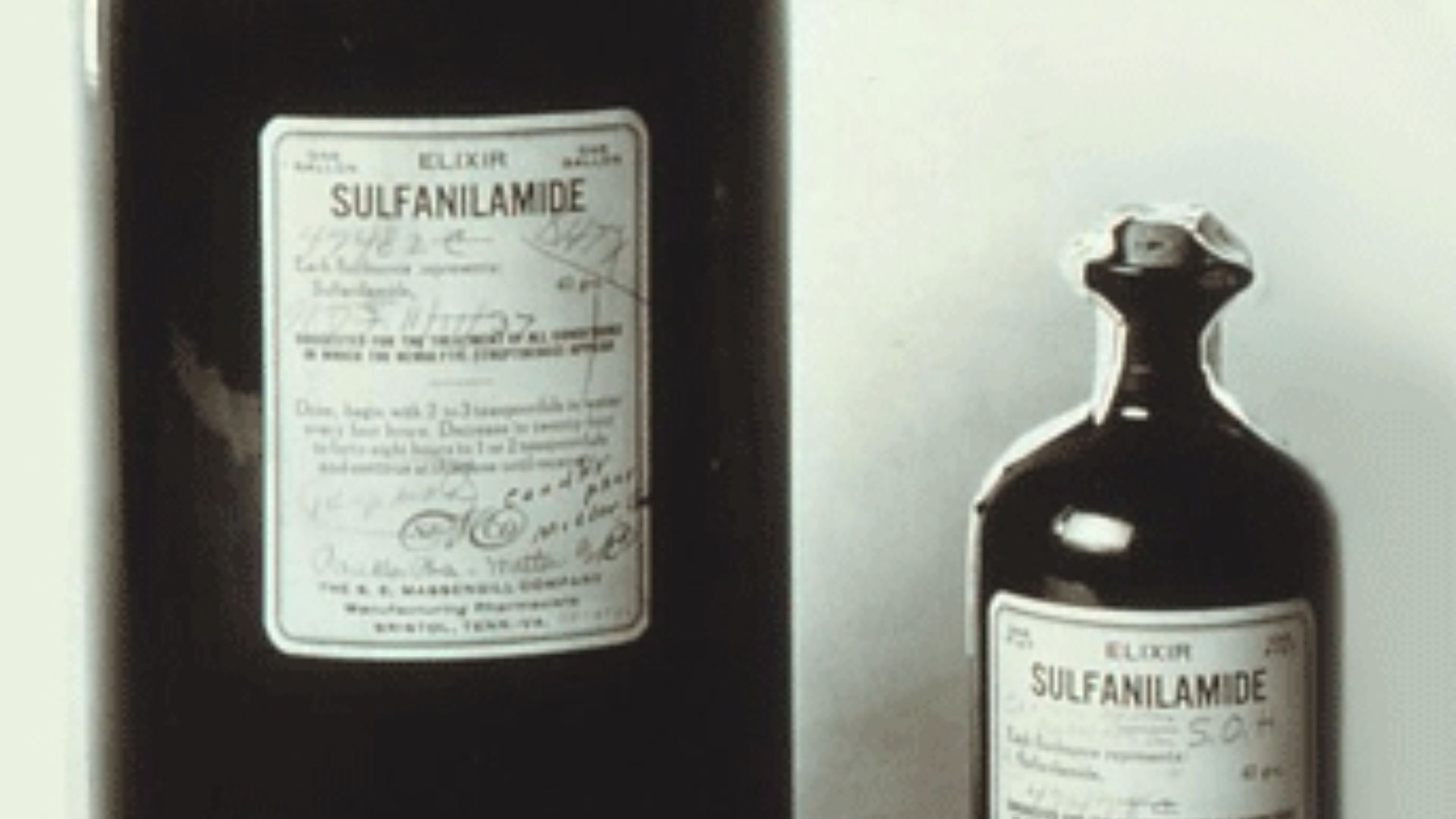
In 1937, Elixir Sulfanilamide killed more than 100 people after a company sold an untested drug mixture containing a toxic solvent. The 1938 Federal Food, Drug, and Cosmetic Act gave regulators stronger power over drug safety, because “not technically illegal” had proved to be a terrible public health standard.
 Unknown authorUnknown author on Wikimedia
15. The Nuremberg Code
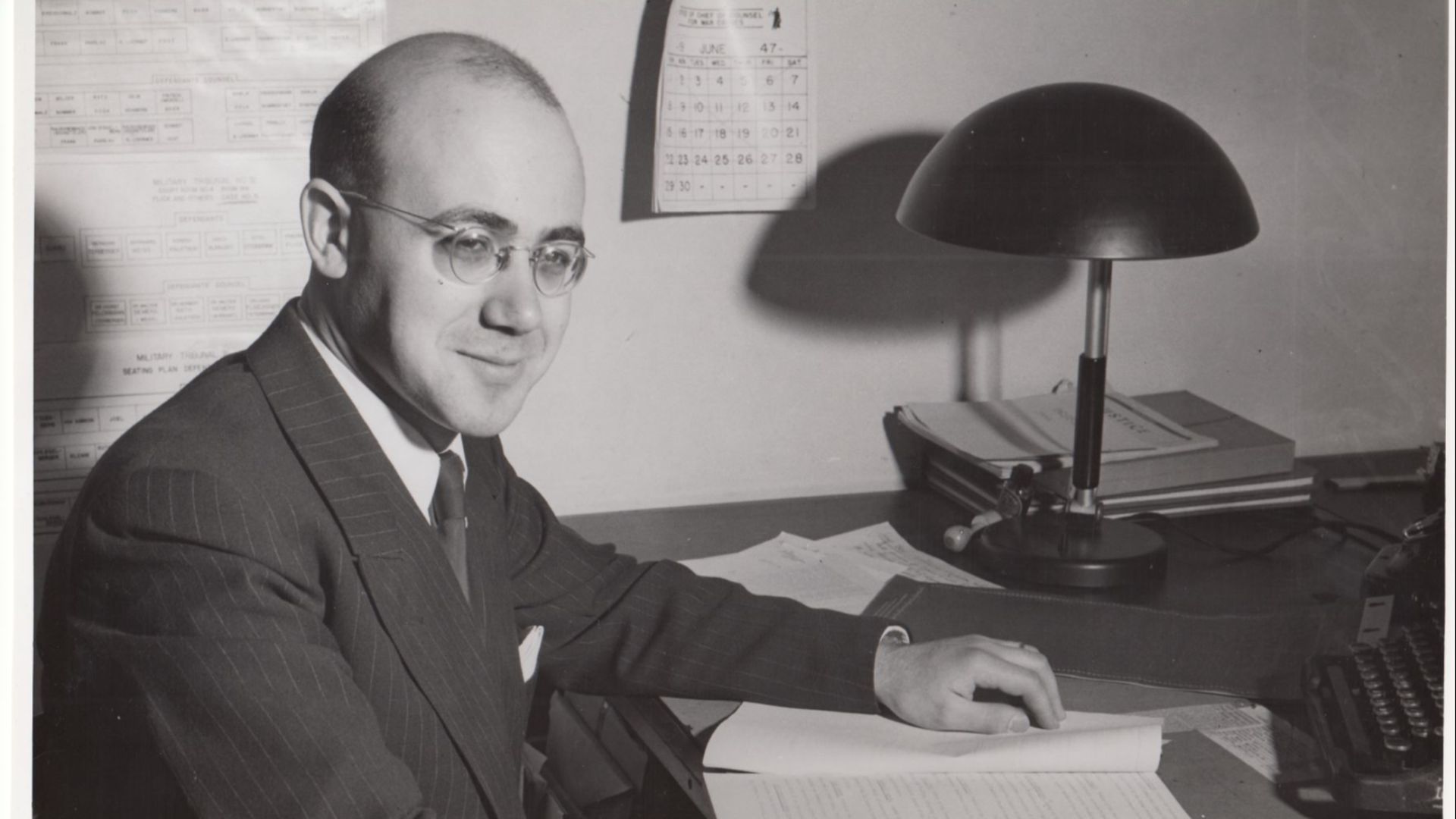
The Nuremberg Code came from the Doctors’ Trial after World War II, where Nazi physicians were prosecuted for brutal experiments on human beings. Its core idea was simple and severe: no research can be ethical when the subject has been stripped of consent, dignity, and choice.
16. The AMBER Alert System
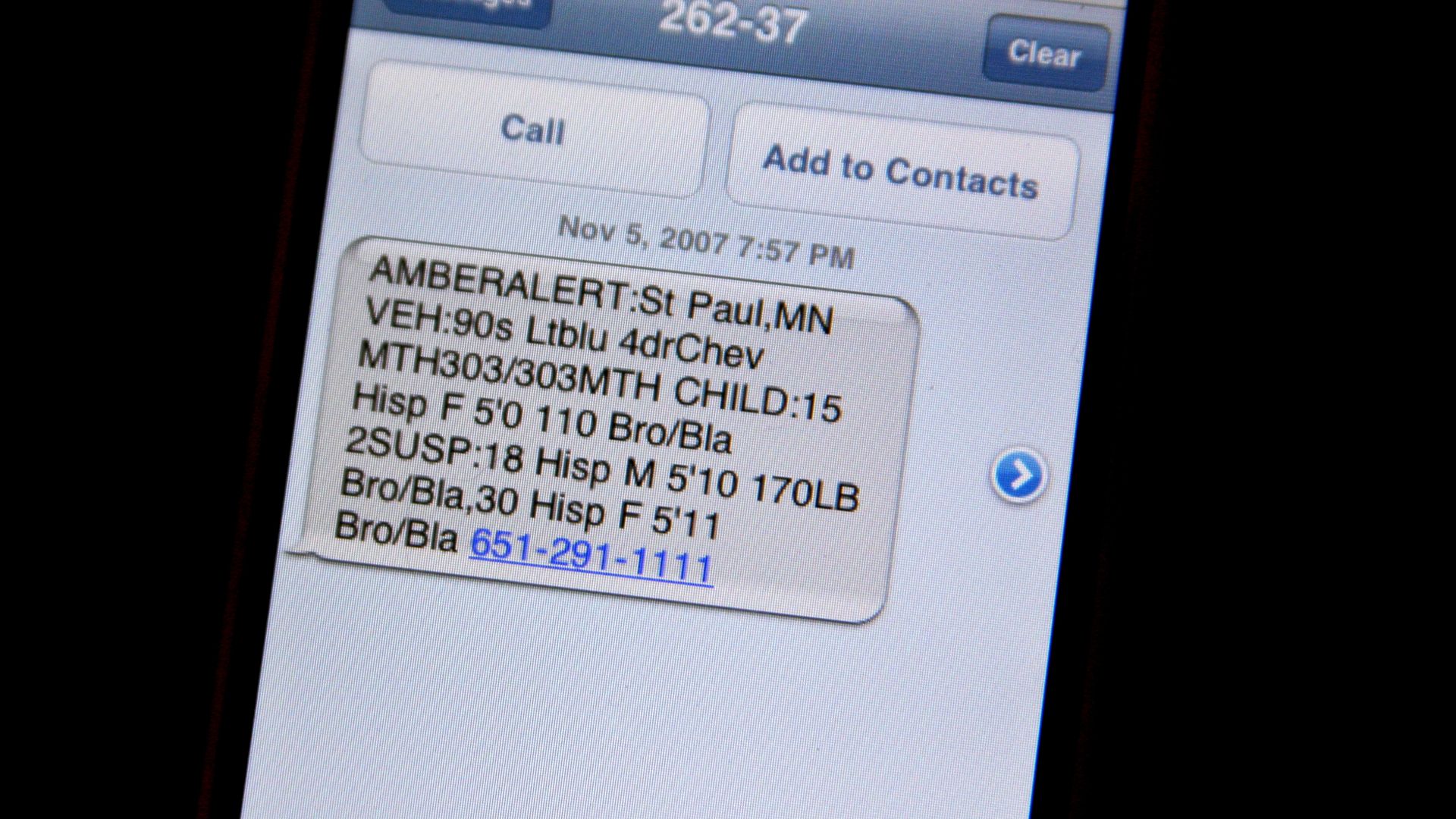
The AMBER Alert system grew out of the 1996 kidnapping and murder of nine-year-old Amber Hagerman in Arlington, Texas. Broadcasters and police built the early warning system around a simple idea: when a child is taken, time matters too much for the public to find out later.
17. The Brady Law
The Brady Handgun Violence Prevention Act was named for James Brady, who was gravely wounded during John Hinckley Jr.’s 1981 assassination attempt on President Ronald Reagan. Its background check system came from the belief that buying a gun should involve more than a quick transaction and a hope for the best.
 William Fitz-Patrick on Wikimedia
18. Laci And Conner’s Law
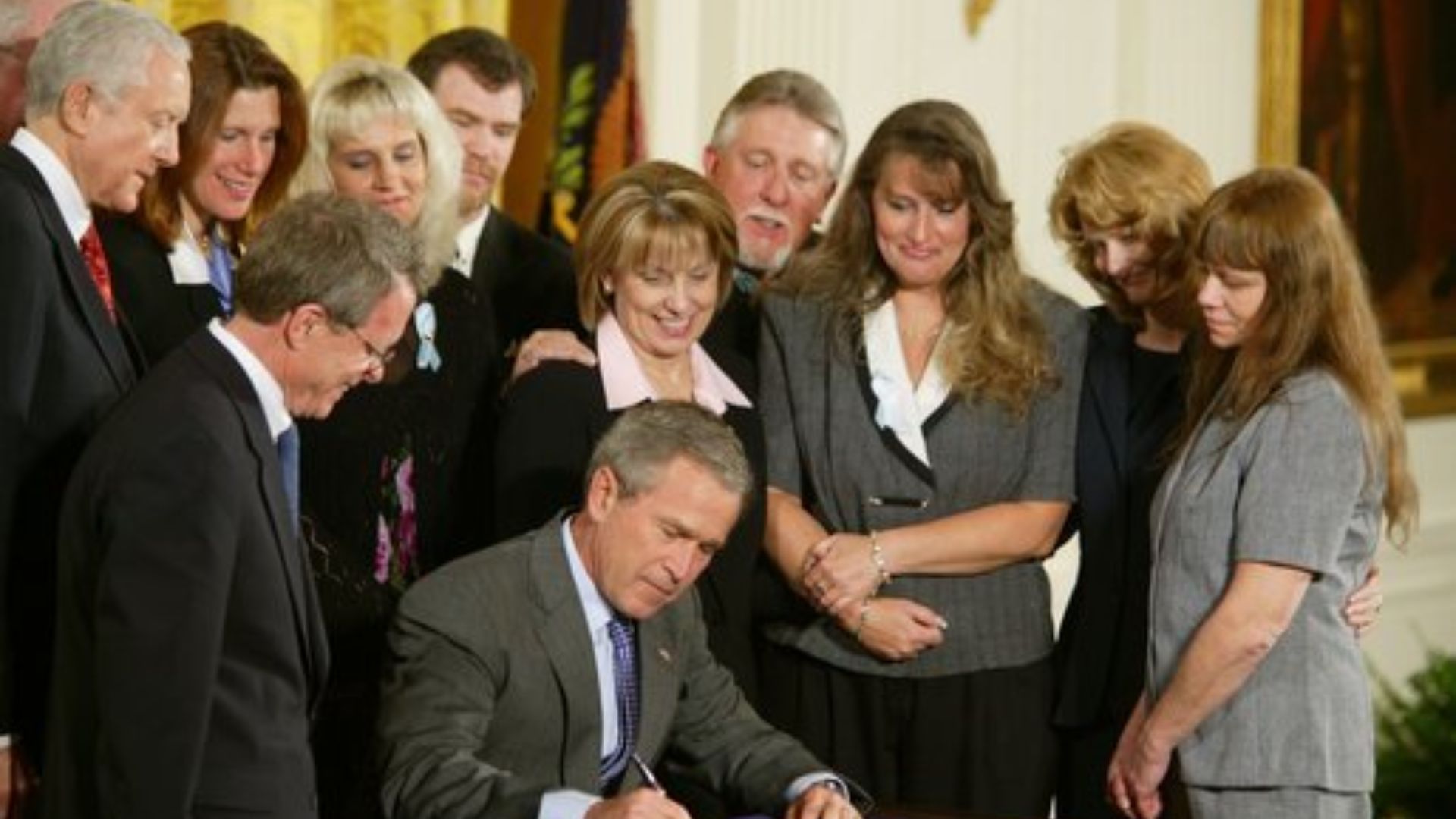
The Unborn Victims of Violence Act is also known as Laci and Conner’s Law, after Laci Peterson and the unborn son she was carrying when she was killed. The law recognized an unborn child as a separate legal victim in certain federal crimes of violence.
 Paul Morse, White House photographer on Wikimedia
19. Son Of Sam Laws
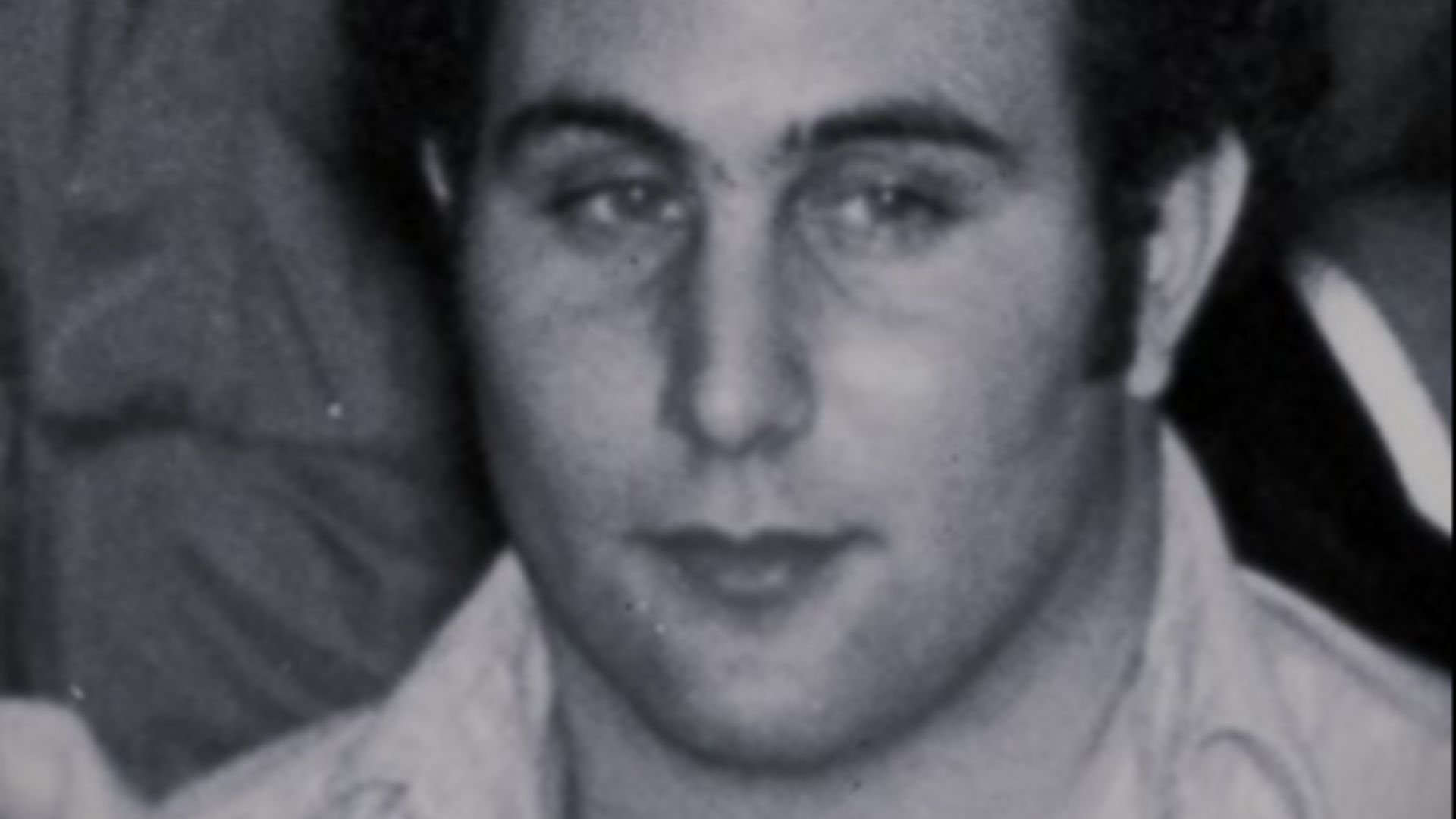
David Berkowitz terrorized New York in the 1970s, then raised a new fear: that killers could sell their stories and profit from their crimes. Son of Sam laws tried to block that payday and redirect money toward victims, even as courts later wrestled with the First Amendment problems those laws created.
 Vernun Argus press photographer. 10 August 1977 on Wikimedia
20. The Federal Anti-Tampering Act
The 1982 Tylenol murders made ordinary medicine bottles feel suddenly unsafe. After seven people died from cyanide-laced capsules in the Chicago area, Congress passed the Federal Anti-Tampering Act, making consumer product tampering a federal crime and helping push tamper-evident packaging into everyday life.

.jpg)

KEEP ON READING

20 Laws Created Because One Person Did Something Terrible
History Keeps Receipts. Long before laws had polished names and…
By Cameron Dick May 25, 2026
20 Dynasties That Proved Family Wealth Can Outlast Empires
Money Remembers. Empires like to pretend they are permanent. They…
By Cameron Dick May 25, 2026
20 Archaeological Finds That Sound Fake But Are Completely Real
The Past Refuses to Be Boring. Archaeology has a way…
By Annie Byrd May 25, 2026
20 Peace Treaties That Unraveled Instantly
When Peace Agreements Failed Almost As Soon As They Began.…
By Rob Shapiro May 25, 2026
20 Historical Figures Who Lived Much Longer Than You Think
Some Famous Lives Stretched Far. History has a way of…
By Christy Chan May 22, 2026
20 LGBTQ+ People from History Who Changed the World
History Is Full Of Queer Icons . LGBTQ+ people have always…
By Emilie Richardson-Dupuis May 22, 2026