Some of the world's most recognizable rivalries look as though they were inevitable from the beginning. Coke and Pepsi seem destined to battle over soda shelves, Adidas and Puma appear born to compete for sneaker fans, and Apple and Microsoft have spent decades representing very different ideas about personal computing. Yet none of these rivalries started quite the way you might expect.
Behind each one was a particular moment, disagreement, or business decision that changed the relationship between two competitors. In some cases, the companies began as friends or partners before competition took over. Here's how three of the world's most famous rivalries really got started.
Coca-Cola vs. Pepsi: The Cola Competition Gets Started
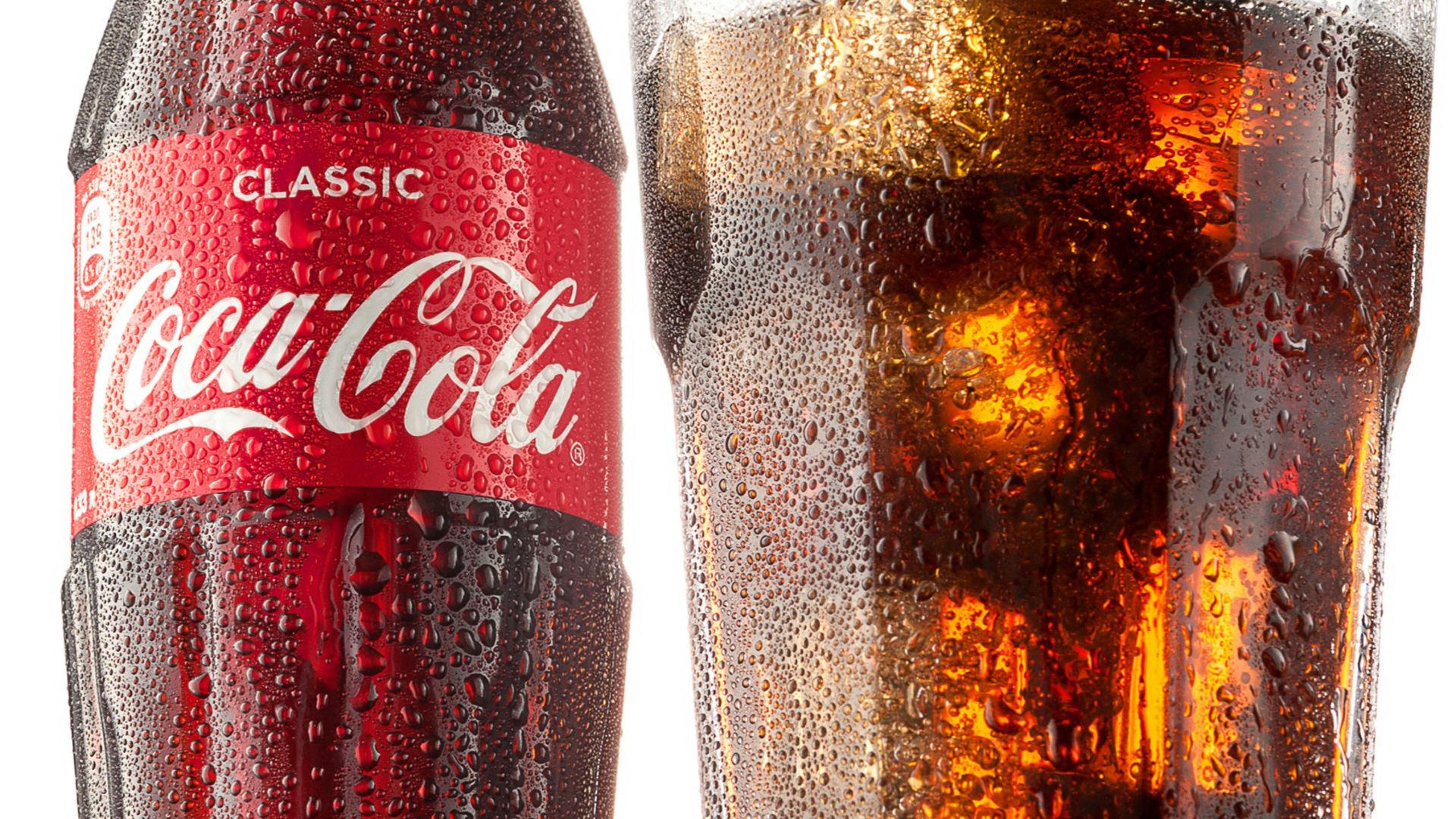
As many people may know, Coca-Cola had been around for many years before Pepsi. It was invented back in 1886 by a pharmacist in Atlanta. It wasn't until 1893 when Pepsi came along, and a pharmacist by the name of Caleb Bradham created what was known as Brad's Drink.
So Pepsi came on the scene to compete with another popular drink on the market. For decades, however, this wasn't quite the dramatic "cola war" people remember today. Pepsi struggled financially and went through bankruptcy twice before becoming a more formidable competitor.
During the Great Depression, Pepsi found a clever way to attract customers by selling a 12-ounce bottle for the same five cents that bought a smaller bottle of Coke. When Pepsi started gaining popularity, it led to the Cola Wars. In the 1970s, Pepsi began doing taste-test advertisements, which helped them sell their product to customers.
As this became competitive with Coca-Cola, they did as well. This all led to one of the greatest controversies of the Cola War in 1985, when Coke released New Coke and quickly brought back their old recipe as Coca-Cola Classic.
Adidas vs. Puma: When a Family Business Split in Two
This rivalry has an unusually personal beginning because Adidas and Puma weren't originally competitors at all. Brothers Adolf "Adi" Dassler and Rudolf "Rudi" Dassler worked together in their family's shoe business in the Bavarian town of Herzogenaurach, Germany. In 1924, they formally established the Dassler Brothers Sports Shoe Factory, developing athletic footwear at a time when specialized sports shoes were still a relatively small market.
No one knows for sure why they stopped getting along. It could have been family issues, conflicts with each other, and/or external problems caused by World War II. They would go their separate ways by the end of the 1940s.
From this feud, two global brands were born. Rudolf created what would become known as Puma, and Adi created Adidas in 1949. Both companies took over their small German town of Herzogenaurach.
The rivalry even split the town into Puma supporters and Adidas supporters. The brands went on to rival each other through players and shoe technology.
Apple vs. Microsoft: From Partners to Competitors
The Apple-Microsoft rivalry also has a surprising twist: the two companies didn't begin as bitter enemies. Microsoft worked with Apple during the early 1980s, developing software for the Macintosh. Microsoft even announced custom productivity software for the Mac when the computer was introduced in 1984, making the relationship an important part of the Macintosh's early software ecosystem.
Things started to get pretty rough when Microsoft made Windows. Apple thought that Microsoft stole many things from the Mac's user interface. There's more to the story, but Microsoft did take many of the ideas used in the graphical user interface on the Mac.
They weren't the first to come up with these ideas either; Xerox PARC did. Which Apple took many of these ideas from as well.
Windows 1.0 arrived in 1985, and Apple eventually sued Microsoft over the similarities between Windows and the Macintosh interface. The legal battle didn't go Apple's way, and Windows 3.0's success in 1990 helped Microsoft establish a powerful position in personal computing.
Ironically, the companies eventually moved beyond their rivalry enough for Microsoft to invest $150 million in Apple in 1997, showing just how complicated a business relationship can become when yesterday's competitor can also be tomorrow's partner.
As you can see, most rivalries have a little more to the story than just "we hate them." It's always something interesting, whether it's trying to sell more to the customer, your family falling apart, or your partner now selling your product. The entertaining part is that once the rivalry becomes famous, its original story can almost disappear beneath decades of advertising, lawsuits, product launches, and fans choosing sides.