How Many Pilots Does It Take to Fix a Lightbulb? The Tragedy of Eastern 401
On December 29, 1972, Eastern Air Lines Flight 401 left New York’s John F. Kennedy International Airport for what should’ve been a routine trip to Miami. The aircraft was a Lockheed L-1011 TriStar, a wide-body jet that was considered relatively new and modern at the time. Onboard were 163 passengers and 13 crew, and the flight, up until the moment before landing, was routine.
The crash that followed became one of the most studied accidents in aviation history, not because of a major mechanical failure, but because of something far, far smaller. By the time anyone fully understood what was happening, Flight 401 had descended into the Florida Everglades. When the details started to emerge, one question plagued everyone's mind: How many pilots does it take to fix one tiny lightbulb?
The Light That Pulled the Crew In
The problem started right as the aircraft approached Miami, and at first, it seemed to be a small issue: when the crew lowered the landing gear, the cockpit light for the nose gear didn’t come on. That didn’t automatically mean the gear had failed; in fact, it was more plausible that the indicator light or its assembly was just faulty. It wouldn't be until much later, after tragedy had already befallen those onboard, that the nose gear was found to be down and locked when the aircraft dove into the Everglades.
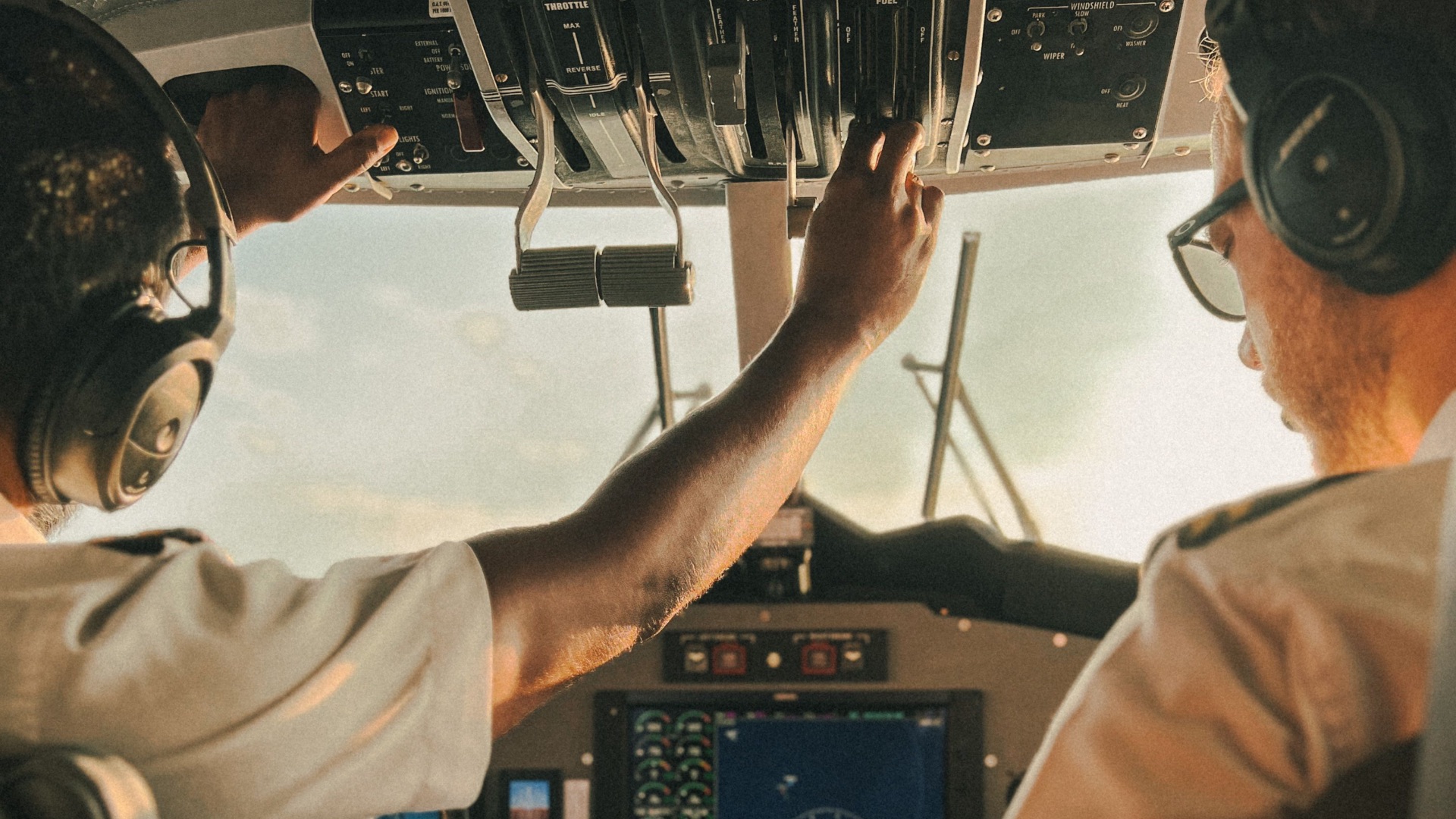
But let's rewind a bit. Once the gear showed a problem, the entire cockpit crew—consisting of Captain Robert "Bob" Loft, First Officer Albert Stockstill, and Flight Engineer Donald "Don" Repo—began troubleshooting while air traffic control redirected the flight away from the airport. Their concern was understandable: landing a large jet without confirmation of the nose gear would’ve been risky. Had they just assumed that it was down and locked and it was only the bulb that was faulty, they could've been in for a much more frightening descent if that assumption proved false at the last second. Still, the situation didn't require two pairs of eyes, let alone three.
The cockpit workload narrowed around the indicator problem. The crew recycled the landing gear, tested the lights, and tried to remove and reseat the nose gear light assembly. The first officer had trouble reinstalling the assembly after it was removed, while the flight engineer later went below the flight deck to check a visual gear indicator. During all of this, the airplane itself, the one thing the crew should've been prioritizing their attention to, wasn’t being watched closely enough.
When the Airplane Was No Longer Being Monitored
Flight 401 had been instructed to maintain 2,000 feet while the crew worked through the problem. At some point, unbeknownst to the pilots, the aircraft’s altitude hold was disrupted (later found to possibly have been due to Loft accidentally nudging the yoke) and the jet began a gradual descent. But because the change was not immediately evident, and because the crew had their sights set elsewhere, the deviation was missed. The crew’s focus remained tied to the gear indication light while the aircraft slowly sank closer and closer to terrain.
This detail is what made Flight 401 so frustrating, and painful, to study. The crew members were experienced pilots, and they weren’t ignoring a problem; they were trying to solve it. But humans are fallible, and task fixation can happen when trained people become consumed in one task and lose track of the larger system around them. If you’ve ever focused hard on one detail and missed something obvious nearby, you can understand the human weakness here.
In the aftermath, the National Transportation Safety Board concluded that the probable cause was the crew’s failure to monitor the flight instruments during the final minutes of flight. The report also pointed to their preoccupation with the nose landing gear indicating system. Flight 401 crashed into the Everglades just before midnight, roughly 19 miles from the end of Runway 9L of Miami International Airport. In total, 101 people lost their lives, including two survivors who later died from their injuries, while 75 people miraculously survived.
The Ghost Stories That Became Part of the Legacy
After the accident, another story attached itself to Flight 401: the so-called "ghosts of Eastern 401." Reports circulated that deceased crew members, especially Captain Loft and Flight Engineer Repo, had been seen aboard other Eastern L-1011s. These stories became widely known after John G. Fuller’s 1976 book The Ghost of Flight 401. A 1978 television movie with the same title helped bring the legend to an even broader audience.
Among the most frequently repeated accounts were reports of Flight Engineer Repo's apparition being seen in the galley of an Eastern L-1011 as the flight was heading to Mexico City. Two flight attendants had both seen his face in the window and, frightened, called for the flight engineer who then recognized him as Repo. Apparently, the ghostly figure told them, "Watch out for fire on this airplane," and then vanished. Once they landed, it was found that three engines were damaged and needed to be replaced.
That wasn't the only time Repo would appear; pilots and flight attendants also saw Captain Loft sometimes as well. It was then pieced together that their apparitions were only ever seen on flights that contained gear or equipment salvaged from the doomed 401 flight. Of course, skeptics may still be wary of these stories; it's important to note that the accounts mentioned in Fuller's book were often unverifiable.
Spooky tales aside, the real legacy of Eastern 401 is still found in safety, training, and cockpit discipline. The crash helped strengthen the case for better warning systems and better cockpit teamwork, including the ideas later associated with Crew Resource Management. The lasting lesson is that no warning light should pull every set of eyes away from the flight itself. The crash of Flight 401 remains a tragedy because, like many aviation accidents, it should've never happened in the first place.
KEEP ON READING