10 Weird Ways People From History Died & 10 Weird Ways They Pulled Through
10 Weird Ways People From History Died & 10 Weird Ways They Pulled Through
Life Sure Is Strange
History has a strange sense of timing. Someone can spend years doing dangerous work, taking huge risks, or simply living through a turbulent period, only to have one accident change everything. What’s even more insane is when, against all odds, someone survives something that should’ve killed them. Luck certainly played a role, though quick thinking and sheer endurance shouldn’t be forgotten about. Here are 10 bizarre ways people from history died, followed by 10 remarkable stories of people who somehow pulled through.
1. Jean-Baptiste Lully
In 1687, French composer Jean-Baptiste Lully died because of a self-inflicted accident. During a rehearsal of Te Deum, Lully brought a long staff down on his foot. The injury became infected and eventually developed into gangrene.
 Unidentified engraver after Tony Johannot on Wikimedia
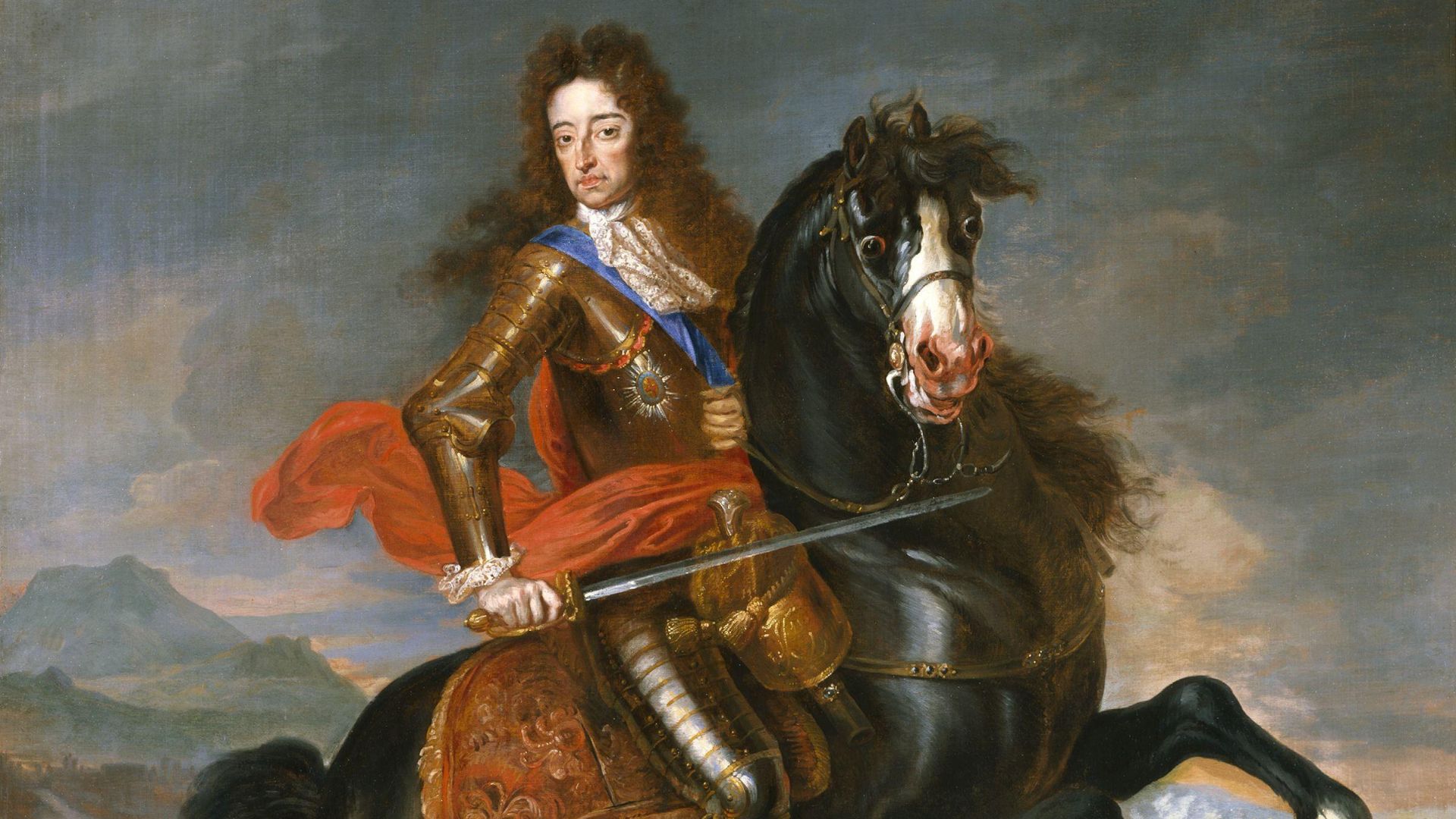
2. King William III
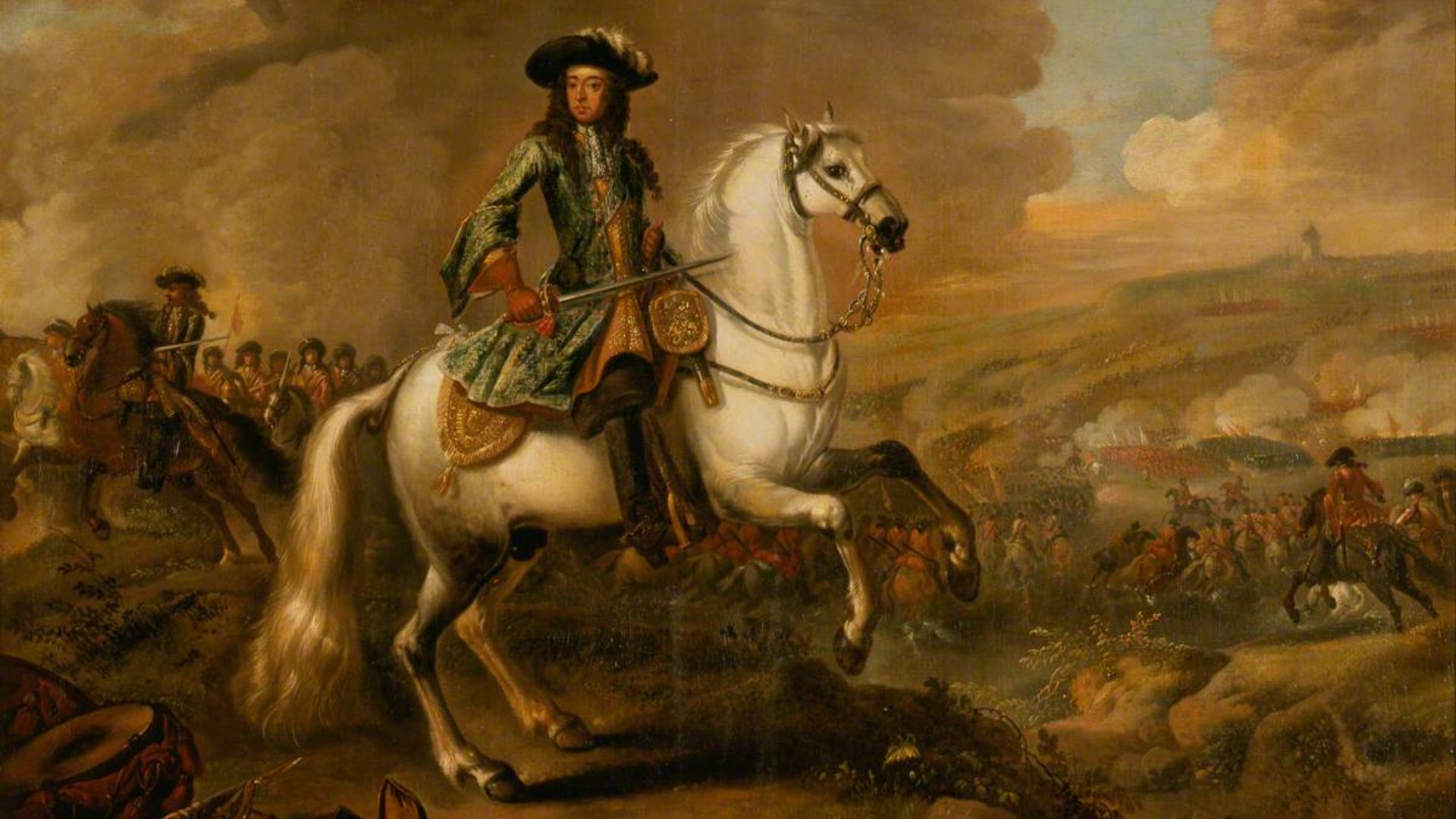
King William III of England suffered a fatal accident because his horse stepped into a molehill. The king was thrown and badly injured, and he died not long after the accident. Later, William’s political enemies celebrated his death by referring to the animal as the “little gentleman in black velvet.”
 Unknown authorUnknown author on Wikimedia
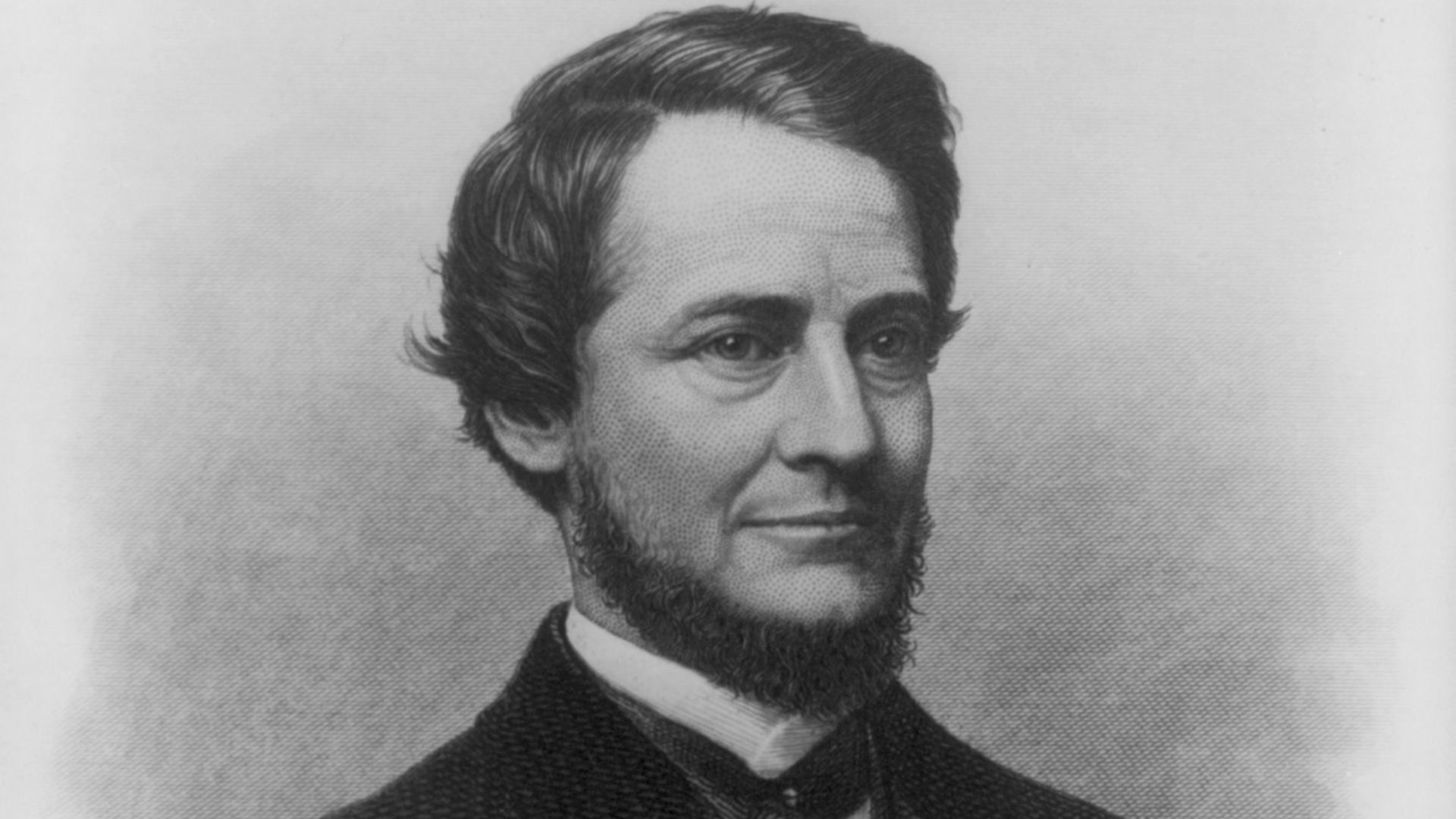
3. Clement Vallandigham
In 1871, lawyer Clement Vallandigham managed to prove his point in court in the worst possible way. Defending a man accused of murder, Vallandigham argued that the victim might have accidentally shot himself while pulling out a gun. Attempting to demonstrate how this could’ve happened, Vallandigham picked up a firearm he believed was unloaded and acted out the motion. Unfortunately, the gun was loaded. He died roughly 12 hours later. Surprisingly, his accident helped convince people that the victim in the case really could have shot himself by mistake, and Vallandigham’s client was eventually acquitted.
 Miscellaneous Items in High Demand, PPOC, Library of Congress on Wikimedia
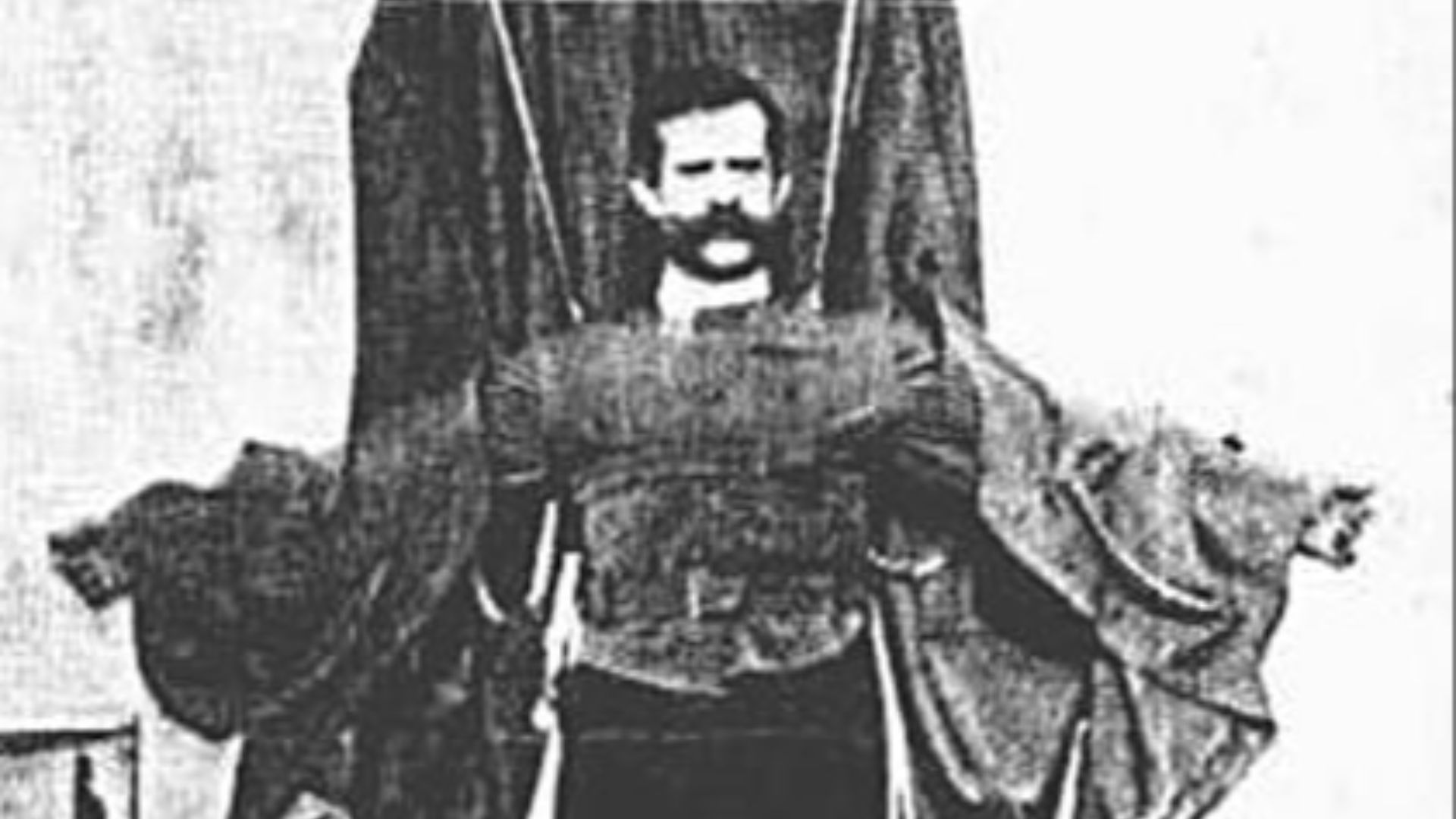
4. Franz Reichelt
Franz Reichelt wanted to create a piece of clothing that could save aviators falling from the sky, designing a wearable parachute suit. In 1912, he received permission to carry out a test from the first platform of the Eiffel Tower. Officials expected him to use a dummy, but Reichelt decided to test the invention himself. You can probably guess how this story ends.
 autor lived in 1912 on Wikimedia
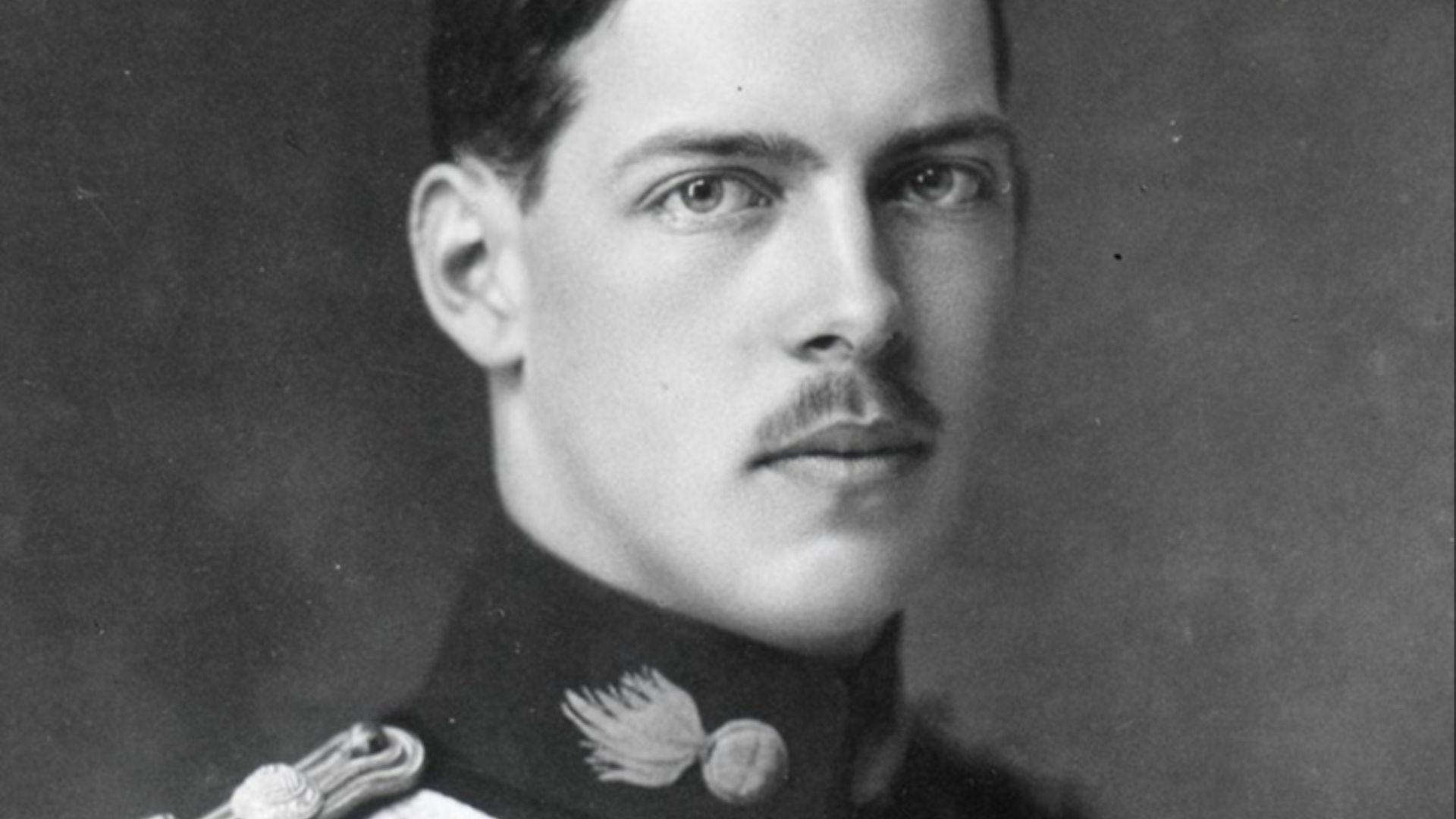
5. King Alexander I
King Alexander I of Greece was only 27 when an unexpected animal encounter led to his death. In 1920, Alexander was walking with his dog when the animal got into a fight with a monkey. The king stepped in to separate them and was bitten during the struggle. The king's condition worsened as the wounds became badly infected, and he eventually passed away.
 Charles Chusseau-Flaviens on Wikimedia
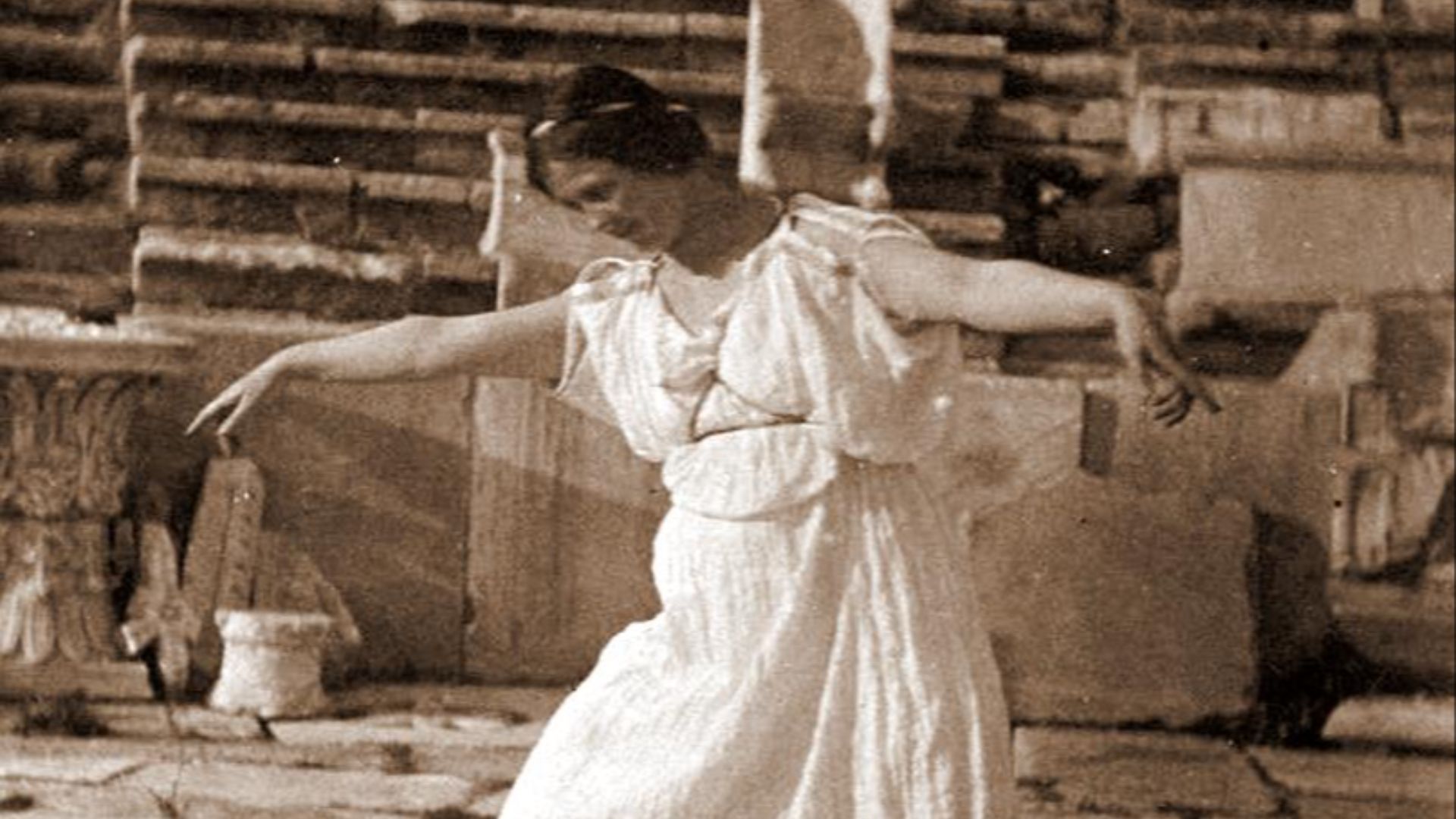
6. Isadora Duncan
Dancer Isadora Duncan was known for sporting long flowing clothes. In 1927, a scarf she was wearing got caught in a vehicle’s wheel. As the car continued moving, the scarf tightened around her neck and pulled her from the vehicle. She was killed almost instantly.
7. Martha Mansfield
In 1923, silent-film actor Martha Mansfield was working on a movie when her costume, an elaborate period dress, suddenly caught fire. People nearby rushed to help, but the costume burned quickly, and Mansfield suffered severe injuries. She was taken for medical treatment and died the following day at only 24 years old.
 Unknown authorUnknown author on Wikimedia
8. Karel Soucek
Canadian daredevil Karel Soucek had already survived his 1984 journey over Niagara Falls. The next year, Soucek planned another barrel stunt, this time inside the Houston Astrodome, dropping from above the arena and landing in a water tank. The barrel didn’t hit the center of the target as planned, striking the edge of the landing area instead and leaving Soucek with devastating injuries.
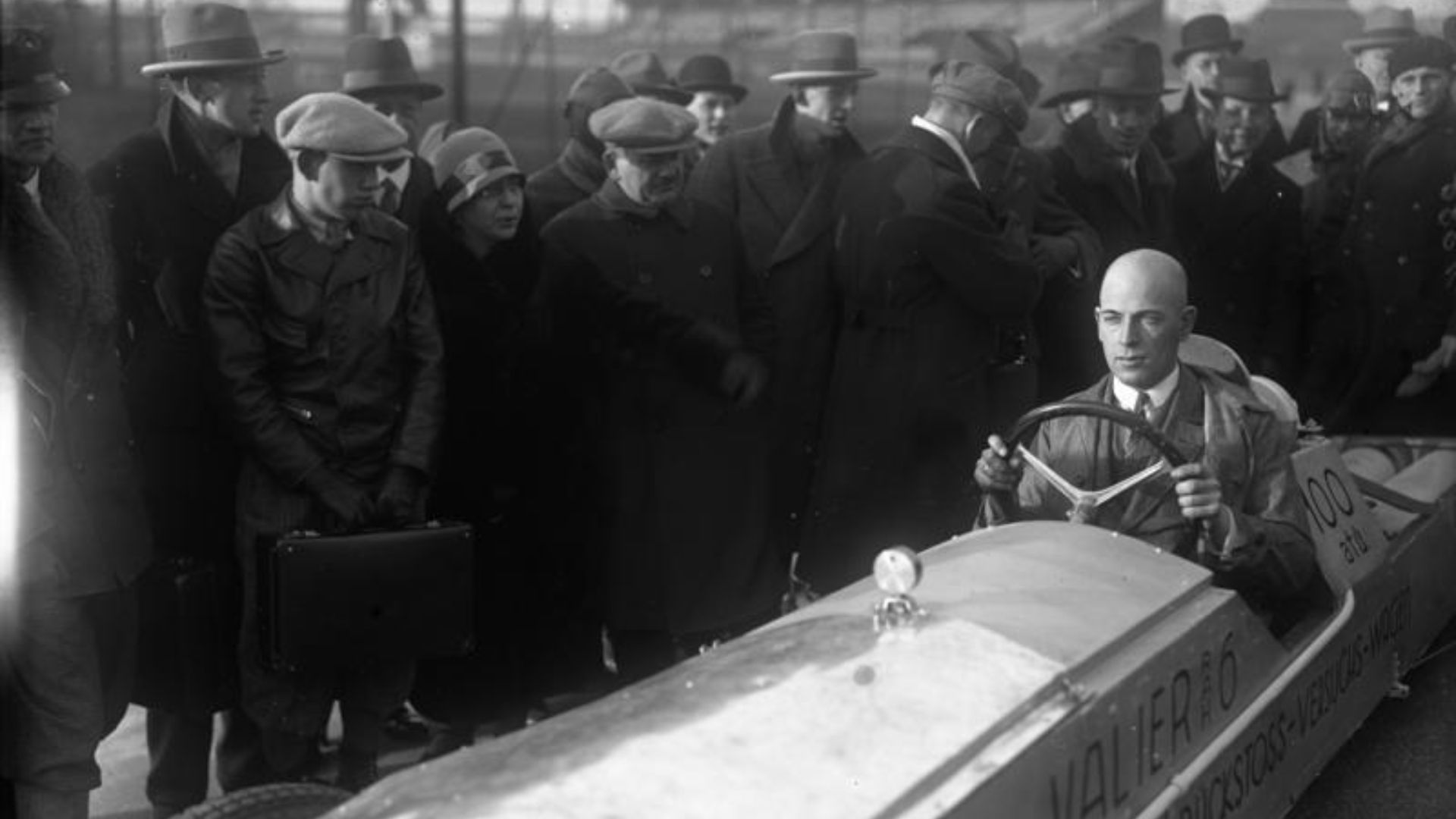
9. Max Valier
During the late 1920s, Max Valier helped develop rocket-powered vehicles, pushing the idea that rockets could someday transform transportation. In 1930, Valier was testing an experimental liquid-fueled rocket motor when its combustion chamber exploded. A piece of the equipment struck him and caused fatal injuries. He died at only 35 years old.
10. Bobby Leach
Bobby Leach survived one of the most famous daredevil stunts imaginable. In 1911, Leach climbed into a steel barrel and went over Niagara Falls and survived. In a strange twist of fate, Leach slipped on an orange peel during a trip to New Zealand in 1926. The injury became serious enough that doctors had to amputate the leg, and complications followed. Leach eventually died.
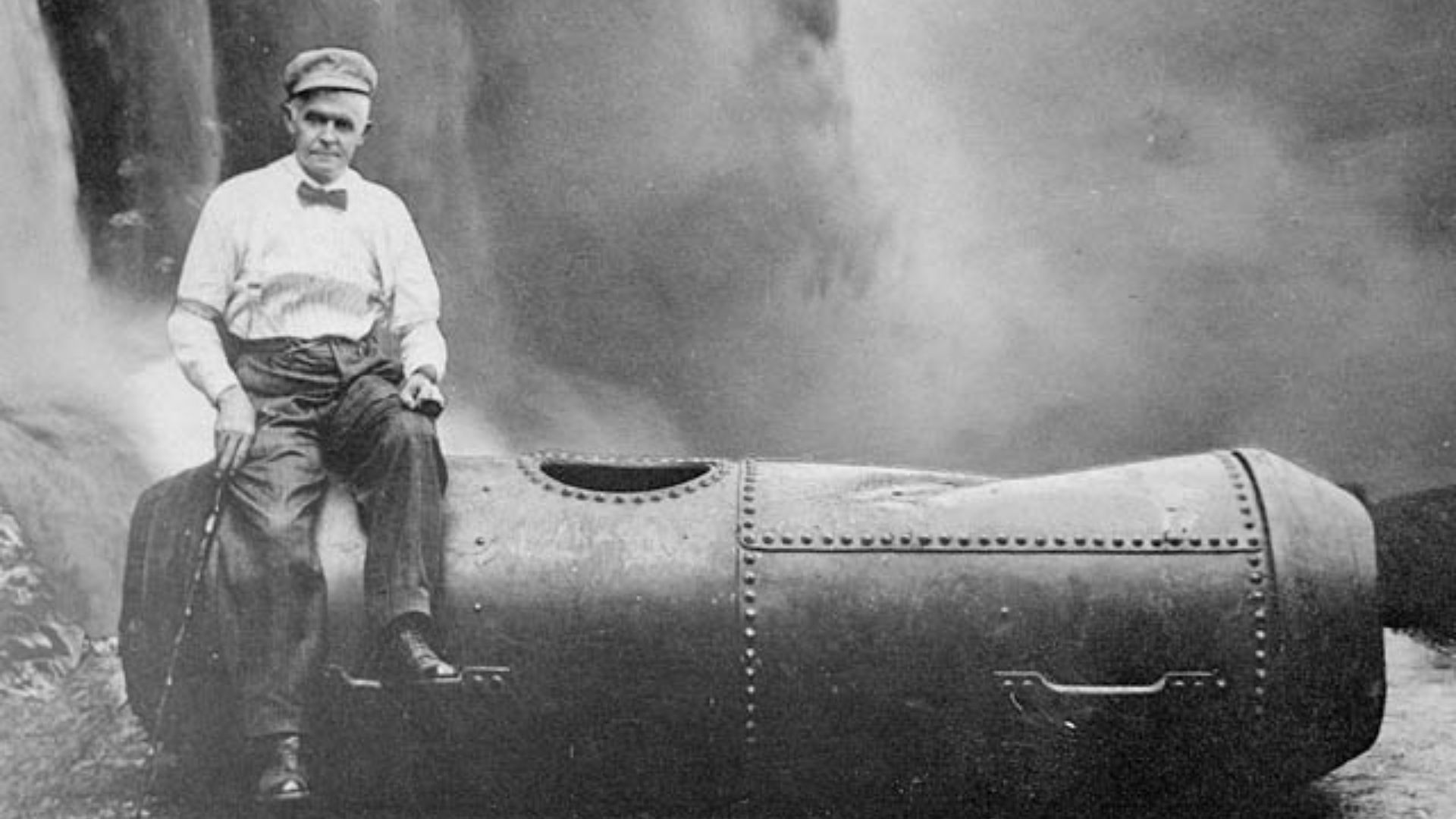 Robert Leach - Library and Archives Canada. Copyright: Expired. on Wikimedia
1. Phineas Gage
In 1848, Phineas Gage was working on a railroad project when an explosion sent a heavy iron rod through his head. Somehow, Gage lived for another 12 years. People who knew him reported changes in his personality and behavior afterward, and his case became one of the best-known stories involving serious brain injury.
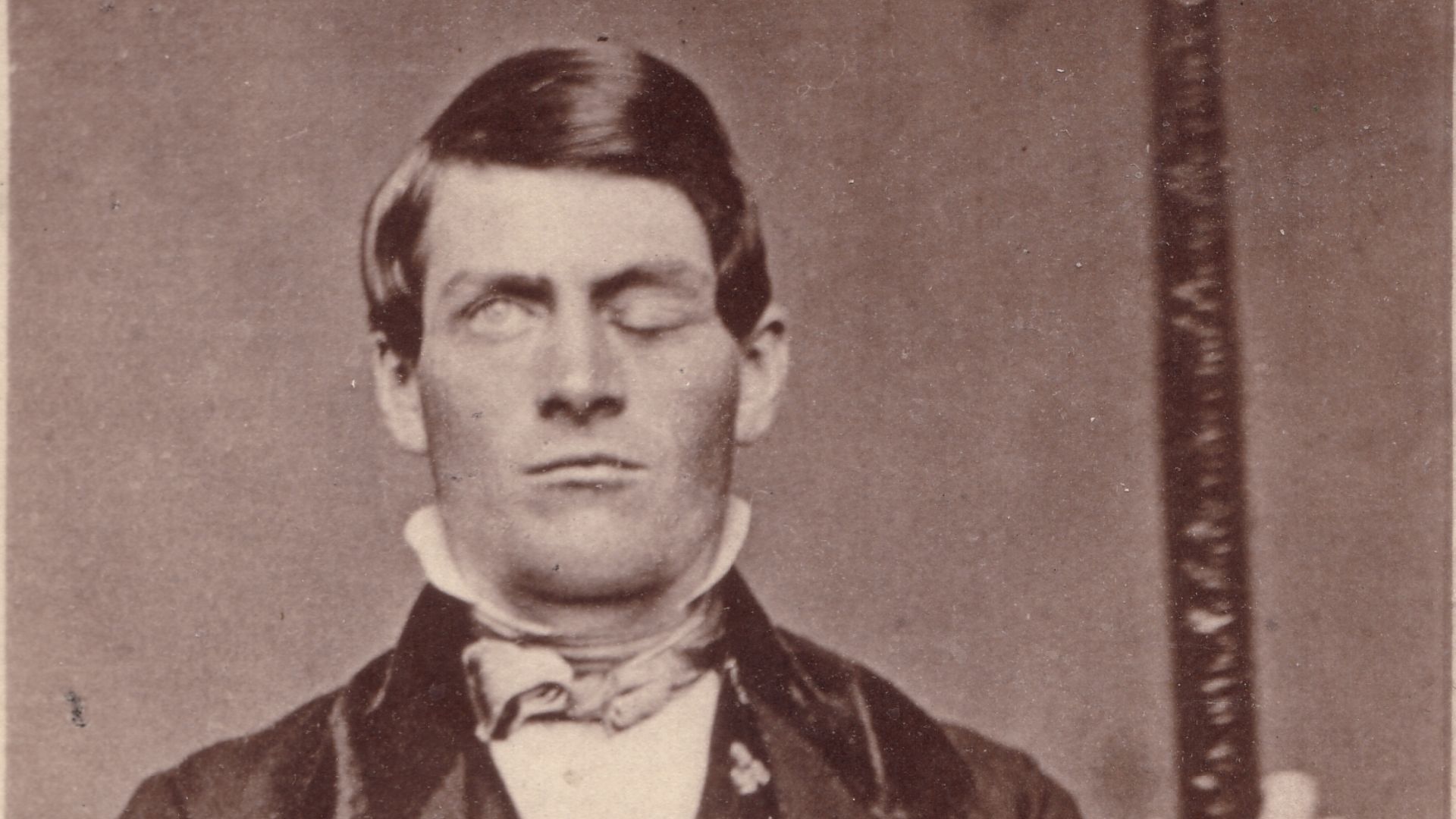 Author of underlying work unknown. on Wikimedia
2. Ann Hodges
In 1954, Ann Hodges was relaxing at home when an eight-and-a-half-pound meteorite came through her roof and struck her while she was resting on a sofa. It left a large bruise but didn’t kill her. Hodges became known as the only person confirmed to have been directly injured by a meteorite, and the only one to survive.
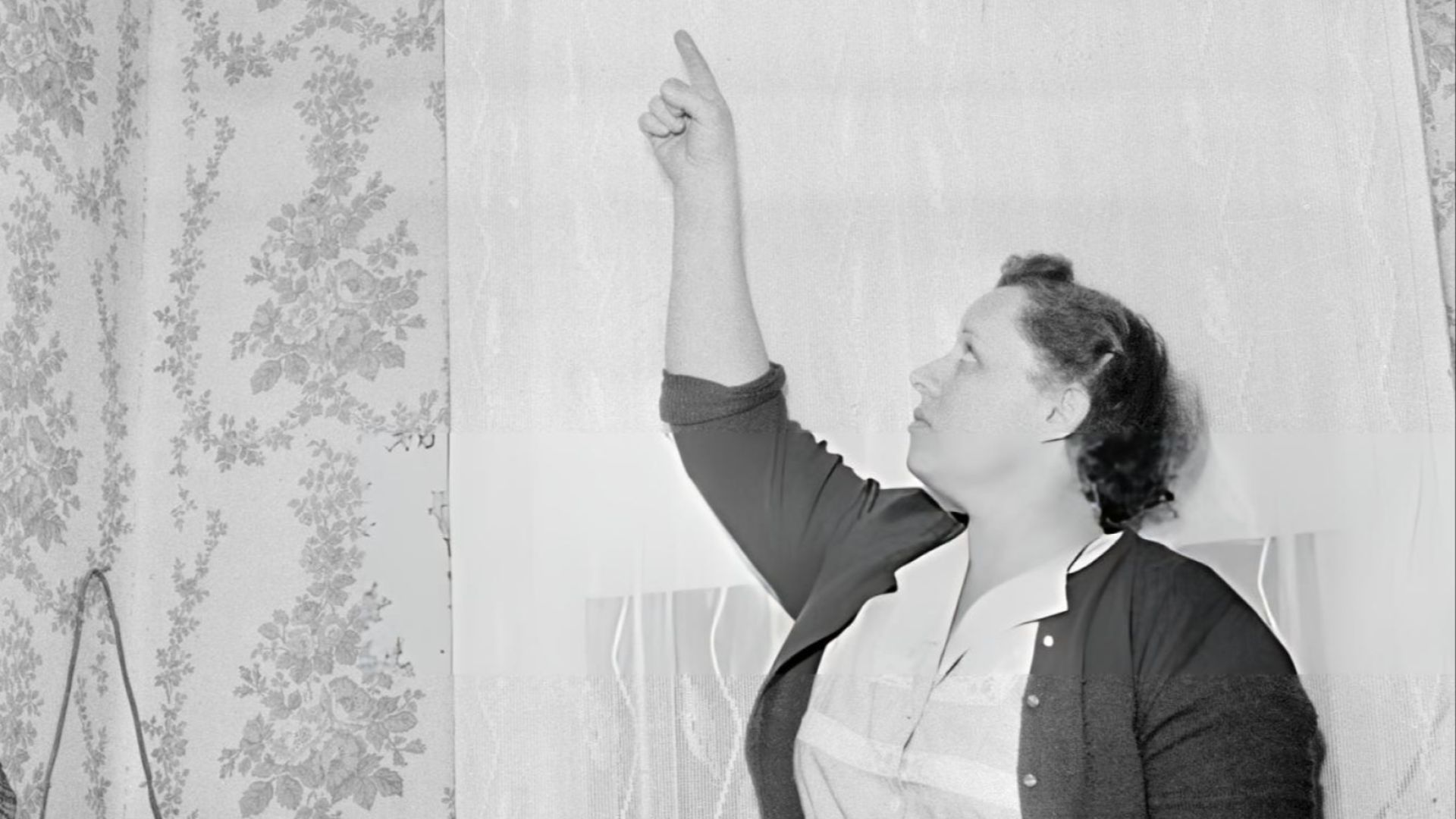 United Press International on Wikimedia
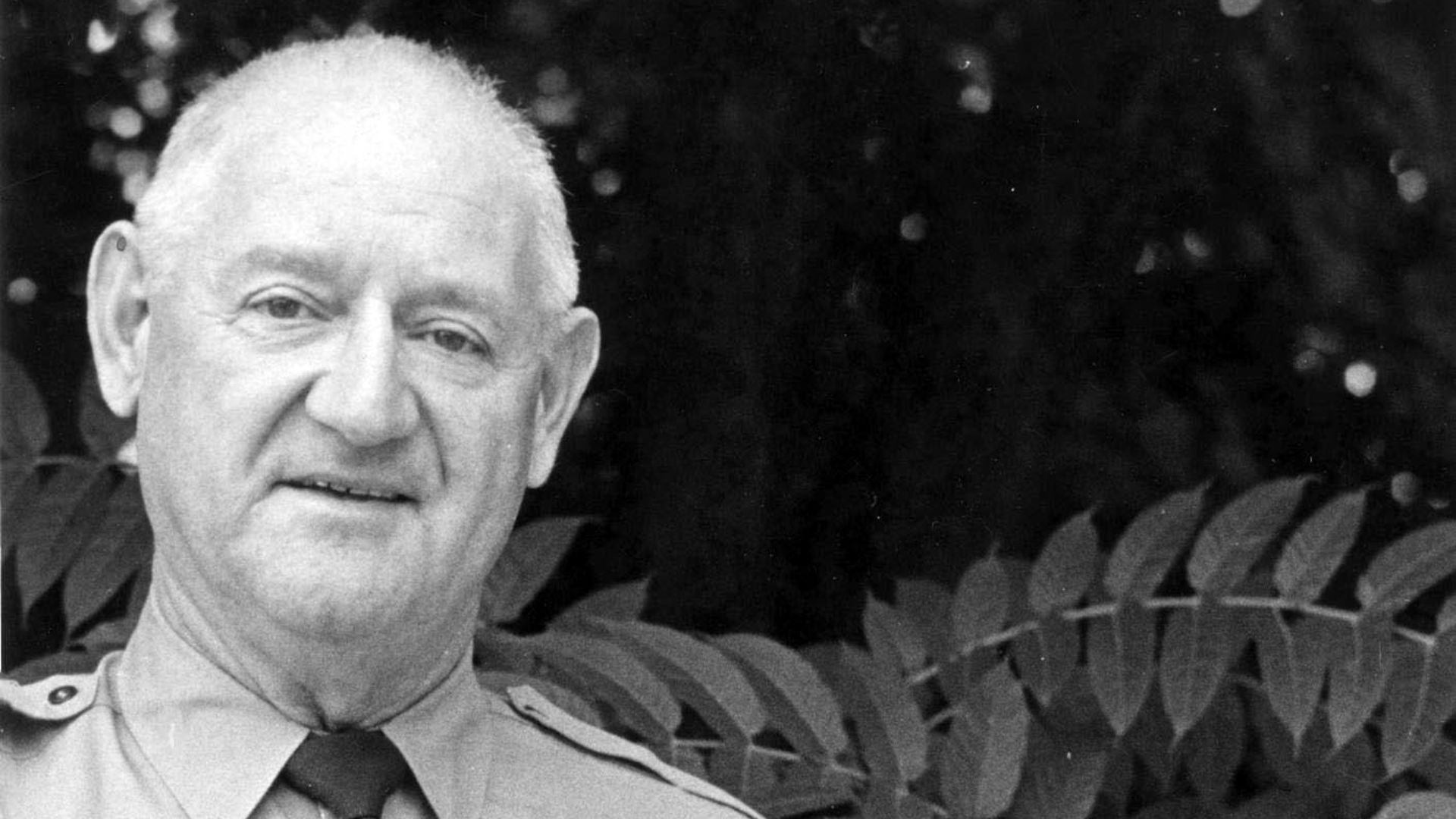
3. Roy Sullivan
Most people would consider surviving one lightning strike more than enough excitement for a lifetime. Park ranger Roy C. Sullivan survived seven recorded strikes between 1942 and 1977. The incidents left him with burns and injuries to different parts of his body, including his hair, eyebrows, chest, shoulder, and stomach.
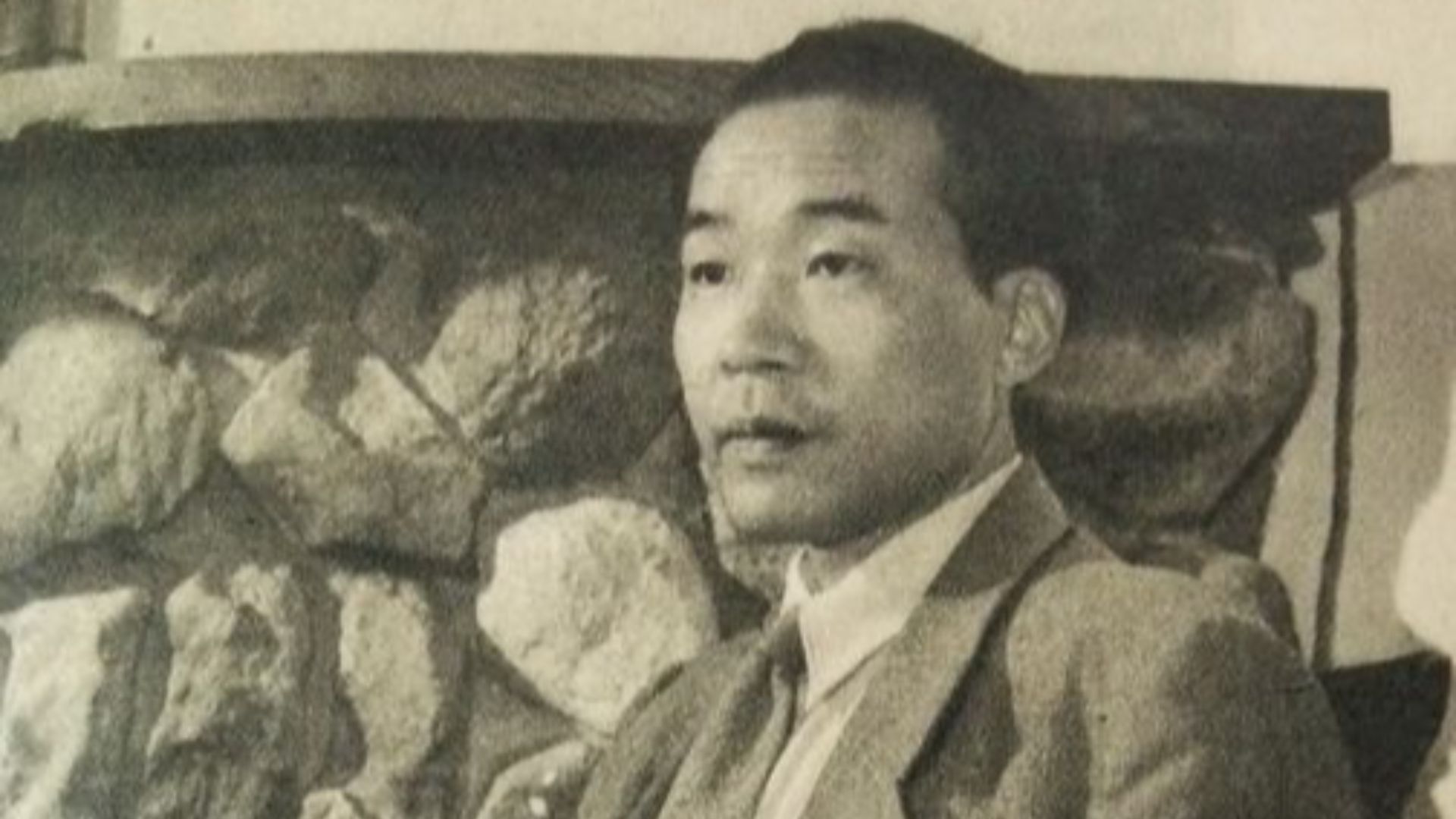
4. Tsutomu Yamaguchi
Tsutomu Yamaguchi was in Hiroshima when the first atomic bomb was dropped on the city. He survived the explosion and managed to return to his home city of Nagasaki. Three days later, Yamaguchi survived when the second atomic bomb exploded there.
5. Juliane Koepcke
In 1971, 17-year-old Juliane Koepcke was flying over the Peruvian rainforest when the aircraft broke apart during a severe thunderstorm. Koepcke fell while still strapped into a row of seats and somehow survived the landing. Koepcke spent 11 days moving through the rainforest in hopes of finding people. Eventually, she reached help.
 Cancillería del Perú on Wikimedia
6. Violet Jessop
Violet Jessop somehow managed to be aboard the Olympic, Titanic, and Britannic when each liner met its devastating end, surviving three major accidents during a five-year period. Even after these accidents, she continued working on ships for many years afterwards.
 AnonymousUnknown author on Wikimedia
7. Poon Lim
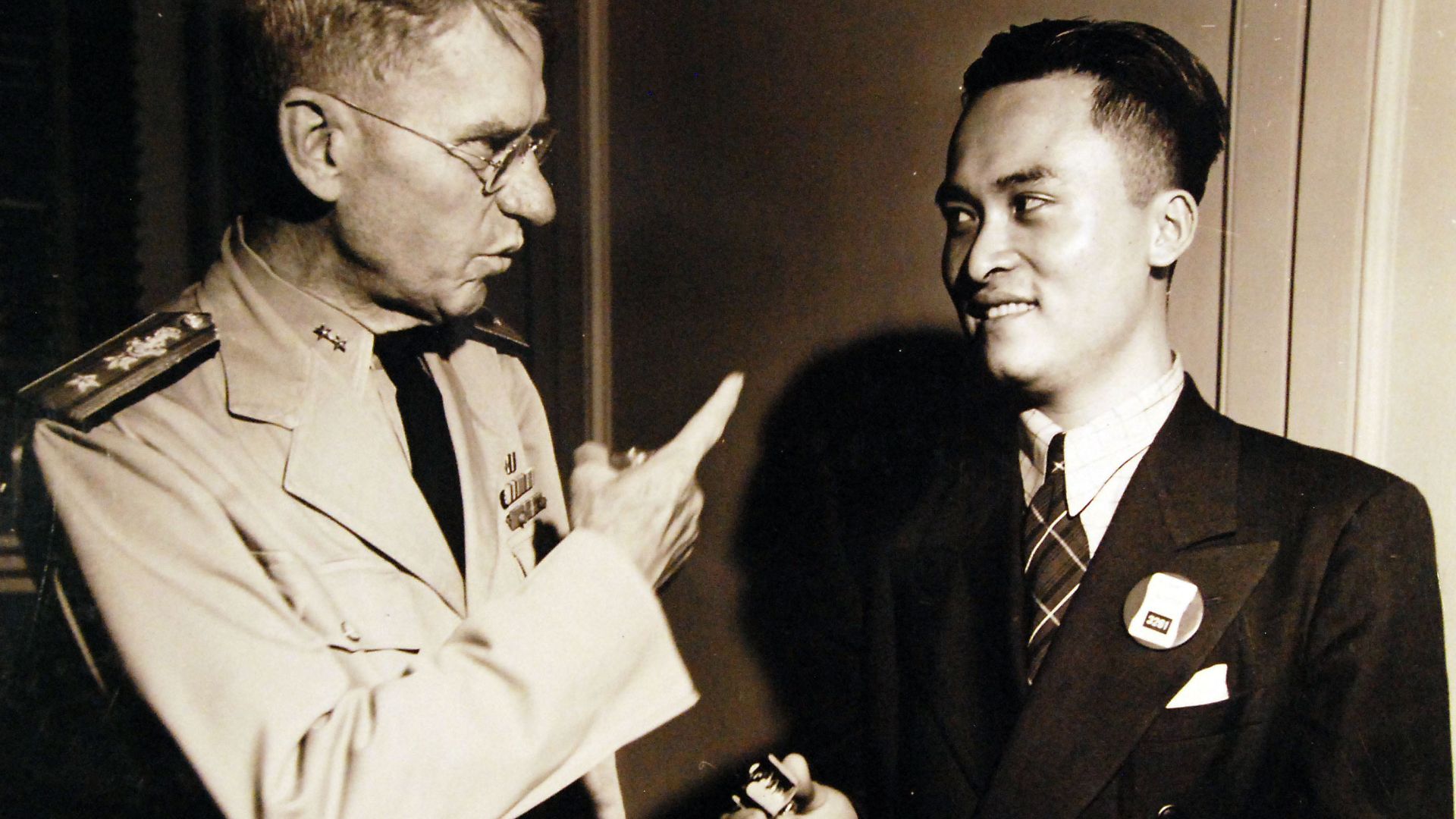
Poon Lim was aboard the British merchant ship SS Benlomond when it was torpedoed in 1942. After the ship sank, Lim managed to reach a small wooden raft. He spent more than 130 days in the middle of the Atlantic before being rescued by Brazilian fishermen.
 National Museum of the U.S. Navy on Wikimedia
8. Nick Alkemade
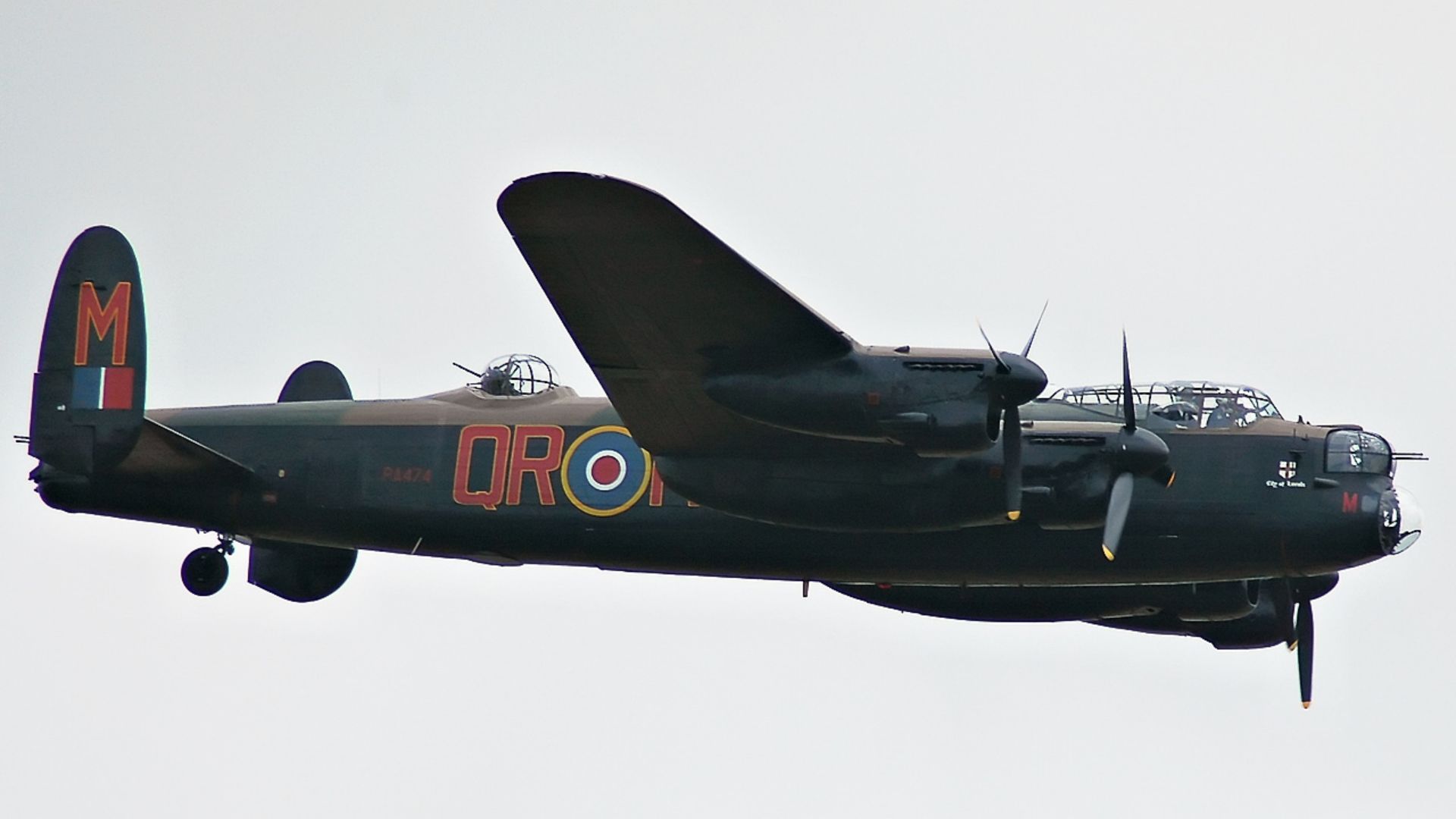
British airman Nick Alkemade found himself facing certain death when his bomber was attacked over Germany in 1944. Alkemade jumped from roughly 18,000 feet without a working parachute. He fell and crashed through pine branches before landing in deep snow, which helped soften the impact. Somehow, he survived with relatively minor injuries.
9. William Rankin
In 1959, U.S. Marine pilot William H. Rankin ejected from his fighter at roughly 47,000 feet after suffering an engine failure. His parachute descent carried him into a huge thunderstorm, where powerful updrafts repeatedly pushed him upward. For around 40 minutes, Rankin was tossed through freezing air, hail, lightning, heavy rain, and violent winds. Eventually, he escaped the worst of the weather and reached the ground, shaken but alive.
10. Leonid Rogozov
In 1961, Leonid Rogozov developed appendicitis while working at an isolated research station in Antarctica. As the station’s only doctor, and bad weather prohibiting any form of transportation, his only option was to operate on himself. Using local anesthetic, a mirror, and help from two colleagues, Rogozov removed his own appendix. He recovered and was able to return to his regular duties within two weeks.

KEEP ON READING