Survival Wasn't an Option
History has no shortage of people who reached the end of the road and decided that they weren’t going down without a fight—even if it was just against themselves. Some swallowed poison, some made doomed final stands, and a few even arranged deaths so elaborate you’d have to read them to believe them. Luckily, we’ve rounded up 20 such cases.
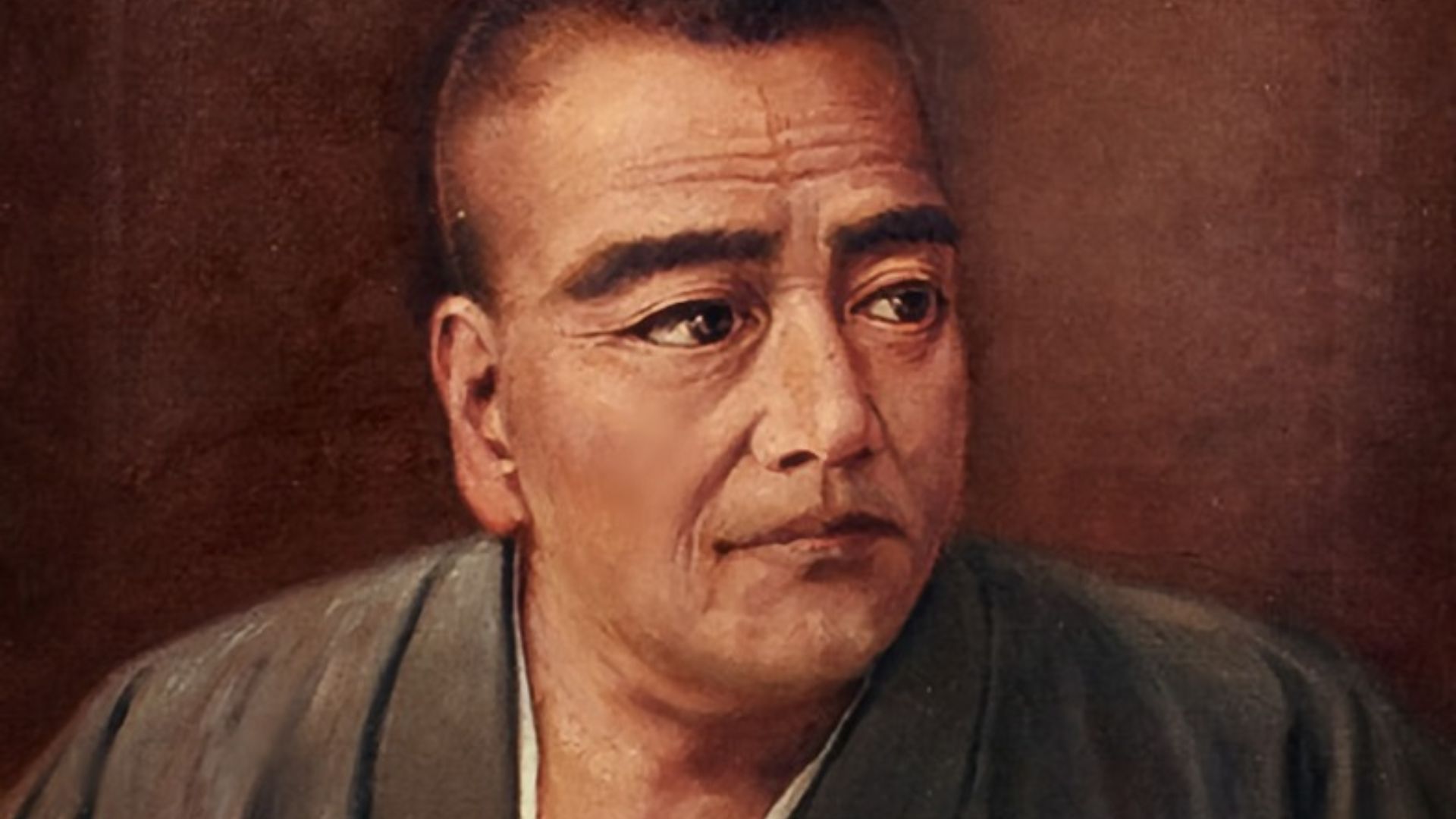 Ishikawa Shizumasa (1848-1925) on Wikimedia
1. Cato the Younger
After Julius Caesar crushed the Republican army at Thapsus in 46 BCE, Cato remained at Utica while others sought Caesar's mercy. Rather than request a pardon, he stabbed himself. The thing is, he survived the initial wound, and according to Plutarch, simply tore it open again after a doctor treated him.
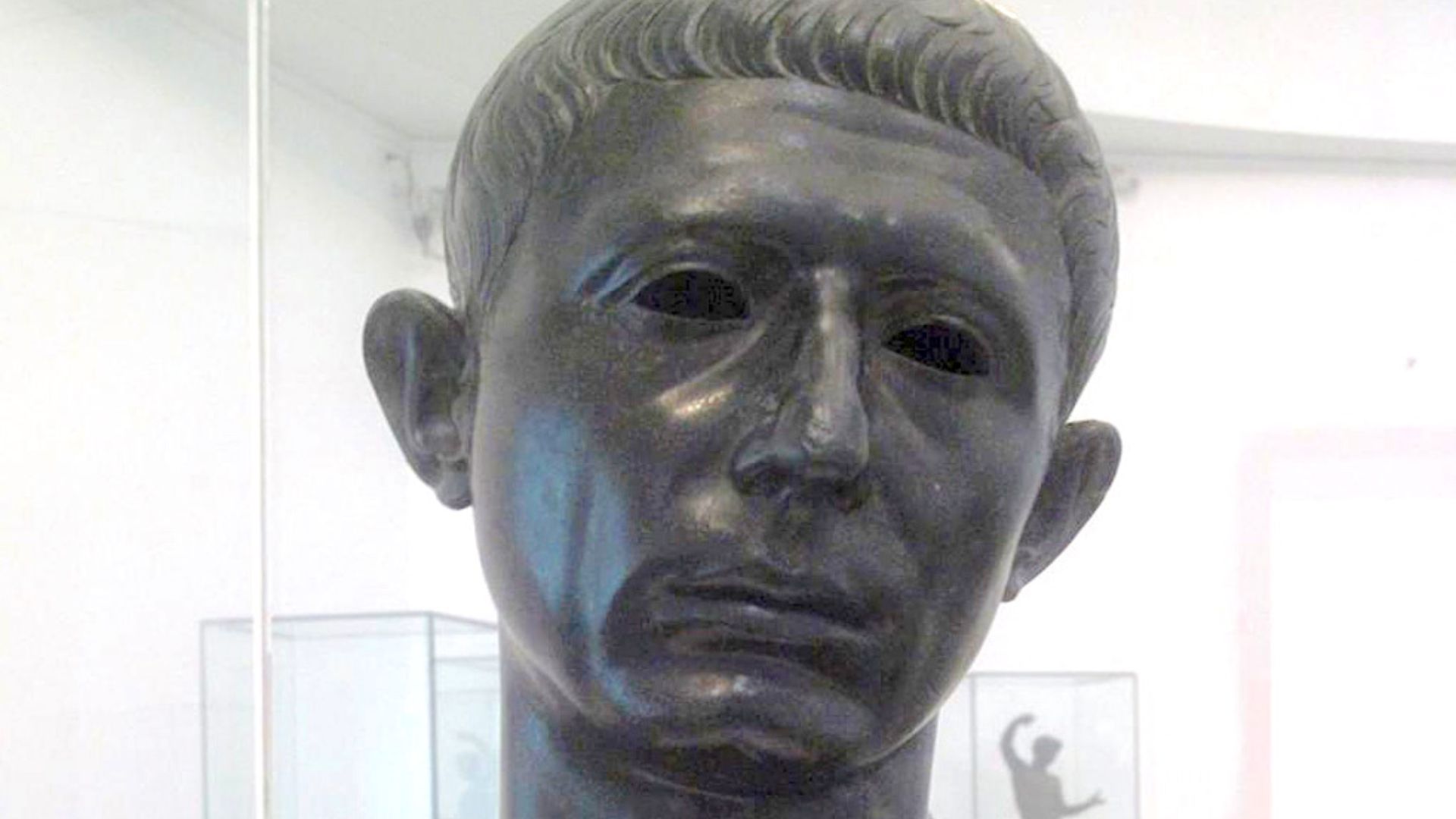
2. Hannibal Barca
Decades after terrifying Rome during the Second Punic War, Hannibal was still important enough that Roman officials demanded his surrender. In 183 BCE, soldiers surrounded his home and blocked the escape routes he'd deliberately built for exactly this possibility. Once he knew he was trapped, he took poison.
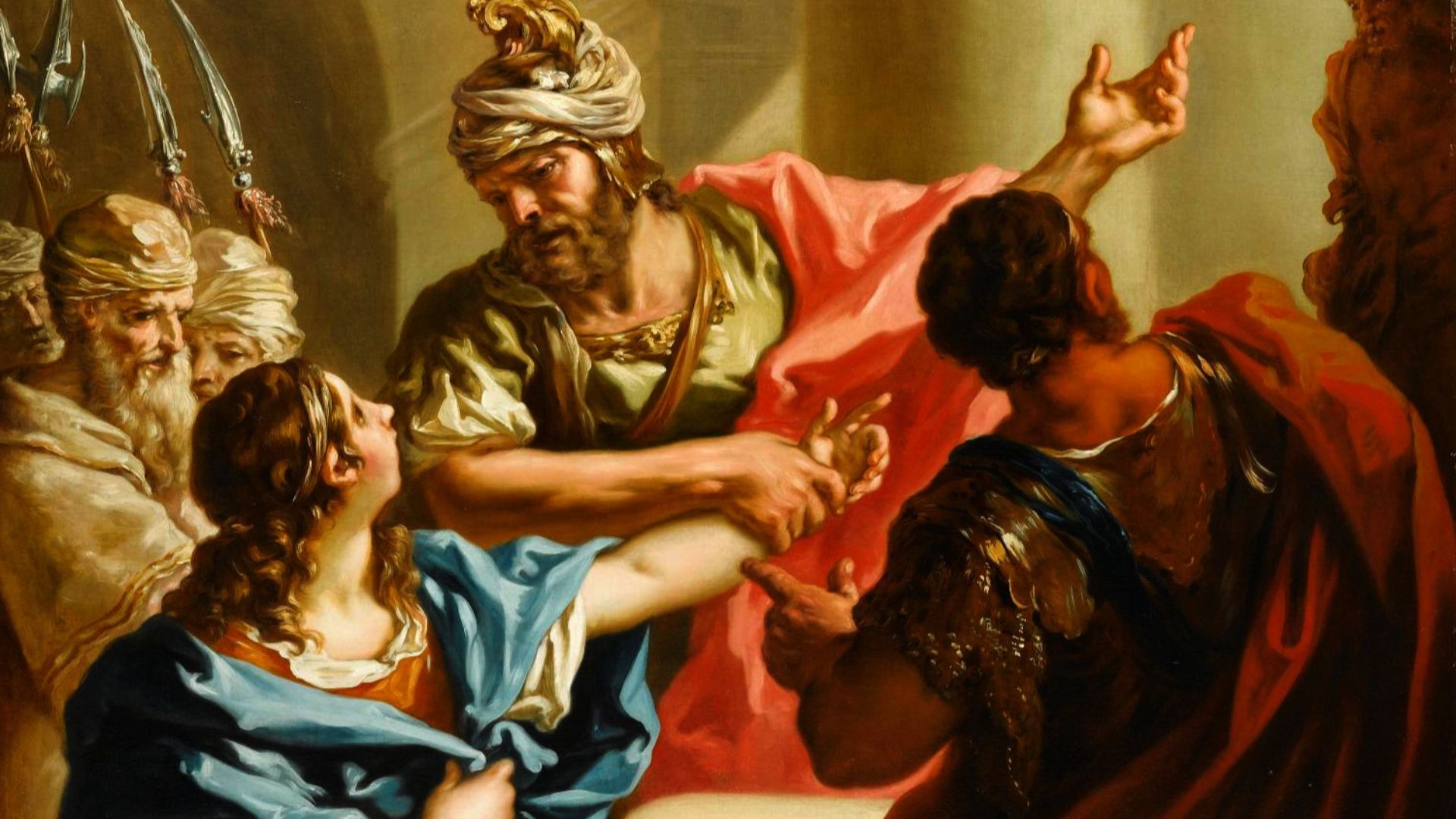 Giovanni Antonio Pellegrini on Wikimedia
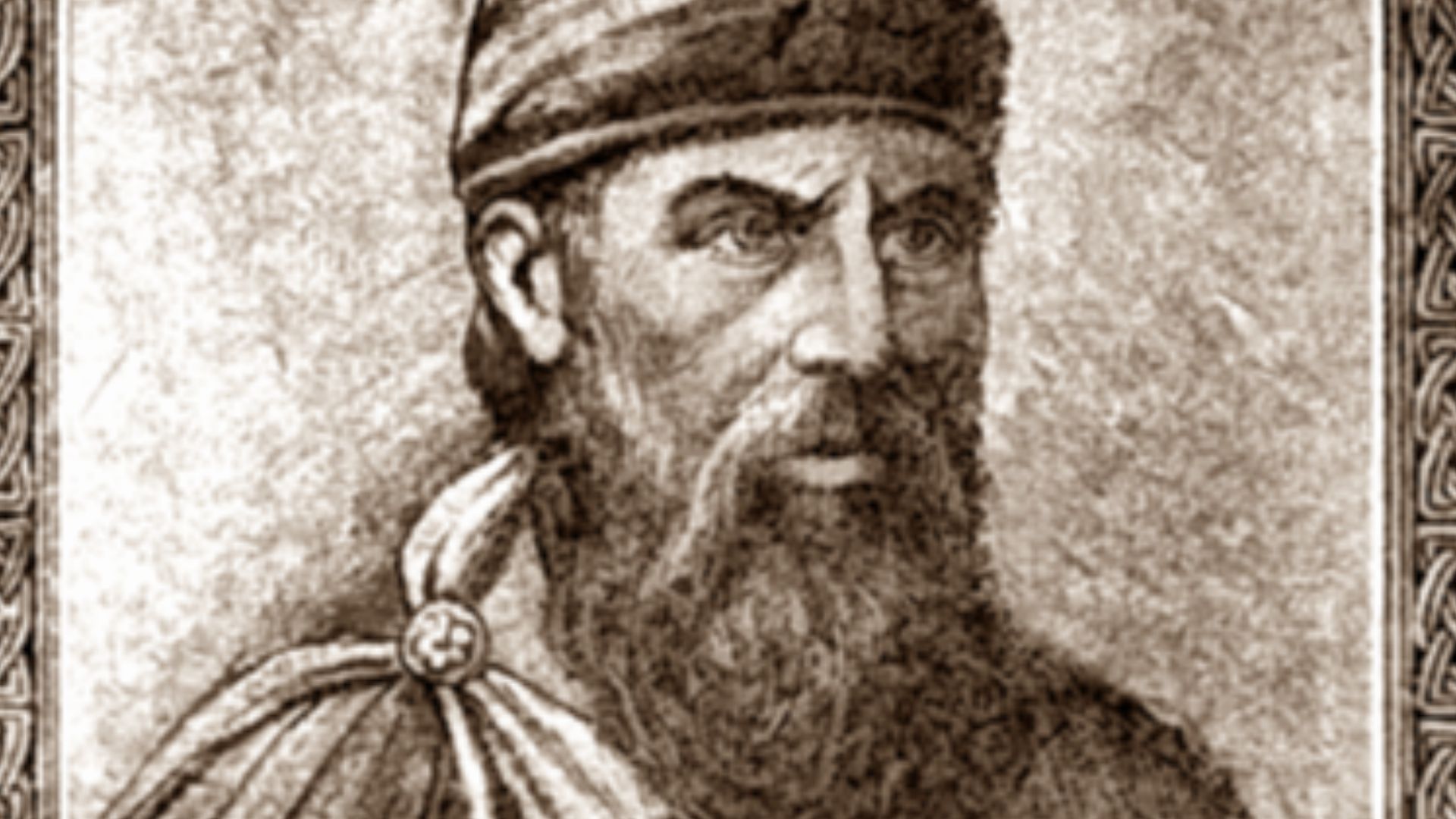
3. King Decebalus
Roman forces destroyed the Dacian kingdom in 106 CE, but King Decebalus escaped into the mountains and continued resisting Emperor Trajan. Cavalry eventually cornered him, and a surviving Roman monument actually happened: Decebalus slitting his own throat as soldiers closed in. His head and right hand were taken to Trajan anyway.
 Ion Popescu-Băjenaru / Institutul de Arte Grafice Carol Göbl, 1914 on Wikimedia
4. Gnaeus Pompeius Longinus
Roman general Gnaeus Pompeius Longinus suffered the unusual misfortune of being captured by Decebalus during Trajan's Dacian Wars. The Dacian king hoped to use his prisoner to bargain with Rome, but Longinus secretly got his hands on poison and killed himself in 105 CE, effectively destroying Decebalus's leverage.
5. Mithridates VI
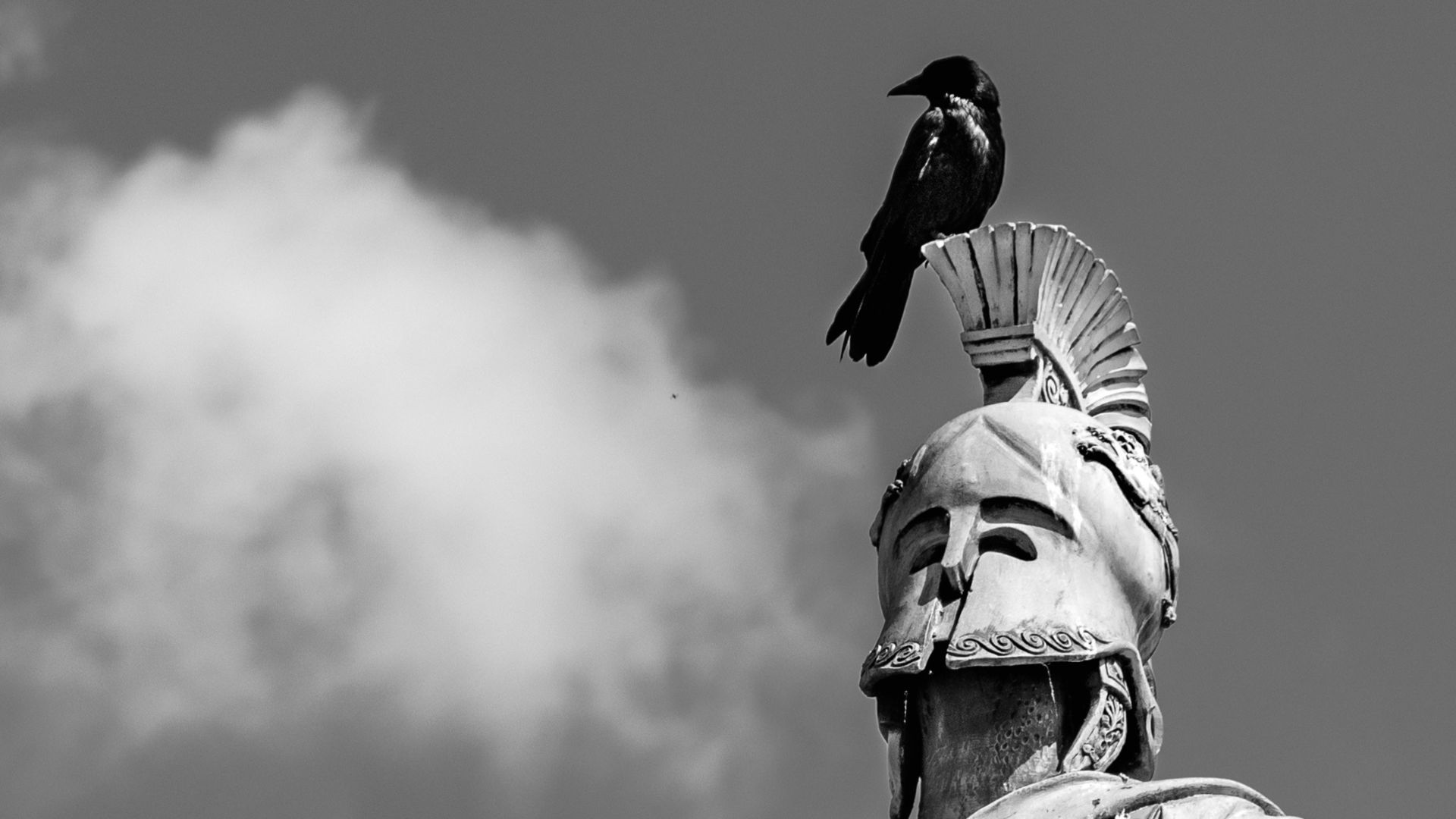
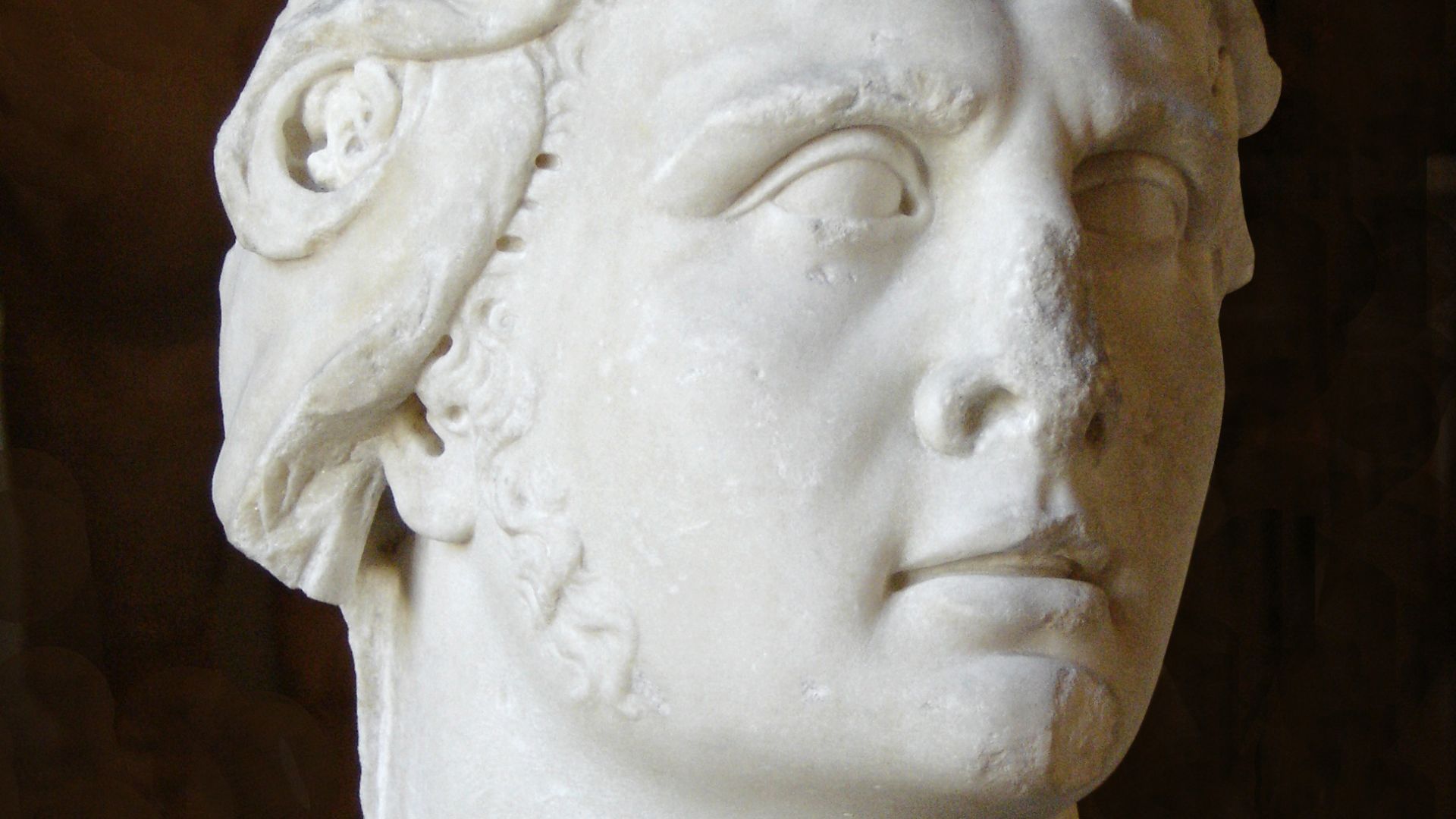
Mithridates VI of Pontus spent decades fighting Rome before a rebellion led by his own son trapped him in 63 BCE. He tried to poison himself rather than be captured and displayed in Pompey's triumph, but the famous claim that years of antidotes made the poison ineffective may just be modern fibs. Either way, one tradition says his bodyguard finished him off with a sword.
 Unknown artistUnknown artist on Wikimedia
6. Demosthenes
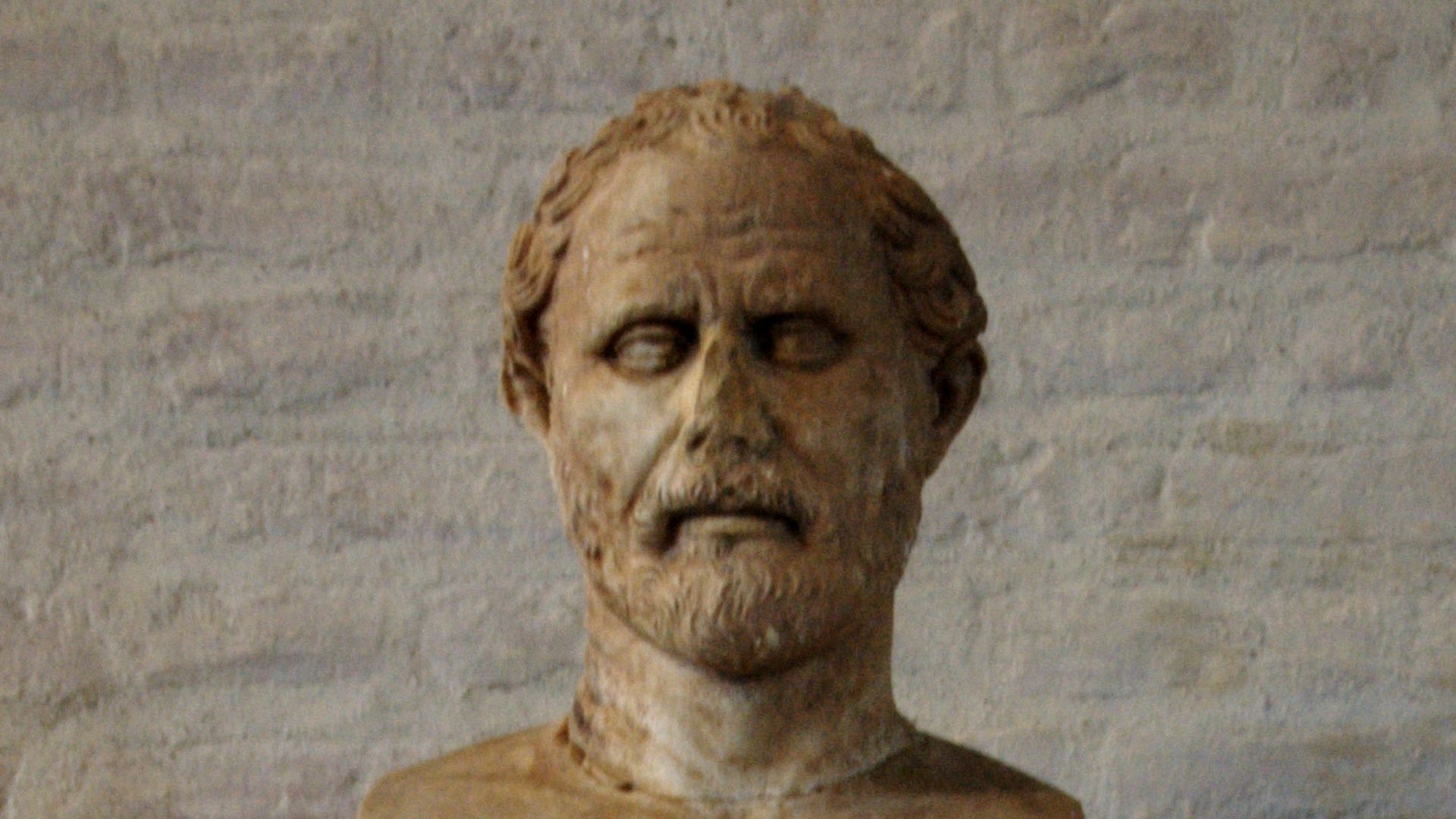
When Macedonian forces hunted down their political opponents after the Lamian War, the Athenian orator Demosthenes fled to a sanctuary in 322 BCE. An agent of Antipater arrived to take him away, but Demosthenes consumed poison before he could be removed.
 Unknown (original by Polyeuktos) on Wikimedia
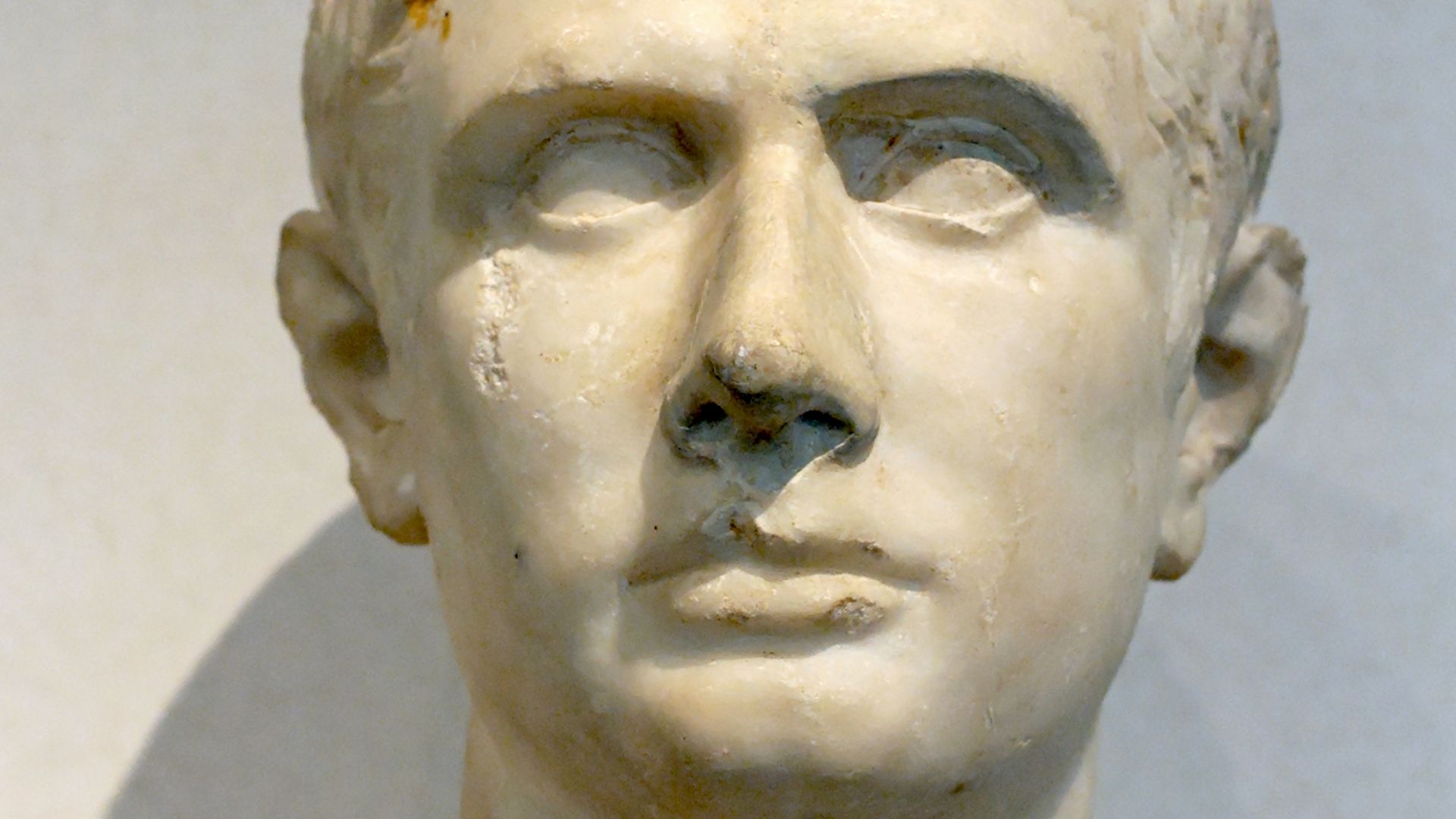
7. Marcus Junius Brutus
You’ve heard the name Brutus, but did you know that he survived the first round of fighting at Philippi in 42 BCE? Well, he did, but a second defeat left his Republican cause effectively finished. Rather than risk capture by Mark Antony and Octavian, he merely persuaded a companion to help him die with his sword.
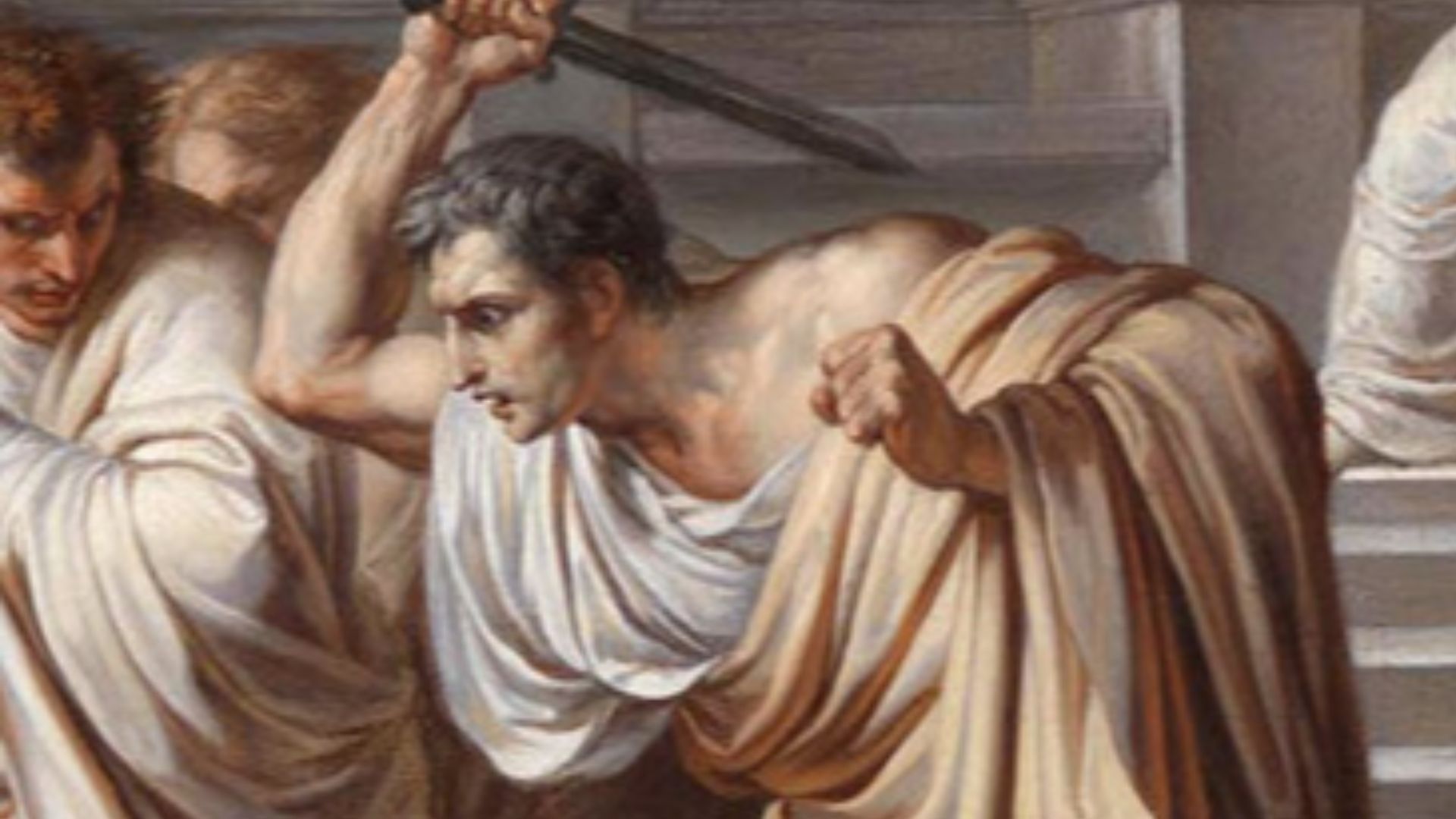
8. Gaius Cassius Longinus
Cassius, Brutus's fellow conspirator against Caesar, reached his own breaking point during the first Battle of Philippi. Mistakenly believing that Brutus's forces had also fallen, he ordered Pindarus to kill him with a sword in 42 BCE. The cruel part is that Brutus had actually won his section of the battle, so Cassius mainly died due to a misunderstanding.
 Vincenzo Camuccini on Wikimedia
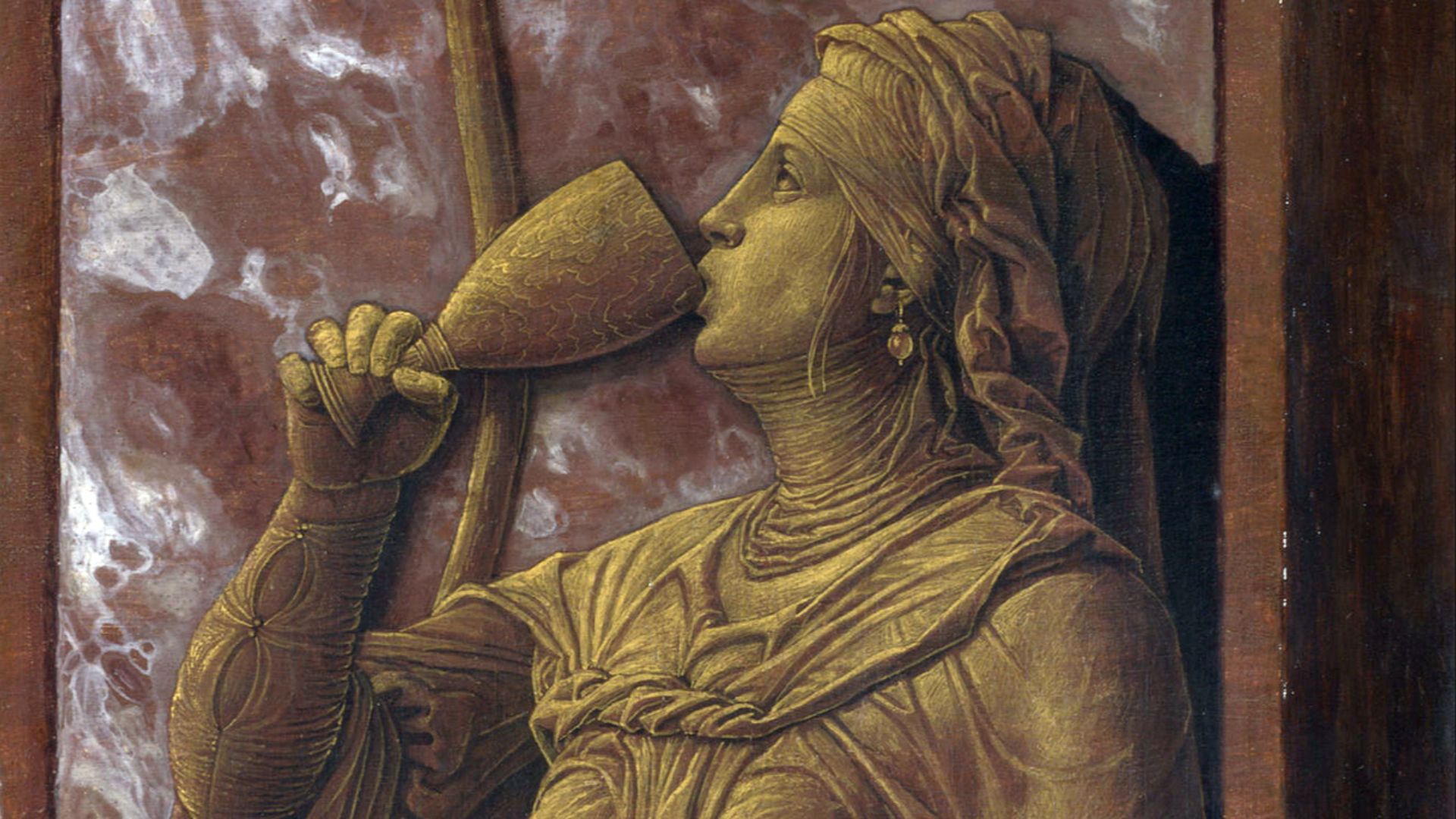
9. Sophonisba
After the Romans defeated Numidian king Syphax in 203 BCE, his wife Sophonisba faced being shipped to Rome as a captive. Masinissa, who had married her after Syphax's defeat, sent her poison when he realized he couldn't actually do anything to stop it. She did drink it, although today’s historians warn that some details were probably embellished.
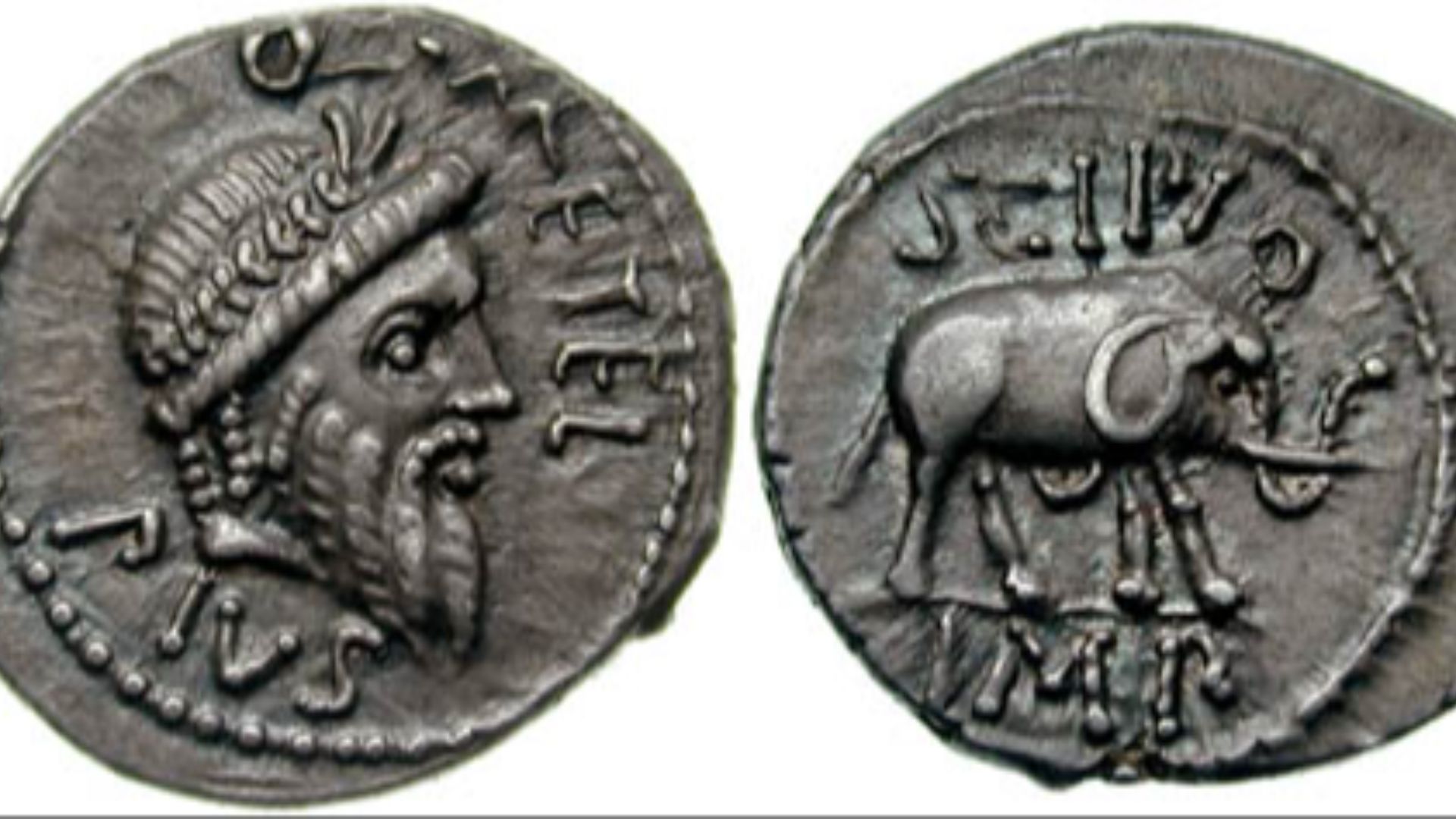
10. Metellus Scipio
Roman aristocrat Metellus Scipio fled by sea after Caesar's victory at Thapsus, hoping to continue the Republican resistance elsewhere. When enemy ships intercepted him in 46 BCE, he killed himself rather than permit his capture. Later writers added that Scipio calmly assured his men that their commander was doing just fine.
 Q. Caecilius Metellus Pius Scipio Nasica on Wikimedia
11. King Juba I
Numidian king Juba I backed Pompey's faction against Caesar, a decision that couldn’t have ended worse after Thapsus in 46 BCE. Shut out of his own city and running out of places to hide, Juba and Roman commander Marcus Petreius arranged a duel so they could die rather than submit. Ancient versions disagree over the technicalities, but both ended up dead.
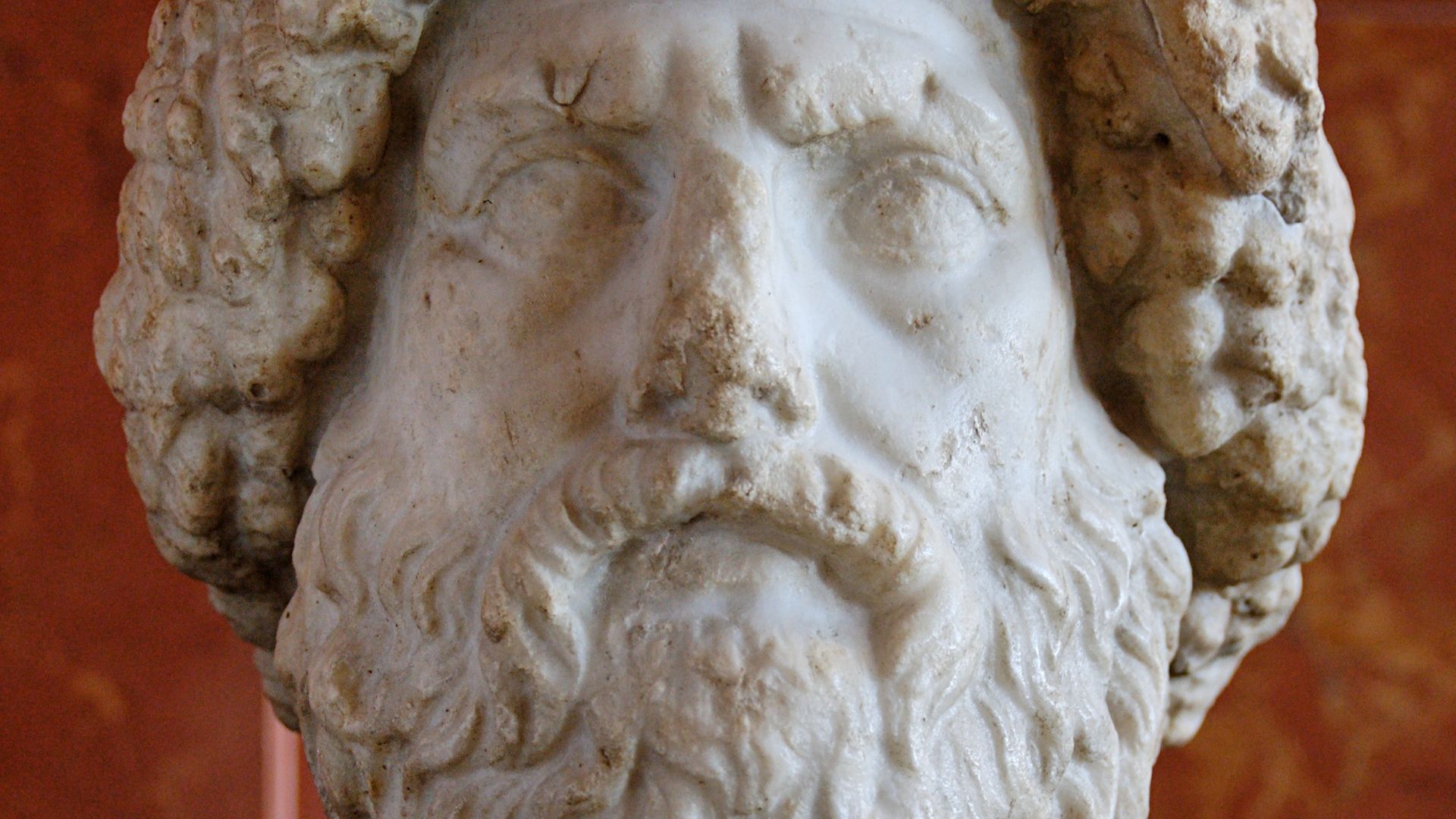
12. Cleopatra VII
Following Octavian's conquest of Alexandria in 30 BCE, Cleopatra knew exactly what Roman victory could mean for a defeated monarch. She feared being taken to Rome and exhibited in Octavian's triumph, so she arranged her own death before he could transport her.
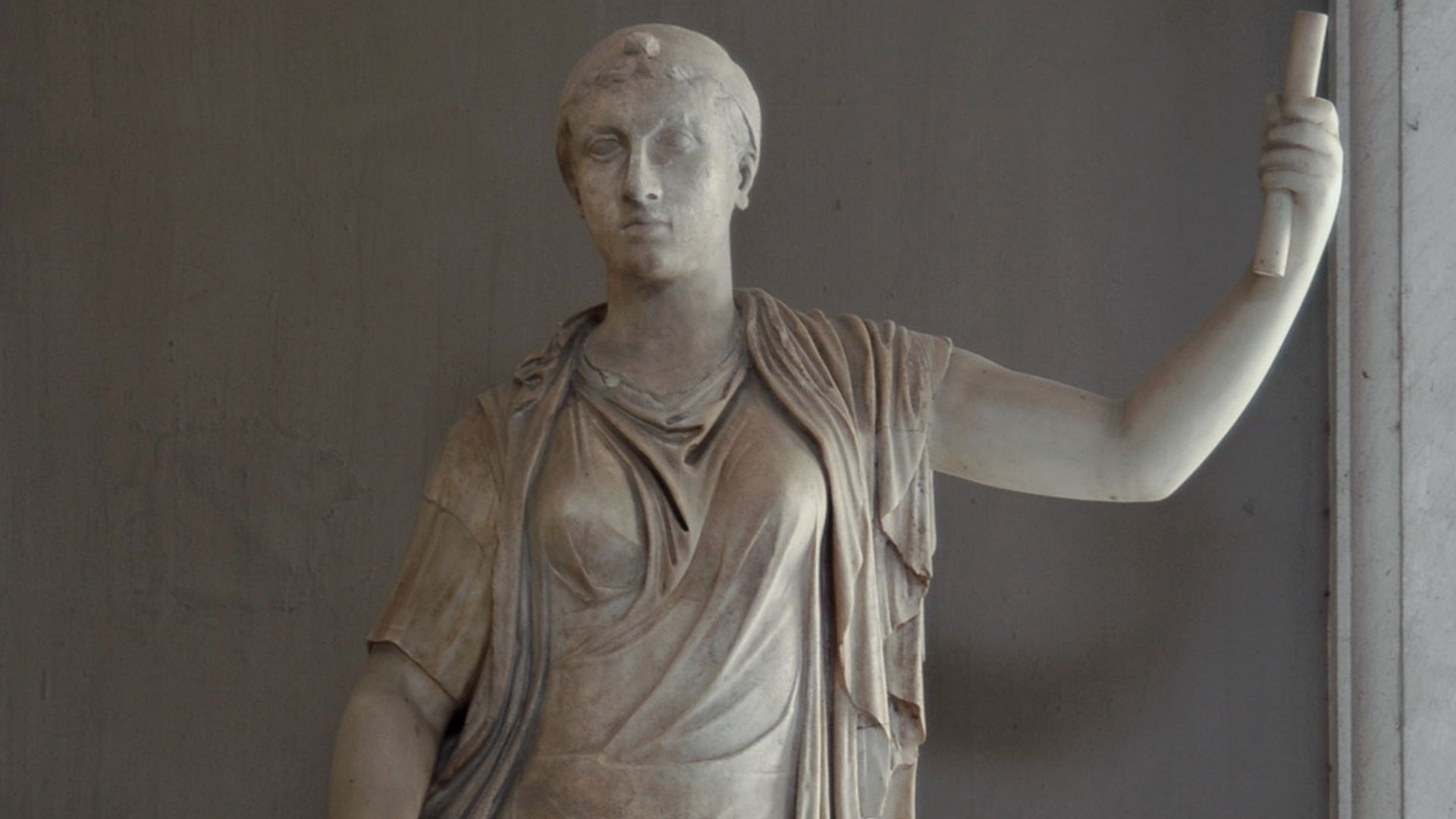 Ancient Roman sculptors on Wikimedia
13. Constantine XI Palaiologos
Before Constantinople fell in 1453, Ottoman Sultan Mehmed II offered terms that could have spared Emperor Constantine XI if he only relinquished the city. Constantine refused to abandon his capital, remaining inside during the final Ottoman assault. He disappeared into the fighting and was killed, becoming the last Byzantine emperor.
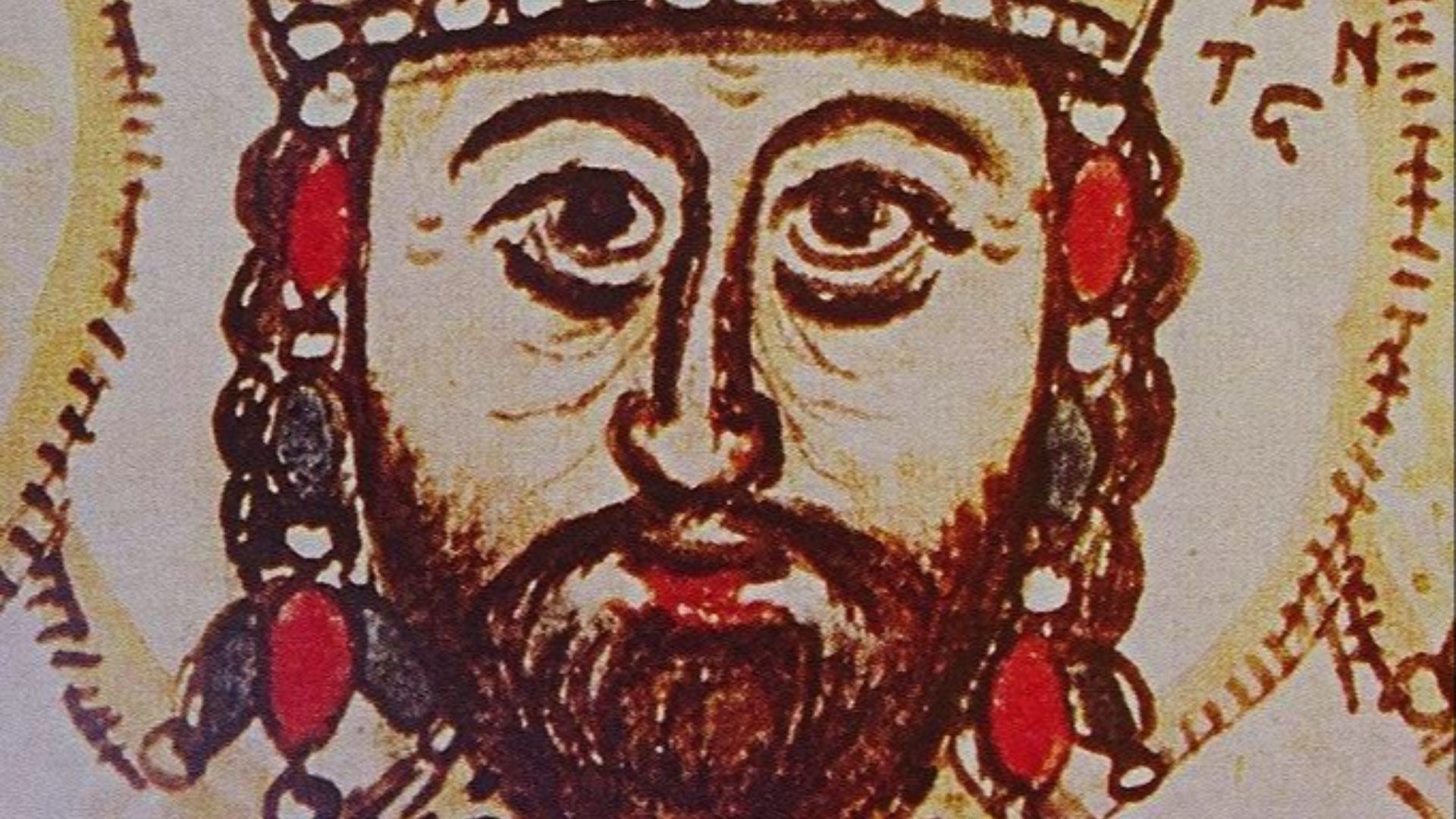 Unknown Byzantine artist on Wikimedia
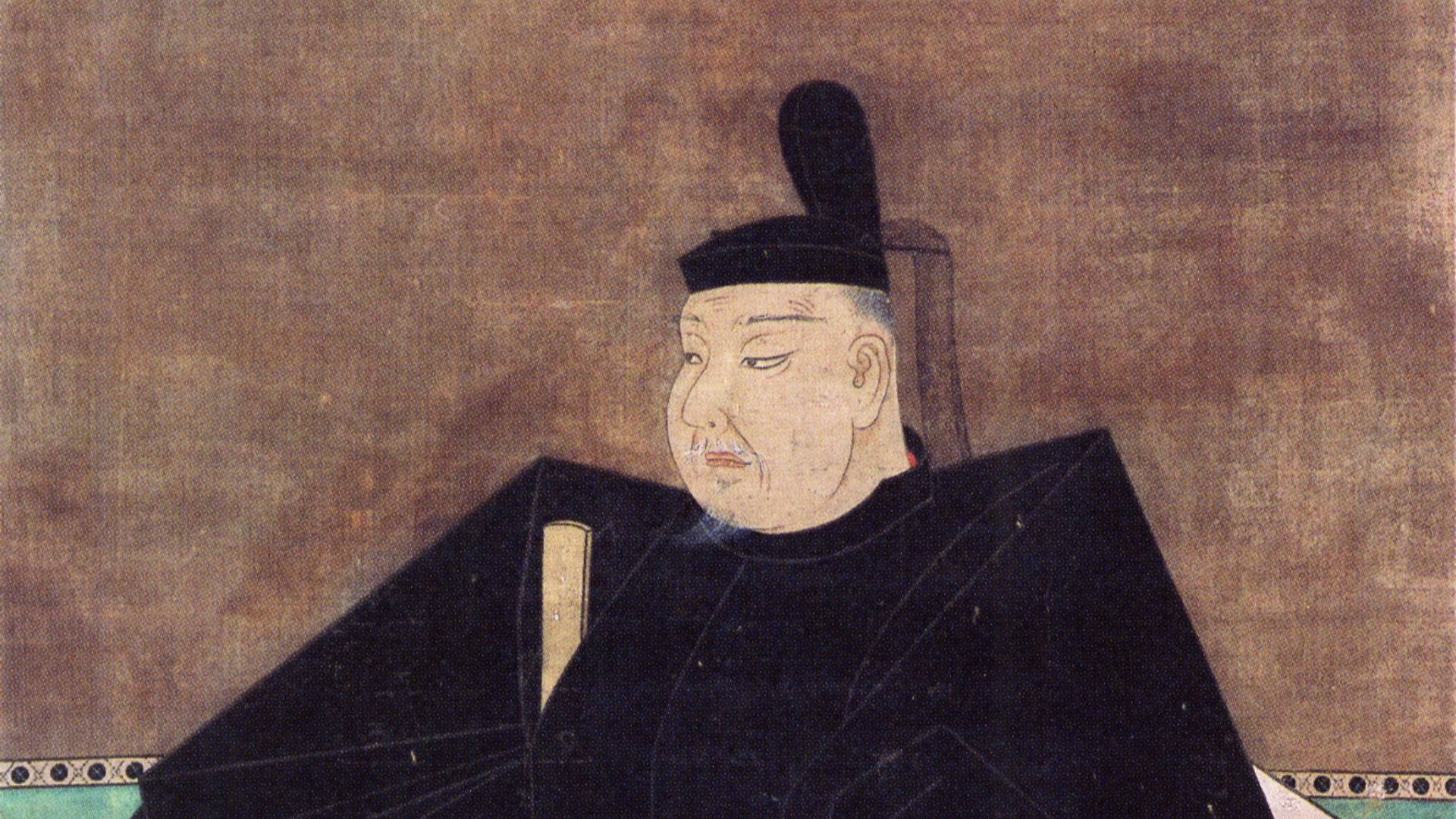
14. Minamoto no Yorimasa
At the Battle of Uji in 1180, the elderly Minamoto no Yorimasa helped defend Byōdō-in against advancing Taira forces. Once the defense collapsed, Yorimasa withdrew into the temple and committed ritual suicide. Interestingly, his death is actually considered one of the earliest recorded examples of a samurai performing seppuku after defeat.
15. Torii Mototada
Torii Mototada knew long before the 1600 siege of Fushimi Castle that his garrison had no real chance of surviving. He nevertheless stayed behind to delay Ishida Mitsunari's much larger army. After a few days of holding out, Mototada and the remaining defenders committed suicide when the castle fell.
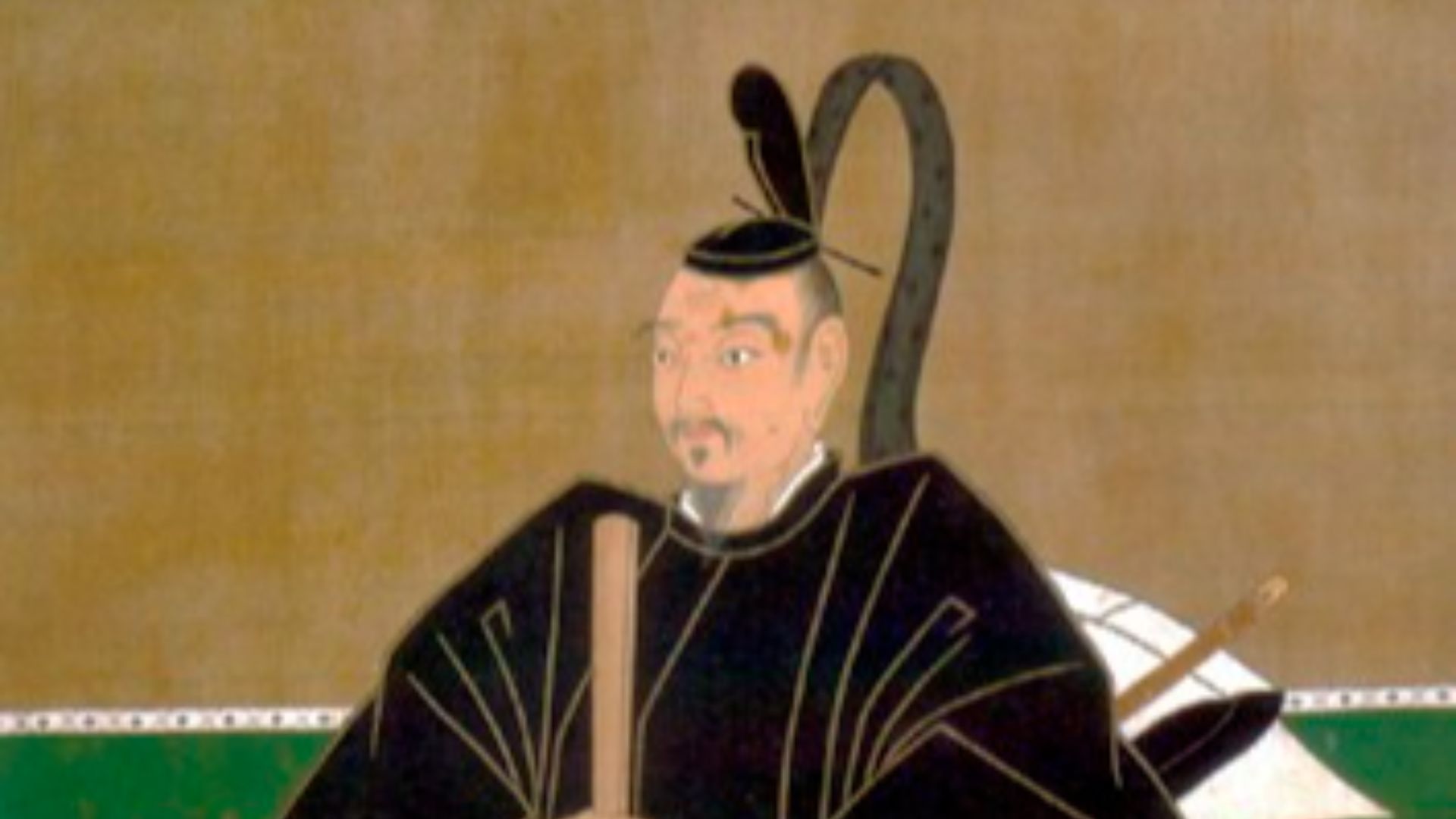
16. Oda Nobunaga
Japanese warlord Oda Nobunaga was staying at Honnō-ji in Kyoto in 1582 when his general Akechi Mitsuhide suddenly turned against him. Surrounded by thousands of hostile soldiers, Nobunaga fought briefly before setting fire to the temple and taking his own life. His body was never conclusively identified afterward, which only added another strange detail to the spectacular betrayal.
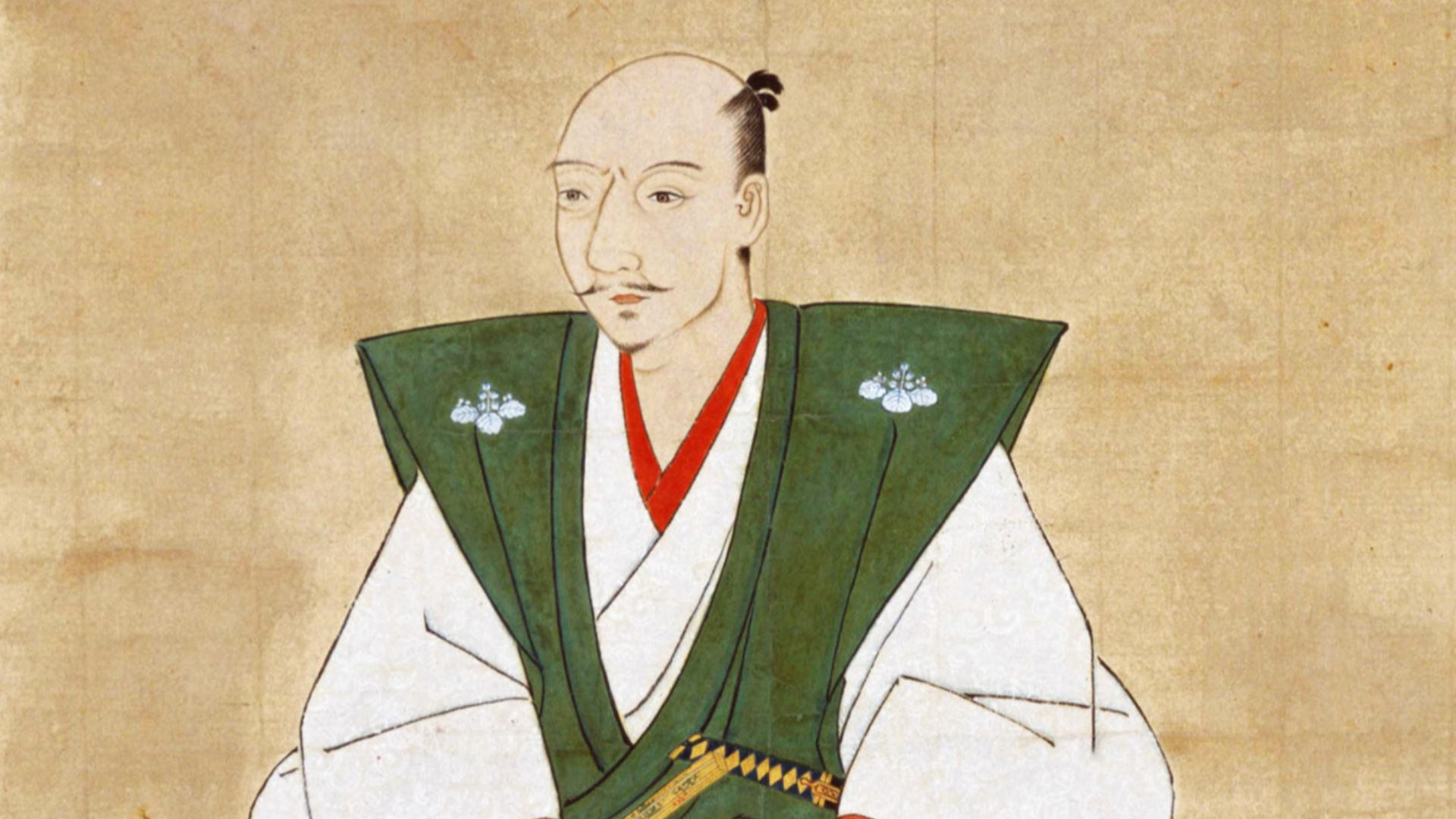 狩野宗秀 (Kanō Sōshū, 1551 - 1601) on Wikimedia
17. Takeda Katsuyori
By 1582, Takeda Katsuyori had watched his territory collapse under attacks from Oda Nobunaga and Tokugawa Ieyasu, all while former allies deserted him. Betrayed again while trying to reach safety, he ended up at Tenmokuzan with only a tiny group of followers by his side. His wife and son ultimately killed themselves as enemy forces closed in, too.
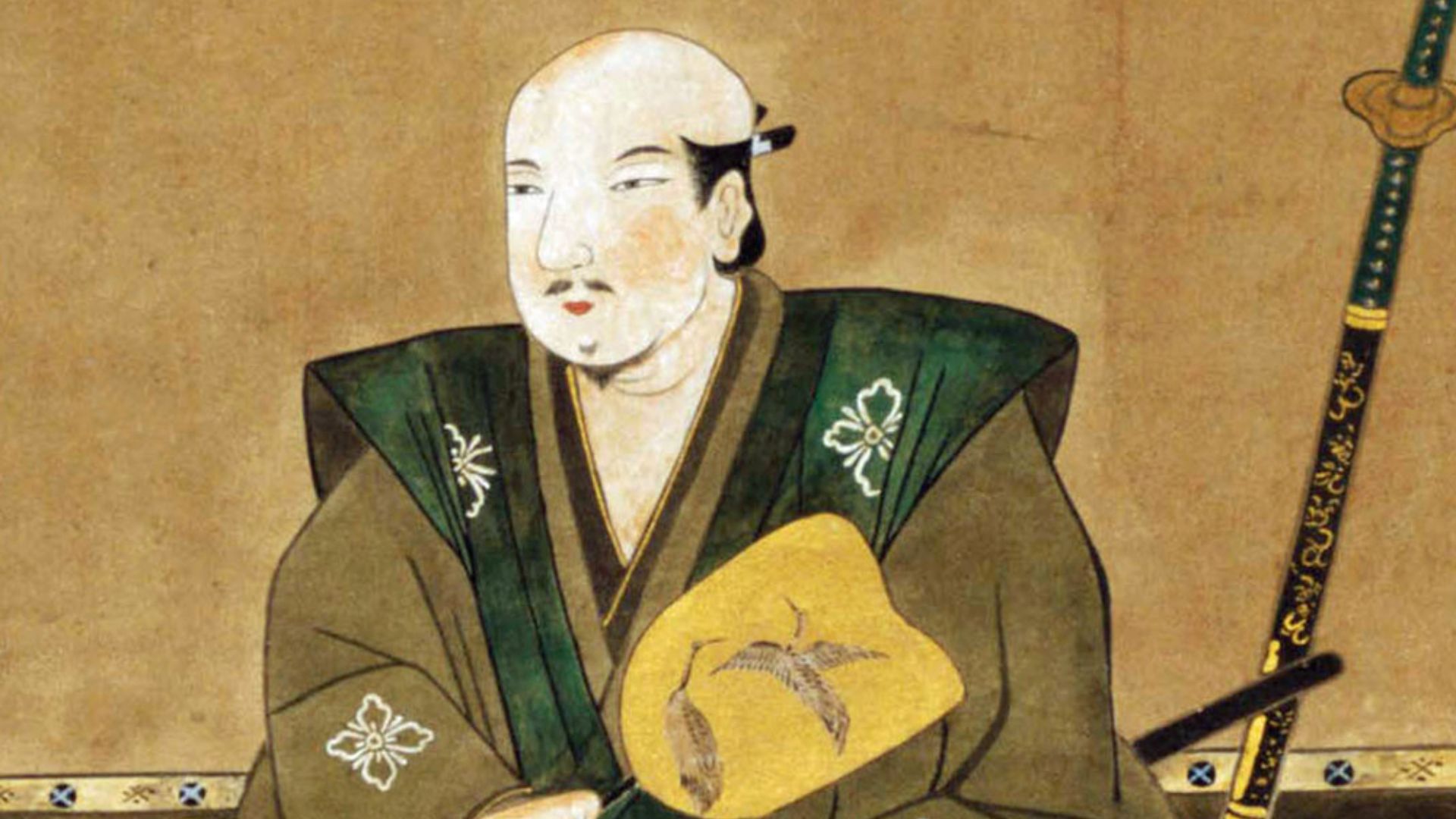 Unknown authorUnknown author on Wikimedia
18. Muntaga Tall
Muntaga Tall rebelled against his Ahmadu Tall in the 1880s, eventually finding himself besieged at Nioro. When Ahmadu's forces closed in during 1885, Muntaga chose an unusual solution over surrendering: detonating his own gunpowder magazine.
 Satirdan kahraman on Wikimedia
19. Saigō Takamori
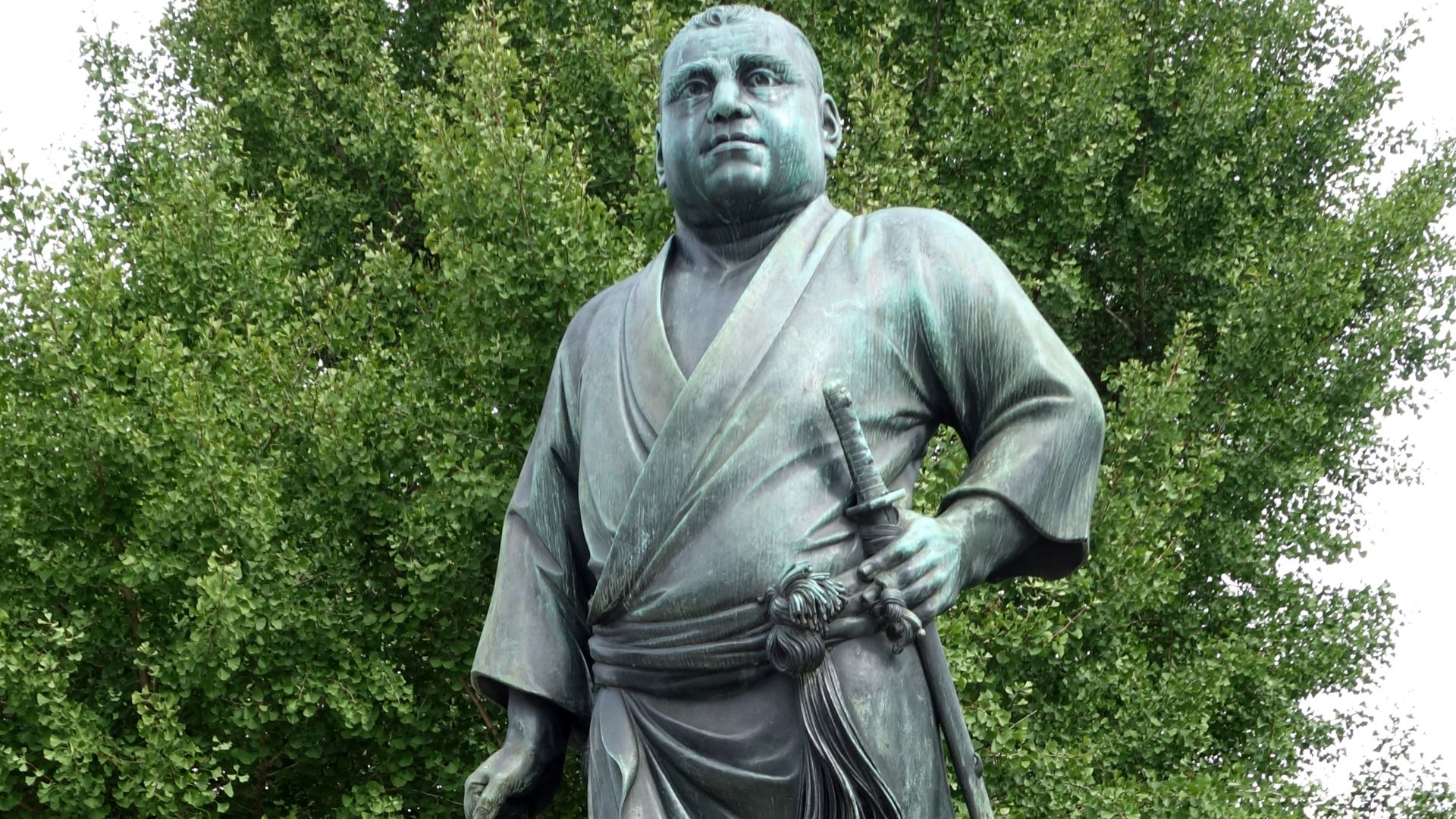
Saigō Takamori's Satsuma Rebellion ended at Shiroyama in 1877, when roughly 500 remaining rebels faced an imperial army numbering in the tens of thousands. His followers fought until their position collapsed, and Saigō was gravely wounded during the final battle. The popular story that he calmly performed seppuku is still disputed, but evidence indicates that a companion did take his head before the enemy could.
20. Francisco Solano López
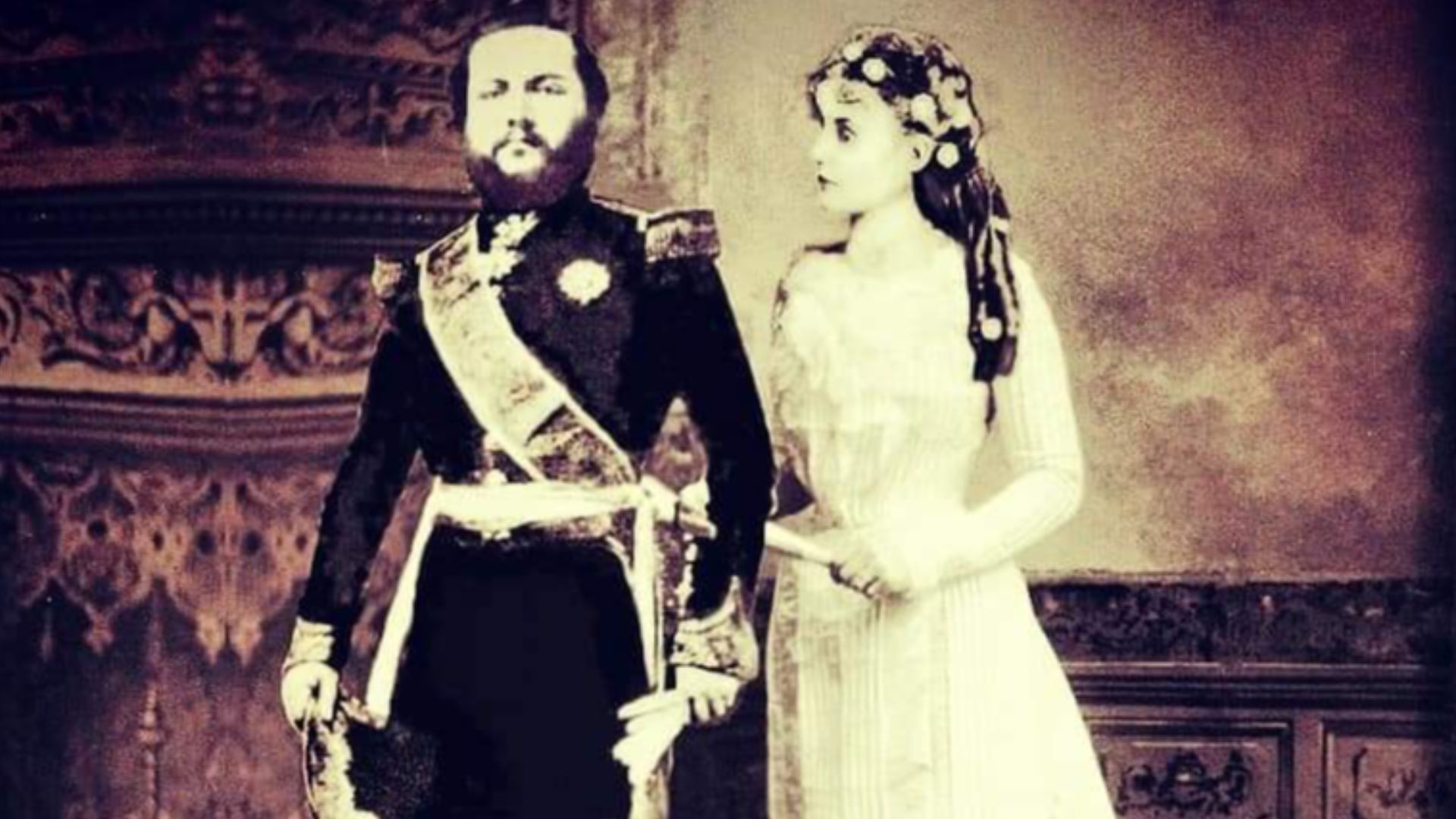
Francisco Solano López kept fighting the War of the Triple Alliance long after his country had been devastated. Brazilian troops cornered the wounded López in 1870, and he refused demands to surrender before being killed. Though historians still bicker about his exact last words, the refusal itself capped one of the most stubborn final stands in South American history.
KEEP ON READING