A Few Hours That Changed Naval History
Despite captains and commanders' best efforts, naval campaigns could drag on for months or years, yet some of history's most consequential ocean battles were effectively started at sunrise and ended before sunset. The cause behind these short yet decisive naval battles ranged from changing winds and limited visibility to imperfect signals and weaponry. Here are 20 naval battles decided in a single day.
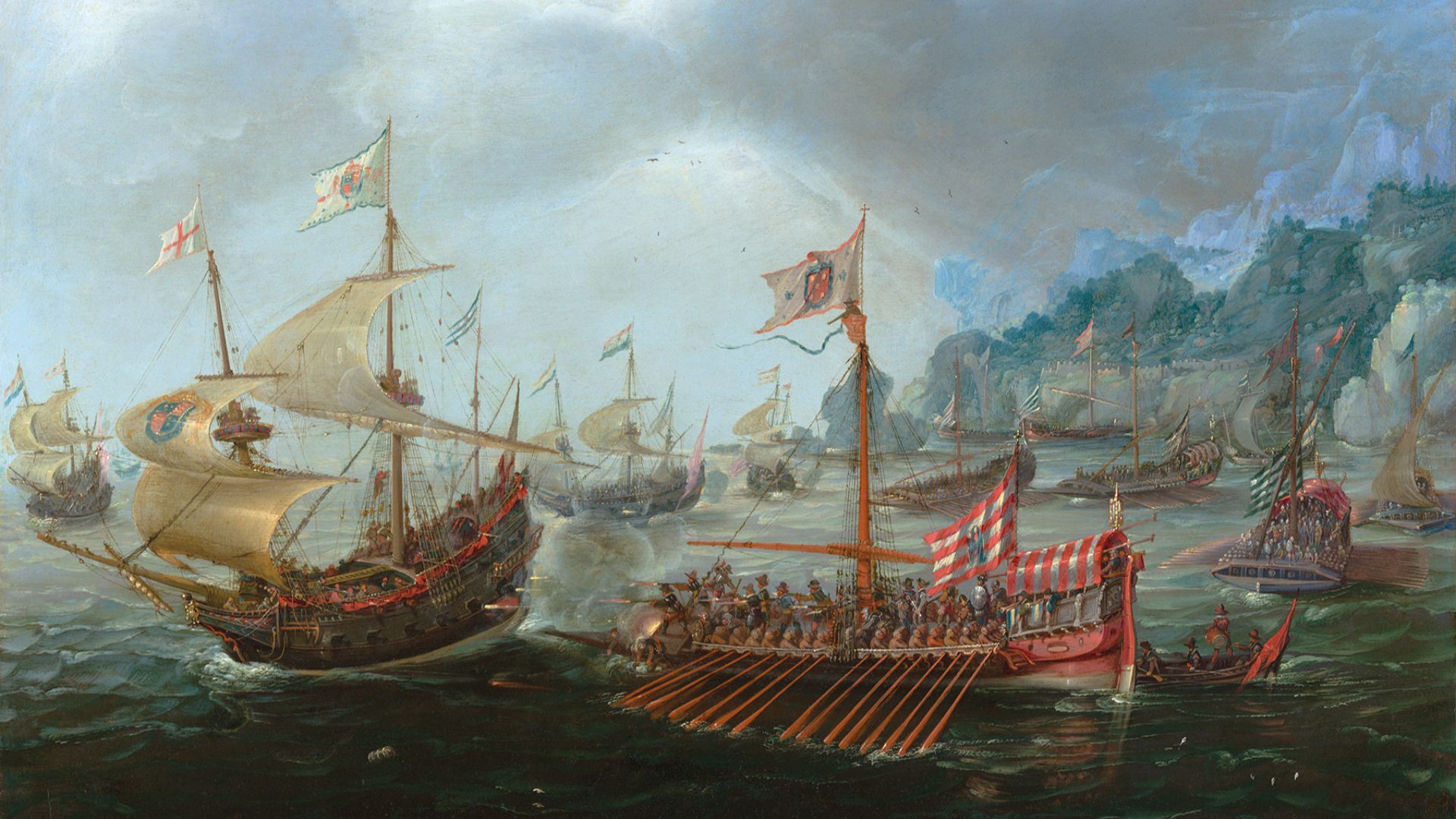 Andries van Eertvelt on Wikimedia
1. Battle Of Salamis, 480 BC
The Persian invasion of Greece encountered a major obstacle at Salamis, where Themistocles helped draw Xerxes' enormous fleet into restricted waters. On a single day in September 480 BC, Greek triremes attacked formations that had little room to maneuver strategically.
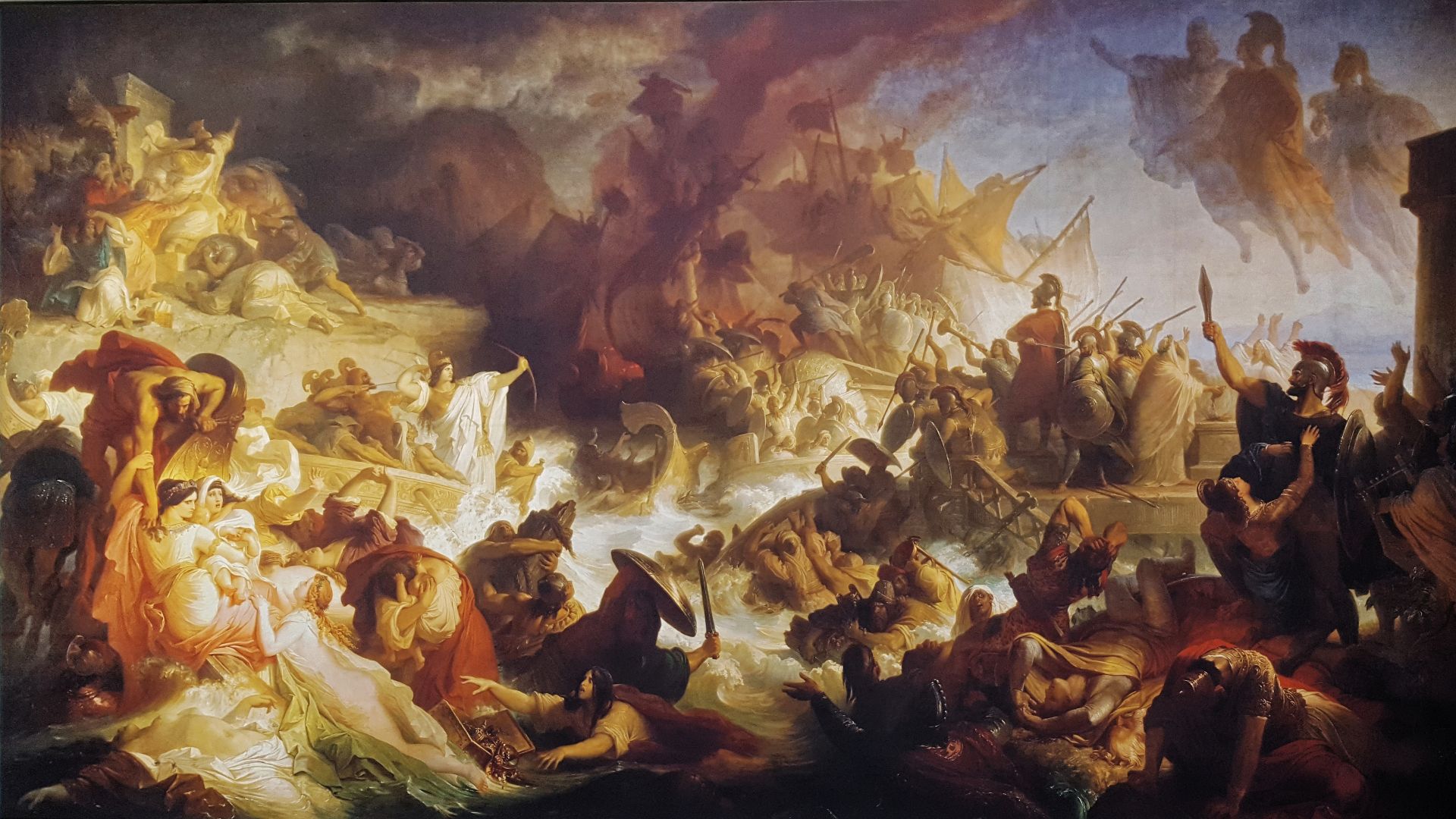 Wilhelm von Kaulbach (painting); Burkhard Mücke (photo) on Wikimedia
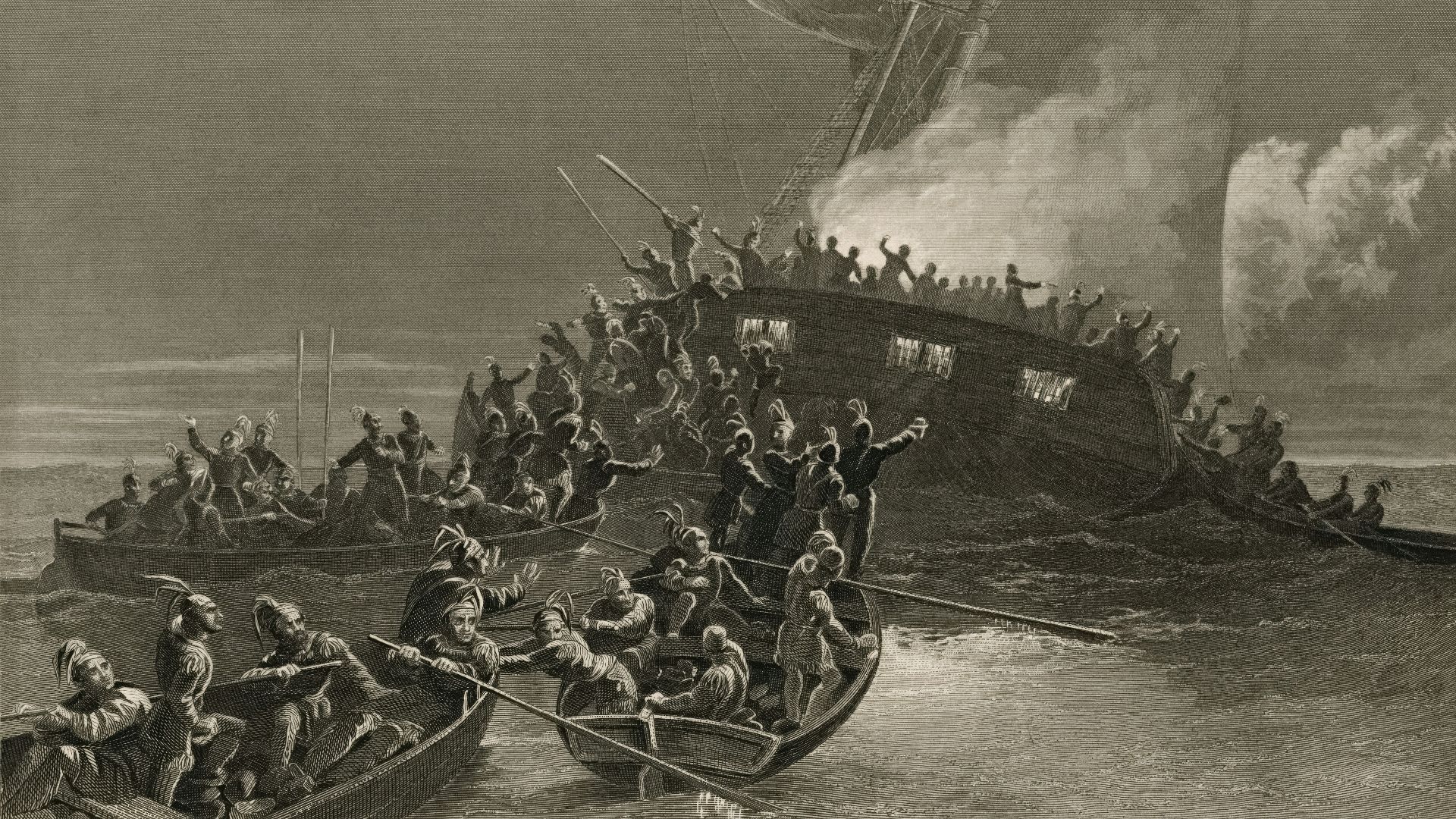
2. Battle Of The Aegates Islands, 241 BC
Rome and Carthage had been fighting the First Punic War for more than two decades before their fleets met near the Aegates Islands. On March 10, the Roman fleet intercepted Carthaginian ships attempting to bring supplies to Sicily. Roman crews captured or sank dozens of enemy vessels during the day's fighting.
 The New York Public Library on Unsplash
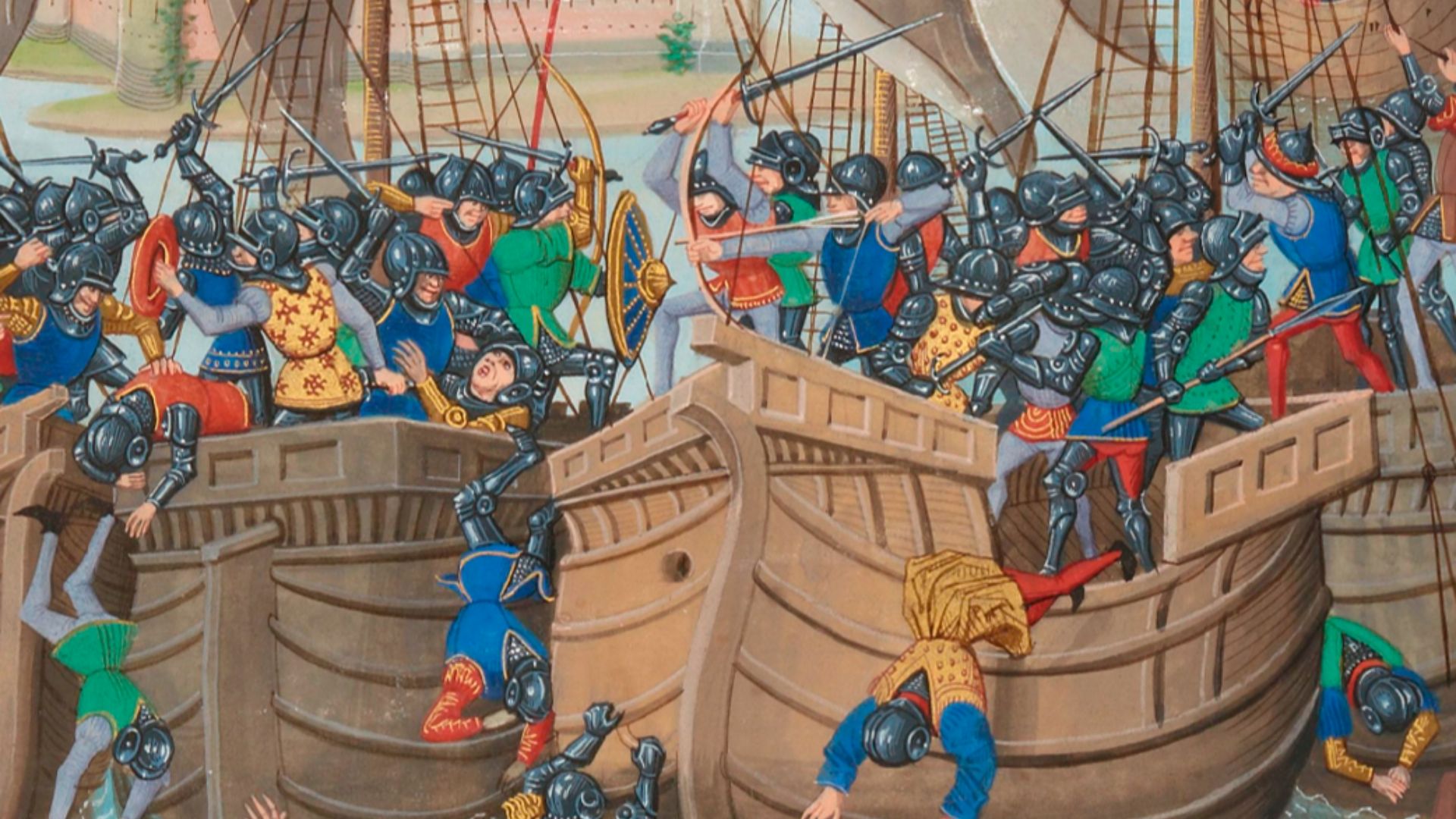
3. Battle Of Sluys, 1340
England's Edward III confronted an impressive French fleet near the Flemish port of Sluys in 1340. Several French vessels had been positioned in closely packed lines, while the English attacked with ships carrying archers and men-at-arms. Fighting developed into brutal boarding actions that lasted the day.
4. Battle Of Lepanto, 1571
Over 400 major vessels clashed near western Greece on October 7, 1571, as the Holy League confronted the Ottoman fleet. The Holy League captured or destroyed a substantial portion of the Ottoman force while also freeing thousands of enslaved Christians. Lepanto became one of history's largest galley battles.
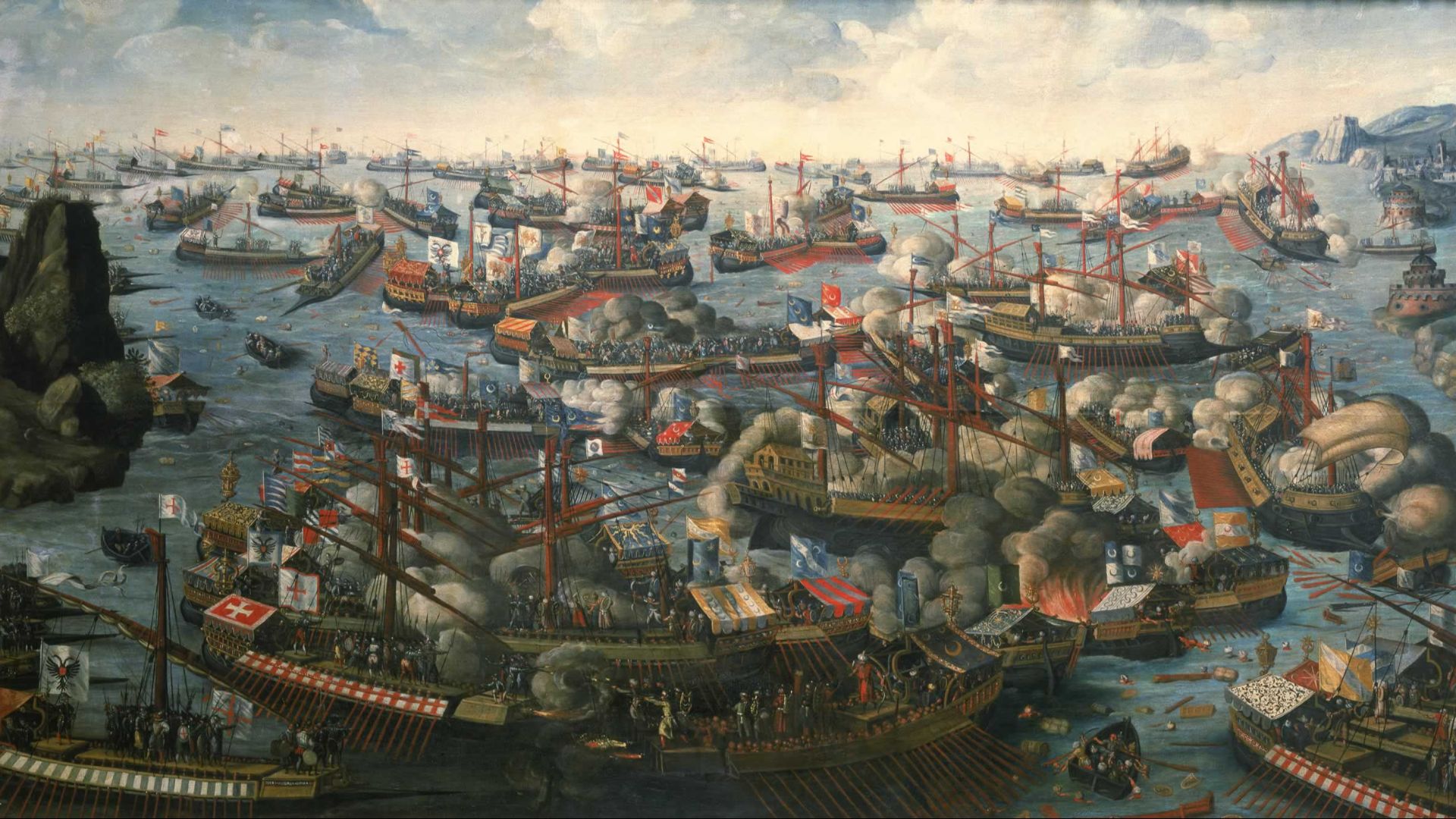 Unidentified painter on Wikimedia
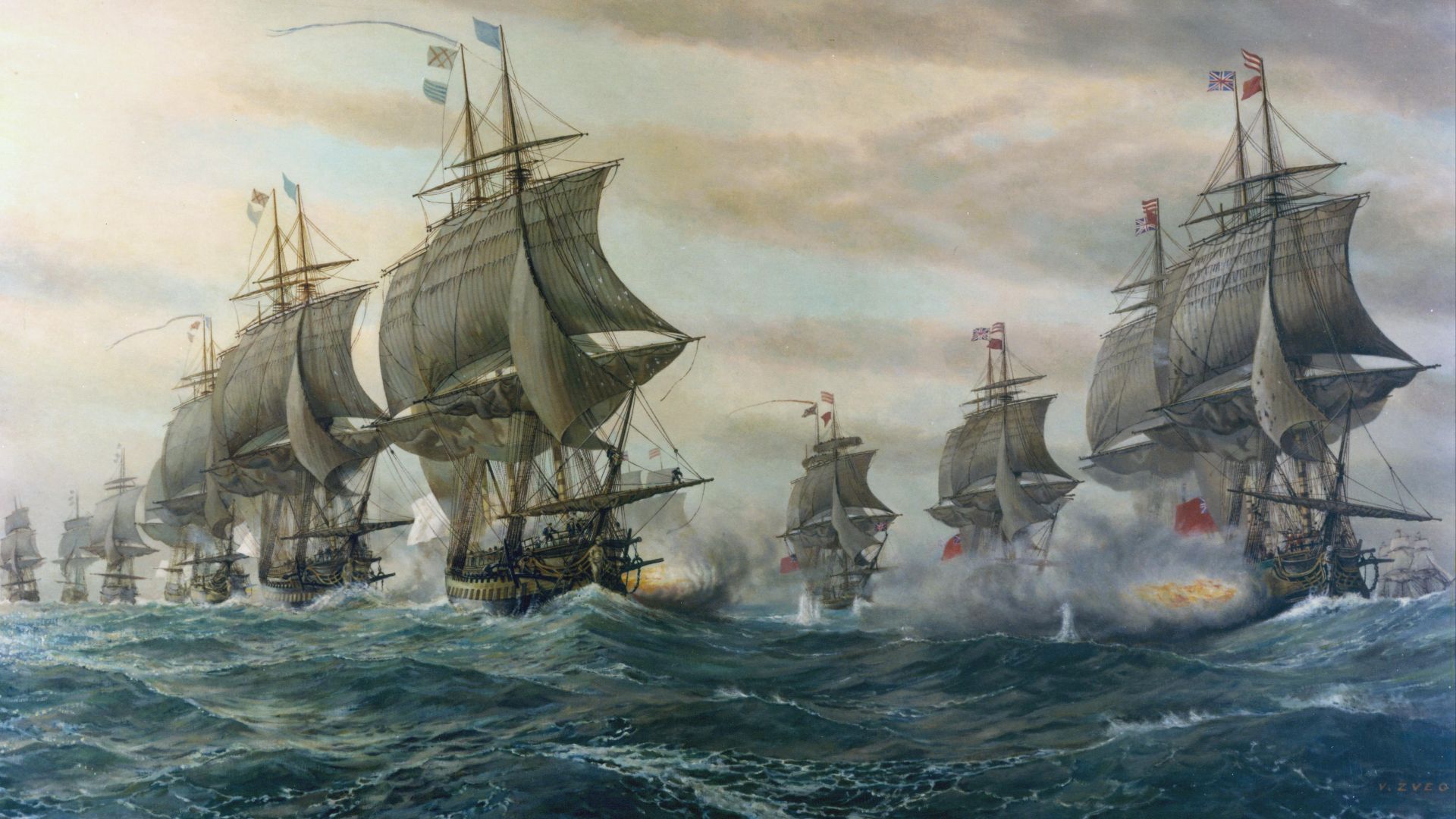
5. Battle Of The Chesapeake, 1781
French and British fleets encountered each other outside Chesapeake Bay on September 5, 1781, amid the American Revolution. Admiral François de Grasse stopped the Royal Navy from breaking French control of the approaches to the bay.
 V. Zveg (US Navy employee) on Wikimedia
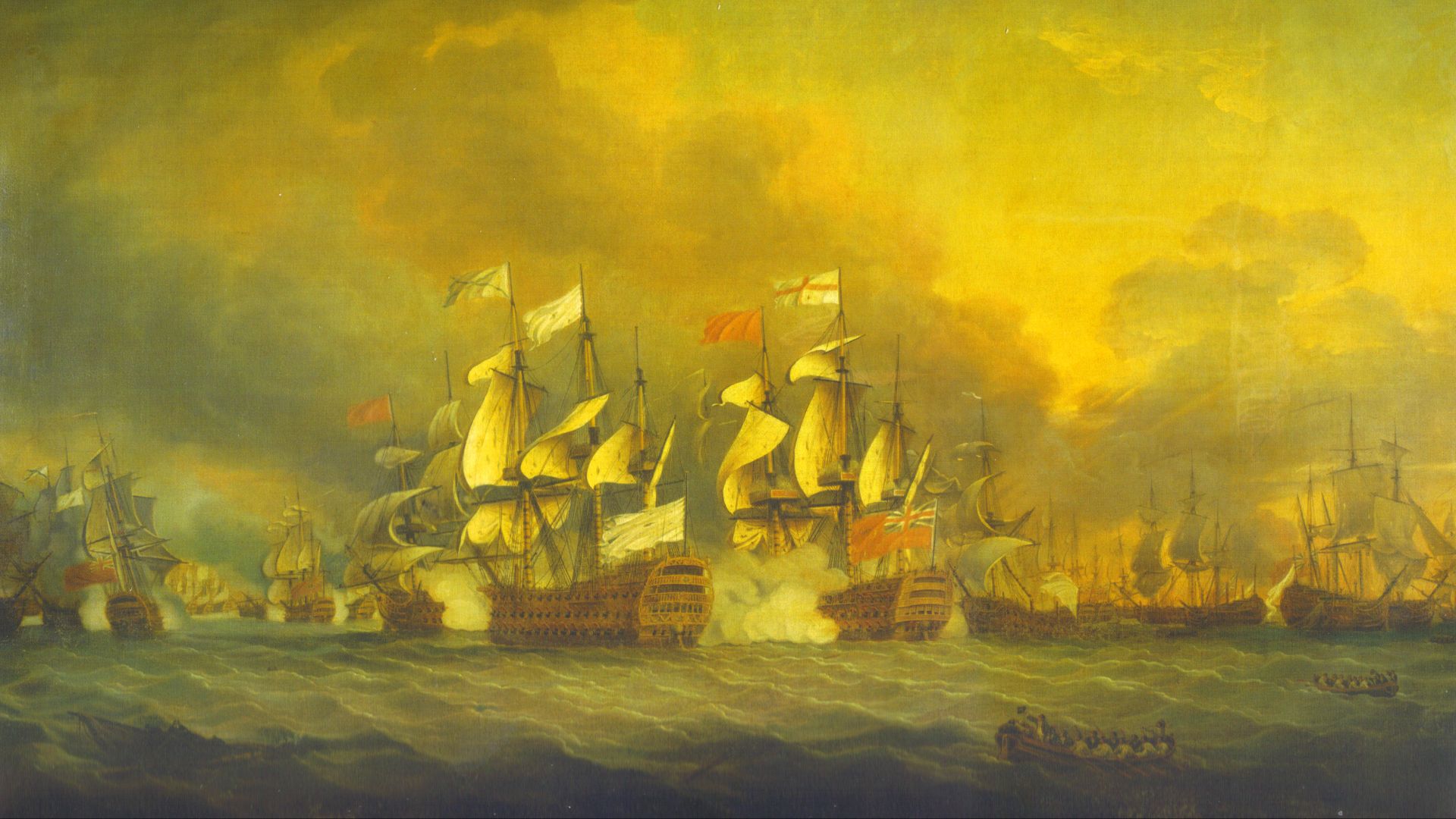
6. Battle Of The Saintes, 1782
Britain gained an important Caribbean victory over France on April 12, 1782, during the wider Battle of the Saintes campaign. French ships were captured, including Admiral de Grasse's flagship. The defeat ended French plans for a major attack on Jamaica.
7. Glorious First Of June, 1794
Britain and Revolutionary France battled an enormous Atlantic fleet engagement on June 1, 1794. Britain successfully captured six French ships and sank another, giving the Royal Navy a clear tactical victory. However, the grain convoy the French were protecting arrived at France as intended.
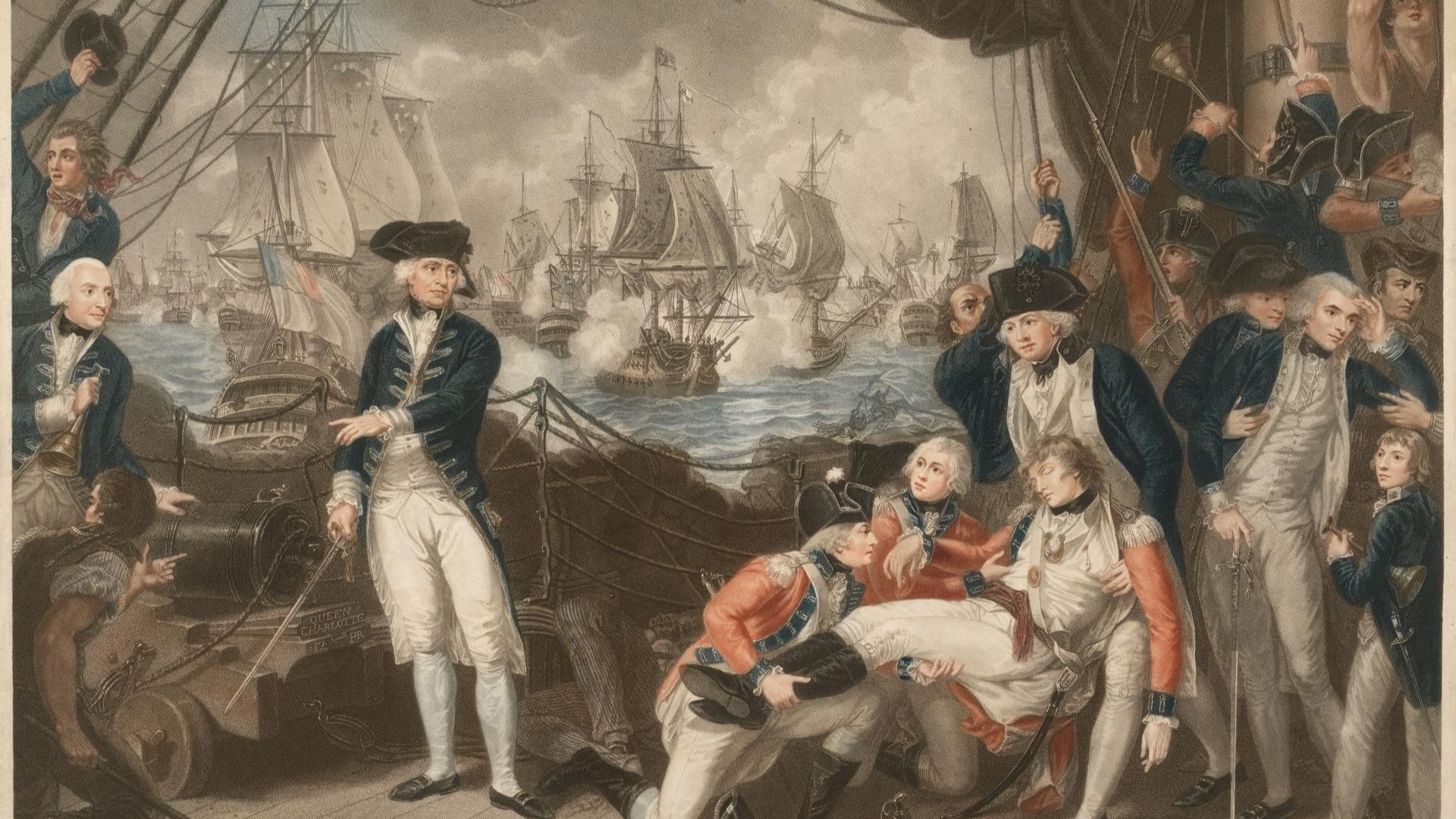
8. Battle Of Camperdown, 1797
A British fleet under Admiral Adam Duncan intercepted a Dutch force off the Netherlands on October 11, 1797. Duncan attacked before his ships had formed a conventional battle line, splitting the Dutch formation and producing intense close-range combat. Nine Dutch ships of the line were among those captured.
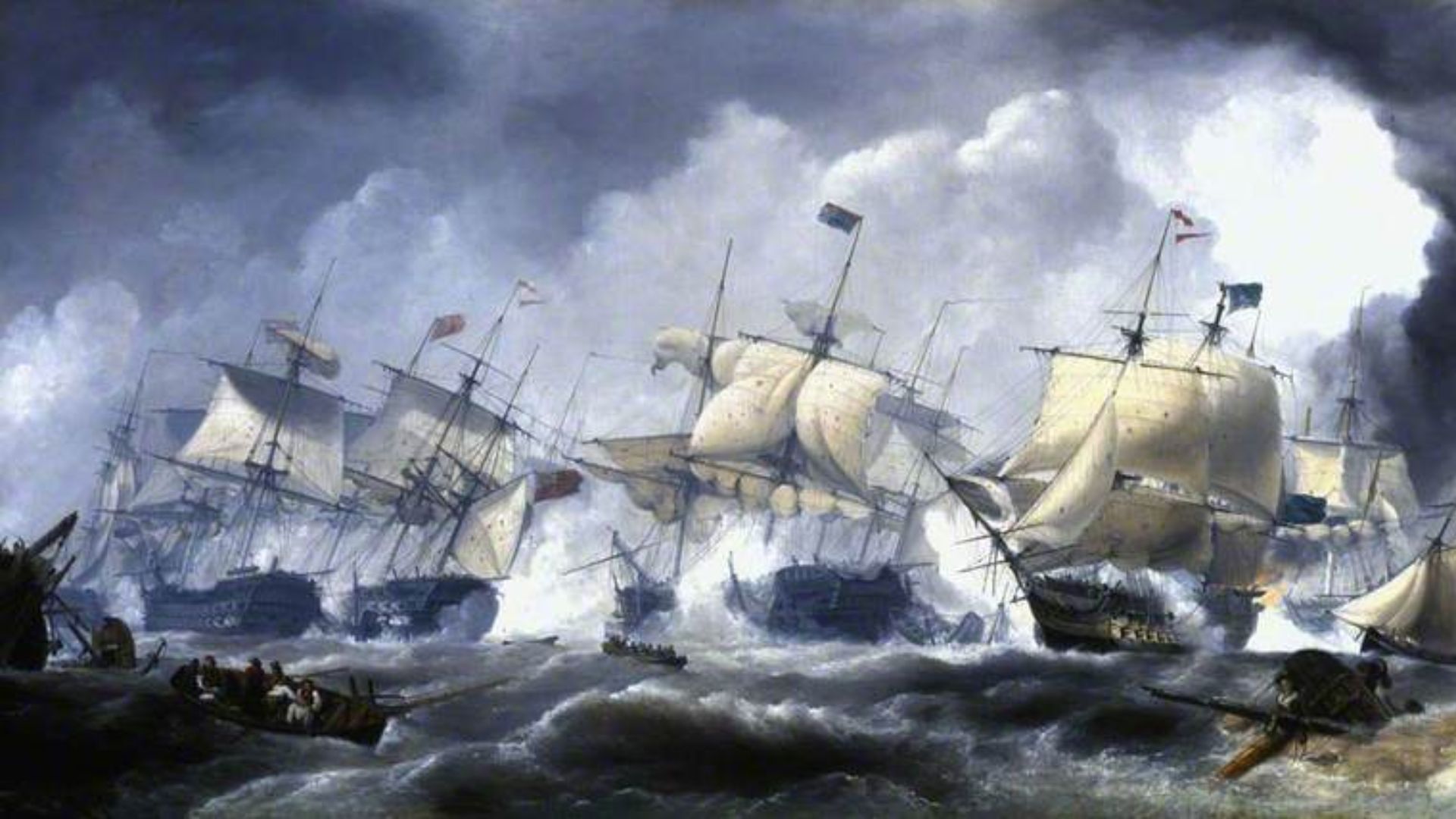
9. Battle Of The Nile, 1798
Rear Admiral Horatio Nelson found the French fleet anchored and rested in Aboukir Bay on August 1, 1798. Fighting continued well into the night, and the French flagship exploded. By the end of the battle, most French ships had been captured or destroyed.
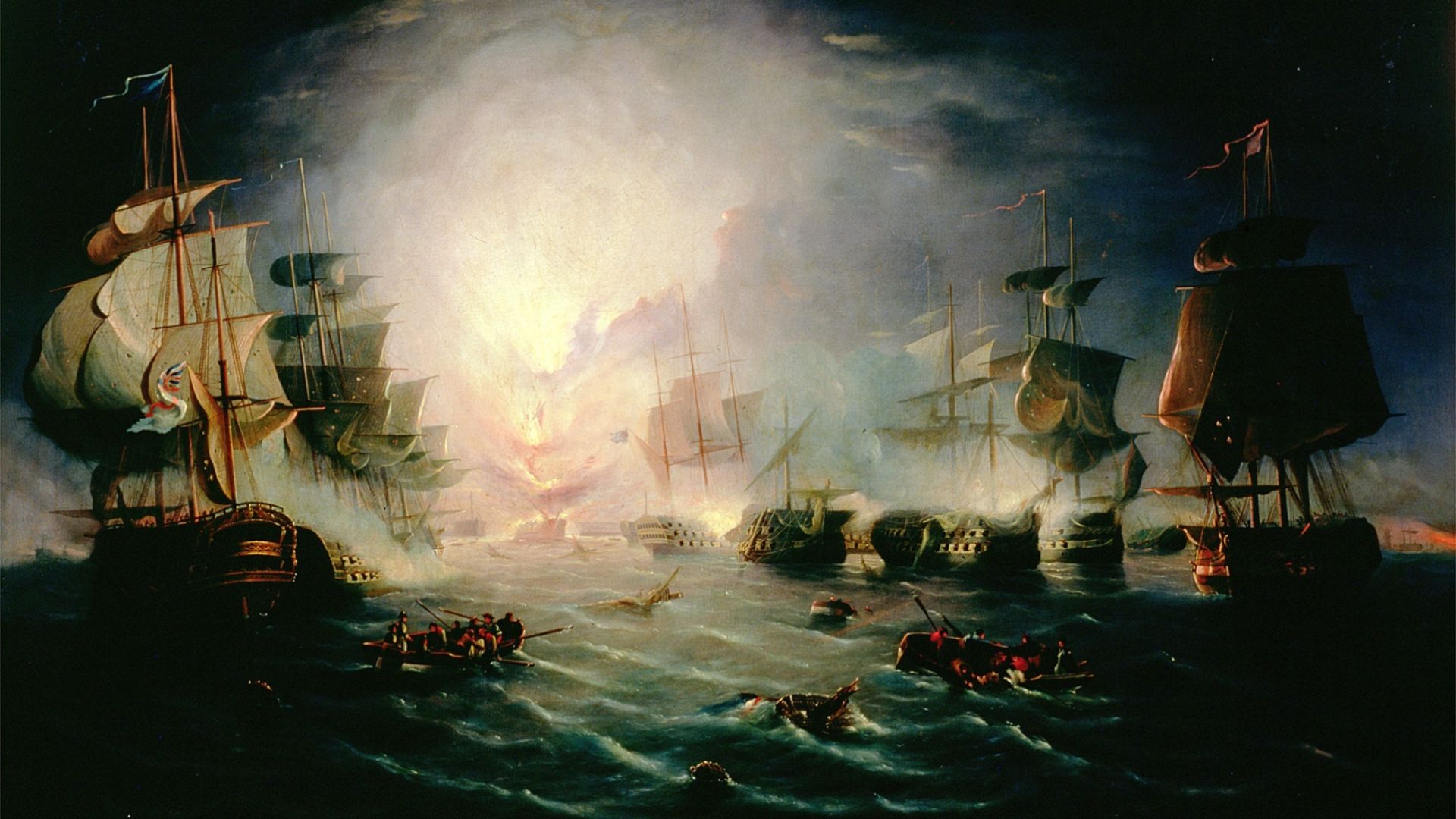 Circle of John Thomas Serres on Wikimedia
10. Battle Of Copenhagen, 1801
British warships attacked the Danish defensive line near Copenhagen on April 2, 1801, amid escalating tensions involving the League of Armed Neutrality. After several hours of heavy, violent combat, negotiations started. Britain had achieved the naval victory it requierd that same day.
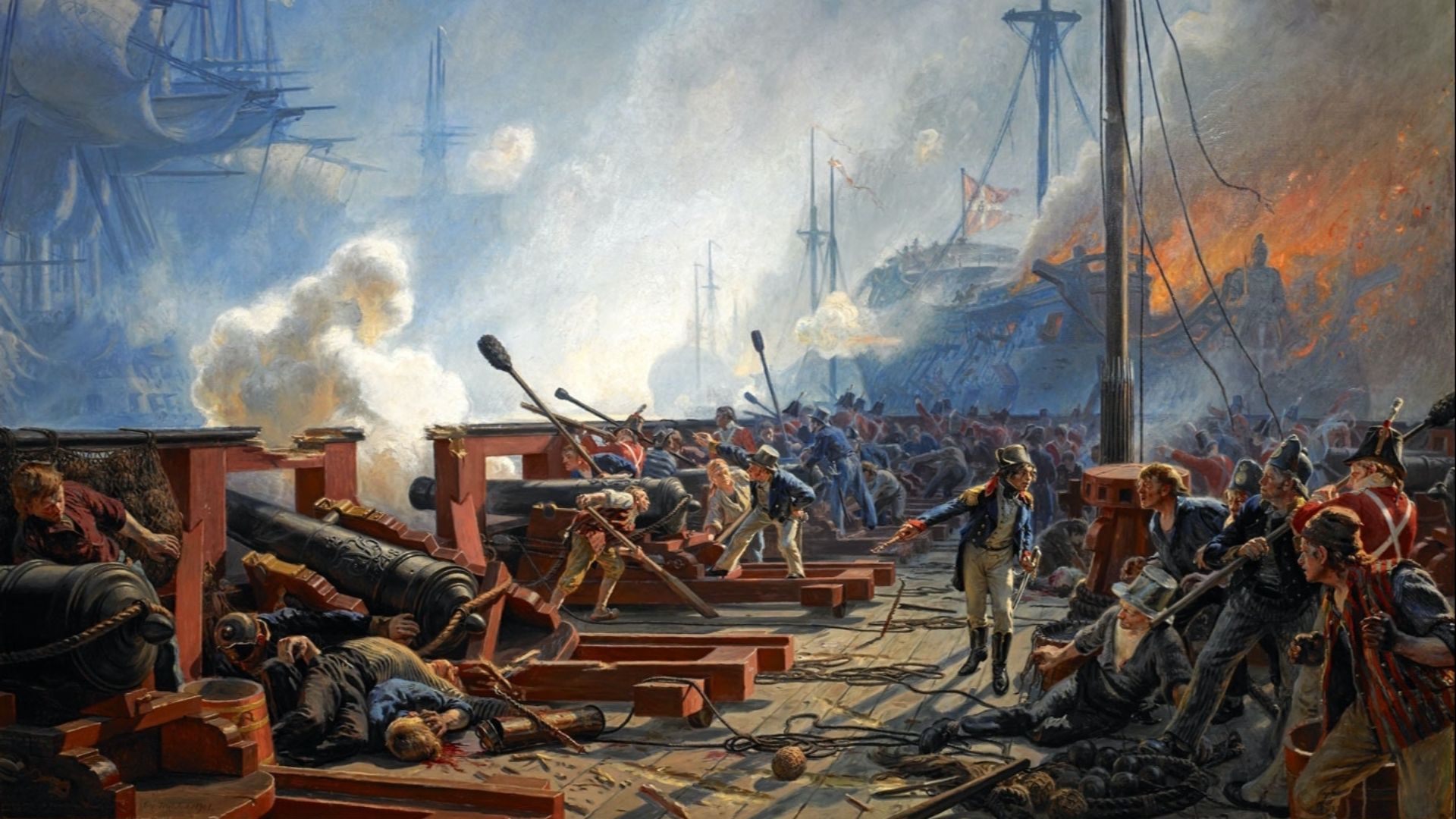 Christian Mølsted on Wikimedia
11. Battle Of Trafalgar, 1805
Nelson's fleet met the combined French and Spanish force off southwestern Spain on October 21, 1805. Instead of forming a parallel line, the British approached in two columns that better penetrated the allied formation. Britain captured or destroyed numerous enemy ships without sacrificing one of its own during this day-long battle.
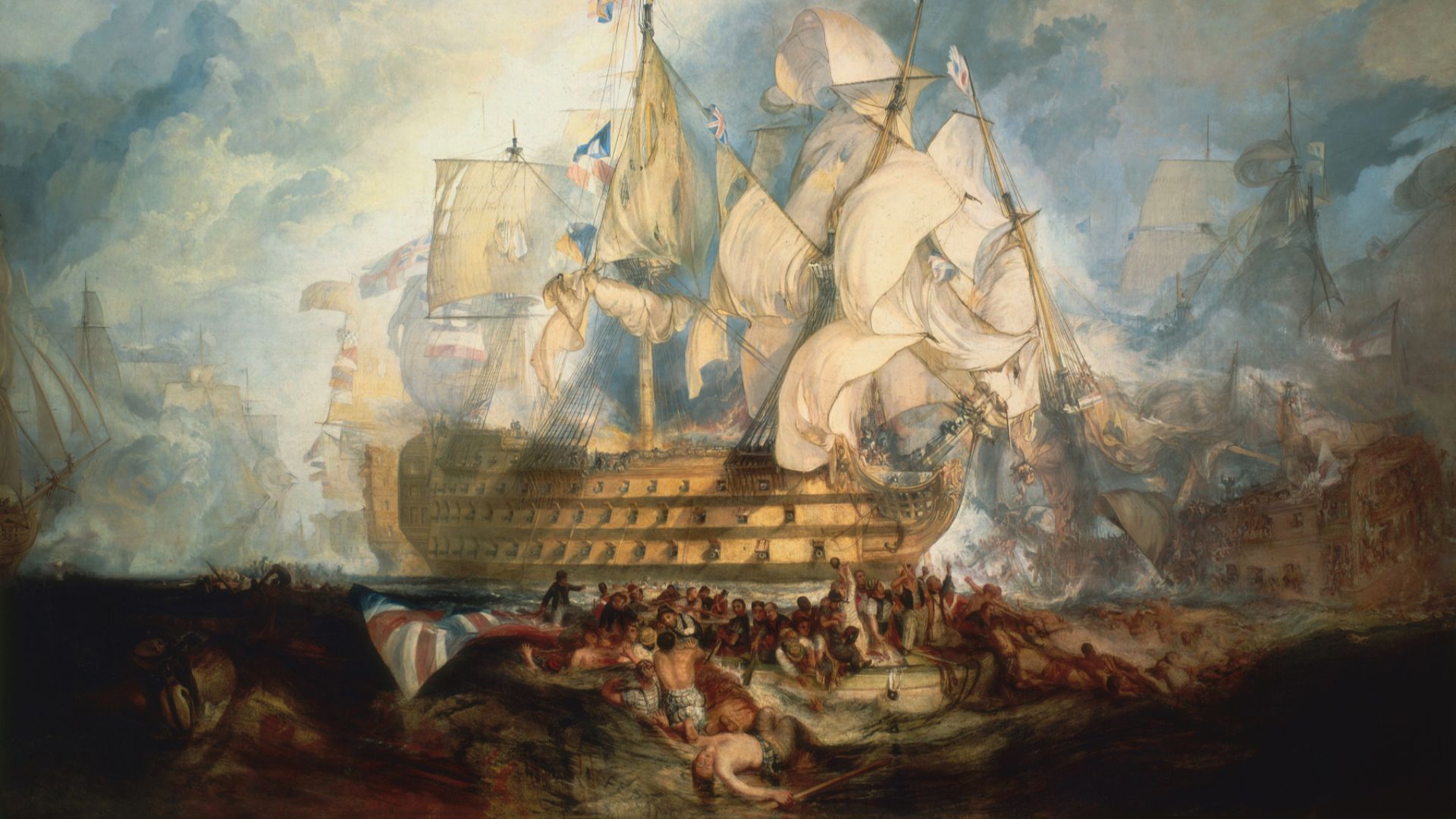
12. Battle Of Lake Erie, 1813
Control of Lake Erie was vital to operations around the Great Lakes during the War of 1812. On September 10, Oliver Hazard Perry's American squadron fought a British force commanded by Robert Barclay.
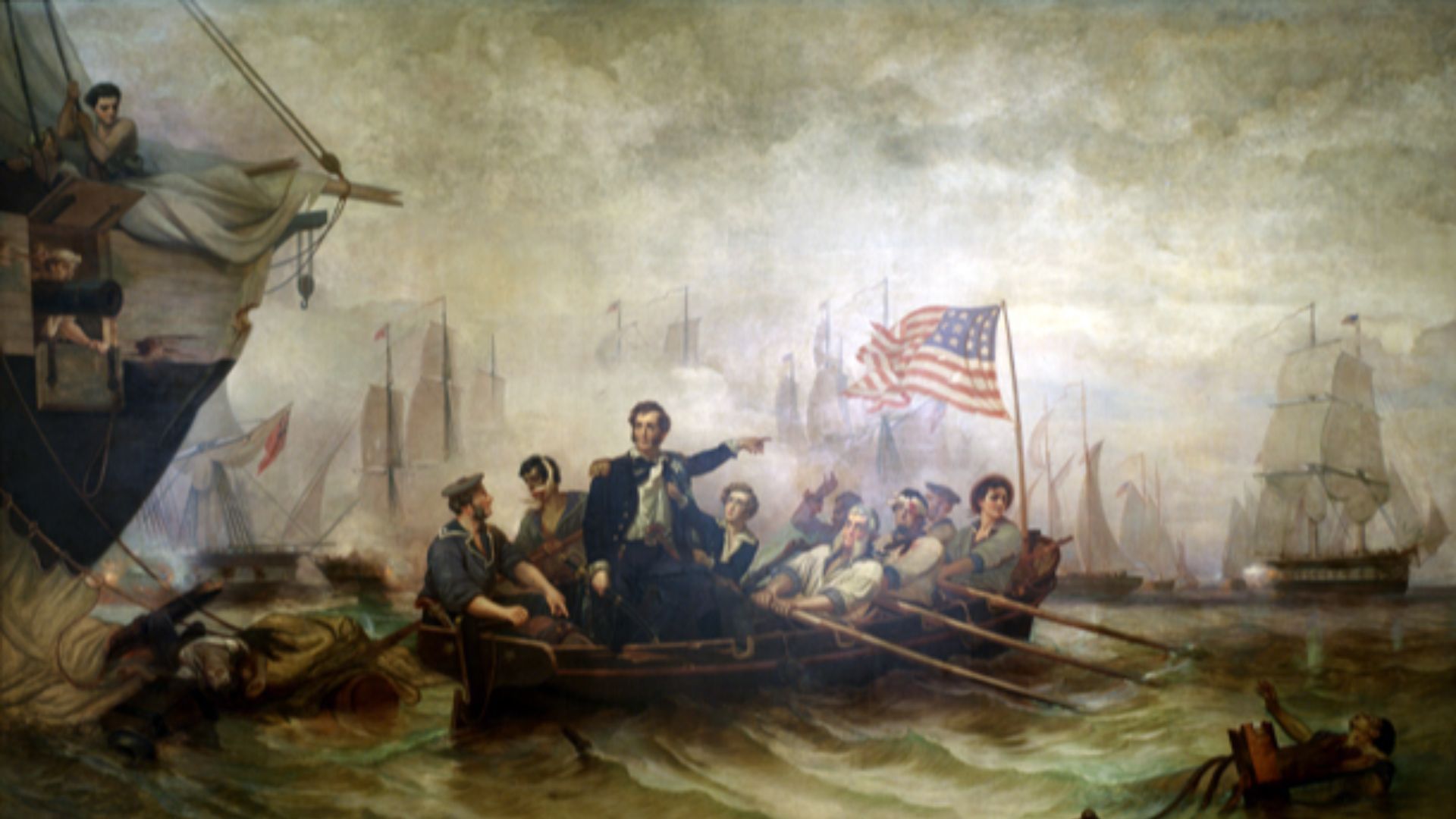 William Henry Powell on Wikimedia
13. Battle Of Navarino, 1827
British, French, and Russian ships entered Navarino Bay on October 20, 1827, while attempting to pressure Ottoman and Egyptian forces during the Greek War of Independence. Within only a few hours, much of the Ottoman-Egyptian fleet had been destroyed or disabled. The victory vastly strengthened the cause of Greek independence.
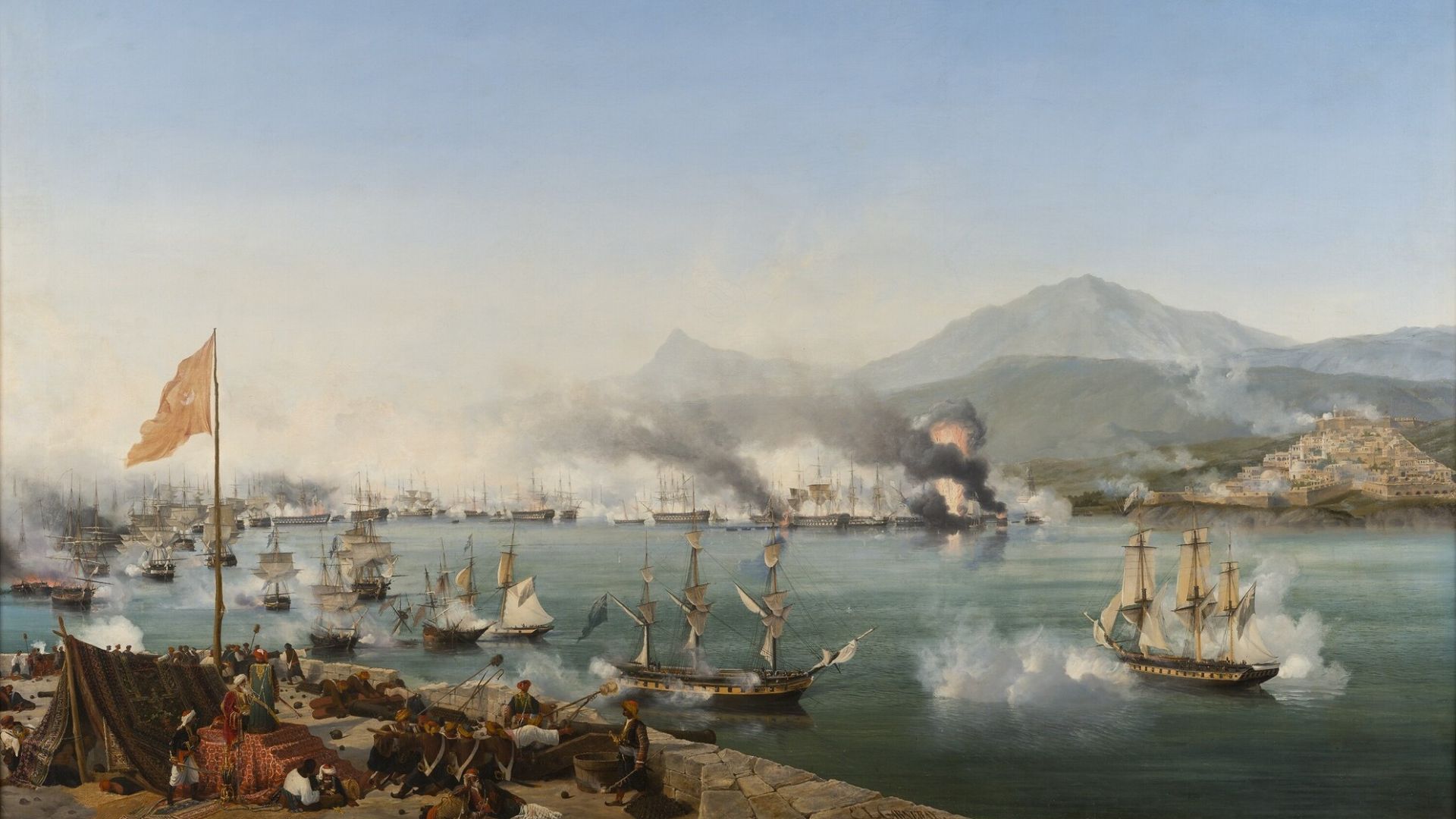 Ambroise Louis Garneray on Wikimedia
14. Battle Of Sinope, 1853
A Russian squadron attacked Ottoman vessels anchored at Sinope on November 30, 1853, during the opening phase of the Crimean War. The result alarmed British and French forces and contributed to their deeper involvement against Russia.
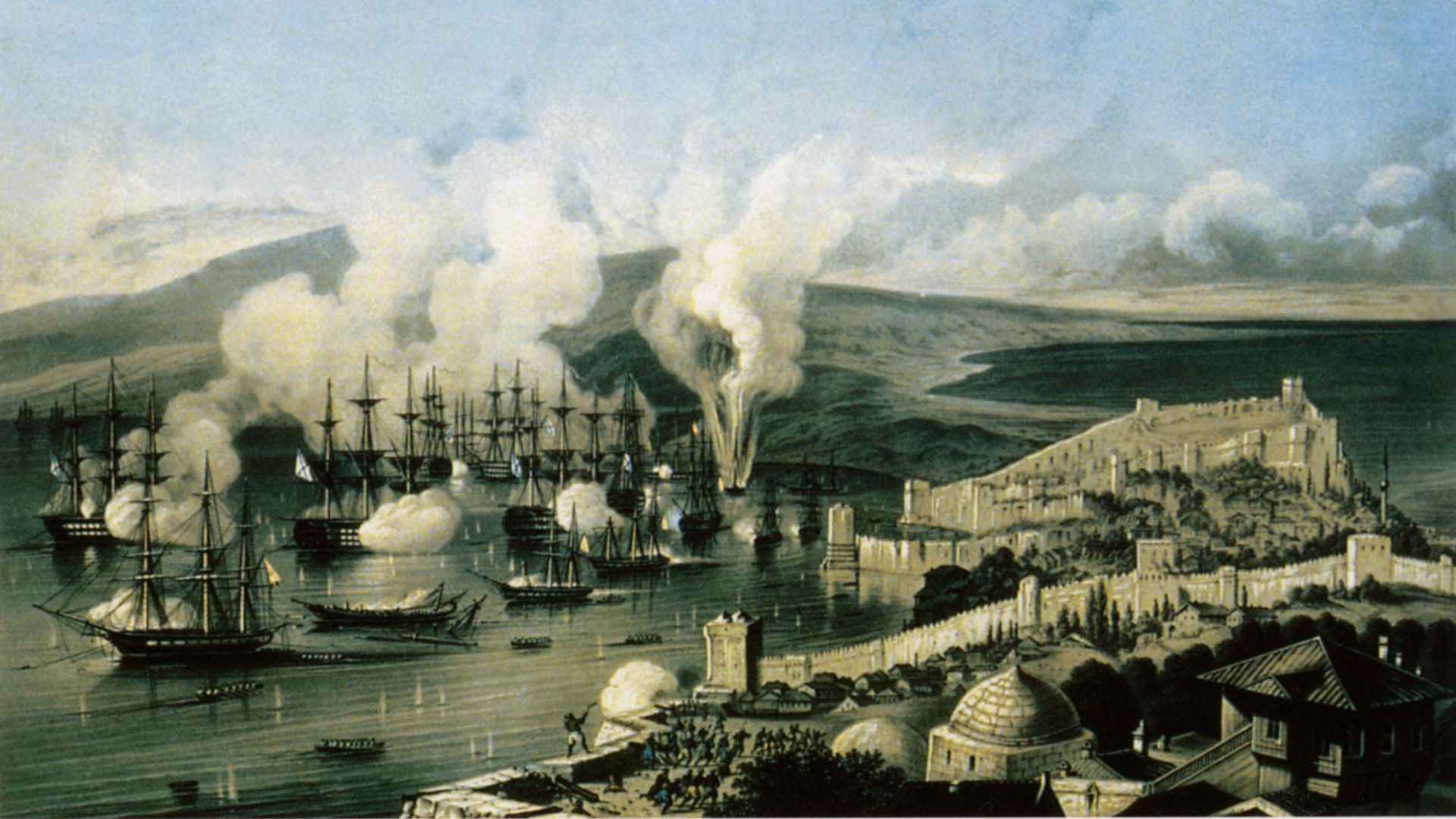 Alexey Bogolyubov on Wikimedia
15. Battle Of Mobile Bay, 1864
Union Admiral David Farragut commanded his fleet into Mobile Bay on August 5, 1864, despite Confederate forts, naval mines, and warships rigidly guarding the entrance. Farragut's force defeated the Confederate squadron, including the ironclad Tennessee. The victory closed another major Southern port to blockade runners.
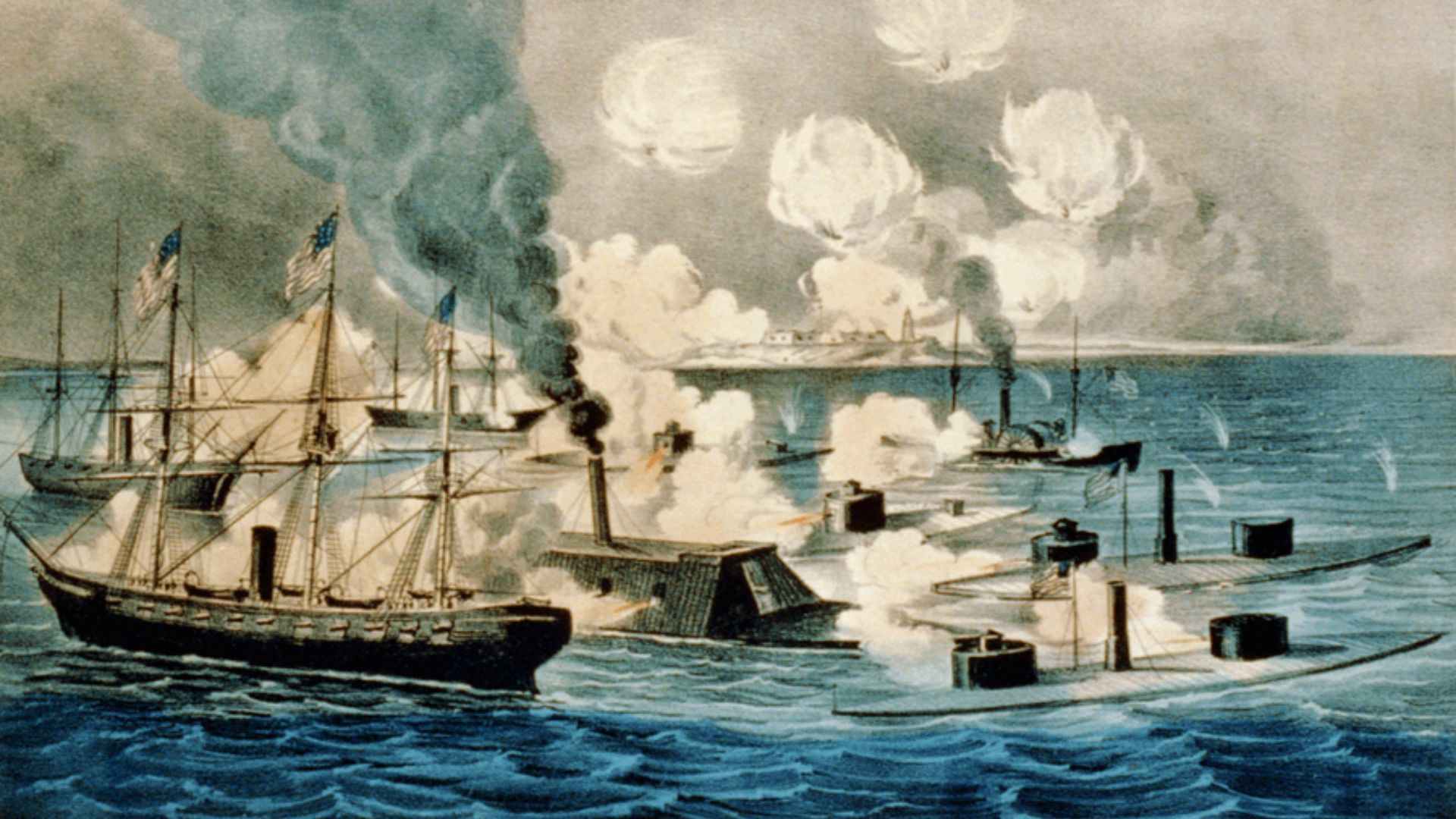 Published by Currier & Ives, New York on Wikimedia
16. Battle Of Lissa, 1866
Italian and Austrian fleets battled near the Adriatic island of Lissa on July 20, 1866, during the height of the Seven Weeks' War. His flagship Ferdinand Max rammed and sank the Italian ironclad Re d'Italia. Austria emerged with an unexpected and influential victory on the waters that day.
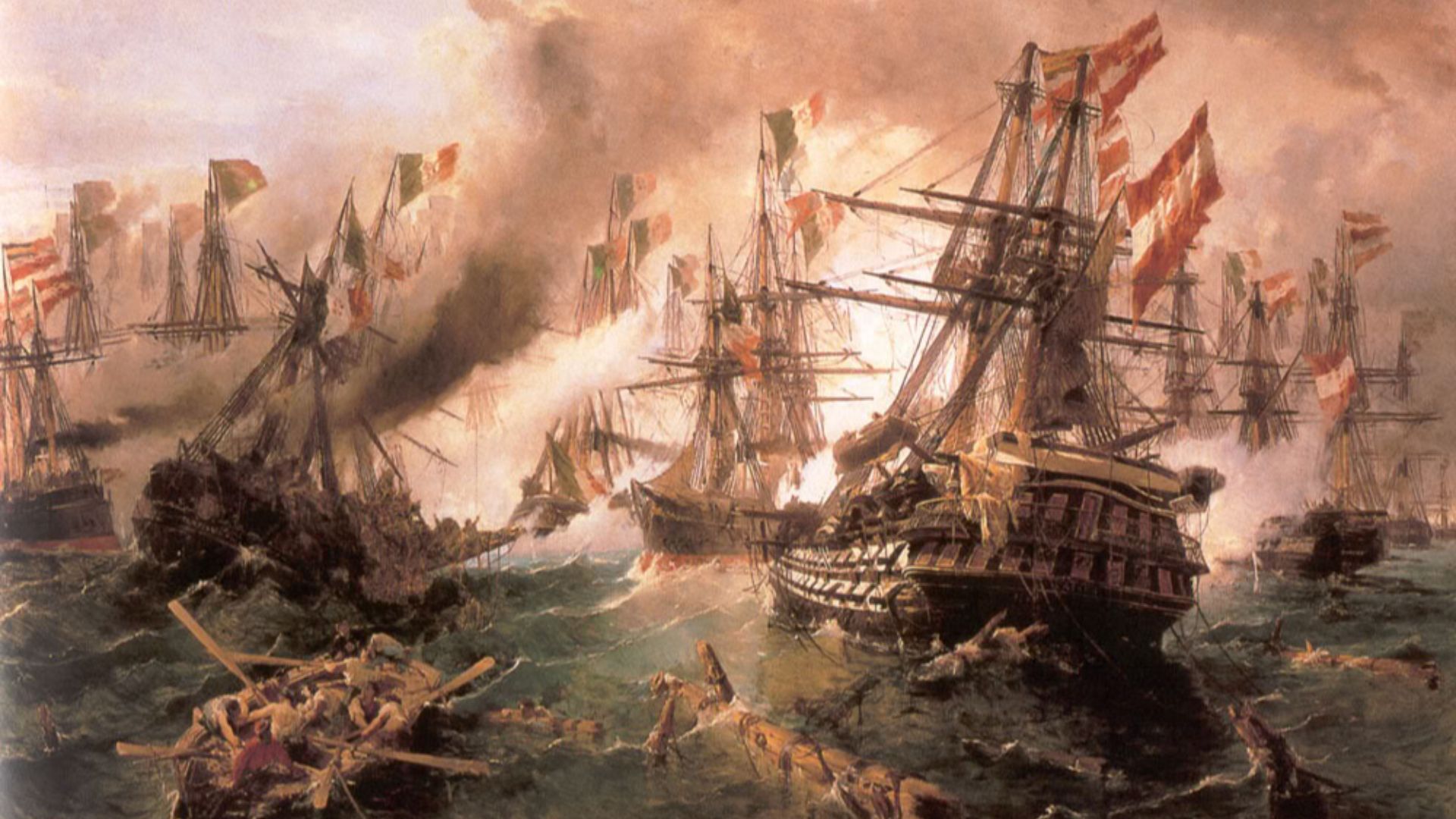 Konstantinos Volanakis on Wikimedia
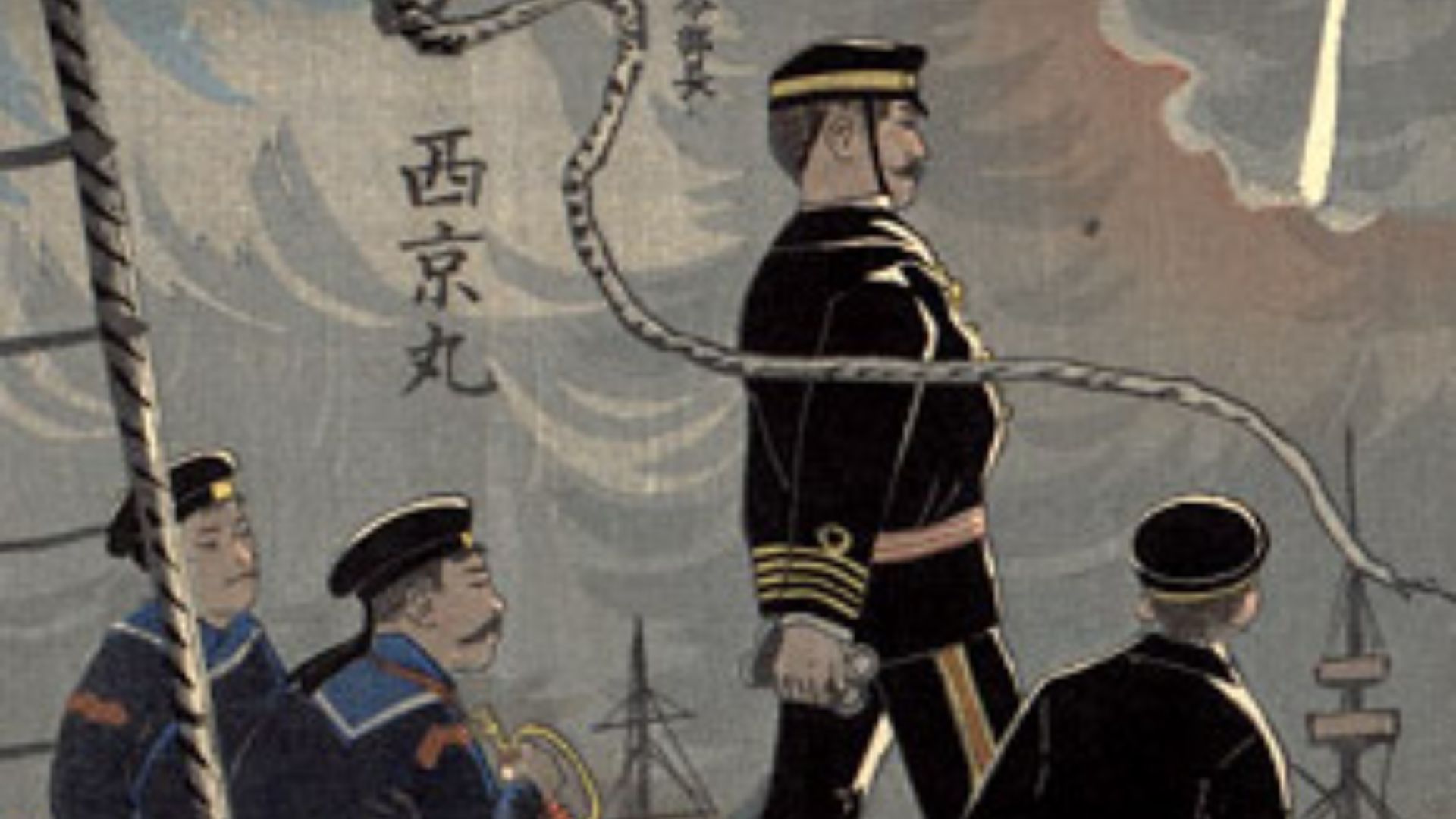
17. Battle Of The Yalu River, 1894
Japan and Qing China fought their largest naval engagement of the First Sino-Japanese War on September 17, 1894. The Japanese fleet relied on faster vessels, strategic maneuvering, and disciplined rapid-firing gunfare against China's Beiyang Fleet.
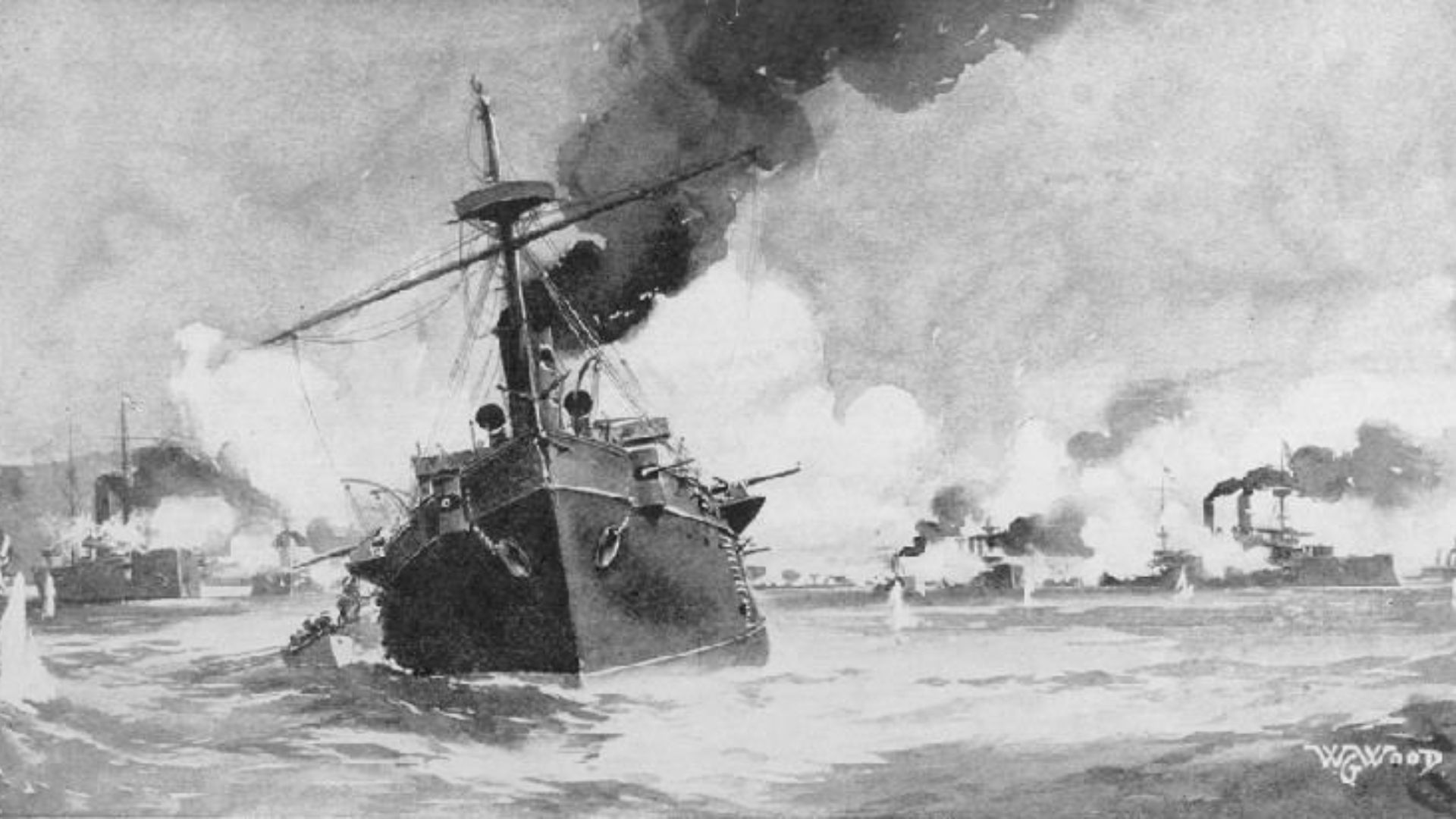
18. Battle Of Manila Bay, 1898
Commodore George Dewey entered Manila Bay with the American Asiatic Squadron early on May 1, 1898. His modern force aggressively passed the Spanish squadron positioned near Cavite and subjected it to devastating gunfire. By the end of the action, Spain's Pacific squadron no longer existed.
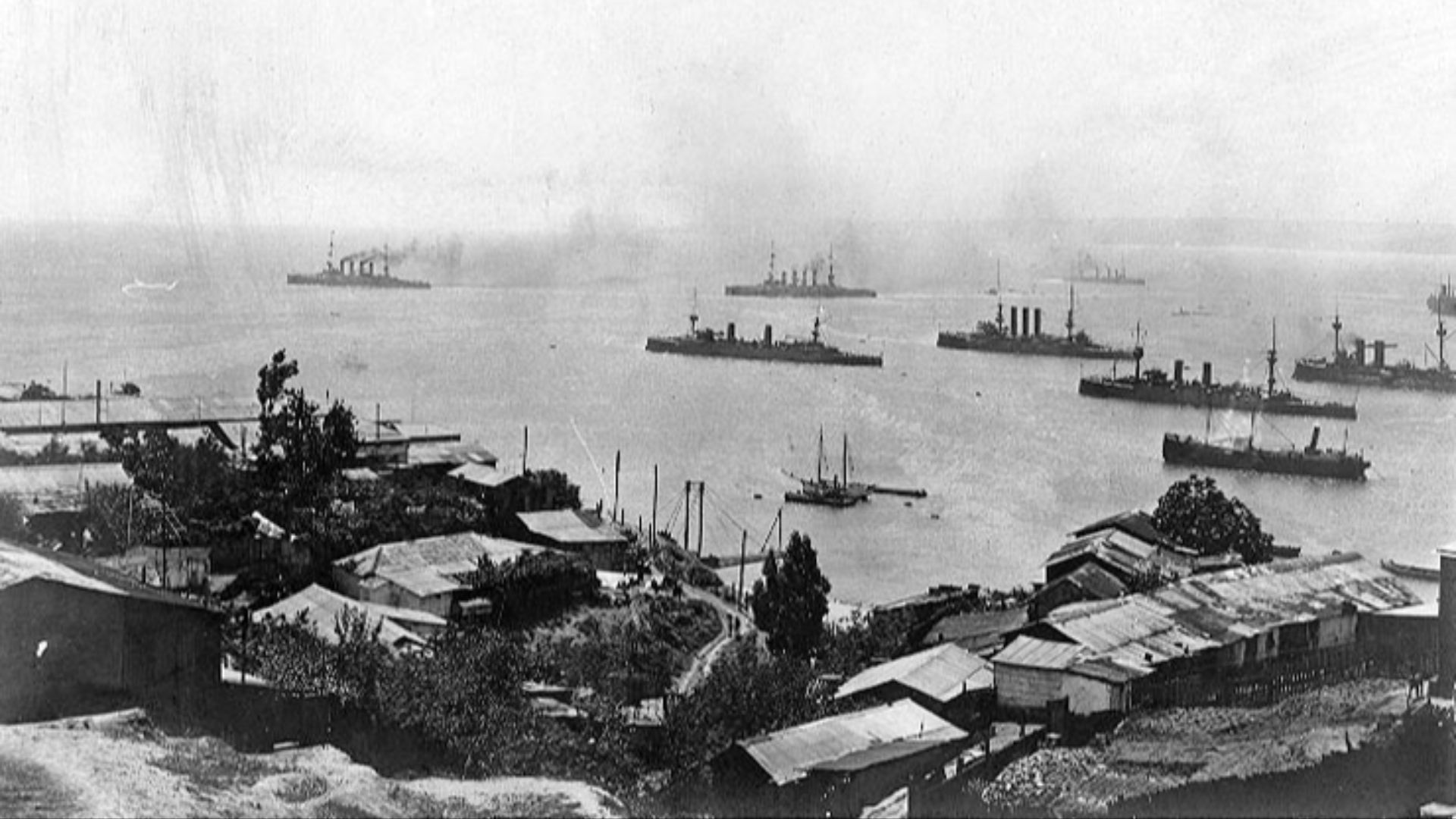
19. Battle Of Coronel, 1914
Vice Admiral Maximilian von Spee's German East Asia Squadron came across Rear Admiral Christopher Cradock's British force off Chile on November 1, 1914. As the sun set, the Germans used superior gunnery and favorable conditions to batter the British armored cruisers.
 R. Sennede (as credited in Die Grosse Zeit) on Wikimedia
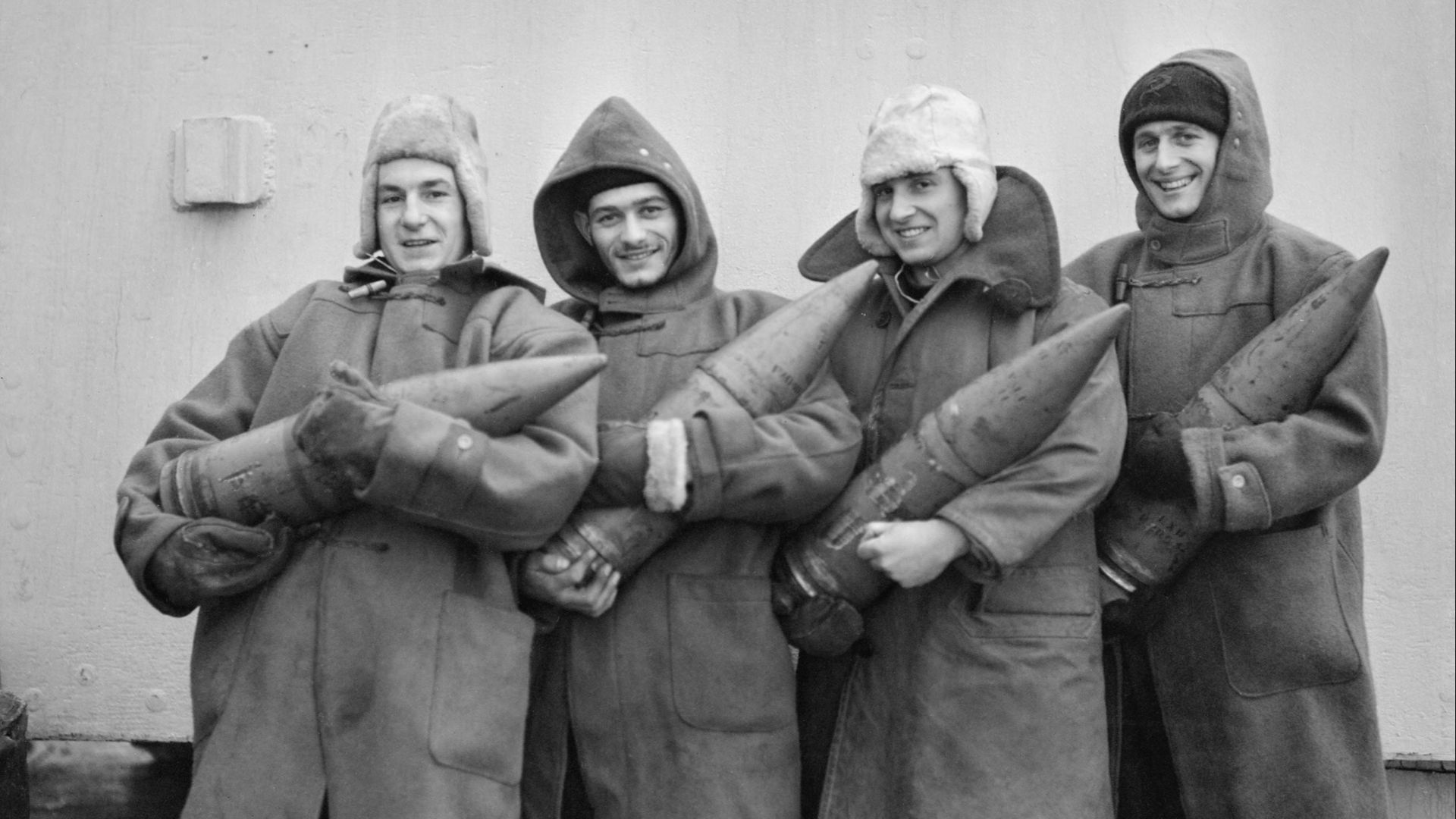
20. Battle Of North Cape, 1943
The German battleship Scharnhorst sailed against Arctic convoys on December 26, 1943, only to encounter British naval forces off Norway. Gunfire and torpedo attacks overwhelmed Scharnhorst, sinking most of its crew. Germany never again seriously challenged Arctic convoys with a battleship.
KEEP ON READING