The Past Can Always Be Rewritten
Sometimes, archaeology provides a perfectly tidy chronology because one well-dated discovery forces researchers to reconsider years of assumptions. Improved radiocarbon dating, DNA analysis, remote sensing, and careful excavation have repeatedly changed our view of the past. Some discoveries have shifted timelines by a few centuries, while others have moved them by tens or even hundreds of thousands of years. Here are 20 archaeological discoveries that rewrote established timelines.
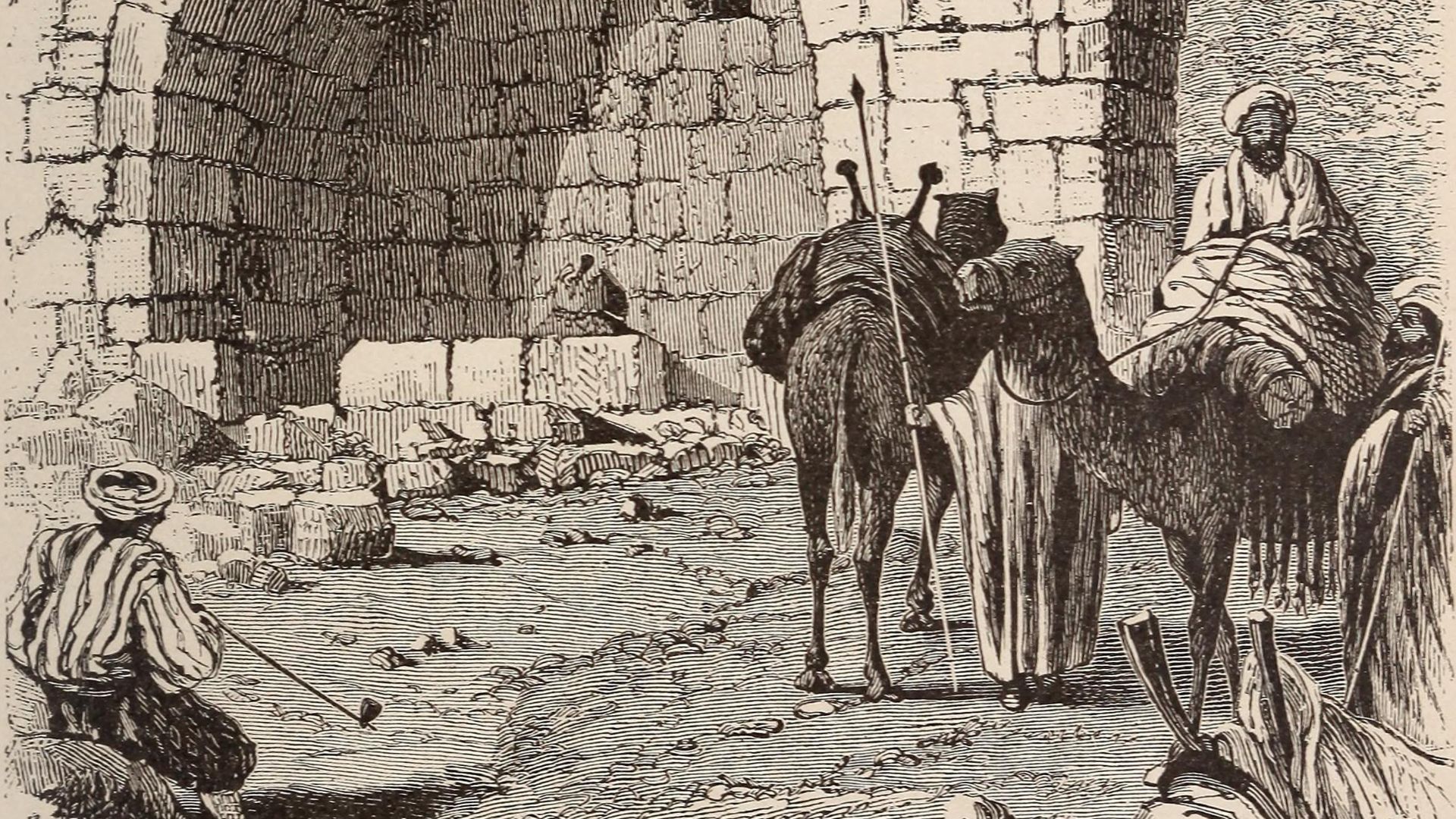 Schaff, Philip, 1819-1893 on Wikimedia
1. Göbekli Tepe
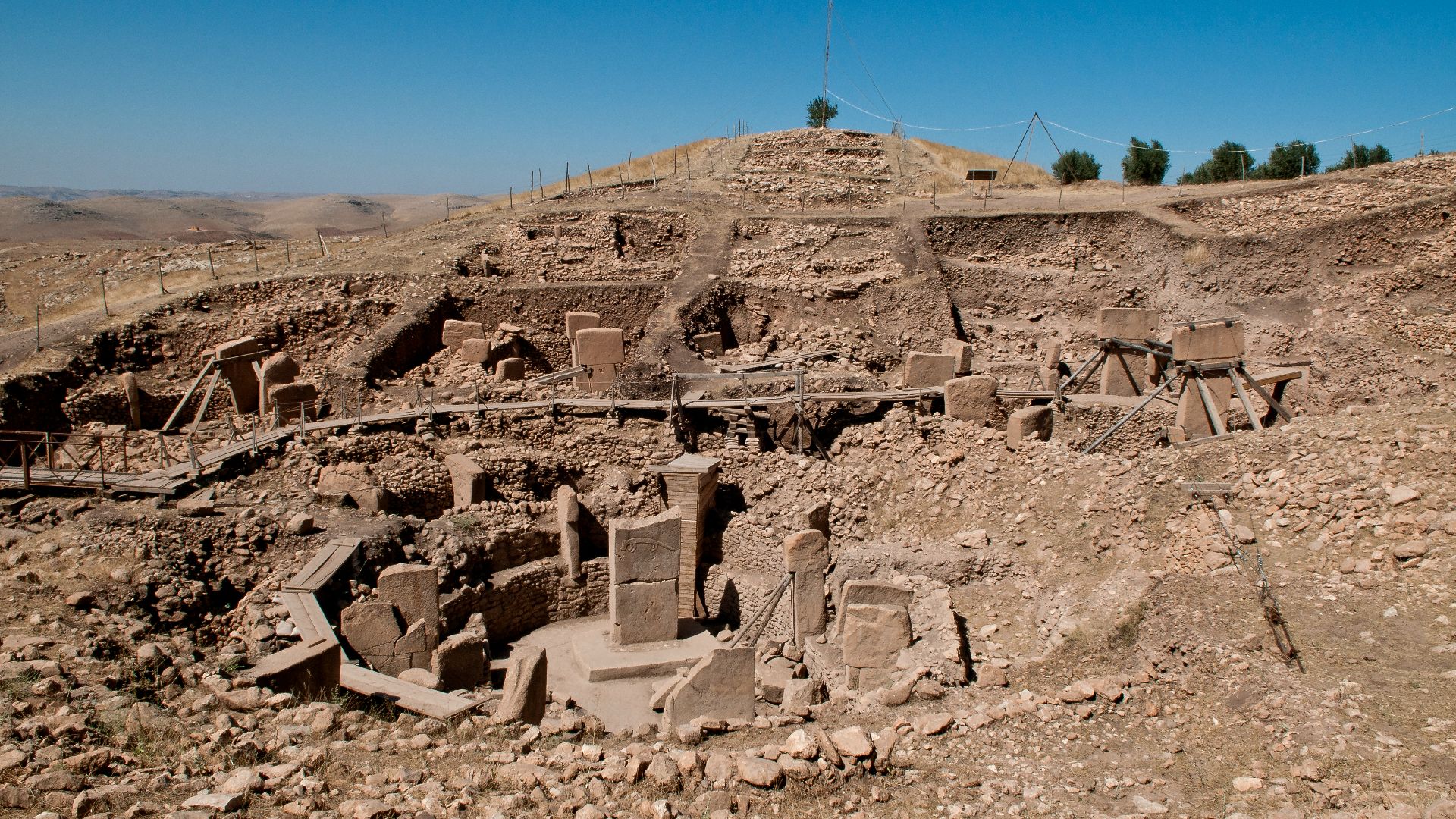
Excavations at Göbekli Tepe in southeastern Turkey revealed monumental stone enclosures dating to approximately the 10th millennium B.C. This discovery made the complex considerably older than even Stonehenge and the Egyptian pyramids. Its construction by hunter-gatherer communities challenged popular assumptions that large ceremonial monuments appeared only after settled agriculturual societies had developed.
2. The White Sands Footprints
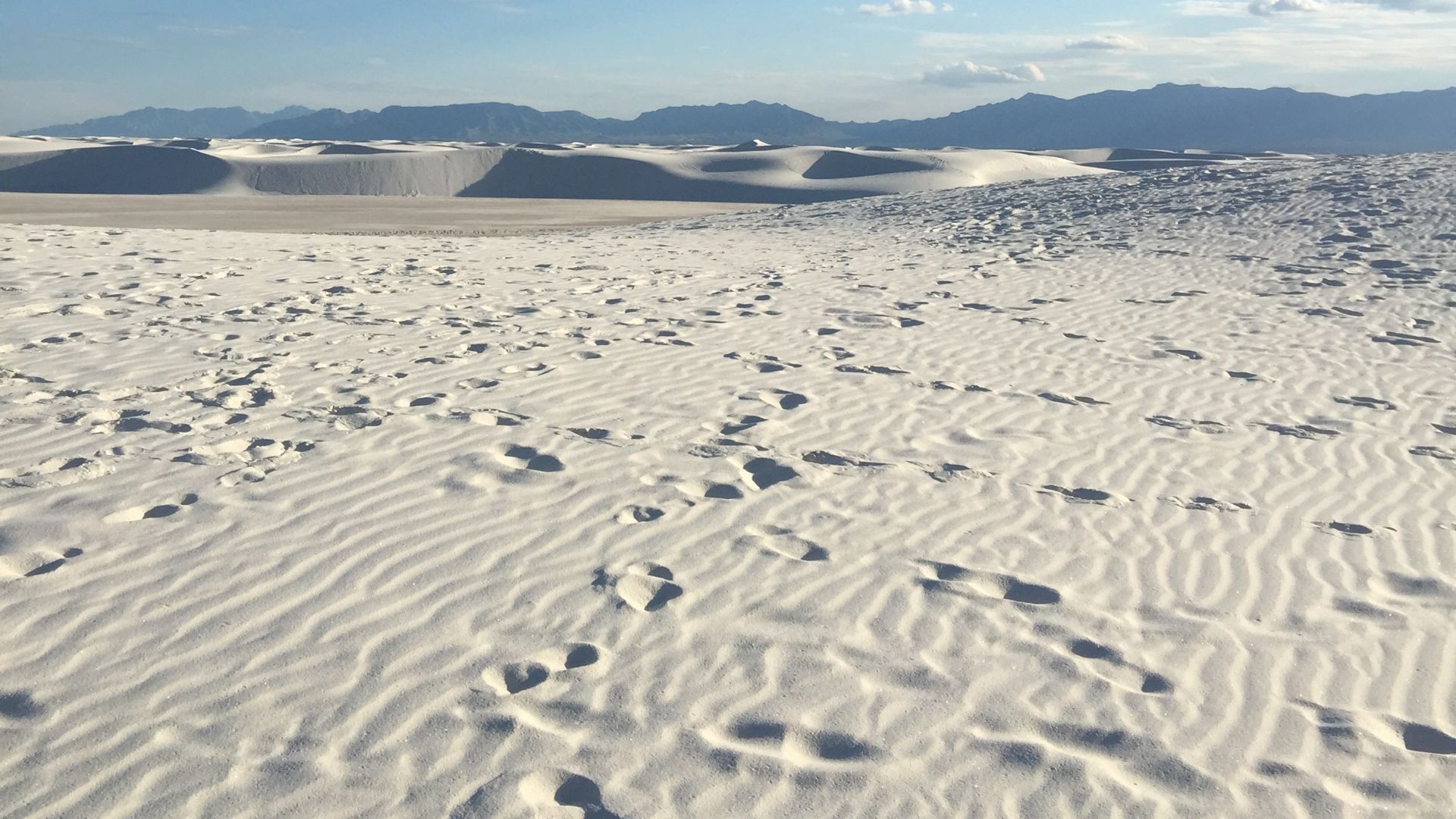
Human footprints preserved at White Sands National Park in New Mexico have been dated to roughly 21,000 to 23,000 years ago. Various dating methods have strengthened the case that people were present during the Last Glacial Maximum and pushed convincing evidence of humans in North America thousands of years earlier than the traditional Clovis-first timeline.
3. Lomekwi 3 Stone Tools
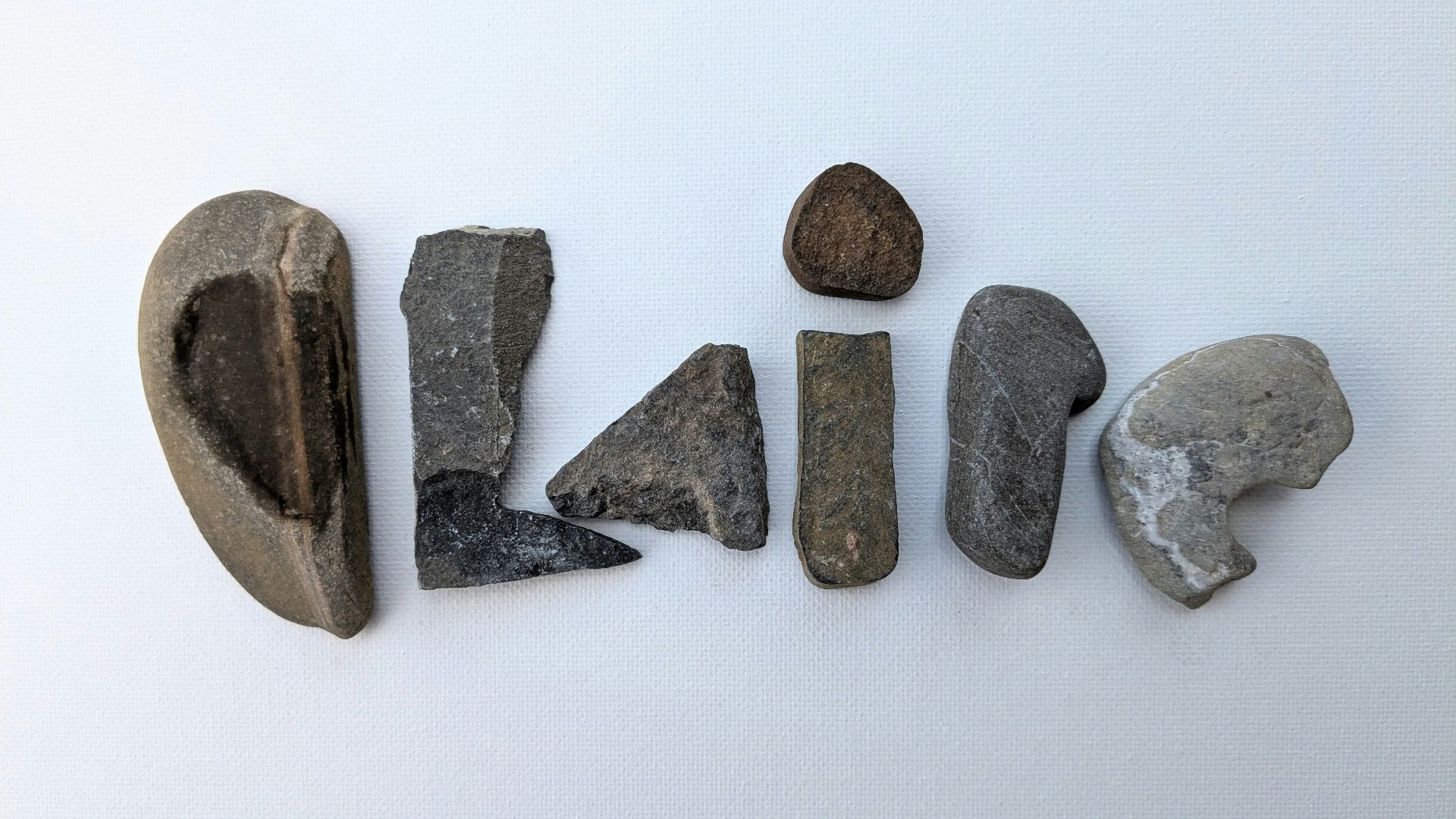
Stone artifacts discovered at Lomekwi 3 in Kenya were dated to about 3.3 million years ago, making them roughly 700,000 years older than the earliest known members of the genus Homo. Their discovery demonstrated that stone-tool production started far earlier than researchers once believed and may have involved a different hominin lineage.
4. Jebel Irhoud
Fossils recovered from Jebel Irhoud in Morocco were redated to around 315,000 years ago. Their mix of modern-looking facial features and more archaic braincase shapes led researchers to identify them with early Homo sapiens.
 Shannon McPherron, MPI EVA Leipzig on Wikimedia
5. The Dmanisi Hominins
Hominin fossils and tools from Dmanisi in Georgia date to roughly 1.8 million years ago. This recalculation showed that early members of the human lineage had left Africa surprisingly early, despite having relatively small brains and comparatively simple technology.
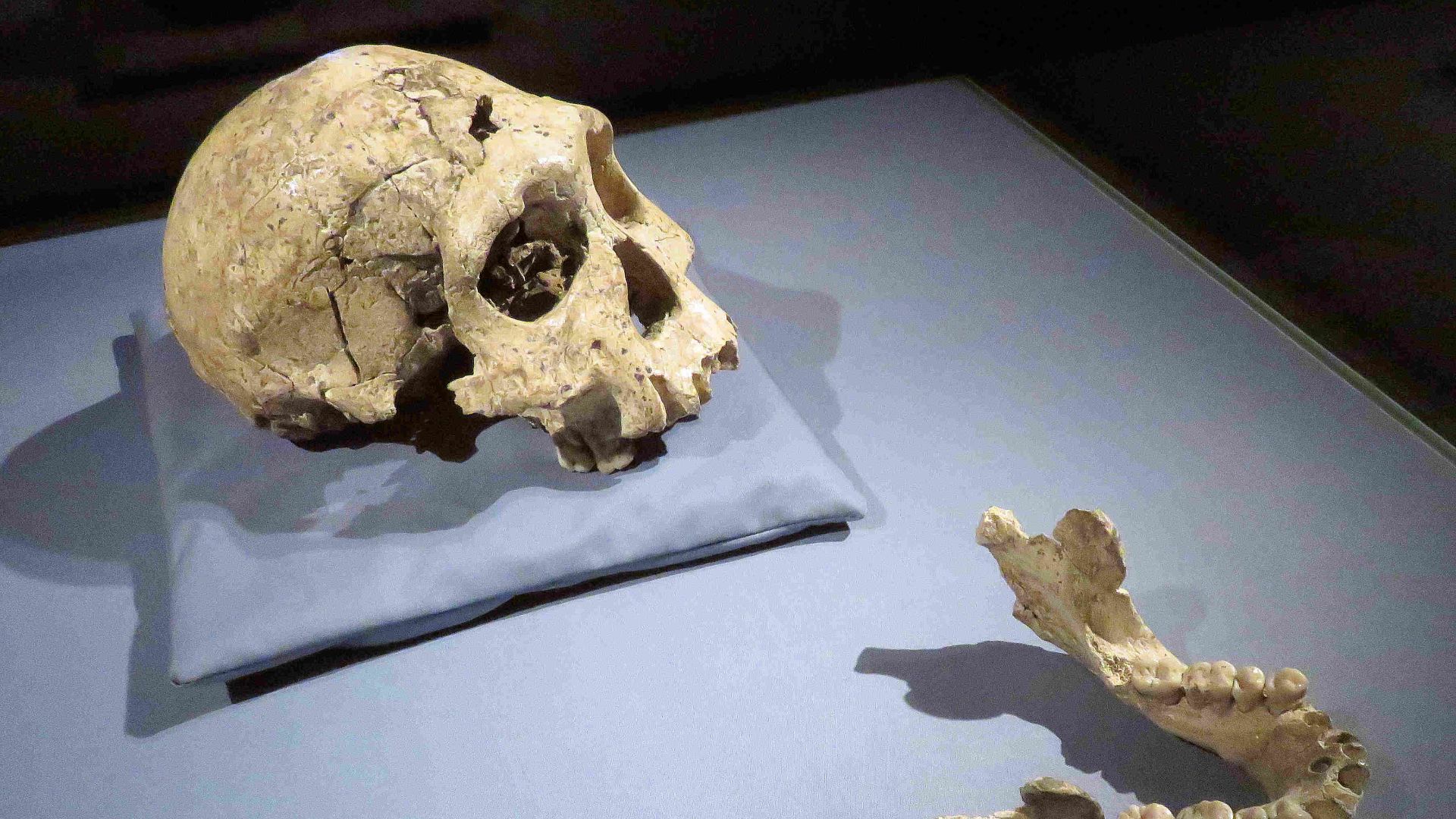
6. Atapuerca's Early Europeans
Discoveries in Spain's Atapuerca region have produced some of western Europe's oldest evidence of hominin occupation. Remains from Sima del Elefante point to humans or their relatives having reached the region more than one million years ago.

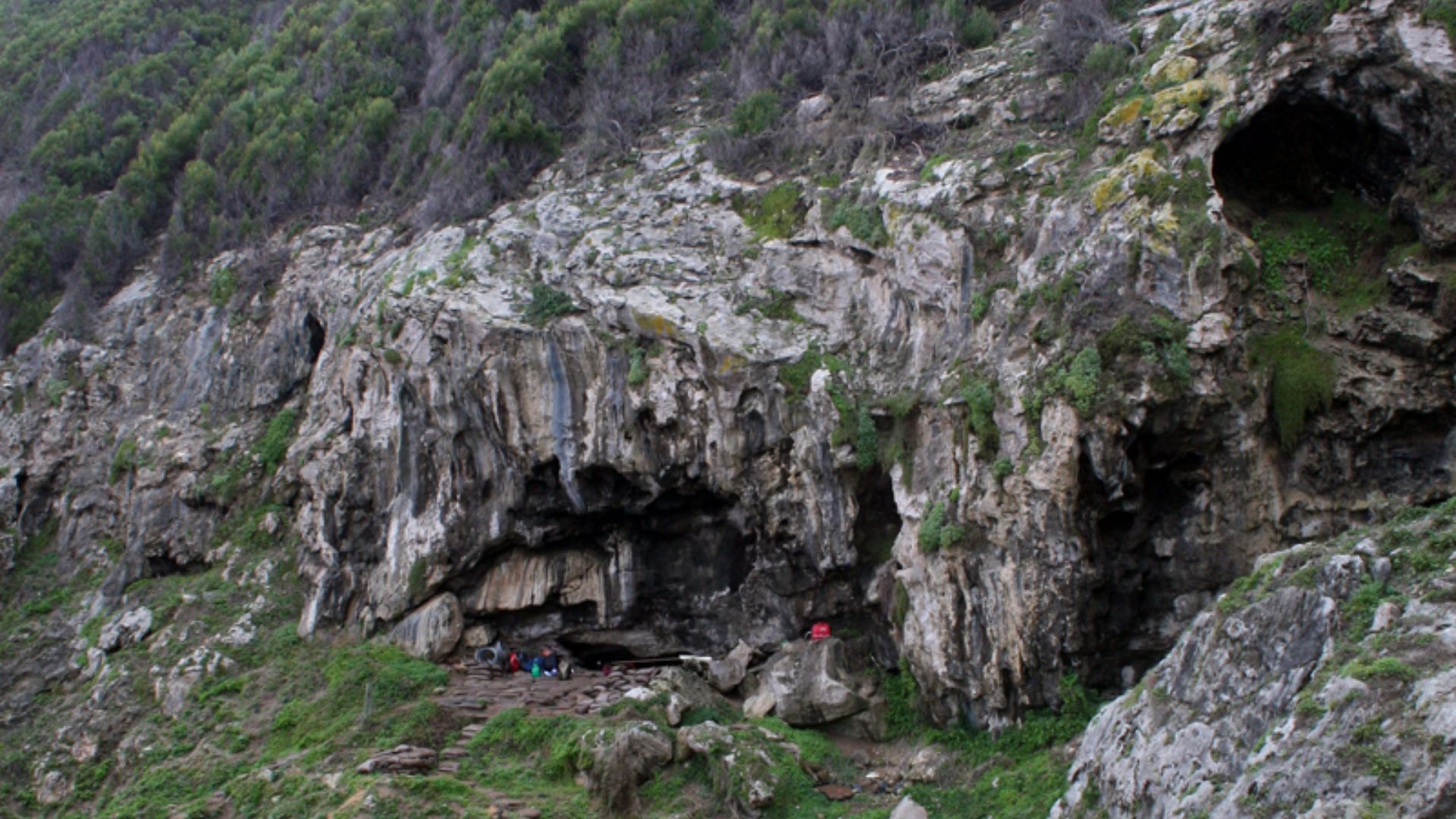
7. Blombos Cave
Blombos Cave in South Africa produced engraved ochre pieces dating back roughly 75,000 years, along with other hard evidence of complex behavior. These discoveries helped rewrite the idea that behavioral modernity emerged suddenly only around 40,000 years ago.
 Vincent Mourre / Inrap on Wikimedia
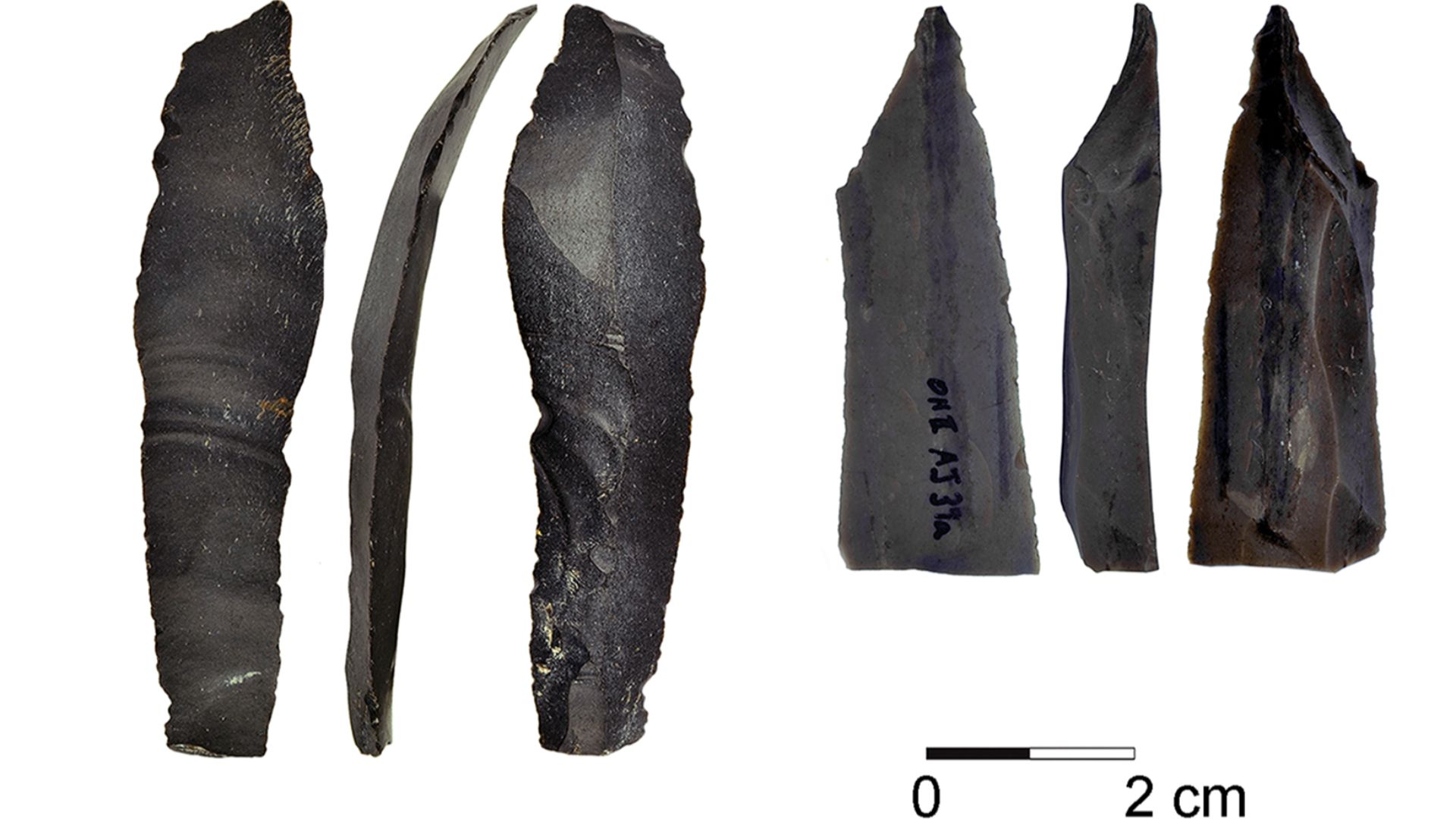
8. Ohalo II
Ohalo II, an exceptionally preserved site beside the Sea of Galilee, dates to around 23,000 years ago. Archaeologists uncovered plant remains proving that hunter-gatherers were both collecting and processing wild cereals thousands of years before the establishment of agriculture.
 Iris Groman-Yaroslavski , Ehud Weiss, Dani Nadel on Wikimedia
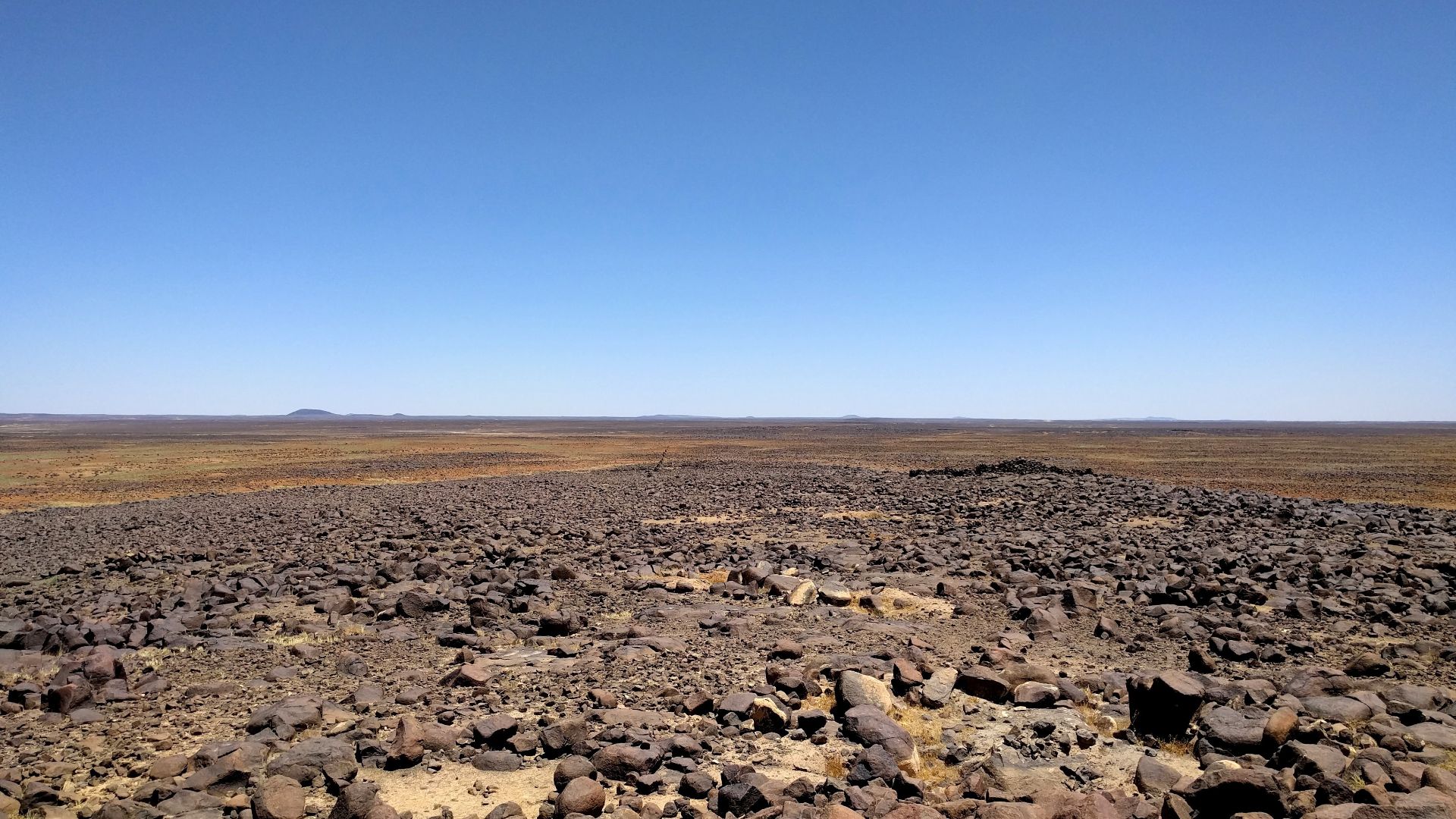
9. The Shubayqa Flatbread
Charred food remains from Shubayqa 1 in Jordan were identified as pieces of unleavened flatbread made around 14,400 years ago. This shocking and stunning discovery predates the development of agriculture in the region by several millennia.
10. Raqefet Cave's Ancient Beer
Researchers examining stone mortars at Raqefet Cave in Israel found evidence consistent with beer production about 13,000 years ago. The site was associated with the Natufians, hunter-gatherers who lived before full-scale agriculture developed locally.
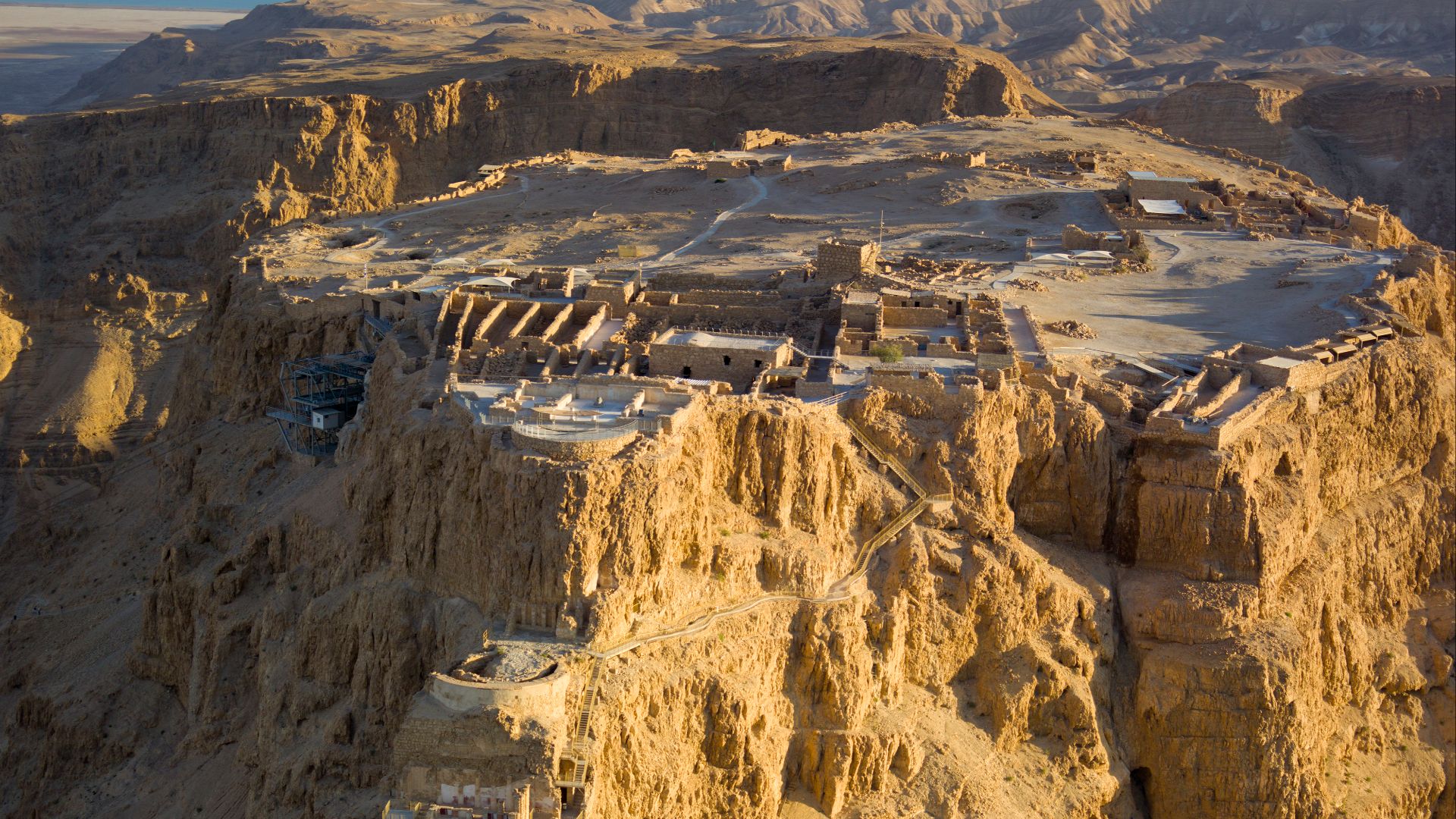
11. Jericho's Ancient Tower
Excavations at Tell es-Sultan, ancient Jericho, uncovered an enormous stone tower built around 8000 B.C. The structure showed that Neolithic communities had the ability to organize ambitious construction projects much earlier than archaeologists thought.
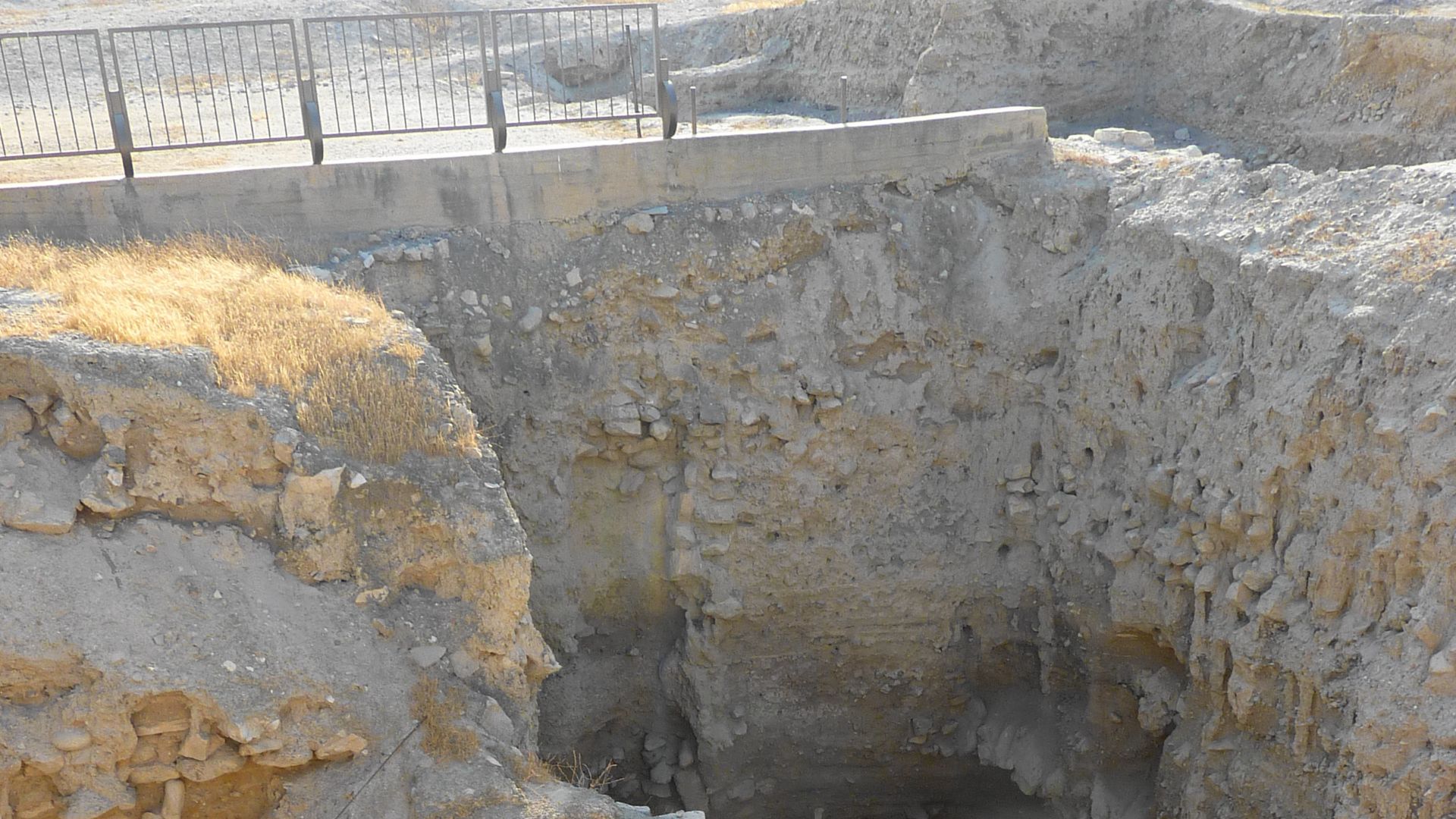
12. Çatalhöyük
Çatalhöyük in modern Turkey flourished beginning around 7100 B.C. and supported a large, densely packed population. Excavations revealed intricate wall paintings, burials underneath houses, craft production, and closely connected domestic buildings. The settlement also expanded understanding of how sophisticated large communities could become long before the rise of urban areas, palaces, and established bureaucracies.
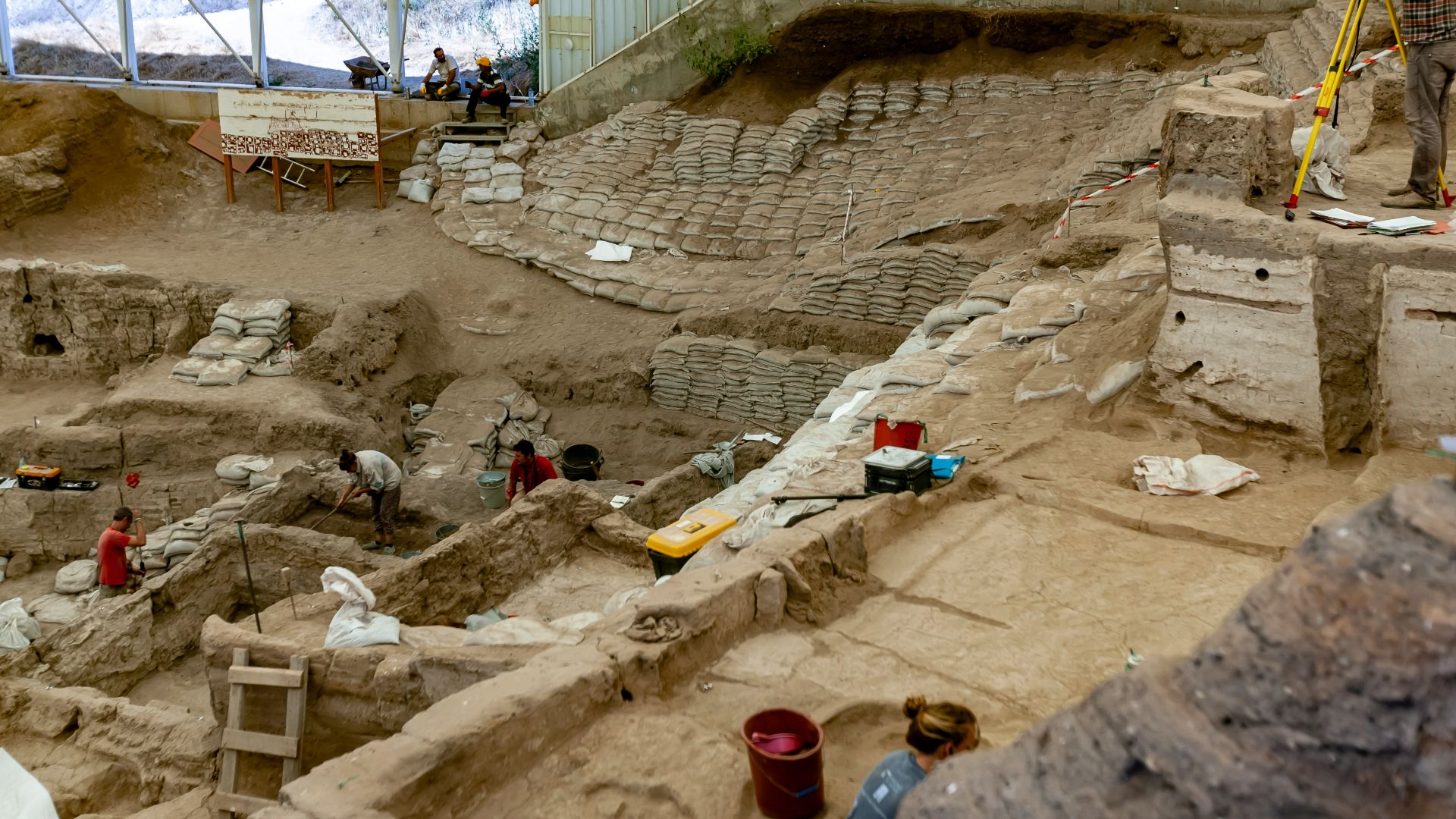
13. Mehrgarh
Mehrgarh in present-day Pakistan provided evidence of farming communities dating to approximately 7000 B.C. Archaeologists found eveyrthing from domesticated crops and livestock to mud-brick architecture and craft traditions that developed over thousands of years.
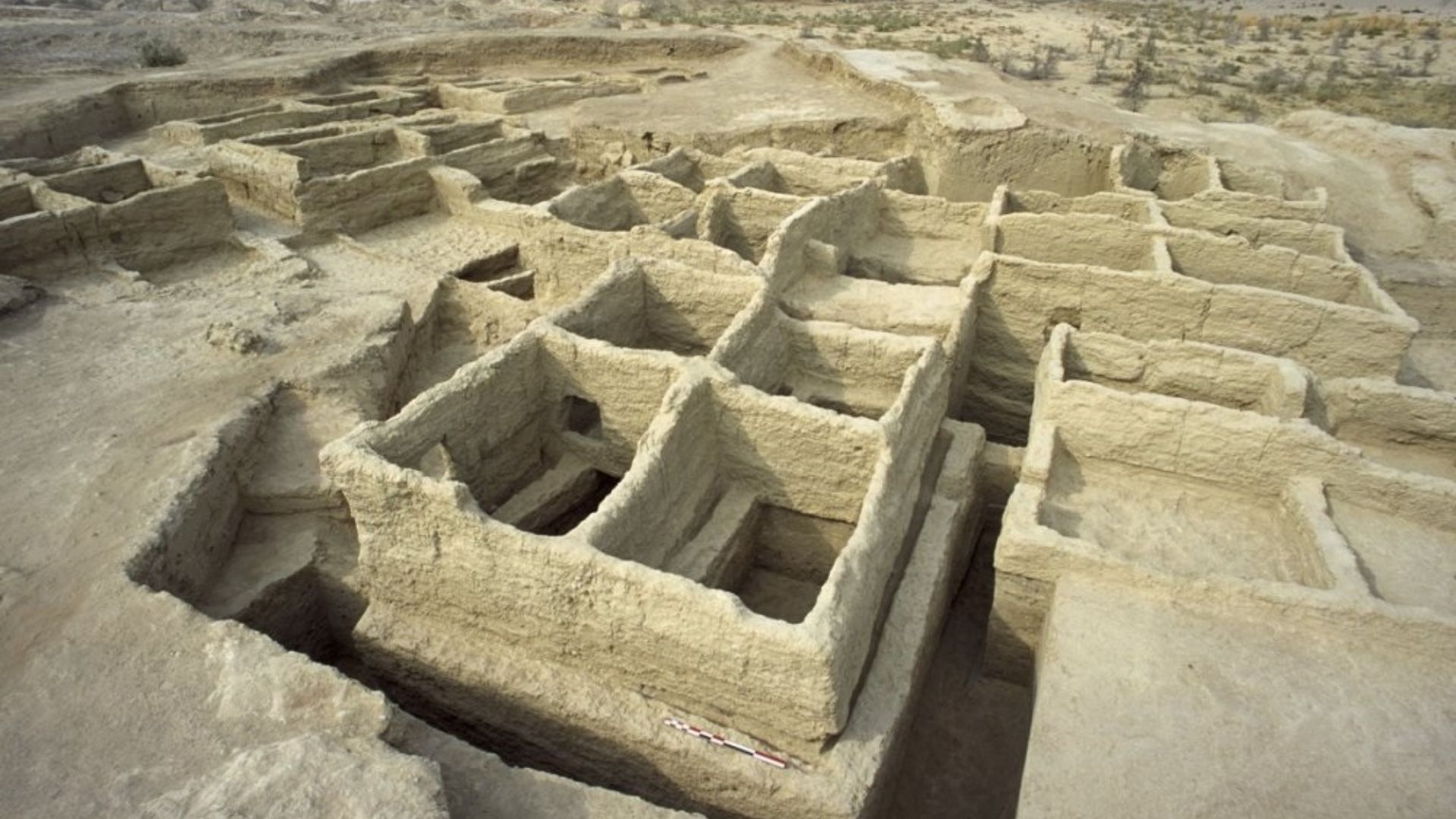
14. Caral
Caral in Peru became a crucial part of the Norte Chico story after established major construction was dated there by the third millennium B.C. Monumental platforms and public architecture were present without the pottery traditionally associated with complex early societies.
15. Watson Brake
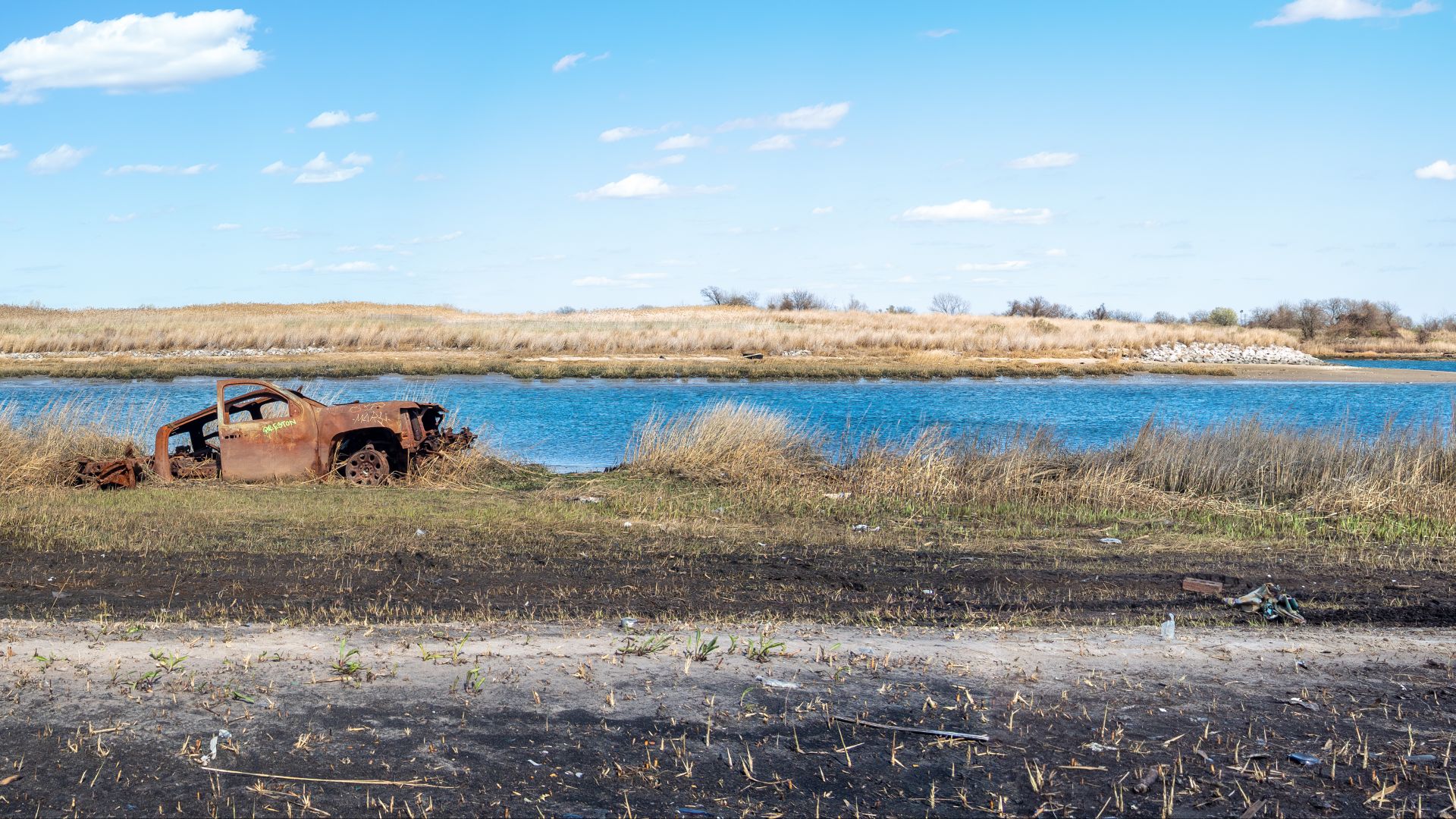
Watson Brake in Louisiana consists of an expansive arrangement of earthwork mounds built around 3500 B.C. Its antiquity surprised researchers because the builders were hunter-gatherers and not agricultural urban populations.
16. The Denisova Cave Finger Bone
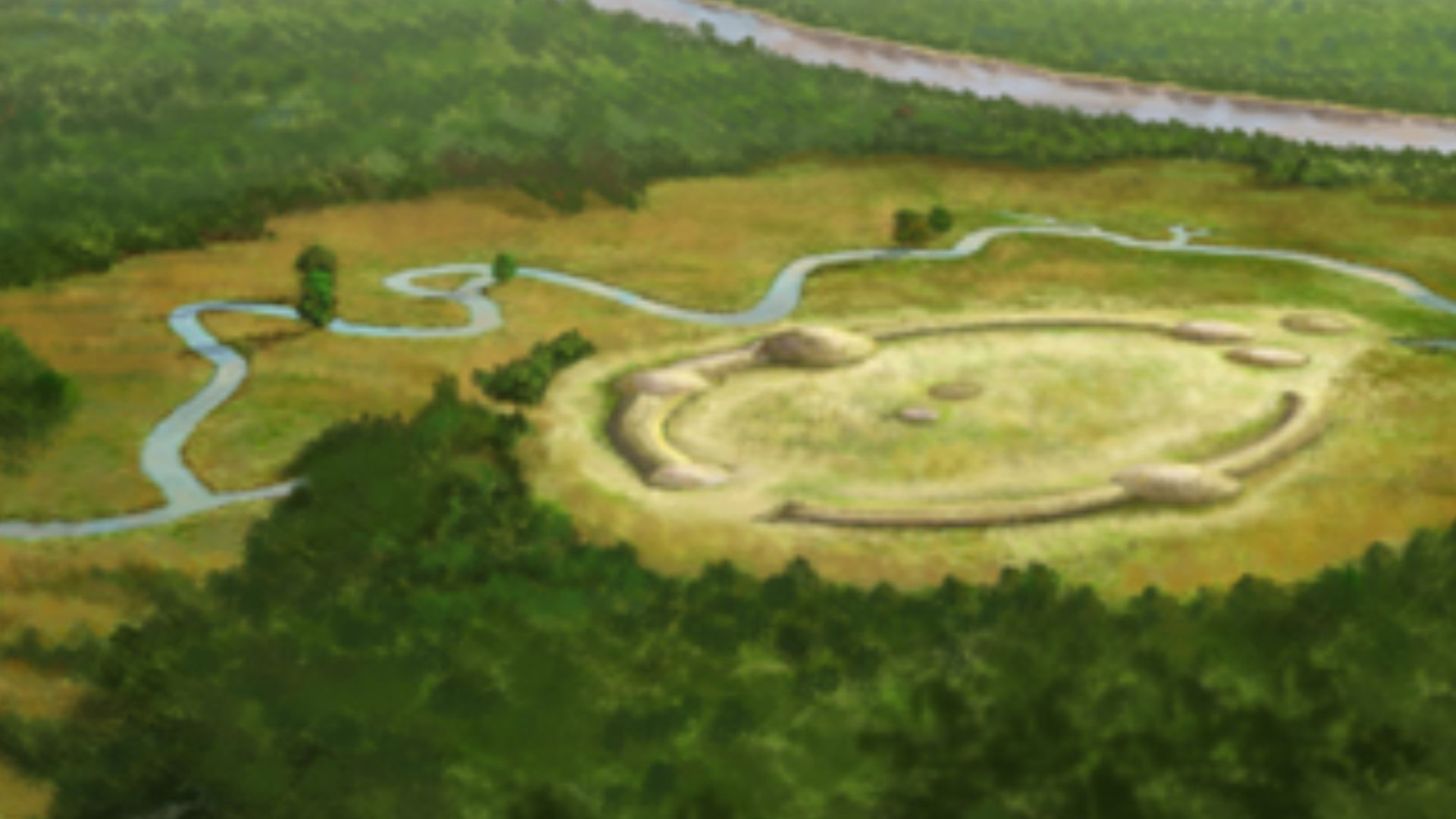
A tiny finger bone excavated from Denisova Cave in Siberia initially appeared unremarkable until genetic analysis was performed. DNA revealed a previously unknown population now called the Denisovans, who shared ancestry and interbred with both Neanderthals and modern humans.

17. Sulawesi Cave Art
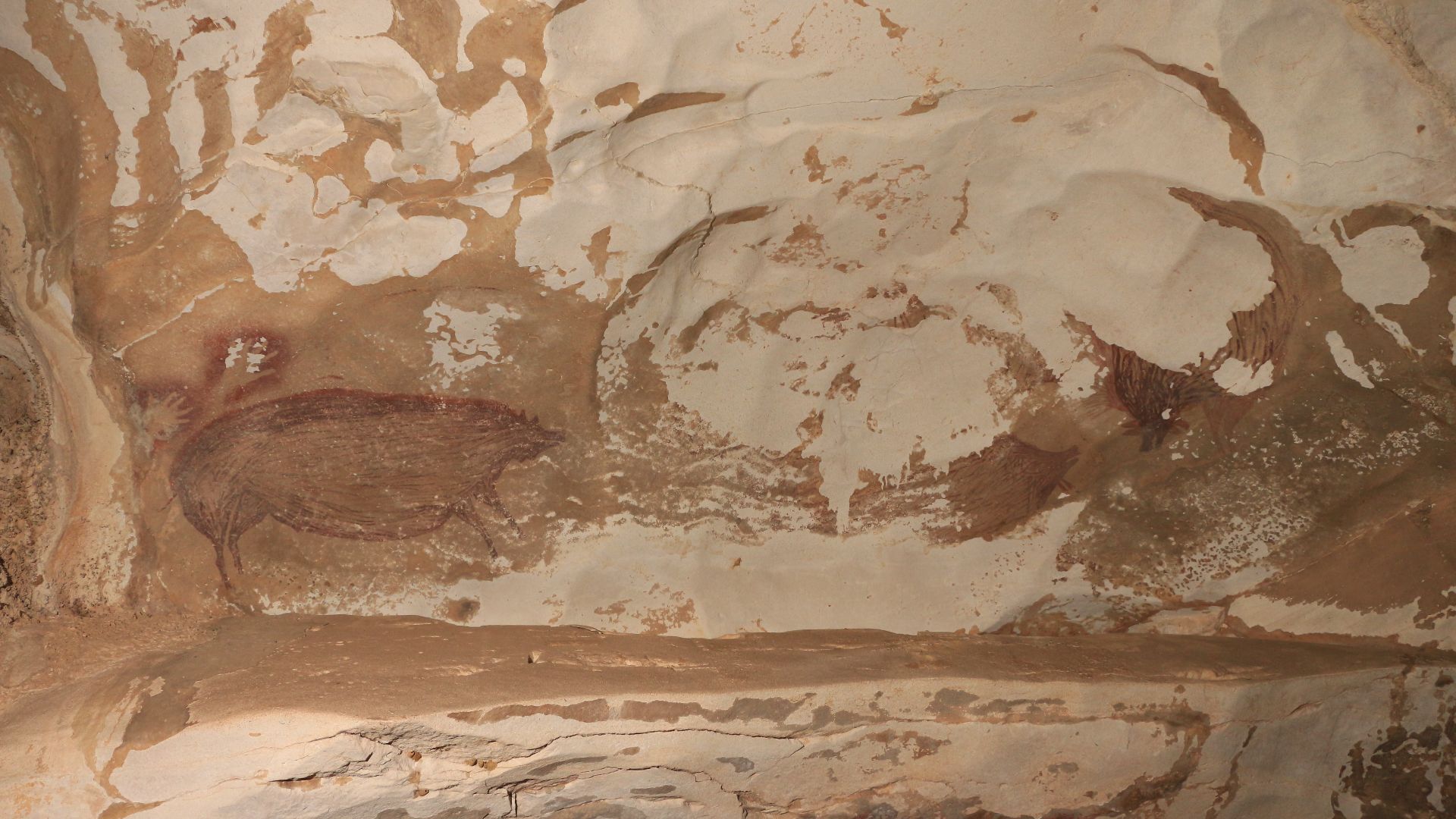
Dating of cave paintings on the Indonesian island of Sulawesi revealed figurative art tens of thousands of years old. Certain examples rival or exceed the ages traditionally associated with historically famous Paleolithic artwork in Europe.
18. Madjedbebe
Excavations at Madjedbebe in northern Australia produced artifacts dated to at least roughly 65,000 years ago. If the dating and archaeological associations are accurate, people reached Australia substantially earlier than many previous scientific estimates suggested.

19. Maya Settlements Revealed By LiDAR
Airborne LiDAR surveys in Guatemala have revealed vast networks of Maya settlements, roads, agricultural fields, defenses, and infrastructure concealed underneath dense forest. The scale showed that some regions supported far larger and more interconnected populations than earlier ground surveys had indicated.
20. Pompeii's Charcoal Inscription
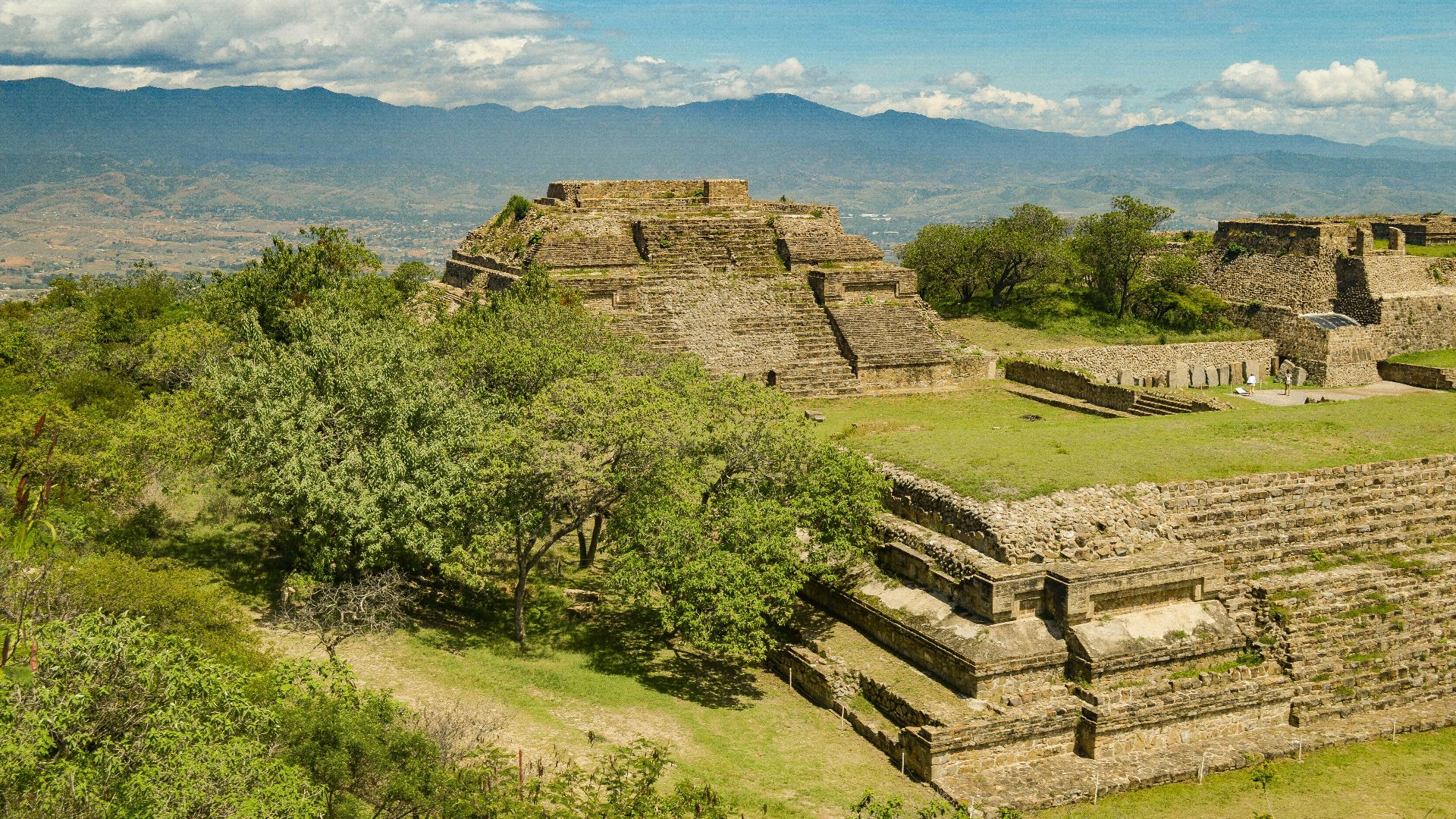
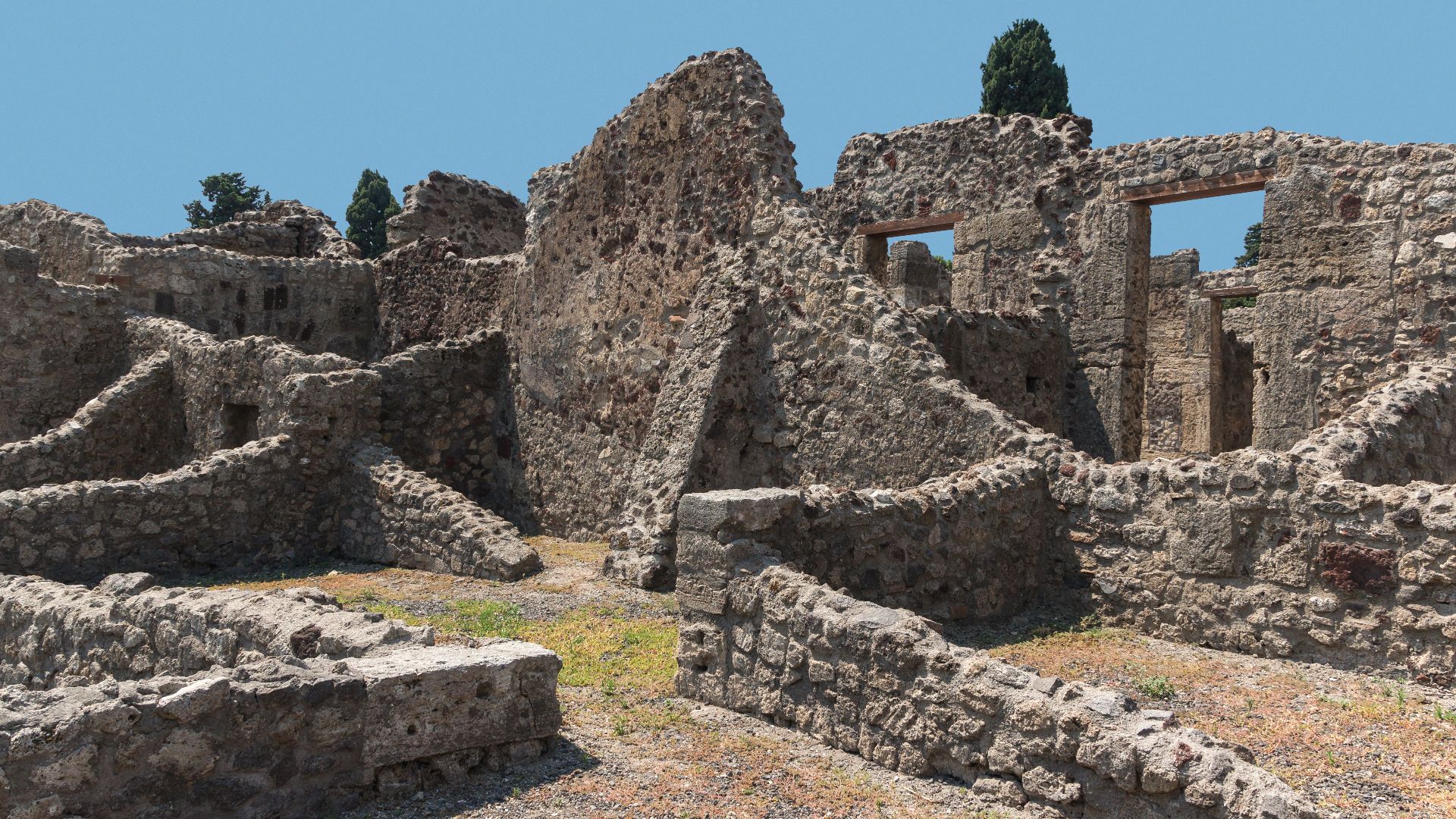
For generations, the eruption of Mount Vesuvius that destroyed Pompeii was frequently dated to August 24, A.D. 79 based largely on surviving manuscript traditions. A charcoal inscription discovered during contemporary excavations appears to have been written in October, supporting other archaeological evidence that the eruption occurred later in the year.
KEEP ON READING