10 Turning Points That Looked Minor At The Time & 10 That Felt Massive But Meant Little
10 Turning Points That Looked Minor At The Time & 10 That Felt Massive But Meant Little
History Doesn't Always Announce What Matters
Major changes in history aren't always accompanied by grand speeches, large crowds, or an obvious sense that the world has changed. Some developments start as experiments, academic disputes, routine protests, or technical demonstrations before their importance shifts societies. Here are 10 turning points that looked minor at the time and 10 that felt massive but meant little.
1. Gutenberg Begins Printing With Movable Type
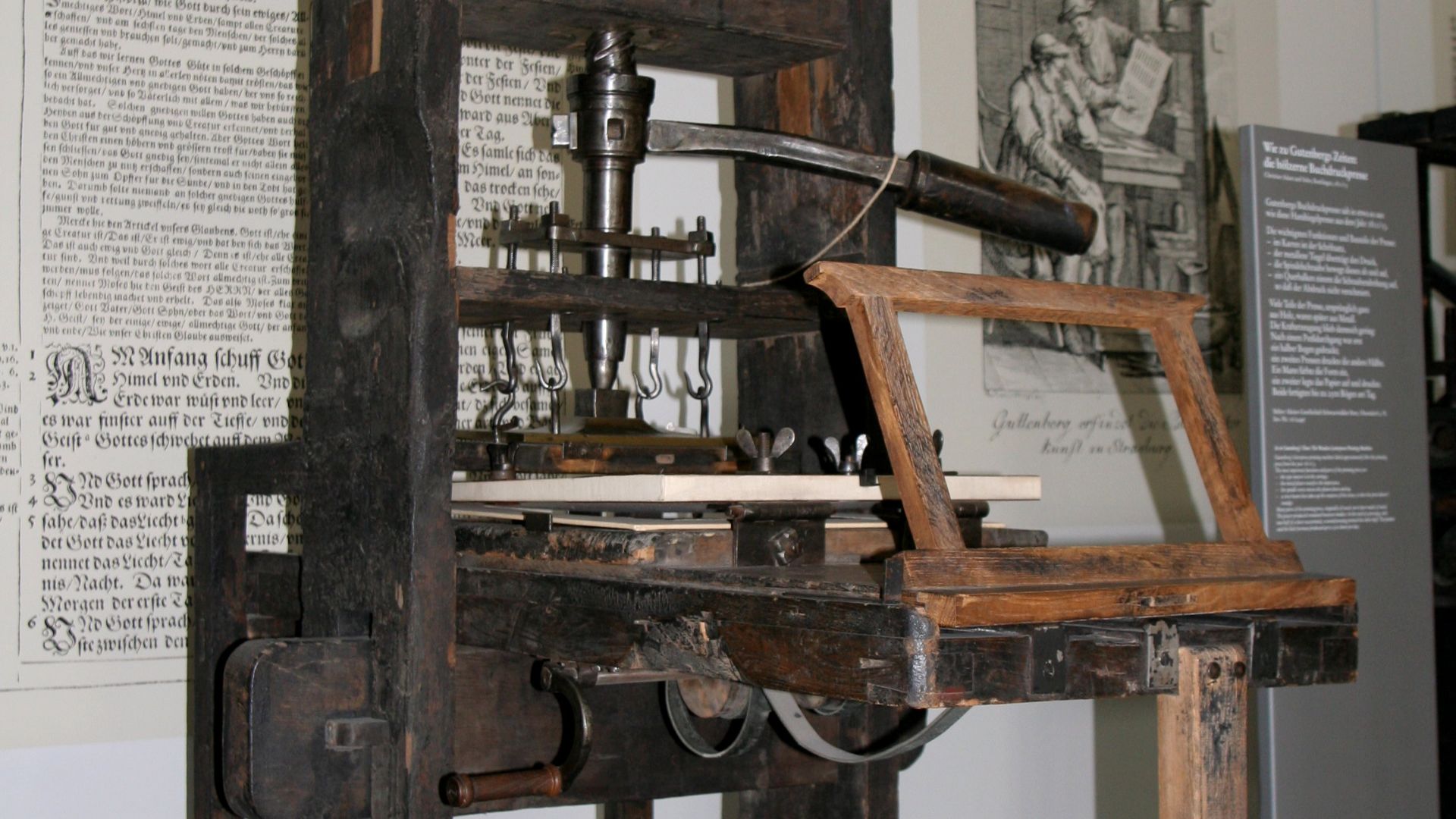
Johannes Gutenberg's development of practical movable-type printing in Europe during the mid-15th century started as a technical innovation and not a dramatic political event. Over time, printing provided access to knowledge and transformed everything from religion and education to science and political communication.
2. Martin Luther Circulates His 95 Theses
Martin Luther's 95 Theses in 1517 were written as propositions for an academic debate about indulgences only to turn into a declaration that Europe was about to experience a schism. The controversy contributed to the Protestant Reformation, which profoundly changed European religion and politics.
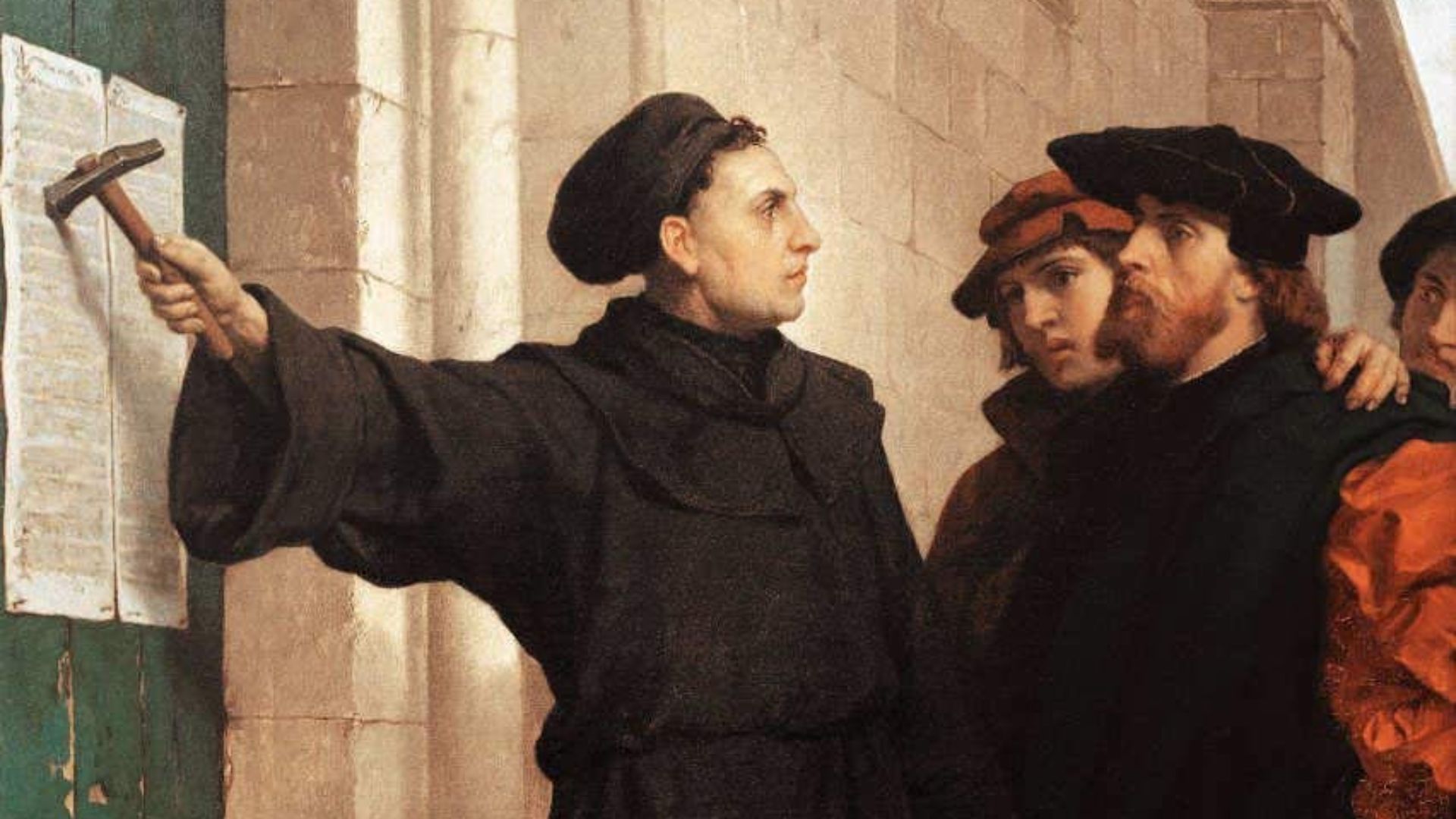 Ferdinand Pauwels on Wikimedia
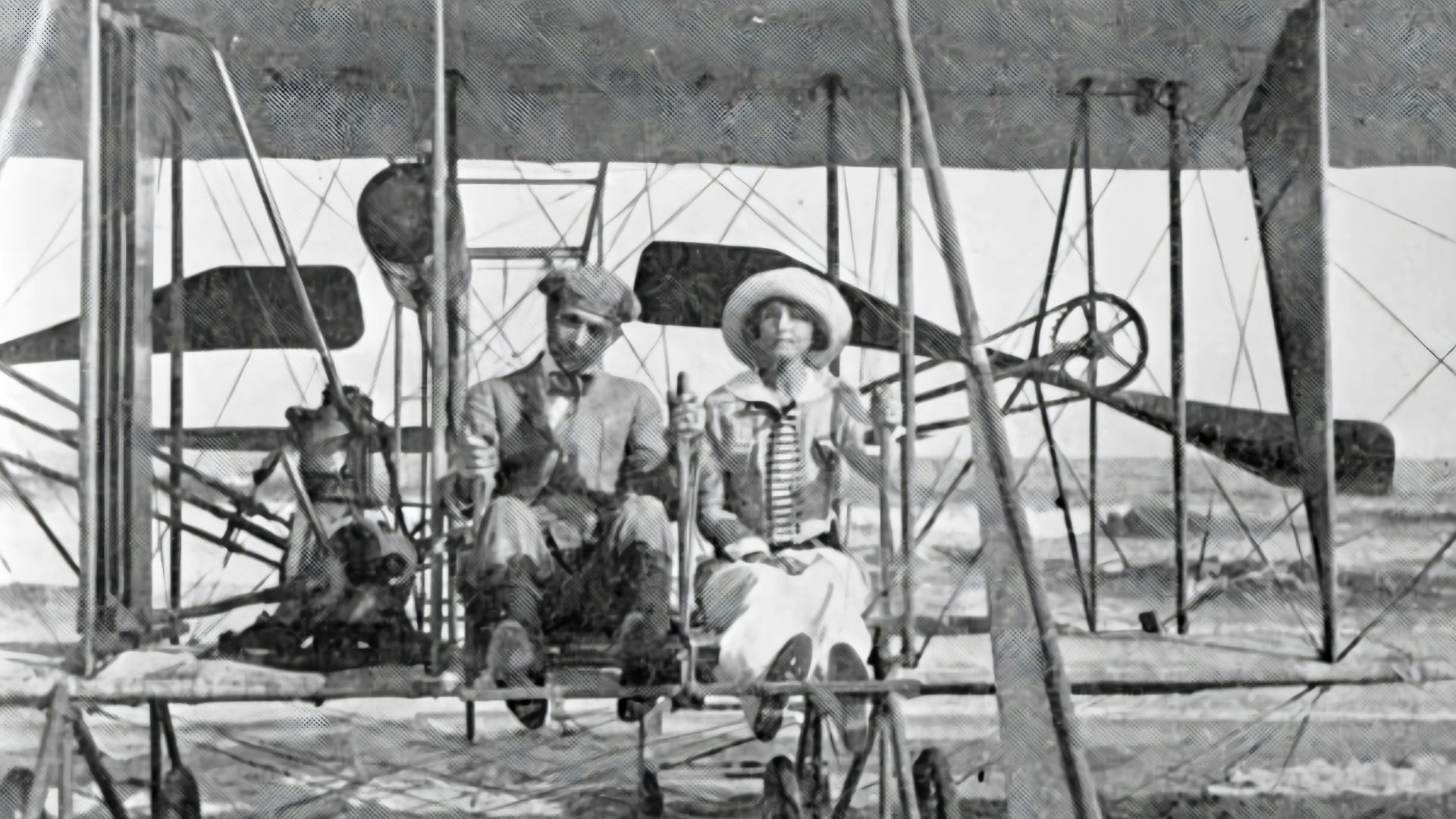
3. The Wright Brothers Fly for 12 Seconds
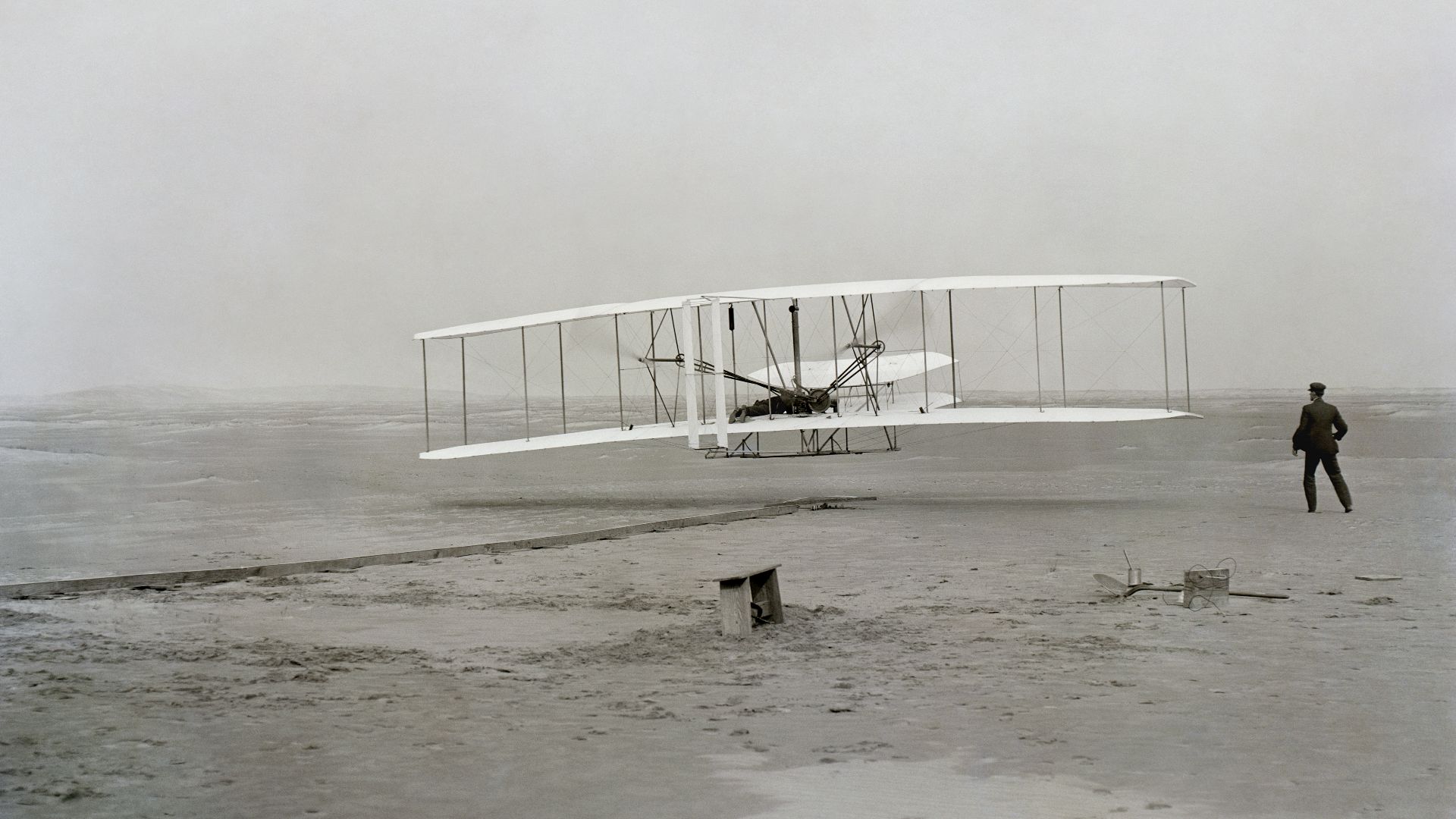
On December 17, 1903, Orville Wright completed the brothers' first successful powered flight near Kitty Hawk, North Carolina, staying airborne for only 12 seconds. The achievement initially received far less public attention than later aviation milestones would attract.
4. Fleming Notices Mold in a Petri Dish
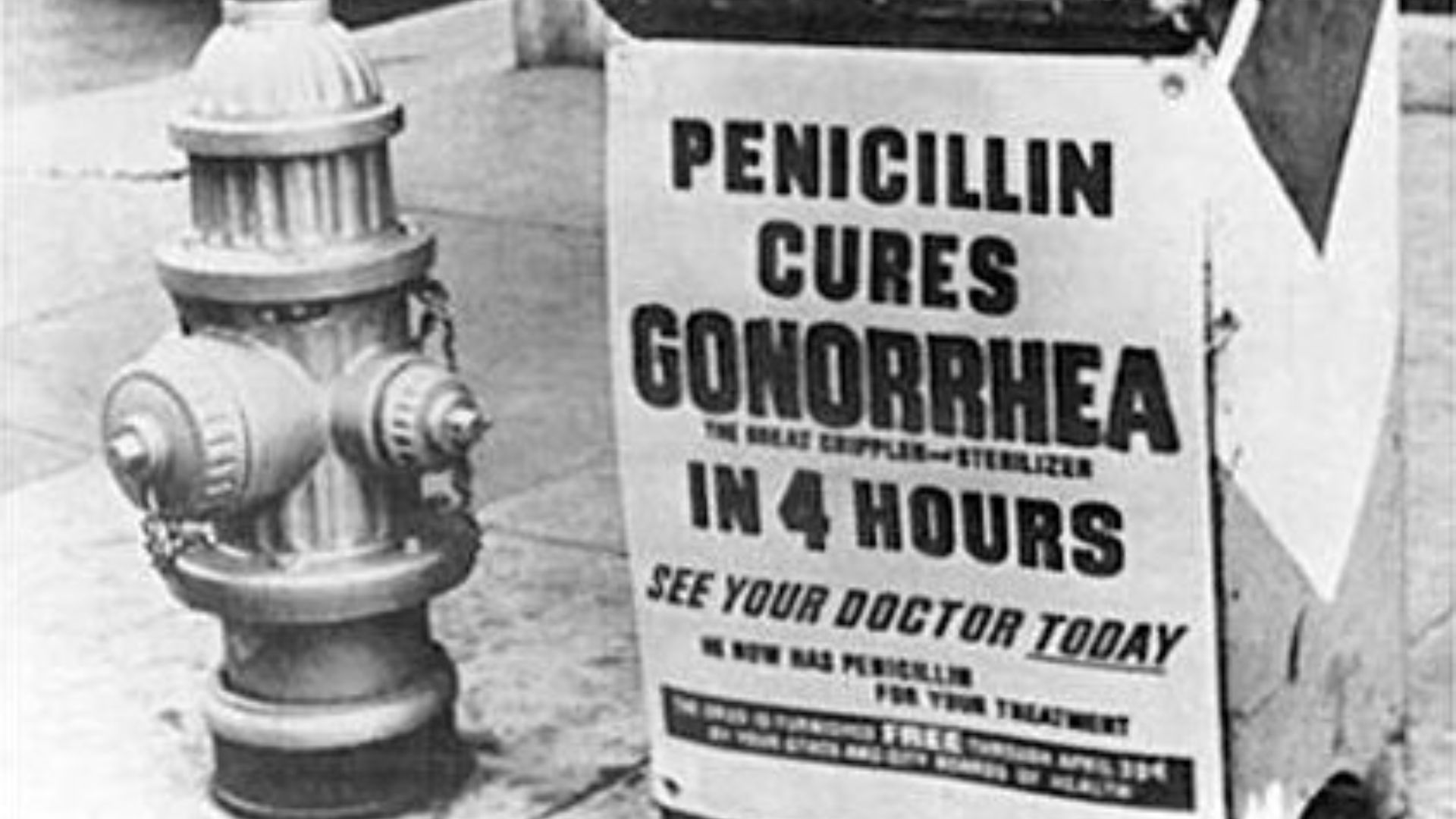
Alexander Fleming returned to his London laboratory in 1928 and noticed that mold had inhibited bacterial growth on a contaminated culture plate. This led to penicillin and initially attracted limited interest, and practical treatment still required considerable work by later researchers. Its eventual development as an antibiotic changed medicine and the world by making many bacterial infections treatable.
5. Demonstration of The First Transistor
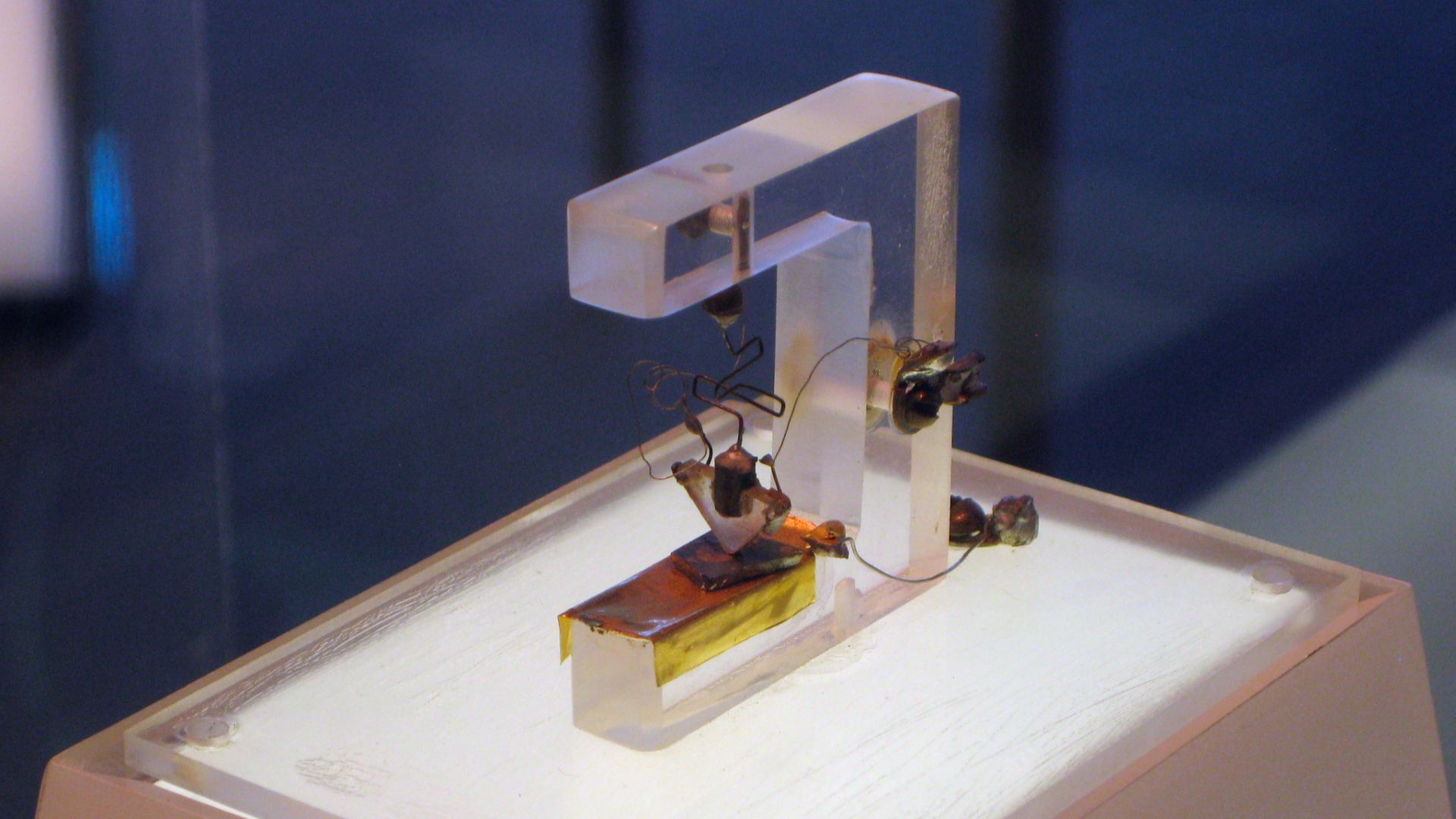
Bell Laboratories researchers John Bardeen and Walter Brattain demonstrated a working transistor in December 1947, with William Shockley contributing his own crucial theoretical and developmental work. The small semiconductor device didn't arrive with the public spectacle associated with later electronics.
 Windell Oskay from Sunnyvale, CA, USA on Wikimedia
6. Rosa Parks Refuses to Give Up Her Seat
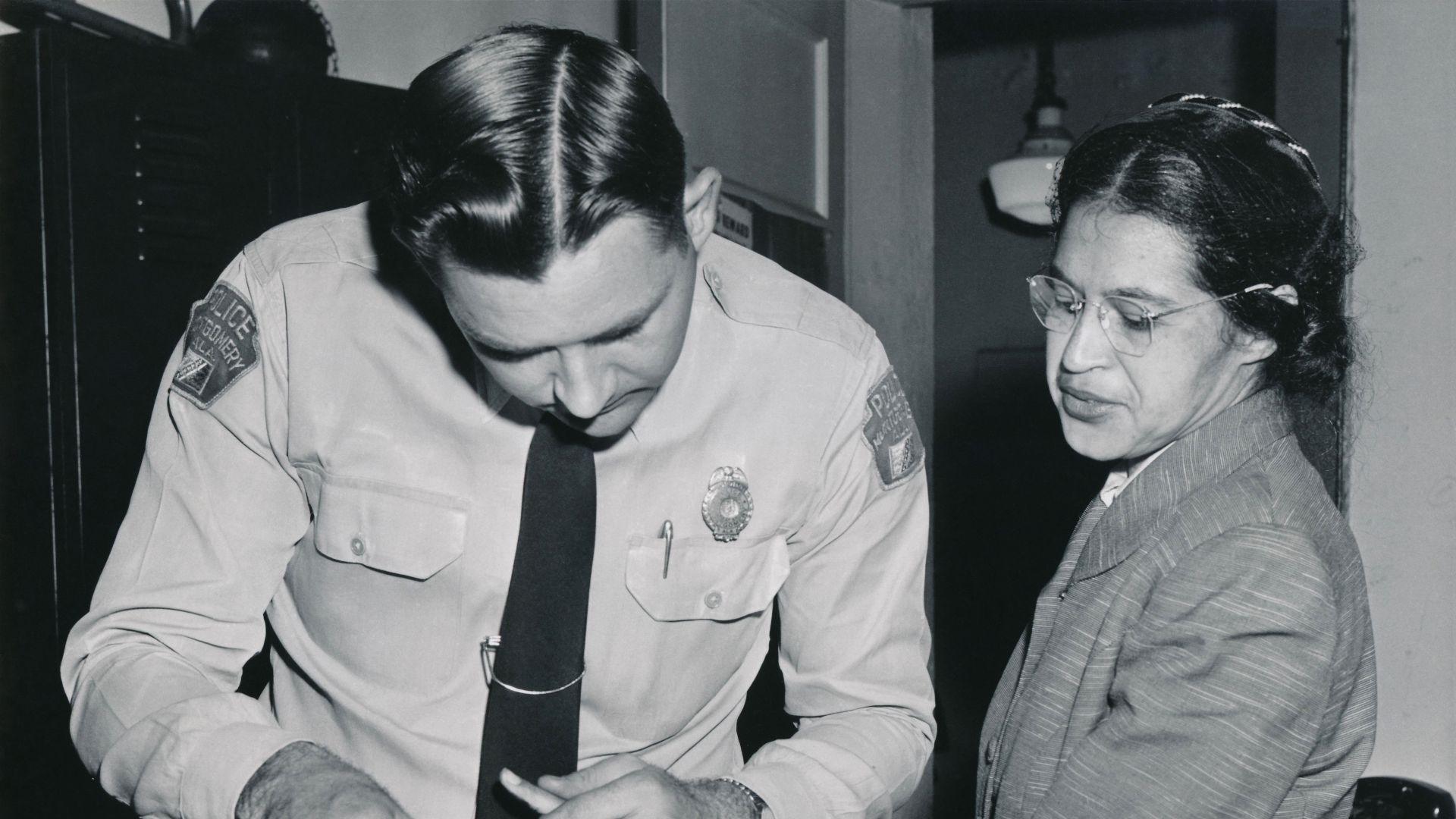
Rosa Parks' refusal to move from her bus seat in Montgomery on December 1, 1955, was a quiet act backed by years of civil rights involvement. Her arrest was a catalyst for the Montgomery Bus Boycott, which lasted more than a year. The campaign challenged segregated transportation and helped bring Martin Luther King Jr. to national prominence.
 Gene Herrick for the Associated Press; restored by Adam Cuerden on Wikimedia
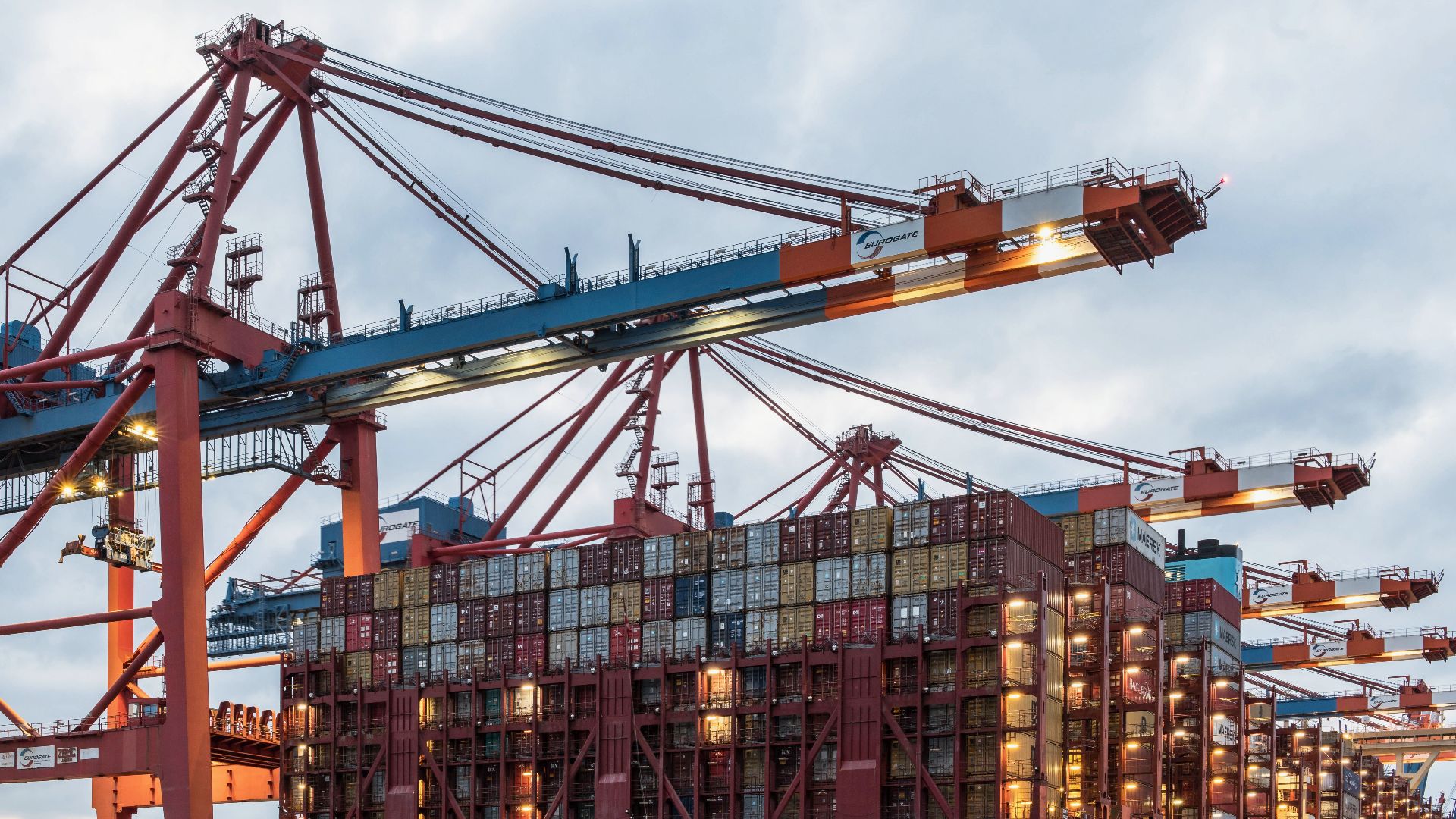
7. A Converted Oil Tanker Carries Containers
In 1956, the converted tanker Ideal X transported 58 shipping containers from Newark to Houston to demonstrate modern container shipping. Containerization eventually reduced cargo-handling costs and helped reshape ports, manufacturing, and global trade.
8. ARPANET Sends Its First Message
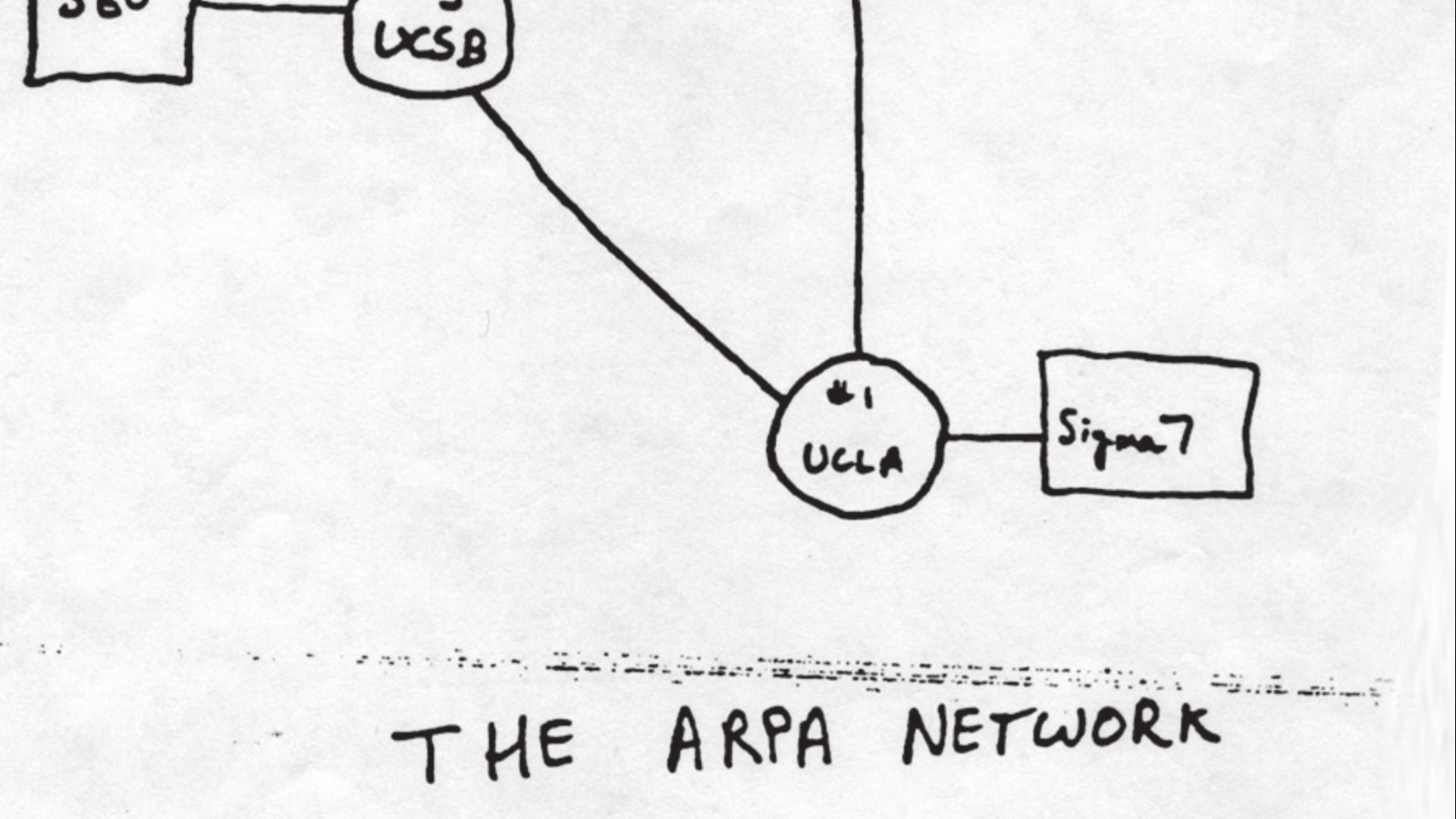
On October 29, 1969, researchers attempted to send the word “login” between computers at UCLA and Stanford Research Institute through ARPANET. The system crashed after only the first two letters were transmitted. That simple experiment nevertheless belonged to the development of packet-switched networking that eventually helped form the modern Internet.
9. Scanning of a Pack of Gum
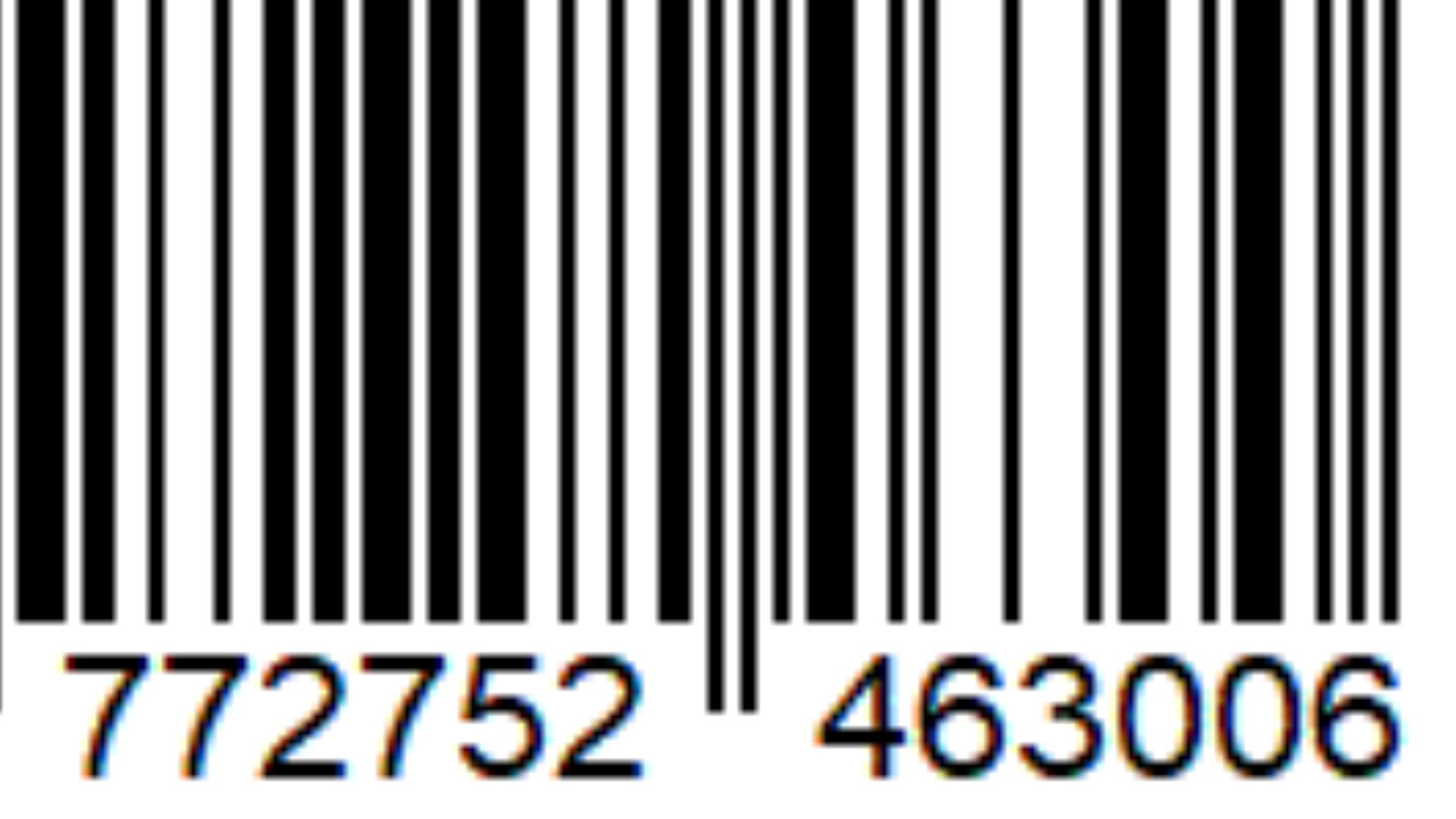
The first commercial Universal Product Code scan happened in an Ohio supermarket in 1974, and the item was a pack of Wrigley's chewing gum. It wasn't exactly an event destined to dominate dinner-table conversation. Barcodes subsequently changed retail by improving checkout, inventory management, product tracking, and the handling of large quantities of sales data.
 kulupu pi lipu tenpo on Wikimedia
10. Tim Berners-Lee Proposes the World Wide Web
In March 1989, CERN computer scientist Tim Berners-Lee delivered a proposal for an information-management system based on linked documents. His supervisor famously described the proposal as “vague but exciting,” and its future importance wasn't obvious but might now be considered the most important invention of all time.

1. The Great Moon Hoax Captivates Readers
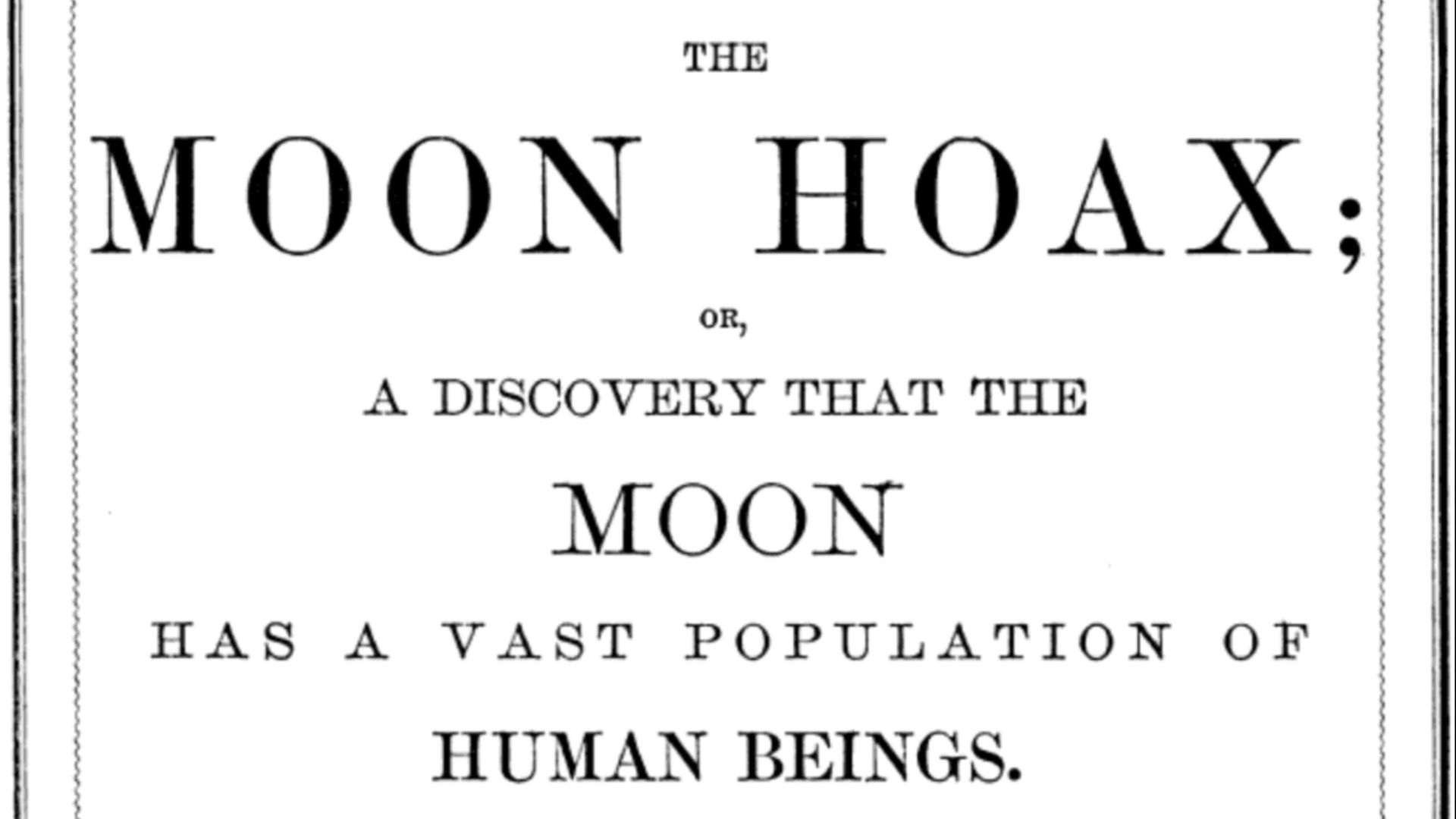
In 1835, the New York Sun published articles claiming that astronomer John Herschel had discovered extraordinary life on the Moon. The fabricated stories became a publishing sensation and attracted enormous curiosity before its fictional truth was revealed.
 Richard Adams Locke, Joseph Nicolas Nicollet on Wikimedia
2. The Millerite Prediction Hits Its Deadline
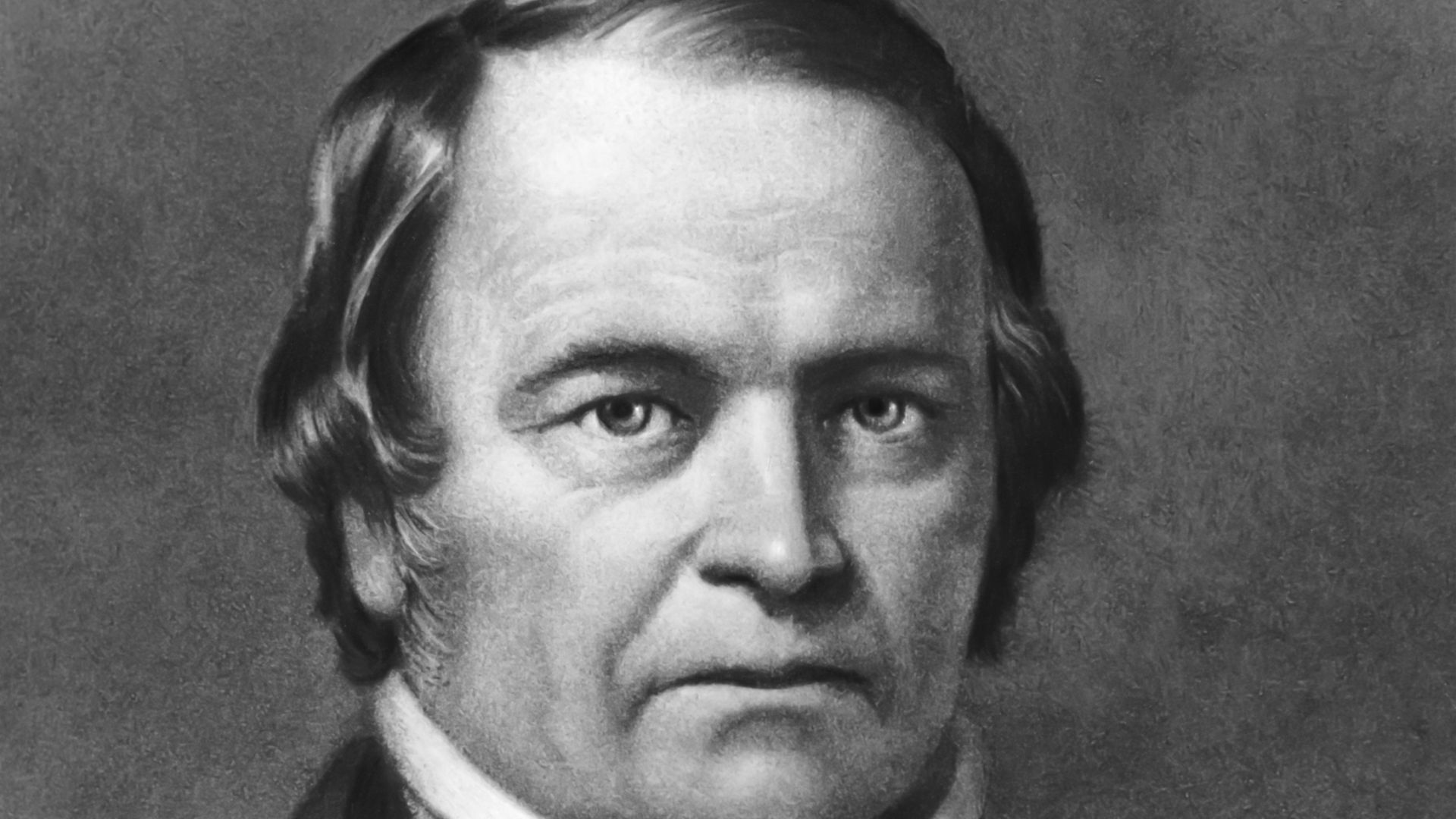
Followers of preacher William Miller expected Christ to return around 1843 or 1844, with October 22, 1844, becoming particularly significant for his loyal believers. The failure of the anticipated event became known as the Great Disappointment and rightfully so. Although the episode influenced subsequent religious movements, the predicted world-changing event never happened.
 Unknown authorUnknown author on Wikimedia
3. “Dewey Defeats Truman” Hits the Public
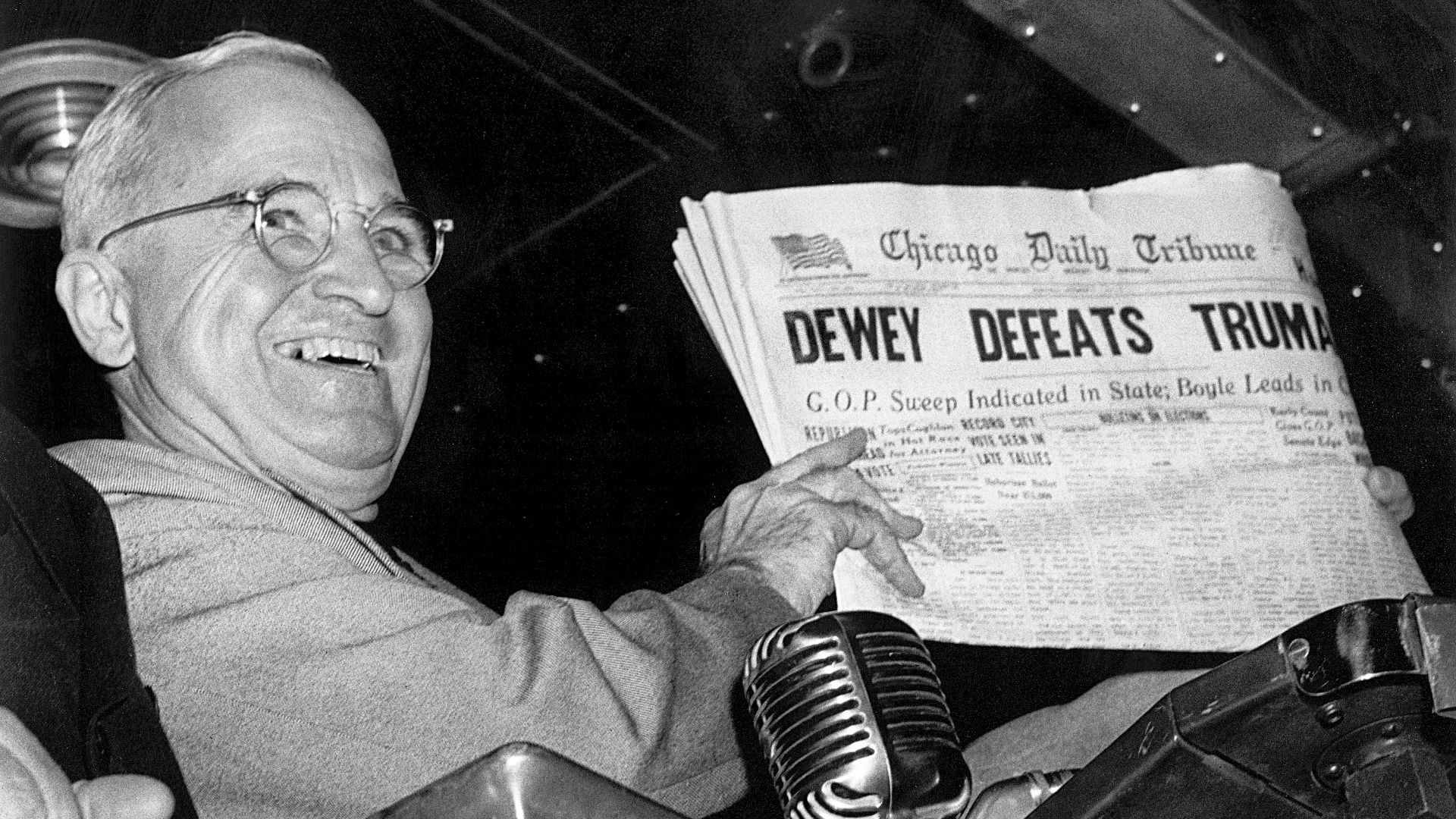
The Chicago Daily Tribune went to press during the 1948 presidential election with the famously premature headline “Dewey Defeats Truman.” The incorrect headline became culturally memorable, but it never altered the important election result or transfer any political power.
4. The Edsel Arrives With Enormous Expectations
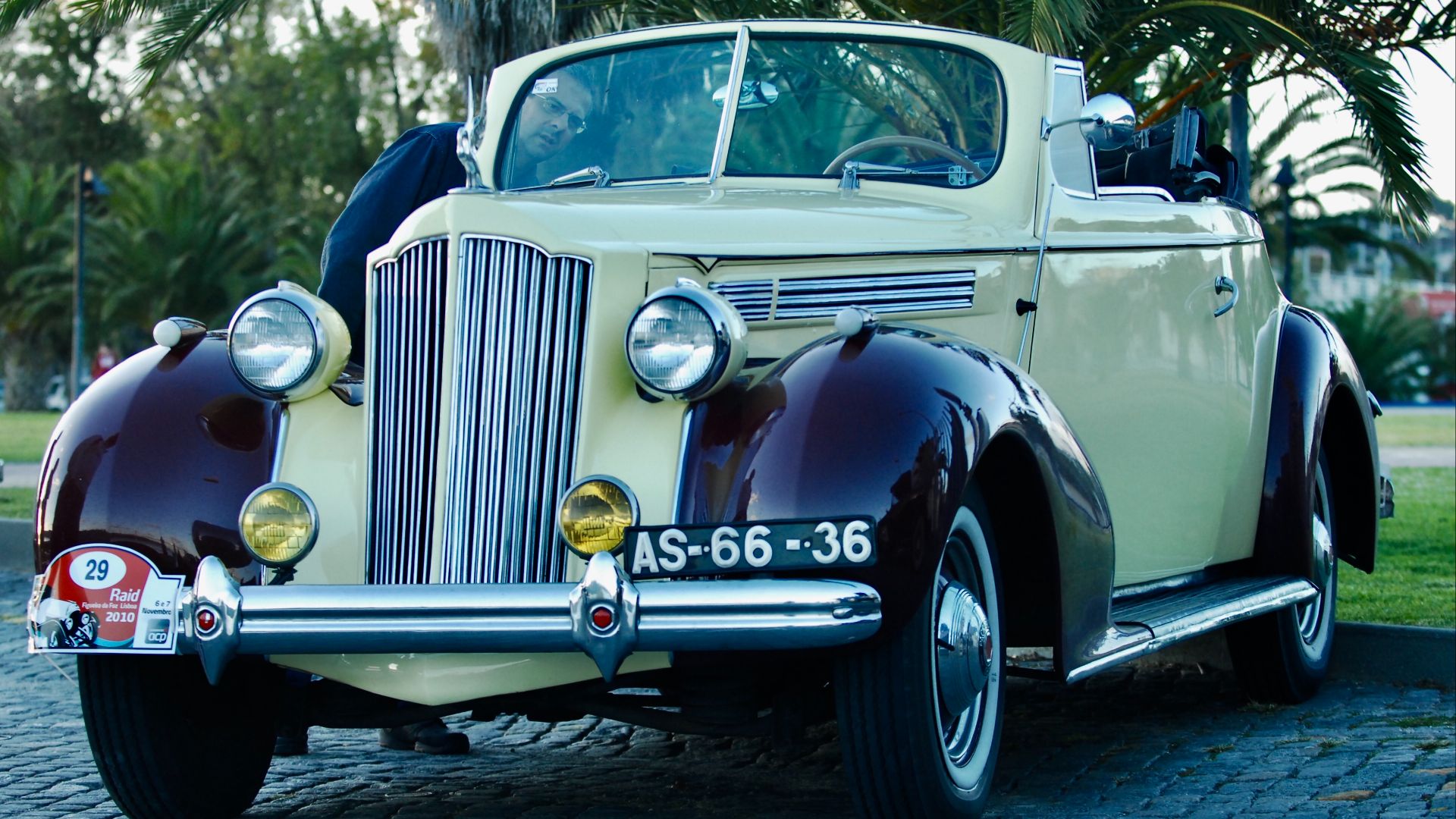
Ford launched the Edsel for the 1958 model year after an expensive and extensive development and promotional campaign. Expectations were high, but consumers failed to embrace the new automobile line, and production ended in 1959. Rather than redefining the American car market, the Edsel became better known as a cautionary tale of unsuccessful product planning.
 Pedro Ribeiro Simões from Lisboa, Portugal on Wikimedia
5. Coca-Cola Introduces New Coke
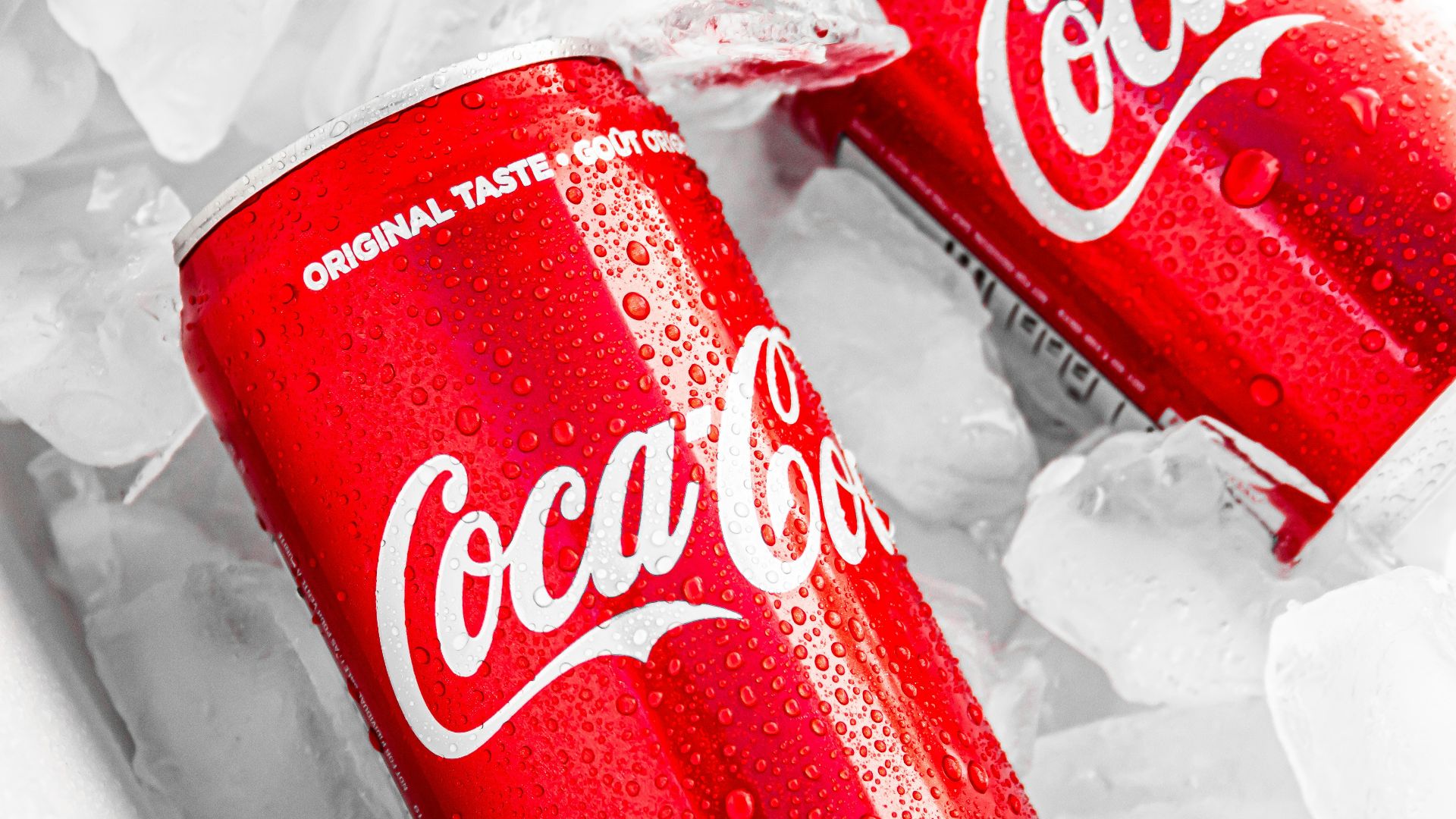
Coca-Cola replaced its familiar formula in the United States with New Coke in April 1985, triggering considerable publicity and a wrath of consumer complaints. The company restored the original formula as Coca-Cola Classic less than three months later.
6. Geraldo Rivera Opens Al Capone's Vault
A substantially promoted 1986 television special promised to open a sealed vault belonging to gangster Al Capone beneath Chicago's former Lexington Hotel. Millions were glued to their TVs as the excavation culminated in absolutely nothing of value being discovered.
 Justin Hoch[dead link] photographing for Hudson Union Society on Wikimedia
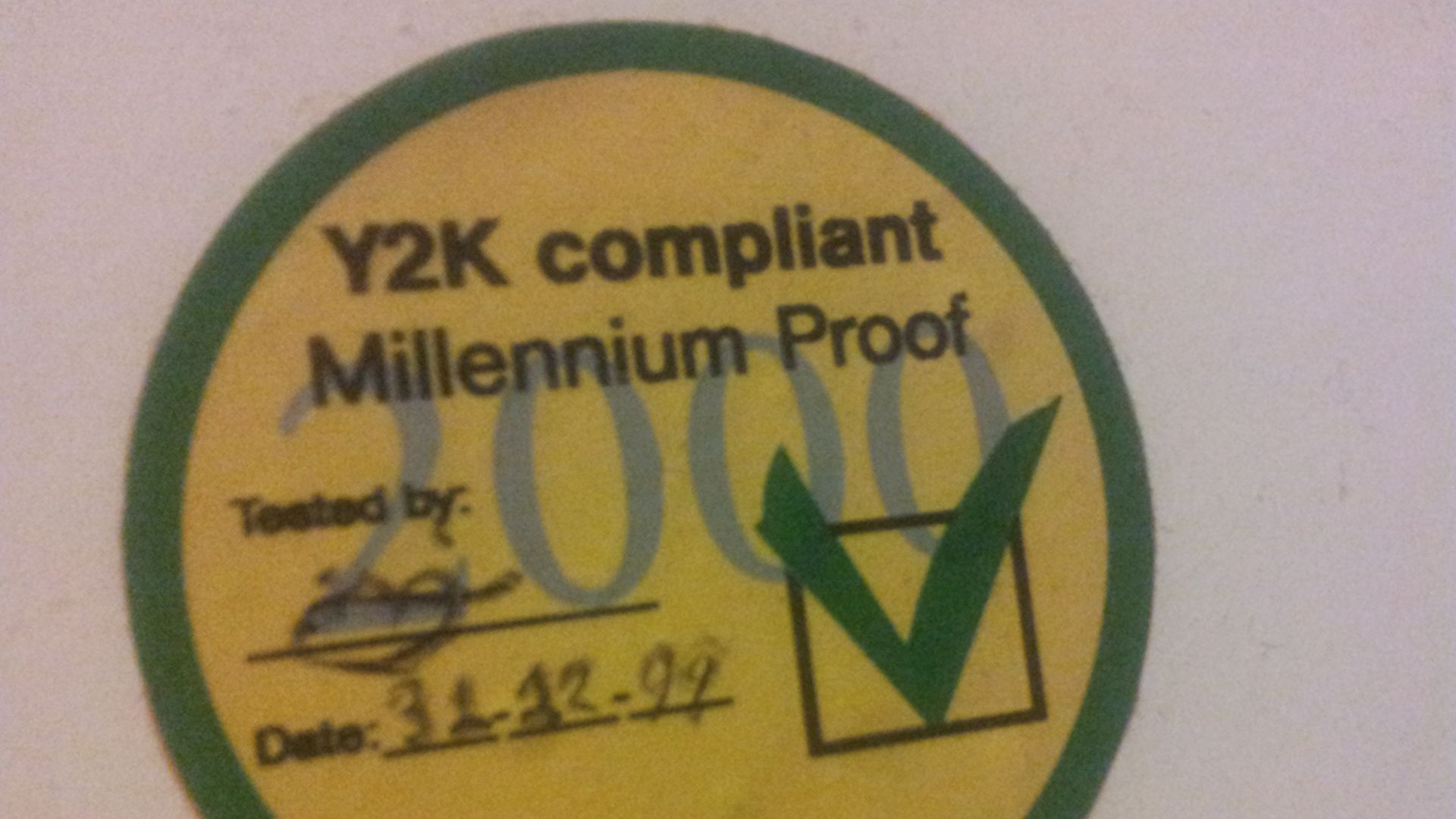
7. Y2K Arrives Without the Predicted Chaos
Fears surrounding the year 2000 computer problem prompted governments and businesses to spend years checking and updating systems that represented years with two digits. Luckily, midnight arrived with relatively few serious disruptions.
 Someone Not Awful on Wikimedia
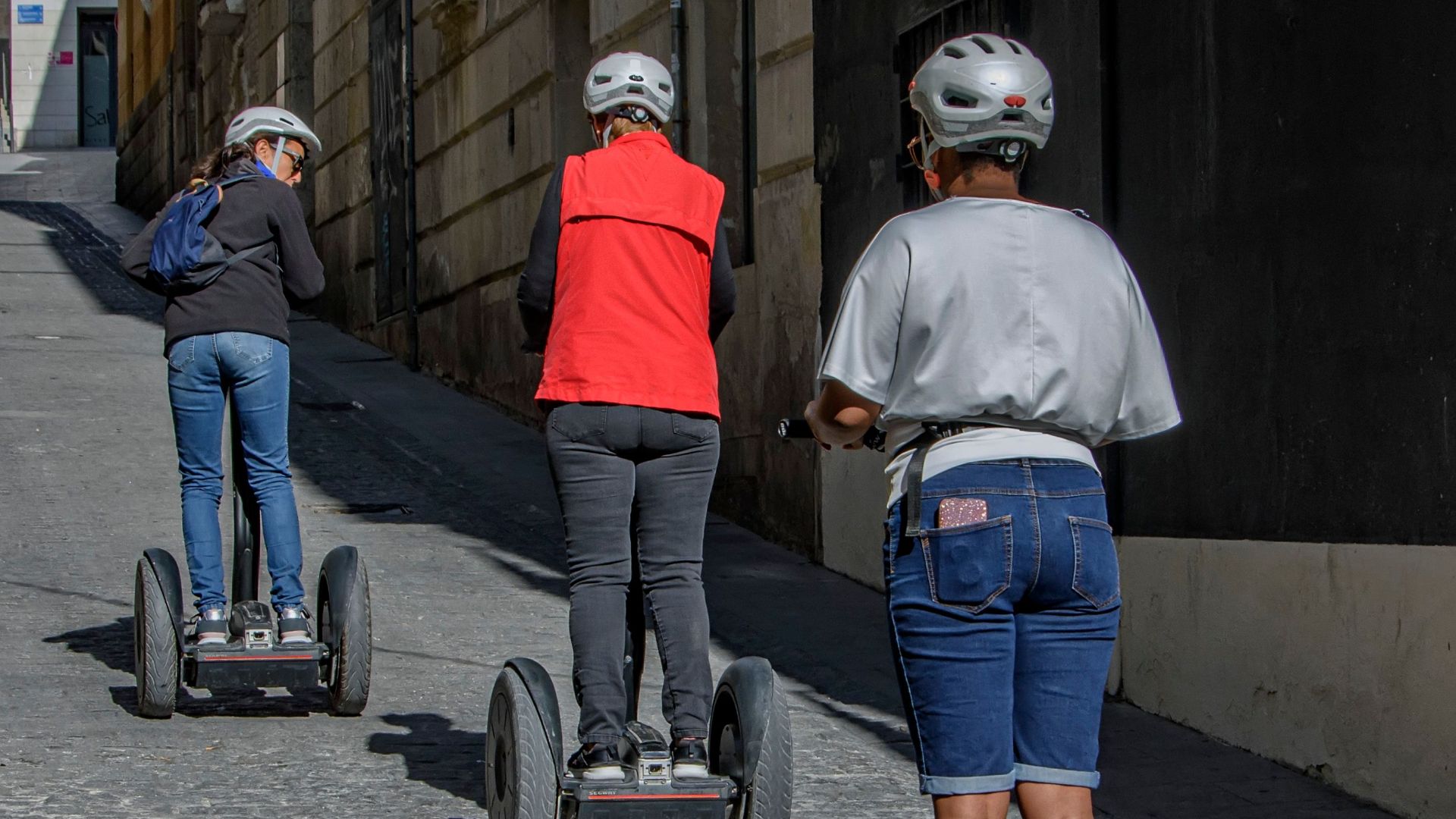
8. The Segway Commits to a Transportation Revolution
Before the Segway's 2001 unveiling, extraordinary speculation suggested that a mysterious new invention could change urban transportation dramatically. The self-balancing personal transporter proved technologically clever but never came close to replacing walking, bicycles, or cars on anything approaching the predicted scale.
 Ana Hidalgo Burgos Burgos. on Pexels
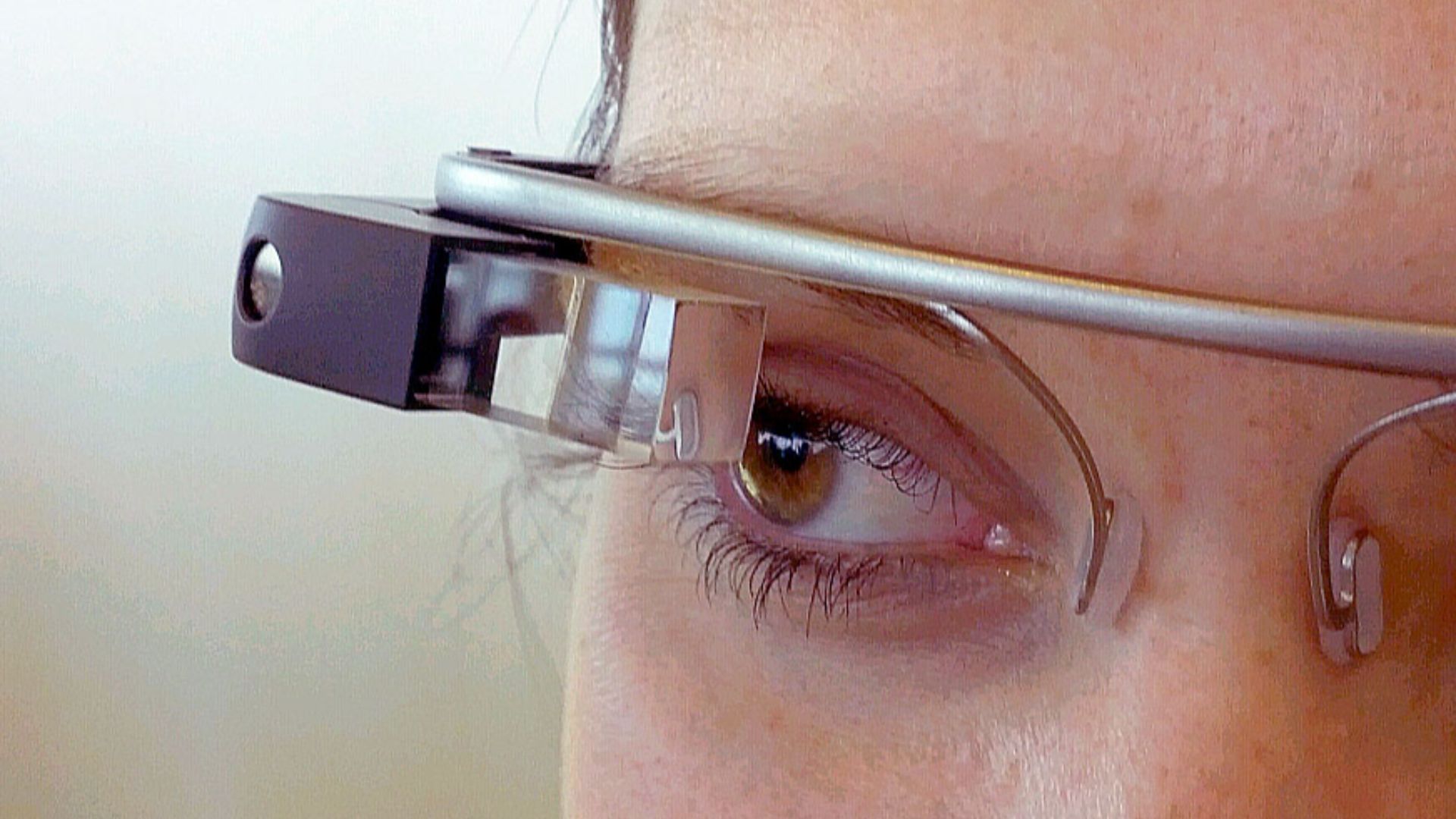
9. Google Glass Becomes the Next Big Thing
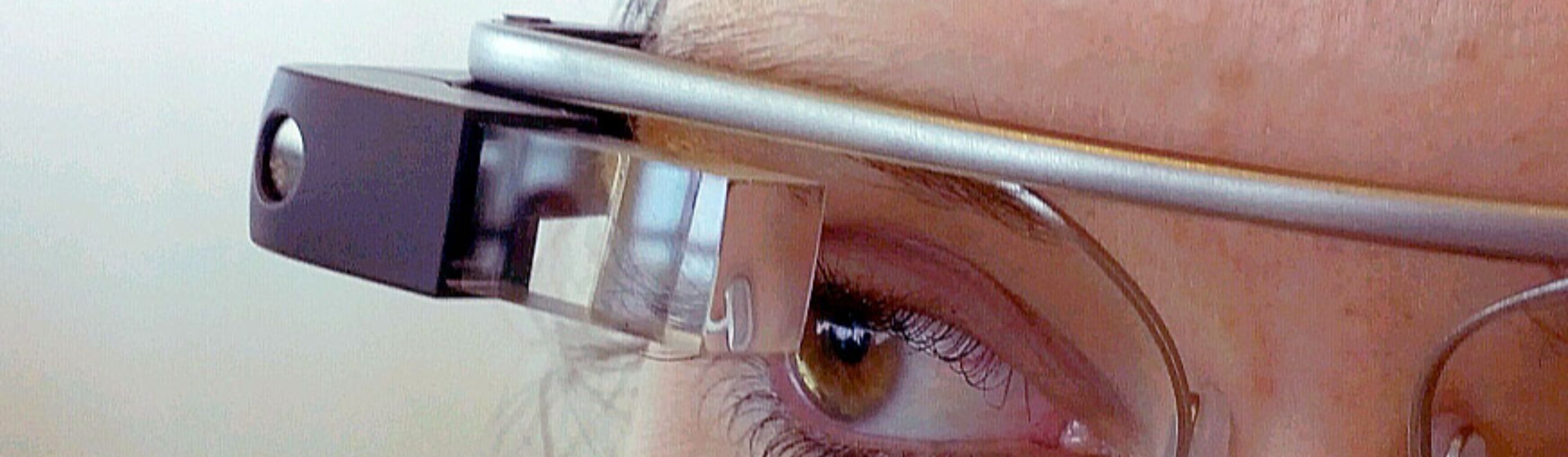
Google brought to market its Glass wearable-computer project with substantial attention in the early 2010s, prompting predictions that smart glasses were about to become everyday consumer devices. High pricing, limited practical appeal, and privacy concerns restricted widespread adoption and it failed miserably.
10. The 2012 Apocalypse Date Arrives
December 21, 2012, attracted worldwide attention as popular interpretations incorrectly associated the Maya calendar with a prediction that the world would end. The date passed without any catastrophe, leaving behind plenty of documentaries, merchandise, and rather ordinary plans for December 22. But at least we all survived.
KEEP ON READING