Comfort We Can’t Even Imagine
Long before celebrity pets had custom beds and social media followings, royal animals were already living a very comfortable life. One greyhound slept beside a palace stove, other pets appeared in portraits, and family albums preserved their names long after their lives ended. Some stories are sweet, a few are bizarre, and all show just how much attention royal households could give an animal. These pets were companions, show dogs, and even mourners at royal funerals, making them a very visible part of court life. Here are 20 royal pets that had more comfort, attention, and ceremony than most people could have expected in their day.
1. Dash
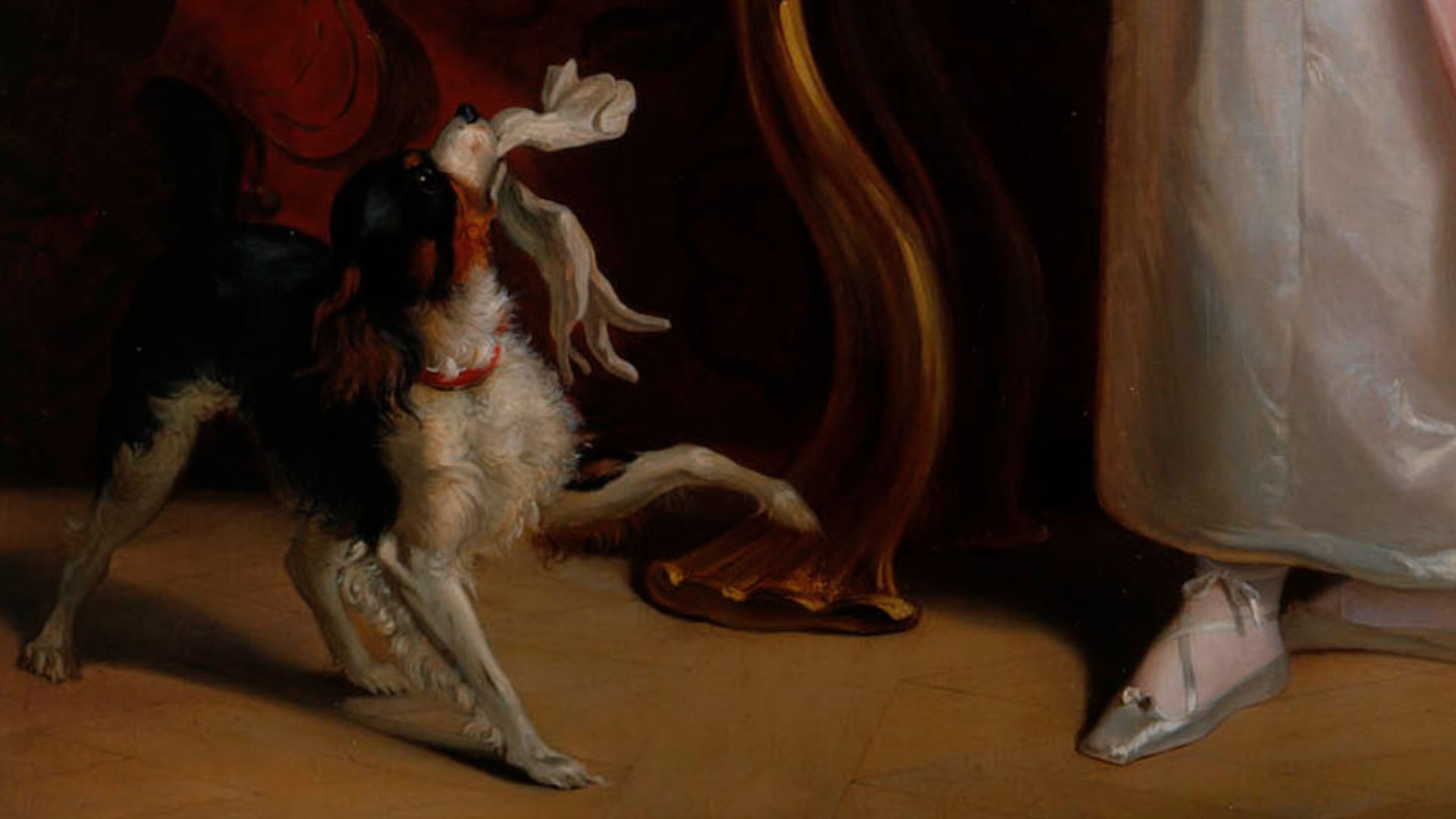
Dash was Princess Victoria’s favorite playfellow. In 1836, the Duchess of Kent had the little spaniel painted as a birthday gift for her daughter, giving Dash a place in royal art before Victoria became queen.
 After George Hayter on Wikimedia
2. Eos
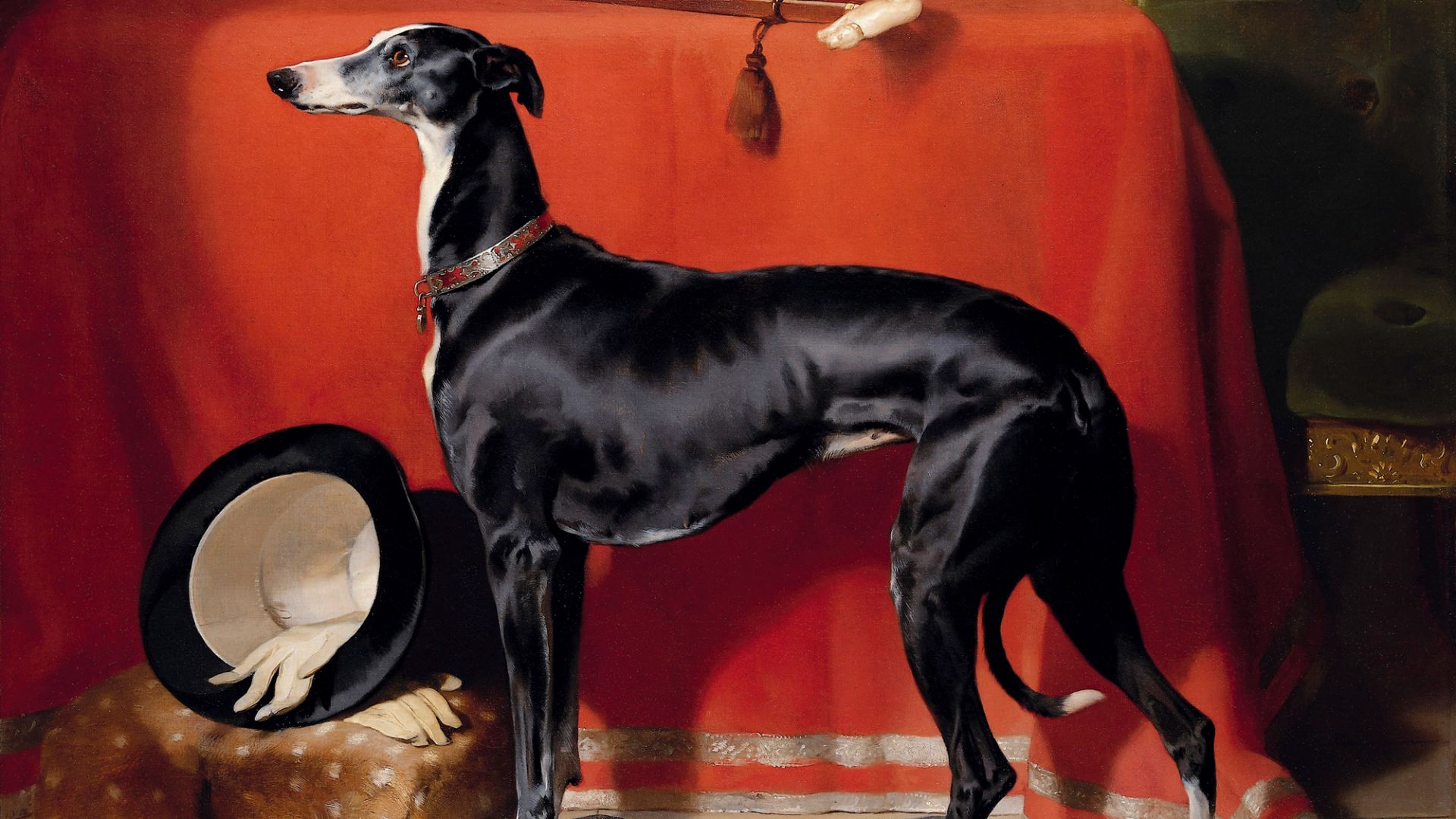
When Prince Albert married Queen Victoria in 1840, his greyhound Eos joined him on his journey to Britain. It’s said that Eos slept by the stove and loved plum cake. He later received a life-size portrait that hung in Albert’s dressing room at Buckingham Palace.
3. Lory
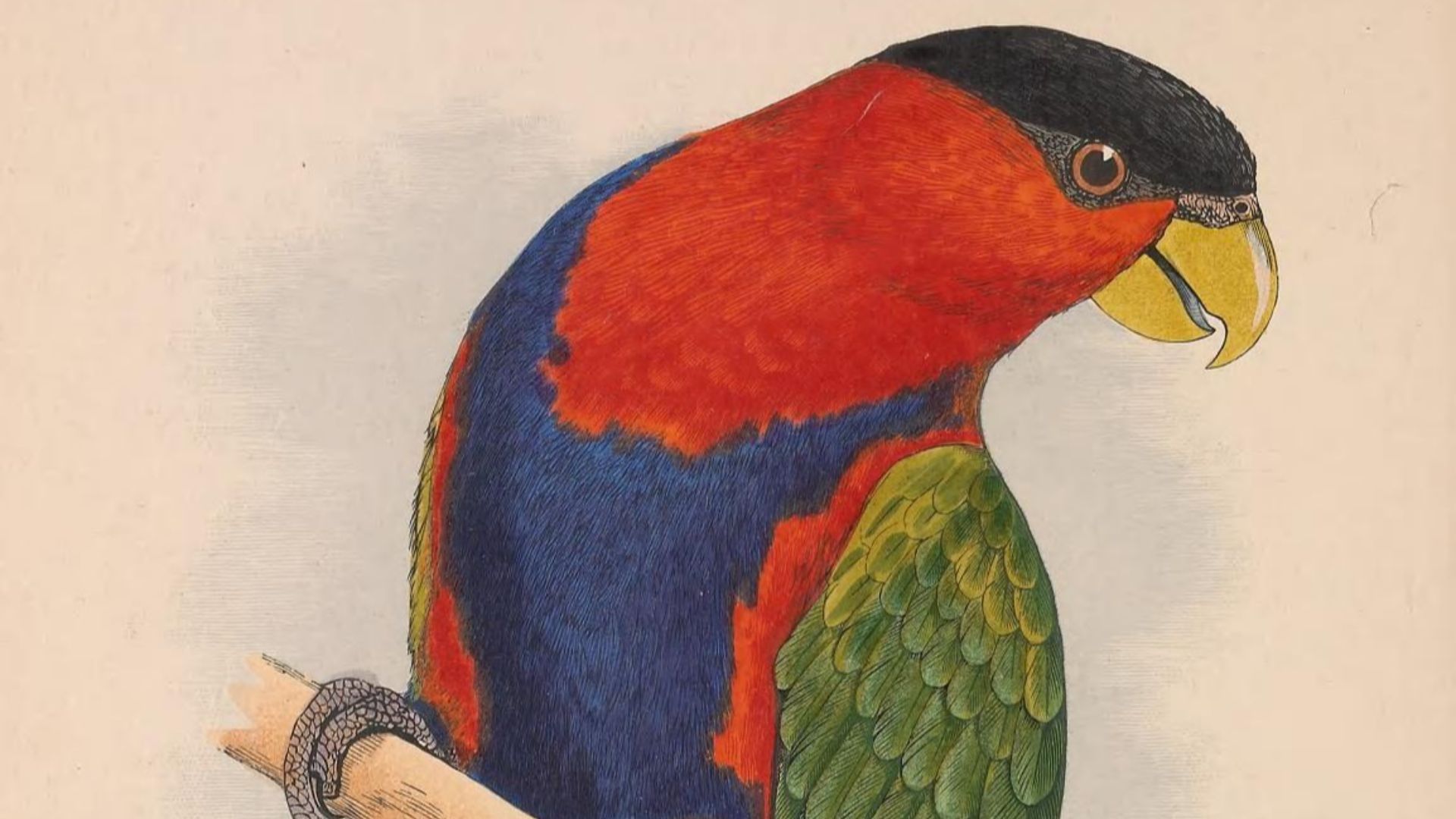
Victoria’s parrot Lory was a gift from her uncle and appeared beside three of Victoria’s favorite royal dogs in a painting. Palace life, a well-known owner, and a permanent place in the family’s visual record made Lory’s life unusually grand.
 Dutton, F. G.; Fawcett, Benjamin; Greene, W. T.; Lydon, A. F.; Lydon, A. F. on Wikimedia
4. Queen Victoria’s Gray Parrots
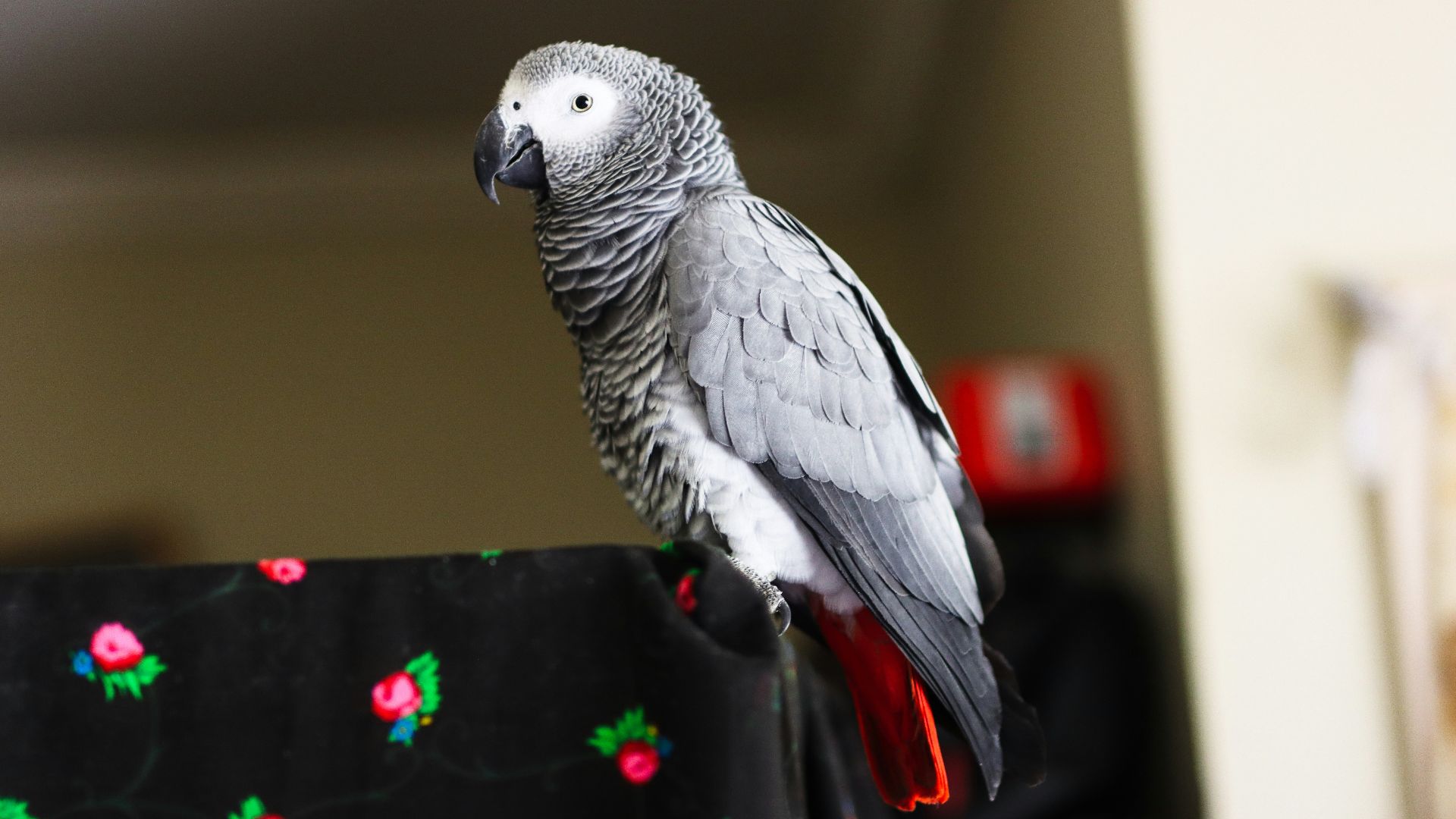
Lory wasn’t Victoria’s last parrot. Later in life, she kept several highly-trained gray parrots that spoke French, made jokes, and even toasted to her health. Their talents made them part of the household’s daily entertainment.
5. Sharp
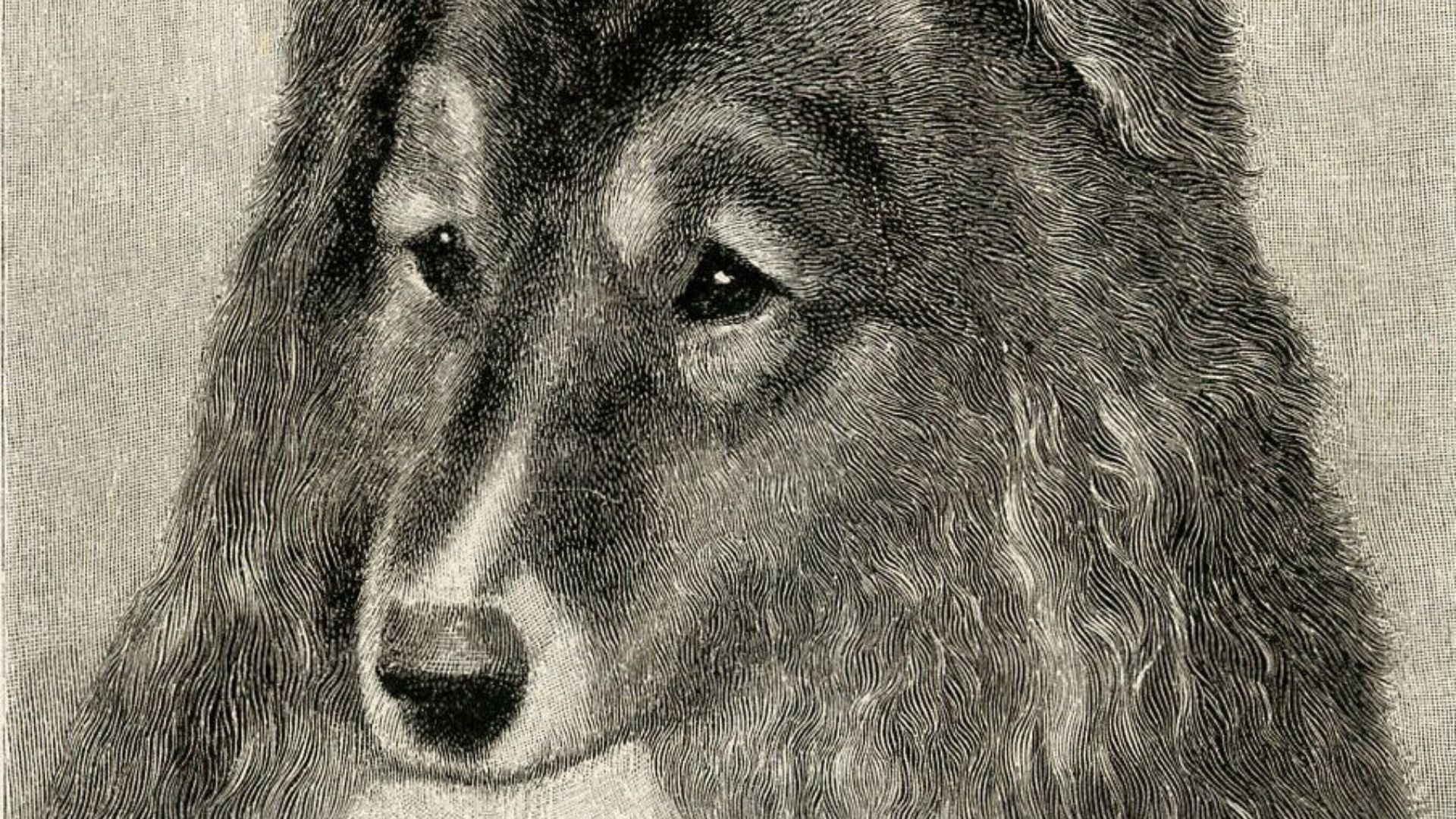
Sharp, one of Victoria’s beloved collies, sat on a cushioned stool beside the queen in a popular portrait photograph. The image was sold to the public and helped cement the queen’s reputation as a devoted dog owner and brought the pooch into public life as well.
6. Sammy
Sammy, a poodle belonging to Princess Victoria of Wales, rarely went a day without getting his photo taken. Princess Victoria was an amateur photographer, so Sammy’s vast knowledge of tricks, as well as his usual antics, were preserved time and time again.
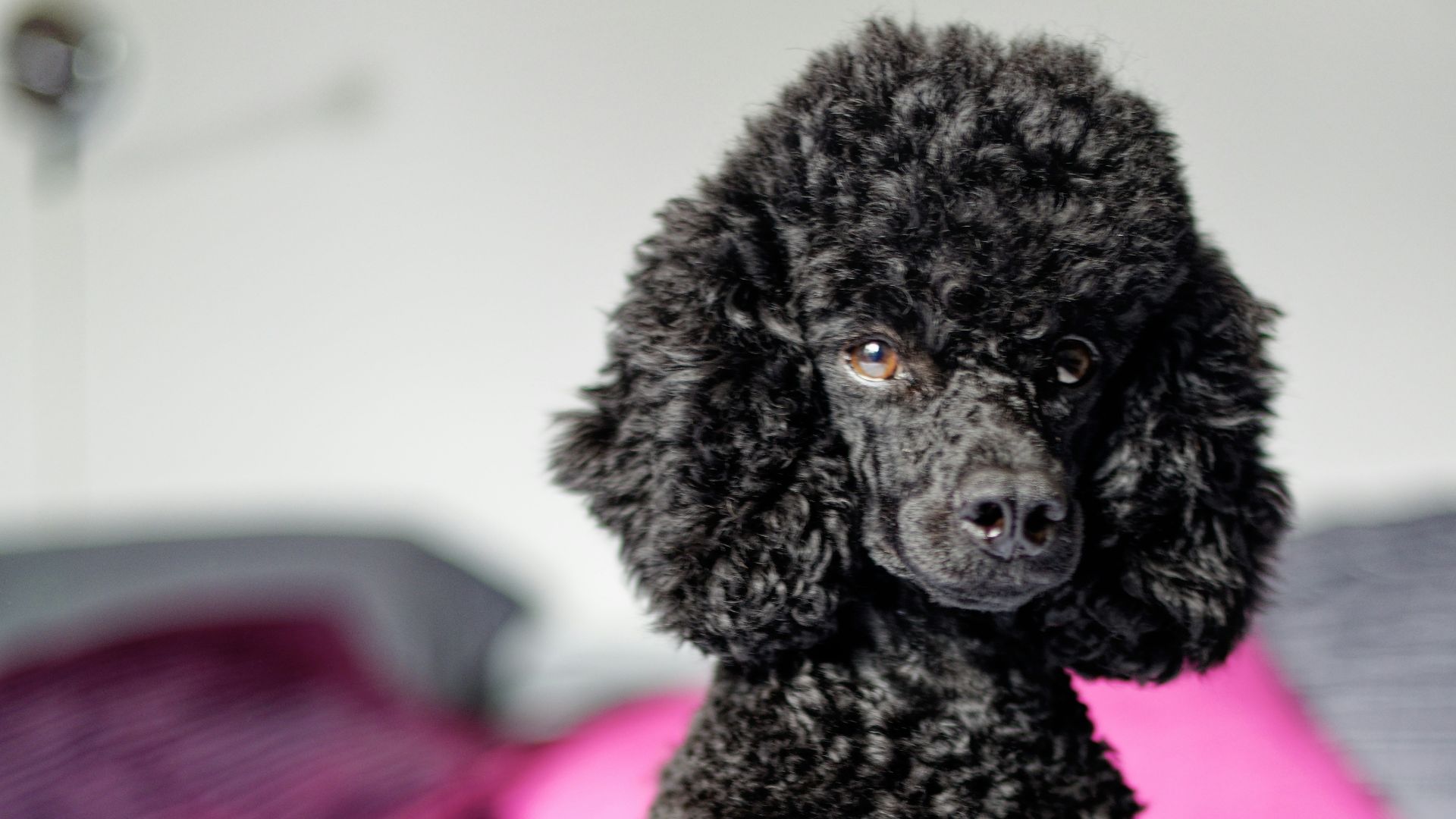
7. Corran
One of three dogs seen amongst the children of Queen Victoria, Corran joined the family in 1863. The long-haired skye terrier was technically Prince Alfred's, but was taken care of by Queen Victoria in later years.
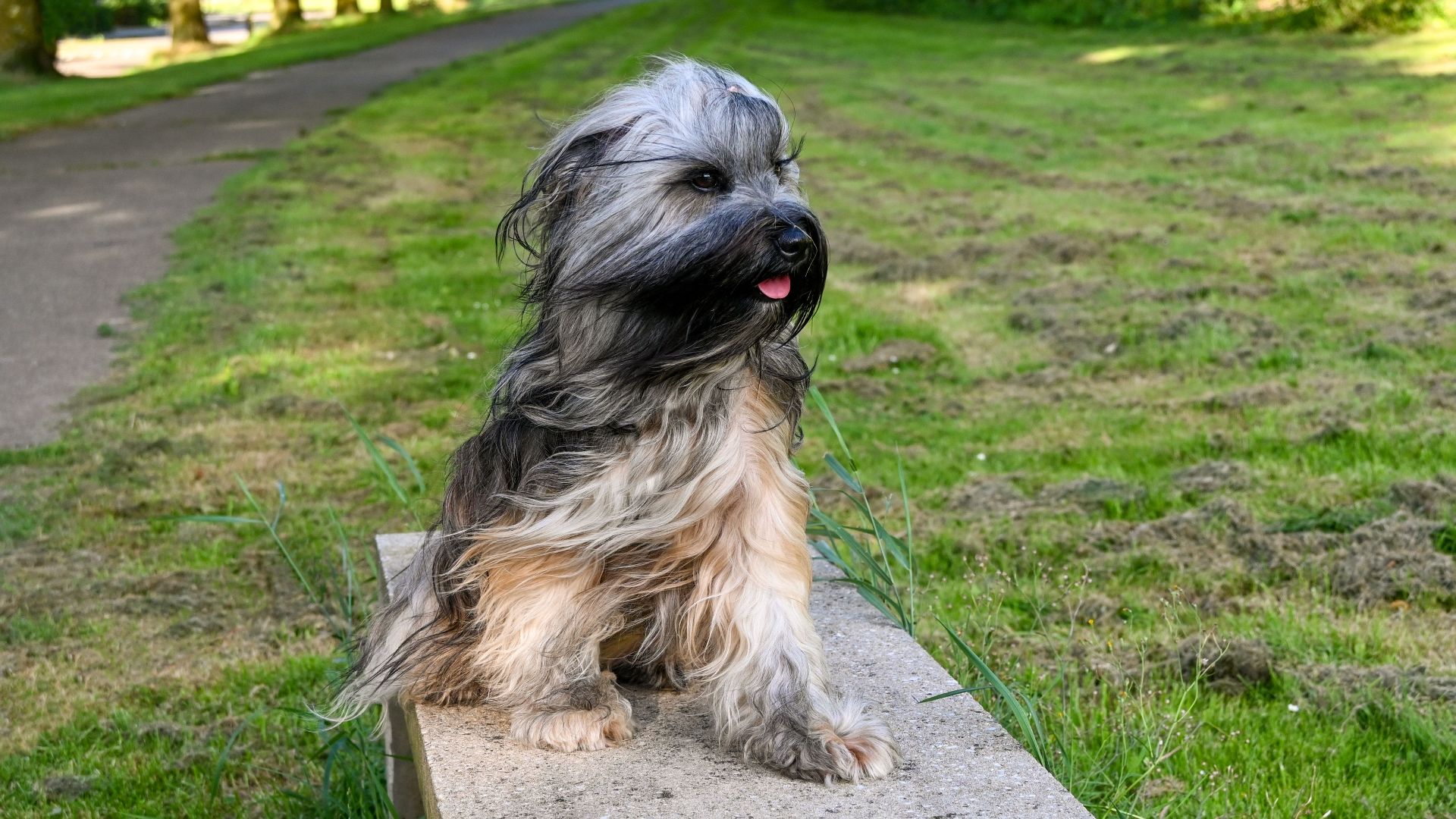
8. Waldman
Waldman VI was Queen Victoria’s dachshund. He was brought to the family from Geremany in 1872. He was a frequent companion of the family, and even has a dedicated memorial at Windsor castle.
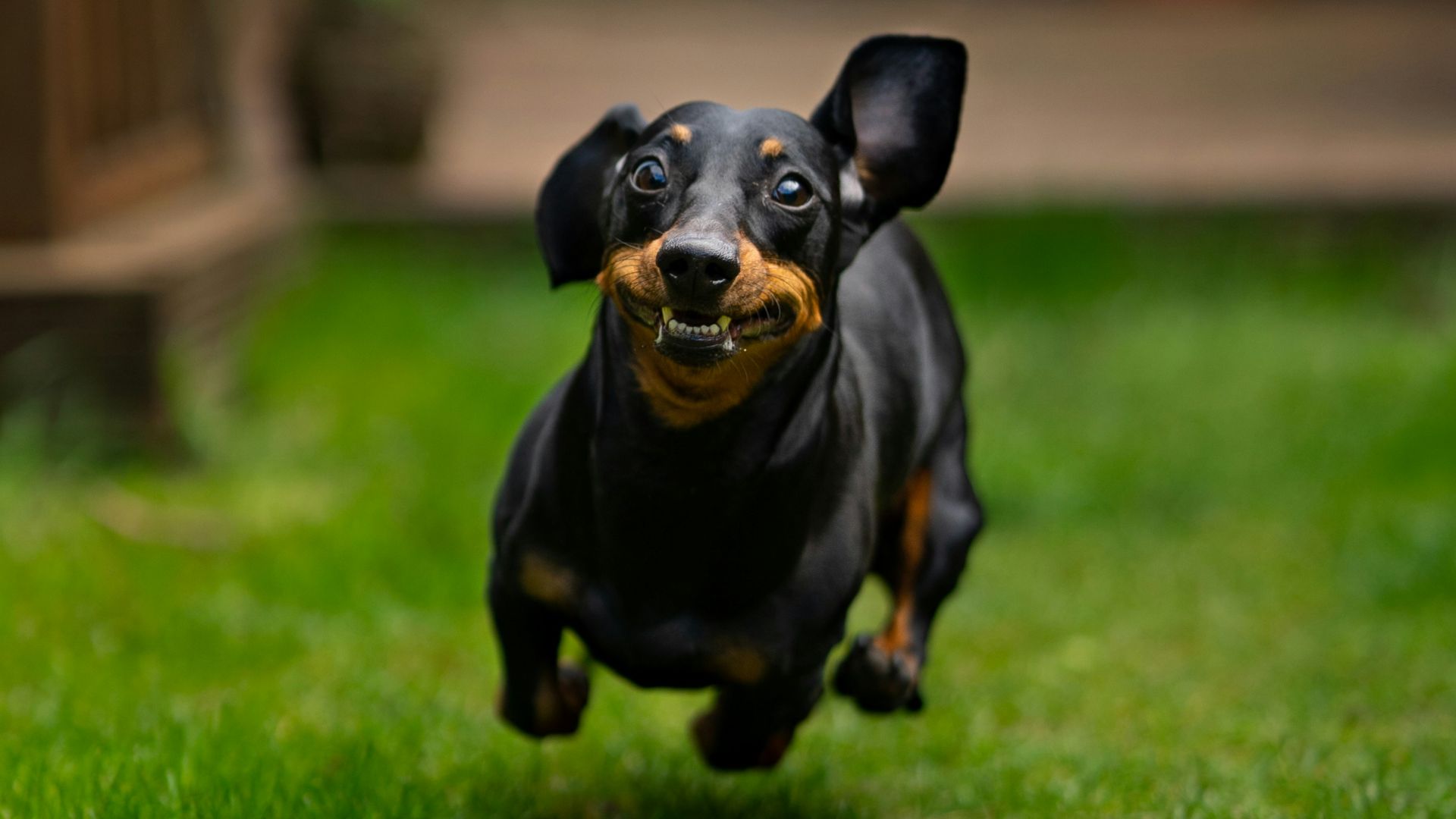
9. Comet
Comet, Victoria’s collie, completes the trio in the Windsor household. His name and image survived in a royal family album, and he's just one of the over 80 collie's Victoria owned during her lifetime.
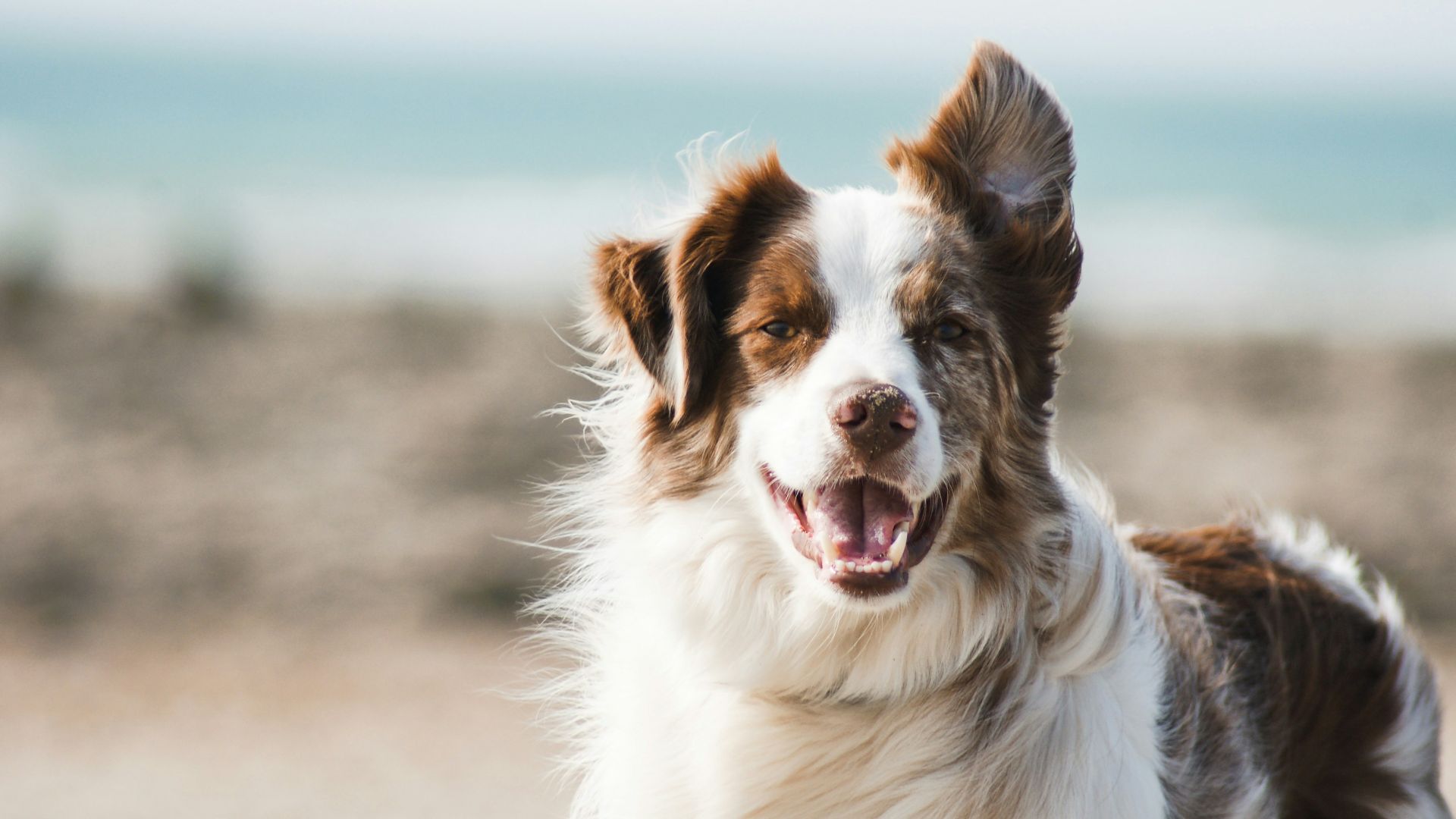
10. Caesar
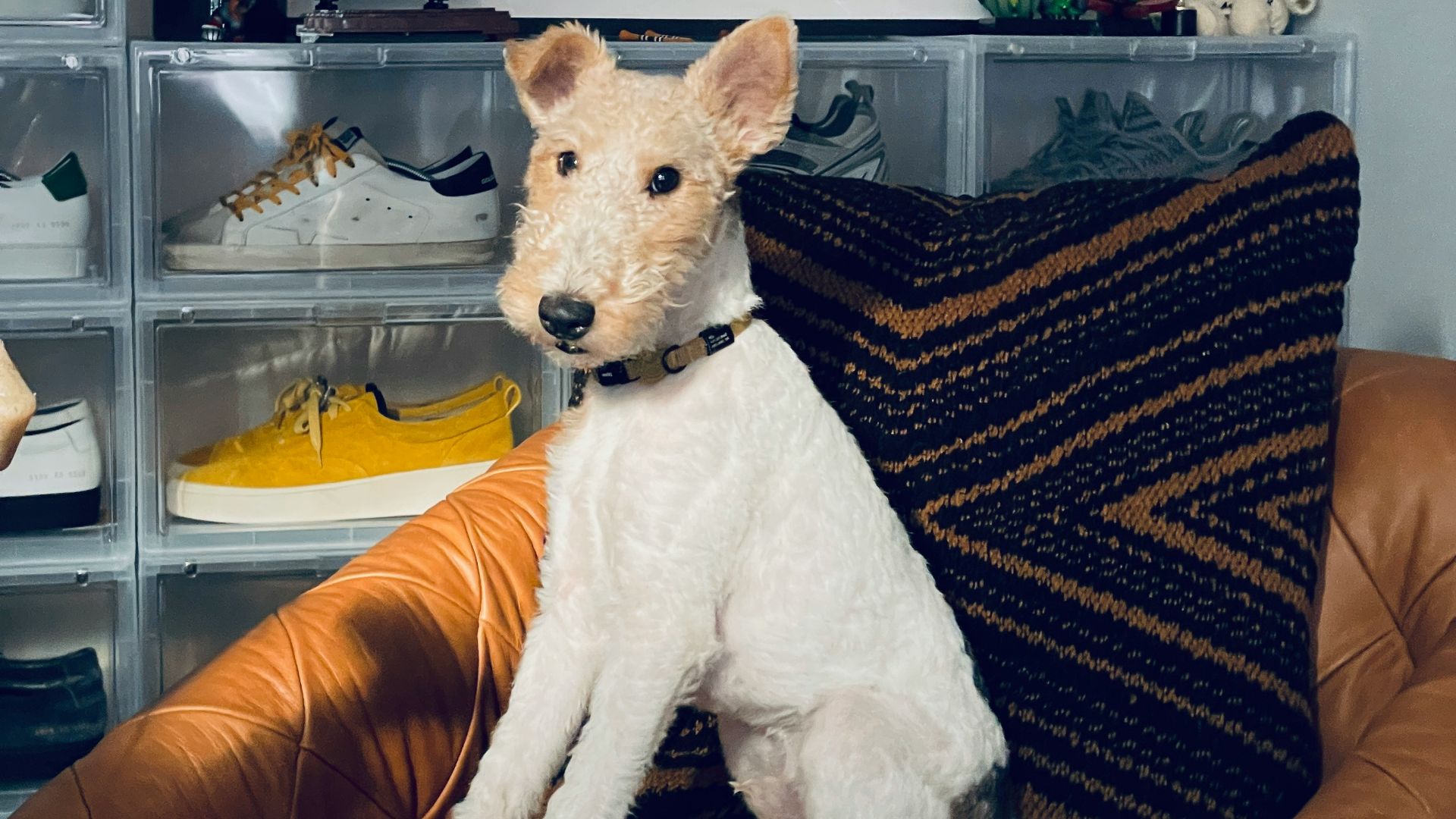
Caesar, Edward VII’s wire-haired fox terrier, often traveled with the king and quickly became his favorite dog. He was honored with a carved figure with ruby eyes, and even walked behind the king’s coffin at his funeral. When the dog passed, he was immortalized in stone at the foot of Edward’s tomb.
11. Jack
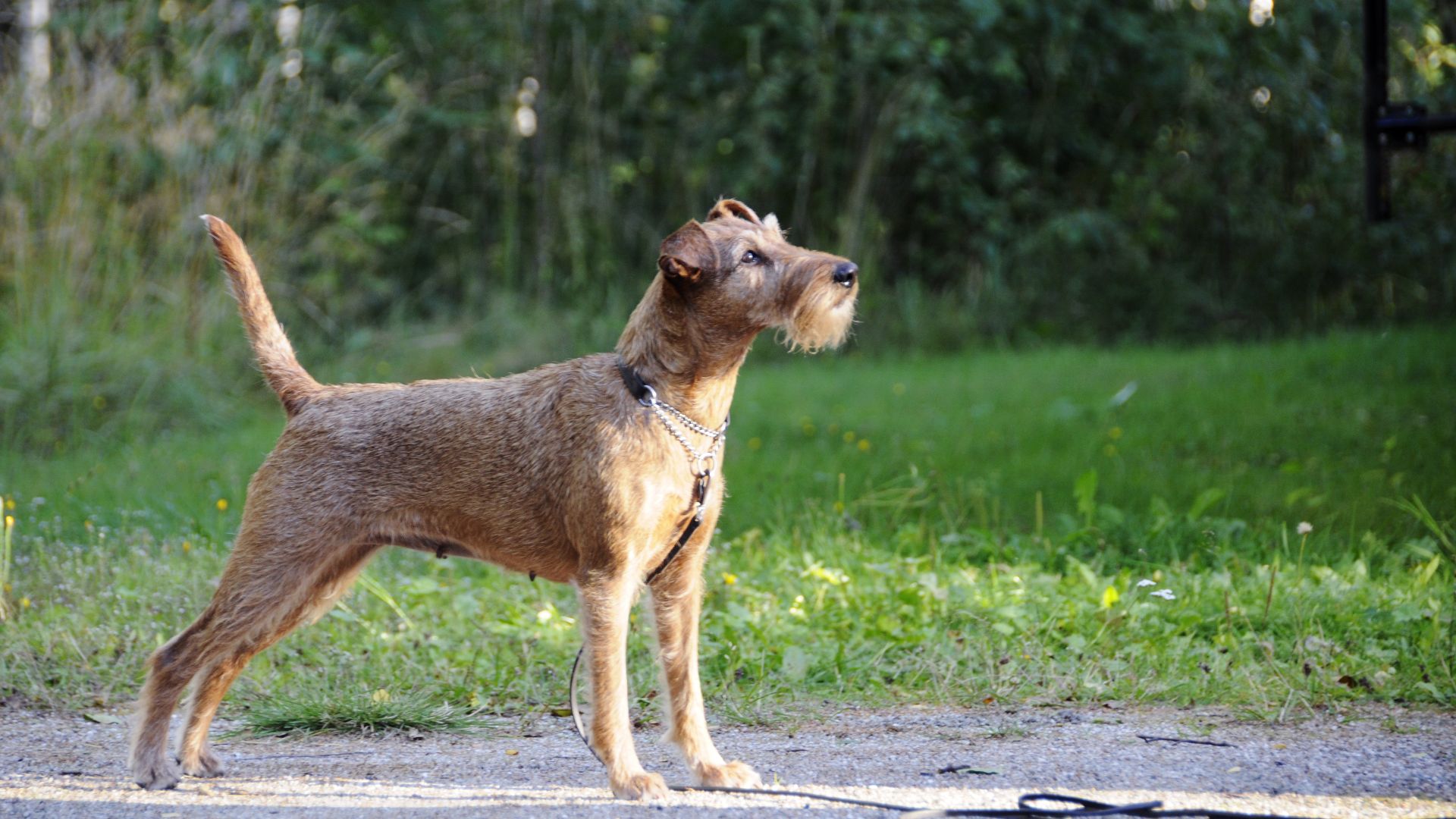
Jack, another of Edward VII’s terriers, became known to the public as another one of the king’s favorites. Sadly, he passed away during the King's trip to Ireland in 1903, and his remains are buried at Viceregal Lodge, where the family was staying.
12. Looty
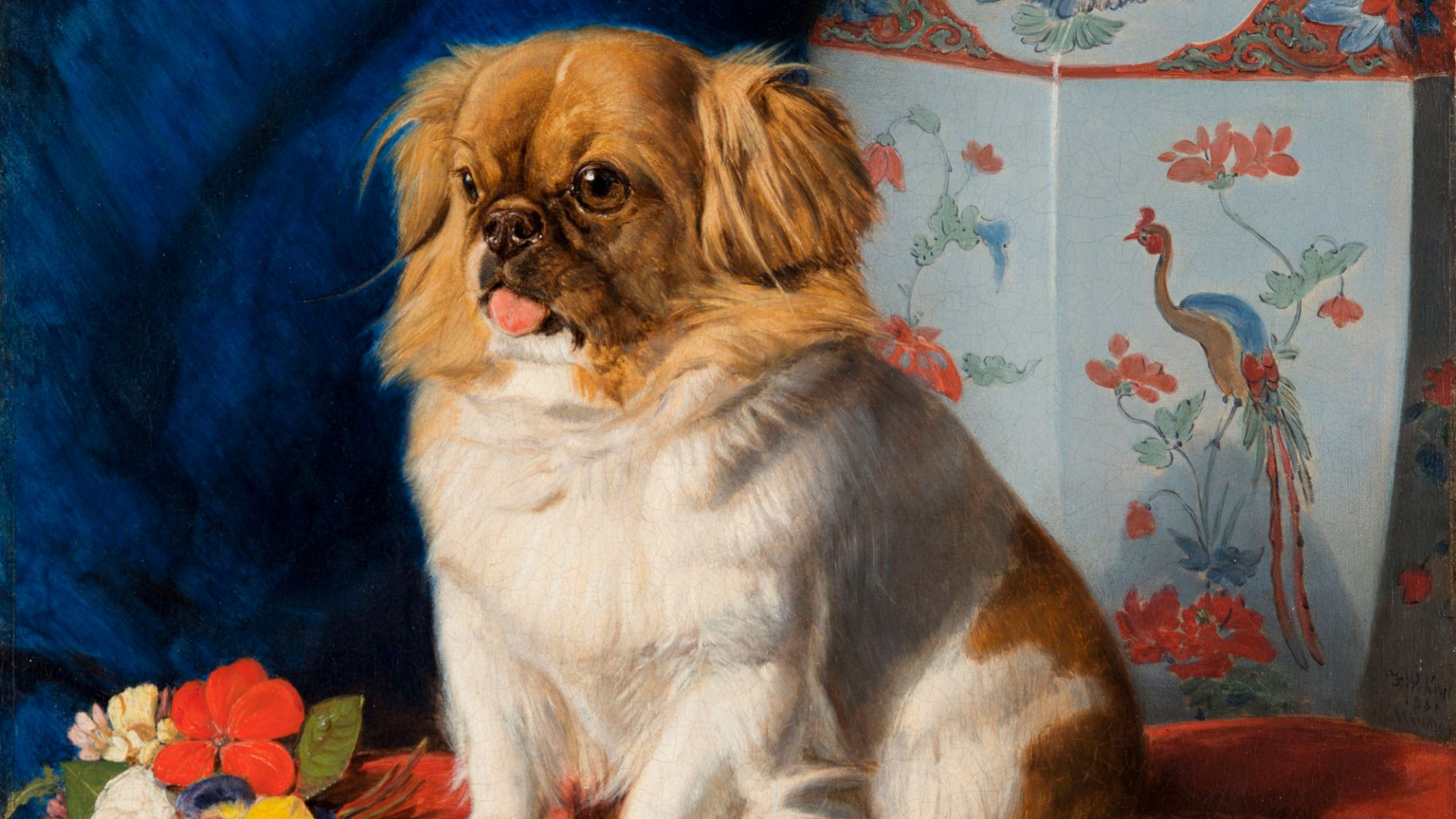
Looty came to Queen Victoria after Captain John Hart came across the pooch during his company's looting of Yuanmingyuan Park, or the Old Summer Palace. It was suspected that the dog was owned by the Emperess or another high-born lady of the imperial family, and Captain Hart wrote to the Queen saying he let the dog sleep in his hat. It's rumored that Looty was among the first, if not the first, Pekingese in Britain.
 Friedrich Wilhelm Keyl on Wikimedia
13. Skippy
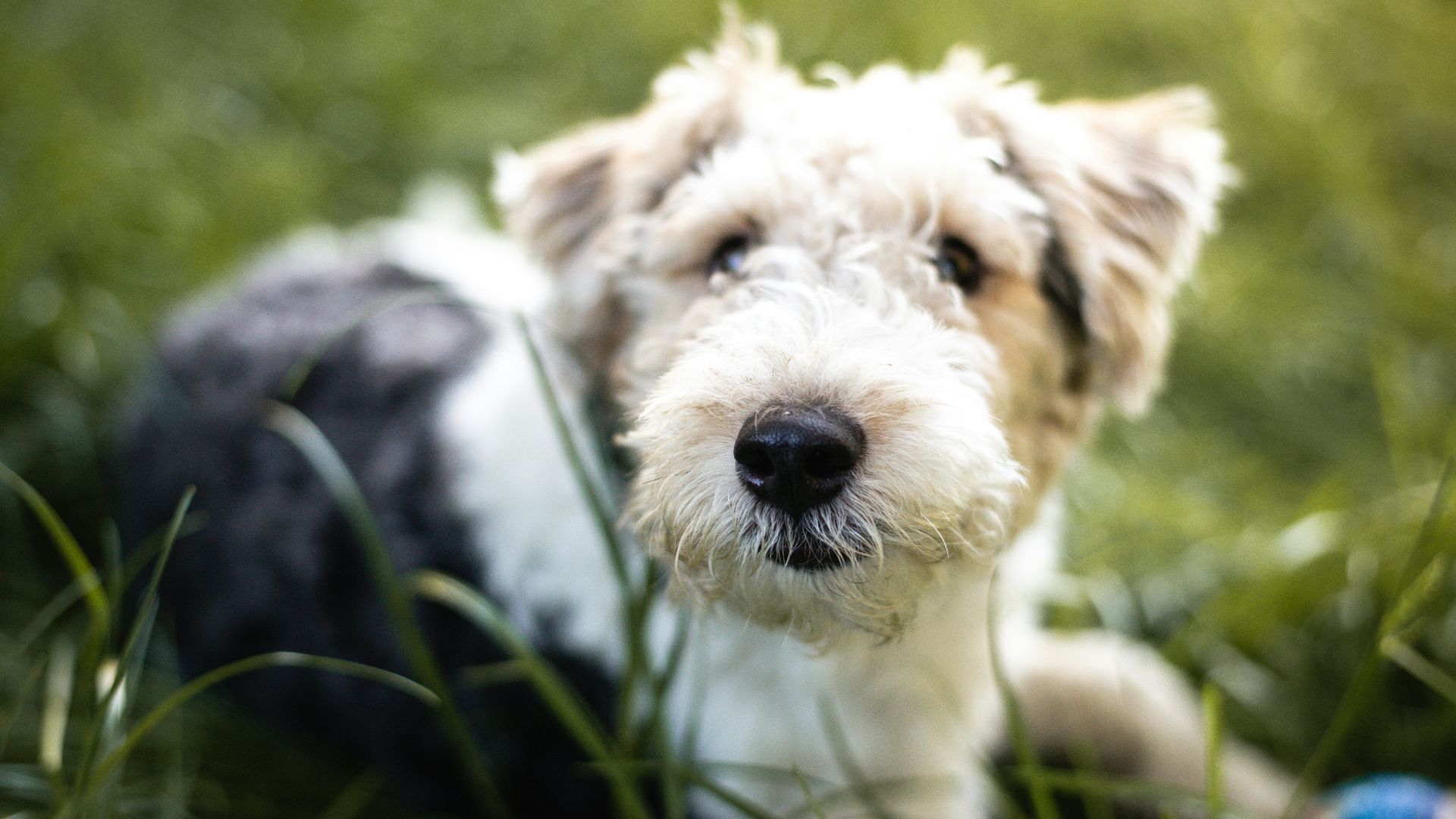
Found at the Battersea Dogs Home animal rescue in 1883, Skippy quickly became an important member to Prince Leopold and his family. The terrier was so well-loved that his mother, Queen Victoria, became a patron to the animal resuce in 1885. This tradition is still upheld today.
 George Dulishkovych on Unsplash
14. Dookie
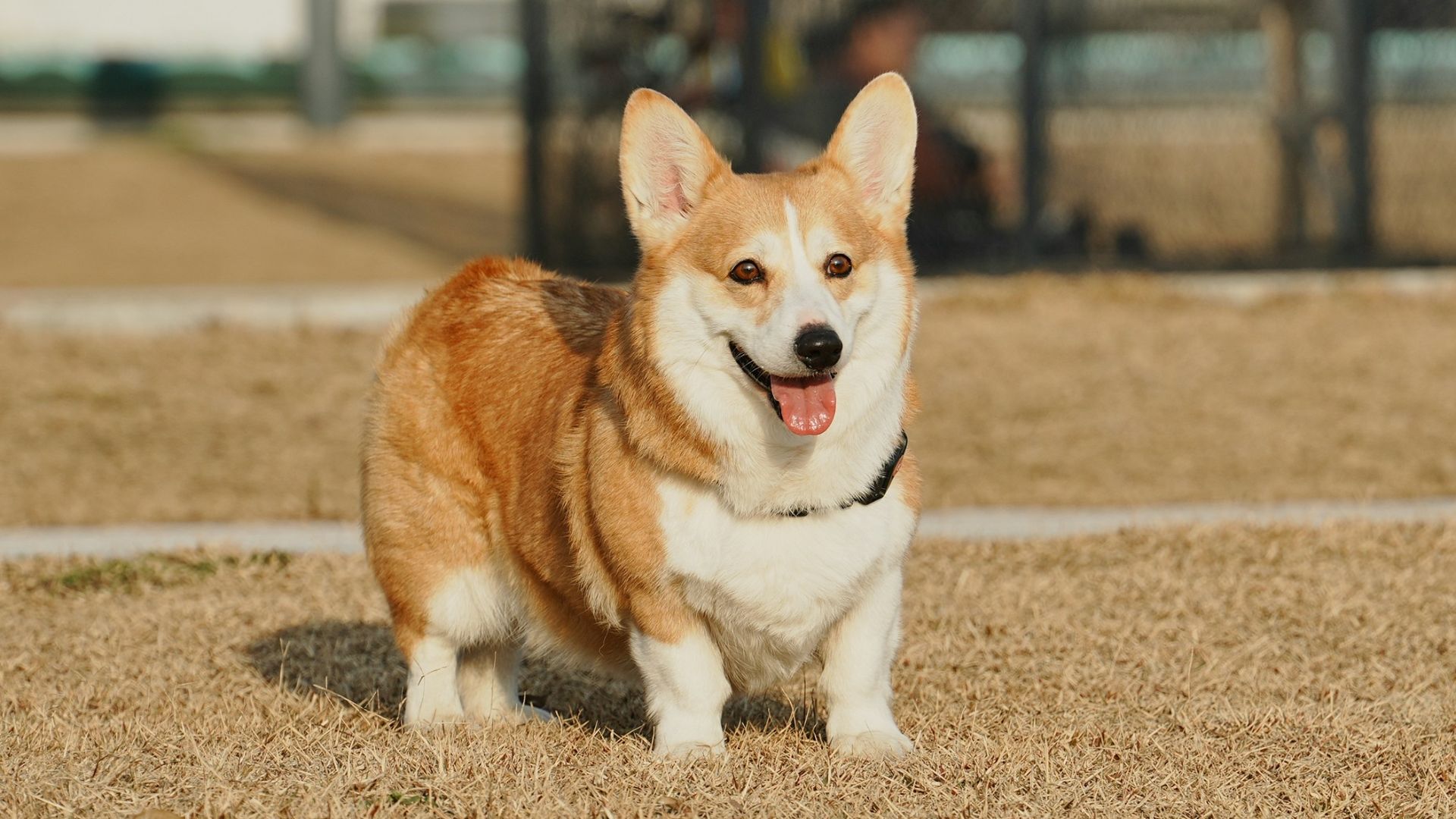
Dookie was the royal family's first corgi, arriving in 1933 when Elizabeth II was only seven years old. The dog helped start a connection that became one of the most recognizable parts of the queen’s image. Even today, it's hard to picture the late Queen without her swarm of stubby-legged friends.
15. Susan
While Dookie was the first corgi to enter the royal household, Susan was Elizabeth's first corgi. Given to her as an 18th birthday gift by her father, Susan is the singular ancestor of the queen’s later corgis, founding around 14 generations of the Queen's royal canine line.
16. Charles I’s Court Spaniels
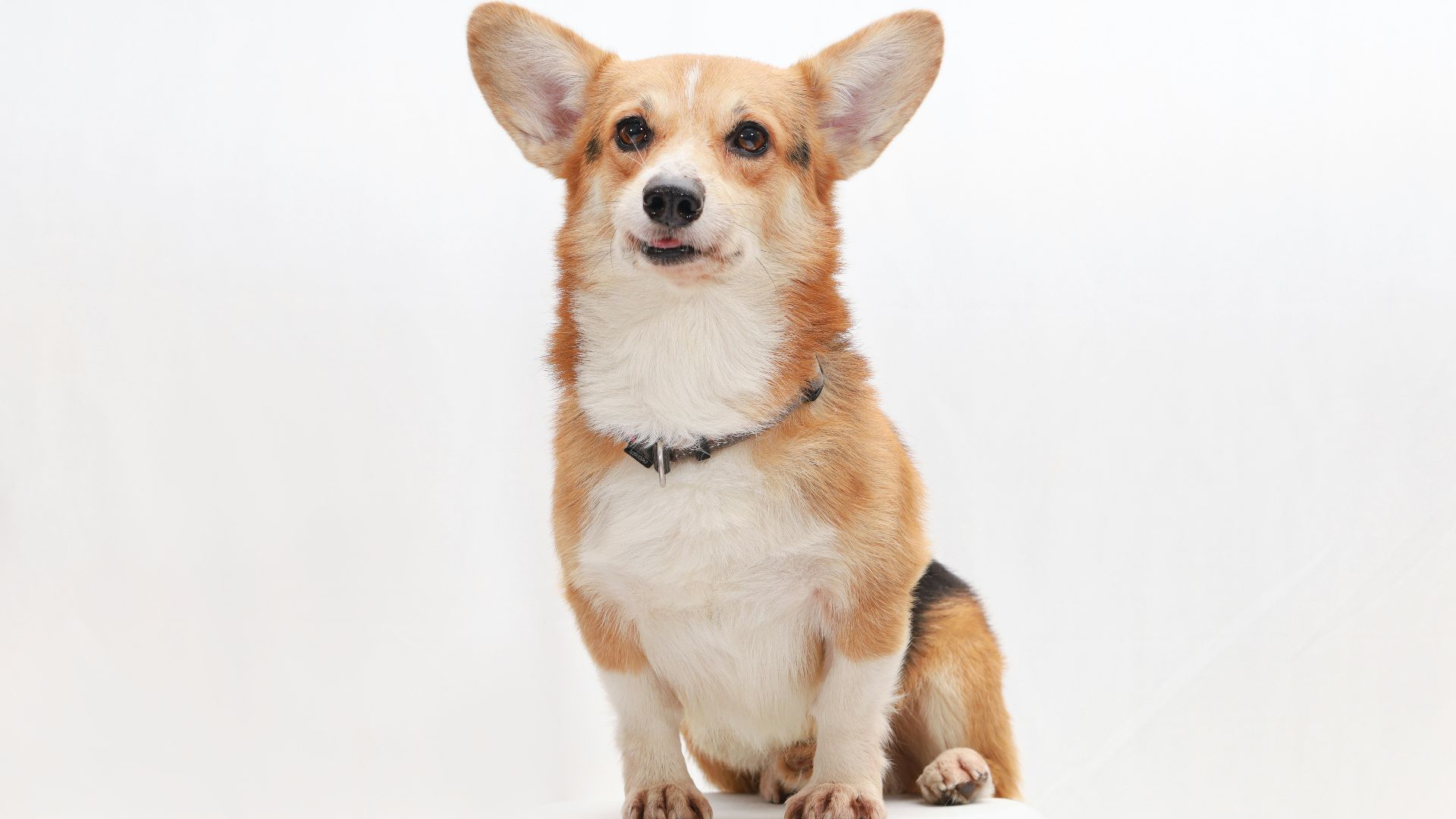
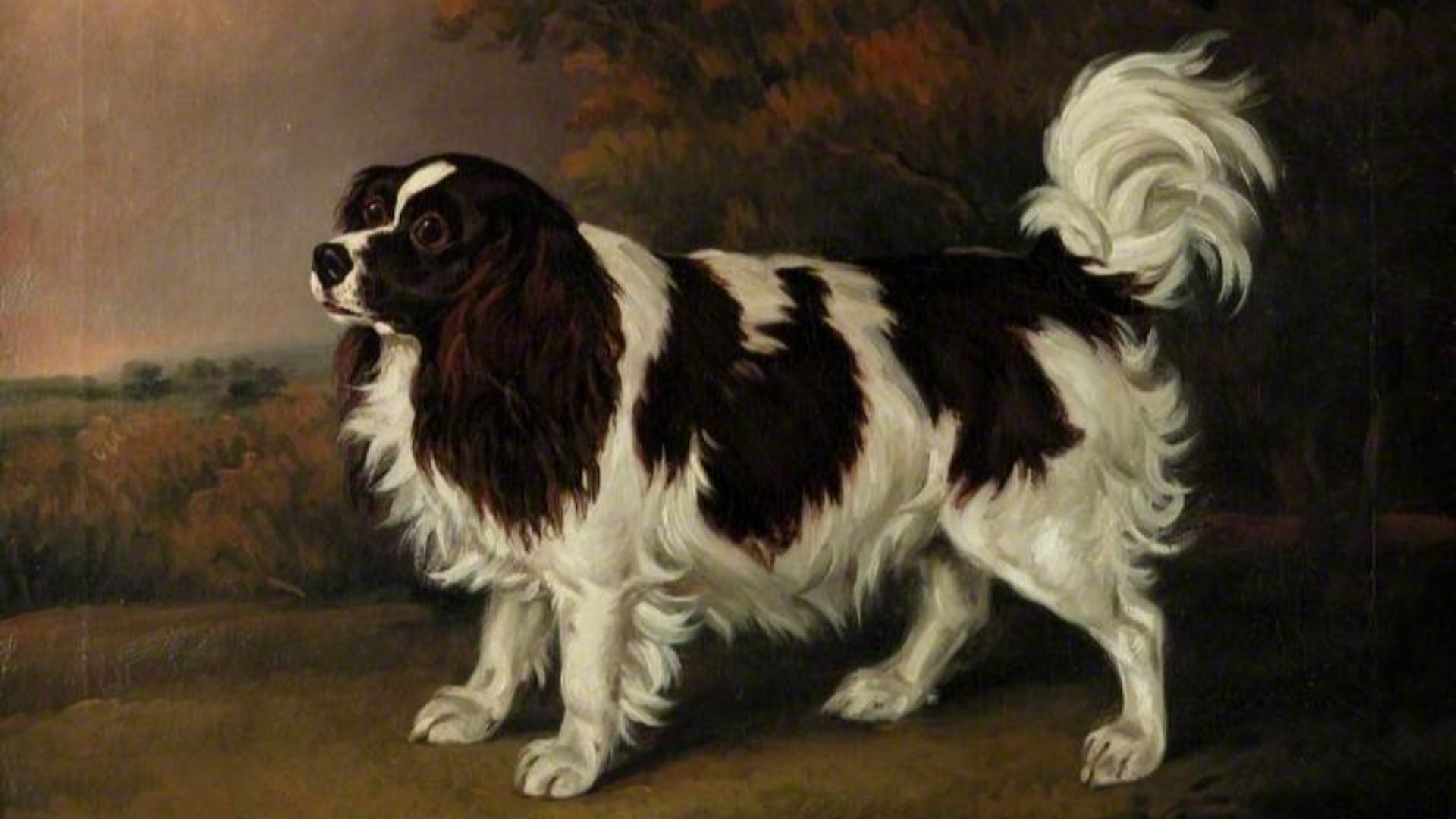
Charles I helped popularize the King Charles spaniel, and several of the little dogs appeared in court portraits with royal children. They sat near the family at the center of grand painted scenes, and were said to be allowed into spaces where dogs were usually banned. It's also reported that Charles's black-and-white spaniel, Rogue, accompanied him to his execution.
 Henry Bernard Chalon on Wikimedia
17. Queen Victoria’s Pomeranians
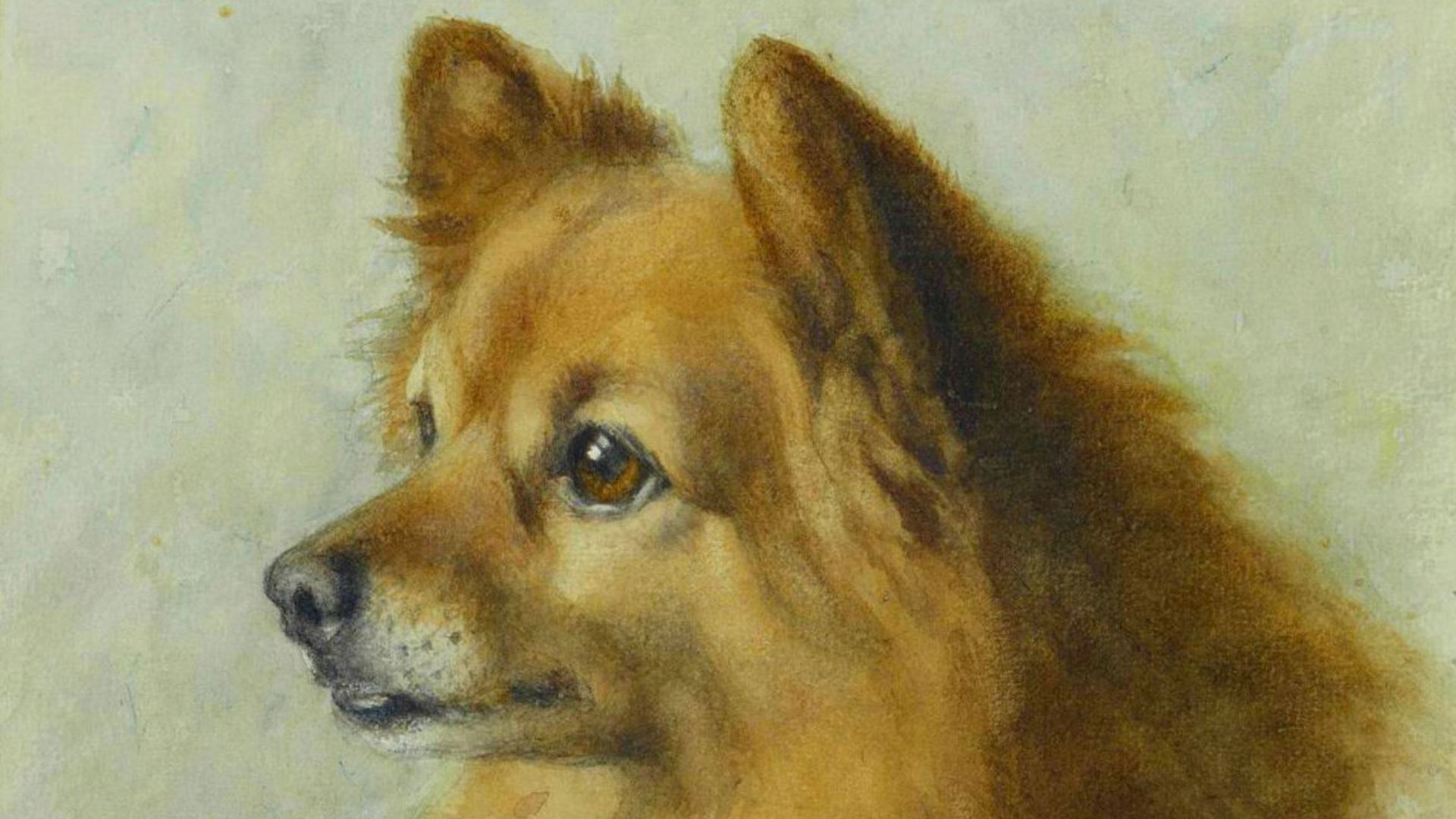
Victoria’s royal kennels could hold up to 100 dogs, and six of her Pomeranians- Fluffy, Nino, Mino, Beppo, Gilda and Lulu- appeared at the first Crufts show in 1891. While its said Victoria had at least 35 pomerianians in the royal kennel at one point, these six represented her curated collection of high-pedigree pooches.
 Frances C. Fairman (1836-1923) on Wikimedia
18. Misse and Turlu
At Versailles, favorite dogs could be painted by the court’s finest artists with their names picked out in gold. Misse and Turlu, italian greyhounds of Louis XV, were two such cases, receiving the kind of formal treatment usually given to aristocrats and dignitaries.
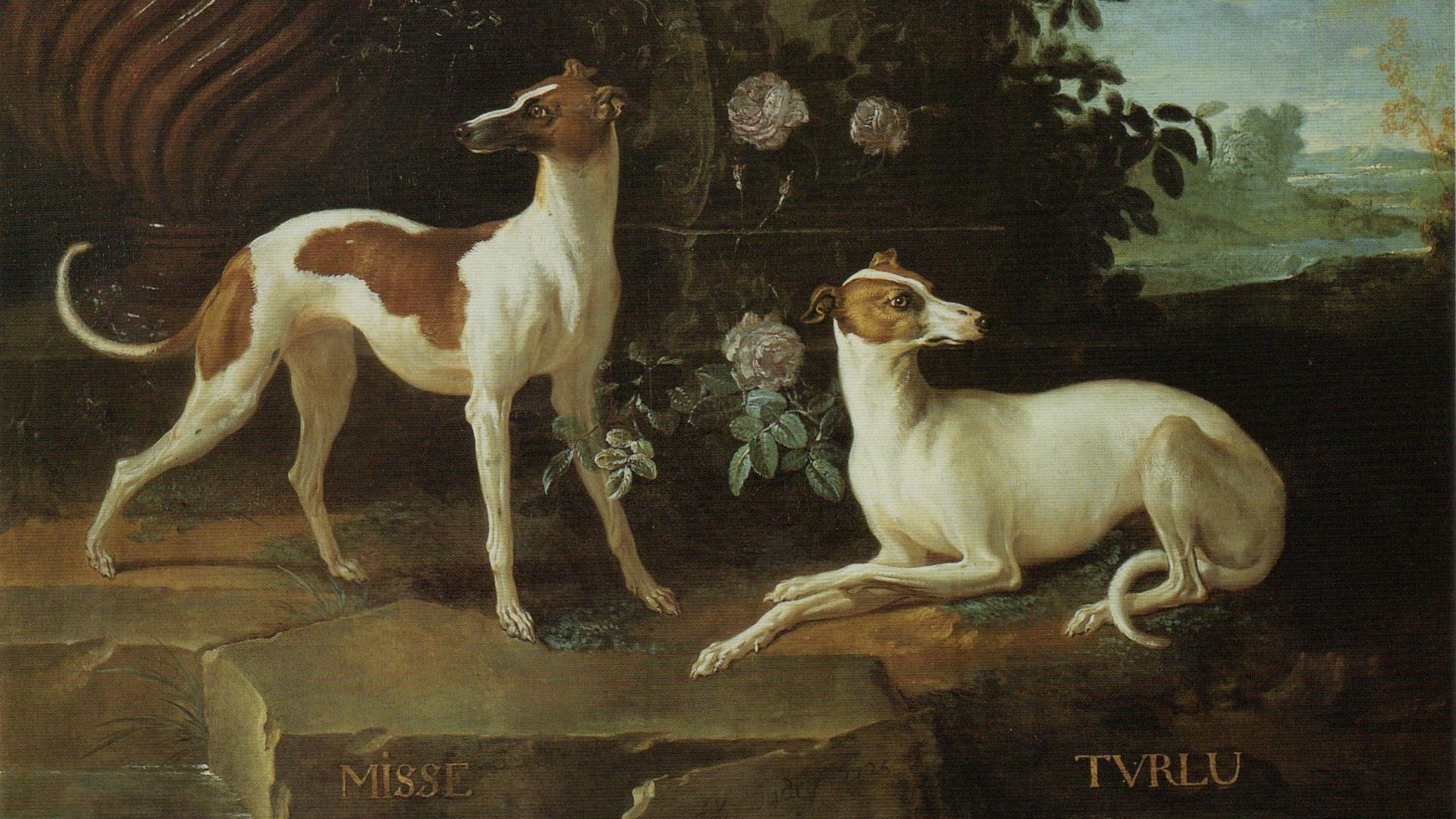 Jean-Baptiste Oudry (Life time: 1686-1755) on Wikimedia
19. Le Général
Louis XV’s black cat, Le Général, was painted by one of the court’s leading animal artists. It was said that Louis loved cats, also owning a white angora who he named Brilliant. After years of superstition, it was Louis and his family that finally brought cats back into high society.
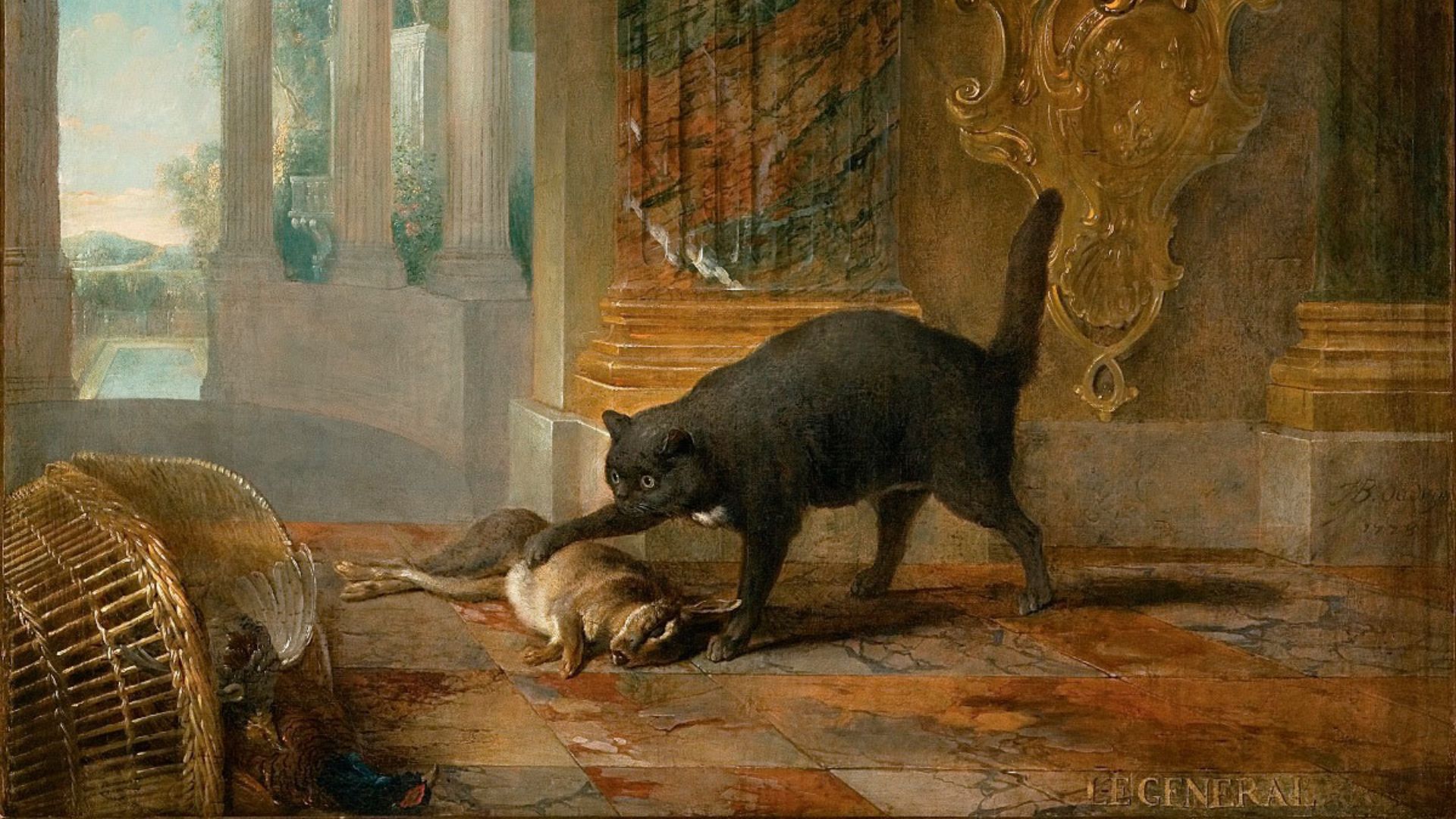 Jean-Baptiste Oudry on Wikimedia
20. Frederick the Great’s Italian Greyhounds
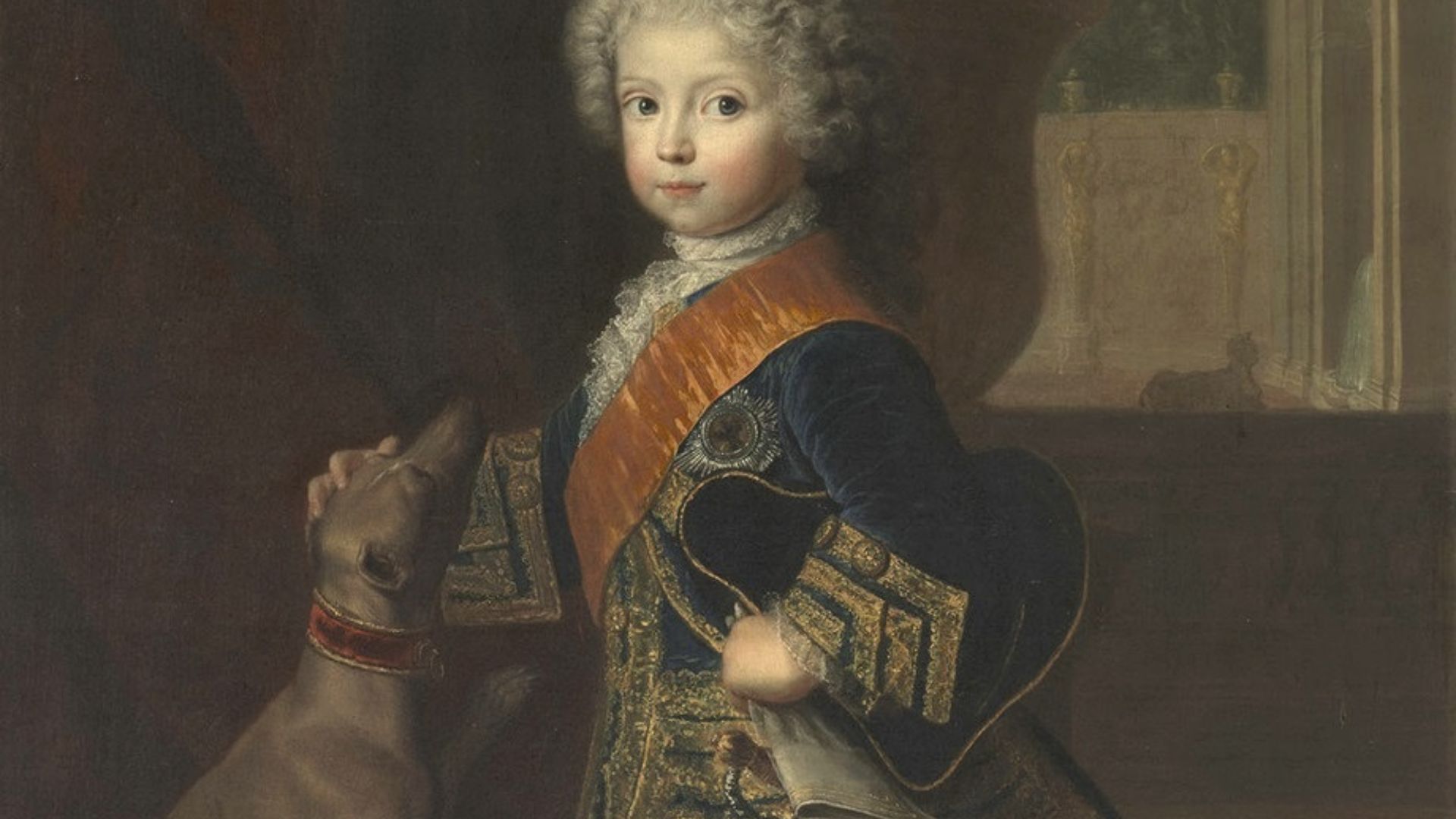
Frederick the Great treated Sanssouci as a refuge from ruling, and his dogs were part of that retreat. The palace was his favorite sanctuary in difficult times, and he most enjoyed retreating there in the company of his pooches. That’s the private side of royal life, and it shows how much their company mattered to him.
KEEP ON READING