Historic Words With Historic Consequences
Long before instant communication, a single letter could take days or months to reach its destination, yet its contents sometimes brought about great change by influencing wars, governments, religions, and entire societies. Rulers used correspondence to negotiate treaties and alliances, scientists announced discoveries privately, and politicians often committed their intentions to paper with consequences they couldn't fully anticipate. Some letters became famous immediately, while others gained vast importance only after later events revealed their significance. Here are 20 times a single letter altered history.
1. Martin Luther Writes To Archbishop Albrecht
In 1517, Martin Luther sent Archbishop Albrecht of Mainz a letter criticizing the sale of indulgences and included his theological objections. His challenge became part of the controversy that eventually erupted into the Protestant Reformation. What started as a dispute over Church practices via letter writing ultimately contributed to a profound religious and political transformation that swept across Europe.
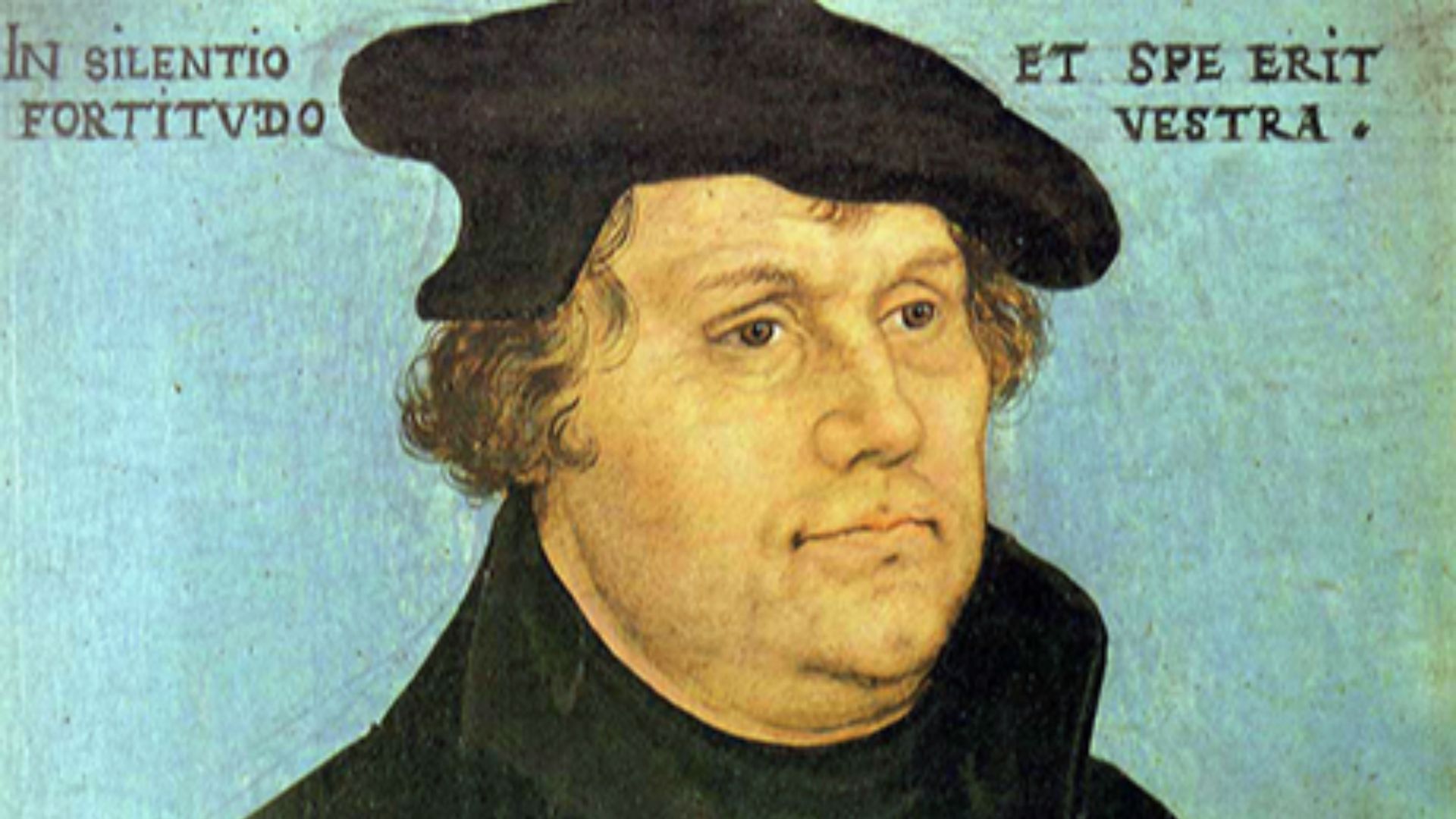 Lucas Cranach l'Ancien on Wikimedia
2. Henry VIII Appeals To Anne Boleyn
Henry VIII's surviving letters to Anne Boleyn document the intense depth of a relationship that became entangled with one of England's greatest religious disagreements. The resulting conflict with Rome helped produce the English Reformation and royal supremacy over the Church of England.
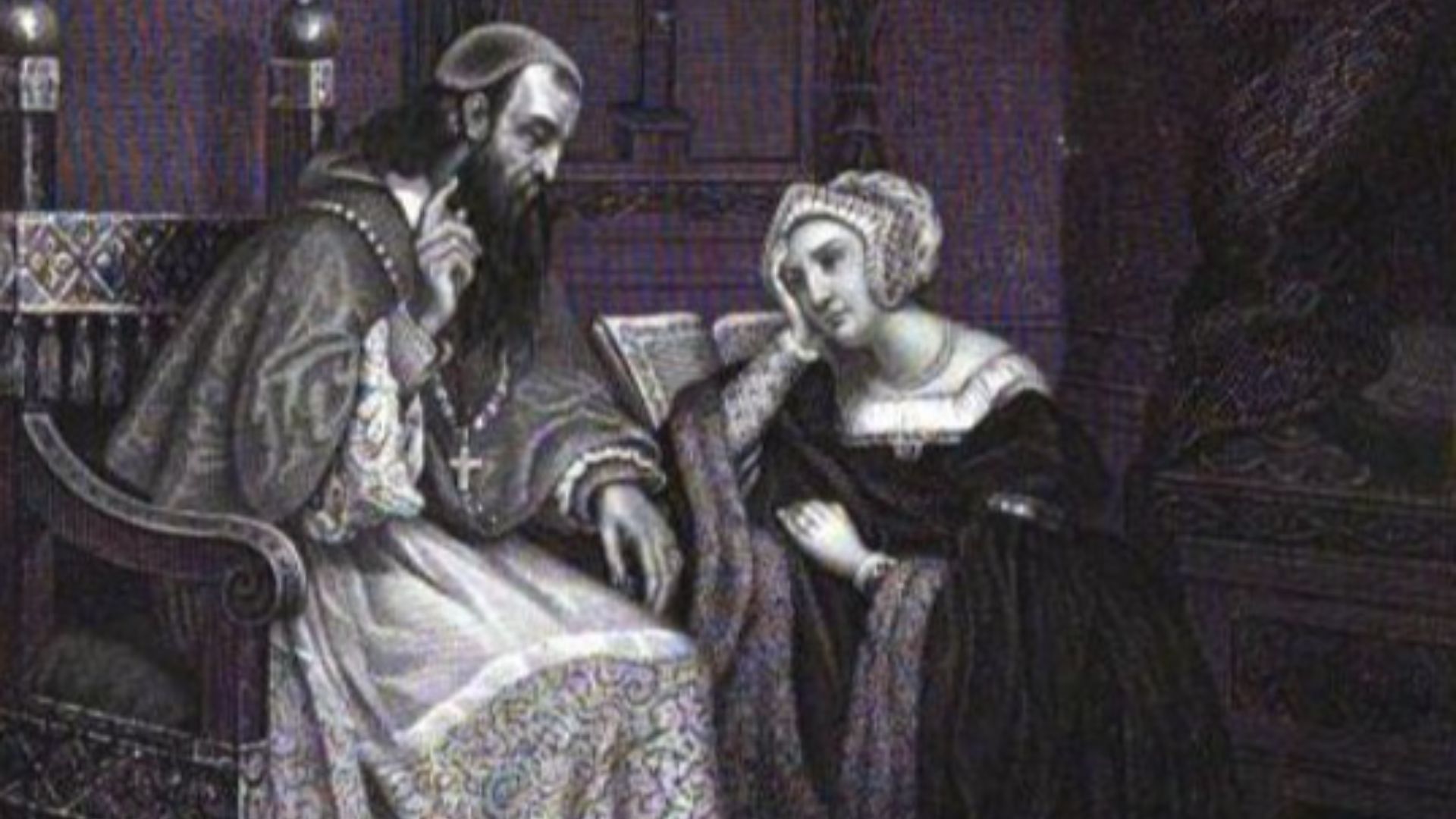 After Melina Thomas on Wikimedia
3. Galileo Contacts Johannes Kepler
Galileo Galilei corresponded with Johannes Kepler when European astronomers were debating whether Earth moved around the Sun or vice versa. Letters allowed new observations and theories to circulate among scholars well before scientific journals operated in their modern form and were published for the public.
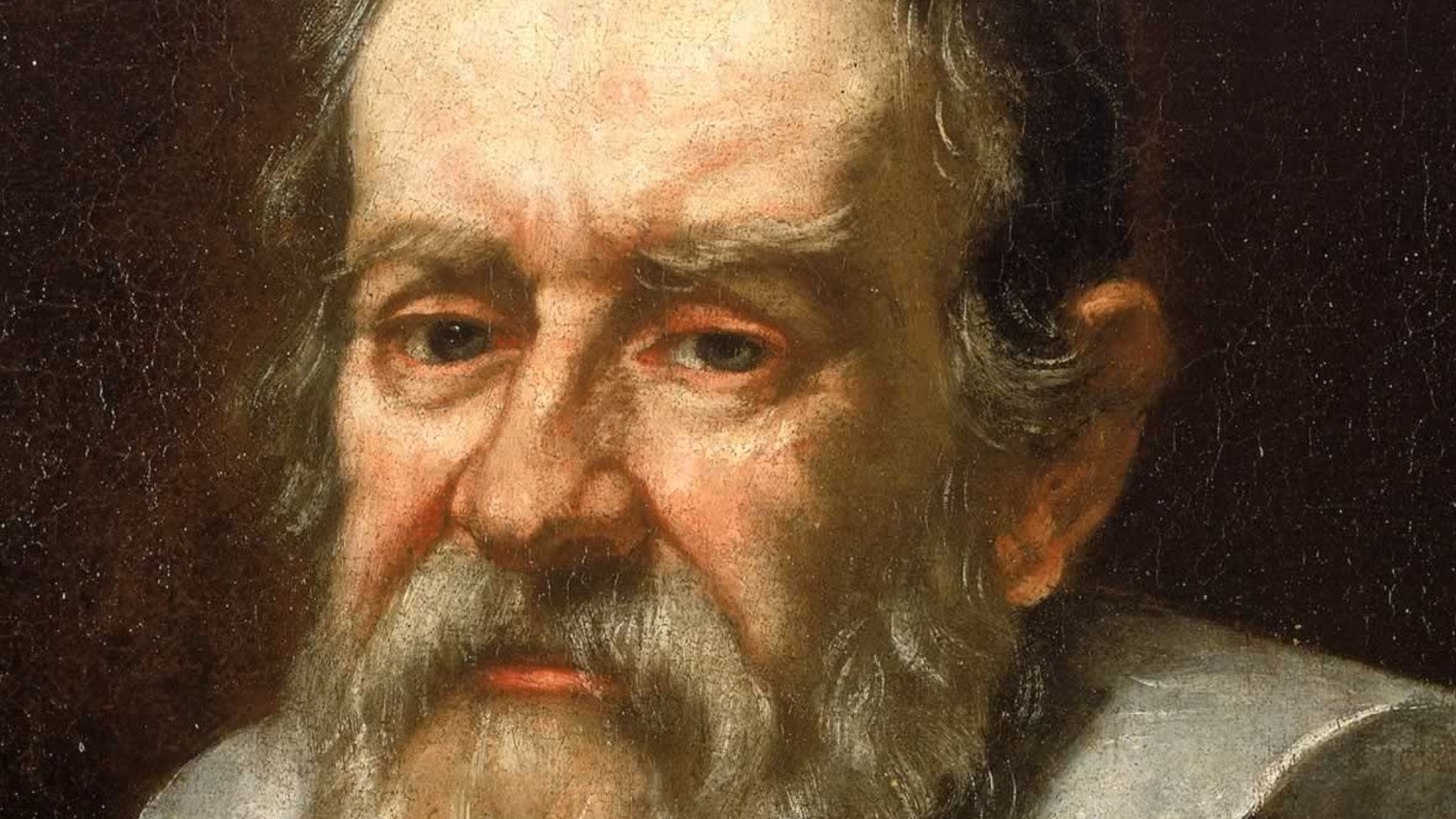 Justus Sustermans on Wikimedia
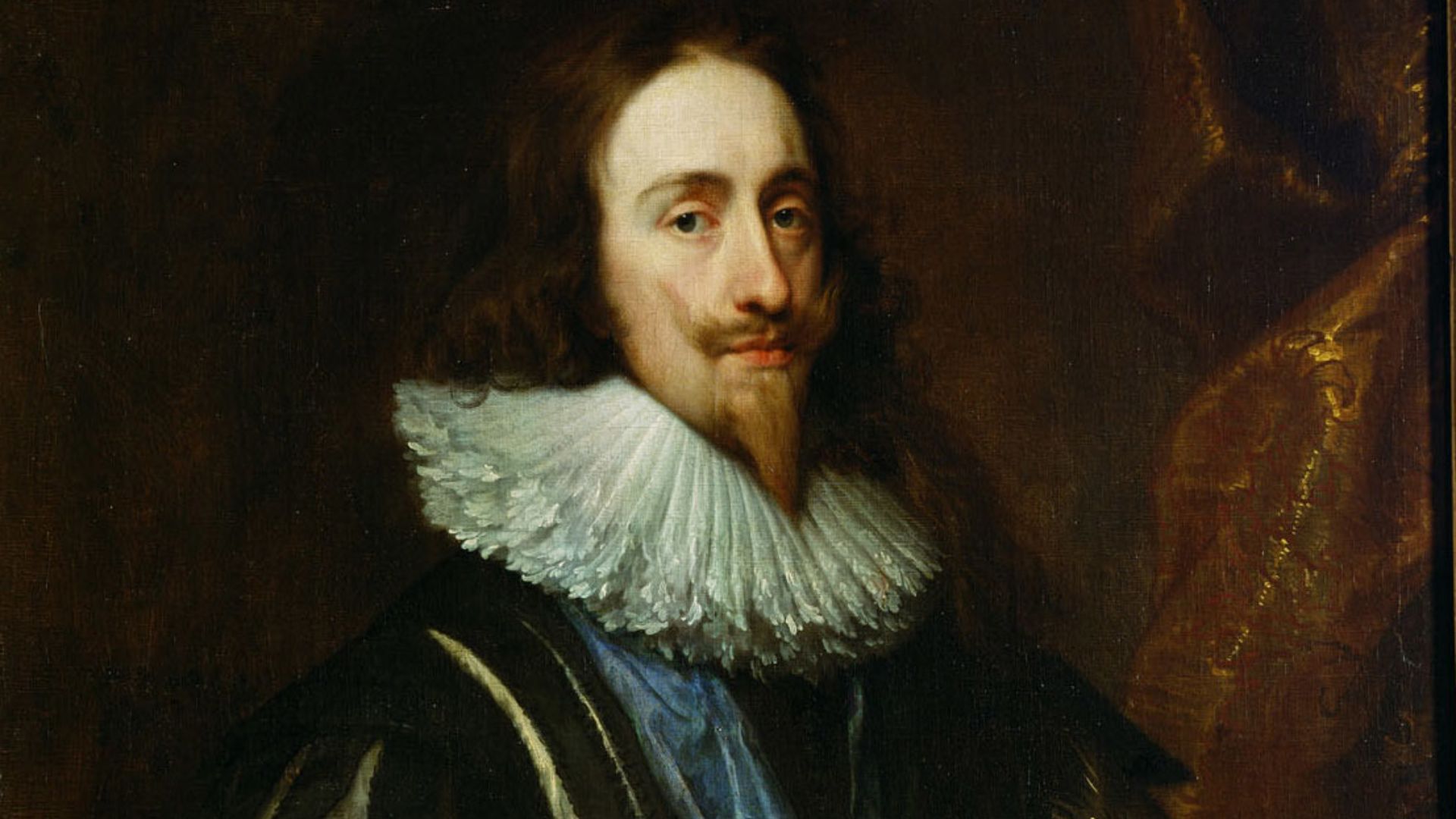
4. Charles I Makes Demands
In January 1642, King Charles I sent Parliament a demand connected with his unsuccessful attempt to arrest five members of the House of Commons. It only took months for England to enter into civil war, permanently changing the relationship between monarchy and representative government.
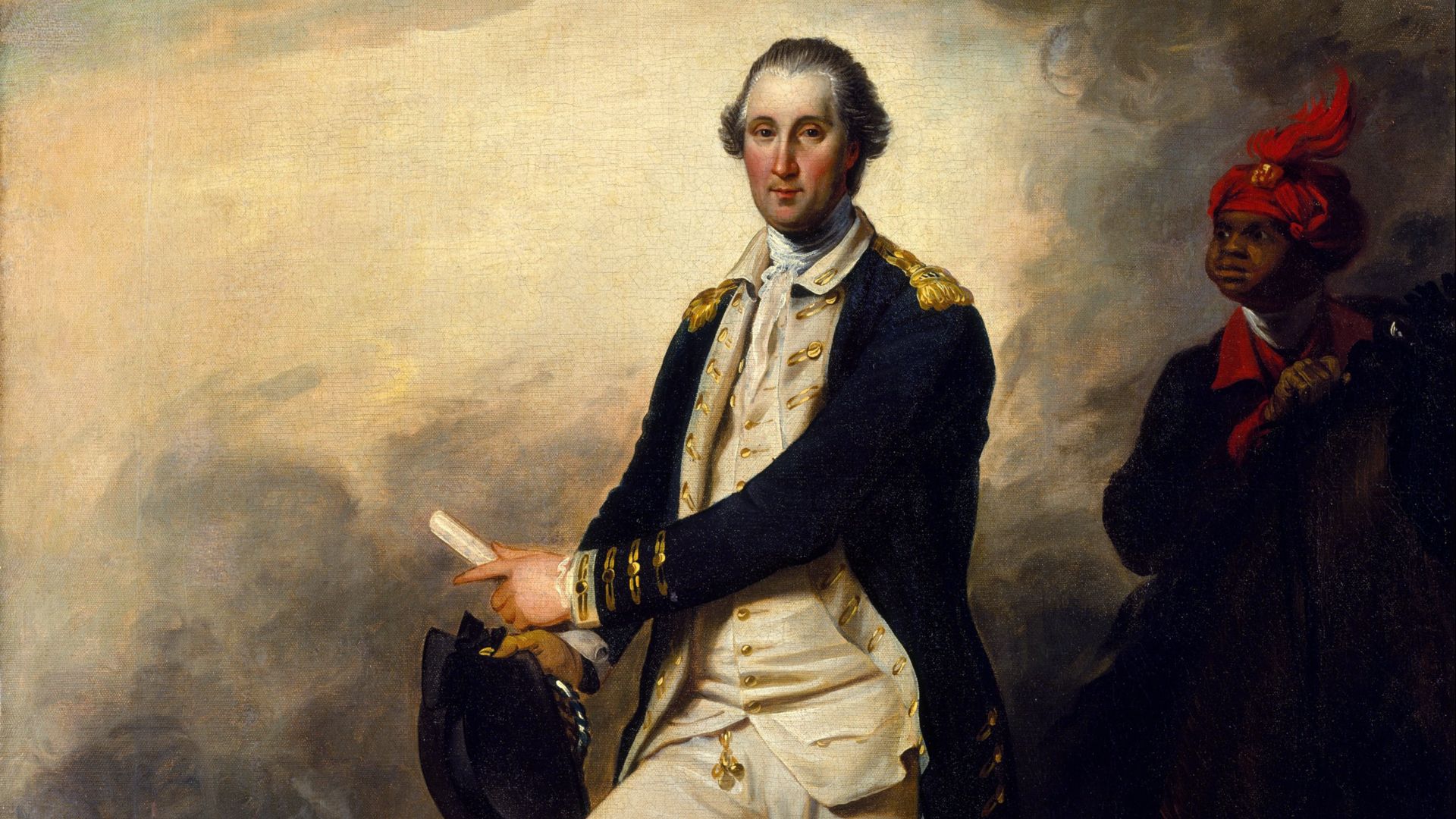
5. George Washington Addresses His Officers
During the Newburgh Conspiracy of 1783, George Washington confronted officers frustrated by unpaid wages and congressional inaction. The episode strengthened the principle that America's military would remain subordinate to elected government no matter what.
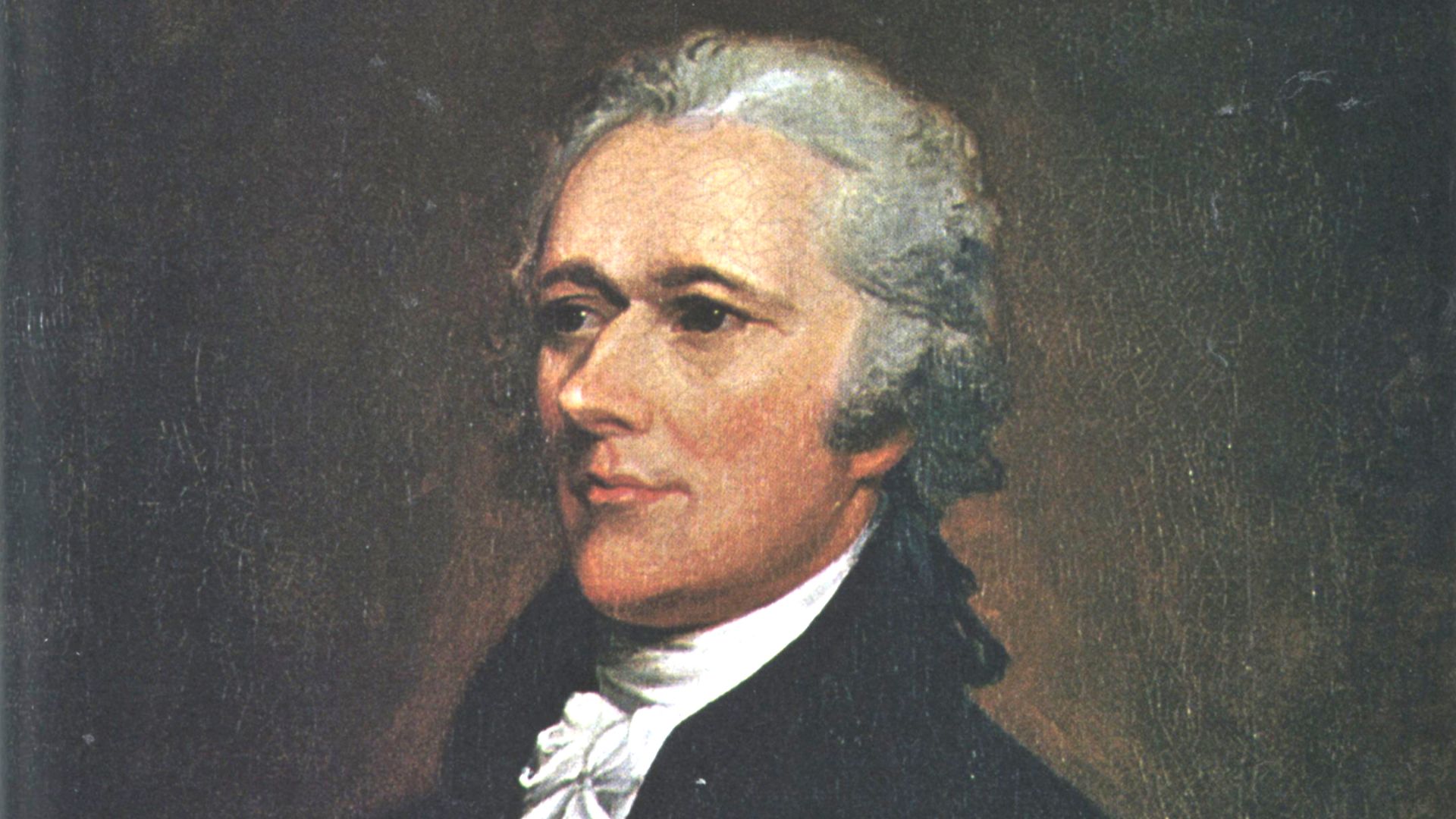
6. Alexander Hamilton Challenges Aaron Burr
The correspondence between Alexander Hamilton and Aaron Burr in 1804 turned a political grievance into a deadly personal confrontation. Their letters led directly to arrangements for the duel in which Hamilton was mortally wounded.
 Vitold Muratov- скан и дигитализация. on Wikimedia
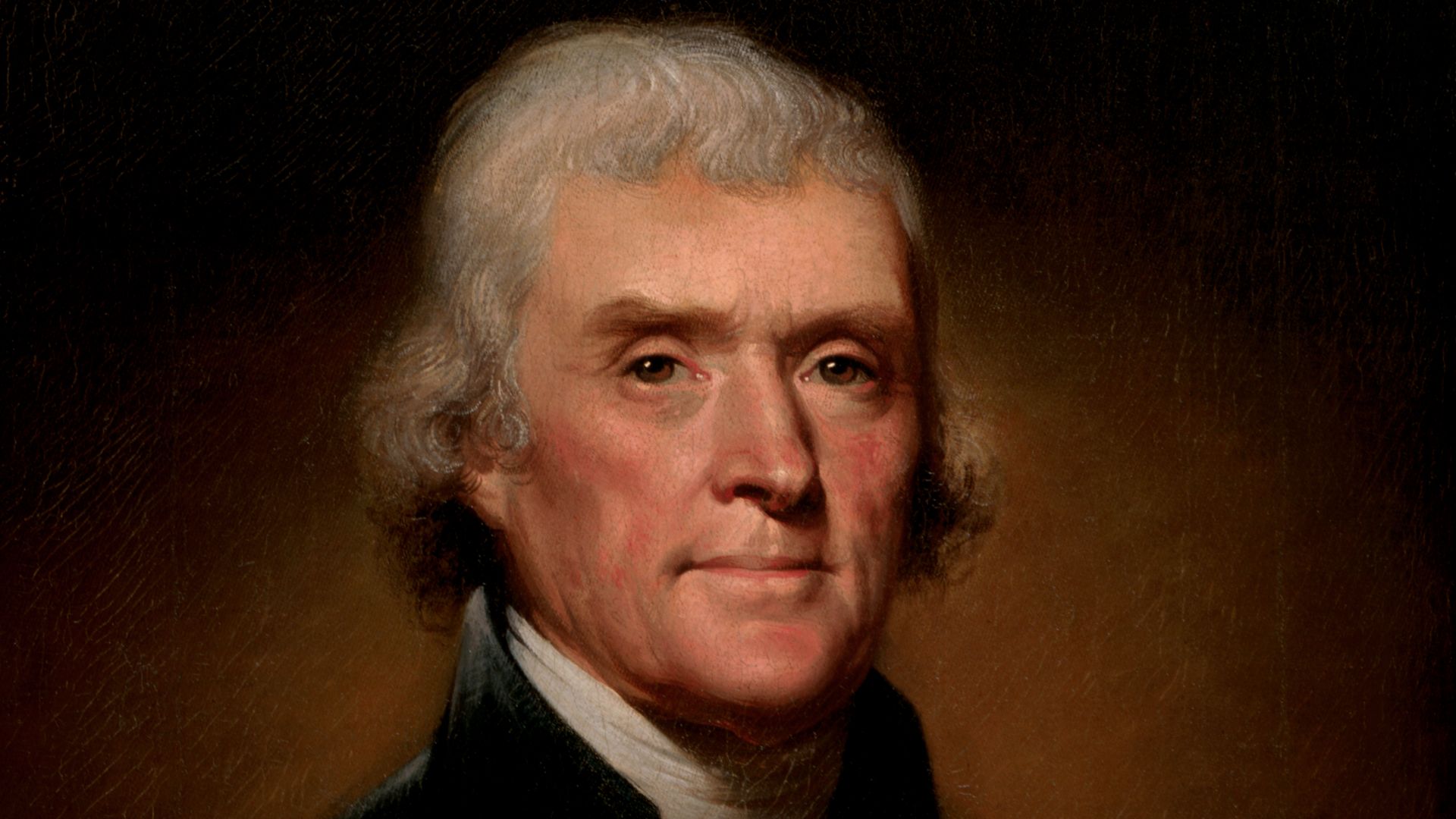
7. Thomas Jefferson Writes His Thoughts About Church And State
In 1802, President Thomas Jefferson replied to the Danbury Baptist Association, which had expressed concern about religious freedom. His letter described the First Amendment as creating a "wall of separation between Church and State." The phrase later influenced American legal and political debates over the proper relationship between government and religion.
8. Beethoven Addresses His Immortal Beloved
In July 1812, Ludwig van Beethoven wrote an intensely personal letter to an unidentified woman whom he referred to as his "Immortal Beloved." The message didn't reshape governments or anything close, but it profoundly influenced how later generations understood the private life of one of history's most important composers.
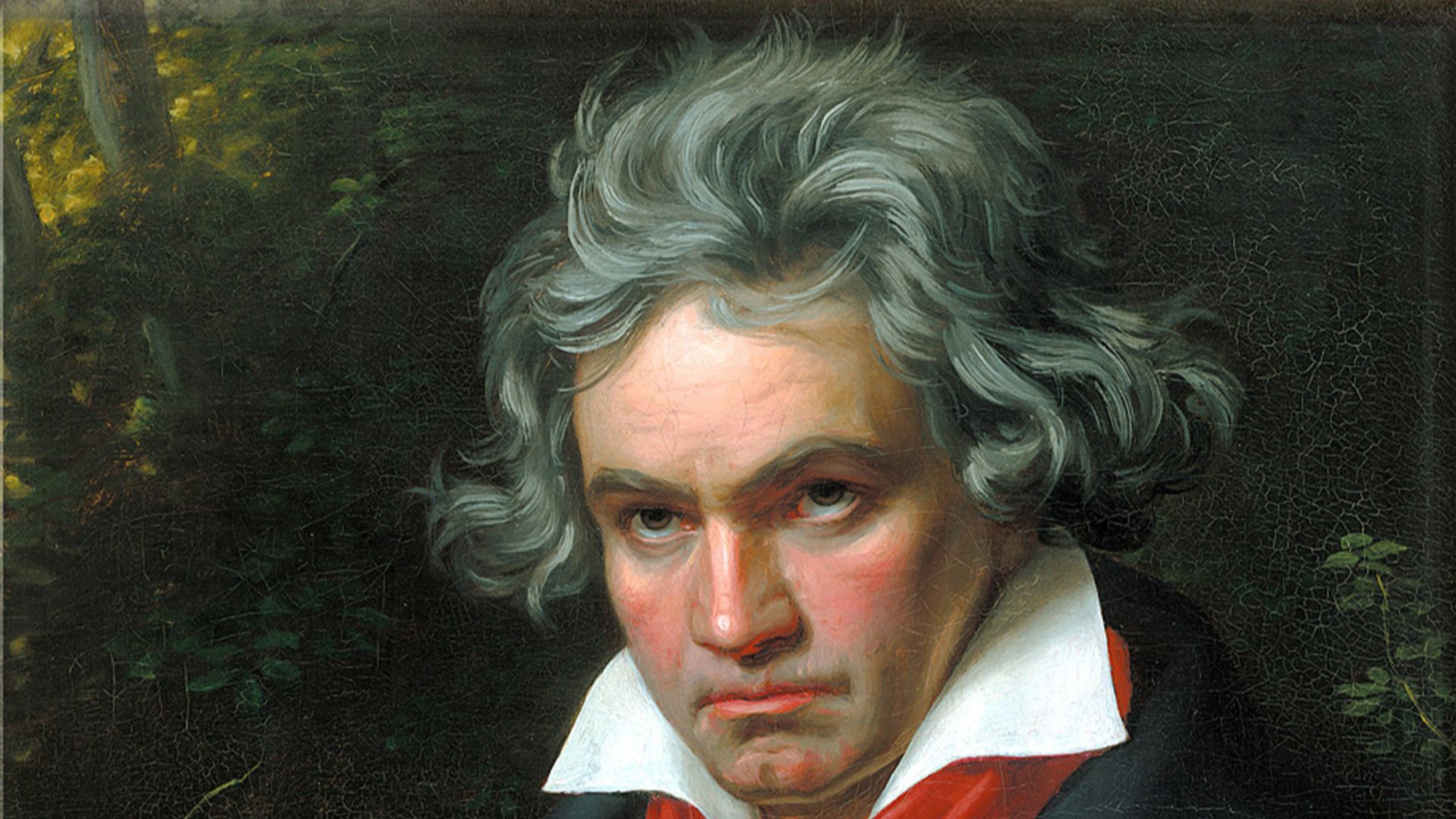 Joseph Karl Stieler on Wikimedia
9. Darwin Reveals His Revolutionary Idea
Charles Darwin privately explained aspects of his theory of evolution in correspondence years before publishing his major work that would change our perception of the world. That long exchange helped prepare the intellectual foundation for a theory that would cement his legacy.
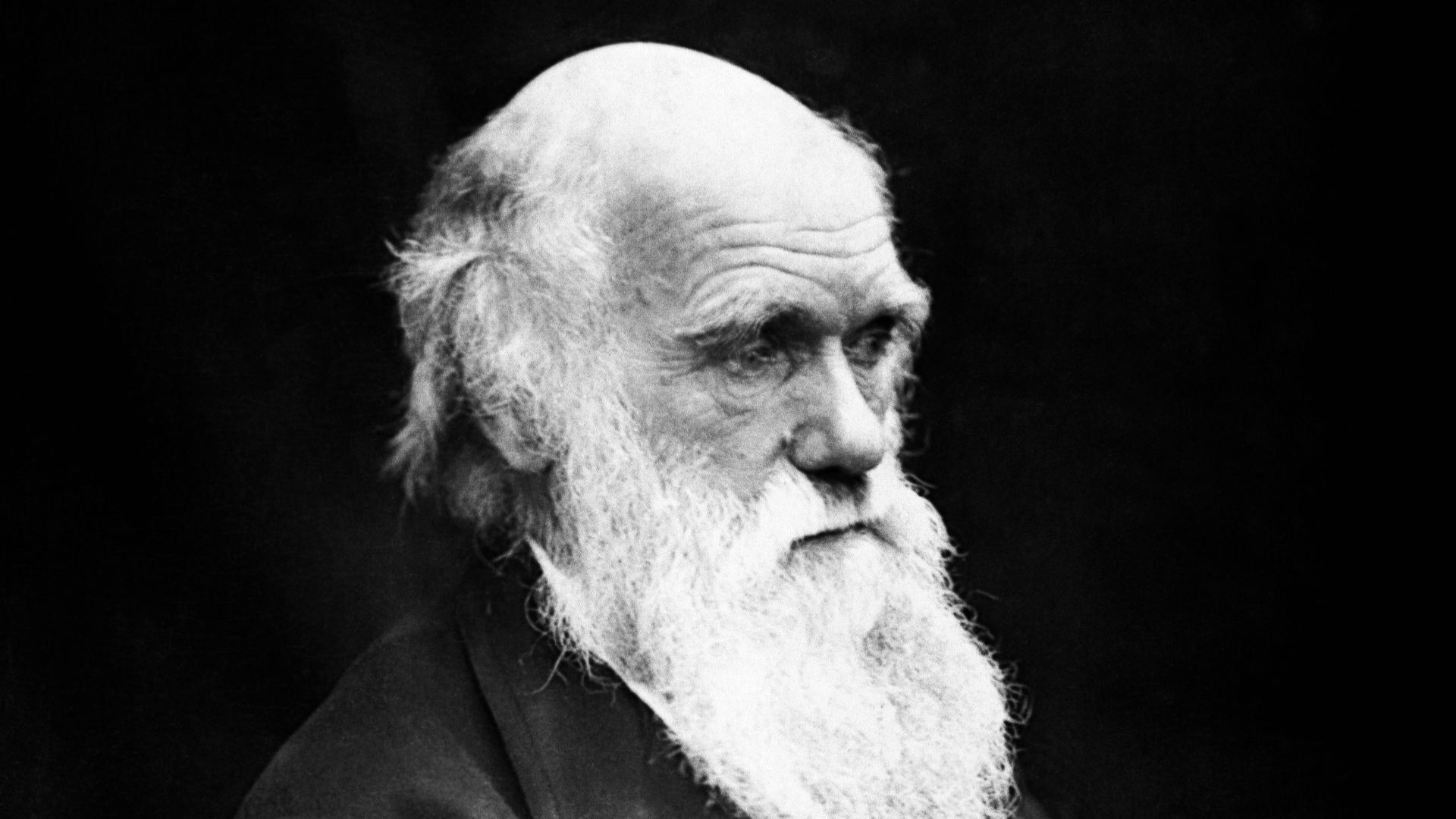 Julia Margaret Cameron on Wikimedia
10. Abraham Lincoln Writes To Horace Greeley
In August 1862, Abraham Lincoln responded publicly to newspaper editor Horace Greeley's criticism of his approach to slavery. The letter clarified his wartime priorities shortly before he issued the preliminary Emancipation Proclamation.
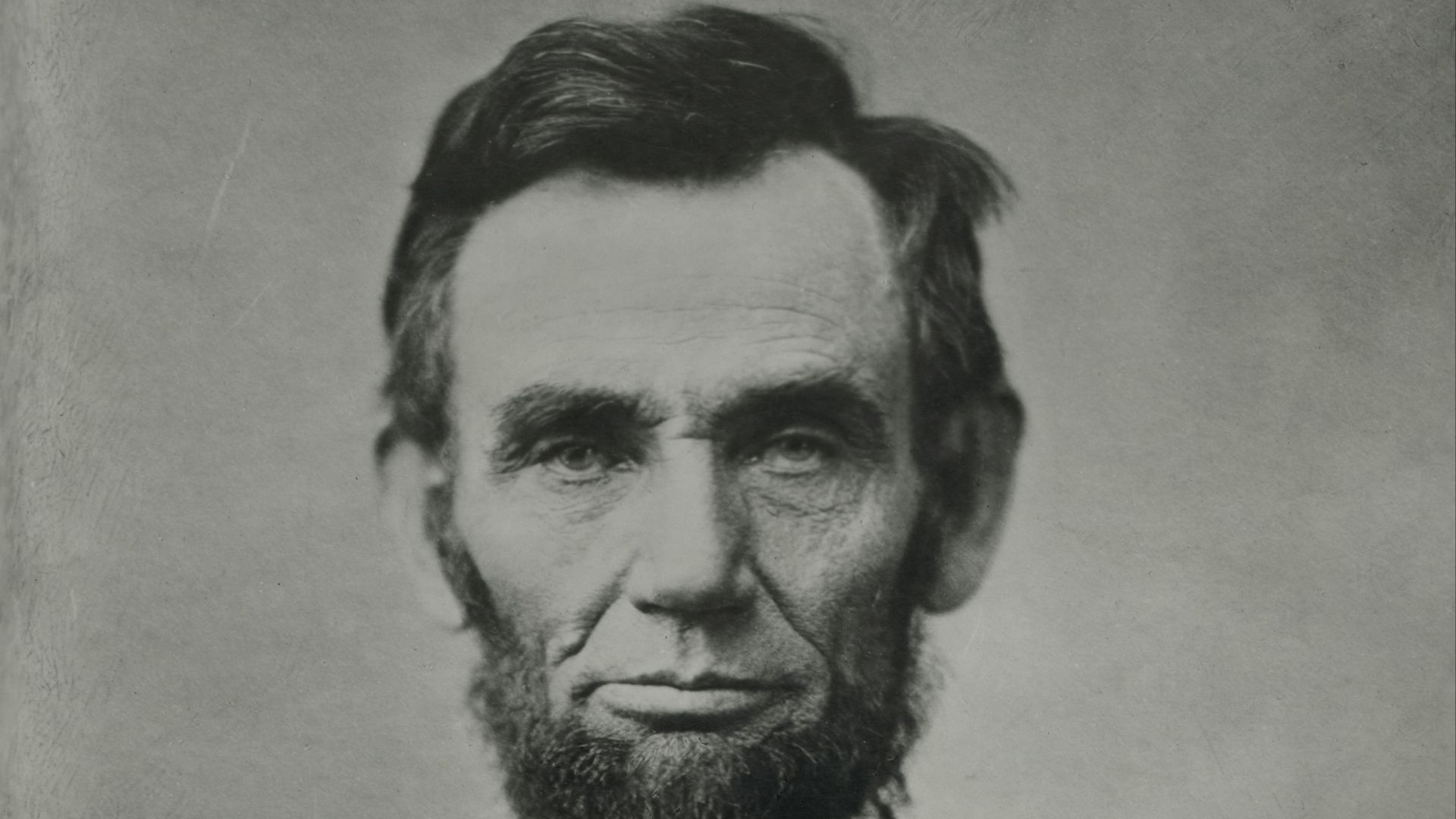 Library of Congress on Unsplash
11. Albert Einstein Writes Grave Warning to Franklin Roosevelt
In 1939, Albert Einstein signed a letter to President Franklin D. Roosevelt warning that uranium research might allow Germany to develop historically powerful bombs. Roosevelt's response encouraged greater American attention to nuclear research, eventually contributing to the program that became the Manhattan Project.
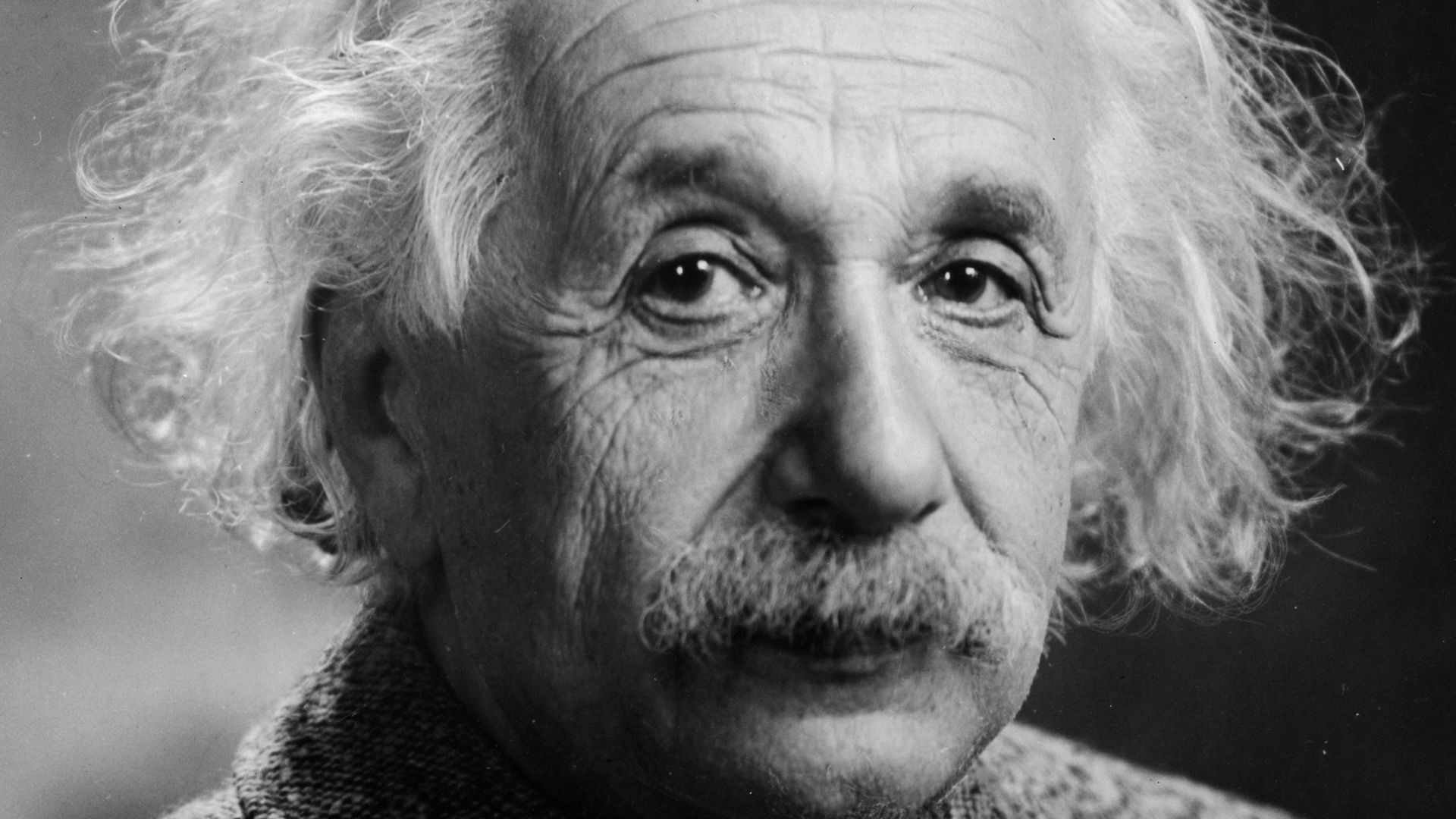
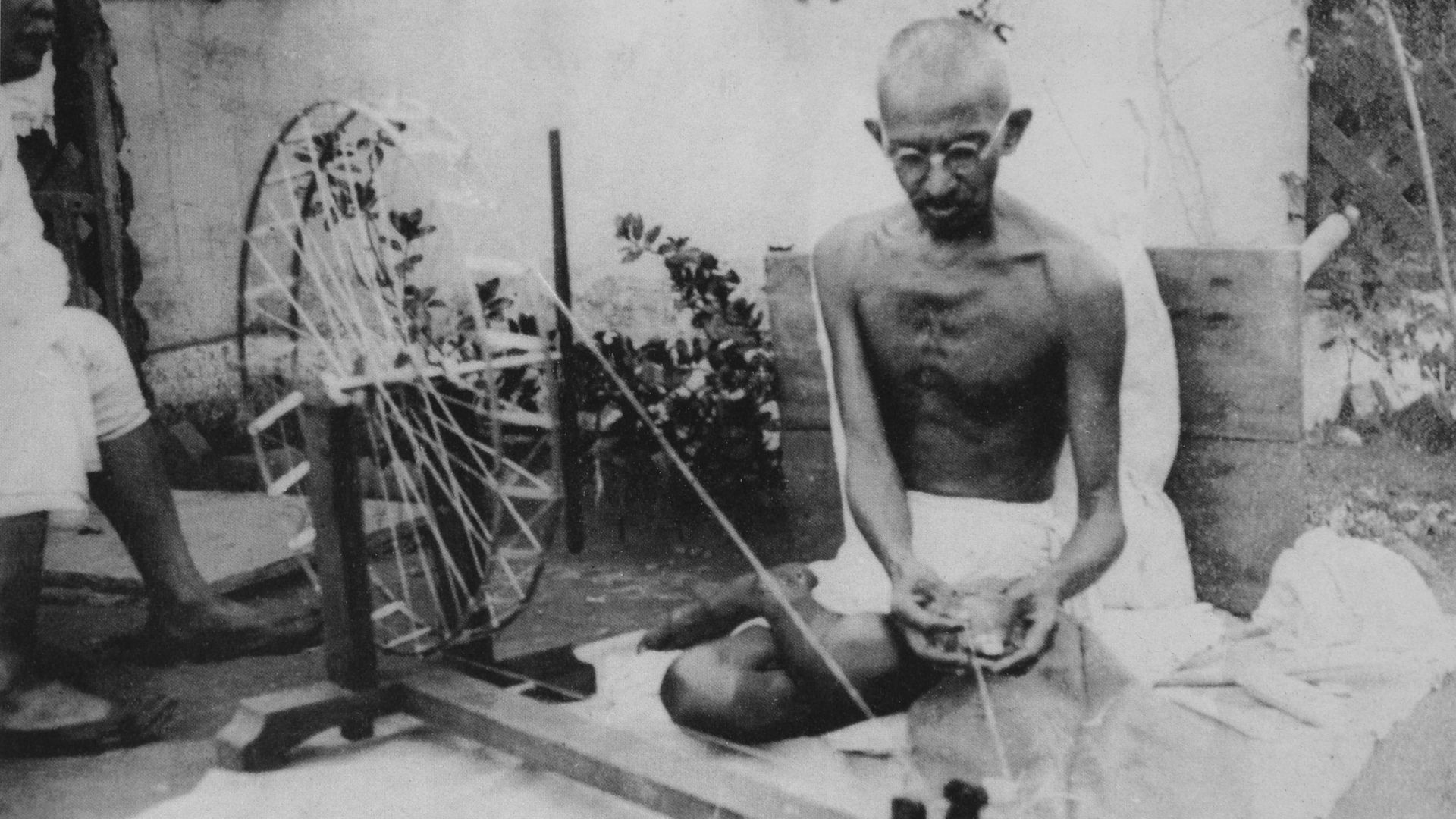
12. Gandhi Writes Directly To Hitler
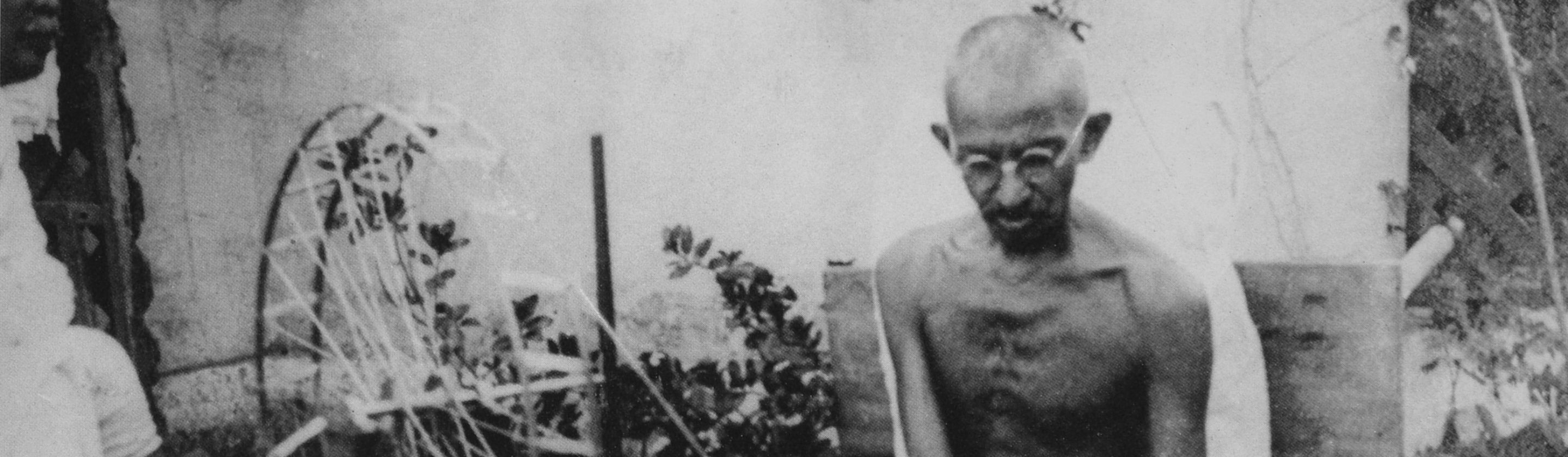
Mahatma Gandhi wrote Adolf Hitler in 1939 urging him to do everything in his power to prevent a European war, addressing him in deliberately respectful terms despite their enormous philosophical differences. A later appeal in 1940 also failed to influence events, but the correspondence remains a striking example of Gandhi attempting to exert nonviolence onto international diplomacy.
 Unknown authorUnknown author on Wikimedia
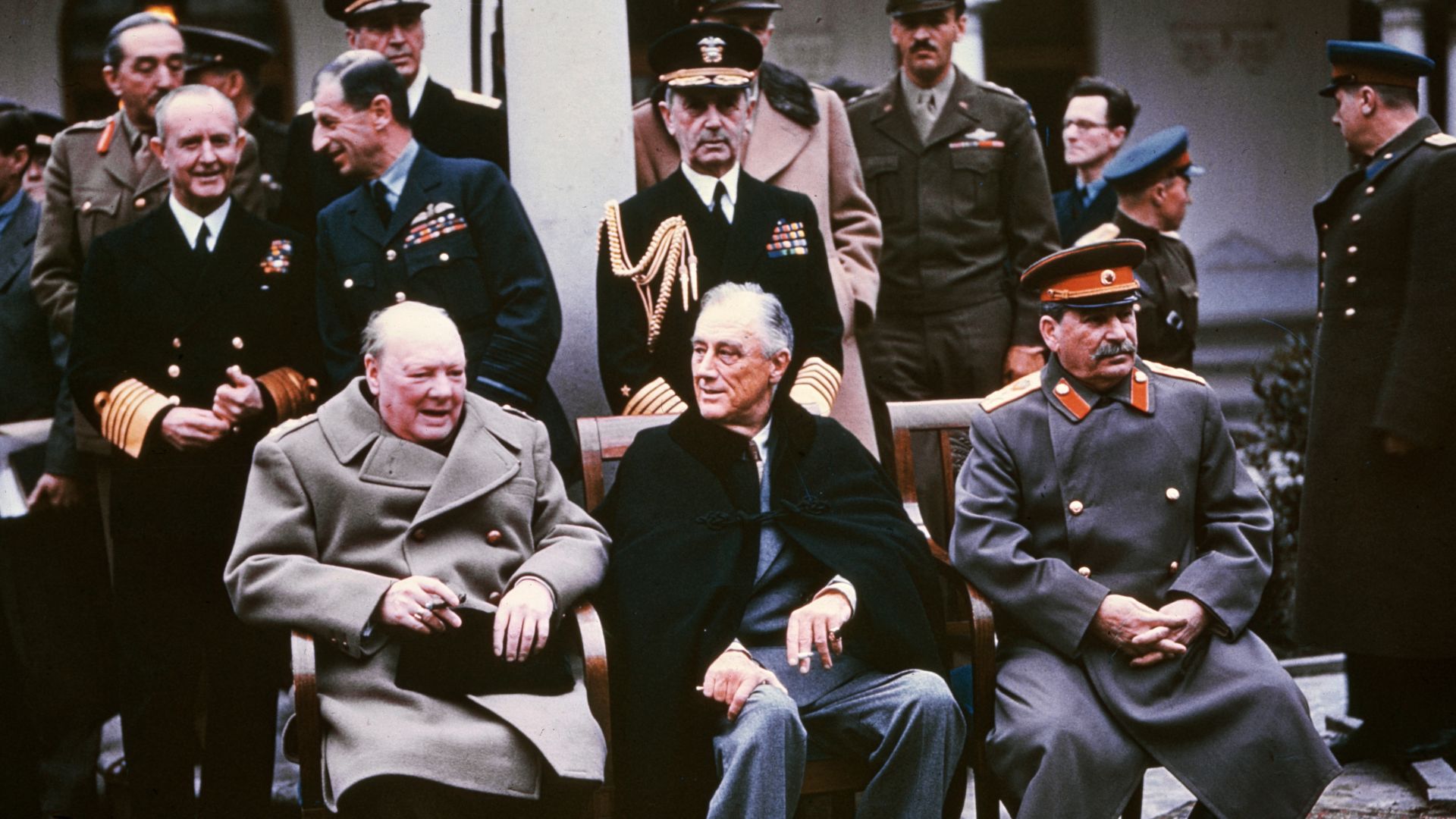
13. Roosevelt Appeals To Hirohito
On December 6, 1941, President Franklin D. Roosevelt sent Emperor Hirohito a personal message appealing for peace amid growing tensions between the United States and Japan. Unfortunately, diplomatic delays meant the message reached the emperor only shortly before the attack on Pearl Harbor. The effort failed, and the United States entered World War II the following day and changed the course of this major global event.
 Photograph from the Army Signal Corps Collection in the U.S. National Archives. on Wikimedia
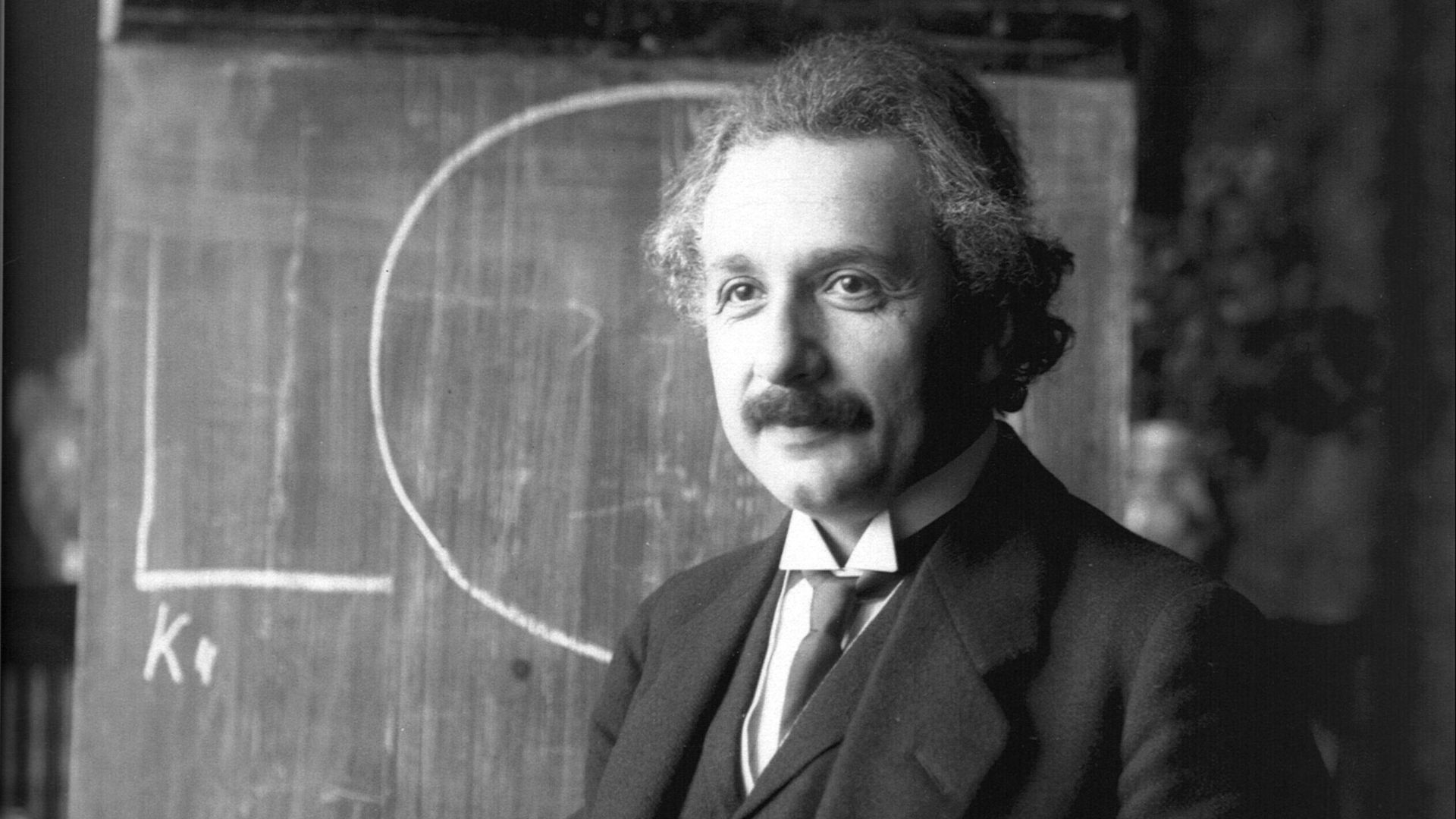
14. Einstein Laments The Nuclear Warning
After World War II, Einstein publicly reflected on his 1939 warning to Roosevelt and expressed regret about his connection to the development of nuclear weapons. They also helped turn a celebrated physicist into a prominent public voice in debates over the nuclear age.
 Ferdinand Schmutzer on Wikimedia
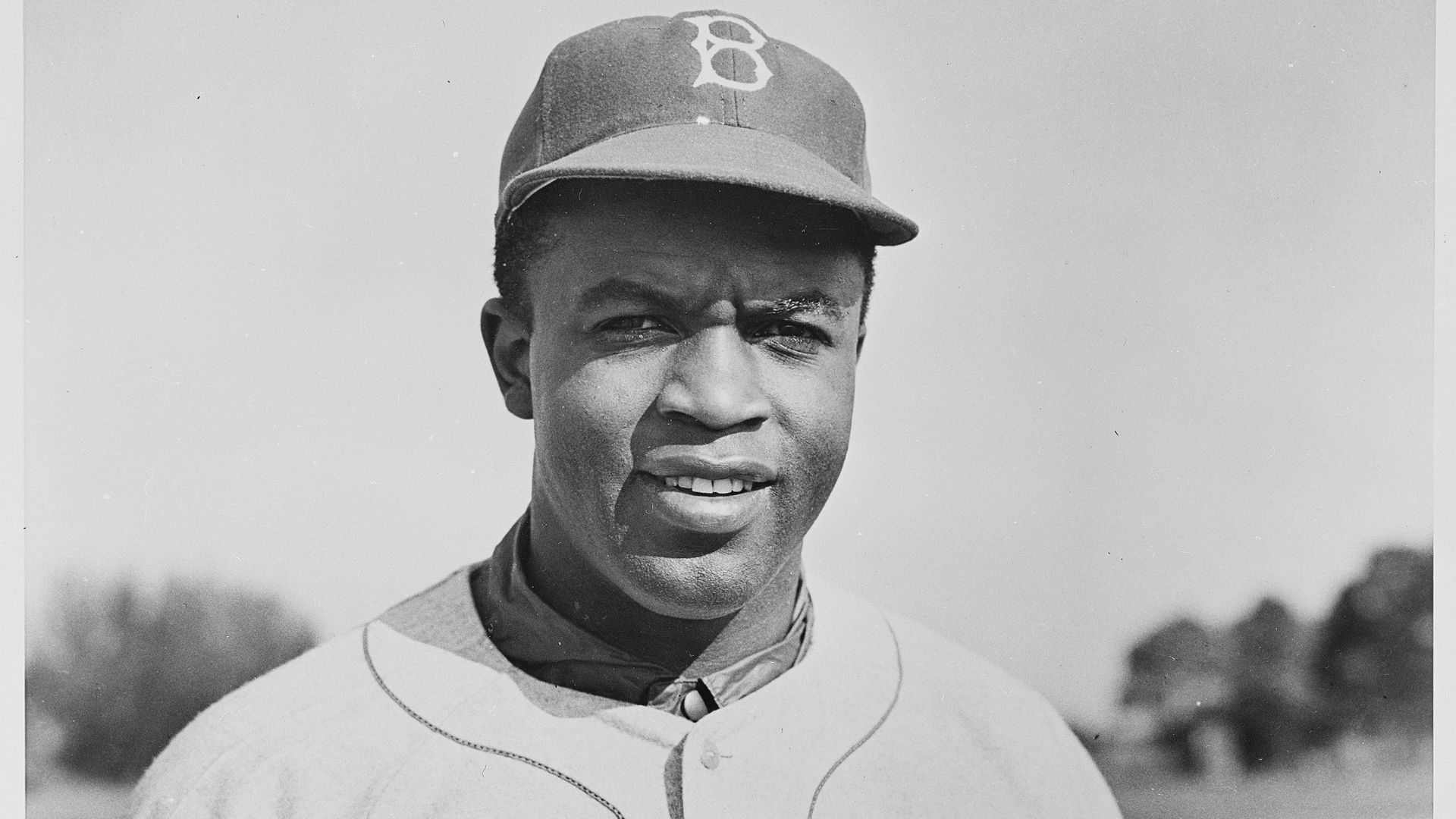
15. Jackie Robinson Pens Heartfelt Letter To Eisenhower
In 1958, Jackie Robinson wrote President Dwight D. Eisenhower urging stronger federal leadership on civil rights. Robinson criticized the idea that Black Americans should simply remain patient while equality was delayed repeatedly.
 United States Information Agency on Wikimedia
16. Martin Luther King Jr. Responds To His Critics
While jailed in Birmingham in 1963, Martin Luther King Jr. wrote a response to white Alabama clergymen who had criticized civil rights demonstrations as poorly timed. The resulting letter became one of the most influential statements of the civil rights era.
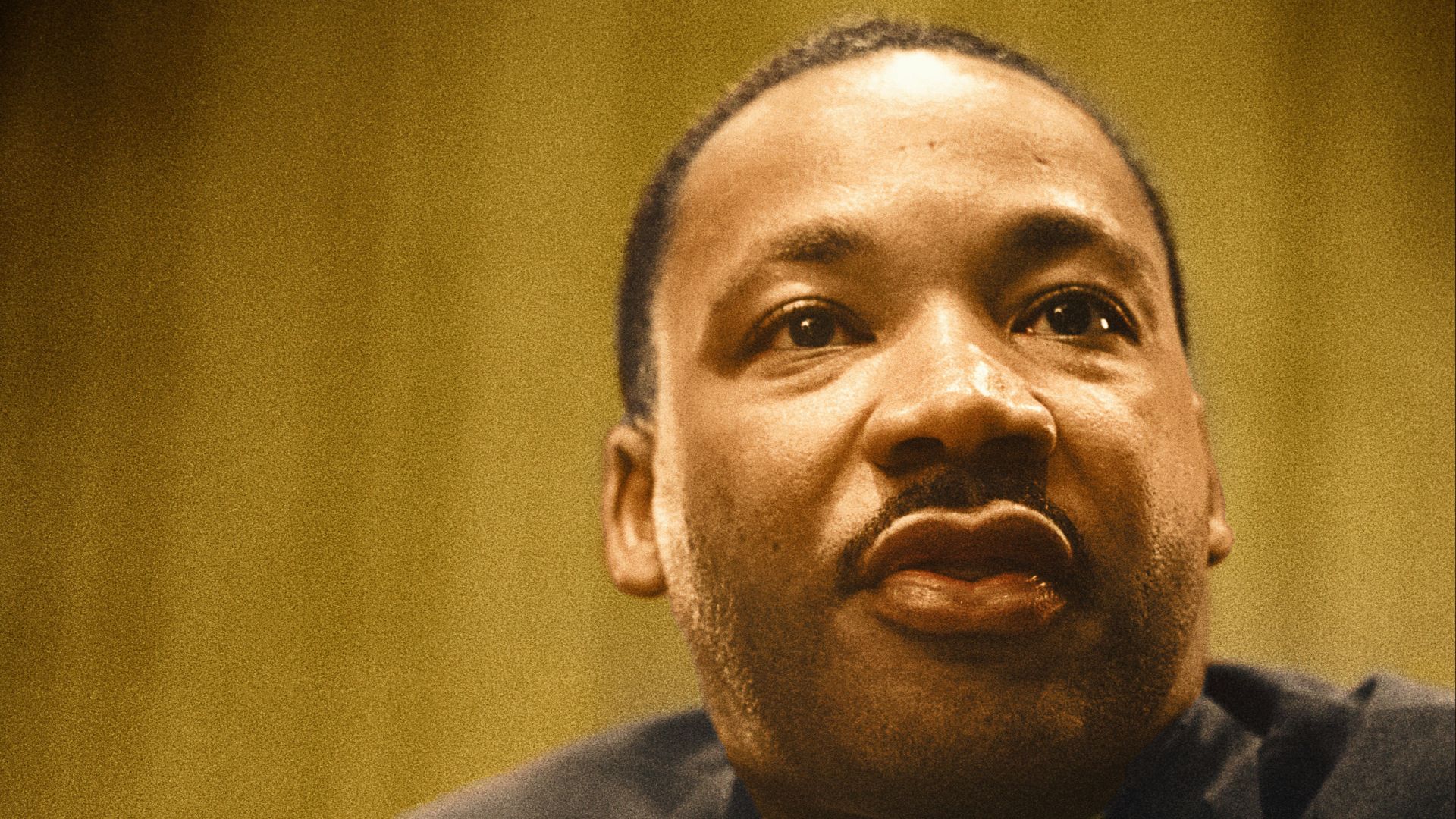
17. Khrushchev Offers Kennedy A Way Out
During the Cuban Missile Crisis in October 1962, Soviet leader Nikita Khrushchev sent President John F. Kennedy a lengthy message suggesting a possible resolution. Kennedy's administration focused heavily on this more conciliatory communication while negotiating an end to the crisis.
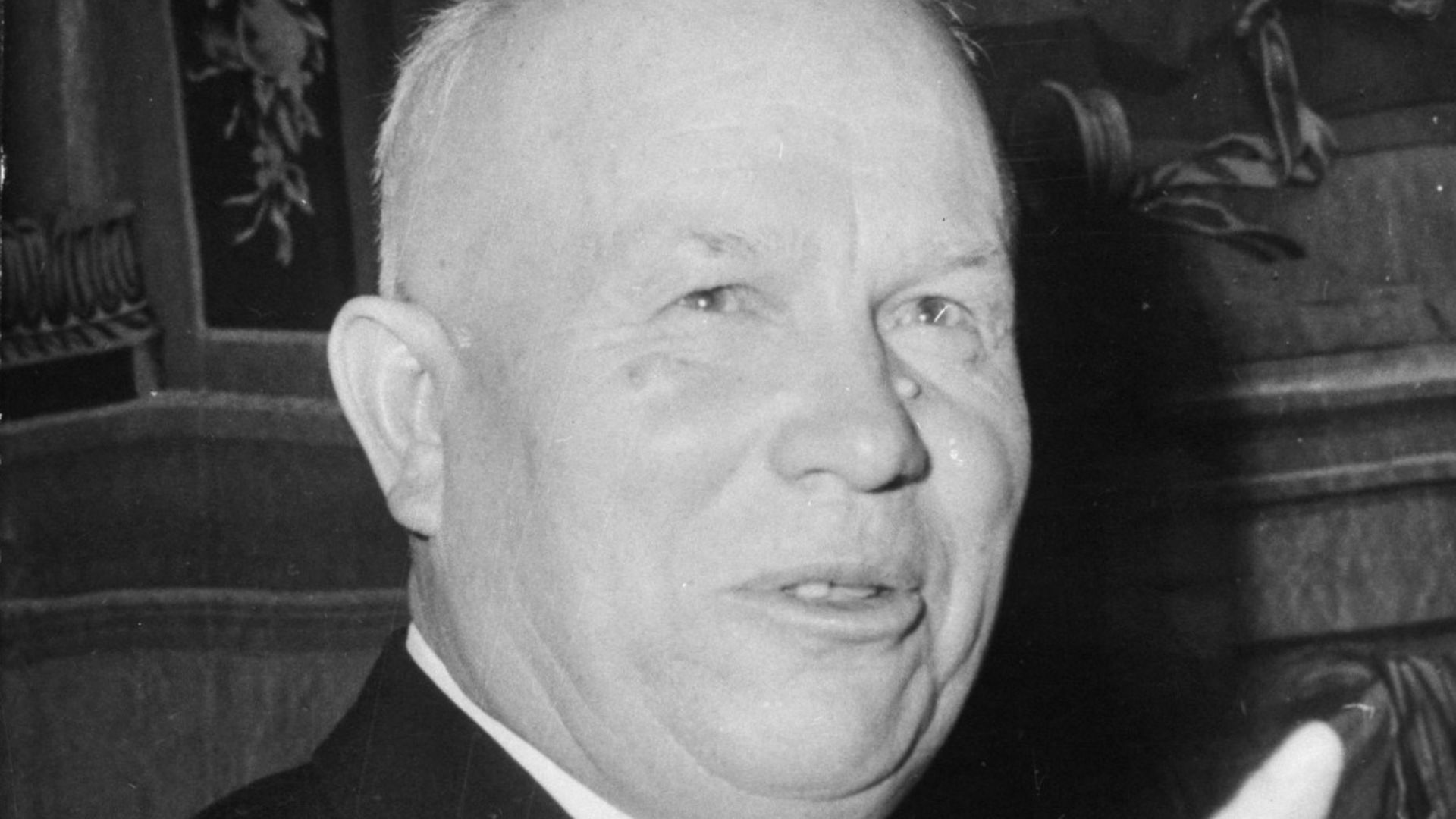 Unknown authorUnknown author on Wikimedia
18. Kennedy Replies To Khrushchev
Kennedy's reply to Khrushchev accepted the central framework of the Soviet leader's earlier proposal while carefully avoiding a more demanding subsequent message. Private assurances involving American missiles in Turkey also formed part of the broader settlement that ended the confrontation.
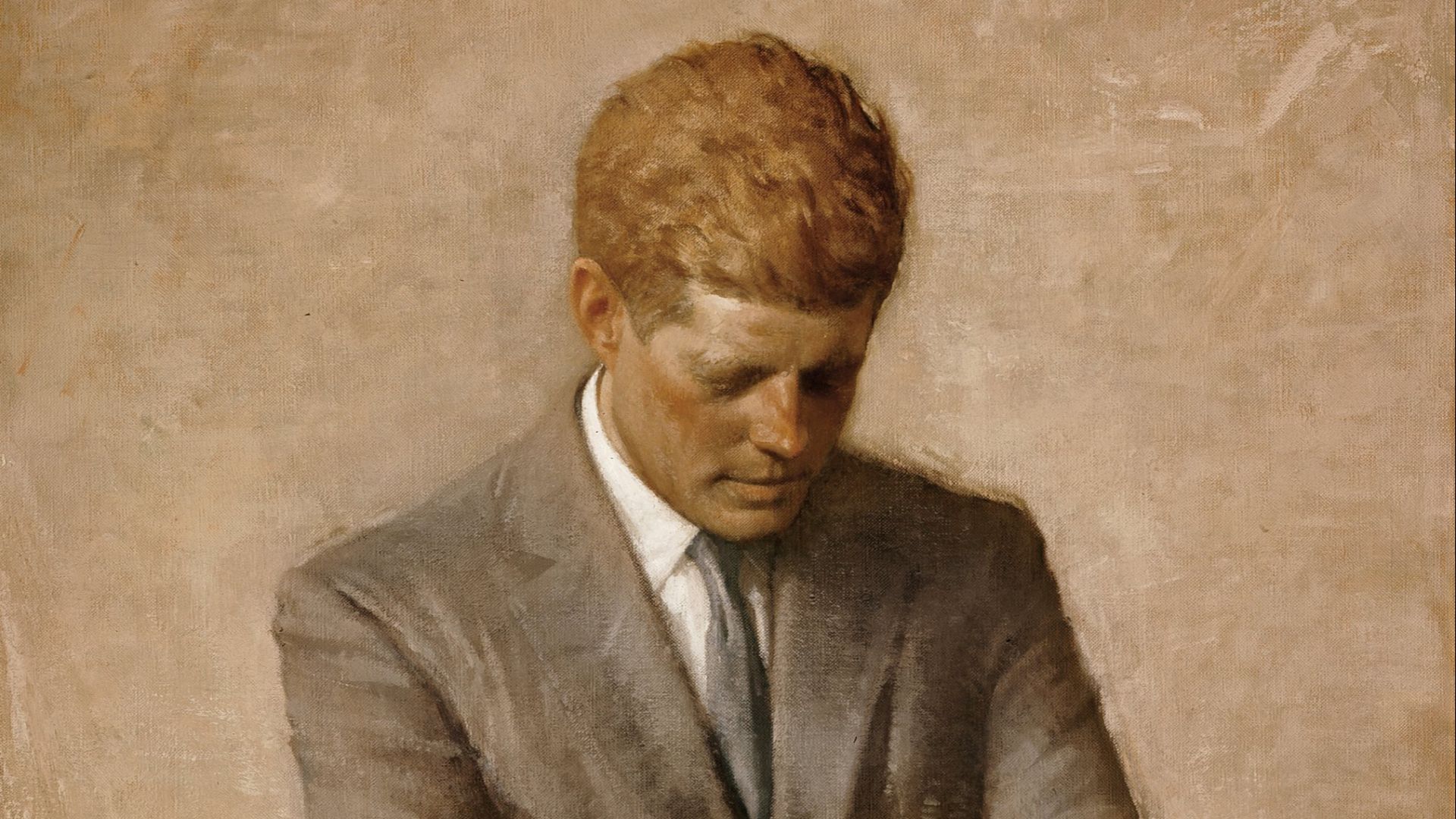
19. Nelson Mandela Rejects Conditional Freedom
In 1985, Nelson Mandela communicated his rejection of South African President P.W. Botha's offer to release him if he renounced political violence. His daughter Zindzi publicly read his response at a rally in Soweto. Mandela's refusal strengthened his symbolic position within the anti-apartheid movement.
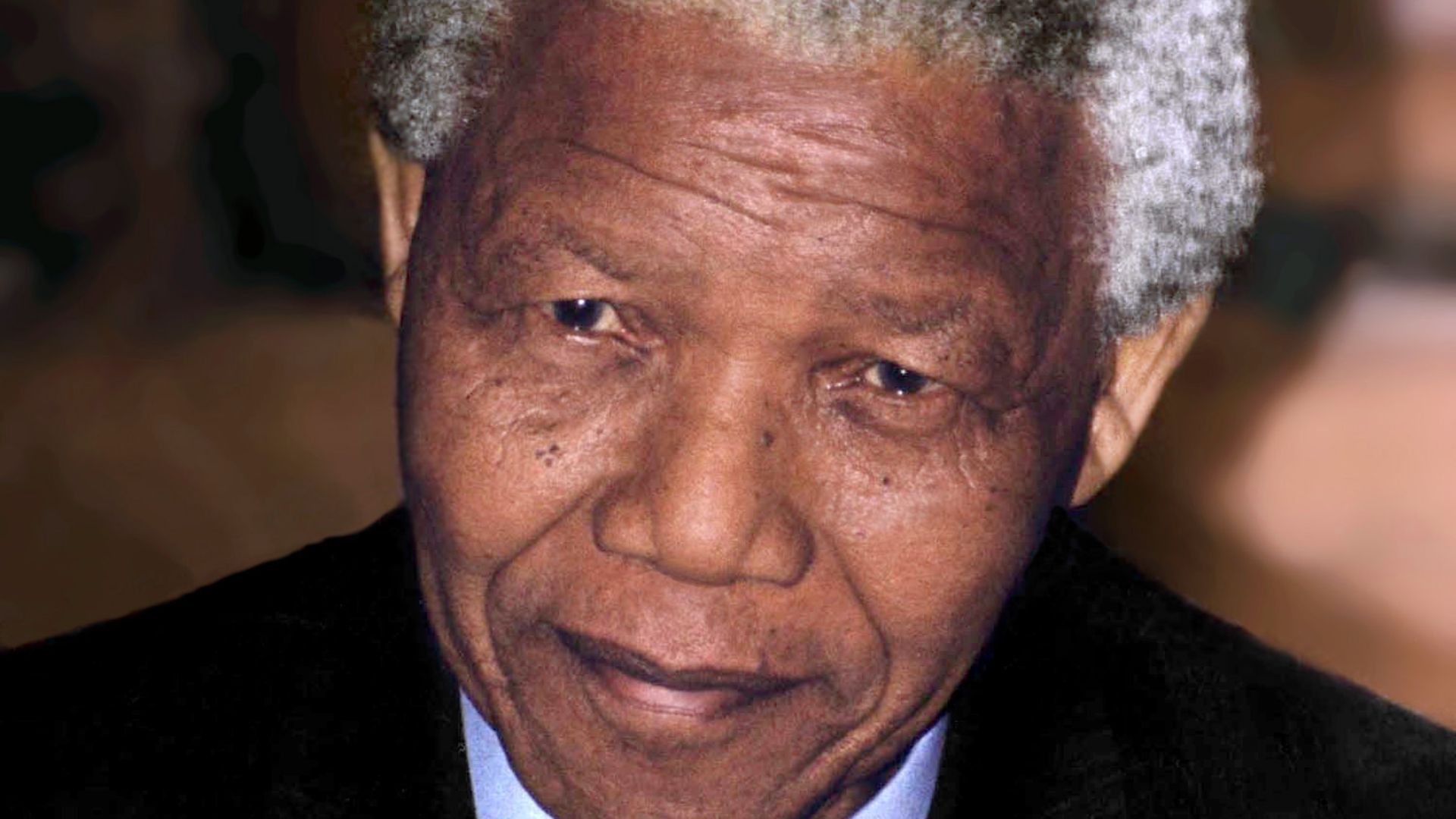 Kingkongphoto & www.celebrity-photos.com from Laurel on Wikimedia
20. Reagan Writes To Gorbachev
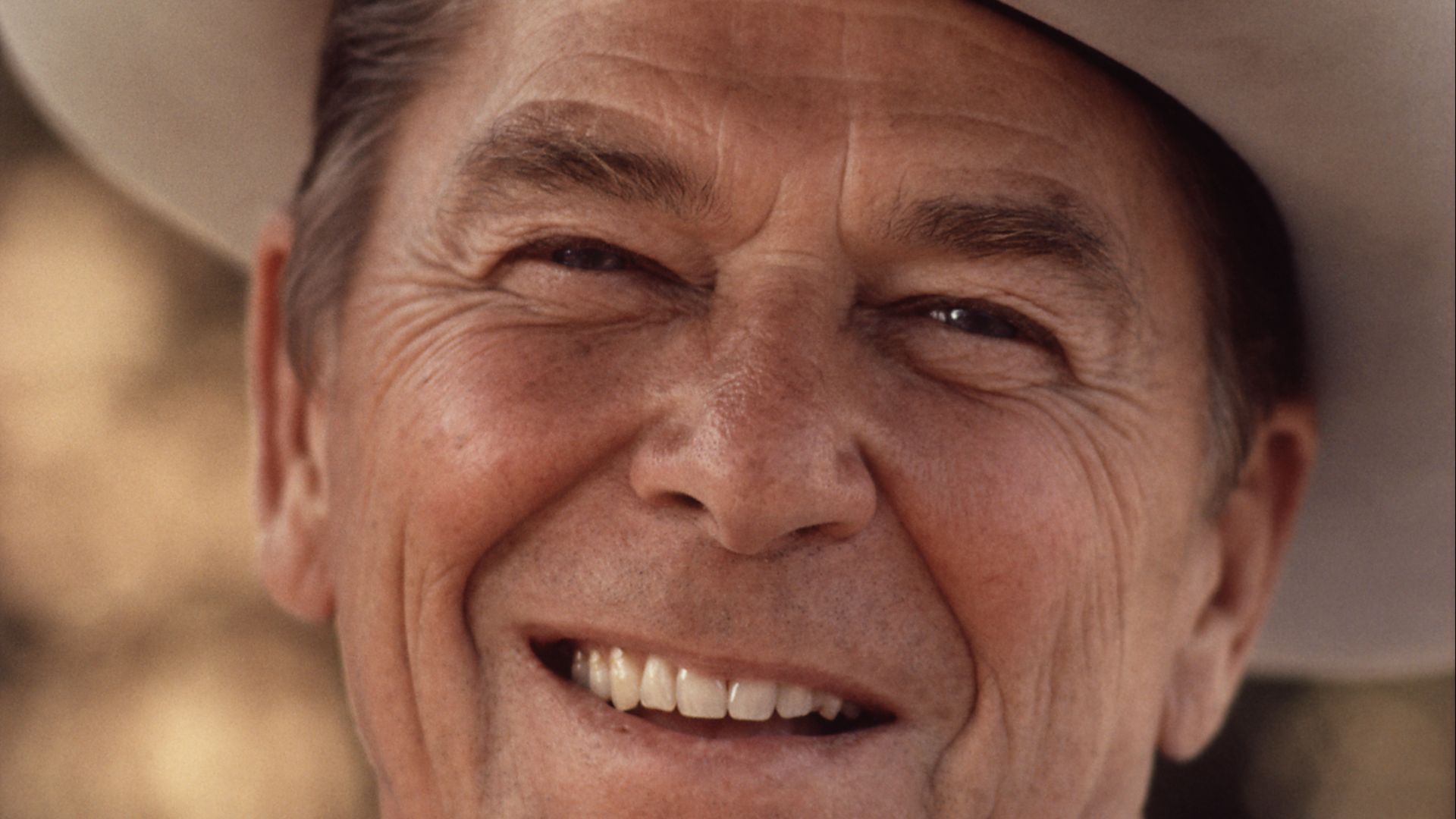
Ronald Reagan and Mikhail Gorbachev exchanged extensive personal correspondence during the final years of the Cold War. That continuing communication supported the relationship that produced major arms-control negotiations and contributed to the easing of U.S.-Soviet tensions.
KEEP ON READING