Crowns Come With Fine Print
Every monarchy in history built its own maze of rules, and the people wearing the crown were often just as bound by them as anyone else. Some of these customs cost a ruler their privacy, some cost them a choice in who to marry, and a few cost considerably more than that. A throne looked like total freedom from the outside, but plenty of monarchs spent their whole reign performing rituals they never got to skip. Here's 20 rules that real monarchs were personally required to live by.
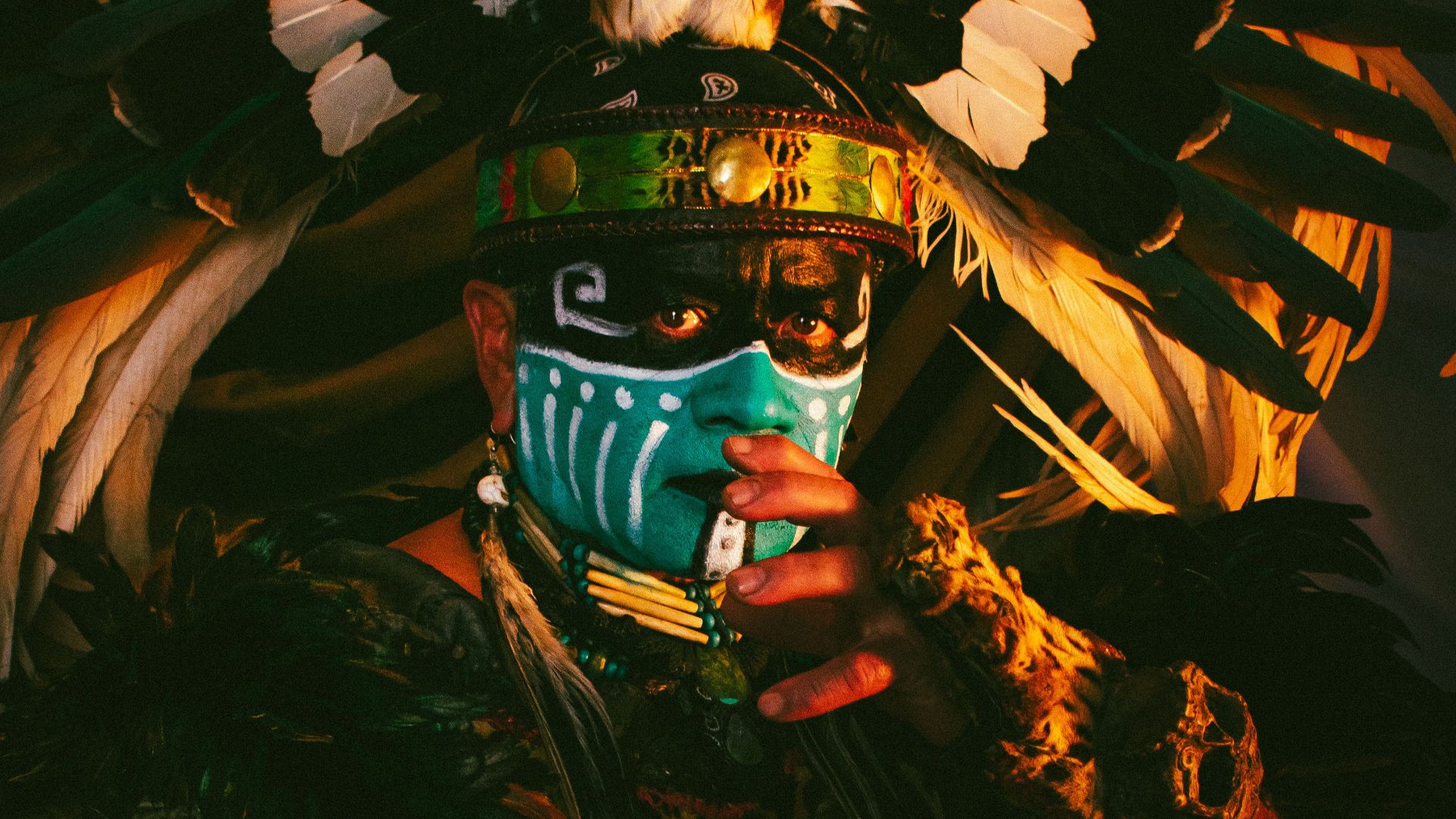
1. Louis XV Inherited a Ritual He Never Chose
The daily lever and public supper that Louis XIV designed to control his nobles didn't disappear when he died, they simply passed to his great-grandson. Louis XV reportedly found the constant audience exhausting and had no say in the matter, since skipping the ritual his predecessor built would have looked like political weakness.
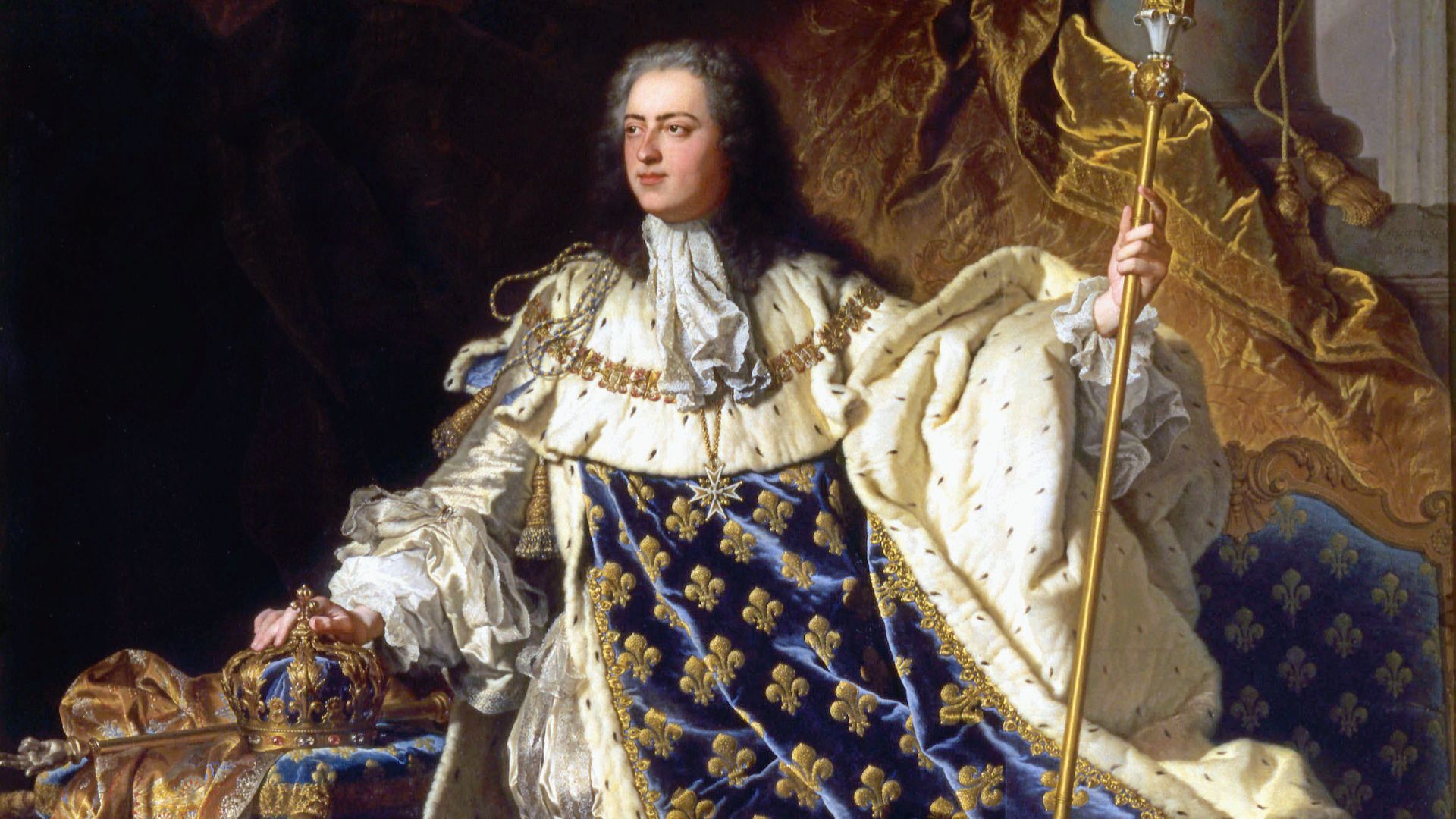
2. Ottoman Sultans Were Obligated to Kill Their Own Brothers
Under a law credited to Mehmed II in the 15th century, a new sultan wasn't just permitted but expected to execute his brothers immediately upon taking the throne. When Mehmed III inherited the position in 1595, custom required him to have nineteen brothers and half-brothers strangled in a single night.
 Unknown authorUnknown author on Wikimedia
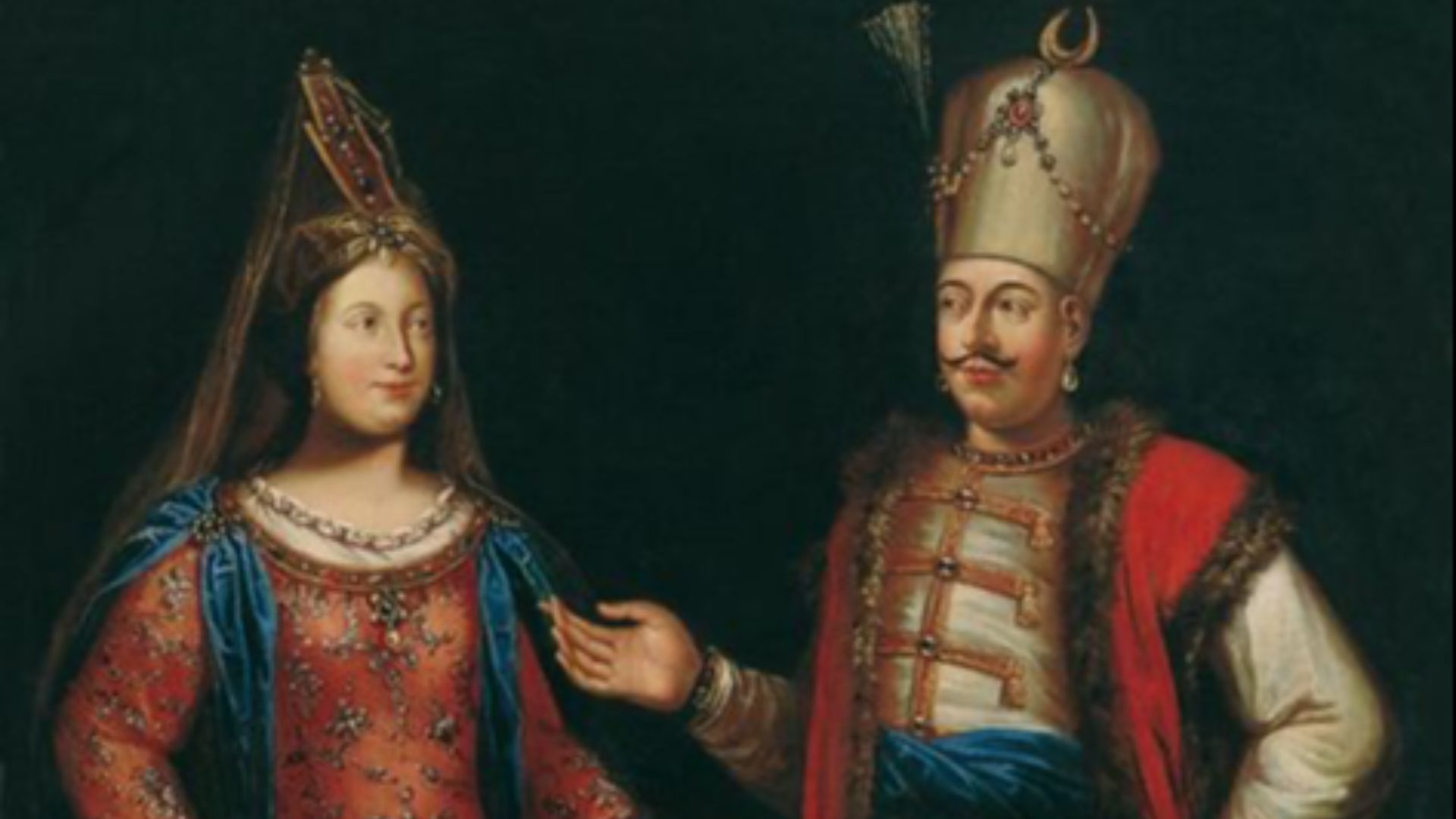
3. Henry VIII Was Never Alone, Even in the Bathroom
The Groom of the Stool accompanied Henry VIII for even his most private bodily functions, a custom the king had no say in changing. It meant one of the most powerful men in England still couldn't use the toilet without a witness present.
 Unknown authorUnknown author on Wikimedia
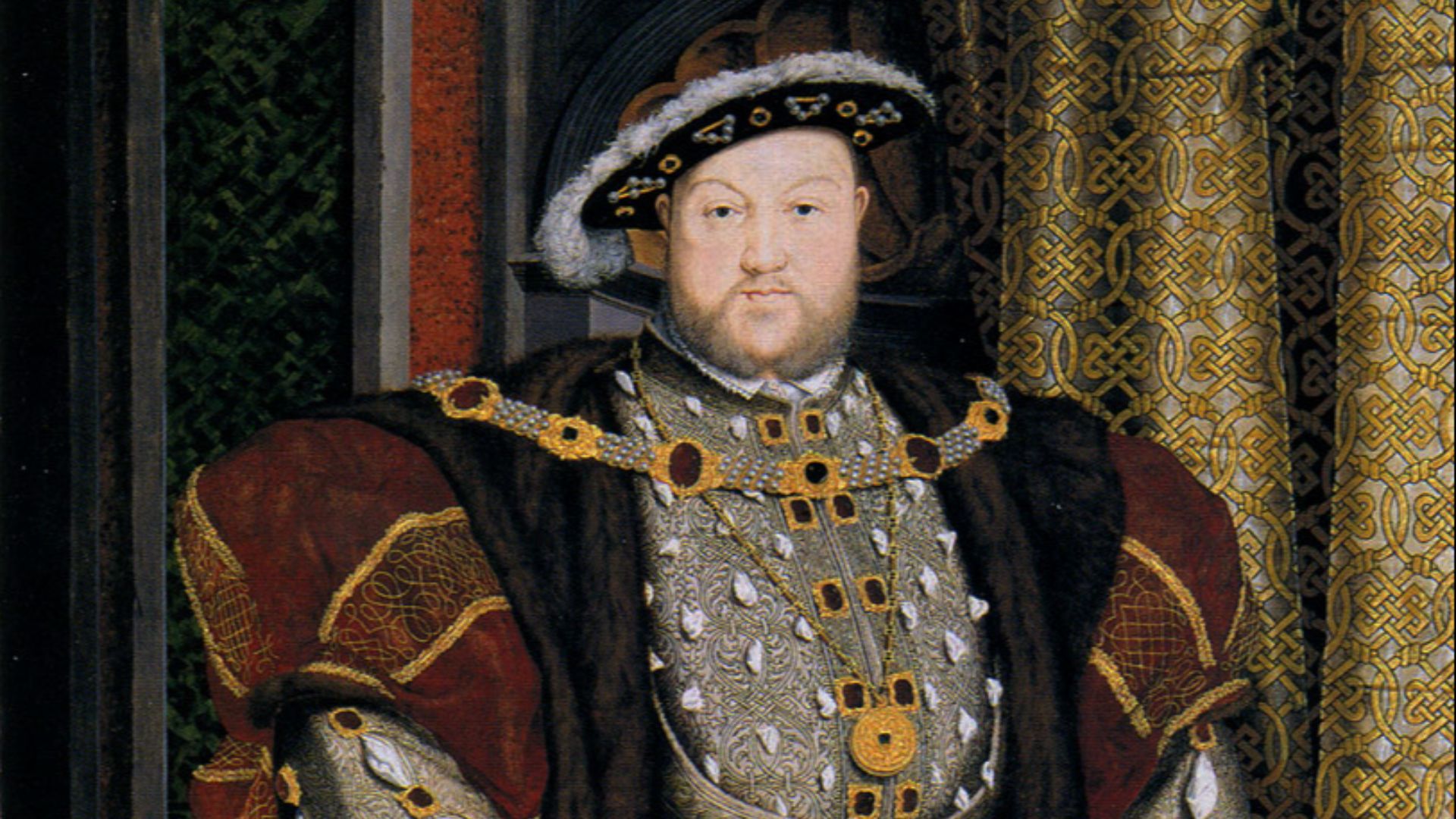
4. Elizabeth I Couldn't Marry Who She Wanted
As queen, Elizabeth I spent decades fielding marriage proposals from across Europe, unable to accept any without triggering a political crisis somewhere. She eventually gave up on marrying at all and described herself as wedded to England instead.
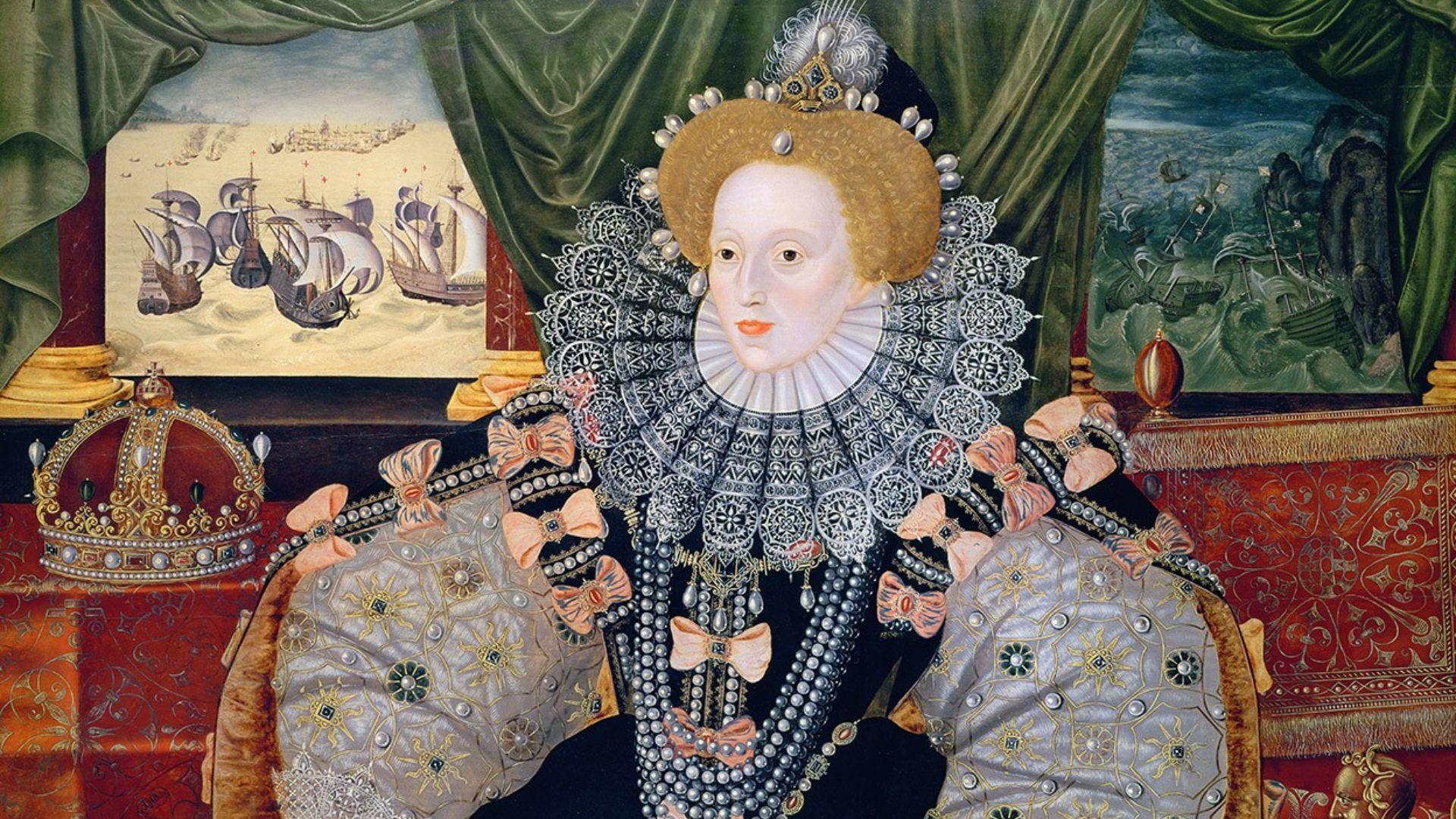 Formerly attributed to George Gower on Wikimedia
5. Chinese Emperors Had to Kneel Before Heaven
Despite ruling as the supreme authority on earth, the emperor was still required to perform three prostrations and nine kowtows at Beijing's Temple of Heaven during the annual sacrifice. The Qianlong Emperor, like every ruler before him, had to physically touch his head to the ground on command.
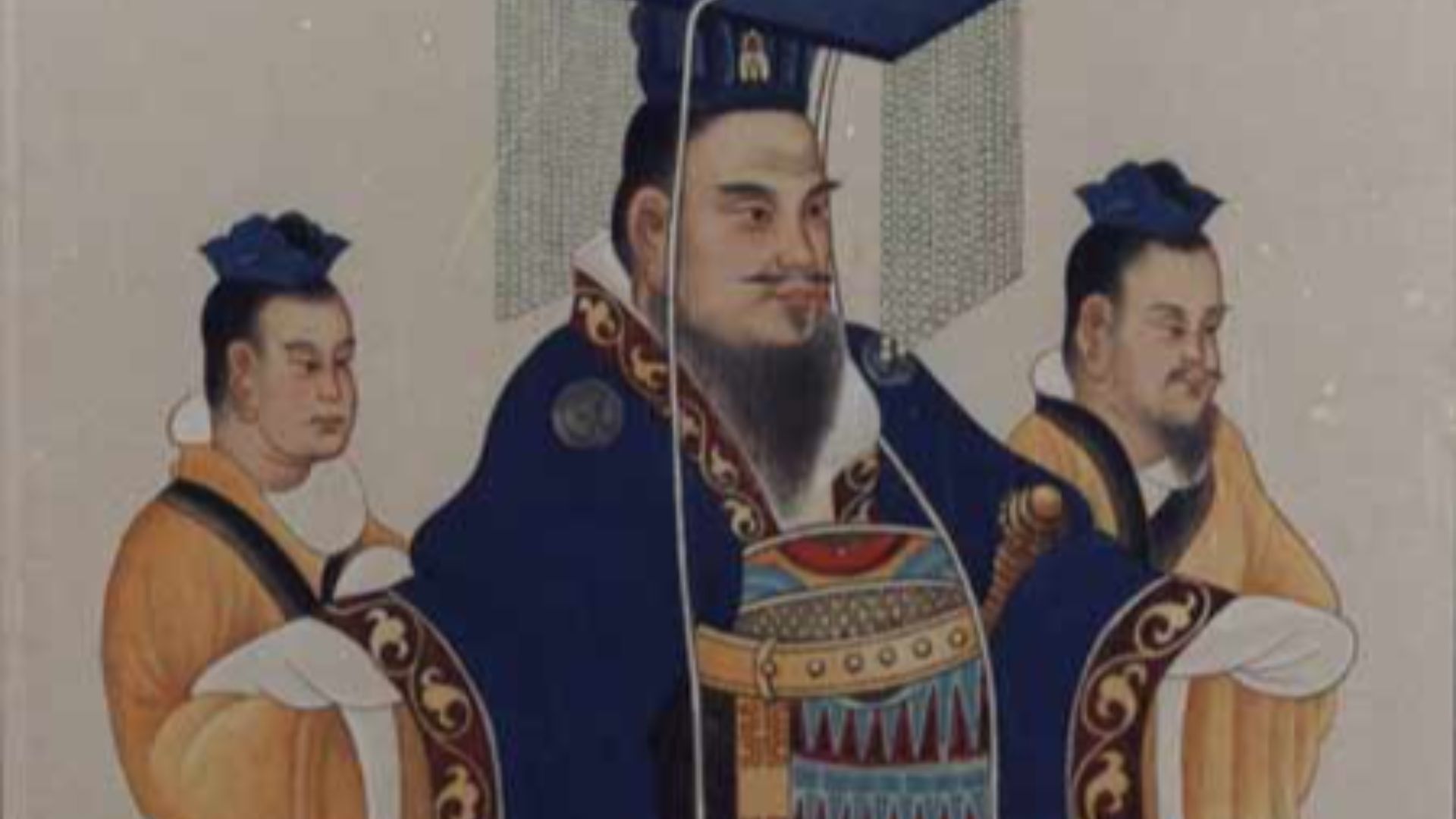 Unknown authorUnknown author on Wikimedia
6. Napoleon Had to Divorce for an Heir
Once Napoleon Bonaparte became emperor, producing a male heir stopped being optional and became a matter of state survival. Despite years of genuine attachment to Josephine, dynastic pressure eventually forced him to divorce her and marry Marie Louise of Austria instead.
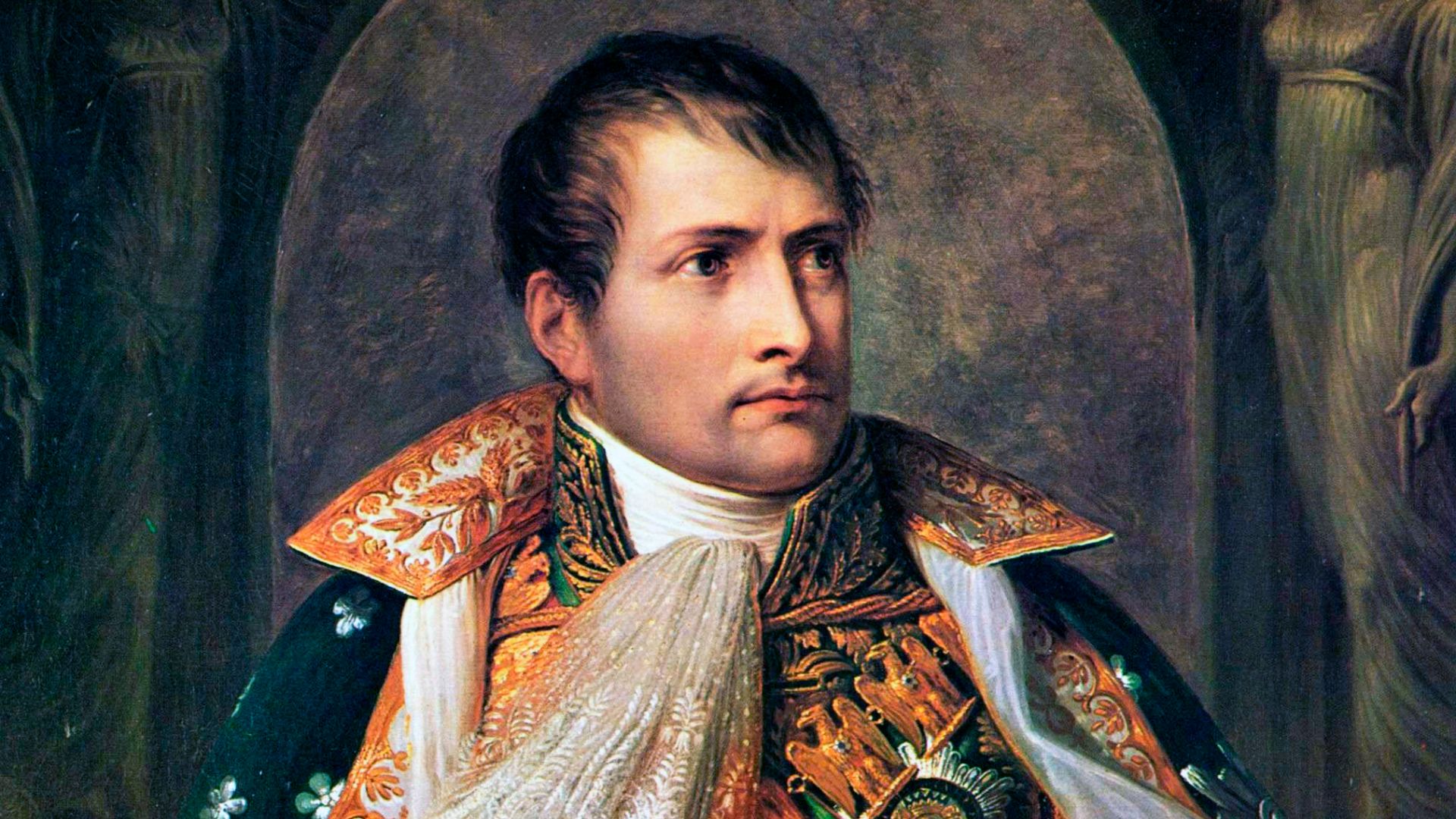
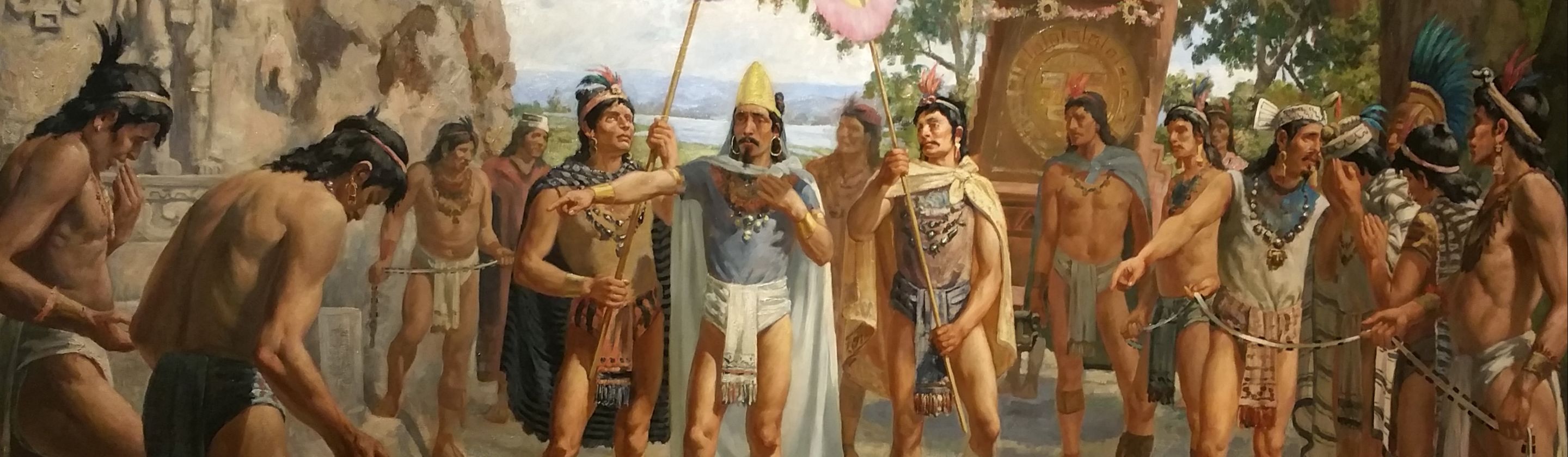
7. Moctezuma II Couldn't Repeat an Outfit or Eat in View of Anyone
As ruler of the Aztec Empire, Moctezuma II reportedly changed clothes multiple times a day and was expected to never wear the same garment twice. He also had to eat every meal hidden behind a screen, since being seen eating was considered beneath his position.
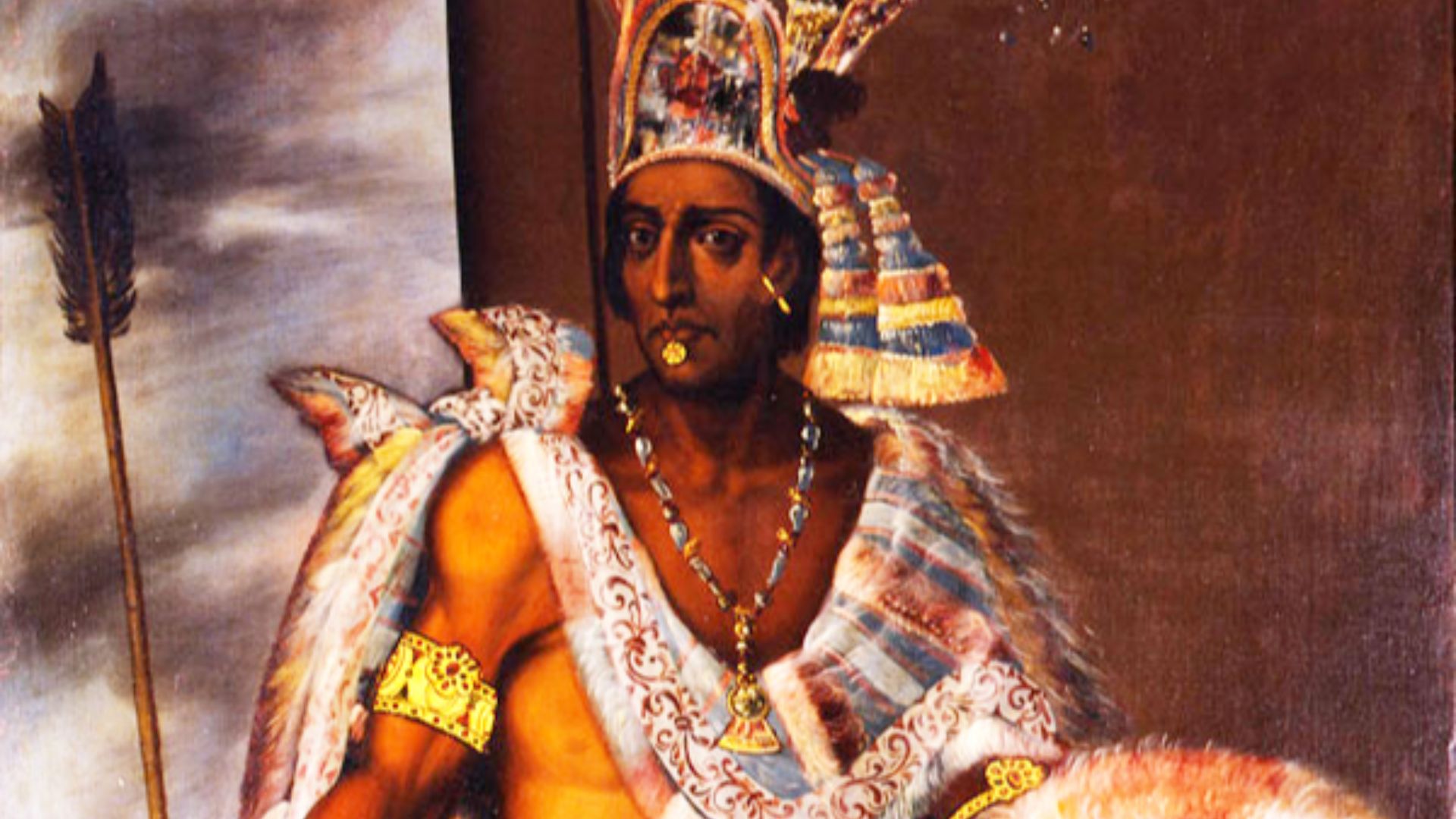 attributed to Antonio Rodriguez (1636-1691) on Wikimedia
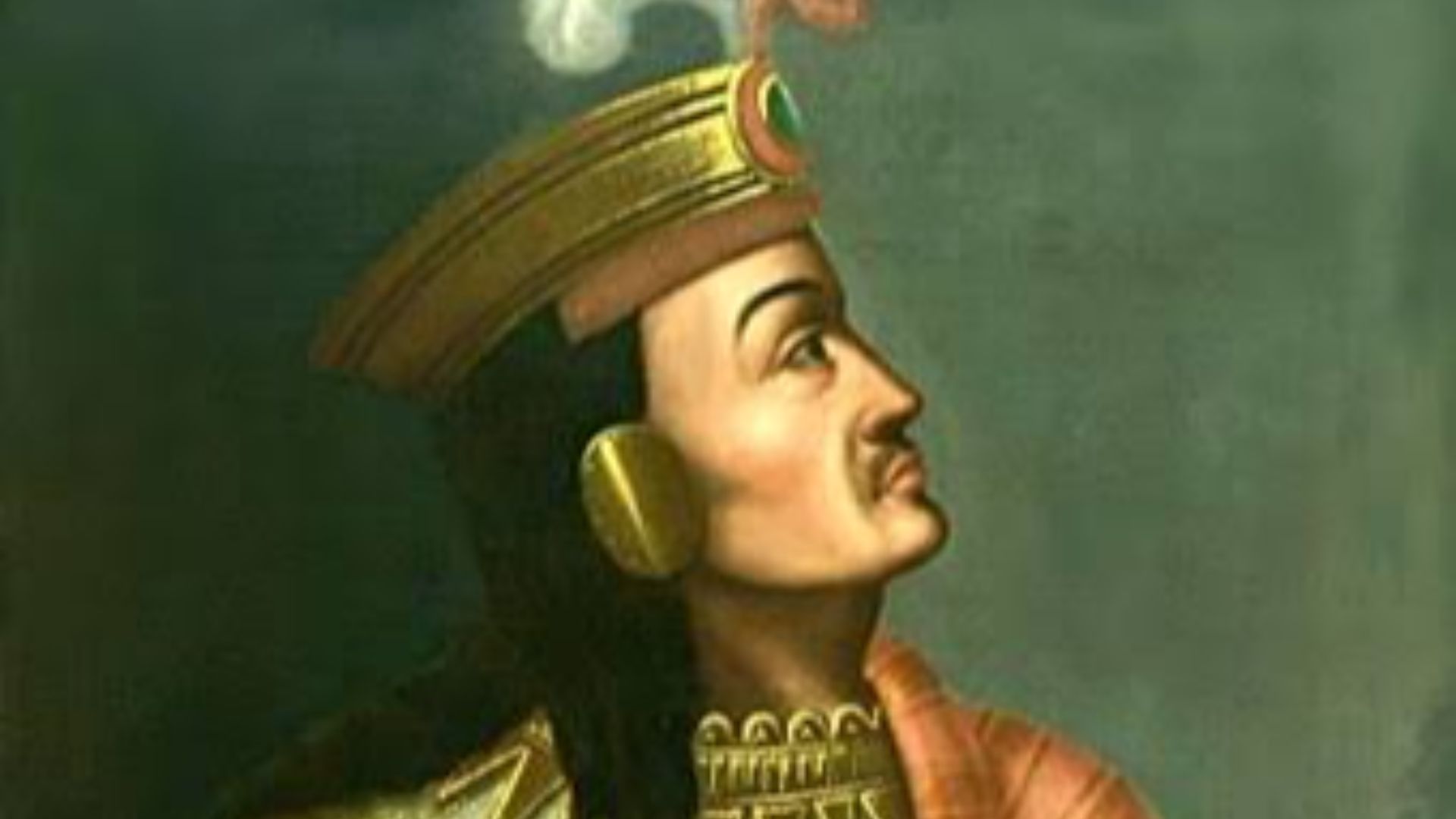
8. The Inca Emperor Could Never Touch the Ground
Atahualpa, the last independent Sapa Inca, was carried everywhere on a litter rather than walking among his own people. His feet touching common earth would have undermined his status as a descendant of the sun.
9. Marie Antoinette Had to Wait to Get Dressed
At Versailles, the queen's morning dressing ceremony followed a rigid order of rank, and only the highest-ranking woman in the room was allowed to hand her each garment. Marie Antoinette reportedly stood half-dressed on cold mornings waiting for the correct lady to arrive.
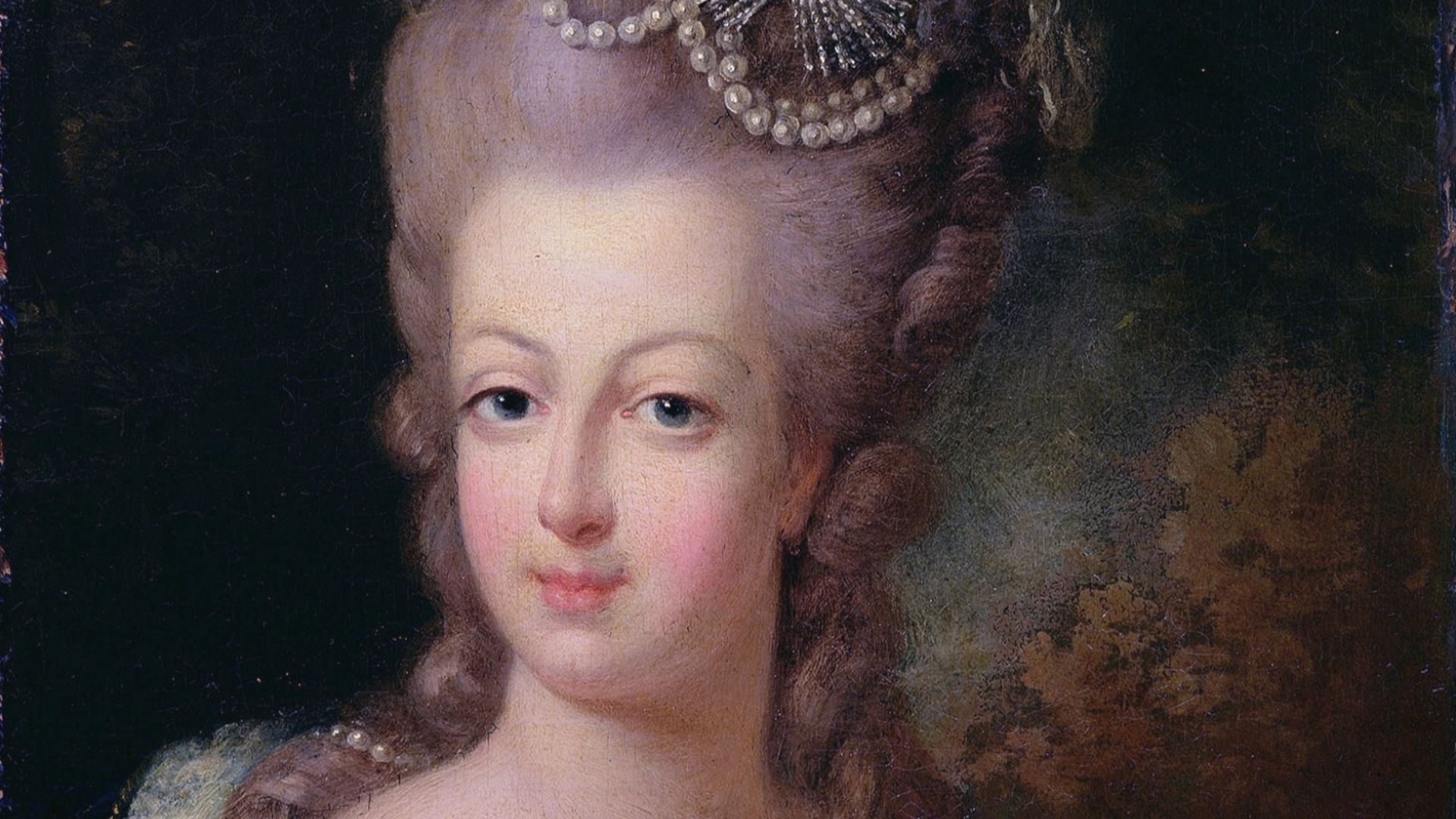 After Jean-Baptiste André Gautier-Dagoty on Wikimedia
10. Queen Victoria Wore Mourning for Decades
After Prince Albert's death in 1861, Queen Victoria committed herself to wearing black for the remainder of her life, a personal rule she never broke. Court mourning customs of the era dictated exactly which fabrics and how much jewelry she could wear at each stage of grief.
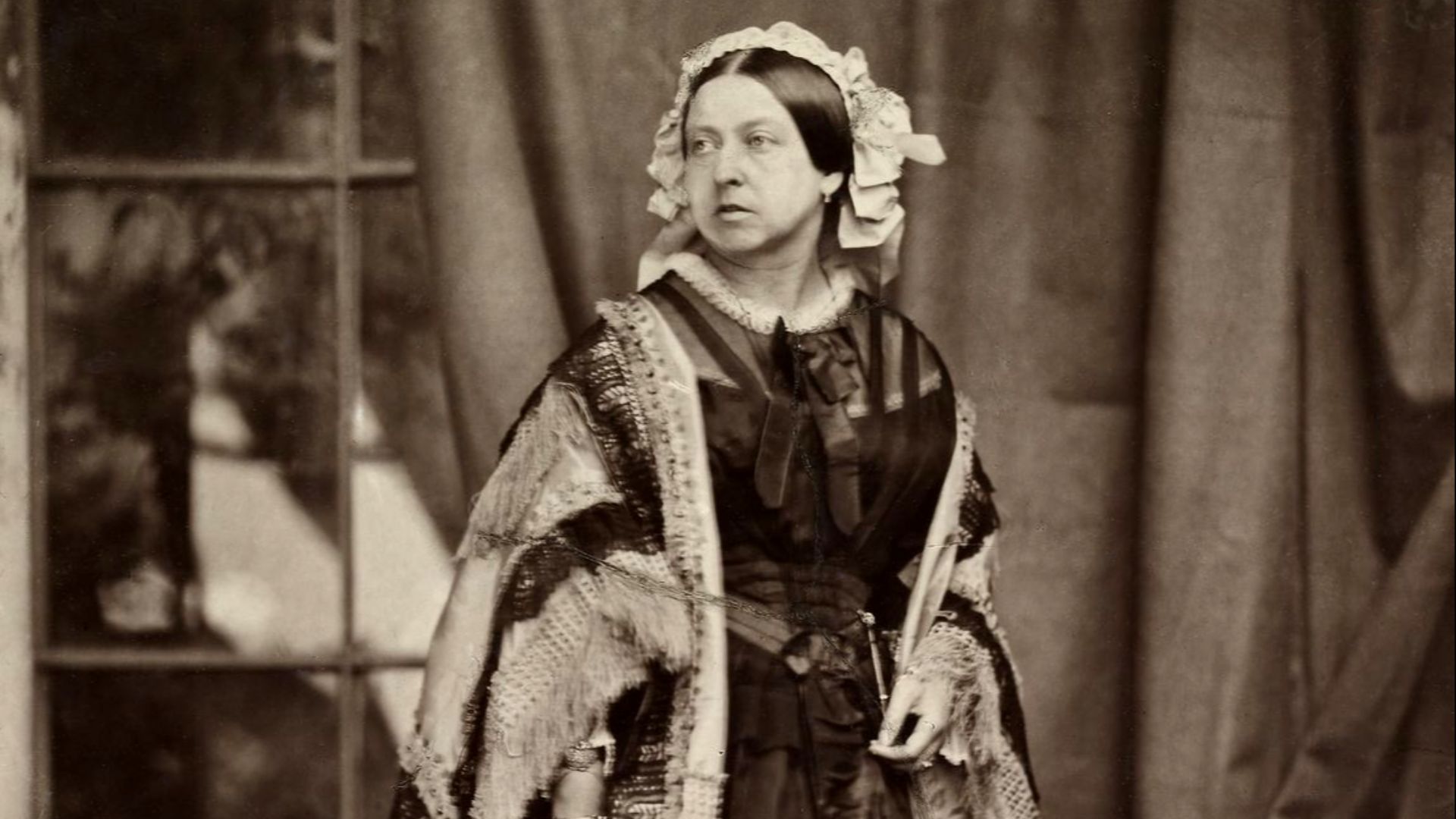 John Jabez Edwin Mayall on Wikimedia
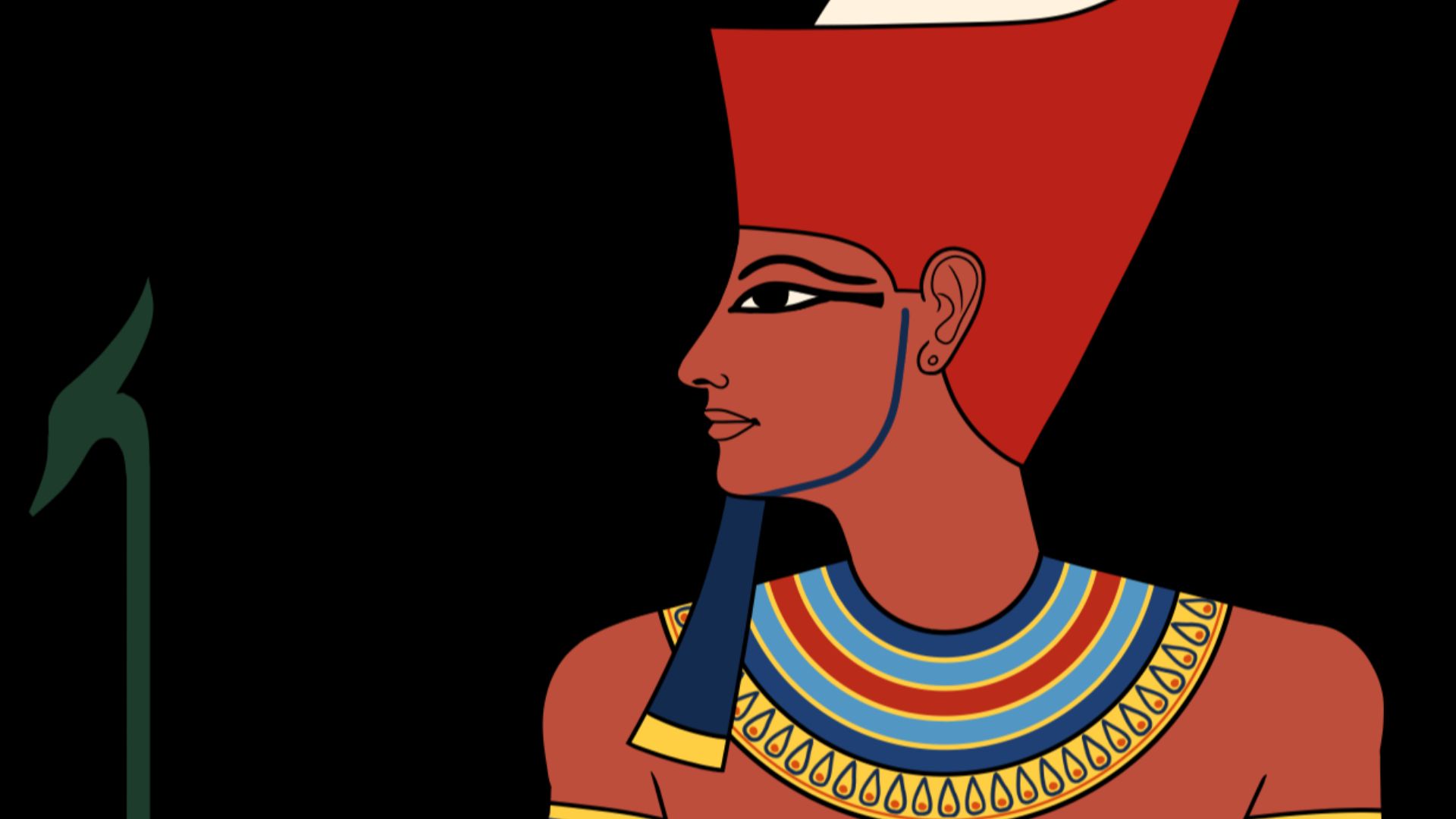
11. Egyptian Pharaohs Had to Marry Within the Family
To preserve a bloodline considered divine, pharaohs of the Ptolemaic dynasty, including Cleopatra's own relatives, were expected to marry their siblings rather than choose a spouse freely. The requirement existed to protect succession from outside influence.
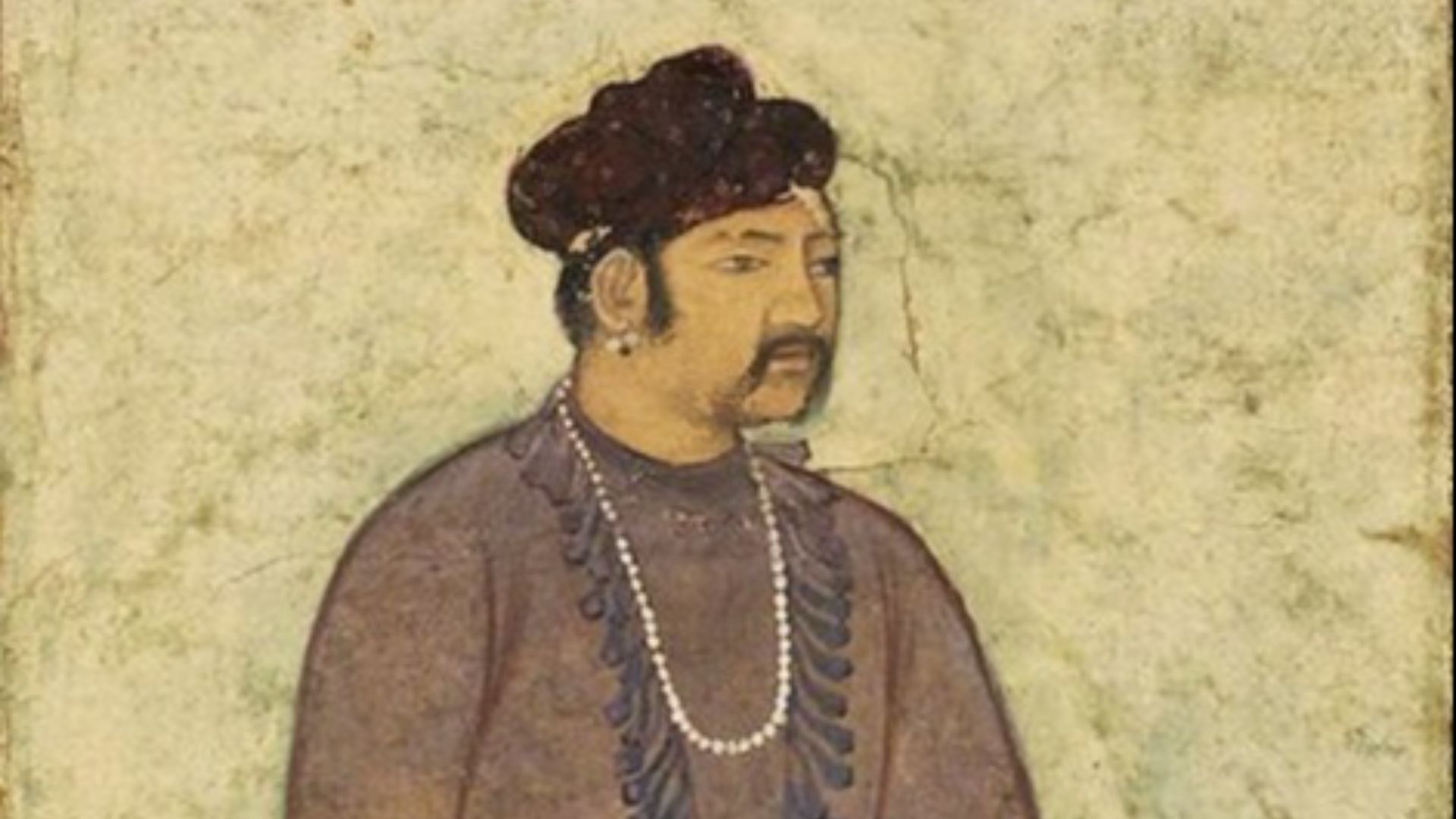
12. Akbar Had to Appear at Sunrise Every Single Day
The Mughal emperor Akbar was expected to show himself each morning at a balcony window known as the jharokha, letting subjects see him and bring forward complaints. Later emperors like Jahangir and Shah Jahan kept the same obligation going for decades.
 Manohar. Worked in late 16th century. on Wikimedia
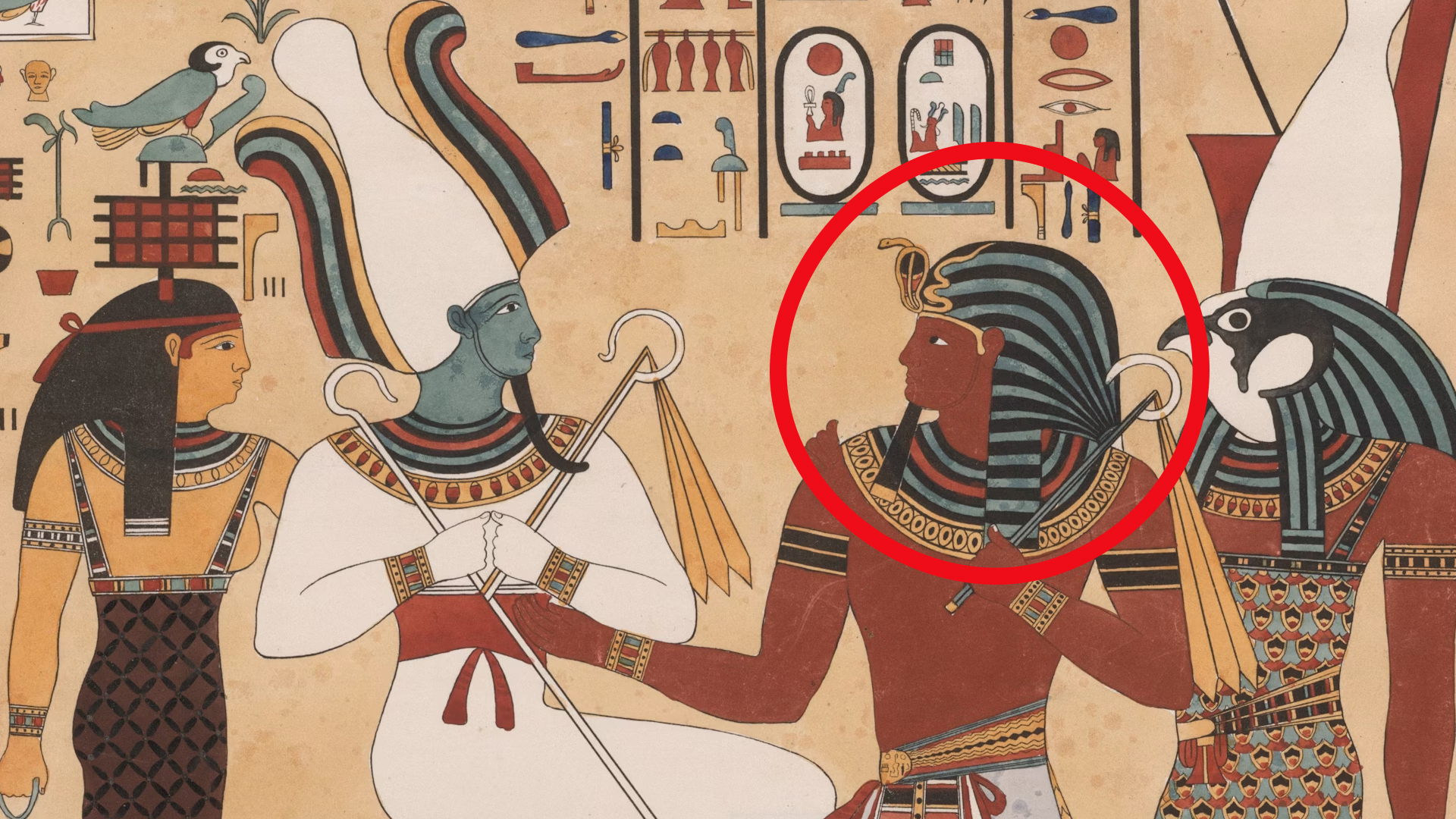
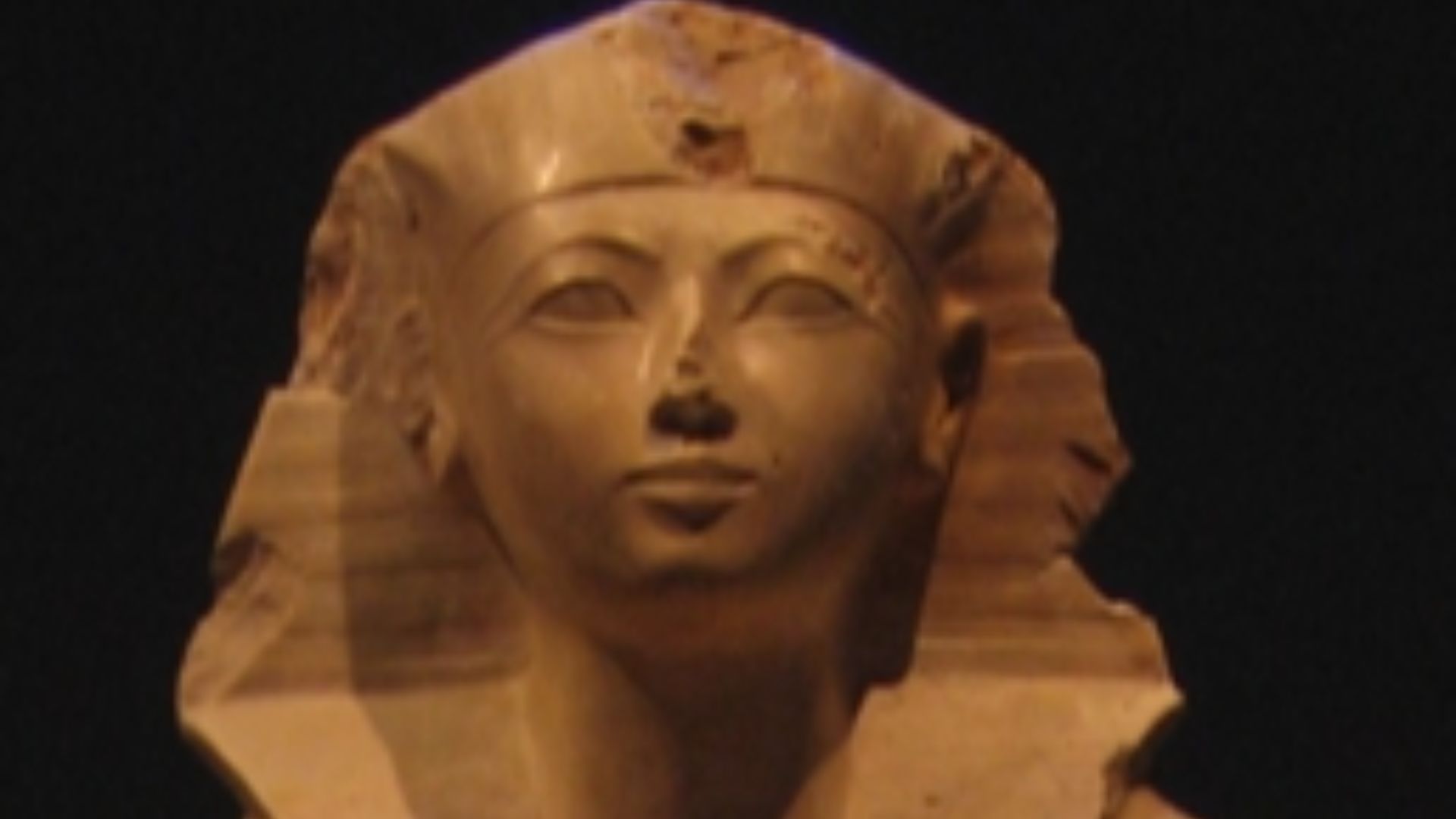
13. Hatshepsut Had to Wear a Fake Beard to Be Taken Seriously
As one of ancient Egypt's few female pharaohs, Hatshepsut was required to adopt the ceremonial false beard traditionally worn only by male rulers. Surviving statues show her wearing it alongside otherwise masculine royal regalia.
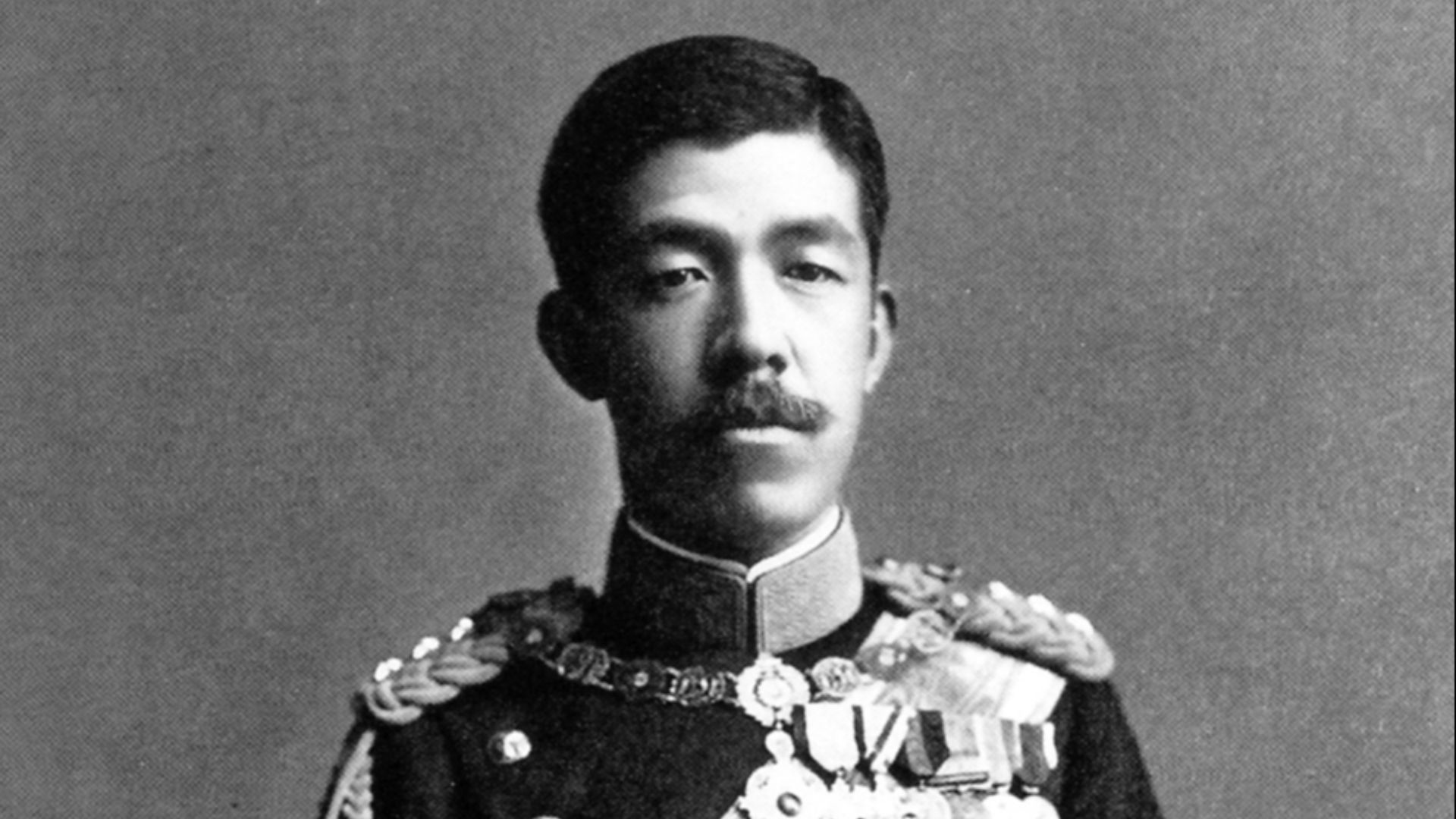
14. Japanese Emperors Couldn't Let Their Feet Touch the Ground
During the enthronement rite known as the Daijosai, a mat is unrolled ahead of the emperor and rolled back up behind him so his feet never make contact with bare earth. The custom dates back centuries and still applies today, treated as protection against spiritual defilement.
 宮内省(Imperial Household Agency) on Wikimedia
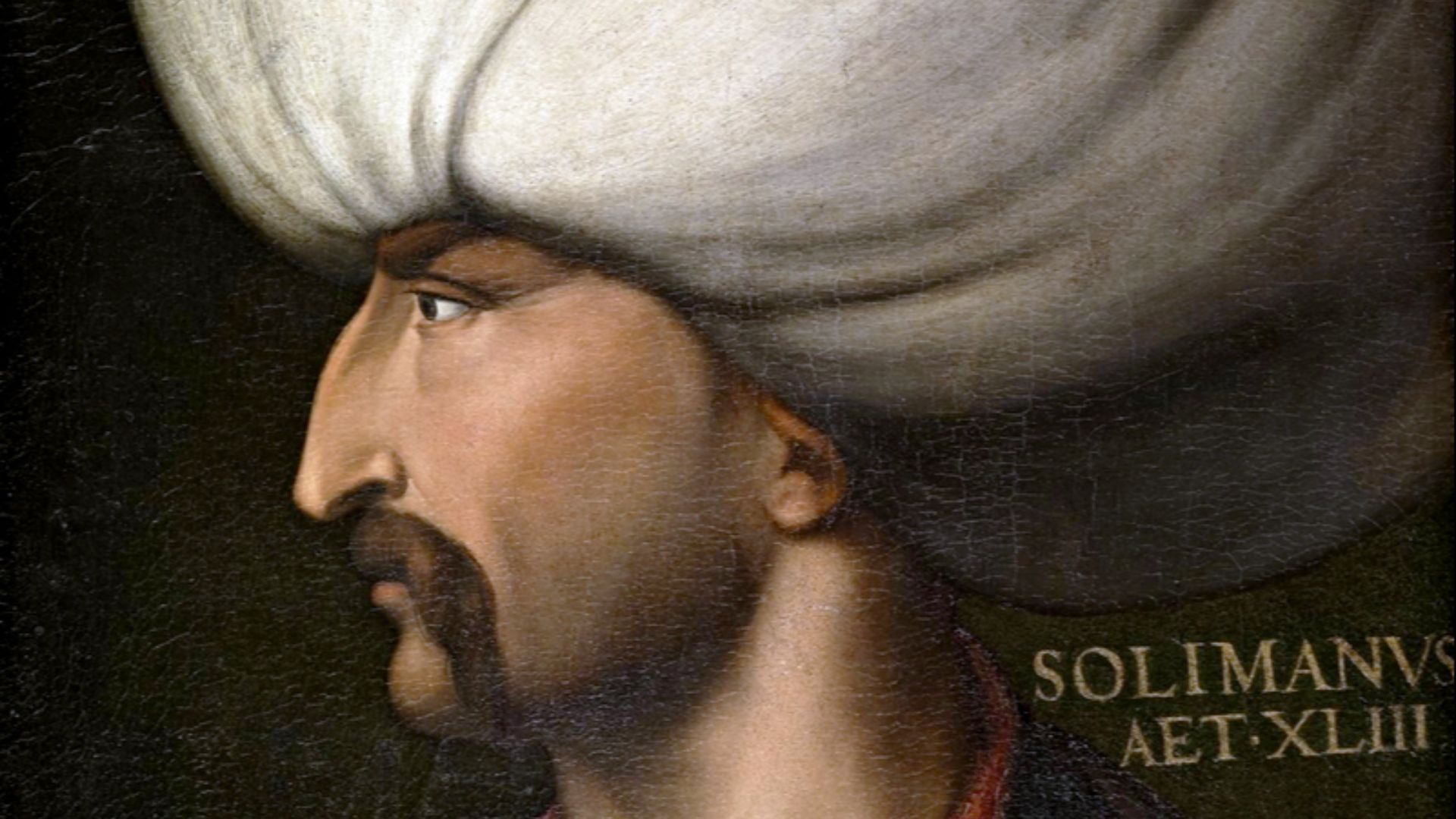
15. Ottoman Sultans Rarely Left Their Own Palace
Under Suleiman the Magnificent and the sultans who followed him, life increasingly meant staying inside Topkapi Palace almost permanently. Leaving the grounds was generally reserved for Friday prayers or military campaigns, not personal choice.
 Cristofano dell'Altissimo on Wikimedia
16. Peter the Great Had to Break His Own Country's Tradition First
Before taxing anyone else's beard, Peter the Great personally shaved his own face and adopted Western-style clothing, breaking with centuries of Russian Orthodox custom that treated facial hair as sacred. He couldn't credibly demand the change from his nobles without living it himself first.
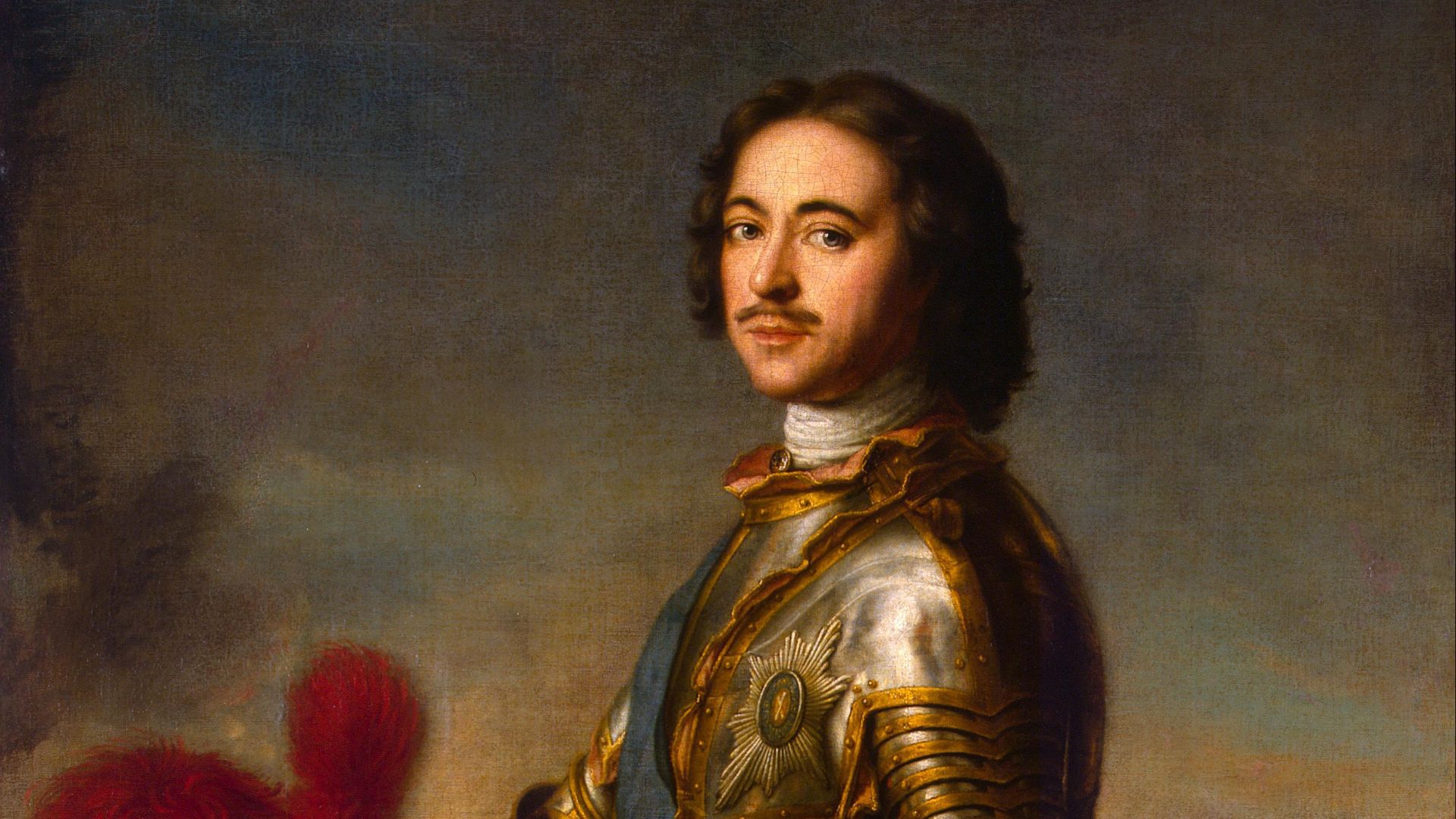 Attributed to Jean-Marc Nattier on Wikimedia
17. Catherine the Great Had to Convert Before She Could Rule
Born a German princess named Sophie, Catherine the Great was required to convert to Russian Orthodoxy and adopt a new name and language before she could marry into the imperial family at all. Ruling Russia meant erasing most of her original identity as a condition of entry.
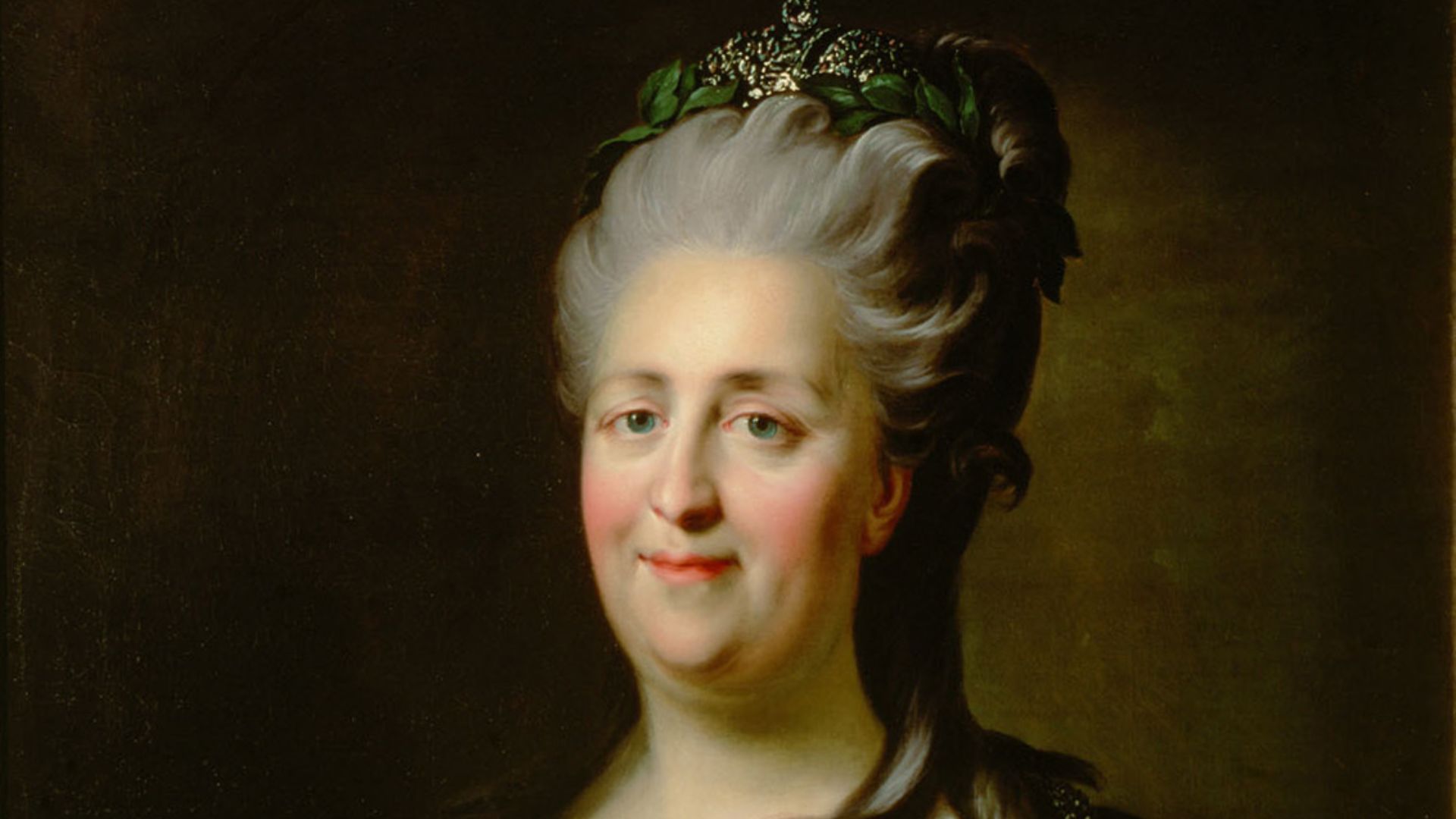 After Alexander Roslin on Wikimedia
18. Genghis Khan Was Bound by His Own Threshold Rule
Under the Yassa, the legal code attributed to Genghis Khan, stepping on the threshold of any yurt was treated as a serious offense, and the taboo applied to the khan himself whenever he entered someone else's tent. Even the empire's founder wasn't exempt from a rule he'd helped enforce.
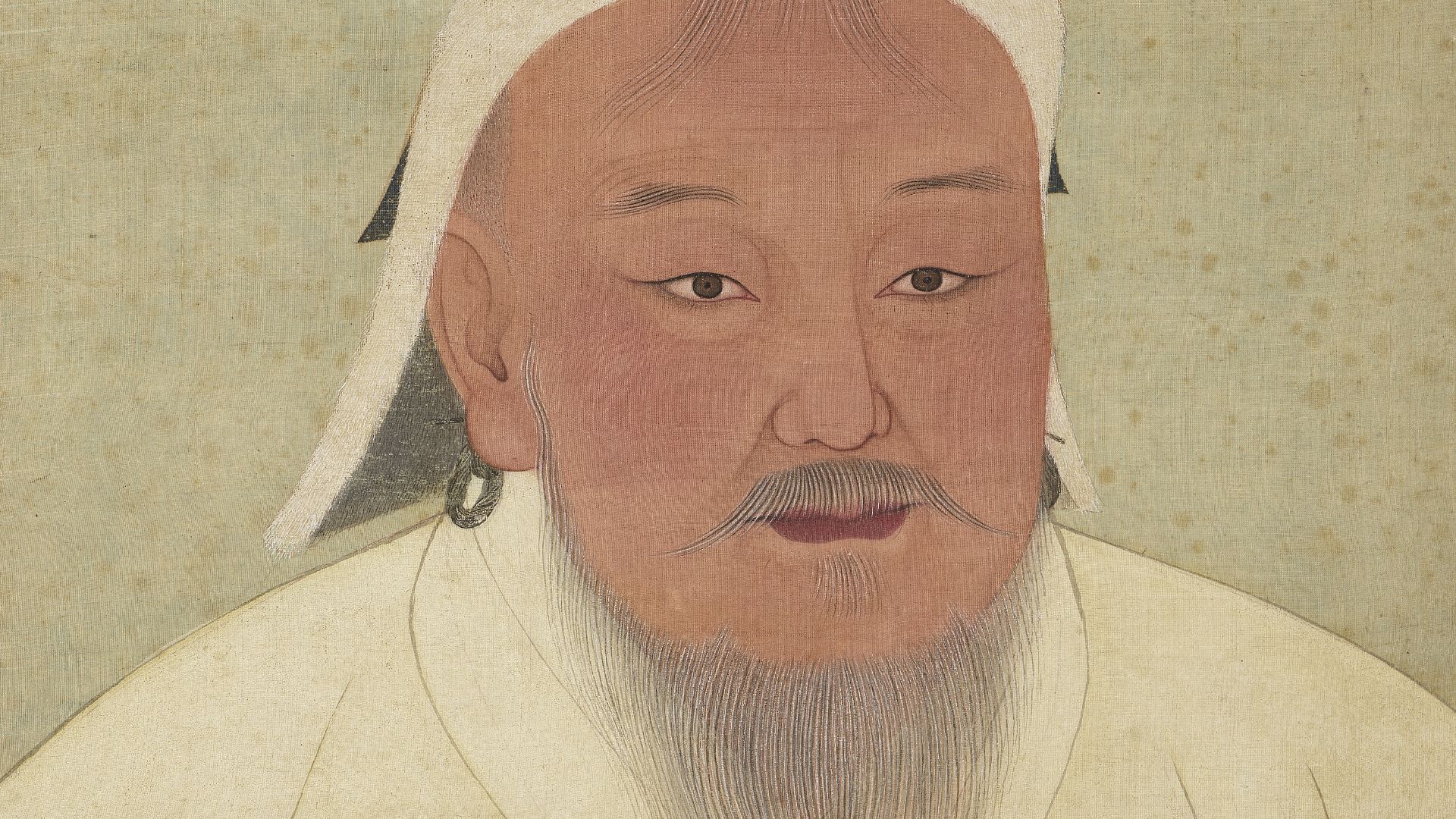 Unknown authorUnknown author on Wikimedia
19. Chinese Emperors Still Had to Mourn Their Parents
Confucian custom required a mourning period of roughly three years upon a parent's death, and even the emperor wasn't fully excused from it. Since stepping away from governing for that long wasn't practical, tradition shrank his personal mourning period down to 27 days instead of months.
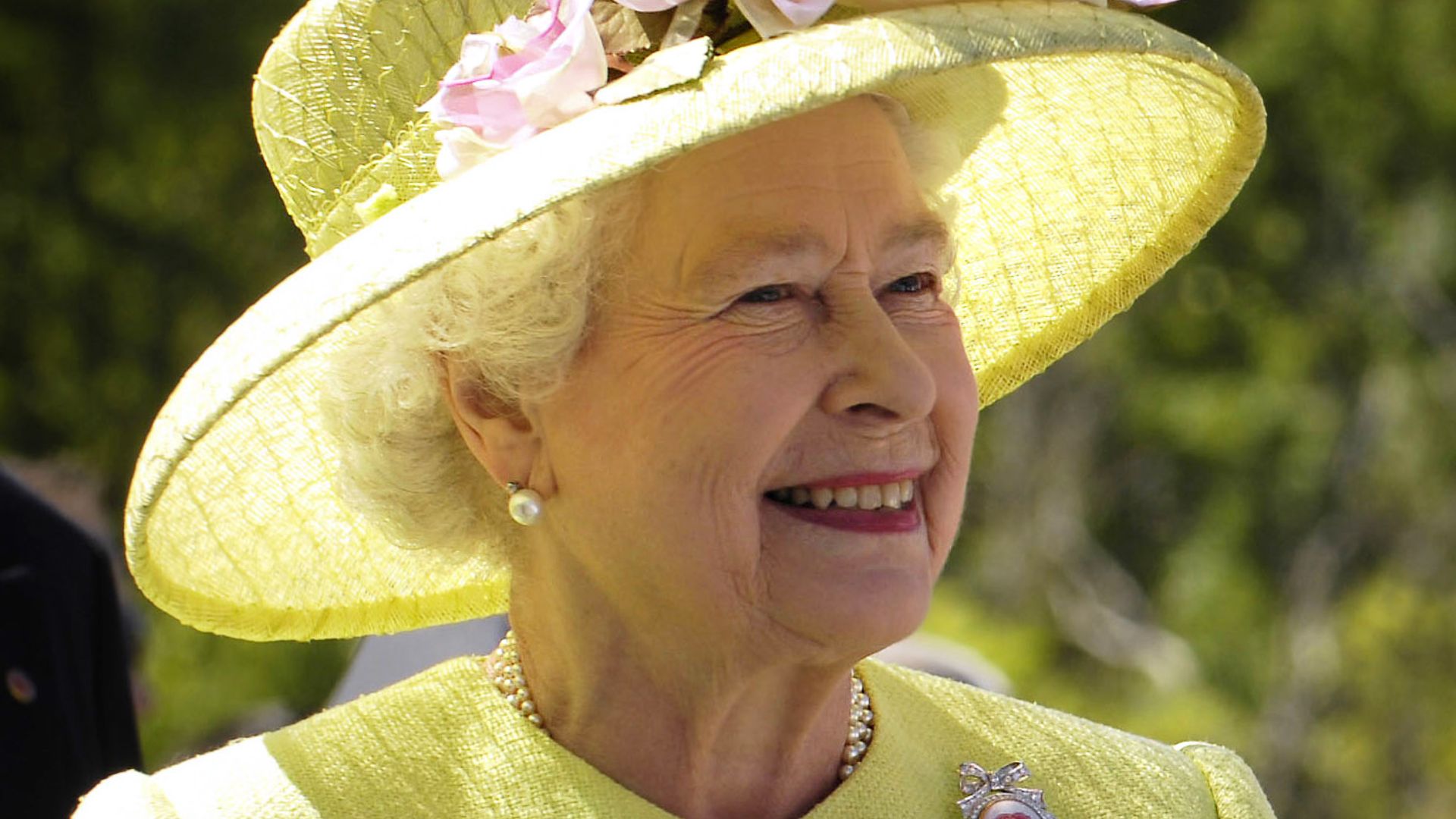
20. Elizabeth II Couldn't Refuse a Gift
Whatever a foreign dignitary or well-wisher handed Elizabeth II during an official visit, protocol required her to accept it graciously, no matter how strange or impractical. Declining on the spot simply wasn't an option; what happened to the item afterward was sorted out later, away from the cameras.
KEEP ON READING