Flattery Has Changed a Lot
Flattery a few centuries ago often ran on things people today go out of their way to avoid, like illness and decay. Beauty standards followed whatever was rare and expensive at the time, and the compliments followed right behind them. A rotten tooth or a face that had never seen the sun could both be read as evidence of good breeding. None of it was meant as an insult, even if it would land as one now. Here's 20 compliments that were once real praise but would raise eyebrows today.
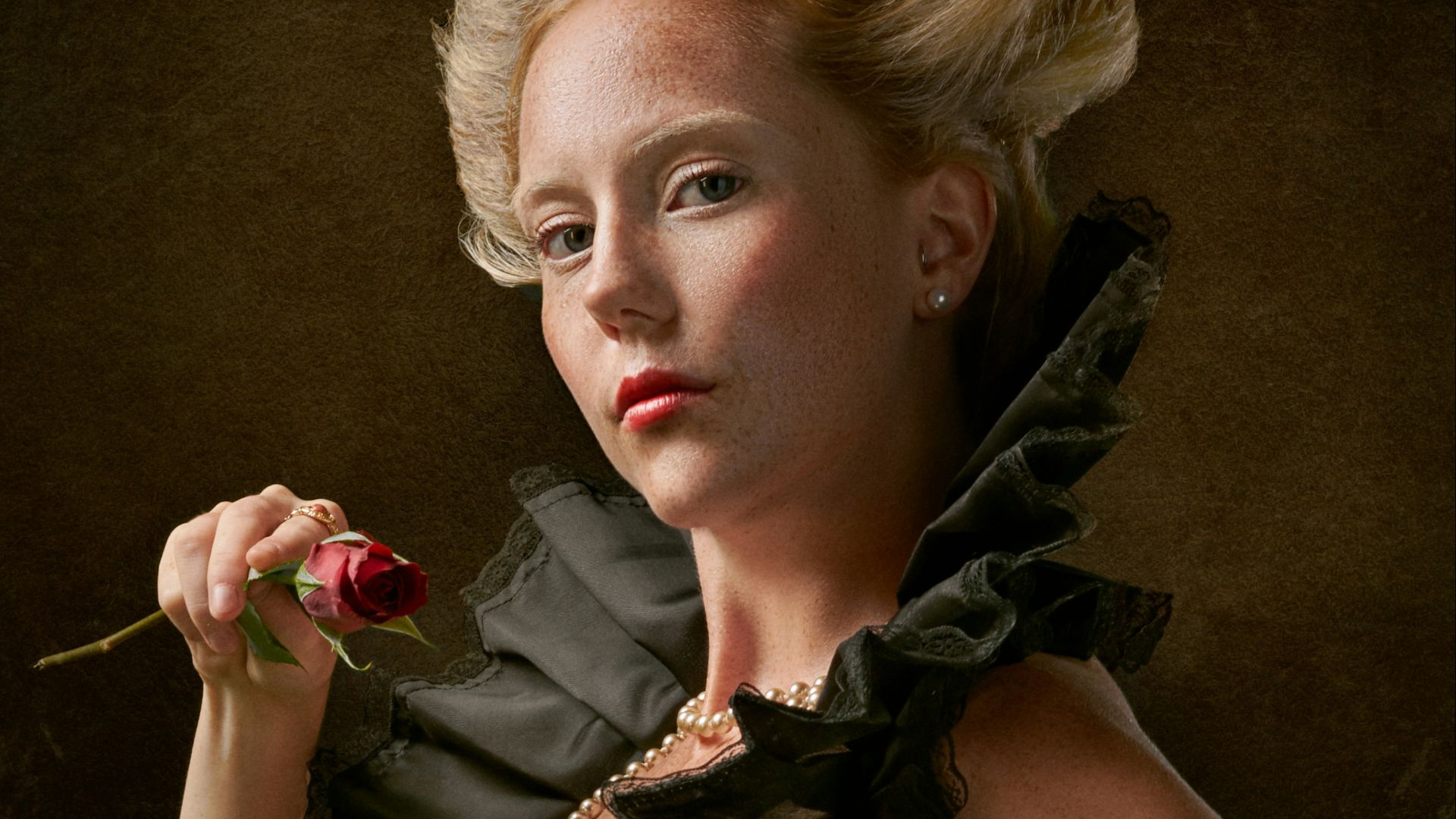
1. "Your Teeth Are Wonderfully Black"
In Elizabethan England, sugar was so expensive that only the wealthy could afford enough of it to rot their teeth. Blackened teeth became proof you could eat like the queen, and people without naturally decayed teeth sometimes used soot to fake the look. White teeth suggested you'd never had the money to ruin them.
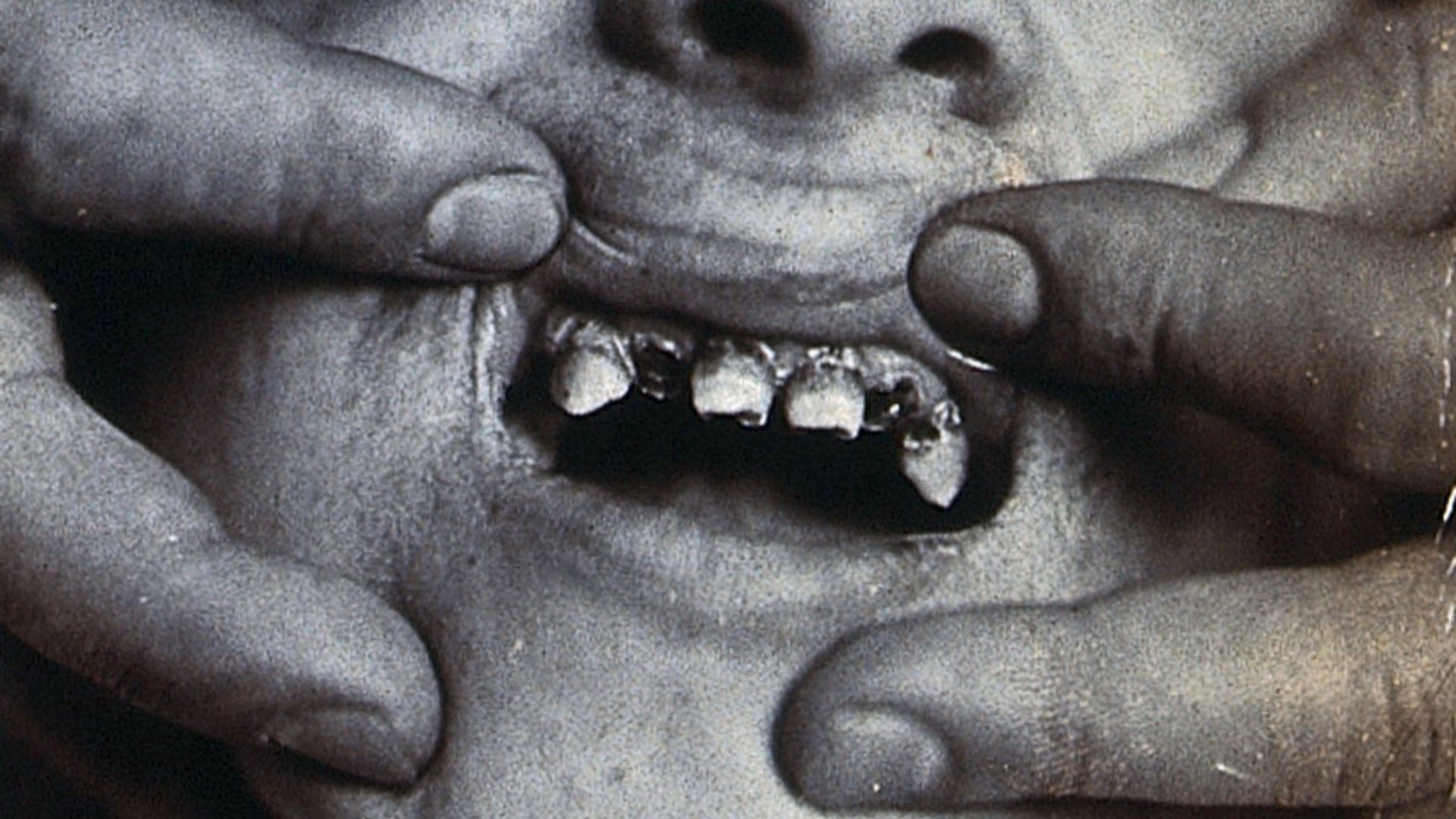
2. "Your Eyes Outshine the Sun"
Poets in the Renaissance built entire love poems around comparing a woman's body to expensive objects, one feature at a time. Eyes were measured against stars, lips against coral, and teeth against strings of pearls. The comparisons were so common that Shakespeare eventually wrote a sonnet making fun of how absurd they'd become.

3. "You Look Delightfully Consumptive"
By the early 1800s, the pale skin, thin frame, and flushed cheeks caused by tuberculosis had become the beauty standard for women across Britain. Healthy women used makeup and tight corsets to mimic the look of someone dying of the disease.

4. "You Have a Very Manly Calf"
Georgian and Regency men wore knee-length stockings that left their calves fully visible, and a well-shaped calf carried the same weight a strong jawline might carry now. Men without the natural muscle bought padded stockings, sometimes called downy calves, to fill the gap. An advertisement from the 1780s promised calves shaped as beautifully as nature could manage.

5. "You've Filled Out Nicely"
For most of the Renaissance and Baroque periods, a fuller figure was read as a sign of wealth and good health rather than a lack of discipline. Painters like Rubens built entire careers on soft, rounded bodies as the ideal of beauty. Being told you looked well-fed was closer to being told you looked prosperous.

6. "What a High, Fine Forehead"
Women in the Renaissance plucked their hairlines and eyebrows to make their foreheads look taller, since a broad expanse of forehead was considered elegant. Portraits from the period, including some of the most famous ones, show foreheads far higher than anything natural. A low hairline was seen as unrefined, closer to something a working woman would have.
 Jan-Christopher Sierks on Unsplash
7. "You Don't Smell Terrible"
Regular bathing wasn't common in much of medieval and early modern Europe, so noticing that someone didn't carry a strong odor was a real observation. Court records and personal letters from the period sometimes mention a clean scent as a specific point of praise. Perfume existed largely to manage a problem most people simply lived with.

8. "You'd Breed a Fine Family"
In rural courtship traditions across preindustrial Europe, comparing a potential spouse to livestock wasn't considered rude so much as practical. A wide, sturdy build was read the way a strong, well-bred animal might be read at a market. Marriage in these communities often had as much to do with labor and childbearing as it did with affection.
9. "Not a Mark on Your Face"
Smallpox scarred a huge share of the population before vaccination became widespread, so an unmarked complexion was worth mentioning out loud. Being told your face was clear meant you'd survived one of the deadliest diseases of the era without visible cost.
 Kateryna Hliznitsova on Unsplash
10. "Such Wide, Useful Hips"
Victorian courtship could be strikingly blunt about childbearing, and wide hips were sometimes praised directly as a practical asset rather than a physical trait to admire quietly. Marriage manuals of the period occasionally described the ideal wife in terms closer to a job description. Romance and reproduction weren't kept as separate as they are now.
 The Metropolitan Museum of Art on Unsplash
11. "Your Waist Fits in Two Hands"
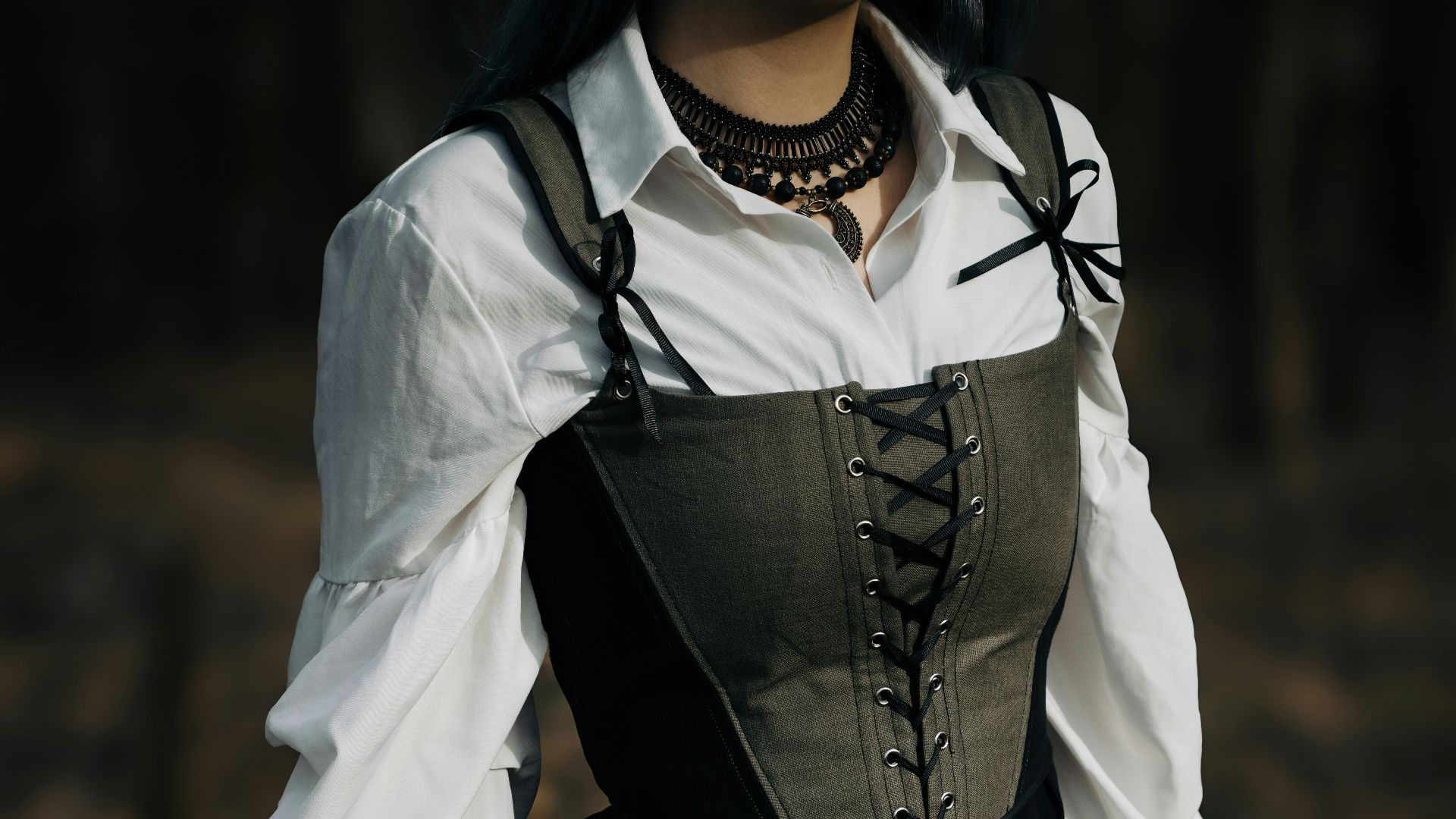
Extreme tightlacing in the Victorian era produced waists small enough that a man could reportedly span them with his hands, and this became a genuine bragging point. Some women were praised for measurements that would be a medical concern today. The tighter the corset, the more admiration it tended to draw.
12. "What Elegant Handwriting"
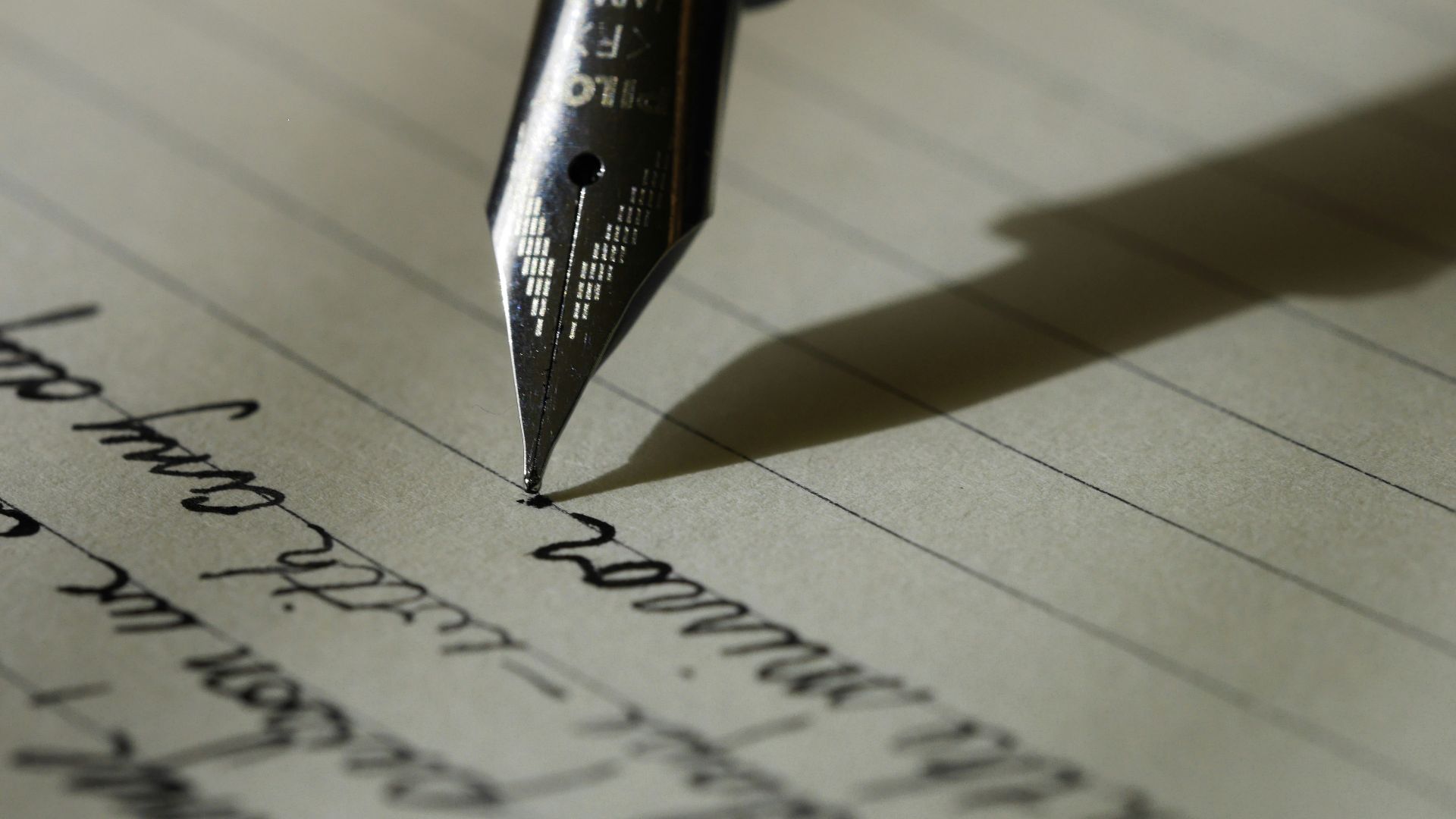
Before typewriters, a person's penmanship said a great deal about their education and self-control, and Victorian courtship letters often complimented handwriting the way people compliment a smile now. A messy hand suggested a messy character. Suitors sometimes judged a love letter as much by its script as by what it said.
13. "How Delicate You Are"
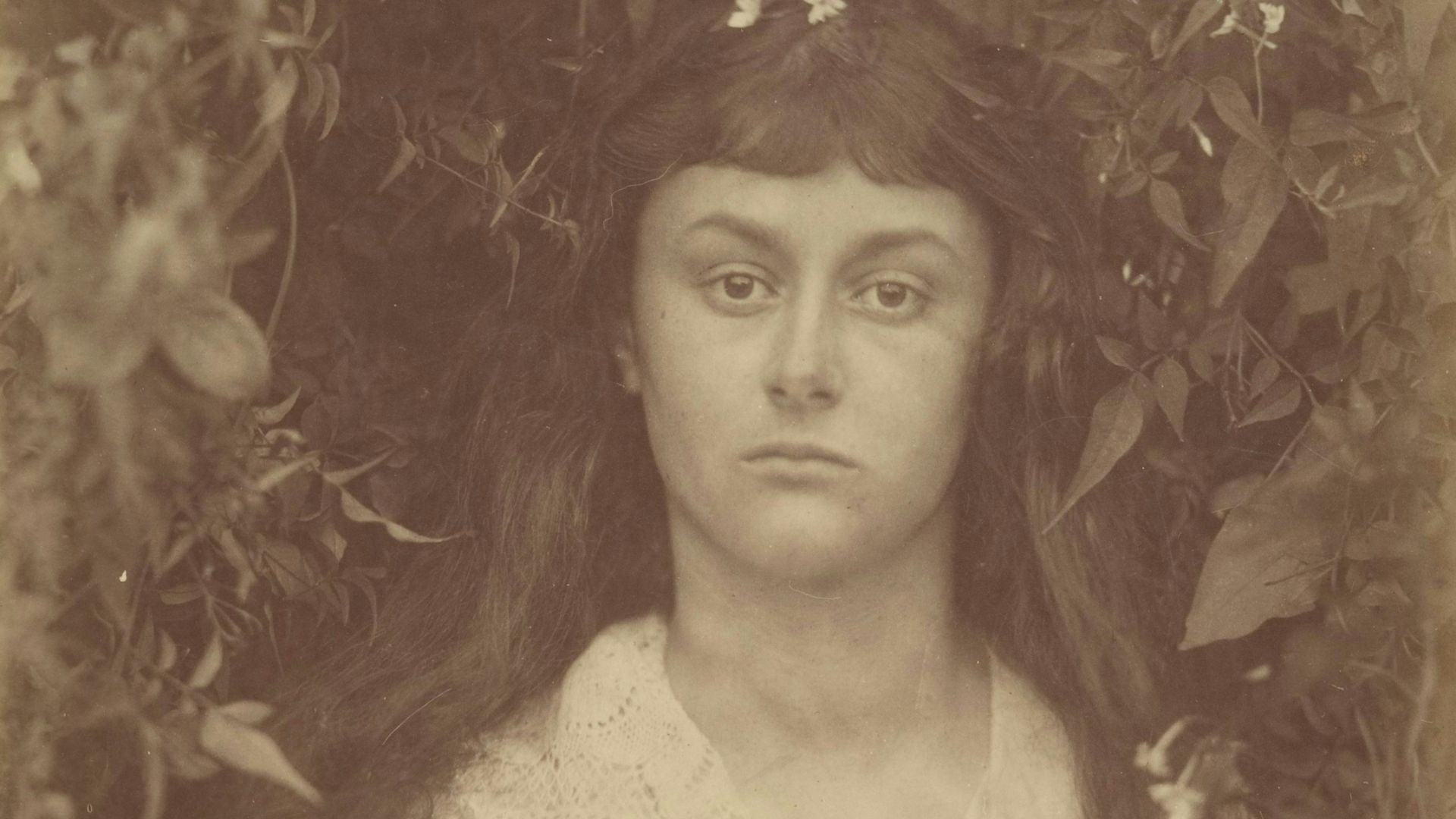
Fainting, frailty, and a general air of fragility were treated as marks of refinement among upper-class Victorian women, since sturdiness was associated with manual labor. A woman prone to fainting spells was seen as too finely made for the rough world around her.

14. "You Say So Little"
Victorian conduct manuals held up quietness and reticence in women as an ideal worth praising outright. A woman who spoke rarely in mixed company was often described as especially well-bred. Silence, in that context, read as restraint rather than disinterest.
 The Metropolitan Museum of Art on Unsplash
15. "Such Perfectly Small Feet"
In imperial China, foot binding produced feet small enough to be praised in poetry and matched with elaborate embroidered shoes, and the practice was tied directly to status and marriageability. Elsewhere in the world, Victorian Europe developed its own milder obsession with tiny feet, favoring narrow shoes that changed the way women walked. Both traditions treated foot size as something worth complimenting in detail.
 Konstantin Shmatov on Unsplash
16. "You Sit a Horse Beautifully"
Among landed gentry, skilled horsemanship was treated as a mark of breeding, and complimenting how someone rode was a real form of flirtation. Riding posture said something about discipline and upbringing that conversation alone couldn't prove. A bad seat on a horse could undercut an otherwise good impression fast.

17. "You've Grown Wonderfully Stout"
Corpulence in men carried real social weight in early modern Europe, since only the well-off could regularly afford enough food to gain weight. Diaries from the period describe men noting each other's increasing size with something close to approval. A trim figure suggested you were closer to going hungry than to living well.

18. "What a Magnificent Wig"
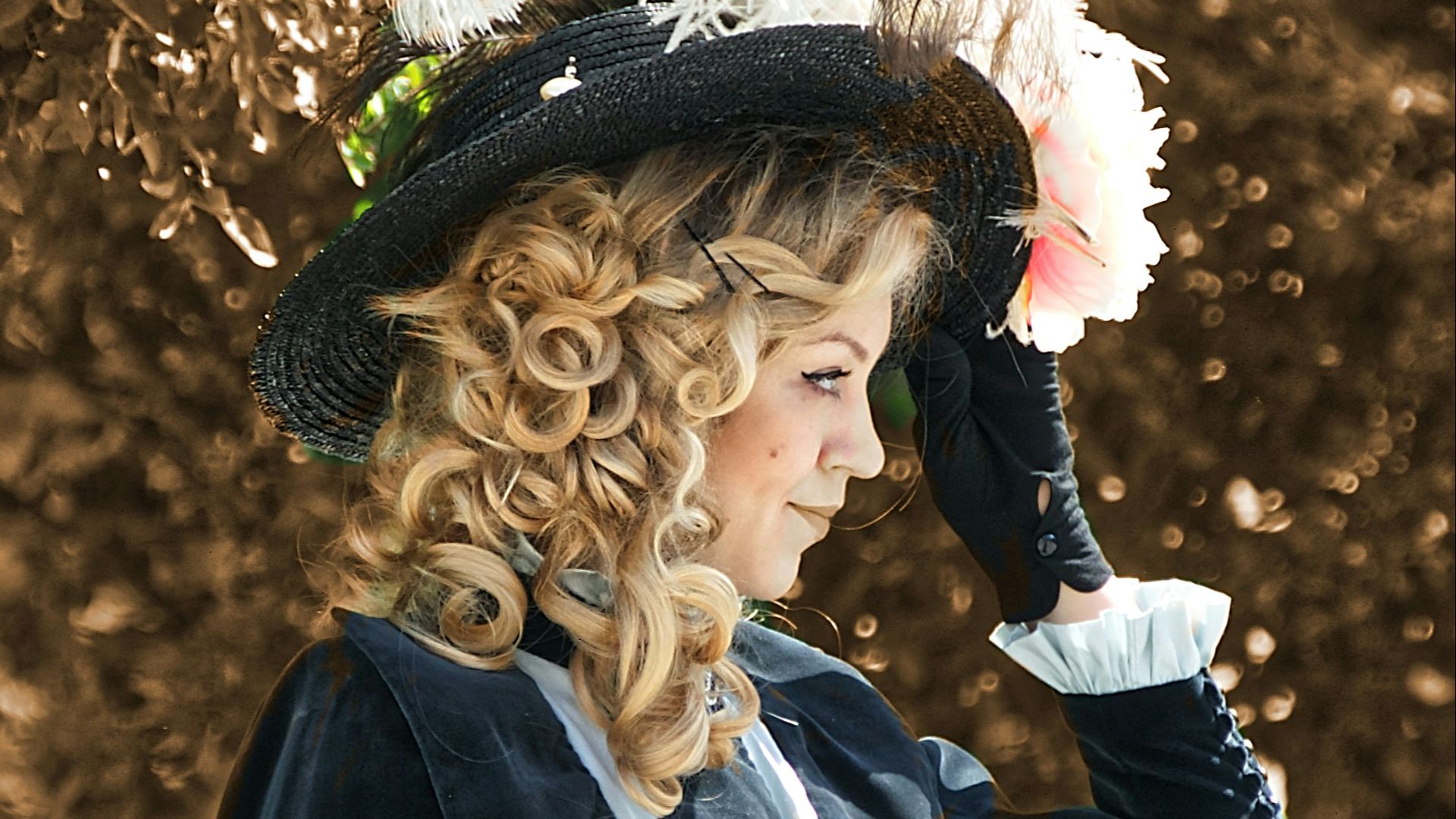
In the 17th and 18th centuries, an elaborate powdered wig said more about a man's status than his actual hair ever could. The bigger, whiter, and more elaborately curled it was, the wealthier the wearer appeared, and many men shaved their heads just to wear one properly. A fine head of natural hair carried far less weight than a fine head of someone else's.
19. "How Plain and Proper You Look"
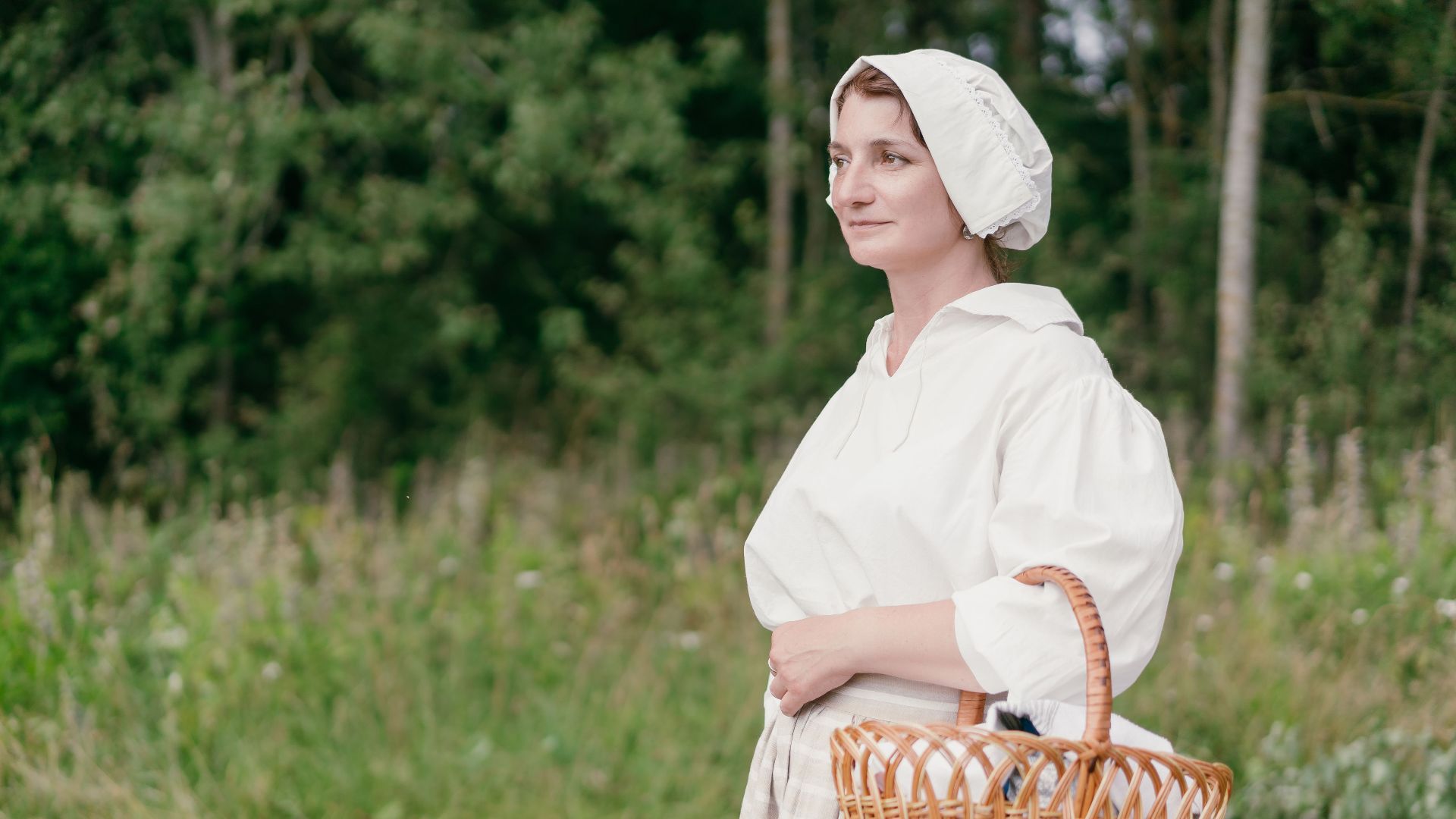
In Puritan New England, restrained, modest dress was treated as a compliment in itself, separate from anything about the person's appearance. Standing out through fashion was viewed with suspicion, while blending in was read as evidence of good character. Being told you looked appropriately plain was, in that world, a genuine point of pride.
20. "Such Naturally Golden Hair"
In Renaissance Venice, women spent entire afternoons on rooftop terraces with their hair coated in bleaching mixtures and pulled through crownless hats, letting only the hair take the sun while their faces stayed covered. Recipes for the process, some involving alum and sulfur, circulated in printed household manuals right alongside cures for fever.

KEEP ON READING