The Original Nightmare Managers
Every industry has a boss story that gets repeated at every happy hour for years afterward, the one about someone who made an ordinary job feel like a hostage situation. History has plenty of its own version of that story, and some of them make a bad performance review look like nothing. The worst ones weren't always cruel for the sake of it, either; a lot of them were just convinced the rules were for everyone except them. Here's 20 of history's worst bosses, ranked by how badly you'd want to quit.
 AnonymousUnknown author on Wikimedia
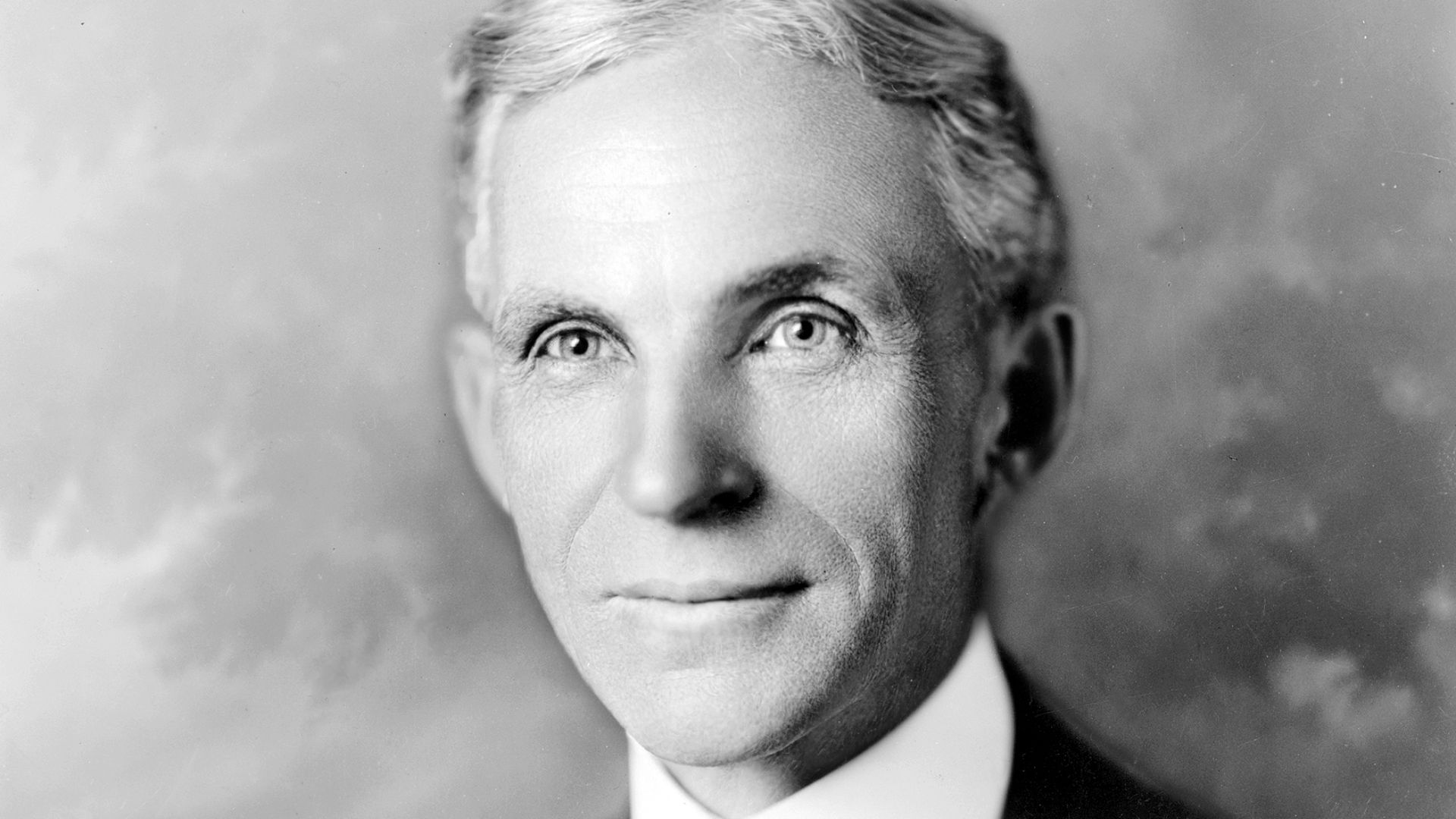
1. Henry Ford
Ford took a personal interest in how his workers lived outside the factory, sending investigators to check on their drinking habits and marriages, and he wasn't shy about firing someone whose personal life he simply didn't approve of. He also had known union organizers beaten by his own security men during the 1937 "Battle of the Overpass," a decision that came straight from him.
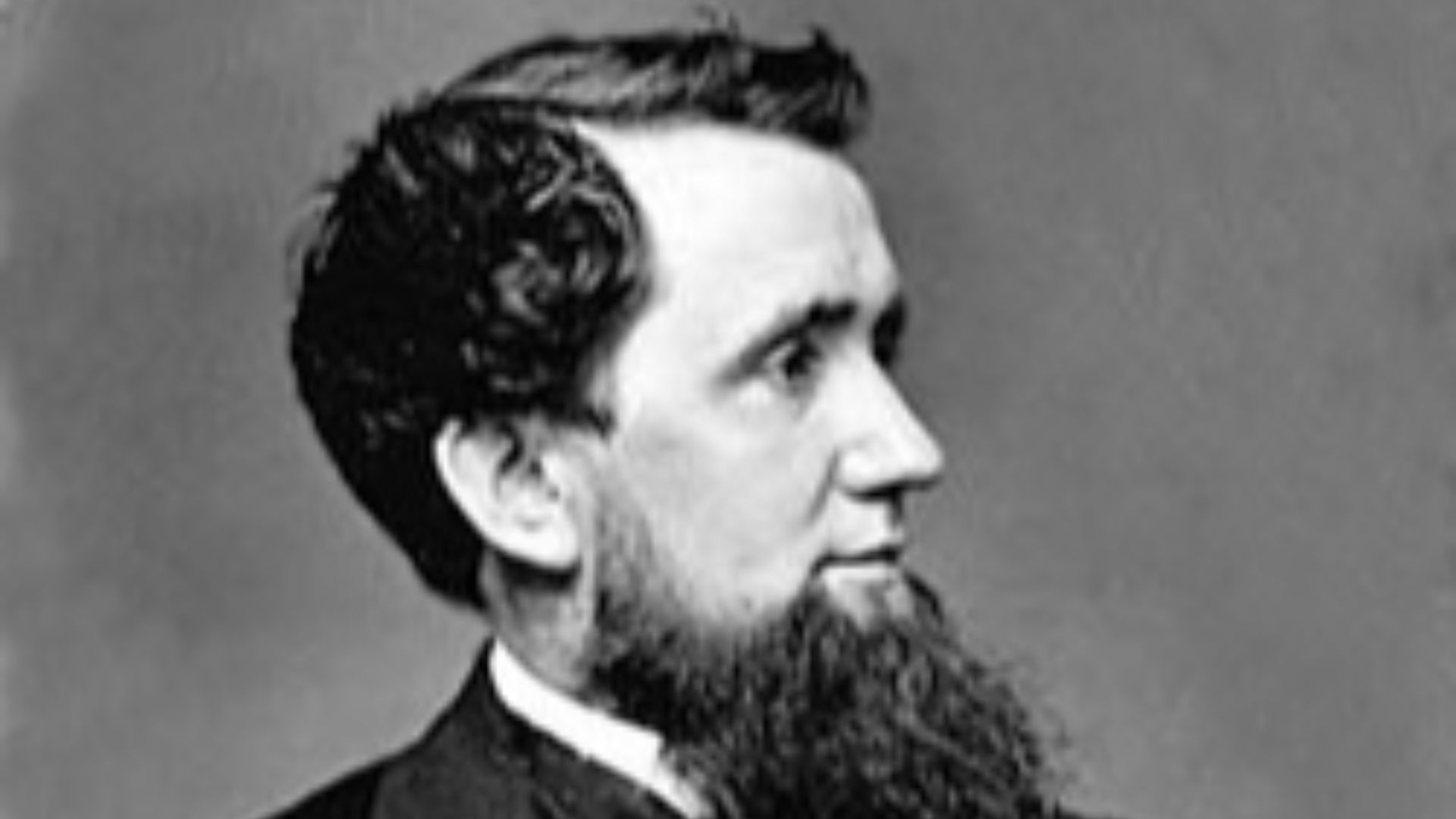
2. George Pullman
George Pullman built an entire company town around his railroad car factory and controlled nearly every part of his workers' lives inside it, from their rent to the church they were expected to attend. When he cut wages during an economic downturn in 1894 without lowering what he charged them to live in that same town, workers walked out in a strike that spread across the country before federal troops shut it down.
 Unknown authorUnknown author on Wikimedia
3. Leona Helmsley
Leona Helmsley ran her hotel empire on fear, screaming at housekeeping staff over crooked picture frames and firing employees over infractions as small as a wrinkled uniform. Her nickname, the "Queen of Mean," came directly from how former staff described working under her, and she eventually went to prison for tax fraud tied to using employees for personal renovations.
 United States Marshals Service on Wikimedia
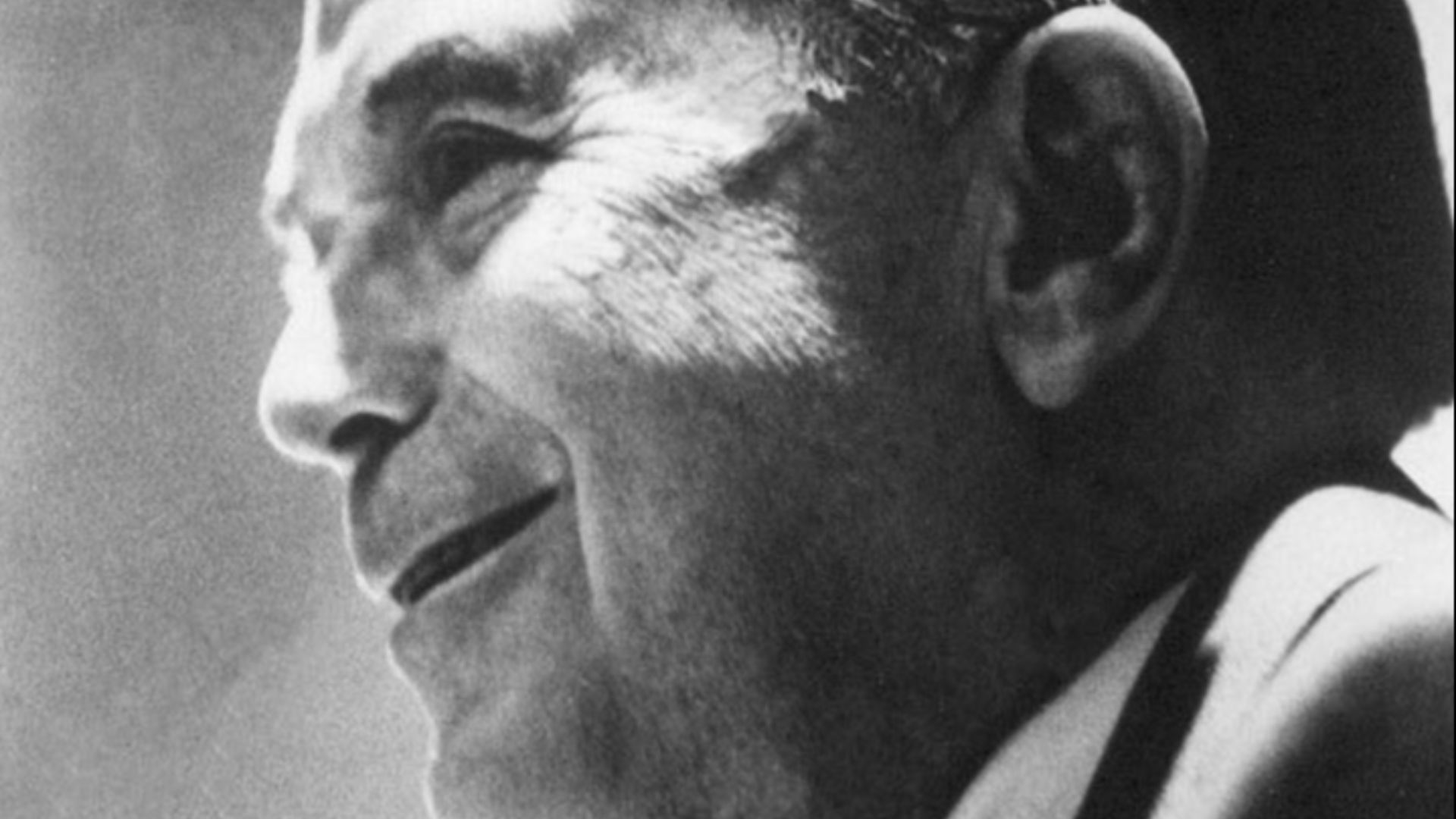
4. Ray Kroc
Ray Kroc built McDonald's into an empire by demanding total conformity from the franchisees who worked under him, right down to the exact way a pickle got sliced. He famously pushed the McDonald brothers, the men who created the original restaurant concept, out of their own business once he decided he no longer needed them.
 Unknown authorUnknown author on Wikimedia
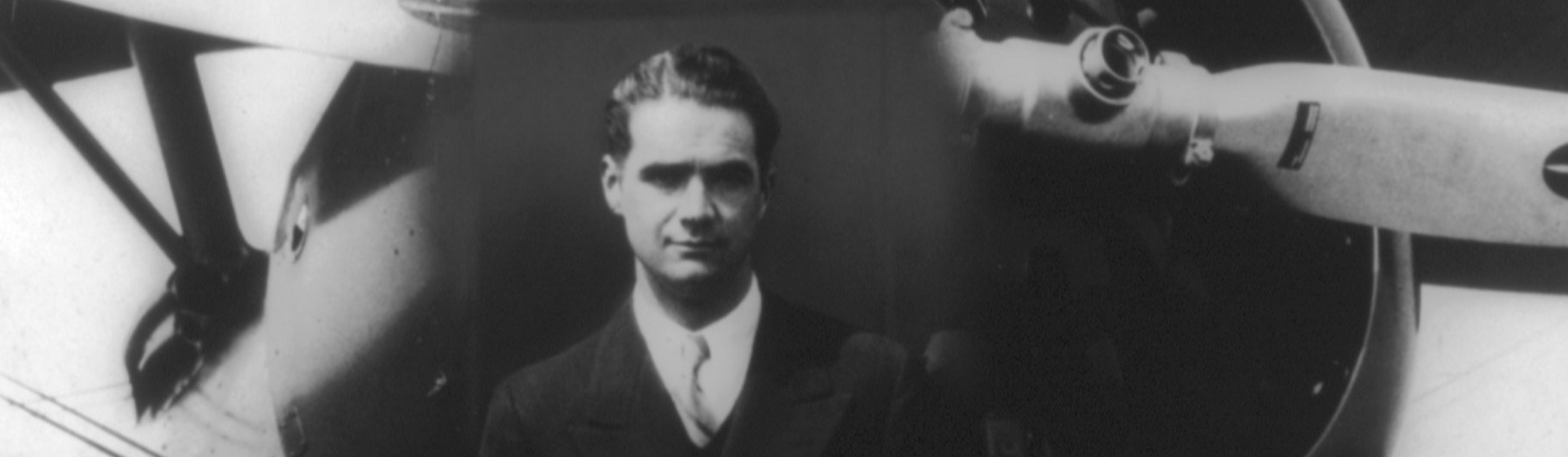
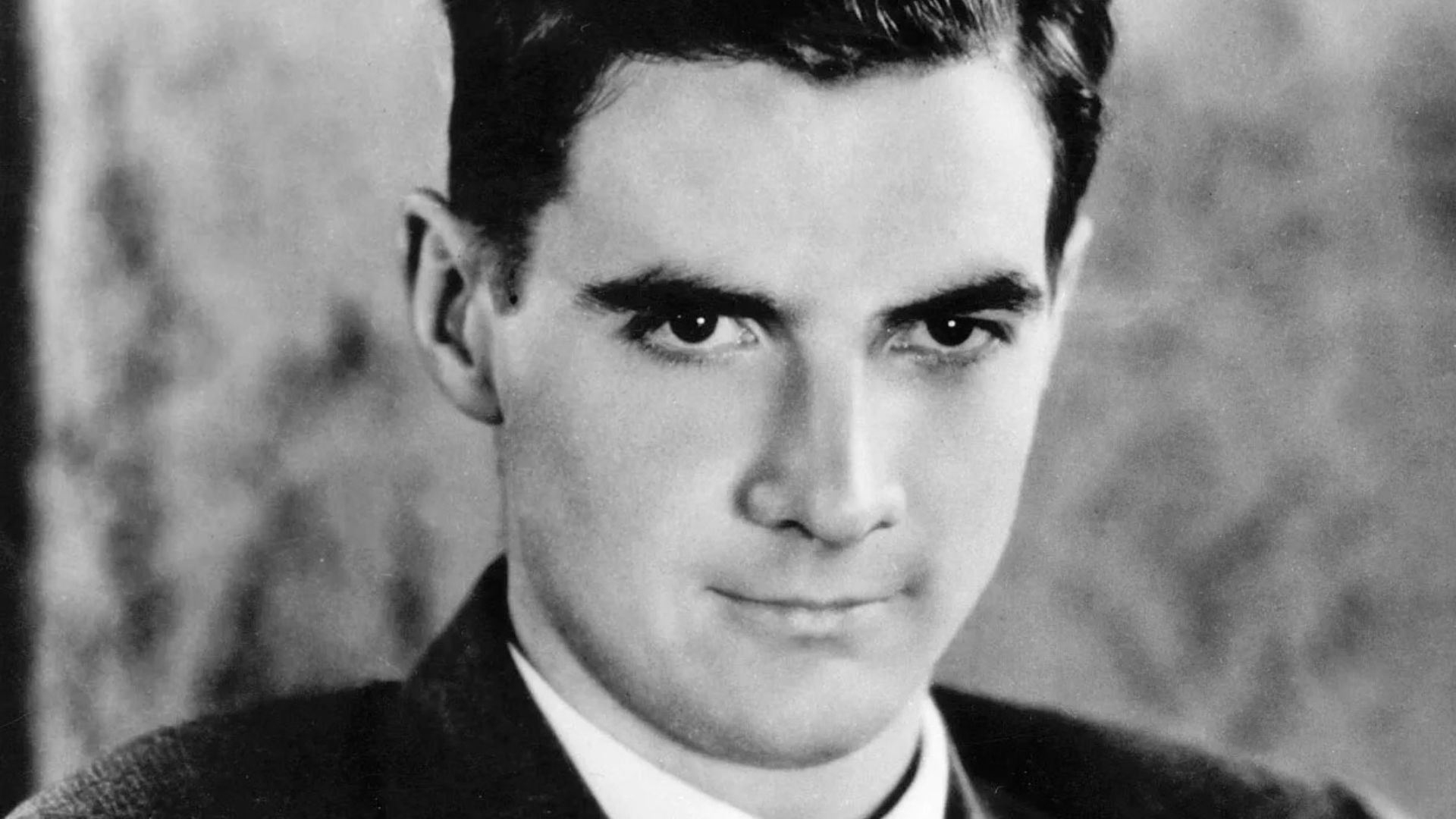
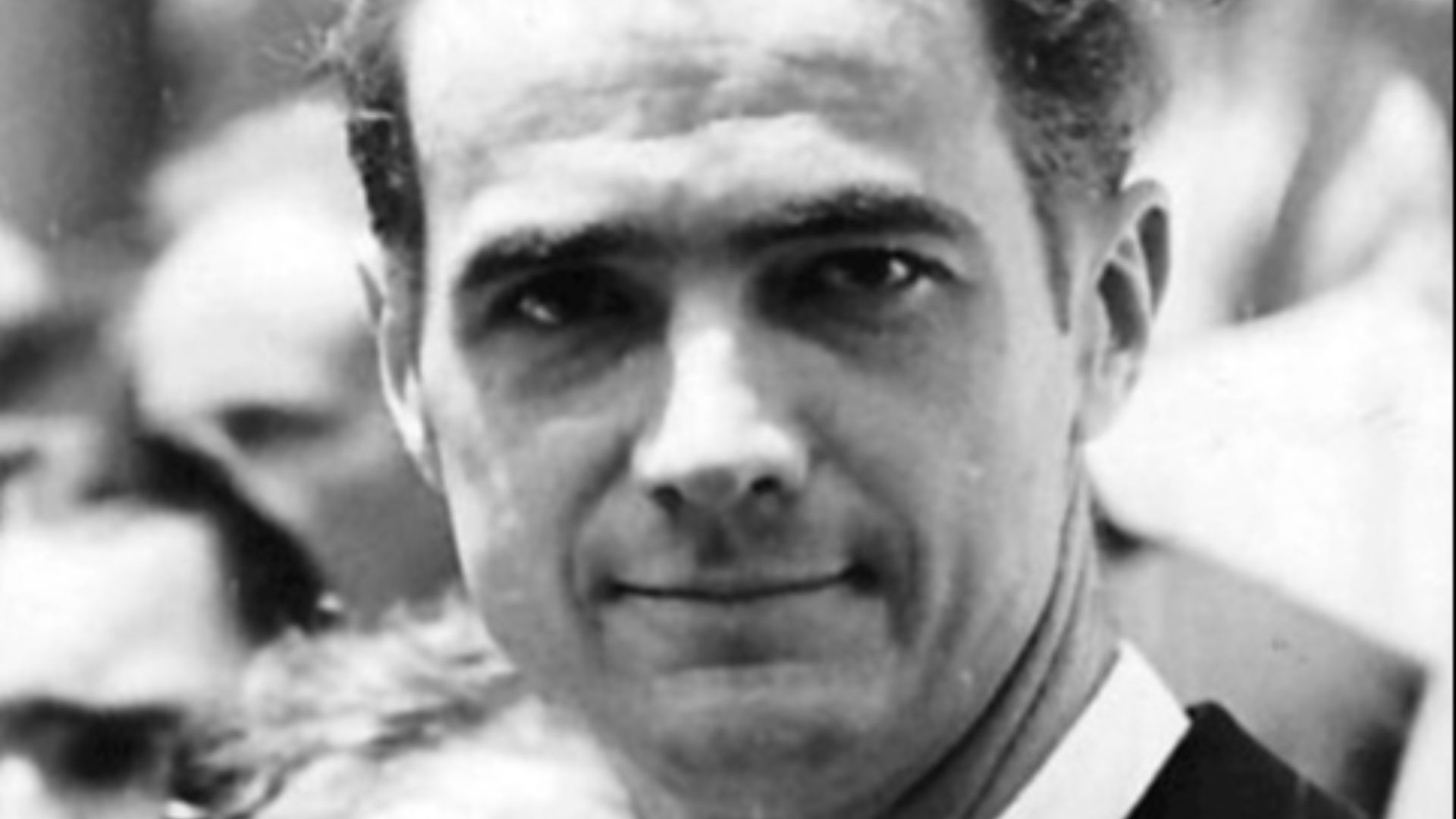
5. Howard Hughes
Howard Hughes micromanaged his staff down to the smallest detail, once dictating the exact way an employee should open a can of peaches without letting a finger touch the rim. His paranoia about germs and secrecy got so extreme that most of his staff communicated with him only through notes slid under a door, and some went years without ever seeing his face.
 Acme Newspictures on Wikimedia
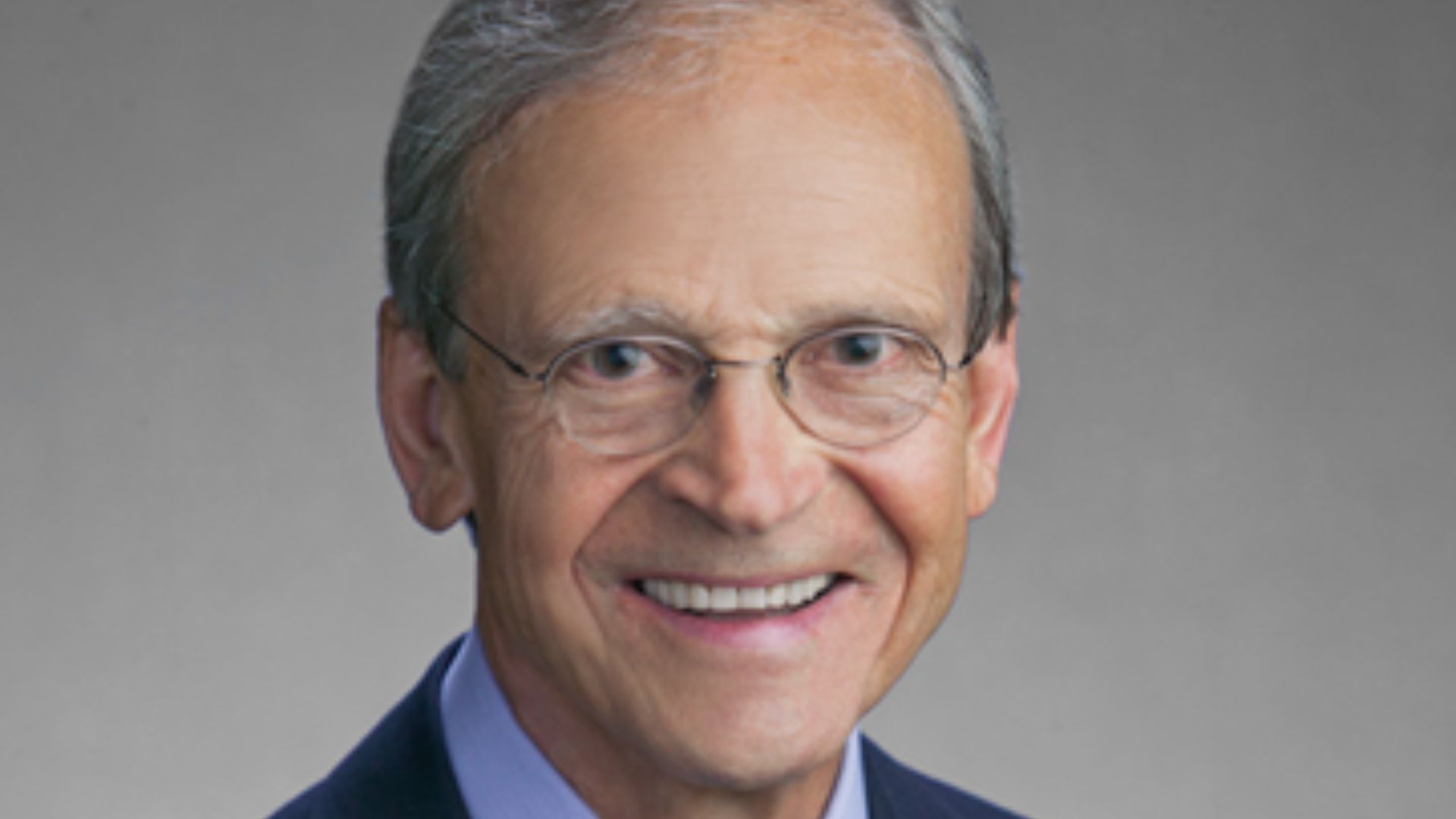
6. Frank Lorenzo
Frank Lorenzo took over Continental and Eastern Air Lines in the 1980s and used bankruptcy filings as leverage to gut union contracts and slash employee pay. Pilots and flight attendants who worked under him during that era still describe it as one of the most hostile periods in the history of American aviation.
 Andrew Cordes, photographer on Wikimedia
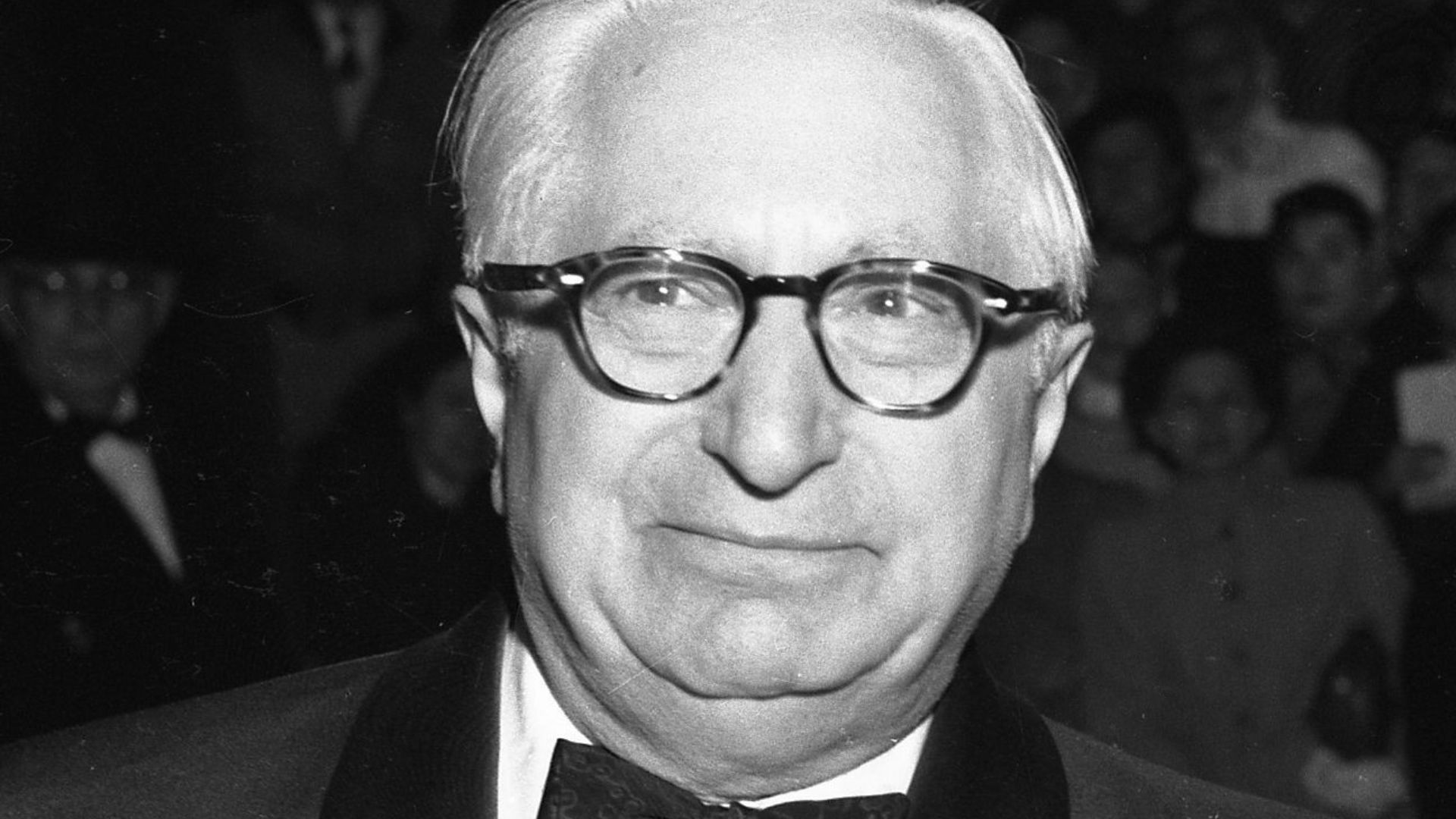
7. Louis B. Mayer
Louis B. Mayer ran MGM like a fiefdom, dictating what actors could eat, who they could date, and how quickly they needed to lose weight before their next film. Contract players who pushed back risked suspension without pay, and the psychological toll on young stars, most famously Judy Garland, became part of Hollywood's later reckoning with studio-era conditions.
 Louis_B_Mayer_and_Joan_Crawford.jpg: Los Angeles Times
derivative work: Sherool (talk) on Wikimedia
Louis_B_Mayer_and_Joan_Crawford.jpg: Los Angeles Times
derivative work: Sherool (talk) on Wikimedia
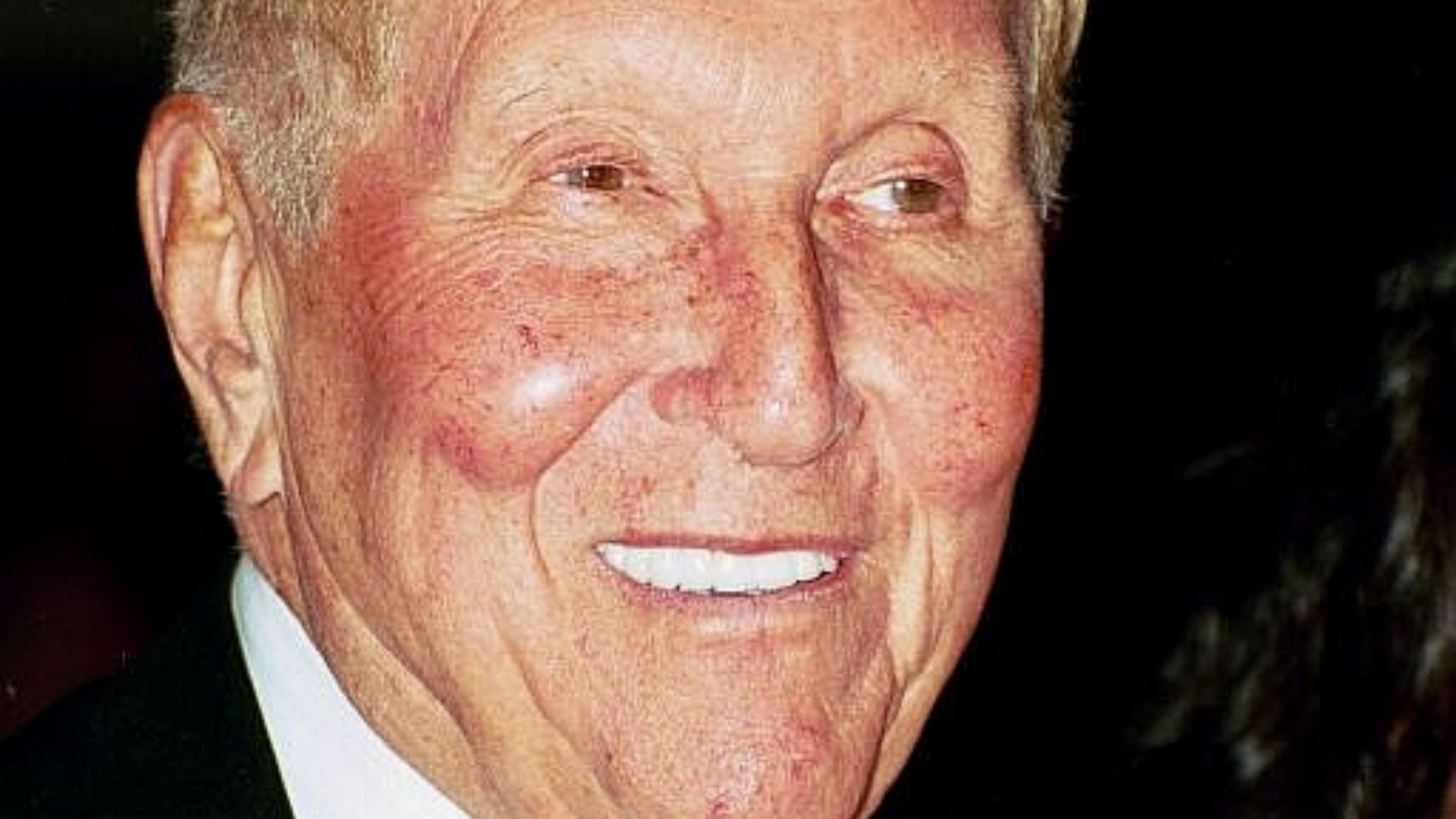
8. Sumner Redstone
Sumner Redstone ran Viacom and CBS well into his nineties and was known for forcing out longtime executives, and even his own children, the moment he felt their loyalty slipping. Lawsuits and boardroom battles followed him for decades, most of them tracing back to how unwilling he was to share control with anyone.
 Kingkongphoto & www.celebrity-photos.com from Laurel Maryland, USA on Wikimedia
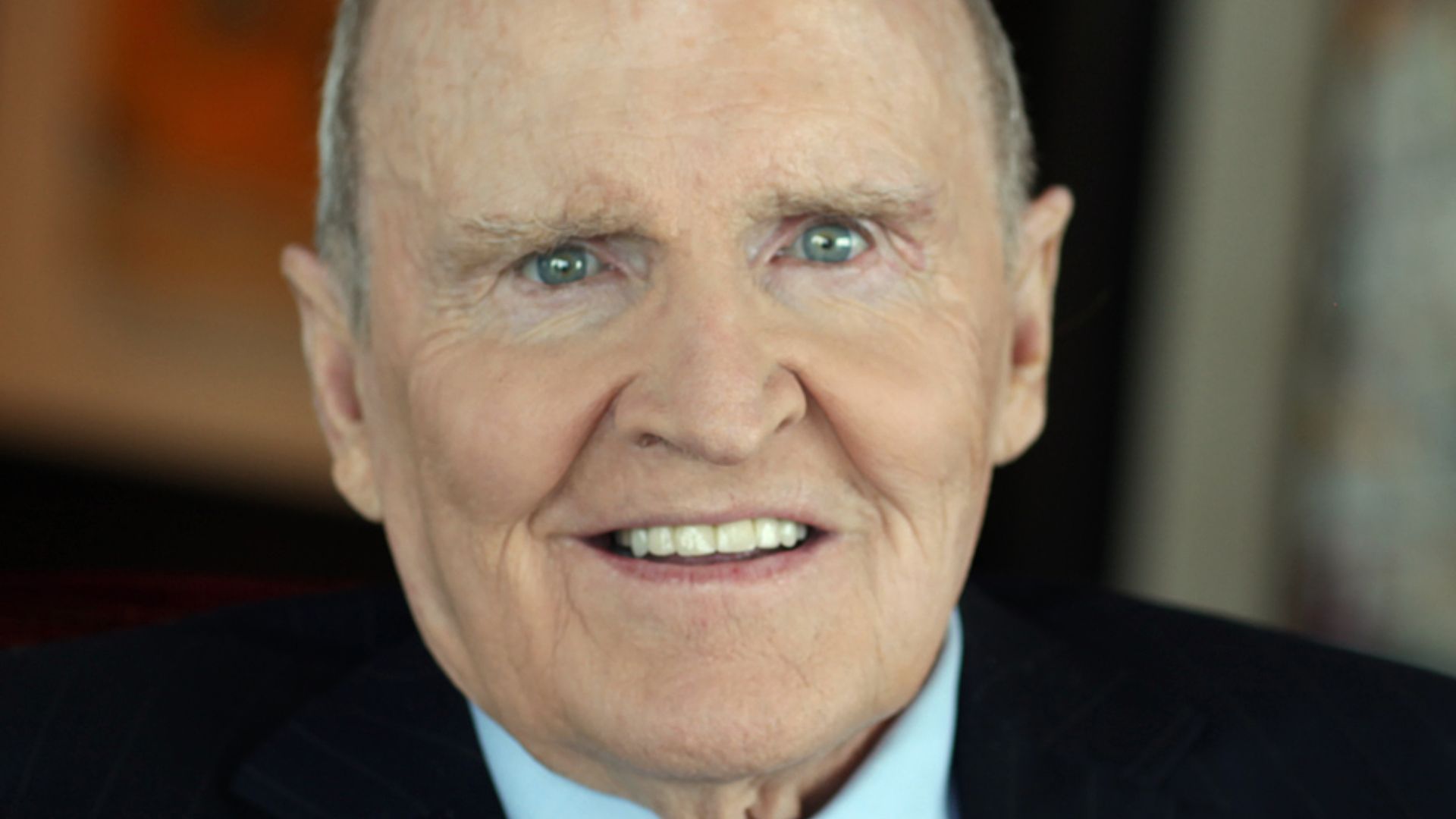
9. Jack Welch
Jack Welch personally pushed managers to fire the lowest-performing tenth of their staff every year and made it clear during his time at GE that hesitation on that front wouldn't be tolerated. Employees who worked under him described someone who treated compassion as a weakness and expected everyone else to match his intensity.
10. Robert Moses
Robert Moses ran New York's public works agencies for decades, and former staff described a boss who crushed dissent, played favorites, and made it clear that questioning him was a fast way to lose your job. He held onto power across multiple administrations largely by making himself impossible to challenge from the inside.
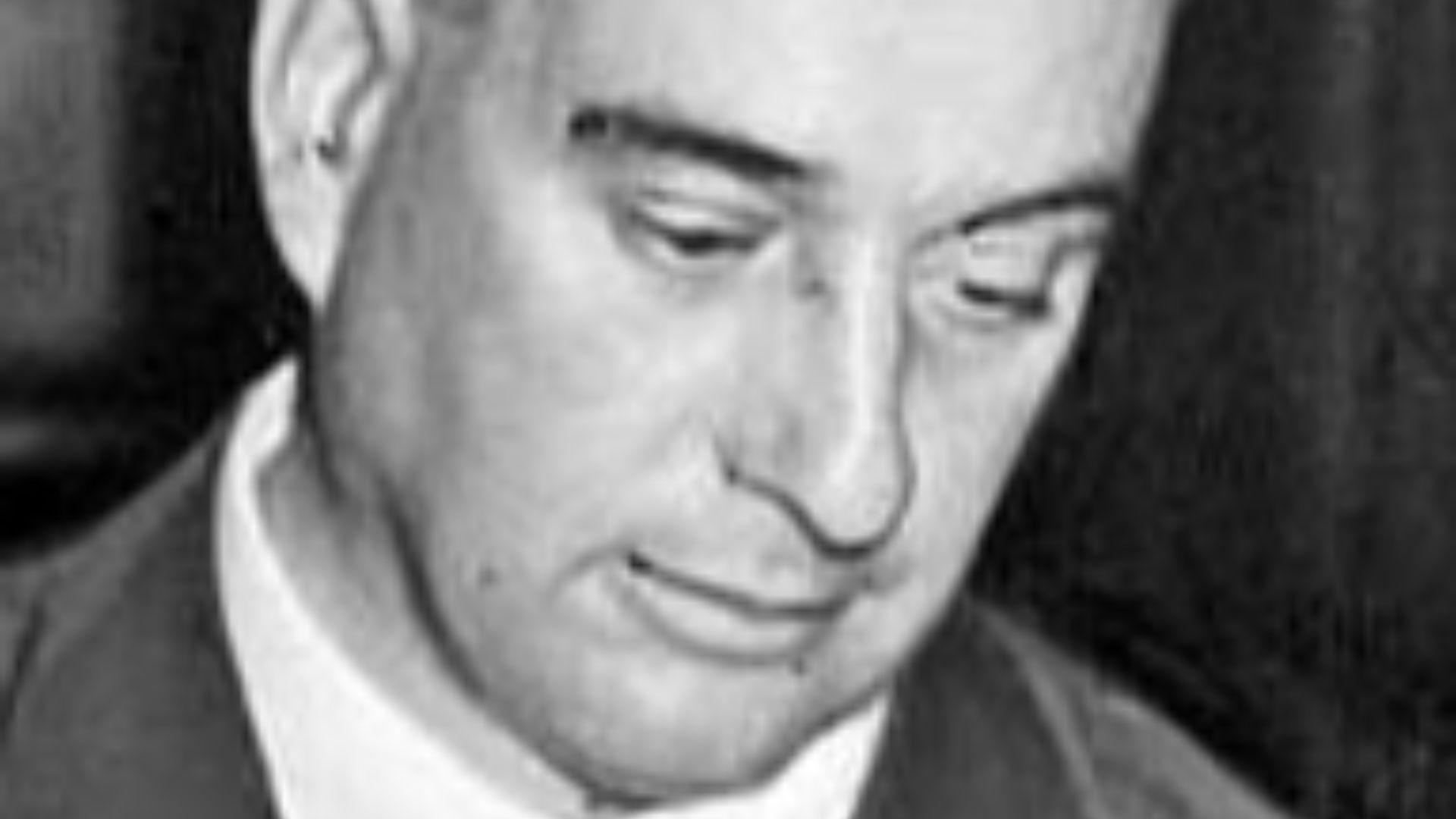
11. Thomas Edison
Thomas Edison ran his lab with long hours and low pay, and one of the most famous disputes involves Nikola Tesla, who said Edison promised a bonus for a completed project and then brushed off the request once the work was done. Historians still debate the exact details, but the reputation stuck to Edison regardless.
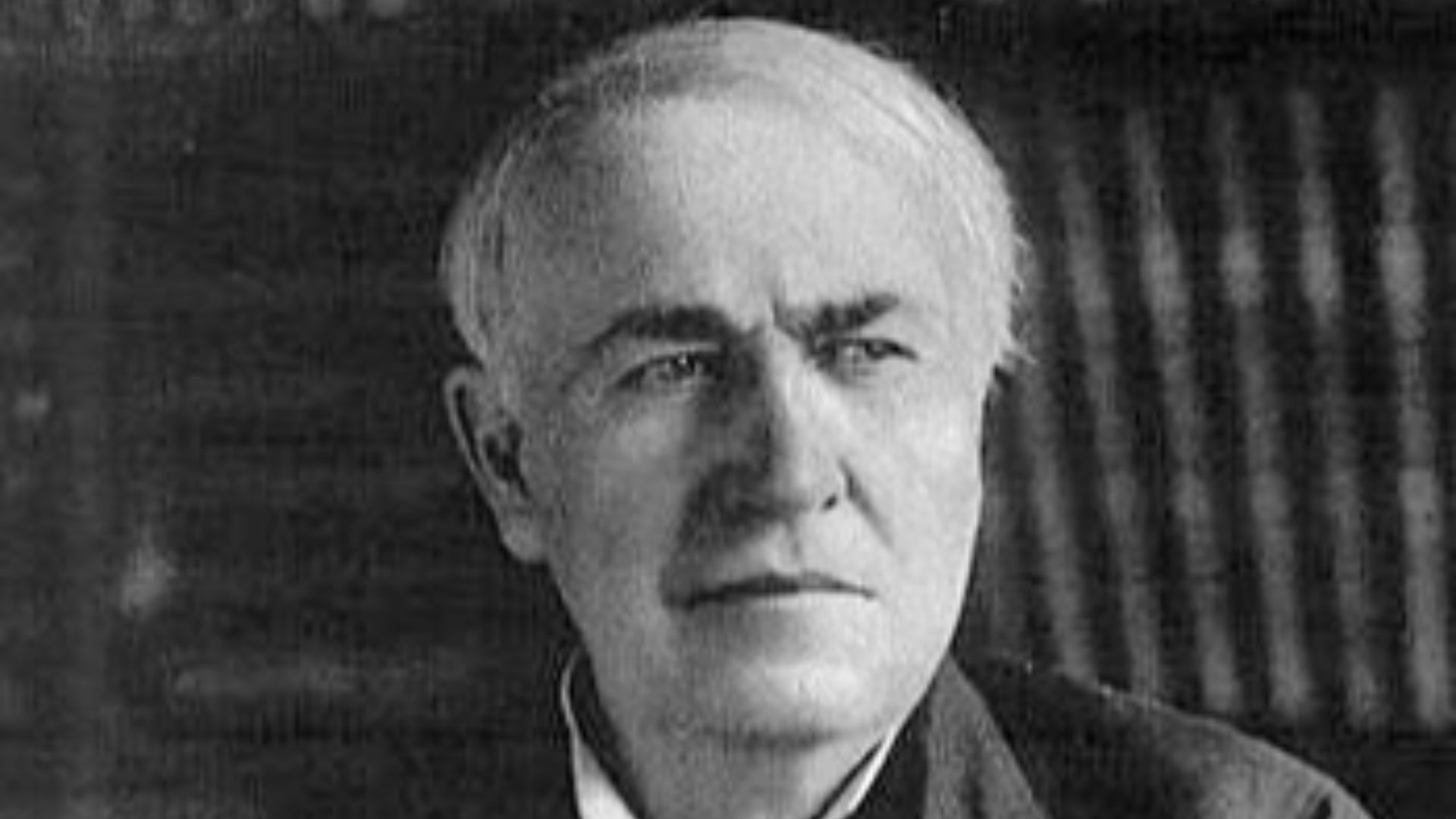 Unknown authorUnknown author on Wikimedia
12. Bernie Ebbers
Bernie Ebbers ran WorldCom with a bullying management style that former executives described as intimidating even in a good quarter, let alone a bad one. His hard-line insistence that the numbers always come in on target eventually pushed his own finance team into the accounting fraud that took down the entire company in 2002.
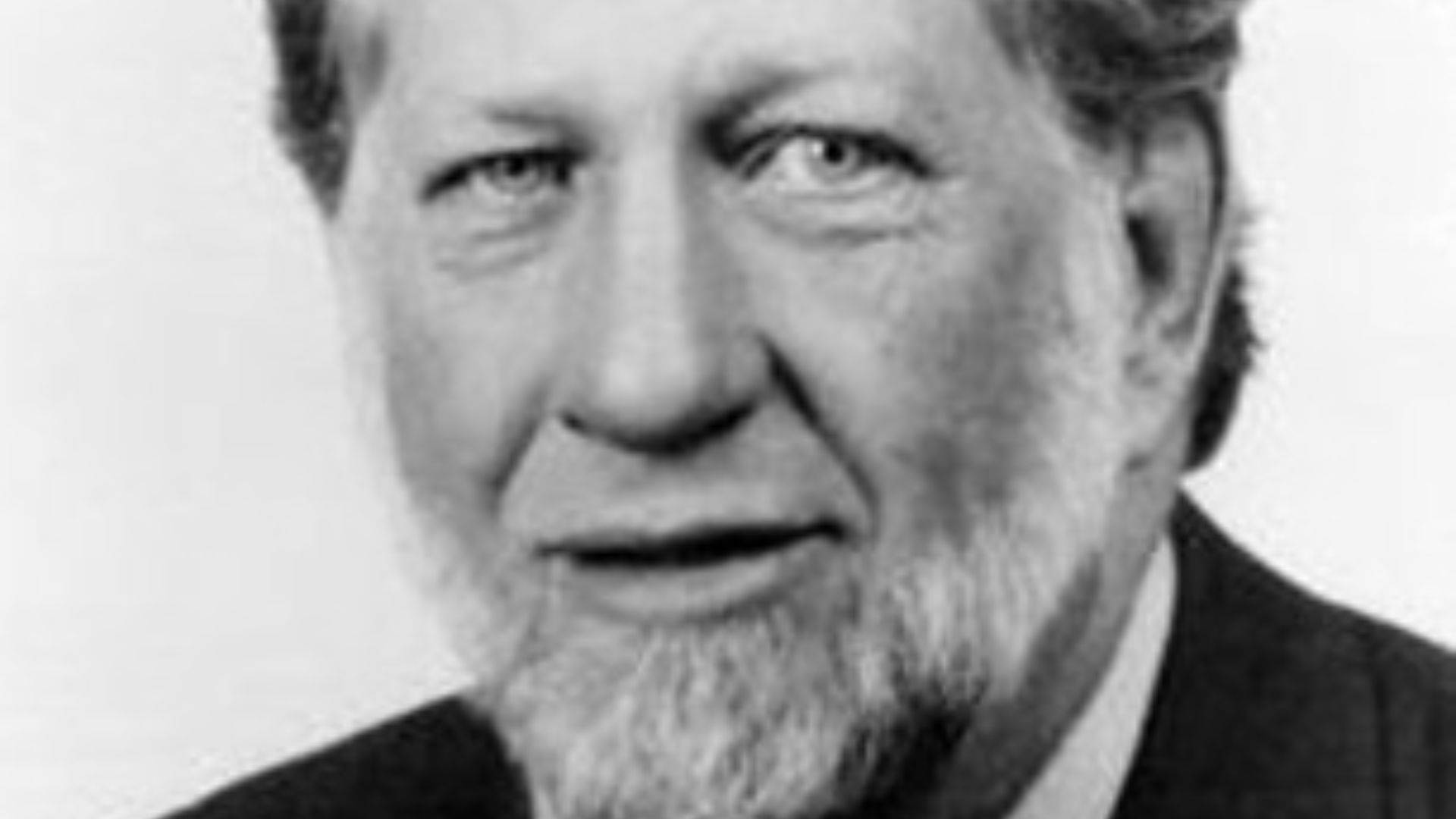 U.S. National Communications System on Wikimedia
13. J. Edgar Hoover
J. Edgar Hoover held grudges against agents he personally disliked and used his authority to transfer them to miserable postings out of spite. He also kept private files on people who worked for him, and he wasn't above using what he knew to keep them in line.
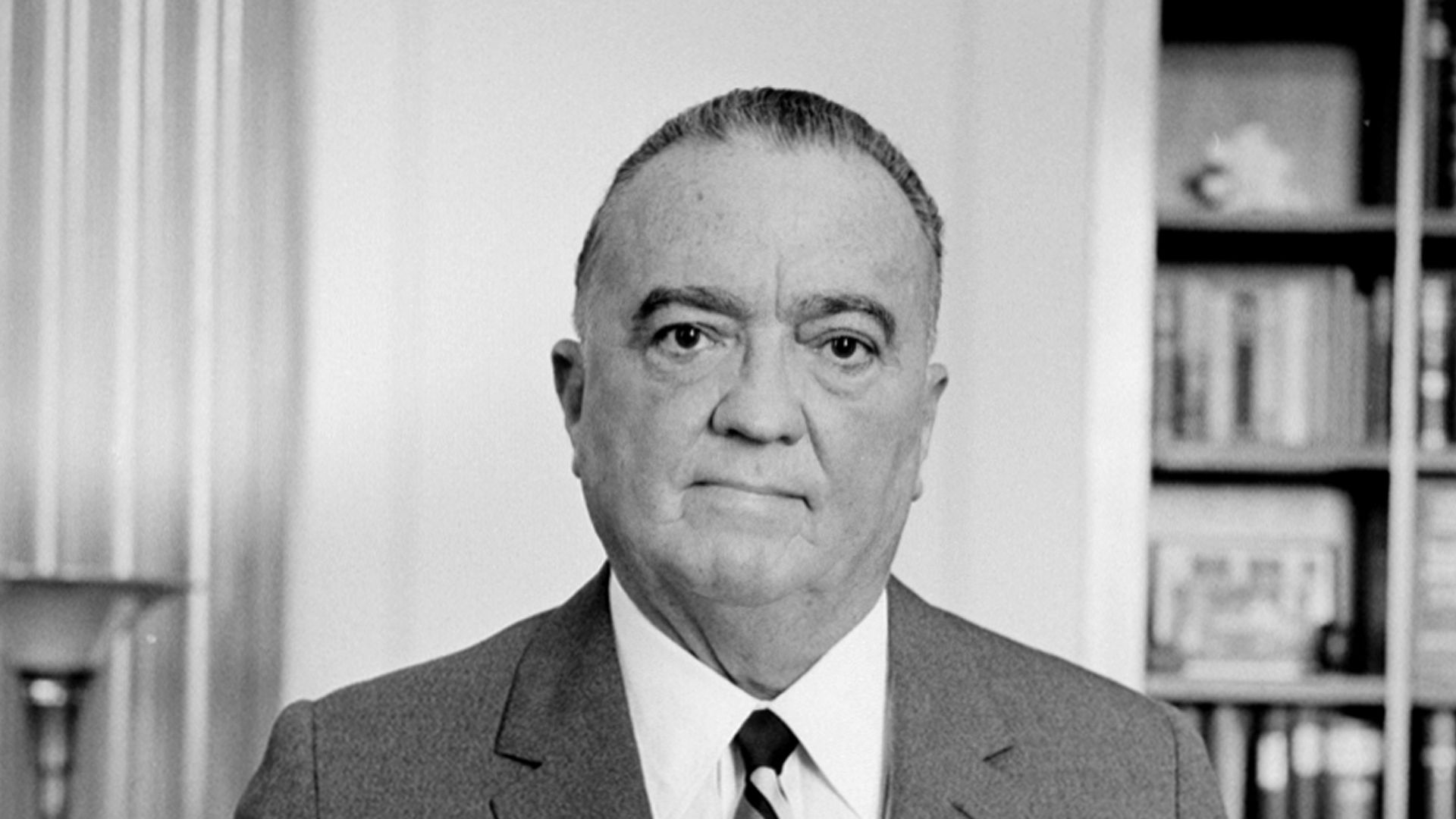 Marion S. Trikosko on Wikimedia
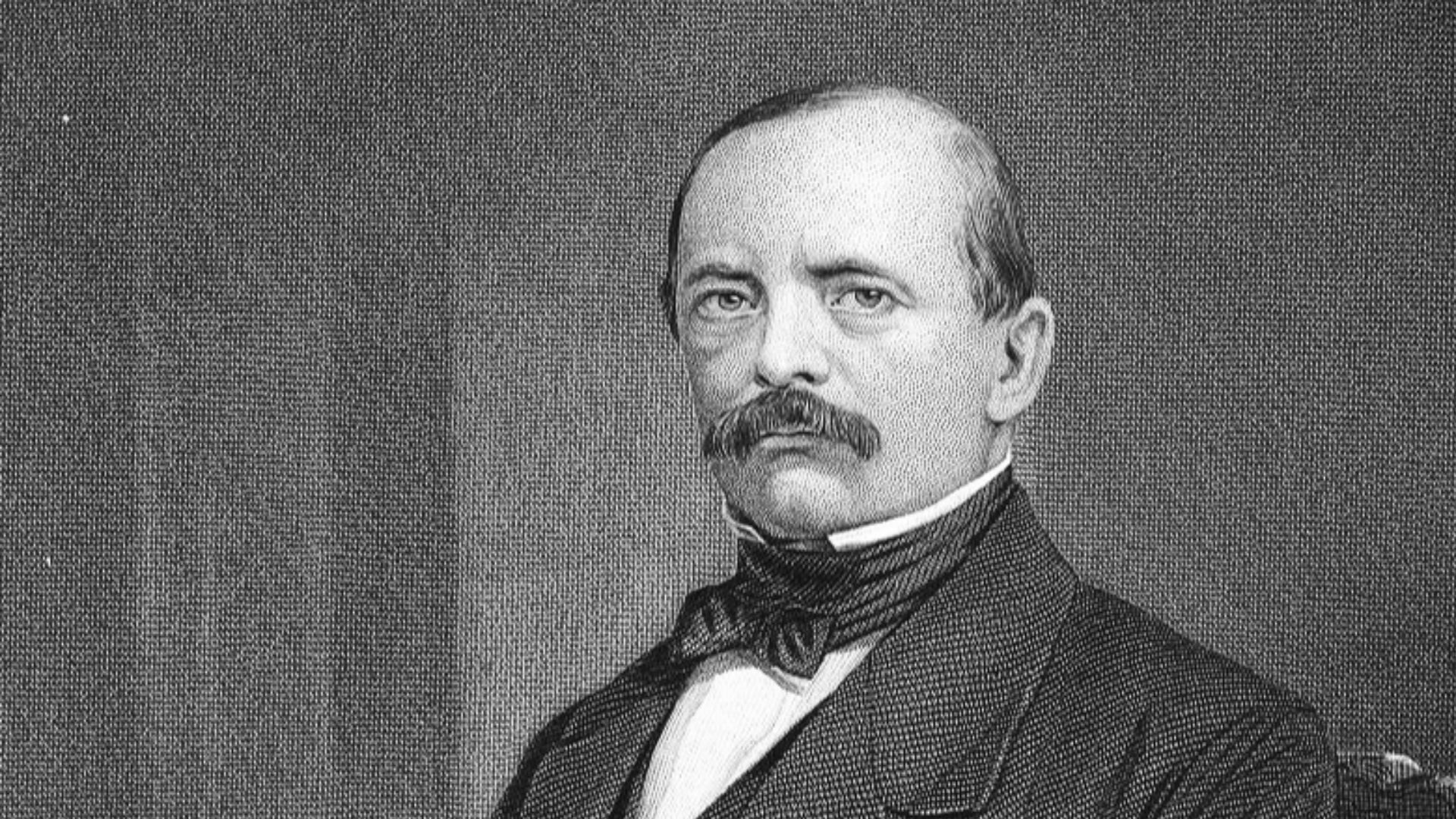
14. Otto von Bismarck
Bismarck ran his government like an extension of his own temper, forcing out officials the moment they challenged him, no matter how loyal they'd been. He eventually met his match in Kaiser Wilhelm II, who grew tired of Bismarck's controlling streak and pushed him into retirement in 1890.
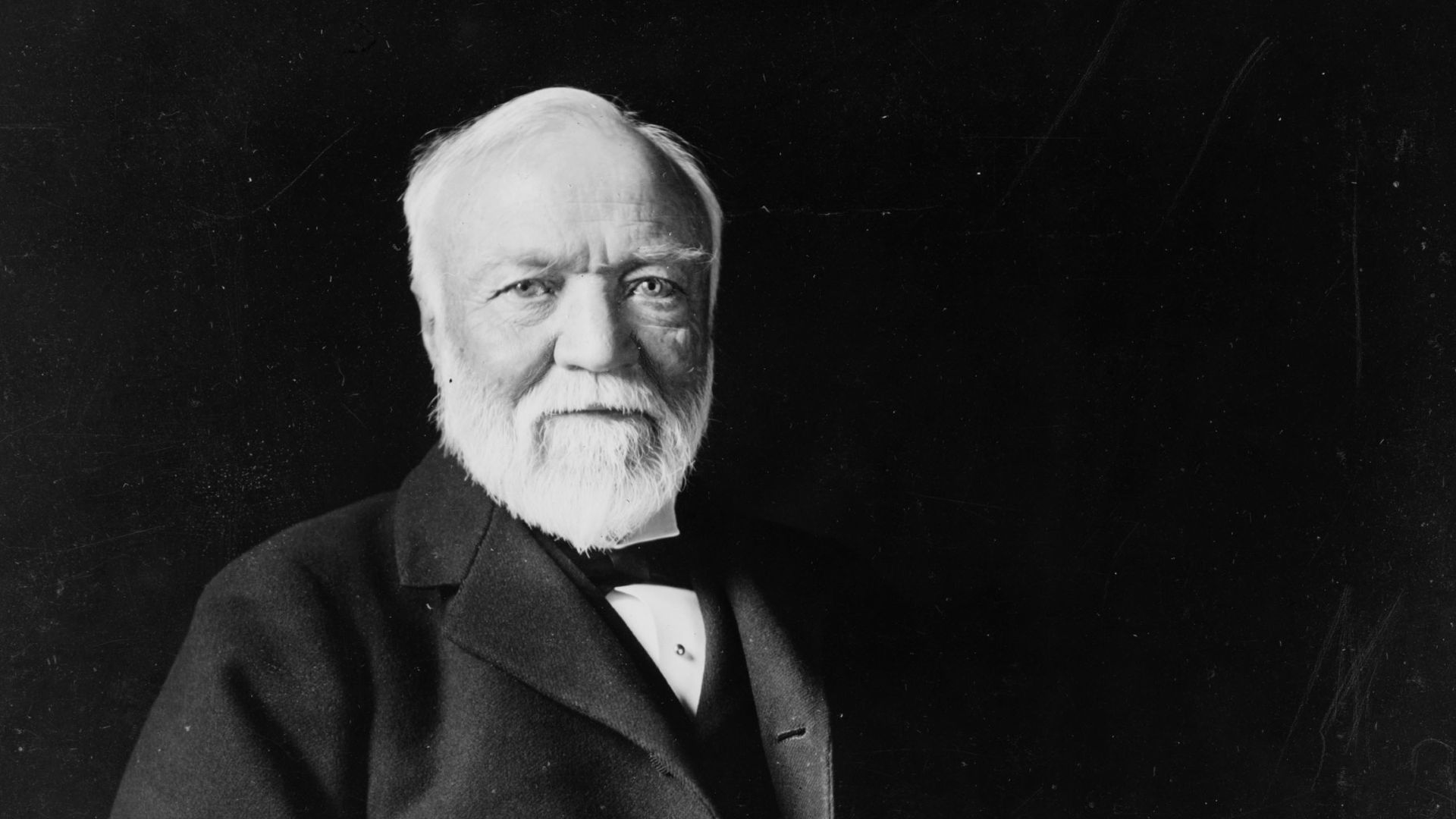
15. Andrew Carnegie
Andrew Carnegie liked to present himself as a friend to the working man, which made it worse when he left the country right as his own business partner sent armed guards after striking steelworkers in 1892. Several people died in the clash, and Carnegie's absence didn't stop his name from being the one people remembered.
 Theodore C. Marceau on Wikimedia
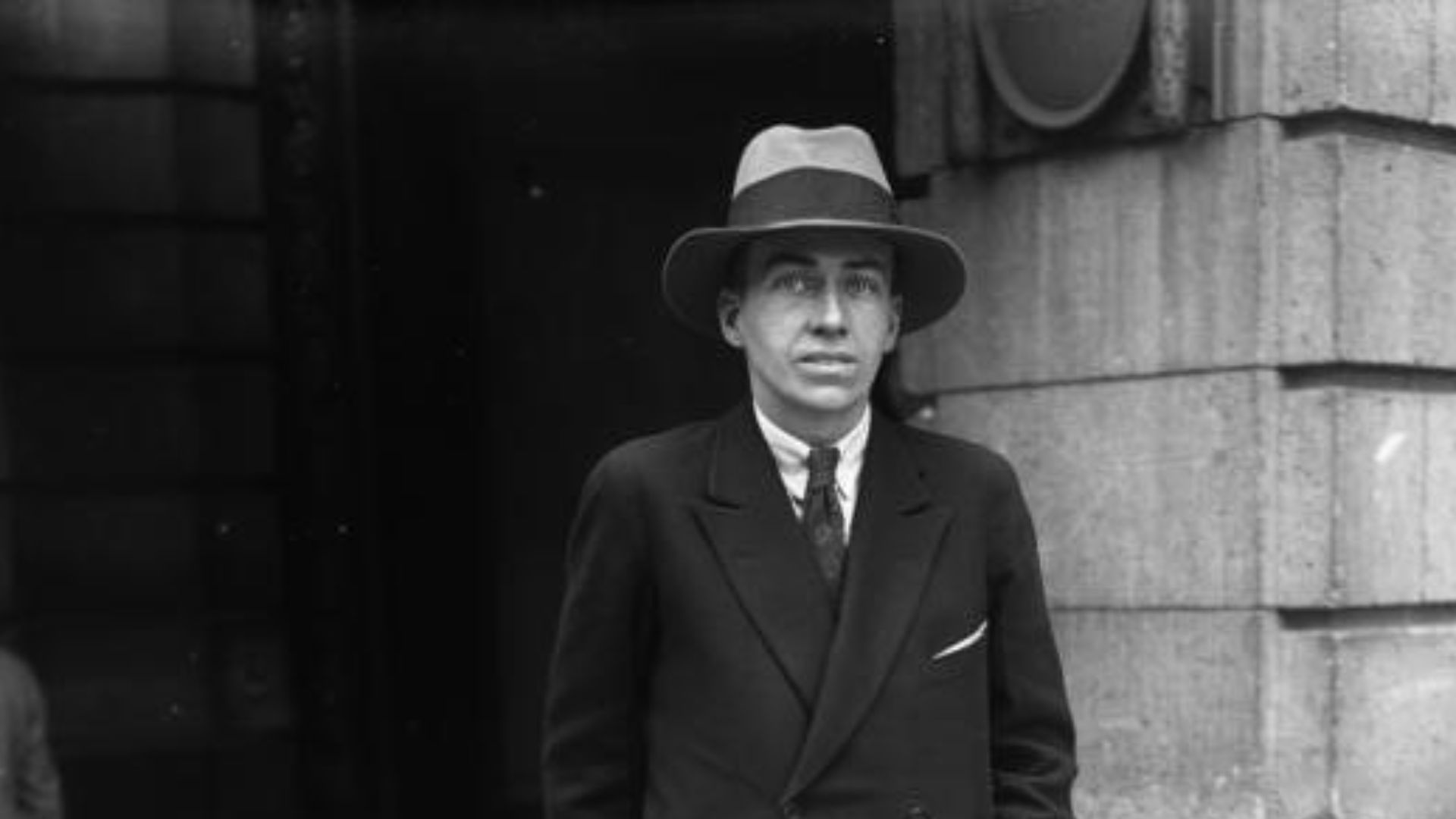
16. Cornelius Vanderbilt
Cornelius Vanderbilt treated nearly everyone around him, employees included, as an obstacle to be outmaneuvered rather than a person to work with. He built his fortune by undercutting rivals until they broke, and he showed the same instinct toward anyone who worked for him and pushed back.
 Unknown authorUnknown author on Wikimedia
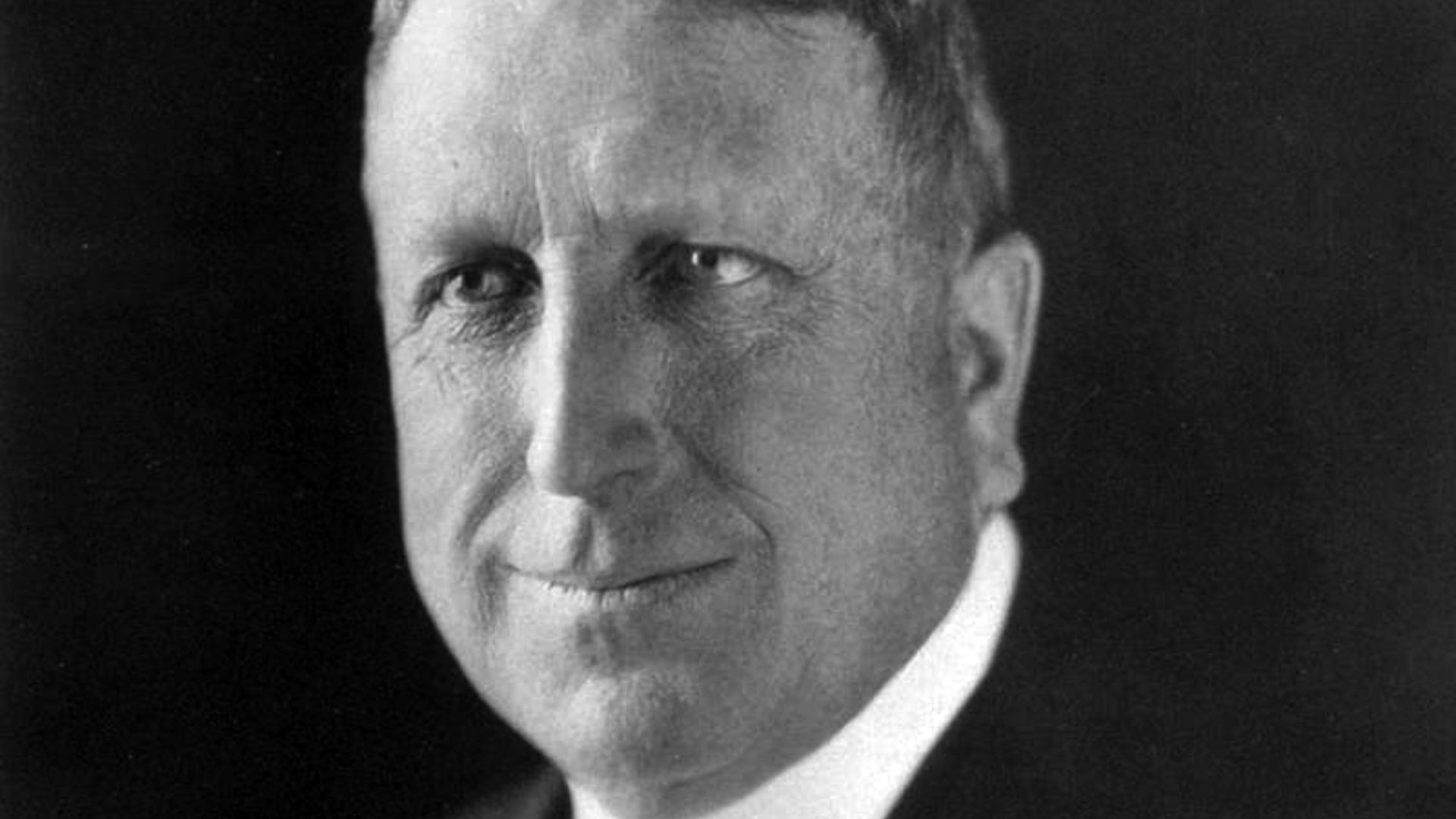
17. William Randolph Hearst
William Randolph Hearst personally dictated how his reporters covered stories, and anyone whose version of events didn't match his own risked losing their assignment or their job. He ran his newsrooms less like a business and more like an extension of his own opinions.
 AnonymousUnknown author on Wikimedia
18. Coco Chanel
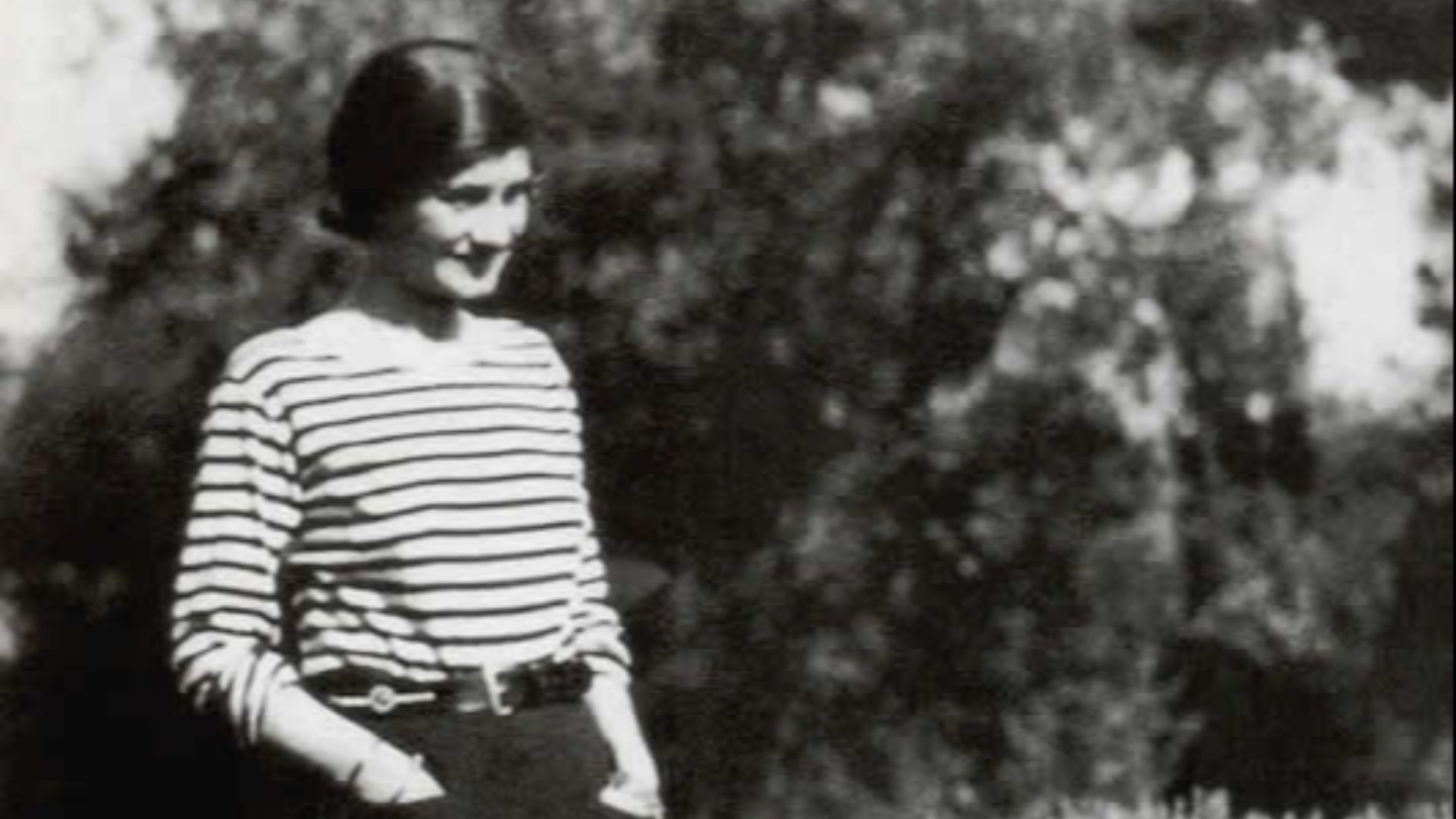
Coco Chanel shut down her fashion house without warning in 1939, leaving thousands of seamstresses who'd built her name without work overnight. It was entirely her call, made with little regard for what happened to the people who'd spent years sewing for her.
 Unknown authorUnknown author on Wikimedia
19. Walt Disney
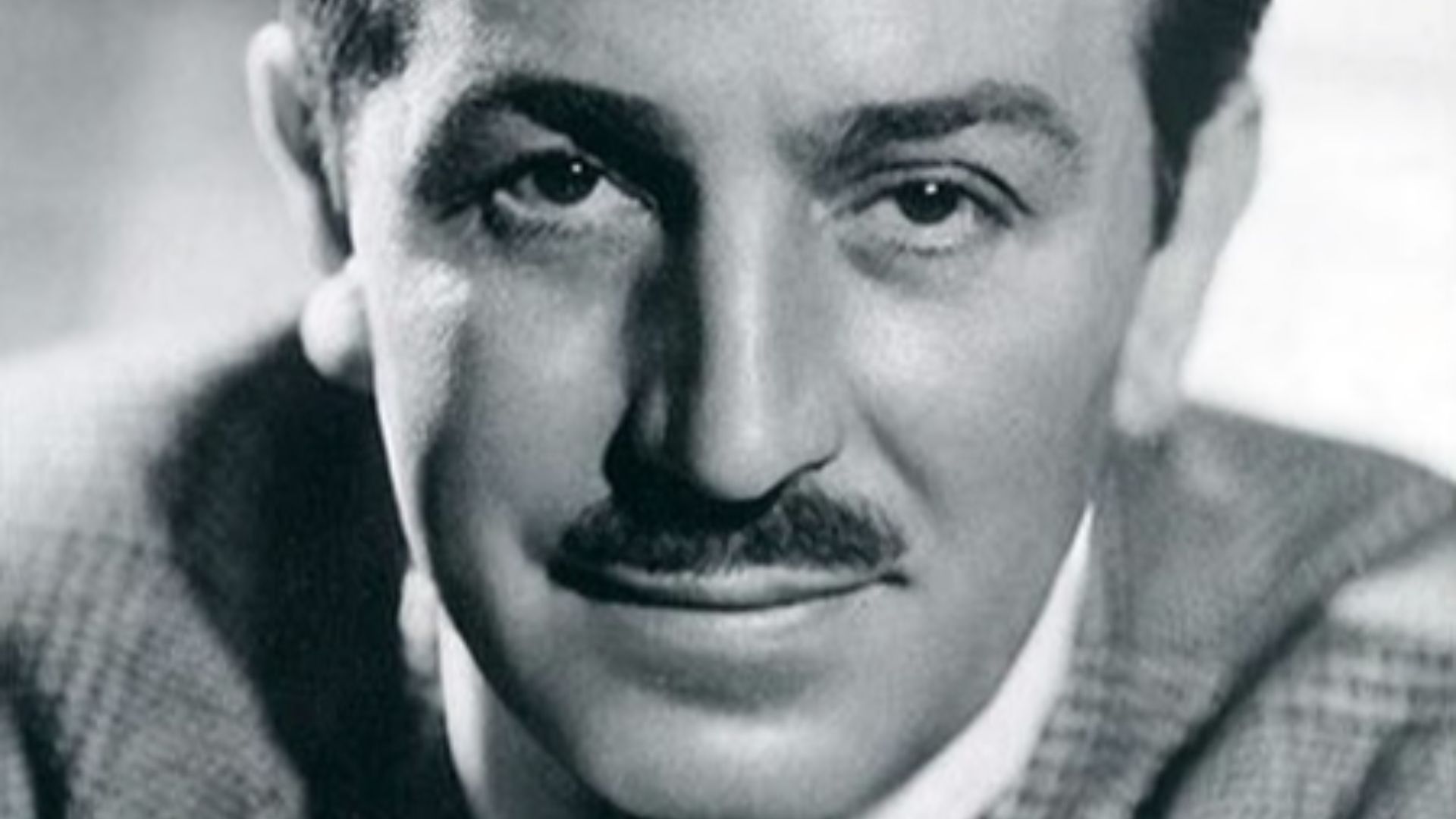
Walt Disney played favorites openly, rewarding animators he personally liked while overlooking everyone else, and both the pay and the recognition reflected it. That imbalance was part of what pushed his own animators to strike against him in 1941.
 Boy Scouts of America on Wikimedia
20. Steve Jobs
Steve Jobs was known for public dressing-downs so intense that employees dreaded getting into an elevator with him, since a ride to the wrong floor sometimes meant losing your job before it stopped. His standards for design and execution were relentless, and he rarely softened feedback to protect anyone's feelings.

KEEP ON READING