Sometimes the Clock Really Matters
History loves a carefully planned schedule, but it rarely seems interested in following one. Armies have shown up after battles started, warnings have arrived after attacks began, and a few inconvenient delays have accidentally put people in the right place at exactly the wrong time. In some cases, being late merely caused chaos, while in others it helped decide wars, topple governments, or save lives. Here are 20 times tardiness changed the way history played out.
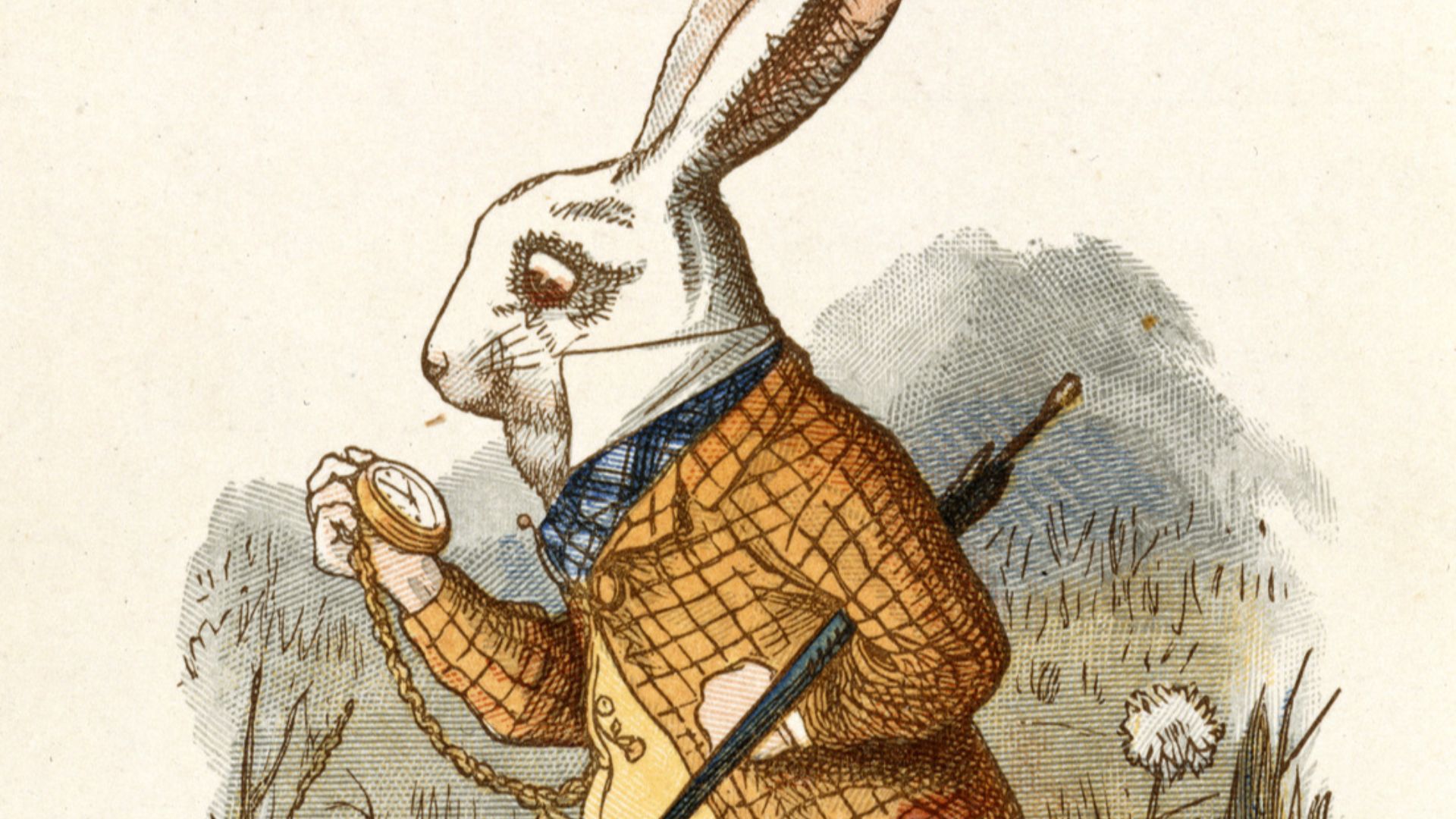
1. British Reinforcements Reached Yorktown Too Late
As George Washington and French forces surrounded British General Charles Cornwallis at Yorktown in 1781, British commanders in New York planned to send thousands of troops to rescue him. The relief expedition didn't sail until October 19, the very day Cornwallis formally surrendered, and it reached the Chesapeake several days later. Had those reinforcements arrived sooner, the siege might have unfolded very differently, but their lateness helped ensure the American victory that effectively ended major fighting in the Revolutionary War.
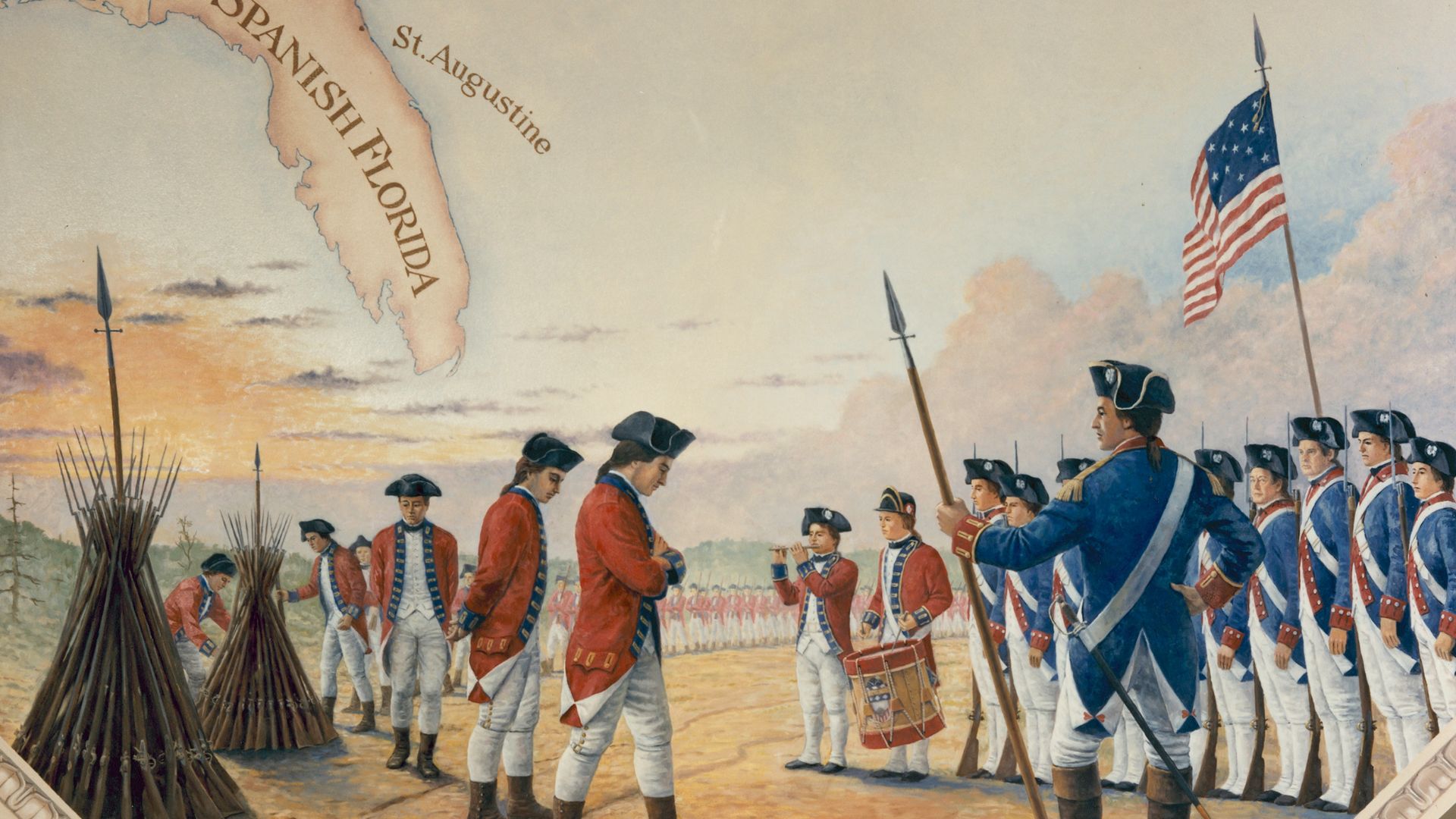
2. William the Conqueror's Invasion Was Delayed by the Weather
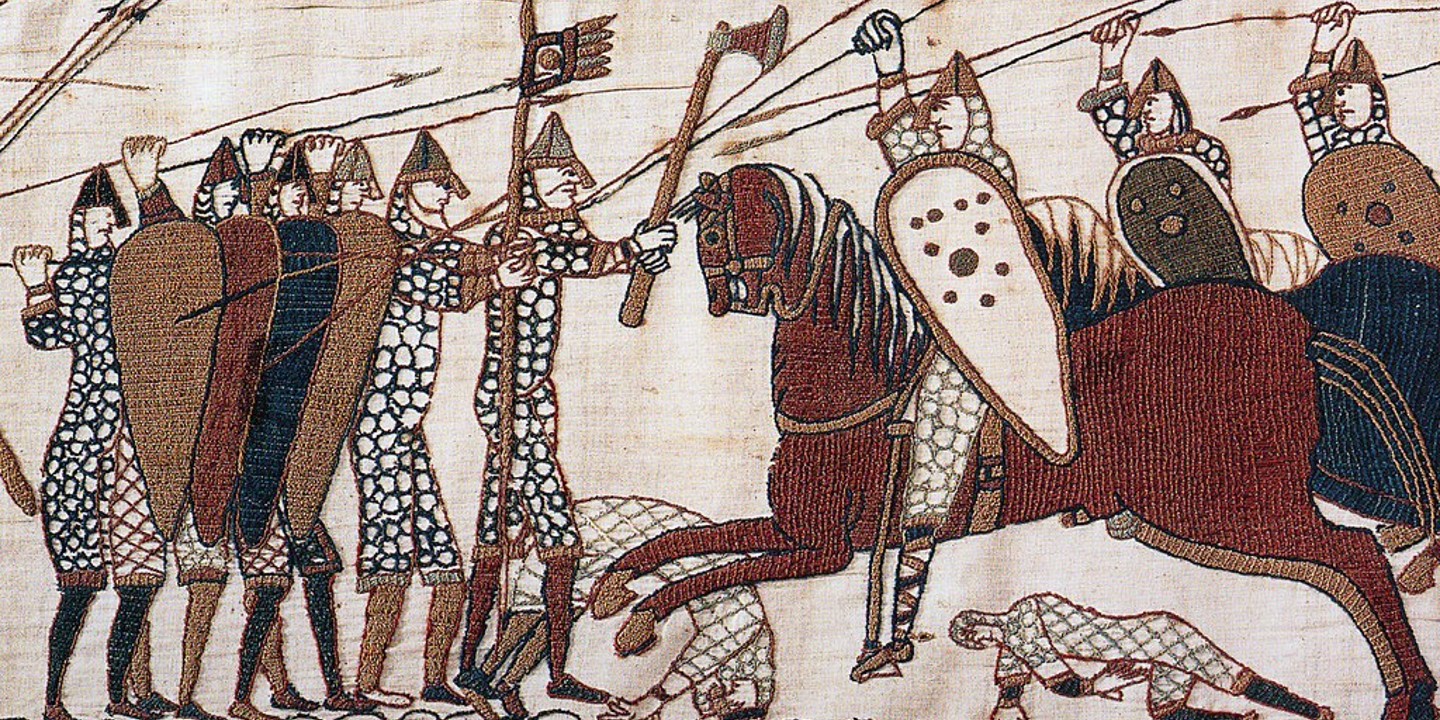
William of Normandy spent weeks waiting for favorable winds before he could sail across the English Channel in 1066. That delay gave King Harold II enough time to march north and defeat a separate Viking invasion at Stamford Bridge. Once he learned that William had finally landed in the south, Harold rushed his exhausted army back down England, only to be defeated by William's forces, permanently changing the country's ruling dynasty, language, and culture.
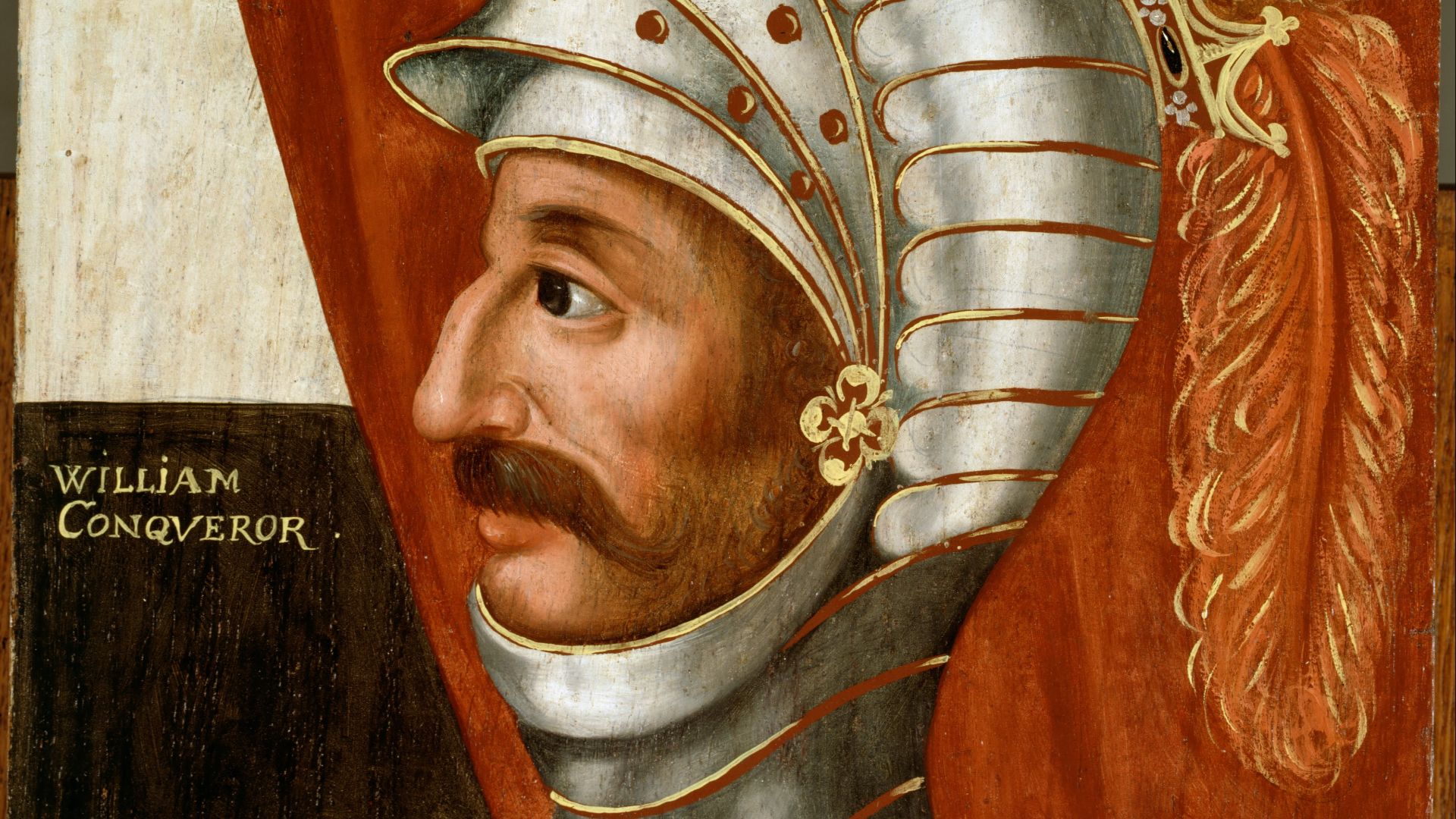 British – School Details on Google Art Project on Wikimedia
3. Louis XVI's Escape Moved Far Too Slowly
When Louis XVI and his family secretly fled Paris in 1791, speed should've been the entire point. Instead, their large carriage traveled slowly, and the royal party fell behind schedule. Because their escape plan depended on a carefully timed chain of military escorts, falling behind schedule caused that system to break down, leading to their arrest and execution. If they had been on time, they might've been spared.
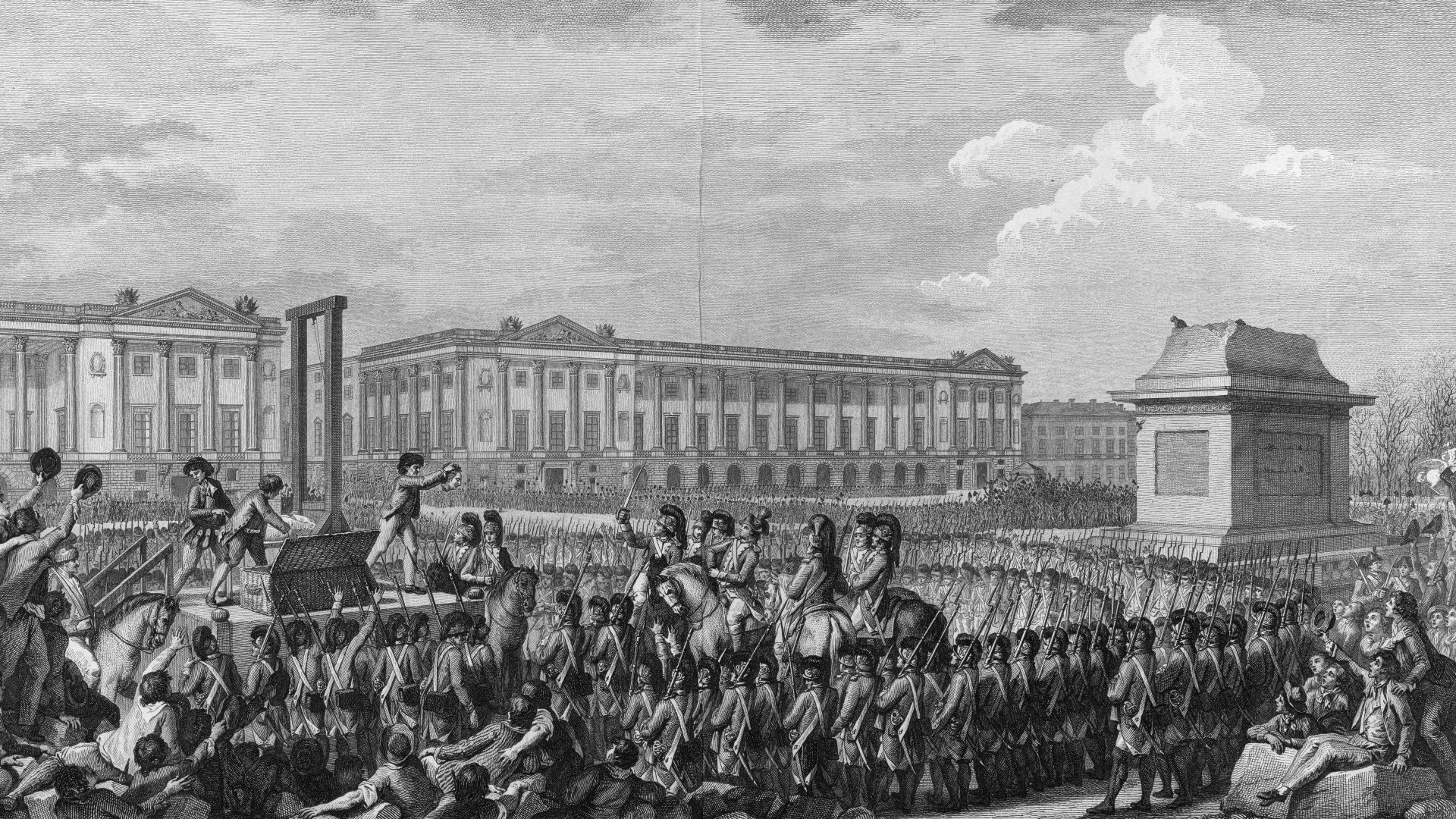 Isidore Stanislas Helman / After Charles Monnet on Wikimedia
4. Napoleon Waited Too Long to Begin at Waterloo
Heavy rain soaked the battlefield before Waterloo in 1815, so Napoleon delayed his main attack while the ground dried enough for artillery and cavalry to operate more effectively. As a result, the French assault didn't properly get underway until late morning, giving Wellington's forces valuable extra hours to hold their position. More importantly, it gave the Prussian army additional time to march toward the battlefield and eventually help overwhelm Napoleon.
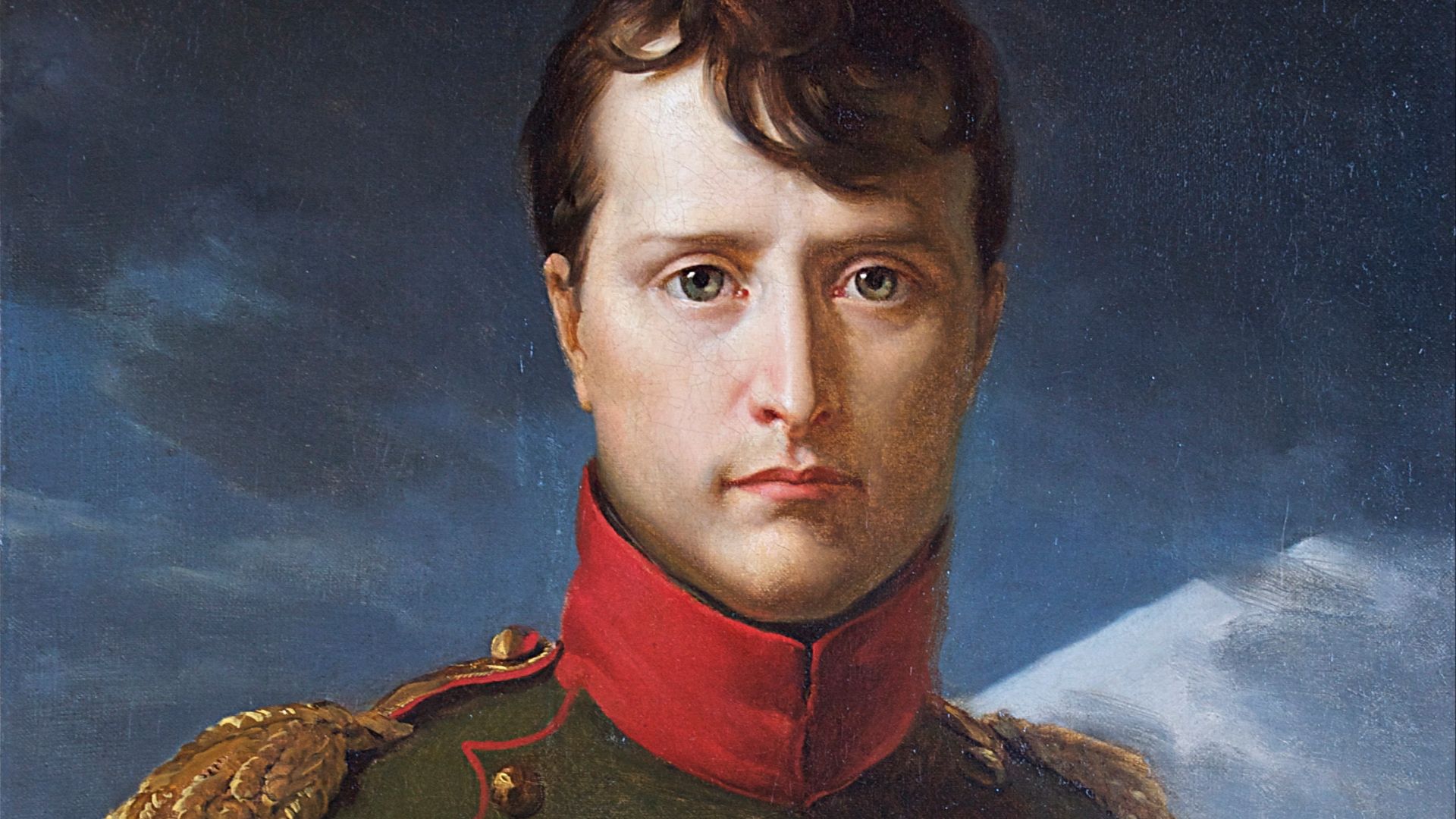
5. Marshal Grouchy Wasn't Where Napoleon Needed Him
Napoleon had sent Marshal Emmanuel de Grouchy and tens of thousands of troops after the retreating Prussians before Waterloo. Grouchy's pursuit developed slowly, and by the time he heard heavy cannon fire from Napoleon's direction, he chose to continue following his existing orders instead of marching toward the battle. The Prussians reached Waterloo while Grouchy did not, leaving Napoleon without a huge chunk of his army during his final defeat.
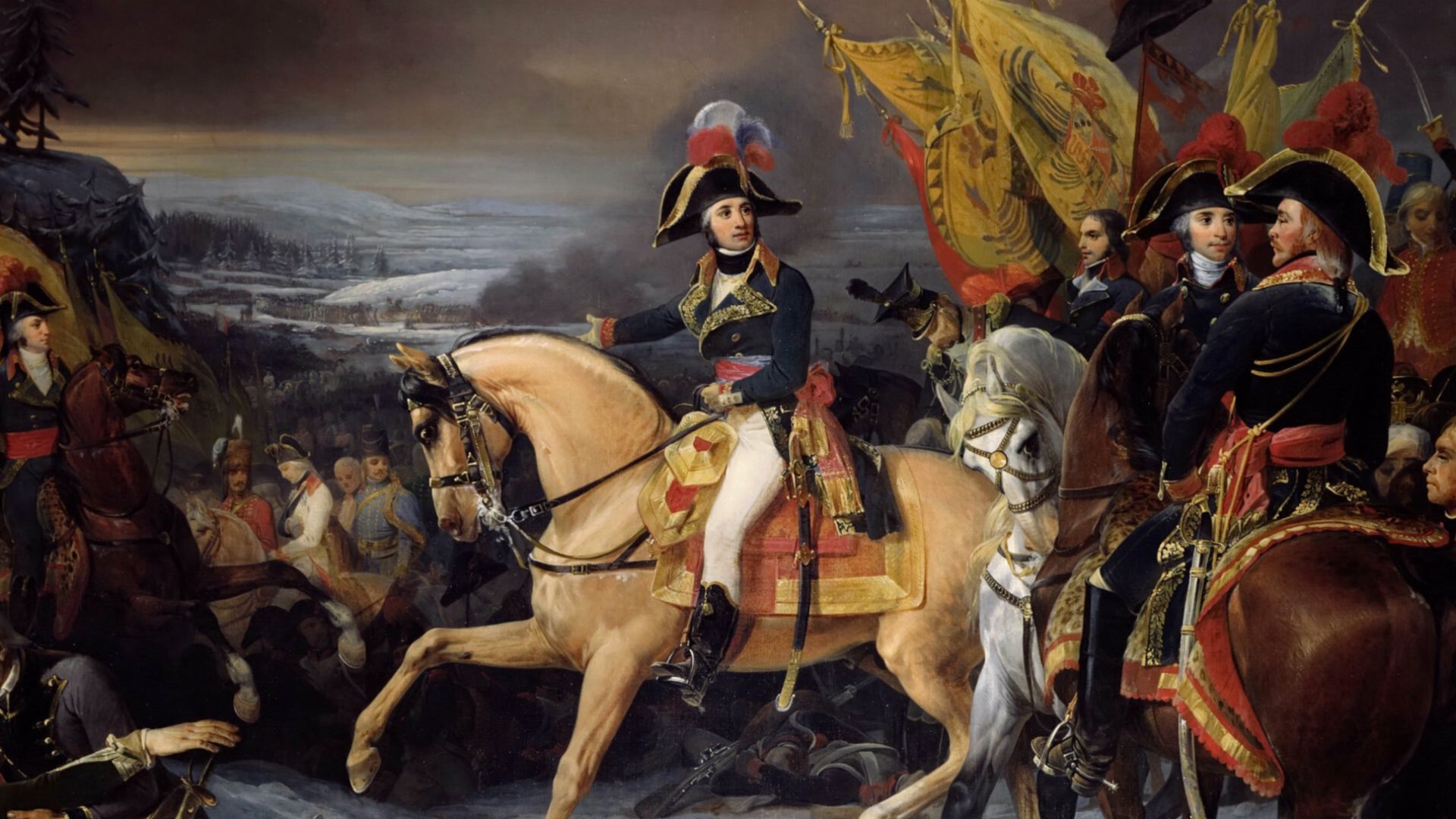 Henri Frédéric Schopin on Wikimedia
6. Desaix Arrived Just in Time to Rescue Napoleon
Being late doesn't always mean missing the important part. At the Battle of Marengo in 1800, Napoleon's army was being pushed backward by the Austrians when General Louis Desaix arrived with fresh French troops late in the afternoon. His men helped launch a counterattack that turned an apparent defeat into a French victory, strengthening Napoleon's hold on power at a crucial moment in his rise.
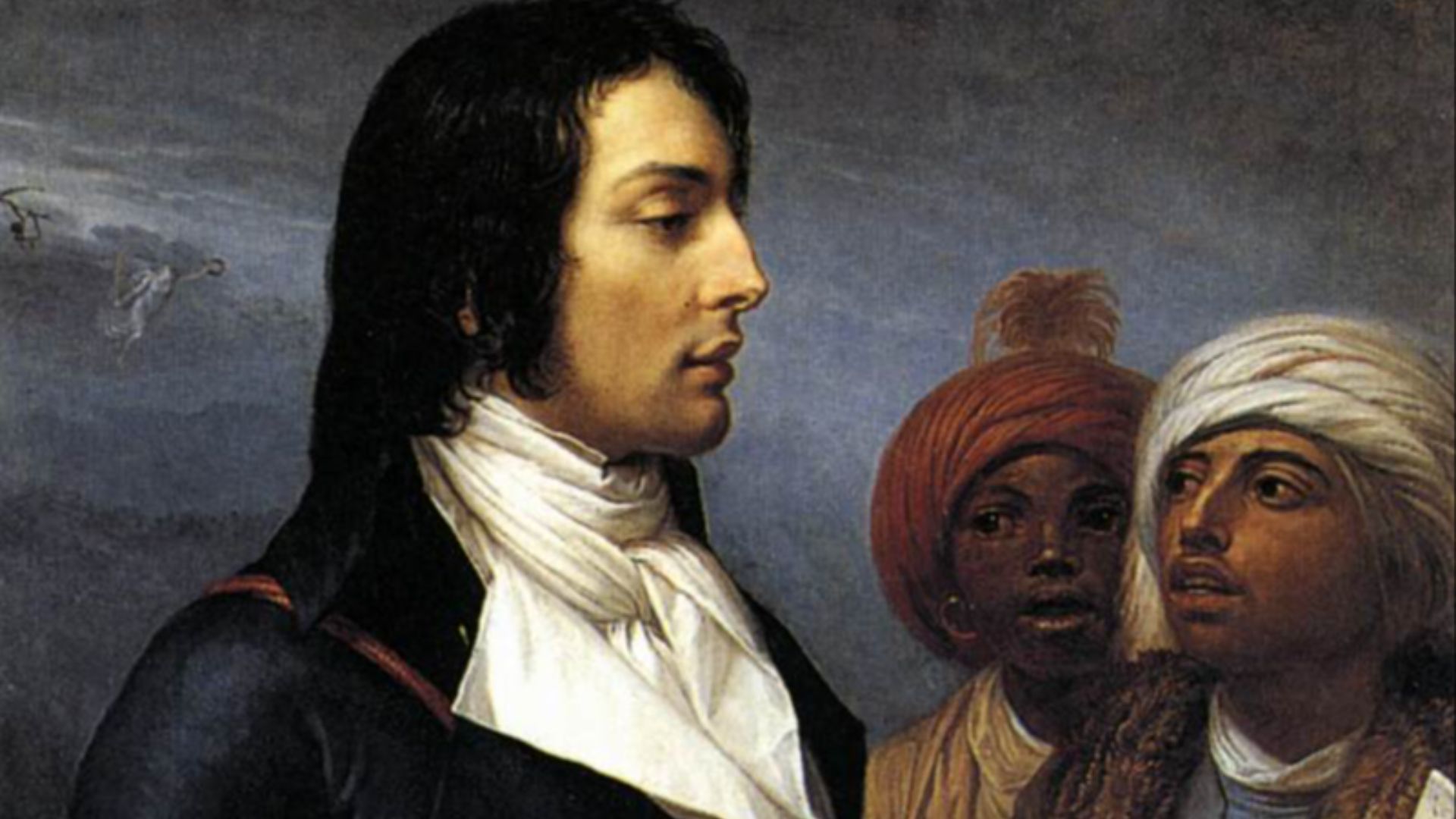
7. General Howe Waited & Washington Escaped
After defeating American forces at the Battle of Long Island in 1776, British commander William Howe had George Washington's army trapped against the East River. Rather than immediately pressing the attack, Howe paused and prepared for a more methodical finish. Washington used the delay to quietly evacuate thousands of soldiers across the river overnight, preserving the Continental Army when its destruction could've ended the Revolution surprisingly early.
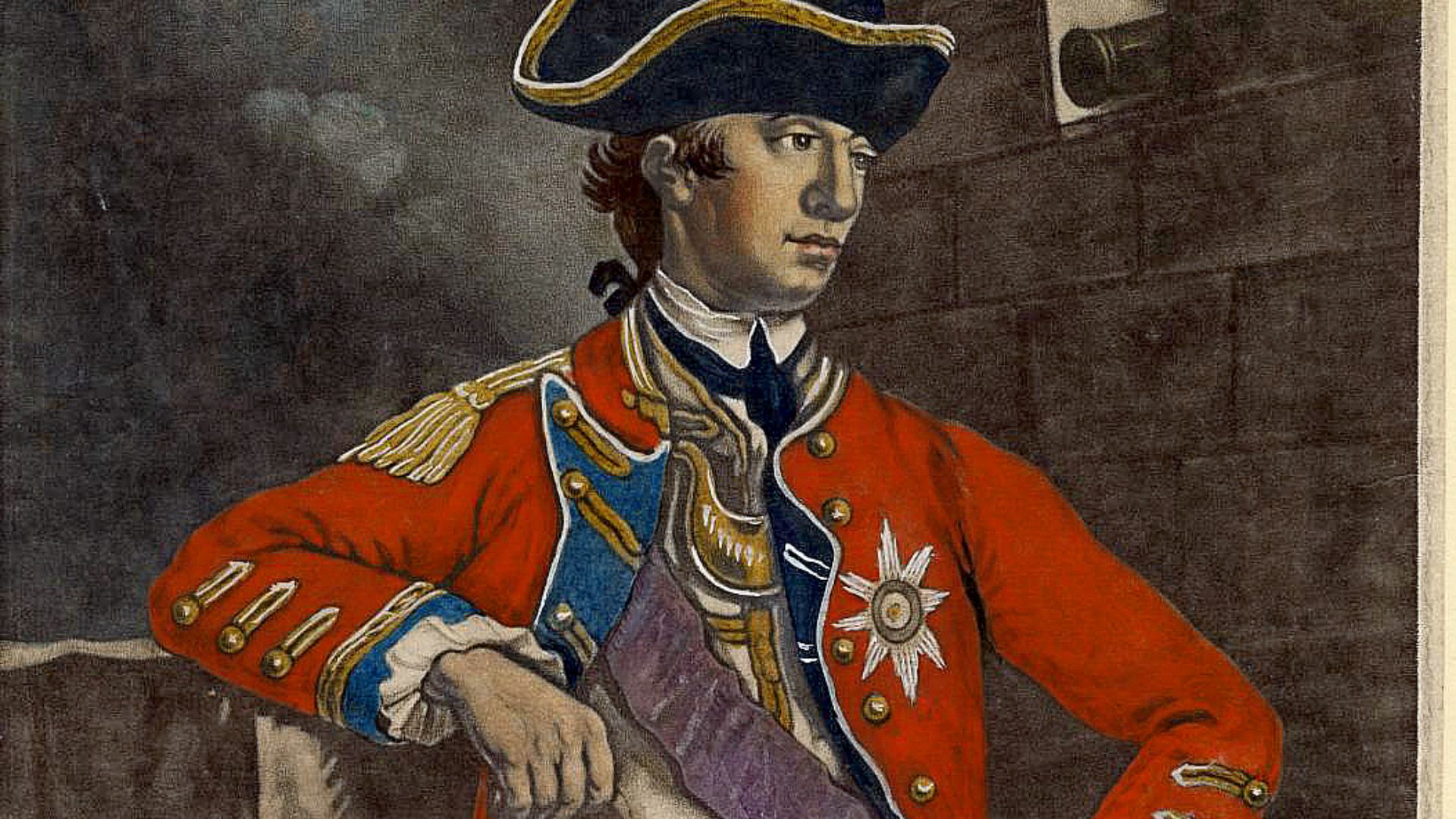 Richard Purcell aka Charles Corbutt (ca 1736-ca 1766) on Wikimedia
8. News of Peace Reached New Orleans Too Late
The Treaty of Ghent officially ended the War of 1812 in December 1814, but news couldn't cross the Atlantic at anything resembling modern speed. American and British forces therefore fought the Battle of New Orleans in January 1815 without knowing diplomats abroad had already agreed to peace. Andrew Jackson's dramatic victory, which happened in the matter of 30 minutes, didn't change the treaty, but it turned him into a national hero and helped launch the political career that eventually put him in the White House.
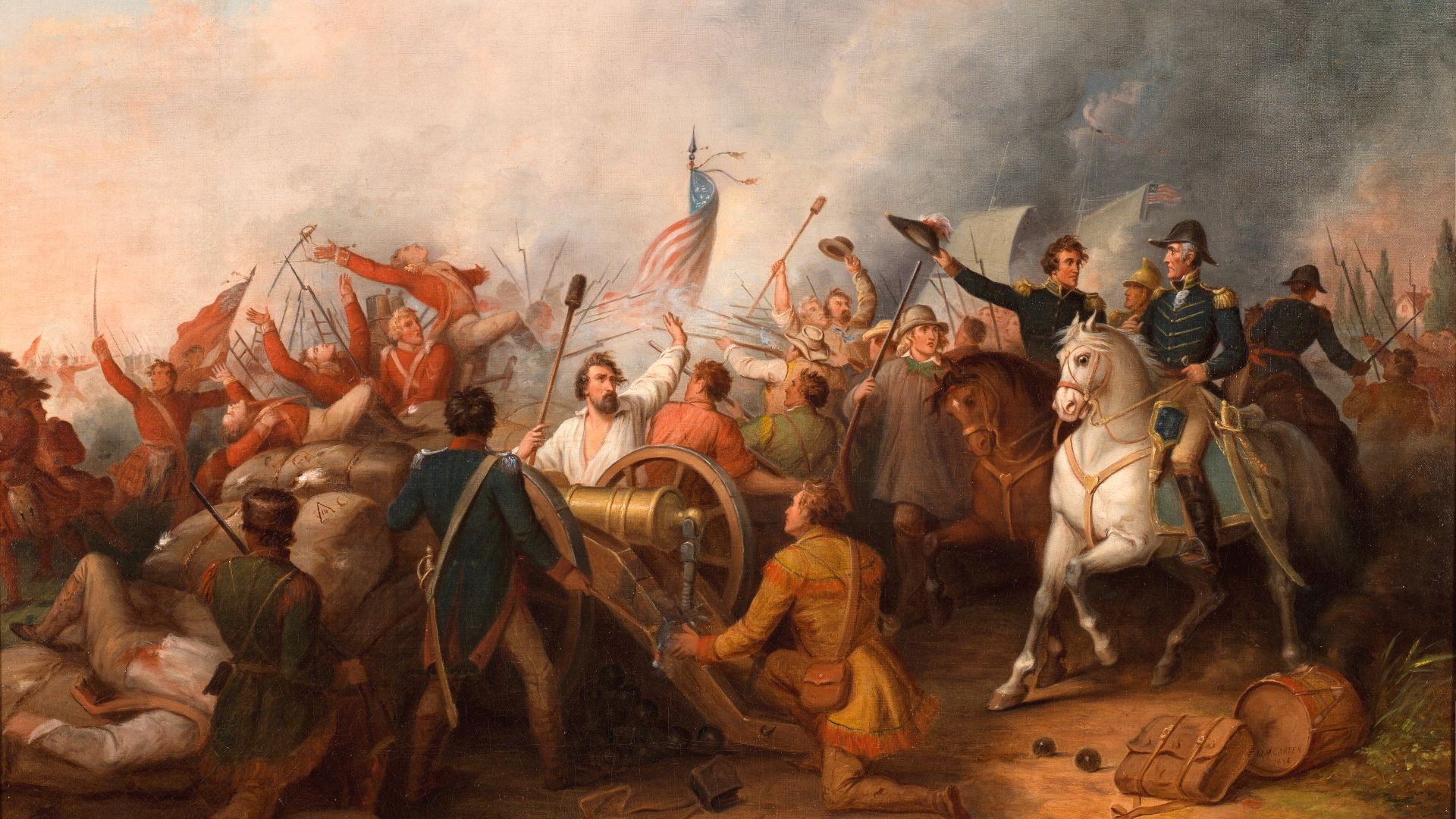 Dennis Malone Carter on Wikimedia
9. German Reinforcements Arrived Too Late
In September 1914, Germany transferred troops from the Eastern Front back toward France as its advance toward Paris began to fail. The reinforcements didn't reach the critical fighting at the First Battle of the Marne in time to help stop the Allied counterattack. Germany was forced to retreat, the Schlieffen Plan collapsed, and the Western Front settled into the trench warfare that would define much of World War I.
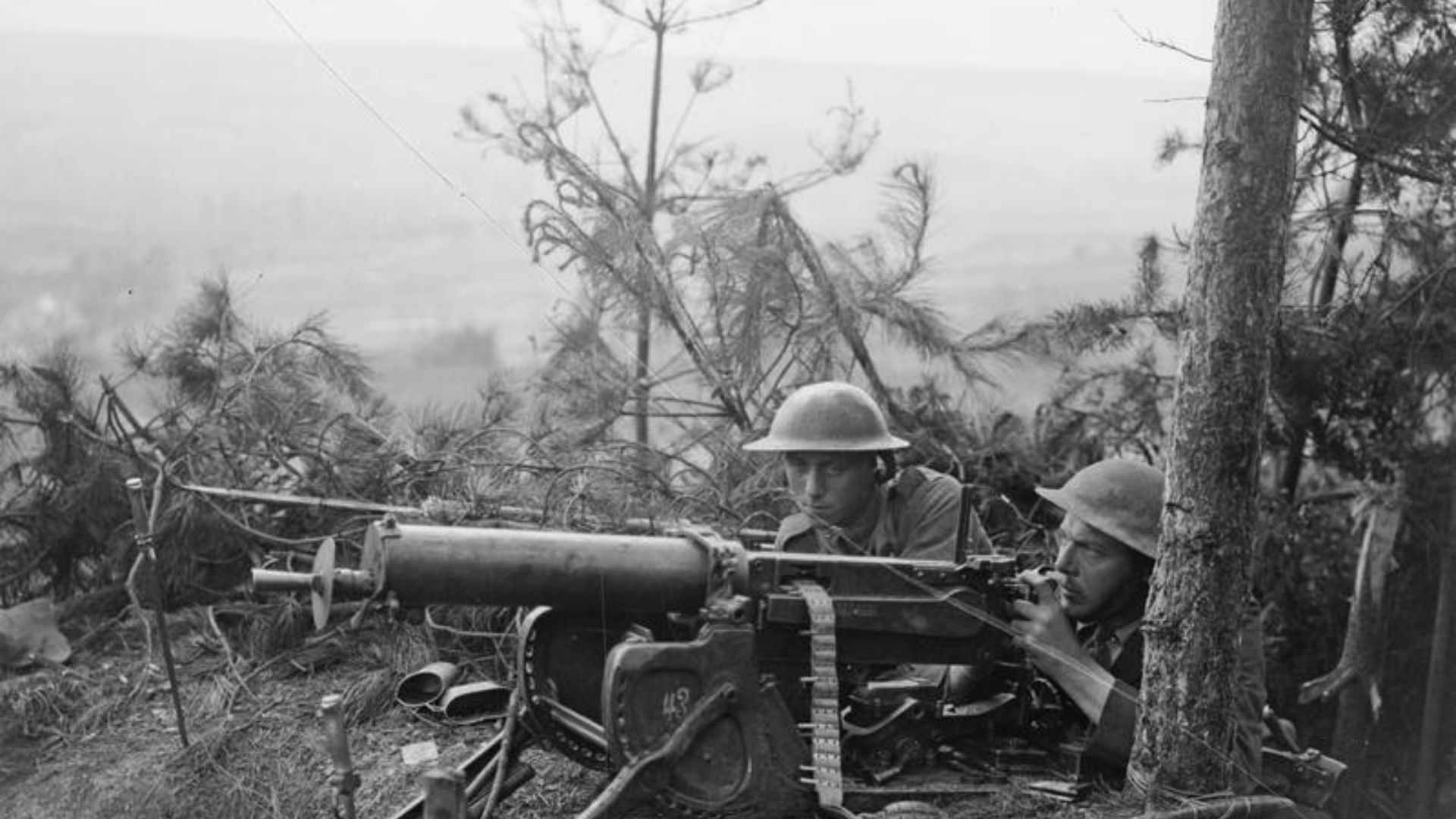 John Warwick Brooke on Wikimedia
10. J.E.B. Stuart Showed Up Late at Gettysburg
Robert E. Lee depended heavily on cavalry commander J.E.B. Stuart to tell him where Union troops were moving. During the Gettysburg campaign, Stuart went on a lengthy ride around the Union army and lost contact with Lee, finally reaching Gettysburg on the second day of fighting. Lee had already entered one of the Civil War's most important battles with dangerously incomplete information, and Stuart's absence has remained one of the campaign's most debated mistakes.
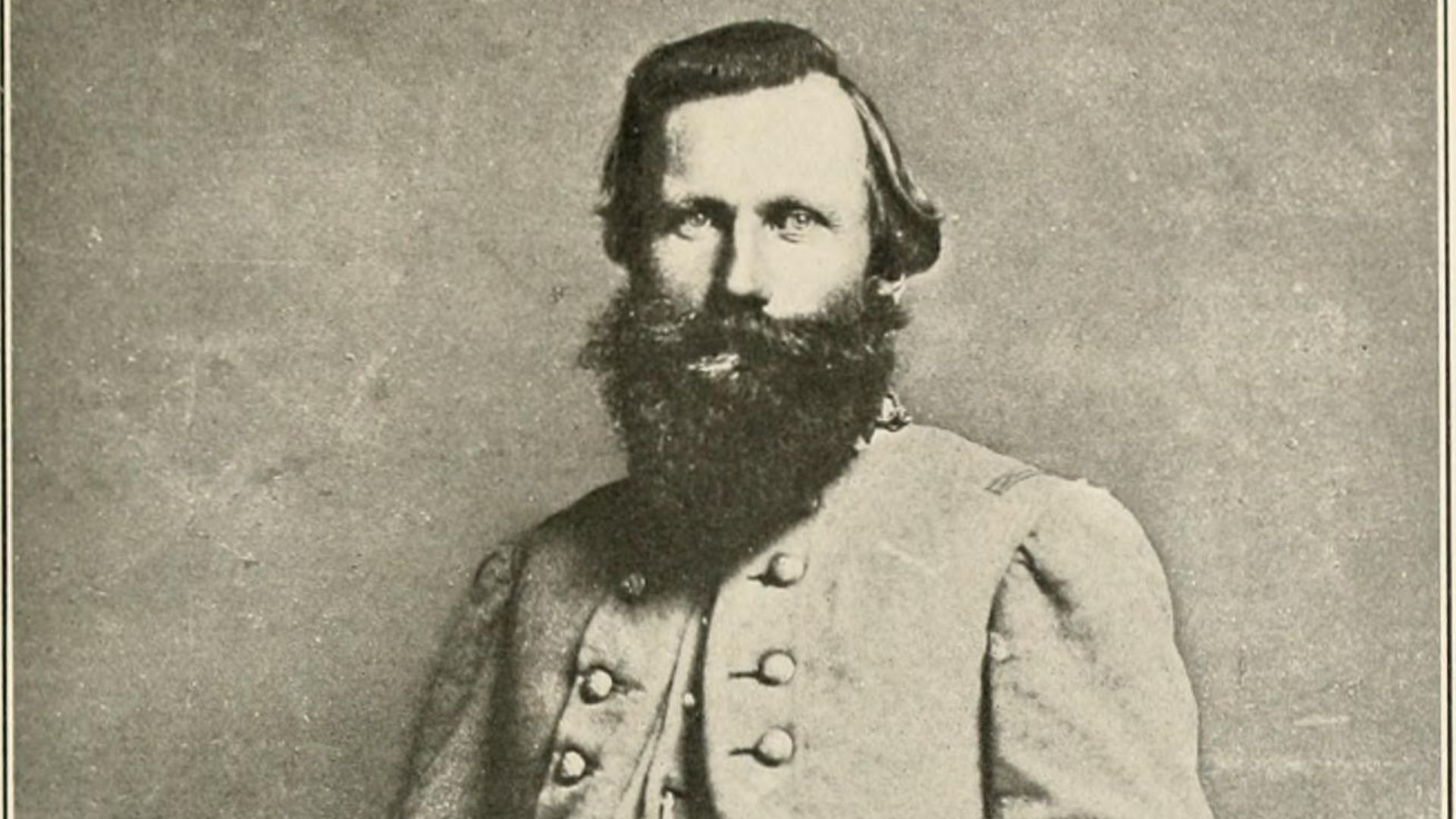 Internet Archive Book Images on Wikimedia
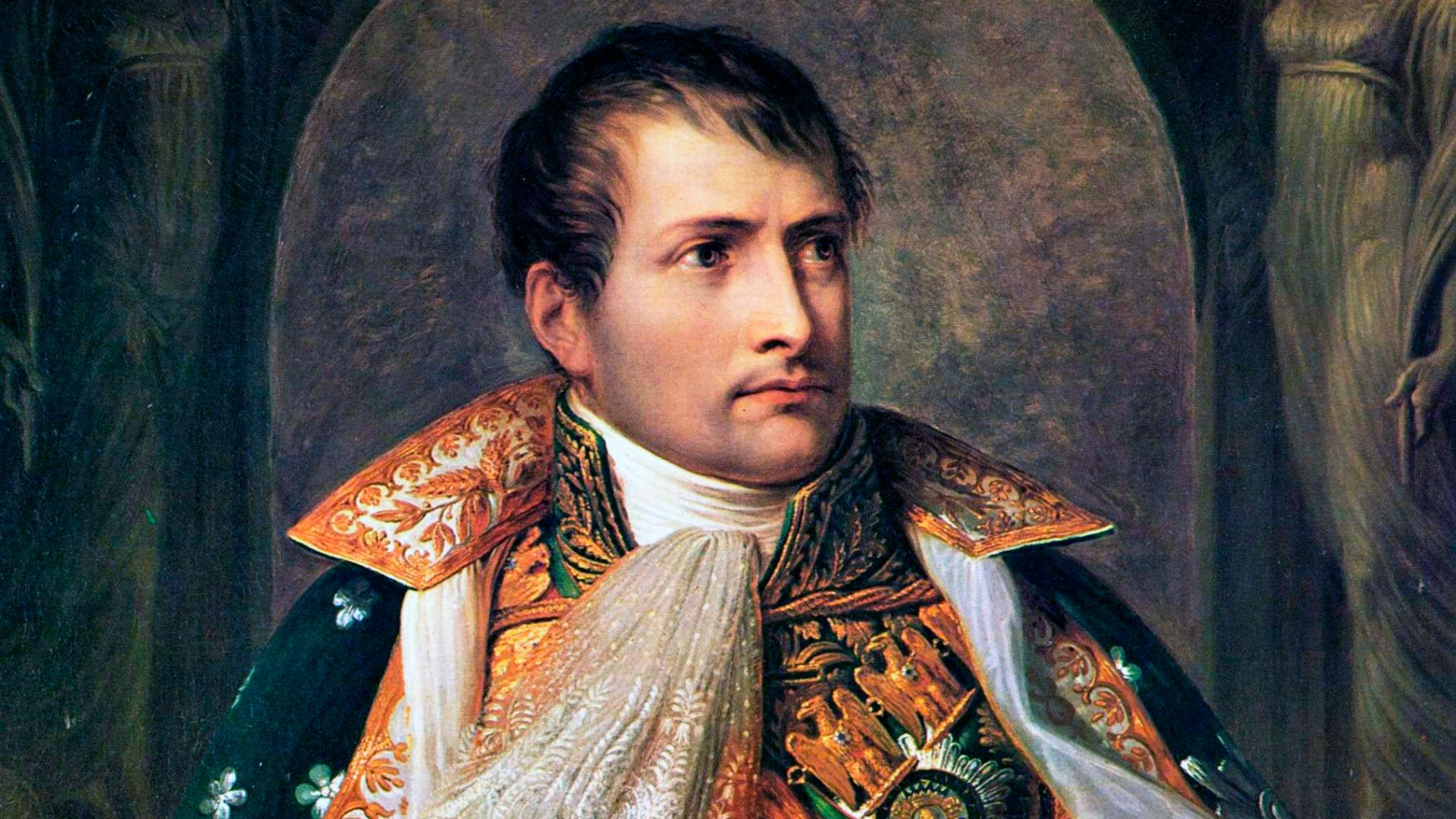
11. Napoleon Left Moscow Too Late
After capturing Moscow in September 1812, Napoleon expected Russia to negotiate peace, but the offer he wanted never came. He waited for weeks before finally ordering his army to retreat in October, by which point colder weather was closing in and supplies were disappearing. The disastrous withdrawal destroyed much of the Grande Armée and badly weakened Napoleon's grip on Europe.
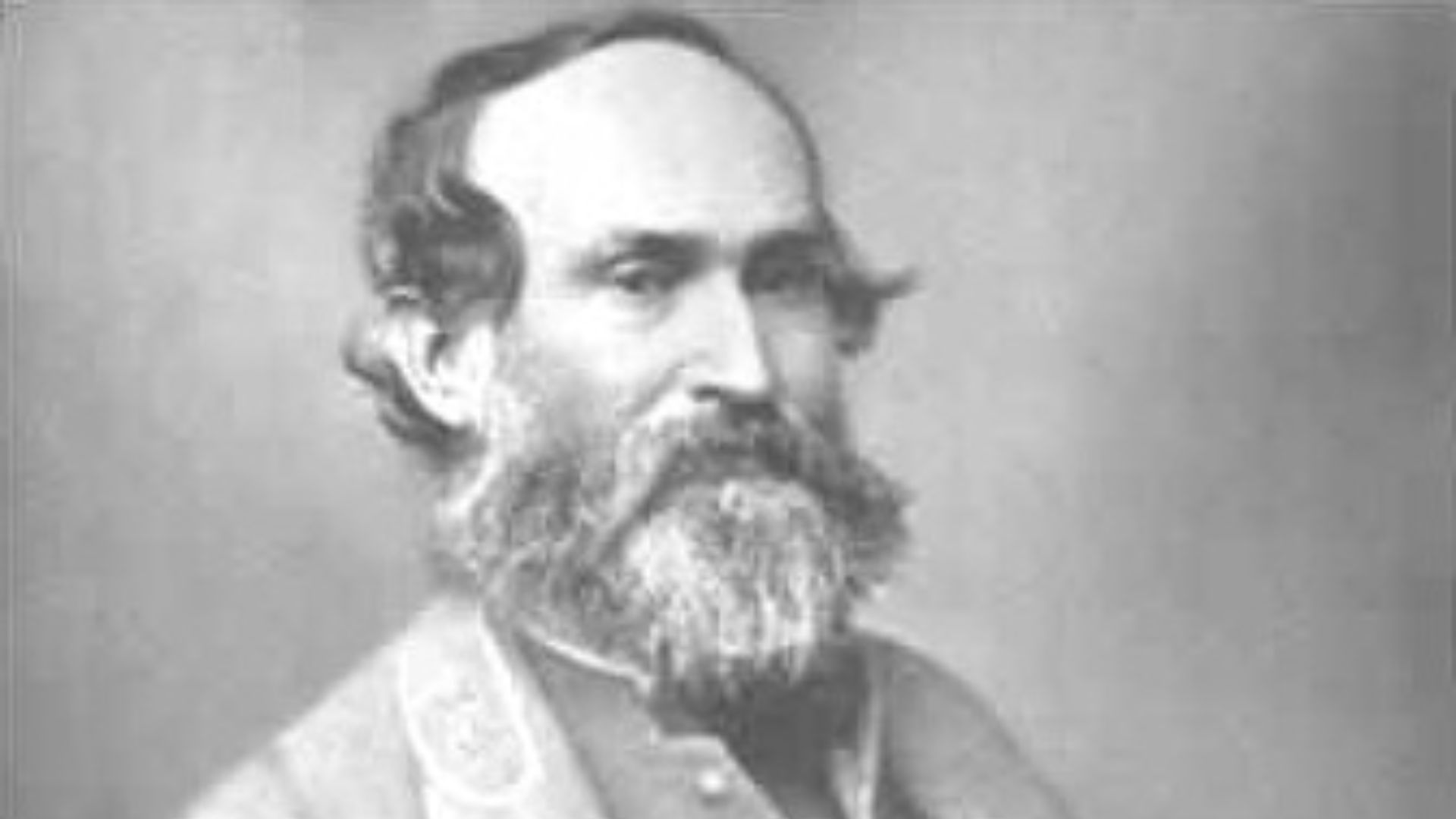
12. Jubal Early Reached Washington Just a Little Too Late
Confederate General, ironically named Jubal Early, marched toward Washington, D.C., in July 1864 when the capital was lightly defended. Union General Lew Wallace fought Early at Monocacy and lost, but delayed his advance long enough for reinforcements to reach Washington. By the time Early approached the city's defenses, the easy opportunity was gone, and he was forced to withdraw.
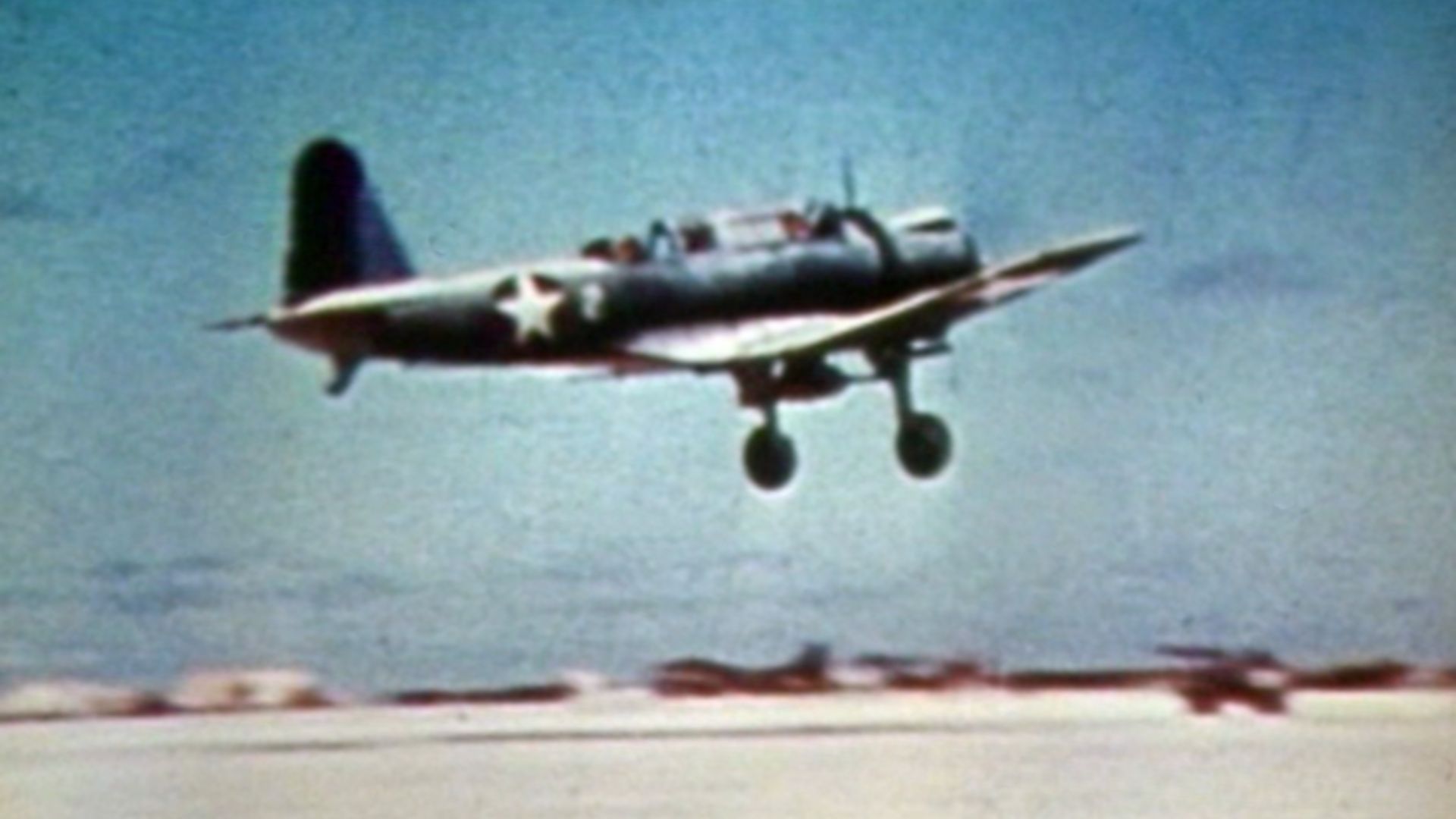
13. A Japanese Scout Plane Took Off 30 Minutes Late at Midway
During the Battle of Midway in 1942, a Japanese reconnaissance plane from the cruiser Tone was delayed roughly half an hour because of trouble with its launch equipment. Unfortunately for Japan, that plane was assigned to search the area where American ships were approaching. Its delayed and initially incomplete sighting report added to the confusion aboard Japan's carriers just before American aircraft struck, helping turn Midway into one of the Pacific War's decisive battles.
 Cdr. John Ford, USNR on Wikimedia
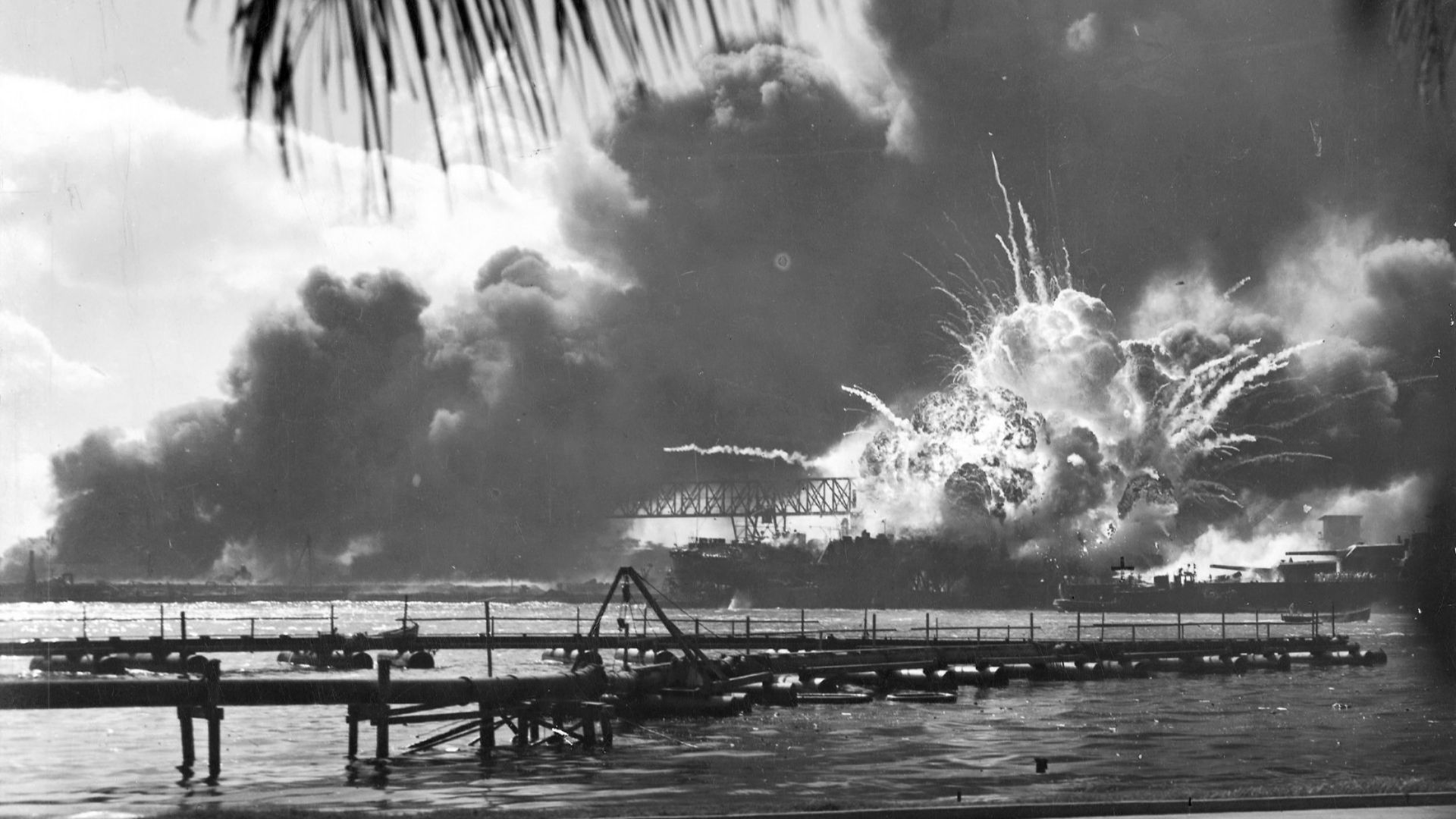
14. Pearl Harbor's Warning Arrived After the Attack
On the morning of December 7, 1941, officials in Washington sent a warning to military commanders in Hawaii after deciphering Japanese diplomatic communications that suggested something serious was about to happen. Transmission problems meant part of the warning had to travel by ordinary commercial channels. It reached Pearl Harbor after Japanese aircraft had already attacked, making it one of history's most painfully mistimed messages.
 Unknown navy photographer on Wikimedia
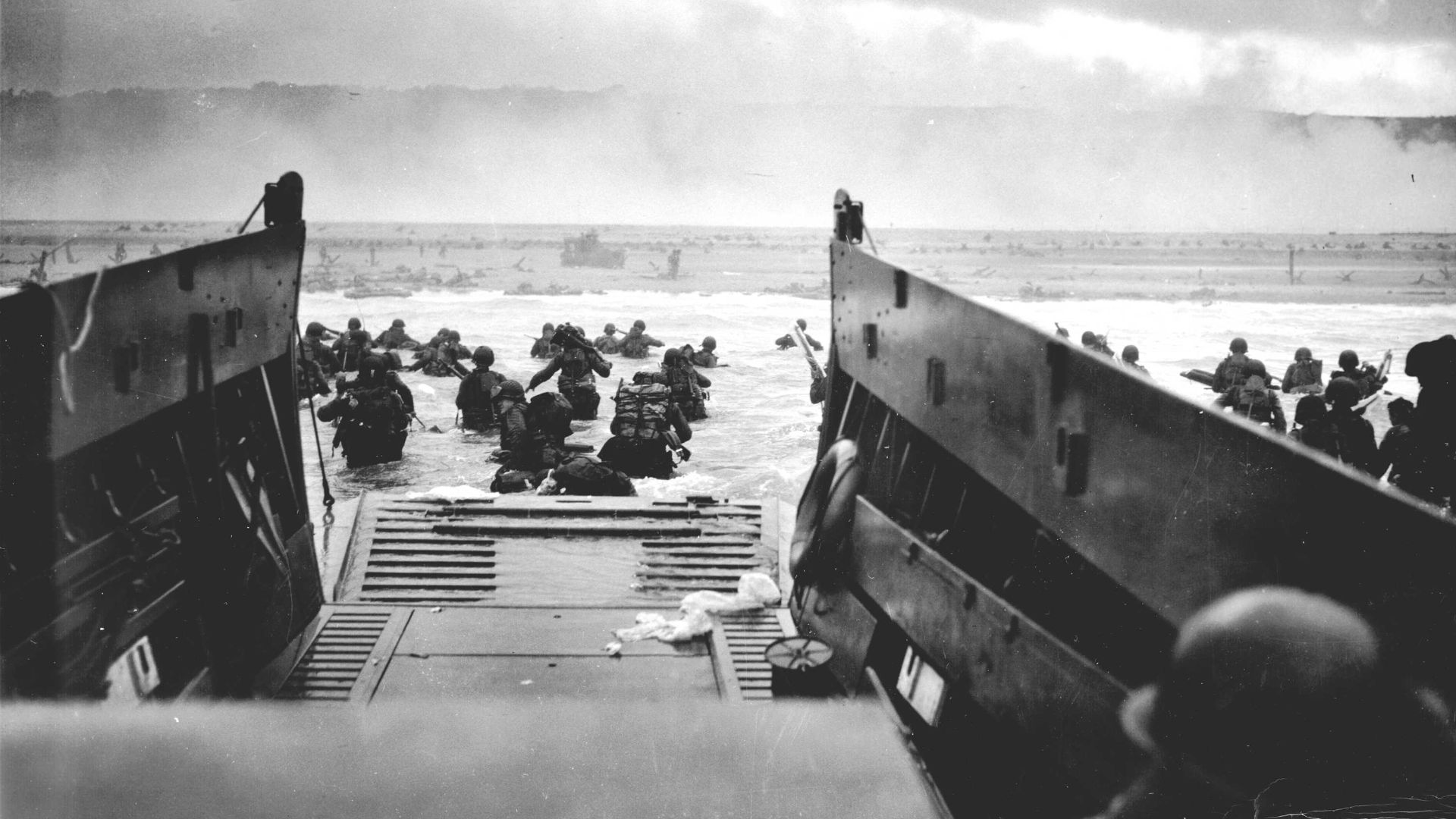
15. D-Day Was Postponed for 24 Hours
The Allied invasion of Normandy was originally planned for June 5, 1944, but terrible weather persuaded Dwight D. Eisenhower to postpone it until June 6. German commanders believed the bad weather made an invasion unlikely, and some senior officers were even away from their posts when the Allies landed on June 6. That helped the Allies achieve greater surprise than they might have under more favorable conditions.
 Chief Photographer's Mate (CPHOM) Robert F. Sargent, U.S. Coast Guard on Wikimedia
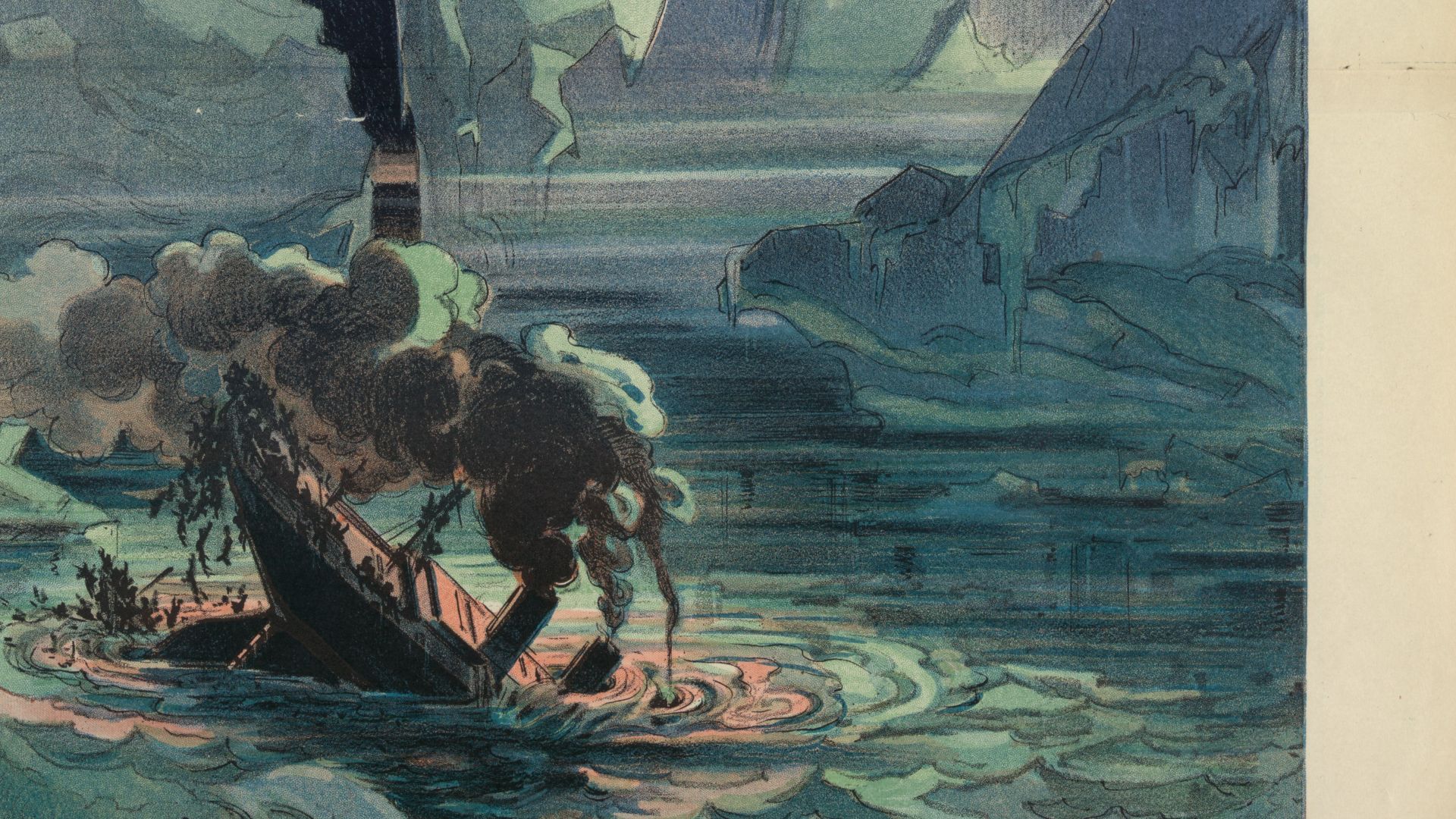
16. The Titanic’s Distress Call Reached the Carpathia Too Late to Save Everyone
After the Titanic struck an iceberg on April 14, 1912, nearby ships received its distress calls at different times, and the Carpathia was still about 58 miles away when it responded. It raced toward the sinking liner but didn’t arrive until roughly two hours after the Titanic had gone under. Had rescue ships been closer or reached the scene sooner, many more people in the freezing water might have survived.
 Keppler, Udo J., 1872-1956, artist on Wikimedia
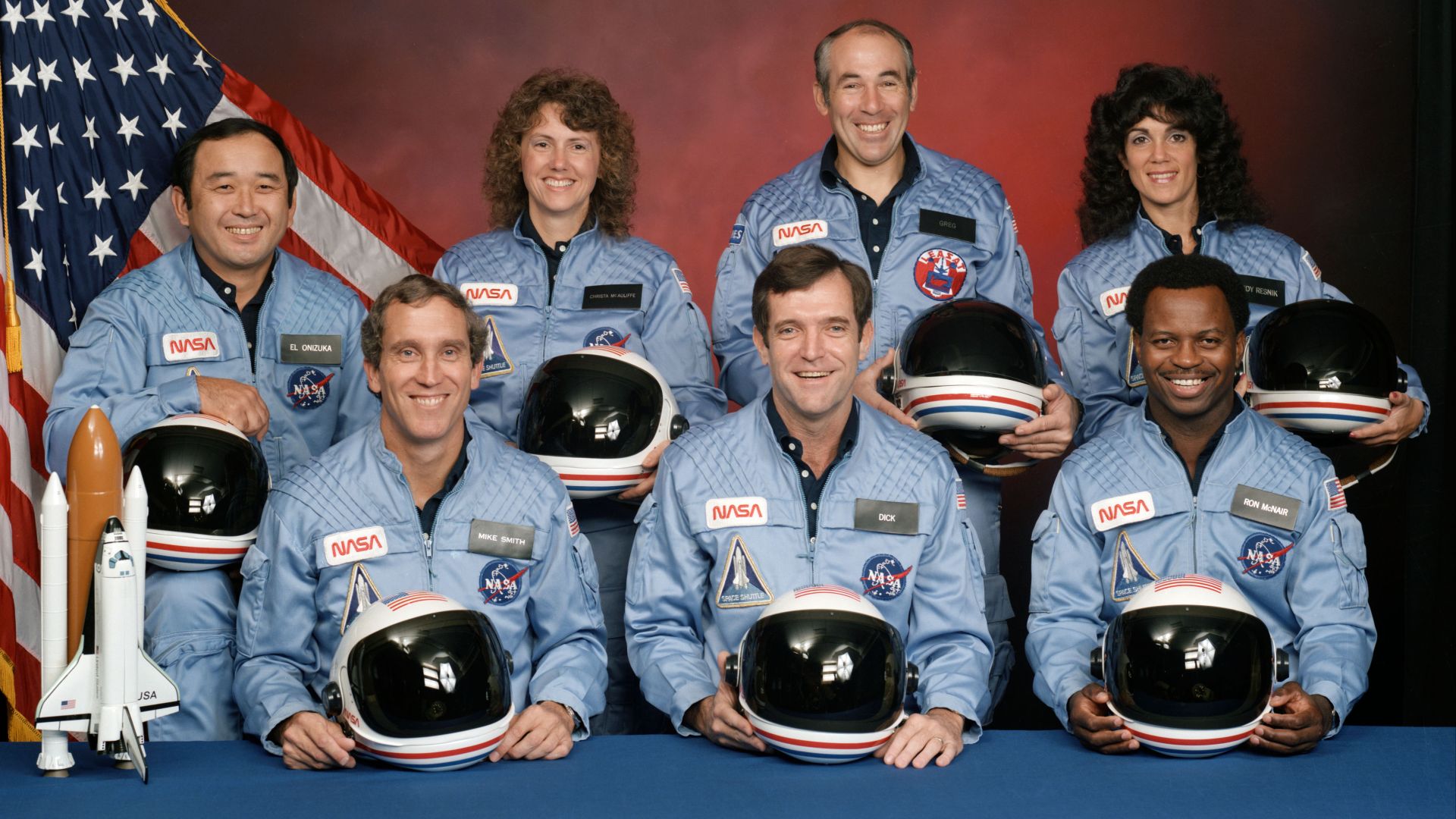
17. Challenger's Late Launch Slipped Into Colder Weather
Space shuttle Challenger was supposed to launch before January 28, 1986, but earlier delays pushed the mission onto an unusually cold Florida morning. Engineers had serious concerns about how the shuttle's rubber O-ring seals would perform at such low temperatures, yet the launch went ahead. An O-ring failed shortly after liftoff, and the shuttle broke apart 73 seconds into flight, killing all seven crew members and permanently changing NASA's safety culture.
18. British Reinforcements Reached Burgoyne Too Late
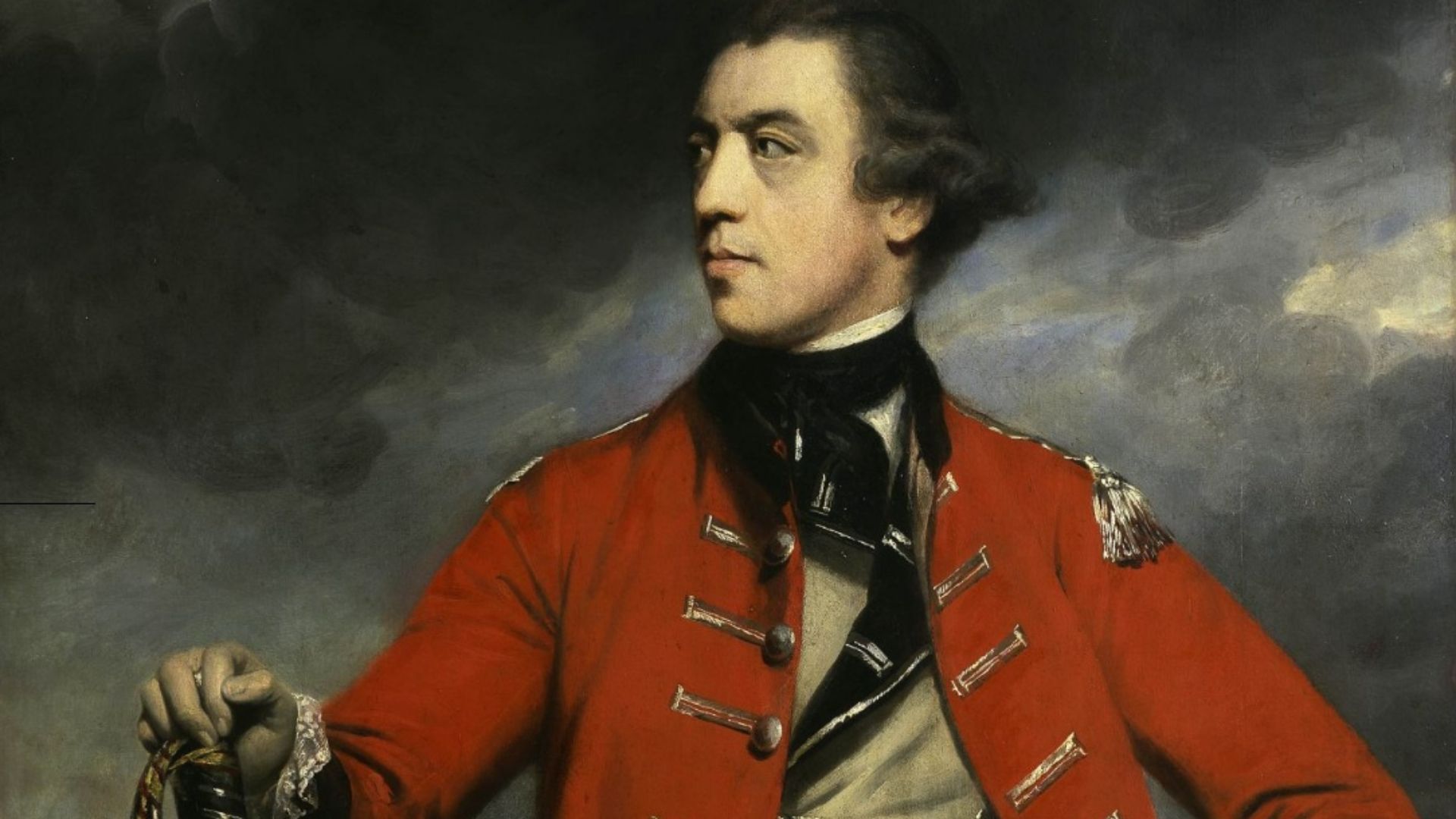
In 1777, British General John Burgoyne pushed south from Canada expecting support from other British forces as his army became increasingly isolated in upstate New York. A relief force under Sir Henry Clinton moved north from New York City, but it didn't reach Burgoyne before he was surrounded and forced to surrender at Saratoga. The defeat convinced France that the American rebellion had a real chance of succeeding, leading it to openly enter the war against Britain, which dramatically changed the Revolutionary War.
19. Flight 93 Left Newark Behind Schedule
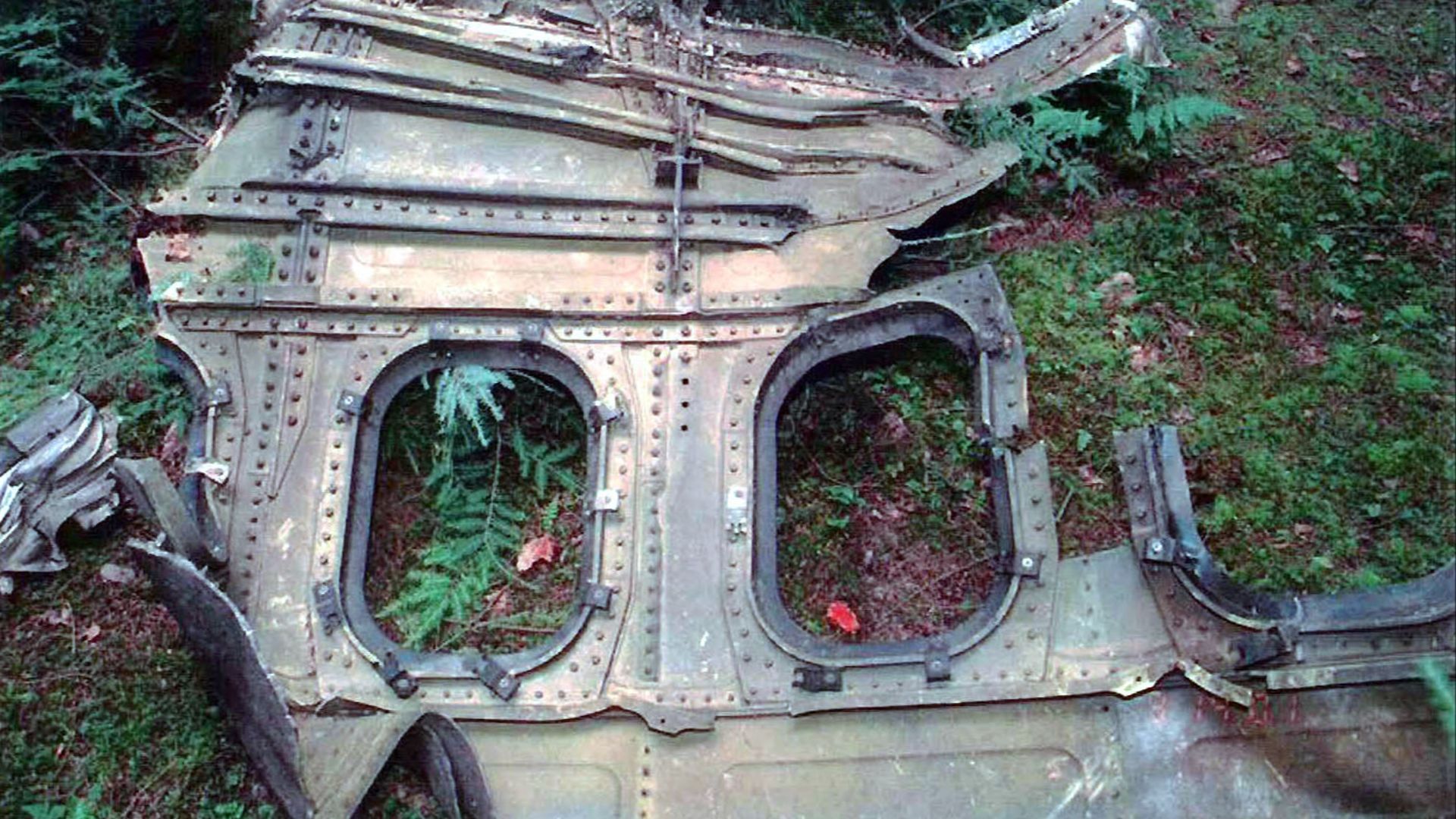
United Airlines Flight 93 was delayed on the ground at Newark on September 11, 2001, taking off roughly 25 minutes later than scheduled. That delay meant the hijacking unfolded after passengers had time to learn through phone calls that other hijacked planes had already struck the World Trade Center. Realizing theirs wasn't an ordinary hostage situation, passengers fought back, and the plane crashed in Pennsylvania instead of reaching the hijackers' suspected target in Washington.
 Unknown photographer on Wikimedia
20. Montcalm Reached the Plains of Abraham Too Late
When British troops secretly climbed the cliffs outside Quebec City in 1759, French commander Louis-Joseph de Montcalm wasn't there to stop the landing as it happened. He reached the Plains of Abraham about three hours after the first British troops came ashore, by which point James Wolfe had already formed thousands of soldiers into battle lines. Montcalm chose to attack before additional French reinforcements could arrive, and the resulting defeat led to the British capture of Quebec and helped decide the fate of New France.