 Internet Archive Book Images on Wikimedia
Ancient bridges and tunnels can seem almost impossible when you consider the limited machinery available to their builders. Engineers had no powered cranes, computer models, laser surveying equipment, or reinforced concrete, yet they created structures that crossed rivers, entered mountains, and transported water across challenging landscapes. Their achievements depended on careful observation, practical geometry, skilled labor, and a detailed understanding of local materials. Mistakes could be costly, so successful construction required disciplined planning rather than simple trial and error.
These projects served practical needs that shaped entire communities, including transportation, trade, military movement, drainage, and dependable access to fresh water. Builders adapted their methods to currents, rock formations, slopes, and seasonal weather while working with stone, timber, lime mortar, and basic metal tools. Many surviving structures have endured because their designers understood how forces and water behaved, even without modern engineering terminology. Their solutions reveal the engineering marvels behind ancient bridges and tunnels.
Stone Arches Gave Bridges Lasting Strength
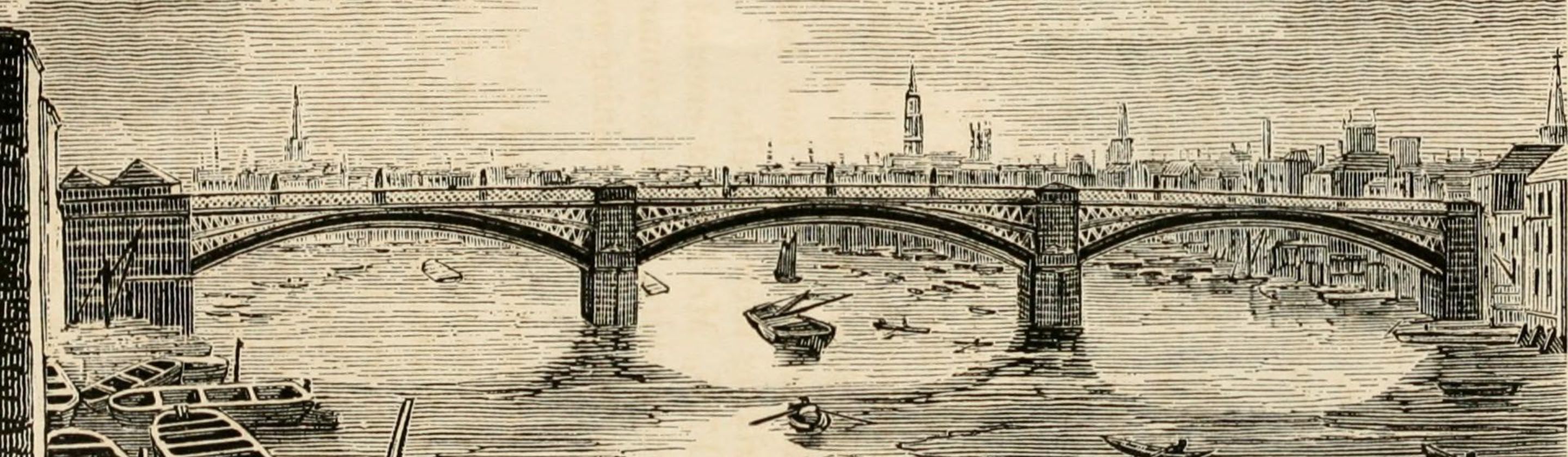
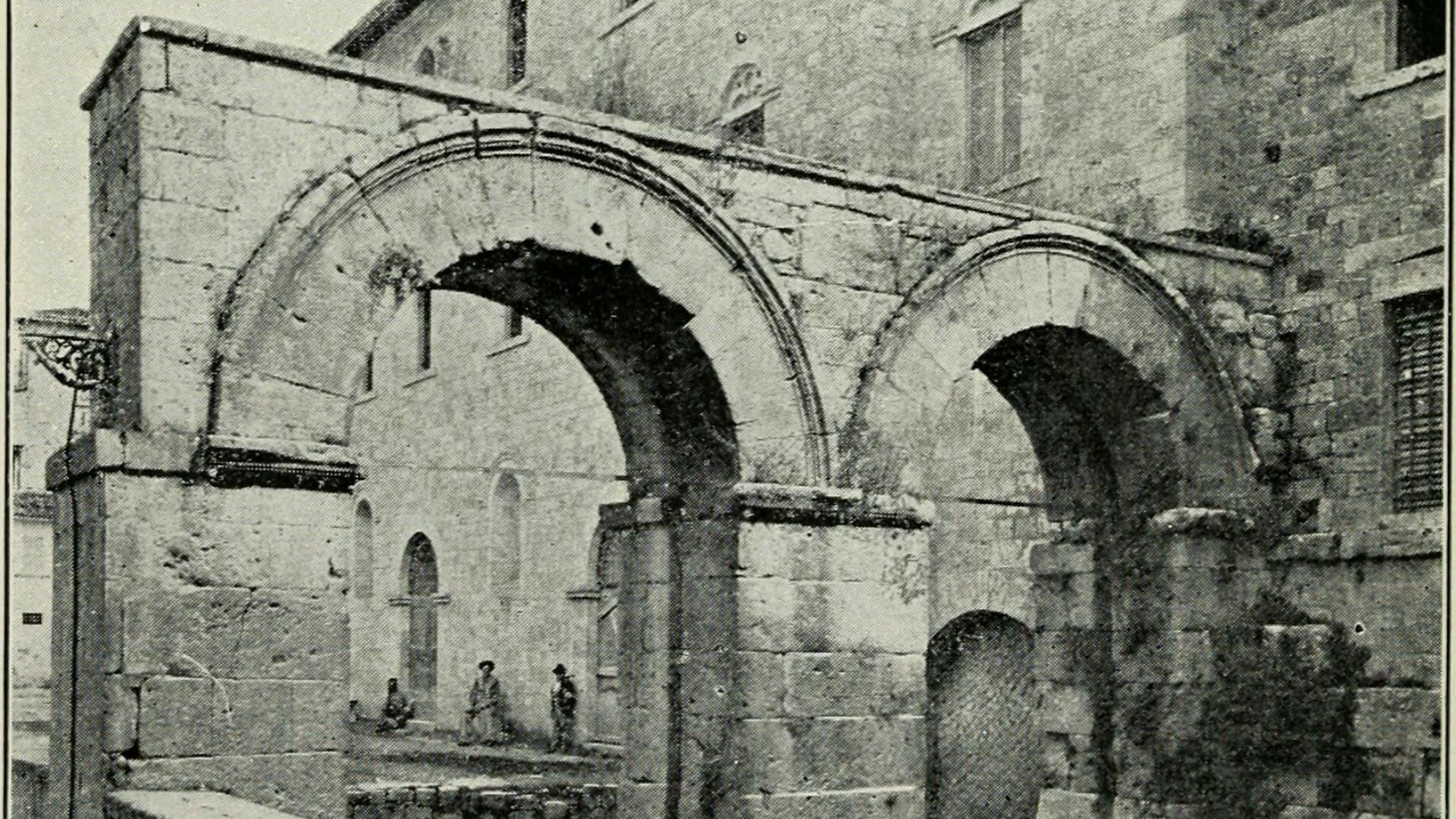
Ancient bridge builders learned that arches could carry substantial weight by transferring pressure outward and downward into supporting piers and abutments. Wedge-shaped stones, often called voussoirs, were arranged around a temporary wooden framework until the central keystone locked the structure together. Once the arch was complete, the wooden support could be removed because the stones remained compressed against one another. This design helped masonry bridges carry traffic without requiring long horizontal stone beams that could crack under tension.
Roman engineers became especially skilled at using arches repeatedly across wide rivers and valleys. They often selected durable stone for the exterior while using rubble, mortar, brick, or Roman concrete within parts of the structure. Piers had to be thick enough to resist the sideways force produced by the arches, but excessively large supports could obstruct the river and increase pressure during floods.
Constructing foundations in flowing water created another serious challenge. Workers could drive timber piles into the riverbed or build temporary enclosures known as cofferdams, which allowed water to be removed from a limited area so that foundations could be laid. Pointed cutwaters were sometimes added to the upstream side of piers to divide the current and reduce the direct force of water and debris.
Surveying Made Mountain Tunnels Possible
Tunnel construction demanded accurate direction because workers couldn’t see their destination through solid rock. Surveyors used basic instruments, sight lines, measured distances, and geometric calculations to establish the tunnel’s course from the surface. The sixth-century BCE Tunnel of Eupalinos on the Greek island of Samos is particularly notable because crews excavated from opposite sides of a mountain.
Digging from both ends allowed the work to progress more quickly, but it also increased the risk that the two teams would miss each other. The builders appear to have introduced calculated changes in direction that improved the likelihood of intersection while helping them respond to difficult geology.
Other ancient tunnels were dug through multiple vertical shafts placed along the intended route. These openings allowed crews to work on several sections at once while providing access for workers, airflow, and the removal of debris. Surveyors still needed to control the tunnel’s slope, particularly when it carried water entirely through gravity.
Water Systems Combined Precision and Maintenance
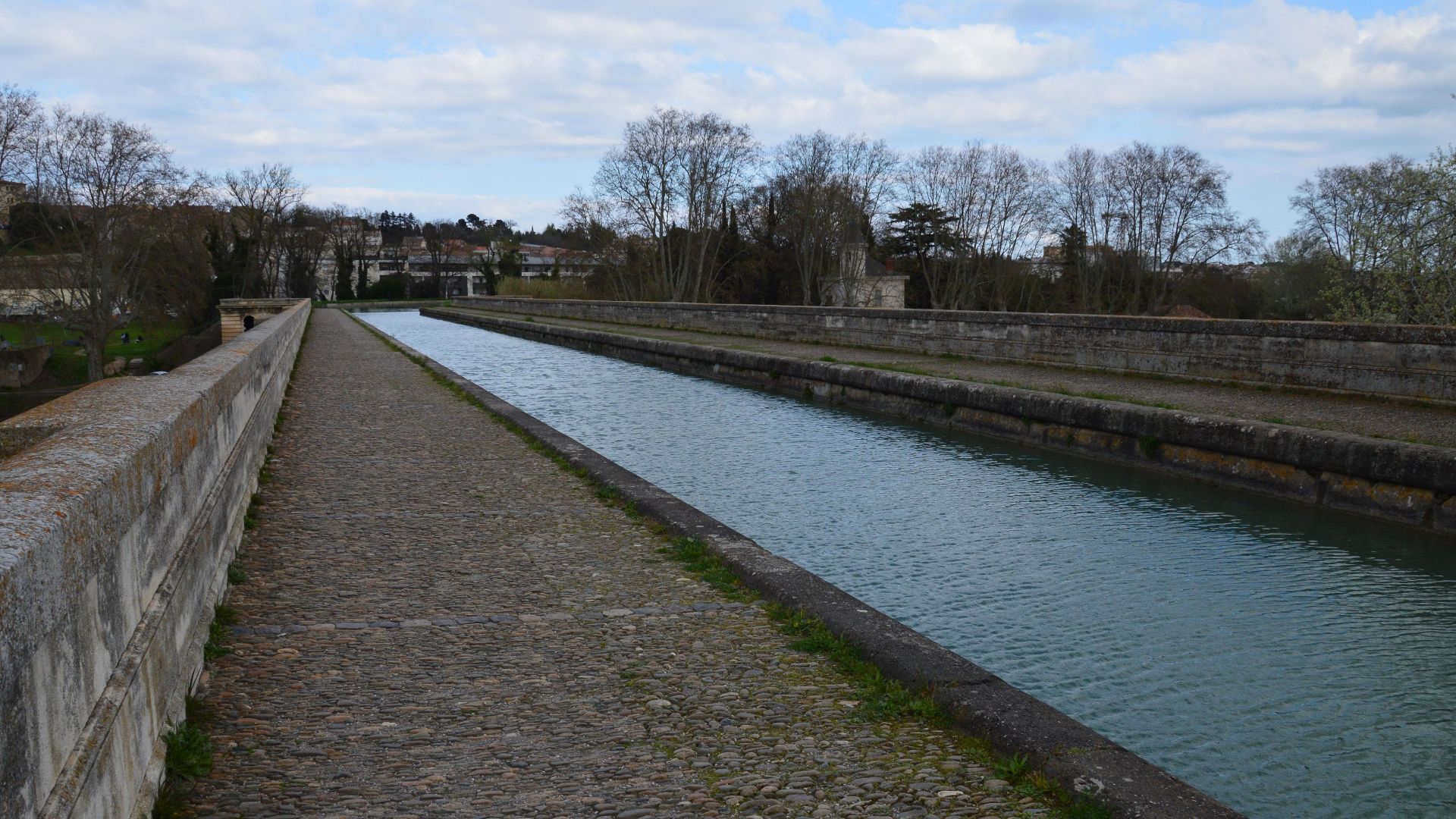
Persian qanats demonstrate how underground engineering could deliver water across dry regions without mechanical pumps. Builders located an underground water source at a higher elevation and created a gently sloping tunnel that carried water toward settlements and farmland. Because most of the channel remained beneath the surface, less water was lost to evaporation in hot conditions. The system’s usefulness depended on maintaining a gradient steep enough for flow but gentle enough to prevent damage.
Rows of vertical shafts connected the tunnel with the ground above and marked the qanat’s path across the landscape. During construction, these shafts gave workers entry points and allowed excavated soil to be lifted to the surface. After completion, they continued to support inspection, cleaning, and repairs when sediment or collapsed material obstructed the channel.
Bridges and tunnels also had to fit within broader transportation and water networks. A beautifully constructed tunnel was ineffective if its channel entered at the wrong height, just as a strong bridge offered limited value if roads couldn’t reach it safely. Engineers considered elevation, approach routes, seasonal flooding, soil stability, and the availability of construction materials before committing labor to a site.
Ancient engineers didn’t possess modern scientific tools, but they combined experience, measurement, and close attention to natural conditions with remarkable effectiveness. Arched bridges redirected structural forces, mountain tunnels relied on disciplined surveying, and underground waterways controlled gravity over long distances. Their surviving achievements deserve recognition not as fortunate accidents, but as the results of sophisticated planning and skilled execution.
KEEP ON READING