Roads and highways may not sound as dramatic as armies, palaces, or royal decrees, but they often determined how far an empire could actually reach. Conquest was one thing, while holding territory, moving supplies, collecting taxes, and sending orders across long distances was something else entirely. Without dependable routes, even a powerful ruler could find that a distant province was far harder to control than it was to claim.
As empires expanded, roads turned scattered regions into connected systems. They helped soldiers move faster, merchants travel farther, and rulers make their power feel present even in places they rarely visited. A road could make the edge of an empire feel less distant from its center.
Roads Helped Armies Move And Stay Supplied
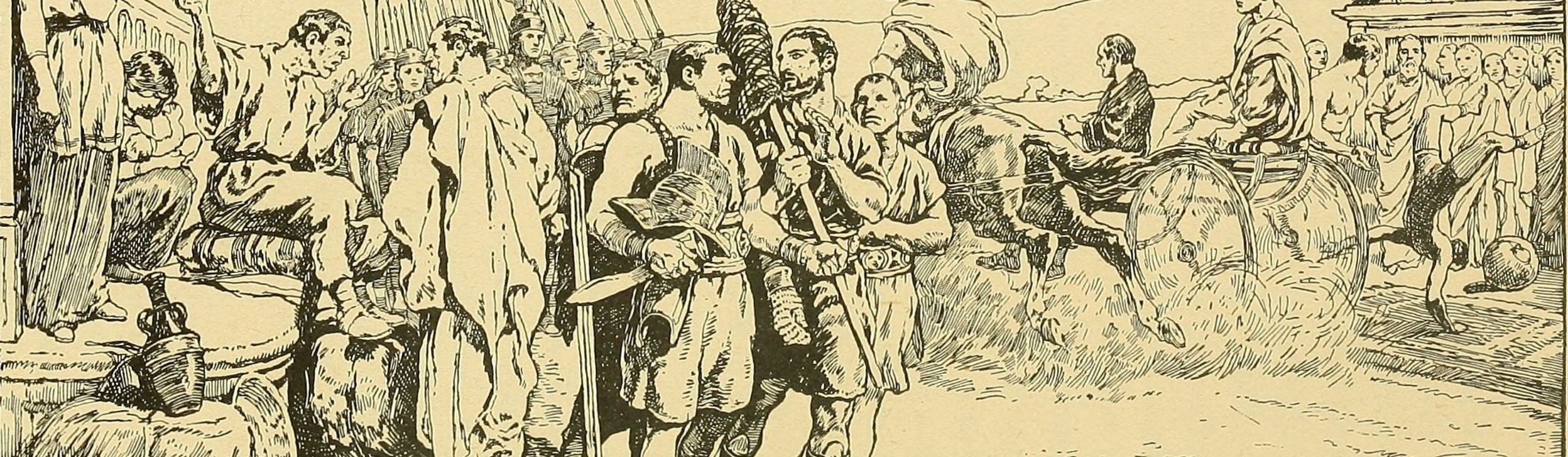
The Roman Empire is one of the clearest examples of how roads could support expansion. Roman roads connected forts, cities, ports, and borders, which made it easier for legions to move quickly when trouble appeared. Those roads weren’t just impressive engineering projects; they were part of the empire’s military system. They allowed Rome to respond to threats, reinforce frontiers, and keep far-flung regions tied to a larger command structure.
Good roads also helped armies stay supplied, which could matter as much as winning battles. Soldiers needed food, weapons, animals, tools, and replacement equipment, and rough terrain could slow all of that down. When an empire built reliable routes, it reduced the risk that an army would be stranded far from support. That practical advantage often made long campaigns more realistic and less vulnerable to delay.
The Persian Royal Road showed a similar idea on a huge scale. It helped connect distant parts of the Achaemenid Empire, allowing messengers and officials to travel across long stretches of territory. By improving communication and movement, the road made a very large empire easier to manage. Its value came from turning distance into a problem that the organization could partly solve.
Trade Routes Turned Power Into Wealth
Roads didn’t only serve soldiers because merchants also depended on safe, predictable routes. When empires protected roads, trade became easier, and that meant goods, taxes, and customs revenue could flow more steadily. A road that carried carts and pack animals could quietly strengthen a government’s finances. The more reliable the route, the easier it became for markets to connect and grow.
In the Inca Empire, roads crossed mountains, valleys, and deserts without relying on wheeled vehicles. Runners, officials, soldiers, and llama caravans used the network to move information and goods through difficult terrain. The system helped bind together communities that were separated by geography and distance. It also showed that a strong road network could be adapted to local conditions instead of copying one model of transportation.
Imperial roads also encouraged towns and markets to grow along important routes. Inns, storage sites, checkpoints, and trading centers could develop wherever travelers regularly passed through. Over time, the road itself could turn a remote location into a valuable stop within the empire’s economy. What began as a path for movement could become a reason for settlement and investment.
Highways Helped Rulers Project Authority
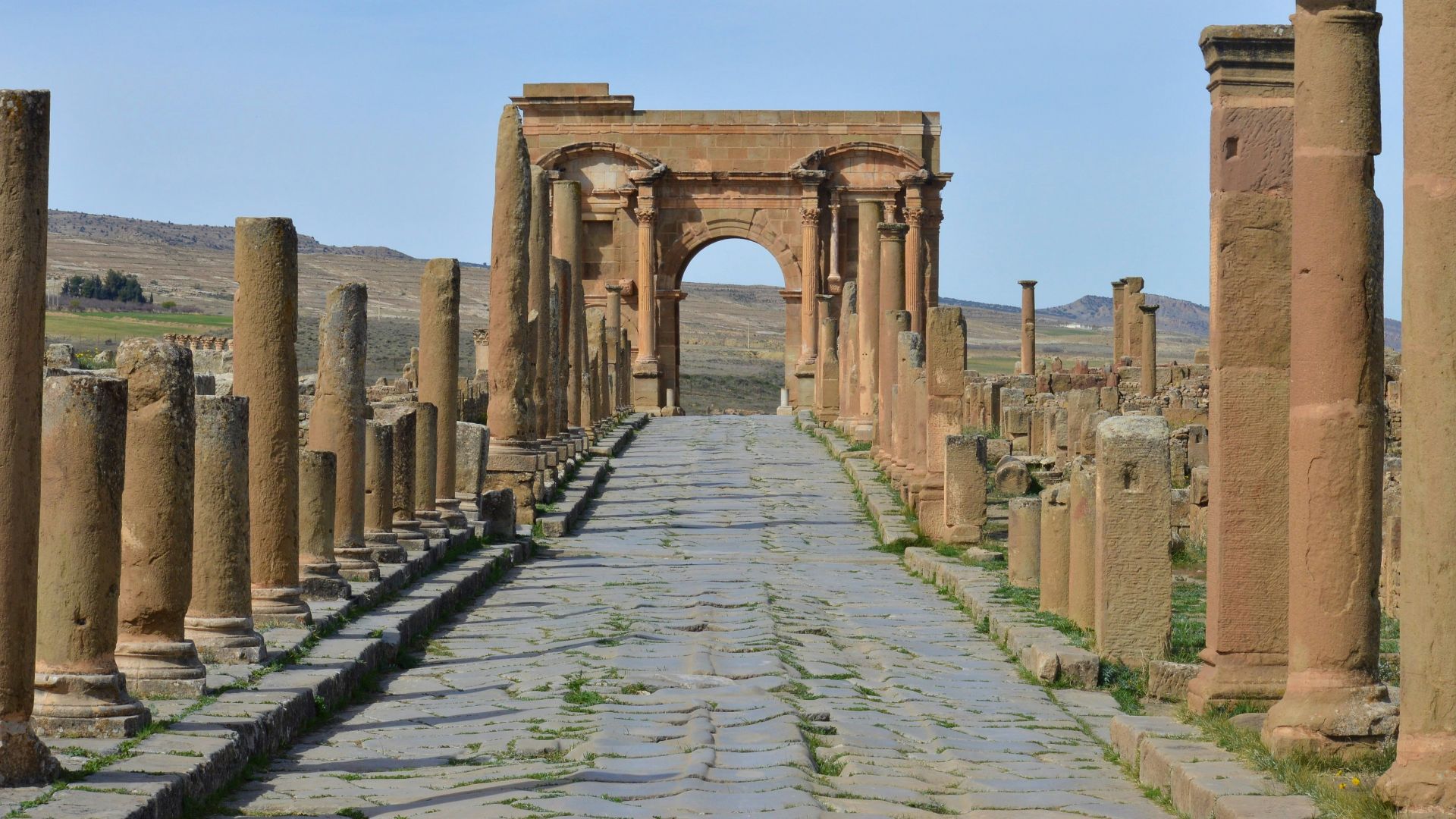
For rulers, roads made authority visible. A paved road, marked route, or guarded highway told people that the state had planned, built, and claimed the space around them. Even when the ruler was far away, the road could remind travelers that they were moving through organized imperial territory. The physical presence of the route made the government feel less abstract and more immediate.
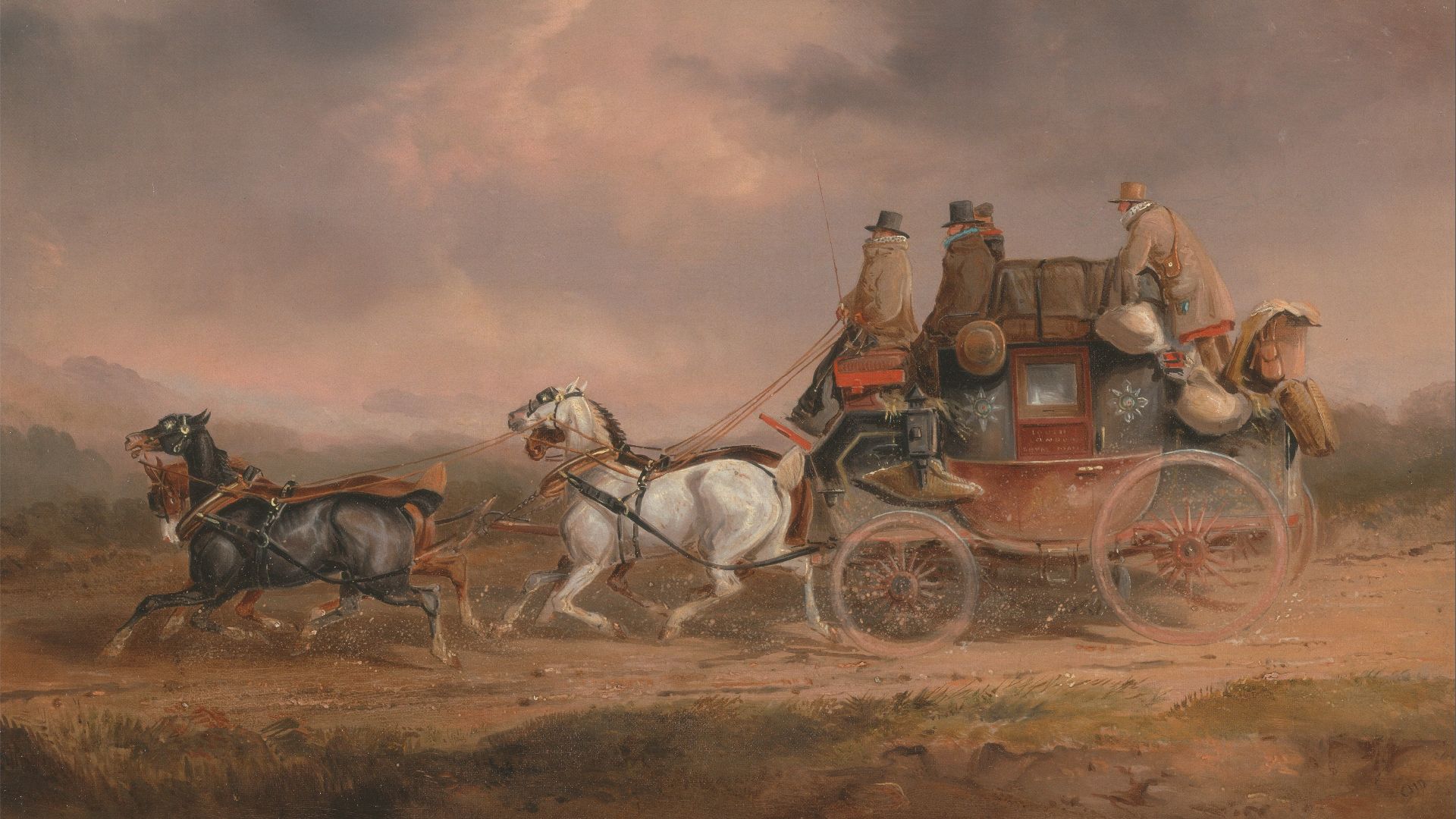
Roads also made administration more practical. Tax collectors, governors, military officers, inspectors, and messengers could travel more efficiently when routes were maintained and protected. Without that movement, orders from the capital might arrive too late or not arrive at all. A functioning road system helped turn decisions made at the center into actions carried out across the provinces.
Still, roads could create problems as well as solutions. The same routes that helped armies and officials move could also help invaders, rebels, or rival forces travel quickly once they gained access. That made roads powerful tools, but it also meant empires had to defend the networks they depended on. The better a road system worked, the more dangerous it could become if control over it slipped.
Roads and highways shaped empires because they turned distance into something rulers could manage. They made armies faster, trade richer, and administration more realistic across huge territories. An empire could win land through force, but roads helped decide whether it could keep that land connected, profitable, and under control. In many cases, the strongest empires were not only the ones that conquered widely, but the ones that built the routes to hold everything together.
KEEP ON READING