 commons.wikimedia.org on Google
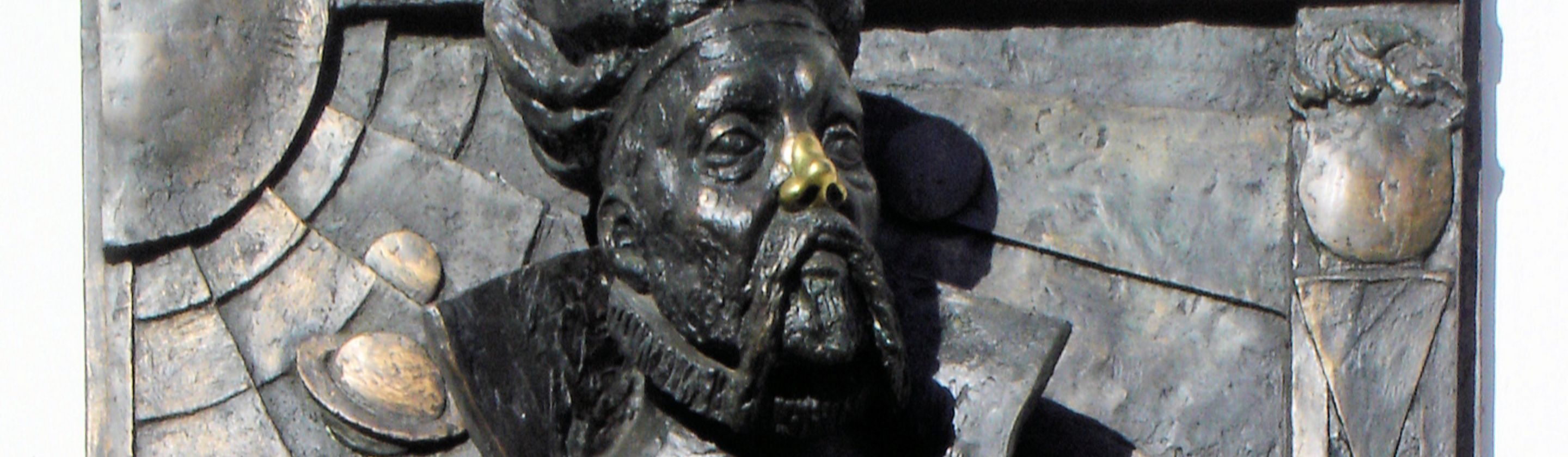
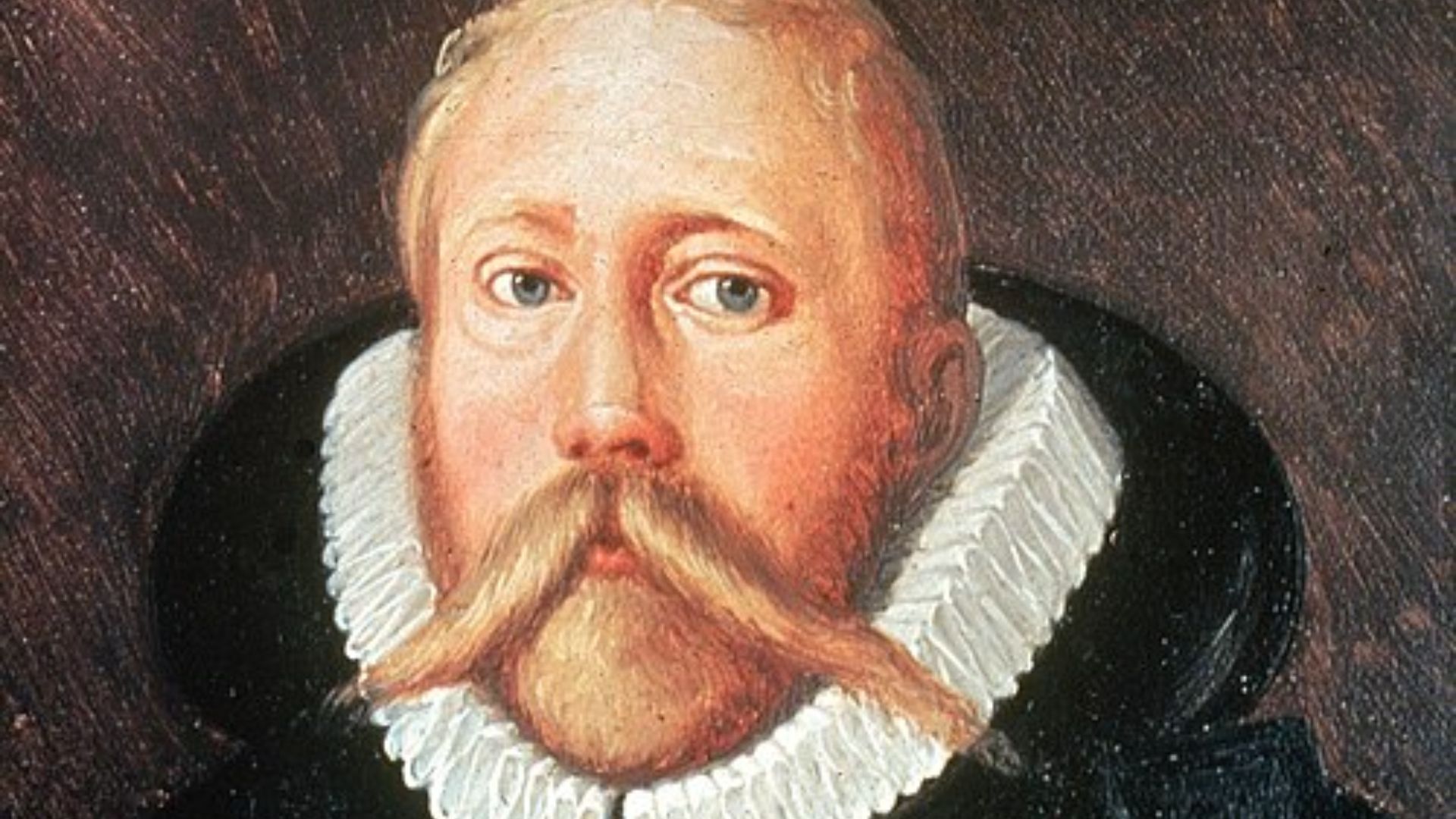
Most people know Tycho Brahe, if they know him at all, as the astronomer with the metal nose. Fewer people know how he actually lost the real one, and the story turns out to be exactly as strange as the legend suggests, a duel between two Danish noblemen fought in the dark over a math problem neither one would let go of, settled the way stubborn young noblemen settled things in the sixteenth century, with steel instead of an apology.
The astronomer was twenty years old at the time, a student far from home, more invested in his own reputation as a mathematician than in whatever subject he was technically supposed to be studying. What started as a drunken argument at a party ended with swords drawn and a permanent hole in the middle of his face, one he would spend the rest of his life covering up.
A Christmas Season Argument Over Who Was Better At Math
In December of 1566, Tycho Brahe was enrolled at the University of Rostock, sent there by his family to study law while he spent most of his actual attention on astronomy and mathematics. On the evening of December 10, he attended an engagement party at the home of Professor Lucas Bachmeister, one of many social gatherings that filled the Christmas season for the university's students.
Also at that party was Manderup Parsberg, a fellow Danish nobleman and, inconveniently, Tycho's own third cousin. The two had been drinking, and at some point the conversation turned into a dispute over a mathematical formula, each one convinced the other was simply wrong. Neither man backed down, and the disagreement apparently ended that night without resolution, both parties too stubborn to concede the point to a blood relative.
Rather than fading with the hangover, the argument kept resurfacing over the following weeks. Insults accumulated on both sides until the dispute stopped being about mathematics at all and became a matter of personal honor, the kind of grievance that, among young noblemen in the sixteenth century, tended to get settled with steel rather than further conversation.
The Duel That Followed In The Dark
By December 29, the two cousins had agreed there was only one way to close the matter. That evening, in near total darkness, Tycho and Manderup faced off with swords, a resolution method common enough among dueling students of the era that nobody seemed to think it strange to fight over an equation.
The exchange did not last long. Tycho apparently landed the first strike, wounding Parsberg in the arm. Parsberg's return blow found its mark more decisively, slicing across the bridge of Tycho's nose and carving a gash into his forehead in the process. In the dark, neither man could have aimed with much precision, which likely explains why the wound Tycho suffered damaged the cartilage of his nose rather than the bone underneath it, a detail later confirmed when his skull was examined centuries afterward.
Tycho survived, though disfigured for good, and remarkably the feud did not survive with him. The two cousins eventually reconciled, and Manderup Parsberg would go on to marry a distant relative of Tycho's, the two families remaining connected long after the argument that started it all had been forgotten by everyone except the man missing part of his nose.
The Nose Turned Into Legend, Then Into A Real Discovery
For the rest of his life, Tycho wore a prosthetic nose held to his face with a paste, something between a medical necessity and a permanent conversation piece. Contemporary accounts, including the earliest biography of Tycho written by Pierre Gassendi in 1654, described the prosthesis as fashioned from gold and silver, a detail that turned the astronomer into as much of a curiosity as his star charts ever did.
That version of the story held for more than four centuries, repeated in biography after biography without much reason to doubt it. Then in 2010, Tycho's remains were exhumed from his grave in Prague by a research team led by archaeologist Jens Vellev of Aarhus University, working alongside chemist Kaare Lund Rasmussen of the University of Southern Denmark. Among other tests, the team took a small bone sample from the nasal area to examine what, exactly, had been resting against Tycho's face for thirty five years.
The greenish residue on the bone told a different story than the one everyone had assumed for generations. Chemical analysis published in 2012 revealed the coloring came from roughly equal parts copper and zinc, the signature of brass rather than any precious metal. Tycho Brahe's famous silver nose, it turned out, was most likely brass all along, a small correction to a four hundred year old myth that only modern chemistry was equipped to catch.
KEEP ON READING