Items Only the Rich Could Afford Once Upon a Time
Take a look at what's on your desk. If you're like most, you probably have a computer (or laptop), a printer, a book or two, and maybe a smartphone that you're currently holding in your hands. Sure, none of these items were dirt cheap when you bought them, but they were certainly affordable enough, considering they're in your possession. But did you know that the same ordinary things you can easily grab now were once ridiculously expensive? That's right: from watches to digital cameras and (believe it or not) even forks, these items were once things only the rich could afford. As you read through this list, you might gain a new kind of appreciation for the things you own.
1. Cars
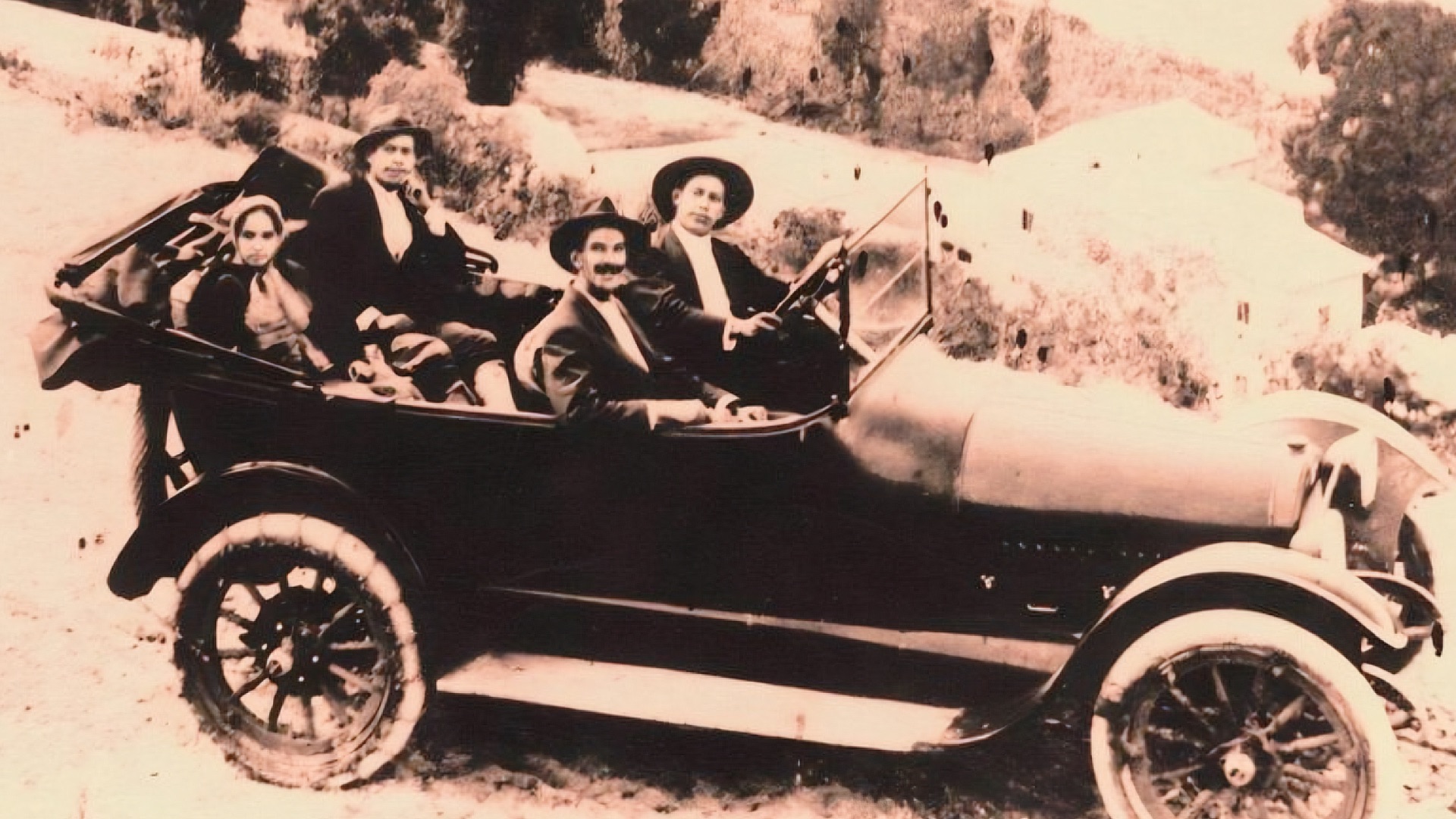
Owning a car used to mean you had money, space, and access to a machine most people could only admire from a distance. In the early 1900s, some automobiles cost thousands of dollars at the time, which put them far outside the reach of an ordinary household. The Ford Model T helped change that by making cars much more practical and affordable through mass production. Today, cars are still a major purchase, but you don’t need to be part of the upper class just to imagine owning one.
 Miguel Marcos Omaña Alfaro on Wikimedia
2. Radios
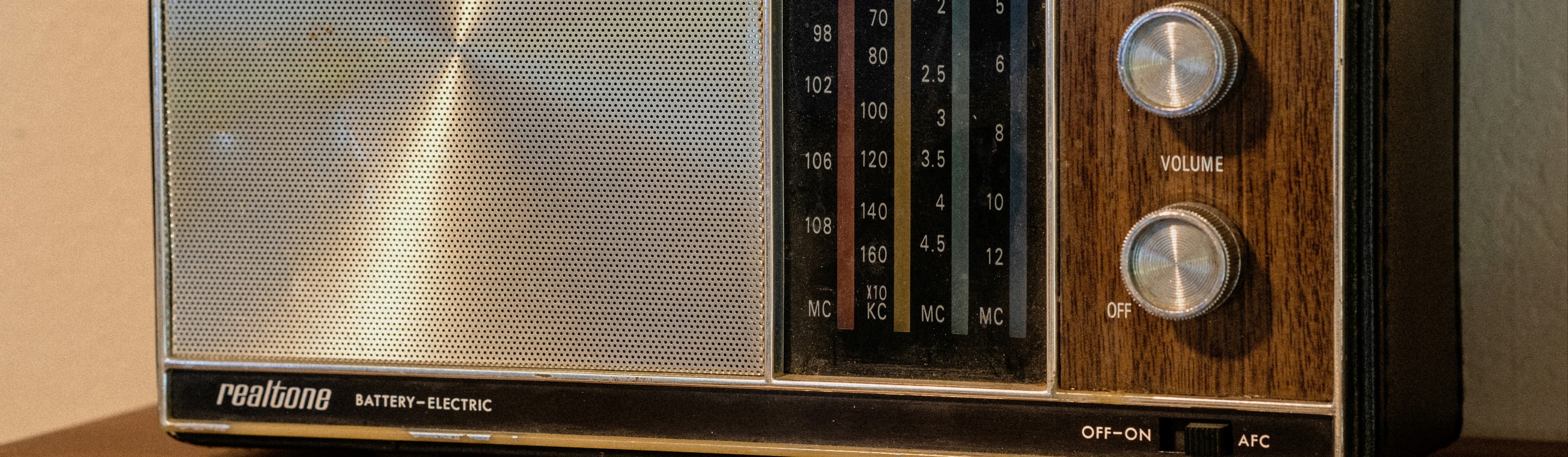
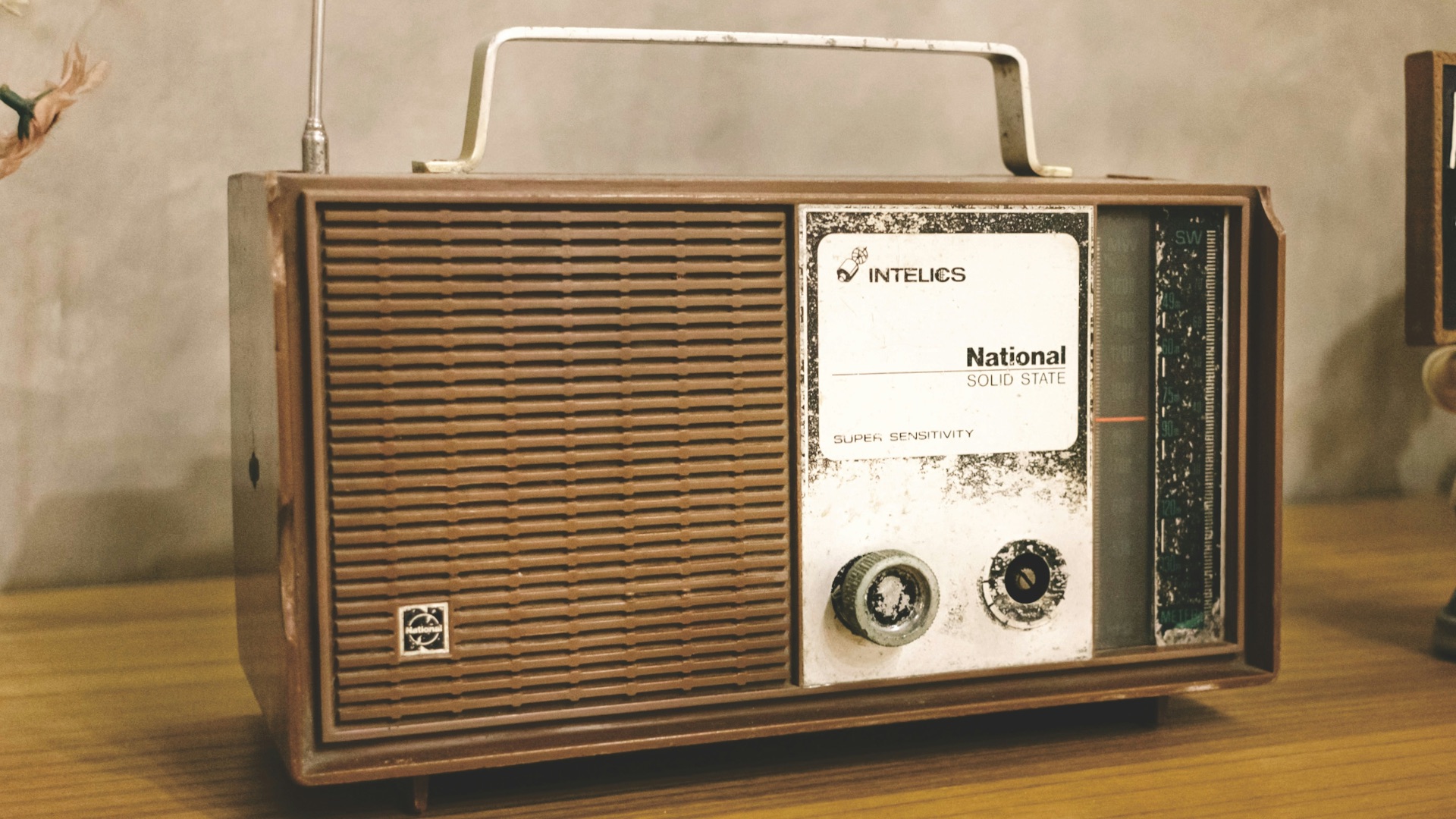
A home radio in the 1920s wasn’t just a casual purchase you picked up for background sound. Early models could cost the equivalent of thousands of dollars today, and cheaper homemade versions often came with weak sound and awkward listening setups. As production expanded and radio became a central part of home entertainment, prices dropped enough for regular families to bring one into the living room. Now you can stream audio from a phone, a smart speaker, or even a tiny portable radio without thinking of it as a luxury.
3. Televisions
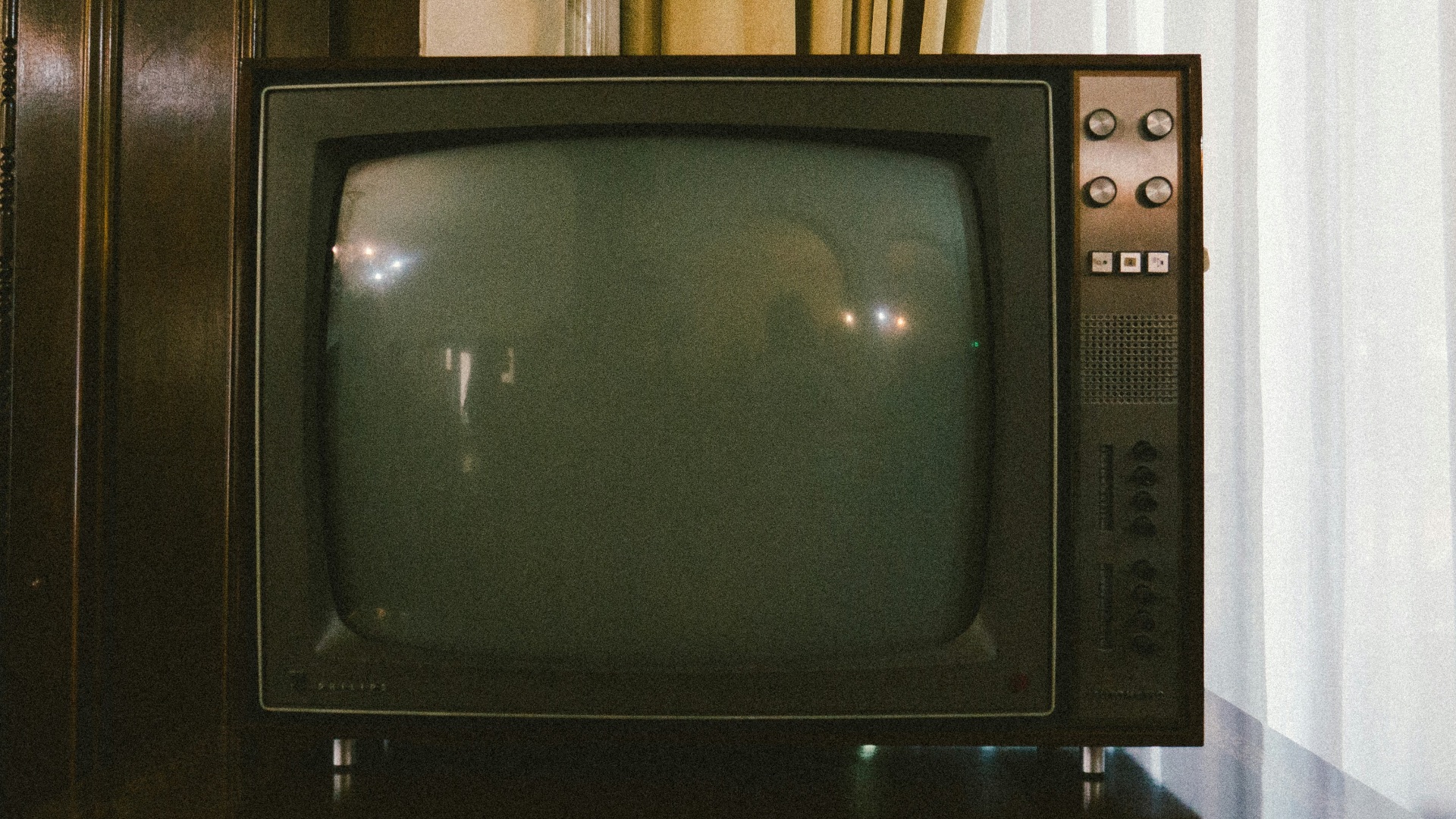
When televisions first appeared in stores, they were expensive, small, and limited in what they could actually show. A late-1930s RCA television could cost hundreds of dollars at the time, which translates to a huge modern price for a tiny screen. By the 1950s, more households started buying TVs as prices came down and broadcasting expanded. These days, you can find a large flat-screen TV for less than what many people spend on a weekend trip.
4. Vacuum Cleaners
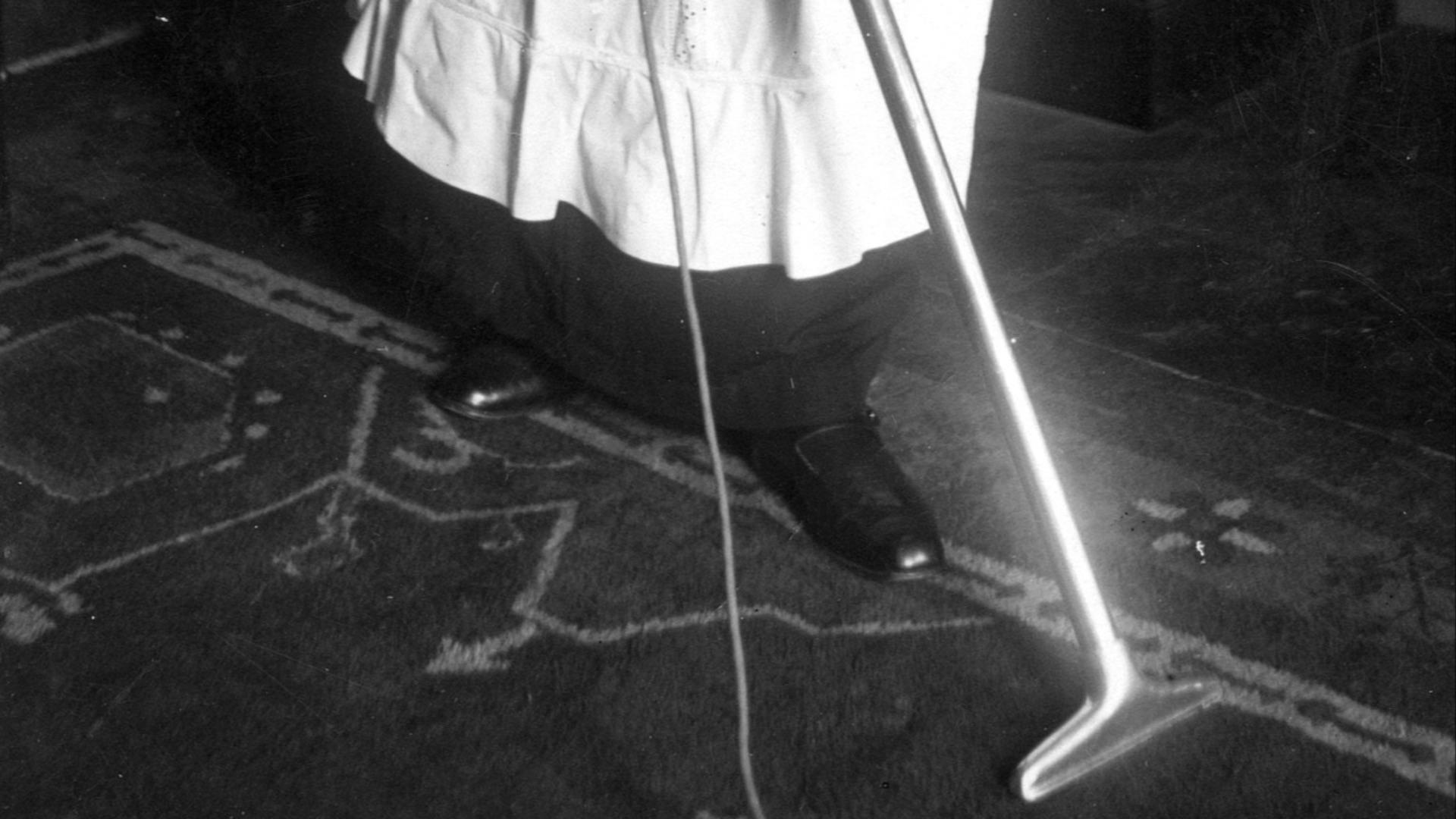
A vacuum cleaner once felt like a serious household investment rather than a basic cleaning tool. In the 1930s, some Hoover models cost enough in modern terms to make many families stick with brooms and manual cleaning. As electrical appliances became more common and competition increased, vacuums moved from middle-class aspiration to ordinary home equipment. Now you can choose from budget stick vacuums, robot vacuums, and heavy-duty models depending on how much help you want with the floors.
 Cornelis Johan Hofker (1886-1936) [2] on Wikimedia
5. Air Travel
Flying used to be the kind of thing many people saved for a once-in-a-lifetime moment, if they experienced it at all. Mid-20th-century fares were high, flights were longer, and routes often included multiple stops that made the trip feel more complicated. Airline deregulation in the United States in 1978 helped increase competition and pushed fares lower over time. Today, airfare can still be frustratingly expensive, but budget airlines and online deals have made flying far more accessible than it once was.
 Florida Keys History Center-Monroe County Public L on Wikimedia
6. Personal Computers
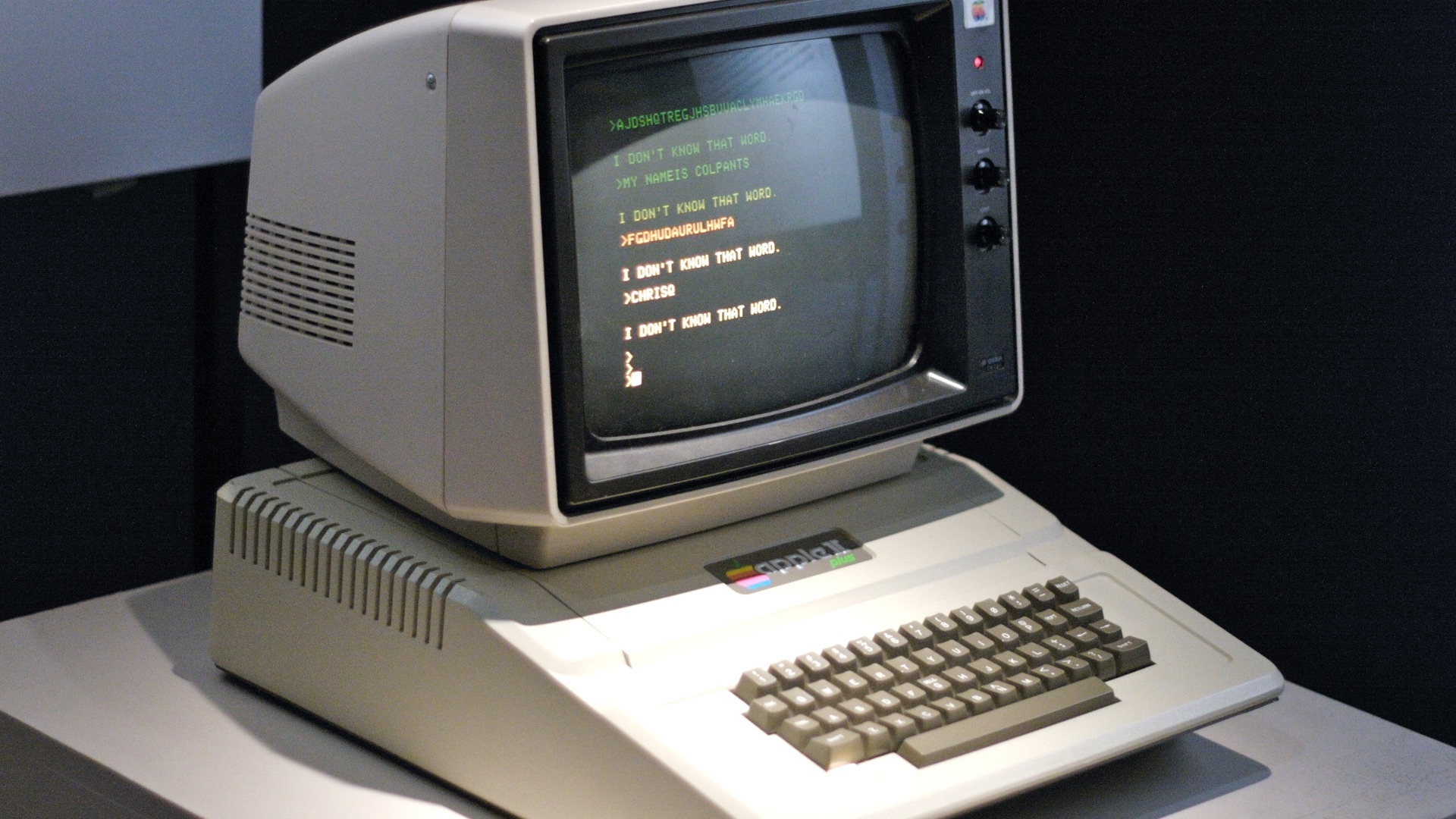
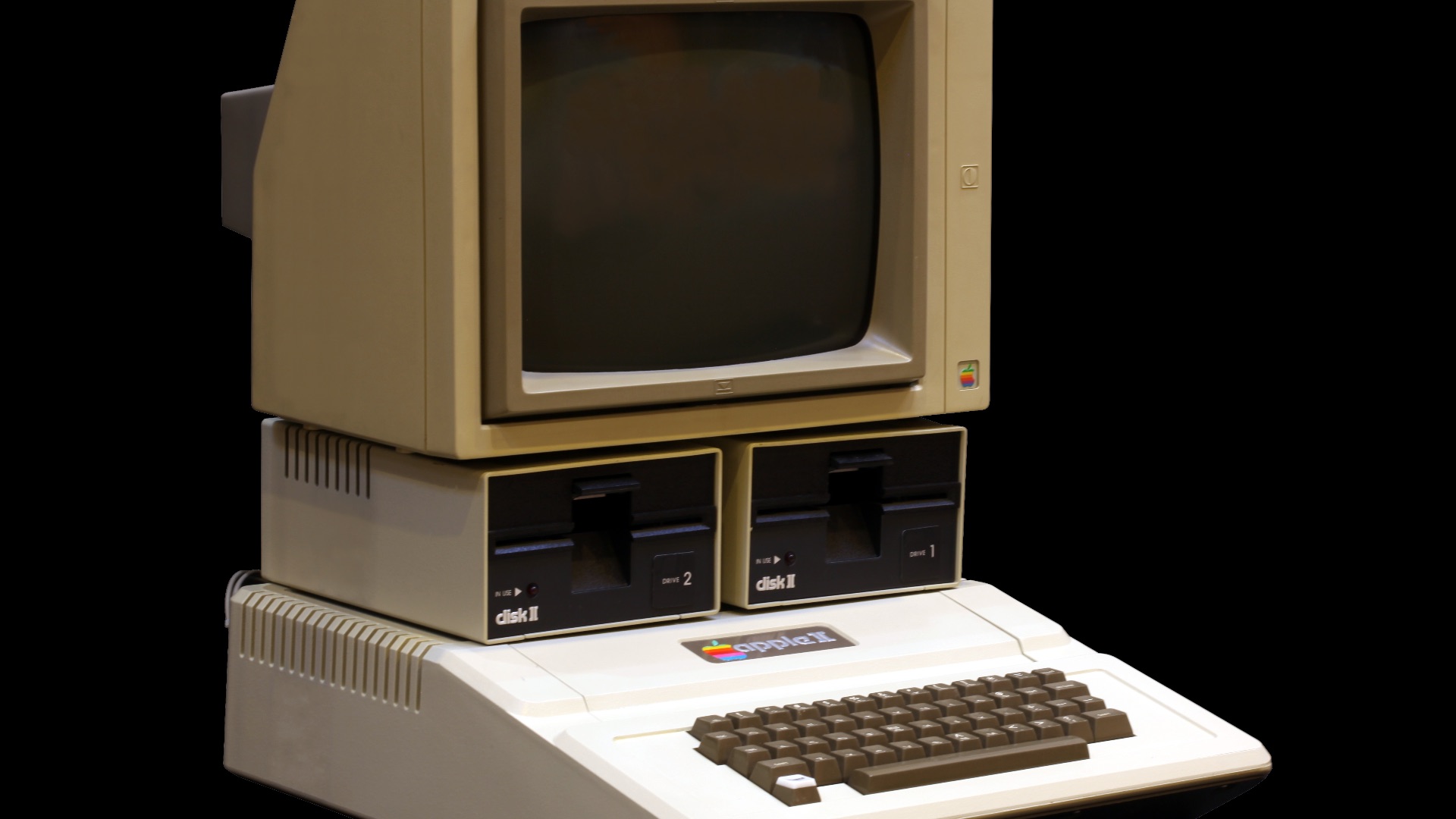
The first personal computers weren’t the sleek, affordable machines you see in homes and offices now. Some early systems cost tens of thousands of dollars, while later mass-market computers still carried prices that felt steep for the average family. By the 1980s, more affordable machines began reaching ordinary buyers, especially as competition and consumer demand grew. Now laptops, tablets, and desktops come in a wide range of prices, and even a budget phone has more computing power than many early machines.
 Rama & Musée Bolo on Wikimedia
7. Mobile Phones
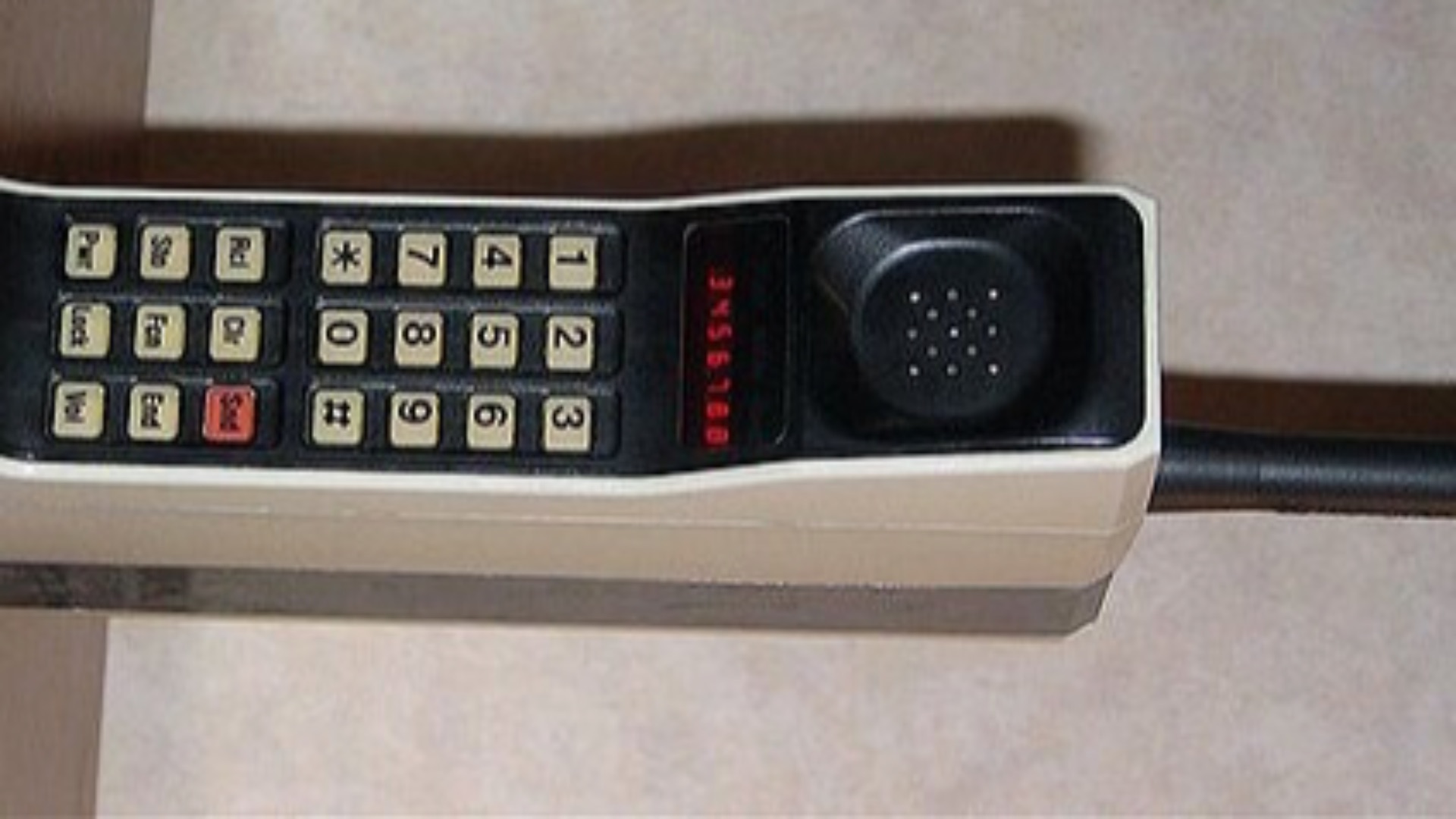
The first commercial mobile phones were heavy, limited, and shockingly expensive by today’s standards. Motorola’s DynaTAC 8000X went on sale in the 1980s with a price tag that would be well into five figures in today’s money. By the late 1990s and early 2000s, smaller and cheaper phones helped bring mobile calling to a much wider audience. Now, plenty of people replace their phones every few years, even though the earliest buyers were paying luxury prices for far less functionality.
 DynaTAC8000X.jpg: Redrum0486
derivative work: Technical 13 on Wikimedia
DynaTAC8000X.jpg: Redrum0486
derivative work: Technical 13 on Wikimedia
8. Digital Cameras
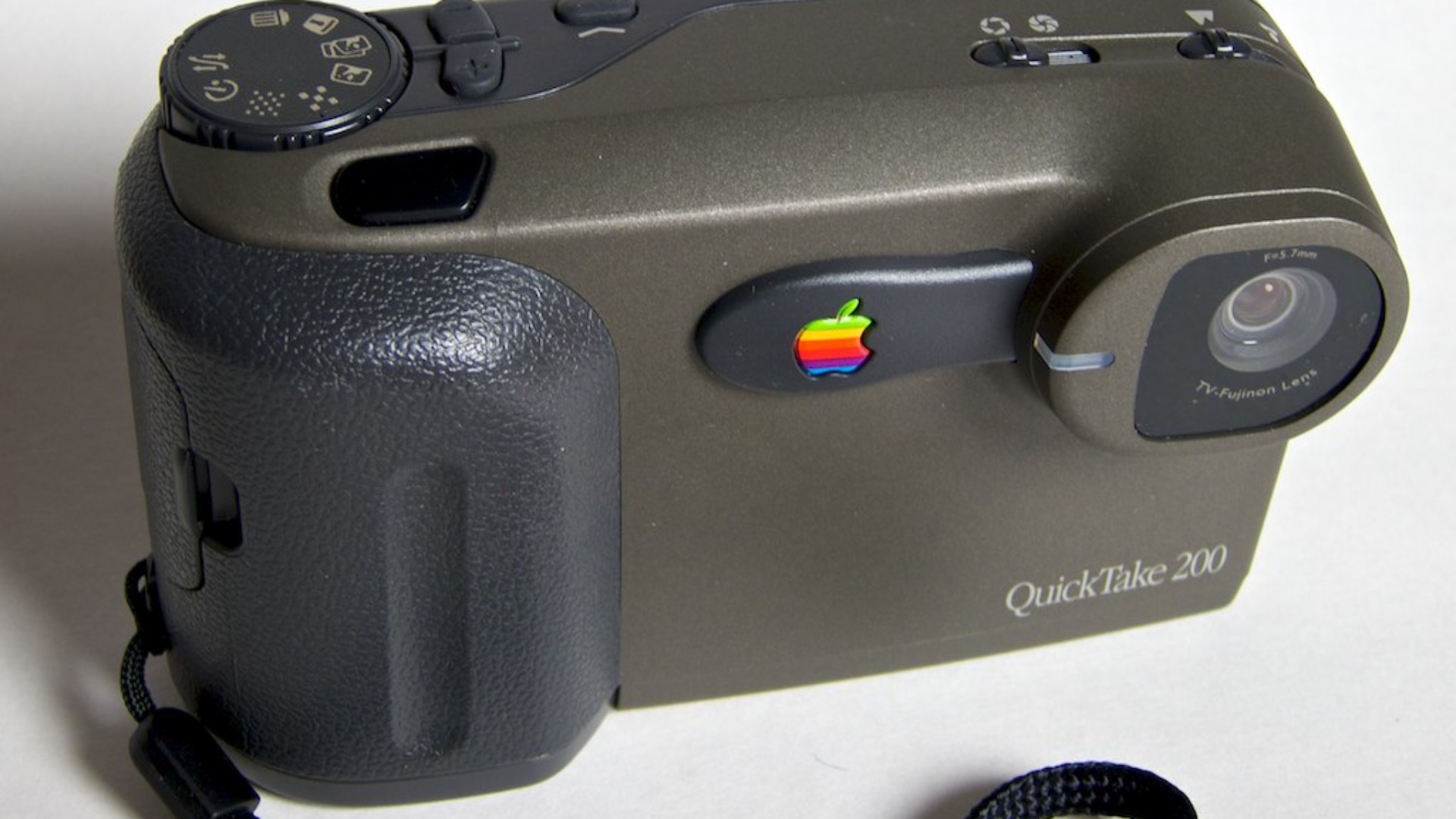
Digital cameras were once specialized tools aimed at professionals, not casual vacationers or parents taking birthday photos. The Kodak DCS 100, released in the early 1990s, cost around $20,000 and required extra equipment that made it impractical for everyday use. Prices fell through the 1990s and 2000s, then smartphone cameras changed the category completely. Today, you probably have a high-quality digital camera sitting in your pocket every time you leave the house.
9. Laser Printers
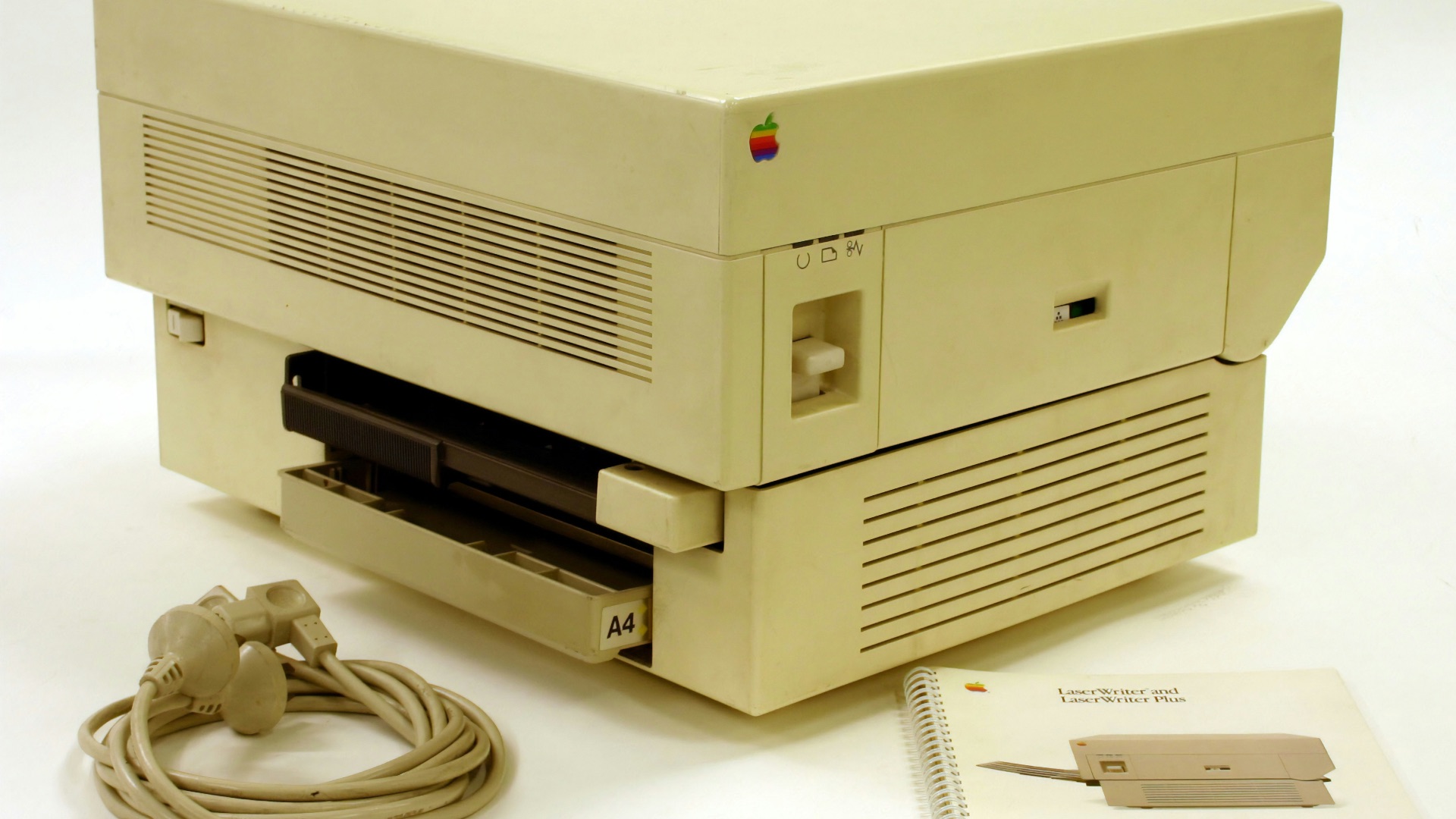
Laser printers once belonged mainly in offices that could afford serious equipment. HP’s original LaserJet launched in 1984 with a price that would equal many thousands of dollars today, which made it far too expensive for most homes. As printer technology improved and personal computers became more common, prices dropped enough for small businesses and families to buy them. Now you can find basic laser printers for a fraction of what early buyers paid.
10. Aluminum Foil
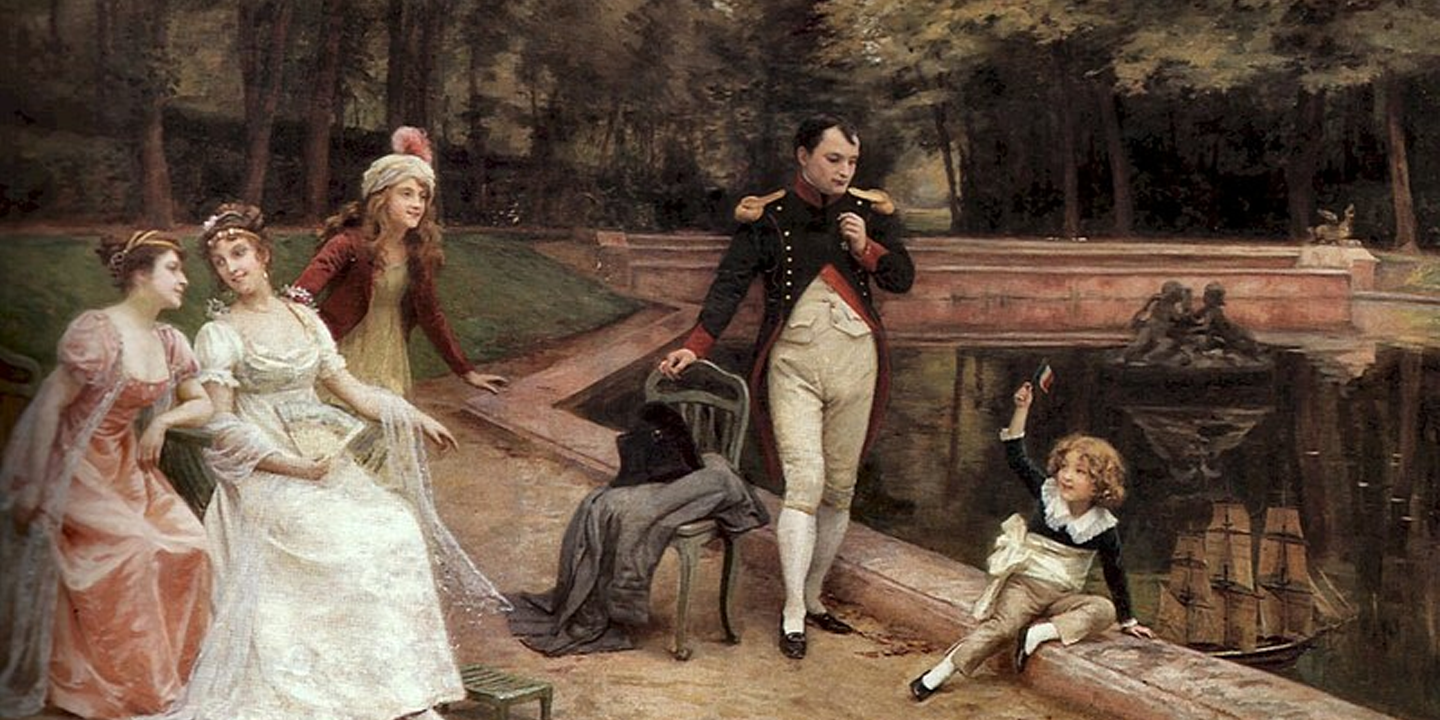
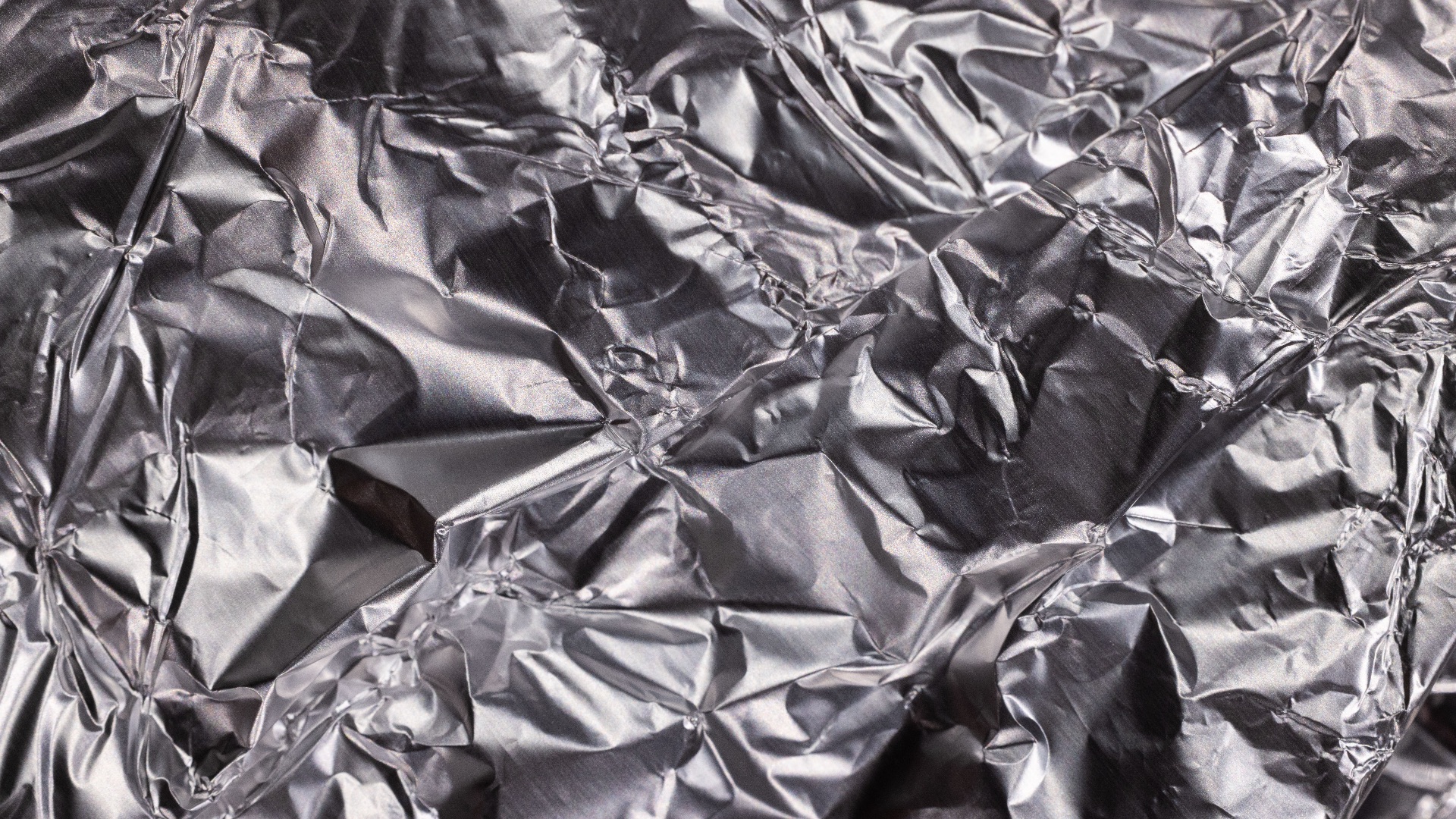
Aluminum feels so ordinary now that you probably associate it with leftovers, baking sheets, and soda cans. In the mid-1800s, though, aluminum was more valuable than gold because it was so difficult to extract and refine. Wealthy people wore aluminum jewelry, and Napoleon III reportedly reserved aluminum cutlery for his most honored guests. Once industrial processes made production cheaper, aluminum went from elite novelty to one of the most common materials in modern kitchens.
11. Sugar
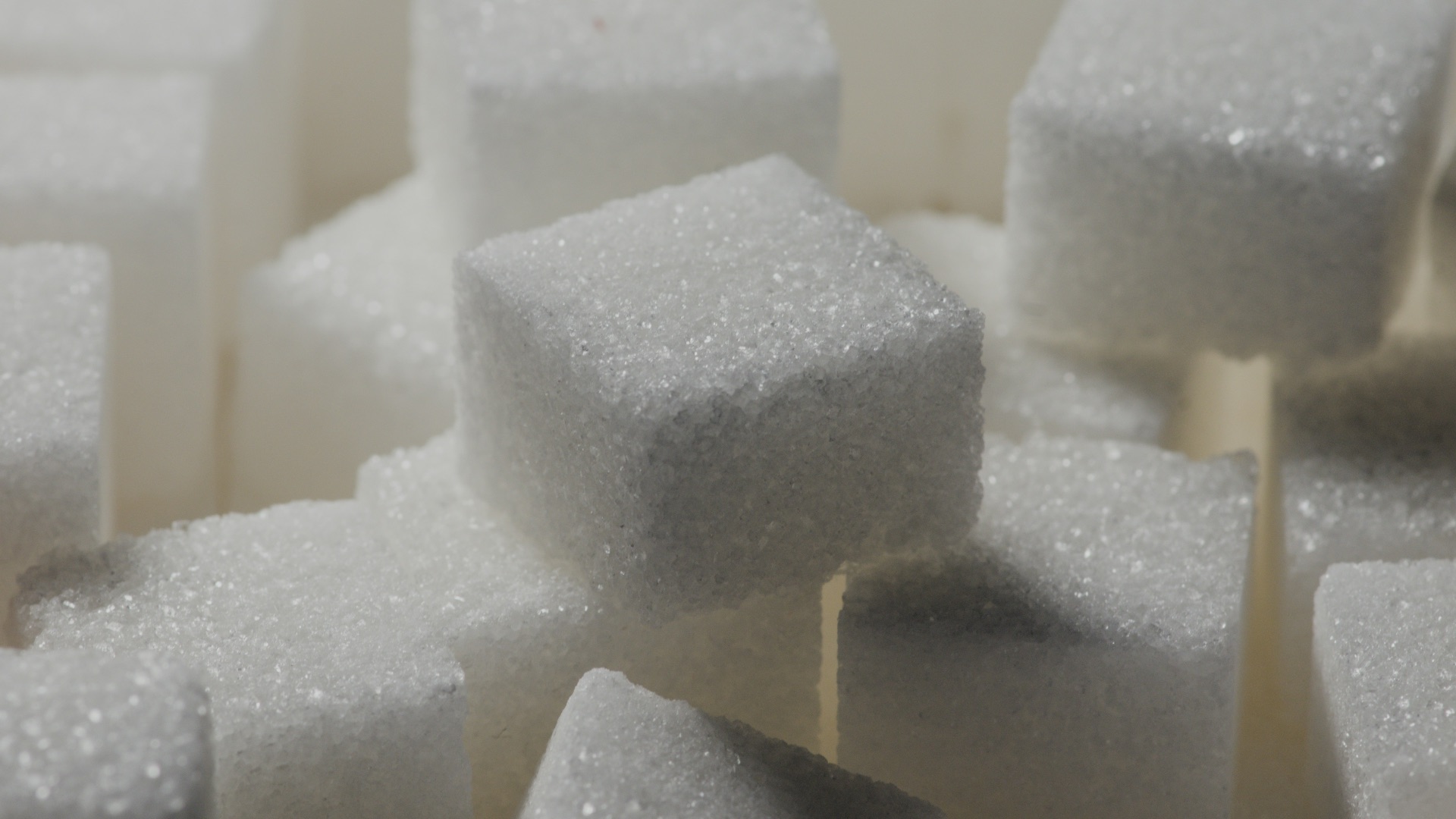
Sugar was once a precious import, not the everyday ingredient people sprinkle into coffee or bake into cookies. For centuries, it was tied to long trade routes, specialized production, and high prices that made it more accessible to the wealthy than to ordinary households. As sugar production expanded and beet sugar developed in Europe, it became far more available. Now sugar is so common that many people spend more effort trying to cut back on it than trying to get it.
12. Salt
Salt may be cheap now, but it once carried enormous economic and political weight. People needed it not only for flavor, but also for preserving food before refrigeration was available. Governments taxed it, traders moved it across long routes, and control over salt could bring major revenue. Today, a basic container of table salt costs very little, even though its history is packed with conflict, commerce, and strict regulation.
13. Books
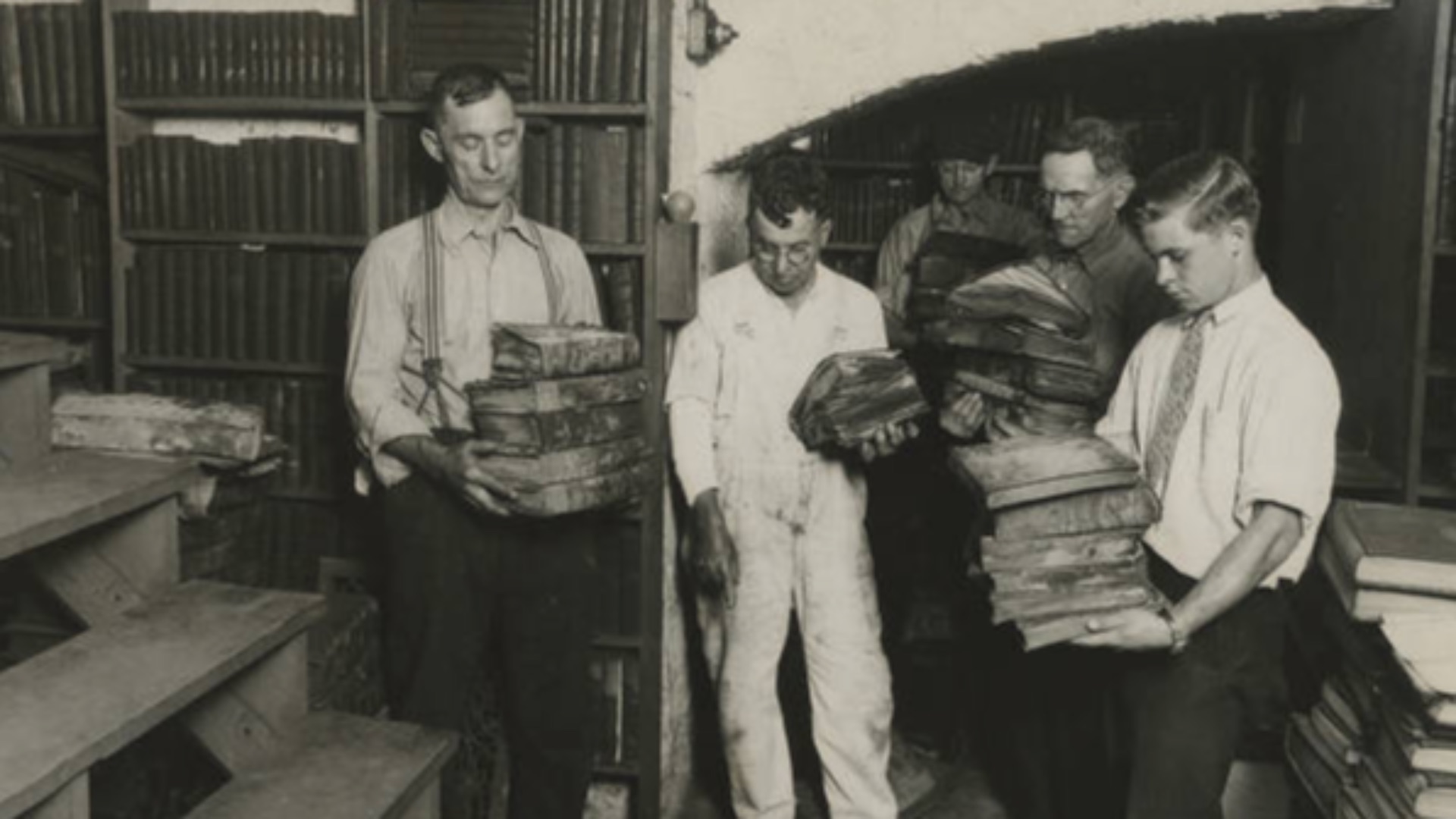
Before printed books became widespread, owning a book could be a sign of serious wealth, education, or religious authority. Manuscripts had to be copied by hand, which took time, skill, and expensive materials. Gutenberg’s movable-type printing press in the mid-15th century helped change how books were produced and made wider access possible over time. Now you can buy used paperbacks for a few dollars or download thousands of public-domain books for free.
14. Pineapples
A pineapple in a grocery store doesn’t look especially fancy today, but it once carried serious status in Europe. In the 17th and 18th centuries, transporting tropical fruit across long distances was expensive, risky, and slow. Wealthy hosts sometimes displayed pineapples at gatherings because the fruit signaled money, access, and fashionable taste. Now you can buy one fresh, canned, frozen, or already cut without treating it like a major splurge.

15. Mirrors
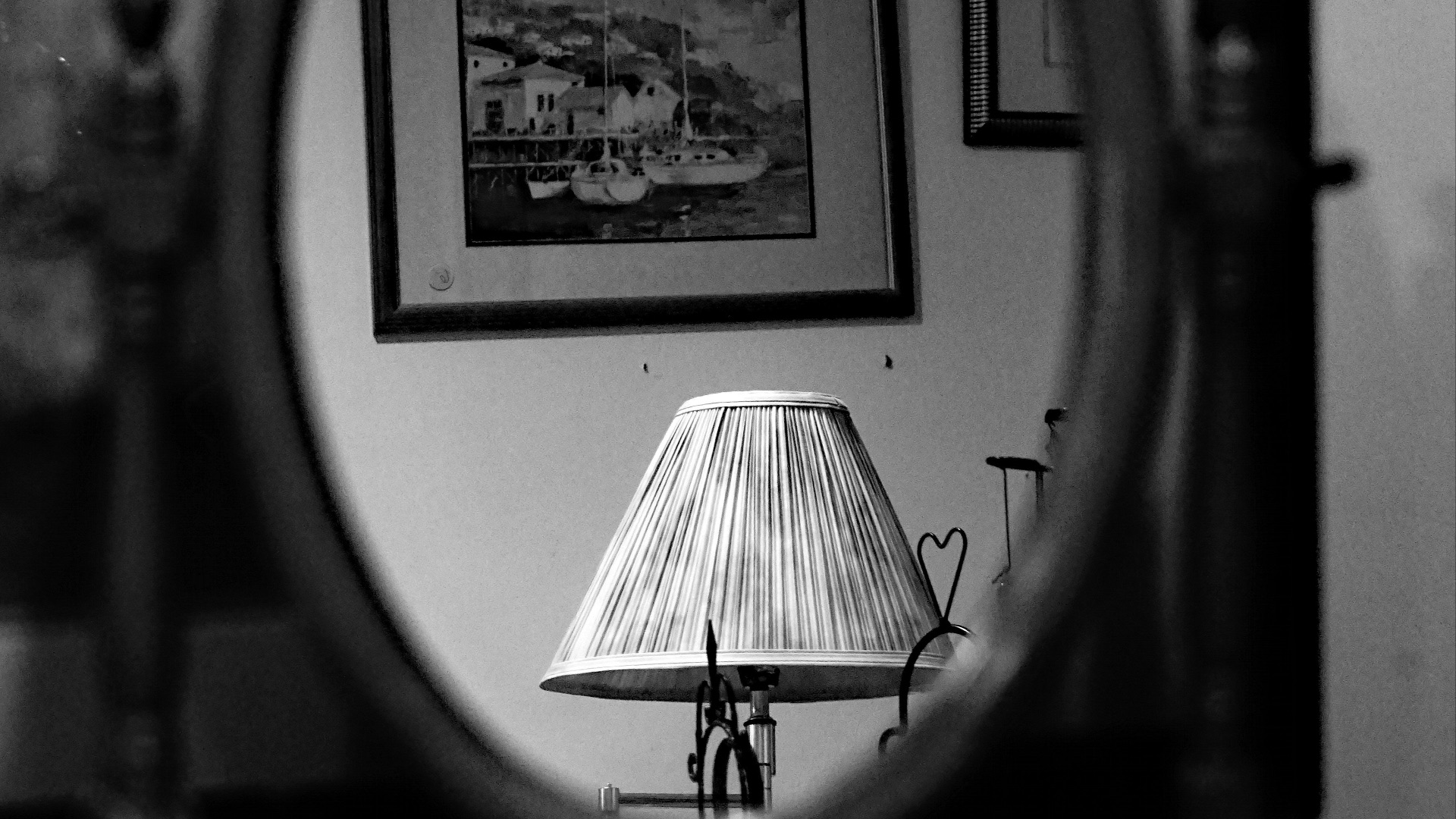
A mirror used to be a costly object that required expert craftsmanship and expensive materials. High-quality glass mirrors were especially associated with places such as Venice, where mirror-making knowledge was closely guarded. For wealthy households, a fine mirror wasn’t just useful; it showed refinement and money. Today, mirrors are so affordable that they’re built into medicine cabinets, closet doors, makeup compacts, and cheap dorm-room decor.
 Allen Beilschmidt sr. on Pexels
16. Spices
Black pepper, cinnamon, cloves, and other spices used to be expensive enough to shape global trade. They traveled long distances through complicated networks, and that journey added cost at every stage before they reached European tables. Wealthy households used spices to show status as much as to flavor food. Now most grocery stores sell small jars of once-rare seasonings for a few dollars, even if the good stuff can still get pricey.

17. Ice
Before electric refrigeration, ice wasn’t something you could take for granted. It had to be cut from frozen lakes, stored in insulated buildings, transported carefully, and delivered before it melted. In warmer places and seasons, that made ice a valuable convenience rather than a basic kitchen expectation. Now your freezer can make it automatically, and a bag of ice is usually one of the cheapest things at the convenience store.
18. Watches
Personal timekeeping was once an expensive privilege, especially when watches had to be made with tiny mechanical parts by skilled craftspeople. A pocket watch or wristwatch could mark someone as successful, punctual, and socially polished. Industrial production eventually made watches more affordable, and quartz technology lowered prices even further in the 20th century. These days, you can buy a basic watch cheaply, while your phone can tell time down to the second for free.
 US Department of the Air Force. on Wikimedia
19. Candles
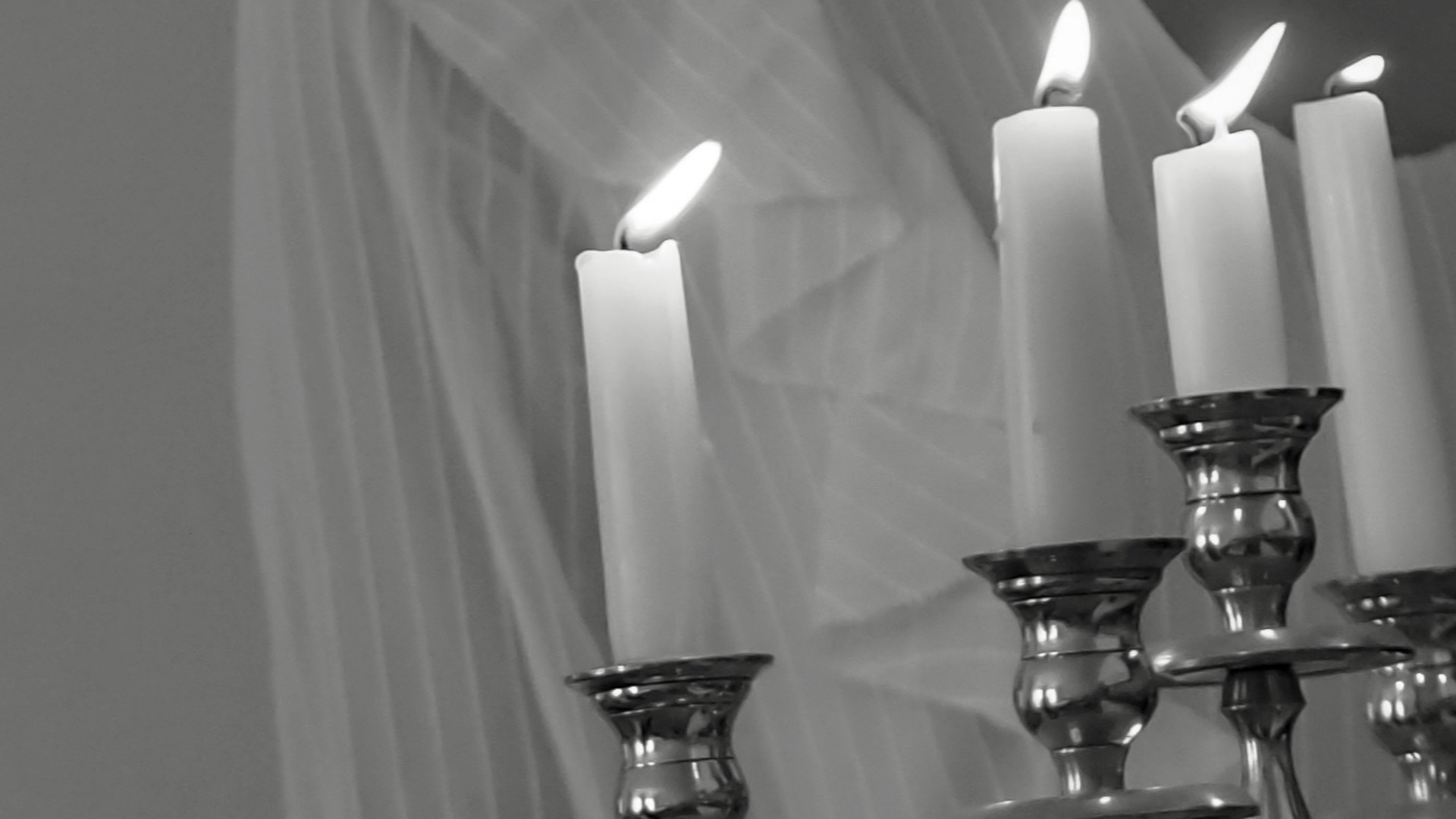
Candles were once essential, but good ones weren’t always affordable. Tallow candles were cheaper but smoky and unpleasant, while beeswax candles burned cleaner and were often reserved for churches, wealthy homes, and special settings. As gas lighting, electric lighting, and mass-produced candles became available, the practical need for expensive candles faded. Now, most people buy candles for scent, decor, or atmosphere rather than because they’re the only way to see after sunset.
20. Forks
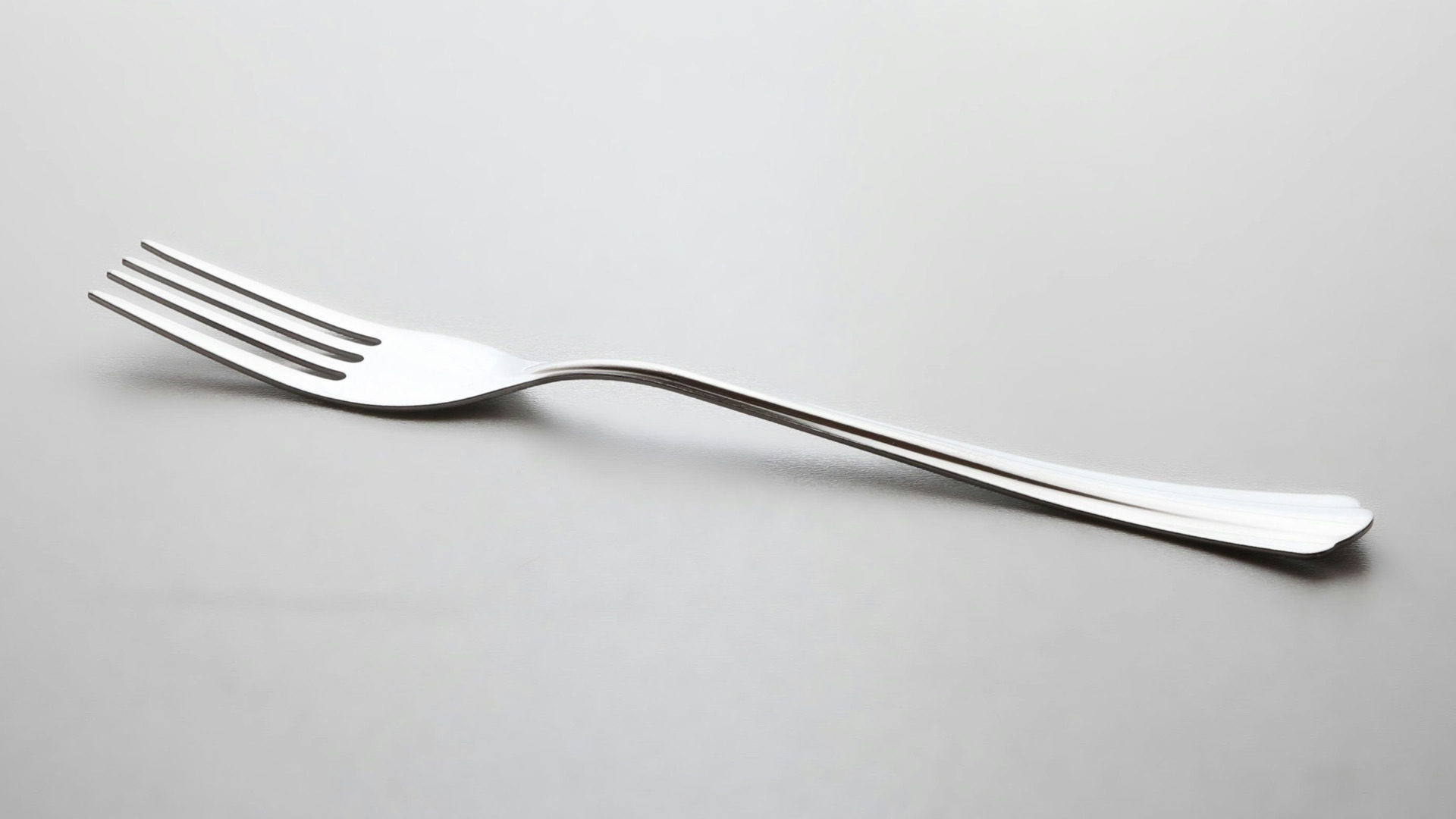
Forks might seem like the most ordinary thing in a kitchen drawer, but they weren’t always standard tableware. In parts of medieval and early modern Europe, forks were associated with wealth, foreign manners, or elite dining before they became common household tools. Over time, changing etiquette and cheaper metal production helped make them part of regular place settings. Today, you can buy a full pack of forks cheaply, and even disposable versions are handed out with takeout meals.