10 Military Leaders Who Trusted Their Wives’ Advice & 10 Who Ignored It
When Private Counsel Met Public Command
Behind many famous military decisions was a quieter conversation at home, where wives sometimes offered advice that was practical, political, emotional, or sharply inconvenient. Some leaders listened closely and benefited from that second perspective, while others moved ahead anyway, leaving historians with plenty to discuss. Here are 10 military leaders who trusted their wives' advice and 10 who ignored it.
1. Justinian I Listened To Theodora
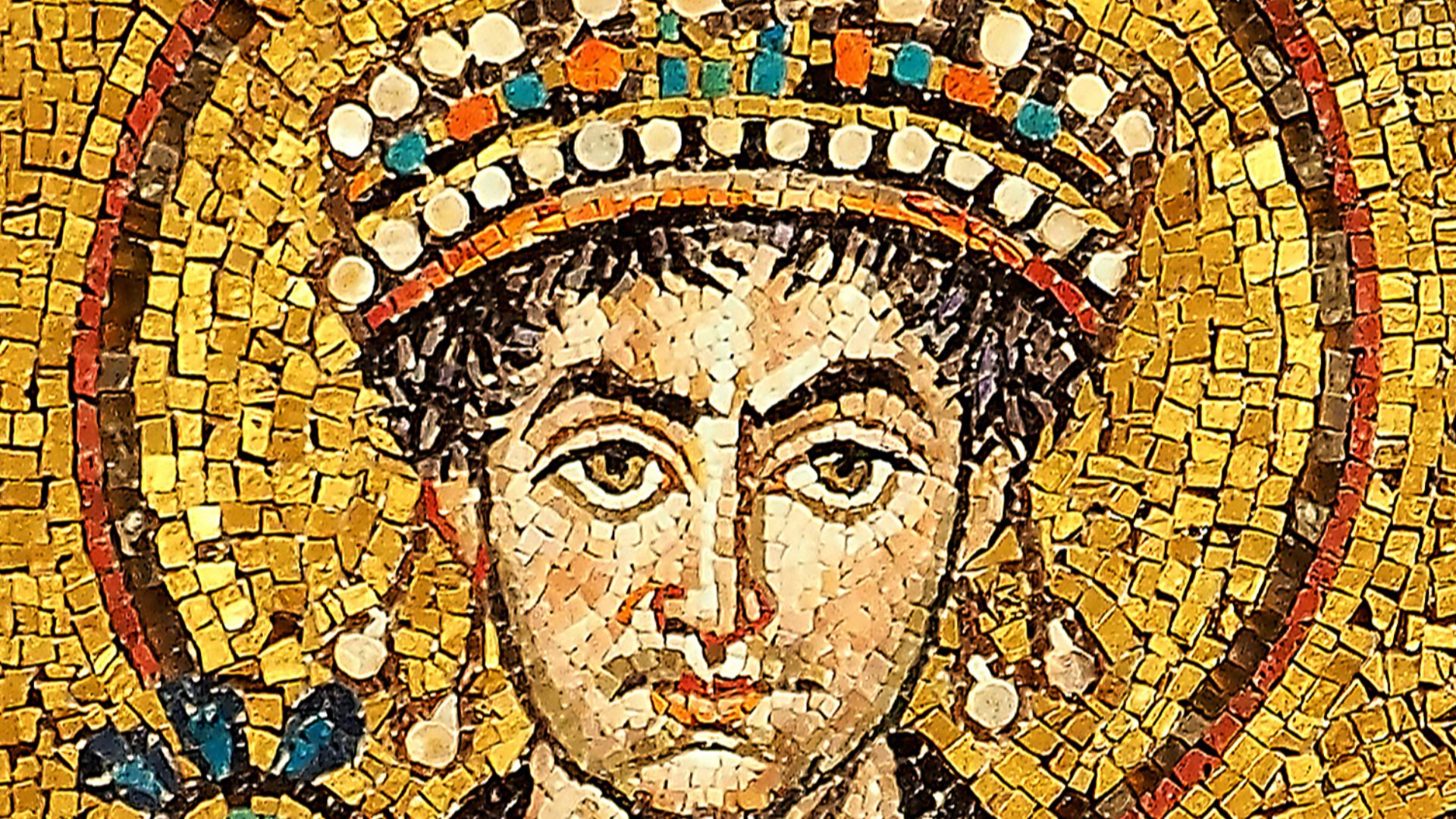
During the Nika riots of 532, Justinian considered fleeing Constantinople as the rebellion threatened his rule. Theodora urged him to stay and face the crisis, arguing that royal authority was worth defending even at great risk.
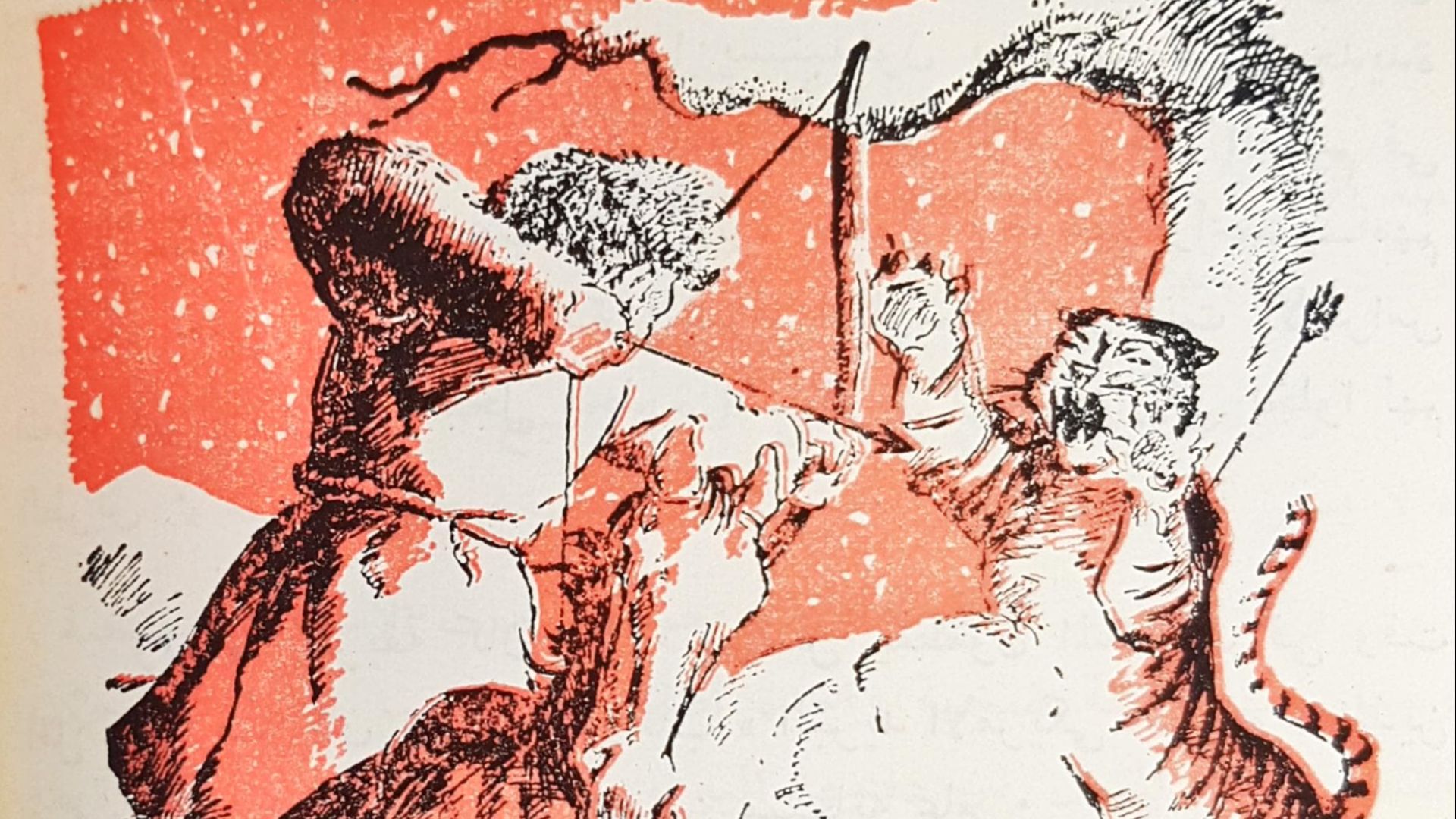
2. Genghis Khan Listened To Börte
Börte was not just Genghis Khan’s first wife; she was a respected political presence in the Mongol camp. Accounts describe her advising him on alliances, rivalries, and internal threats that affected the stability of his growing power.
 Unknown authorUnknown author on Wikimedia
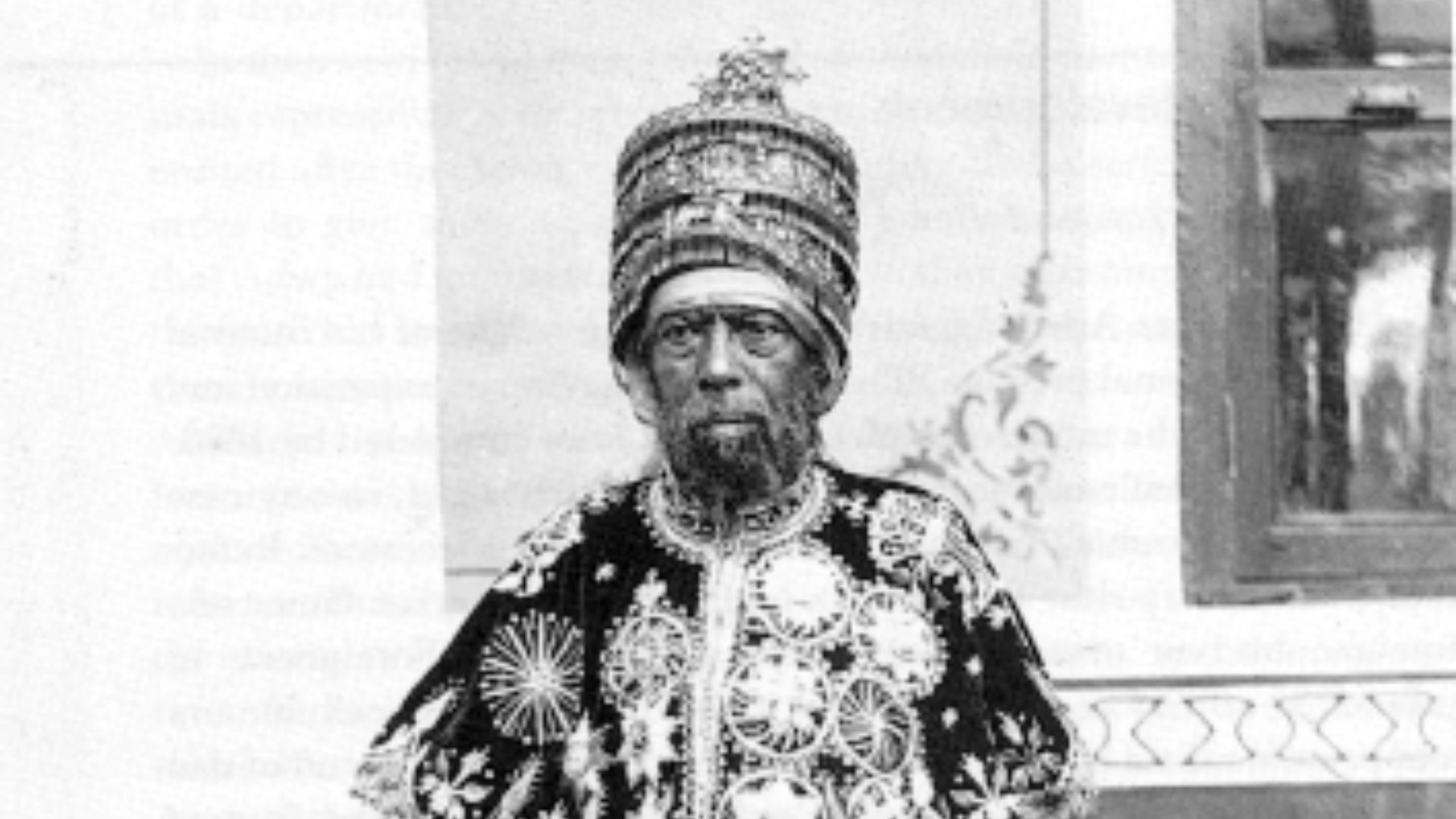
3. Menelik II Listened To Taytu Betul
Empress Taytu Betul played a major role in Ethiopia’s resistance to Italian expansion before the Battle of Adwa. She pushed for a firm response to foreign pressure and helped rally support for the campaign.
 Zheim~commonswiki on Wikimedia
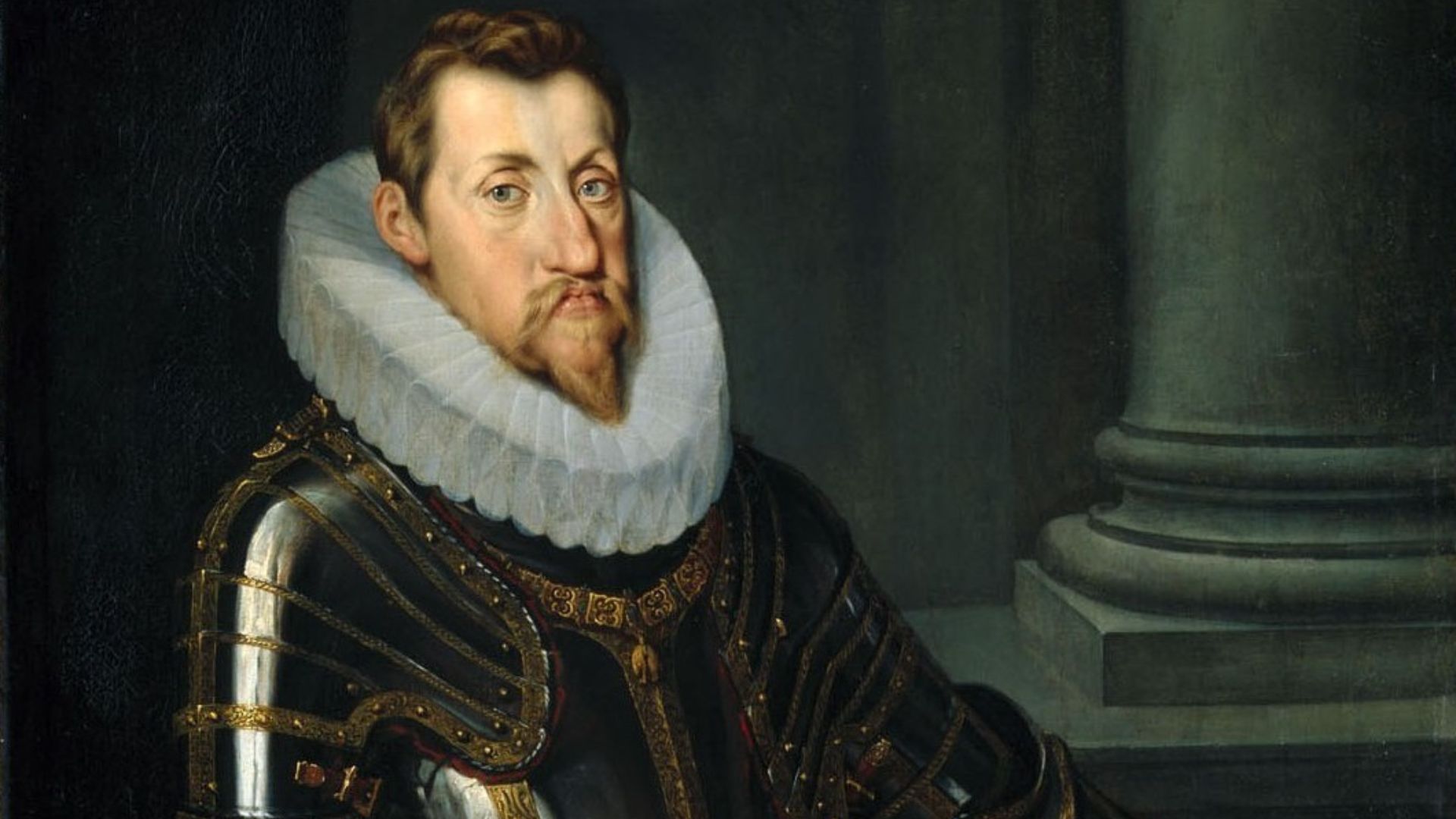
4. Ferdinand II Listened To Isabella I
Ferdinand of Aragon and Isabella of Castile ruled as partners, and their military campaigns were often tied to joint political decisions. During the long war against Granada, Isabella helped sustain financing, logistics, and public commitment.
 Unidentified painter on Wikimedia
5. William Tecumseh Sherman Listened To Ellen Sherman
Ellen Sherman came from a politically connected family and was deeply engaged with Union affairs during the Civil War. Her letters and family connections helped Sherman navigate pressure, reputation, and Washington politics at moments when his mental strain was widely discussed.
 Internet Archive Book Images on Wikimedia
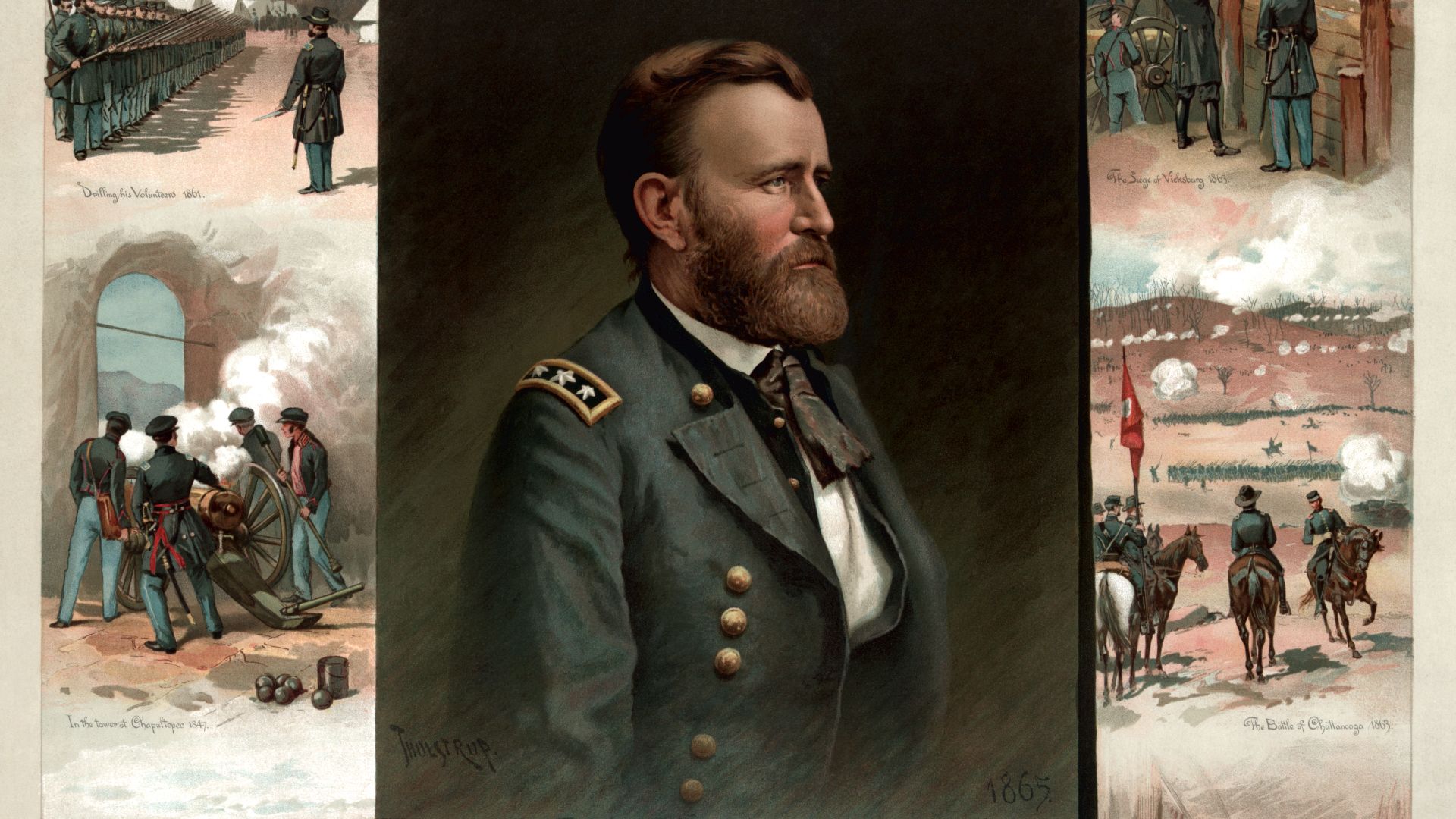
6. Ulysses S. Grant Listened To Julia Grant
Julia Grant provided Ulysses S. Grant with personal steadiness throughout a career marked by war, criticism, and heavy responsibility. She visited camps, handled family pressures, and offered confidence when public opinion was not always kind.
 Thure de Thulstrup / Adam Cuerden on Wikimedia
7. Napoleon Bonaparte Listened To Joséphine
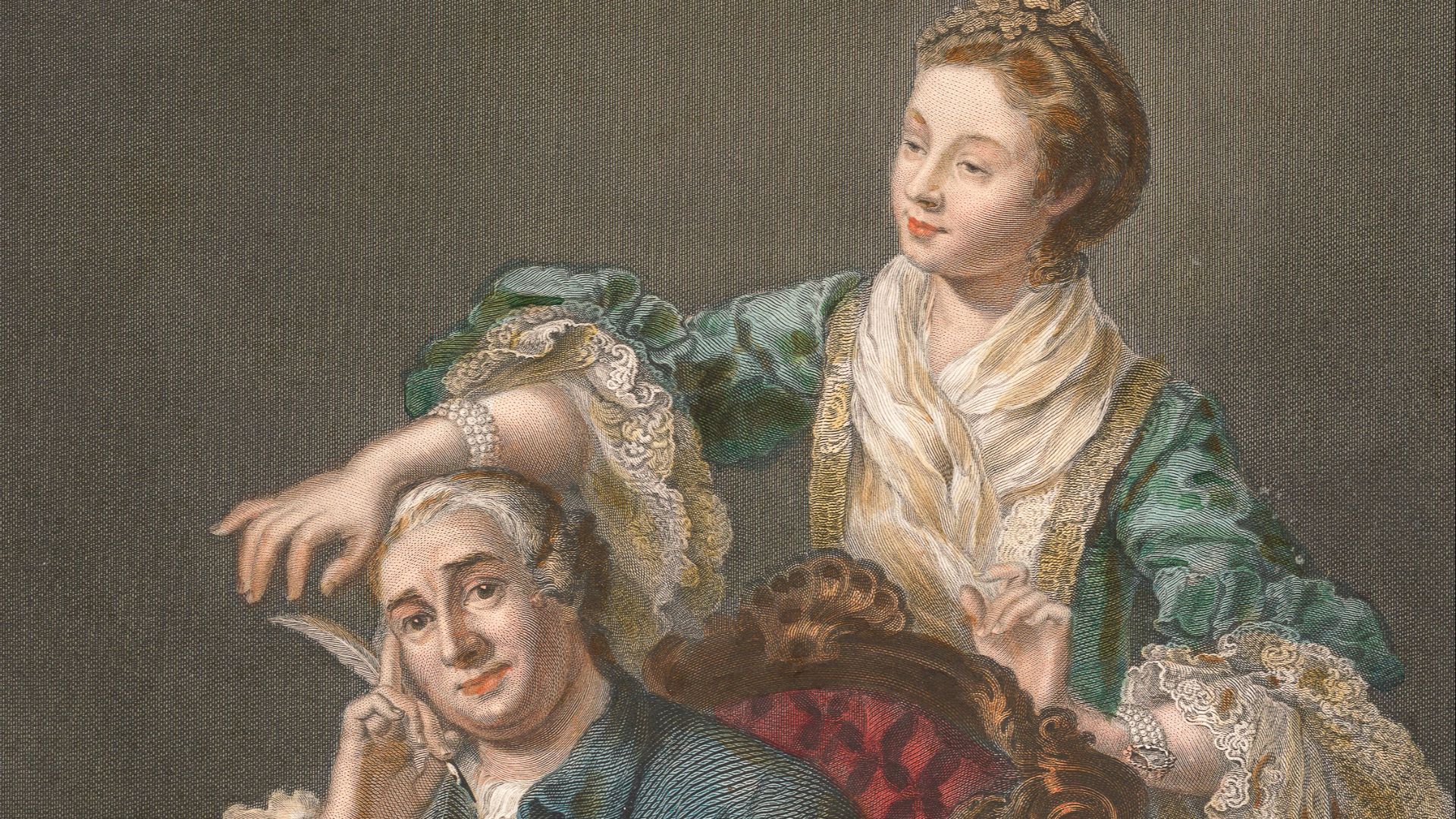
Napoleon’s early marriage to Joséphine gave him access to social circles that mattered in post-Revolutionary France. She understood influence, presentation, and elite relationships in ways that helped his public rise as well as his private confidence.
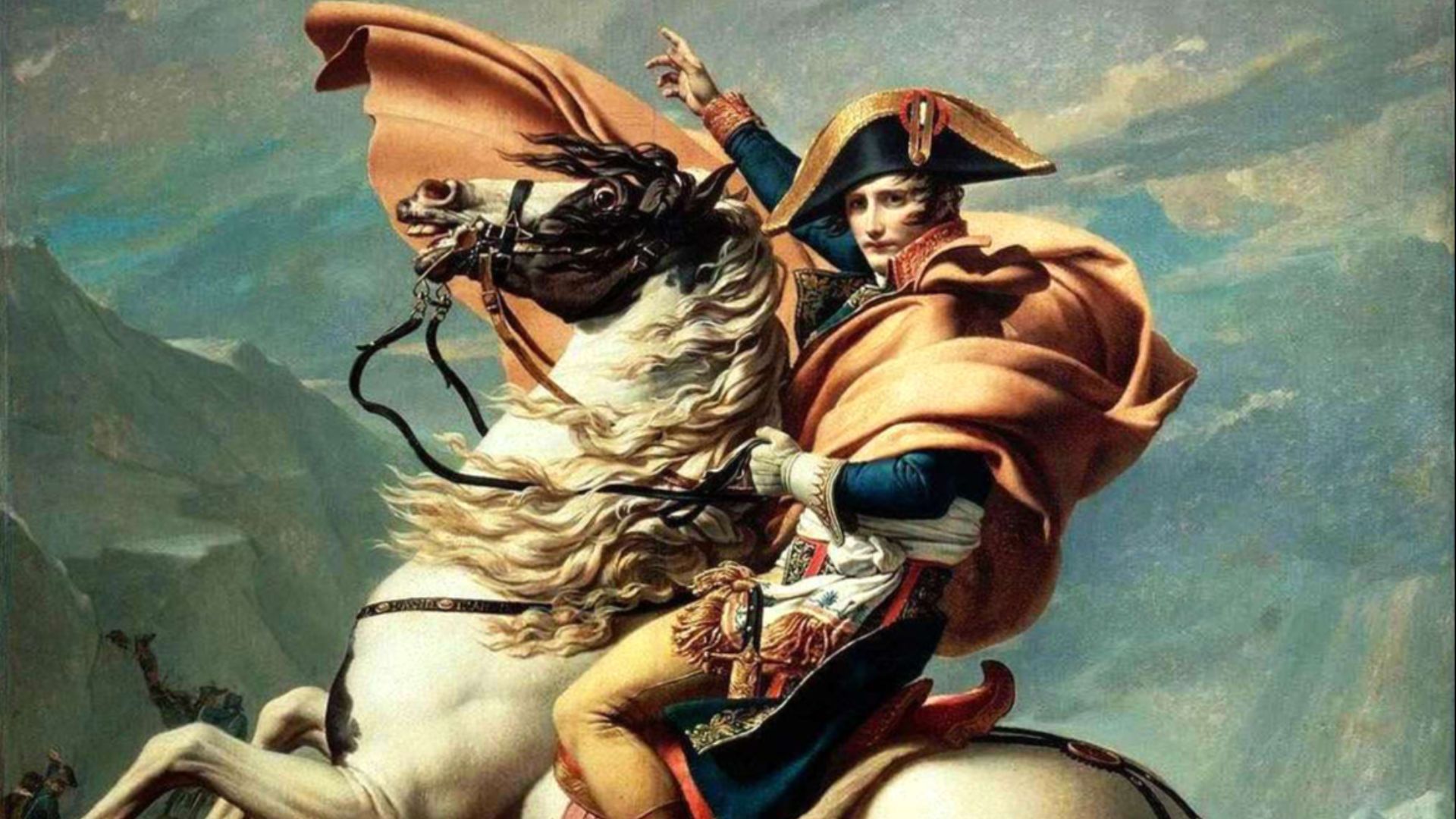 Jacques-Louis David on Wikimedia
8. Suleiman The Magnificent Listened To Hurrem Sultan
Suleiman was one of the Ottoman Empire’s most powerful rulers, and Hurrem Sultan became an unusually influential consort. Her advice and political instincts affected court alliances, succession concerns, and diplomatic communication.
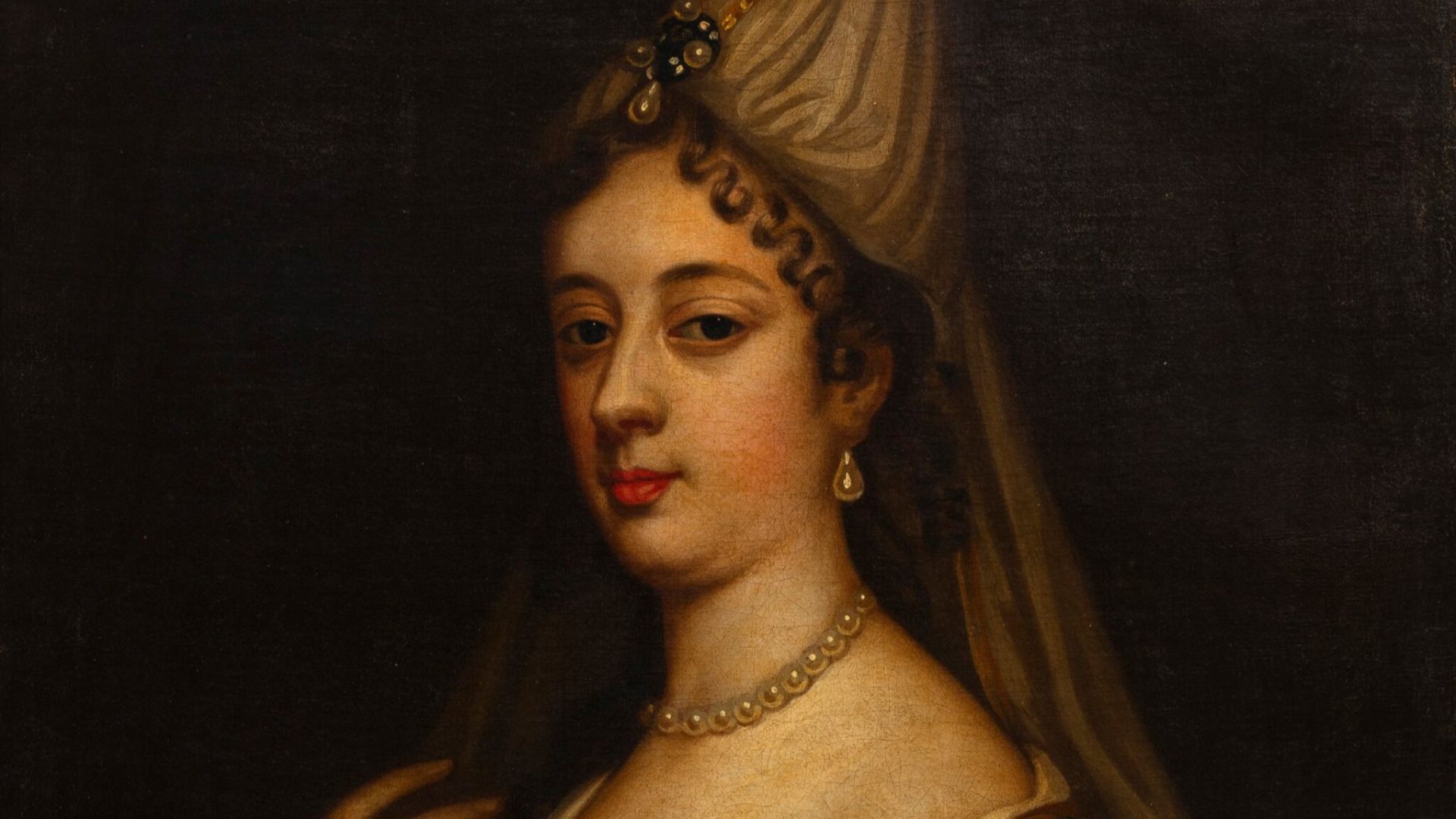 Unknown authorUnknown author (a follower of Sir Peter Lely) on Wikimedia
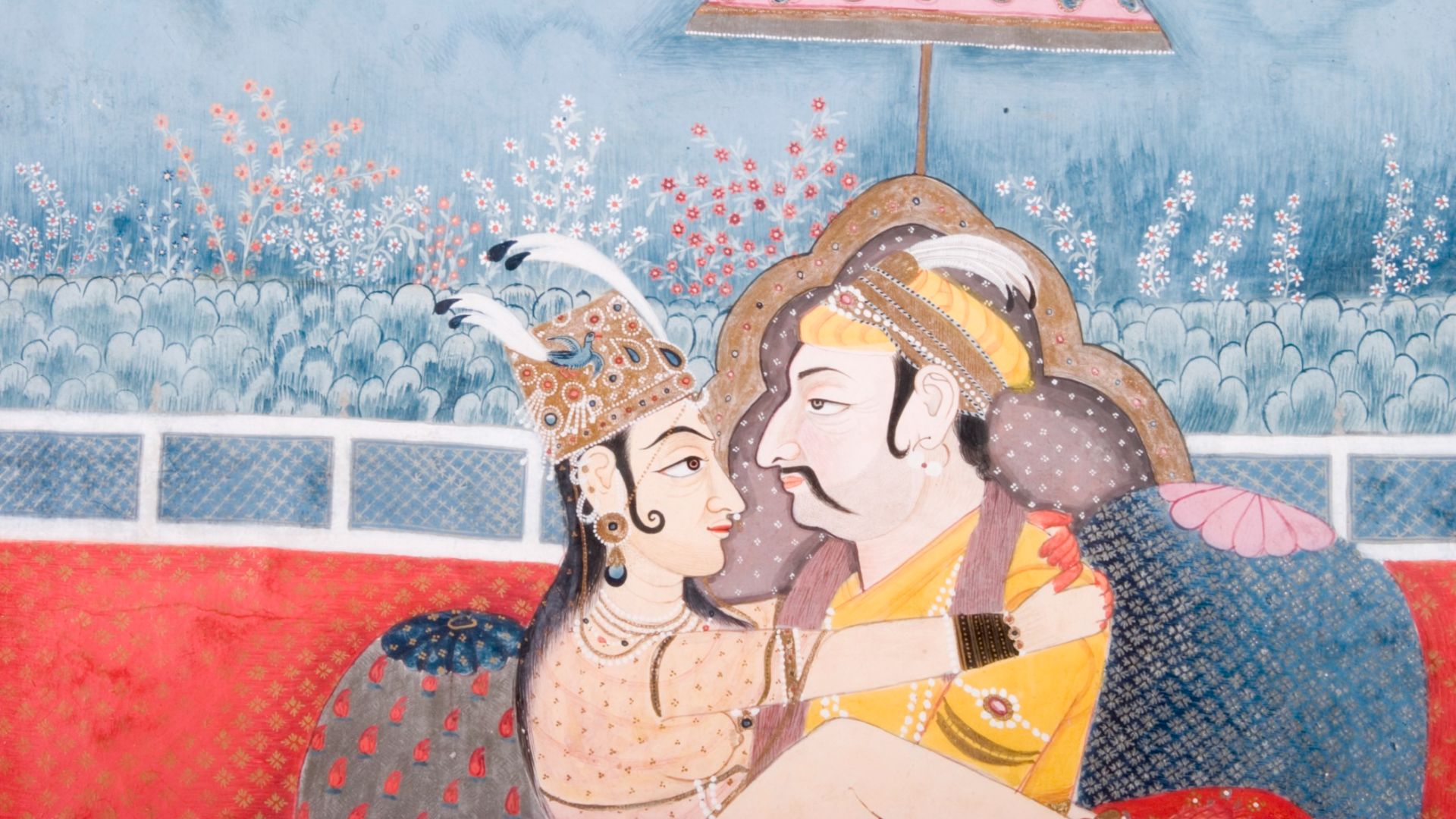
9. Jahangir Listened To Nur Jahan
Mughal emperor Jahangir relied heavily on Nur Jahan, whose political ability made her one of the most powerful women of the empire. She influenced court appointments, imperial policy, and the management of factional rivalries that affected military authority.
10. Mark Antony Listened To Cleopatra
Mark Antony’s partnership with Cleopatra blended romance, politics, and military ambition. He trusted her resources, naval support, and regional knowledge as he struggled against Octavian for control of the Roman world.
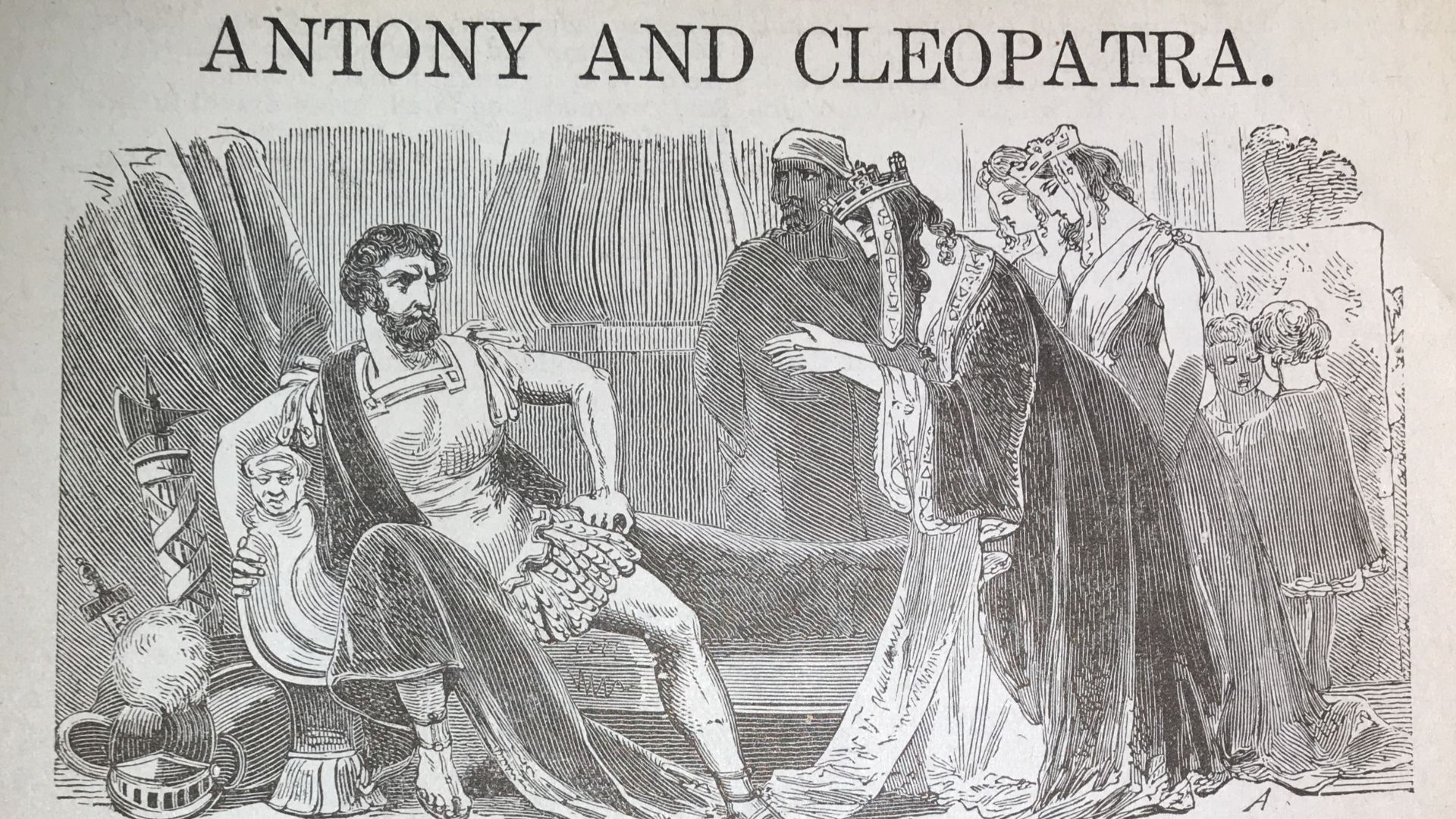 Unknown authorUnknown author on Wikimedia
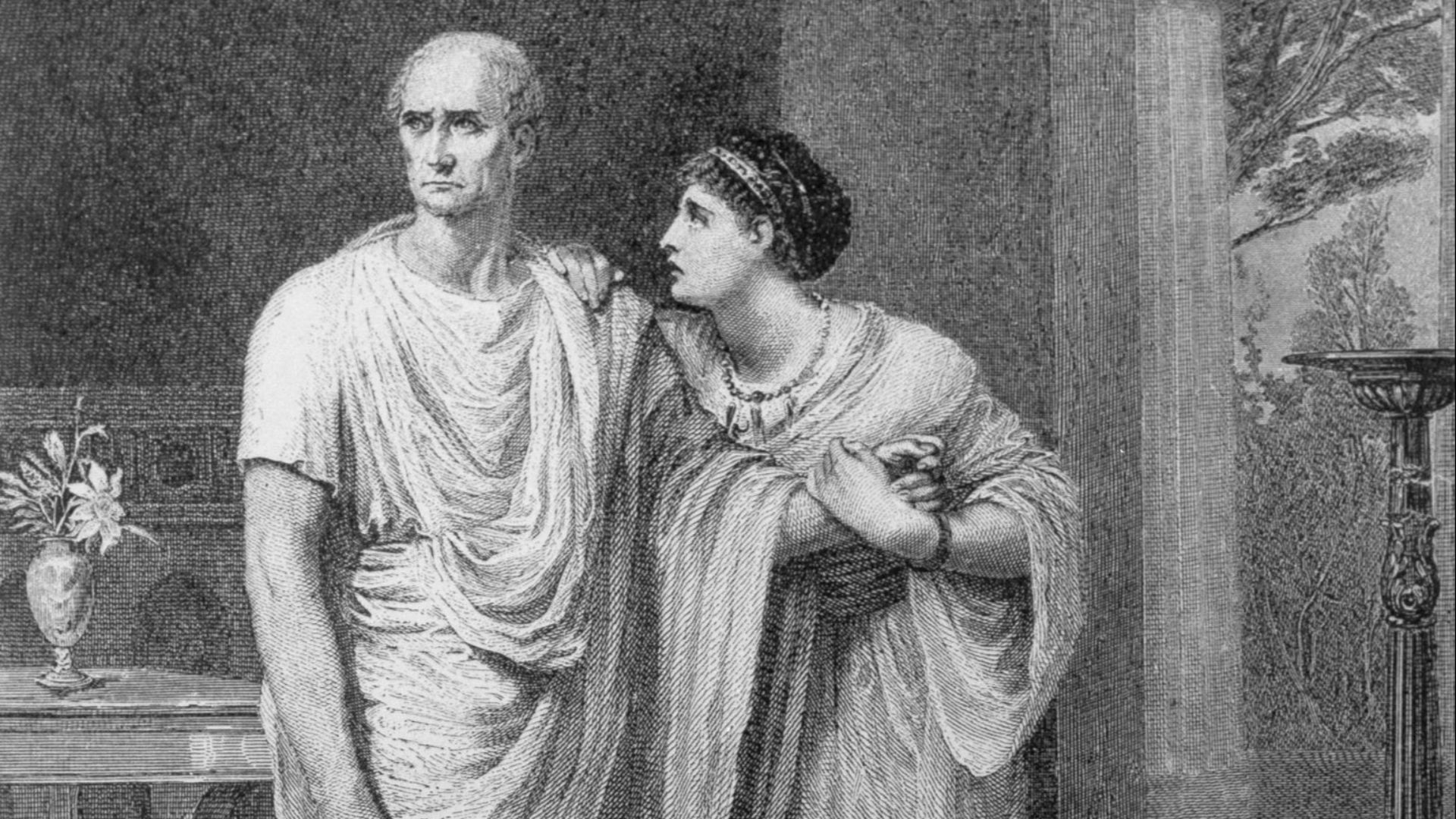
1. Julius Caesar Ignored Calpurnia
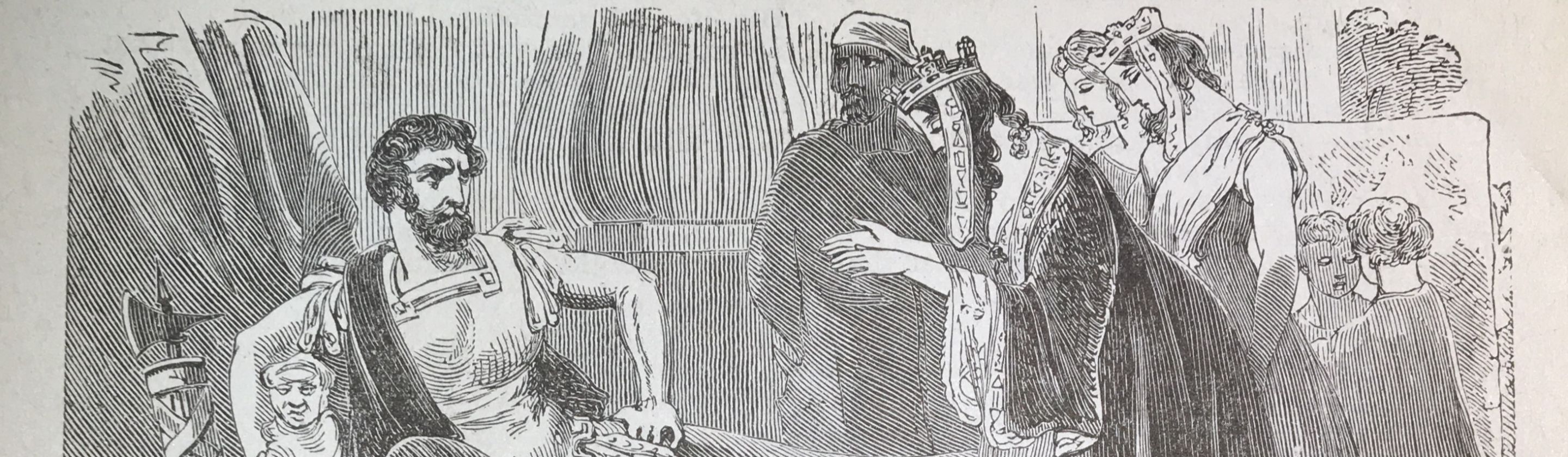
Calpurnia reportedly begged Julius Caesar not to go to the Senate on the Ides of March after troubling dreams and warnings. Caesar hesitated, but he eventually dismissed the danger and went after being persuaded by others.
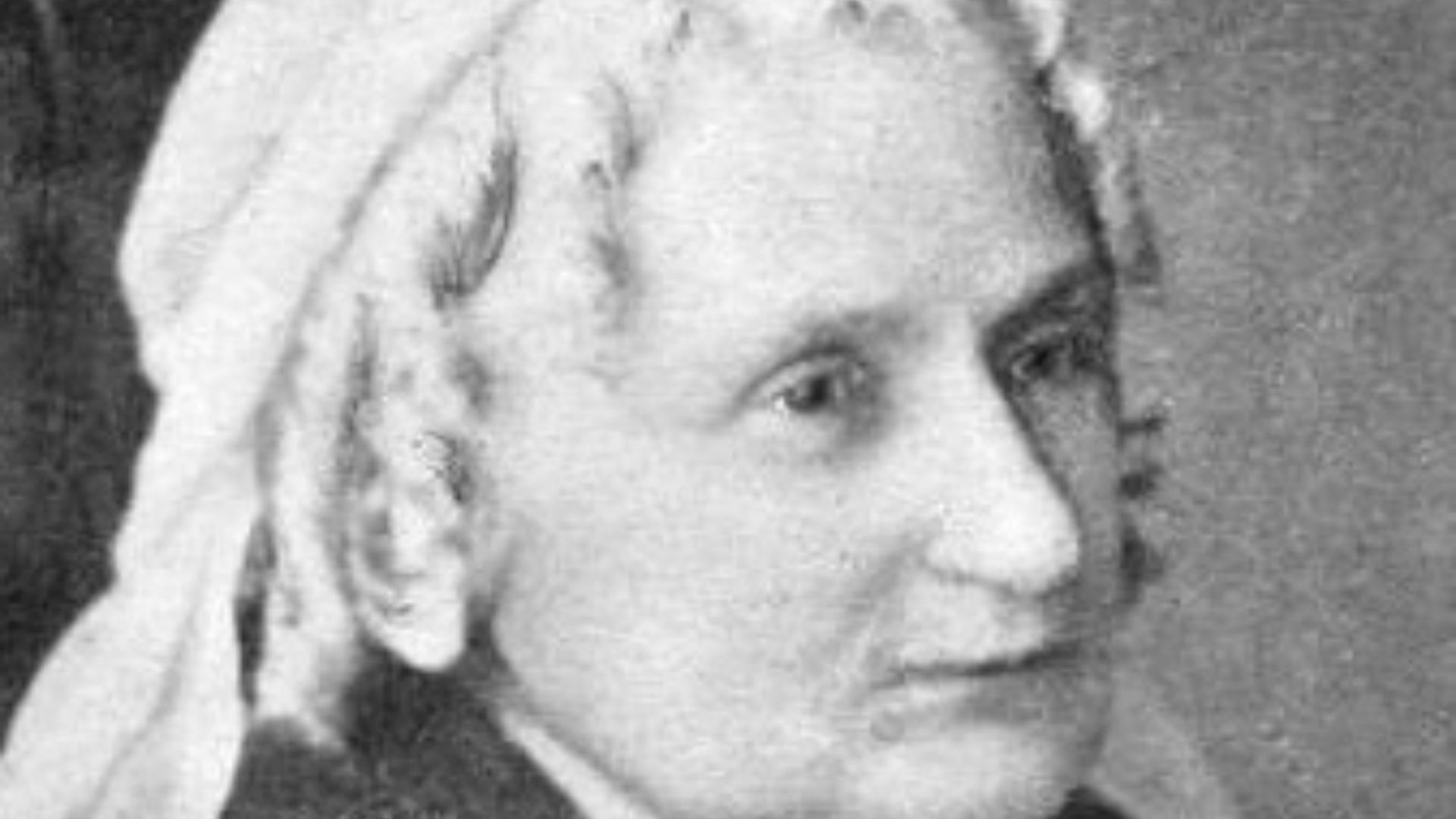
2. Robert E. Lee Ignored Mary Custis Lee
Mary Custis Lee had deep Union family connections and was troubled by secession’s consequences. Robert E. Lee still chose to follow Virginia after it left the Union, even though the decision divided loyalties close to home.
 Mary_Custis_Lee.jpg: Unknown authorUnknown author
derivative work: KimChee (talk) on Wikimedia
Mary_Custis_Lee.jpg: Unknown authorUnknown author
derivative work: KimChee (talk) on Wikimedia
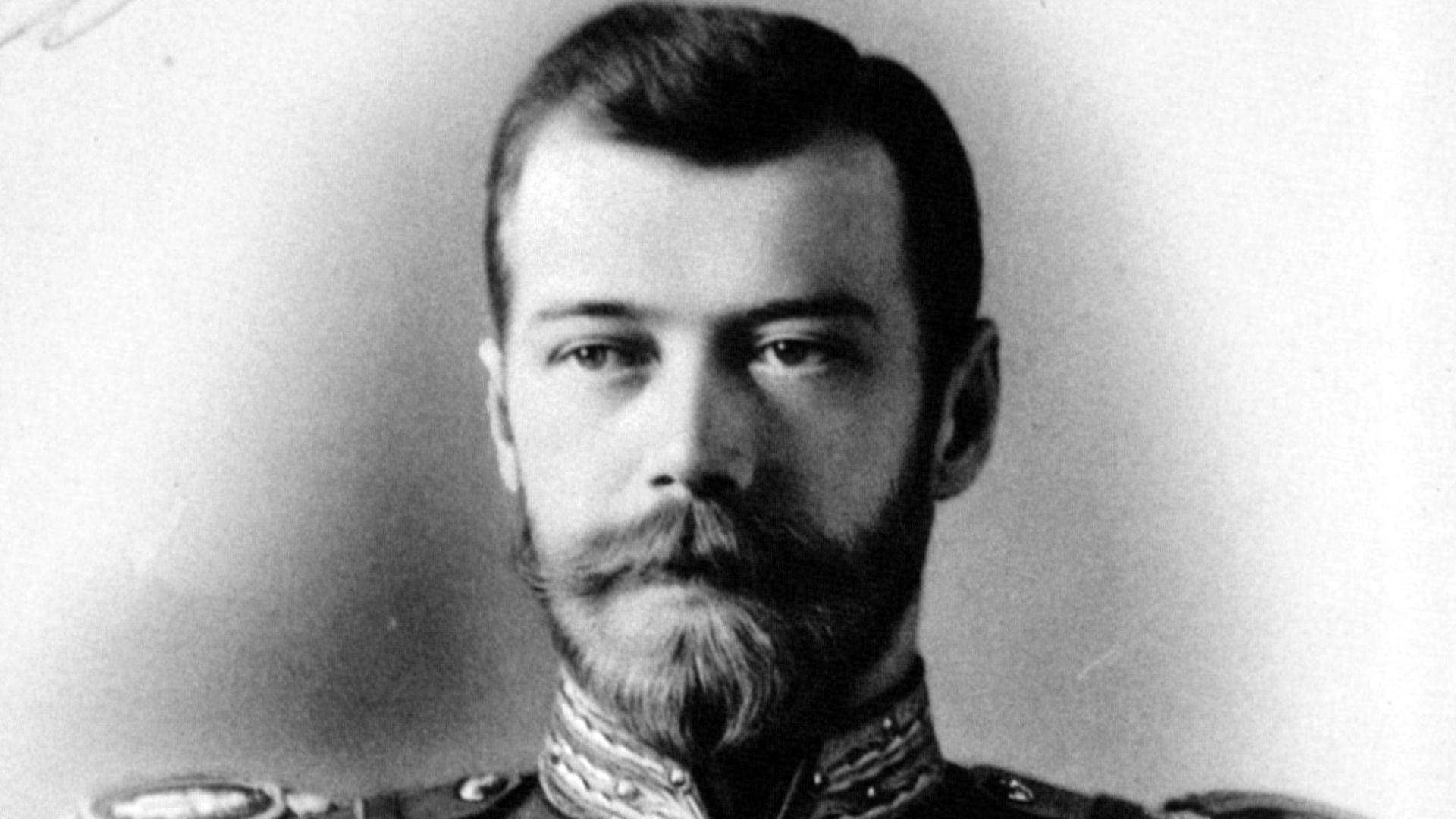
3. Nicholas II Ignored Alexandra’s Limits
Nicholas II often trusted Alexandra in domestic politics, but he also ignored the broader warning signs around her unpopularity and isolation. During World War I, he took personal command of the Russian army, leaving her closely associated with government decisions in Petrograd. The move damaged his authority because military failures and court distrust became tied together.
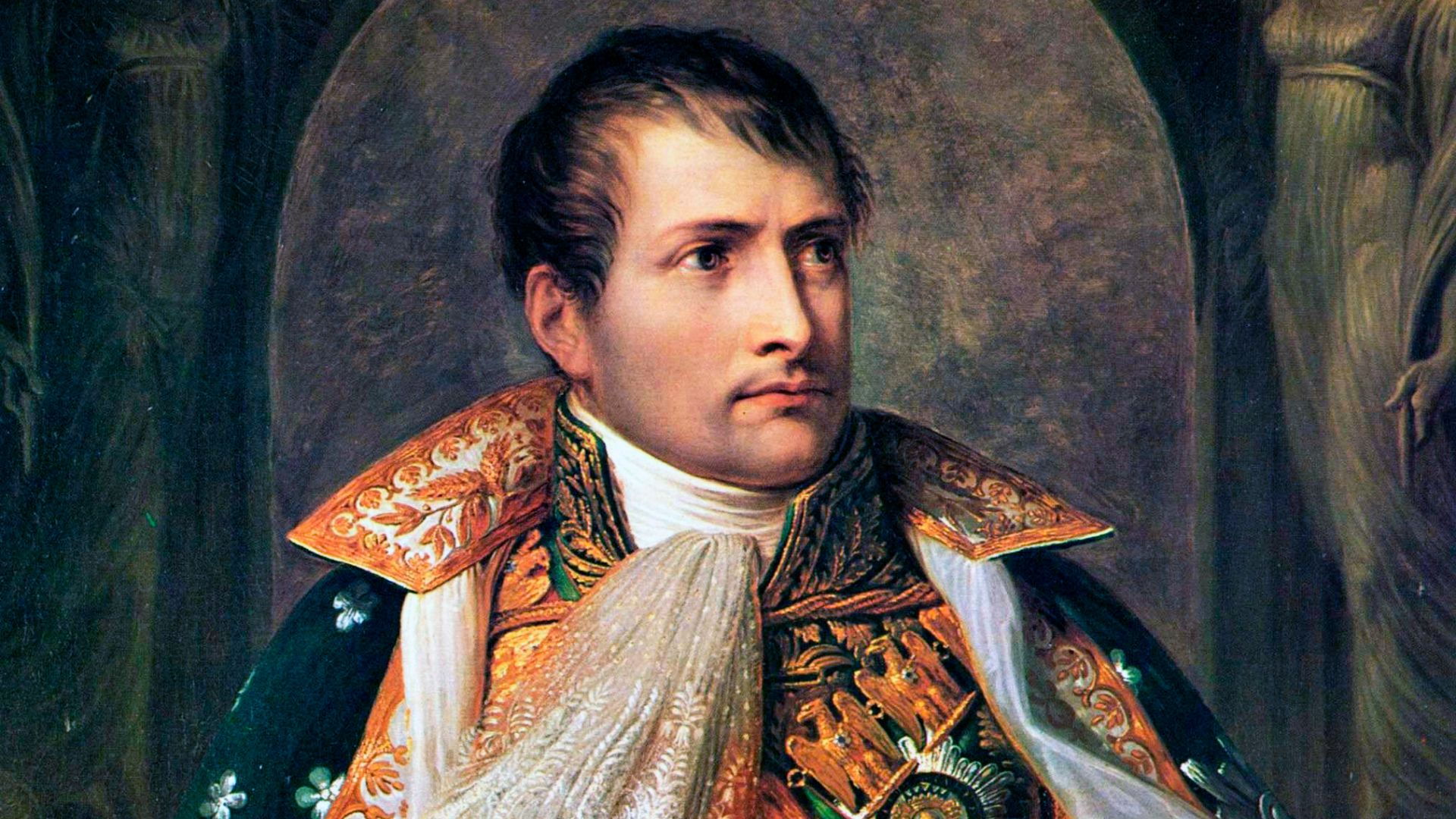
4. Napoleon Bonaparte Ignored Joséphine’s Value
Napoleon had once benefited from Joséphine’s social instincts, but he eventually set aside the marriage because she had not produced an heir. The decision may have made dynastic sense to him, yet it removed a partner who had helped soften his image and support his rise.
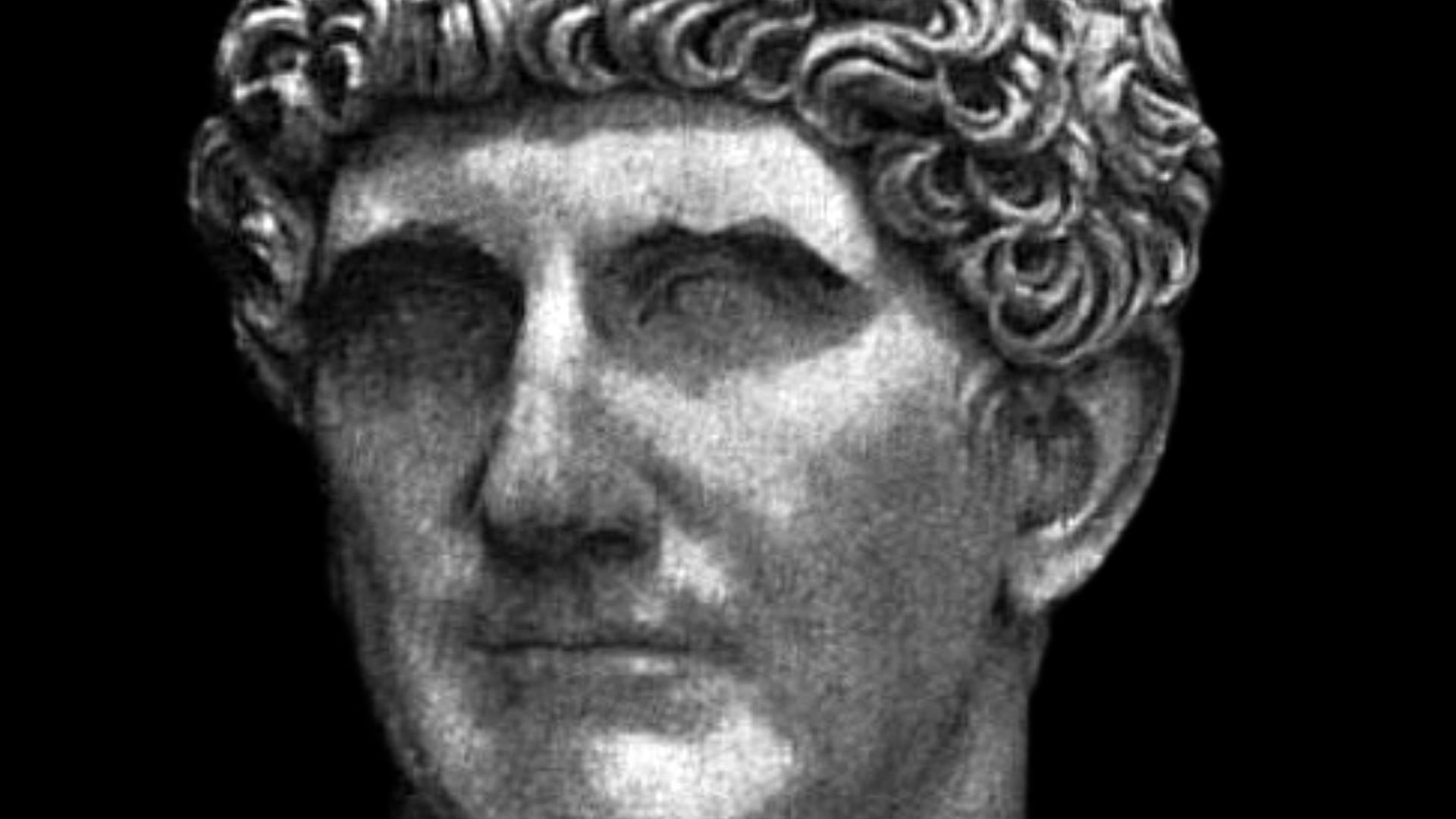
5. Mark Antony Ignored Octavia’s Political Usefulness
Octavia, Antony’s Roman wife, represented a valuable link to Octavian and a possible route to political stability. Antony chose instead to build his eastern power with Cleopatra, which made reconciliation with Rome increasingly difficult.
 M_Antonius.jpg: Amadscientist
derivative work: DanieleDF1995 (talk) on Wikimedia
M_Antonius.jpg: Amadscientist
derivative work: DanieleDF1995 (talk) on Wikimedia
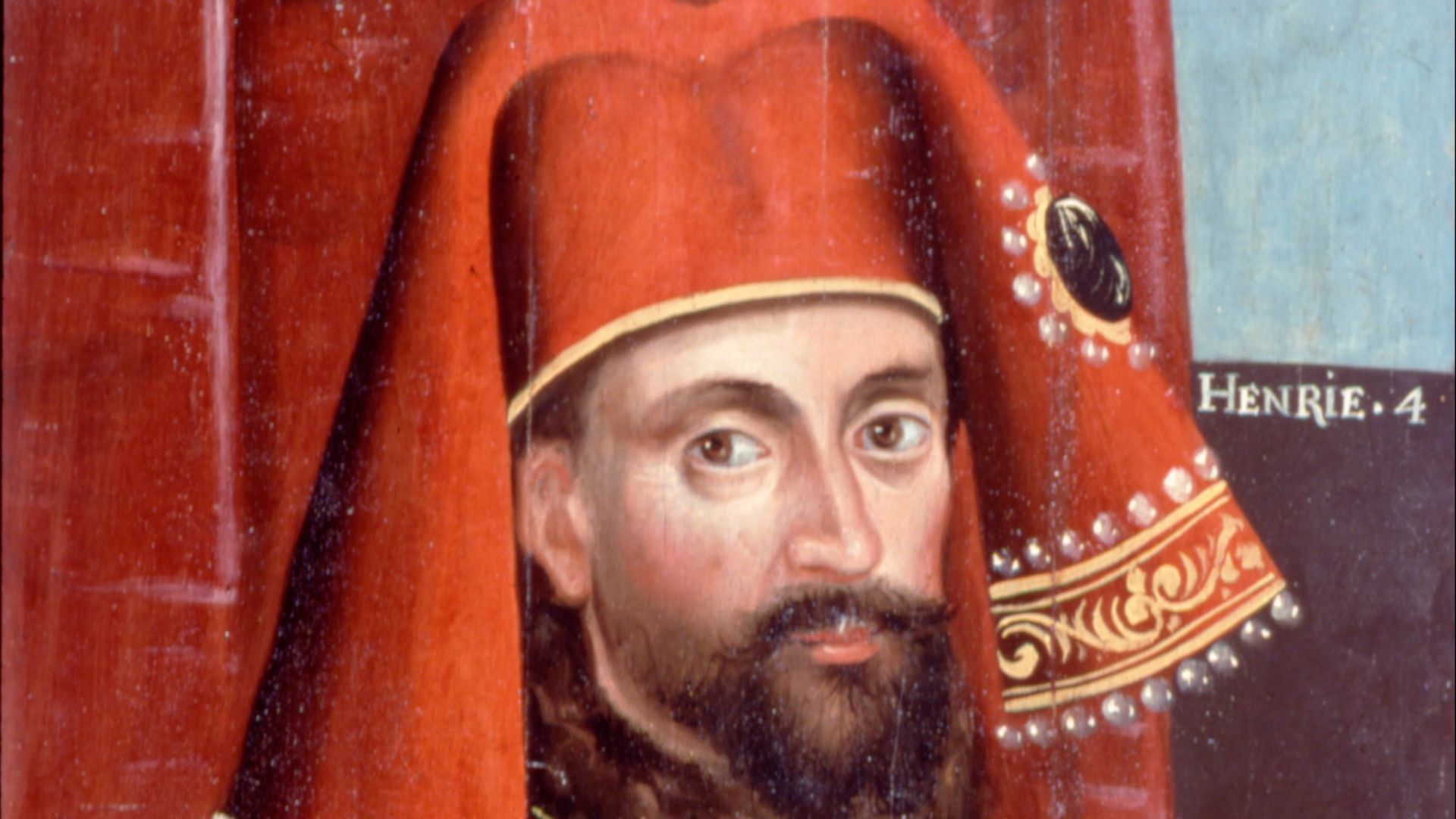
6. Henry IV Ignored Margaret Of Valois
Henry IV of France was a skilled military and political survivor, but his marriage to Margaret of Valois became another battlefield of distrust. Her connections could have helped ease religious and dynastic tensions, yet their relationship collapsed into separation, suspicion, and annulment.
 British – School Details on Google Art Project on Wikimedia
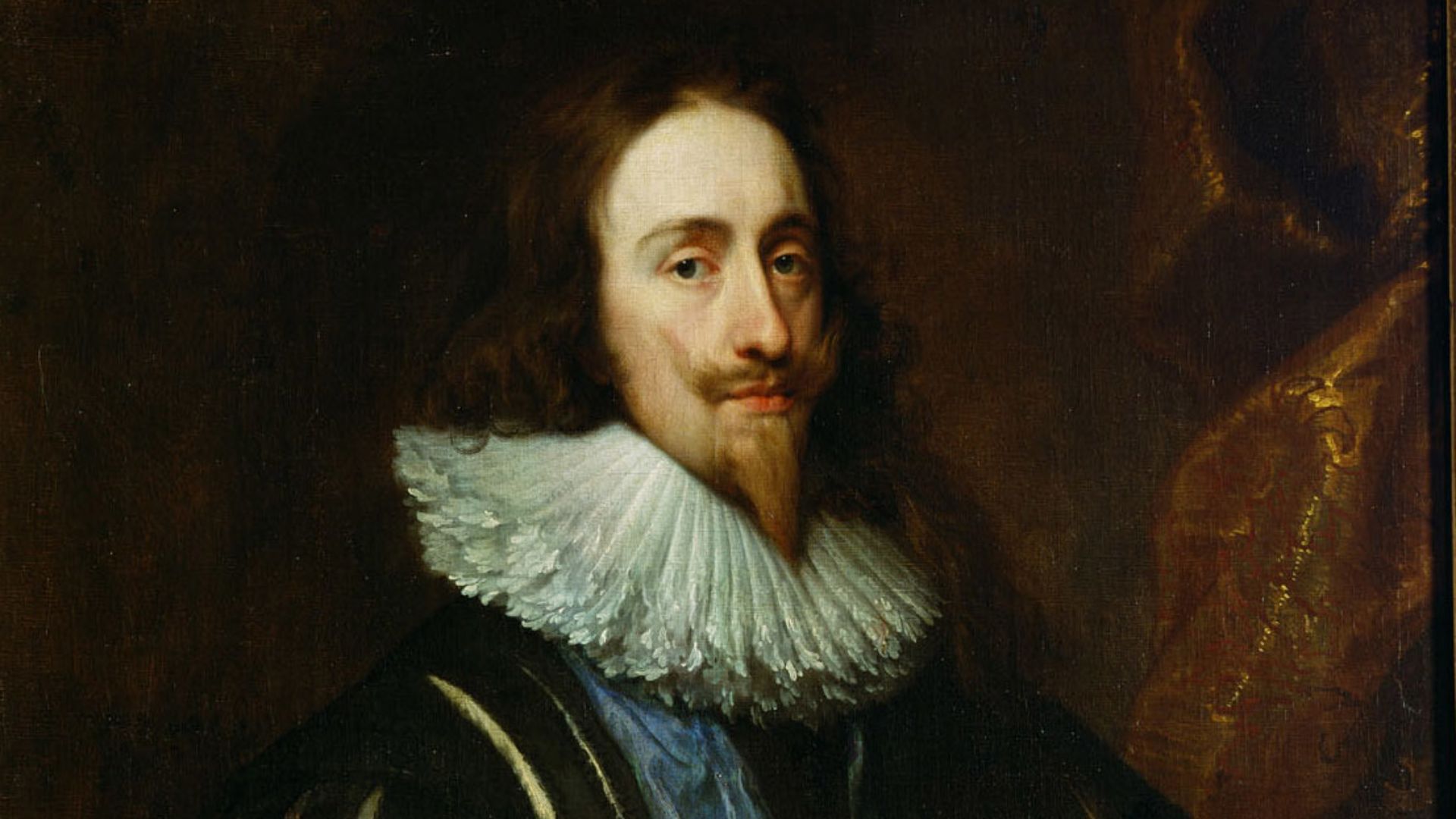
7. Charles I Ignored Henrietta Maria’s Risks
Charles, I relied on Henrietta Maria for support during the English Civil Wars, especially in raising money and foreign contacts. However, he underestimated how much her Catholicism and political visibility alarmed many of his opponents.
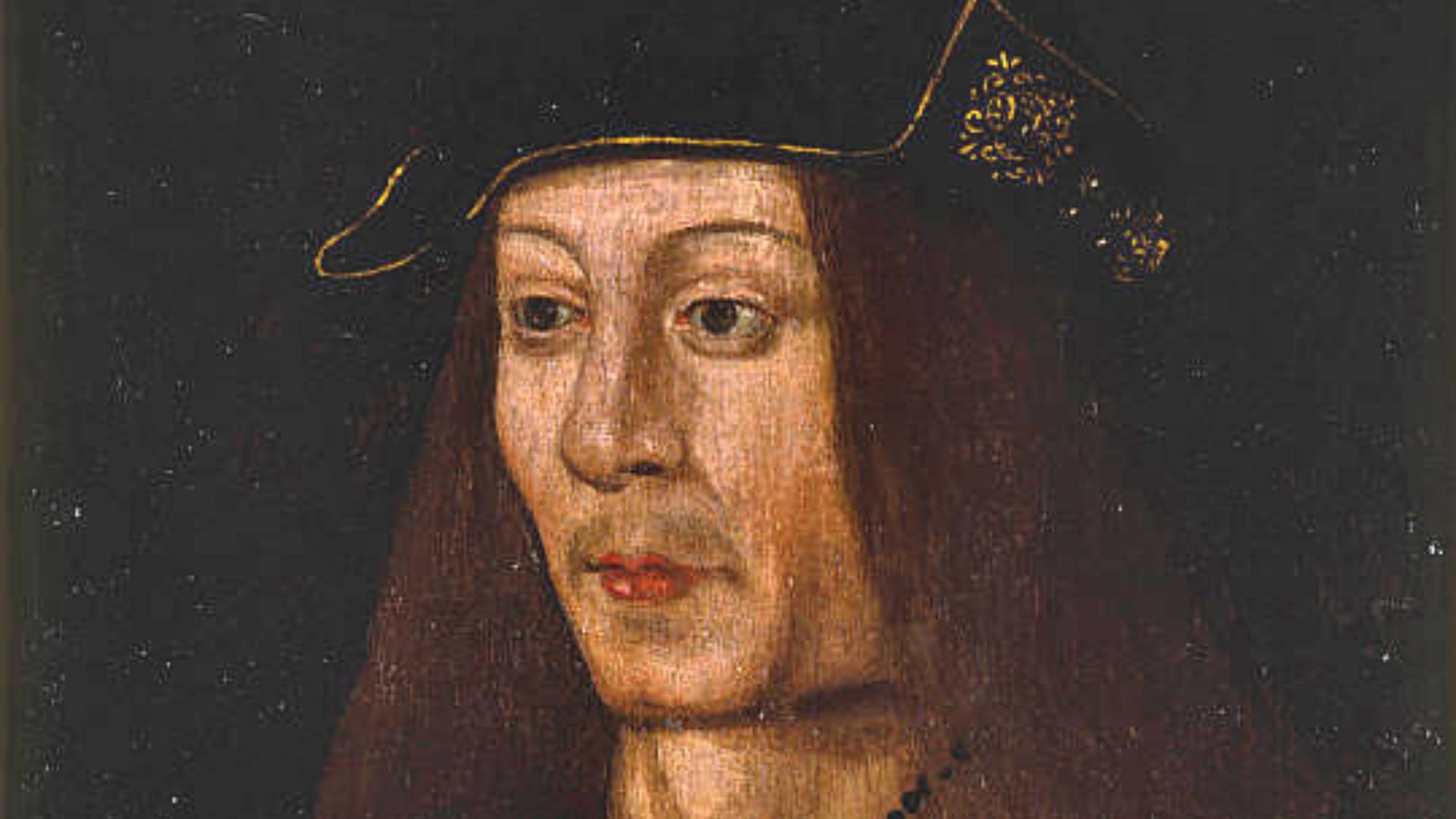
8. James IV Ignored Margaret Tudor’s Diplomatic Position
James IV of Scotland was married to Margaret Tudor, linking him directly to England’s royal family. Despite that connection, he honored his alliance with France and invaded England in 1513 while Henry VIII was abroad.
 Unknown authorUnknown author on Wikimedia
9. Louis XVI Ignored Marie Antoinette’s Urgency
Louis XVI was not a battlefield commander in the usual sense, but as king, he controlled the military power of France during a revolutionary crisis. Marie Antoinette urged firmer action and sought outside support, while Louis hesitated repeatedly and failed to choose a consistent strategy.
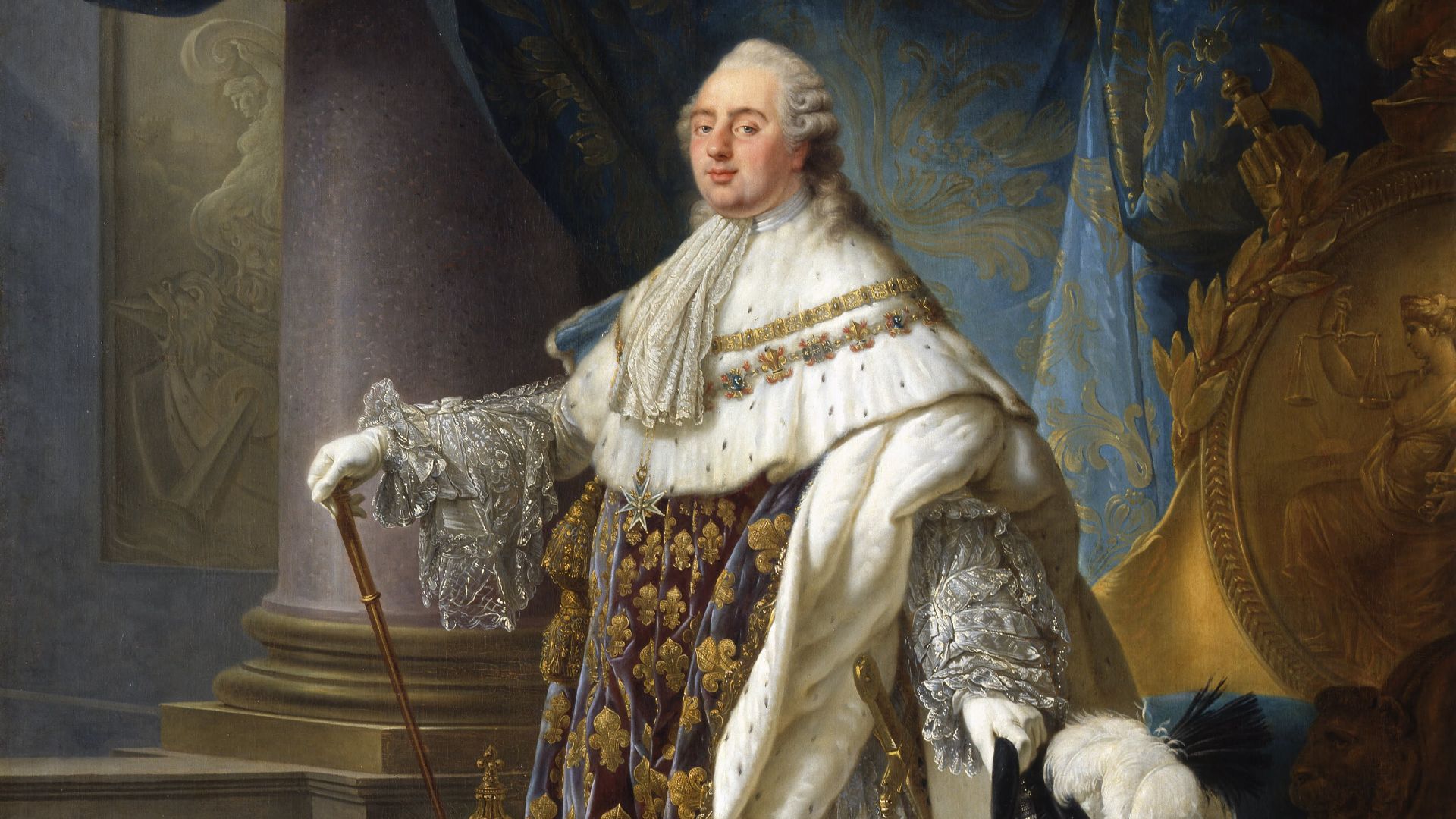 Antoine-François Callet on Wikimedia
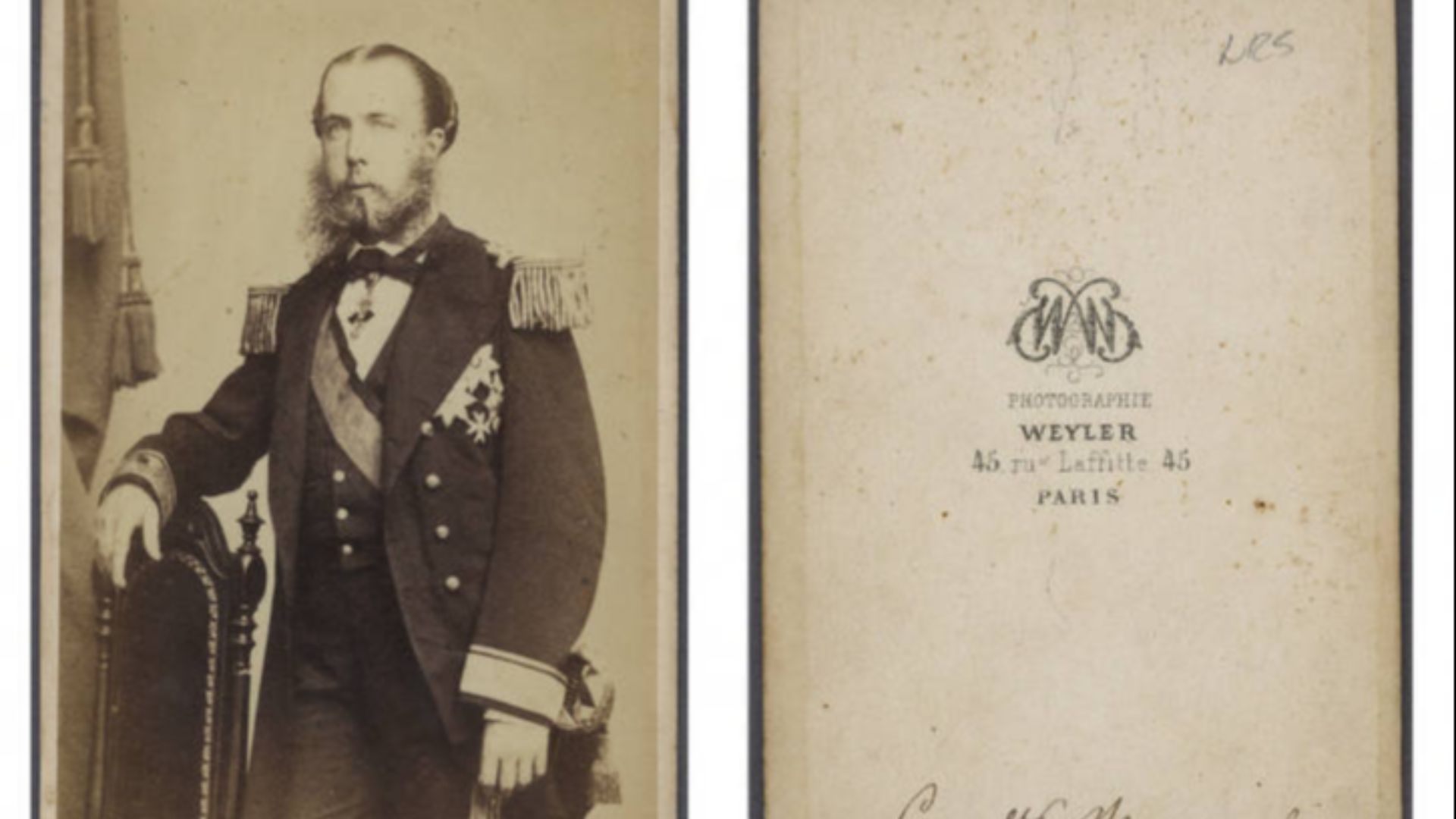
10. Maximilian I Of Mexico Ignored Carlota’s Warnings
Emperor Maximilian had military backing from France when he accepted the Mexican throne, but his position was always unstable. Carlota understood the danger and pushed urgently for European support when French protection began to disappear. Maximilian stayed, was captured by republican forces, and was executed in 1867 after ignoring the scale of the collapse around him.
KEEP ON READING