Turns Out We're Still Here
Every generation seems convinced it's standing at the edge of the abyss. Look back far enough and you'll find otherwise reasonable people swearing that some new invention or shift in manners was about to unravel everything they knew. Sometimes the fear came from genuine confusion about how the world worked. Other times it came from watching change happen faster than anyone could process it, and mistaking that speed for danger. Here's 20 things people were once dead certain would bring civilization crashing down.

1. The Printing Press
Once Gutenberg's machine started spitting out books by the thousands, plenty of church and civic leaders panicked. They worried that ordinary people reading scripture on their own, without a priest to guide them, would shatter religious authority across Europe. Some scholars even fretted that too much reading would overload the human mind, since nobody had ever needed to process that much information before.

2. Coffeehouses
In 17th-century England, coffeehouses were seen as breeding grounds for gossip and sedition, full of idle men avoiding honest work. Charles II actually tried to ban them in 1675, convinced that all that caffeine-fueled political chatter would topple the monarchy. The ban lasted about eleven days before public outrage forced him to back down.

3. The Waltz
When couples started actually touching each other while dancing, polite society lost its mind. Critics called the waltz obscene, warning that close contact and spinning in circles would corrode morals and unravel the fabric holding families together. Newspapers ran editorials treating it like a public health crisis, as if a dance step alone might dissolve civilization from the ballroom outward.

4. Novel Reading
By the late 1700s, doctors and moralists were convinced that novels, especially in the hands of young women, caused a kind of mental rot. They warned that fiction would inflame the imagination and pull readers away from the duties waiting for them at home. Some physicians even prescribed fresh air and needlework as a cure for what they called "novel disease."

5. Trains
Early train travel terrified plenty of smart people who assumed the human body simply wasn't built for speeds over thirty miles an hour. Doctors worried that passengers' organs would liquefy or their minds would snap under the pressure of moving that fast. Others were sure the noise and smoke would drive livestock mad and poison the surrounding air for miles.

6. The Telegraph
When messages started crossing continents in seconds instead of weeks, some observers were sure the pace of life itself would break people. Thinkers of the era wondered aloud whether humans could handle news arriving instantly, or whether constant updates from far away would fray nerves past the point of repair. It's the same complaint people would make about television, and then the internet, dressed up in different wires.

7. Umbrellas
In 18th-century England, carrying an umbrella was considered borderline scandalous for a man, a sign of weakness and an affront to providence itself. Jonas Hanway, one of the first Englishmen to use one publicly, reportedly endured jeers and thrown objects for years. Critics argued that shielding yourself from the rain showed a lack of moral toughness that would soften an entire nation.

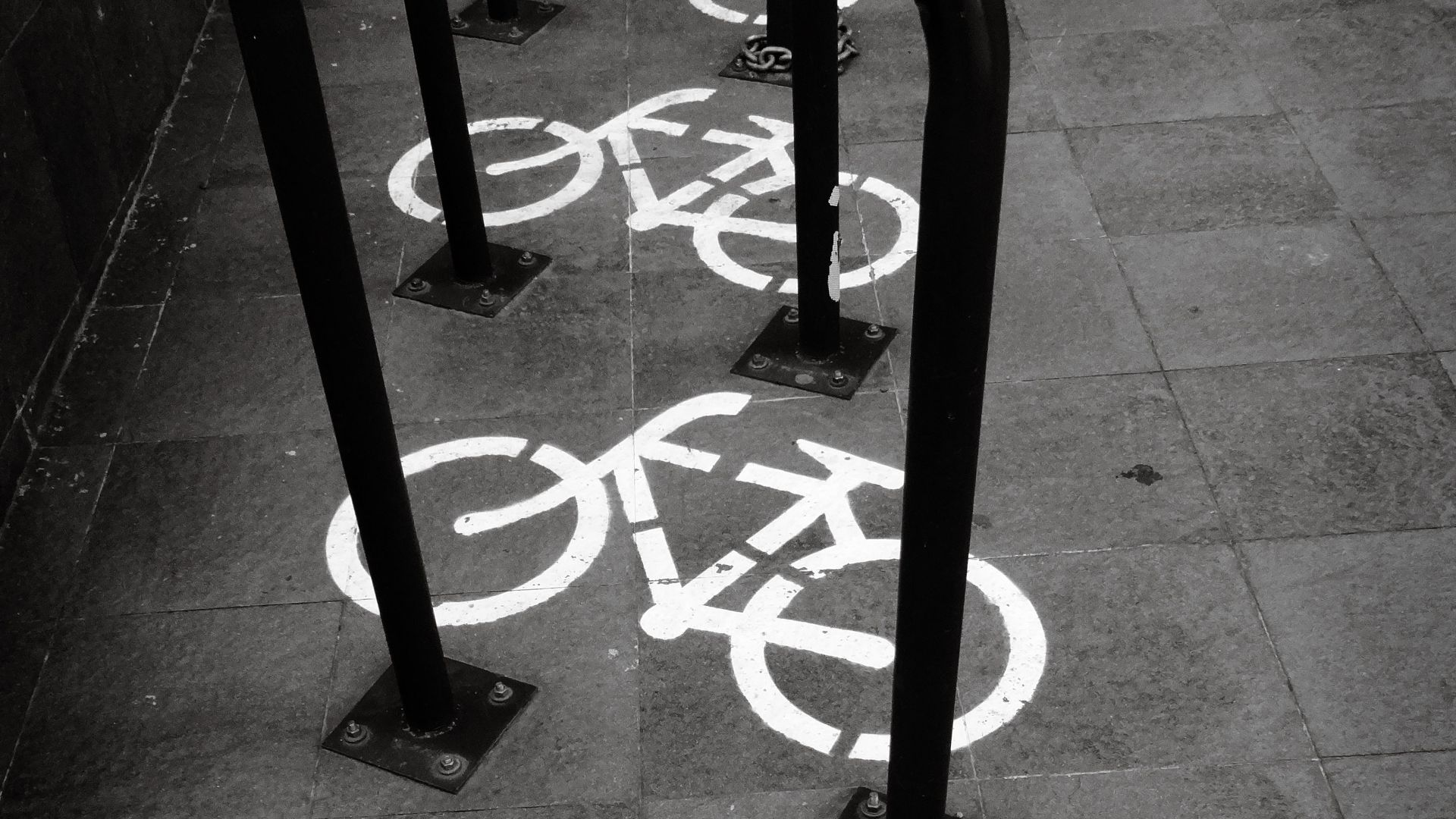
8. The Bicycle
When women started riding bicycles in the 1890s, doctors invented a condition called "bicycle face," supposedly caused by the strain of balancing and steering. Moralists worried the bicycle would give women too much independence, letting them travel alone and dress in looser, more practical clothing. Some warned that this new freedom of movement would unravel proper courtship and, eventually, the family structure holding society together.
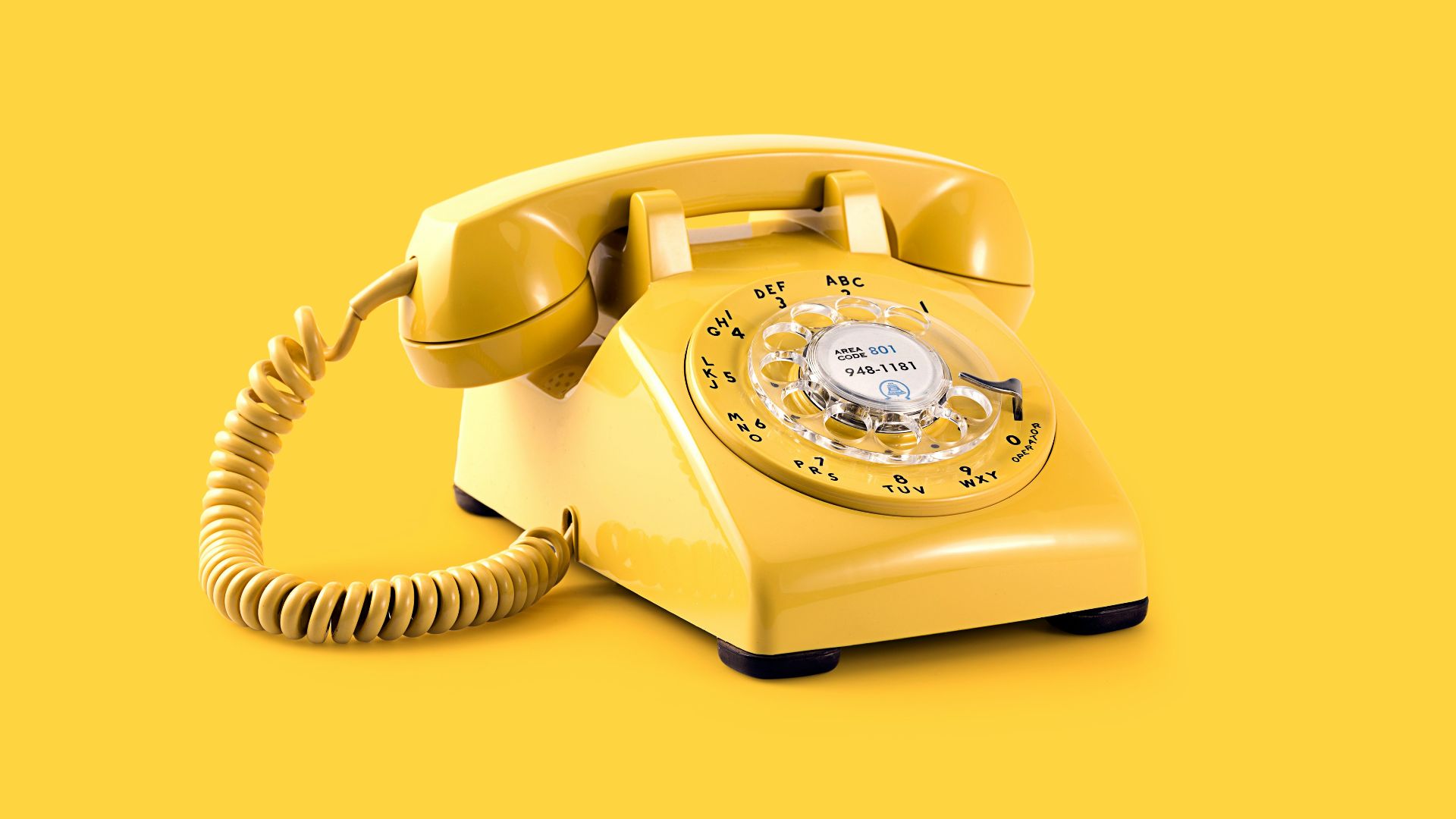
9. The Telephone
Alexander Graham Bell's invention got a similarly rough welcome from people who assumed constant connection would ruin face-to-face conversation for good. Some worried that voices traveling through wires felt unnatural, even ghostly, and that people would lose the ability to read each other in person. Others feared it would let strangers intrude on private homes at any hour, wrecking the last bit of peace families had left.
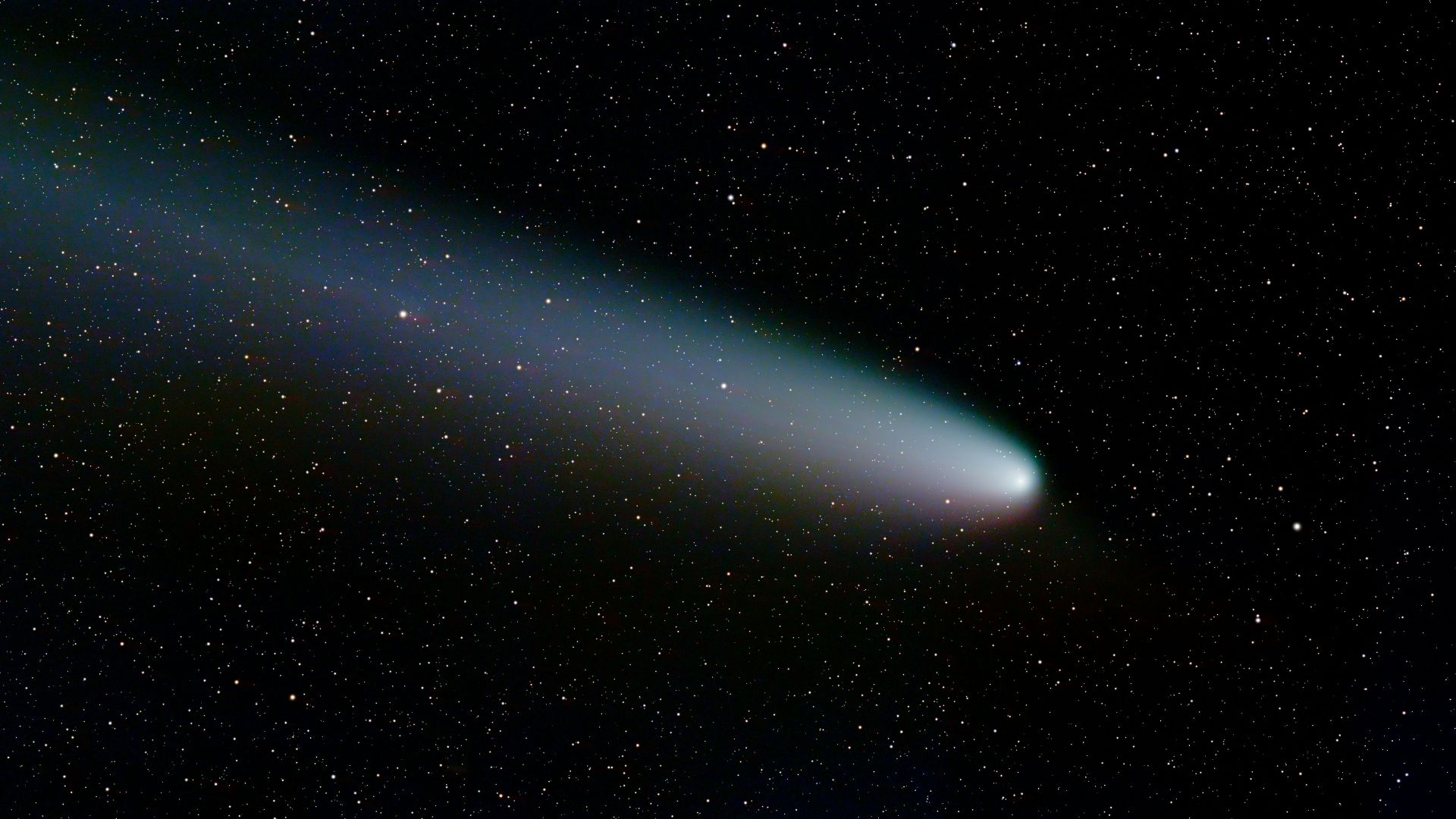
10. Halley's Comet
In 1910, newspapers reported that Earth would pass through the comet's tail, and some scientists floated the idea that its gas contained a toxic compound. Panic spread fast, and people bought gas masks and "comet pills" meant to protect them from poisoning. Nothing happened, of course, except a very good night for anyone selling snake oil.
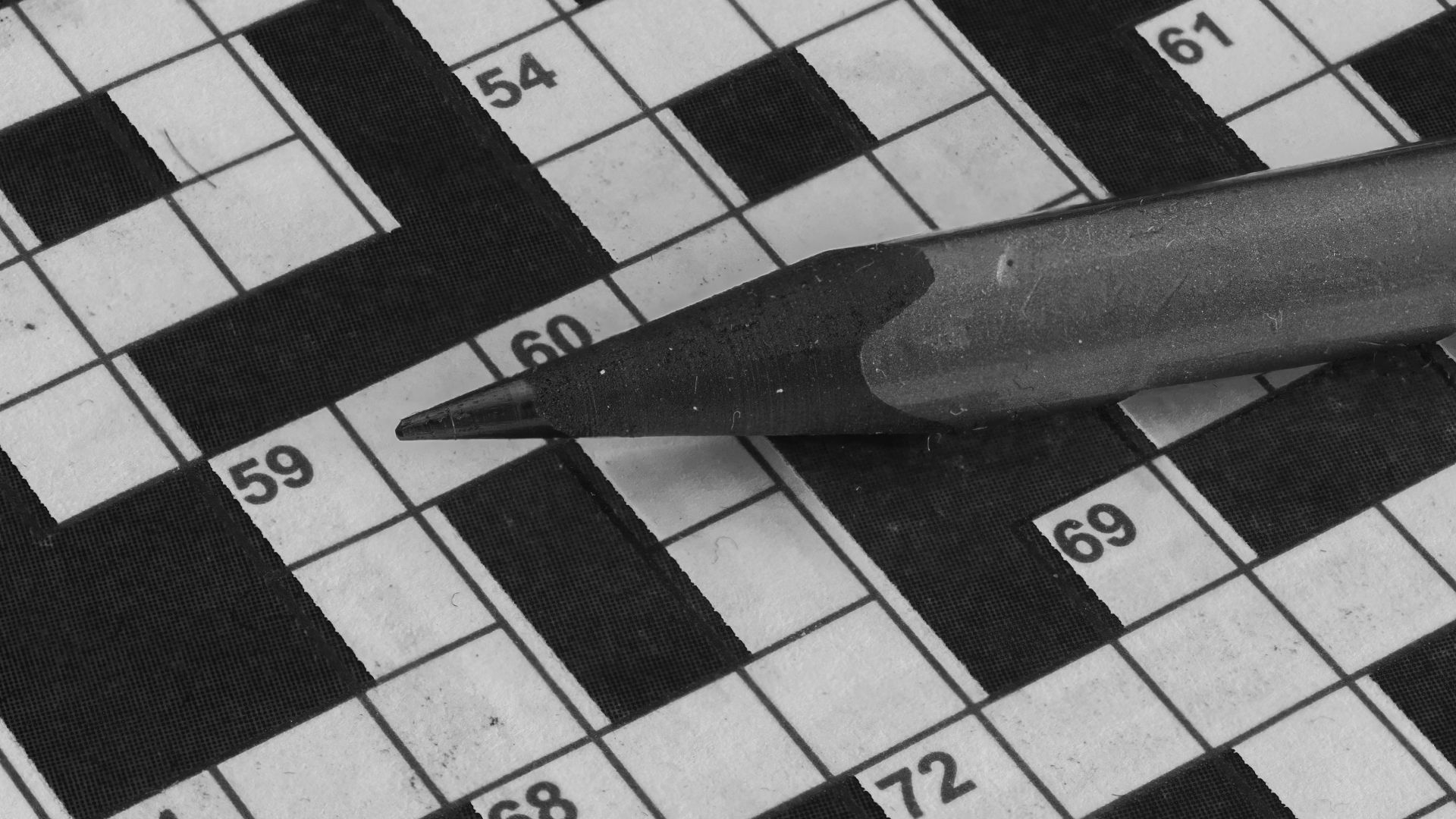
11. Crossword Puzzles
The crossword craze of the 1920s got blamed for everything from marital strain to declining productivity. Critics claimed the puzzles were an addictive waste of the mind, pulling people away from real work and real conversation. Some newspapers ran pieces warning that an entire generation would forget how to think without a grid of black and white squares in front of them.
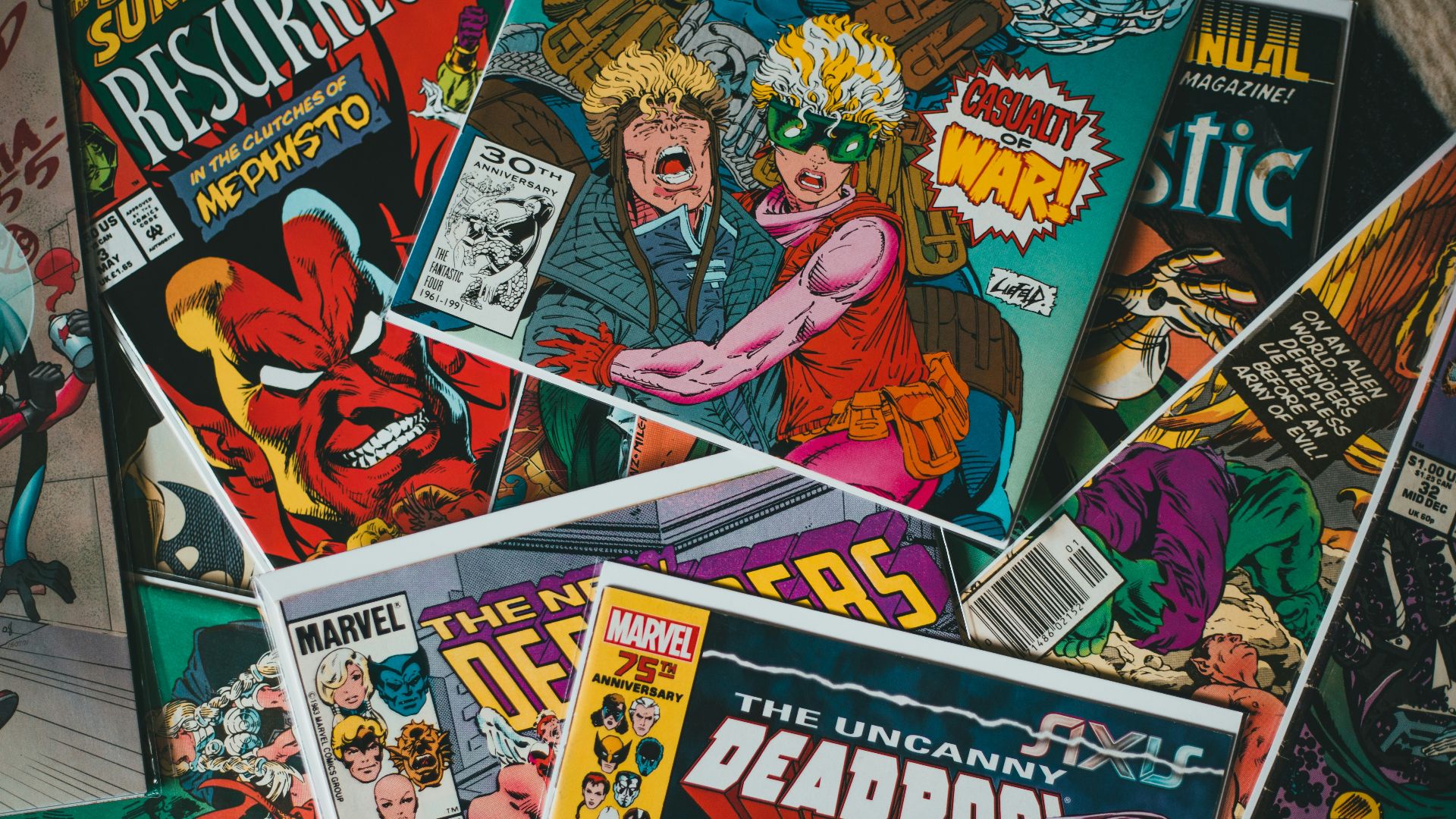
12. Comic Books
In the 1950s, psychiatrist Fredric Wertham argued that comic books were turning children into delinquents, warping their morals with violence and hidden messages. His book Seduction of the Innocent led to Senate hearings and a wave of public comic burnings across the country. The industry survived by creating its own strict rating system, though the fear that colorful pages could corrupt a generation lingered for years.
13. Rock and Roll
When rock and roll hit the airwaves, plenty of parents and preachers were sure it signaled the end of decent society. The music got blamed for loosening morals and encouraging teenagers to talk back to their parents. Radio stations banned certain songs, and some cities even held record-burning rallies to stamp it out before it spread any further.

14. Television
Early critics of television worried it would destroy family conversation and dull children's attention spans for good. Some psychologists predicted a generation that couldn't sit through a book or hold a real conversation without a screen glowing nearby. The fear wasn't wrong about the habit forming, exactly, just early about which screen would end up doing it.
 Glenn Carstens-Peters on Unsplash
15. The Phonograph
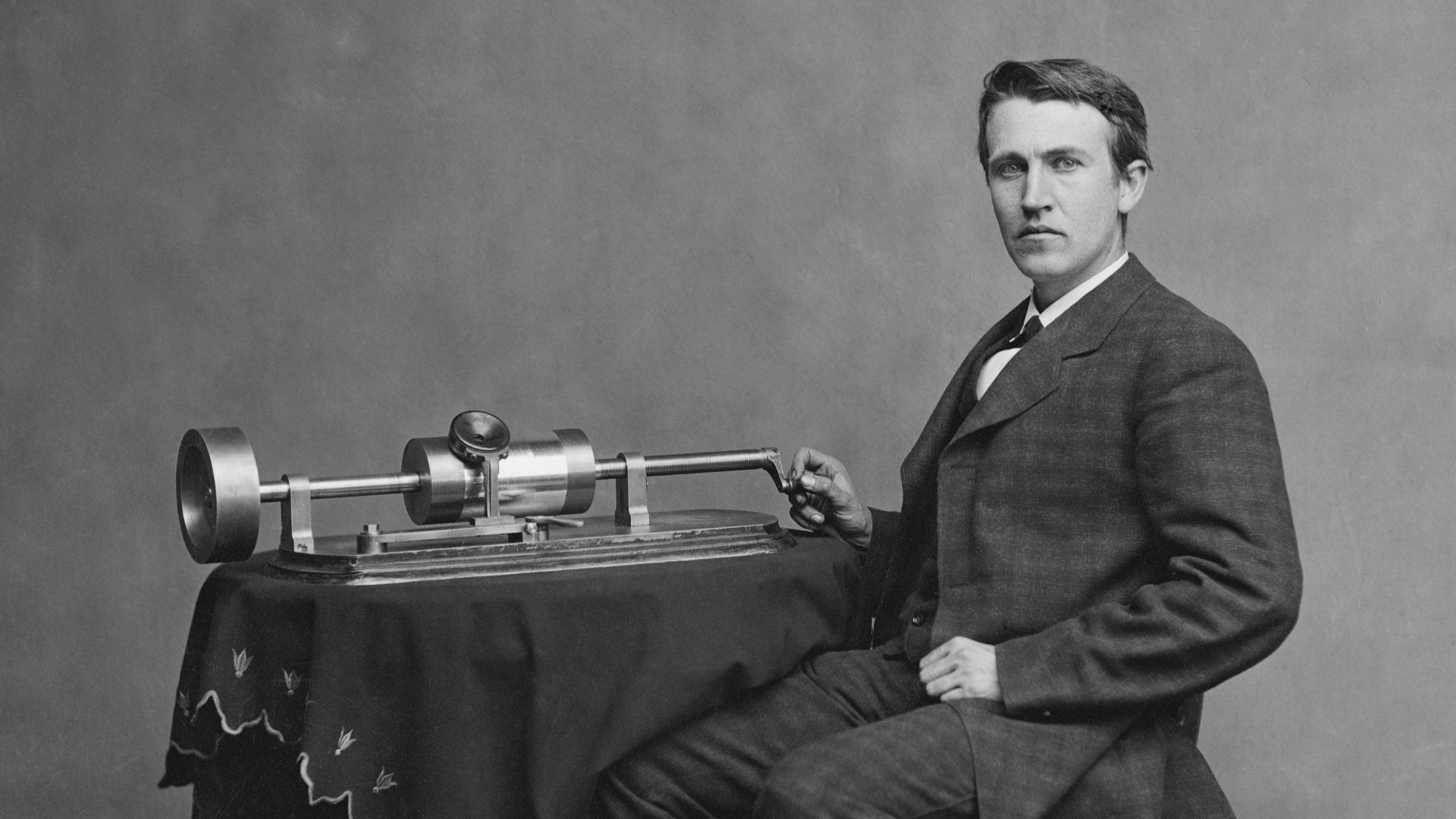
When Edison's phonograph brought recorded music into people's living rooms, some worried it would kill live performance entirely. Musicians and critics feared that families would stop singing together, and that music itself would turn into something you consumed alone rather than something you made. Few predicted that recorded sound would eventually create more musicians than it replaced, not fewer.
 Levin C. Handy (per http://hdl.loc.gov/loc.pnp/cwpbh.04326) on Wikimedia
16. Dungeons & Dragons
In the 1980s, a wave of concerned parents and religious groups became convinced that Dungeons & Dragons was a gateway to occult practice and real-world violence. News segments linked the game to teenage suicides and satanic ritual abuse, despite thin evidence connecting any of it. The panic faded eventually, but not before the game's publisher spent years fighting off a reputation it never really earned.

17. Video Games
Just as comic books once did, video games took the blame for youth violence, particularly after high-profile school shootings in the 1990s and 2000s. Lawmakers held hearings, researchers ran studies, and pundits argued that first-person shooters were training kids to become violent adults. Decades later, violent crime among young people has generally fallen even as gaming has become nearly universal.

18. Y2K
As the year 2000 approached, experts warned that computers coded to read only two digits for the year would collapse into chaos at midnight. People stockpiled food, cash, and generators, bracing for planes to fall out of the sky and power grids to fail all at once. Governments and companies spent billions fixing the underlying code, and January 1st arrived with little more than a quiet, slightly embarrassed sigh of relief.
19. The Internet
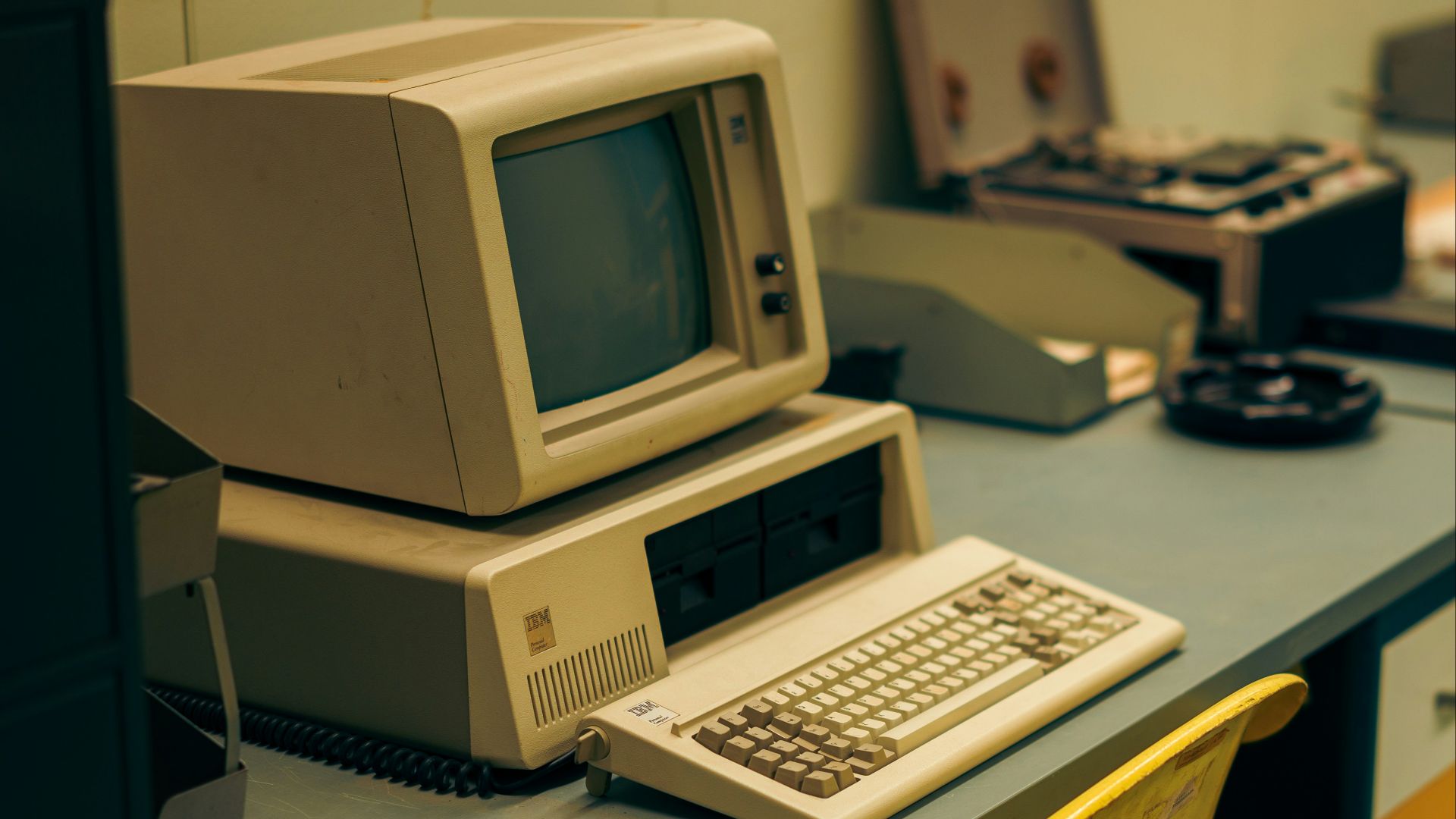
In its early days, the internet got blamed for isolating people and eroding real friendship, replacing it with something thinner and more distant. Some sociologists predicted a hollowed-out society where nobody left the house or looked anyone in the eye again. It reshaped plenty of things, certainly, just not in the specific, doomed way most people expected.
 Glenn Carstens-Peters on Unsplash
20. Nuclear Power
After the Cold War and disasters like Chernobyl, nuclear energy became shorthand for humanity's ability to destroy itself through its own cleverness. Entire movements formed around the idea that any nuclear plant was a meltdown waiting to happen, regardless of its design or safety record. Decades later, nuclear power remains one of the safest and lowest-carbon energy sources available, even if the fear it once inspired never fully went away.

KEEP ON READING