When Marriage Vows Met Diplomatic Wishful Thinking
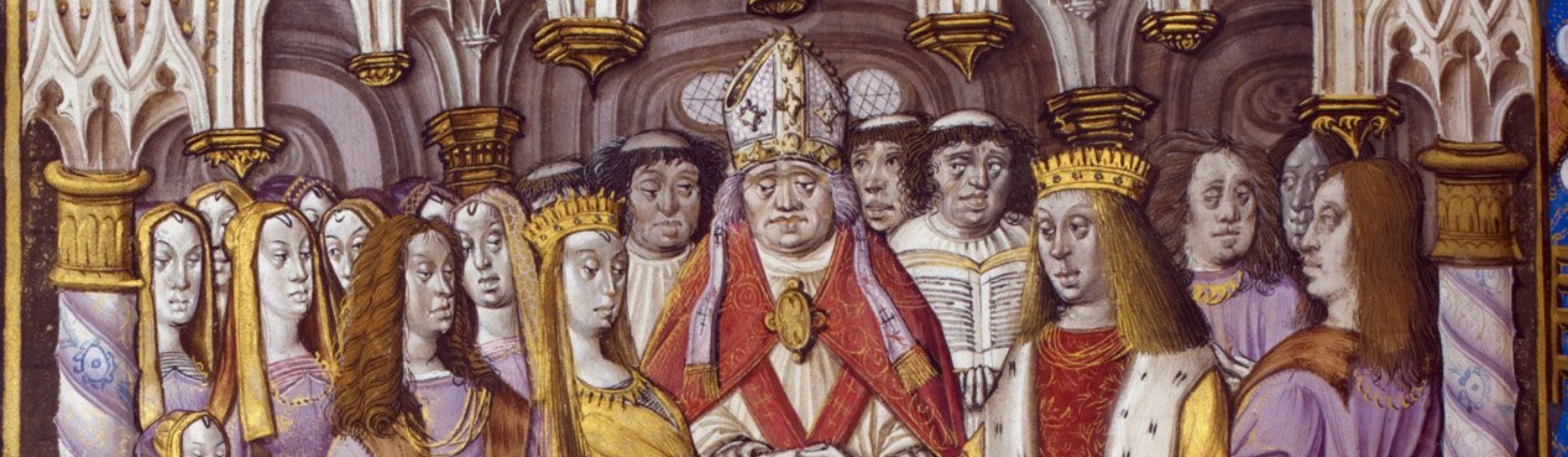
Royal weddings were often staged as public proof that old enemies, rival houses, or nervous neighboring states had finally found a calmer path forward. The trouble was that a marriage could create a useful symbol, but it couldn’t always settle unpaid debts, disputed borders, religious suspicion, succession fights, or the habits of rulers who still wanted more power. Here are 20 royal weddings that looked like peace deals but weren’t.
1. Henry V And Catherine Of Valois
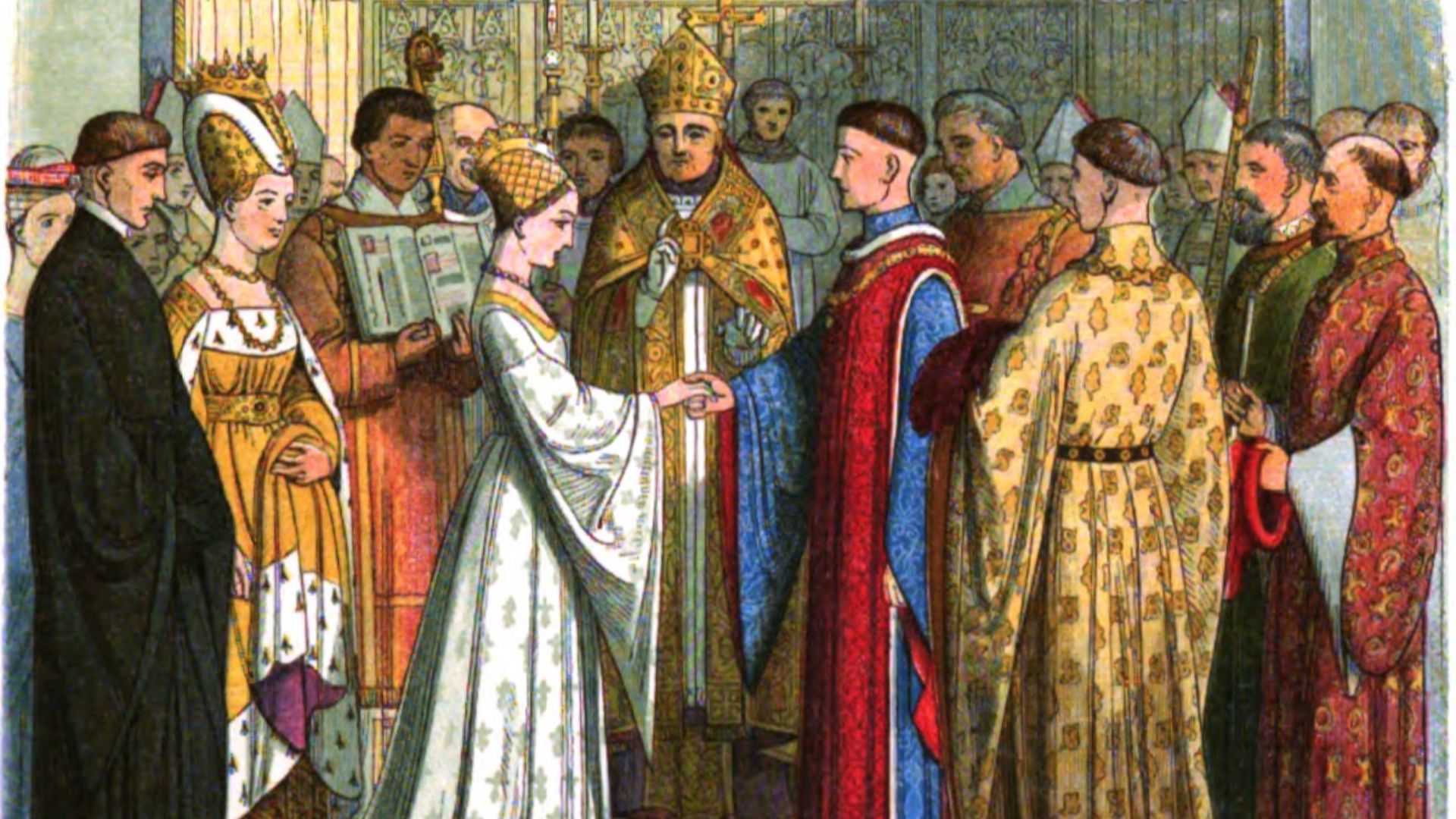
Henry V’s marriage to Catherine of Valois was tied to the Treaty of Troyes, which was supposed to settle the English claim to France. Instead, it disinherited the French dauphin and felt like a conquest dressed up as family unity.
 James William Edmund Doyle / Edmund Evans on Wikimedia
2. Louis XVI And Marie Antoinette
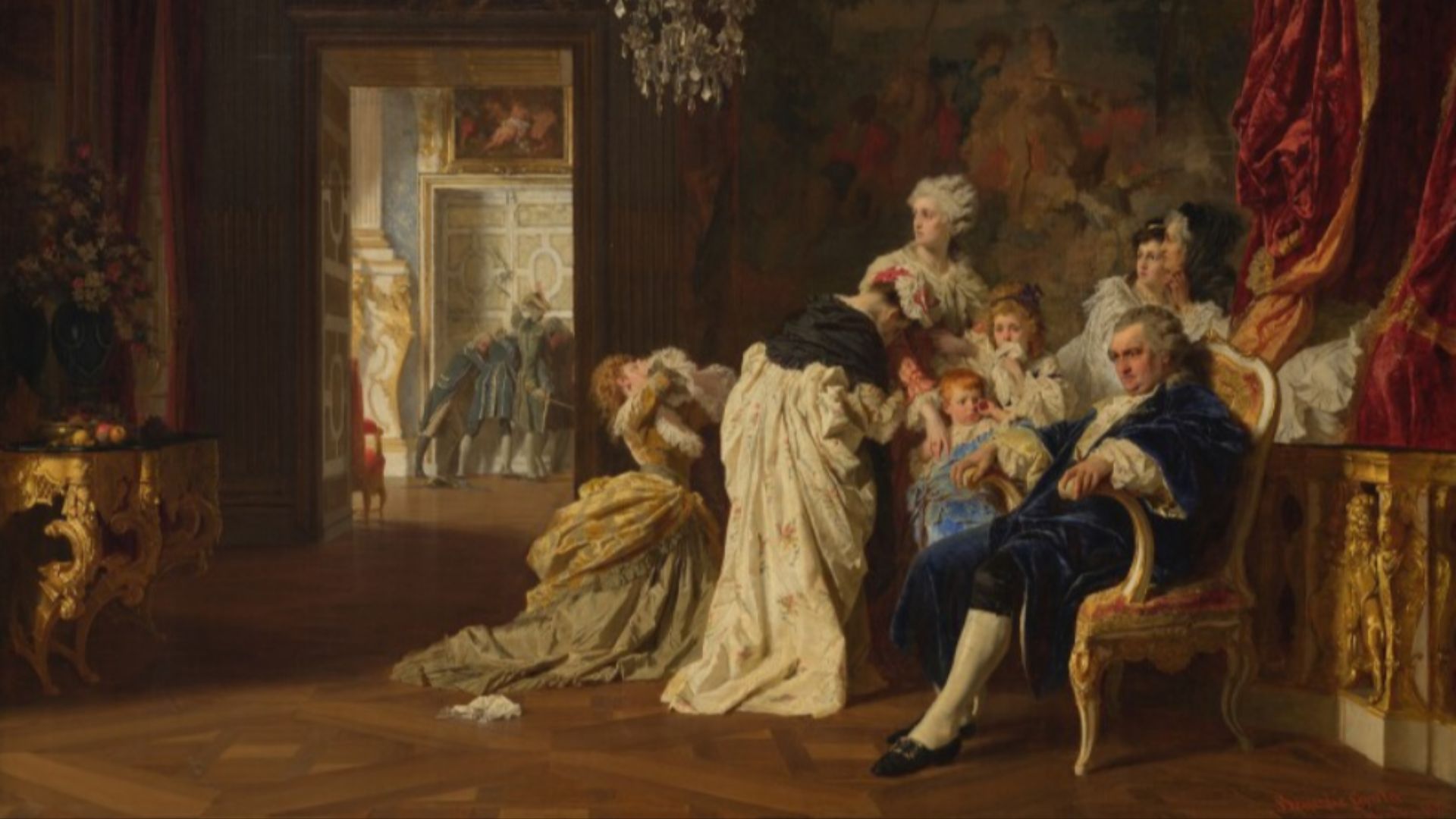
The marriage between Louis XVI and Marie Antoinette was meant to strengthen the alliance between France and Austria after generations of rivalry. French suspicion of Austria did not disappear, and Marie Antoinette’s foreign birth became a political weapon during the revolutionary years. The wedding looked diplomatic on paper, but it never created real emotional peace inside France.
3. Edward II And Isabella Of France
Edward II’s marriage to Isabella of France was connected to efforts to ease tension between England and France. The arrangement did not prevent future disputes over territory, authority, or royal loyalty. Isabella later helped overthrow Edward, which made the marriage famous for political collapse rather than lasting reconciliation.
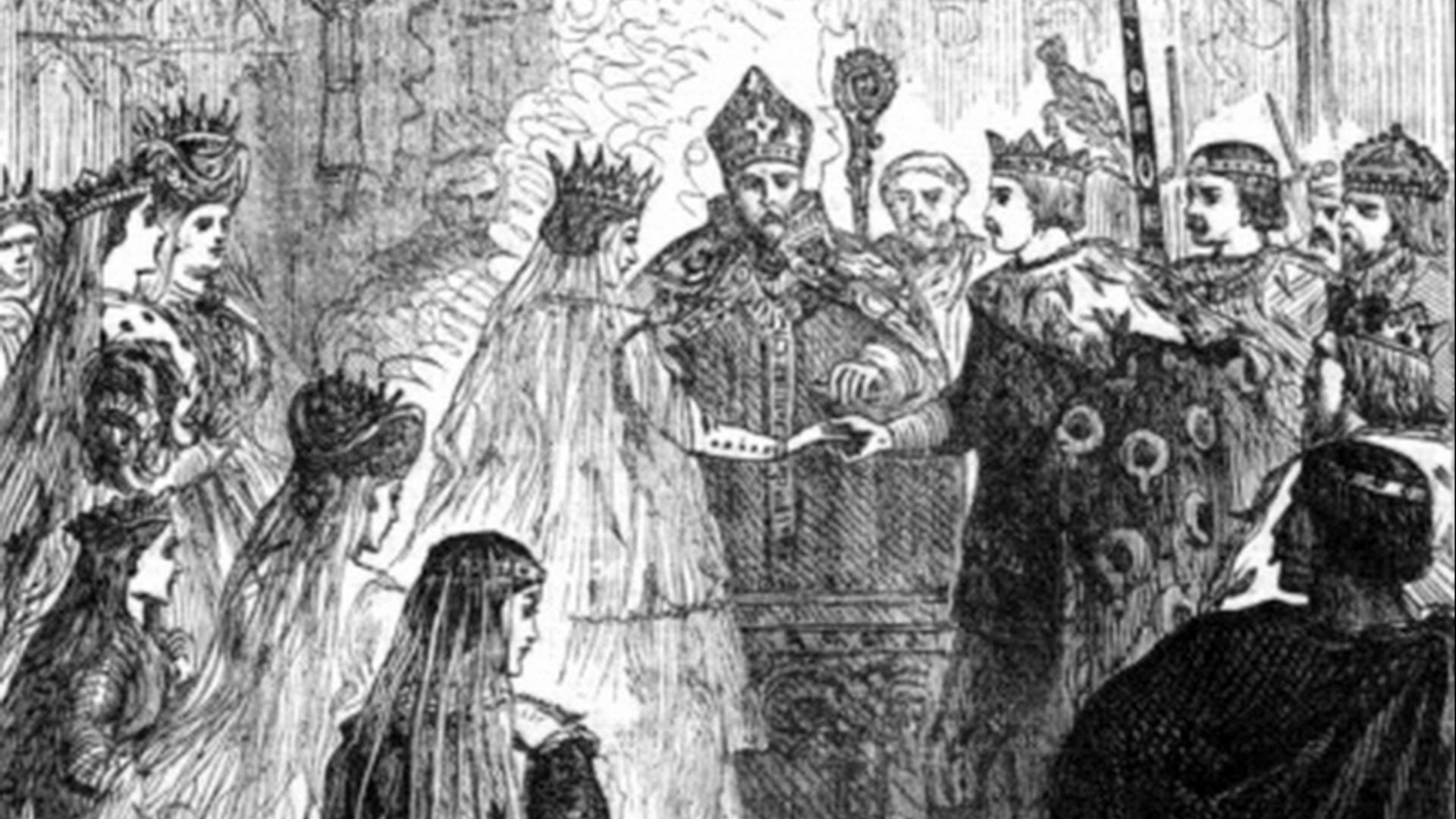
4. James IV And Margaret Tudor
James IV of Scotland married Margaret Tudor as part of the Treaty of Perpetual Peace between Scotland and England. The name sounded wonderfully confident, but the peace was not perpetual at all.
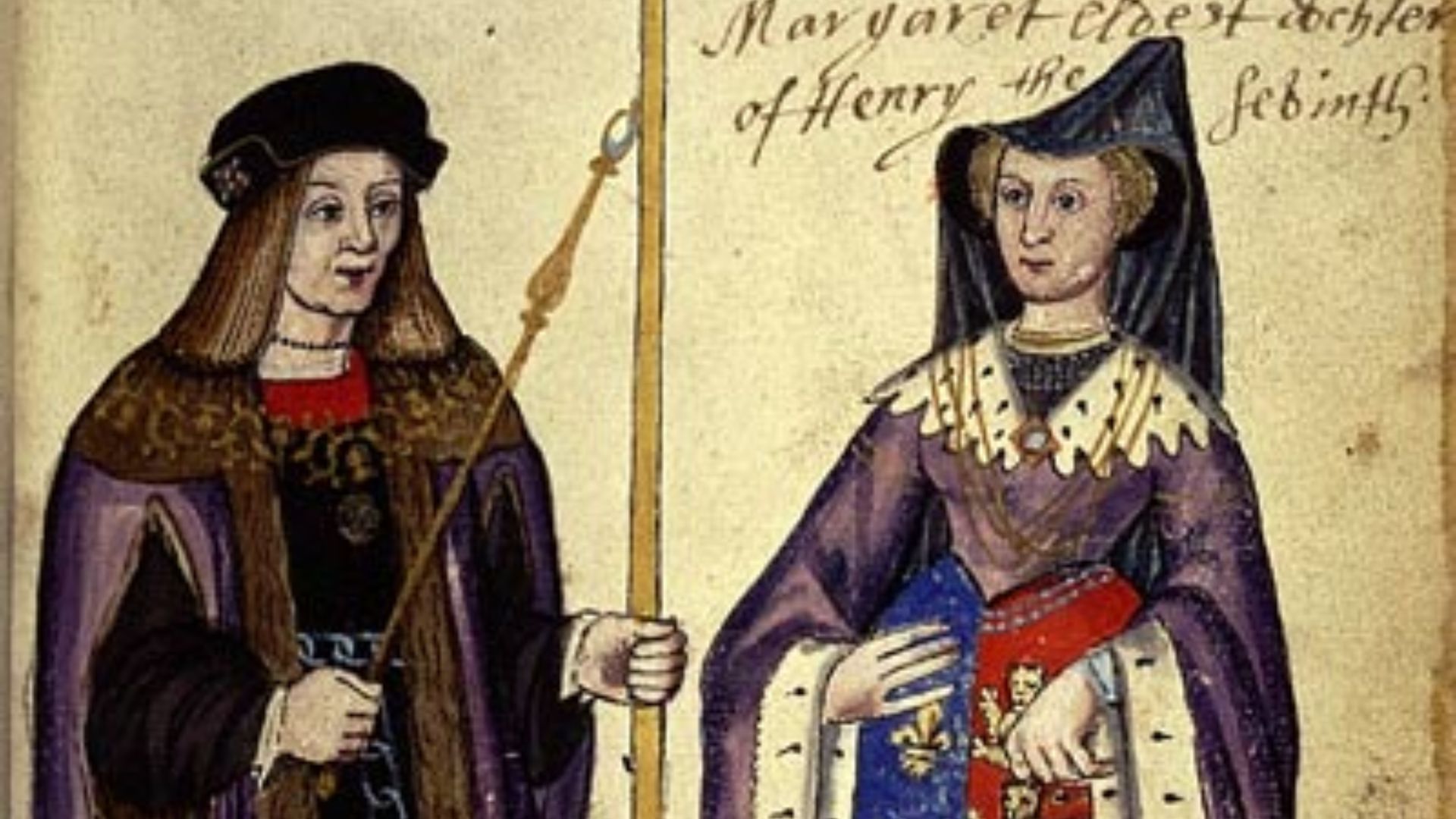
5. Richard II And Isabella Of Valois
Richard II married the young Isabella of Valois during a truce between England and France. The wedding suggested a softer turn in the Hundred Years’ War, but the deeper conflict between the kingdoms remained unresolved.
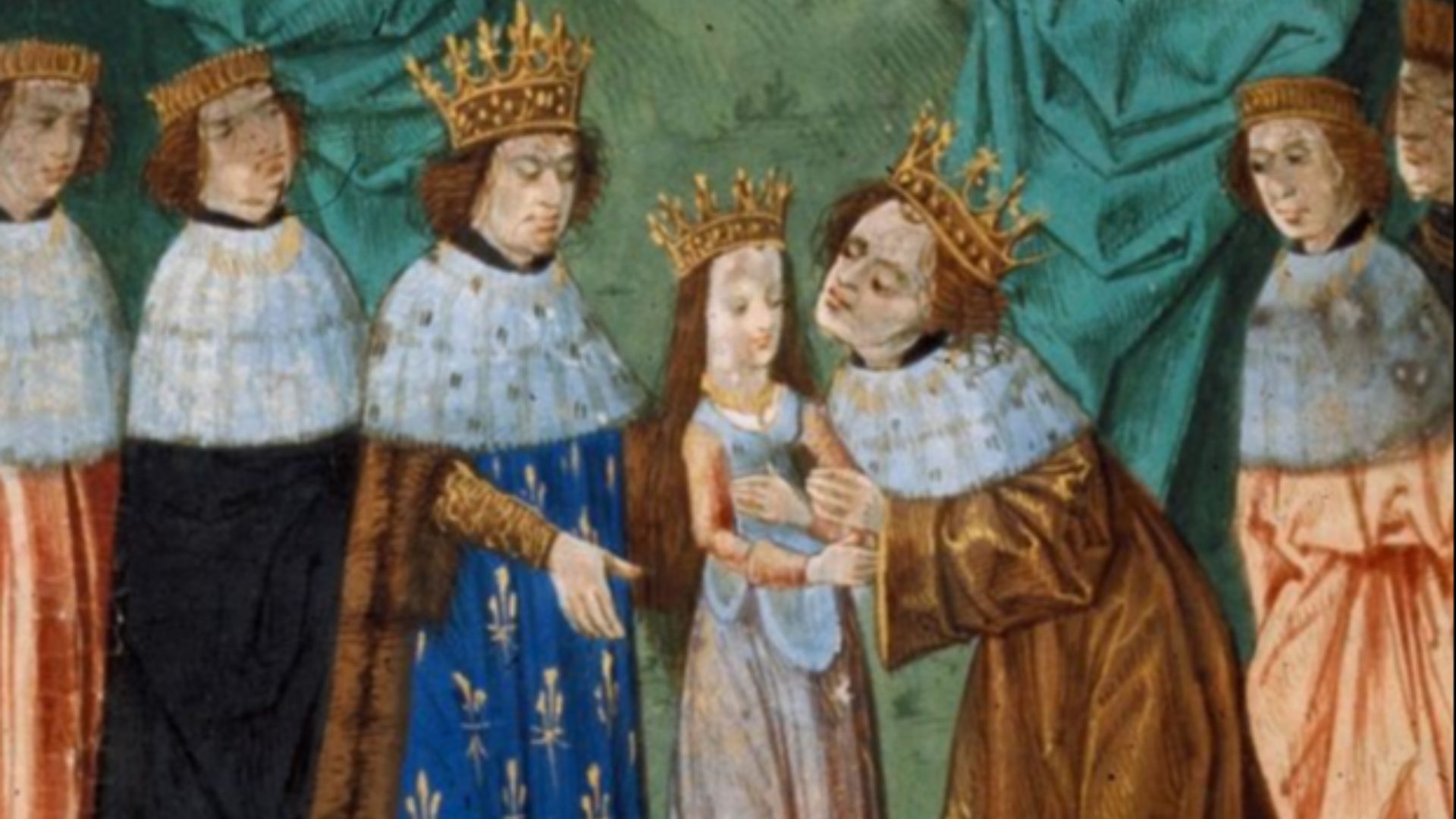
6. Philip II And Elisabeth Of Valois
Philip II of Spain married Elisabeth of Valois after the Peace of Cateau-Cambrésis, which ended a major phase of conflict between Spain and France. The match was meant to seal the settlement with family ties. It helped for a time, but the two powers still competed for influence, and European rivalry soon found new ways to continue.
 Juan Pantoja de la Cruz / Sofonisba Anguissola on Wikimedia
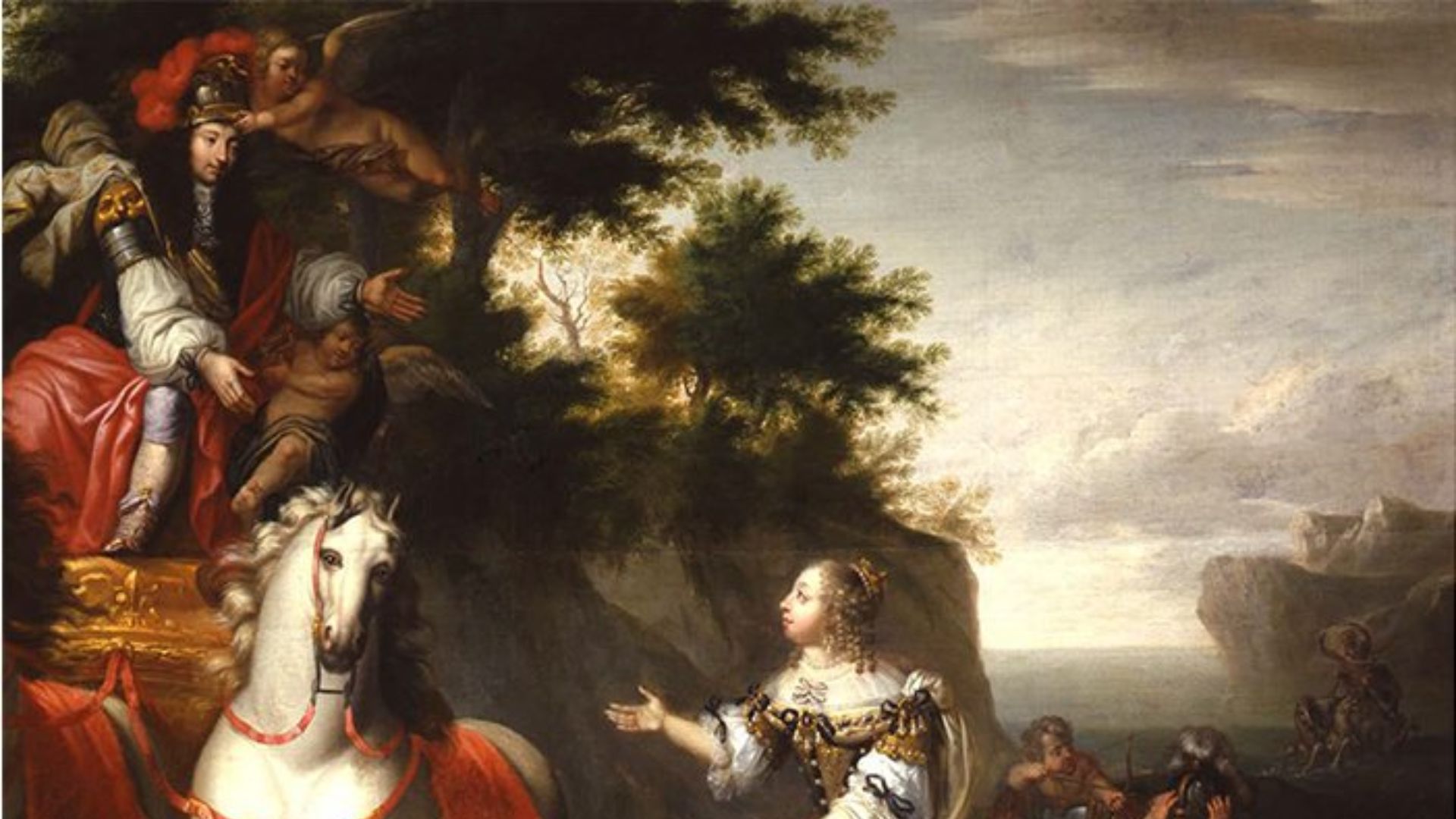
7. Louis XIV And Maria Theresa Of Spain
Louis XIV’s marriage to Maria Theresa of Spain came out of the Treaty of the Pyrenees, which ended a long Franco-Spanish war. The union looked like a tidy dynastic solution, but her unpaid dowry became one excuse for later French claims. Rather than ending the rivalry, the marriage helped create new arguments over inheritance and territory.
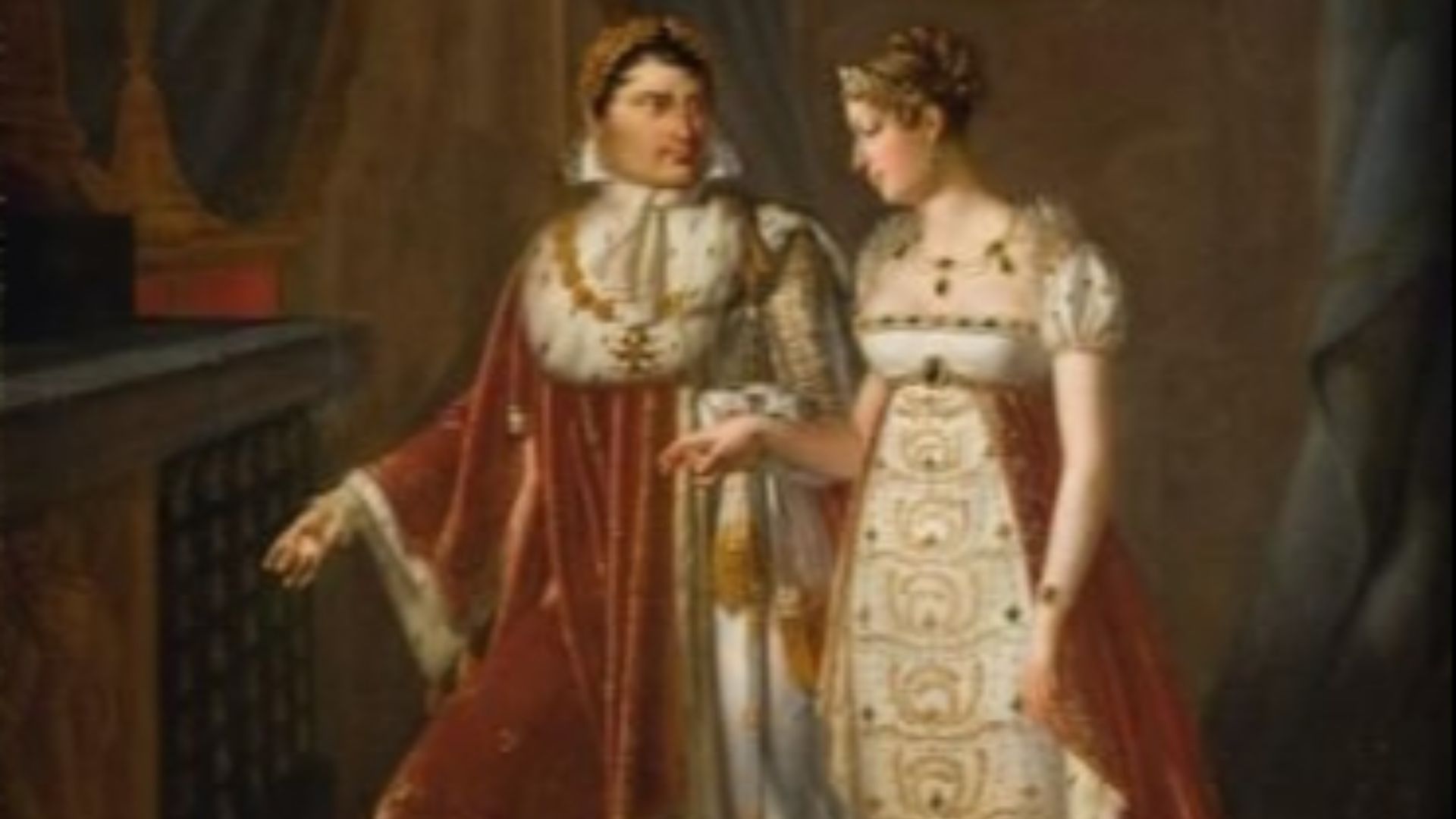
8. Napoleon And Marie Louise
Napoleon married Marie Louise of Austria to connect his empire with one of Europe’s oldest royal houses. The wedding appeared to turn a defeated Austria into a family ally, which suited Napoleon’s need for legitimacy. That alliance did not hold when European powers later moved against him, and Austria joined the coalition that helped defeat him.
 Auguste-François Laby on Wikimedia
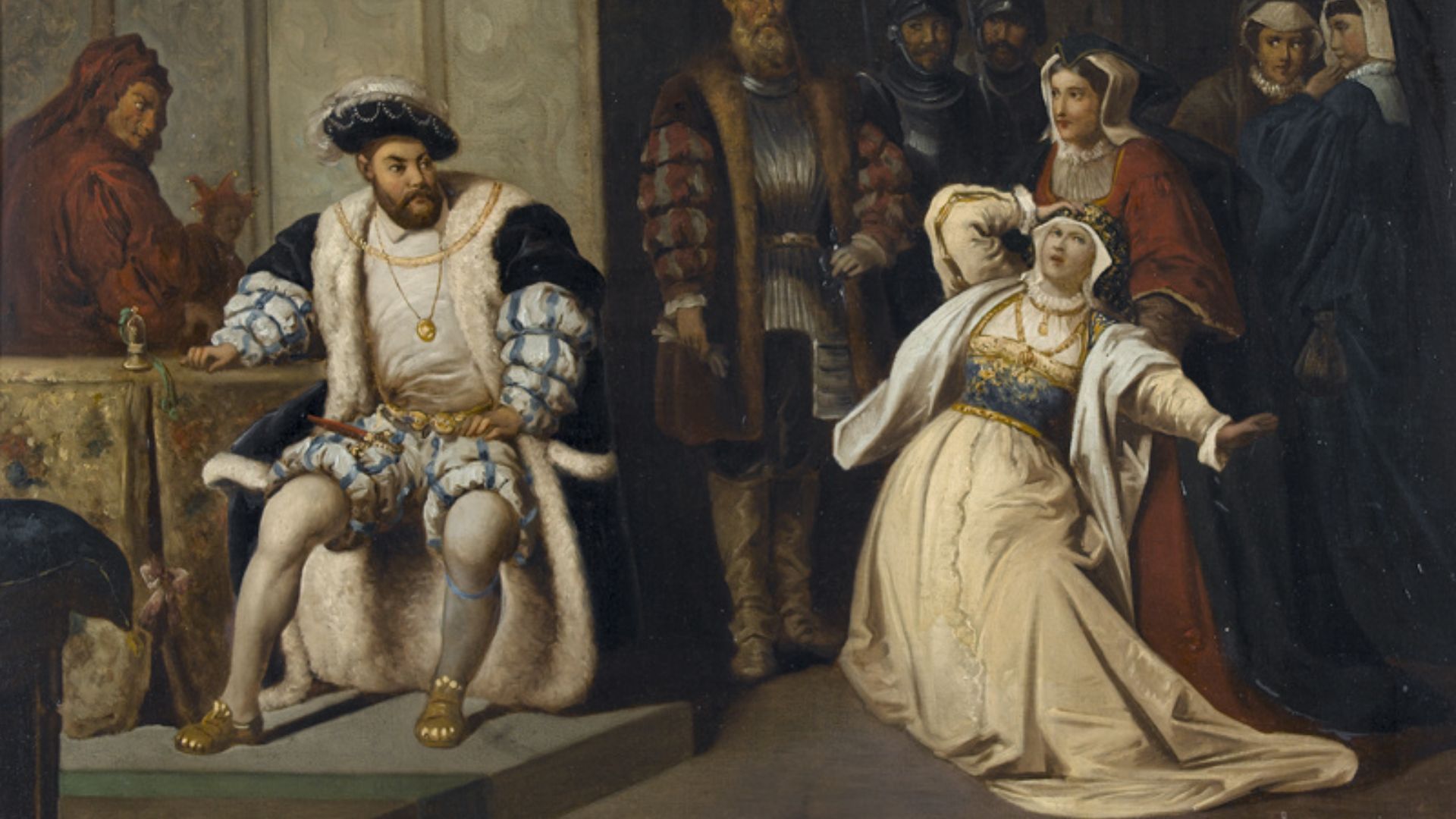
9. Henry VIII And Catherine Of Aragon
Henry VIII’s marriage to Catherine of Aragon supported an English alliance with Spain and linked the Tudors to a powerful European dynasty. For years, it looked politically useful as well as respectable. Once Henry sought an annulment, the marriage became the center of a religious and diplomatic crisis.
 B. Treil (English, 19th century) on Wikimedia
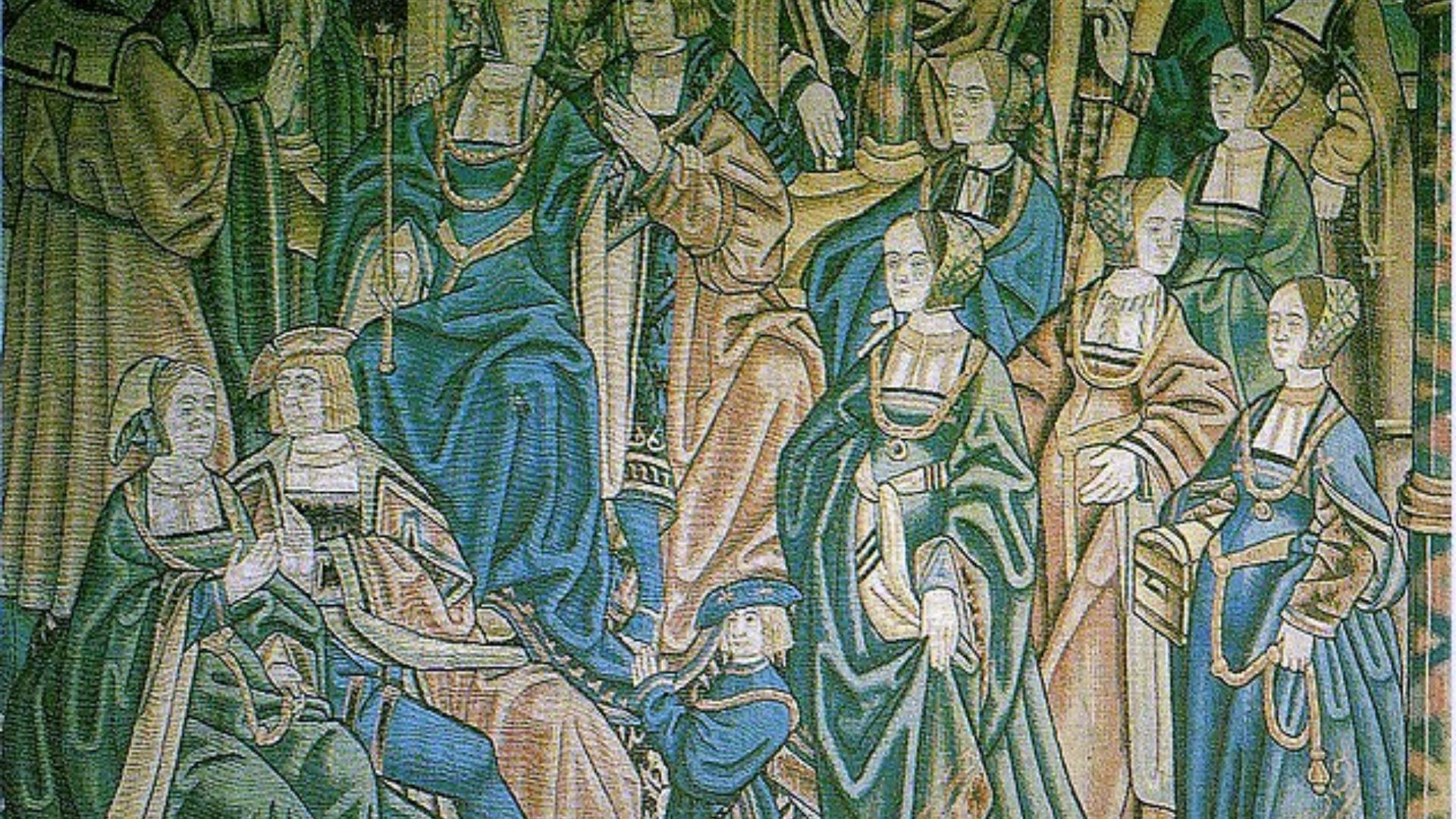
10. Arthur Tudor And Catherine Of Aragon
Arthur Tudor and Catherine of Aragon were married to strengthen ties between England and Spain. The match was meant to anchor a promising alliance, but Arthur’s early death made the plan collapse almost immediately.
 Unknown authorUnknown author on Wikimedia
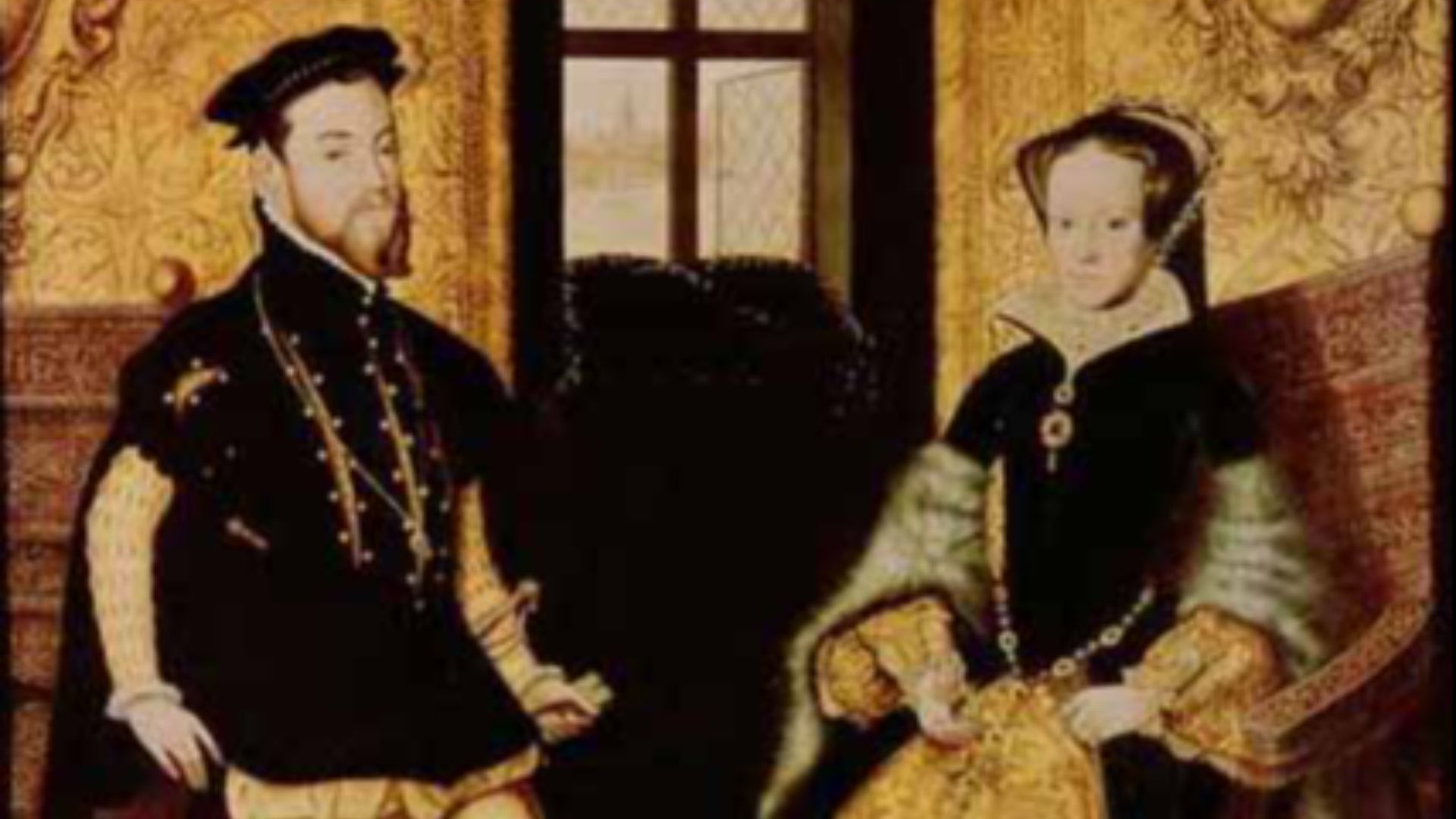
11. Mary I And Philip II Of Spain
Mary I’s marriage to Philip II of Spain was designed to pull England closer to Catholic Spain. Many English subjects disliked the match because they feared foreign influence and religious control. The alliance did not survive Mary’s reign in any lasting way.
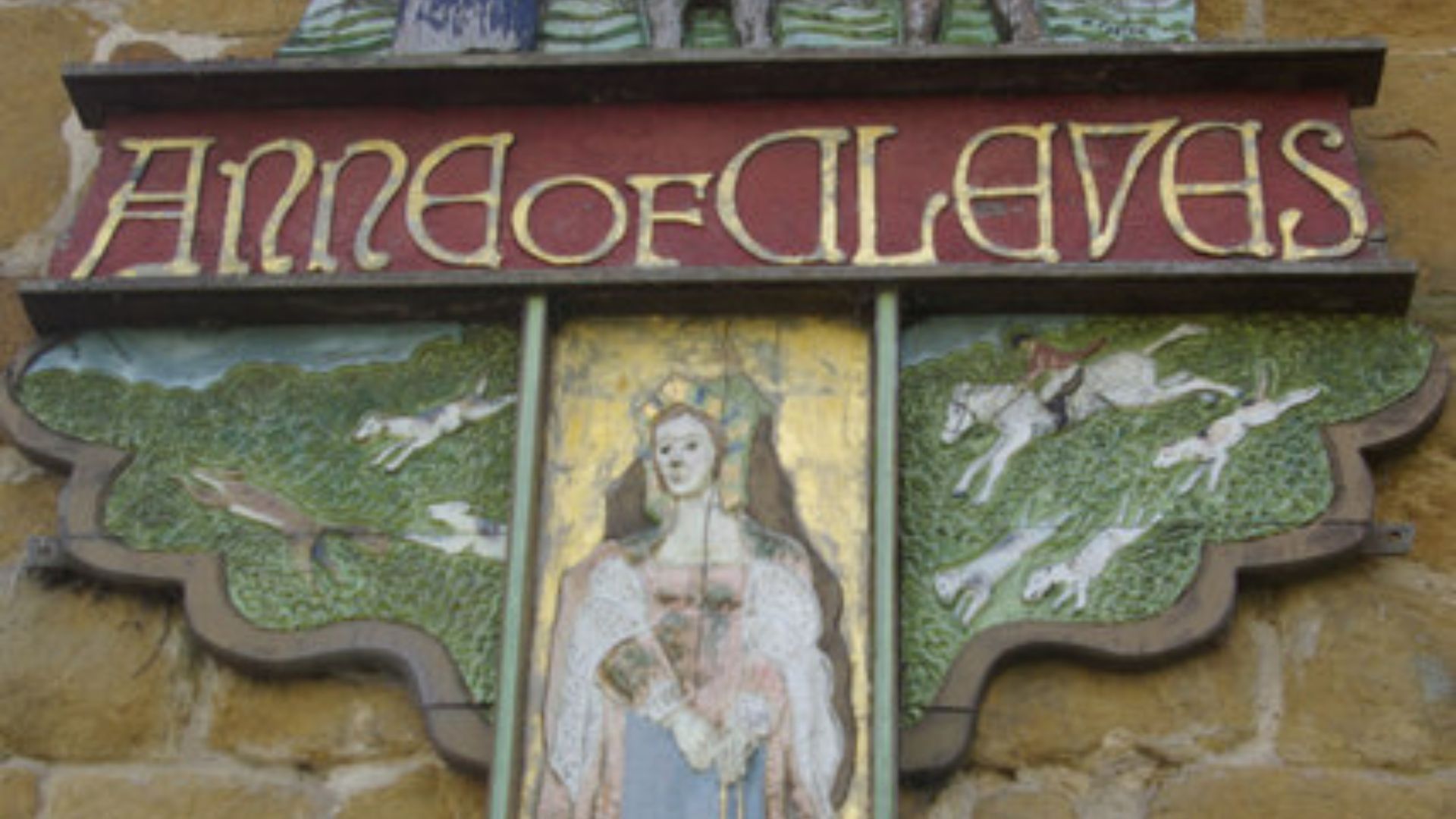
12. Henry VIII And Anne Of Cleves
Henry VIII’s marriage to Anne of Cleves was arranged partly to support Protestant diplomatic connections in Europe. The match looked useful when England needed allies, but Henry disliked the arrangement almost immediately.
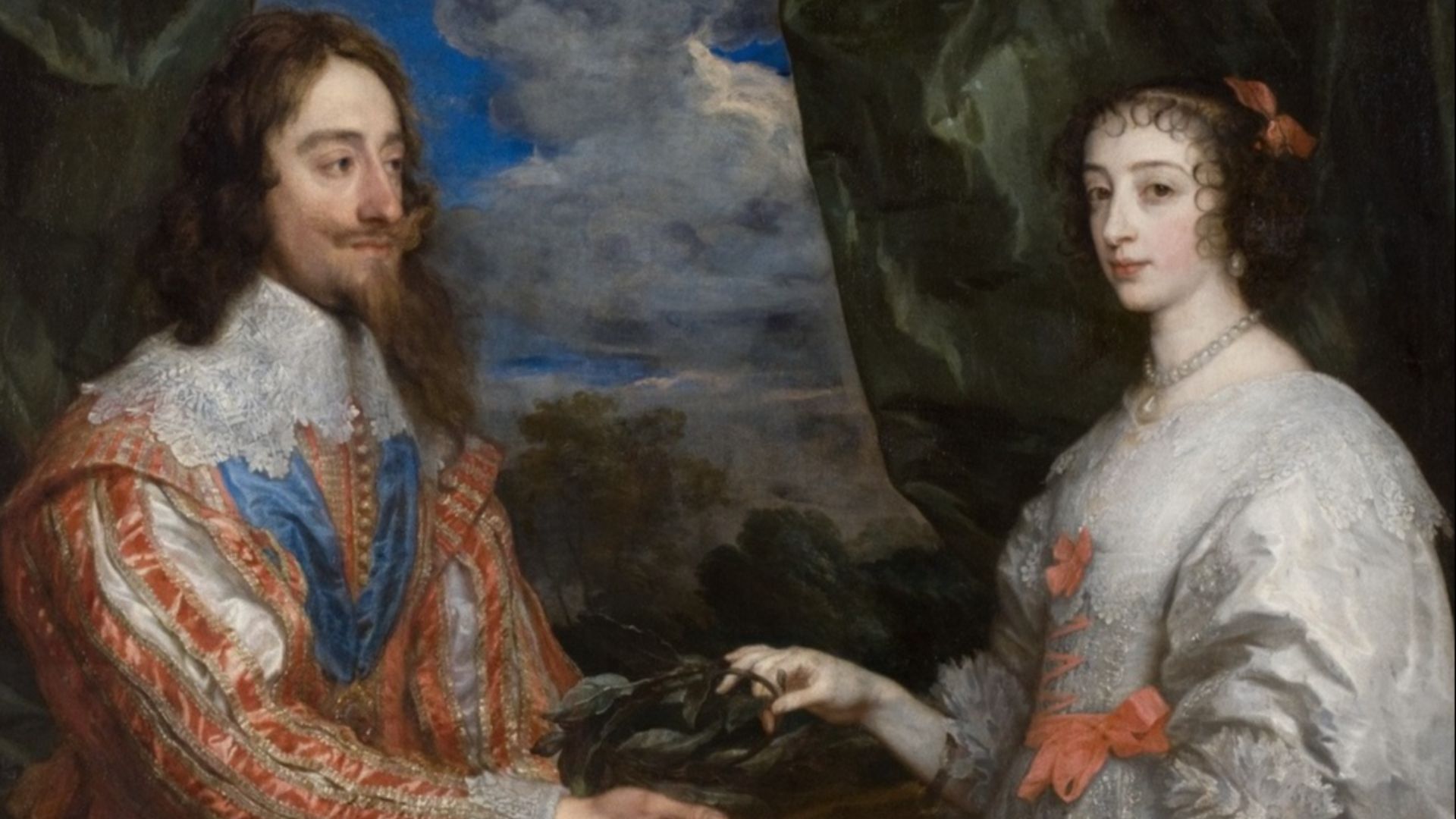
13. Charles I And Henrietta Maria
Charles I’s marriage to Henrietta Maria of France was meant to improve relations between England and France. Instead, her Catholic faith increased suspicion among many of Charles’s Protestant subjects.
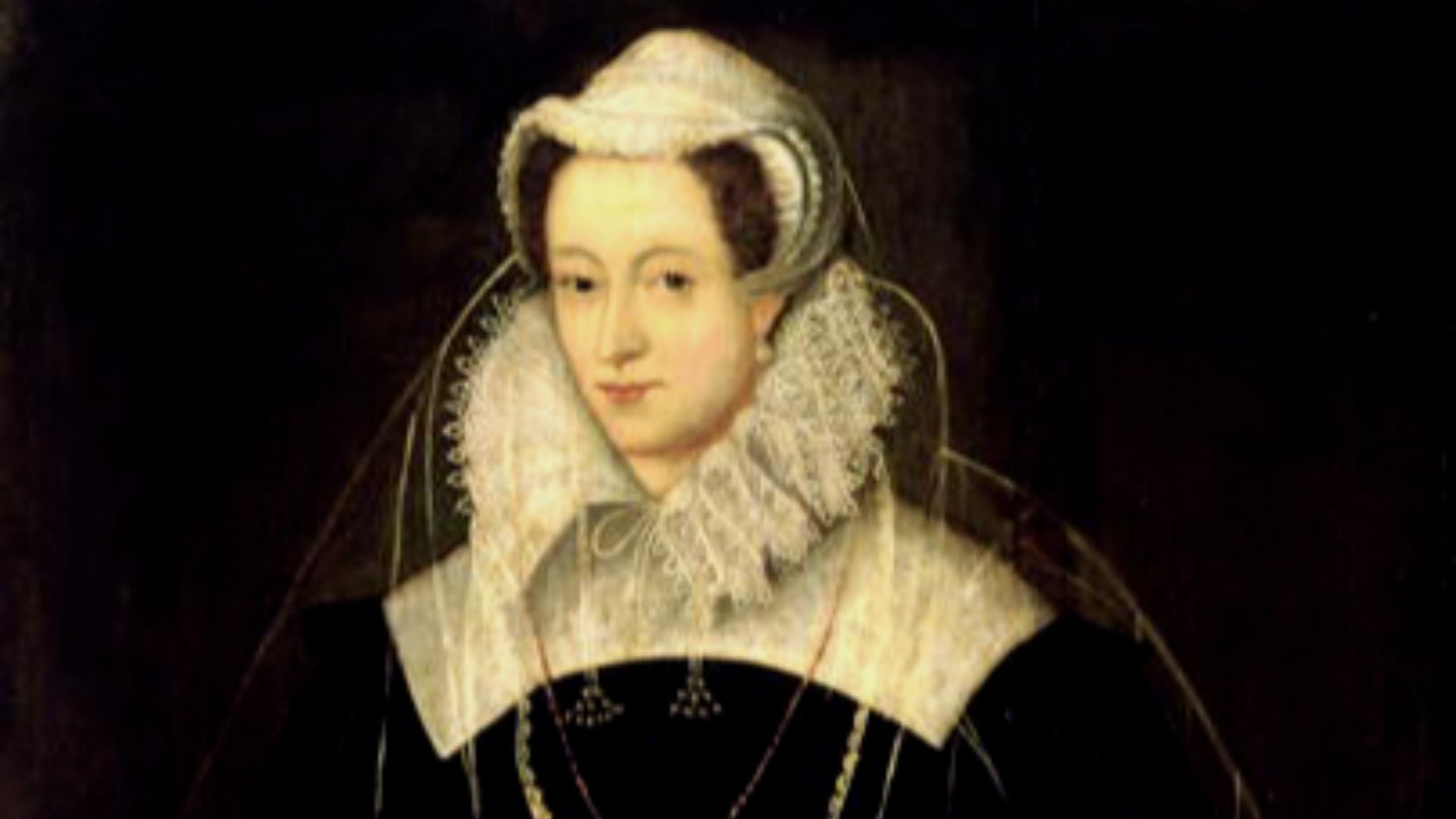
14. Mary, Queen Of Scots, And Francis II
Mary, Queen of Scots, married Francis, the heir to the French throne, in a match that reinforced the old Franco-Scottish alliance. It looked powerful because it linked Scotland directly to France’s royal future. Francis died young, Mary returned to Scotland, and the arrangement failed to create lasting stability for either her reign or her country.
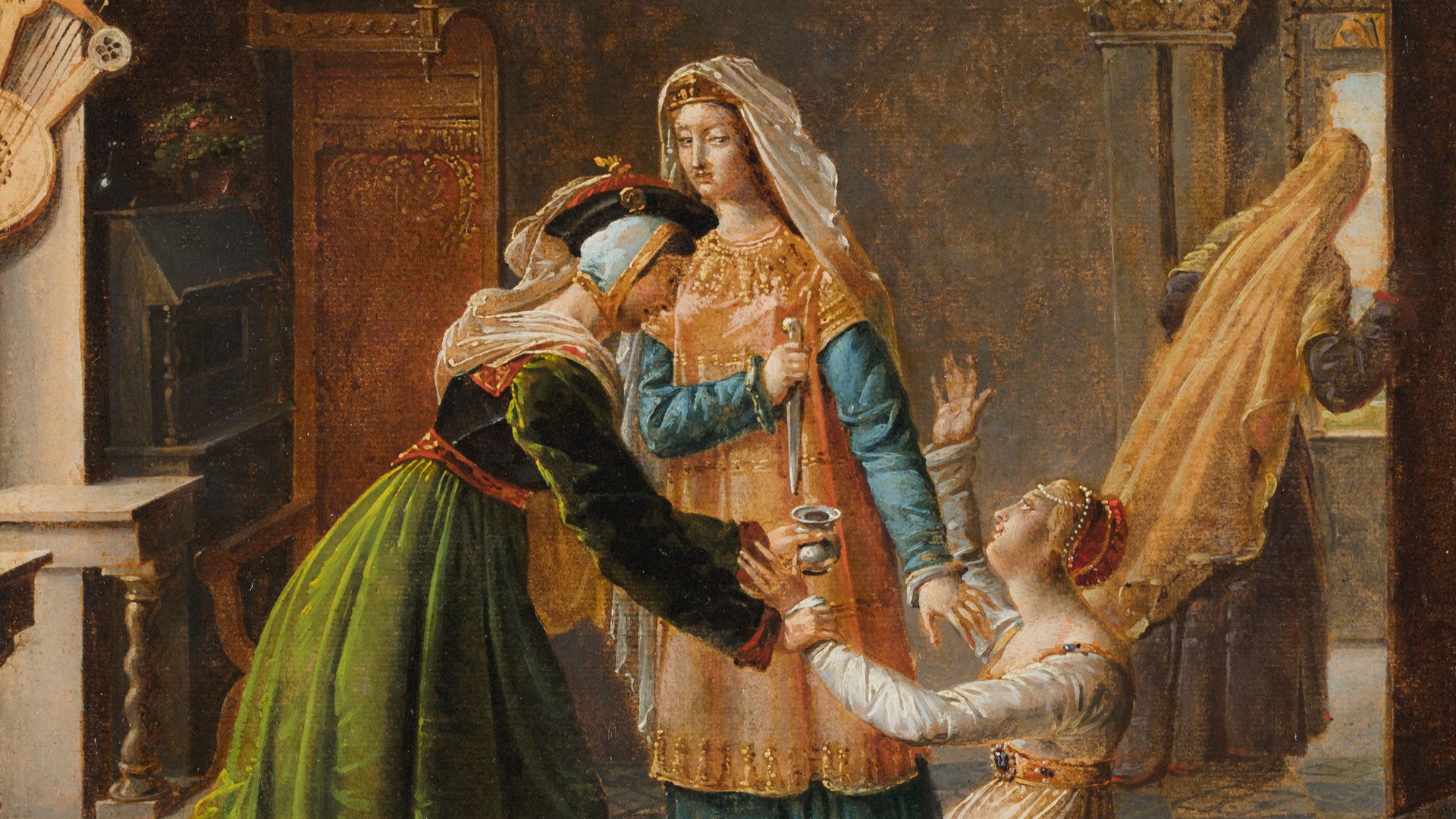
15. Eleanor Of Aquitaine And Louis VII
Eleanor of Aquitaine’s marriage to Louis VII brought her vast lands under the French crown’s influence. It seemed like a remarkable way to strengthen royal power and reduce regional uncertainty. The marriage was annulled, Eleanor then married Henry II of England, and her lands became central to centuries of Anglo-French conflict.
 Marie-Philippe Coupin de La Couperie on Wikimedia
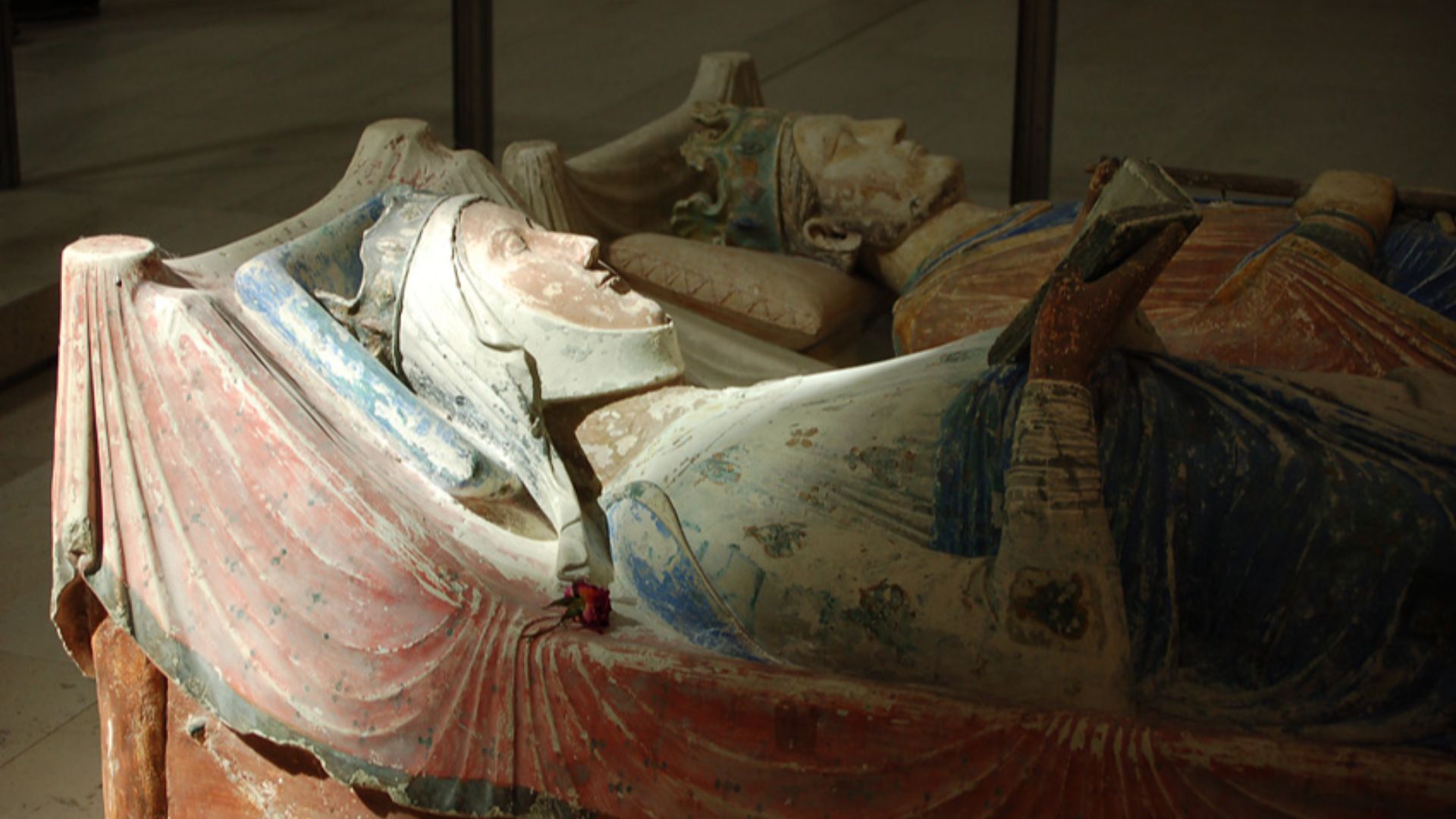
16. Eleanor Of Aquitaine And Henry II
Eleanor’s marriage to Henry II created a massive collection of territories under one ruling family. From the outside, that kind of dynastic reach could look like order imposed through marriage. In practice, Henry’s empire faced rebellions, family conflict, and French pressure.
17. Maximilian I And Mary Of Burgundy
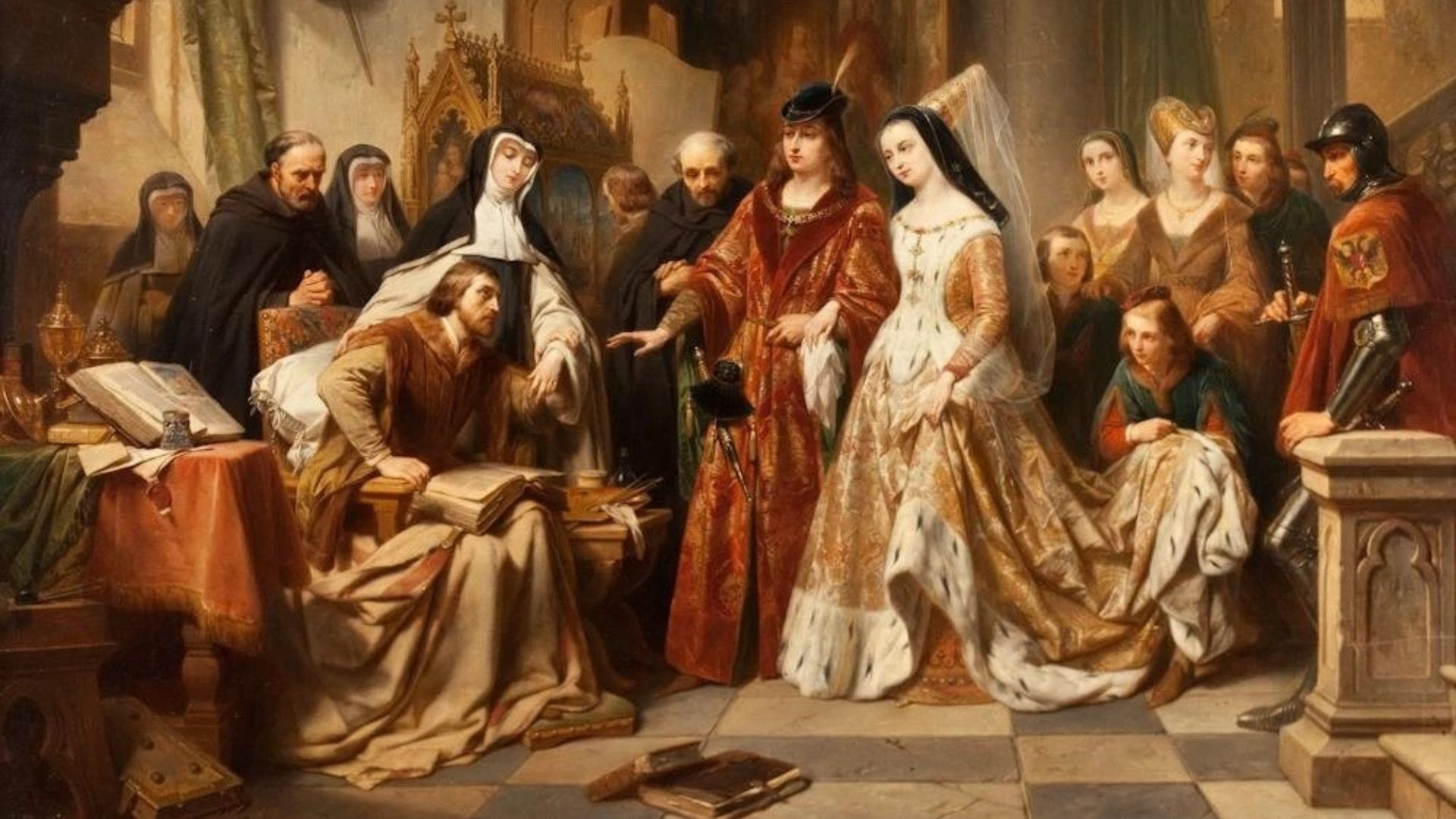
Maximilian of Austria married Mary of Burgundy after her inheritance became a major prize in European politics. The match protected Burgundian interests and expanded Habsburg power, but it did not calm French ambitions.
 Nicaise de Keyser on Wikimedia
18. Joanna Of Castile And Philip The Handsome
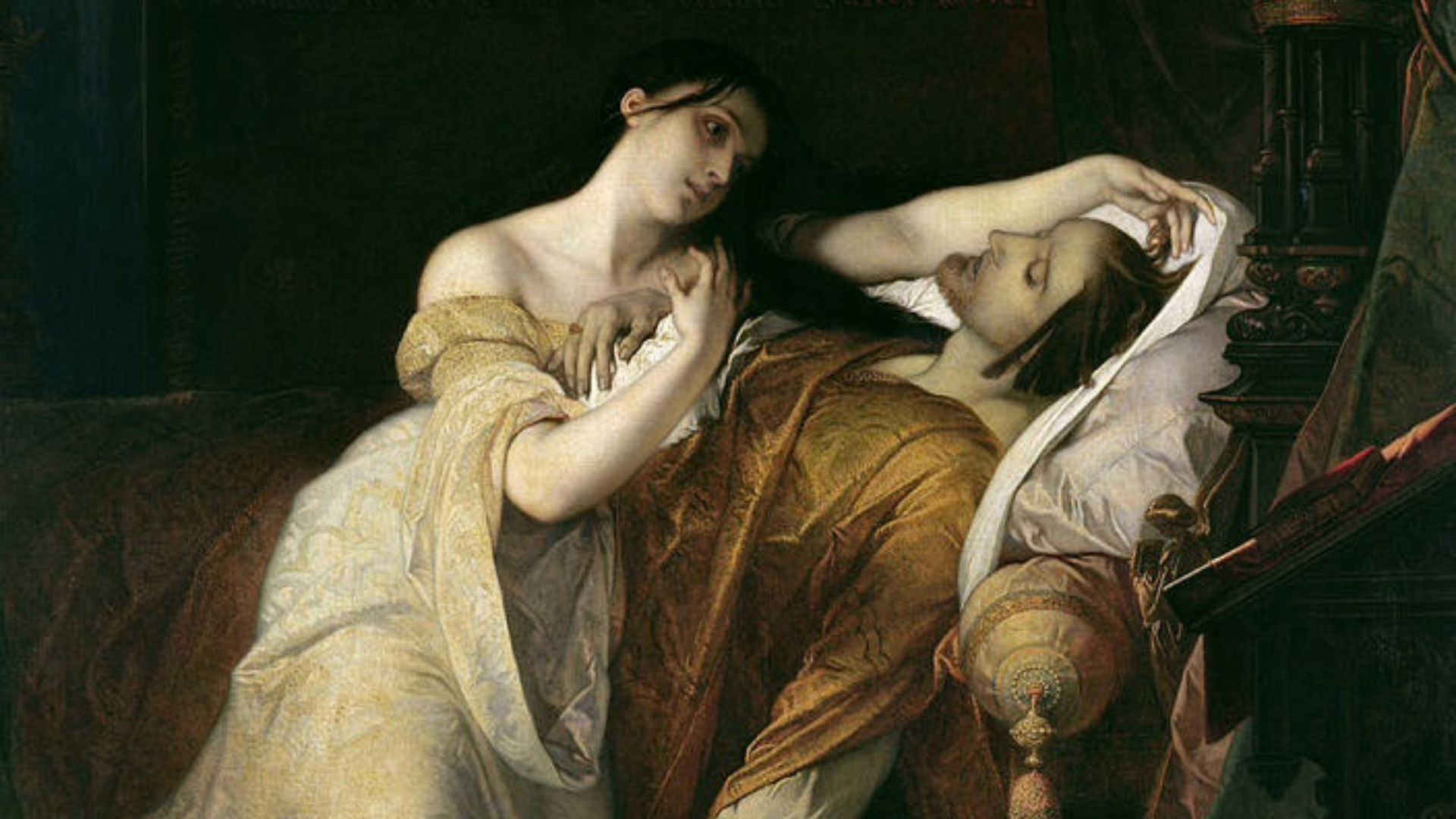
Joanna of Castile’s marriage to Philip the Handsome joined Spanish and Habsburg interests in a way that seemed dynastically brilliant. The union eventually helped create a vast inheritance for their son Charles V. Rather than simplifying Europe, that inheritance made the Habsburgs so powerful that France and other rivals spent generations trying to contain them.
19. Catherine De’ Medici And Henry II
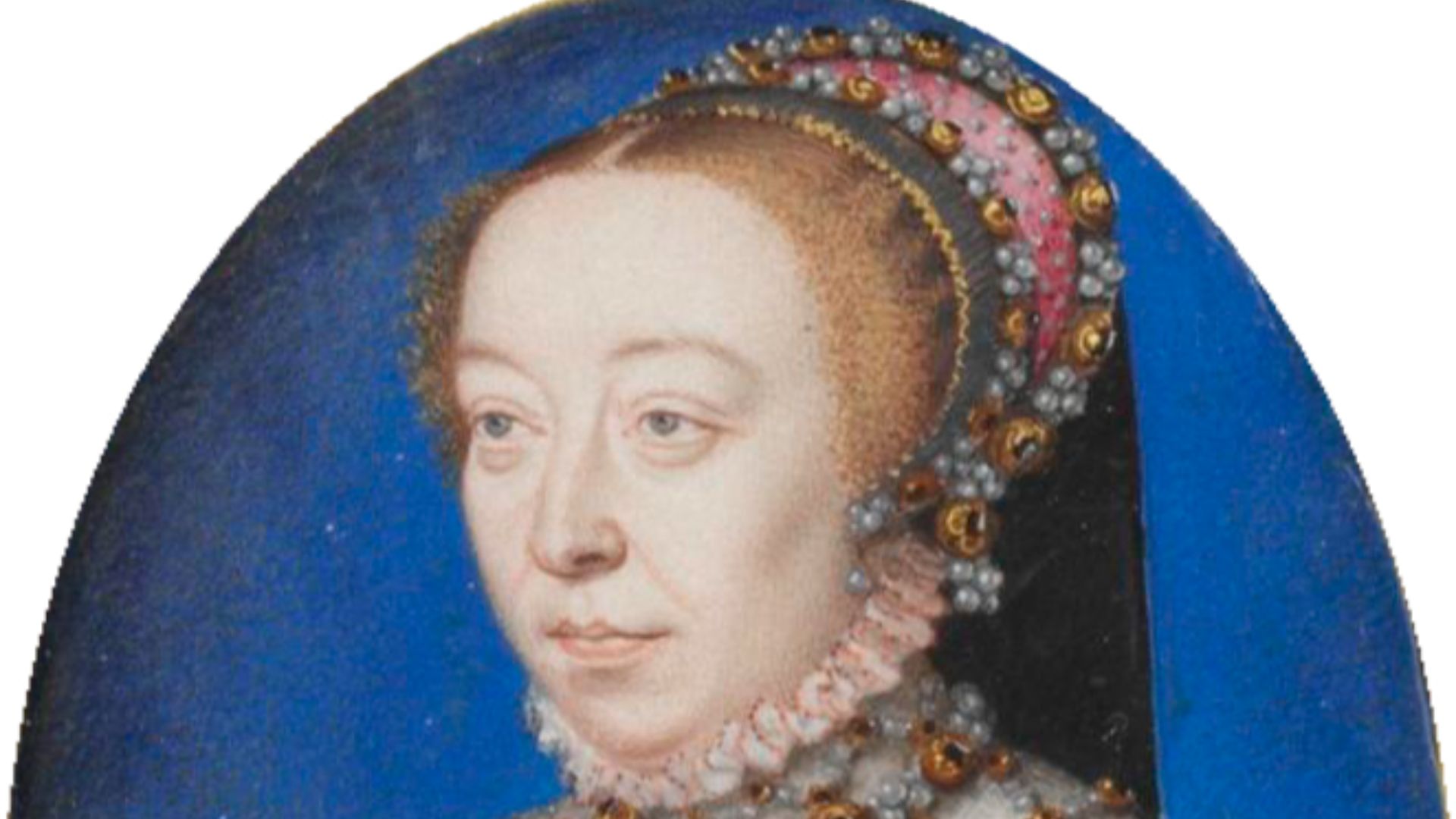
Catherine de’ Medici’s marriage to Henry II of France connected France to the wealthy Medici family and broader Italian interests. It looked useful in a period when French kings were deeply involved in Italian politics. The match did not settle those ambitions, and France remained caught in costly rivalries and later religious turmoil.
 Attributed to François Clouet on Wikimedia
20. Charles VIII And Anne Of Brittany
Charles VIII’s marriage to Anne of Brittany brought Brittany closer to the French crown and seemed to reduce a serious internal threat to royal unity. It was a major dynastic success for France, but it did not mean political calm had arrived. Charles soon pursued military adventures in Italy, showing that one settled marriage could still be followed by fresh conflict elsewhere.
KEEP ON READING