When Vows Became State Business
Royal and political weddings were rarely just family events, especially when crowns, borders, religions, and succession rights were involved. A ceremony could make an alliance official, anger powerful factions, or expose a problem that had been building for years, which is why some weddings created consequences far beyond the banquet hall. Here are 20 times a wedding ceremony ignited a political crisis.
 David Wilkie Wynfield on Wikimedia
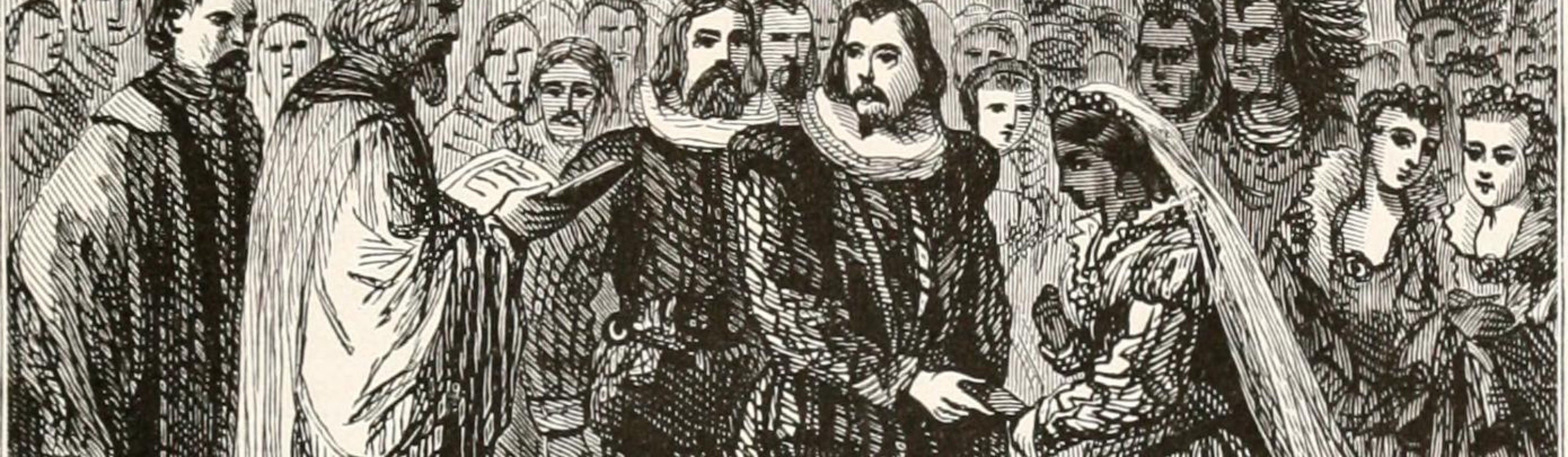
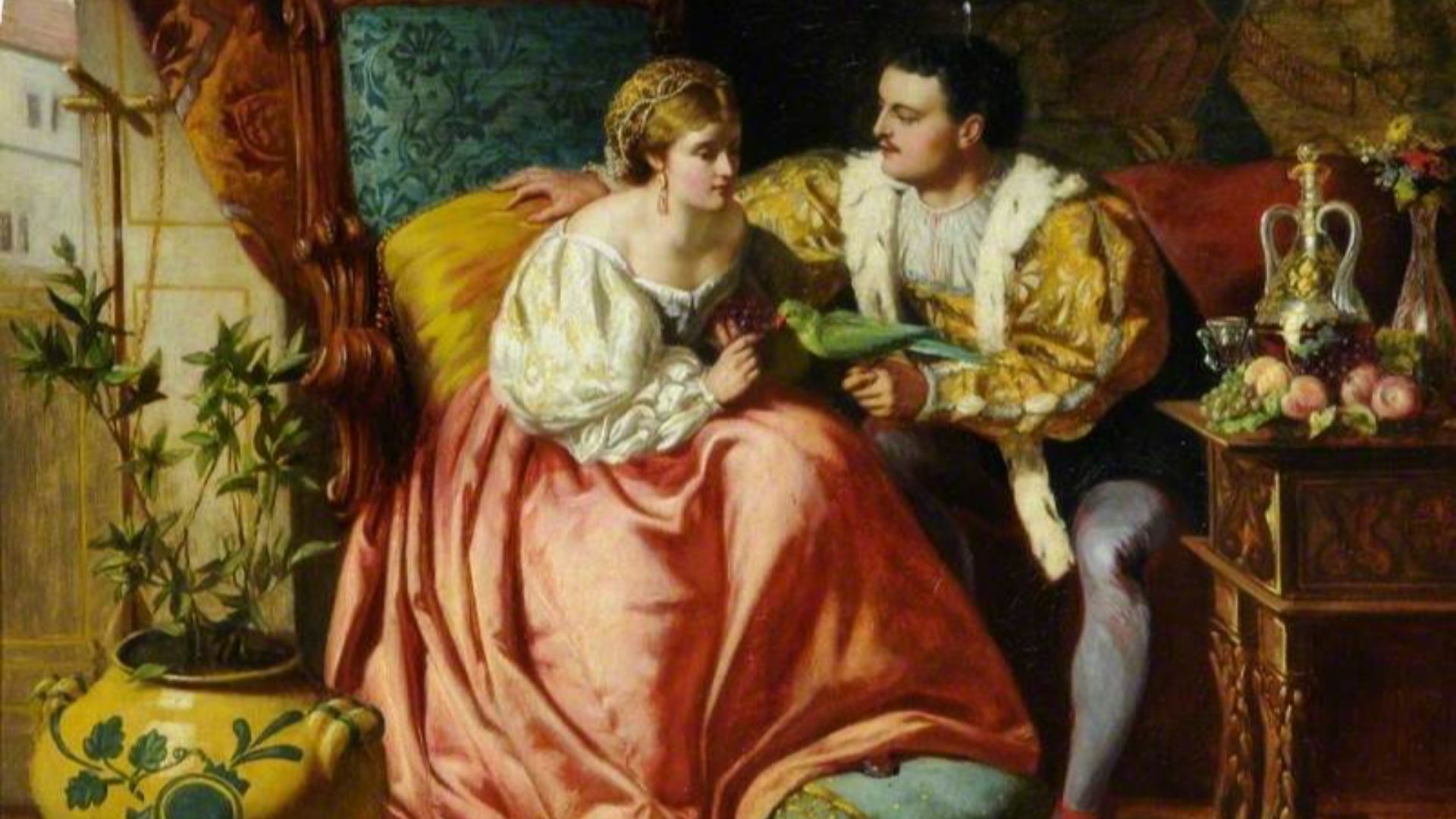
1. Henry of Navarre and Margaret of Valois
This 1572 wedding was meant to calm religious tensions in France by linking a Protestant prince with a Catholic princess. Instead, the gathering brought many Protestant nobles into Paris at a dangerous moment.
 Master of the Ango Hours on Wikimedia
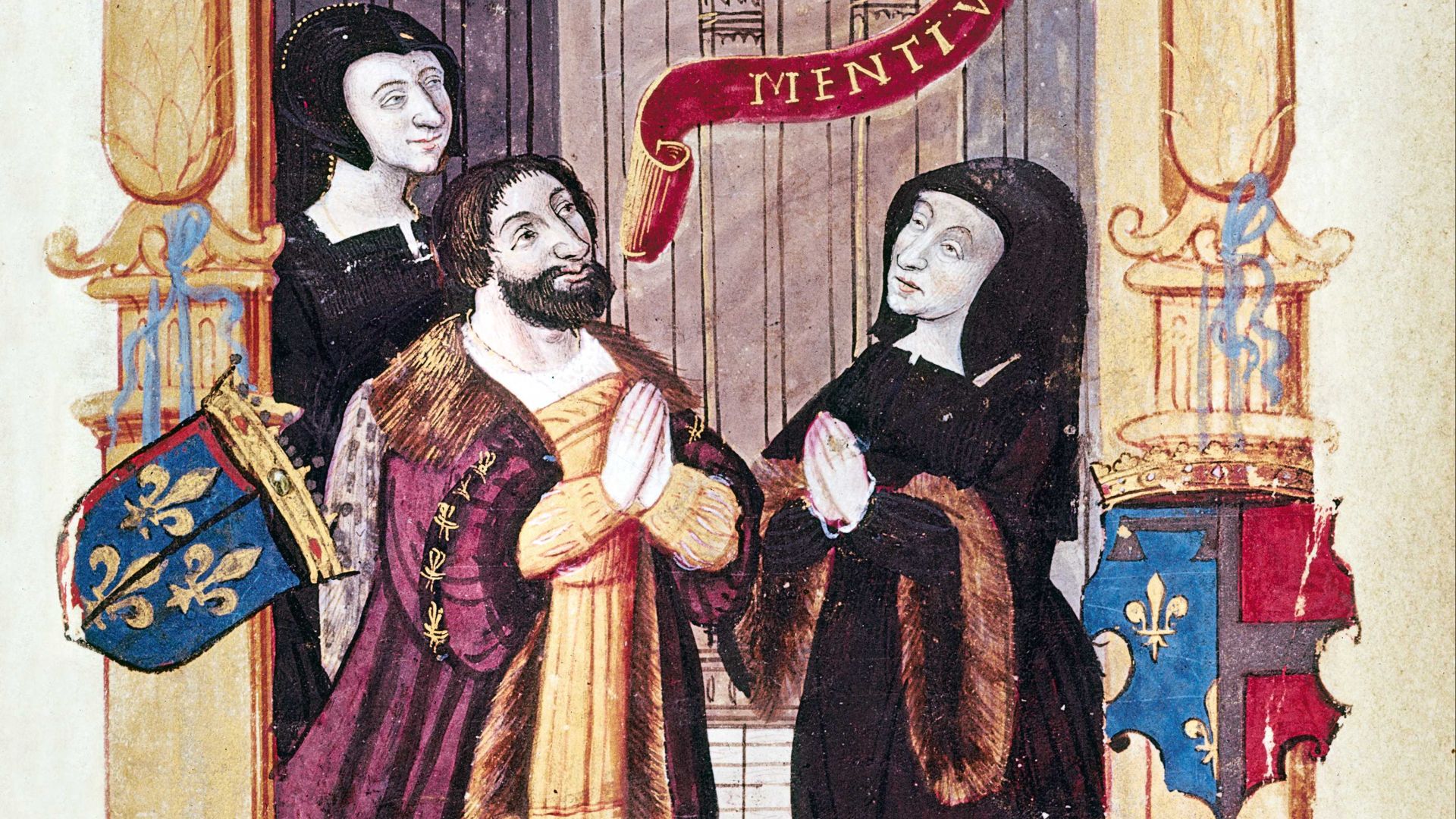
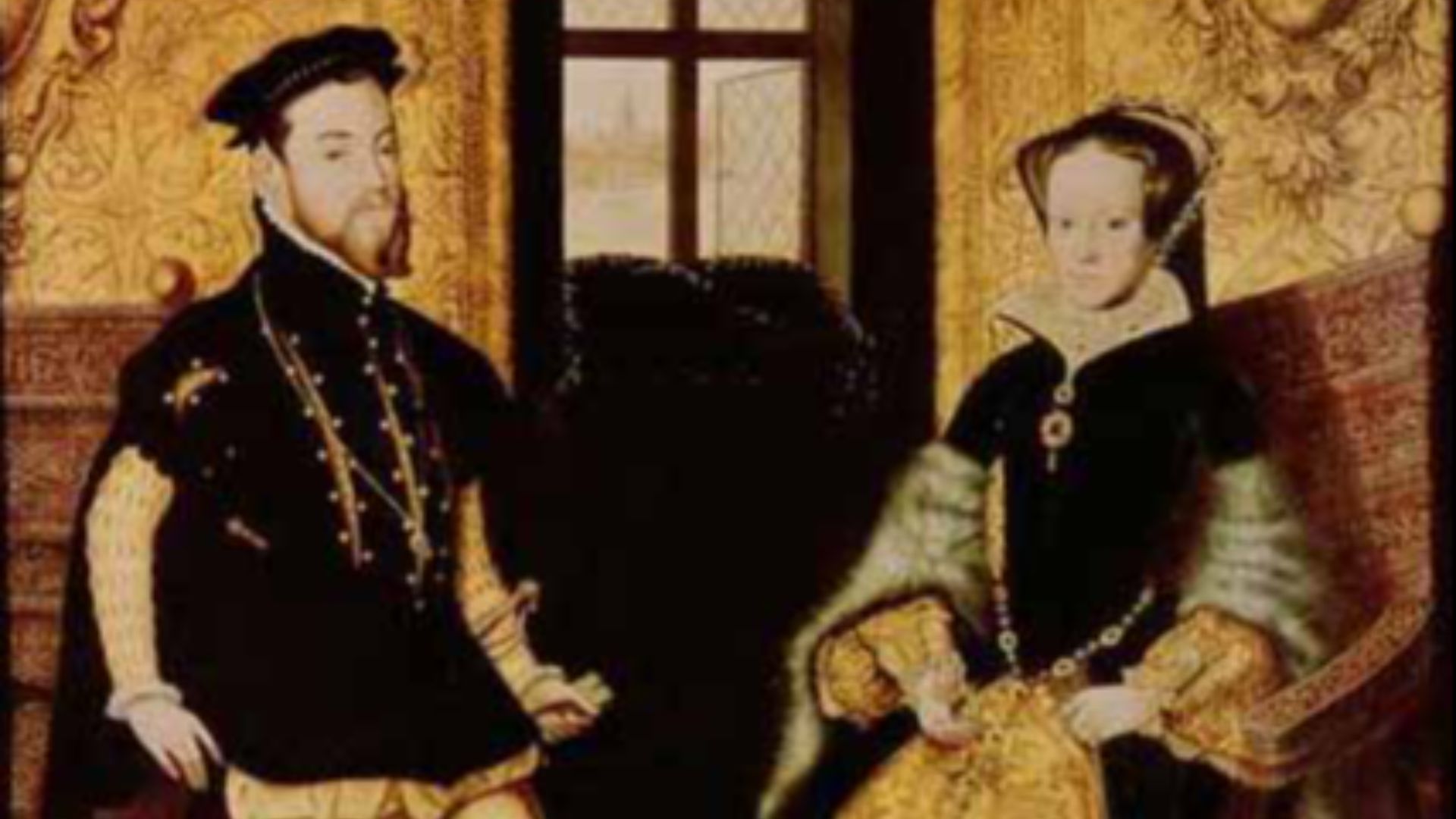
2. Mary I and Philip of Spain
Mary I’s marriage to Philip of Spain in 1554 alarmed many English Protestants and nationalists who feared Spanish influence. Opposition helped fuel Wyatt’s Rebellion before the wedding even took place, and the ceremony made those fears feel official.
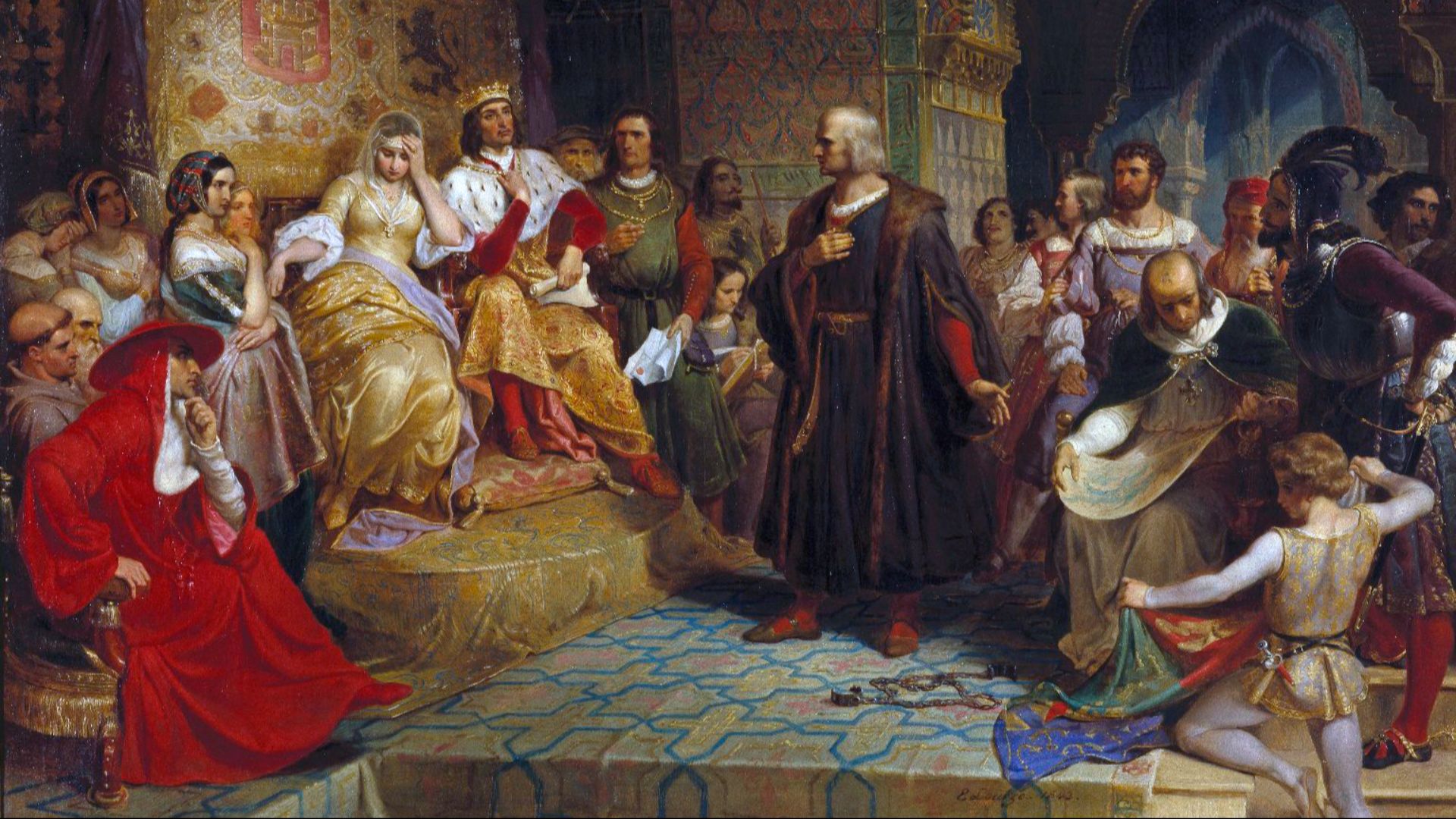
3. Ferdinand of Aragon and Isabella of Castile
Ferdinand and Isabella’s 1469 marriage eventually united two powerful Spanish crowns, but it began as a political headache. Isabella married without the full approval of her half-brother, King Henry IV of Castile, which worsened disputes over her succession rights.
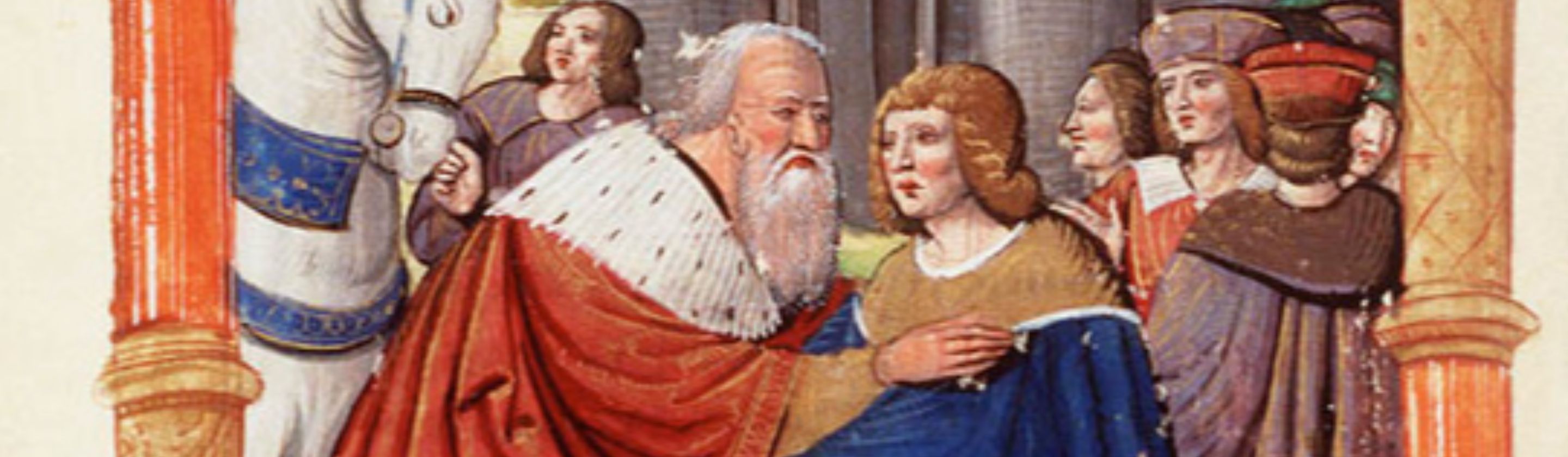
4. Henry VI and Margaret of Anjou
Henry VI’s 1445 marriage to Margaret of Anjou was supposed to support peace between England and France. The terms connected to the match, especially English concessions in France, angered nobles who already doubted the king’s leadership.
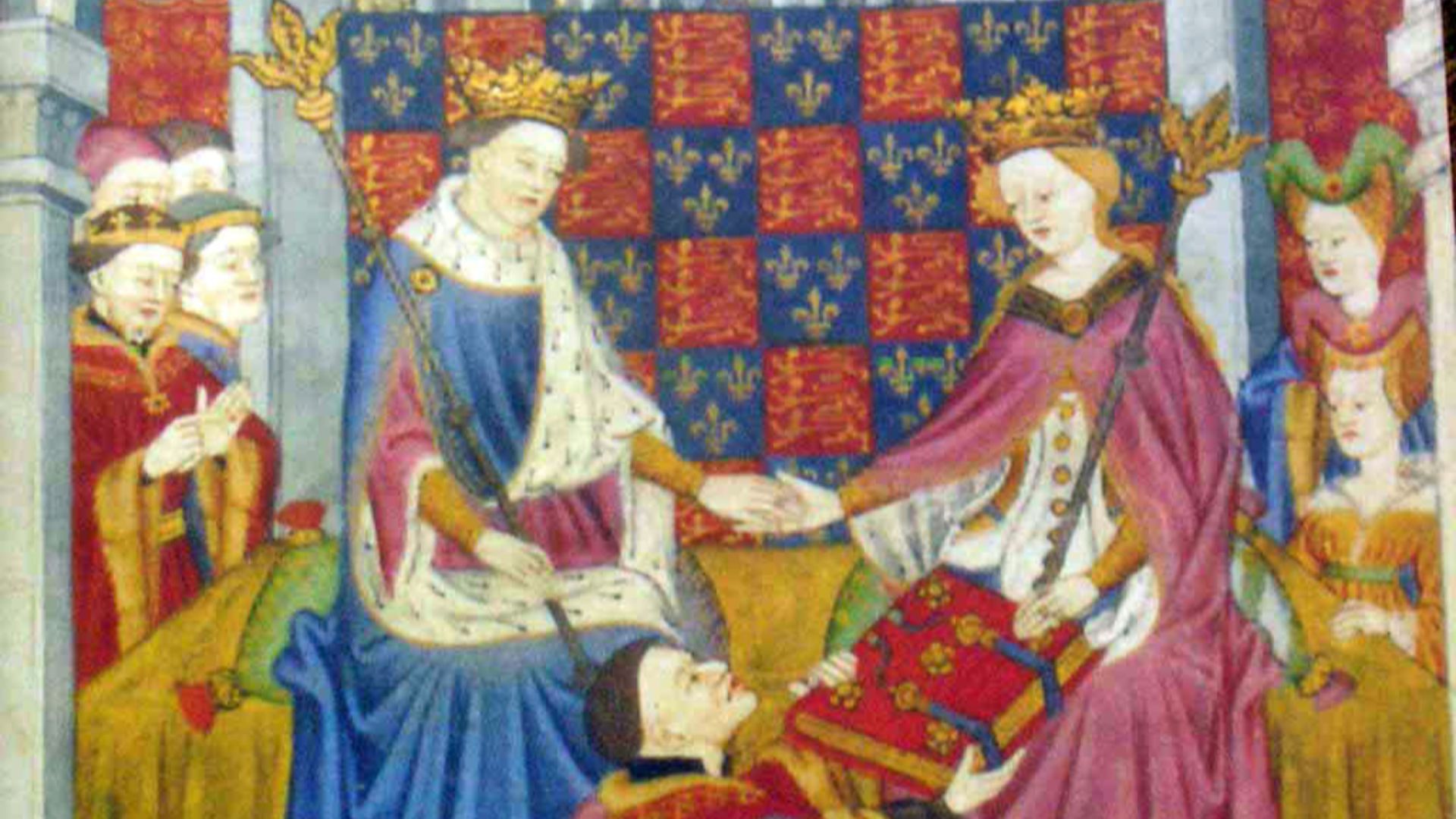 Talbot Master (fl. in Rouen, c. 1430–60) on Wikimedia
5. Louis XVI and Marie Antoinette
The 1770 wedding between the French heir and the Austrian archduchess was designed to secure a diplomatic alliance. Many French people distrusted Austria, so the young bride quickly became a symbol of foreign influence at court.
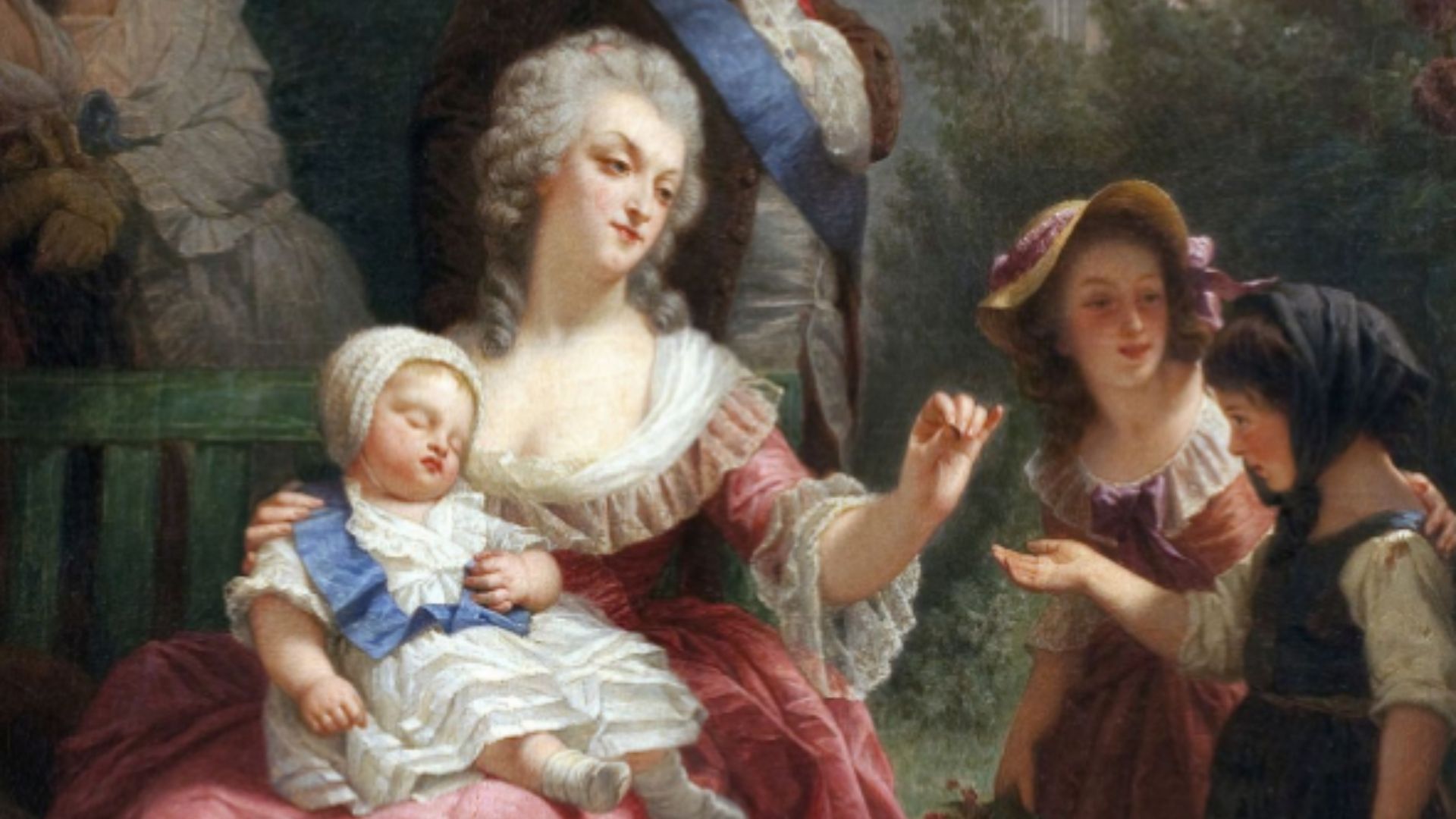 Charles Louis Müller on Wikimedia
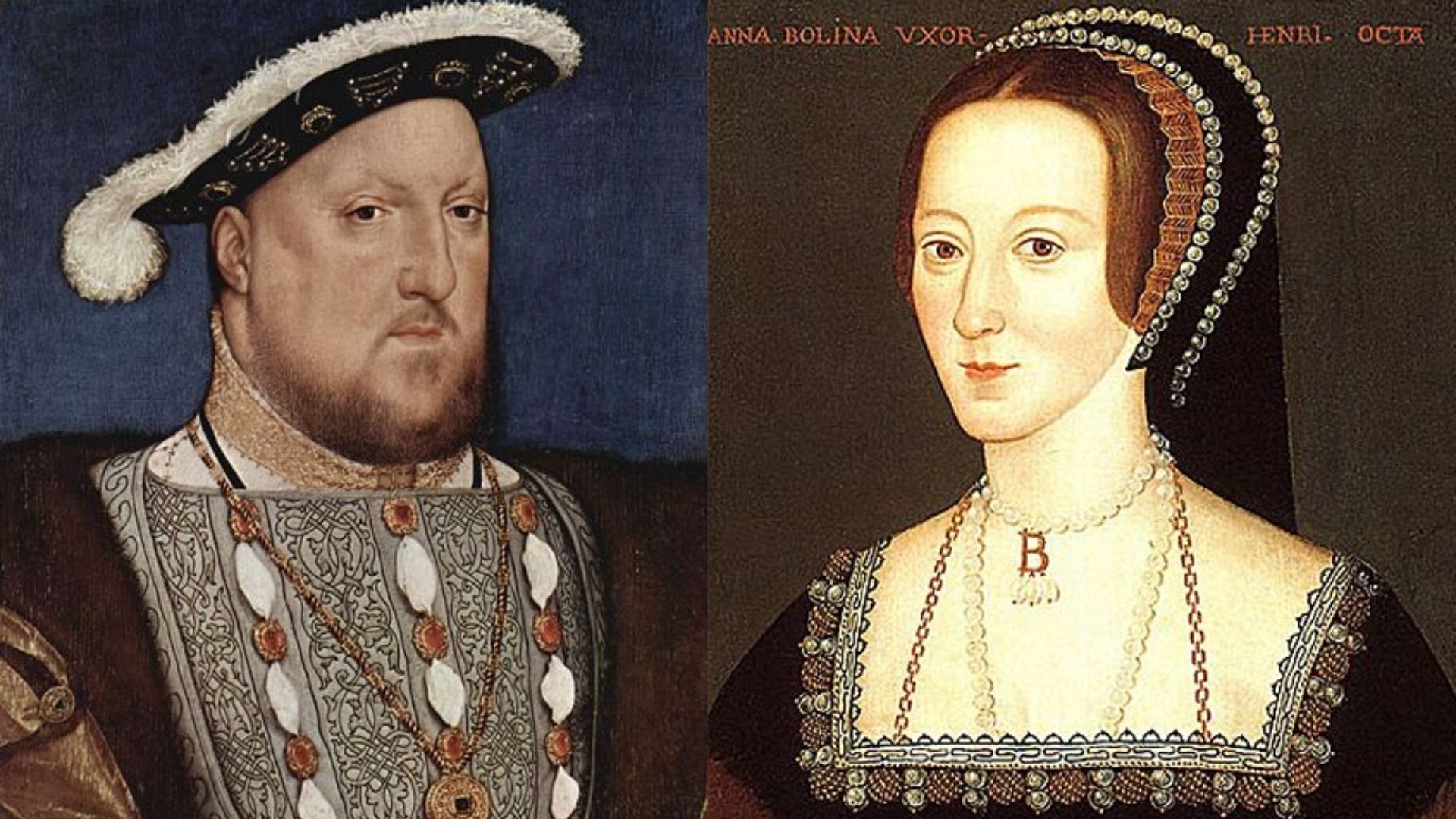
6. Henry VIII and Anne Boleyn
Henry VIII’s marriage to Anne Boleyn was not just a personal decision because it followed years of conflict over his first marriage. By marrying Anne and rejecting papal authority over the annulment, Henry turned a romantic and dynastic issue into a religious crisis.
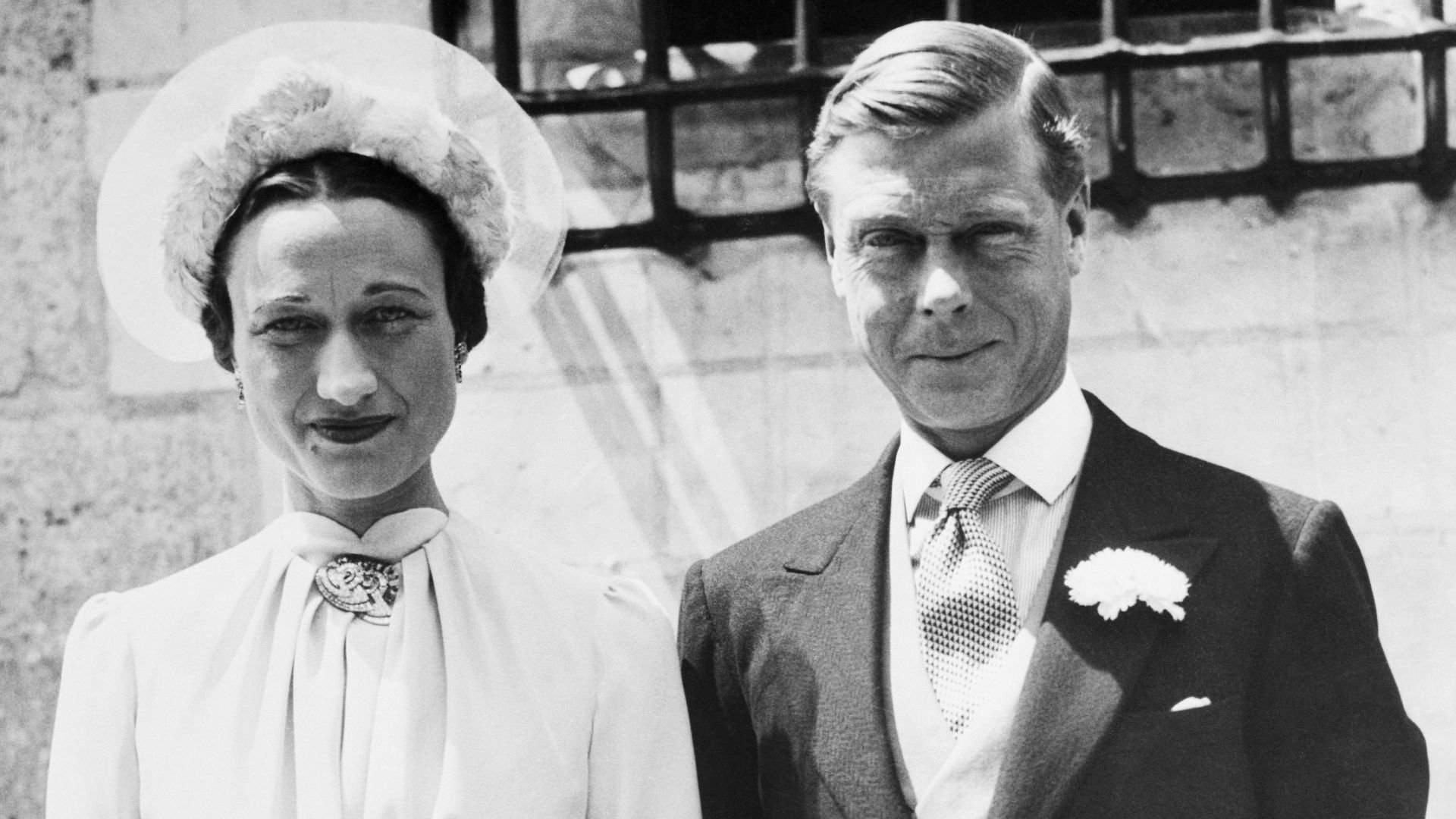
7. Edward VIII and Wallis Simpson
Edward VIII’s wish to marry Wallis Simpson caused a constitutional crisis because she was twice divorced and considered unacceptable as queen consort by many officials. He abdicated in December 1936, choosing marriage over the throne.
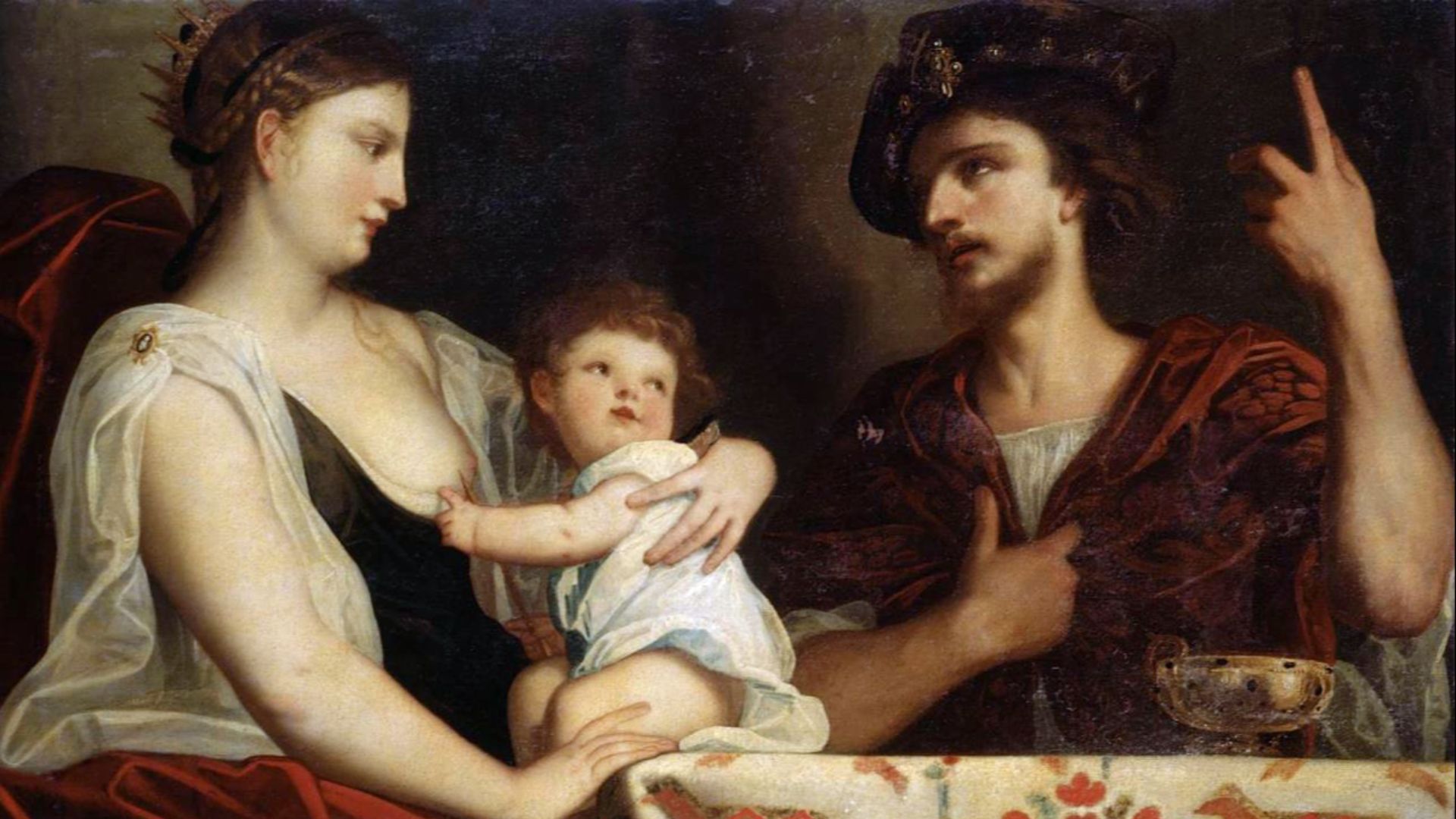
8. Alexander the Great and Roxana
Alexander’s marriage to Roxana around 327 BCE helped secure his position in Bactria, but it unsettled Macedonians who already felt he was adopting foreign customs. The match blurred the lines between conquest, alliance, and court identity.
 Alessandro Varotari (Padovanino) (1588-1648) on Wikimedia
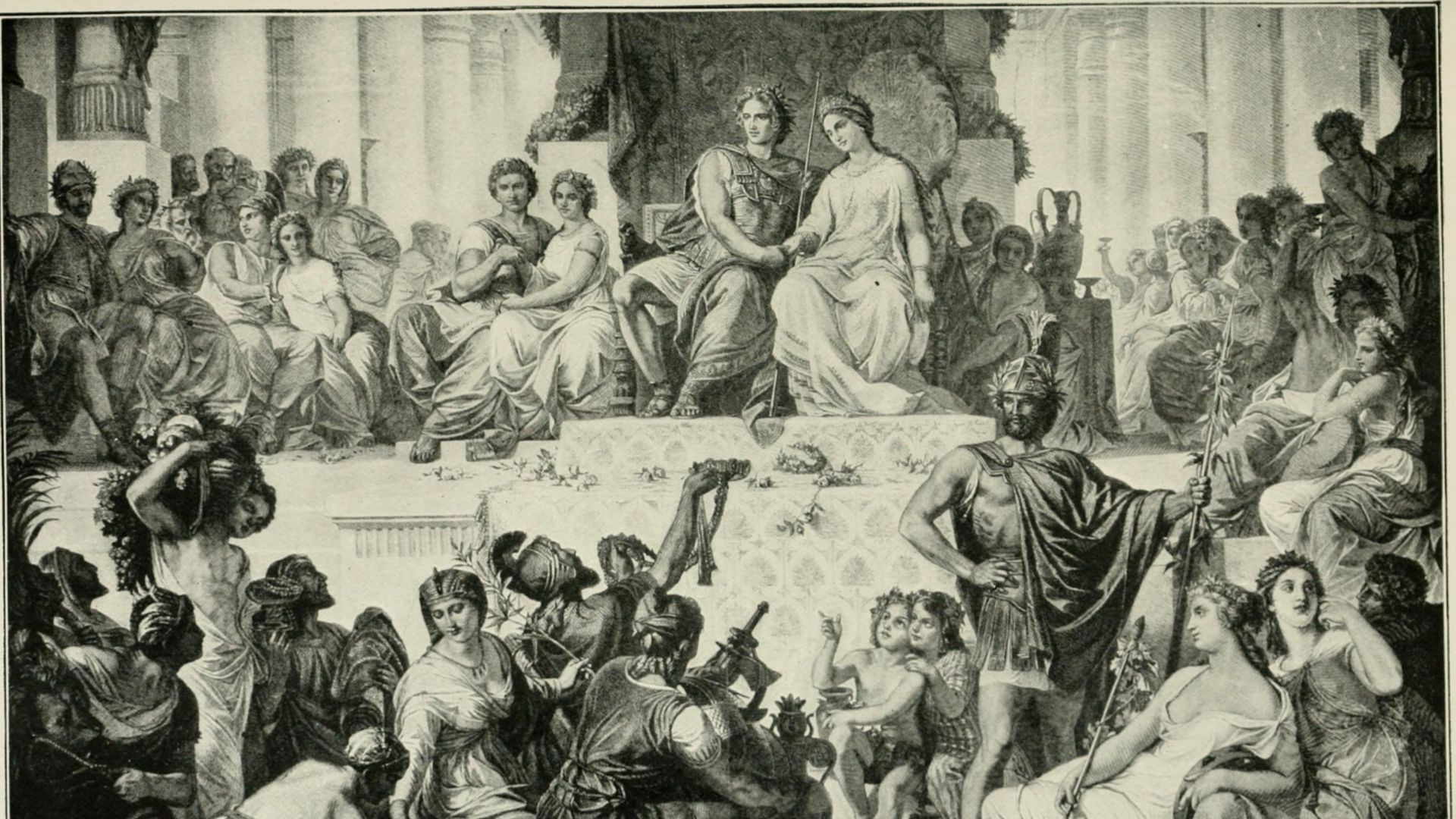
9. Alexander the Great and Stateira
The Susa weddings in 324 BCE were a mass ceremony meant to fuse Macedonian and Persian elites through marriage. Alexander married Stateira, daughter of Darius III, while many officers were paired with Persian noblewomen. The event created resentment among Macedonians who saw it as forced cultural blending rather than ordinary diplomacy.
 Ellis, Edward Sylvester, 1840-1916; Horne, Charles F. (Charles Francis), 1870-1942 on Wikimedia
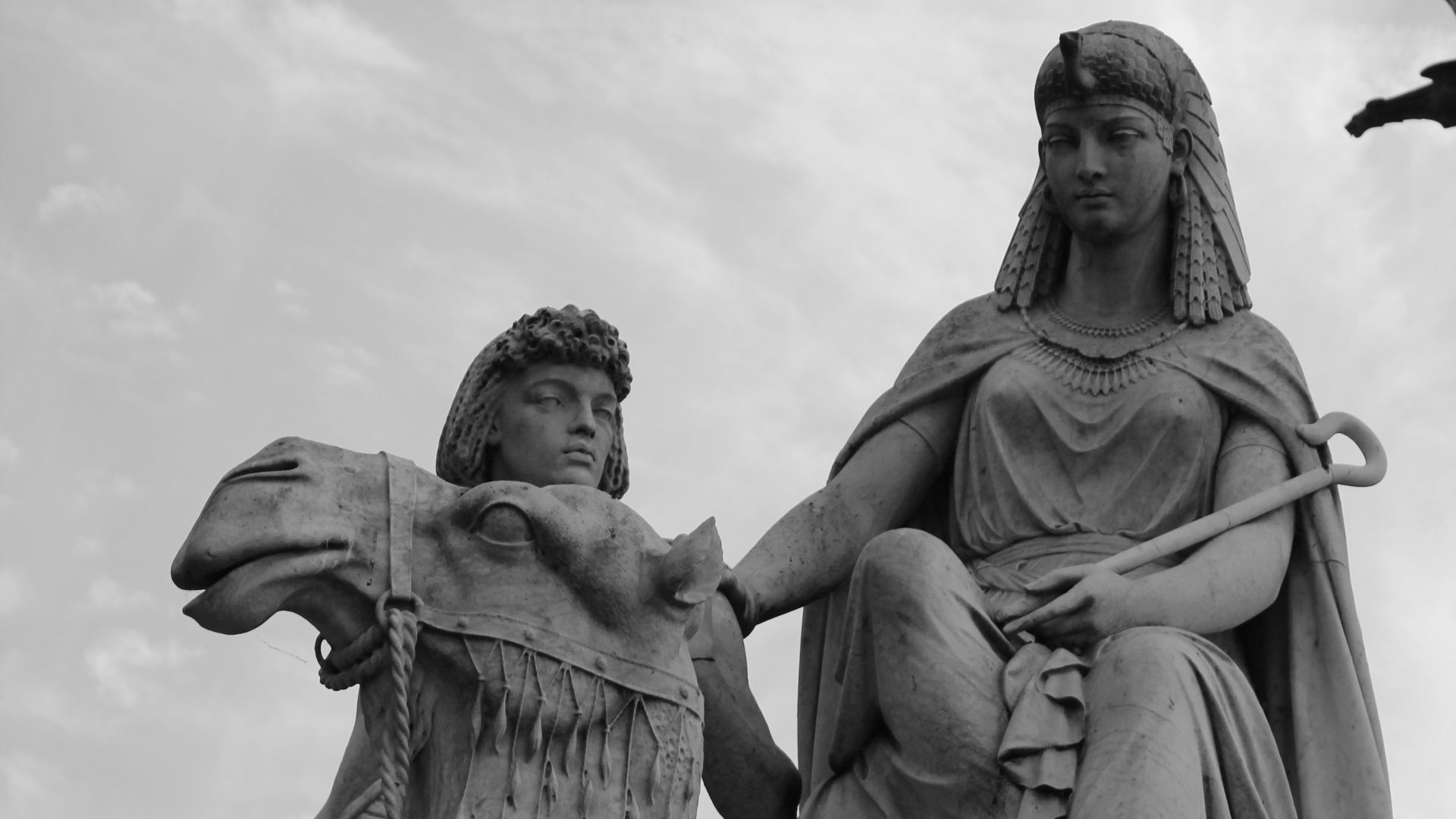
10. Philip II of Macedon and Cleopatra Eurydice
Philip II’s marriage to Cleopatra Eurydice created a succession problem because she was Macedonian and could produce a fully Macedonian heir. The wedding feast reportedly turned ugly, and the family conflict fed dangerous instability at the Macedonian court.
 Amir Arsalan Shamsabadi on Unsplash
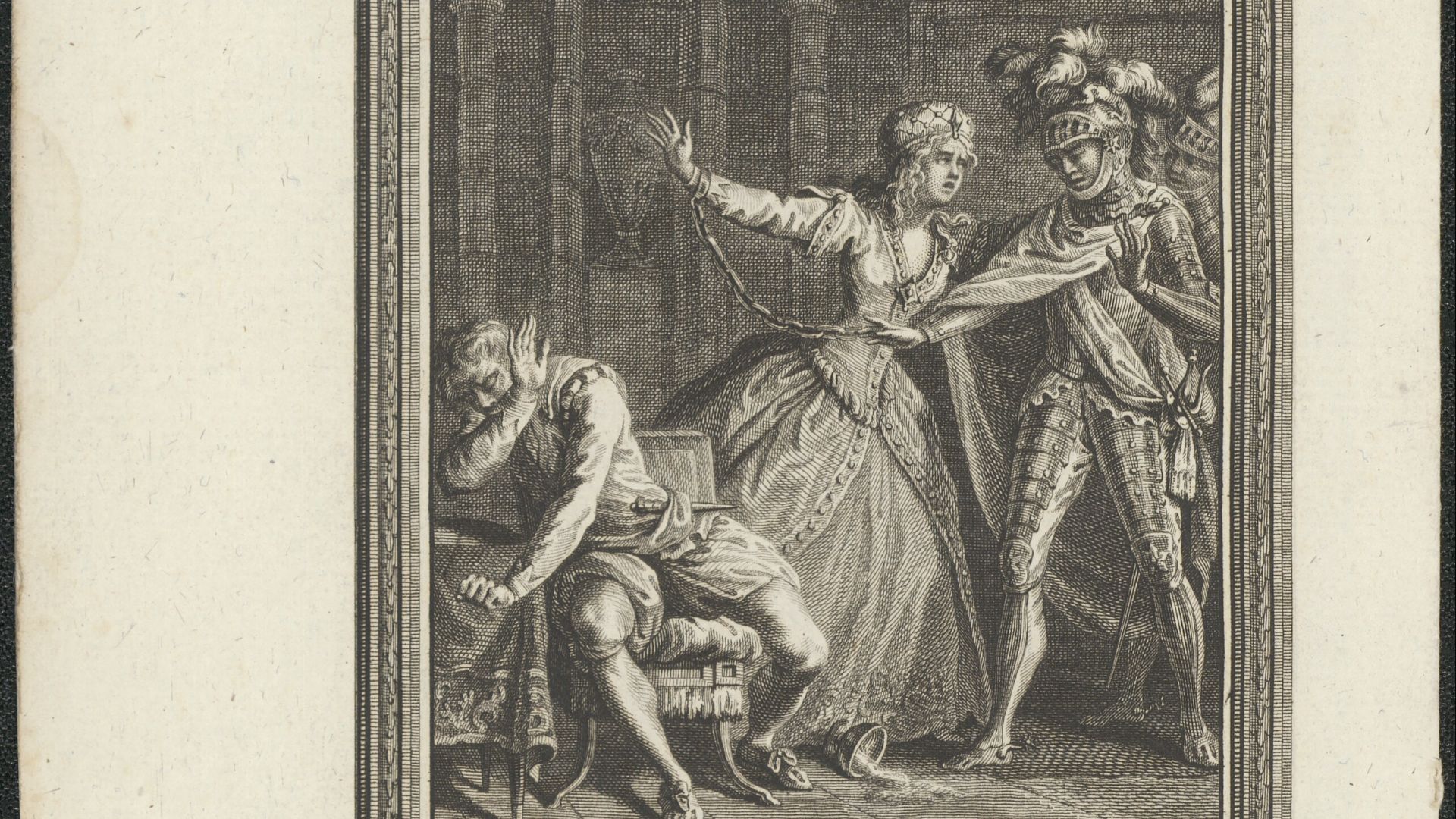
11. Pedro I of Castile and Blanche of Bourbon
Pedro I’s 1353 marriage to Blanche of Bourbon was arranged to strengthen ties with France, but he abandoned her almost immediately. What should have been a stabilizing ceremony instead became another reason opponents questioned his judgment.
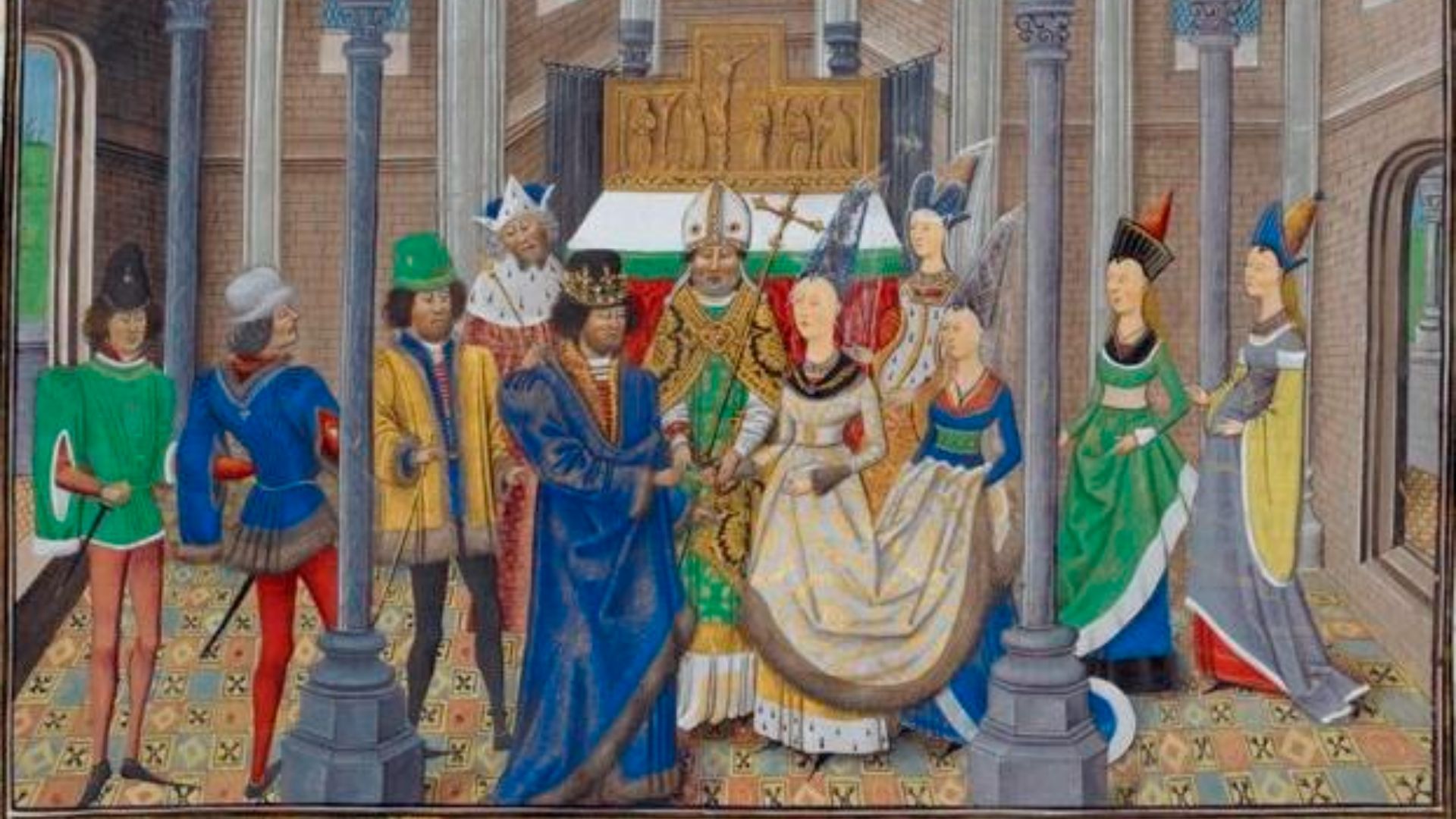
12. João I of Portugal and Philippa of Lancaster
This 1387 wedding helped cement the Anglo-Portuguese alliance, but it also carried consequences for Iberian politics. The ceremony strengthened one side of a regional power struggle, which made it politically loaded from the start.
 Jean d'Wavrin (Chronique d'Angleterre) on Wikimedia
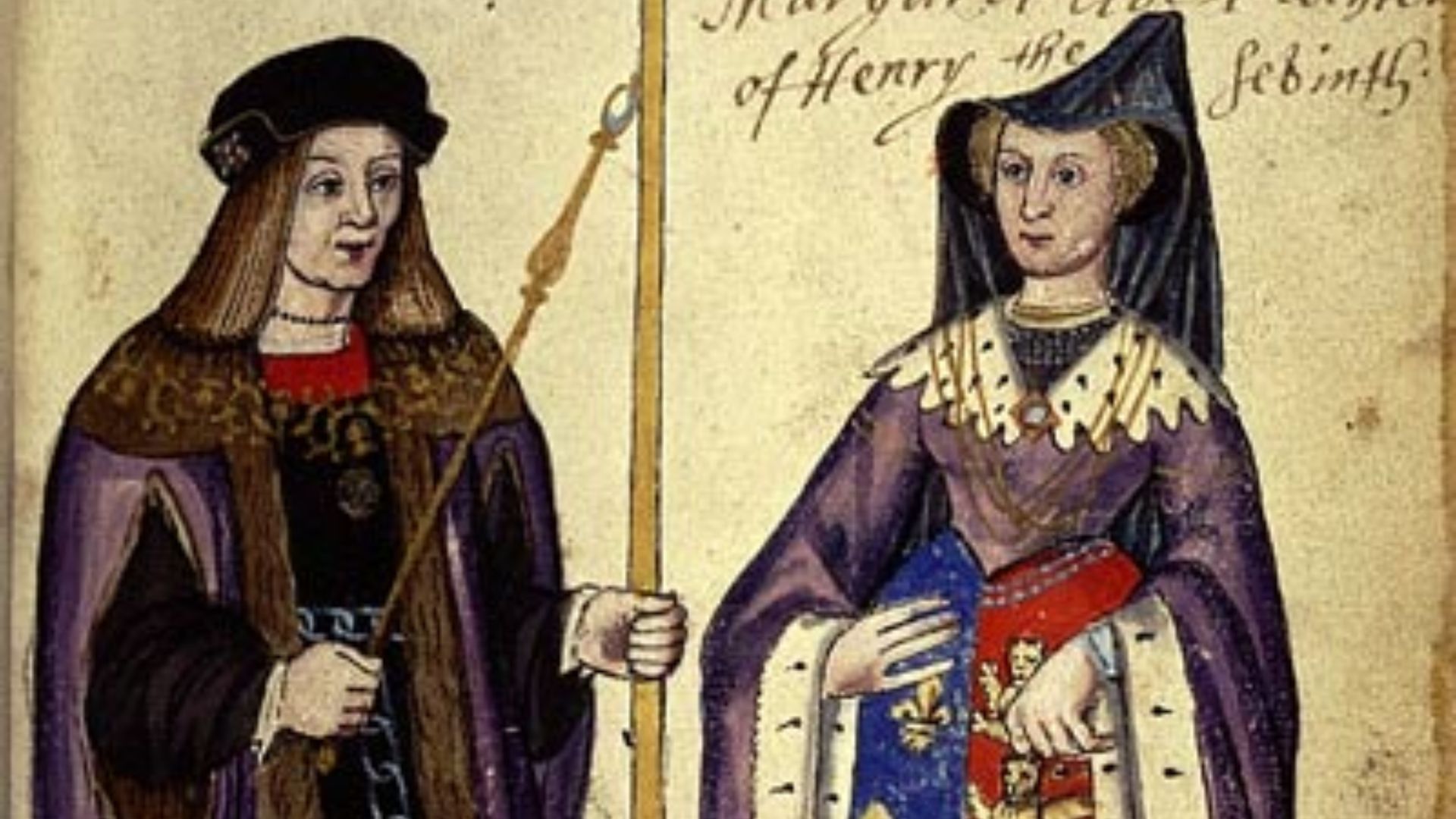
13. James IV of Scotland and Margaret Tudor
James IV’s 1503 marriage to Margaret Tudor was meant to create peace between Scotland and England. The wedding created dynastic possibilities that later became politically explosive when succession questions returned.
14. Louis XII and Anne of Brittany
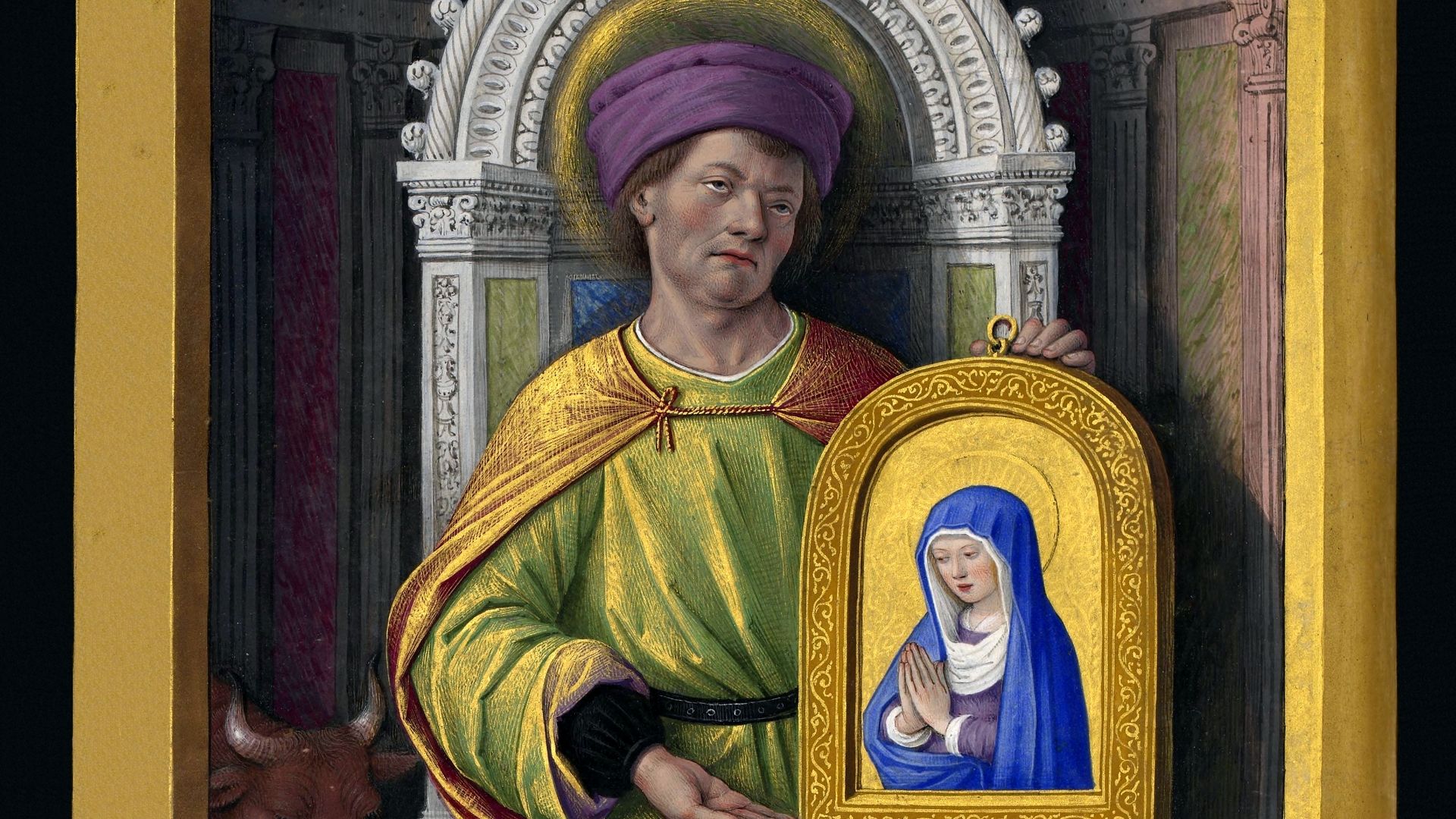
Louis XII married Anne of Brittany in 1499 after arranging an annulment from his first wife, which made the ceremony a legal and diplomatic event. The wedding strengthened French control and worried anyone who wanted Brittany’s independence to be protected.
15. Charles VIII and Anne of Brittany
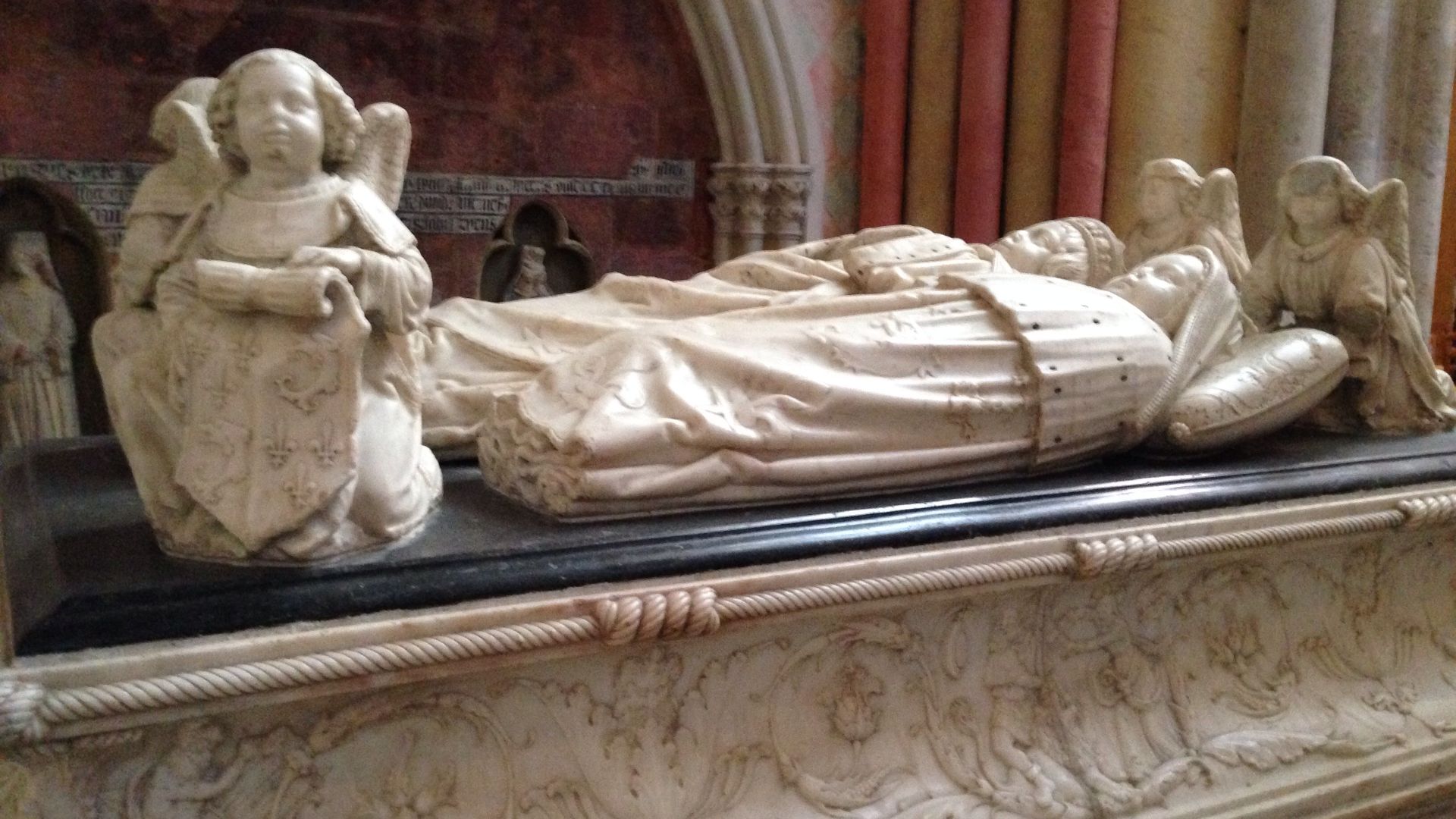
Before Anne married Louis XII, she married Charles VIII of France in 1491 under heavy political pressure. That change angered the Habsburgs and altered European diplomacy because the marriage had changed the balance of influence.
 Maldoror des Esseintes on Wikimedia
16. Catherine de’ Medici and Henry II of France
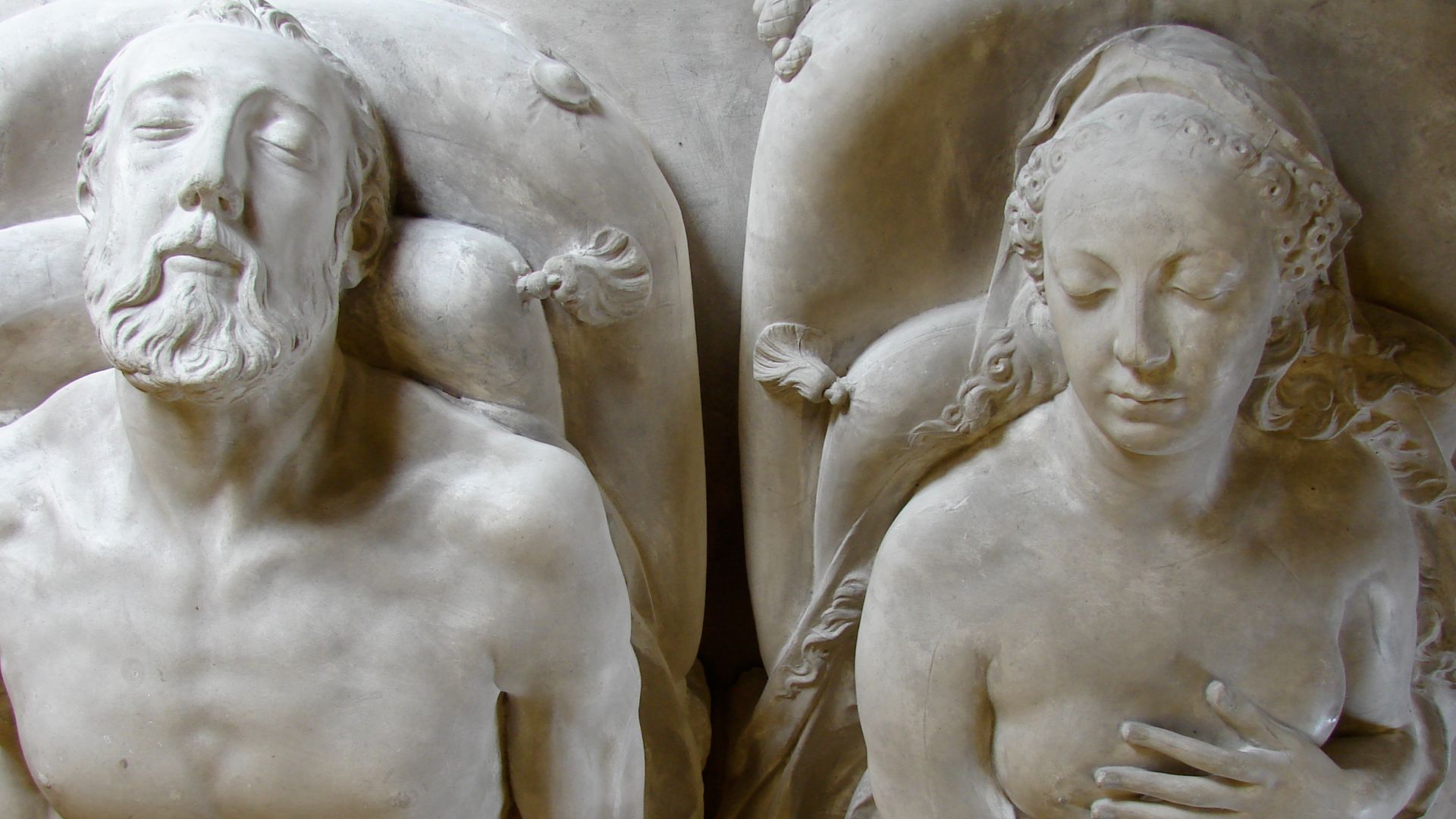
Catherine’s 1533 marriage to the future Henry II linked France with the powerful Medici family and papal politics. Later religious conflict in France made Catherine’s position even more politically charged.
17. Philip II of Spain and Elisabeth of Valois
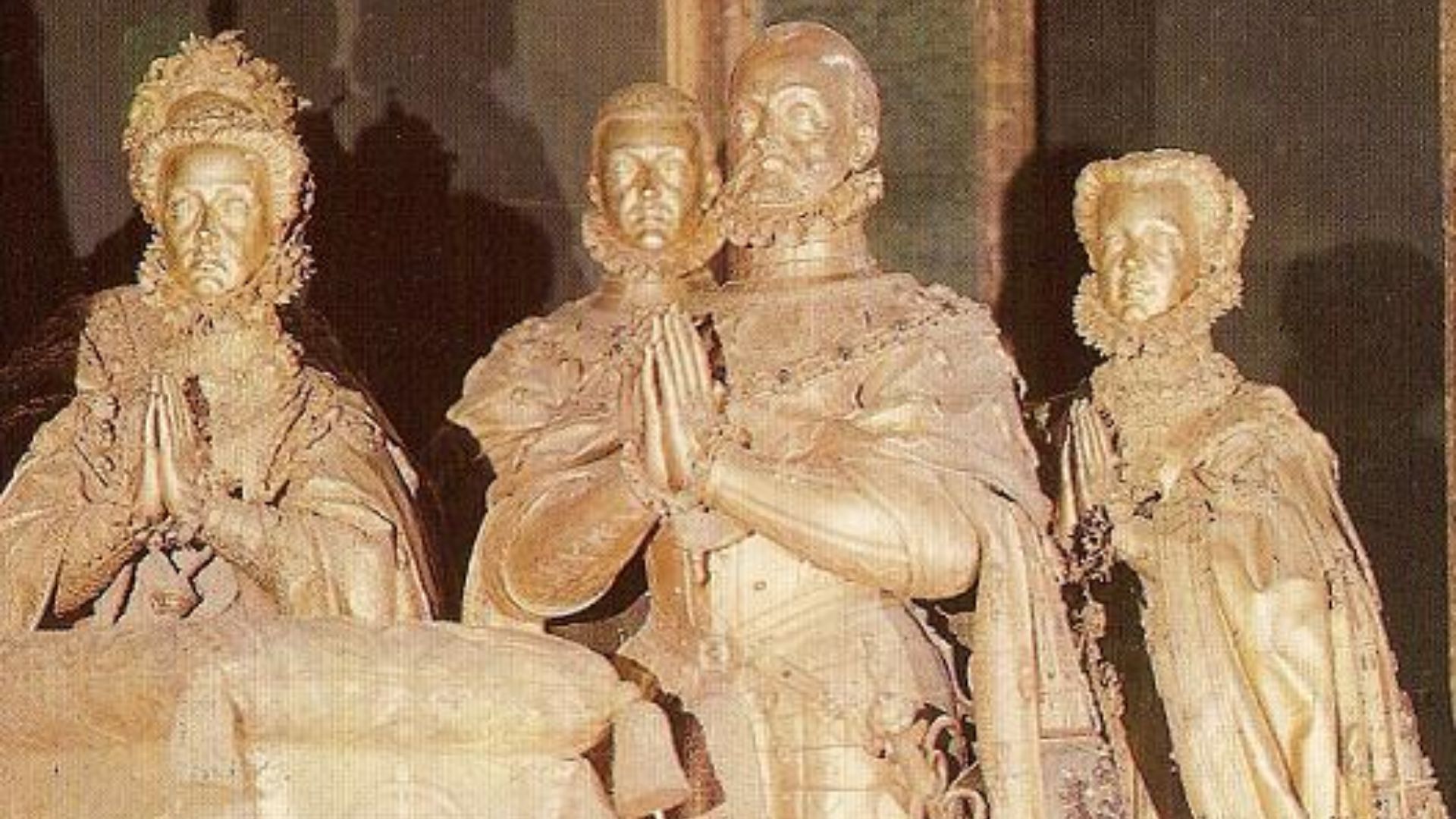
Philip II’s 1559 marriage to Elisabeth of Valois helped confirm peace between Spain and France after decades of war. When peace depended so visibly on a marriage, any shift in family politics created a state concern.
18. Napoleon and Marie Louise of Austria
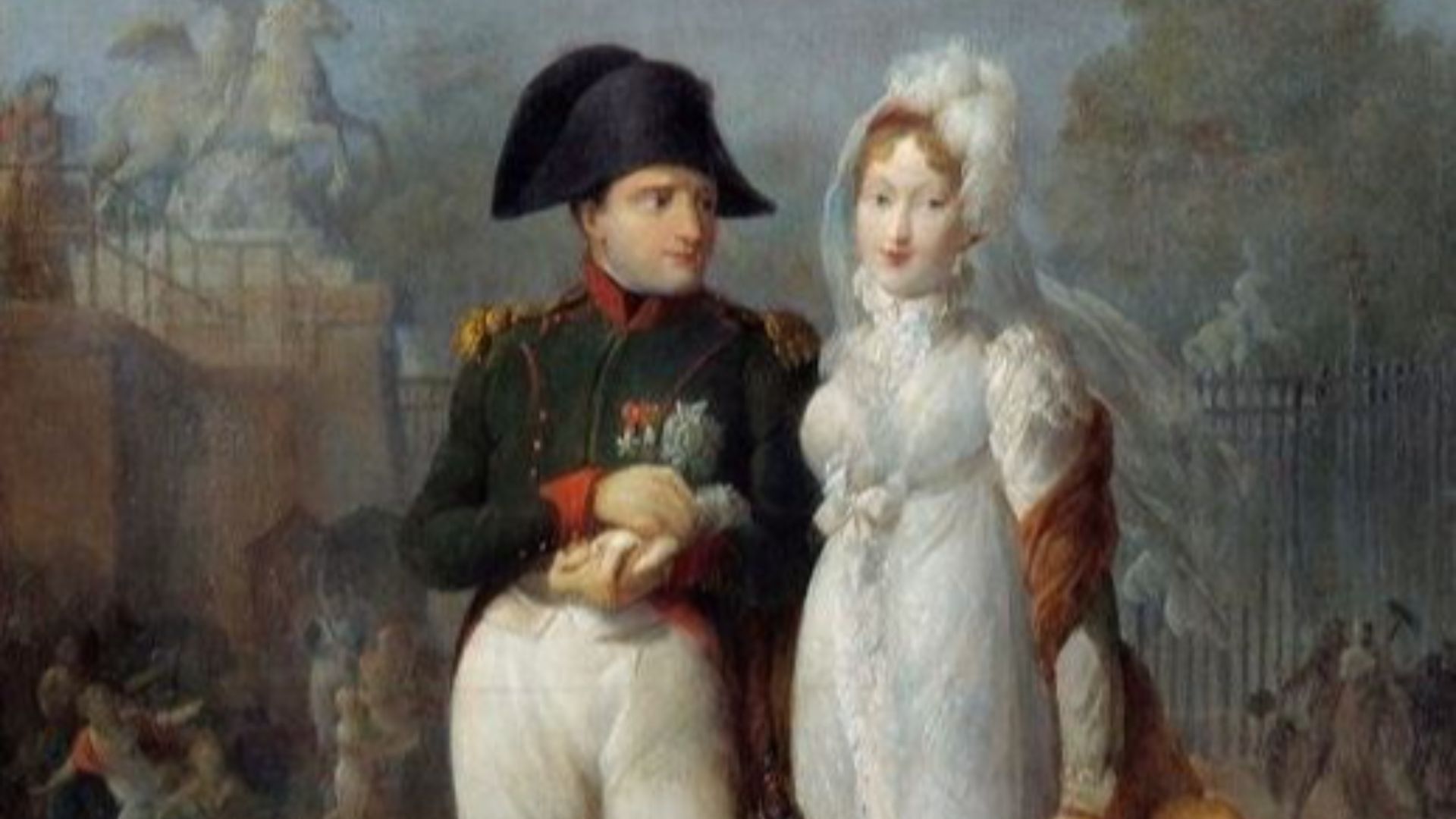
Napoleon’s 1810 marriage to Marie Louise of Austria was meant to give his empire dynastic legitimacy and connect him to one of Europe’s oldest royal houses. Across Europe, the wedding signaled that Napoleon wanted acceptance from the very dynasties he had challenged.
 Anonymous 19th century French painter on Wikimedia
19. Alfonso XIII of Spain and Victoria Eugenie of Battenberg
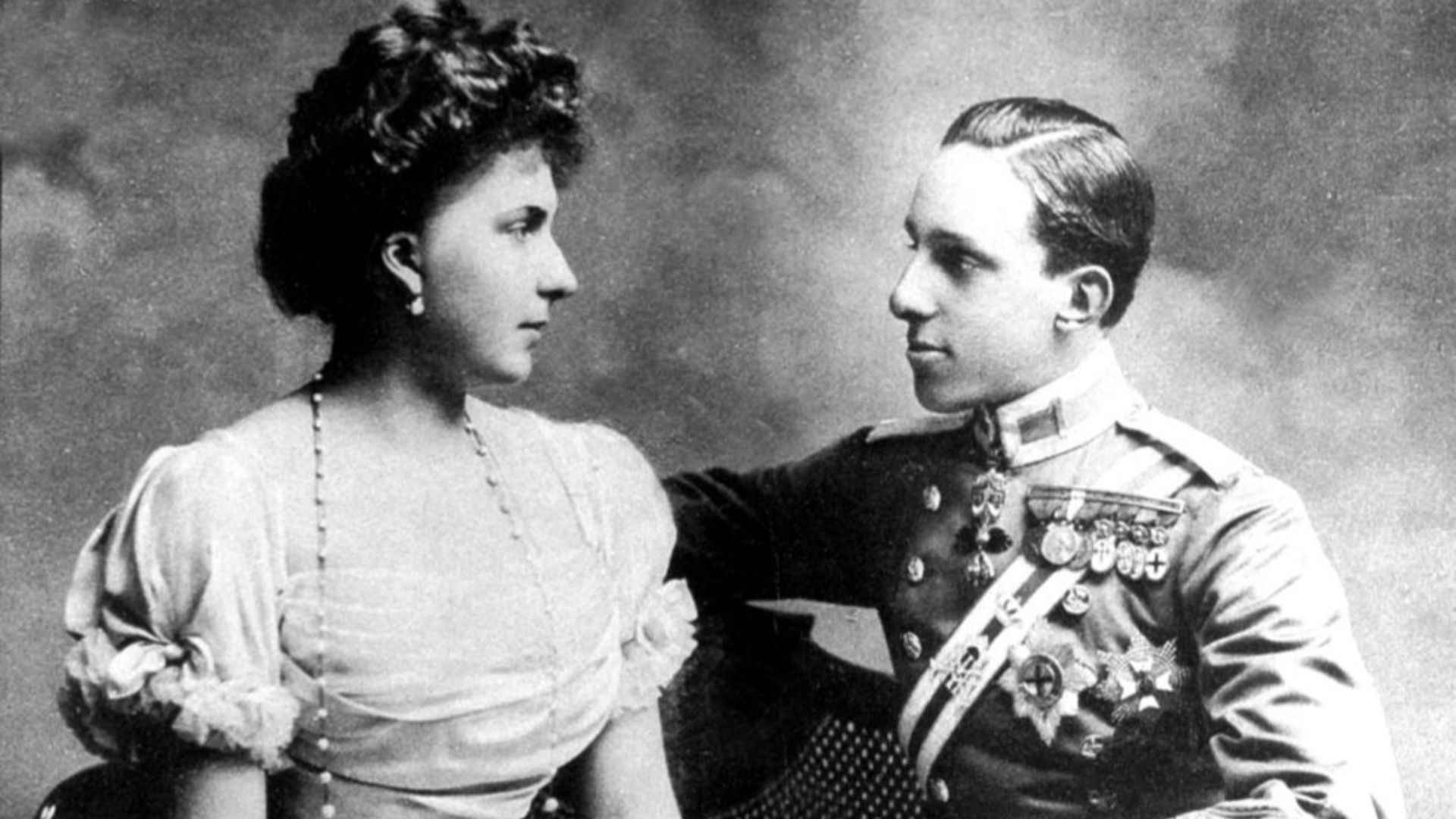
Alfonso XIII’s 1906 wedding to Victoria Eugenie was marred by an assassination attempt during the procession in Madrid. The king and queen survived, but many bystanders were killed or injured, turning a royal celebration into a national shock.
 Unknown authorUnknown author on Wikimedia
20. Crown Prince Naruhito and Masako Owada
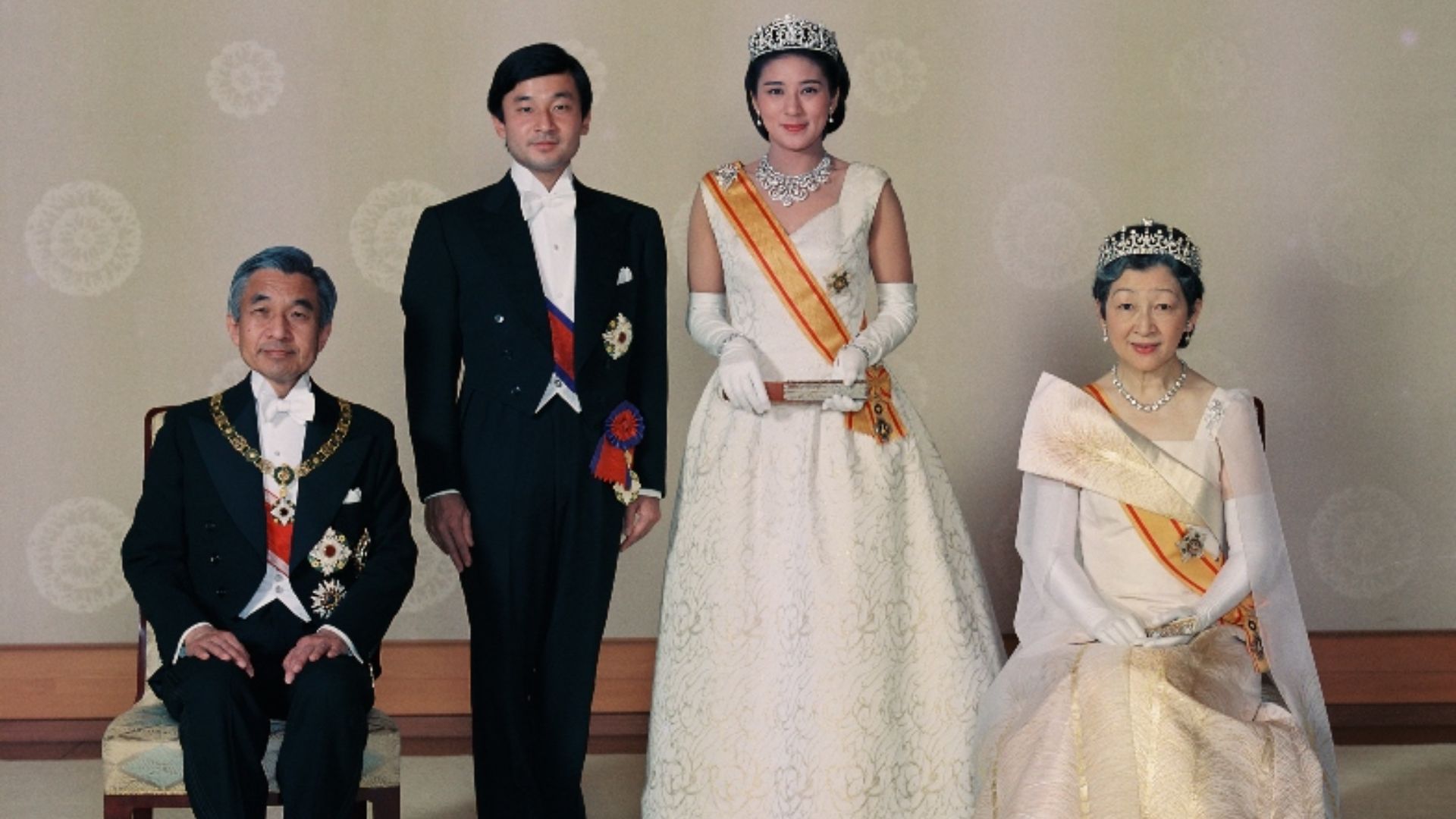
Naruhito and Masako’s 1993 wedding in Japan drew intense public attention because Masako was a Harvard-educated diplomat entering a highly traditional imperial household. Over time, scrutiny around succession and court expectations made the marriage a focal point for wider institutional pressure.
KEEP ON READING