Forgotten, Miscredited, and Finally Remembered
History has a bad habit of turning women into footnotes, especially when their work made powerful men look better. But history was never particularly kind to women, and it was crueler still to those who actually tried to make an impactful mark. Some were scientists whose discoveries helped change medicine. Others were writers, artists, and inventors whose names were pushed aside. You don’t have to dig very far to see the pattern, but the good news is that many of these stories are finally getting dragged back into the light—here are just 20 of them.
 Carnegie Institution of Washington. Restored by Adam Cuerden. on Wikimedia
1. Sanora Babb
Sanora Babb worked with migrant families in California during the Dust Bowl, taking extensive notes while she shaped those experiences into a novel she was working on, Whose Names Are Unknown. Her supervisor, Tom Collins, shared her field notes with John Steinbeck, and later scholars have pointed to similarities between Babb’s work and The Grapes of Wrath (though the jury’s still debating plagiarism vs. inspiration). Random House eventually accepted Babb’s novel, but after Steinbeck’s 1939 sensation, her publisher shelved it until 2004.
2. Rosalind Franklin
Rosalind Franklin’s X-ray image, known as Photo 51, gave legitimate evidence for DNA’s double-helix structure. But who were the ones attached to it? James Watson and Francis Crick; she was pushed aside because her data reached them without her permission. The public version of the discovery made them the faces of the work, and Franklin’s role was minimized for years after her death in 1958.
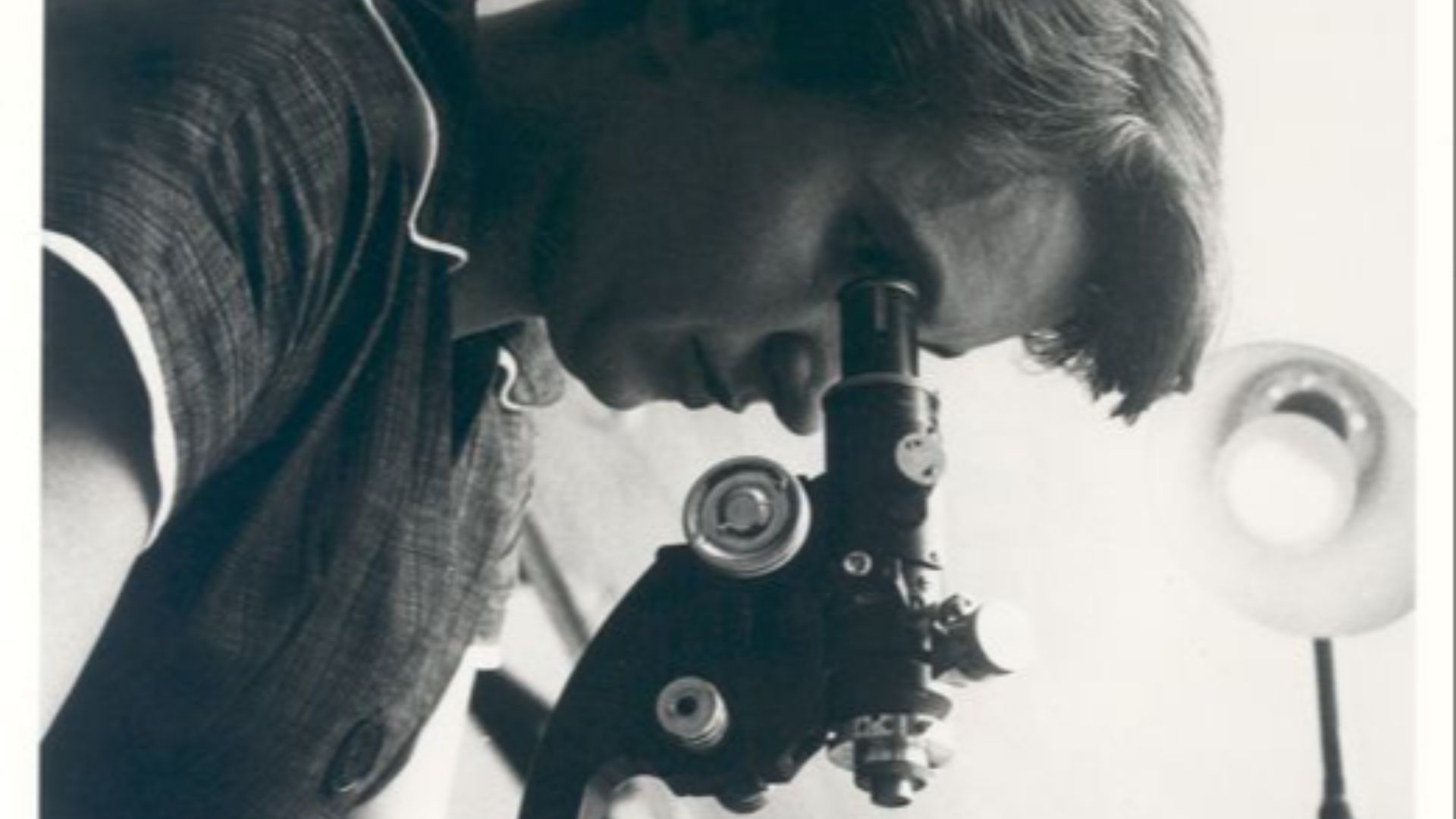 MRC Laboratory of Molecular Biology on Wikimedia
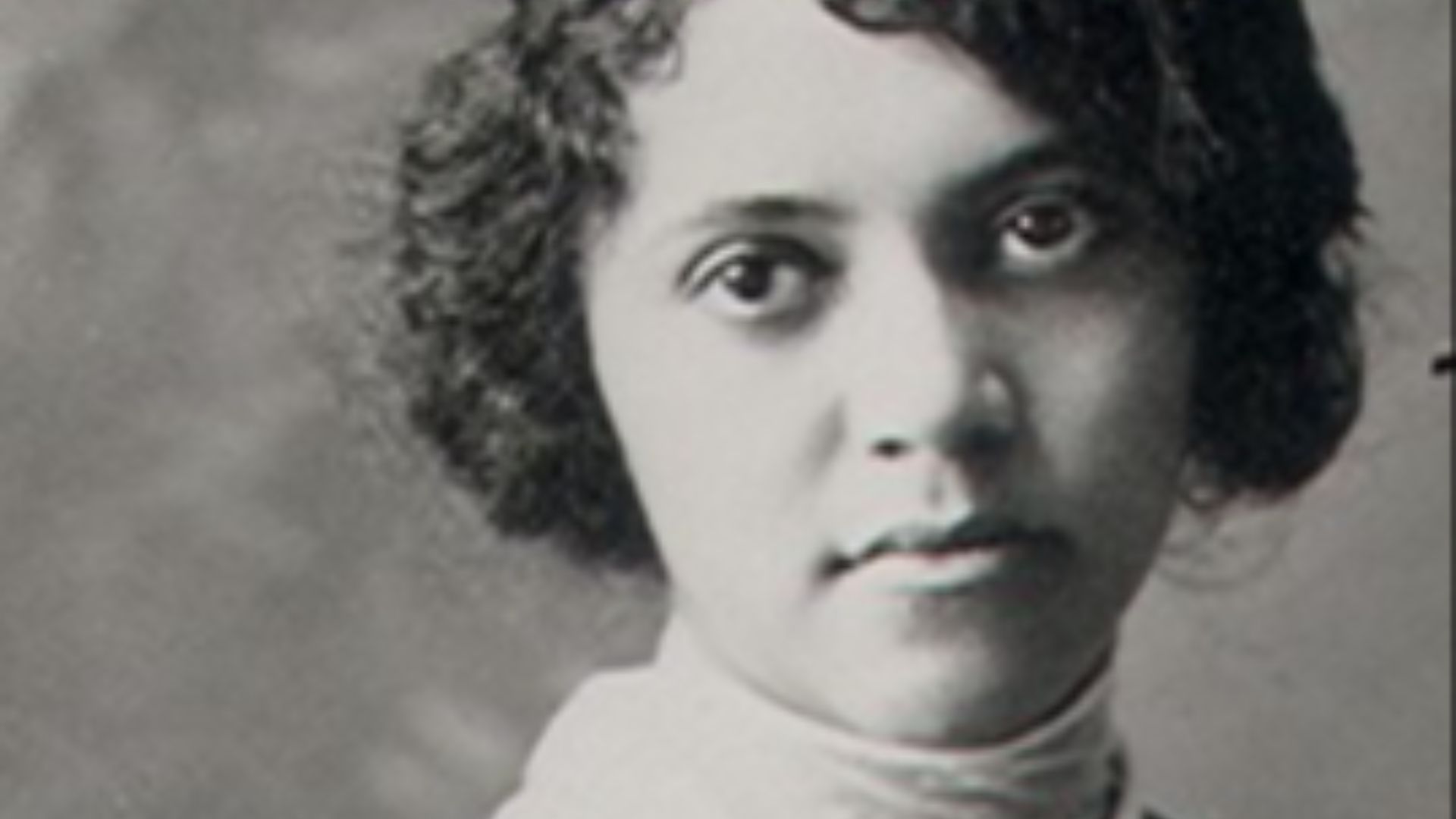
3. Alice Ball
Alice Ball developed an injectable chaulmoogra oil treatment for Hansen’s disease, and she did it all while working in Hawaii in the early 1900s. She passed at the tender age of 24 in 1916, and Arthur Dean continued the work, publishing the method without properly crediting her. For years, the treatment was associated with him, even though the real breakthrough came from Ball’s chemistry.
4. Lise Meitner
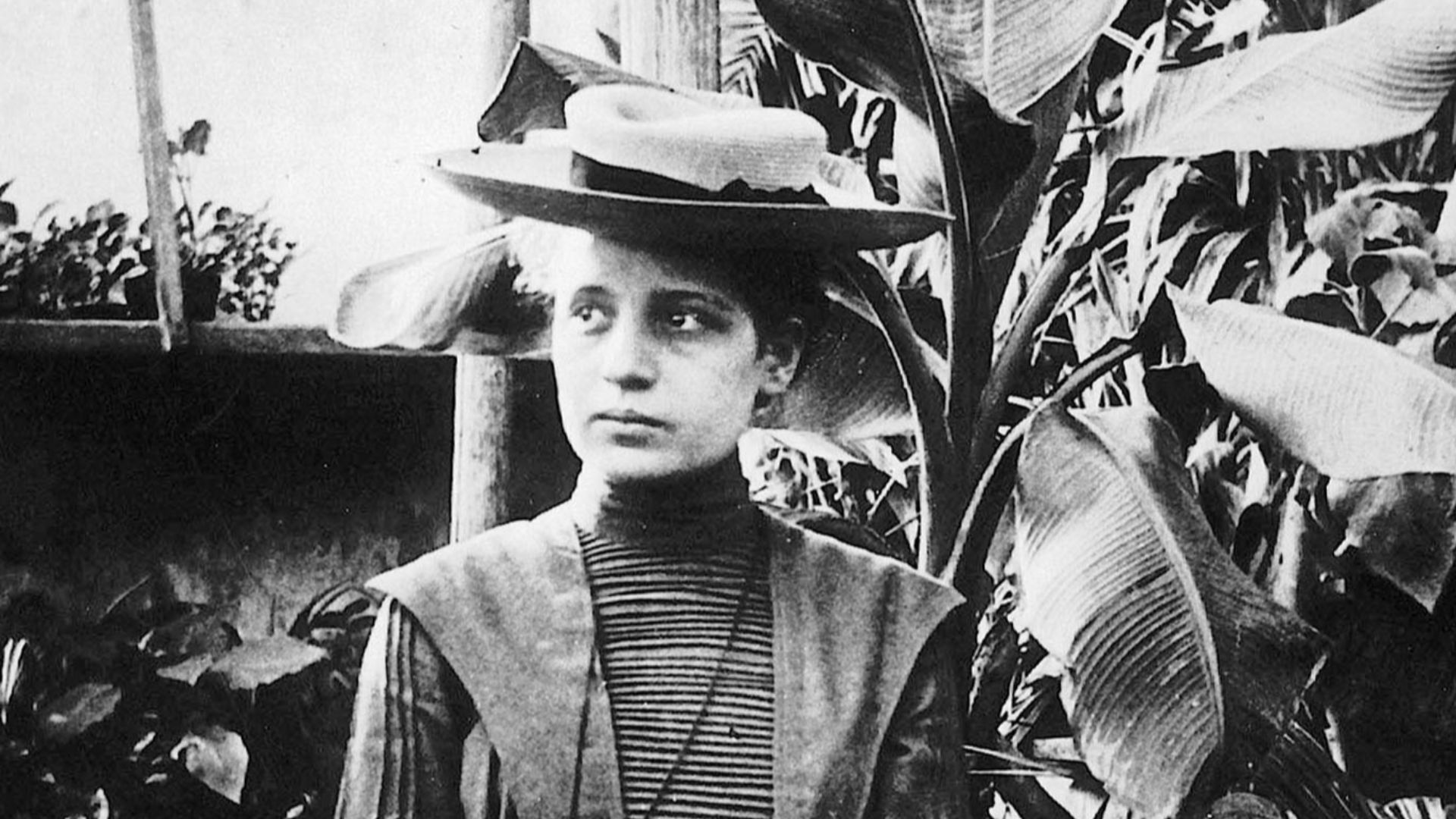
After fleeing Nazi Germany in 1938, Lise Meitner helped explain nuclear fission, working through the problem with her nephew Otto Frisch. However, Hahn was the one who received the 1944 Nobel Prize in Chemistry. She didn’t disappear completely, but the record made her and her work look much smaller than they were.
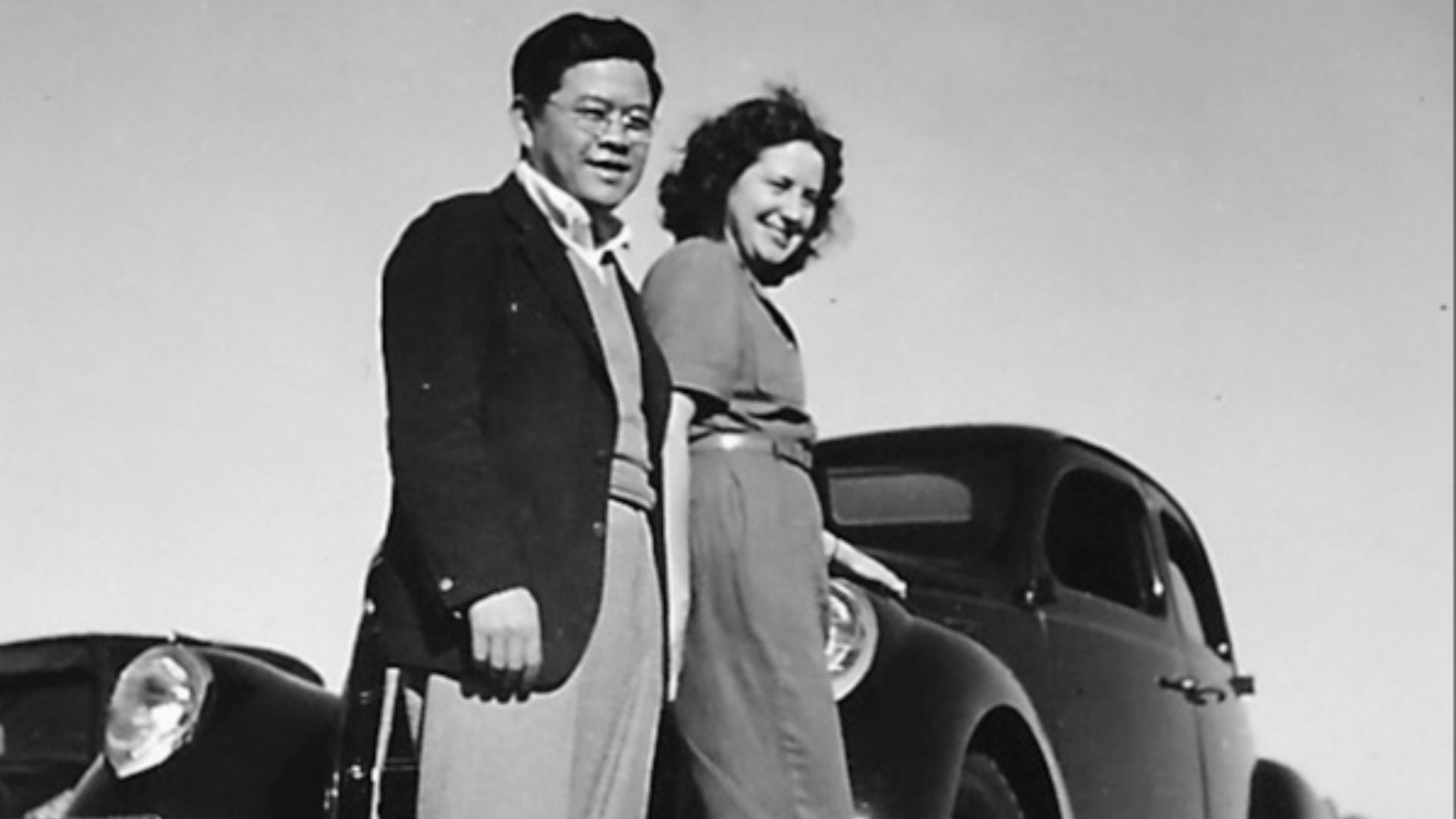
5. Chien-Shiung Wu
Chien-Shiung Wu not only designed but also carried out the 1956 experiment that proved parity wasn’t conserved in weak nuclear interactions. Nevertheless, the Nobel Prize went to Tsung-Dao Lee and Chen-Ning Yang, the theorists who proposed the idea. Wu’s experiment, on the other hand, was treated as confirmation instead of a breakthrough.
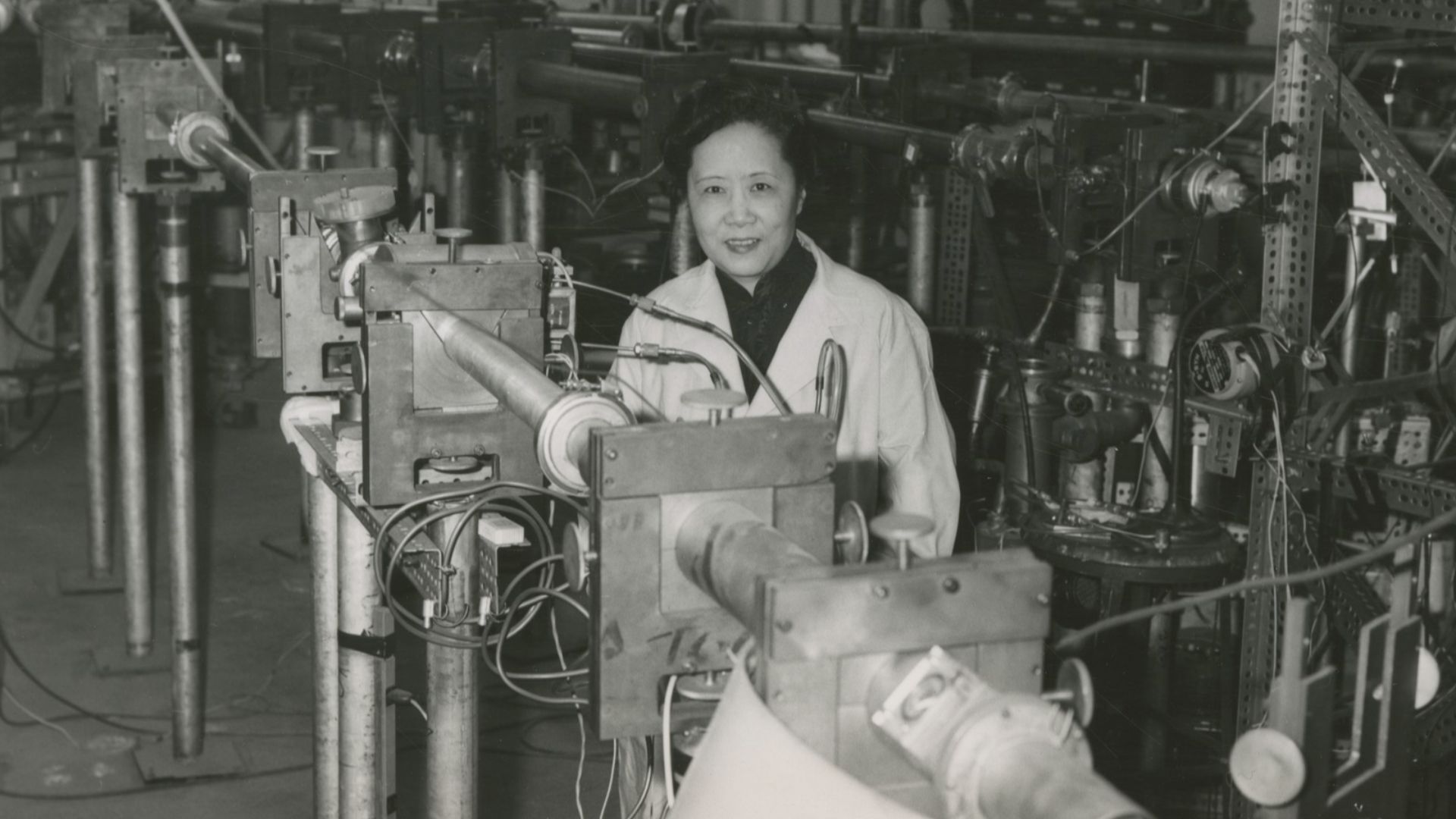 Smithsonian Institution on Wikimedia
6. Jocelyn Bell Burnell
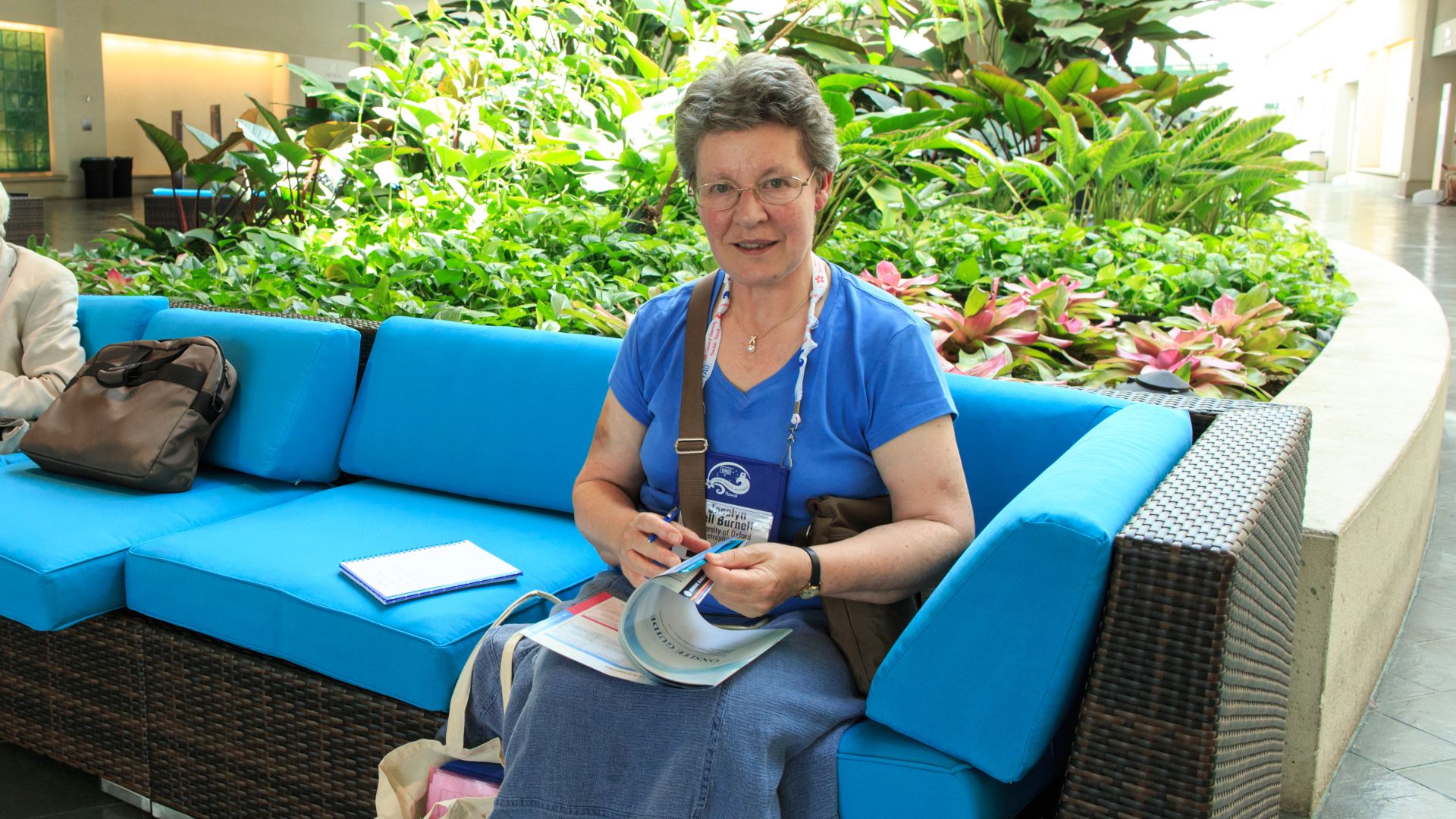
Jocelyn Bell Burnell was only a graduate student in 1967 when she noticed the radio signals that led to the discovery of pulsars. In the end, though, her supervisor and senior scientist Antony Hewish shared the 1974 Nobel Prize in Physics, but Bell Burnell wasn’t included.
 IAU/B. Tafreshi (twanight.org) /B. Tafreshi on Wikimedia
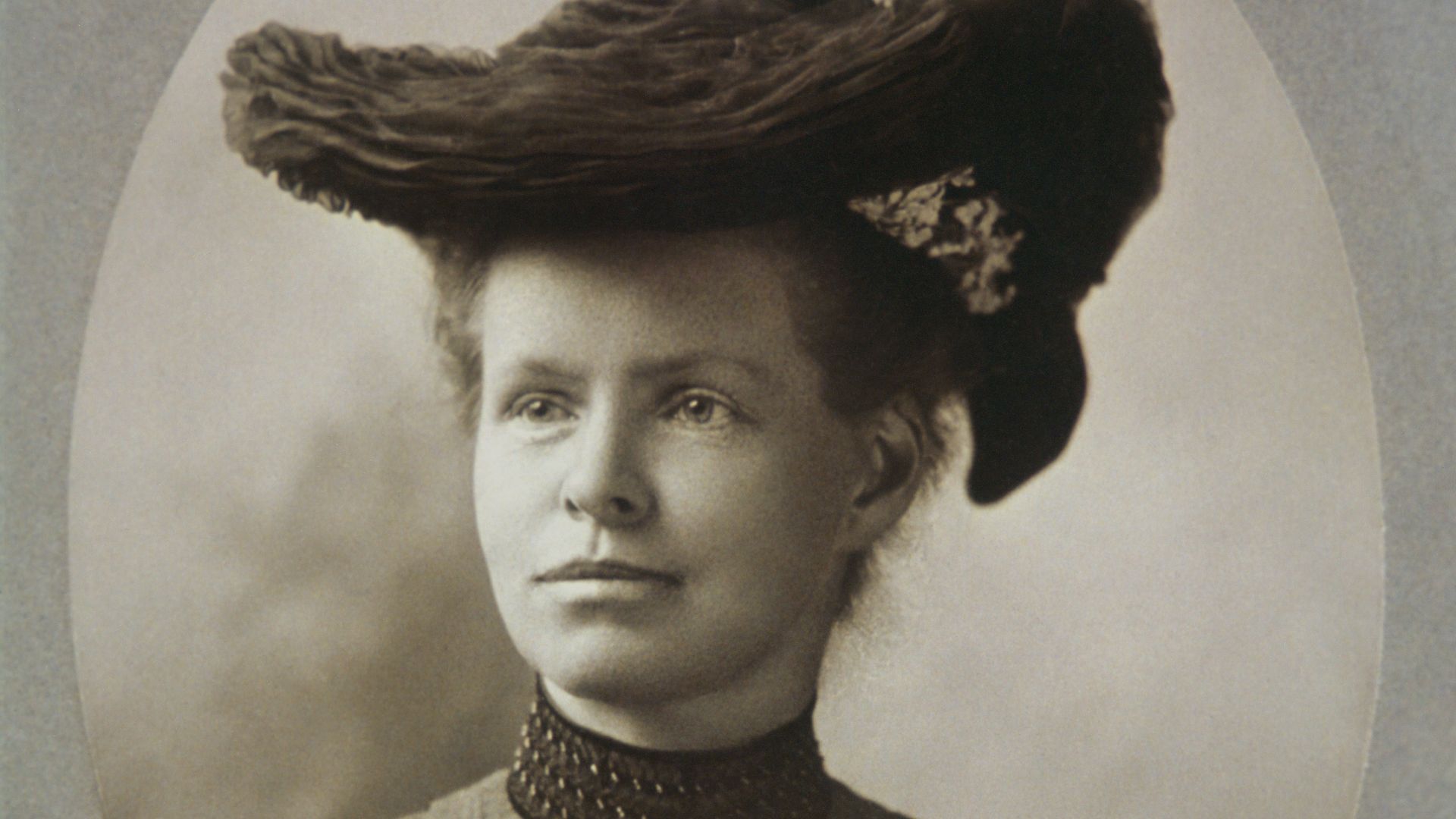
7. Nettie Stevens
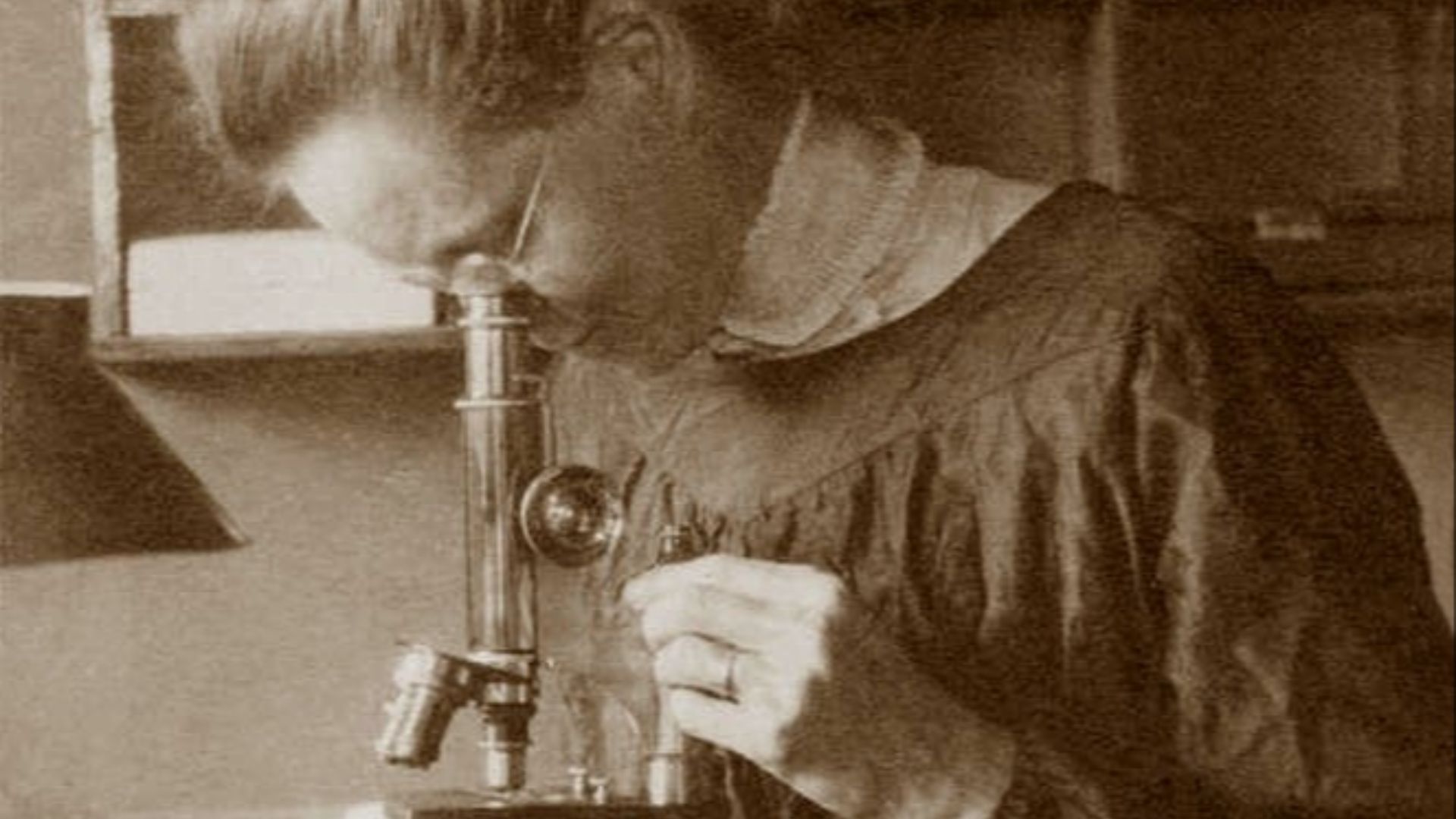
You can’t say women weren’t making moves in the 1900s. Nettie Stevens showed in 1905 that sex is determined by chromosomes, but Edmund Beecher Wilson published similar research around the same time. Sure enough, he became more widely associated with the discovery.
 Bryn Mawr College Special Collections on Wikimedia
8. Elizabeth Magie
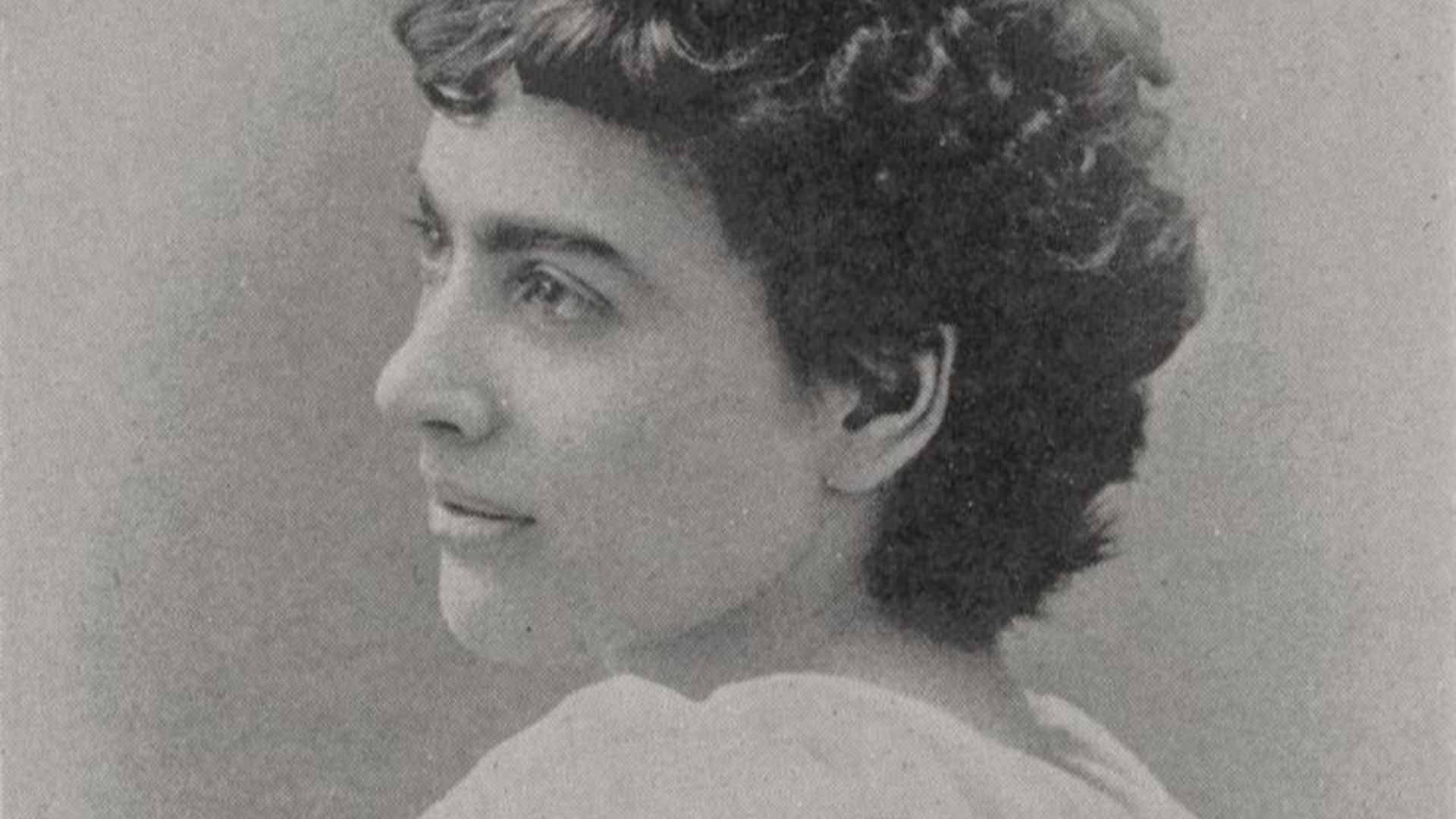
What we know as Monopoly actually started as The Landlord’s Game in 1904, a game Elizabeth Magie patented to criticize said monopolies and dissect economic inequality. Decades later, Charles Darrow was widely promoted as the creator of Monopoly, even though the famous game grew out of Magie’s ideas. She did receive a few payments from Parker Brothers, but history all but forgot her.
 Unknown photographer on Wikimedia
9. Colette
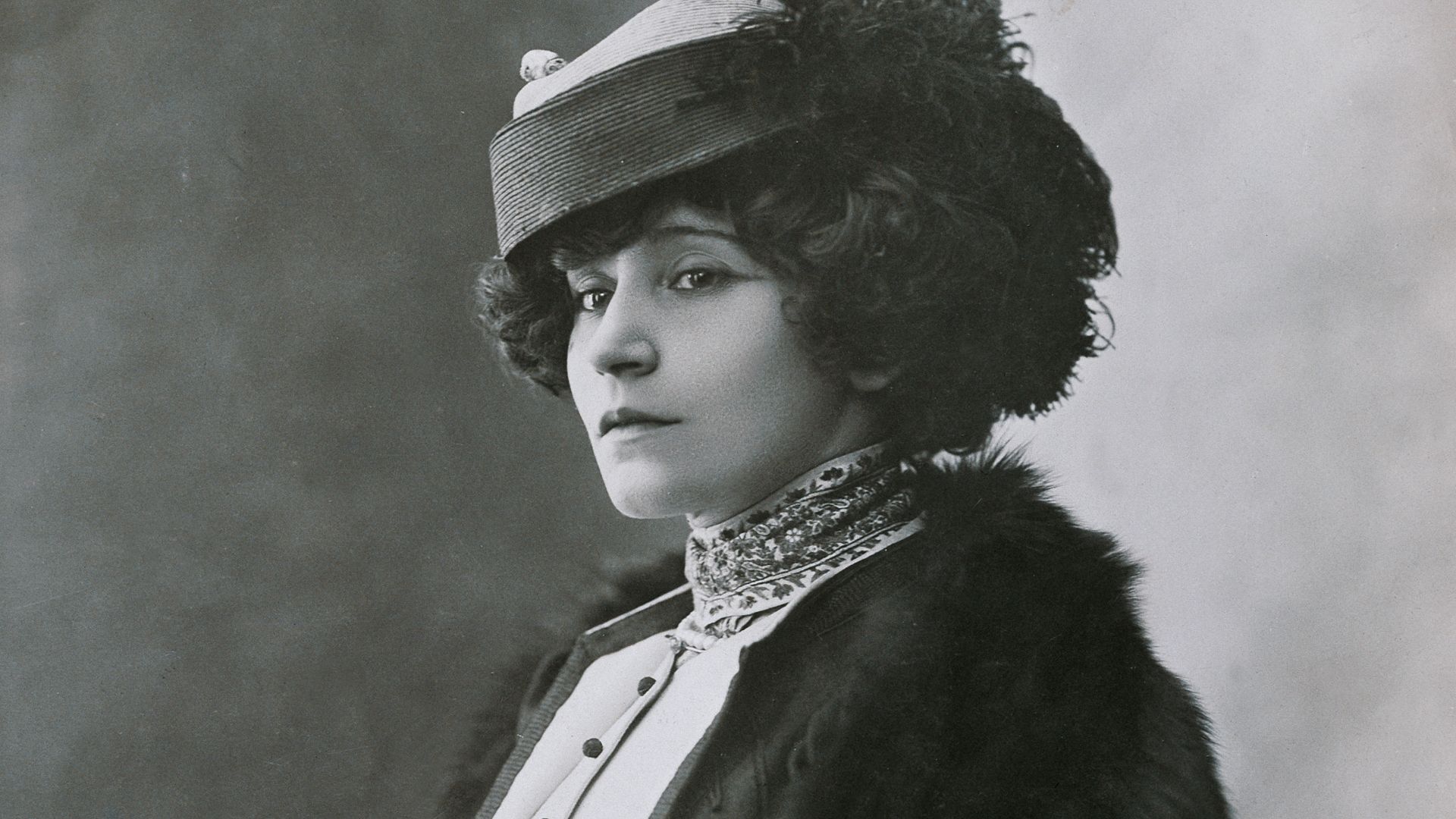
Before Colette became one of France’s great literary figures, her early Claudine novels were actually published under her husband’s name. Willy was already known for using ghostwriters, and Colette’s talent further helped build his standing. Thankfully, she did eventually create a career under her own name.
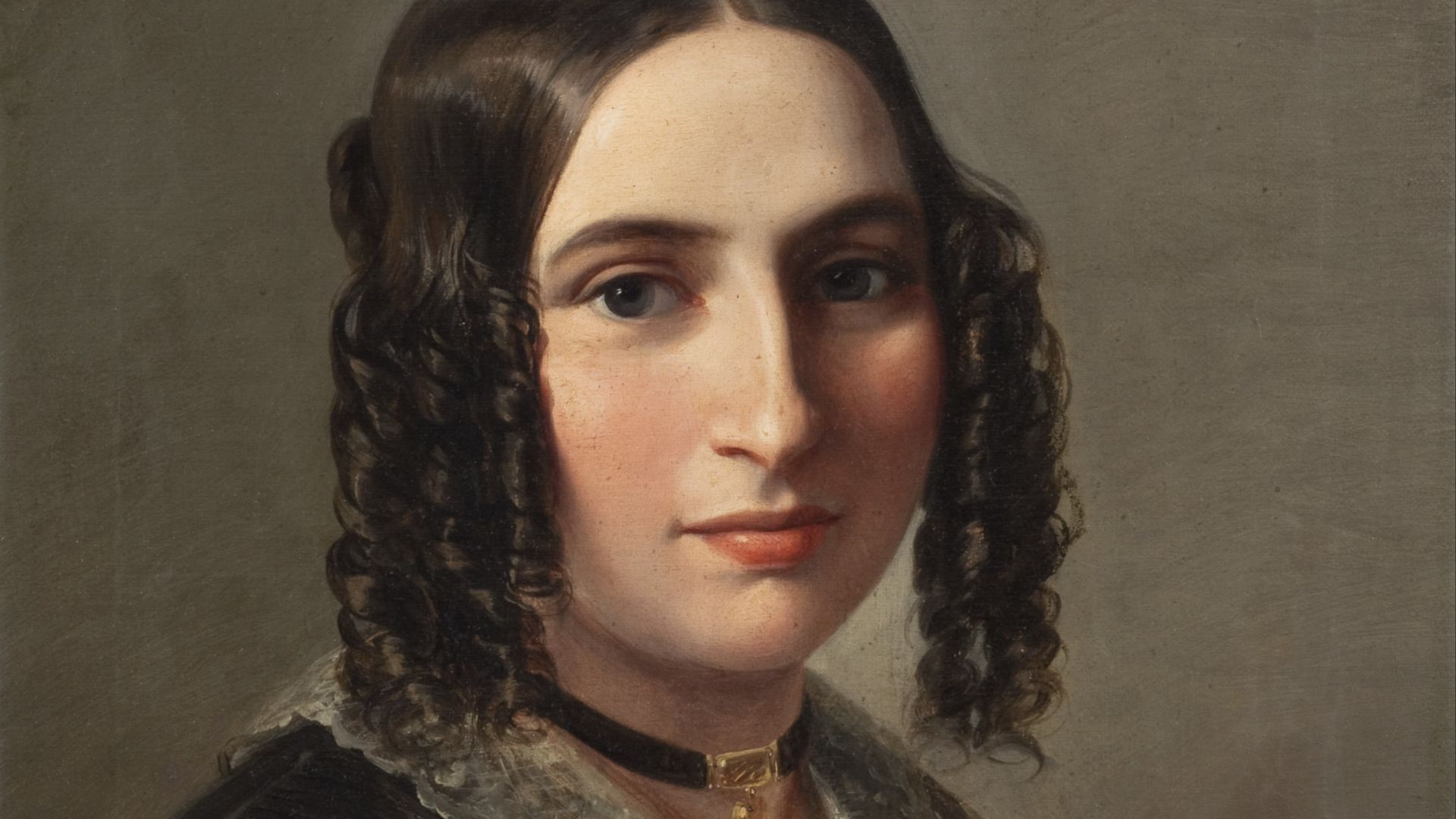
10. Fanny Mendelssohn
Fanny Mendelssohn was a gifted composer in the same talented family as her brother Felix. The thing is, some of her songs were published under his name because respectable public authorship wasn’t exactly allowed for women back then, often considered “improper.”
 Moritz Daniel Oppenheim on Wikimedia
11. Margaret Keane
If you’ve seen paintings of those big-eyed children, you already know Margaret Keane’s work. However, back in the 1950s and 1960s, her husband Walter Keane publicly claimed he had created them. Margaret later proved the truth in court by painting in front of the judge—Walter refused to do the same.
 Tingey Injury Law Firm on Unsplash
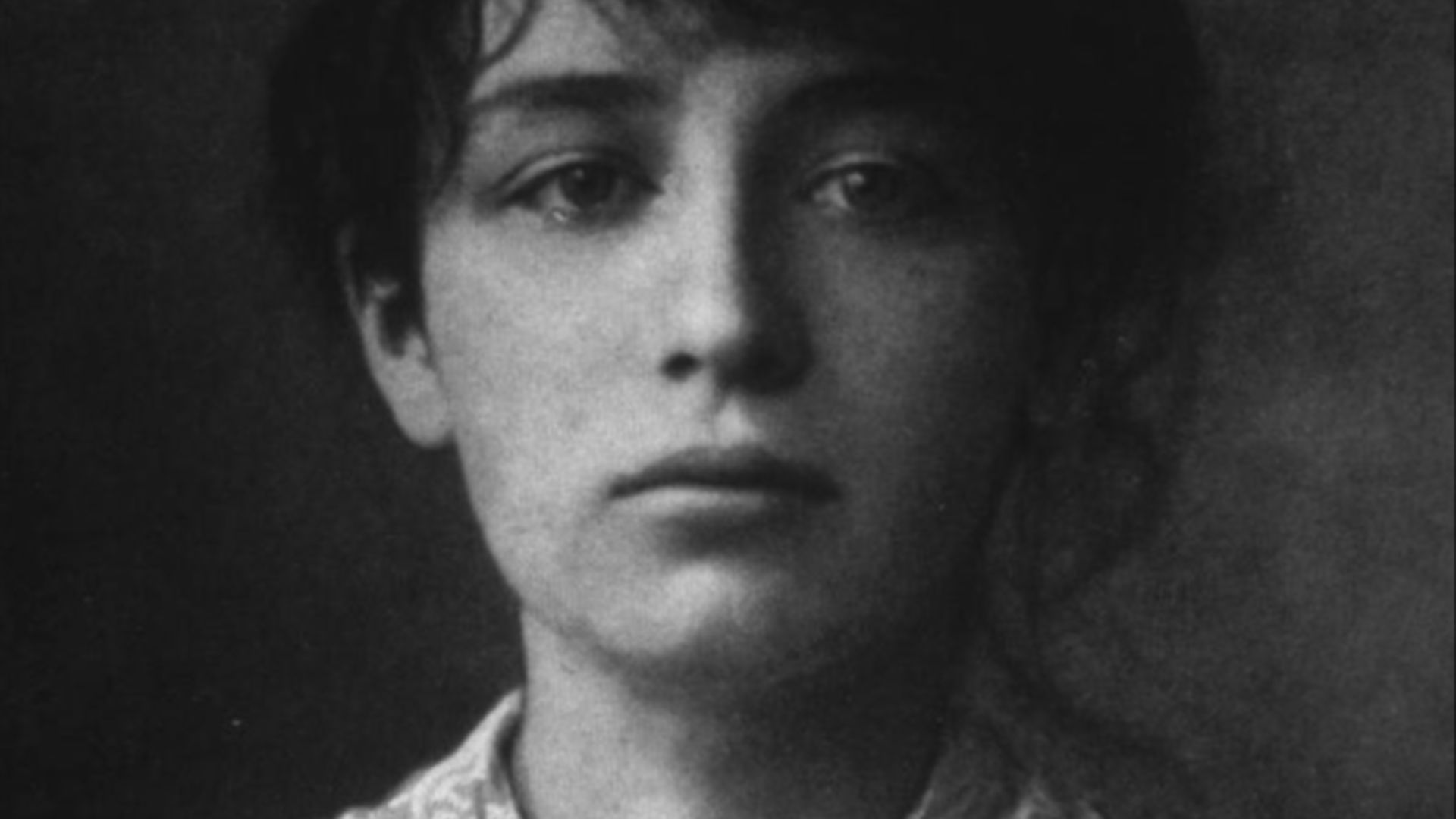
12. Camille Claudel
Camille Claudel was a brilliant sculptor who worked with Auguste Rodin, which would land her trapped in his shadow. After her family had her committed to an asylum in 1913, she spent the next 30 years institutionalized despite even the doctors themselves suggesting she could leave. Her art survived, but for years she was treated as nothing more than a tragic story rather than an artist in her own right.
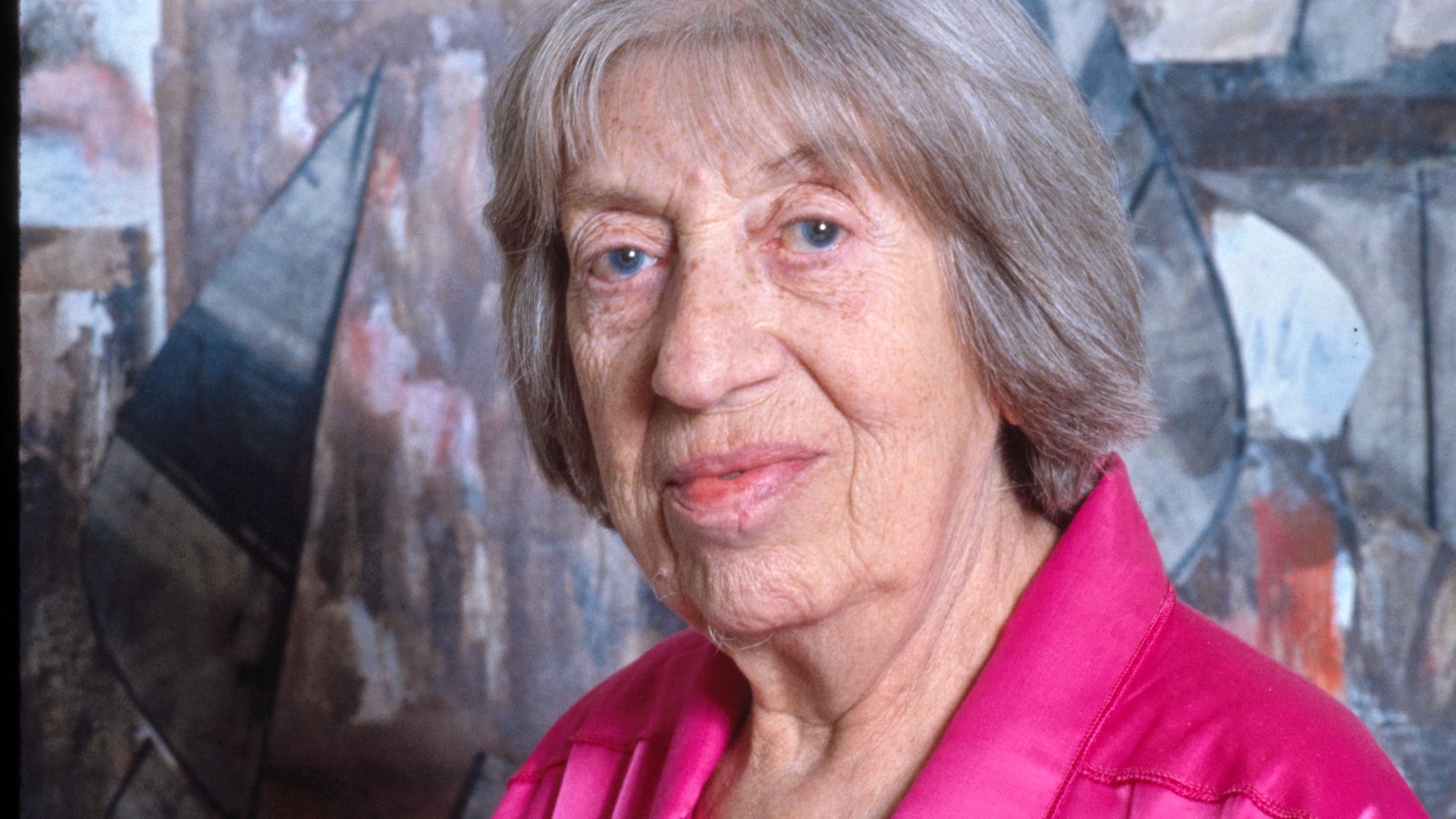
13. Lee Krasner
Lee Krasner’s marriage to Jackson Pollock wasn’t going to stop her from becoming an accomplished painter—before or after. The art world usually framed her as Pollock’s wife and caretaker, even though she made plenty of work across multiple decades. Her reputation has thankfully grown over time, but it took some time.
 Gotfryd, Bernard, photographer on Wikimedia
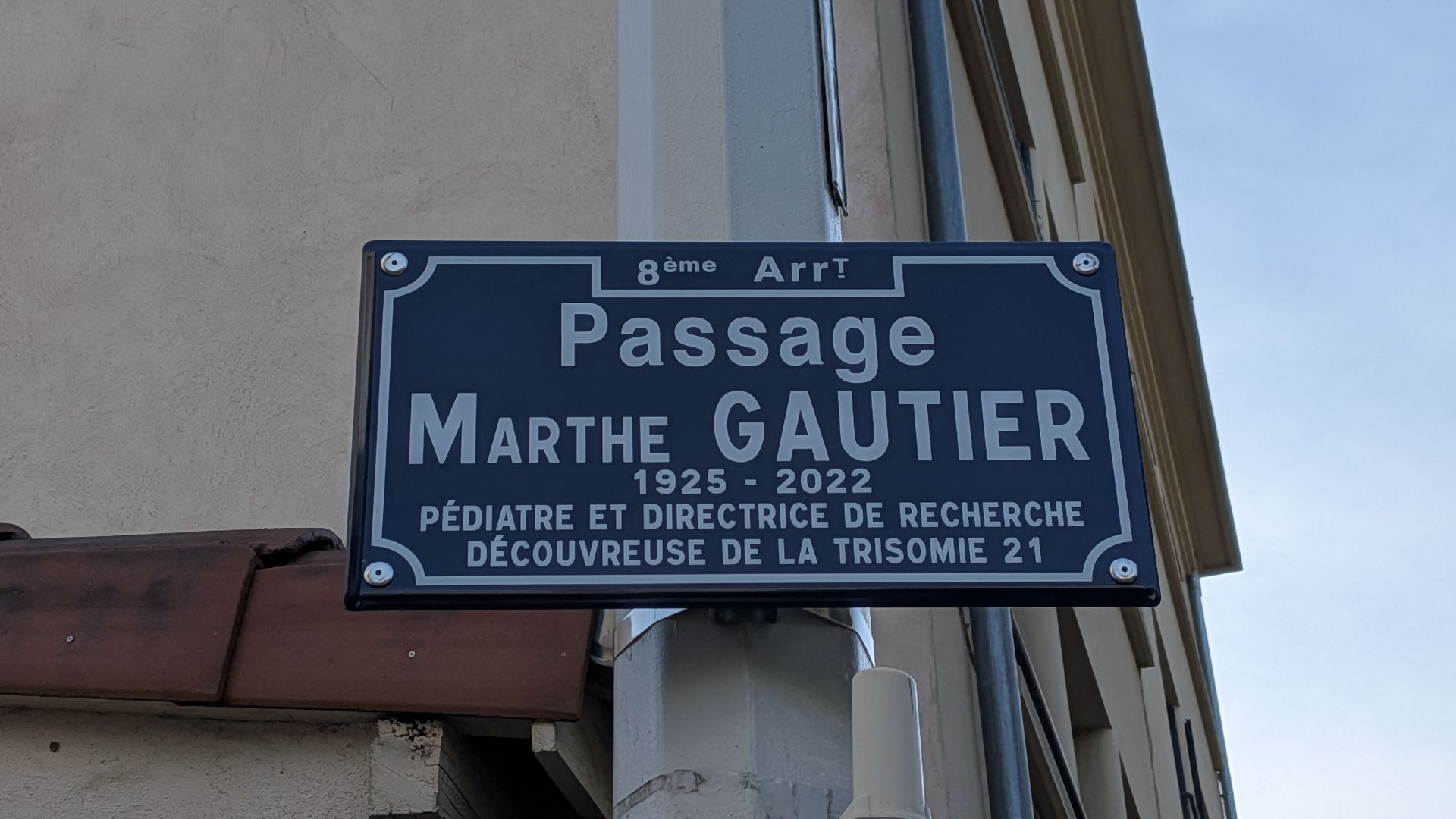
14. Marthe Gautier
Marthe Gautier was a pediatric cardiologist who helped prove the intricacies of Down syndrome. In 1958, she used cell-culture skills she had learned at Harvard, but because her Paris lab lacked the equipment to photograph her work, the slides went to Jérôme Lejeune, who later became the face of the discovery. Gautier spent decades fighting for recognition, and it took the French Federation of Human Genetics until 2014 to finally acknowledge her.
15. Esther Lederberg
Esther Lederberg helped build the field of bacterial genetics in 1951—but the public credit went to her husband Joshua Lederberg. He won the 1958 Nobel Prize in Physiology or Medicine for bacterial genetics, while Esther’s role was mainly whittled down to support work. (She’s not even the first female microbiologist to suffer the same fate.)
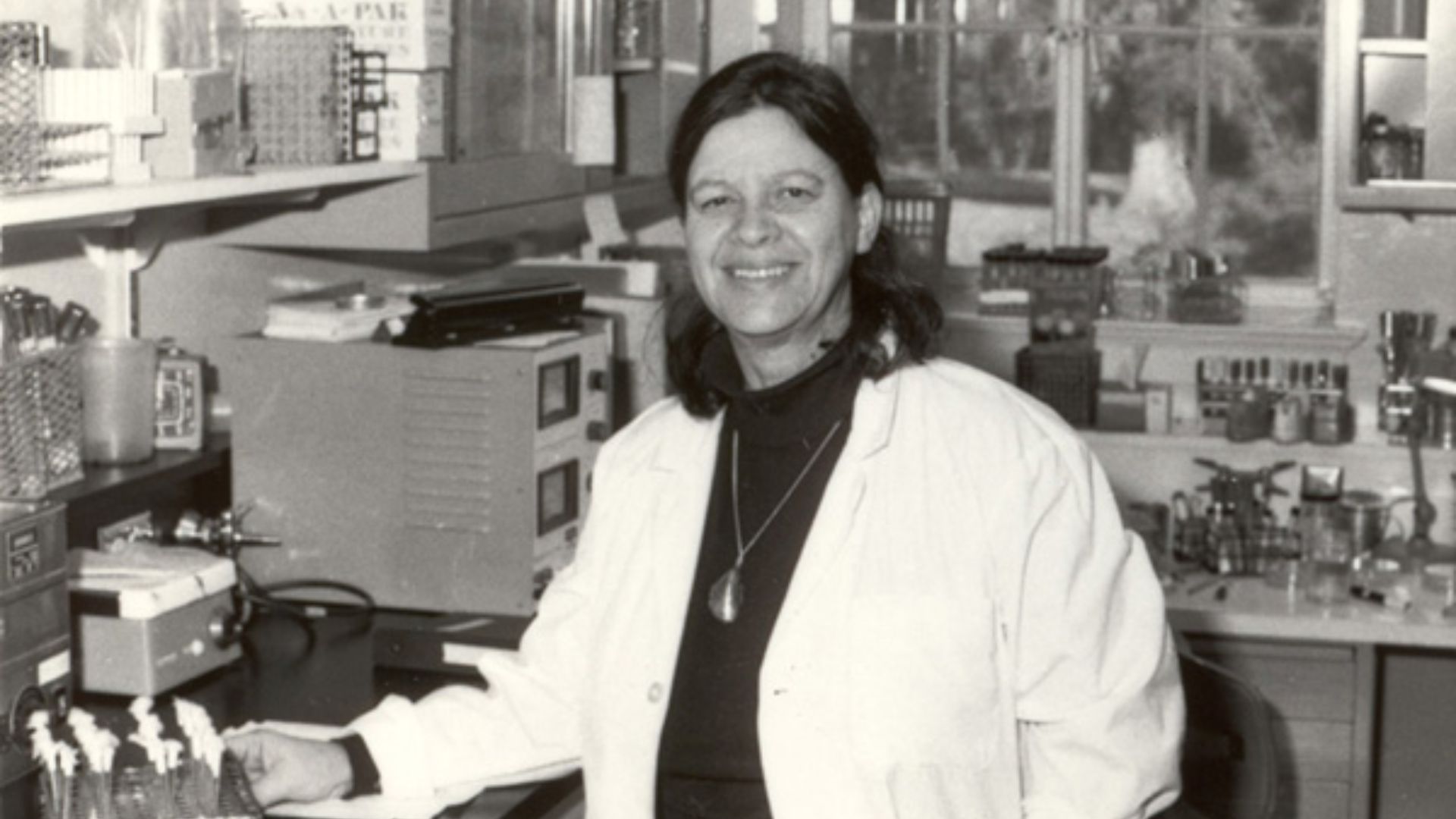 Esther M. Zimmer Lederberg on Wikimedia
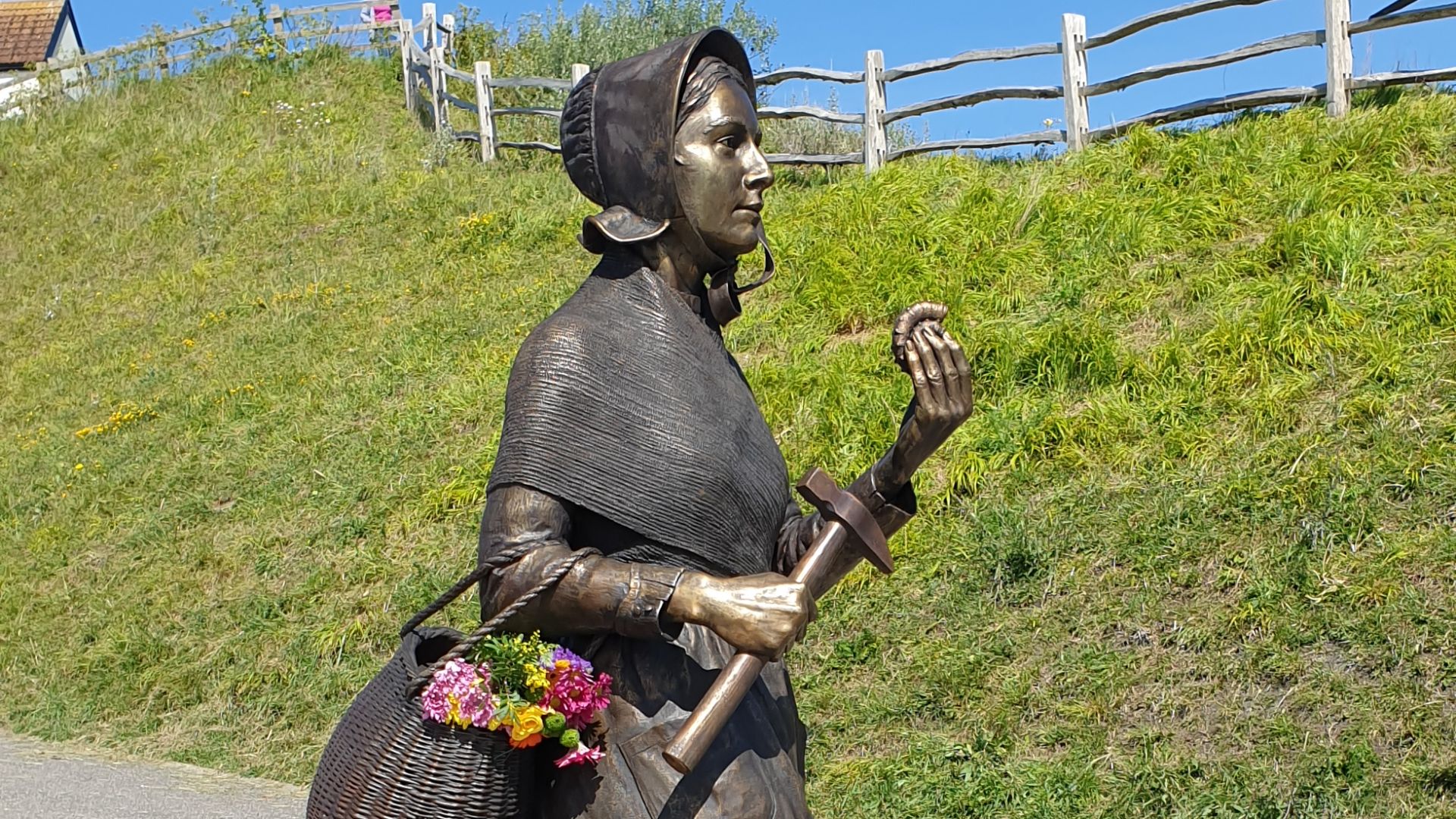
16. Mary Anning
Mary Anning found major fossils on England’s Jurassic Coast, including ichthyosaur and plesiosaur specimens way back in the early 1800s. Male geologists bought, studied, and published on fossils she discovered while she remained poor and mostly excluded from scientific spaces.
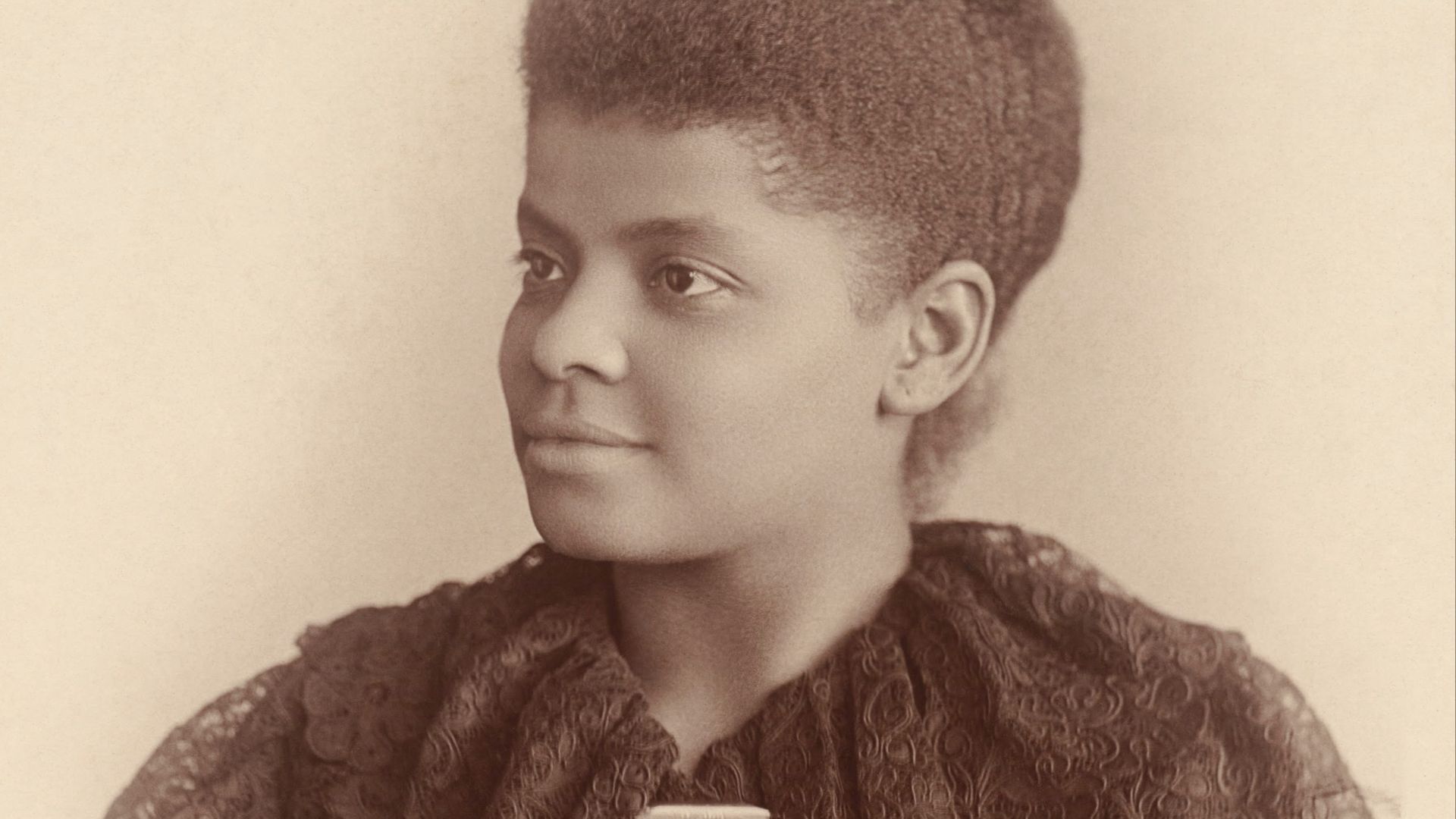
17. Ida B. Wells
Ida B. Wells documented lynching in the United States with unflinching reporting during the 1890s, but even within the suffrage movement, white leaders sometimes pushed her aside. She refused to go quiet, though, which is exactly why attempts to soften her legacy never actually worked.
18. Trotula Of Salerno
Trotula of Salerno became associated with important medieval medical texts on women’s health, especially in the 12th century. Over time, male scribes started questioning whether a woman could’ve actually written such influential material, sometimes even attributing the work to male authors instead.
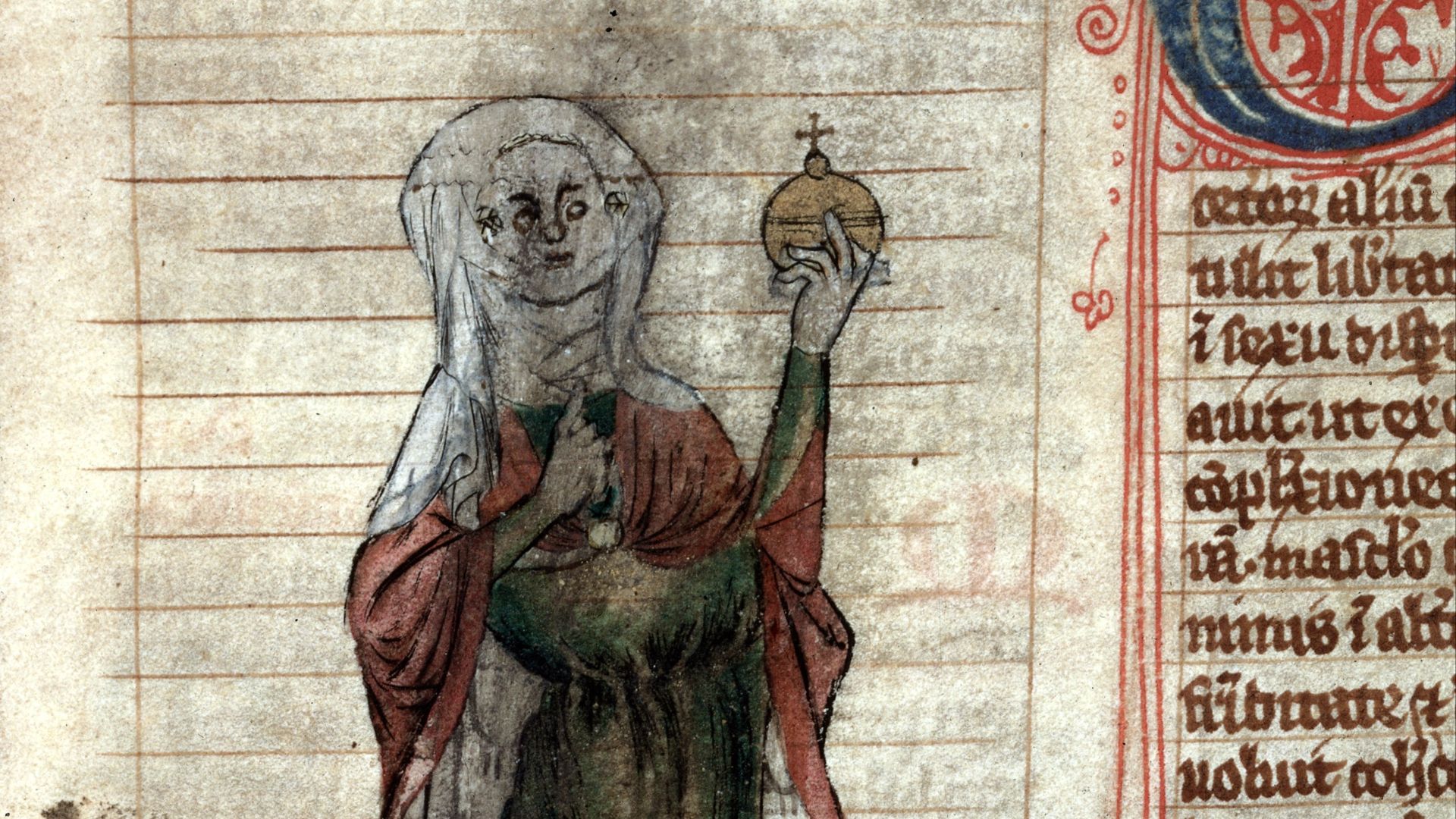 Miscellanea medica XVIII on Wikimedia
19. Cecilia Payne-Gaposchkin
In her 1925 Harvard doctoral thesis, Cecilia Payne-Gaposchkin argued that stars were made mostly of hydrogen and helium. Henry Norris Russell discouraged her from presenting that finding too strongly, so she softened the claim even though her original calculations were right. Russell then published a similar conclusion in 1929, and while he acknowledged Payne’s earlier work, the discovery was more closely tied to his name for years.
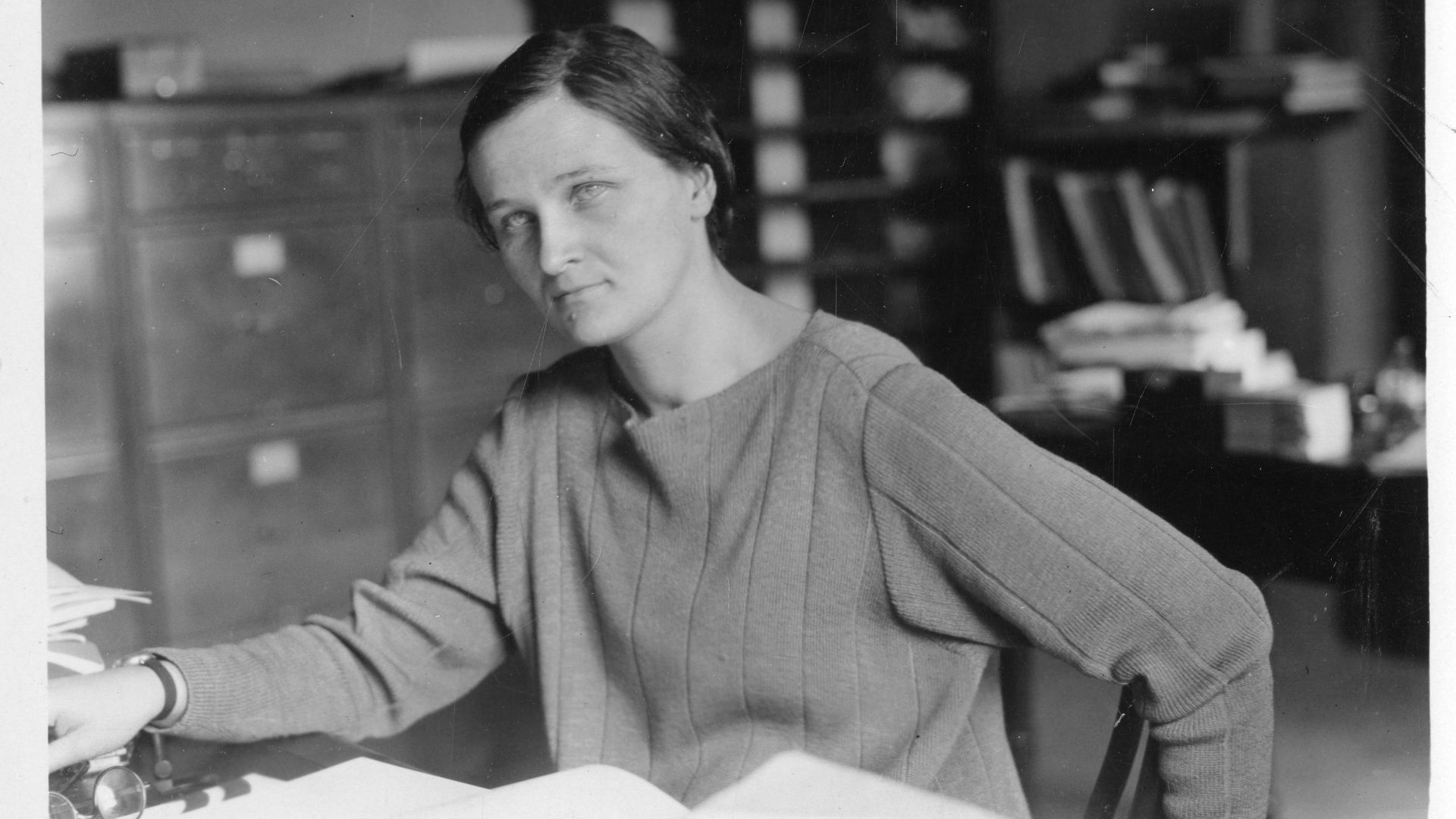 Smithsonian Institution from United States on Wikimedia
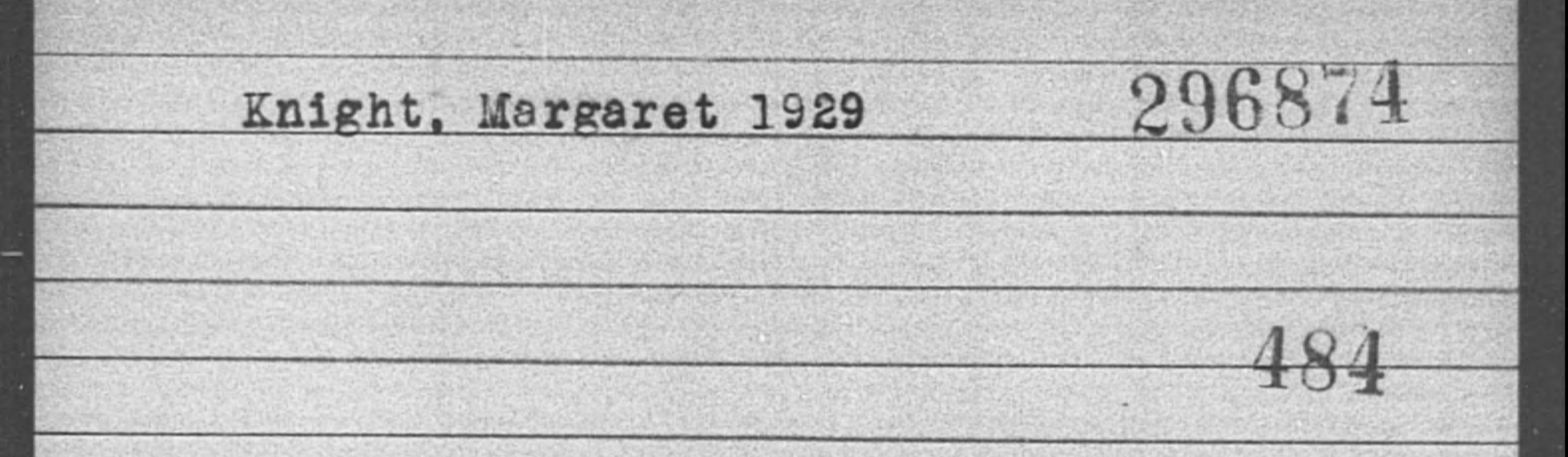
20. Margaret Knight
Next time you use a paper bag, you might want to tip your cap to Margaret Knight—not the guy who wanted the credit for himself. Knight invented a machine in the late 1860s that could cut, fold, and glue flat-bottomed paper bags, but while she was preparing her patent model, Charles Annan copied the design and tried to patent it himself. He argued that a woman couldn’t have invented such a complicated machine. Well, Knight fought him in court, proved the invention was hers, and received her patent in 1871.
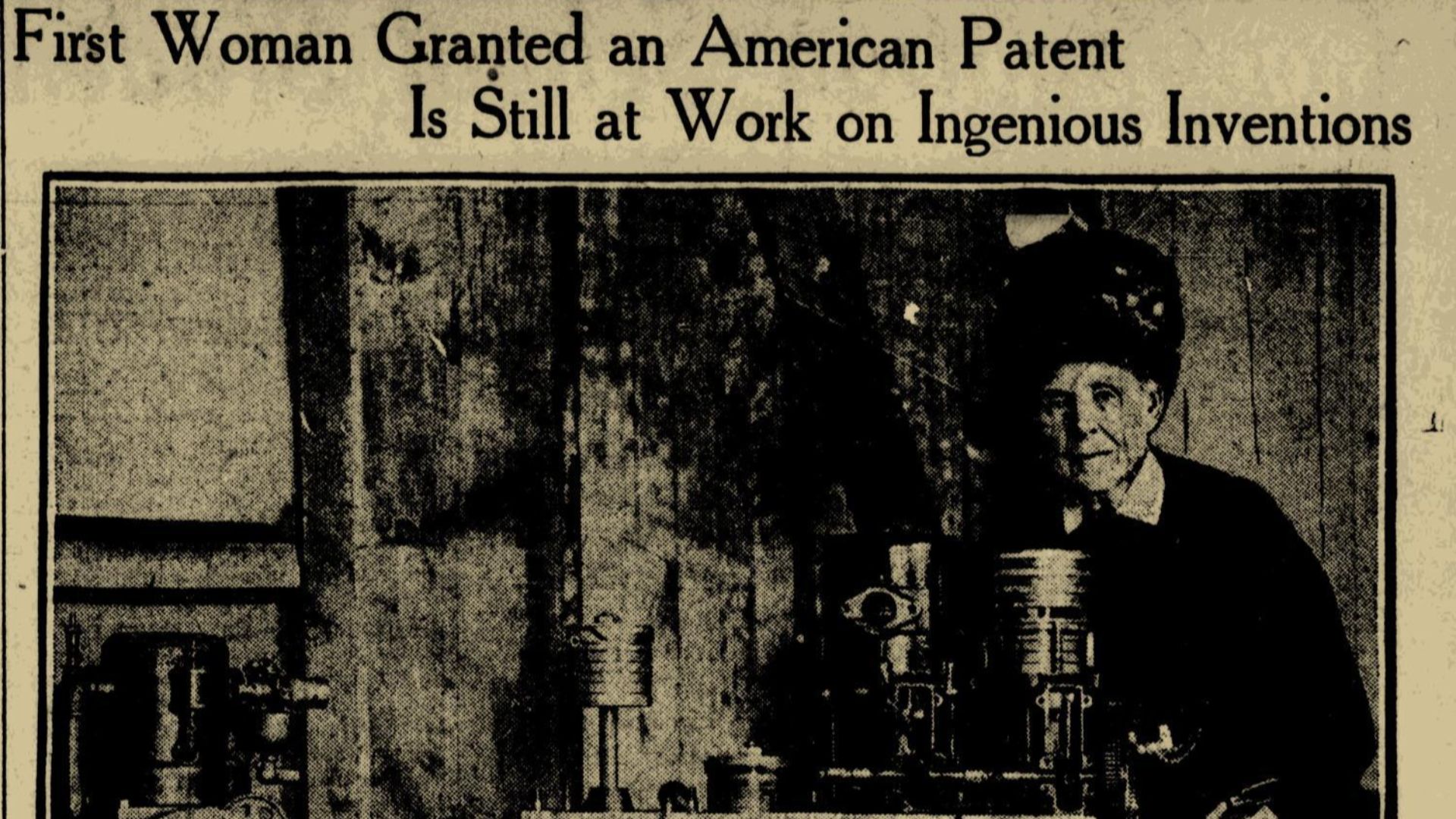 Boston Sunday Post on Wikimedia
KEEP ON READING