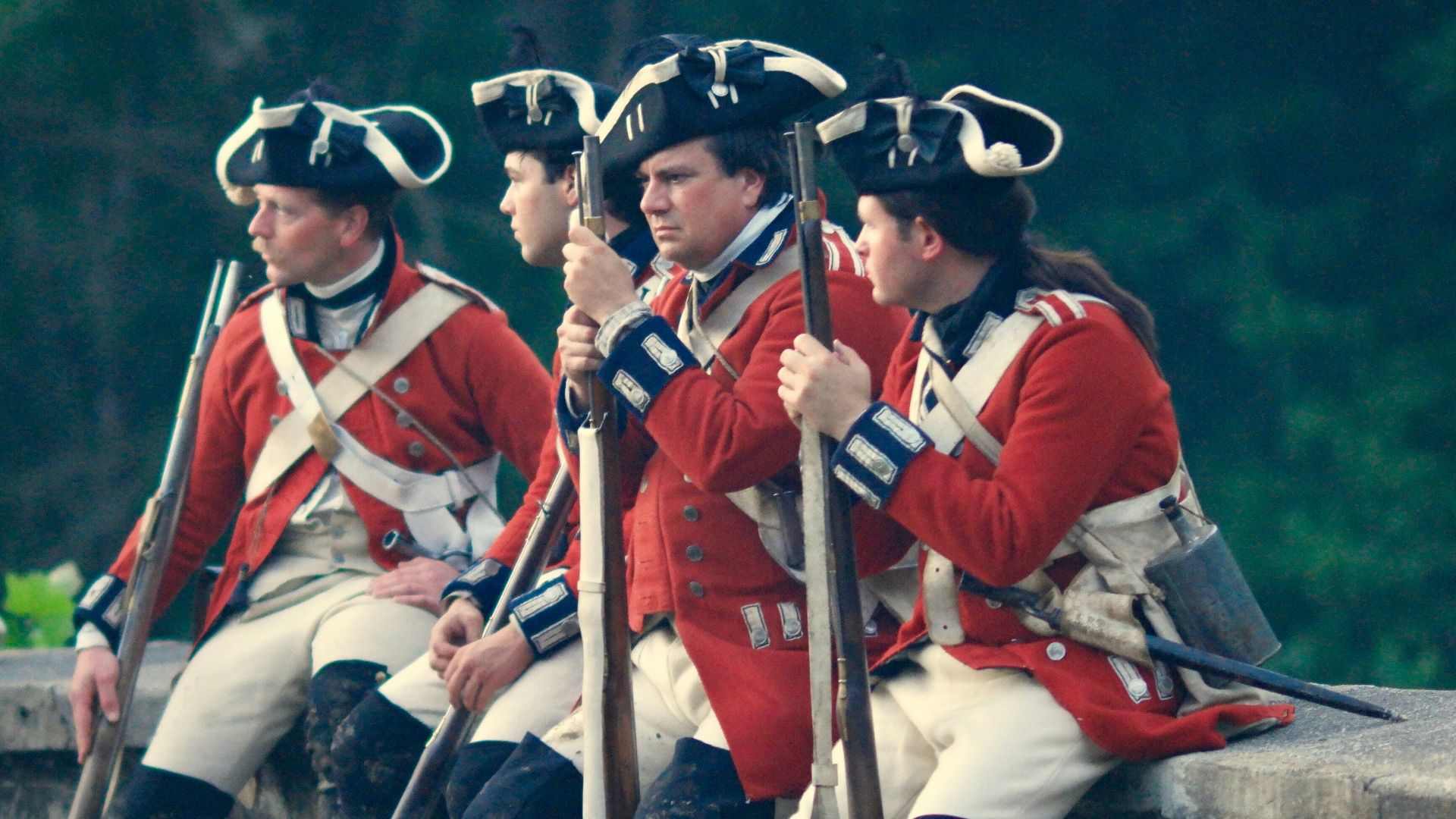
The average meal for an American Revolutionary was plain, filling, and not always easy to come by. For a Continental Army soldier, food was supposed to include basics like bread or flour, meat, peas or beans, and sometimes cider, beer, milk, or another extra if supplies allowed. On a good day, that could mean beef, bread, beans, and something to drink.
On a bad day, it could mean flour and water cooked near the fire. Congress and military leaders could promise food, but someone still had to buy it, preserve it, pack it, haul it over rough roads, pass it out, and cook it. So, the average Revolutionary meal depended on more than appetite. It also depended on weather, wagons, supply problems, and plain old luck.
What Soldiers Were Supposed To Eat
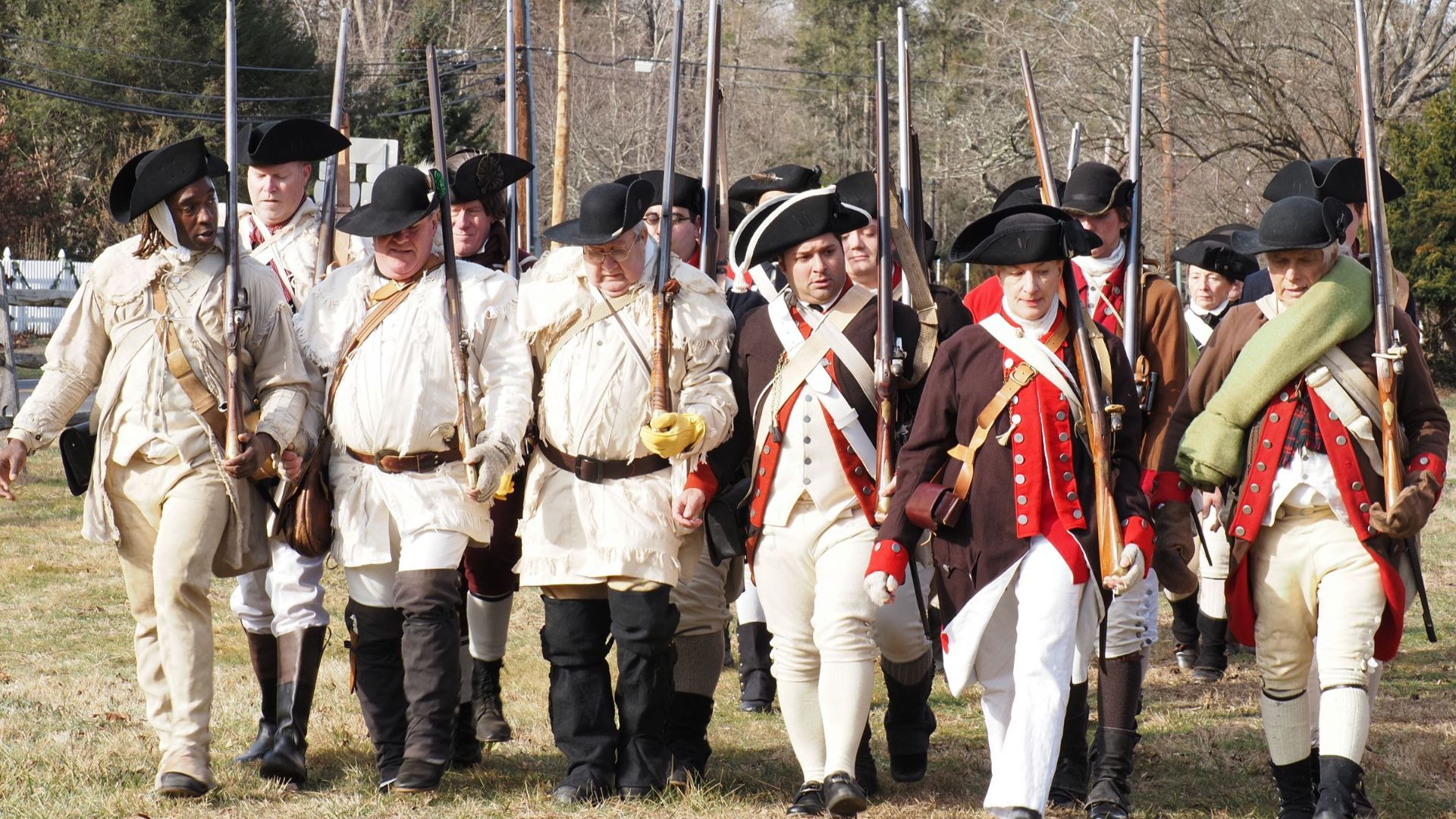
Where our story begins is the 1775 ration approved for Continental soldiers. According to the National Museum of the United States Army’s transcript of the order, each soldier was supposed to receive one pound of fresh beef, three-quarters of a pound of pork, or one pound of salt fish per day. The same order also included one pound of bread or flour each day, along with peas or beans, milk when it could be had, rice or Indian meal, and spruce beer.
For men doing hard physical work, that kind of food made sense. Soldiers marched, drilled, carried gear, stood guard, dug, and fought in rough conditions. Bread and meat gave them the basic fuel they needed, while peas and beans helped make meals more filling. Beer, cider, and spruce beer also fit the drinking habits of the 1700s.
The written ration still wasn’t a promise that every soldier ate well every day. The army needed a working supply system before food could actually reach camp. The National Park Service explains that the Commissary Department handled the purchase and distribution of provisions, which became especially critical at Valley Forge. Its overview of the Commissary Department shows how feeding the army was a continuous challenge.
What An Ordinary Meal Looked Like
When supplies were available, an ordinary soldier’s meal likely centered on bread or flour, beef or pork, and peas or beans. These were familiar foods, and they were easier to manage than fresh fruits or vegetables. Fresh meat could be used when the army could get it, but salted meat lasted longer because there was no refrigeration. Boiling that meat with peas or beans made the meal warmer and more filling.
Soldiers usually cooked in small shared groups instead of getting finished plates from anything like a modern kitchen. Fort Ticonderoga’s educational material on feeding the Continental Army says soldiers were divided into messes of five or six men, with meals built from flour, beef, pork or fish, and dried beans or vegetables.
Bread was one of the main parts of a soldier’s diet, though it didn’t always mean fresh bread. In camp, fresh bread could be possible when there was flour, time, and means to make it. On campaign, hard bread was often more useful because it lasted longer. The Museum of the American Revolution explains that hard bread, later commonly called hardtack, was made from flour, water, and salt if the maker was lucky.
When Supplies Ran Short
 Infrogmation of New Orleans on Wikimedia
Hard bread did its job, but it wasn’t exactly a treat. It could be dry, tough, and hard to chew, so soldiers could soften it in water, broth, or stew. The goal was to keep going, not to eat something memorable.
The best-known shortage food of the Revolution was the firecake. Mount Vernon describes firecakes as being made from flour, water, and salt when salt was available, with no single set recipe. The dough could be cooked on rocks in the fire or in the ashes.
Firecakes are often linked with Valley Forge, where the Continental Army faced serious food problems during the winter of 1777 to 1778. They were emergency food, and they tasted as such. The versions discussed in the historical sources used here did not include eggs, butter, sugar, or leavening. A firecake could fill the stomach, but it also showed how far real life could fall below the official ration.
How Home Cooking Shaped Camp Meals
Again, Valley Forge is one of the clearest examples of how badly the food system could struggle. The problem was not always that no food existed anywhere nearby. Often, the harder part was getting supplies to the right place, at the right time, in usable condition.
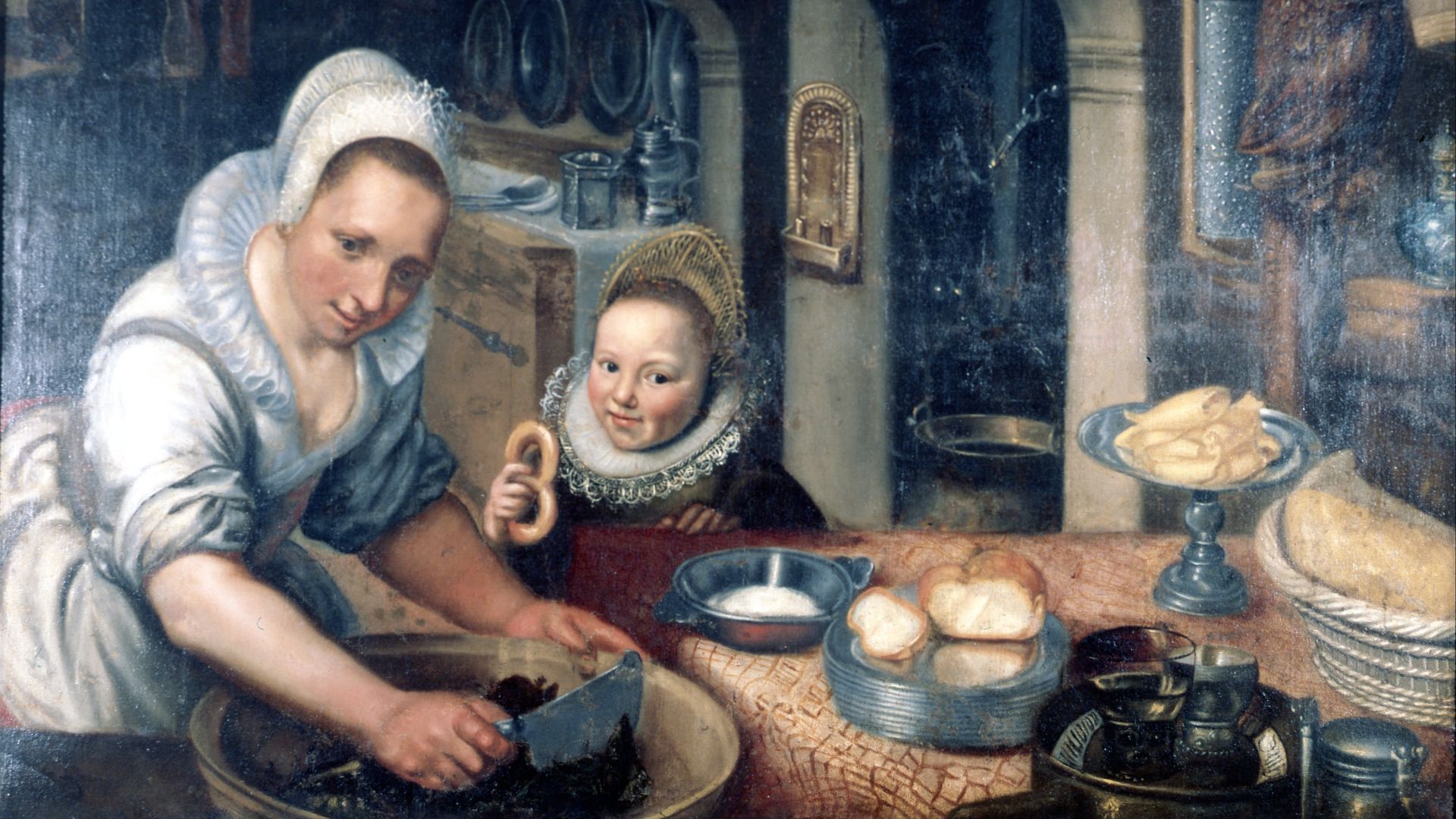
Civilian food habits also shaped what soldiers already knew. Many came from households where meals depended on the season, preserved food, hard work, and whatever the household could grow, raise, store, or trade for. Mount Vernon’s material on colonial foodways shows how much eighteenth-century food depended on gardens, livestock, orchards, storage, and household labor.
That background helps explain why bread, beans, pork, fish, cornmeal, and seasonal vegetables were familiar to many soldiers. Army life changed how much control they had over those foods. At home, a person might have household stores, a garden, a hearth, or local trade. In camp, he depended on orders, wagons, ration issues, firewood, weather, shared gear, and a supply system that was often under strain.
The Average Revolutionary Meal Was Simple
 The New York Public Library on Unsplash
So, an average meal for an American Revolutionary soldier was usually bread or hard bread, beef or pork, and peas or beans. Those foods were often boiled together or eaten in a very plain form. When conditions were better, the meal might also include cider, beer, milk, rice, Indian meal, vegetables, or salt fish. When conditions were worse, it could shrink to firecakes and water.
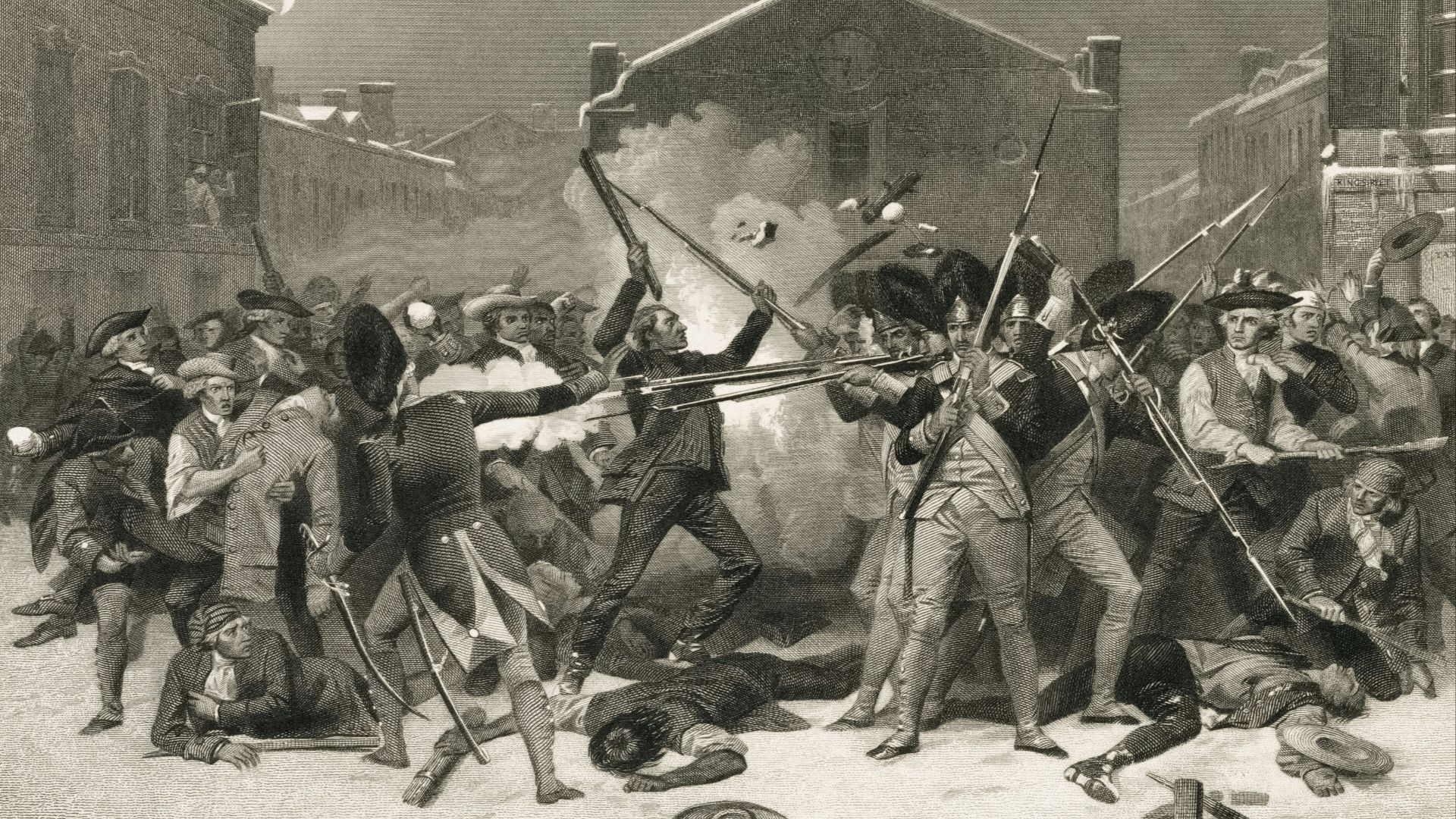
That makes Revolutionary food more than a small detail from the war. Independence depended on ideas and battles, of course, but it also depended on flour, salt pork, beans, kettles, wagons, and tired men waiting for provisions. Hungry soldiers still had to march, stand guard, and hold the line. Their meals were plain, but they mattered every single day.
The average Revolutionary meal was food under pressure. It was built from whatever the army could promise, move, issue, and cook. Sometimes that meant a rough stew with bread, and sometimes it meant something far thinner. Either way, it says a lot about the daily cost of the Revolution.
KEEP ON READING