Not Every Landmark Has a Pretty Story
Some places in the U.S. are famous for beautiful views, impressive buildings, or postcard-ready charm, but others carry histories that are much harder to sit with. These sites are tied to war, injustice, disaster, imprisonment, violence, forced removal, or tragedy, and visiting them can feel very different from a normal tourist stop. They’re not always easy places to learn about, but they matter because they show how complicated American history really is. Here are 20 places in the U.S. with dark histories.
 Joseph E., ca. 1837-1914, artist. on Wikimedia
1. Salem, Massachusetts
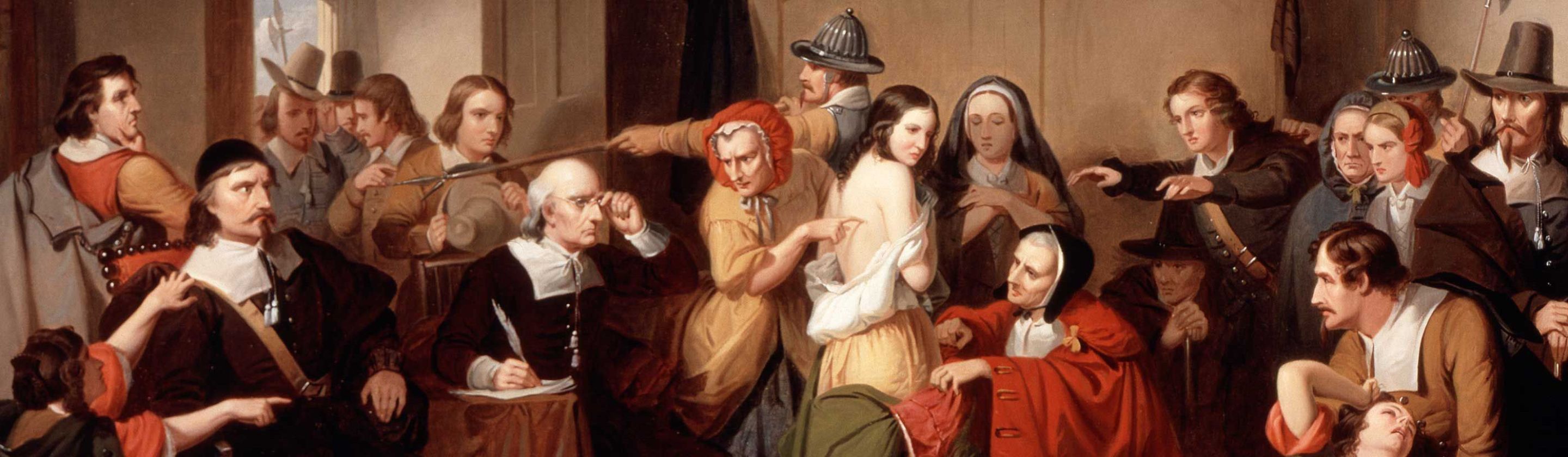
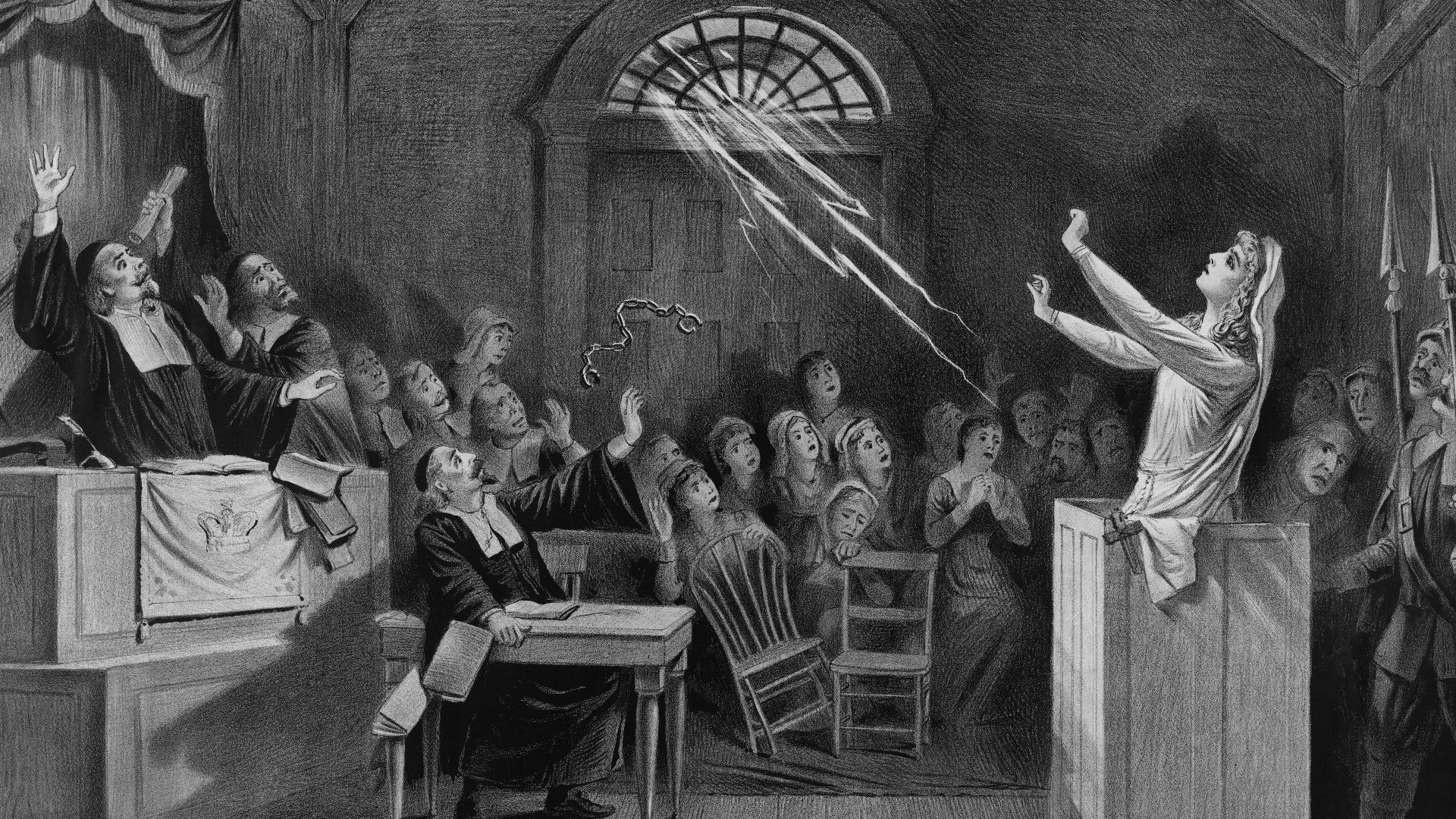
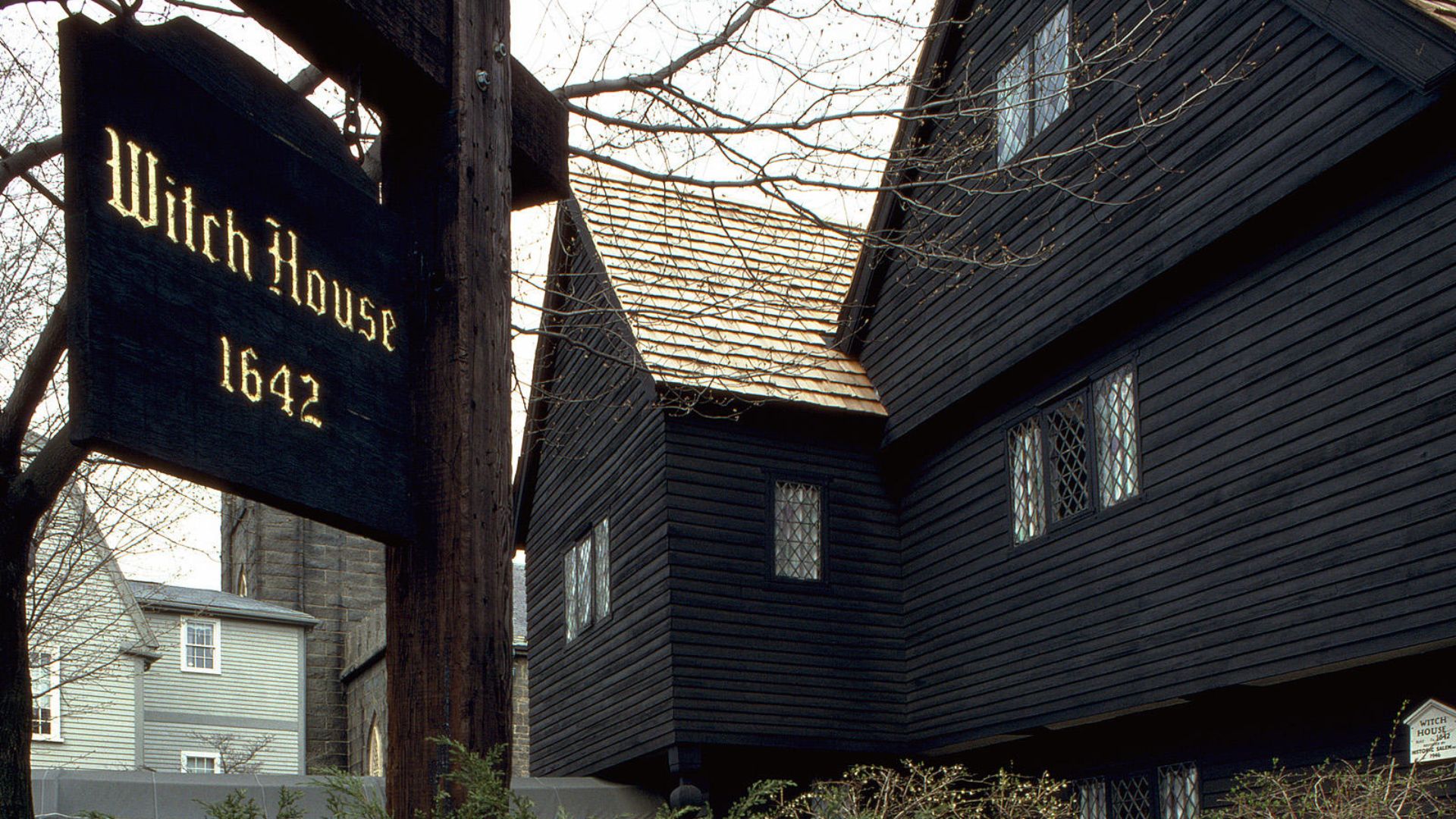
Salem is now full of witch-themed shops, tours, and Halloween crowds, but its history comes from a real panic that ruined lives. In 1692, accusations of witchcraft led to trials, imprisonments, and executions. The city has turned that past into a major part of its identity, though the real story is much darker than the kitschy souvenirs suggest.
2. Gettysburg, Pennsylvania
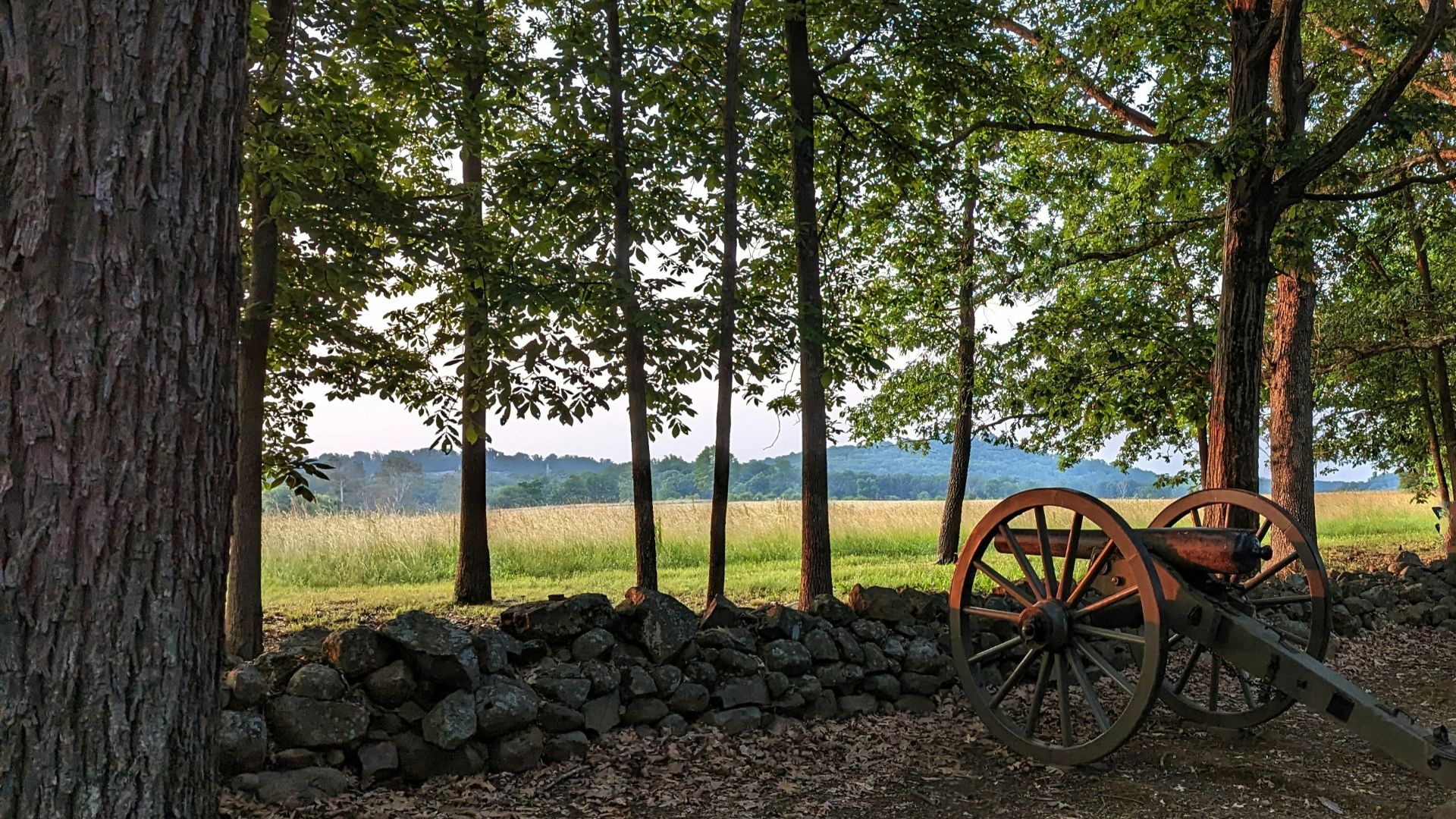
Gettysburg is one of the most visited Civil War sites in the country, and for good reason. The 1863 battle left thousands dead, wounded, or missing over just three days. Today, the fields can look peaceful, which makes the scale of what happened there even harder to absorb.
3. Manzanar, California
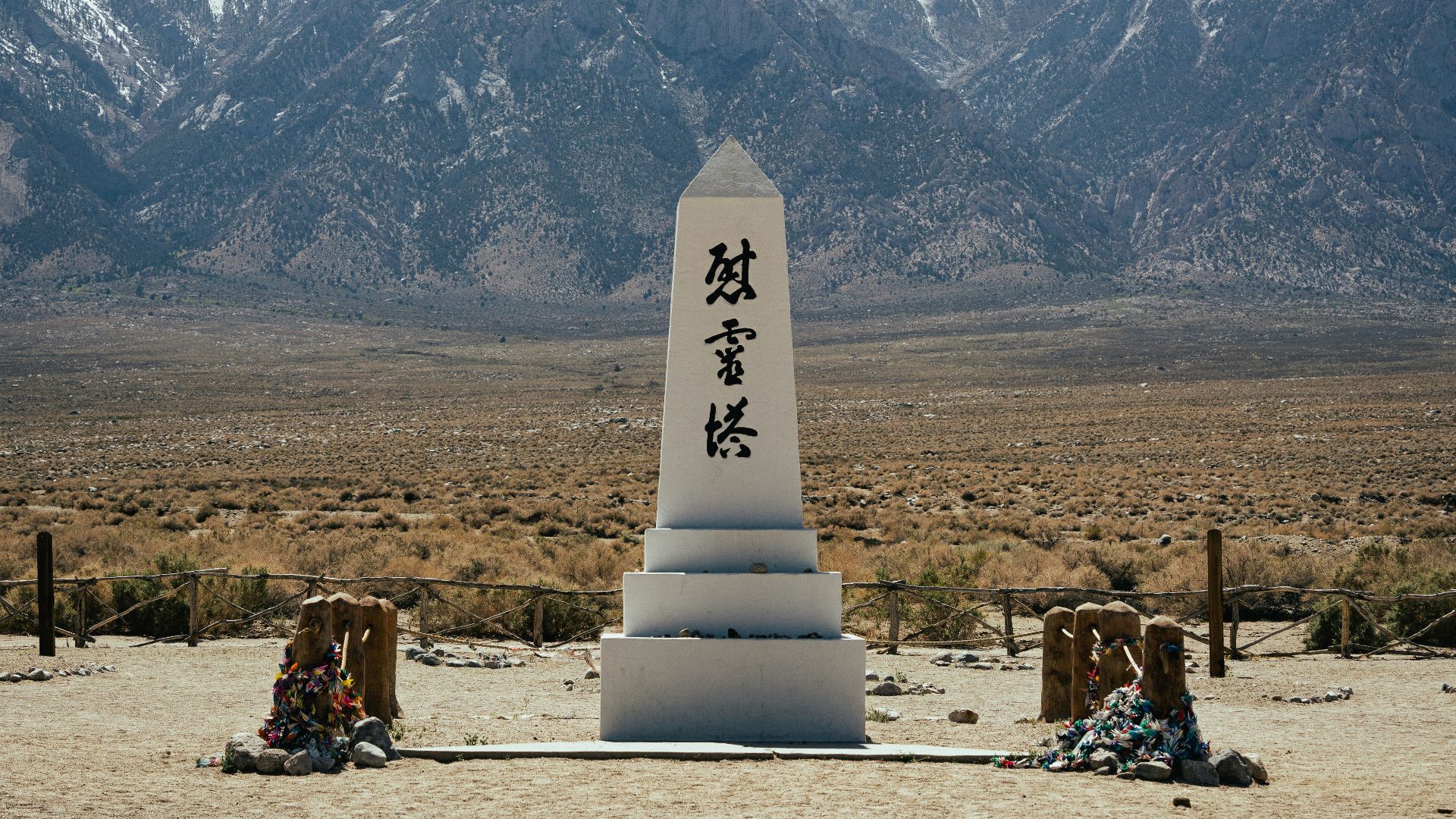
Manzanar sits in a stark stretch of eastern California, where the U.S. government incarcerated Japanese immigrants and Japanese American citizens during World War II. Families were forced from their homes and sent to camps under the false claim of national security. The site now helps tell the story of lost freedom, racism, and the danger of treating whole communities as suspects.
4. Andersonville, Georgia
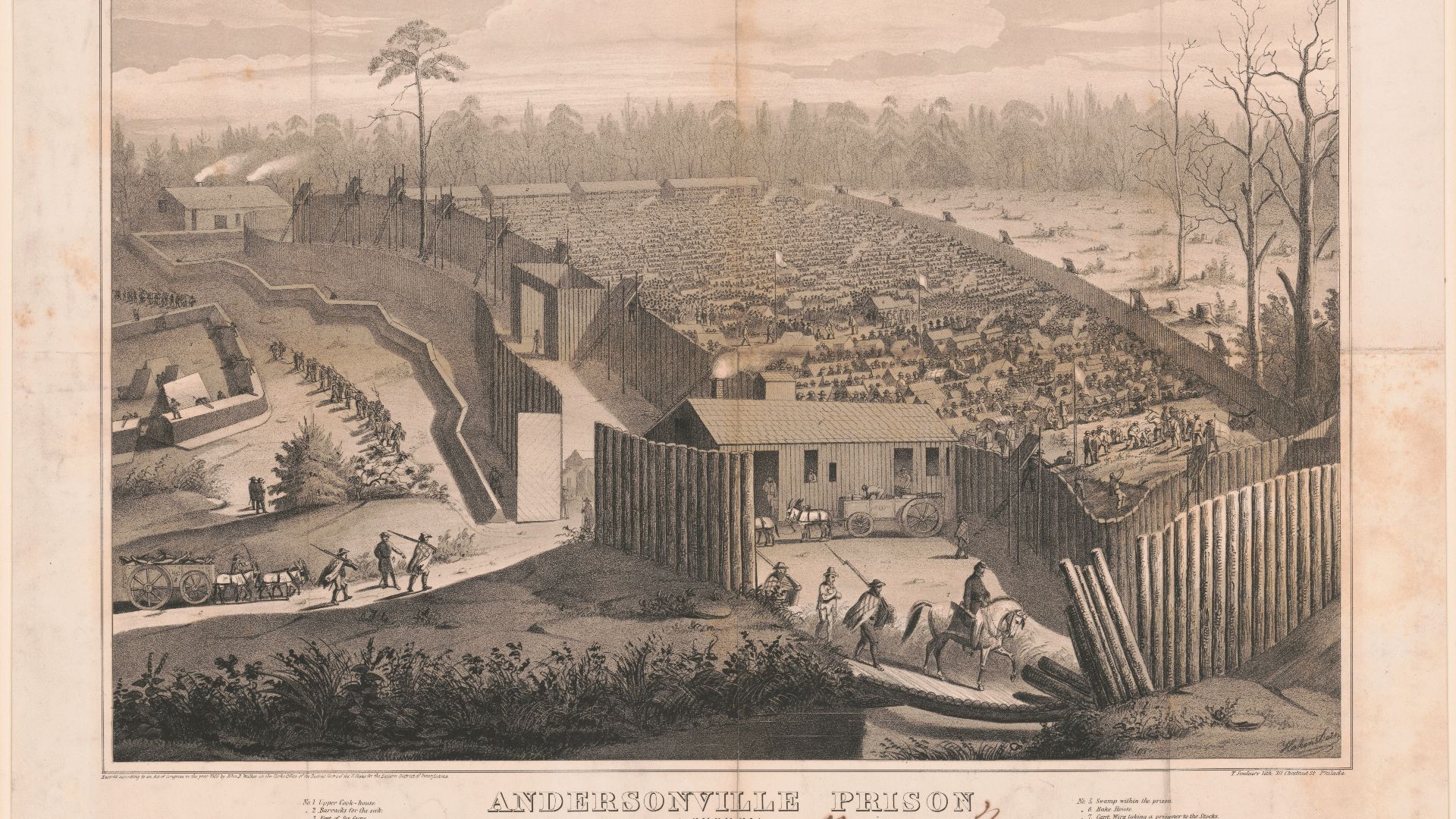
Andersonville was one of the most infamous prison sites of the Civil War. Union prisoners were held in brutal conditions, with overcrowding, disease, hunger, and exposure making survival extremely difficult. Nearly 13,000 men died there, and the site later became a national cemetery and memorial. It’s a grim reminder that war doesn’t only unfold on battlefields.
 Popular Graphic Arts on Wikimedia
5. Wounded Knee, South Dakota
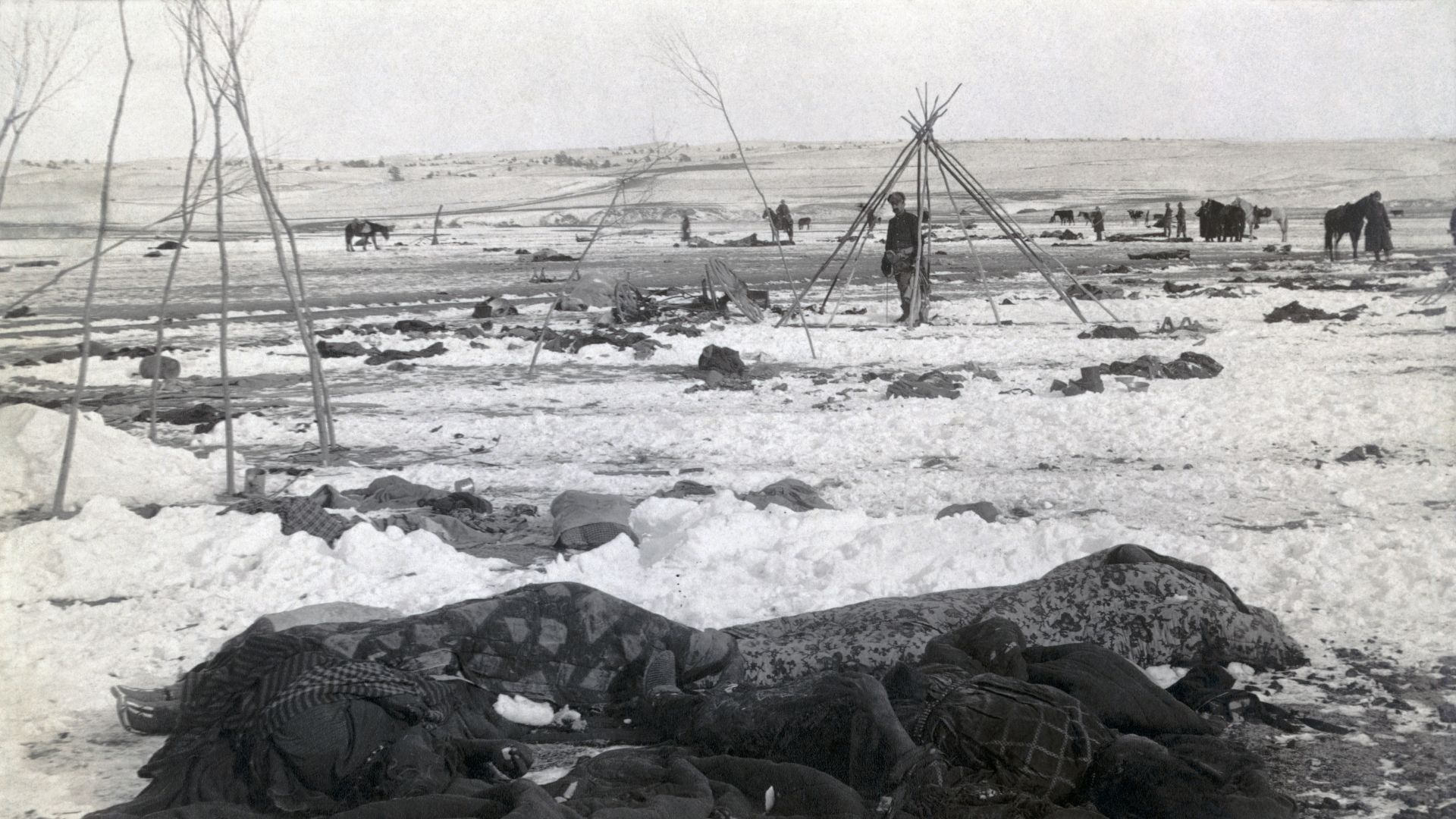
Wounded Knee is tied to one of the most devastating events in Native American history. In 1890, U.S. soldiers killed Lakota men, women, and children there after years of broken promises, forced confinement, and pressure on Indigenous life. The place carries a history of violence that can’t be separated from the broader story of westward expansion.
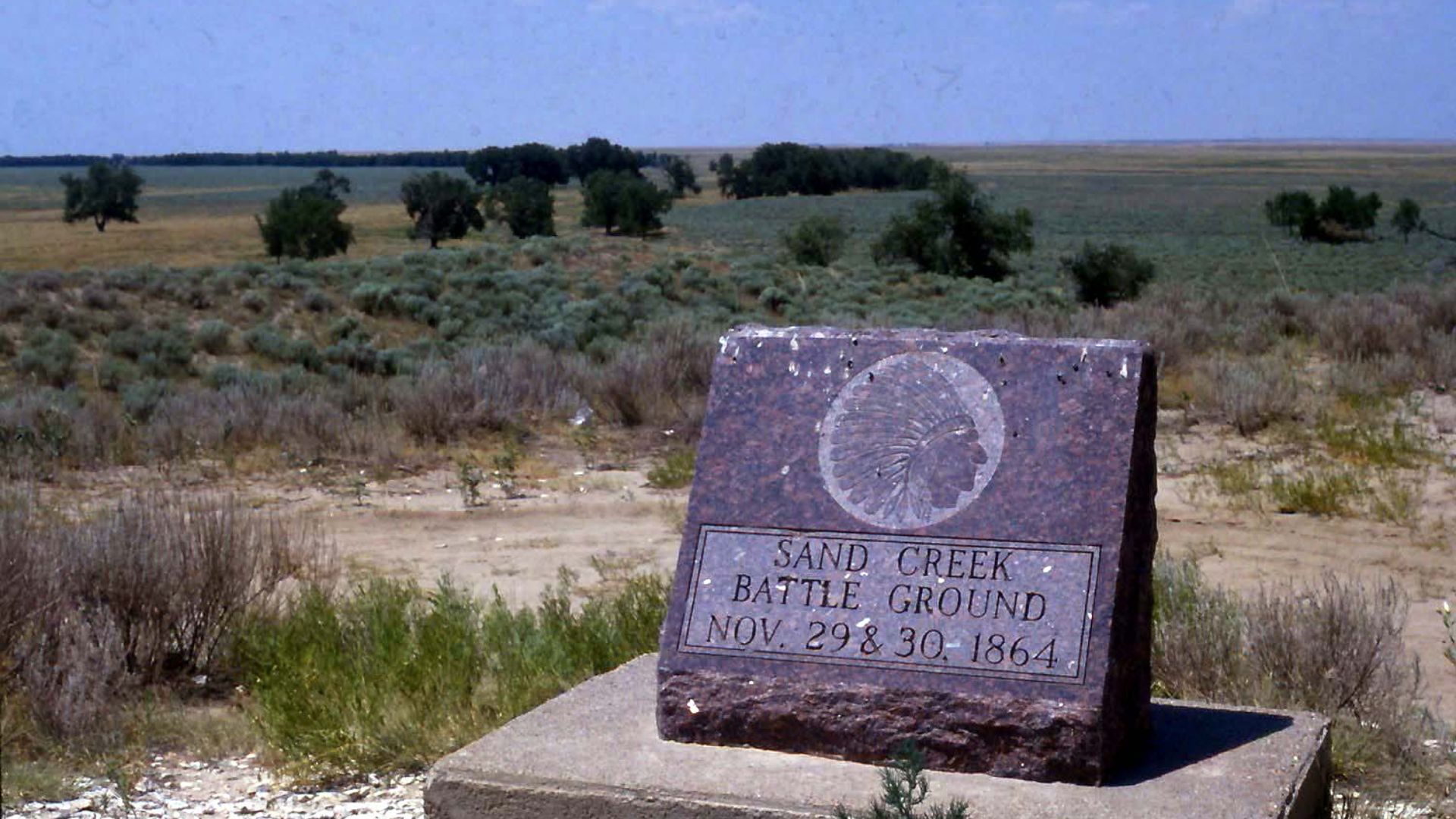
6. Sand Creek, Colorado
Sand Creek is remembered for the 1864 massacre of Cheyenne and Arapaho people by U.S. troops. Many of the victims were women, children, and elders, which makes the site especially painful to confront. The history there challenges any simple version of frontier storytelling.
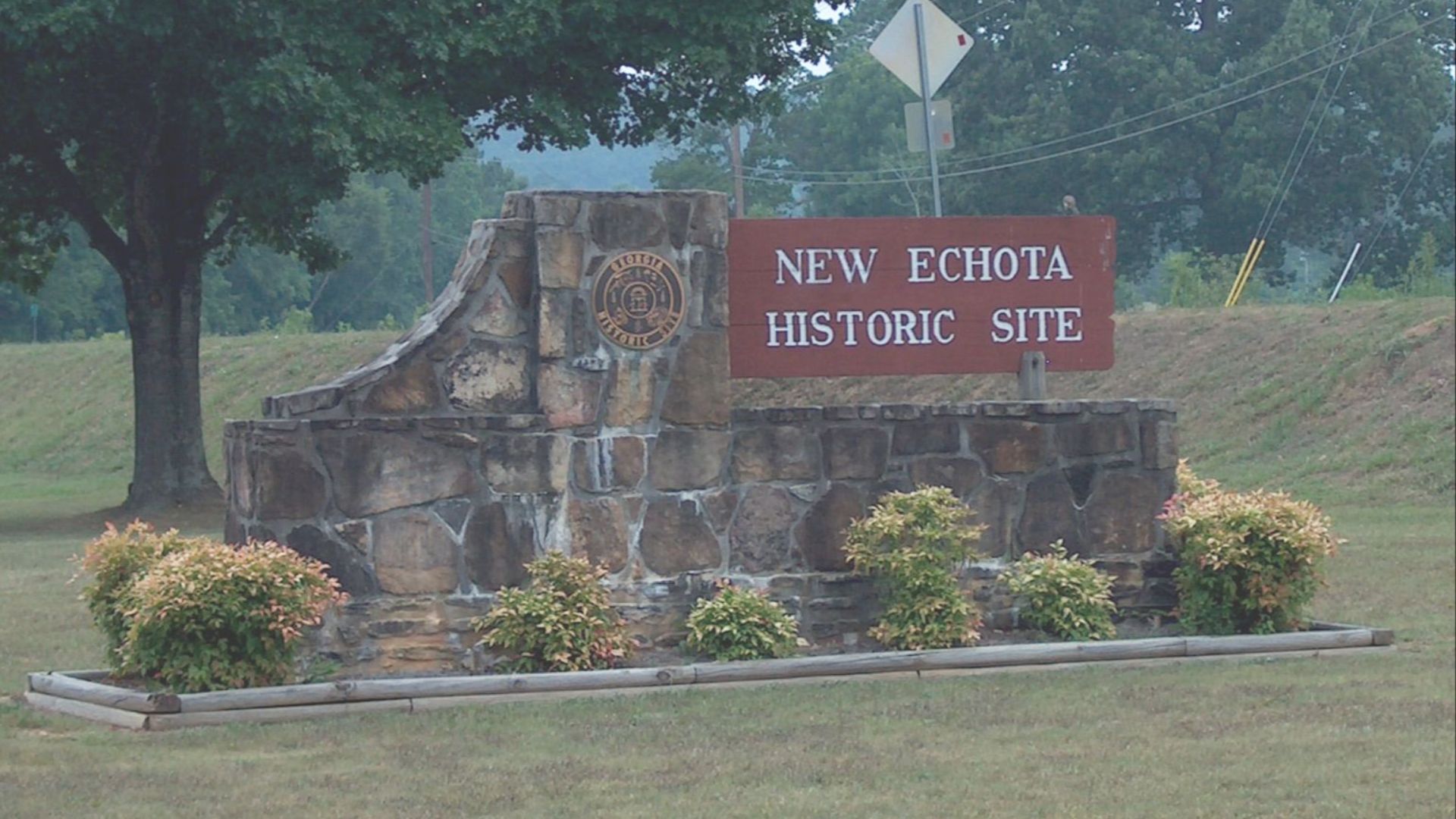
7. New Echota, Georgia
New Echota was once the capital of the Cherokee Nation, but it became tied to the treaty that helped lead to forced removal. Most Cherokee people opposed the agreement, yet the U.S. government used it to justify sending thousands west on the Trail of Tears. What looks like a historic settlement is also a place connected to betrayal and displacement.
 Cculber007 at en.wikipedia on Wikimedia
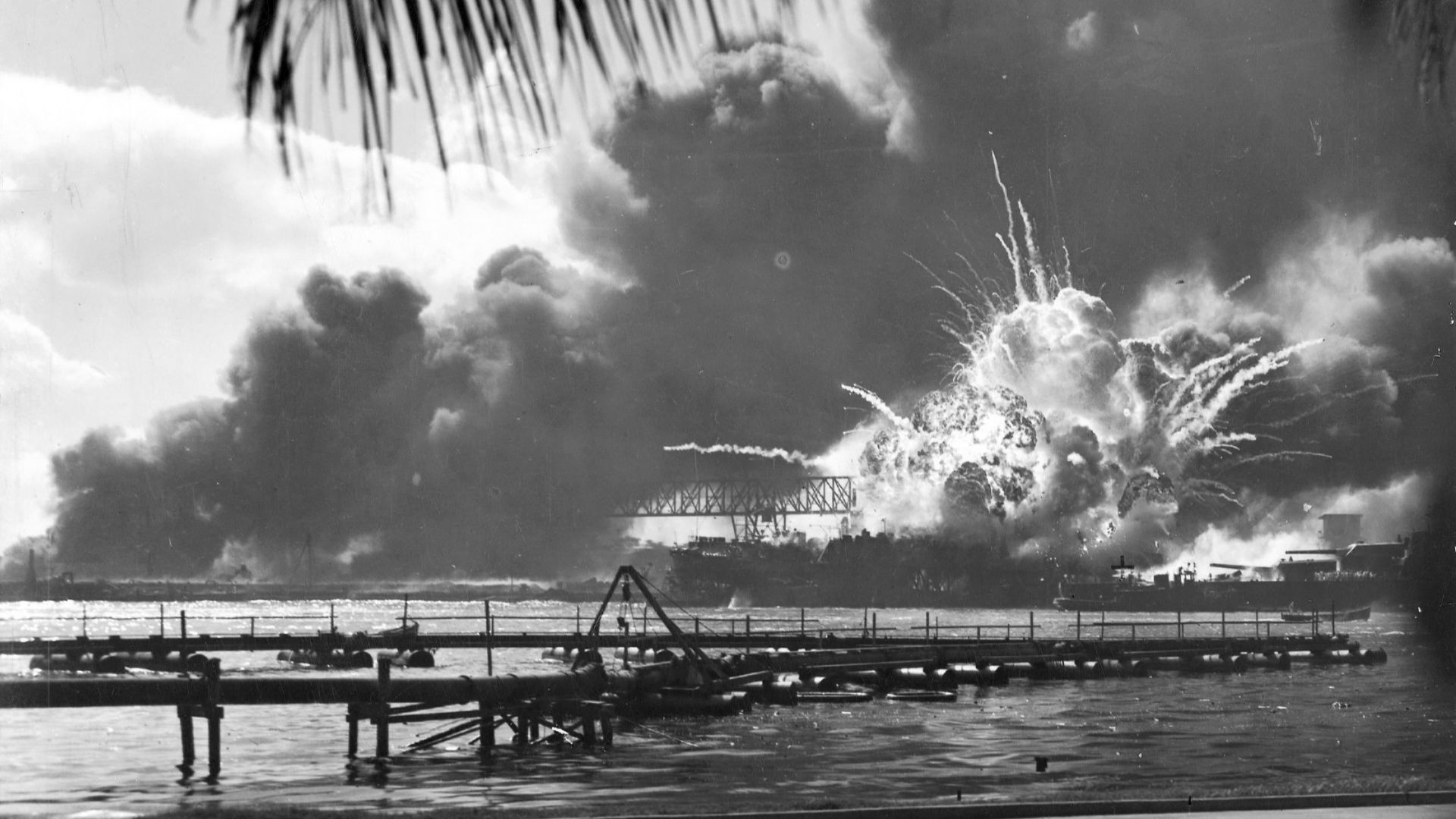
8. Pearl Harbor, Hawaii
Pearl Harbor is remembered for the Japanese attack on December 7, 1941, which pulled the U.S. directly into World War II. Thousands of Americans were killed or wounded, and the USS Arizona still rests beneath the water as a memorial. The site is solemn because it combines military history with personal loss.
 Unknown navy photographer on Wikimedia
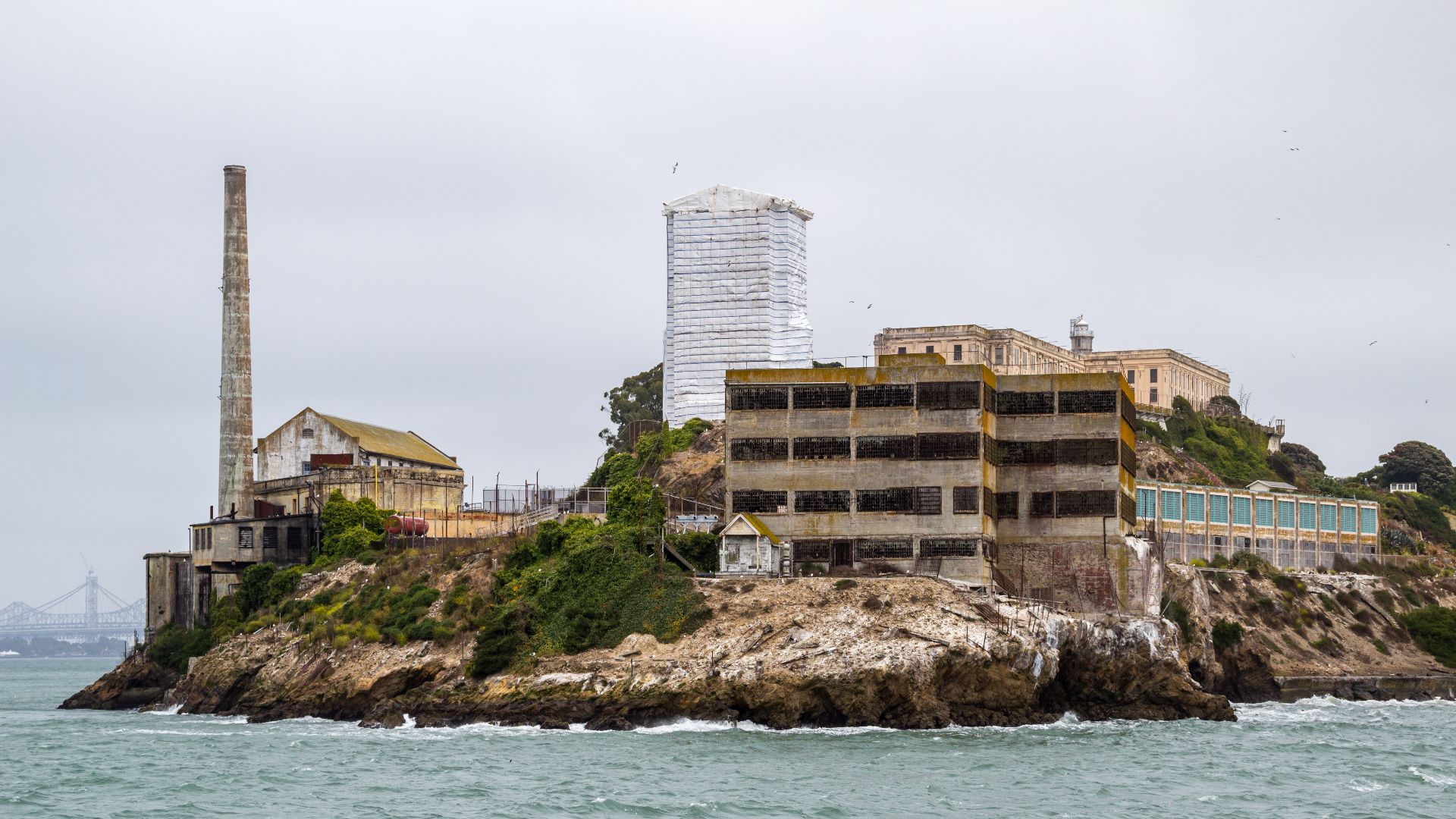
9. Alcatraz Island, California
Alcatraz is often treated like a thrilling prison-tour destination, but its history is harsh. The island held some of the country’s most famous inmates, and its isolation made escape feel almost impossible. It was also later occupied by Native American activists, adding another layer to its political meaning.
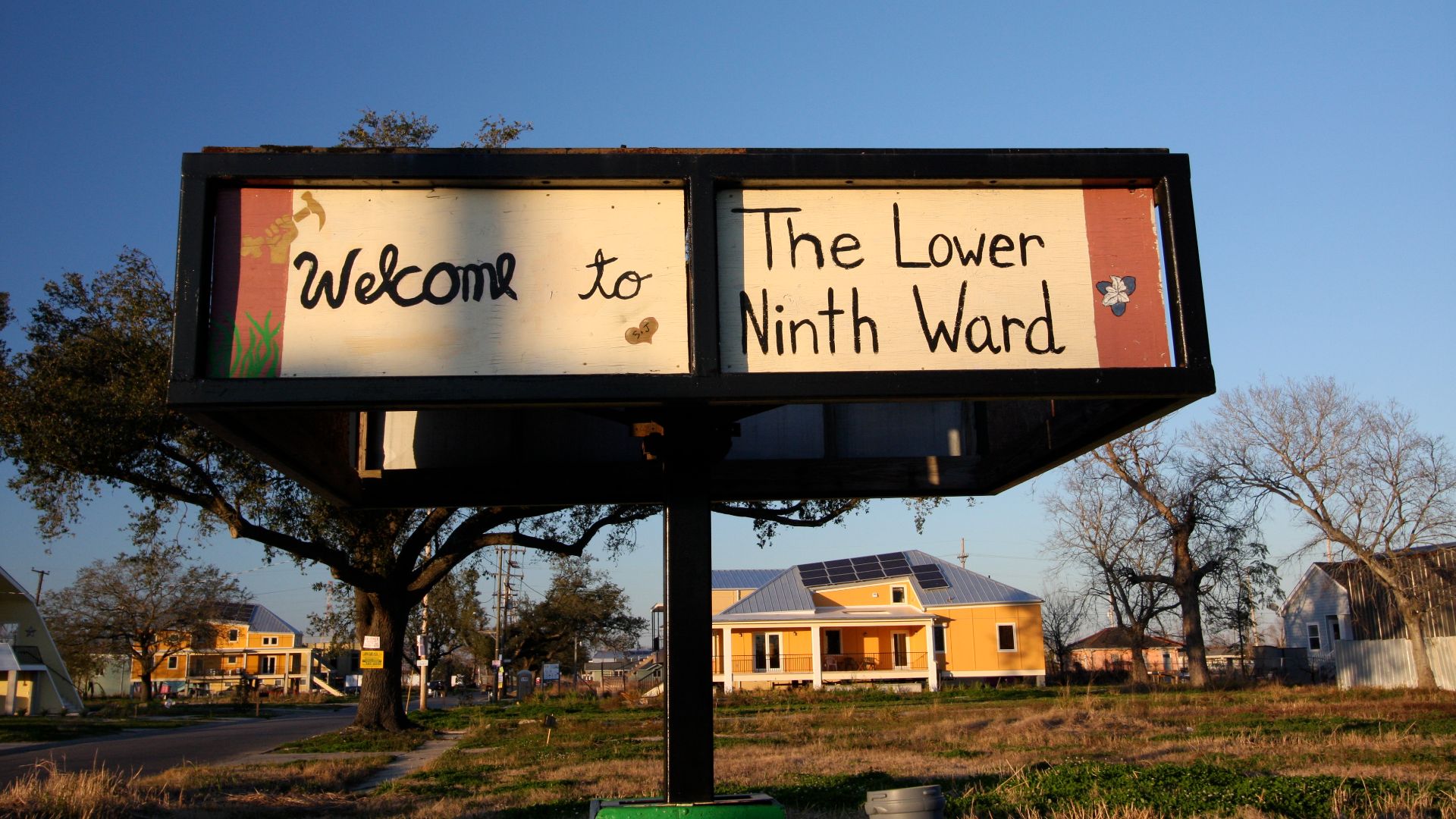
10. The Lower Ninth Ward, New Orleans, Louisiana
The Lower Ninth Ward became one of the clearest symbols of Hurricane Katrina’s destruction in 2005. Flooding devastated the neighborhood after levee failures, and many residents lost homes, loved ones, and long-standing community ties. The history there isn’t ancient, which makes it feel especially sharp. It shows how disasters are often made worse by inequality, infrastructure failures, and slow recovery.
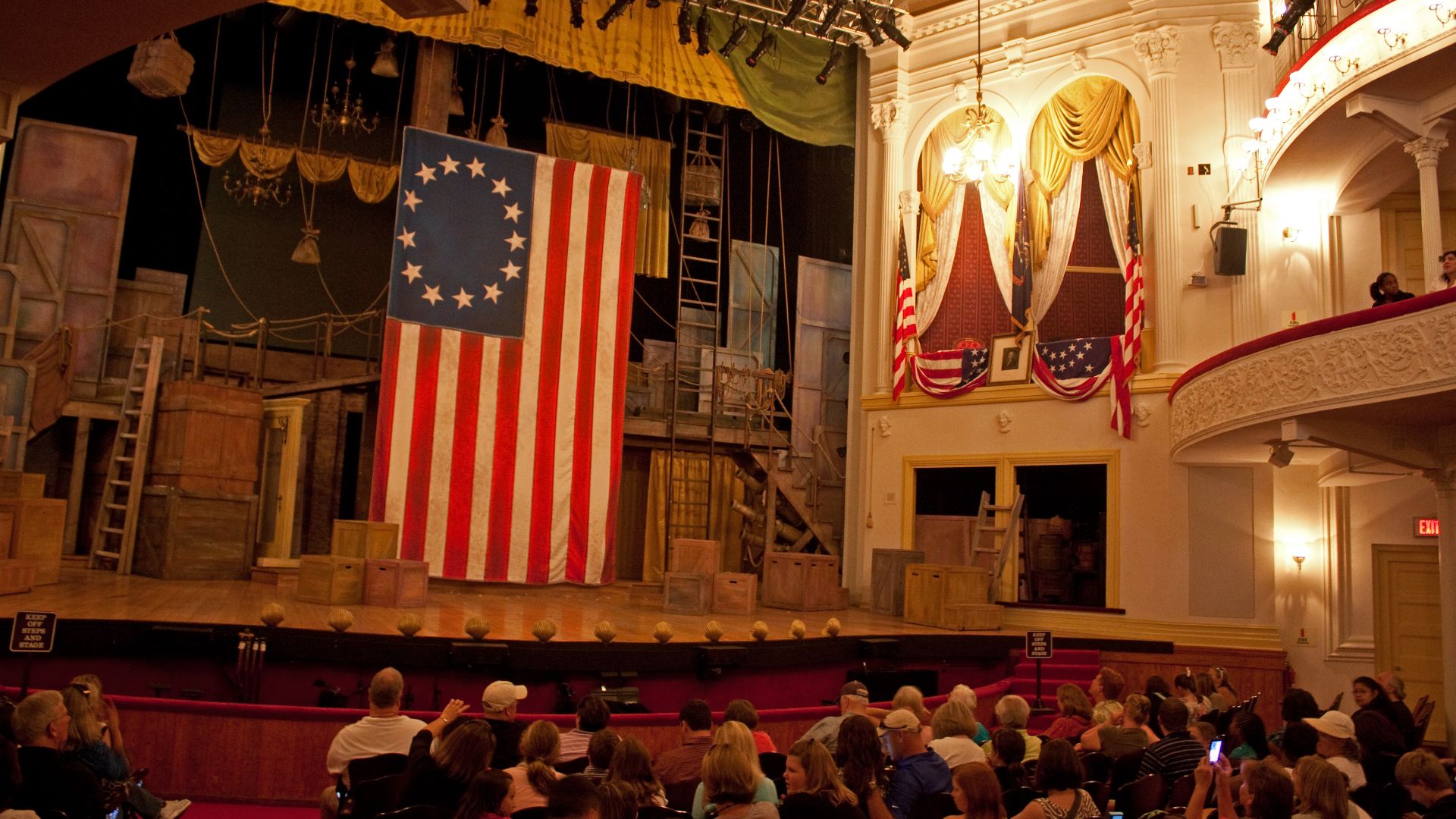
11. Ford’s Theatre, Washington, D.C.
Ford’s Theatre is famous because it’s where President Abraham Lincoln was assassinated in 1865. The building still operates as a theater and museum, which gives it an unusual mix of normal life and national grief. Visitors aren’t just looking at an old performance space; they’re standing in the place where the aftermath of the Civil War took a shocking turn.
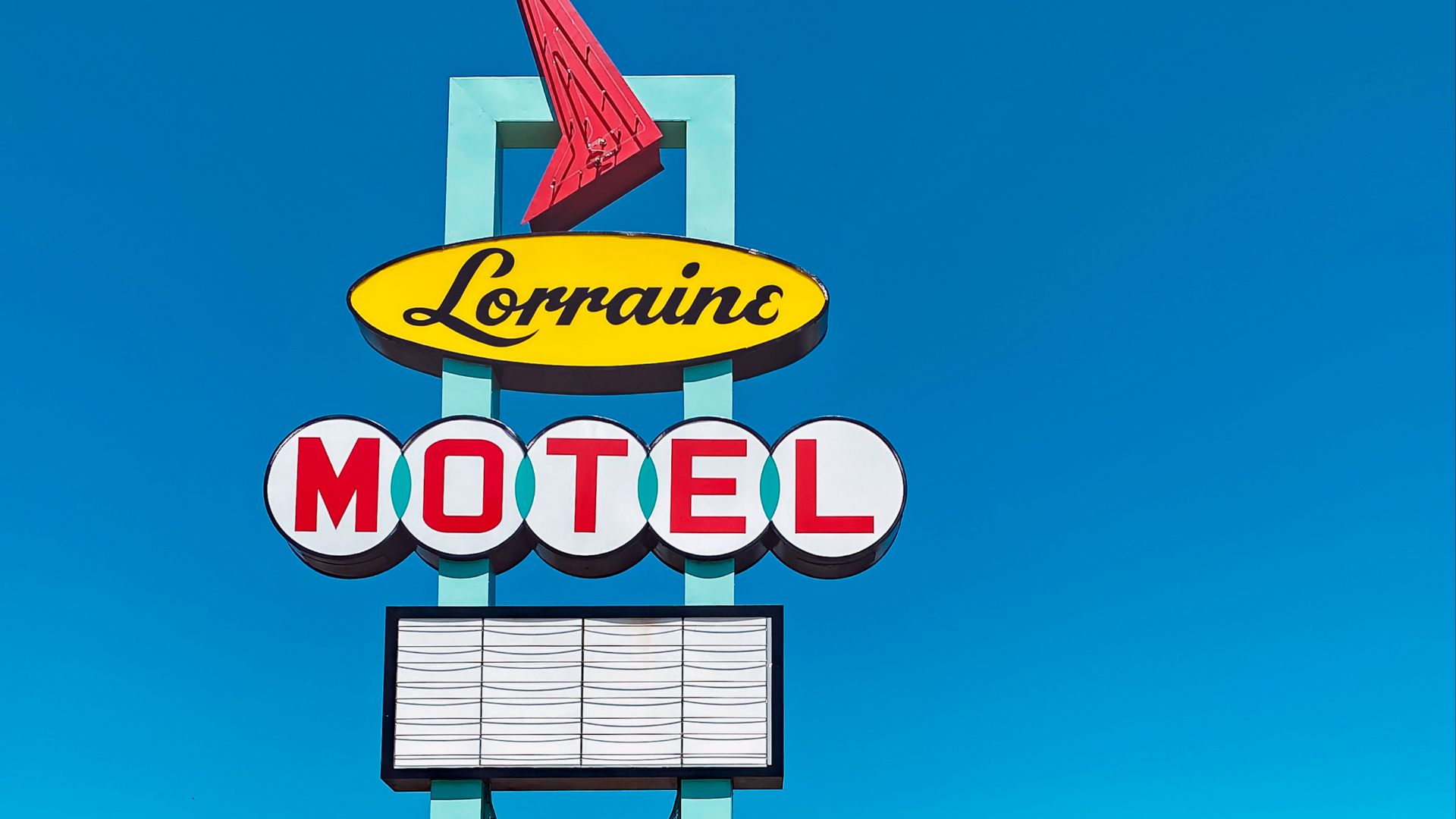
12. The Lorraine Motel, Memphis, Tennessee
The Lorraine Motel is where Dr. Martin Luther King Jr. was assassinated in 1968. Today, it’s part of the National Civil Rights Museum, which places that moment within the larger struggle for justice. The preserved motel exterior makes the history feel immediate rather than distant. It’s a place that reminds you how recent the civil rights era really was.
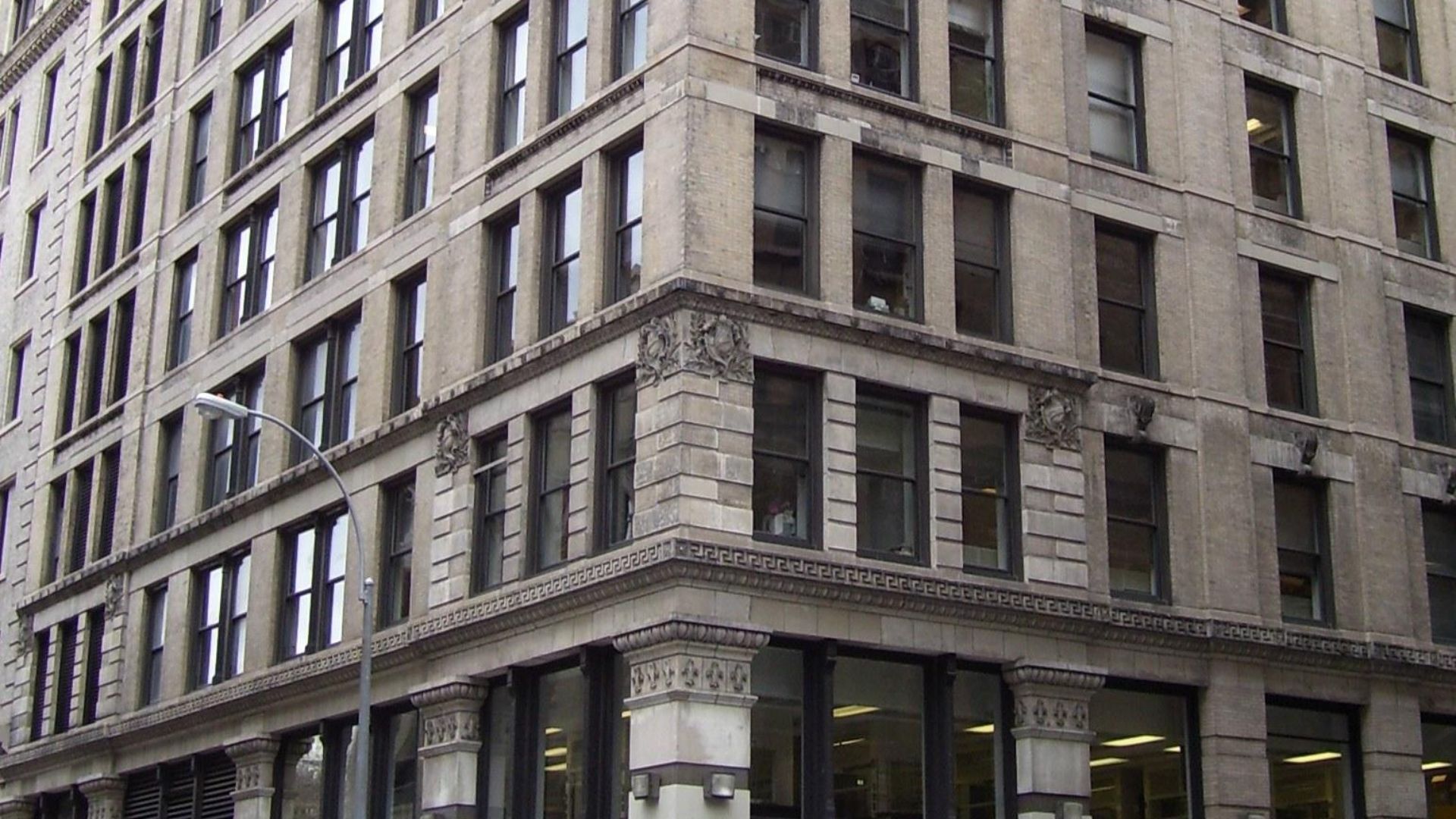
13. The Triangle Shirtwaist Factory Site, New York City
The Triangle Shirtwaist Factory fire in 1911 killed 146 workers, many of them young immigrant women. Locked doors, unsafe conditions, and poor labor protections turned a workplace into a death trap. The disaster helped fuel major changes in labor laws and fire safety rules.
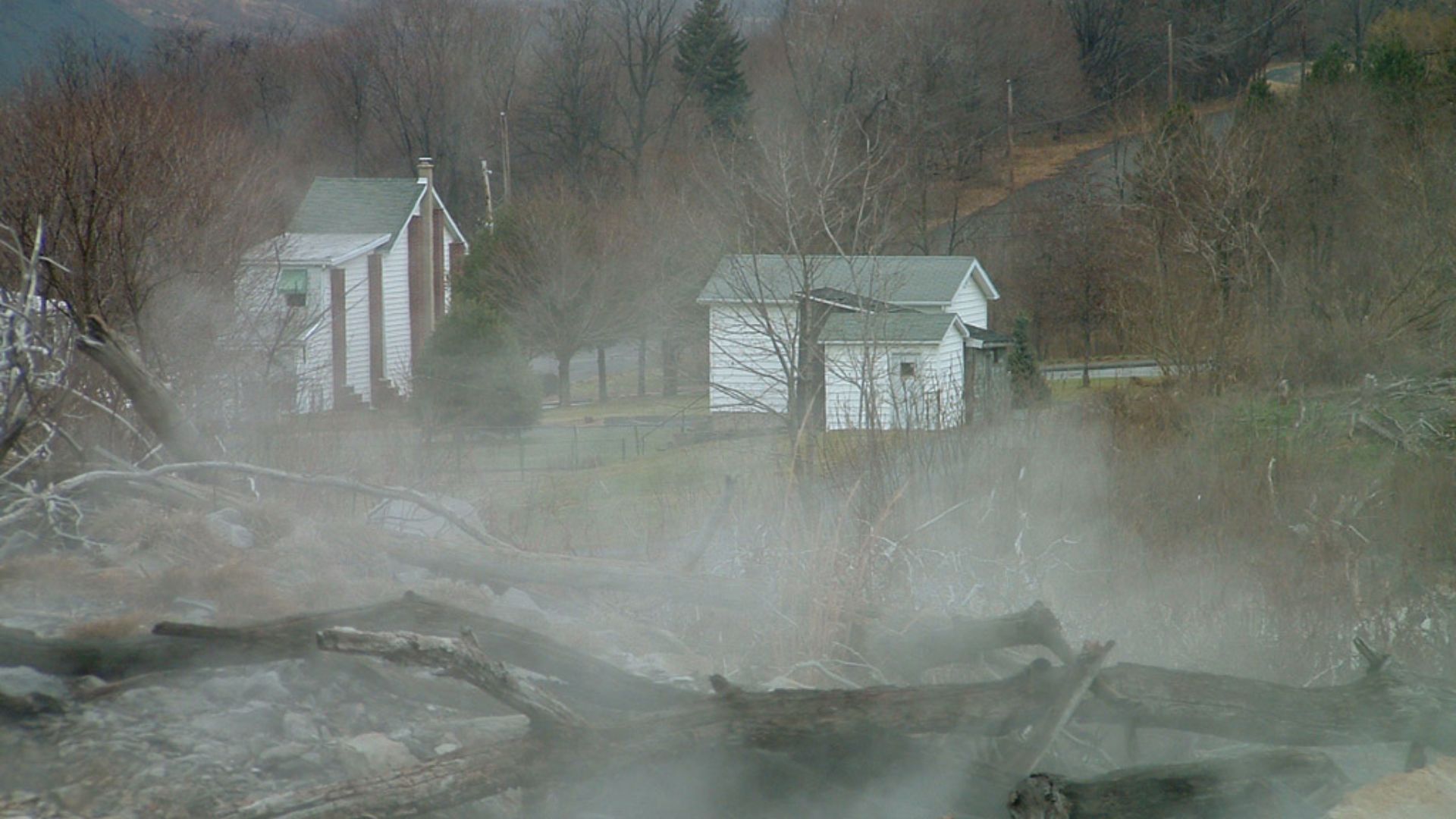
14. Centralia, Pennsylvania
Centralia looks strange and quiet because an underground mine fire has been burning beneath the area for decades. The fire forced most residents to leave, and much of the town was eventually abandoned. It's eerie to see a place built for everyday life that slowly became unsafe from the ground up.
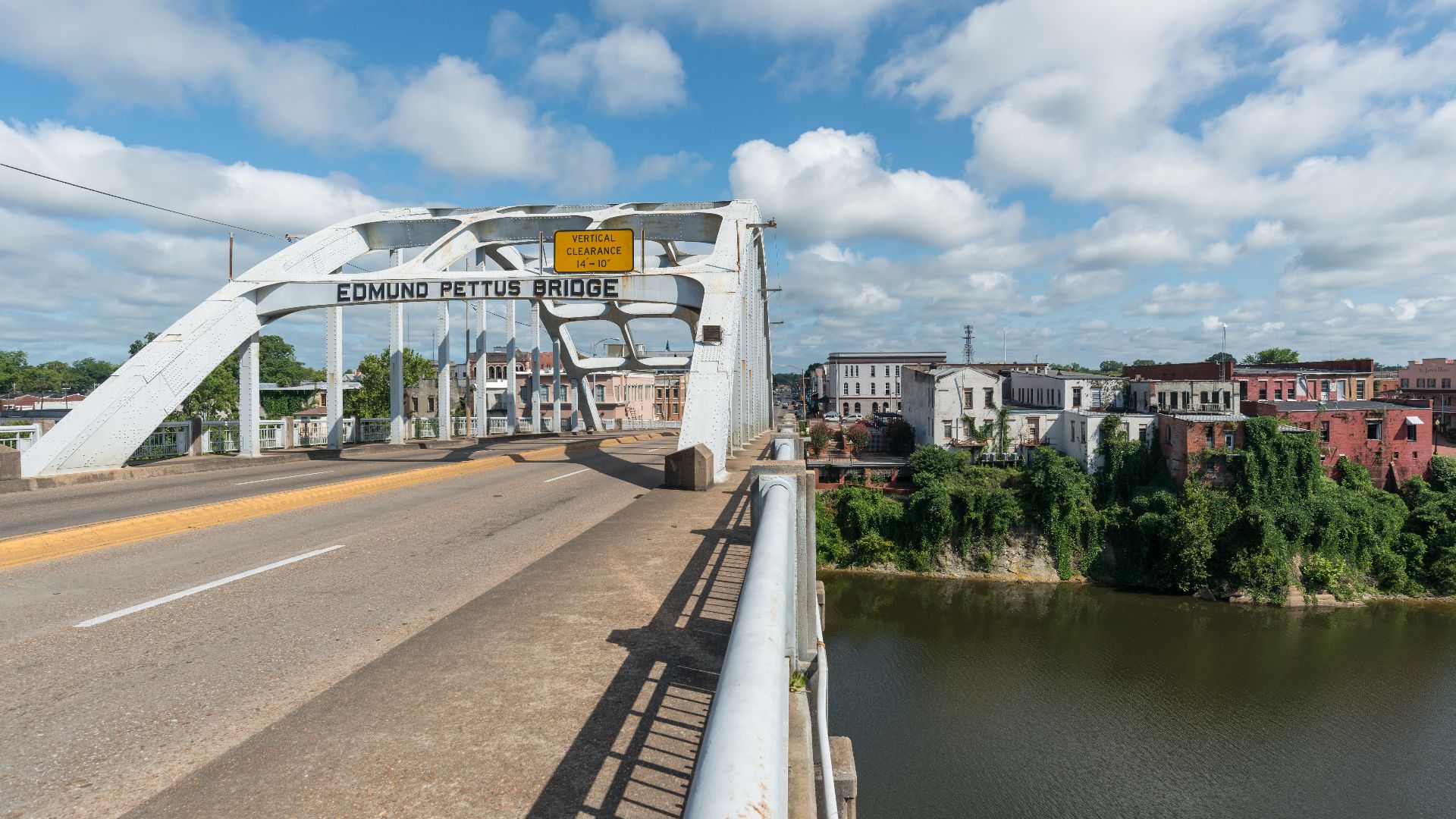
15. The Edmund Pettus Bridge, Selma, Alabama
The Edmund Pettus Bridge is known for Bloody Sunday, when civil rights marchers were attacked by law enforcement in 1965. The violence shocked viewers around the country and helped build support for the Voting Rights Act. The bridge itself is ordinary in structure, but extraordinary in meaning, representing both brutality and courage.
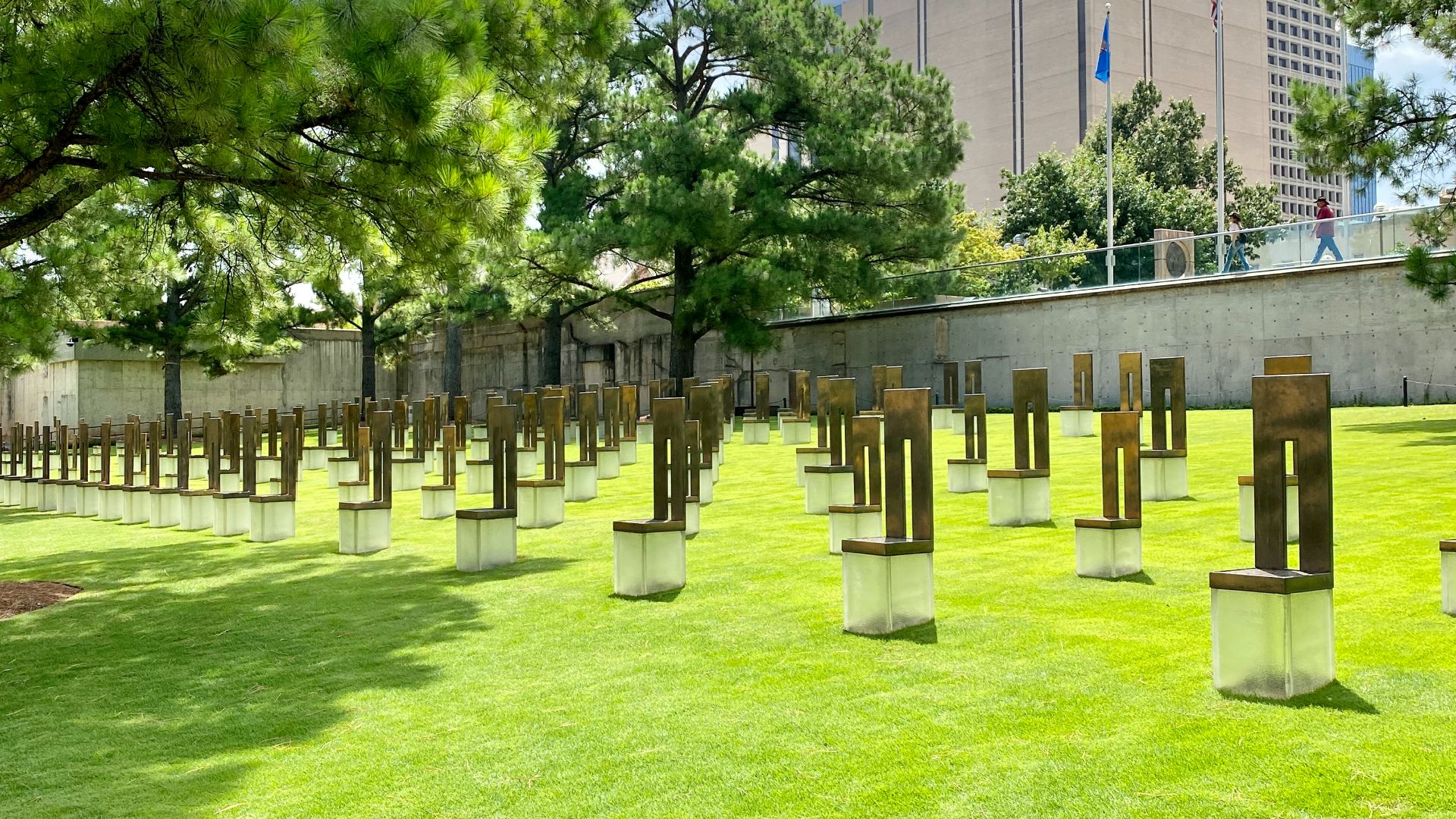
16. The Oklahoma City National Memorial, Oklahoma
The Oklahoma City National Memorial marks the site of the 1995 bombing of the Alfred P. Murrah Federal Building. The attack killed 168 people, including children, and remains one of the deadliest acts of domestic terrorism in U.S. history. The memorial’s empty chairs make the loss feel personal and direct. It’s a place where silence does most of the talking.
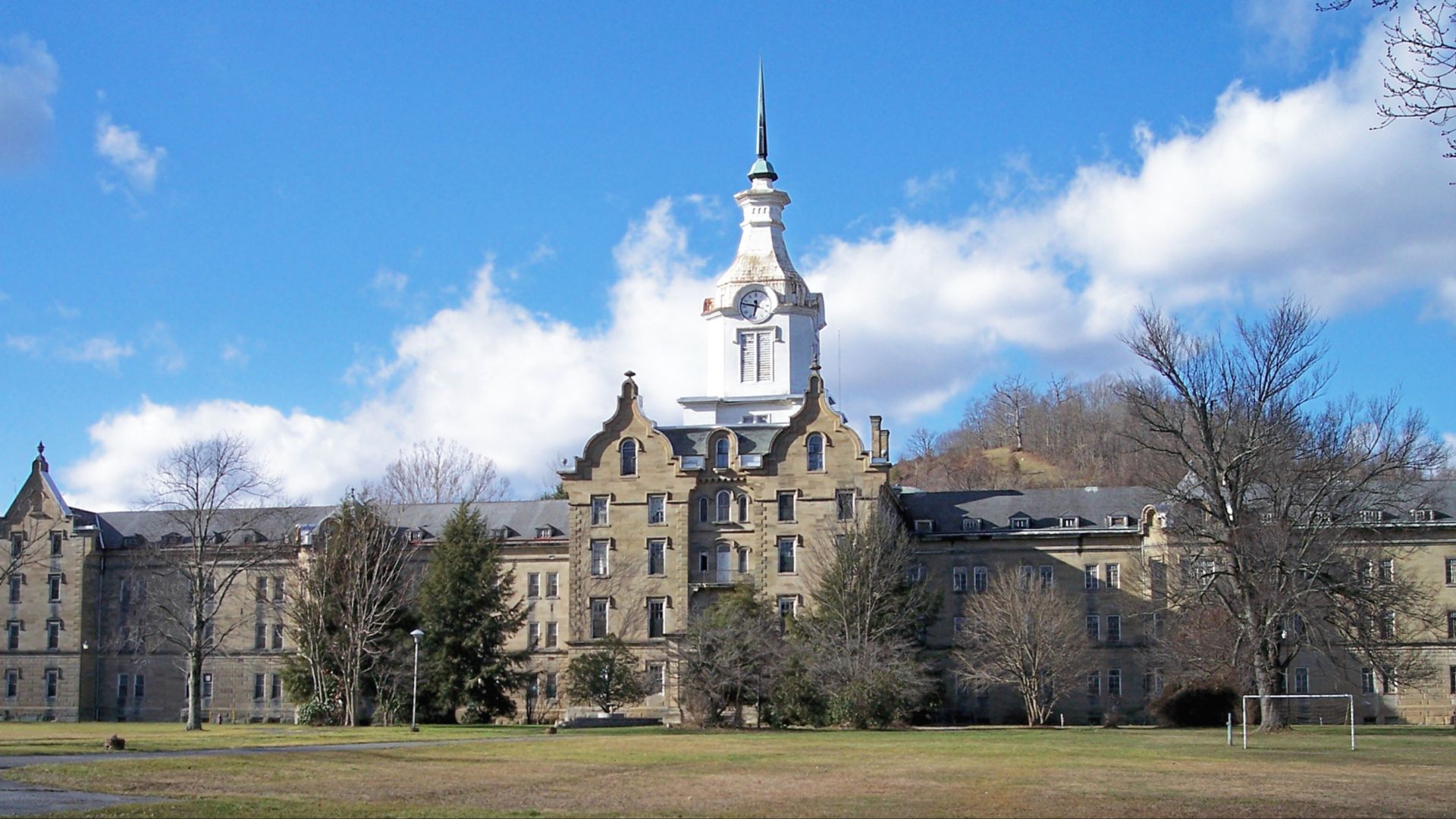
17. The Trans-Allegheny Lunatic Asylum, West Virginia
The Trans-Allegheny Lunatic Asylum was built with reform-minded ideas, but its history became much darker over time. Overcrowding, changing medical practices, and poor conditions shaped many patients’ experiences inside. Today, the building attracts tourists partly because of its eerie appearance, but the real history is about how society treated mental illness.
18. Attica Correctional Facility, New York
Attica became nationally known after the 1971 prison uprising and the deadly state response that followed. Prisoners had been protesting conditions and demanding basic rights when negotiations collapsed. The retaking of the prison left inmates and hostages dead, and the name Attica became shorthand for a much larger debate about incarceration. It’s still a working prison, which makes its dark history feel unresolved rather than neatly finished.
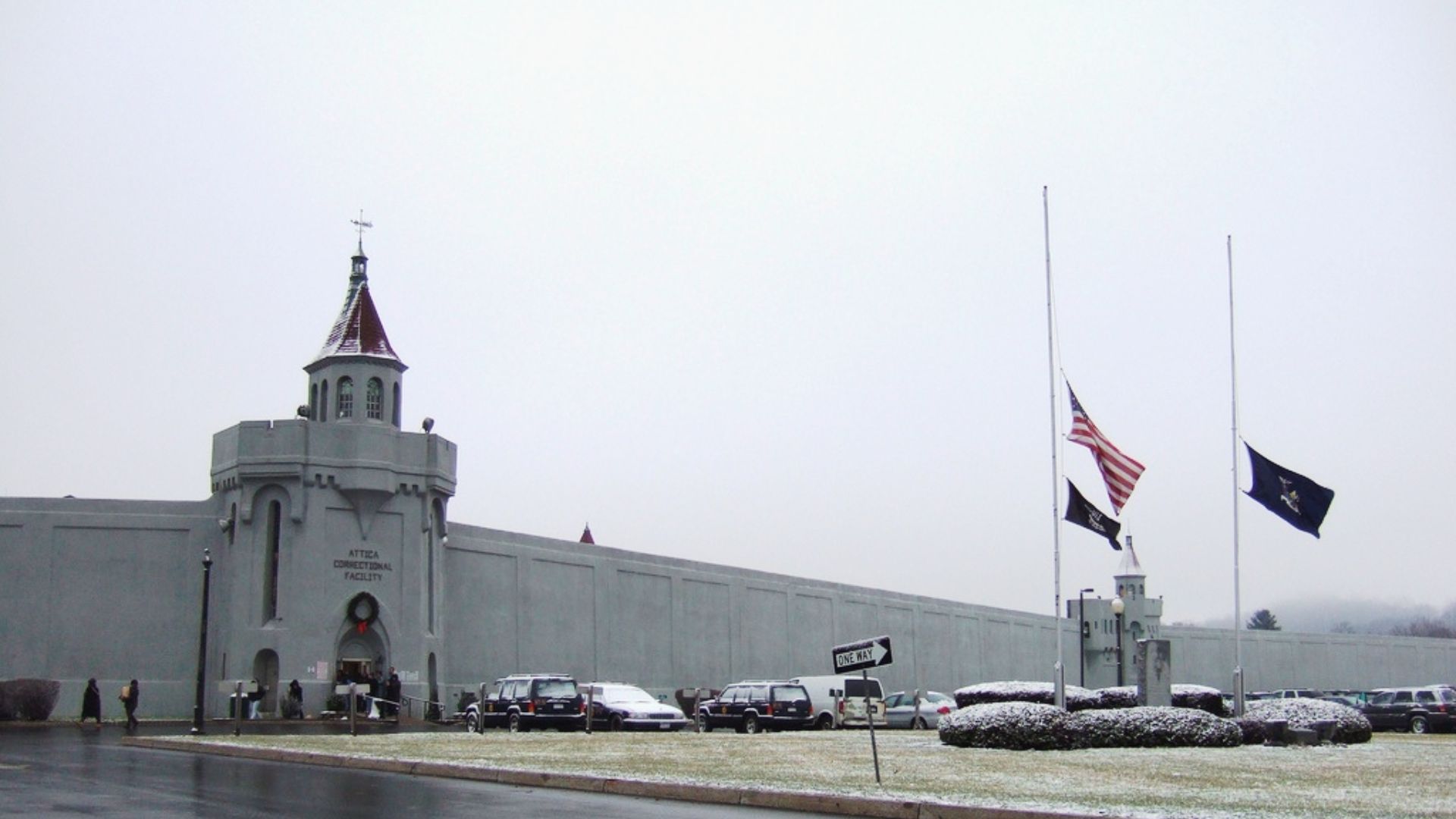 Jayu from Harrisburg, PA, U.S.A. on Wikimedia
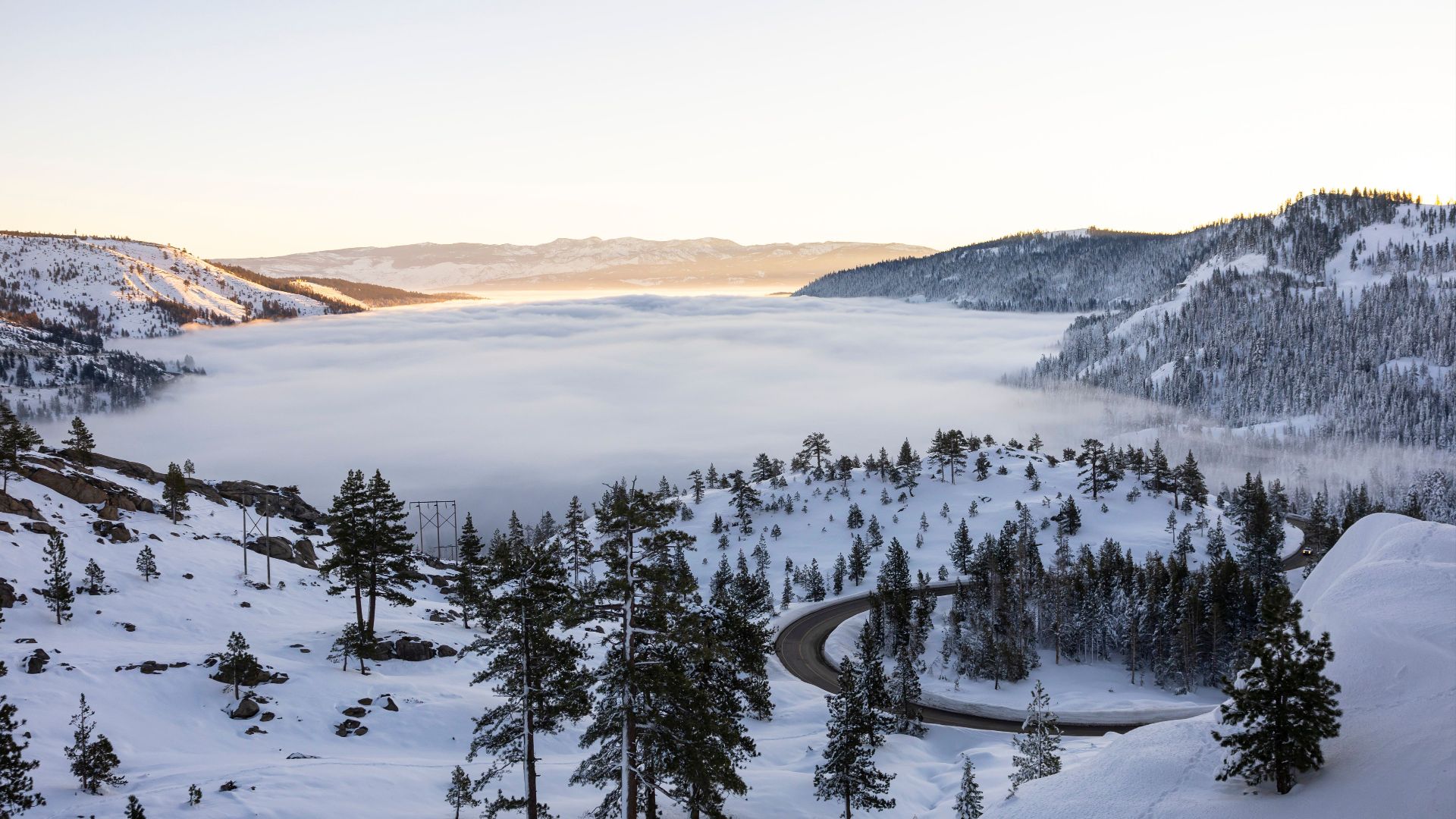
19. The Donner Pass Area, California
Donner Pass is tied to one of the most infamous survival stories in American history. In the 1840s, the Donner Party became trapped by snow in the Sierra Nevada, leading to starvation, death, and desperate choices. There may be roads and ski hills there now, but it's easy to imagine how harsh and unforgiving it would have been hundreds of years ago.
20. Greenwood District, Tulsa, Oklahoma
Tulsa’s Greenwood District was once known as a thriving center of Black business and community life. In 1921, a white mob attacked the neighborhood, killing residents and destroying homes, churches, and businesses. For decades, the massacre was minimized or left out of many public histories. Remembering Greenwood means recognizing not only what was destroyed, but also what had been built before the violence.
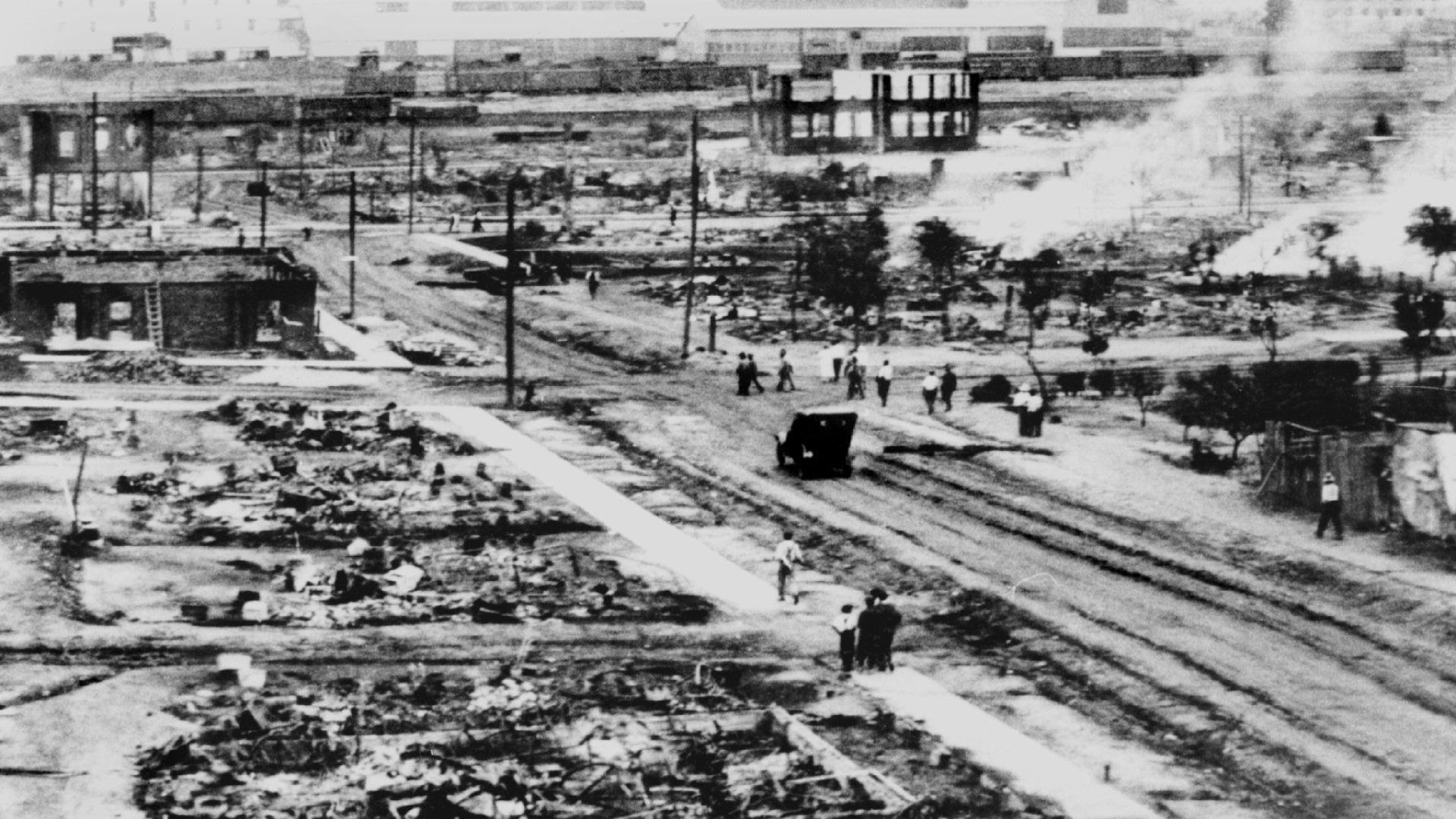 Unknown authorUnknown author on Wikimedia