Frank Sinatra and The Marriage That Became a Tabloid Obsession
Scandalous Facts About "Ol' Blue Eyes"
Frank Sinatra could make millions of listeners believe every love song he sang. Behind closed doors, however, his own romantic life was far messier than anything in his music. At the center of it all was actress Ava Gardner—a Hollywood beauty Sinatra fell for while he was still married to the mother of his children. Their affair became headline news, their marriage became a spectacle, and their fights, breakups, jealousies, and reunions fascinated the public for years. Somehow, even divorce couldn’t completely separate them.
 Unknown authorUnknown author on Wikimedia
1. He Nearly Didn’t Survive His Birth
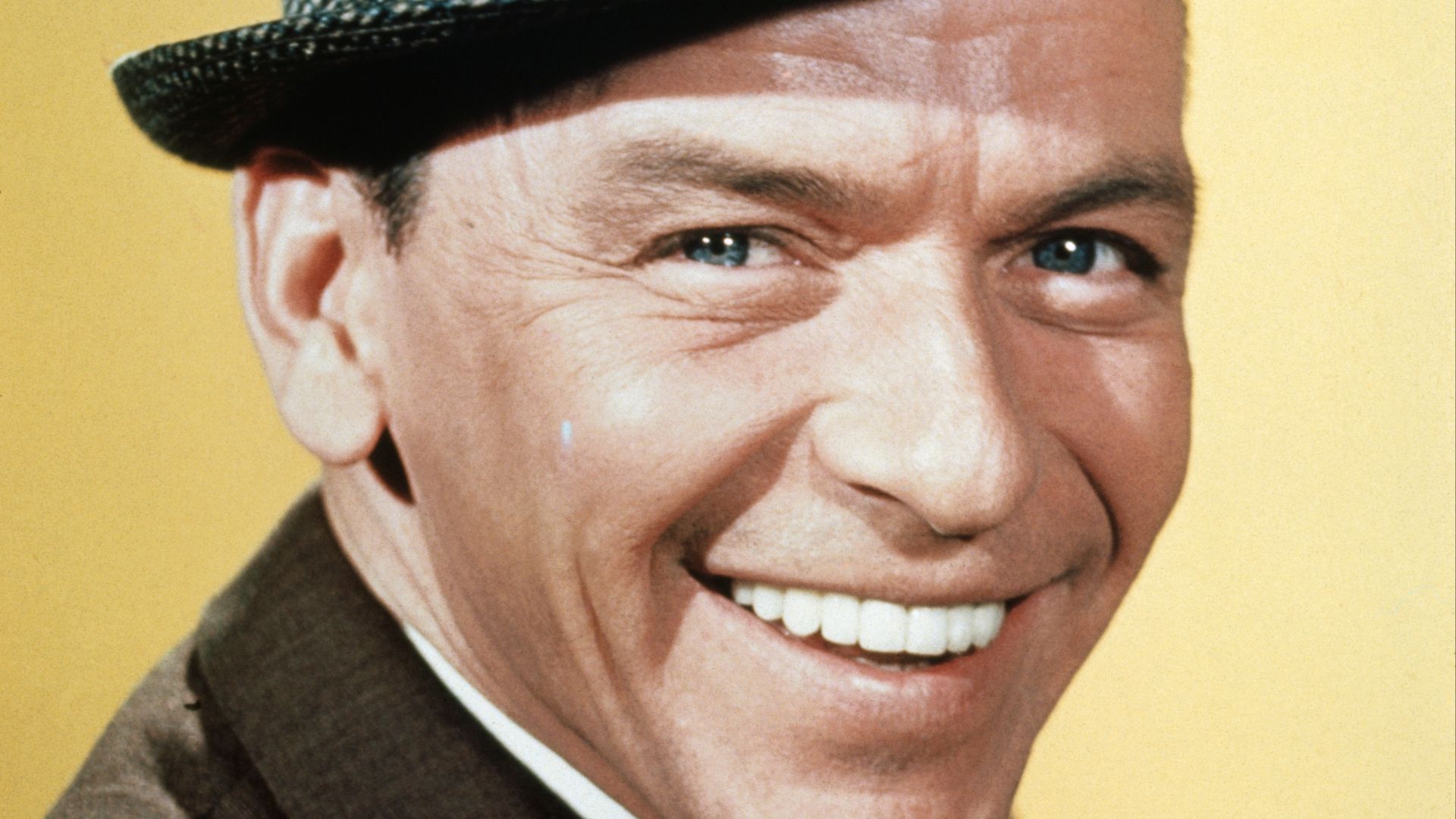
Frank Sinatra entered the world in Hoboken, New Jersey, on December 12, 1915—and his arrival was frightening from the start. He was a large baby, and doctors used forceps during the difficult delivery, leaving permanent scars on his face and neck and damaging his left ear. His grandmother reportedly revived the unresponsive newborn with cold water. Sinatra survived, but he would carry the physical reminders of that dramatic entrance for the rest of his life.
And Frank Sinatra was never going to have a quiet life.

2. His Mother Was A Force
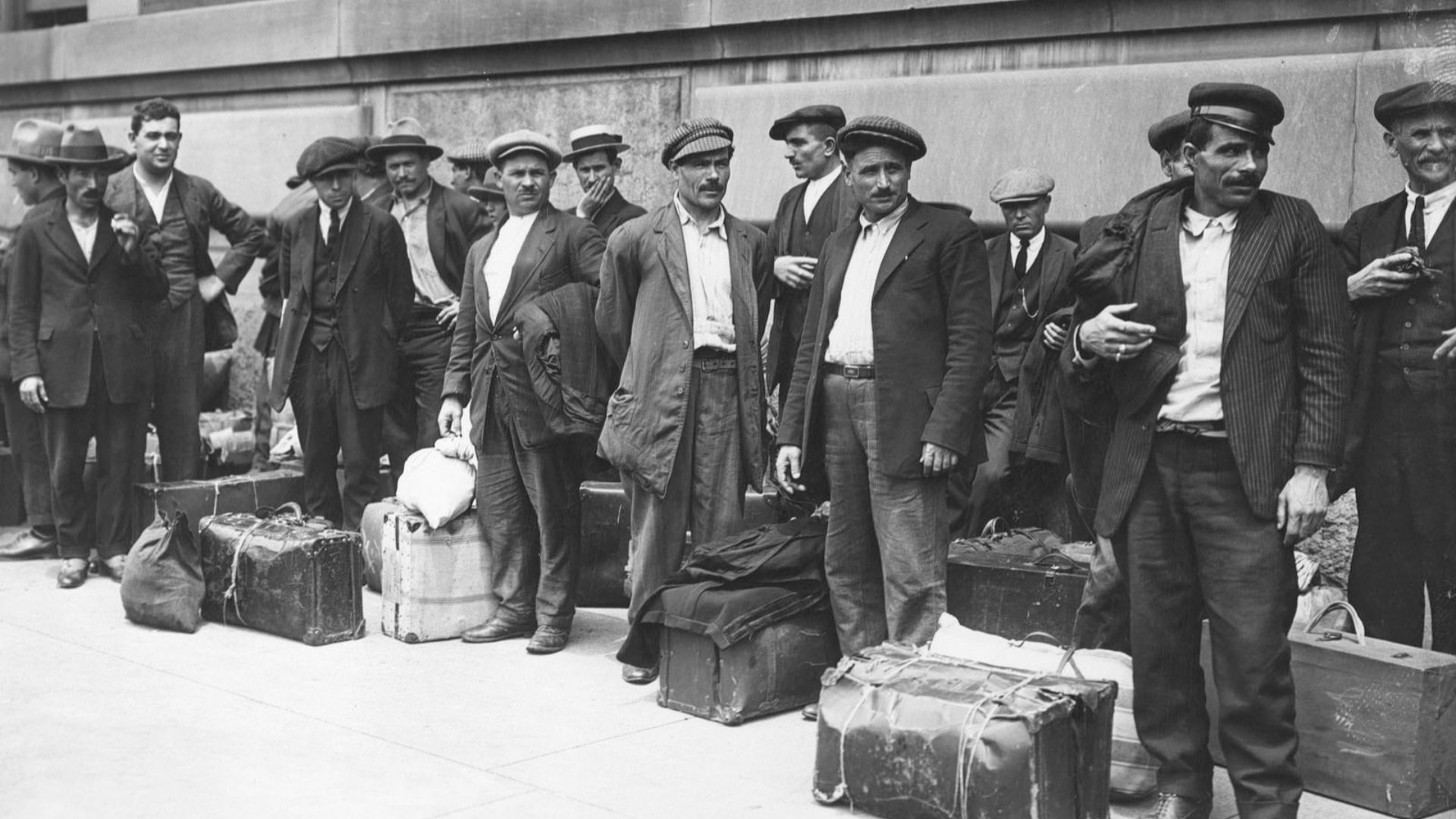
Sinatra was the only child of Italian immigrants Natalie “Dolly” Garaventa and Antonino Martino Sinatra. His father worked various jobs and eventually became a fireman, but Dolly was the dominant personality in the family. She became deeply involved in local politics and developed connections throughout Hoboken. Frank inherited some of her ambition—and, according to people who knew them, plenty of her fiery temperament.
That temper would eventually become almost as famous as his voice. First, however, he needed people to hear him sing.
3. He Wanted To Be Bing Crosby
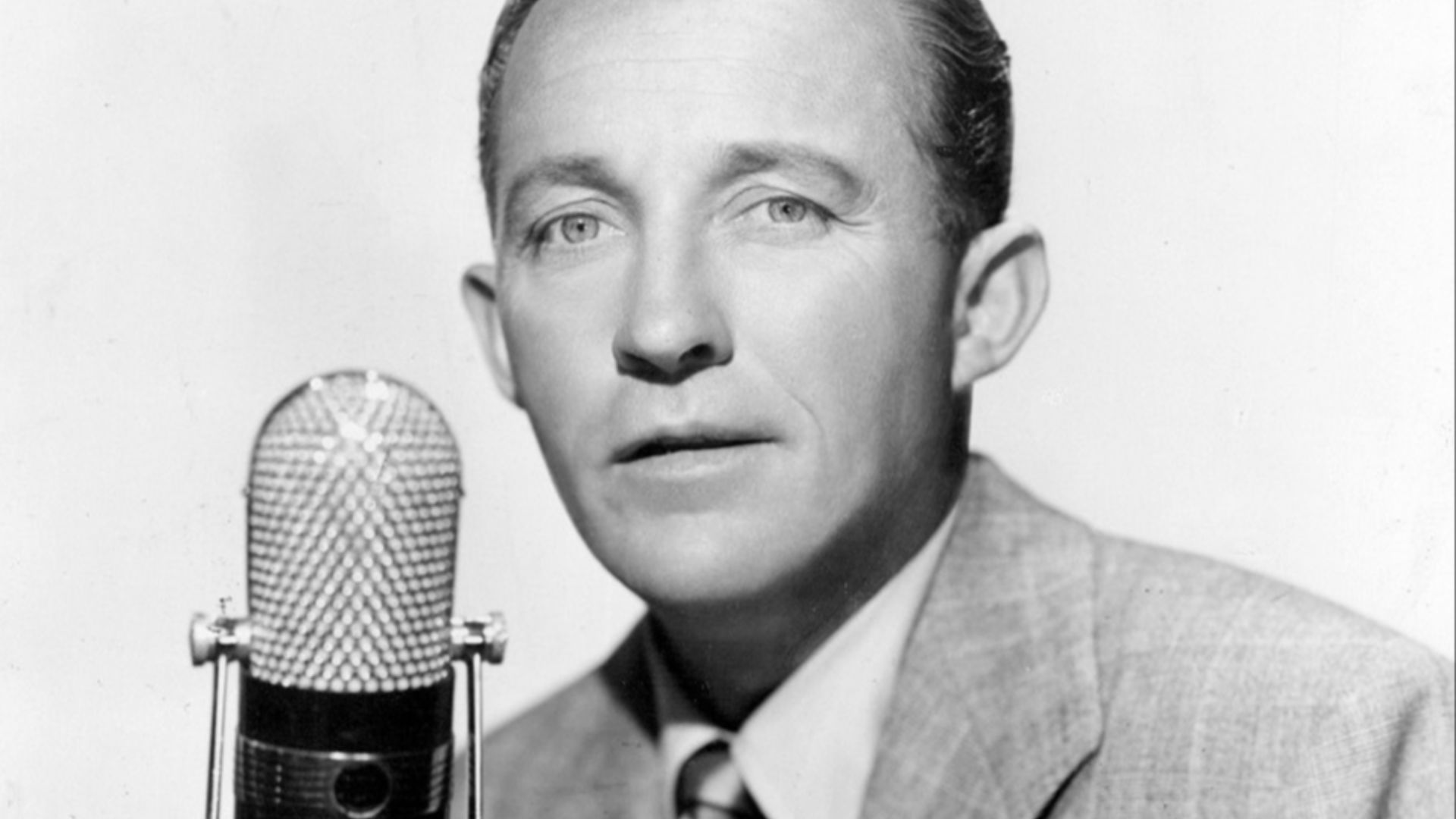
As a young man, Sinatra became captivated by Bing Crosby. Seeing Crosby perform helped convince him that singing wasn’t merely something he enjoyed—it could become his life. Sinatra began performing wherever he could, developing the smooth phrasing that would eventually make him unmistakable. He had little formal musical education and reportedly never learned to read music fluently, but he possessed something considerably harder to teach: instinct.
Soon, that instinct started opening doors. And one of those doors led to the woman who knew him before the screaming fans arrived.
4. Nancy Knew Him Before Fame
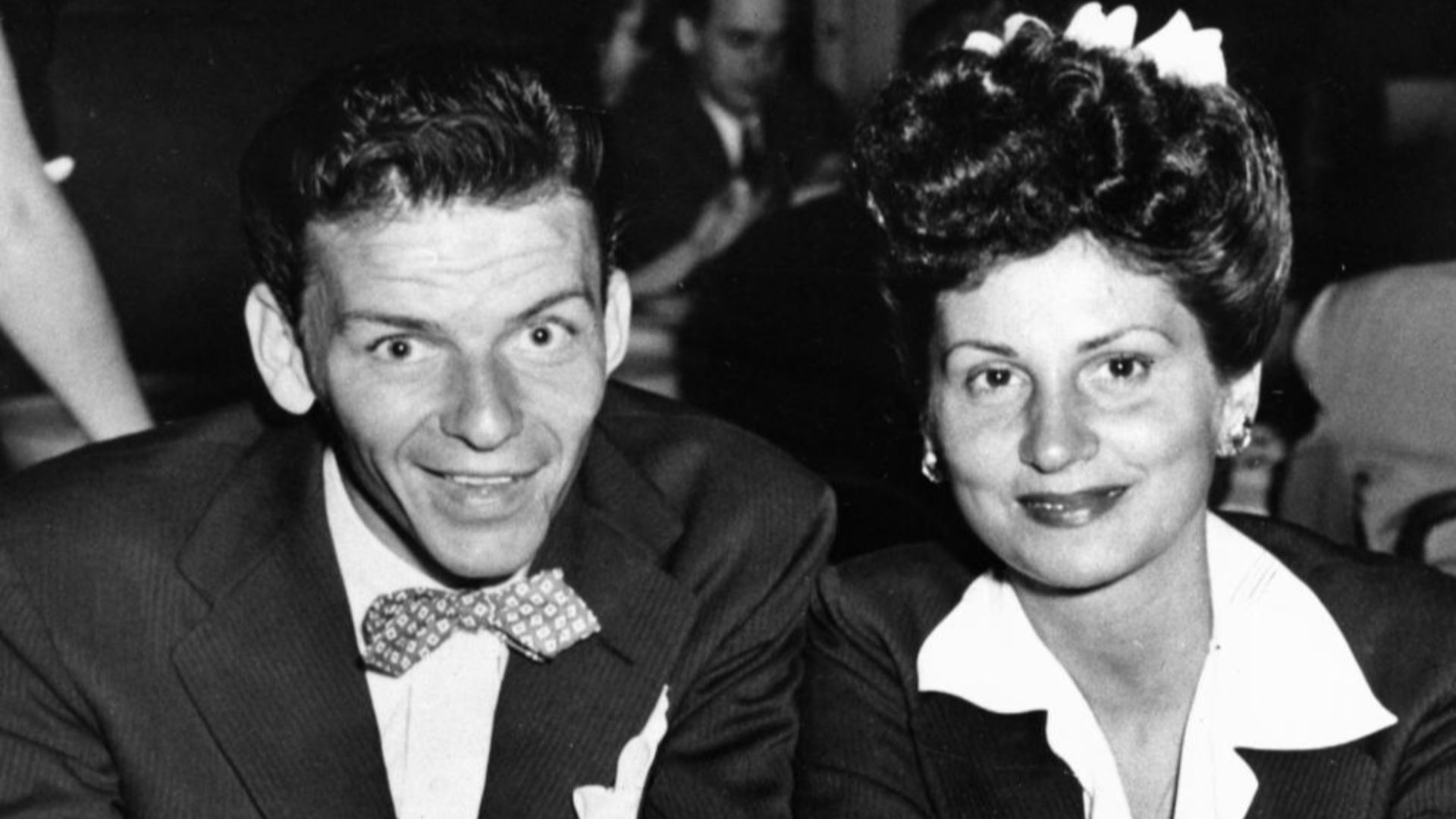
Before Ava Gardner, before Hollywood, and before millions of women screamed Sinatra’s name, there was Nancy Barbato. The two met as teenagers and began a relationship long before Frank became famous. Nancy represented something Sinatra would spend much of his later life trying to recover: home, family, and a connection to the ordinary young man he had once been.
They married in 1939, when Sinatra’s career was finally beginning to move. Unfortunately, success would put their marriage through a brutal test.
 Wide World Photos. Photographer uncredited. on Wikimedia
5. Suddenly, Women Were Screaming
Sinatra performed with Harry James and then Tommy Dorsey before striking out on his own. By the early 1940s, something extraordinary was happening. Teenage girls—soon nicknamed “bobby-soxers”—were screaming, fainting, and crowding theaters to see him. Sinatra became one of America’s first true pop idols, and the attention transformed his life almost overnight.
Nancy was at home raising their growing family while Frank traveled through a world filled with admirers. Temptation was everywhere—and Sinatra was not famous for resisting it.
 Unknown authorUnknown author on Wikimedia
6. Nancy Built A Family
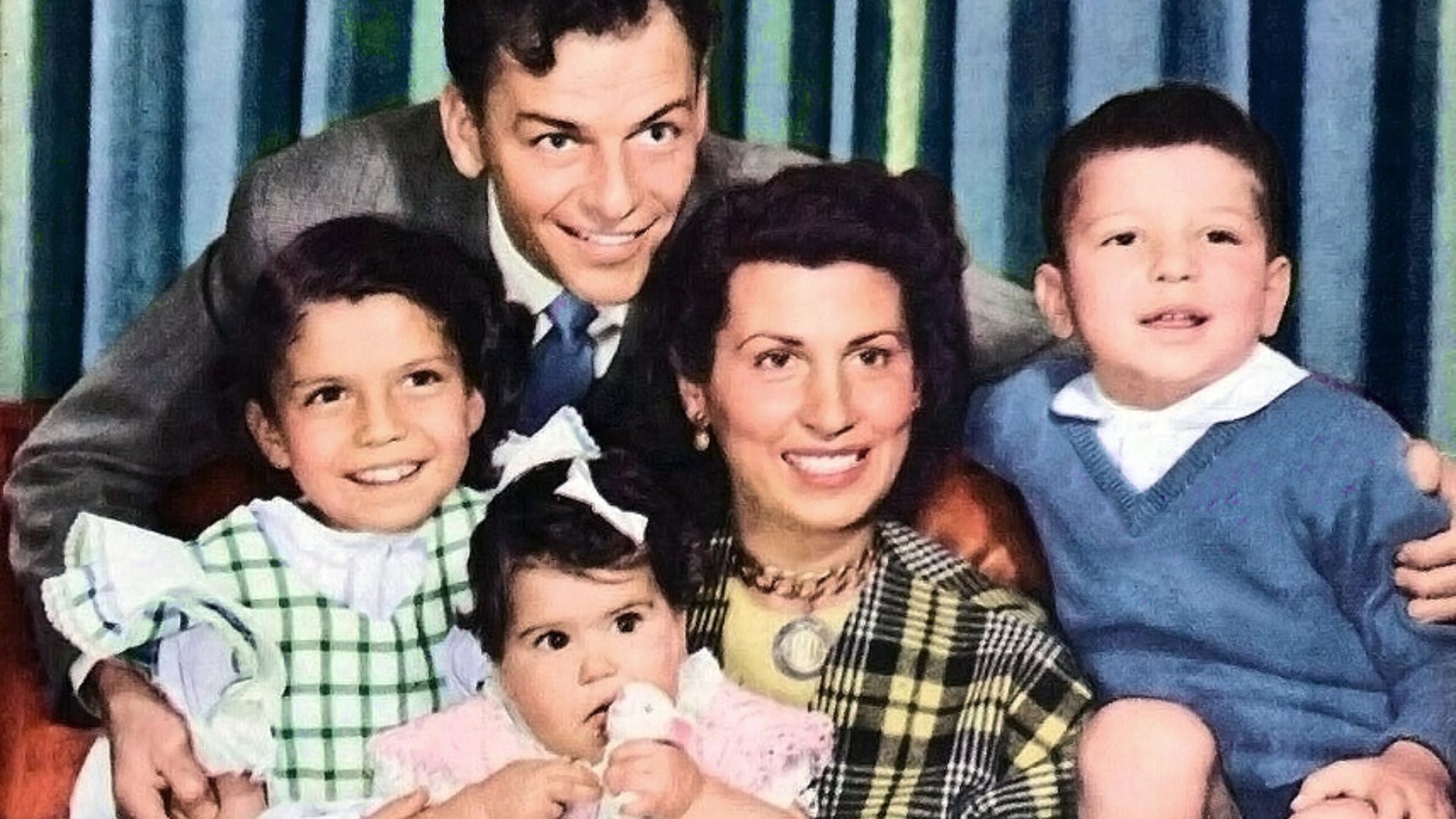
Frank and Nancy had three children: Nancy, Frank Jr., and Tina. From the outside, they could be presented as the perfect American show-business family. Behind that image, however, Sinatra was increasingly living a second life. His career required long stretches away from home, and reports of romantic adventures followed him.
By the time the family moved west, Hollywood offered even more opportunities for trouble. One woman in particular would eventually make all the others seem insignificant. Her name was Ava Gardner.
 Published by Movie Life. Photographer unknown. on Wikimedia
7. Ava Was Almost Unknown
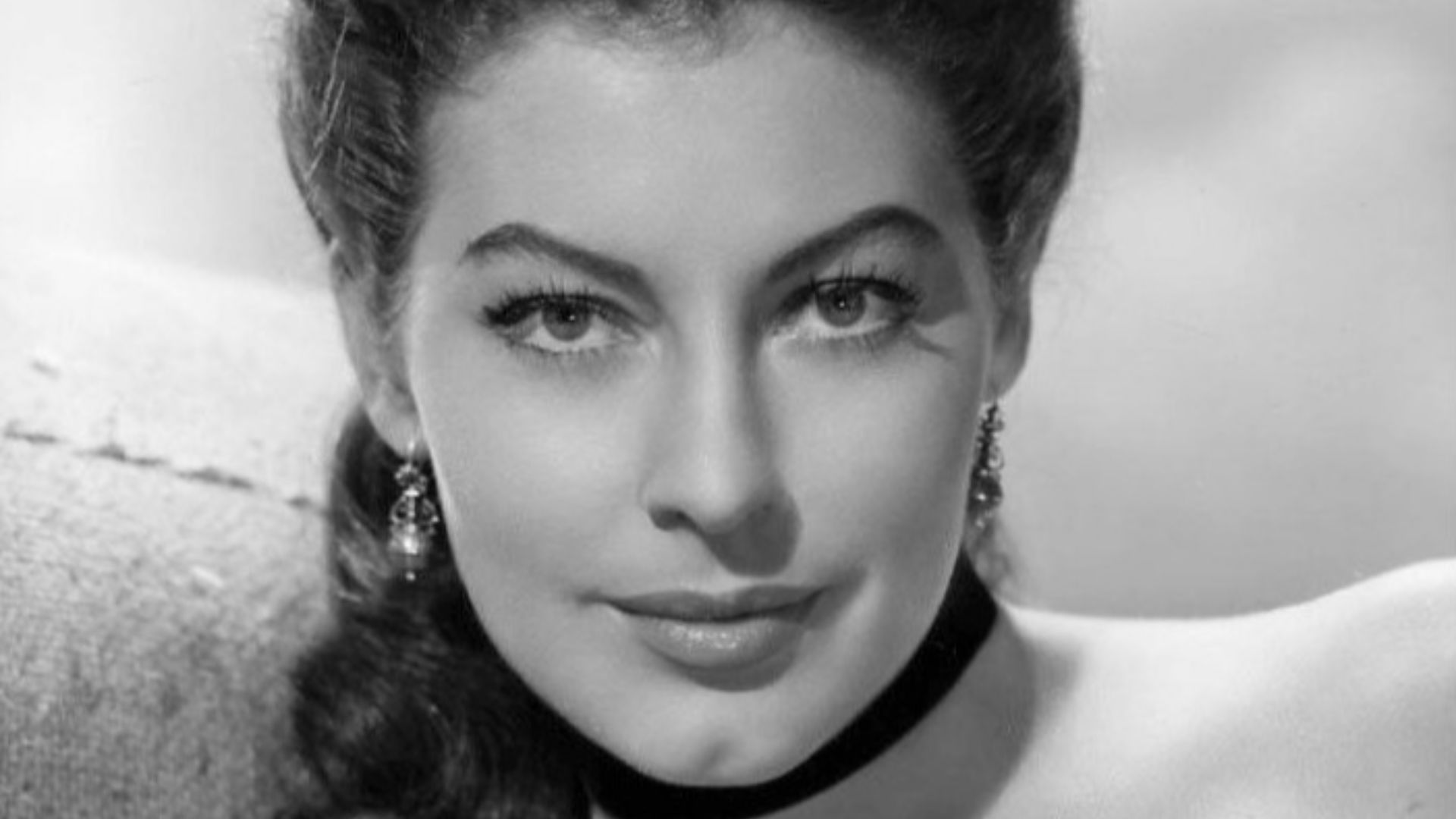
When Sinatra first crossed paths with Ava Gardner in the early 1940s, she wasn’t yet the international star she would become. Gardner had arrived at MGM after a photograph of her caught the studio’s attention. She was strikingly beautiful, but her thick North Carolina accent initially presented difficulties for the studio.
Gardner later recalled meeting Sinatra while she was still connected to her first husband, Mickey Rooney. Frank was already married too. Nothing serious happened then—but neither forgot the other.
8. She Became Impossible To Ignore
Gardner spent years moving through small roles before 1946’s The Killers transformed her career. Suddenly, Hollywood knew exactly what to do with her striking looks and mysterious screen presence. MGM promoted her glamour relentlessly, and Gardner became one of the era’s most desirable stars.
Her private life was already complicated. Her brief marriages to Mickey Rooney and bandleader Artie Shaw had both ended, and she had been linked to other famous men. By the late 1940s, Ava was free.
Frank Sinatra was not.
 Unknown authorUnknown author on Wikimedia
9. Frank’s Perfect Image Was Cracking
Sinatra’s career had once seemed unstoppable, but his fortunes changed dramatically near the end of the 1940s. His record sales weakened, movie opportunities became less impressive, and changing musical tastes threatened his position. He even suffered frightening problems with his voice.
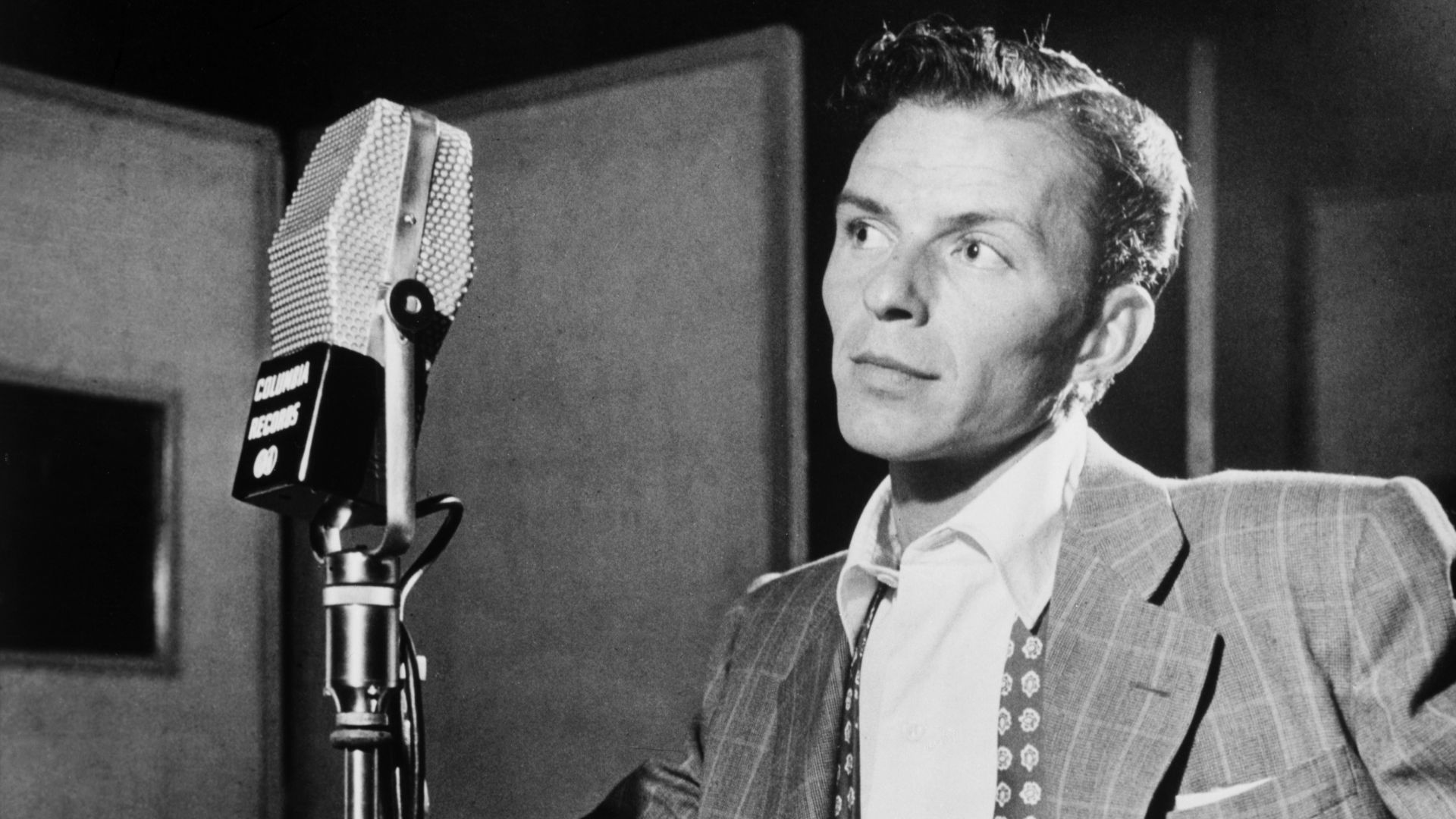
At precisely the moment Sinatra’s professional confidence was collapsing, his personal life was about to explode as well. The married father of three encountered Gardner again around Hollywood and Palm Springs. This time, the attraction wasn’t something either of them could easily dismiss.
 William P. Gottlieb on Wikimedia
10. Their Attraction Became Dangerous
Sinatra and Gardner began spending more time together, and the relationship became romantic. Gardner later described Sinatra as enormously charismatic and remembered how strongly she had been drawn to him. There was one enormous obstacle: Nancy.
For Sinatra, this wasn’t simply another Hollywood flirtation. Friends and biographers would describe Gardner as the great obsession of his romantic life. The problem was that pursuing her meant risking his marriage, his family-man image, and potentially his reputation.
He took the risk anyway. And America noticed.
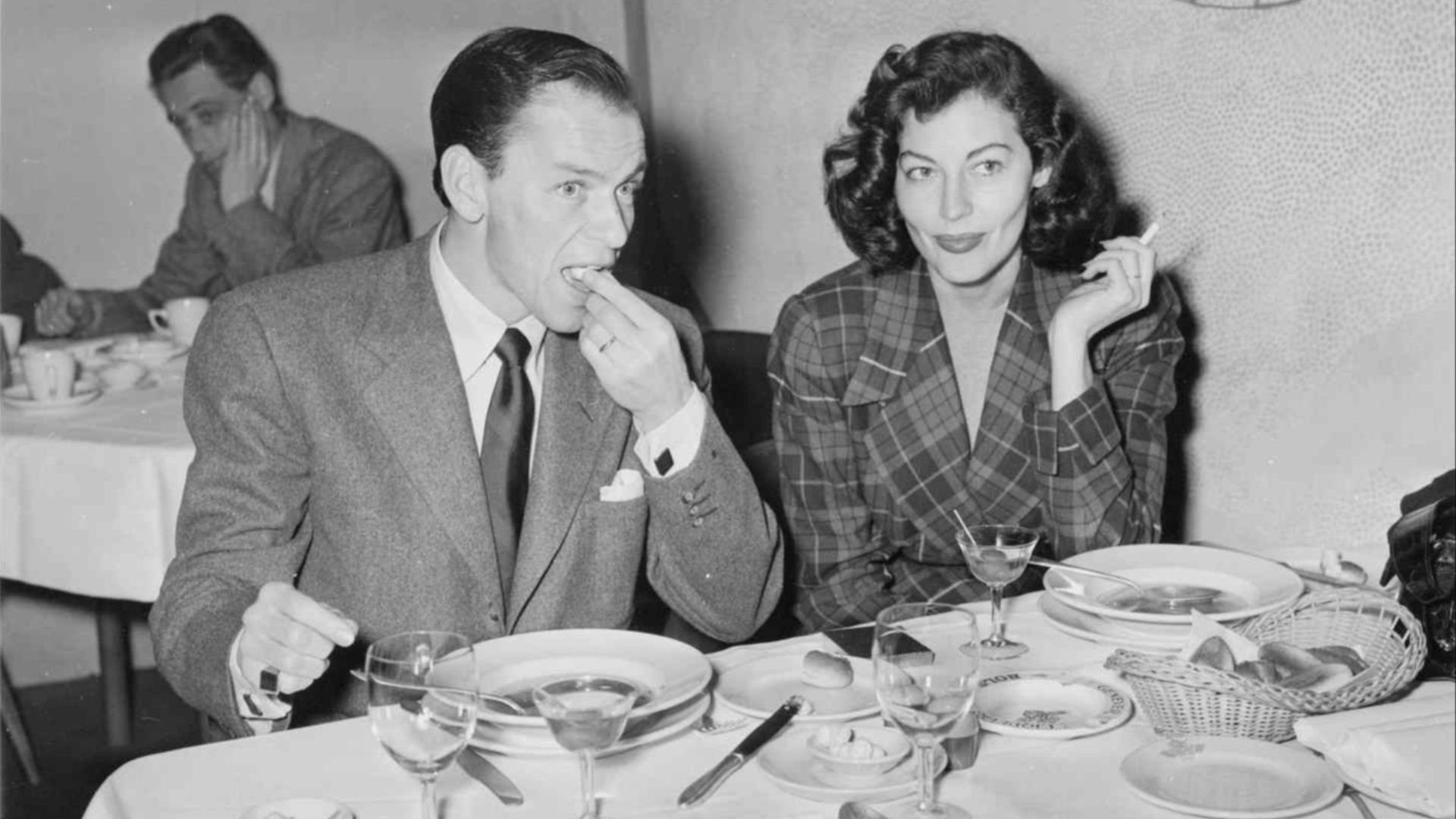
11. The Headlines Turned Ugly
Celebrity journalism in the early 1950s could be vicious, and a married superstar openly pursuing one of Hollywood’s most glamorous actresses was irresistible material. Sinatra and Gardner were portrayed as scandalous homewreckers, and the controversy became especially damaging because Sinatra had three children at home.
This was an era when studios carefully managed stars’ images, yet the Sinatra-Gardner story was becoming impossible to contain. Photographers and reporters followed their movements, while Nancy faced humiliation in public.
Then Nancy decided she had endured enough.
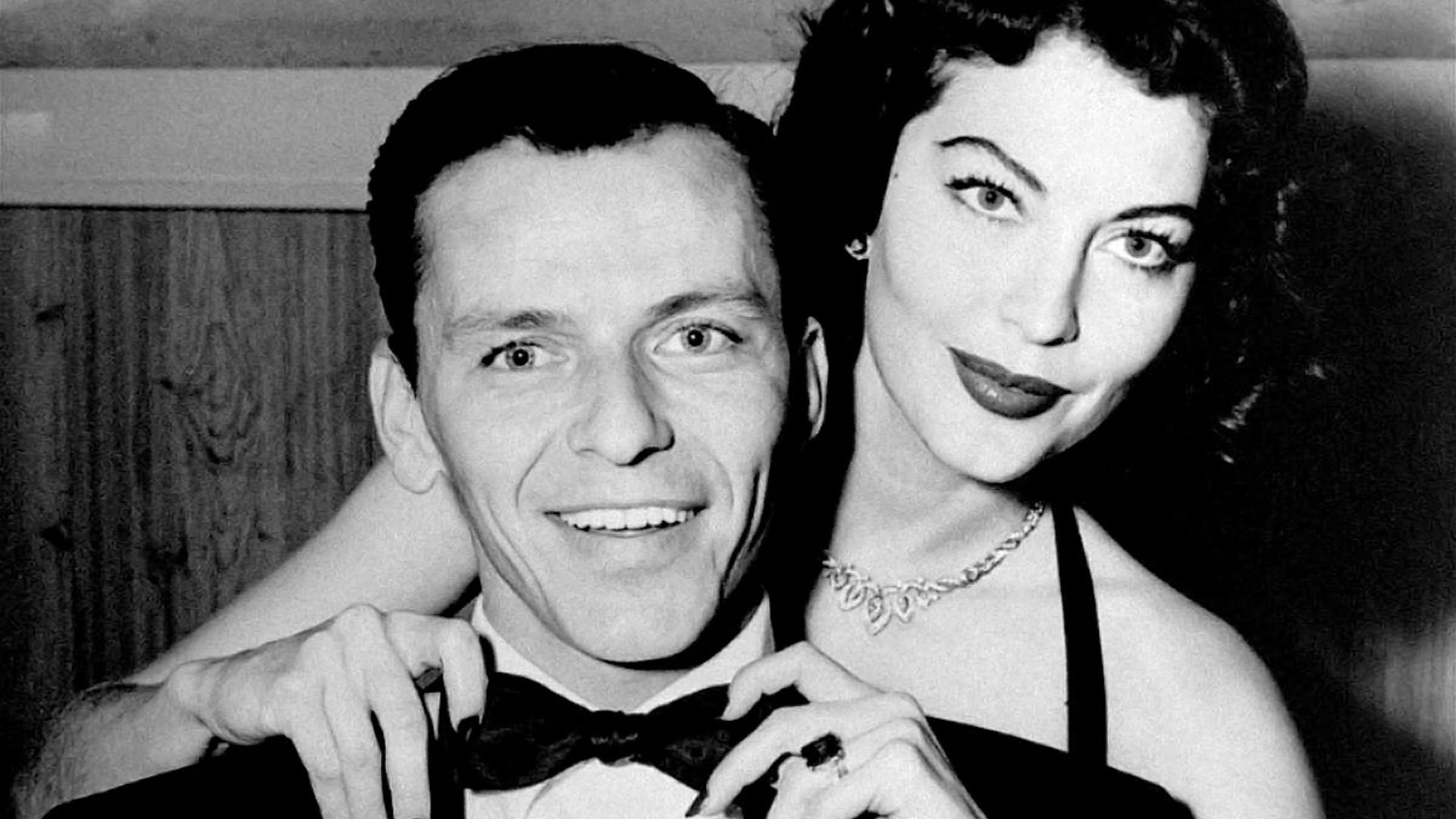 Wide World Photos. Photographer uncredited. on Wikimedia
12. Nancy Finally Drew A Line
In 1950, Nancy Sinatra sought legal separation and custody arrangements, saying that her married life had become deeply unhappy. The woman who had known Frank before fame was watching their private troubles become public entertainment.
Sinatra’s romance with Gardner was no longer a rumor that could simply disappear. His marriage was coming apart, and the newspapers knew exactly who would probably become Mrs. Sinatra number two.
Yet getting Ava did not make Frank’s life easier. In many ways, the real trouble was only beginning.
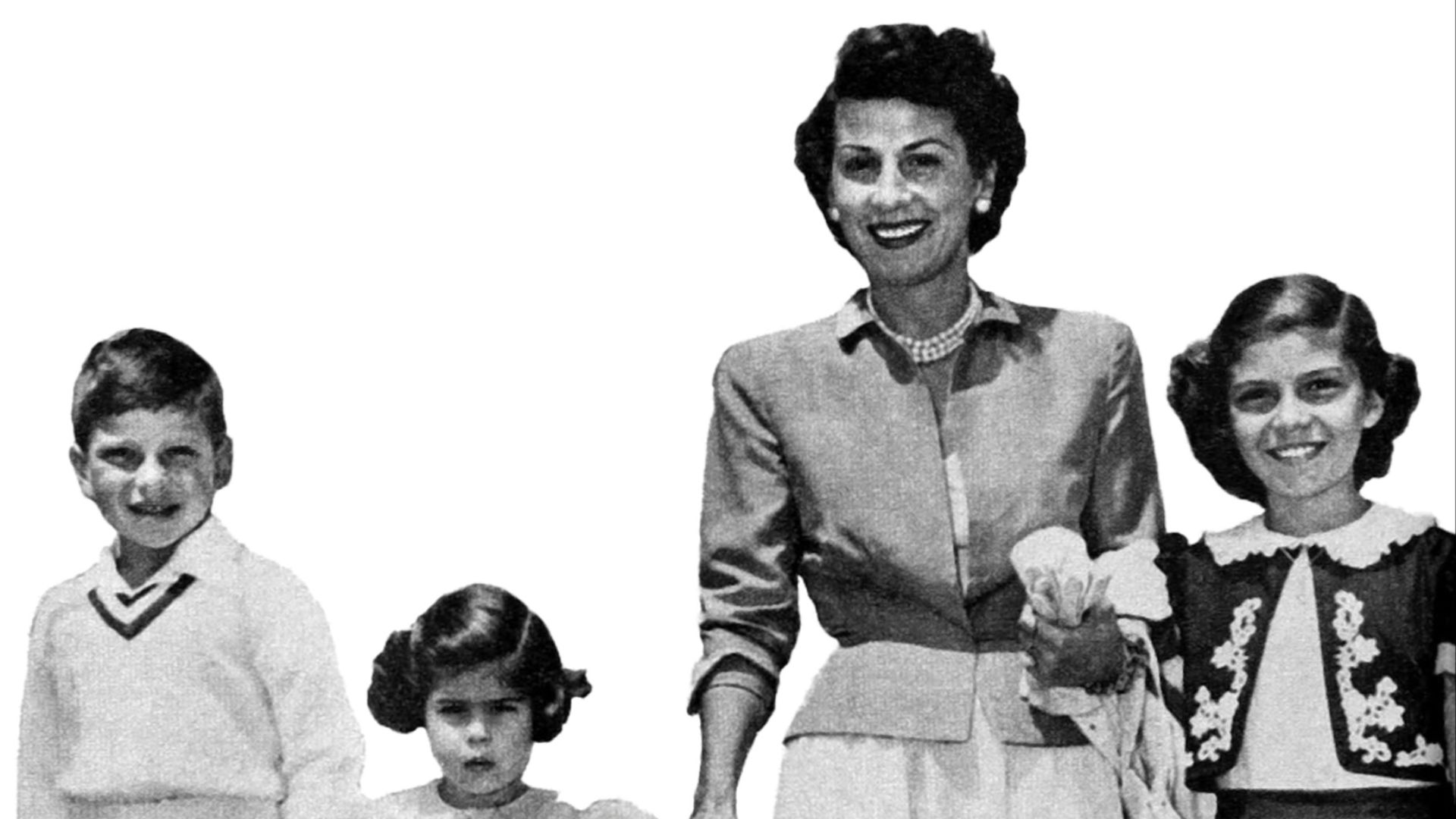 Photographer unknown. Published by Photoplay. on Wikimedia
13. Ava Left The Country
Gardner traveled to Europe to make Pandora and the Flying Dutchman, and distance did nothing to calm Sinatra’s obsession. While working in Spain, she became involved with handsome actor and bullfighter Mario Cabré. Gardner later admitted the brief romance to Sinatra—something she said he repeatedly brought up during later arguments.
Sinatra followed her to Spain, where reporters eagerly tracked the increasingly dramatic triangle. His jealousy was becoming part of the public story.
But Gardner had a jealous streak too. That was the dangerous thing about them: They were remarkably alike.
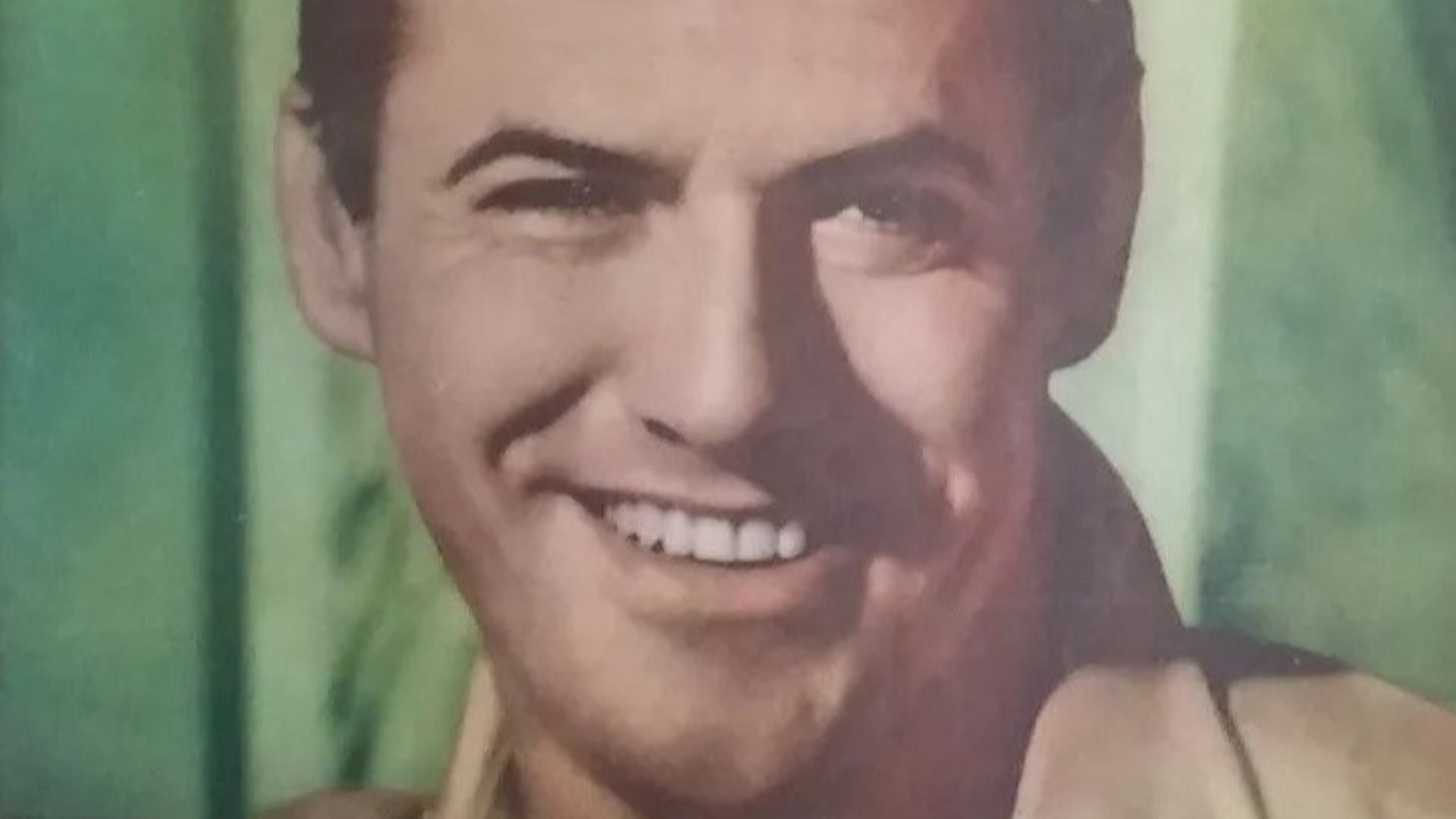 Annemarie Heinrich (1912-2005) on Wikimedia
14. They Couldn’t Stay Calm
Gardner later said her sister believed Ava was essentially “Frank in drag.” Both were passionate, proud, quick-tempered, and accustomed to getting attention. Those similarities created enormous attraction—but they also made ordinary disagreements difficult.
Their romance became known for separations followed by emotional reunions. When things were good, they seemed completely devoted to each other. When things went wrong, friends could find themselves pulled into the chaos.
Still, neither seemed capable of walking away. And soon Sinatra was finally free to make their relationship official.
 New York Sunday News on Wikimedia
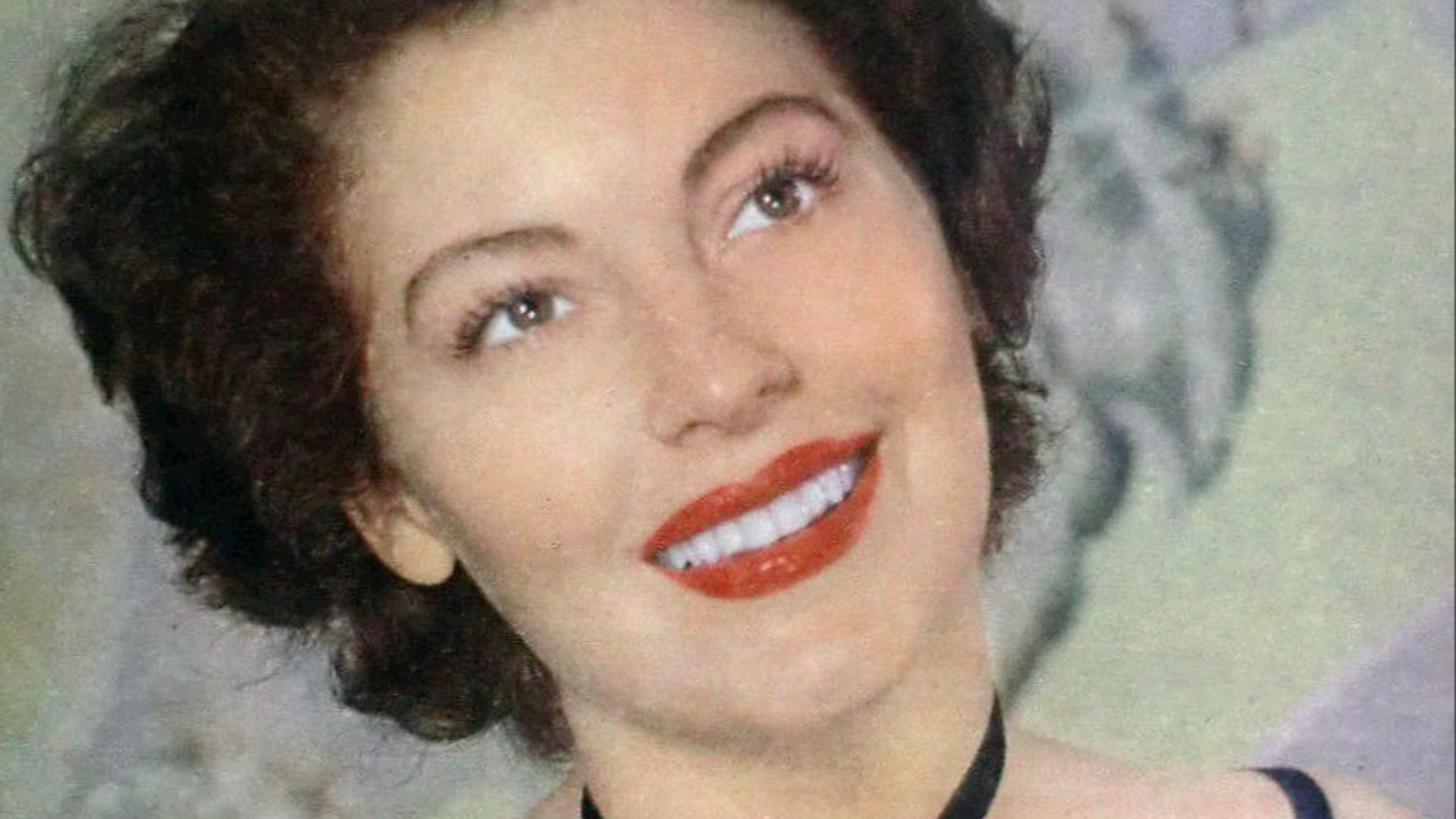
15. Nancy Gave Him His Freedom
Frank and Nancy’s divorce became final in 1951. For Nancy, it ended a marriage that had lasted more than a decade and produced three children. For Sinatra, it cleared the final legal obstacle between him and Gardner.
Nancy never remarried, and remarkably, she and Frank would eventually develop a warm relationship again. But in 1951, reconciliation was far in the future.
Sinatra had gotten what he wanted. He could finally marry Ava Gardner. The question was whether getting Ava would actually make him happy.
 Publisher-Macfadden Publications, New York on Wikimedia
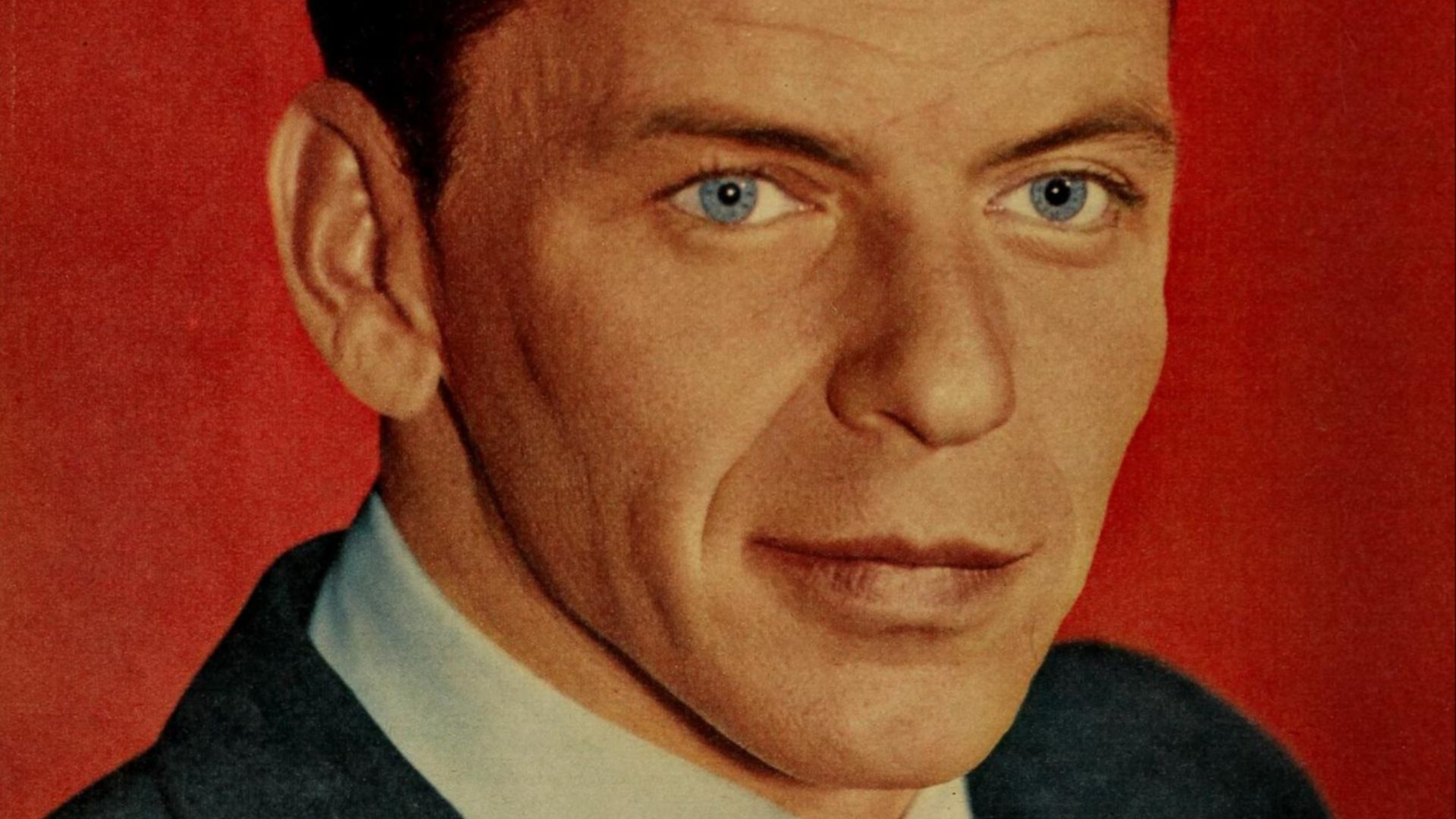
16. Friends Warned Ava
Not everyone thought marrying Sinatra was a good idea. Gardner later remembered that people around her warned that the relationship was simply too explosive. Even actress Lana Turner—who had her own romantic history with Sinatra—reportedly cautioned Gardner against marrying him.
Ava’s sister also had doubts. Gardner understood the warnings, but understanding something and acting on it are very different things.
She was deeply in love. So was Frank. They convinced themselves that marriage might calm everything down.
Instead, it gave the newspapers even more material.
 Unknown authorUnknown author on Wikimedia
17. They Finally Married
Frank Sinatra and Ava Gardner married in November 1951, shortly after his divorce from Nancy became final. For celebrity reporters, it was the conclusion everyone had been waiting for. The notorious affair had produced an actual marriage.
Yet the timing only intensified the scandal. To much of the public, Ava was the glamorous movie star who had helped break apart Sinatra’s family. Frank, meanwhile, had traded his wholesome family-man image for something much more dangerous.
They were finally together. Now they had to survive each other.
 Unknown photographerUnknown photographer on Wikimedia
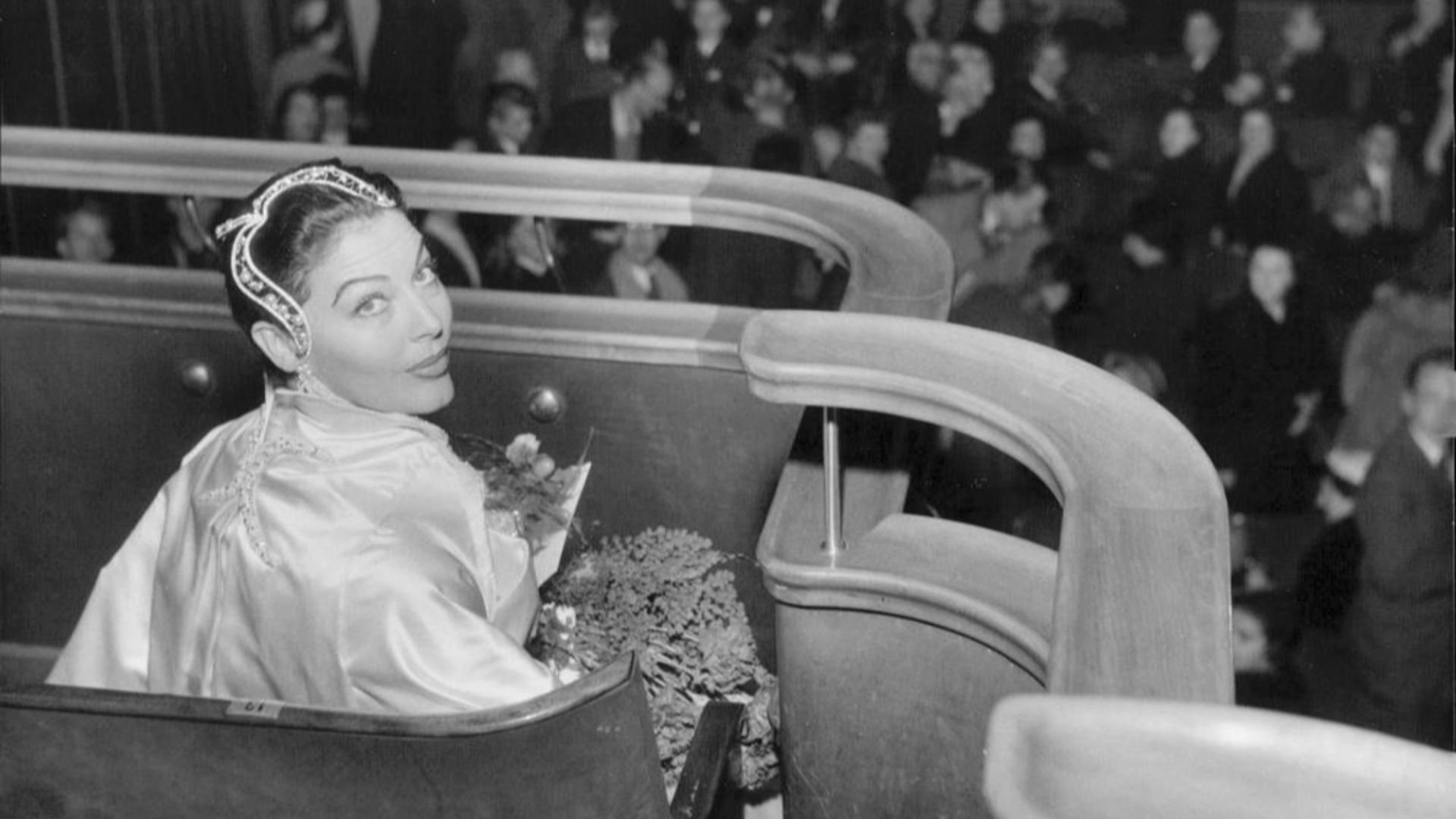
18. Their Fortunes Were Reversed
There was another uncomfortable detail about their marriage. Gardner’s career was soaring while Sinatra’s was collapsing. She was receiving major film roles and substantial salaries. Frank, once one of America’s biggest stars, was struggling for good work and had serious financial pressures.
Gardner later remembered paying many of their expenses during this period. For a proud man accustomed to being the star, relying heavily on his increasingly successful wife was painful.
And every new Ava Gardner triumph seemed to remind Sinatra of what he had lost.
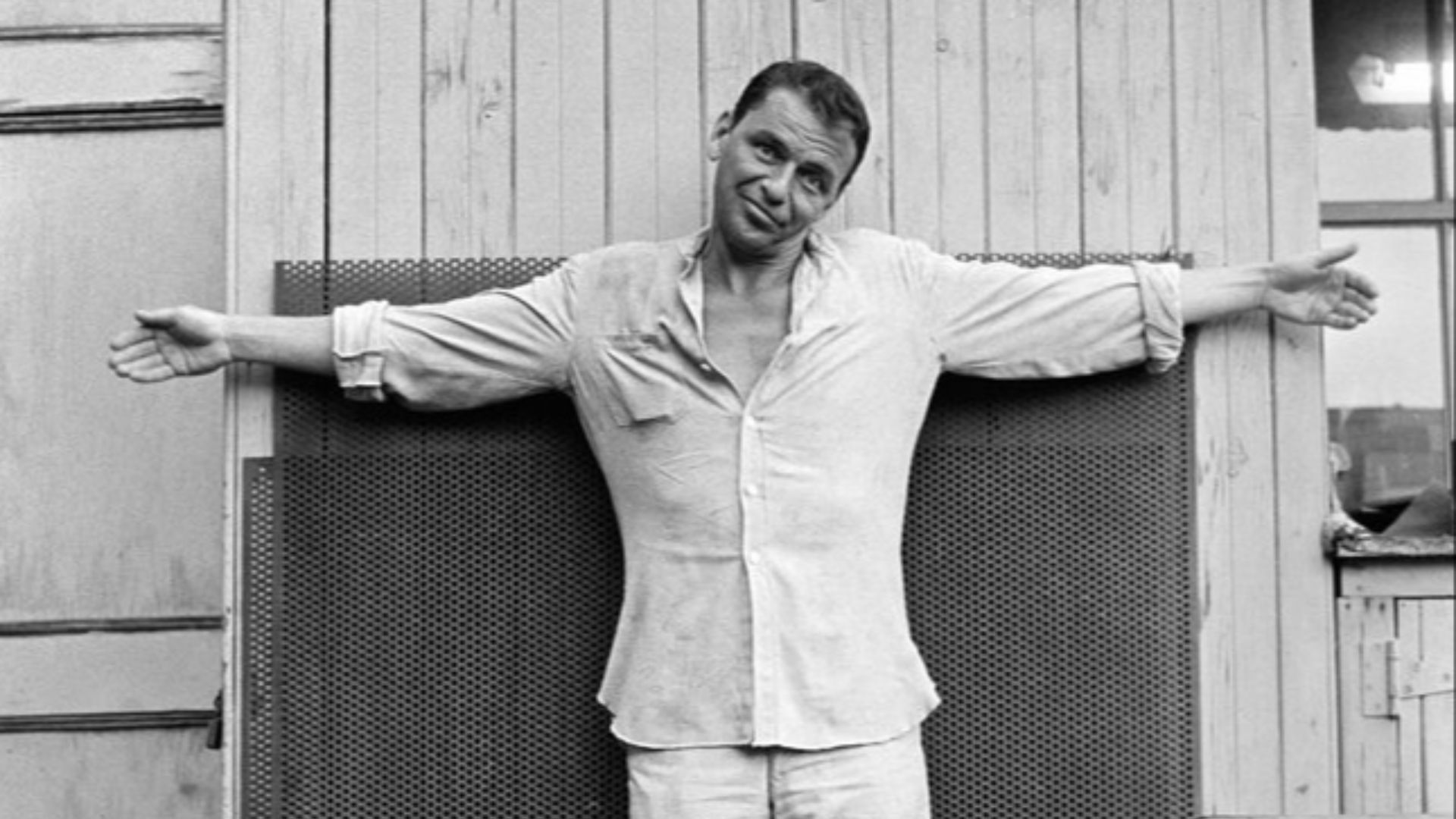
19. He Was Nearly Finished
By 1952, Sinatra had lost his Columbia recording contract. His movie career was weak, and his once-unbelievable popularity seemed to be evaporating. This was not simply a temporary disappointment. People in Hollywood genuinely wondered whether Sinatra’s career was finished.
At home, the pressure fed an already unstable marriage. Gardner later described a period of heavy drinking, emotional arguments, and constant insecurity.
Then Sinatra saw a role that he believed could save him. Unfortunately, Hollywood wasn’t convinced it wanted him anymore.
20. He Begged For One Role
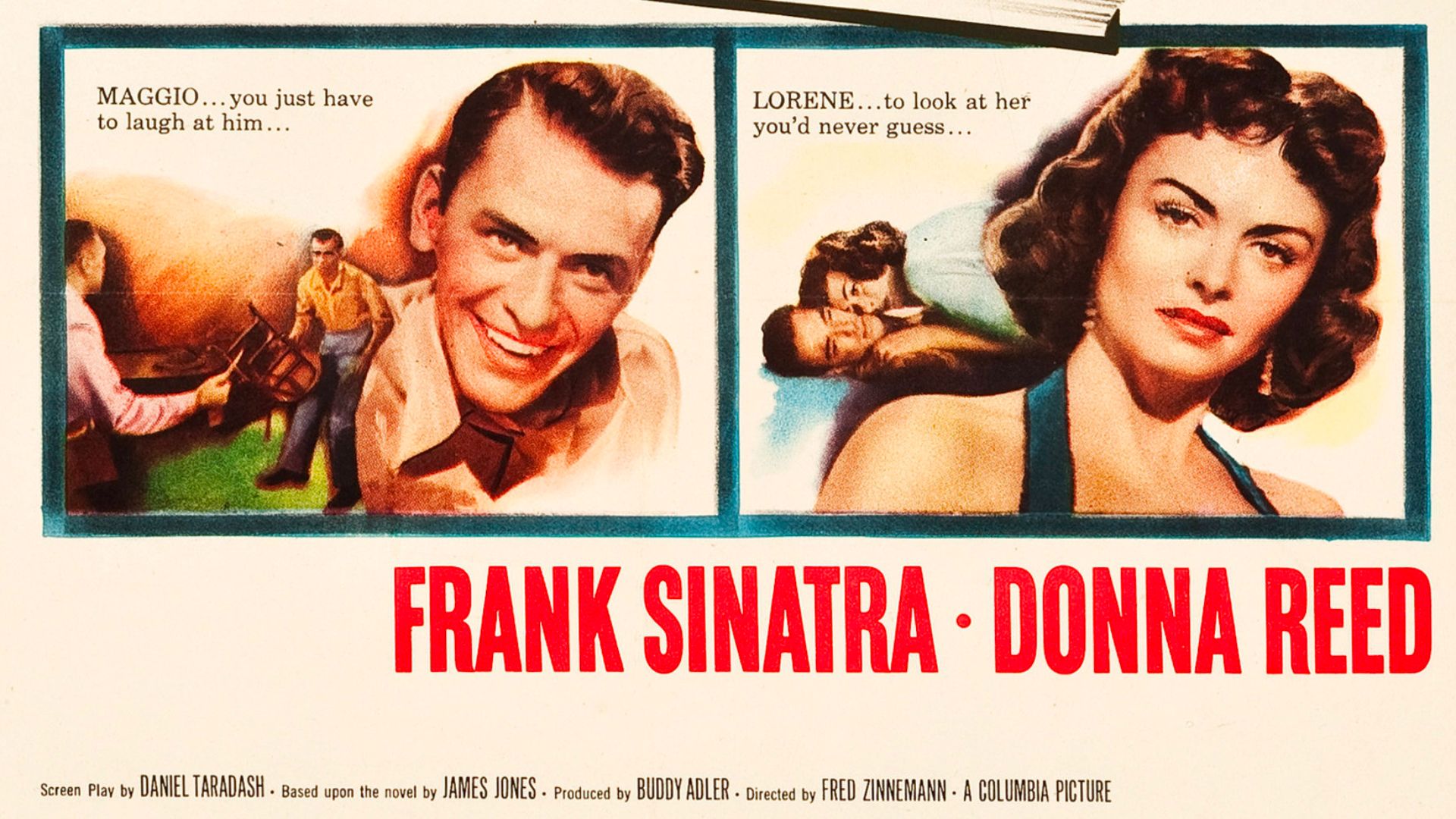
Sinatra desperately wanted to play Angelo Maggio in From Here to Eternity. The story later inspired the famous scene in The Godfather in which a singer supposedly needs powerful connections to get a movie role, helping fuel endless rumors about Sinatra and organized crime.
There is no reliable evidence that a horse-related threat won Sinatra the part. What is clear is that he campaigned hard and accepted relatively little money.
Then something extraordinary happened: Frank Sinatra proved Hollywood wrong.
21. Ava May Have Helped
For decades, stories circulated that Gardner personally pressured Columbia Pictures boss Harry Cohn to give Sinatra the Maggio role. Exactly how much influence she had remains disputed, and later accounts have challenged the more dramatic versions of the tale.
What isn’t disputed is that Gardner supported Sinatra during one of the lowest periods of his career. When few people believed in him, she did.
Sinatra finally got the part. He now had the opportunity he desperately wanted—but his marriage was becoming increasingly difficult to hold together.
22. Africa Brought More Trouble
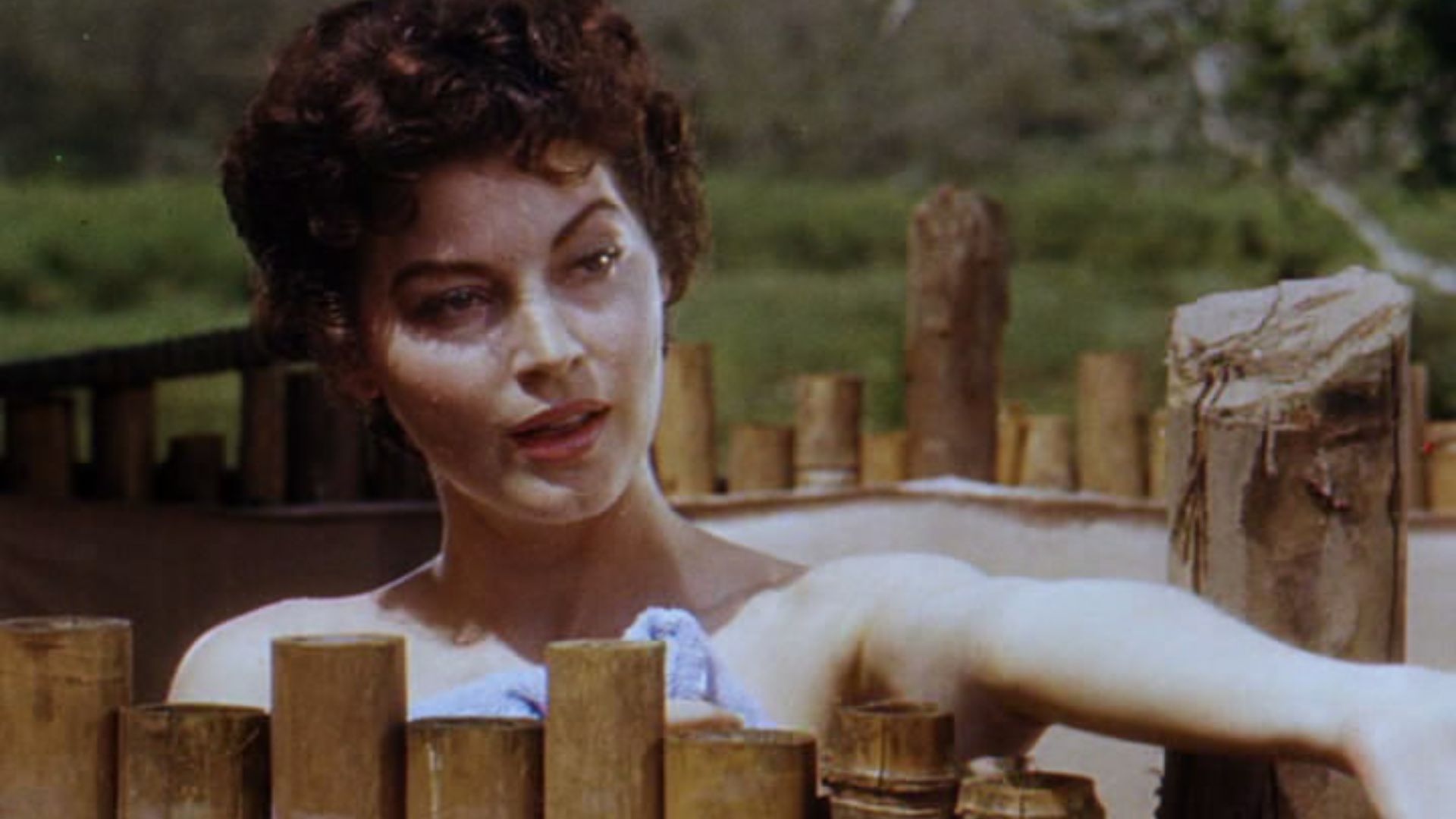
Gardner traveled to Africa to make Mogambo with Clark Gable and Grace Kelly. Sinatra joined her for part of the production, and their turbulent marriage followed them overseas. Stories later emerged claiming Gardner had threatened to become romantically involved with Gable unless Sinatra came to see her.
Actress Shirley Jones later said reporters told her this was why Sinatra abruptly abandoned the film Carousel, although that colorful explanation remains secondhand and should be treated as Hollywood lore rather than established fact.
Either way, Ava still had enormous power over him.
 Trailer screenshot on Wikimedia
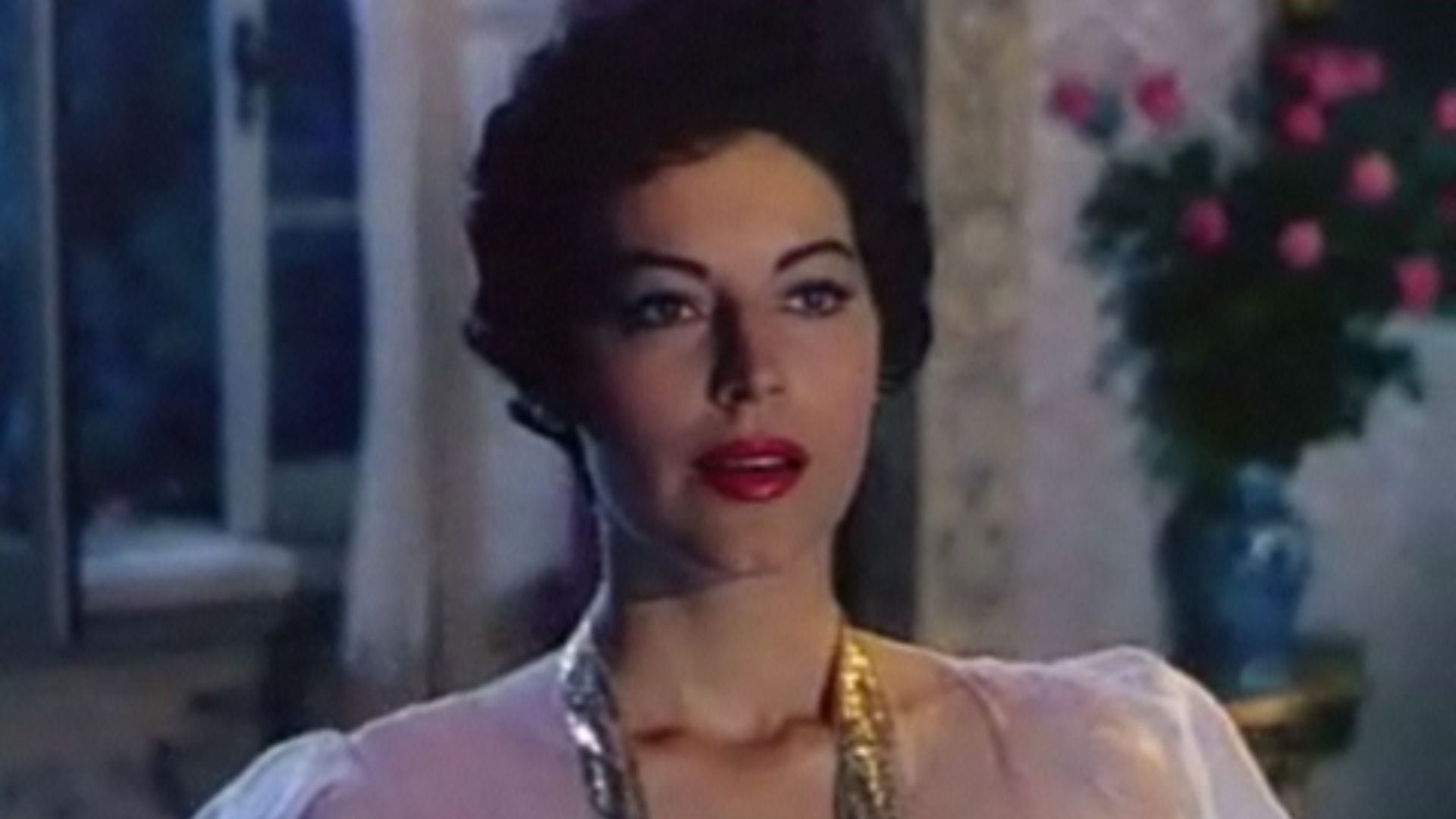
23. Their Arguments Could Become Frightening
Accounts of the Sinatra-Gardner marriage describe intense arguments, damaged belongings, dramatic exits, and equally dramatic reunions. Gardner later recalled one disturbing incident in which Sinatra fired a gun into a pillow during an emotional night. She also said he sometimes made alarming gestures suggesting he might harm himself.
These recollections came from Gardner’s later conversations with writer Peter Evans, so they reflect her version of events. But they reveal how emotionally exhausting the relationship could become.
The marriage had become something neither fame nor money could fix.
 Trailer screenshot on Wikimedia
24. Frank Couldn’t Control His Jealousy
Gardner attracted attention everywhere she went, and Sinatra had difficulty handling it. She worked with handsome actors, traveled without him, and had no intention of becoming the quiet wife waiting at home.
Sinatra, meanwhile, had his own reputation with women. This created a destructive contradiction: Both valued freedom for themselves while struggling with jealousy over the other.
Gardner later said Sinatra repeatedly questioned her about men he suspected she had been with. One particular confession would haunt their arguments for years.
And soon another famous man entered the picture.
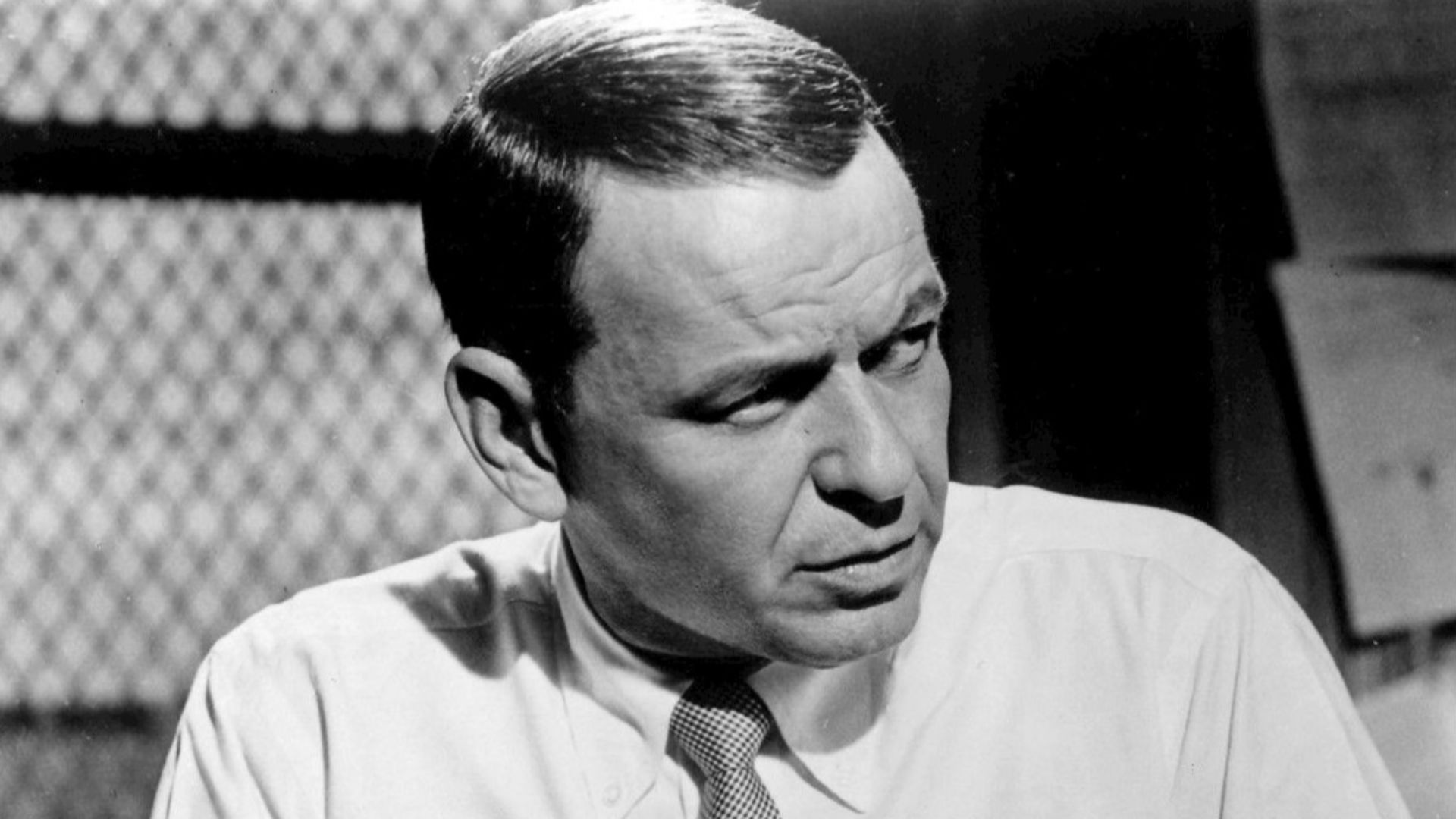
25. A Bullfighter Came Between Them
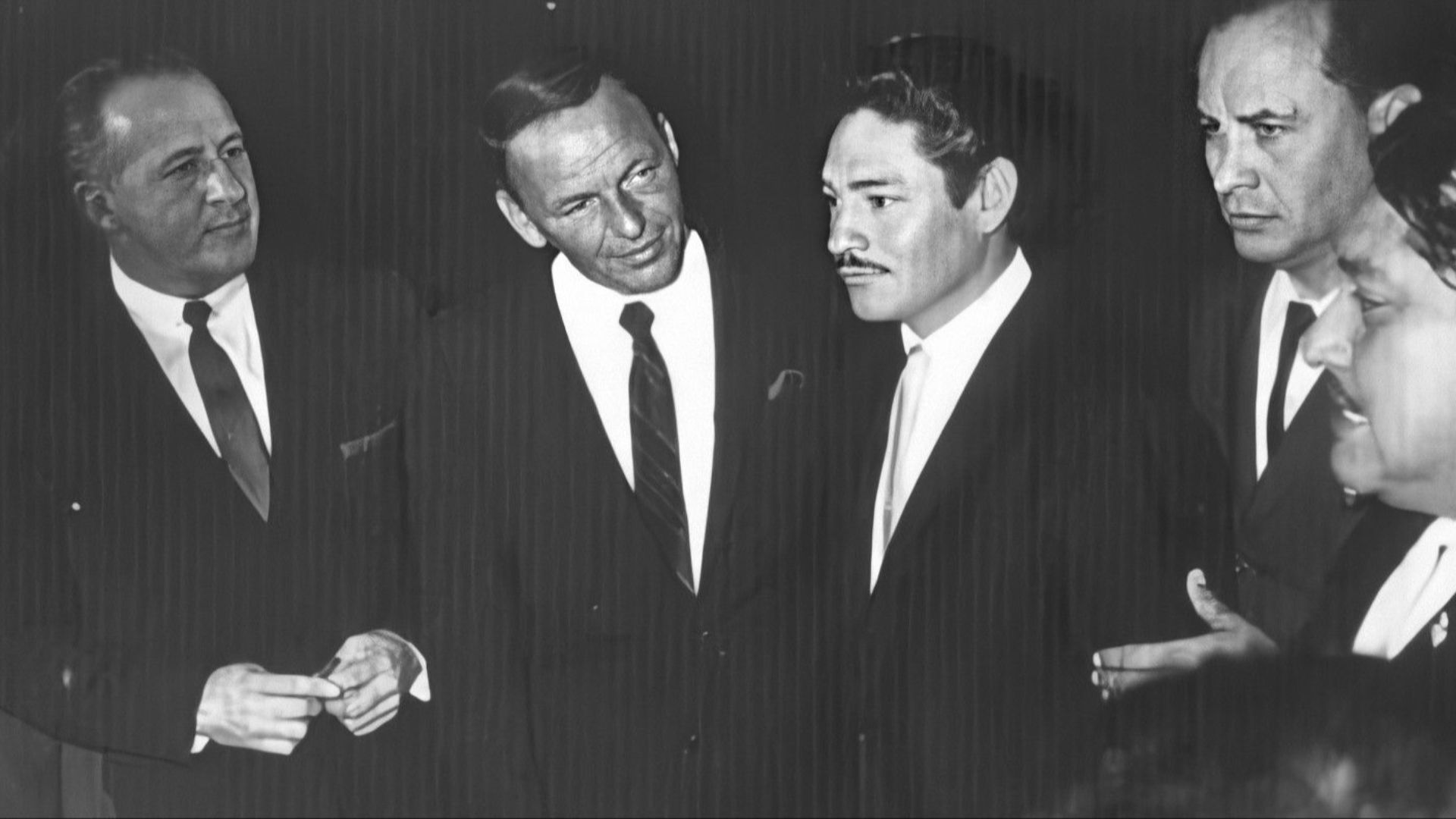
While spending increasing amounts of time in Spain, Gardner became close to celebrated bullfighter Luis Miguel Dominguín. Their relationship added another layer to the already chaotic Sinatra marriage.
By 1954, Gardner and Sinatra had been married only a few years, but she later admitted that the relationship was already unraveling. Sinatra’s jealousy over Dominguín became part of the drama, while Gardner seemed increasingly comfortable living far away from her husband.
Then, just as Frank’s marriage was collapsing, his career suddenly came roaring back.
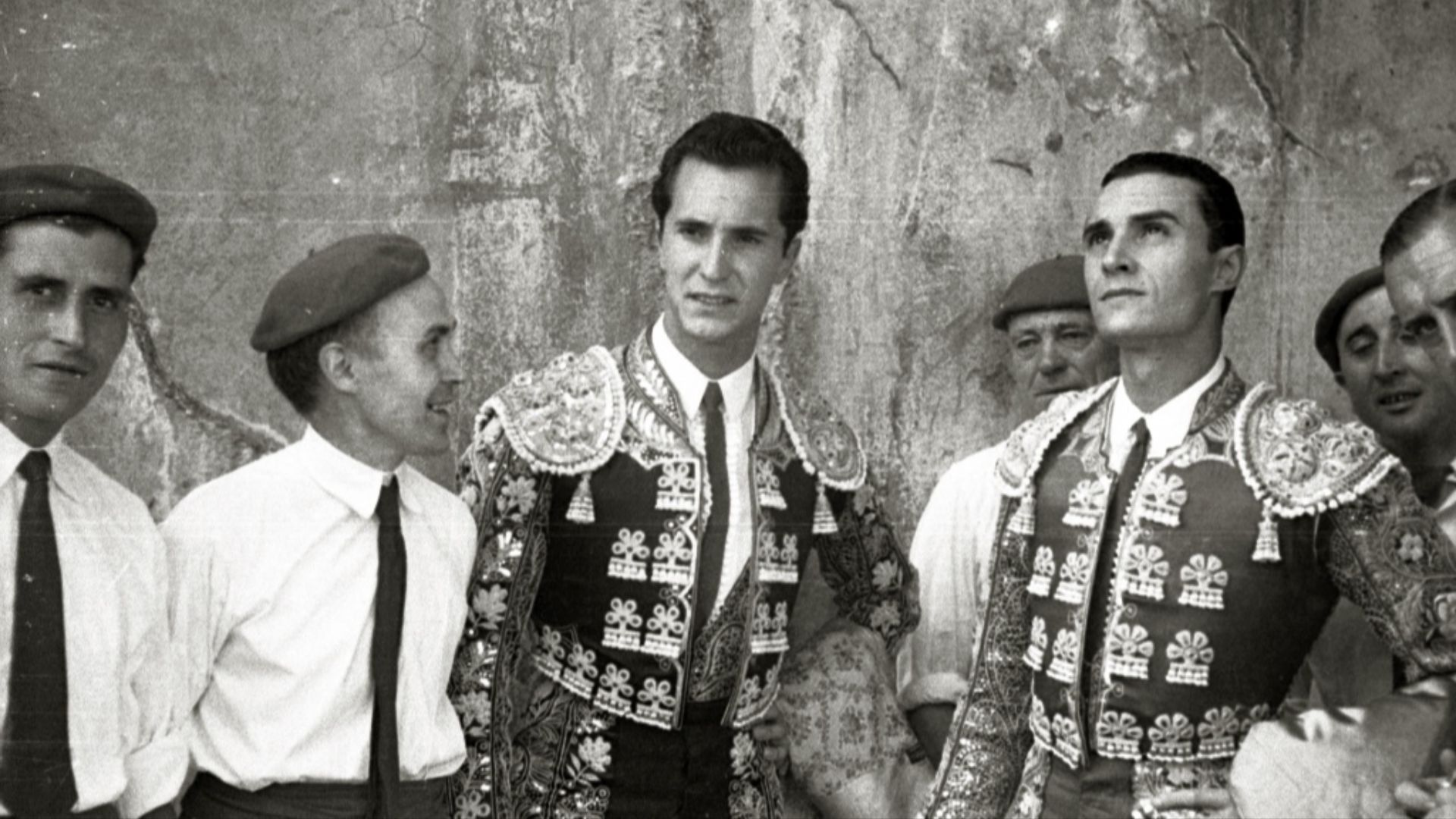
26. Frank Won The Oscar
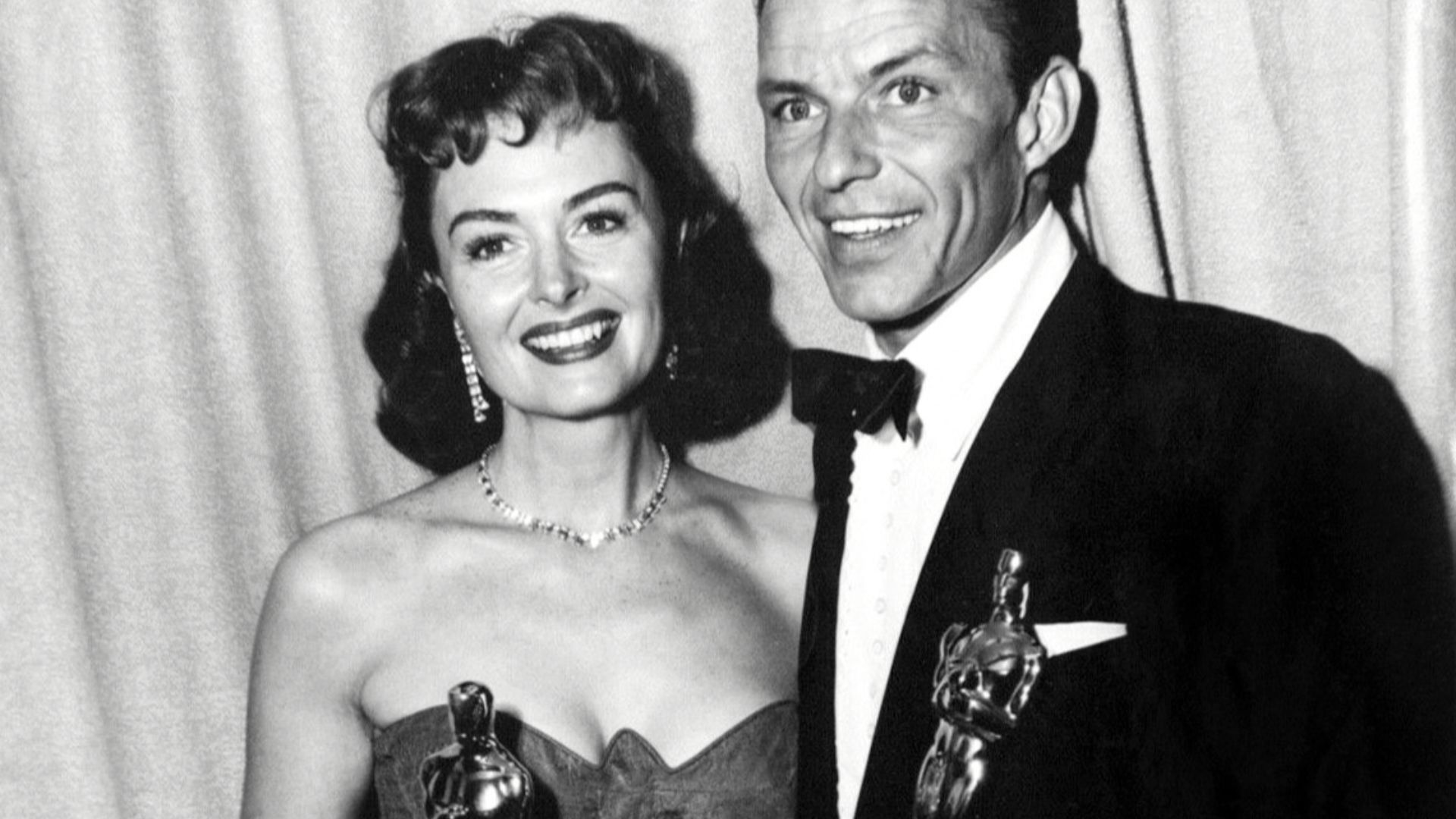
From Here to Eternity changed everything. Sinatra’s performance won him the Academy Award for Best Supporting Actor in 1954, completing one of Hollywood’s most astonishing comebacks.
The man who had recently struggled to find work was suddenly in demand again. Movie roles returned, his recording career revived at Capitol Records, and the public rediscovered him.
Professionally, Sinatra had achieved the miracle he desperately needed. Personally, however, the timing was almost cruel.
The woman who had supported him during his fall was no longer standing beside him.
 Per a stamp on the reverse side:
27. He Celebrated Without Her
According to biographer James Kaplan, Sinatra’s Oscar night ended on a surprisingly lonely note. Gardner was overseas, and Frank reportedly visited his former wife Nancy before the ceremony. After winning, he had no wife waiting at home with whom to celebrate his extraordinary comeback.
The image is striking: Sinatra had regained Hollywood but seemed to be losing the woman he had risked his family and reputation to marry.
Success should have solved everything.
Instead, Gardner reportedly believed it changed him—and not necessarily for the better.
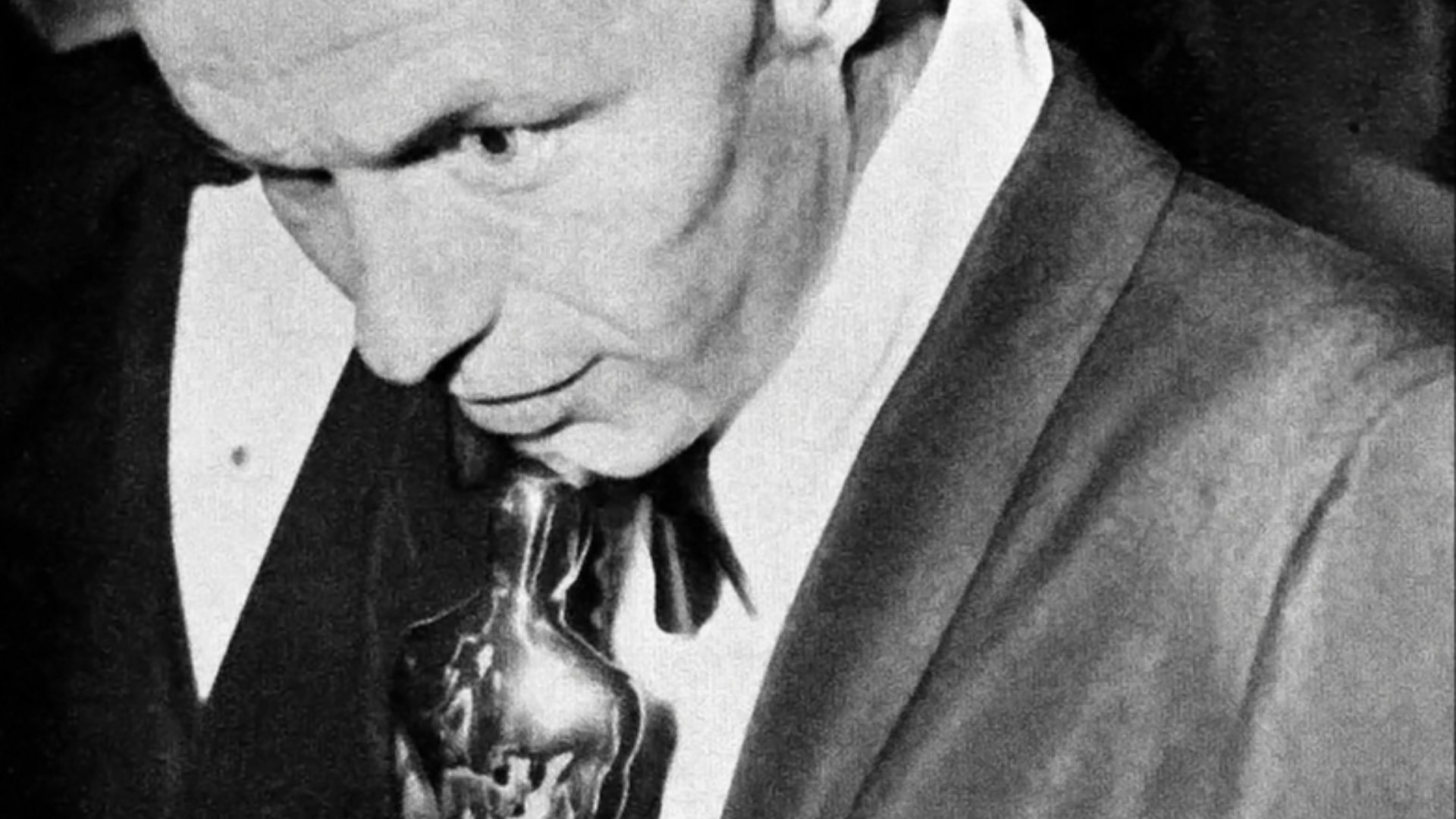 Photographer unknown. Published by Photoplay. on Wikimedia
28. Ava Preferred Him When He Was Down
After Sinatra’s comeback, Gardner made a cutting observation about their relationship. According to the Los Angeles Times, when their separation was announced she said they had actually been happier when Sinatra’s career was struggling.
Her complaint was that success had restored some of the arrogance she disliked in him. It was a remarkable reversal. Gardner had helped support a defeated Sinatra, only to discover that the victorious Sinatra could be harder for her to live with.
Their love survived the comeback. Their marriage might not.
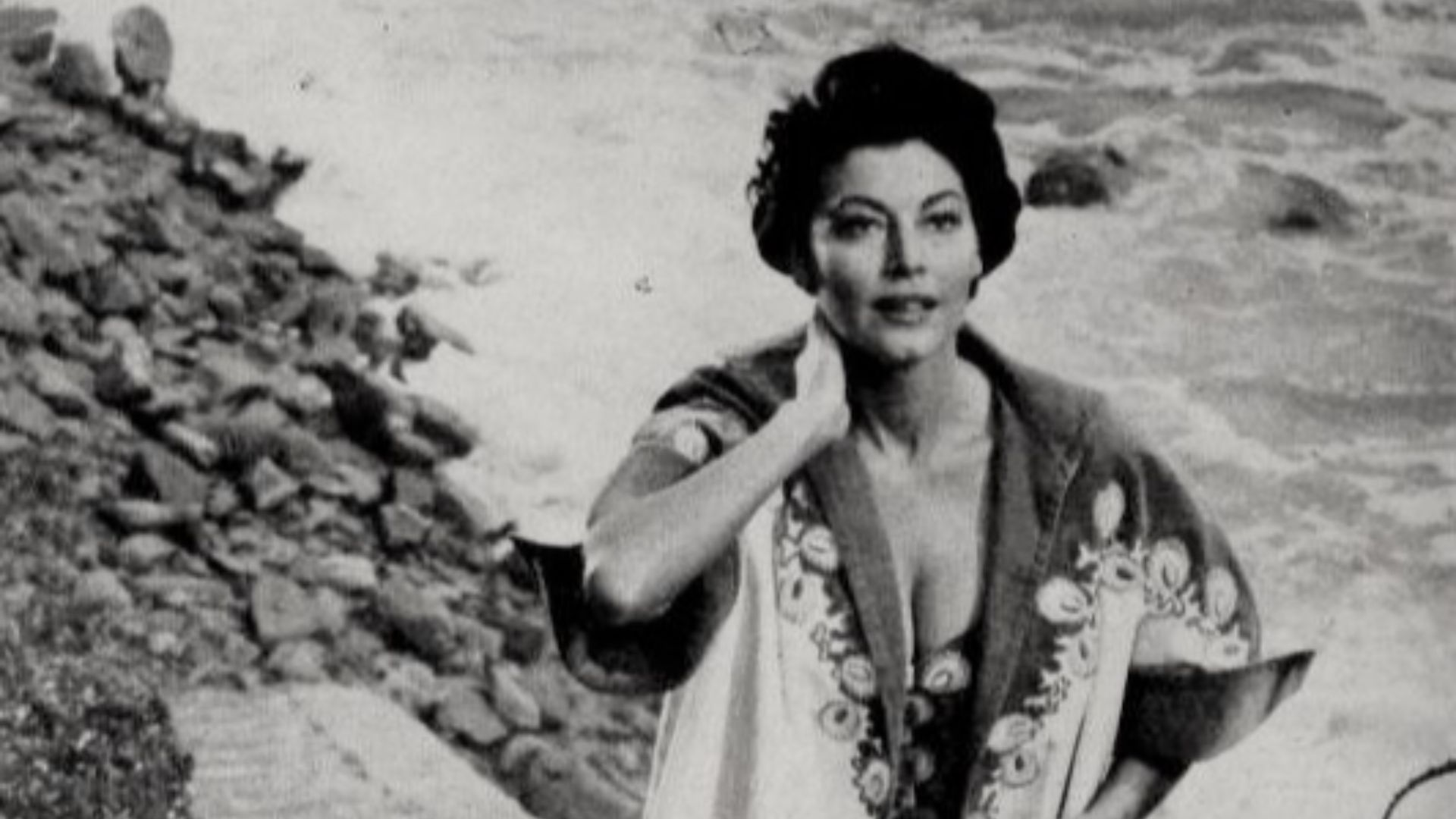 Modern Screen staff on Wikimedia
29. They Announced A Split
In October 1953, news broke that Sinatra and Gardner intended to separate. For the tabloids, it was irresistible. The marriage that had begun as a scandal was now collapsing almost as publicly as it had started.
Yet Frank and Ava had a habit of making final decisions that somehow weren’t final. Their relationship continued through emotional conversations, reunions, arguments, and renewed separations.
They could apparently agree that the marriage wasn’t working. What they could not do was stop caring about each other.
For Sinatra, the consequences soon became deeply alarming.
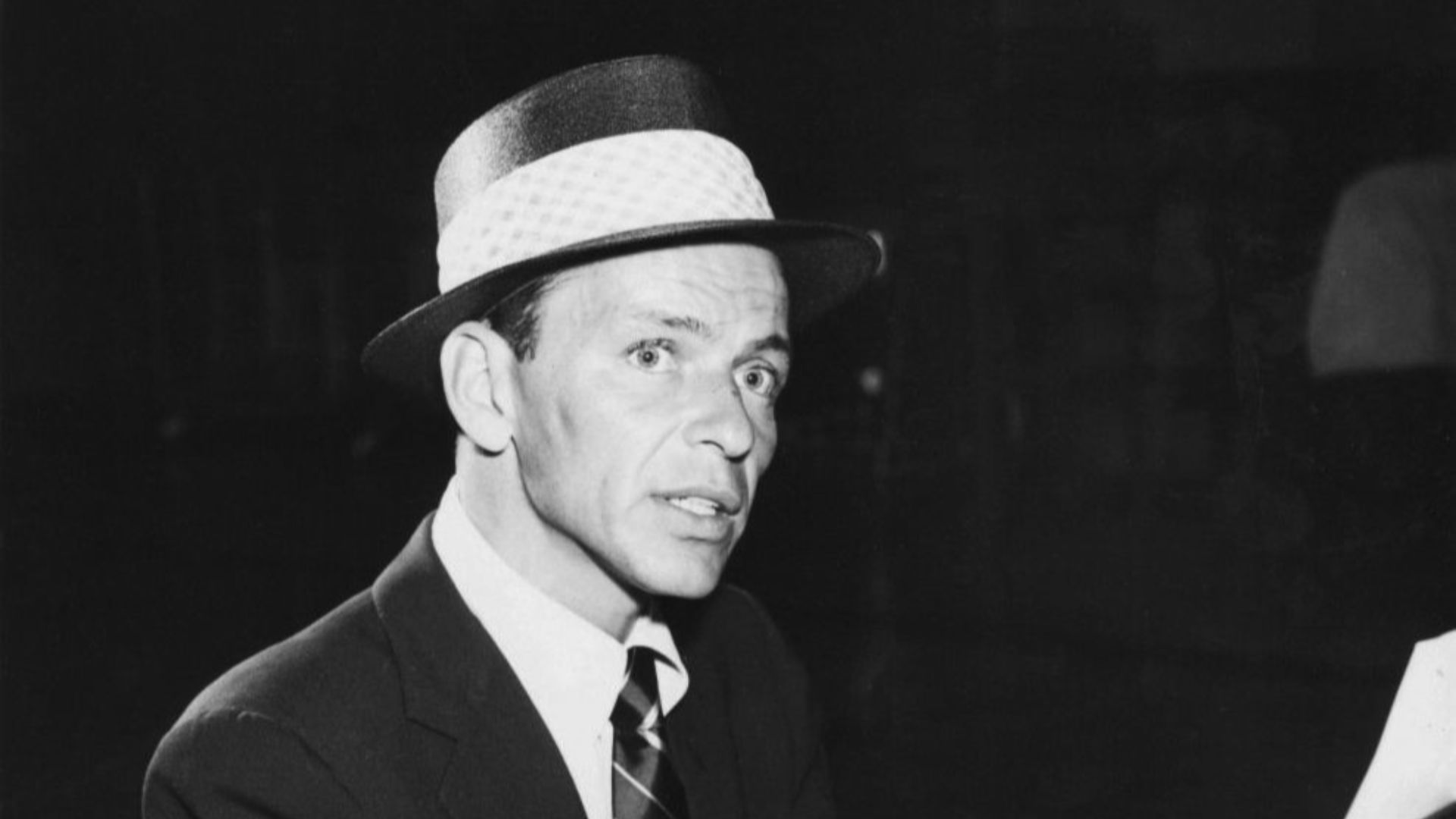
30. His Heartbreak Became Dangerous
During the collapse of his marriage, Sinatra reportedly reached an emotional breaking point. In November 1953, friend and songwriter Jimmy Van Heusen found himself dealing with a frightening incident after Sinatra harmed himself. Van Heusen reportedly helped get him medical attention and insisted that his friend speak with a psychiatrist.
The story was initially disguised publicly as an accident involving broken glass. Only later did fuller accounts emerge.
Sinatra had regained his career, but losing Ava appeared to devastate him.
And yet, even this wasn’t enough to permanently reunite them.
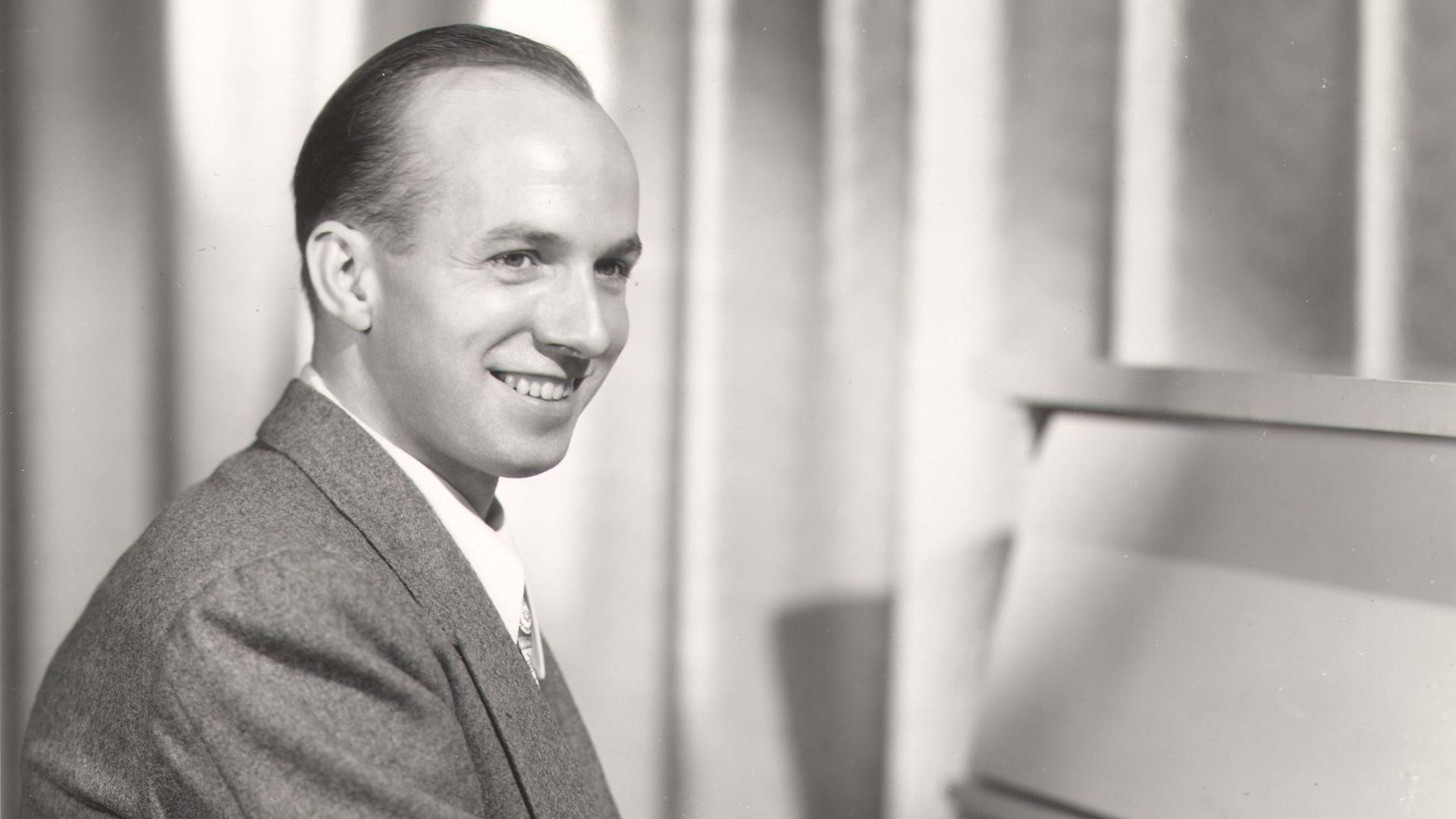 Unknown authorUnknown author on Wikimedia
31. Ava Built A Life Without Him
Gardner increasingly escaped Hollywood for Europe, especially Spain. She loved the country’s nightlife, music, bullfighting culture, and relative freedom from the Hollywood studio machine. Most importantly, Spain gave her distance from Sinatra.
Frank remained emotionally attached, but Gardner was proving that she could create an entire life without him. Their marriage existed legally, yet geographically and emotionally they were drifting farther apart.
For a man as possessive as Sinatra could be, that independence was painful.
So he did what he often did with pain: He put it into music.
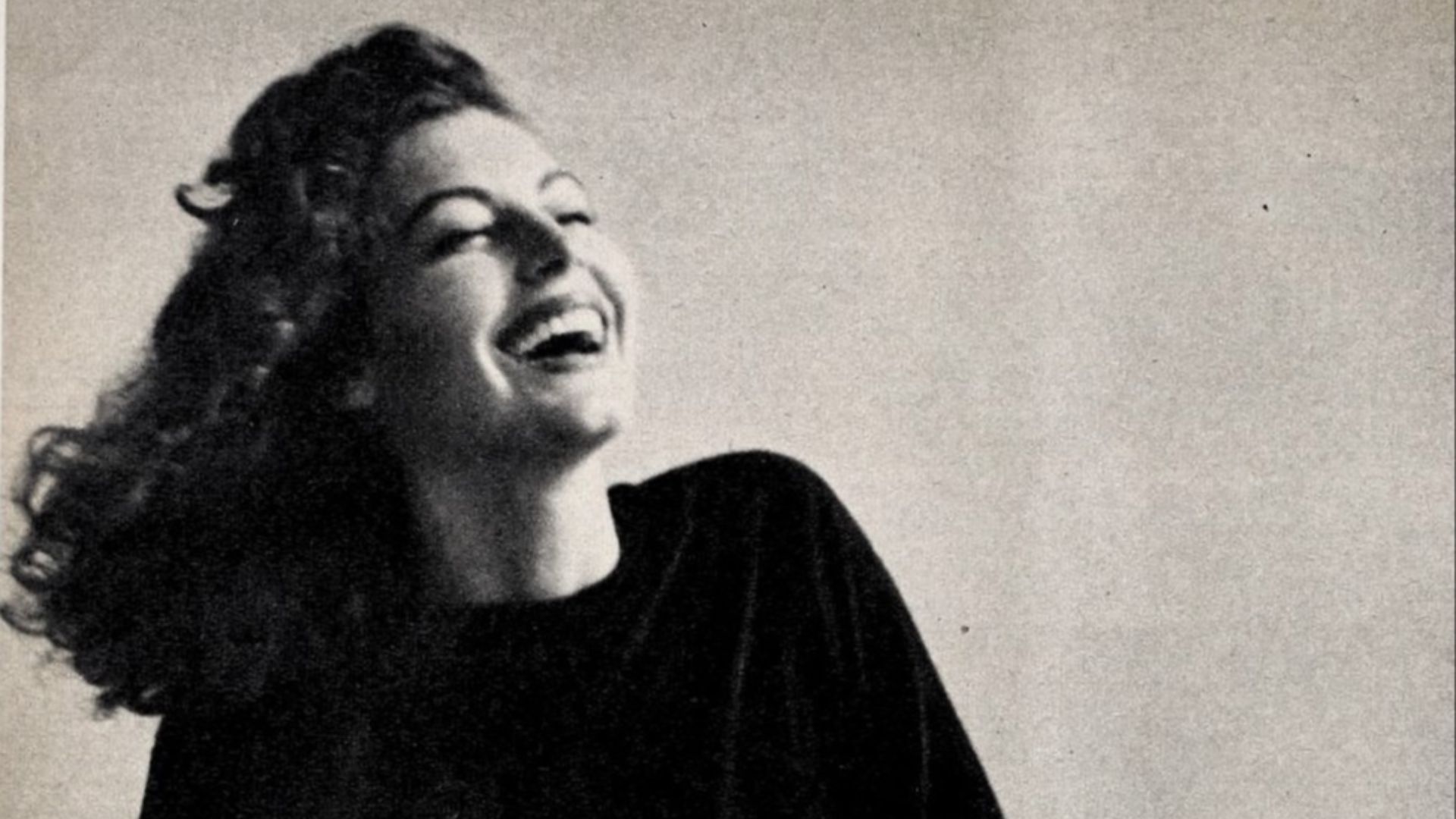 Don Ornitz (1920-1972) on Wikimedia
32. Heartbreak Changed His Singing
Sinatra’s great Capitol albums of the 1950s included some of the most convincing songs of loneliness ever recorded. Albums such as In the Wee Small Hours arrived while his relationship with Gardner was disintegrating, making it tempting to hear Ava in every sad lyric.
It would be too simple to claim every melancholy performance was directly about Gardner. Sinatra was a gifted interpreter working with exceptional arrangers and songwriters.
Still, listeners knew his heart had been broken. That knowledge gave the records an almost uncomfortable intimacy.
Ava was gone—but she seemed present in the music.
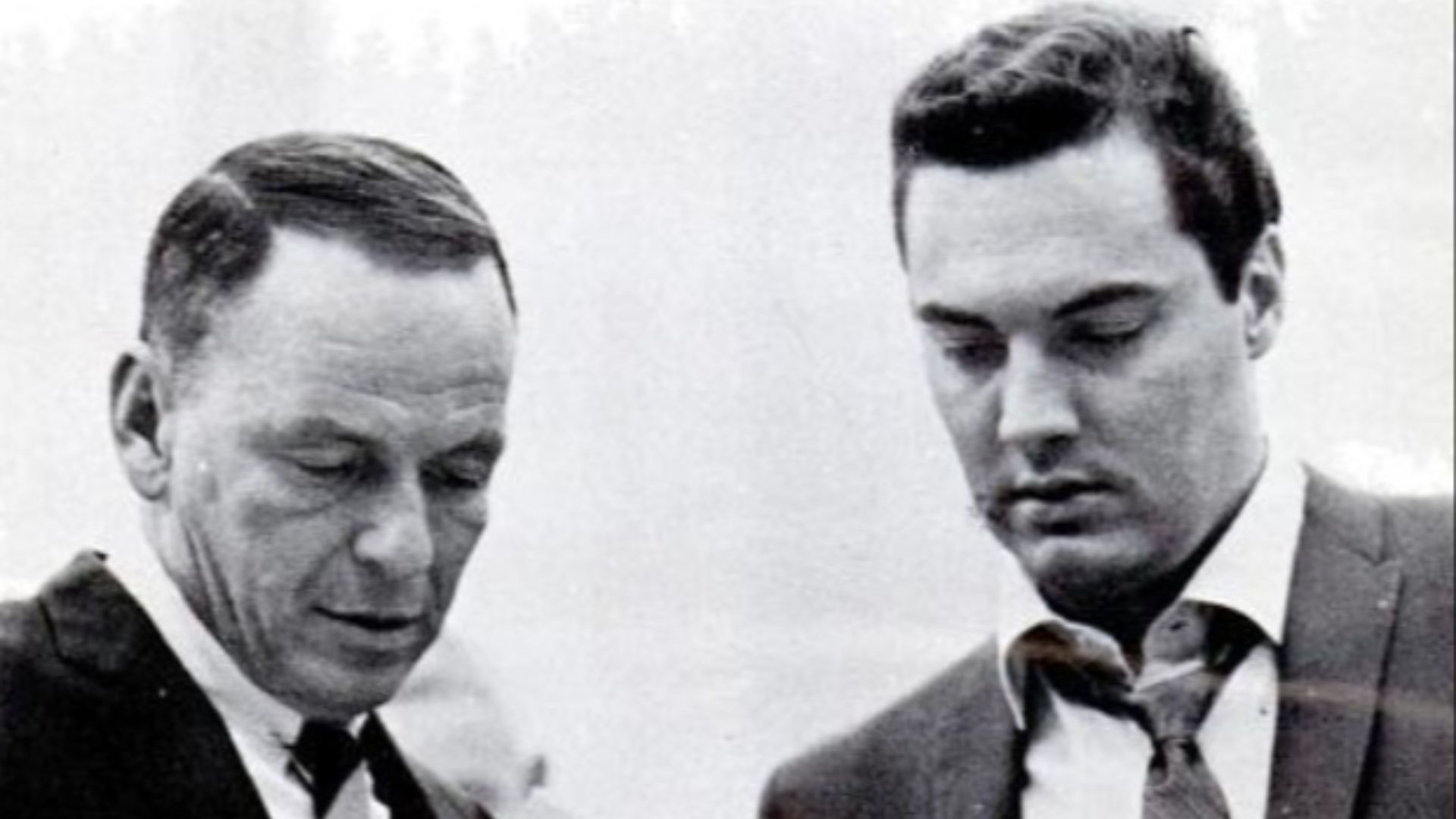 Unknown authorUnknown author on Wikimedia
33. He Wasn’t Exactly Alone
While separated from Gardner, Sinatra was linked to numerous women. Some relationships were real; others were products of Hollywood gossip. Names associated with him during the period included actresses Anita Ekberg and, more controversially, Marilyn Monroe.
Yet none seemed to erase Gardner from his emotional life. Friends described Sinatra remaining deeply affected by her long after they stopped functioning as husband and wife.
It was a strange situation: He was one of the world’s most desirable men, surrounded by glamorous women, yet obsessed with the one woman who refused to stay.
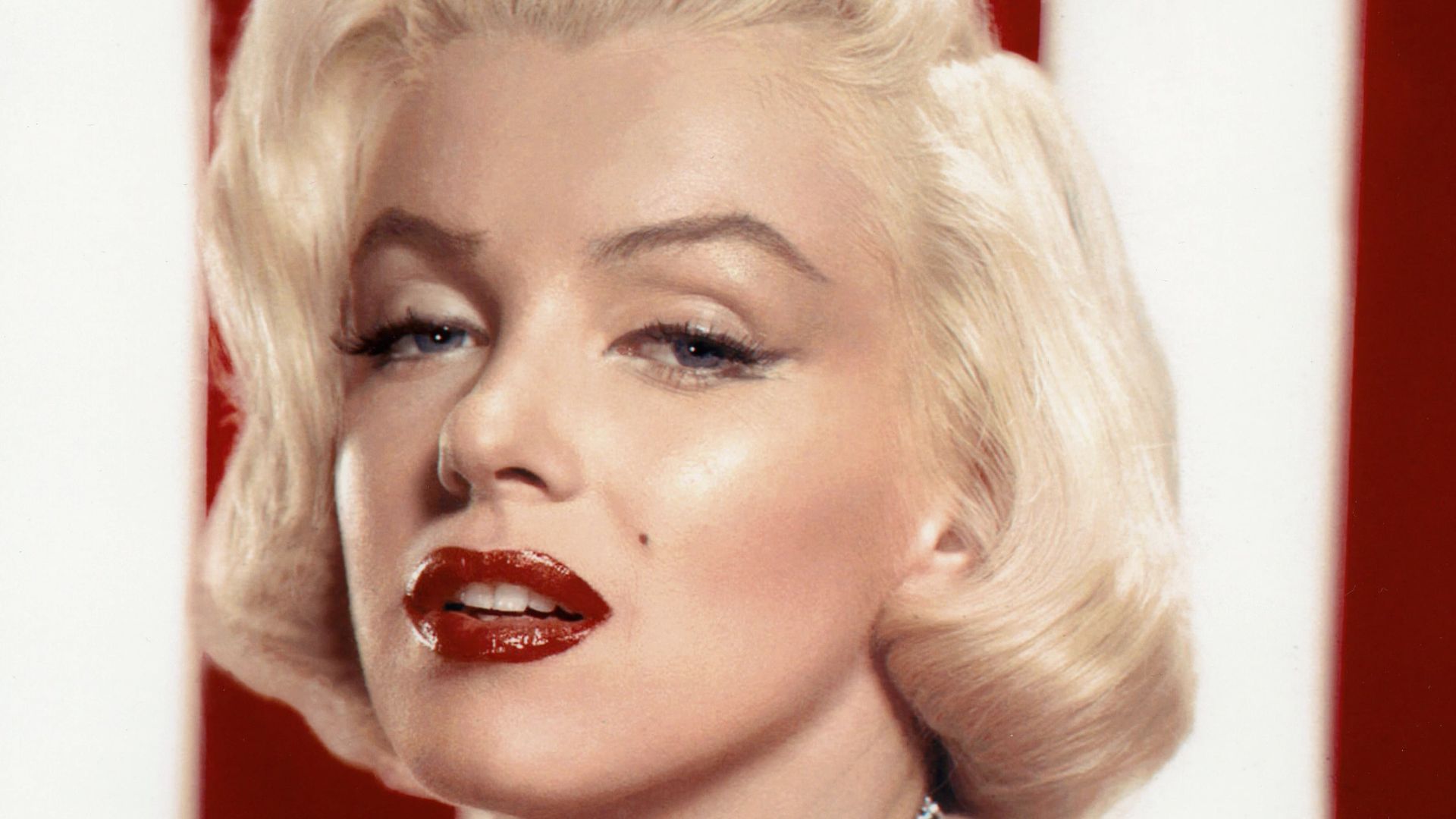 Studio publicity still on Wikimedia
34. Ava Had Her Own Romances
Gardner was hardly waiting around either. Her romantic life remained colorful, and her relationships with other men continued feeding gossip about the estranged marriage.
This was one reason Sinatra and Gardner made such irresistible tabloid material. There was no simple abandoned spouse and no innocent partner waiting faithfully at home. Both were famous, independent, temperamental, and capable of making the other jealous.
They seemed perfectly designed to torment one another.
Eventually, however, even Frank and Ava had to accept something that had been obvious to their friends for years.
Love wasn’t enough.
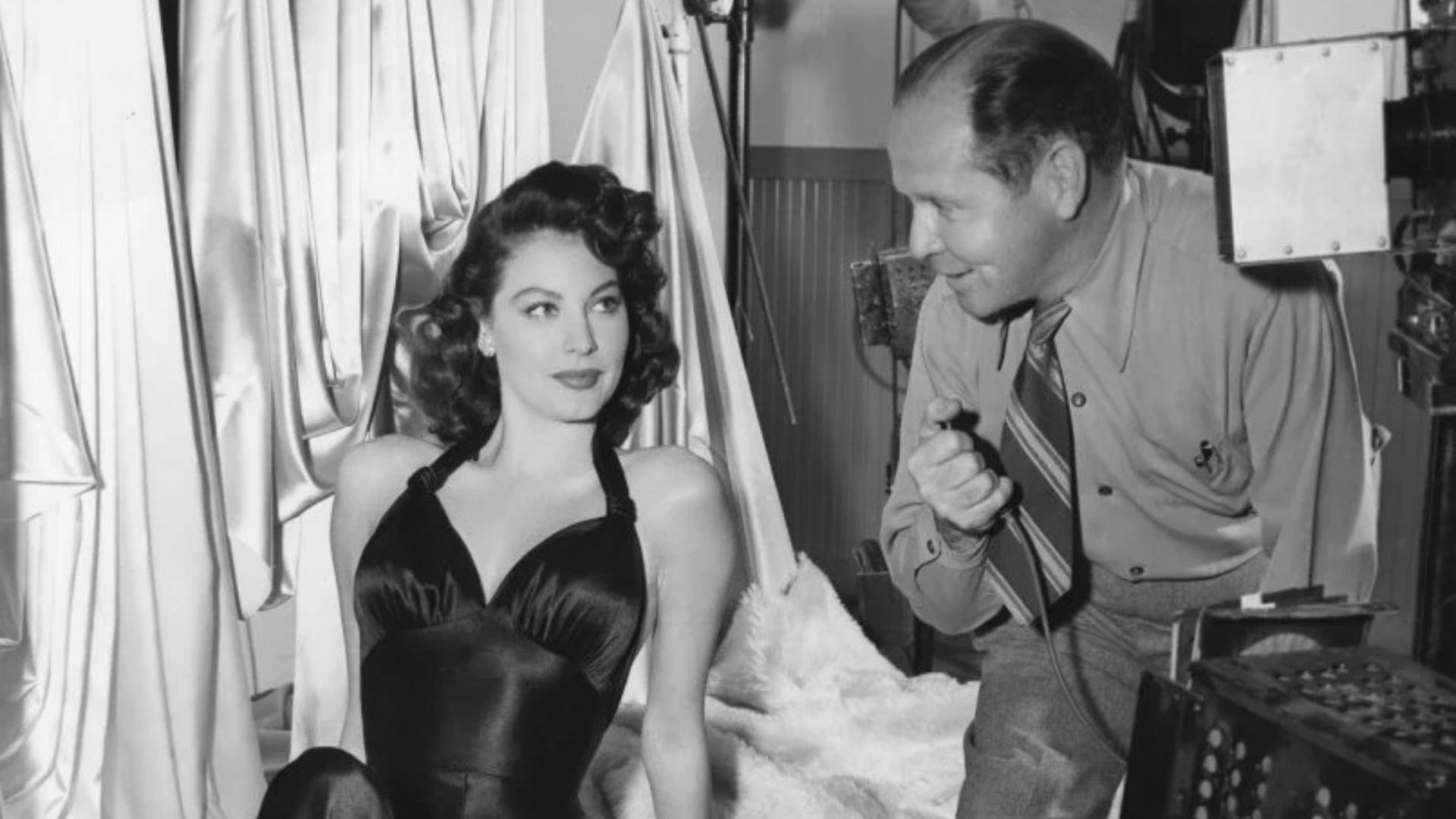 Unknown authorUnknown author, distributed by: Metro-Goldwyn-Mayer on Wikimedia
35. She Finally Filed For Divorce
Gardner eventually moved to formally end the marriage, and their divorce became final in 1957. They had been married for roughly six years, though much of that period had been spent apart.
For anyone who had followed the headlines, the divorce seemed inevitable. What was less predictable was what happened afterward.
There was no clean emotional break. No permanent disappearance. No transformation into bitter strangers.
Instead, Sinatra and Gardner continued orbiting each other for decades.
The marriage was over—but perhaps the strangest part of their love story was only beginning.
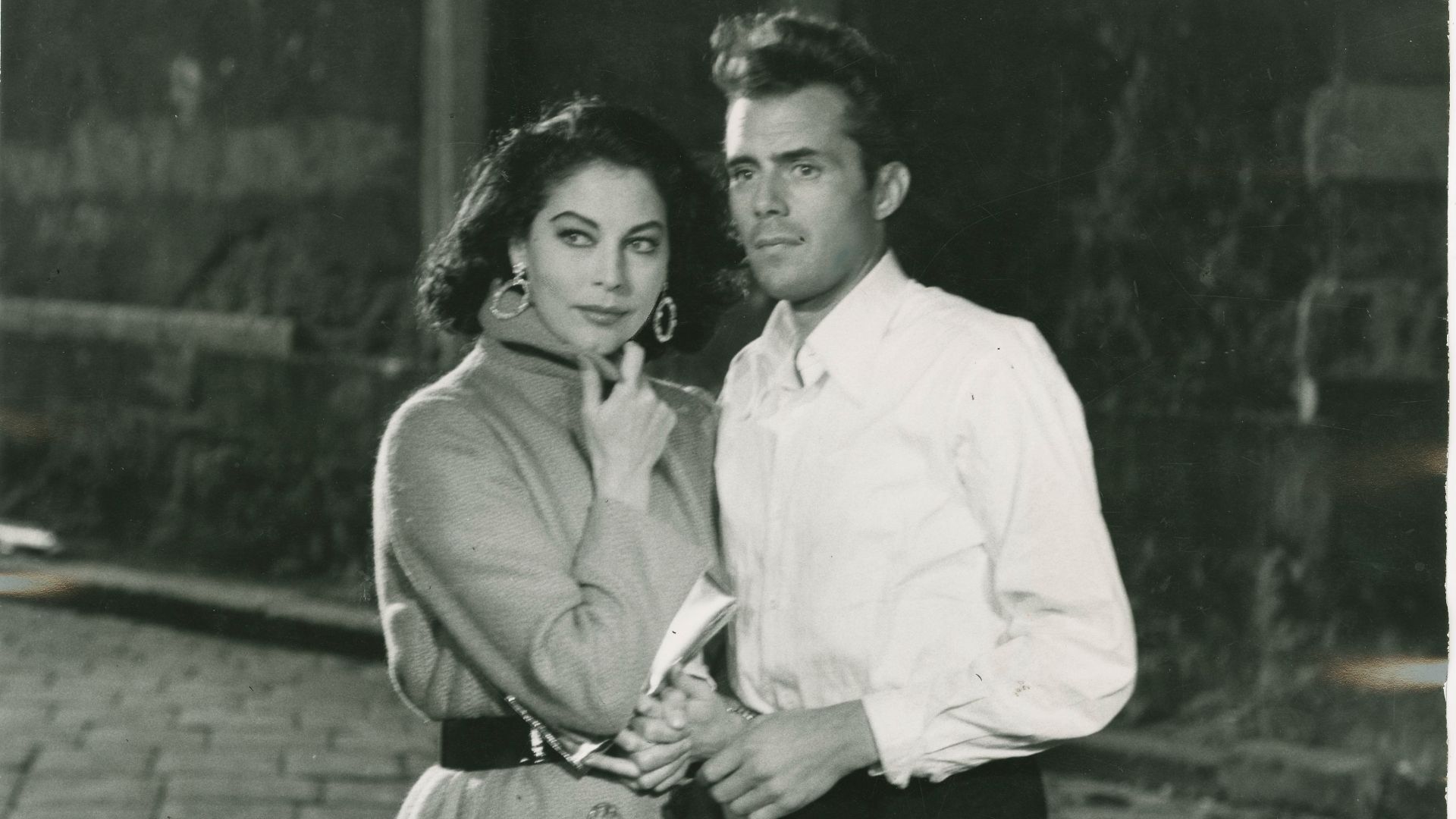 Unknown authorUnknown author on Wikimedia
36. Ava Never Married Again
Gardner had already been married to Mickey Rooney and Artie Shaw before Sinatra. After divorcing Frank, however, she never married another man.
She certainly continued having relationships, but husband number four never appeared. Sinatra occupied a unique position among her former spouses. Gardner repeatedly described him as the great love of her life, even while acknowledging that their marriage had been disastrous.
That contradiction says almost everything about them.
She could live without being married to Sinatra.
Apparently, she could never entirely live without Sinatra himself.
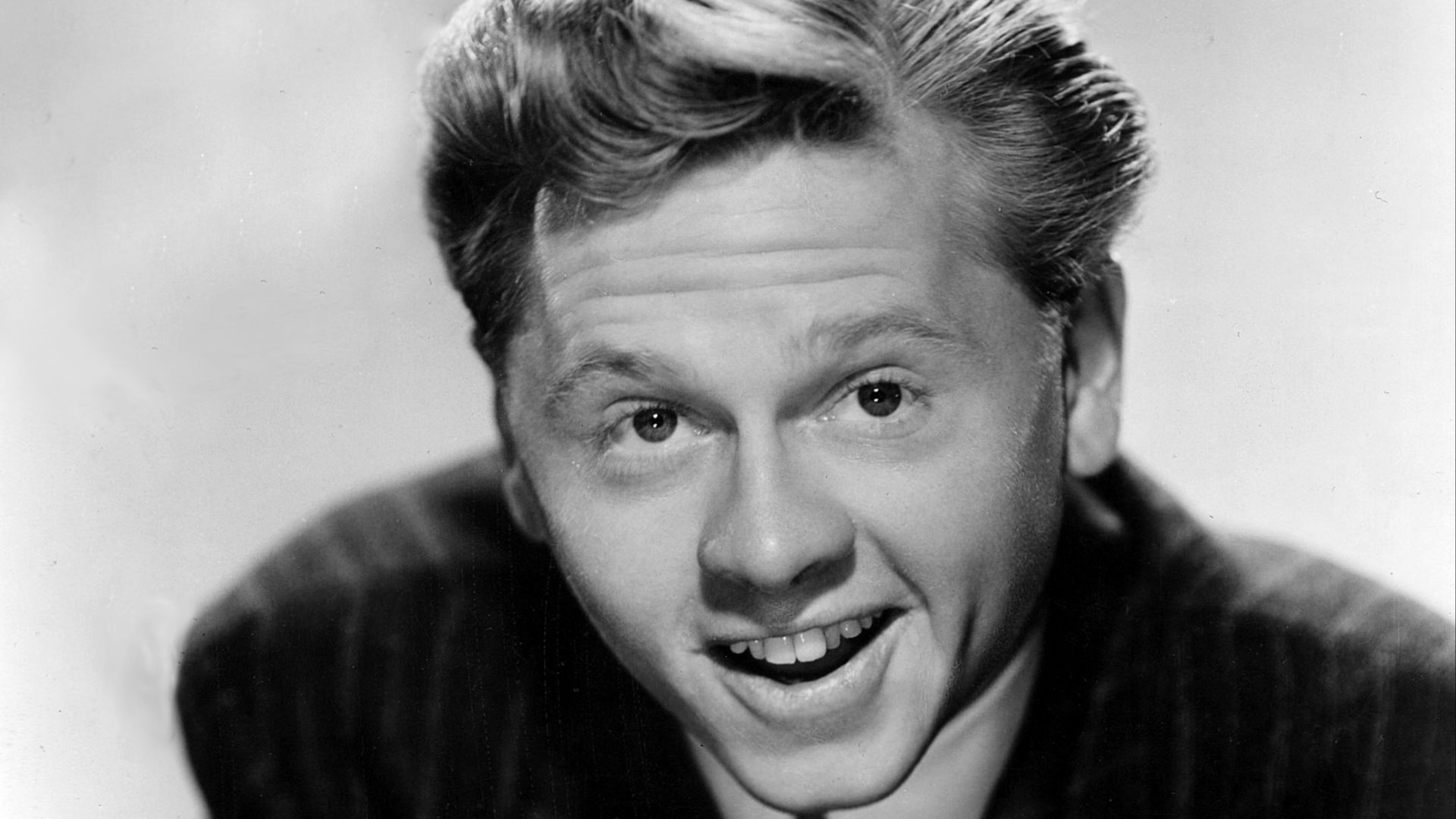 Studio publicity still on Wikimedia
37. Frank Tried Marriage Again
Sinatra eventually married again—but not immediately. In 1966, at age 50, he married 21-year-old actress Mia Farrow. The enormous age difference generated headlines of its own.
The marriage lasted only about two years. Farrow later said Sinatra remained one of the great loves of her life, adding yet another complicated chapter to his romantic history.
Still, Gardner occupied a category of her own. She was the woman associated with Sinatra’s greatest professional collapse, greatest comeback, and some of his most painful years.
And they were still communicating.

38. Ava And Frank Stayed Connected
Divorce did something marriage apparently could not: It allowed Sinatra and Gardner to maintain affection without constantly living inside the same emotional pressure cooker.
Accounts from people close to Gardner describe the former spouses remaining in contact for decades. They telephoned one another, remembered birthdays, and maintained a bond that survived new romances and new marriages.
It was an extraordinary transformation. The couple who could barely live together discovered that they didn’t really want to disappear from each other’s lives either.
Time had cooled the fights. It had not erased the feeling.
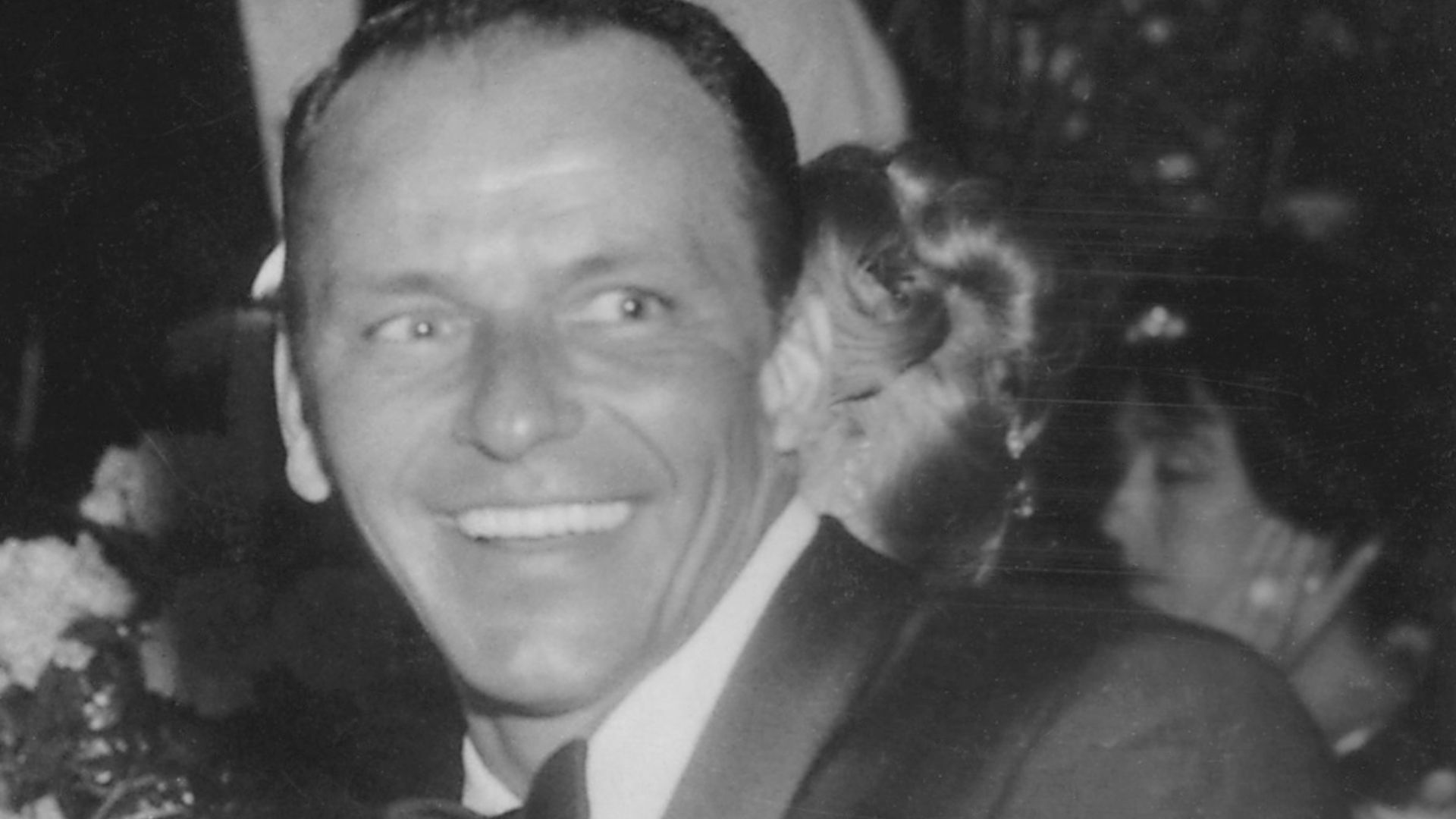 Unknown authorUnknown author on Wikimedia
39. He Married One Last Time
In 1976, Sinatra married Barbara Marx, the former wife of Zeppo Marx. This marriage proved dramatically different from his earlier unions. Frank and Barbara remained married until his death more than two decades later.
By then, Sinatra was no longer the desperate young star fighting to recover his career. He was an institution—wealthy, powerful, decorated, and surrounded by famous friends.
Yet even during this final marriage, the story of Frank and Ava refused to disappear.
The public remembered it. More importantly, so did they.

40. Ava Kept His Secrets
Late in life, Gardner began discussing a memoir with writer Peter Evans. Their recorded conversations contained remarkably candid stories about Sinatra, including intimate details of their marriage.
Then Gardner discovered that Evans had previously been involved in a legal dispute with Sinatra over claims concerning Sinatra’s alleged organized-crime associations. Gardner became uncomfortable and ended the collaboration.
Whatever had happened between her and Frank, she apparently wasn’t prepared to casually expose him through someone she believed might have an agenda.
Even decades later, the old loyalty remained.
 Paul Hesse (1896-1973) on Wikimedia
41. They Had Made A Pact
Gardner told Evans that she and Sinatra had once agreed not to publish tell-all memoirs about their relationship. According to her recollection, newspapers had offered Sinatra substantial money to reveal details during the years when he desperately needed cash.
He refused.
That mattered to Gardner. Their marriage had produced enough headlines while it was happening. Apparently, there were things both believed should remain between them.
For two people whose romance had become public property, secrecy became a strange form of loyalty.
And Gardner kept protecting parts of the story almost until the end.
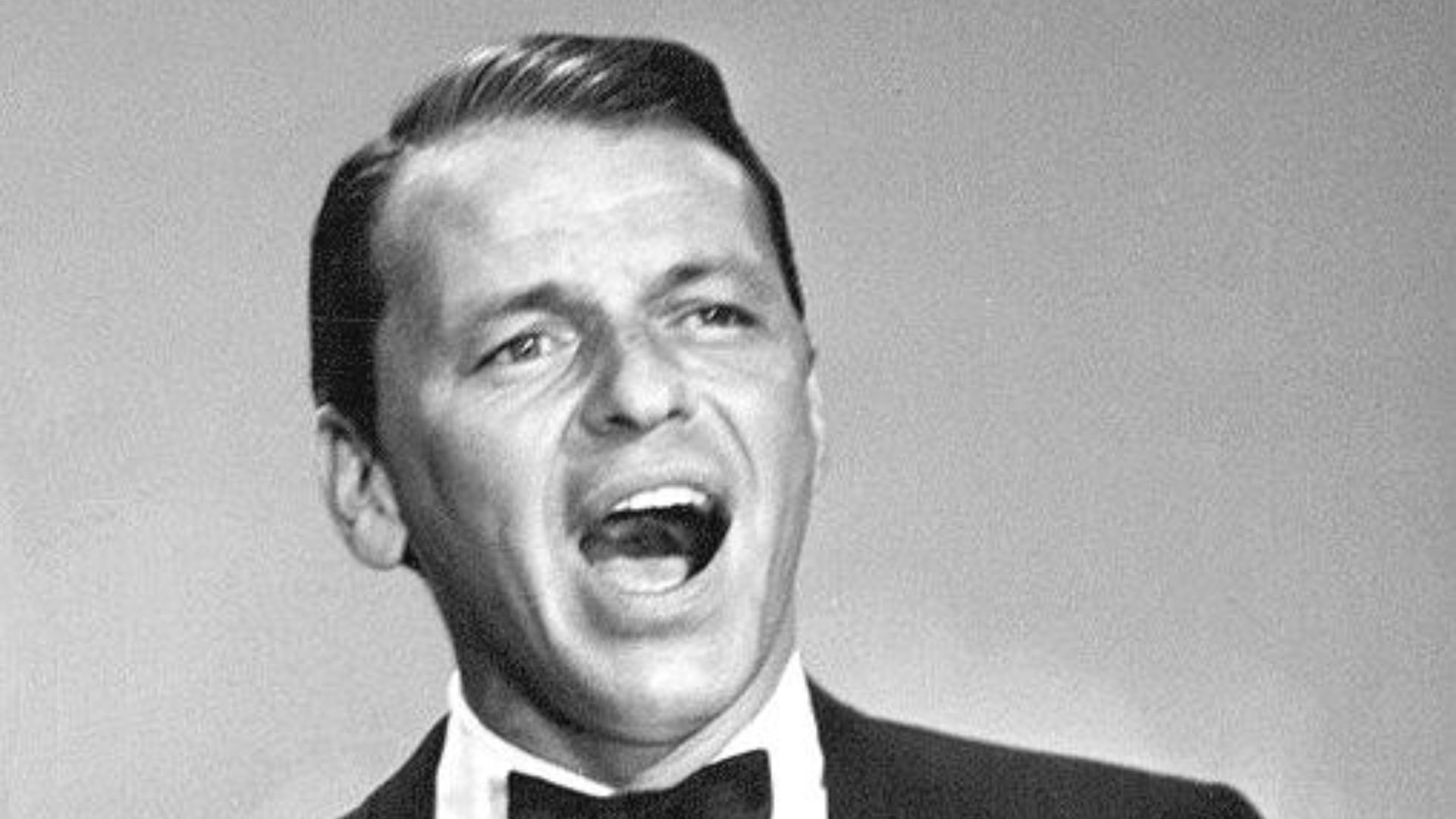
42. The Mob Stories Never Disappeared
Rumors about Sinatra and organized crime followed him for decades. His friendships with figures who had underworld connections were real, but the more sensational claims about criminal control over his career have often relied on disputed evidence, exaggeration, or rumor.
Gardner herself reportedly rejected the idea that organized crime financially rescued Sinatra during his career collapse. She insisted that she was the person paying many of their bills.
That version makes their marriage even more fascinating.
At his lowest point, the mighty Frank Sinatra may have depended heavily on Ava Gardner.
 Unknown authorUnknown author on Wikimedia
43. Nancy Never Really Vanished Either
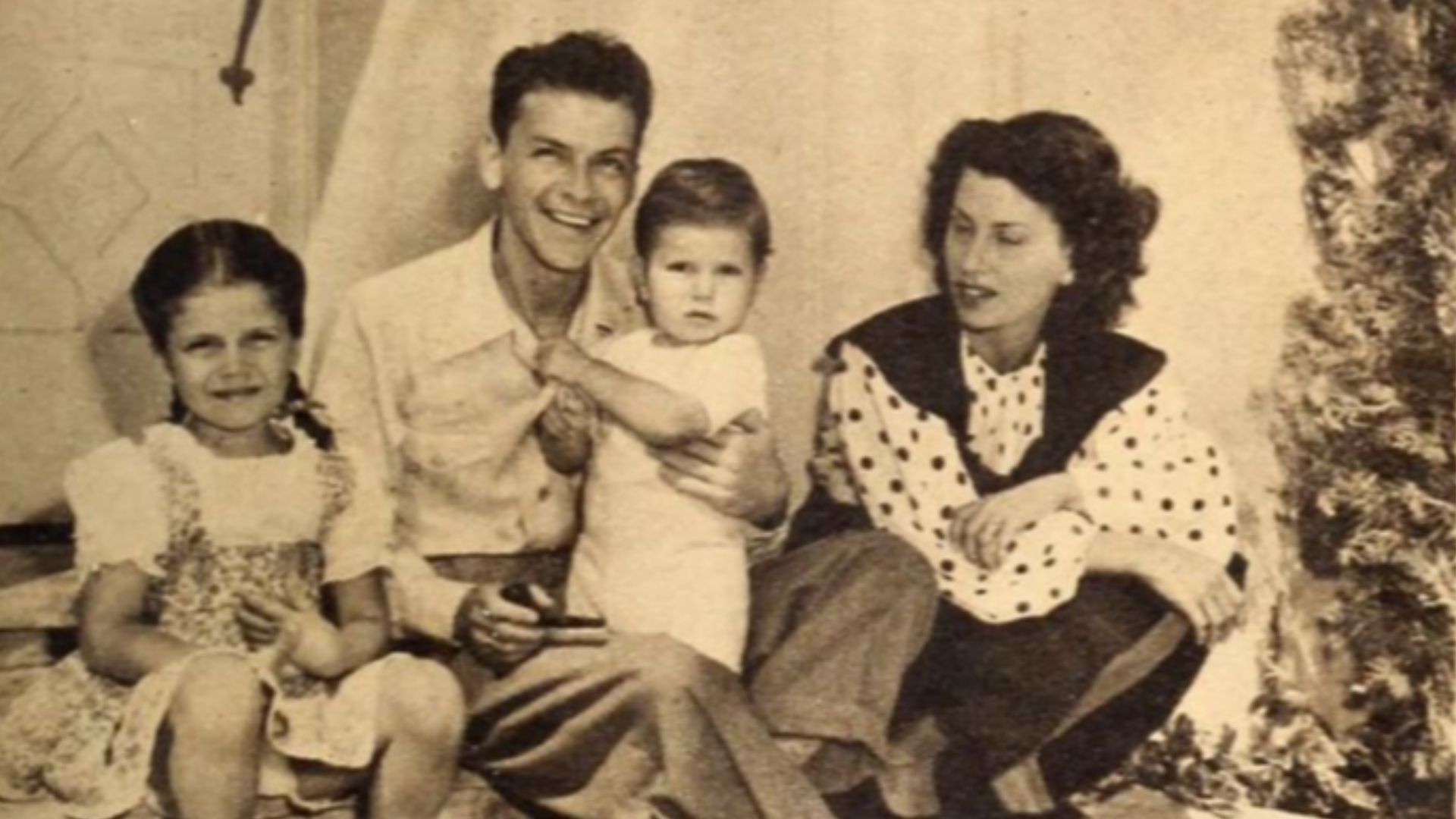
Ava wasn’t the only former wife who remained in Sinatra’s life. Nancy, the woman he had left during the scandal, eventually welcomed him back into her world as a friend and family member.
Later accounts described Frank visiting Nancy’s home, sometimes arriving unexpectedly and making himself comfortable. She never remarried and remained remarkably loyal to him despite everything that had happened.
Sinatra therefore spent his later years connected, in different ways, to both women at the center of his most famous romantic scandal.
His marriages ended. His attachments were much harder to break.
 Dell Publishing, 1946. Photographer not credited on Wikimedia
44. Ava’s Health Began To Fail
Gardner eventually settled in London, far from the Hollywood world that had made her famous. As she grew older, health problems began limiting the fiercely independent woman who had once danced through nights in Spain.
In 1986, she suffered a stroke. The glamorous star who had once seemed untouchable now needed help.
And one of the people who remained concerned about her was the former husband she had divorced nearly three decades earlier.
After all those fights, jealousies, separations, and other lovers, Frank Sinatra still hadn’t forgotten Ava.

45. Frank Reportedly Helped Her
Accounts of Gardner’s final years state that Sinatra helped with medical expenses after her health deteriorated. He also reportedly telephoned her during her illness.
It was an unexpectedly tender final chapter for a relationship once defined by slammed doors and screaming headlines. They had failed spectacularly as husband and wife, but age seemed to reveal the affection underneath all that chaos.
Neither needed to win the old arguments anymore.
Then, in January 1990, Sinatra received the news he had probably dreaded for years.
Ava Gardner was gone.
 Columbia Pictures Corporation on Wikimedia
46. Ava Died At 67
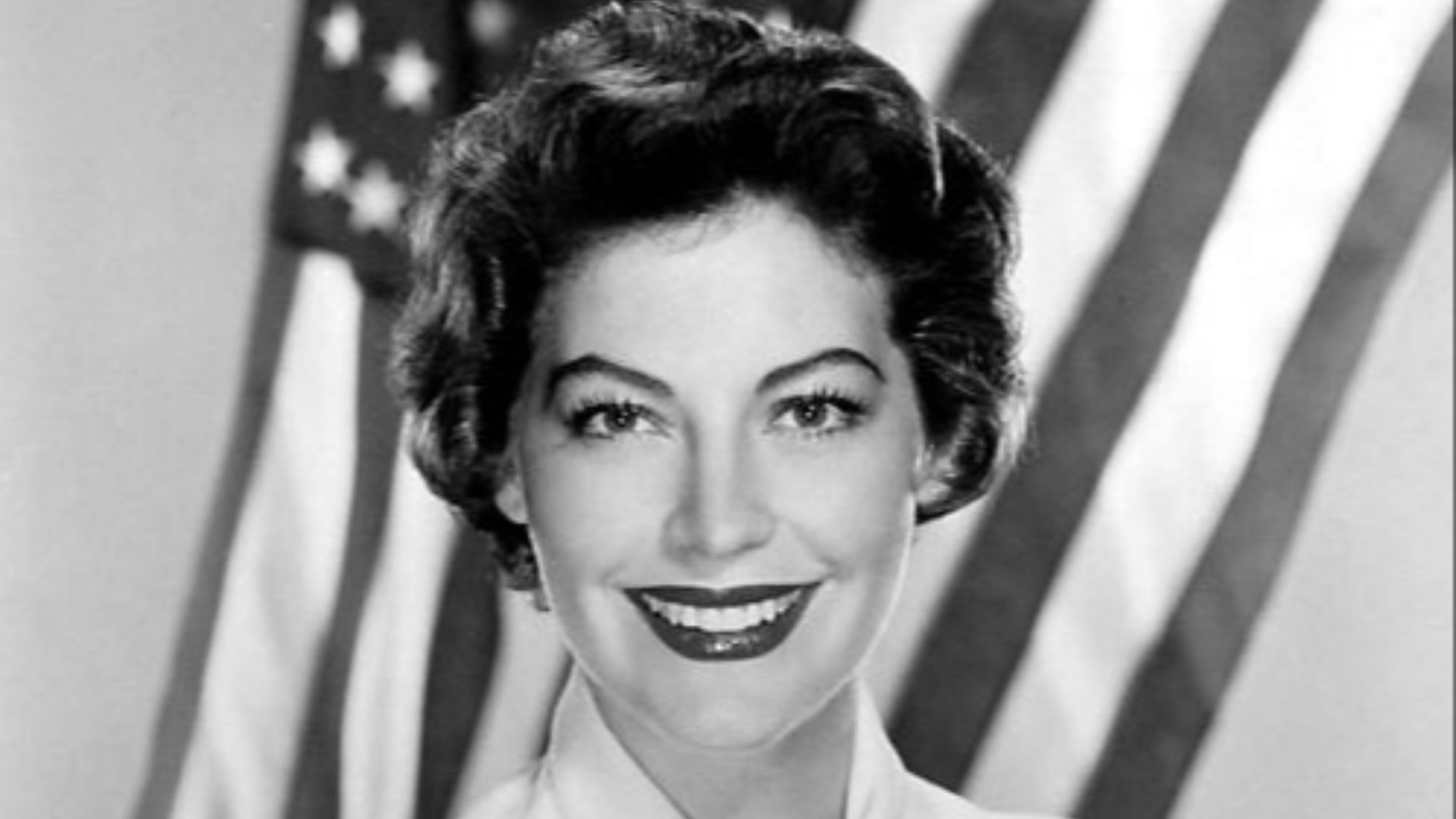
Ava Gardner died from pneumonia in London on January 25, 1990. She was 67 years old. Her passing closed one of the last living links to Hollywood’s golden age and immediately revived memories of her marriages, films, beauty, and legendary romance with Sinatra.
She was buried in North Carolina near her family, far from the glamour of Hollywood.
For Sinatra, the loss was intensely personal.
The woman he had loved, fought with, married, divorced, and remained connected to for decades was finally beyond another phone call.
 Unknown authorUnknown author on Wikimedia
47. Their Love Story Outlived Her
After Gardner’s passing, stories about her relationship with Sinatra continued appearing in biographies, documentaries, interviews, and previously unpublished conversations.
The fascination is understandable. Their relationship contained almost every ingredient of a classic Hollywood melodrama: a forbidden affair, a betrayed wife, career disaster, jealousy, glamorous rivals, emotional crises, a spectacular comeback, divorce, and lifelong affection.
But perhaps the most compelling detail is also the simplest.
Neither seemed to believe marrying the other had been entirely a mistake—even though they clearly couldn’t remain married.
That contradiction became their legend.
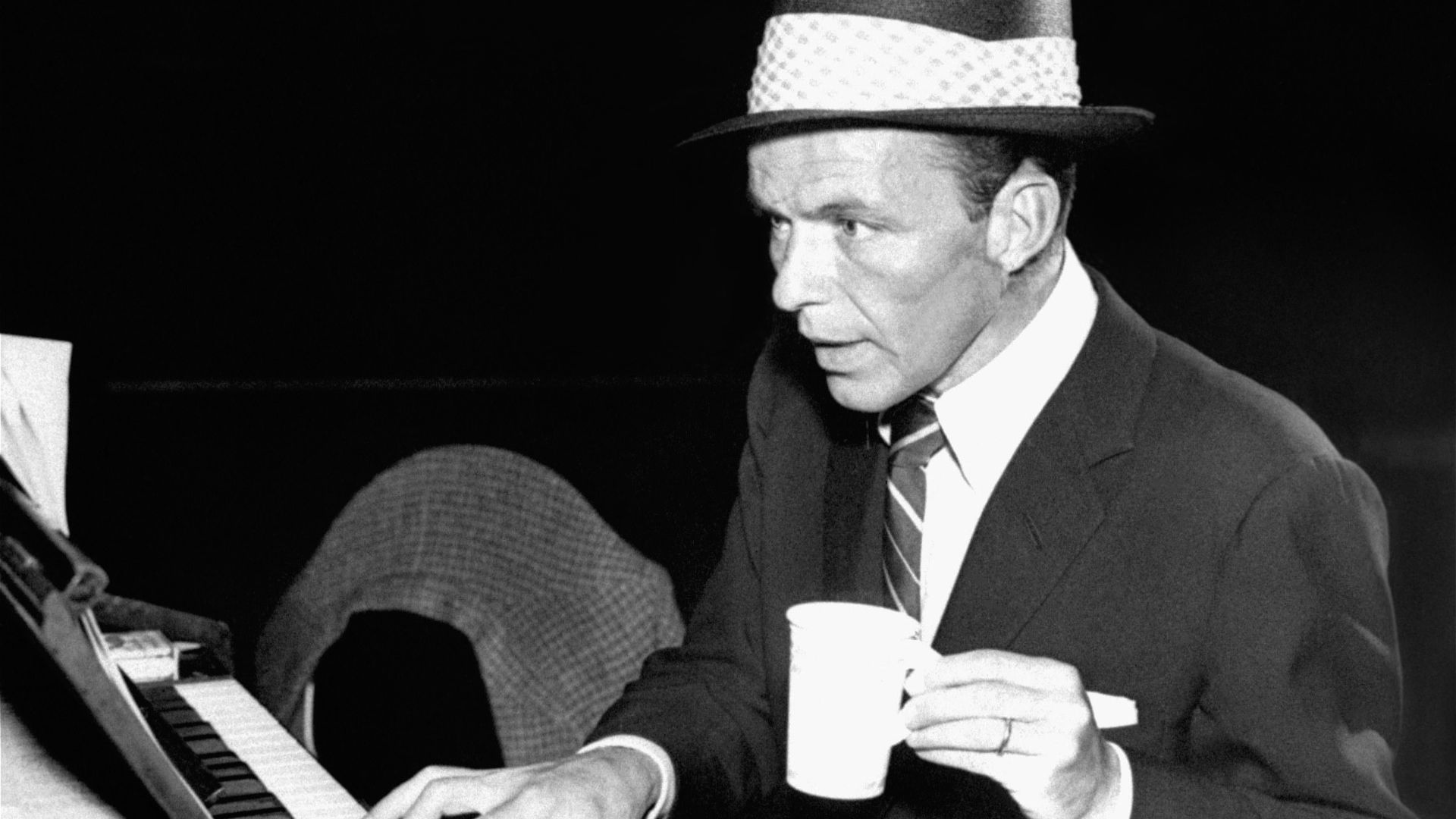 Distributed by NBC. Photographer unknown. on Wikimedia
48. Frank’s Final Years Were Quieter
Sinatra lived another eight years after Gardner’s passing. By then, his place in American culture was secure. He had survived changing musical tastes, career collapse, scandal, political controversy, and decades of gossip.
He received major honors, including the Presidential Medal of Freedom in 1985, and continued performing into the 1990s. Yet biographies of his later life frequently returned to Gardner.
The world had given Sinatra almost everything a performer could want.
The relationship people remained most fascinated by, however, was the one he couldn’t make work.
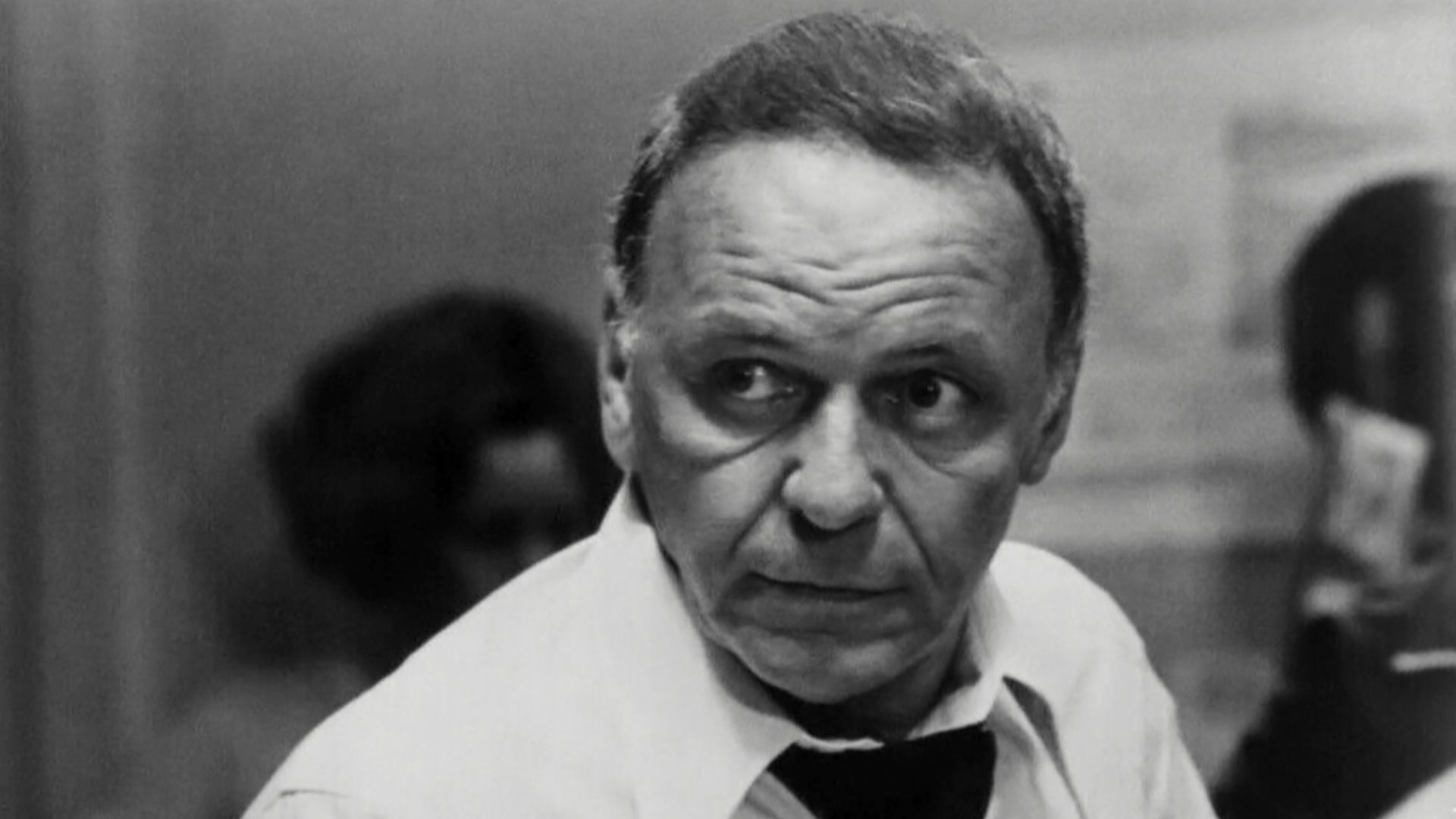 Distributed by NBC. Photographer unknown. on Wikimedia
49. Frank Died In 1998
Frank Sinatra died on May 14, 1998, at Cedars-Sinai Medical Center in Los Angeles after suffering a heart attack. He was 82.
He left behind an extraordinary recording catalog, an Oscar-winning acting career, four marriages, three children, countless stories, and enough controversy to fill shelves of biographies.
But when newspapers looked back at Sinatra’s life, Ava Gardner inevitably appeared near the center of the story.
Nearly half a century after their affair began, people still wanted to understand what had happened between them.
 Los Angeles Times on Wikimedia
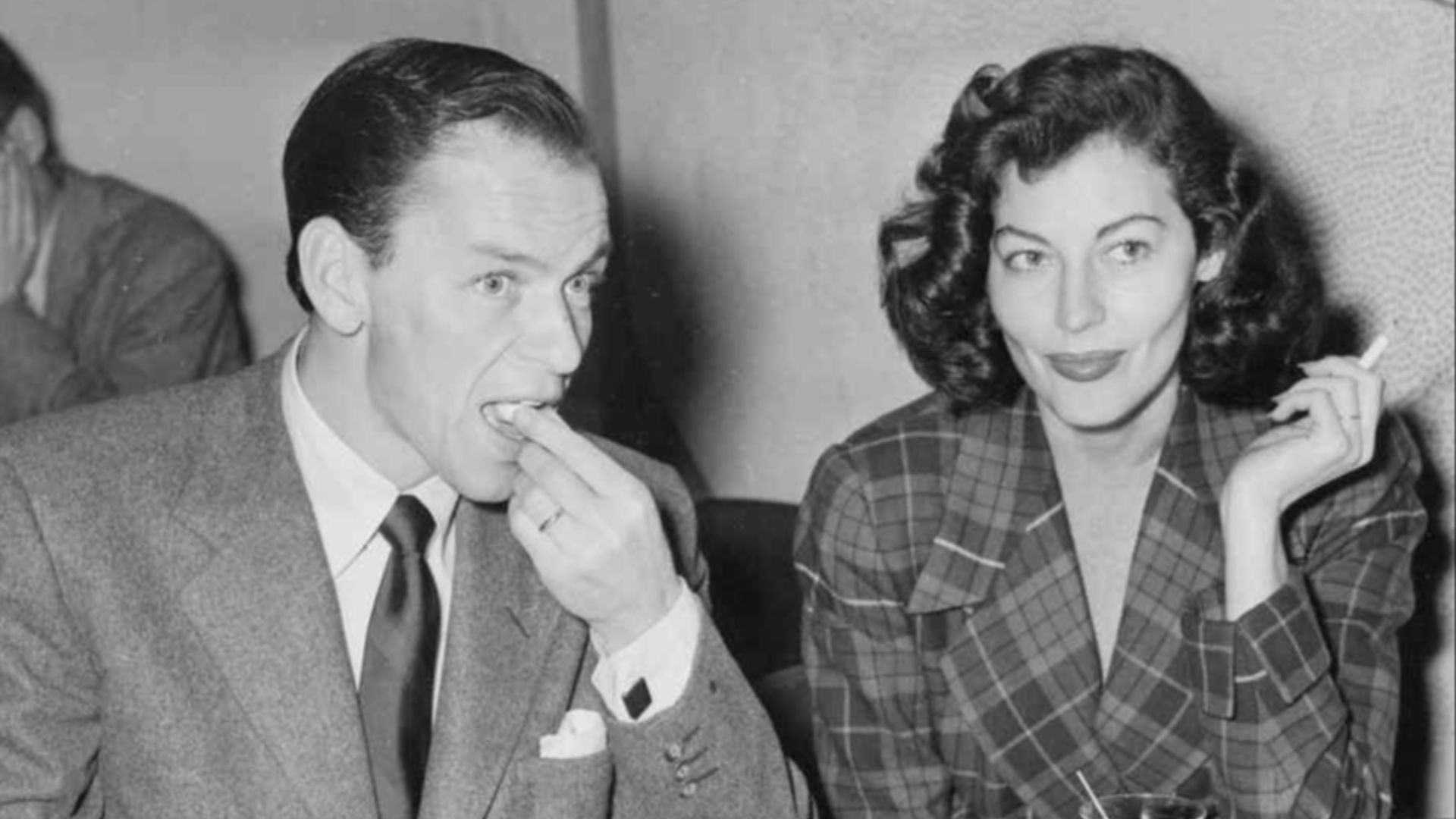
50. They Couldn’t Live Together—Or Completely Apart
Frank Sinatra and Ava Gardner’s marriage lasted only six years, and much of it was turbulent. They fought, separated, reunited, became jealous, and eventually accepted that staying married was making them miserable.
Yet Gardner never remarried. Sinatra never entirely stopped caring about her. Their contact continued for decades, and people close to Gardner have said the two regarded each other as great loves of their lives.
That may be why the story still fascinates people. Sinatra could conquer Hollywood twice—but the woman he wanted most was the one thing he could never completely hold onto.
KEEP ON READING