10 Famous Last Stands & 10 Strategic Retreats That Saved Armies
Defeats And Withdrawals That Shaped History
Military history tends to celebrate victories, yet some of its most memorable episodes ended with defenders overwhelmed or commanders deliberately giving up ground. A last stand might slow an enemy, protect others, or represent a desperate refusal to surrender, while an organized retreat can preserve experienced troops for another valiant campaign. Here are 10 famous last stands and 10 strategic retreats that saved armies.
 Popular Graphic Arts on Wikimedia
1. Thermopylae, 480 BCE
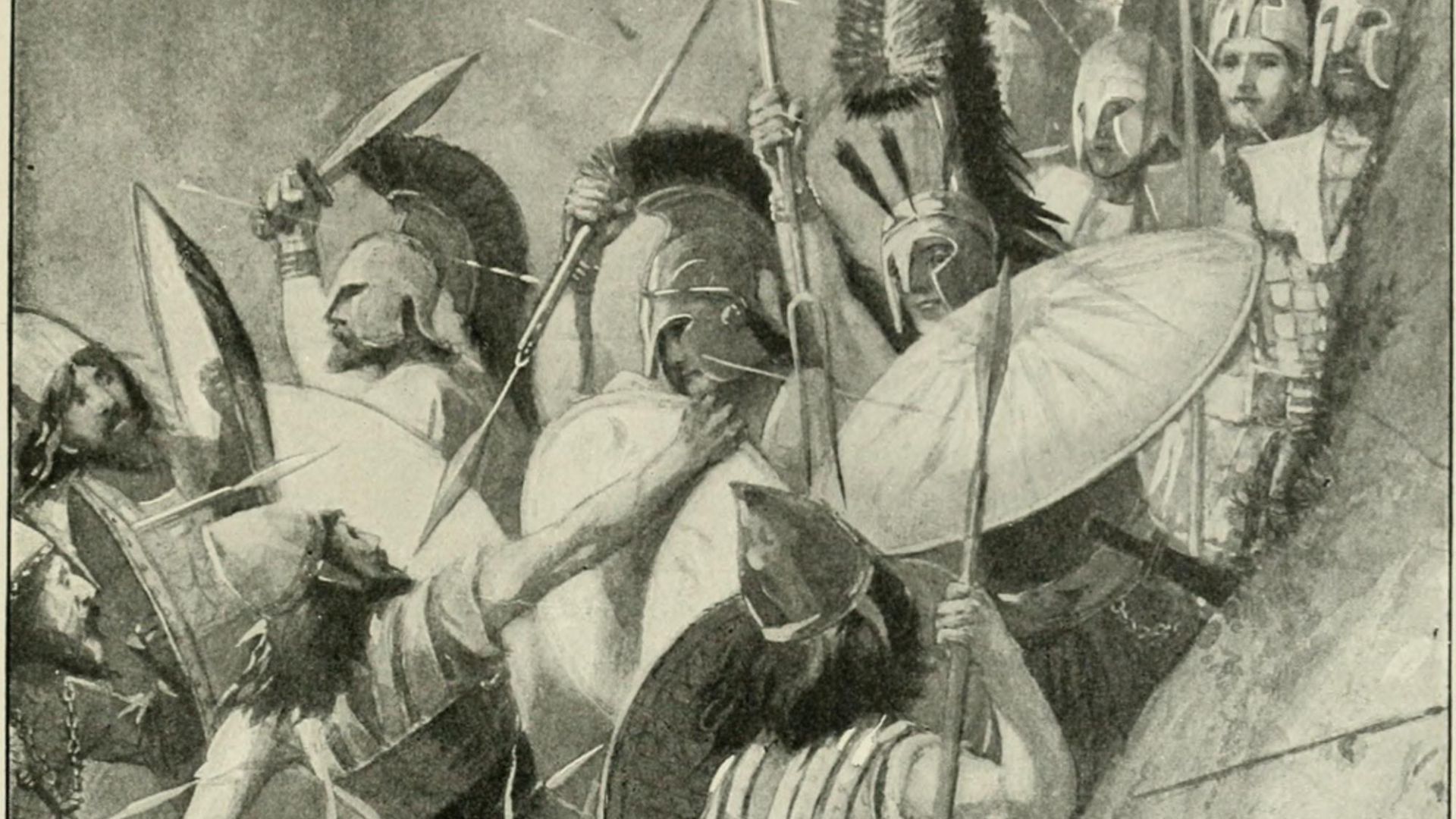
King Leonidas and a Greek force defended the narrow pass at Thermopylae during Xerxes I's violent invasion of Greece. After the Persians discovered a route around the position, Leonidas dismissed much of the army while the Spartans and other remaining Greeks continued fighting.
 Ellis, Edward Sylvester, 1840-1916; Horne, Charles F. (Charles Francis), 1870-1942 on Wikimedia
2. Szigetvár, 1566
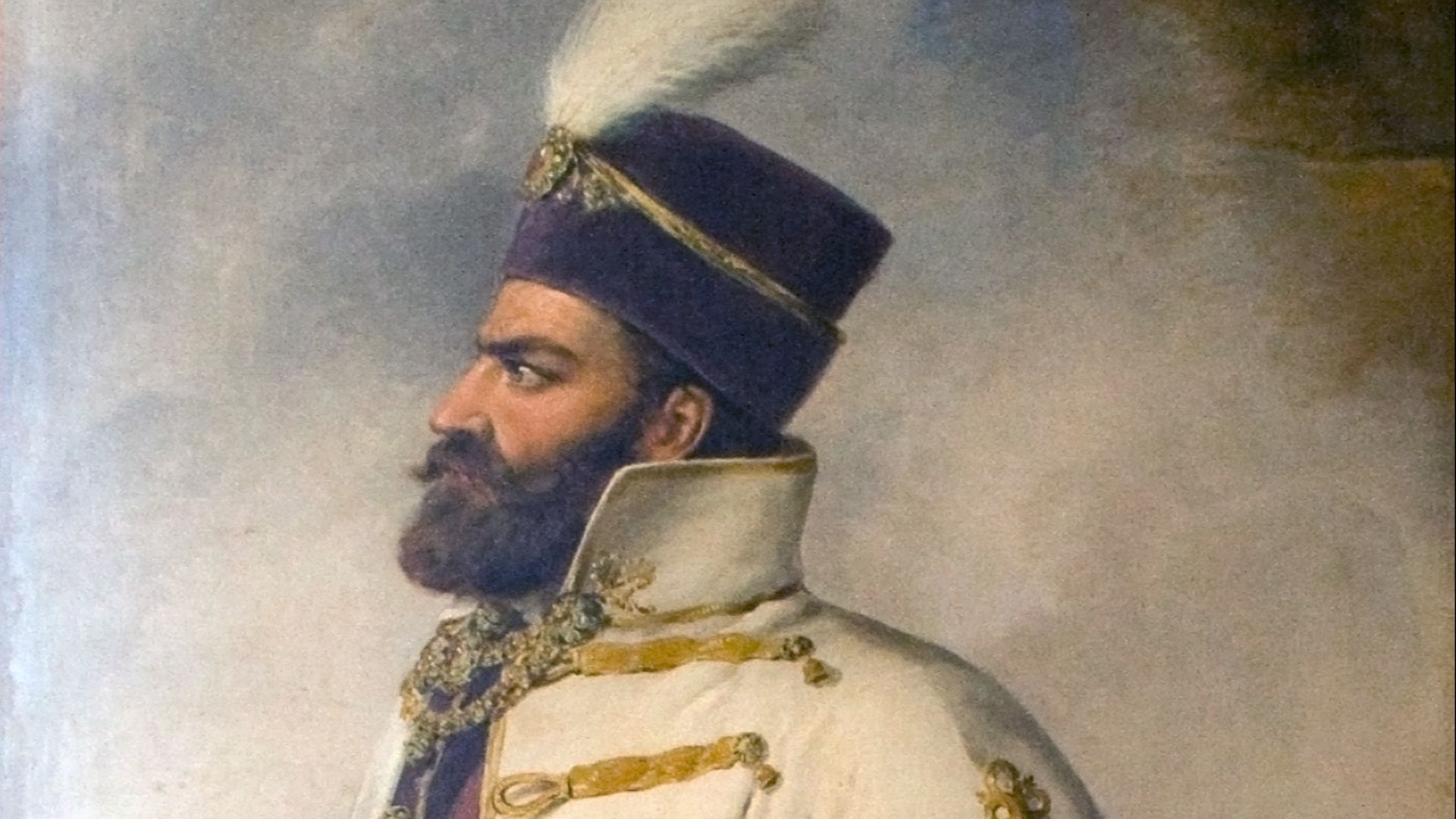
Miklós Zrínyi commanded the defenders of Szigetvár against an enormous Ottoman campaign led by Sultan Suleiman I. After weeks of resistance, the defenders launched a final attack rather than quietly allowing the fortress to fall. The Ottomans captured Szigetvár, but their costly victory ended that year's advance farther into Habsburg territory.
3. The Alamo, 1836
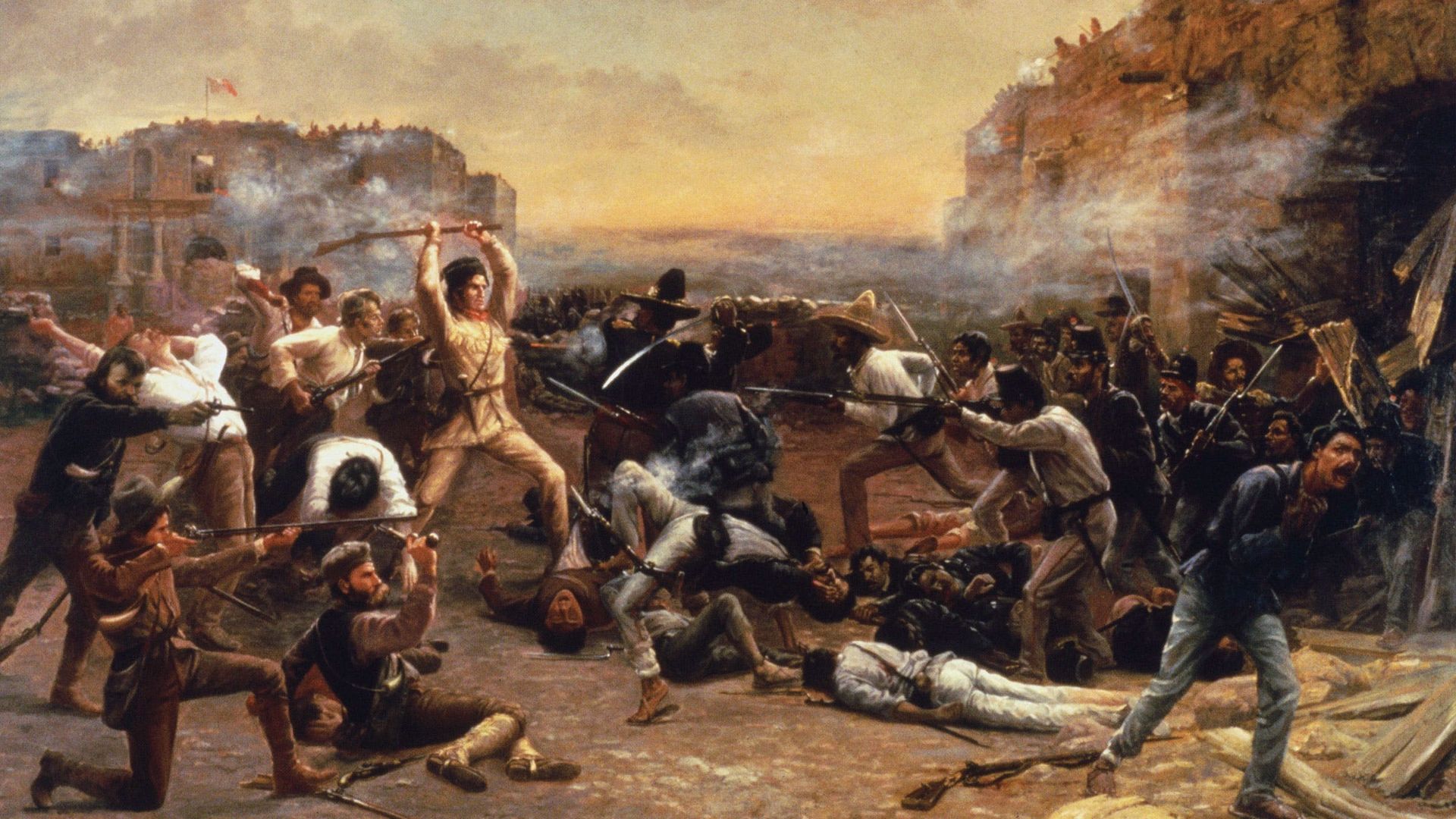
The historic siege of the Alamo became one of the best-known episodes of the Texas Revolution. Mexican forces commanded by Antonio López de Santa Anna surrounded the fortified mission in San Antonio, where roughly 200 defenders resisted for nearly two weeks. The final assault on March 6 killed almost all of the defenders and later became a Texan rallying point.
 Robert Jenkins Onderdonk on Wikimedia
4. Gandamak, 1842
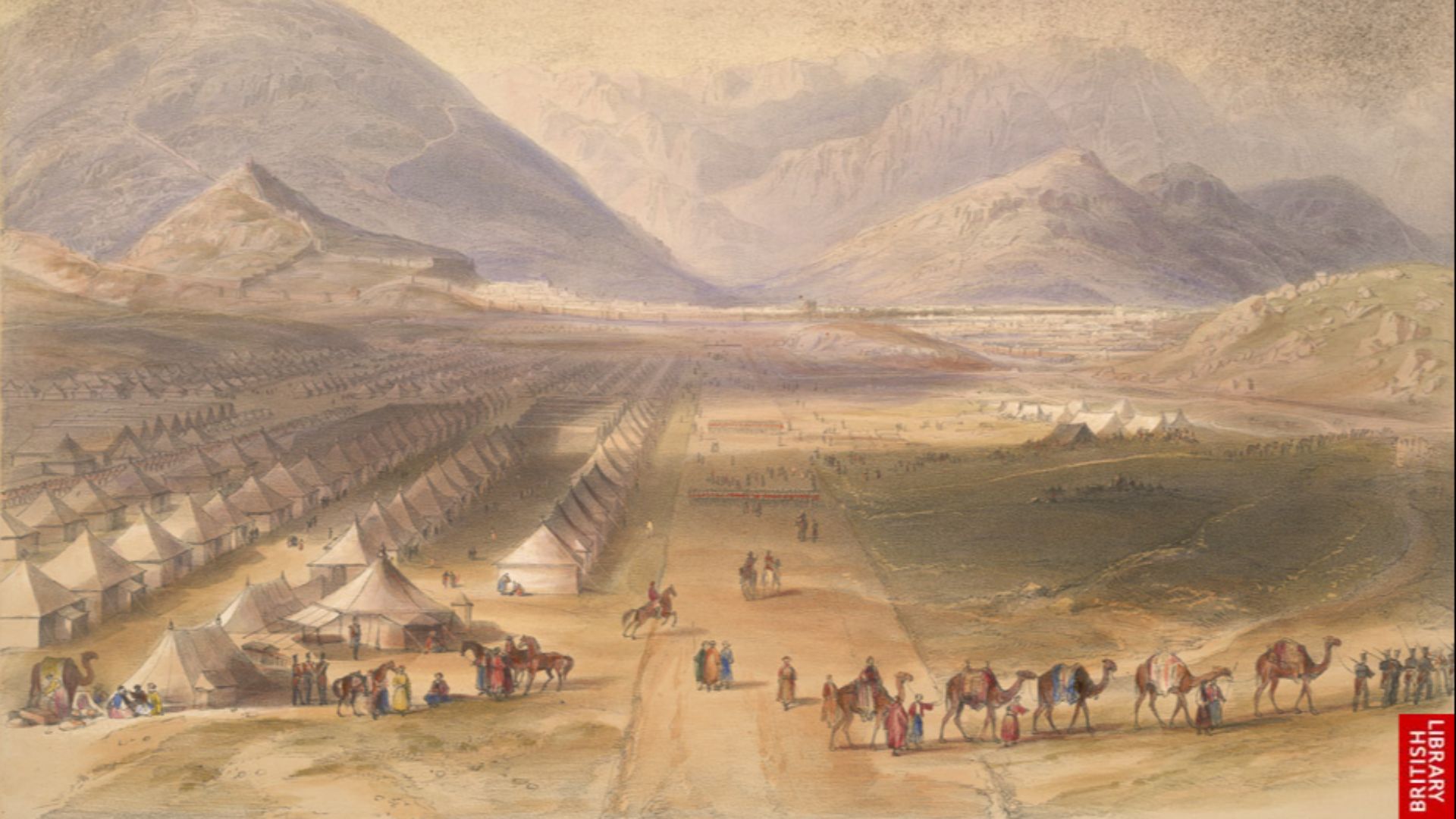
The British withdrawal from Kabul during the First Anglo-Afghan War deteriorated into a catastrophic retreat through freezing mountain terrain. The force was effectively destroyed, completing one of the most disastrous retreats in British military history.
 Lieutenant James Rattray on Wikimedia
5. Camarón, 1863
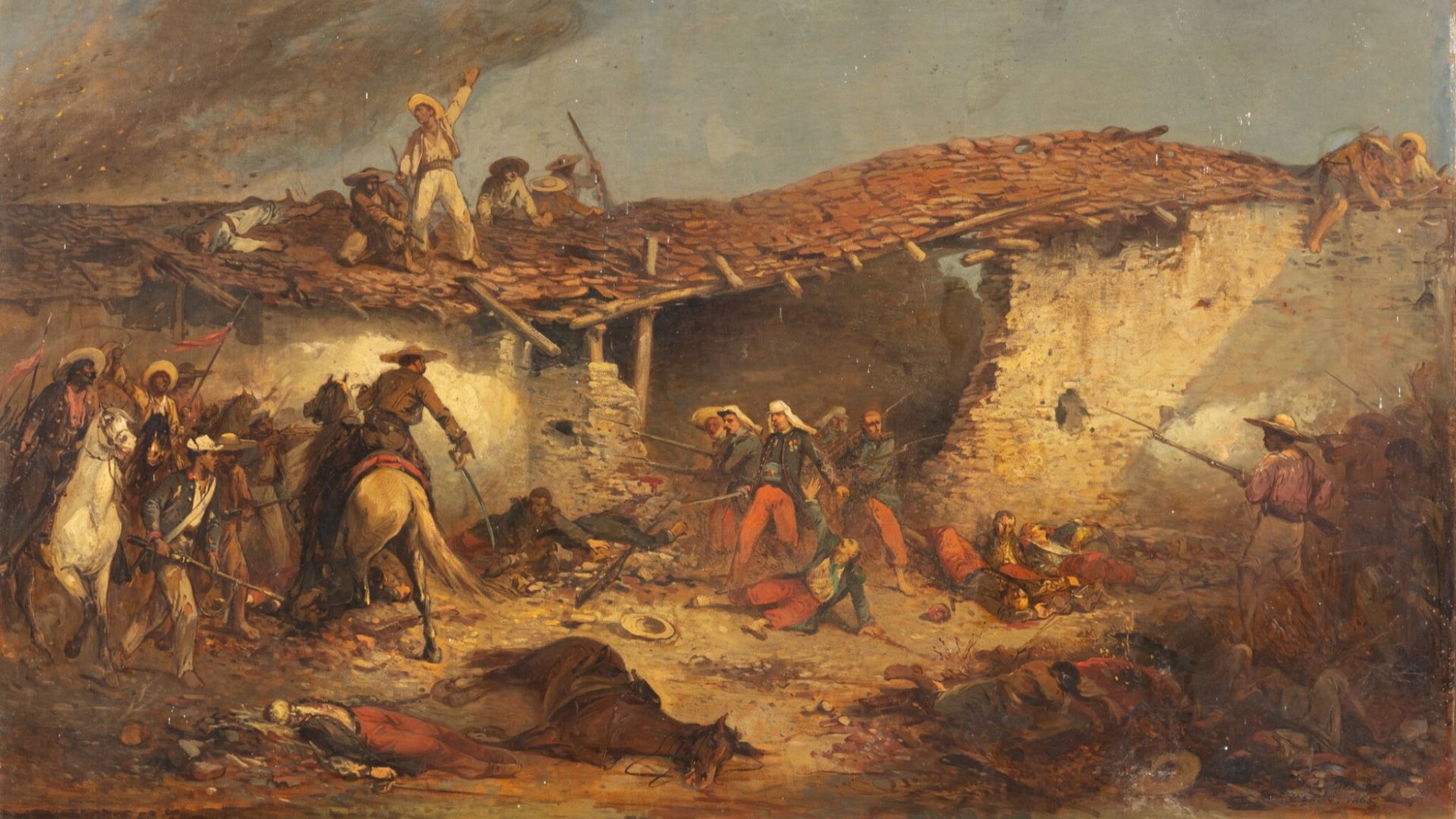
During the French intervention in Mexico, a small Foreign Legion company commanded by Captain Jean Danjou was surrounded near Camarón. A handful ultimately survived, and the battle became a central piece of Foreign Legion tradition.
 Jean-Adolphe Beaucé on Wikimedia
6. Little Bighorn, 1876
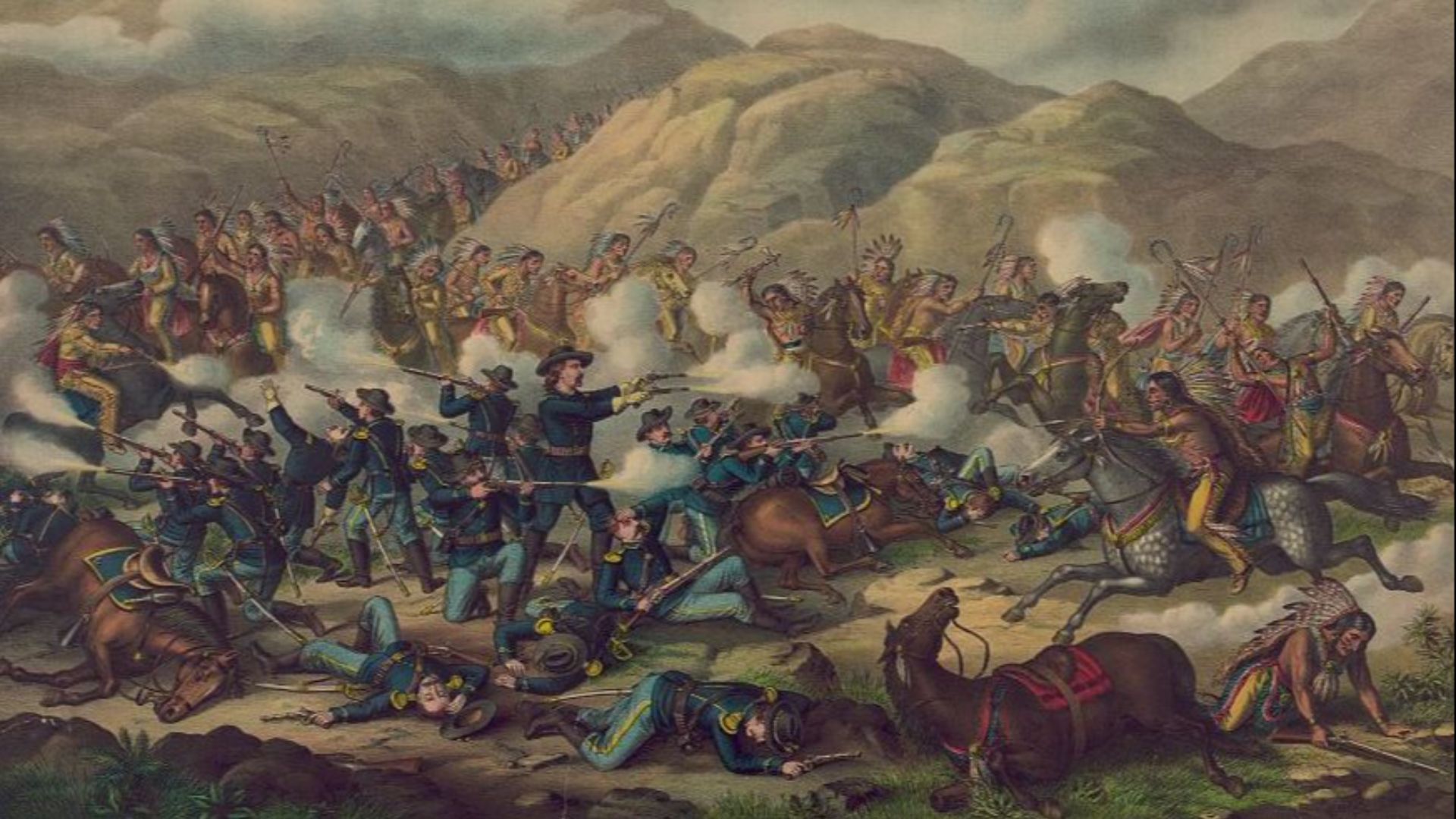
Lieutenant Colonel George Armstrong Custer's portion of the 7th Cavalry encountered a much larger Native American force near the Little Bighorn River. None of the soldiers in Custer's immediate five-company battalion survived the fighting.

7. Shiroyama, 1877
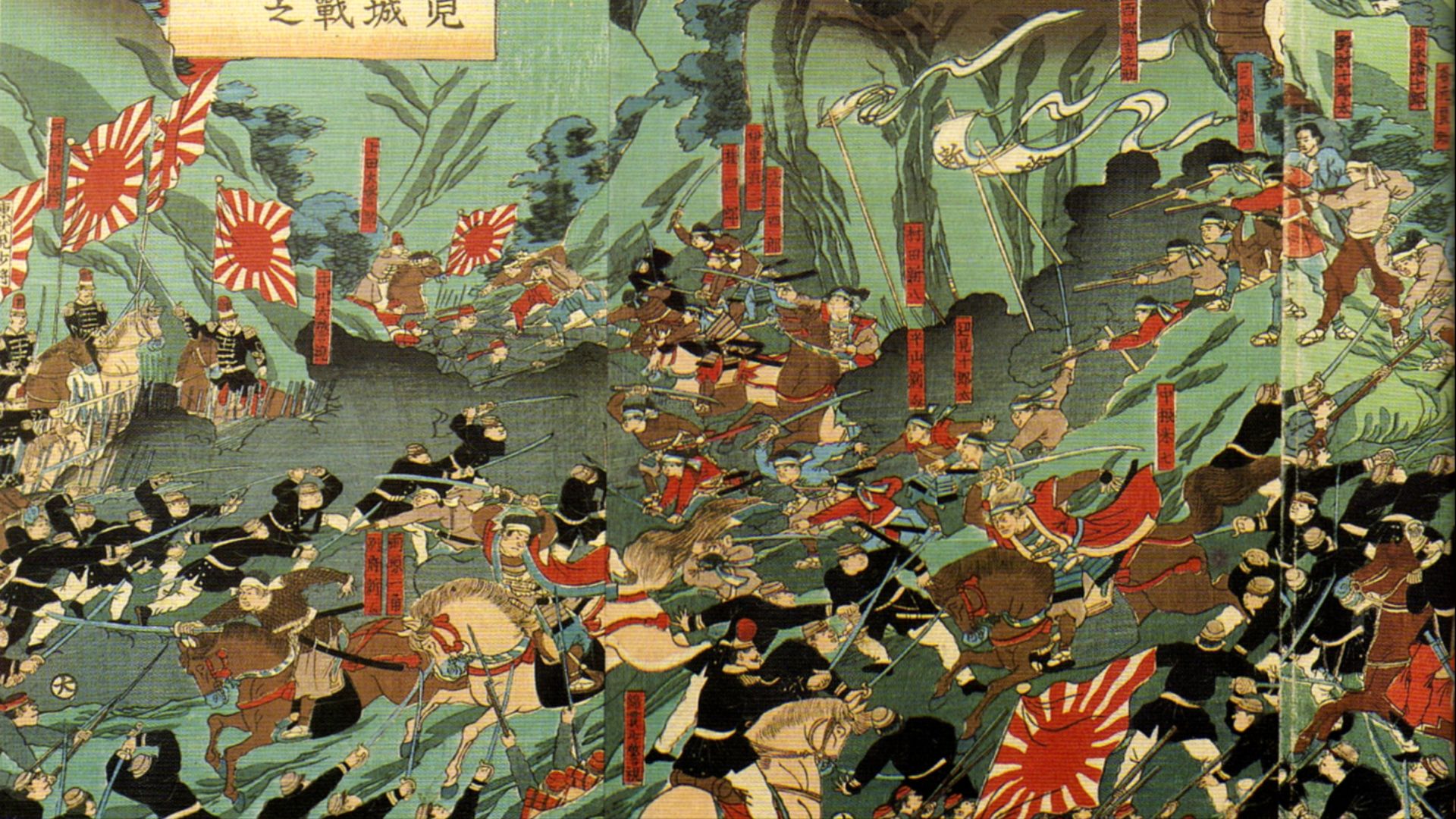
The Battle of Shiroyama brought the Satsuma Rebellion to its final stage in September 1877. Saigō Takamori's reduced rebel force was surrounded by Imperial Japanese troops near Kagoshima and subjected to constant bombardment. The surviving rebels launched a final attack, ending organized resistance and securing the government's victory.
 Mosai Nagashima (Yoshitora Utagawa) on Wikimedia
8. Saragarhi, 1897
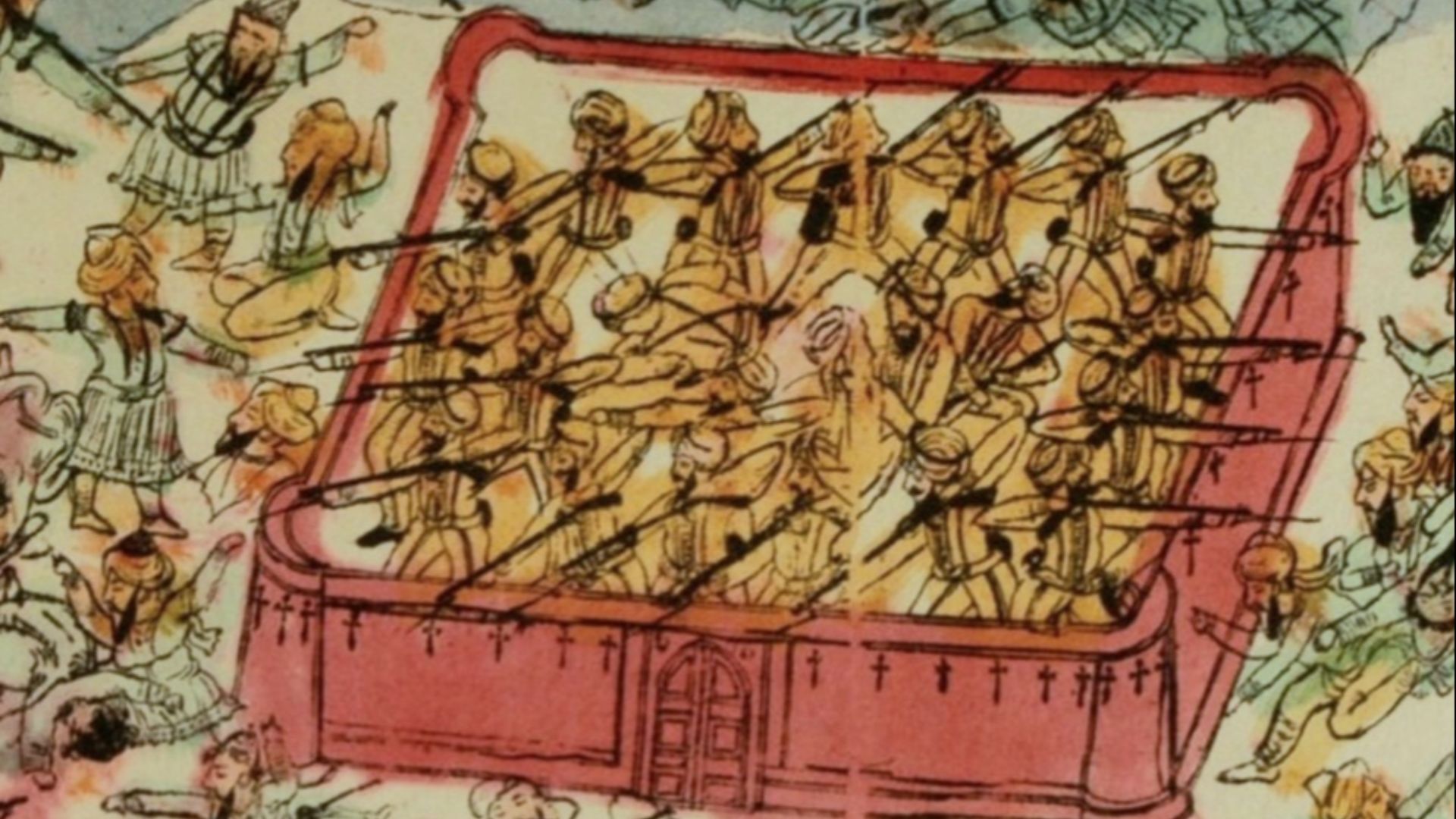
Only 21 soldiers of the 36th Sikhs defended the communications post at Saragarhi on India's North-West Frontier on September 12, 1897. The engagement remains one of the Sikh regiment's most celebrated actions.
 Unknown authorUnknown author on Wikimedia
9. Wizna, 1939
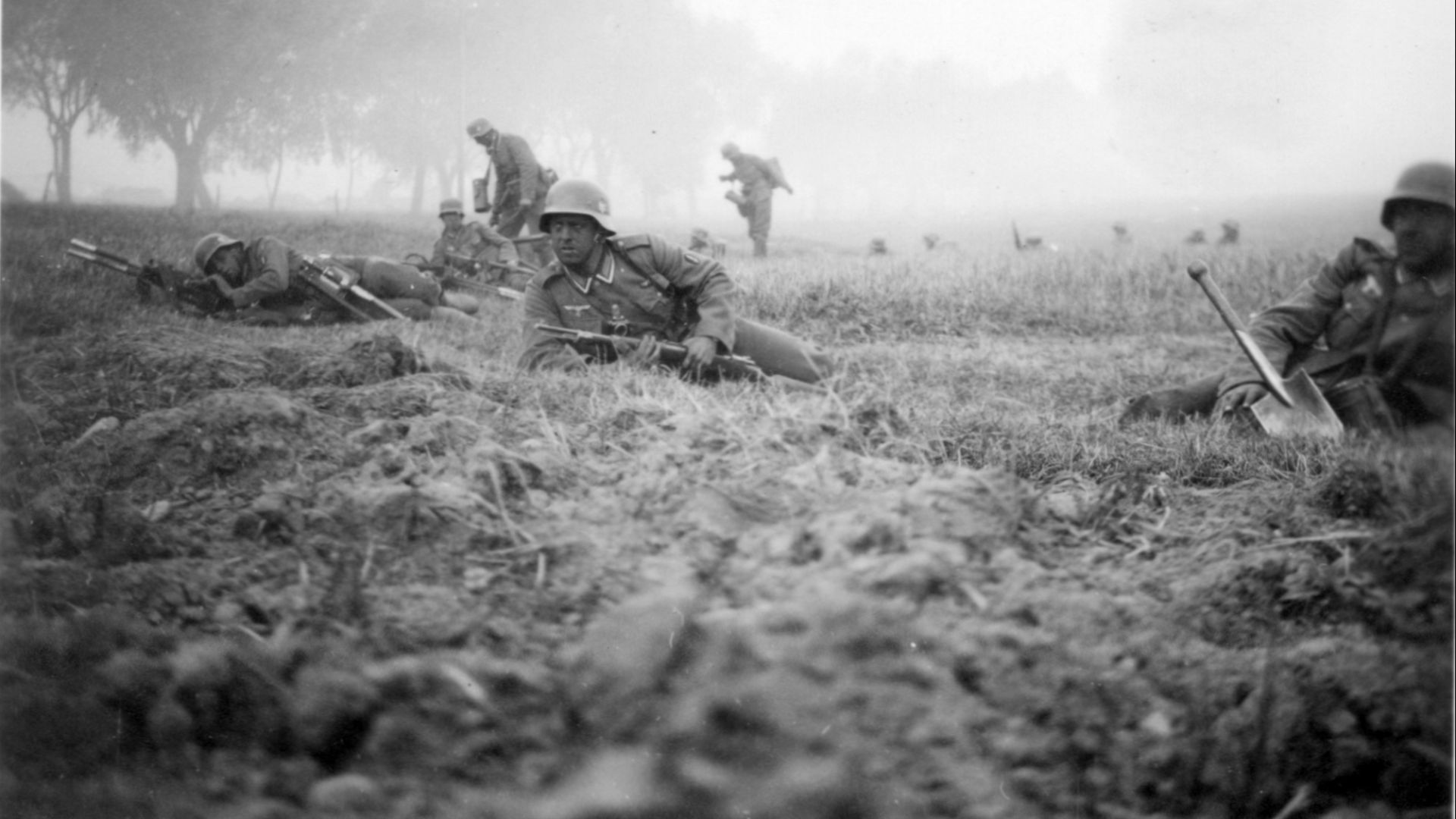
Polish troops commanded by Captain Władysław Raginis defended fortified positions around Wizna during Germany's invasion of Poland. Beginning on September 7, their defenses faced elements of Heinz Guderian's much larger XIX Army Corps. Resistance continued until September 10.
10. Warsaw Ghetto Uprising, 1943
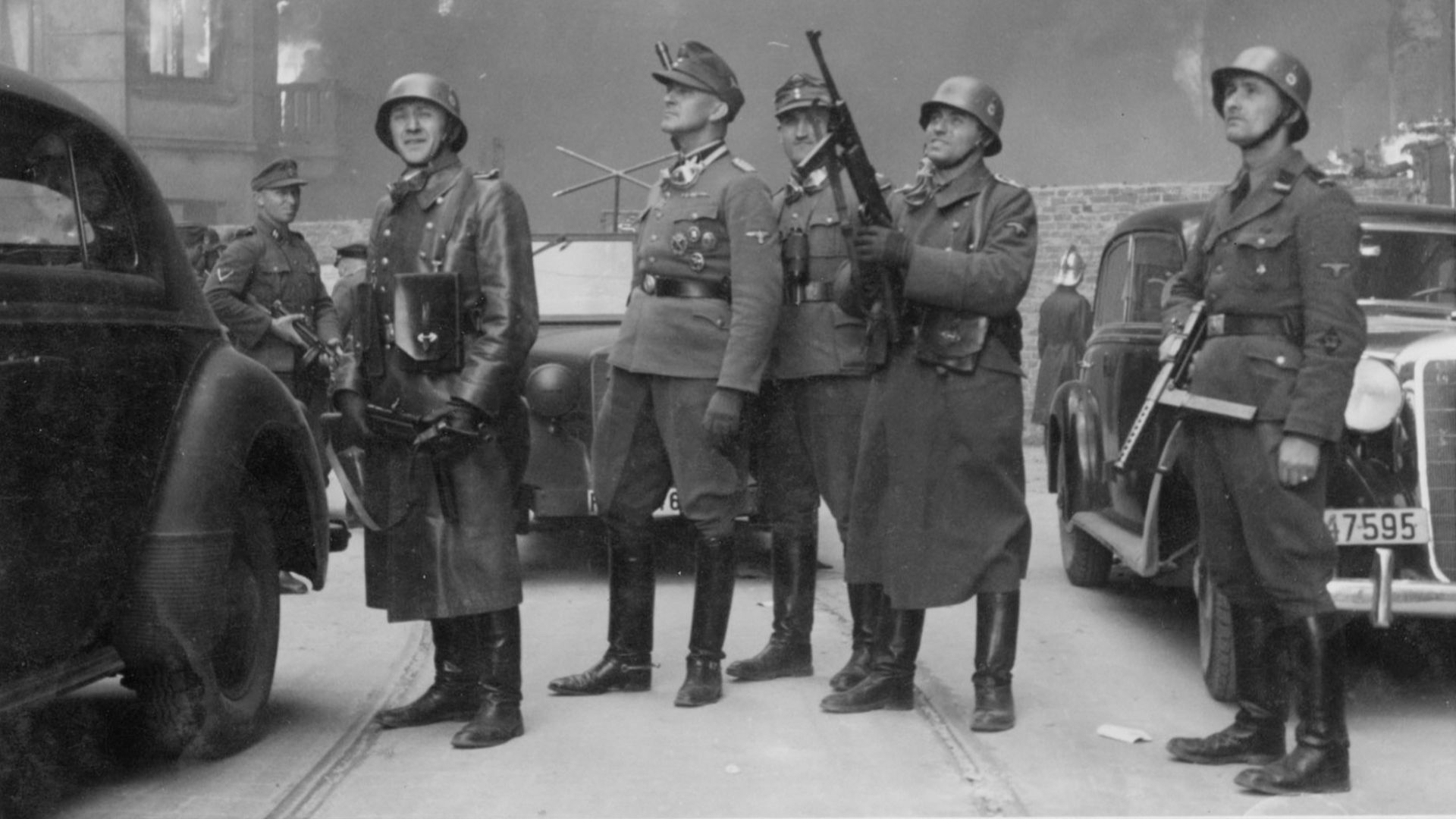
Jewish resistance organizations launched an armed uprising as German forces moved to liquidate the Warsaw Ghetto in April 1943. Fighters with limited weapons resisted heavily armed German units for weeks despite having no realistic prospect of conventional military victory. The revolt was eventually crushed, but it became an enduring example of organized resistance against Nazi persecution.
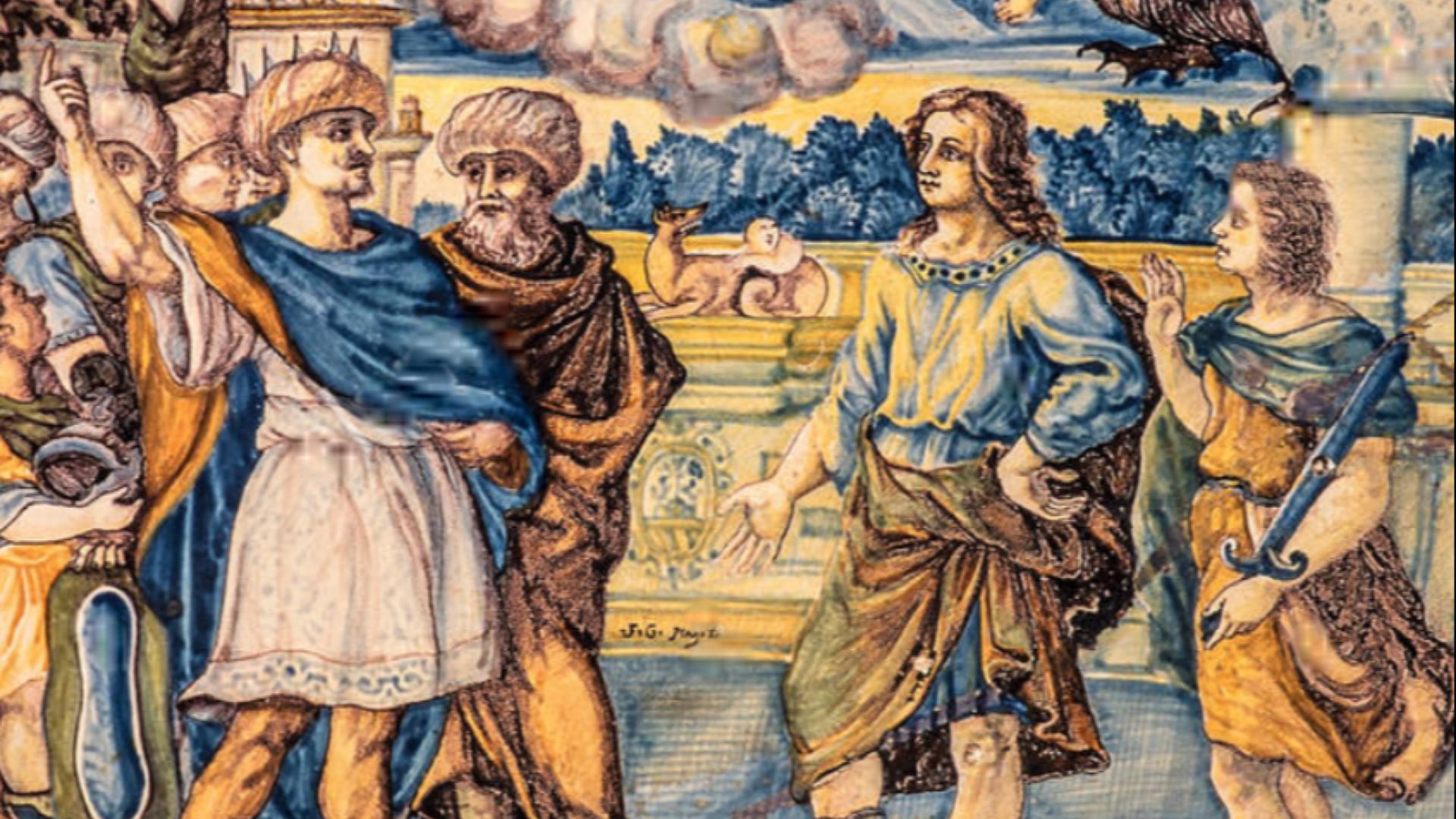
1. The March Of The Ten Thousand, 401–400 BCE
Greek mercenaries serving Cyrus the Younger were stranded deep inside the Persian Empire after he died at the Battle of Cunaxa. After their senior commanders were killed or captured, new leaders including Xenophon helped organize a fighting withdrawal toward the Black Sea.
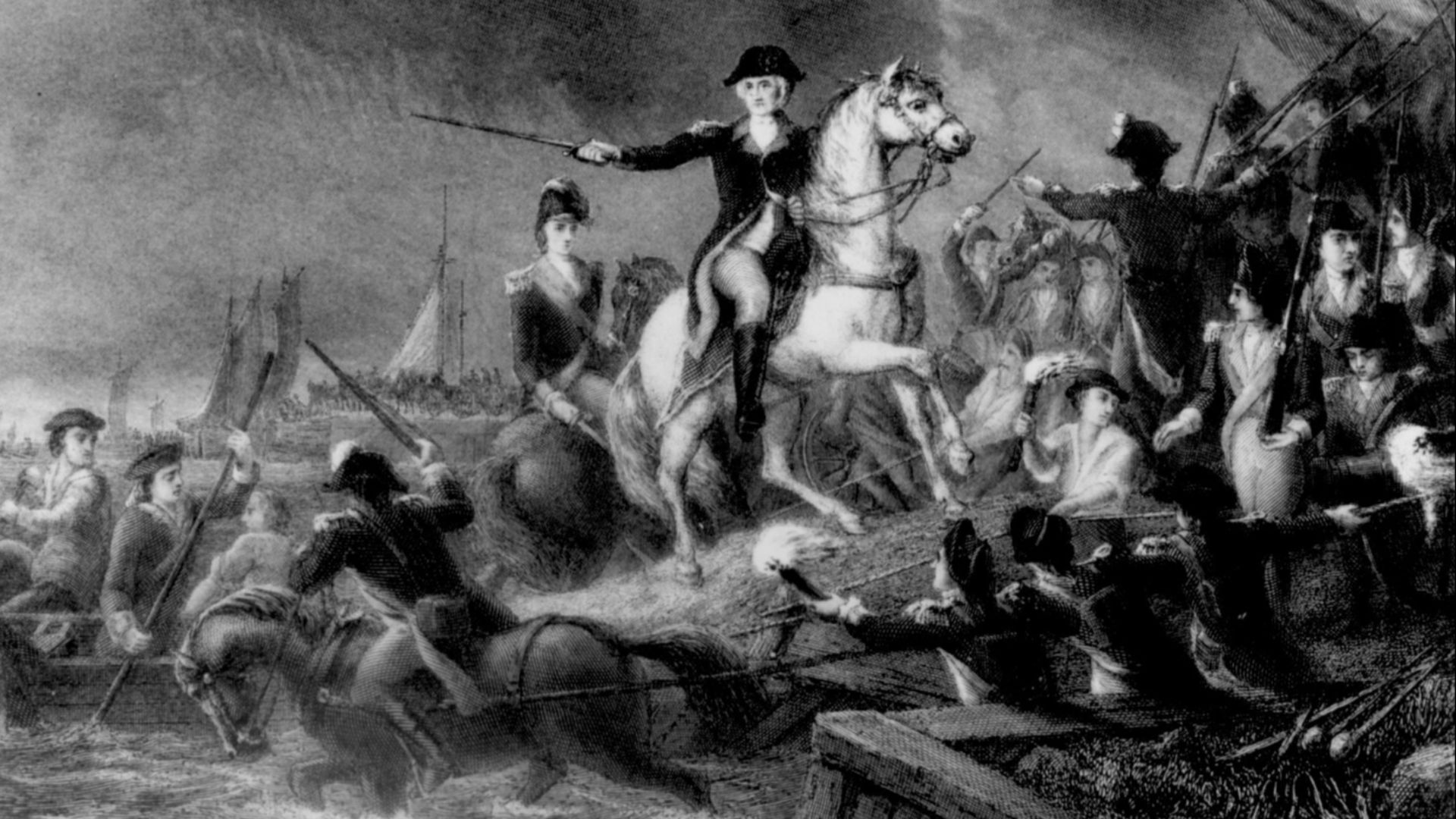
2. Washington's Retreat From Long Island, 1776
Defeat at the Battle of Long Island left George Washington's Continental Army dangerously exposed in Brooklyn. During the night of August 29–30, American troops quietly crossed the East River to Manhattan using boats, with poor visibility helping conceal the final stages. Roughly 9,000 soldiers escaped, allowing Washington's army to continue the Revolutionary War.
 James Charles Armytage / Michael Angelo Wageman on Wikimedia
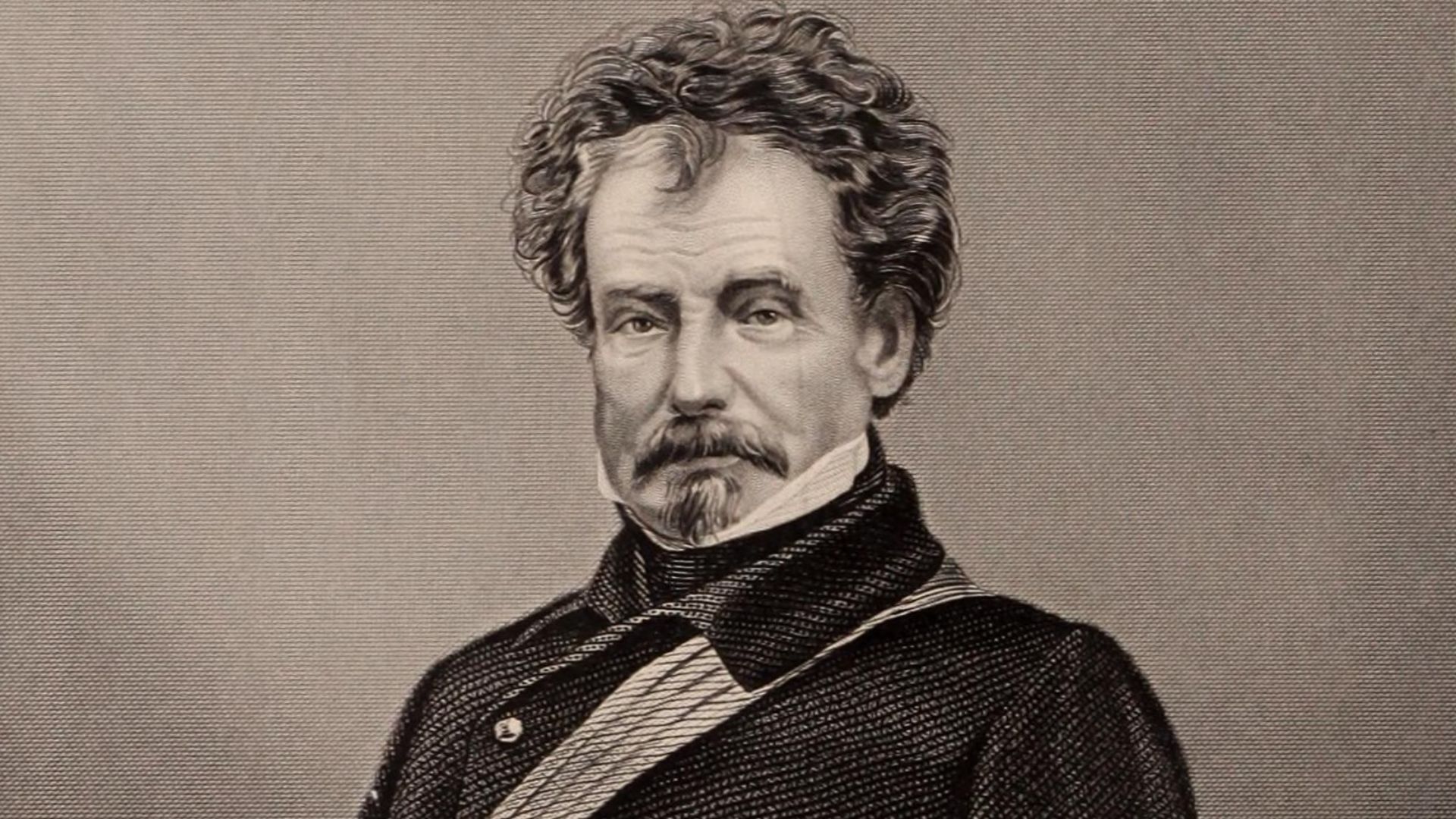
3. Moore's Retreat To Corunna, 1808–1809
Sir John Moore withdrew his British army across northern Spain after Napoleon's forces threatened to trap it. The winter retreat was exhausting, but Moore reached Corunna and fought off French pursuers on January 16, 1809.
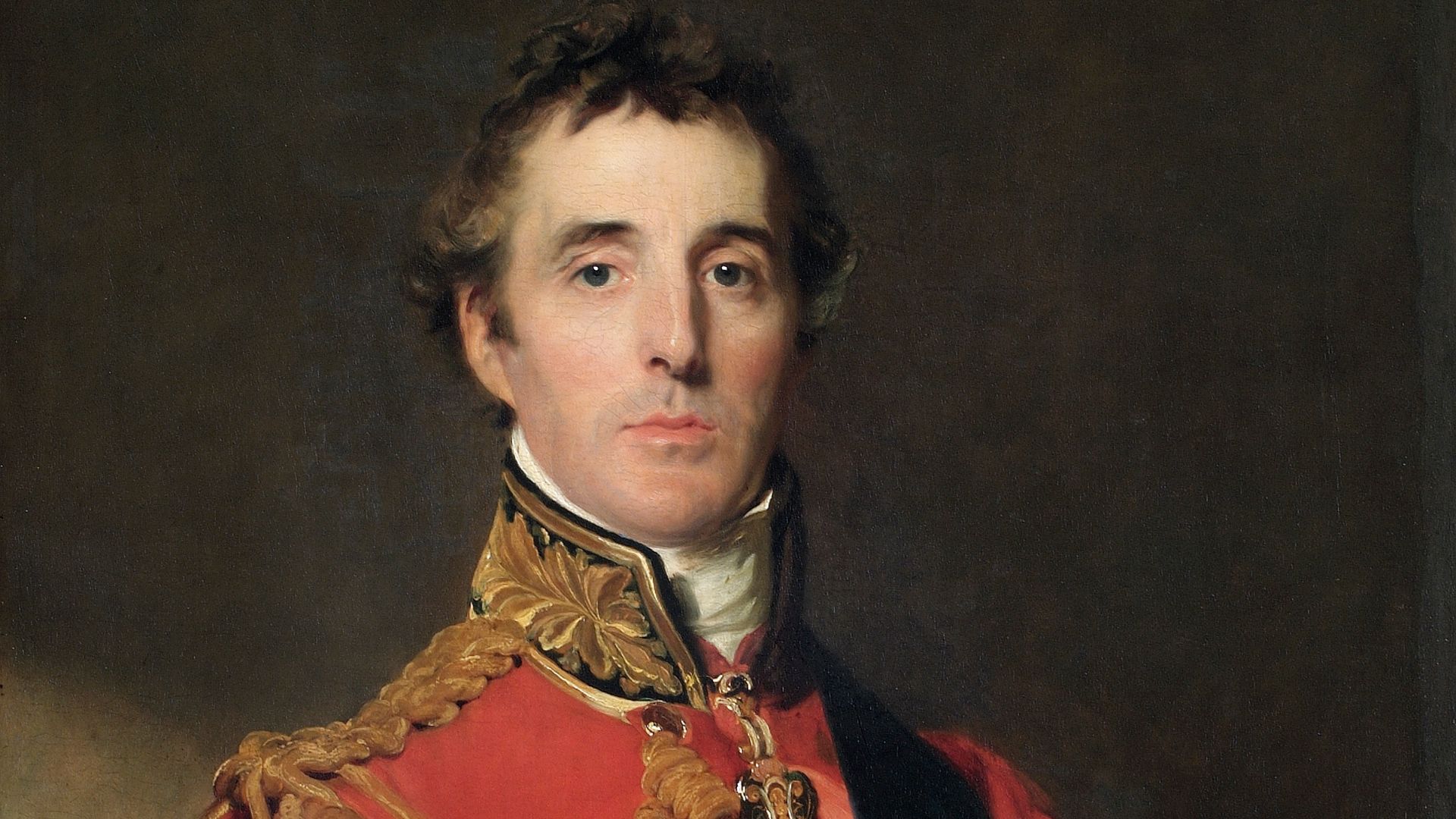
4. Wellington's Withdrawal To Torres Vedras, 1810
Facing Marshal André Masséna's invasion of Portugal, Wellington withdrew after fighting at Buçaco toward defensive lines secretly prepared near Lisbon. Masséna eventually withdrew, leaving Wellington's army intact and Portugal's capital securely defended.
5. Kutuzov's Withdrawal From Moscow, 1812
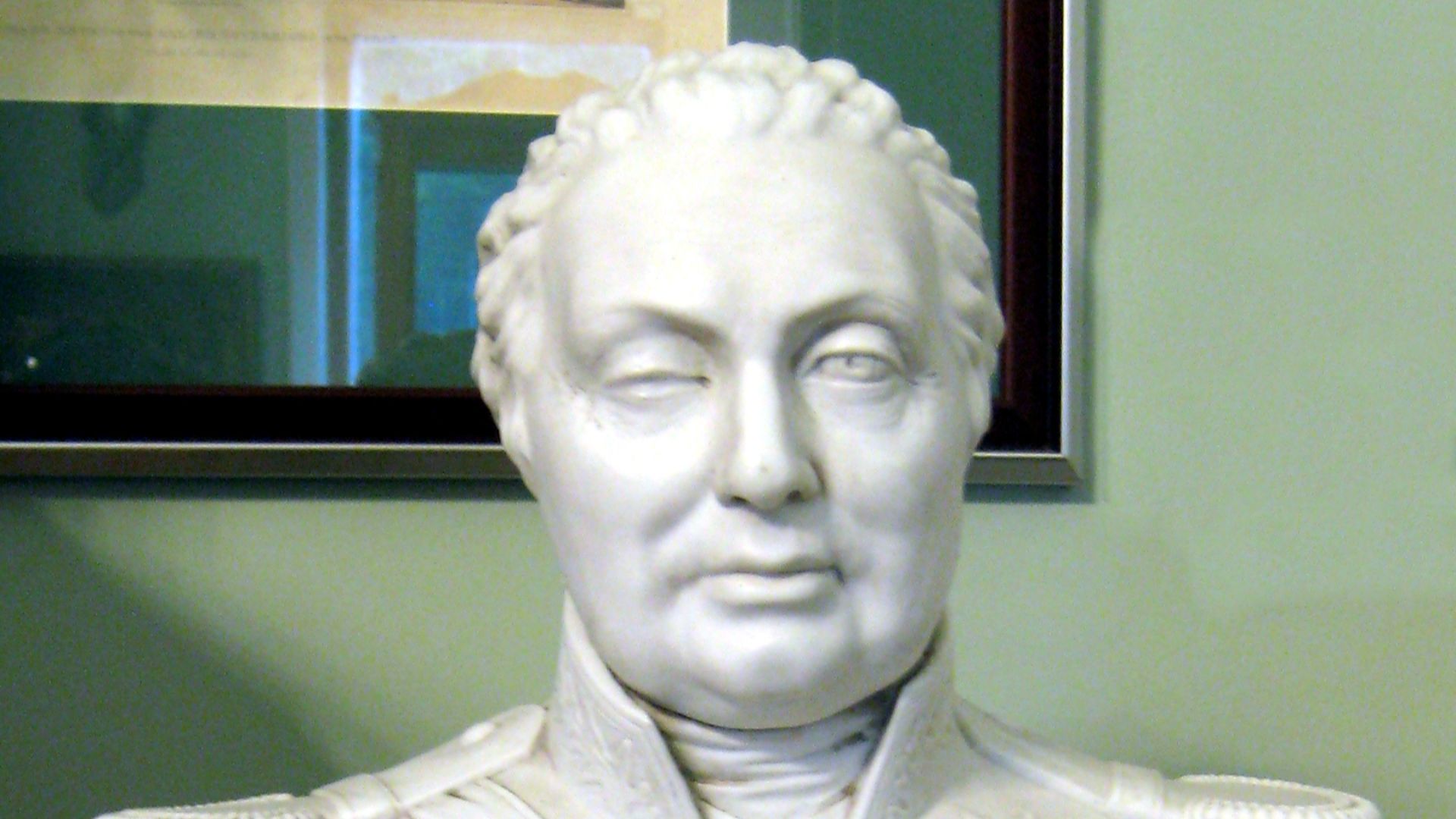
After the costly Battle of Borodino, Russian commander Mikhail Kutuzov chose not to risk destroying his remaining army in another immediate battle for Moscow. That surviving army later pressured the French during Napoleon's disastrous retreat from Russia.
6. The Retreat From Mons, 1914
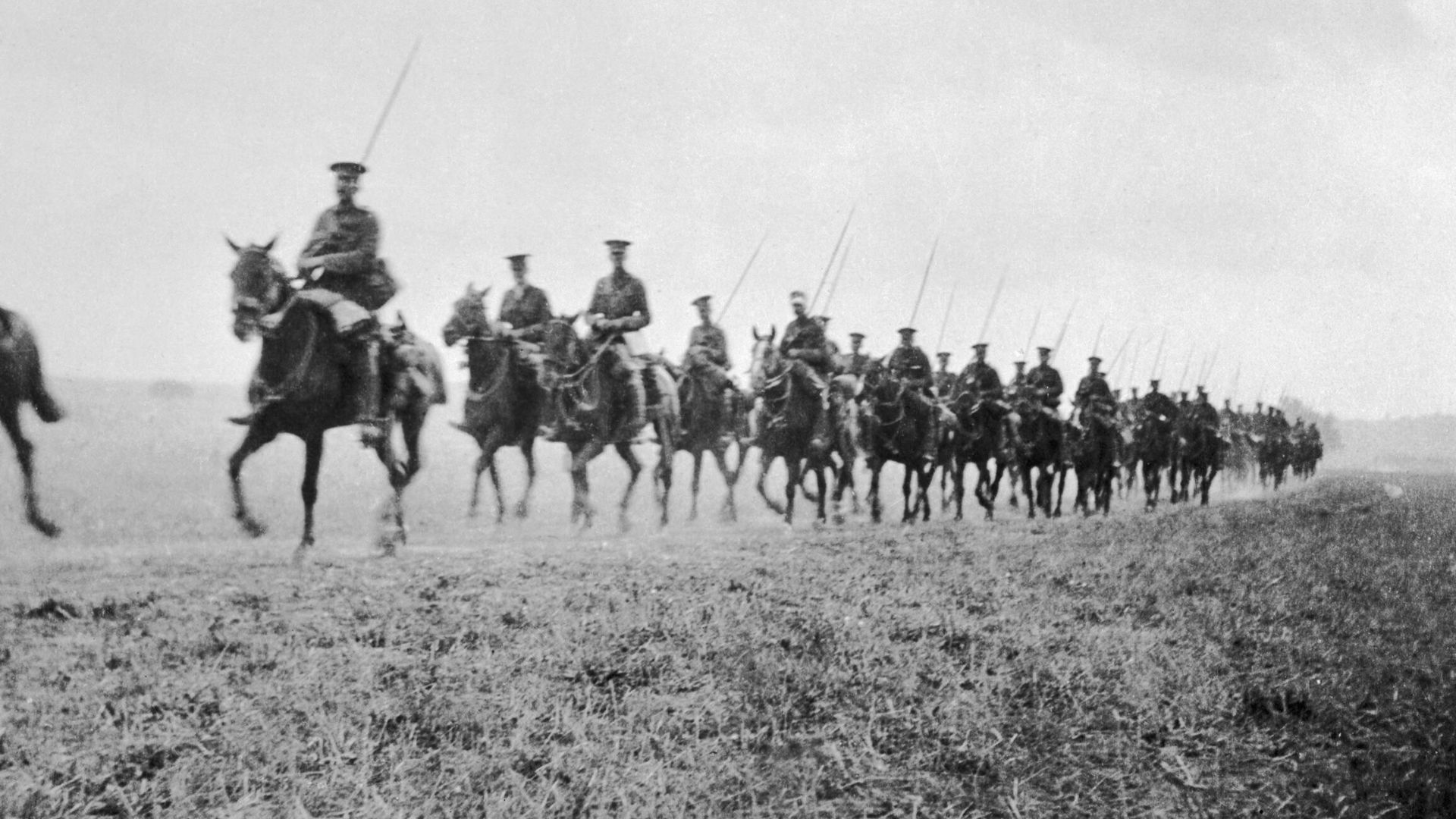
After fighting at Mons in August 1914, the British Expeditionary Force withdrew southward alongside French armies as German forces advanced through Belgium and northern France. Crucially, the BEF remained operational and soon participated in the First Battle of the Marne.
7. Russia's Great Retreat, 1915
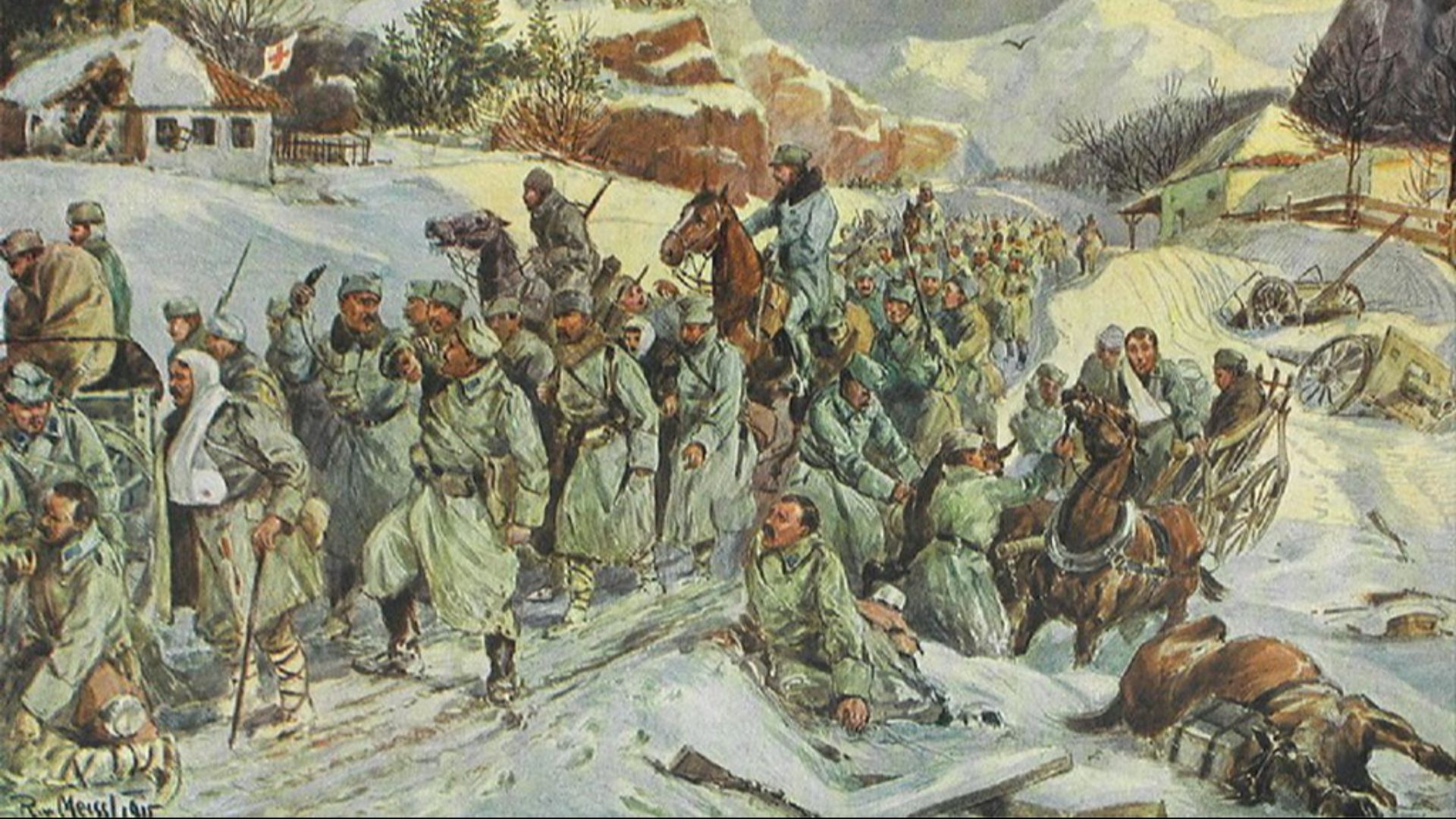
German and Austro-Hungarian offensives forced Russian armies to abandon extensive territory during the summer of 1915. Even so, withdrawing prevented Germany from securing the decisive destruction of Russia's main armies, allowing Russia to remain at war for another two years.
 Unknown authorUnknown author on Wikimedia
8. The Gallipoli Evacuation, 1915–1916
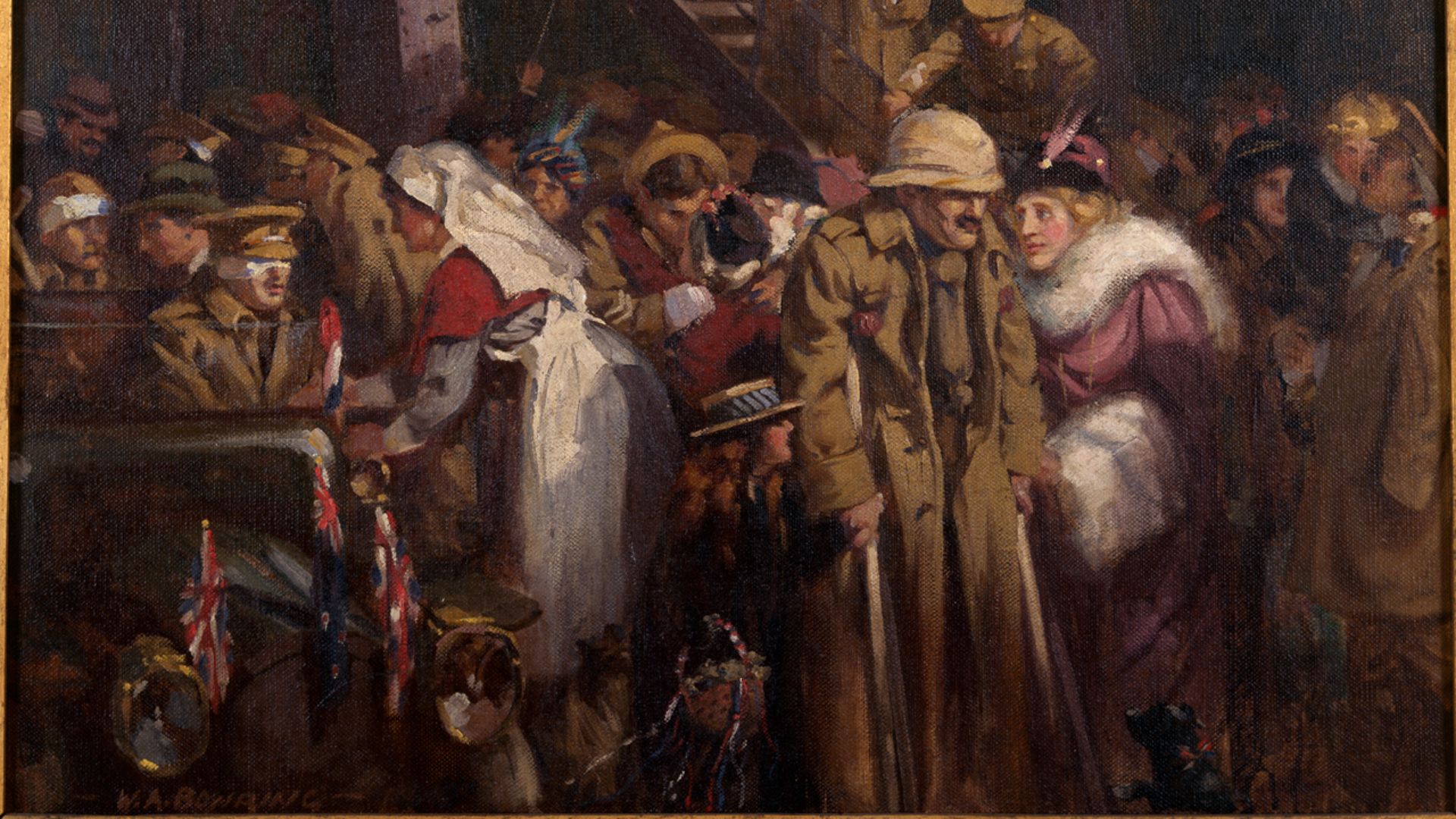
After months of unsuccessful Allied attacks against Ottoman positions, continuing the Gallipoli campaign offered little strategic reward. Carefully organized evacuations removed approximately 83,000 troops from Anzac Cove and Suvla Bay in December, followed by the remaining force at Cape Helles in January.
 Archives New Zealand from New Zealand on Wikimedia
9. The Dunkirk Evacuation, 1940
Germany's rapid advance through France trapped British and Allied forces near Dunkirk in May 1940. Operation Dynamo used naval vessels and numerous smaller craft to evacuate hundreds of thousands of troops across the English Channel.
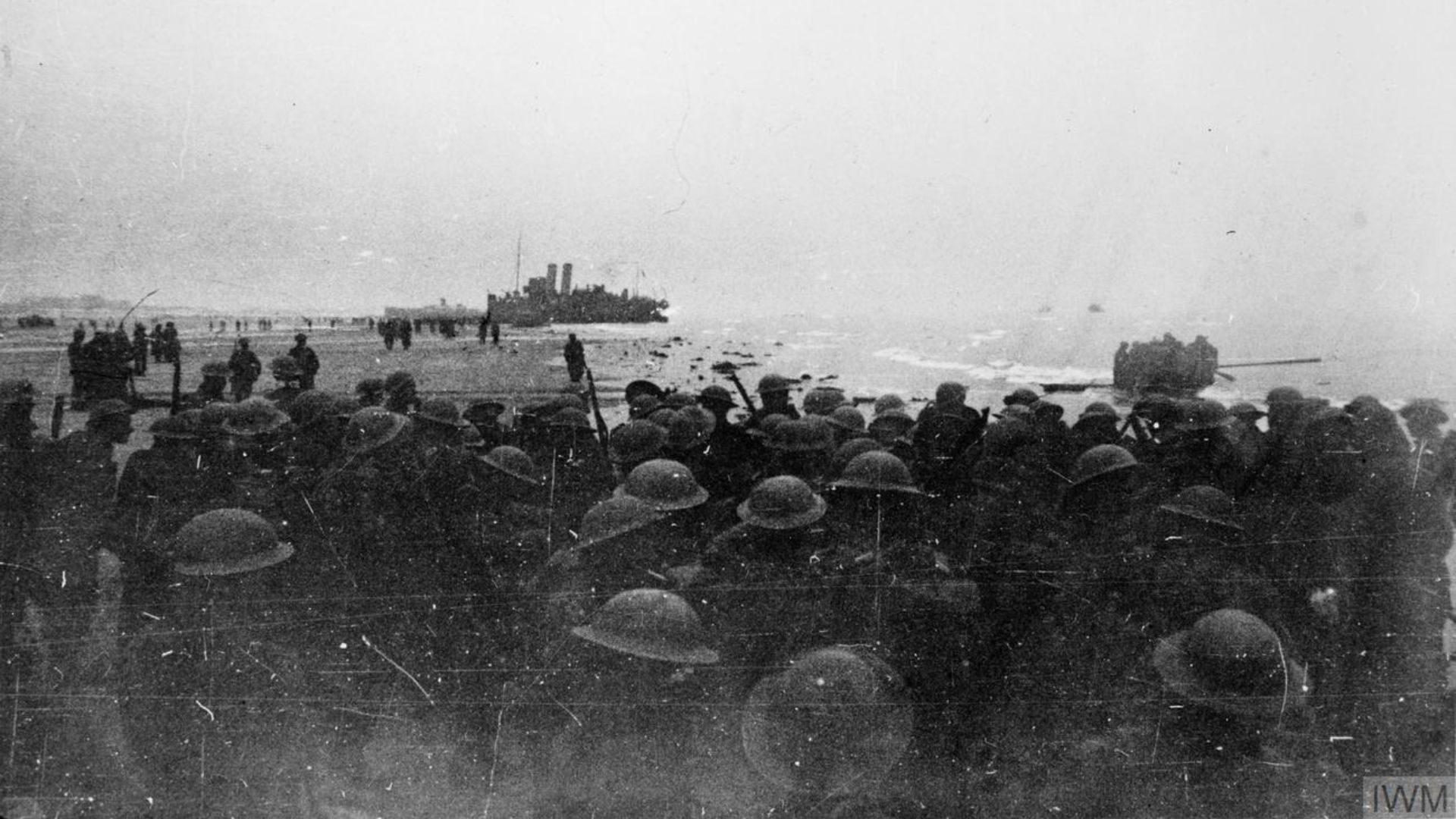 Unknown authorUnknown author on Wikimedia
10. The Chosin Reservoir Withdrawal, 1950
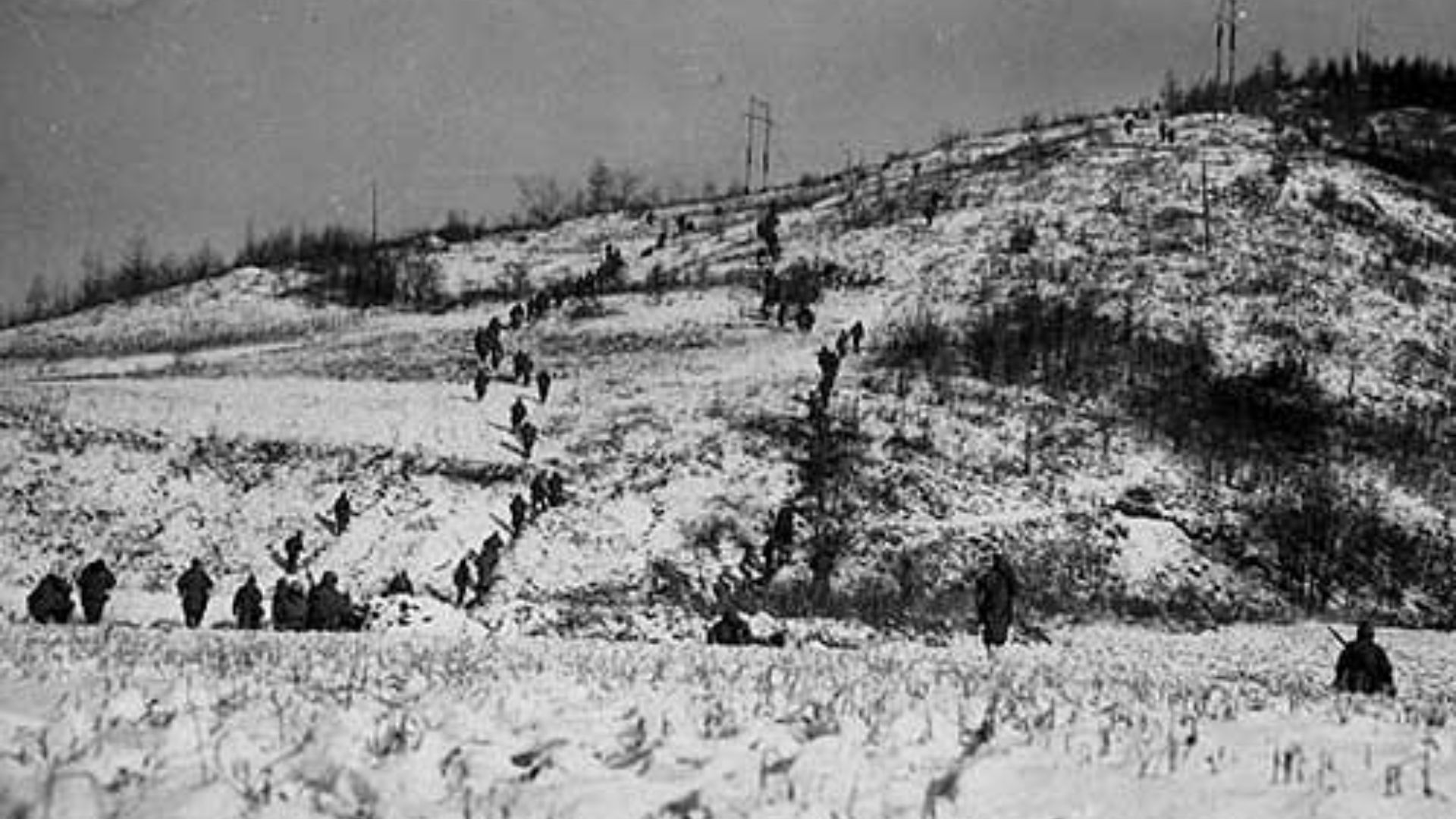
Chinese forces surrounded United Nations troops around the Chosin Reservoir during the Korean War amid brutal winter conditions. Despite heavy losses, major formations escaped and reached the evacuation area.
KEEP ON READING