Final Flight
While air travel has certainly transformed the modern world, its history is also marred by tragedy, having claimed countless innocent lives and, among them, some of the best-known figures of those generations. From young athletes to musicians, political leaders, entertainers, and even pioneering aviators, many had their fates cut short—sometimes while flying their own aircraft. Though these deaths helped prompt greater scrutiny of aviation safety, they were no less tragic. Here are 20 historical icons whose lives were taken too soon in plane crashes.
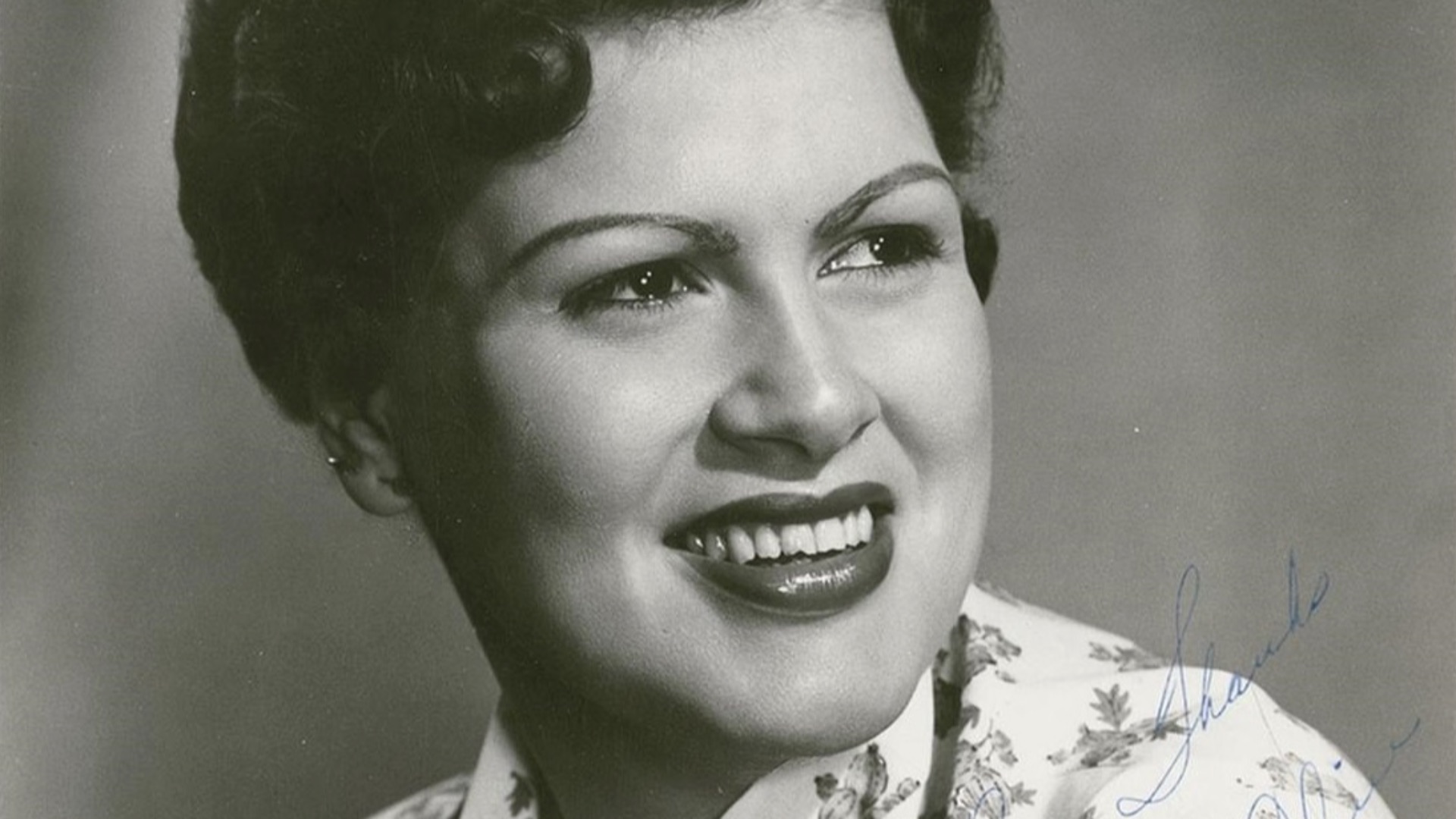
1. Knute Rockne
Notre Dame football coach Knute Rockne was already one of America's most celebrated sports figures when he boarded a Transcontinental and Western Air flight on March 31, 1931. The Fokker F-10 crashed near Bazaar, Kansas, after a structural failure involving one of its wooden wings, killing all eight people aboard. Rockne's death received enormous national attention, and the disaster contributed to increased concern about the safety and inspection of wooden aircraft structures.
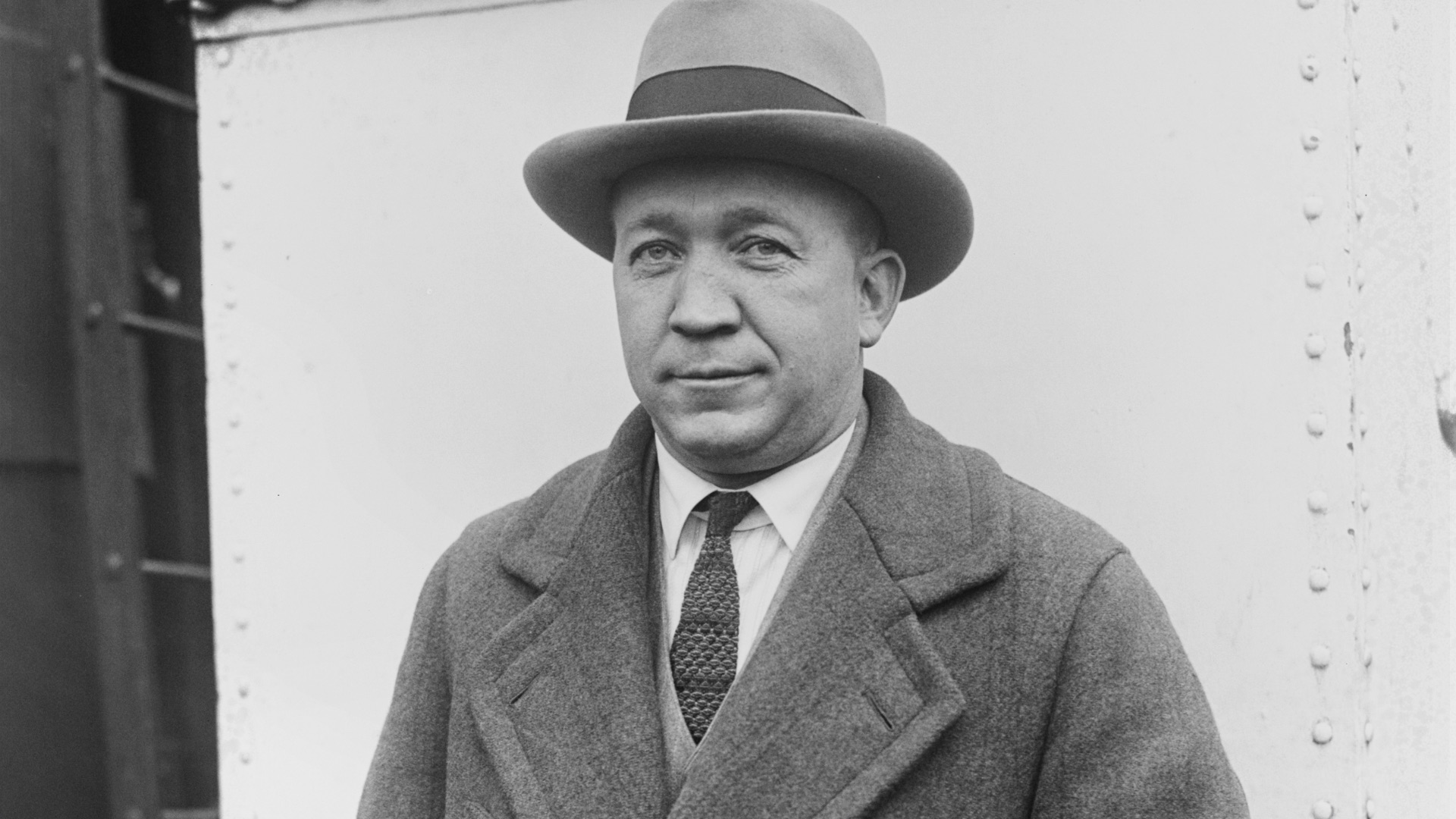
2. Will Rogers
Few American entertainers of the 1920s and 1930s were as widely known as humorist, actor, columnist, and radio personality Will Rogers. On August 15, 1935, he was traveling through northern Alaska with aviator Wiley Post when their aircraft crashed shortly after taking off near Point Barrow, killing both men. Rogers was 55 and, at the time, ranked among Hollywood's highest-paid and most recognizable stars.
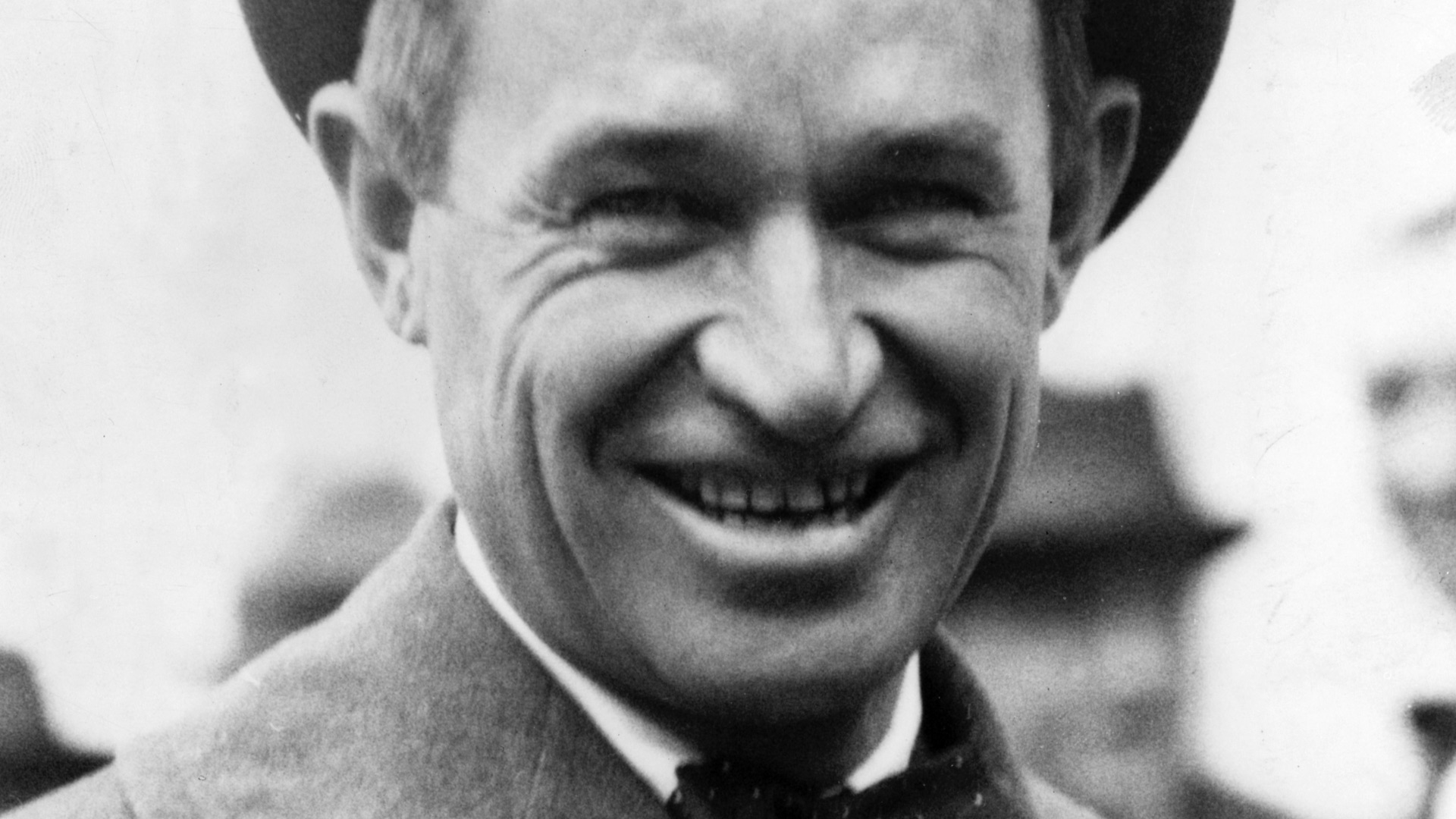 Underwood & Underwood on Wikimedia
3. Wiley Post
Wiley Post had made aviation history before his final flight, becoming the first pilot to fly solo around the world and conducting important experiments involving high-altitude flight. He was piloting the unusual Lockheed aircraft carrying Will Rogers when it crashed in Alaska on August 15, 1935. Post was only 36, but his record-setting flights had already secured his place among the most important aviators of the period.
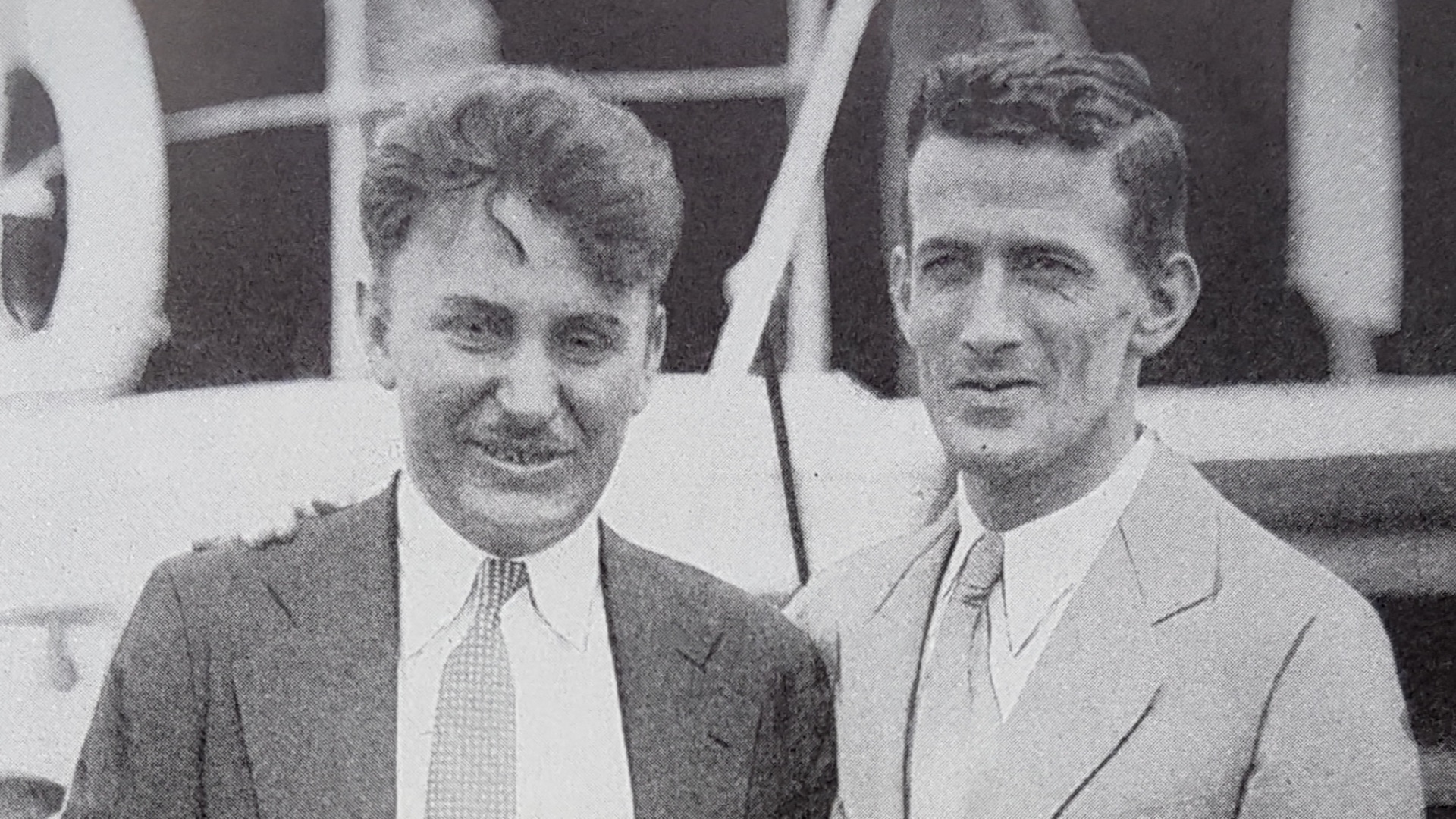
4. Carole Lombard
Hollywood star Carole Lombard was returning from a successful war-bond tour when she boarded TWA Flight 3 in January 1942. After leaving Las Vegas on January 16, the DC-3 struck Potosi Mountain in Nevada, killing Lombard and the other 21 people aboard. Investigators ultimately attributed the accident to a navigation error, and Lombard's death at only 33 stunned a moviegoing public that knew her as one of the era's leading comedy actresses.
 Edwin Bower Hesser on Wikimedia
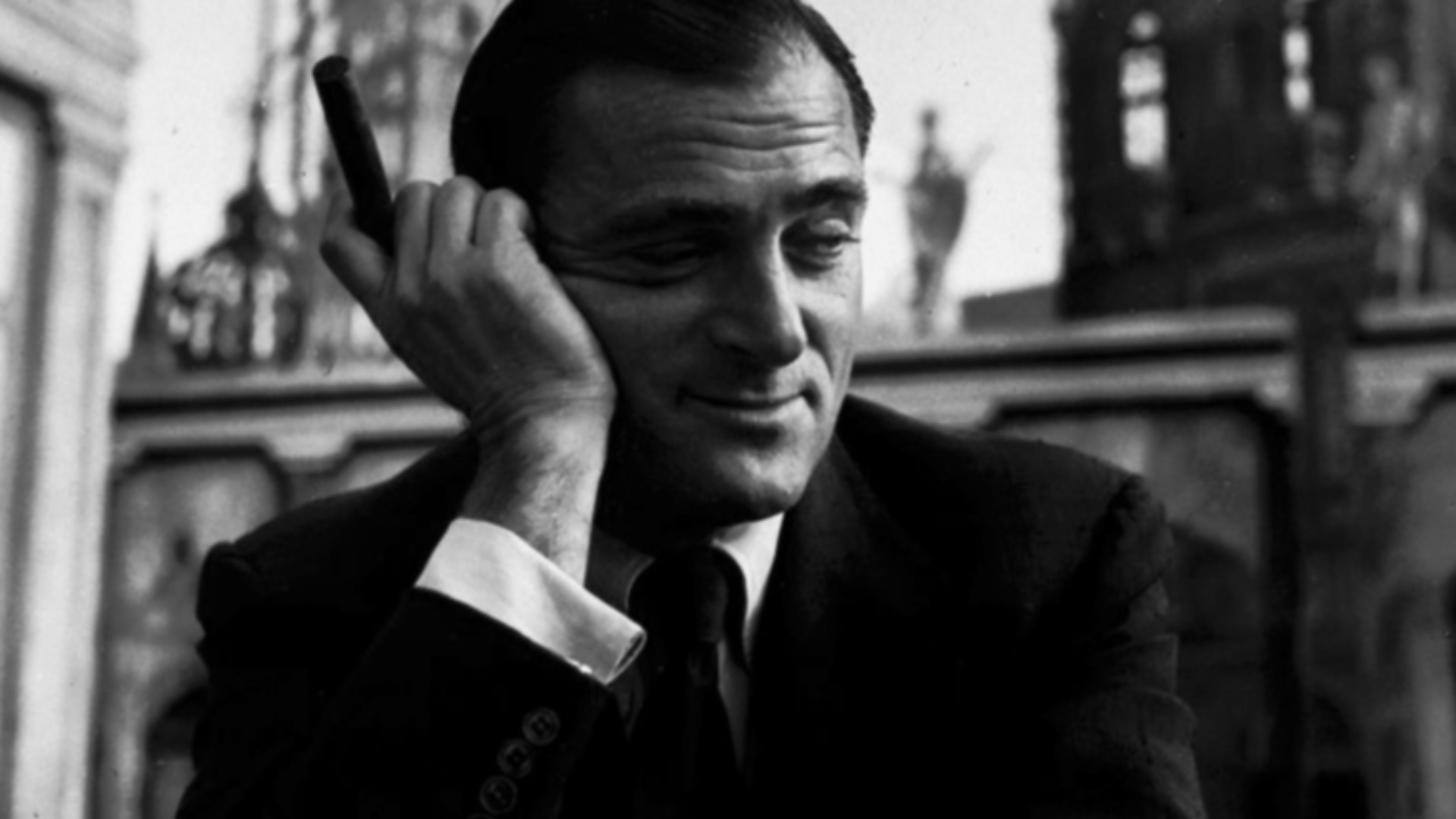
5. Mike Todd
Film and theater producer Mike Todd was best known for ambitious productions and for his marriage to actress Elizabeth Taylor when he died on March 22, 1958. His private Lockheed Lodestar, which he had named The Liz, crashed in New Mexico while traveling toward Oklahoma, killing Todd and the three other men aboard. The producer was 48, and his sudden death came less than two years after his film Around the World in 80 Days became an enormous success.
6. Buddy Holly
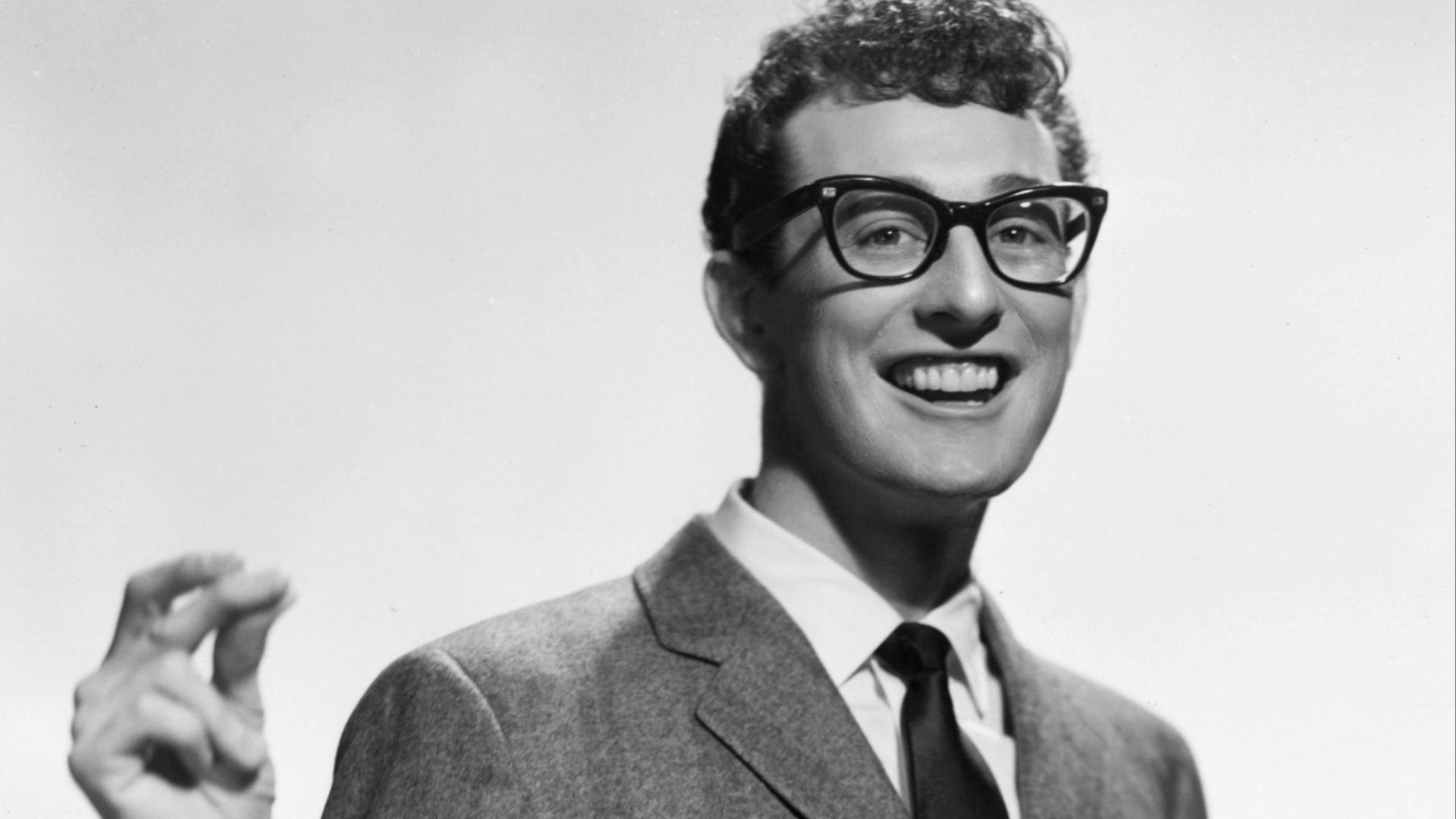
Buddy Holly helped shape the sound and structure of early rock and roll before his career was cut short at just 22. After performing in Clear Lake, Iowa, on February 2, 1959, Holly chartered a small Beechcraft Bonanza to avoid another uncomfortable overnight trip aboard the tour bus. The aircraft crashed several miles from Mason City shortly after takeoff in the early hours of February 3, killing Holly, pilot Roger Peterson, and fellow musicians Ritchie Valens and J.P. Richardson.
 Buddy_Holly_Brunswick_Records.jpg: Brunswick Records
derivative work: GDuwenTell me! on Wikimedia
Buddy_Holly_Brunswick_Records.jpg: Brunswick Records
derivative work: GDuwenTell me! on Wikimedia
7. Ritchie Valens
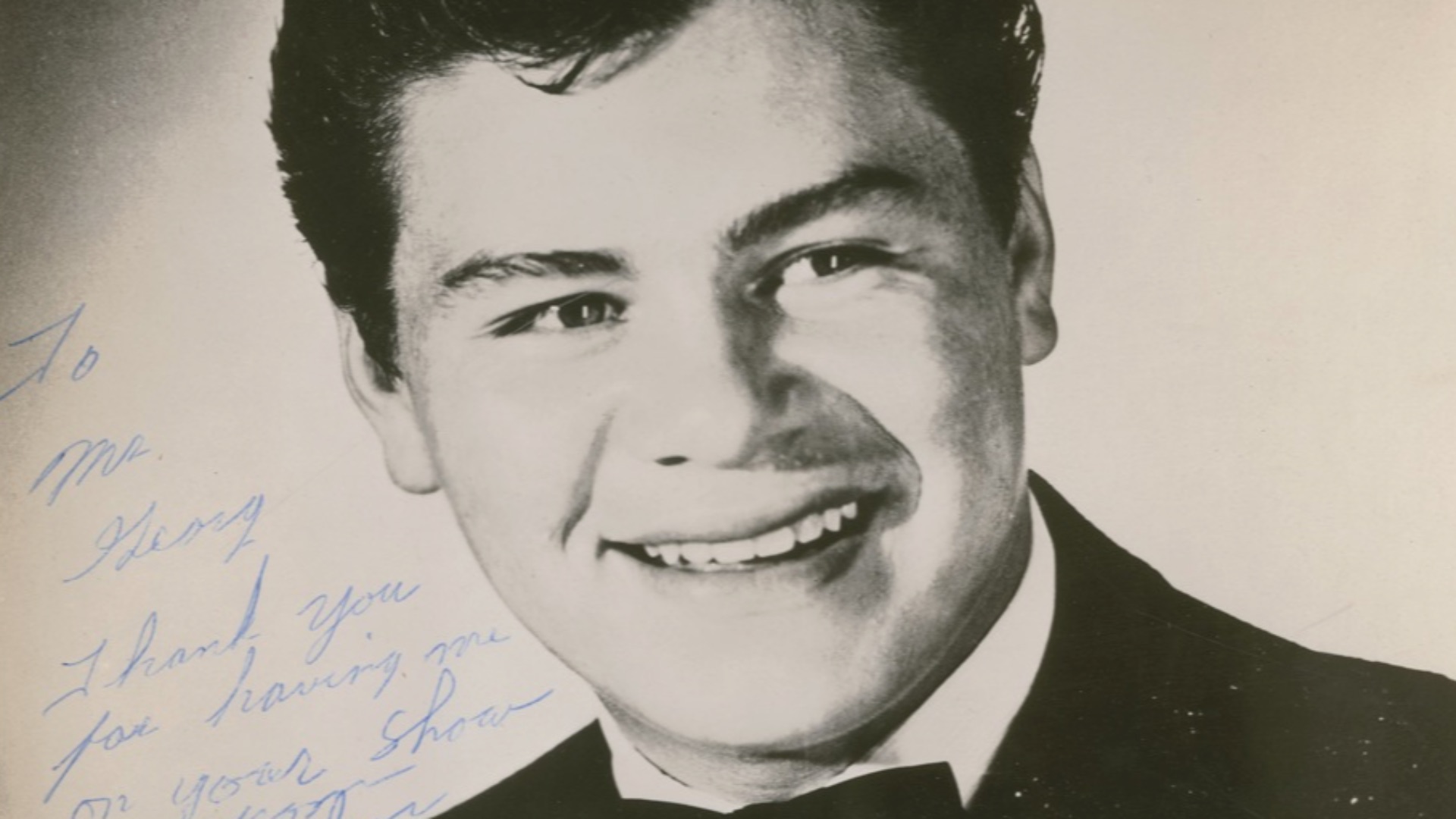
Ritchie Valens had been a professional recording artist for only a short period when he joined Buddy Holly's Winter Dance Party tour in 1959. He reportedly gained his place on Holly's chartered plane after winning a coin toss with guitarist Tommy Allsup, then died when the aircraft crashed in Iowa. Valens was just 17, leaving behind recordings such as "La Bamba" that ensured his influence lasted far beyond his brief career.
 Distributed by General Artists Corportation on Wikimedia
8. J.P. "The Big Bopper" Richardson
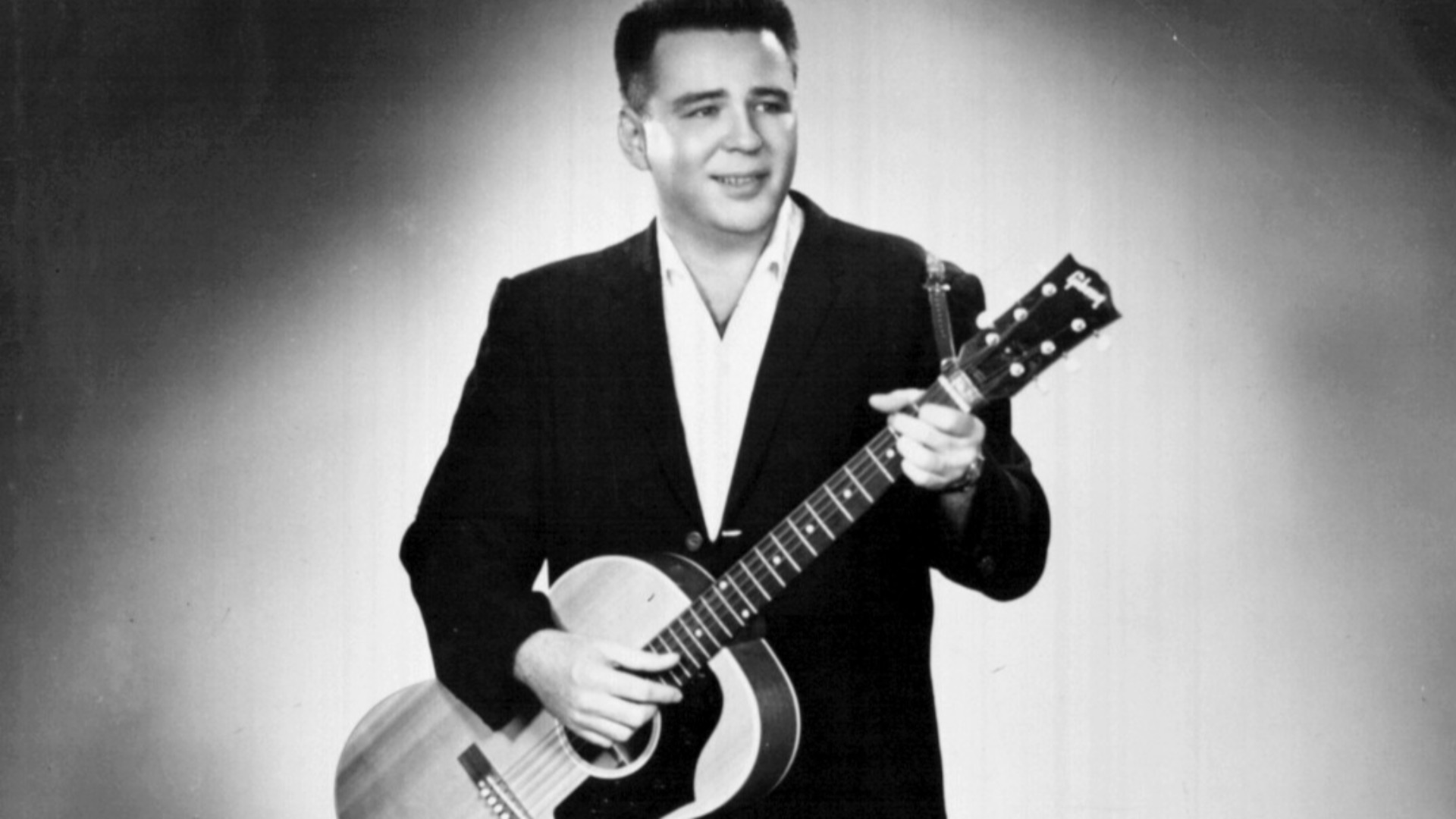
J.P. Richardson, better known as the Big Bopper, was another passenger aboard the flight that crashed near Mason City on February 3, 1959. Feeling unwell during the grueling Winter Dance Party tour, Richardson arranged to take the plane instead of continuing by bus. The 28-year-old singer and songwriter died alongside Holly and Valens in an accident that later became one of the most remembered events in rock history.
 General Artists Corporation-photo by Van Dyck on Wikimedia
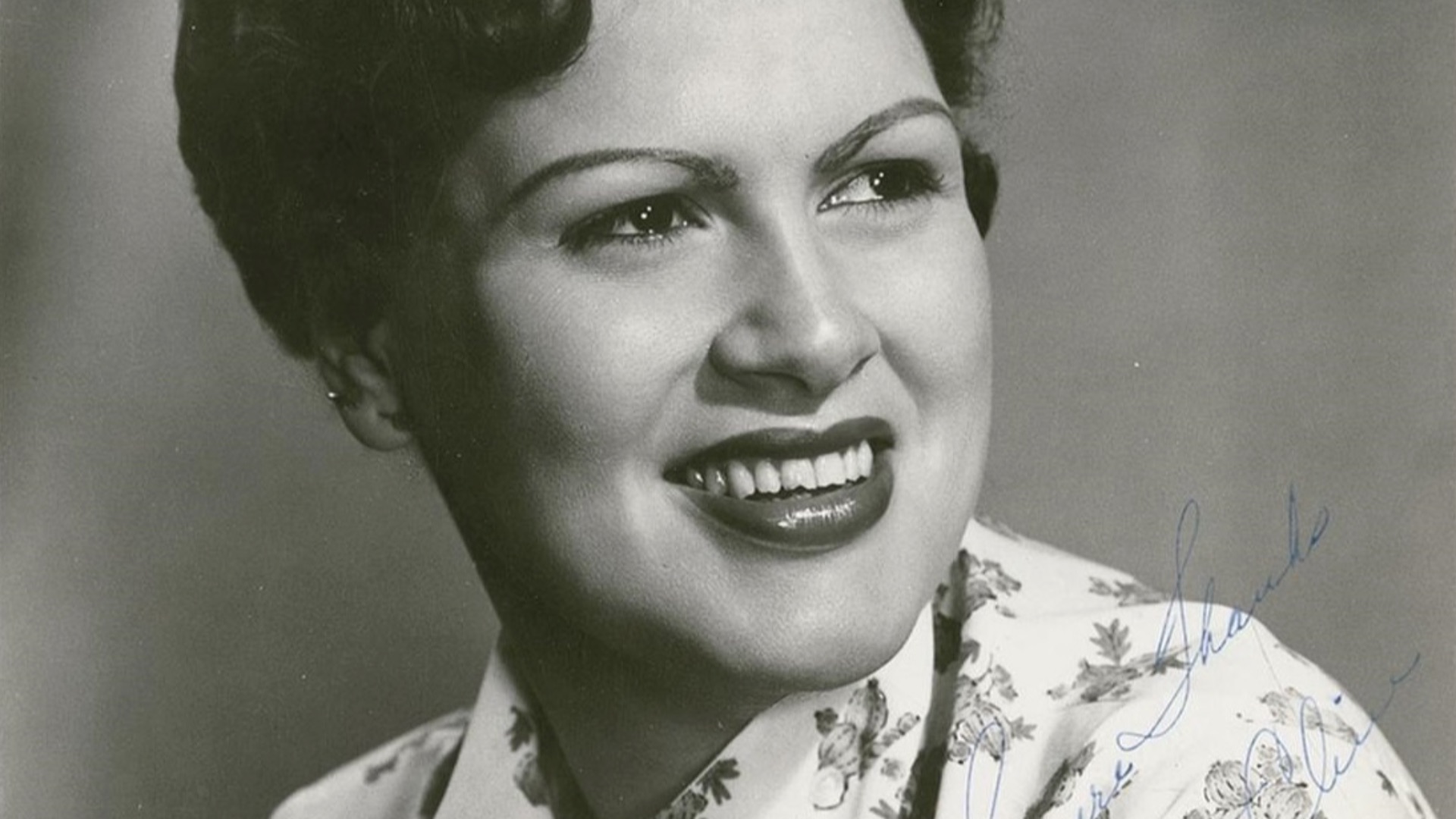
9. Patsy Cline
By the early 1960s, Patsy Cline had become one of country music's most successful crossover performers, with recordings that reached audiences far beyond Nashville. On March 5, 1963, she was flying home from a benefit performance in Kansas City when the Piper Comanche carrying her crashed near Camden, Tennessee. Cline was 30, and fellow country performers Cowboy Copas and Hawkshaw Hawkins also died in the accident.
10. Jim Reeves
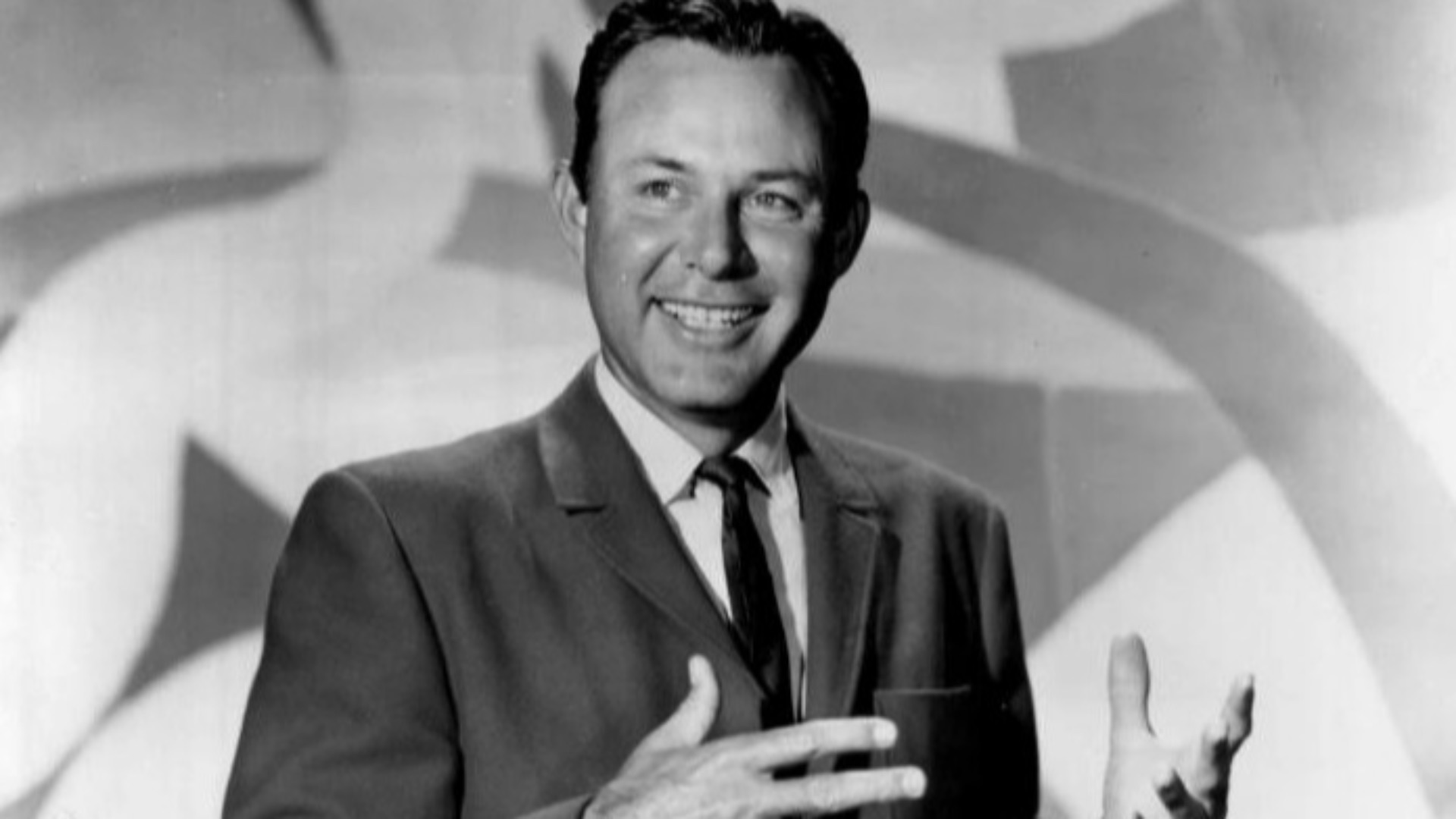
Country singer Jim Reeves developed an international following through his smooth vocal style and hits including "He'll Have to Go." Reeves was also a pilot, and on July 31, 1964, he was flying a Beechcraft Debonair toward Nashville when he encountered severe weather and crashed near Brentwood, Tennessee. Reeves and his passenger, pianist and manager Dean Manuel, were both killed, and investigators linked the accident to spatial disorientation after the aircraft entered the storm.
11. Otis Redding
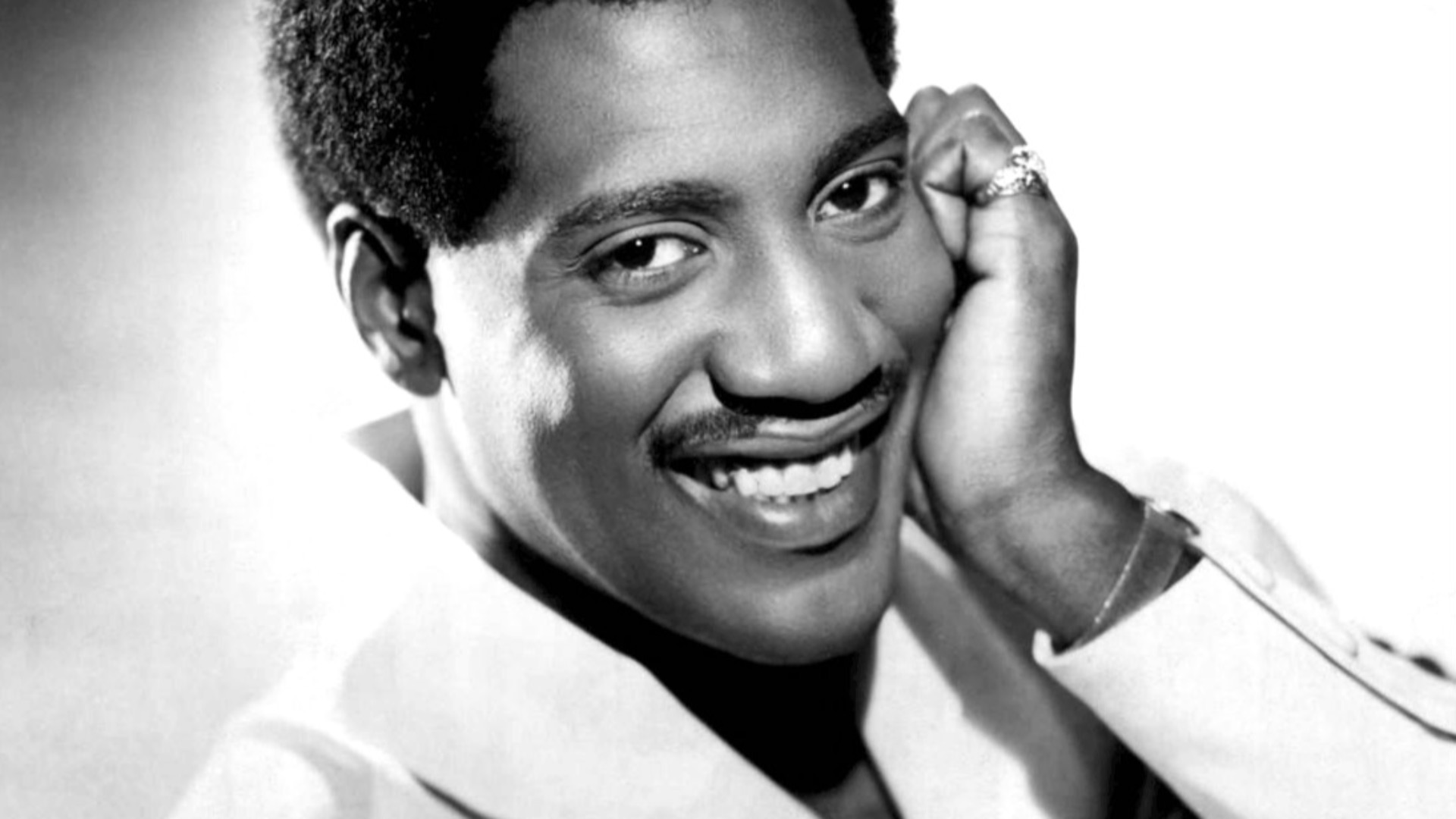
Otis Redding's career was accelerating rapidly when he boarded his Beechcraft for a flight to Madison, Wisconsin, on December 10, 1967. The plane crashed into Lake Monona during its approach, killing Redding, four members of the Bar-Kays, their valet, and the pilot; trumpeter Ben Cauley was the sole survivor. Redding was only 26, and "(Sittin' On) The Dock of the Bay," recorded shortly before his death, became one of the defining releases associated with his legacy.
12. Rocky Marciano
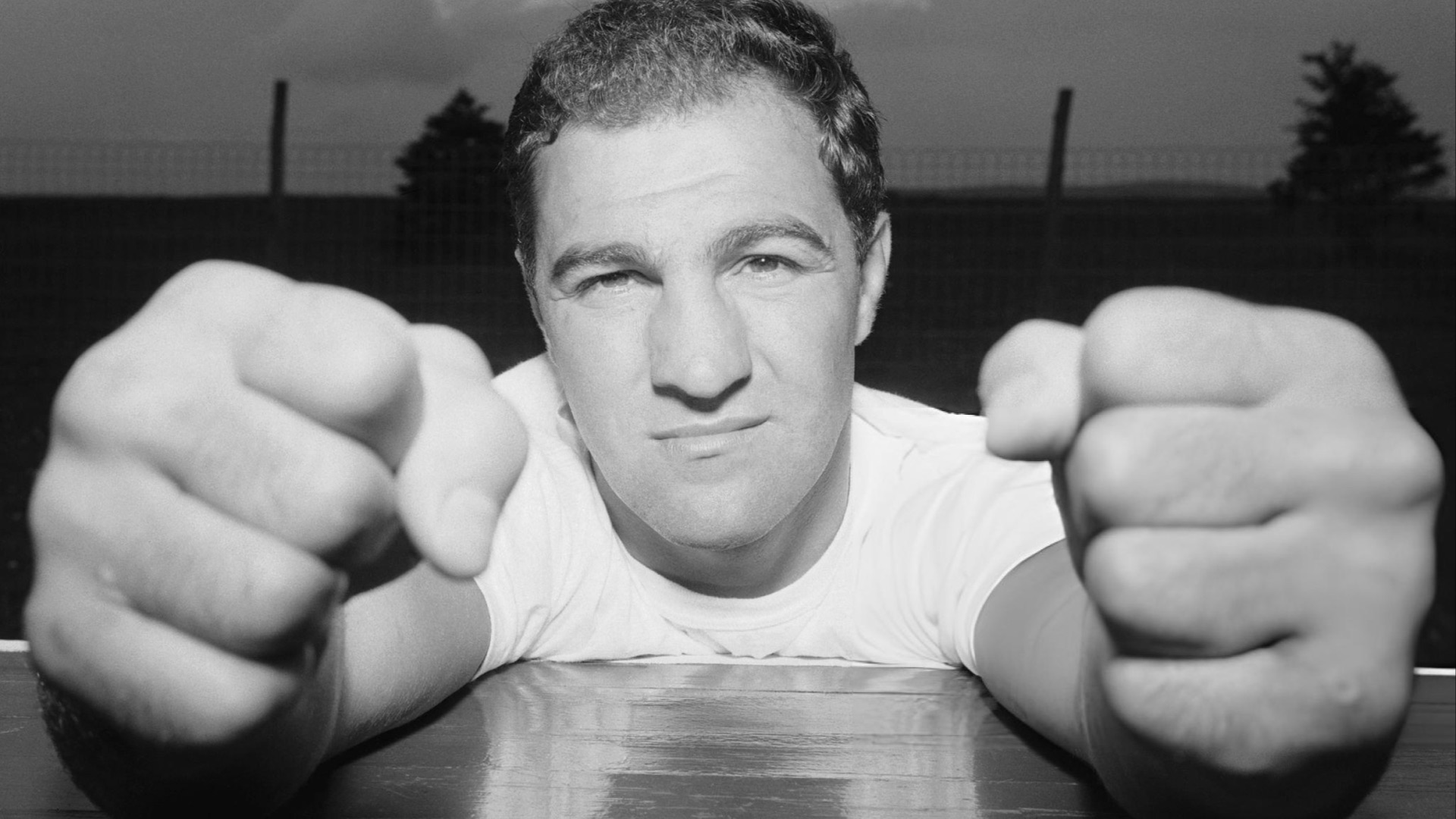
Rocky Marciano retired from professional boxing with a 49-0 record, making him one of the most celebrated heavyweight champions in the sport's history. On August 31, 1969, the day before his 46th birthday, he was traveling in a small aircraft that encountered poor weather while approaching Newton, Iowa. The plane struck a tree and crashed, killing Marciano and the other two men aboard.
13. Roberto Clemente
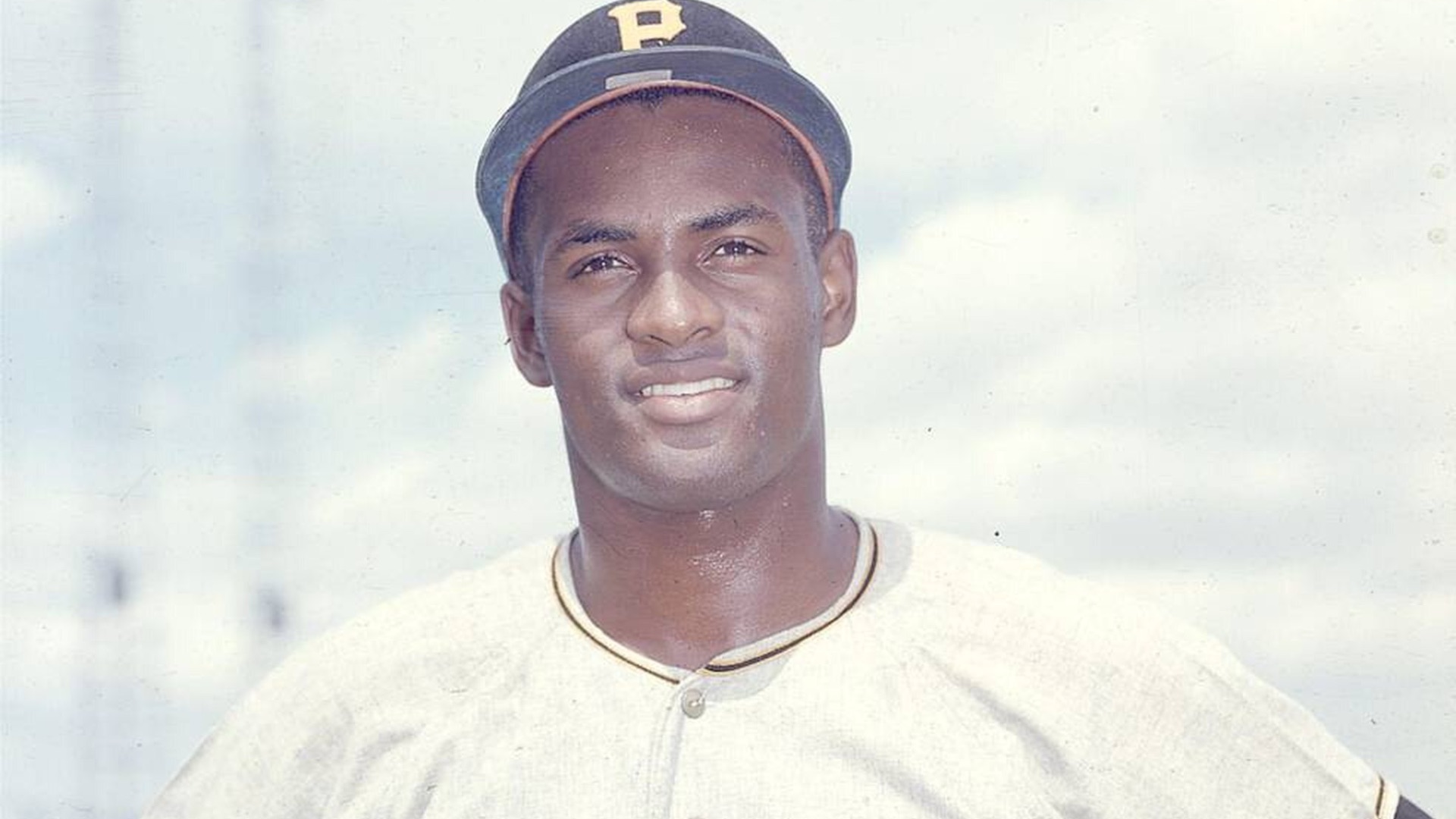
Pittsburgh Pirates star Roberto Clemente wasn't traveling for baseball when he boarded his final flight on December 31, 1972. He was accompanying relief supplies intended for victims of a devastating earthquake in Nicaragua when the overloaded DC-7 suffered problems shortly after taking off from Puerto Rico and crashed into the Atlantic. Clemente had recorded his 3,000th major-league hit only months earlier, and his humanitarian purpose made his death at 38 especially memorable to generations of baseball fans.
14. Graham Hill
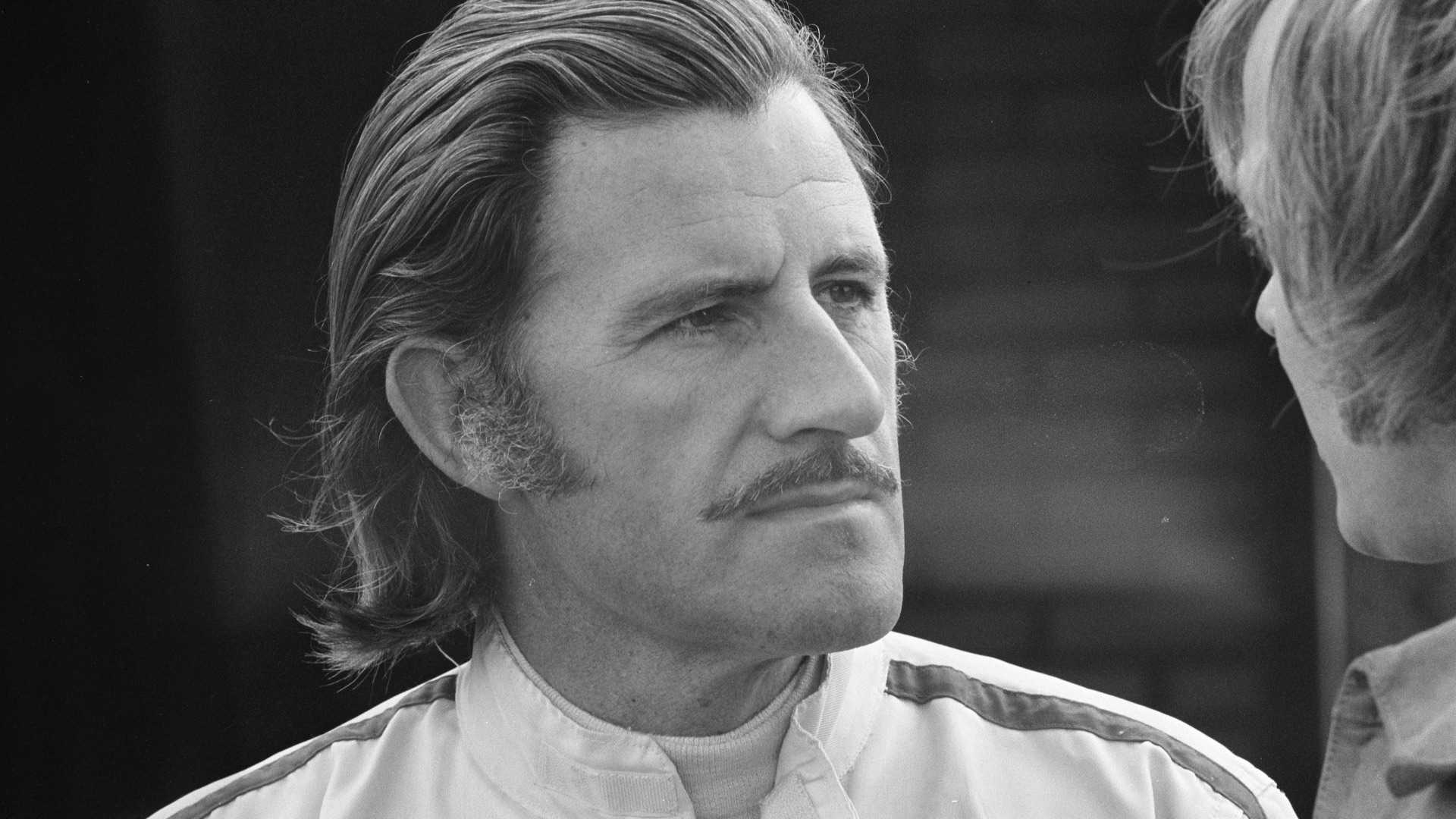
British racing driver Graham Hill achieved a distinction that remains unusual in motorsports, winning Formula One's world championship twice as well as the Indianapolis 500 and the 24 Hours of Le Mans. On November 29, 1975, Hill was piloting a Piper Aztec carrying members of his racing team back to England after a test session in France. The aircraft crashed near Arkley outside London in foggy nighttime conditions, killing Hill and all five of his passengers.
15. Thurman Munson
New York Yankees catcher Thurman Munson was one of Major League Baseball's most prominent players during the 1970s and had been named the American League's Most Valuable Player in 1976. Munson was practicing takeoffs and landings in his Cessna Citation near Canton, Ohio, on August 2, 1979, when the aircraft crashed during an approach. Two passengers escaped, but the 32-year-old Munson died, bringing an abrupt end to a career that had included seven All-Star selections and two World Series championships.
16. Ricky Nelson
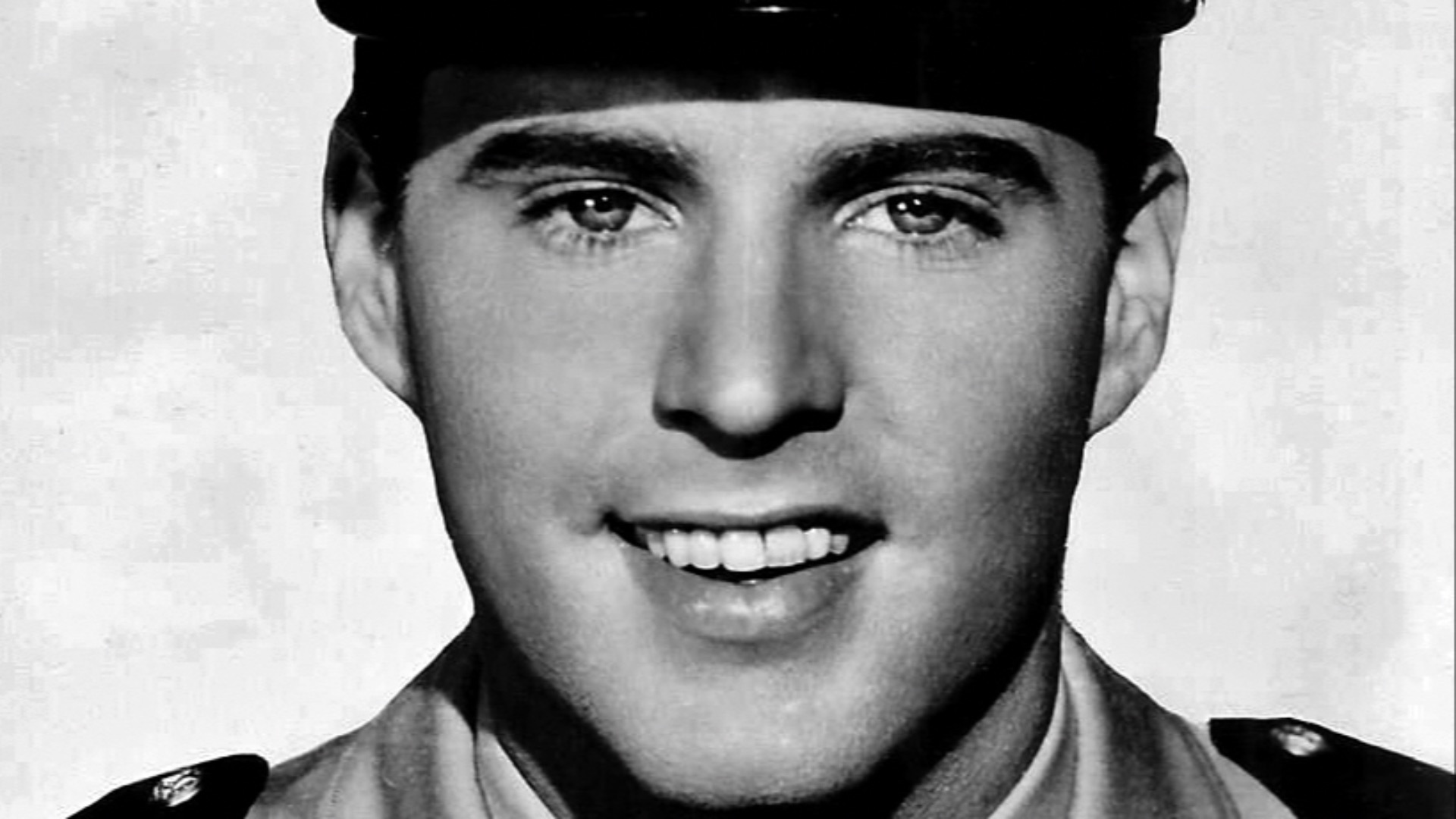
Ricky Nelson went from television fame on The Adventures of Ozzie and Harriet to a hugely successful recording career during the early rock era. On December 31, 1985, he and members of his touring party were aboard a Douglas DC-3 that caught fire and crashed near De Kalb, Texas. Nelson and six others died, while the pilots survived, and investigators later found evidence that the fire began near the aircraft's floor rather than from the sensational causes initially suggested in some reports.
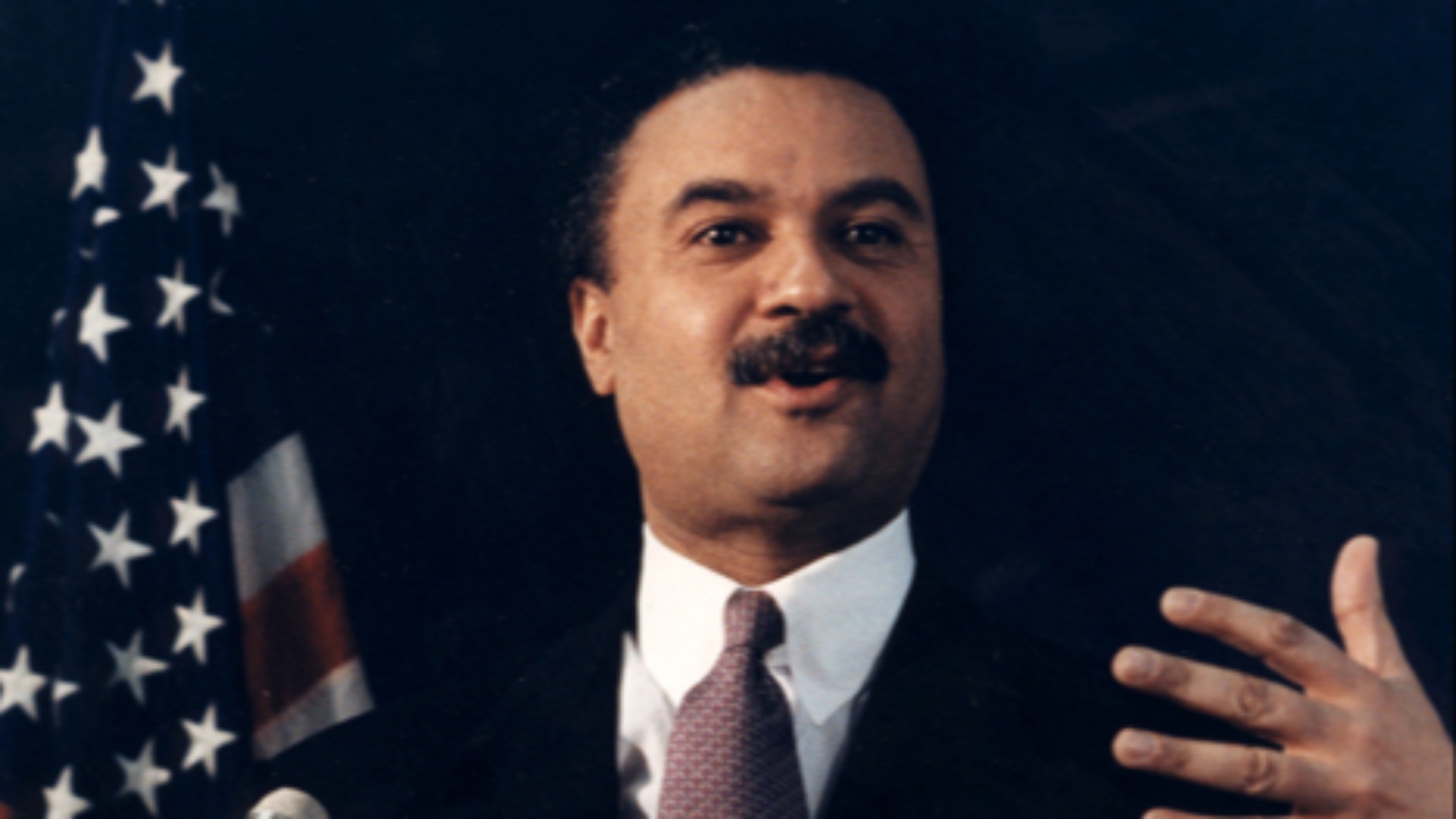
17. Ron Brown
Ron Brown made history as the first Black chairman of the Democratic National Committee and later served as U.S. Secretary of Commerce under President Bill Clinton. On April 3, 1996, Brown was traveling on a U.S. Air Force flight carrying government officials and business executives when the aircraft crashed into mountainous terrain near Dubrovnik, Croatia. All 35 people aboard were killed, and the investigation identified a combination of navigation problems, poor weather, and crew errors in the accident.
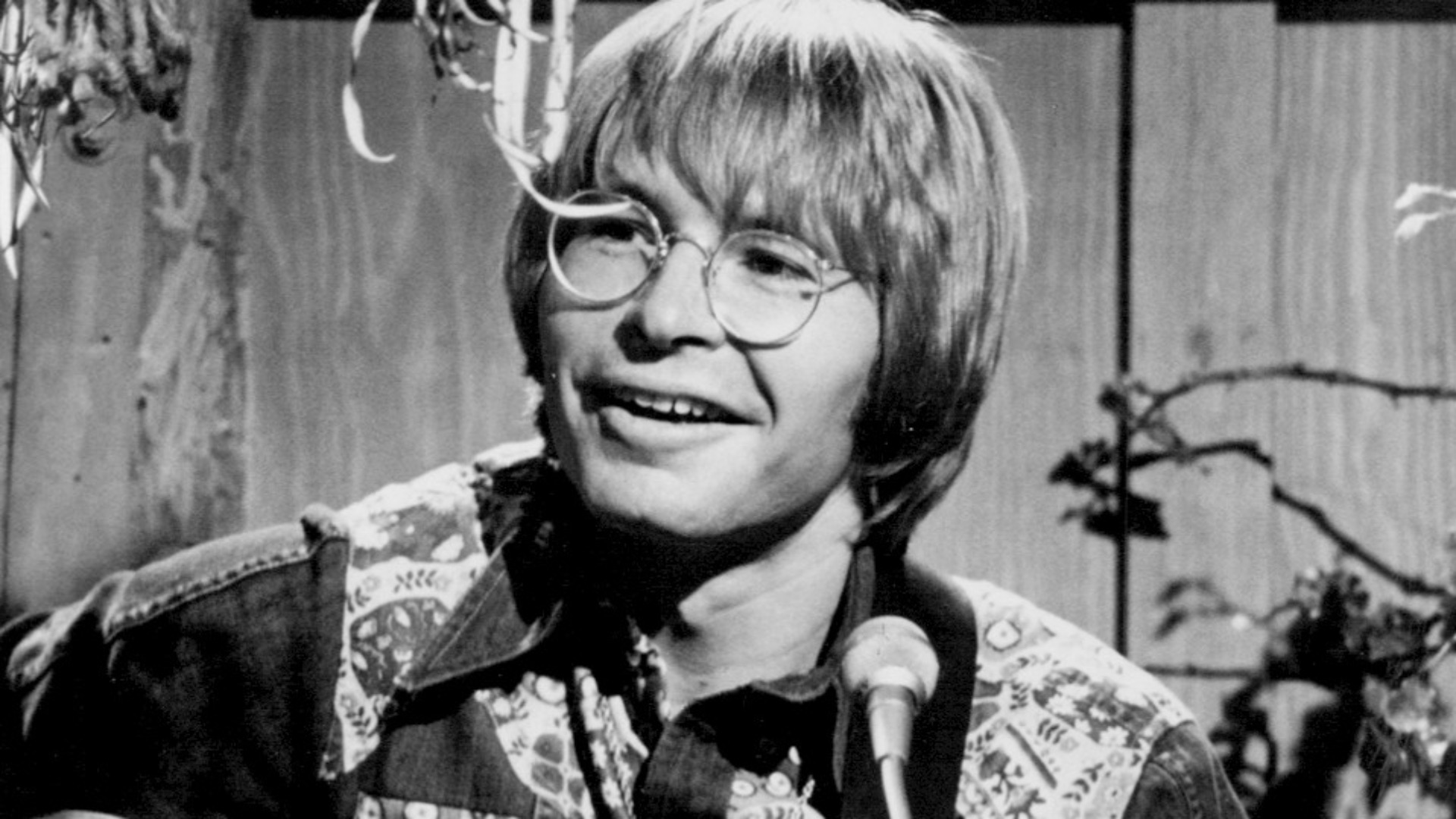
18. John Denver
John Denver sold millions of records with songs such as "Take Me Home, Country Roads" and "Rocky Mountain High," but flying was another major interest in his life. On October 12, 1997, Denver was piloting an experimental Rutan Long-EZ near Monterey Bay, California, when the aircraft plunged into the water. He was the only person aboard, and the investigation examined problems involving the airplane's fuel system and the unusually positioned fuel-selector control as central factors in the crash.
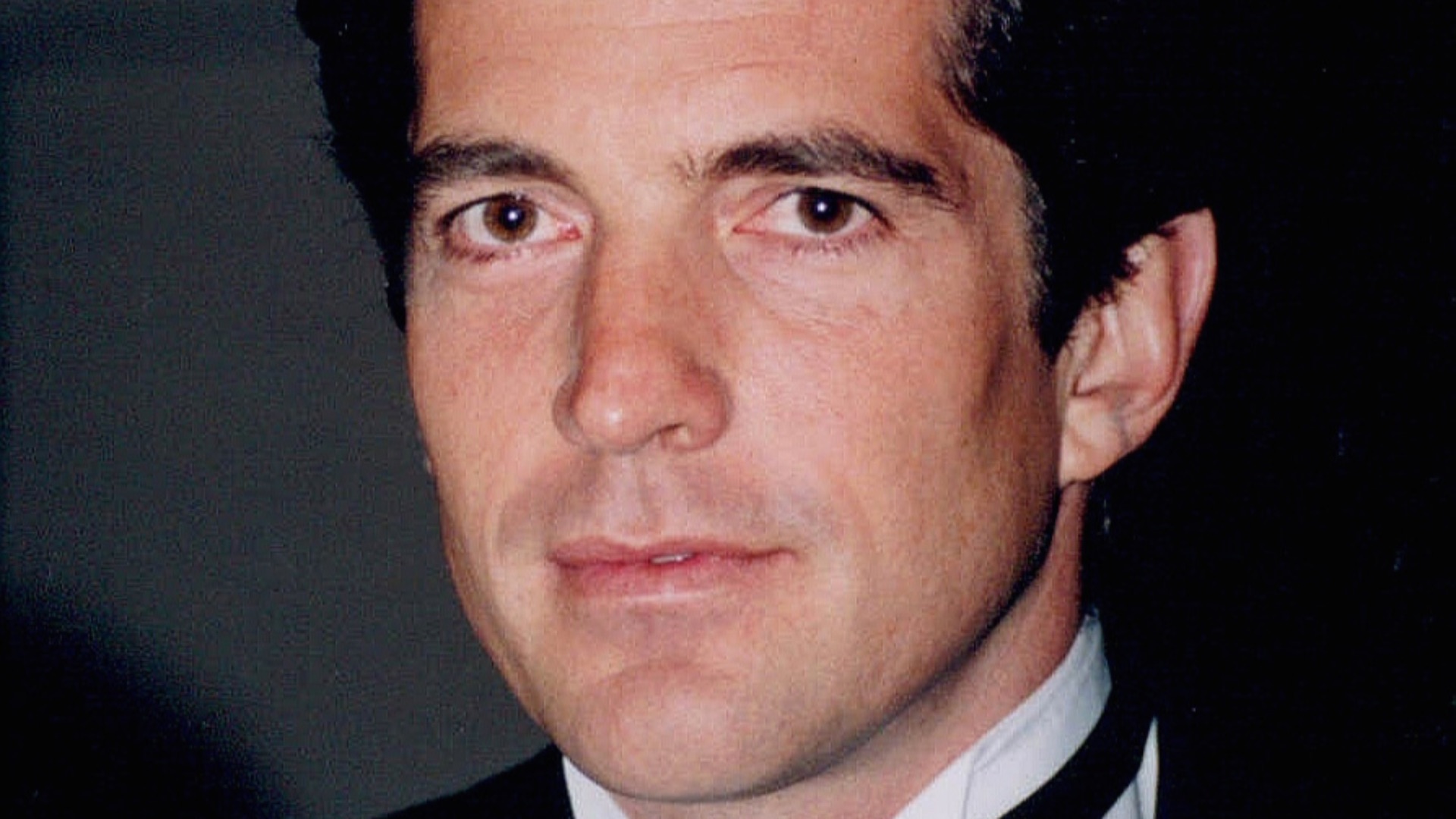
19. John F. Kennedy Jr.
John F. Kennedy Jr. spent his entire life in the public eye, first as the son of President John F. Kennedy and later as a lawyer and publisher. On July 16, 1999, he piloted a Piper Saratoga from New Jersey toward Martha's Vineyard with his wife, Carolyn Bessette Kennedy, and her sister Lauren Bessette aboard. The aircraft crashed into the Atlantic Ocean after Kennedy became disoriented during a hazy nighttime flight, killing all three people.
 John Mathew Smith & www.celebrity-photos.com from Laurel Maryland, USA on Wikimedia
20. Payne Stewart
Golfer Payne Stewart had won his second U.S. Open only four months before boarding a Learjet on October 25, 1999. A loss of cabin pressure incapacitated the people aboard, leaving the aircraft to continue flying on autopilot for hours while military jets followed it across the United States. The Learjet eventually ran out of fuel and crashed near Aberdeen, South Dakota, killing Stewart and the other five people aboard and ending the life of one of golf's most recognizable players at age 42.
KEEP ON READING