Anything for Science
While breakthroughs in scientific research have produced treatments, technologies, and knowledge that have saved countless lives, the history and methods behind some studies are murky and, at times, deeply disturbing. From prisoners to hospital patients, people from marginalized communities, children, and even those who didn't realize they were being used as guinea pigs, many were exposed to inhumane conditions, including deliberate infection with diseases, radiation exposure, and extreme psychological distress. Some of these studies eventually helped reshape modern rules surrounding informed consent and the protection of vulnerable participants, but those safeguards came only after the worst had already been done. The following 20 experiments remain some of the most horrific examples of what can happen when scientific ambition is allowed to override ethics.
1. The Nazi Concentration Camp Medical Experiments
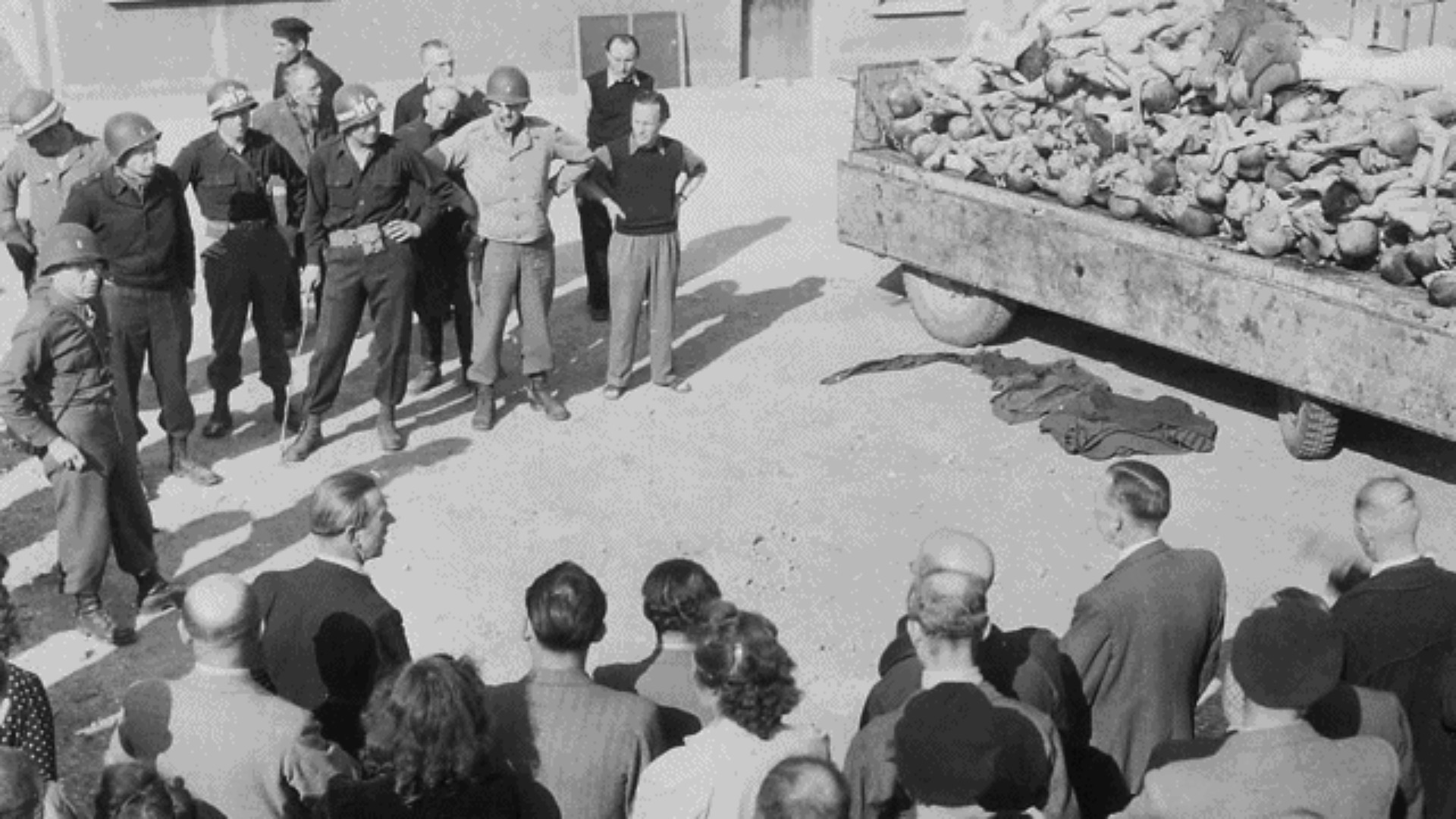
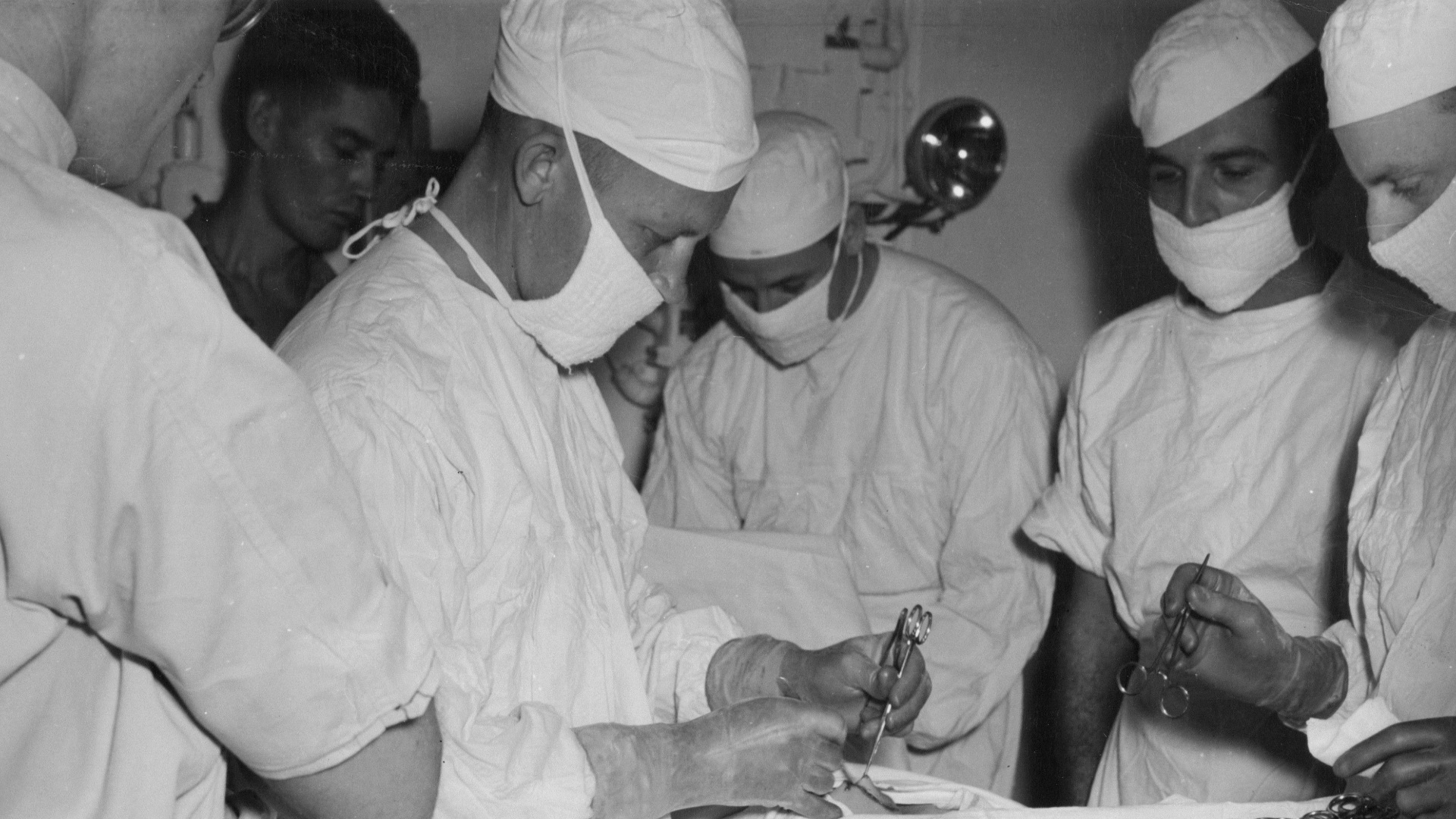
During World War II, Nazi physicians subjected concentration camp prisoners to an extensive range of medical experiments without consent, often causing extreme suffering, permanent injury, or death. At Dachau, prisoners were placed in low-pressure chambers for high-altitude research, immersed in freezing water to study hypothermia, and forced to drink processed seawater, while prisoners elsewhere were deliberately infected with diseases or exposed to chemical agents. Other experiments involved bone grafts, sterilization procedures, and research intended to support Nazi racial theories rather than provide any benefit to the people being used as subjects. The atrocities exposed at the postwar Doctors' Trial helped prompt the creation of the Nuremberg Code, which established voluntary consent as a fundamental requirement of ethical human research.
 Walter Chichersky, U.S. Signal Corps on Wikimedia
2. Unit 731's Human Experiments
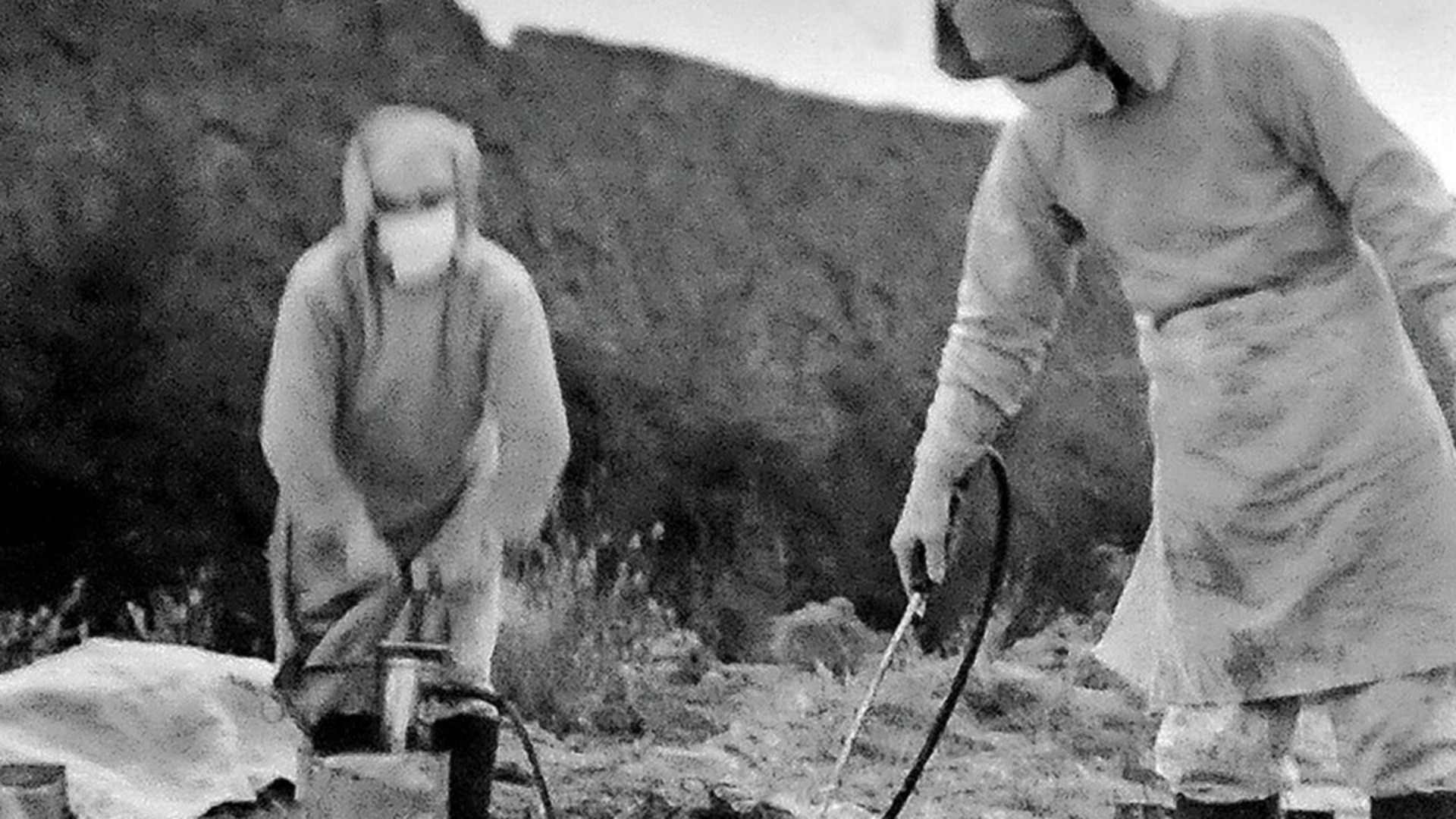
Imperial Japan operated the secret Unit 731 research complex in occupied Manchuria, where military doctors conducted lethal experiments while developing biological and chemical weapons. Prisoners were deliberately infected with diseases including plague and typhus, and victims were subjected to procedures intended to document how those illnesses damaged the body. Accounts and historical records also describe frostbite research, vivisection, and other procedures that offered subjects no therapeutic benefit and gave them no meaningful possibility of consent. The program operated as part of Japan's wartime biological warfare effort and caused the deaths of thousands of people directly within its research facilities.
3. The Tuskegee Syphilis Study
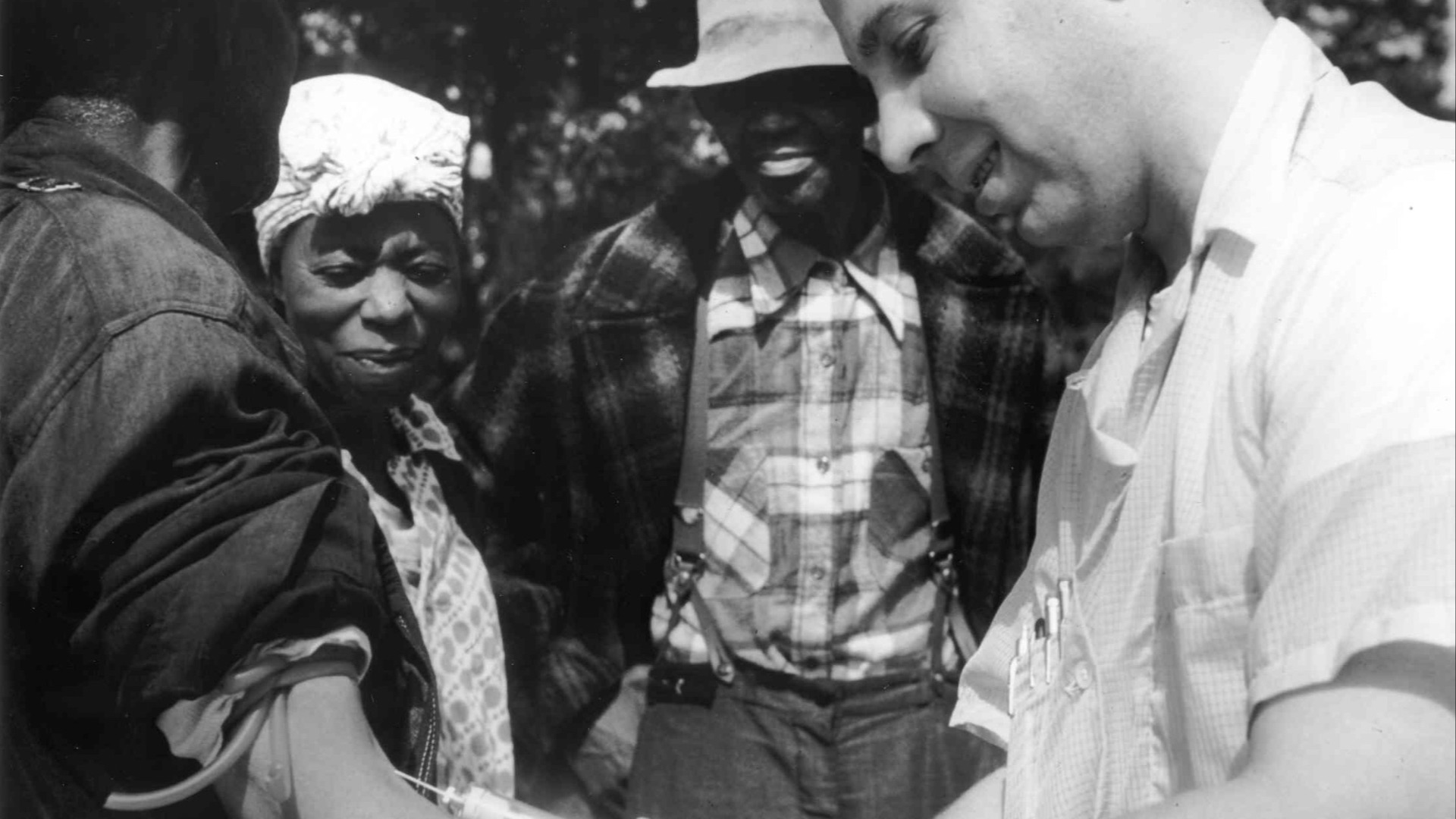
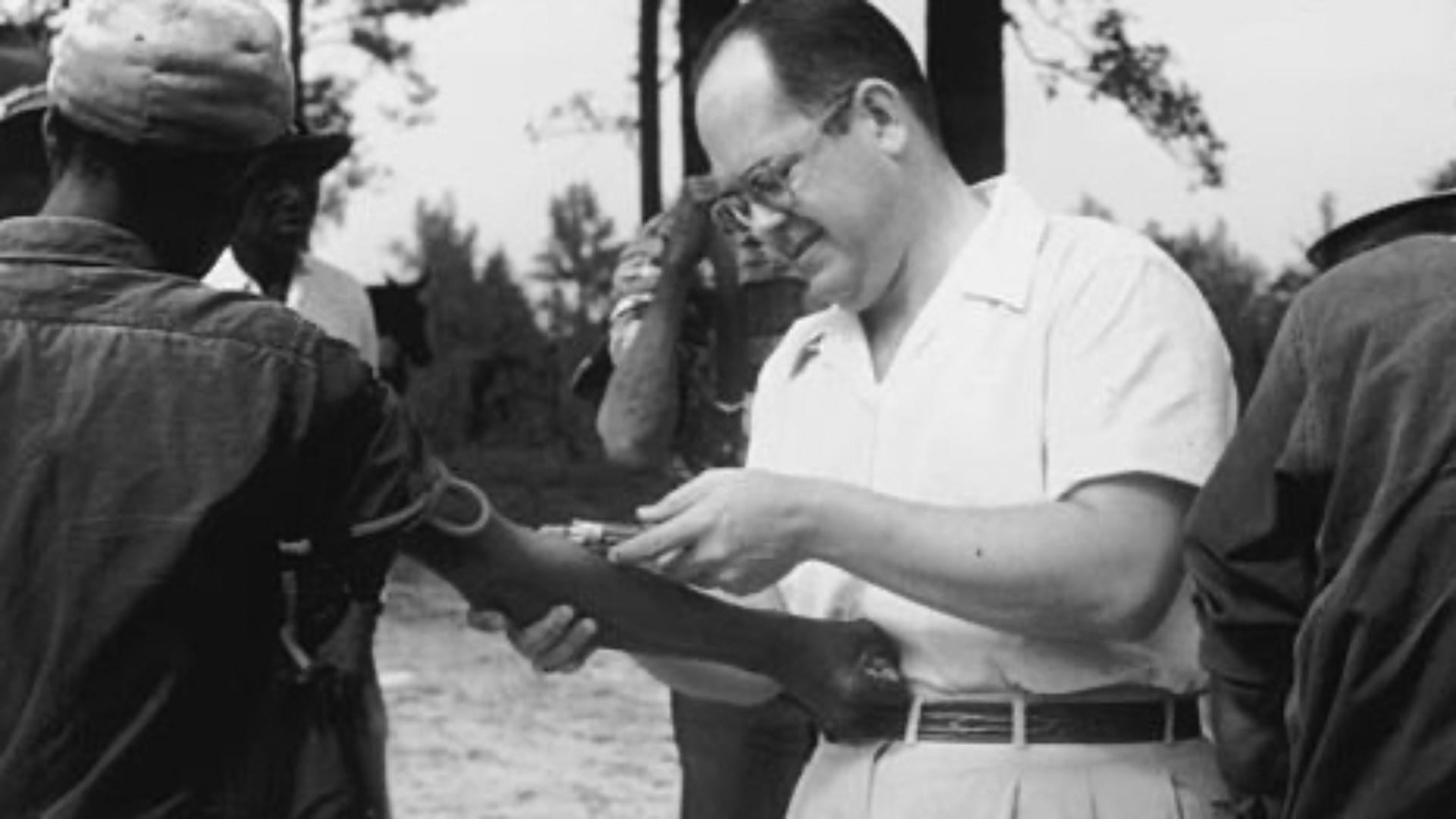
Beginning in 1932, the U.S. Public Health Service enrolled 600 Black men in Alabama in a study designed to observe the natural progression of syphilis, including 399 men who had the disease. Researchers didn't obtain informed consent and instead told participants they were being treated for "bad blood," a phrase that could refer to several different health problems. Even after penicillin became the standard treatment for syphilis in the 1940s, the infected men weren't offered it so researchers could continue observing the disease. The study lasted until 1972, when public exposure finally led federal officials to end an experiment that had continued for roughly four decades.
 National Archives Atlanta, GA (U.S. government) on Wikimedia
4. The Guatemala Infection Experiments
From 1946 to 1948, U.S. Public Health Service researchers conducted disease-transmission experiments on vulnerable people in Guatemala without their consent. Investigators deliberately exposed or infected roughly 1,300 prisoners, soldiers, psychiatric patients, and other individuals with illnesses including syphilis and gonorrhea, while thousands more underwent diagnostic testing. Particularly disturbing is the evidence that researchers understood the ethical objections to intentionally infecting people yet continued their work while limiting outside knowledge of what they were doing. A U.S. presidential bioethics commission later concluded that the experiments violated ethical standards recognized even during the period in which they occurred.
 Uploaded by Taco325i on Wikimedia
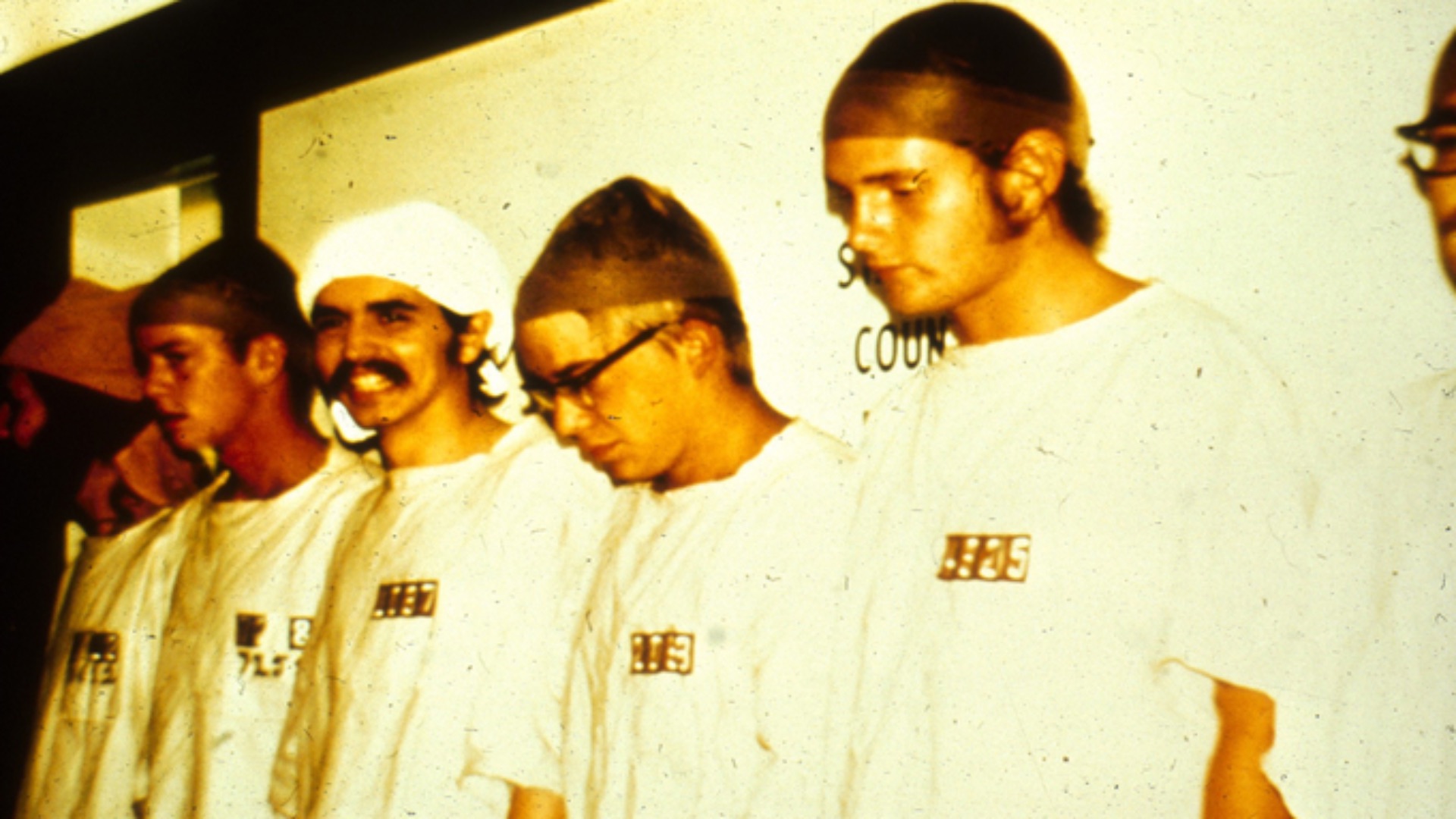
5. The Stanford Prison Experiment
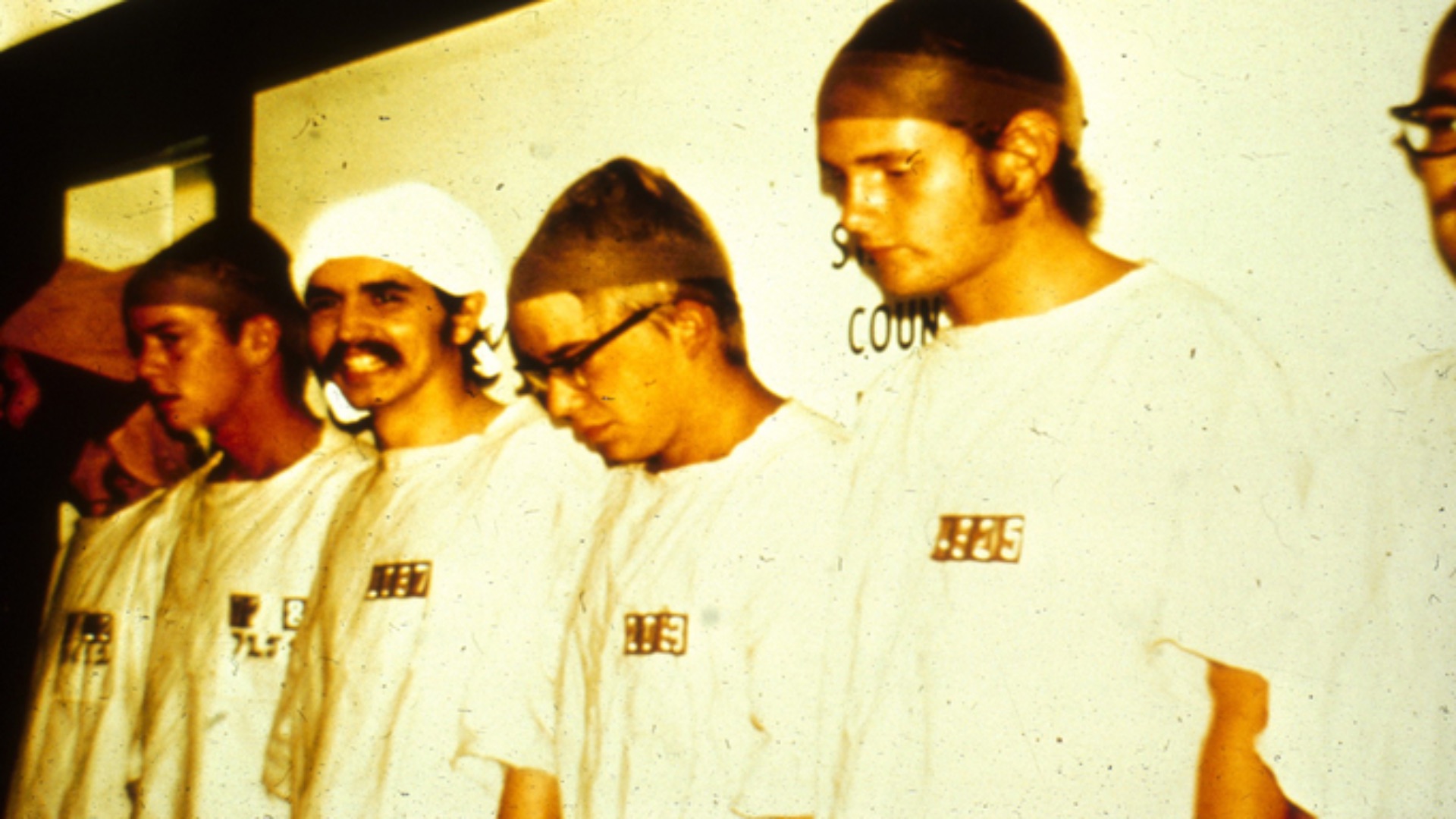
In August 1971, psychologist Philip Zimbardo and his colleagues converted part of Stanford University's psychology building into a simulated prison and randomly assigned screened male college students to act as guards or prisoners. What was supposed to continue for one to two weeks ended after only six days, as some guards subjected prisoners to humiliating and abusive treatment and participants showed signs of serious distress. Zimbardo himself assumed the role of prison superintendent, creating additional questions about how closely the researchers had become involved in the environment they were supposed to be studying. The experiment became famous as a study of power and institutional roles, but its treatment of participants and methodology have made it one of psychology's most enduring ethical controversies.
6. Stanley Milgram's Obedience Experiments
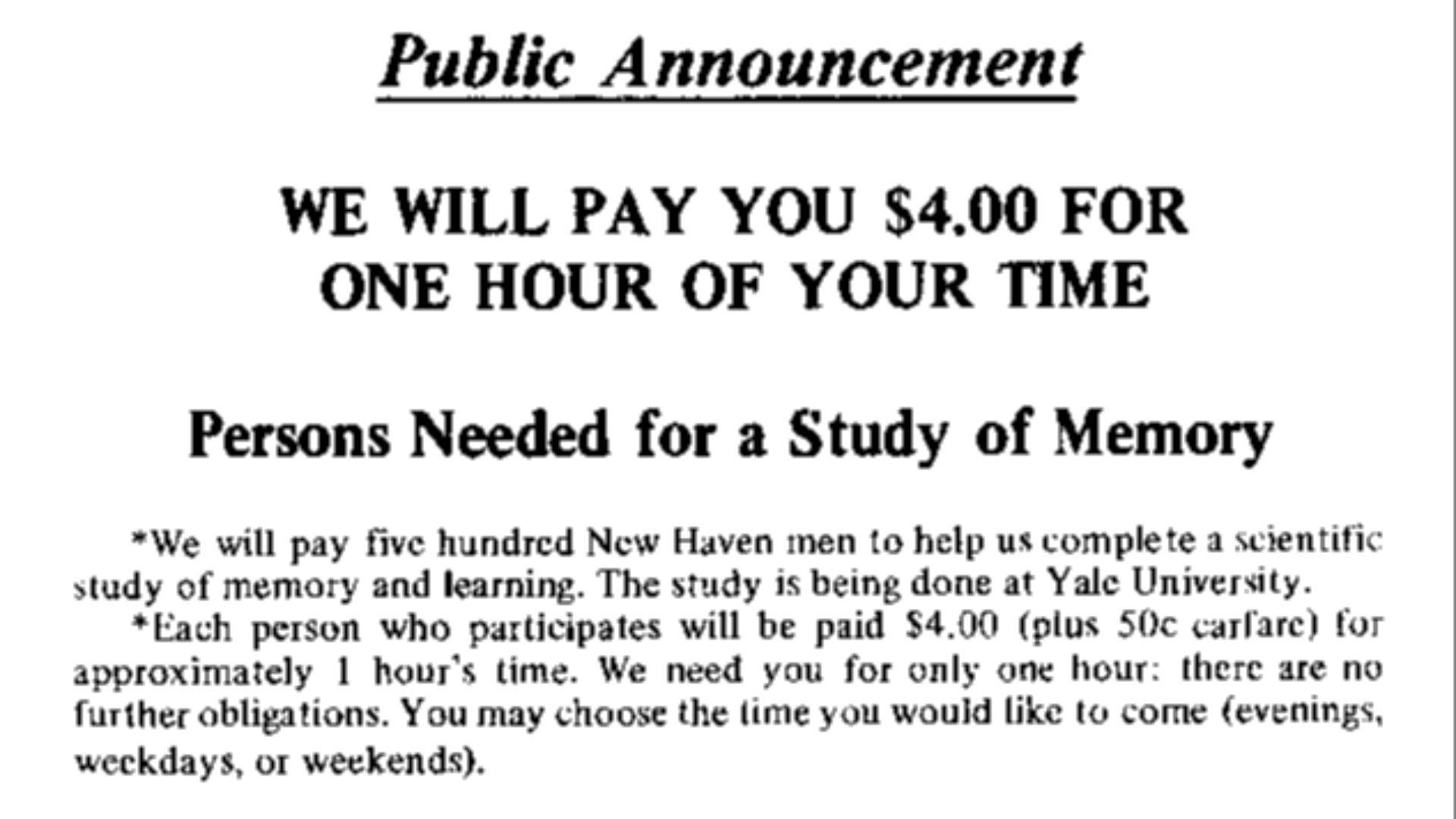
Beginning in the early 1960s, Yale psychologist Stanley Milgram wanted to determine how far ordinary people would go when an authority figure instructed them to hurt another person. Participants believed they were administering increasingly powerful electric shocks to another individual whenever he answered a question incorrectly, eventually reaching a supposedly dangerous 450 volts, although the shocks weren't actually real. The deception worked well enough that participants could hear the supposed victim protesting while an experimenter pressured them to continue, placing some subjects under intense emotional strain. More than 60% ultimately administered what they believed was the maximum shock, producing a celebrated finding about obedience but also a lasting debate over psychological harm and informed consent.
 The original uploader was Poolisfun at Wikipedia. on Wikimedia
7. The Willowbrook Hepatitis Studies
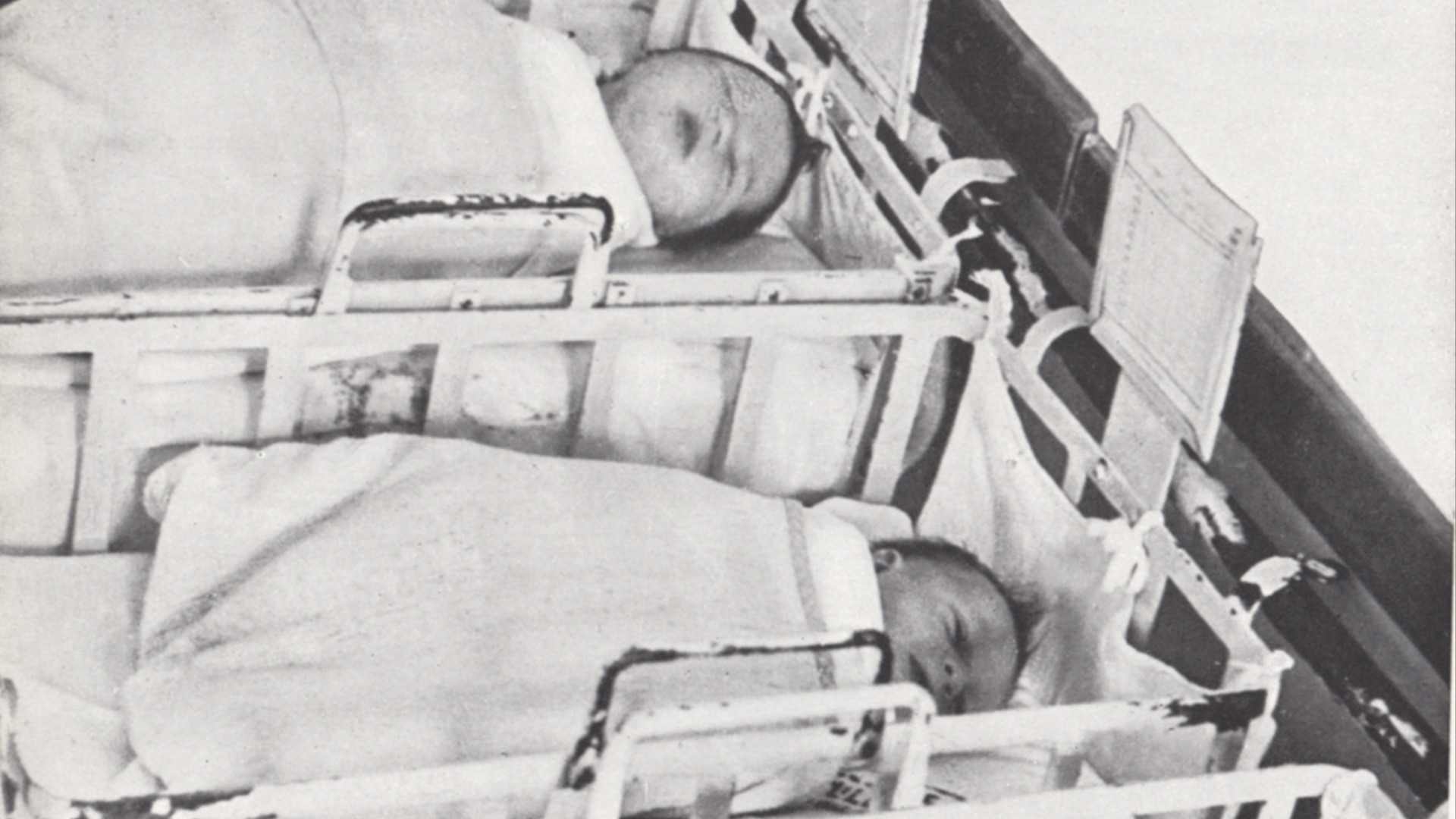
At New York's Willowbrook State School, researchers studied hepatitis among institutionalized children with intellectual disabilities during research that began in the 1950s. Some children who hadn't yet contracted hepatitis were deliberately exposed to the virus so investigators could observe infection and evaluate possible preventive measures. Consent became a major issue because parents desperate to secure scarce places at the overcrowded institution could be encouraged to enroll their children in the special research unit, raising serious questions about whether their choices were truly voluntary. Although the work contributed to scientific knowledge about hepatitis, using institutionalized children in nontherapeutic infection research became a defining controversy in the development of modern research ethics.
8. The Jewish Chronic Disease Hospital Cancer Study
In 1963, researchers injected live cancer cells into 22 chronically ill patients at the Jewish Chronic Disease Hospital in Brooklyn. The purpose was to examine how weakened patients' bodies would respond to foreign cancer cells, but the subjects weren't properly informed about what was being injected into them. Many of the participants were already debilitated, making the failure to obtain meaningful consent especially troubling. New York authorities eventually brought charges against researchers Chester Southam and Emanuel Mandel, and the case became one of several scandals that intensified demands for stricter protections for human subjects.
9. The Plutonium Injection Experiments
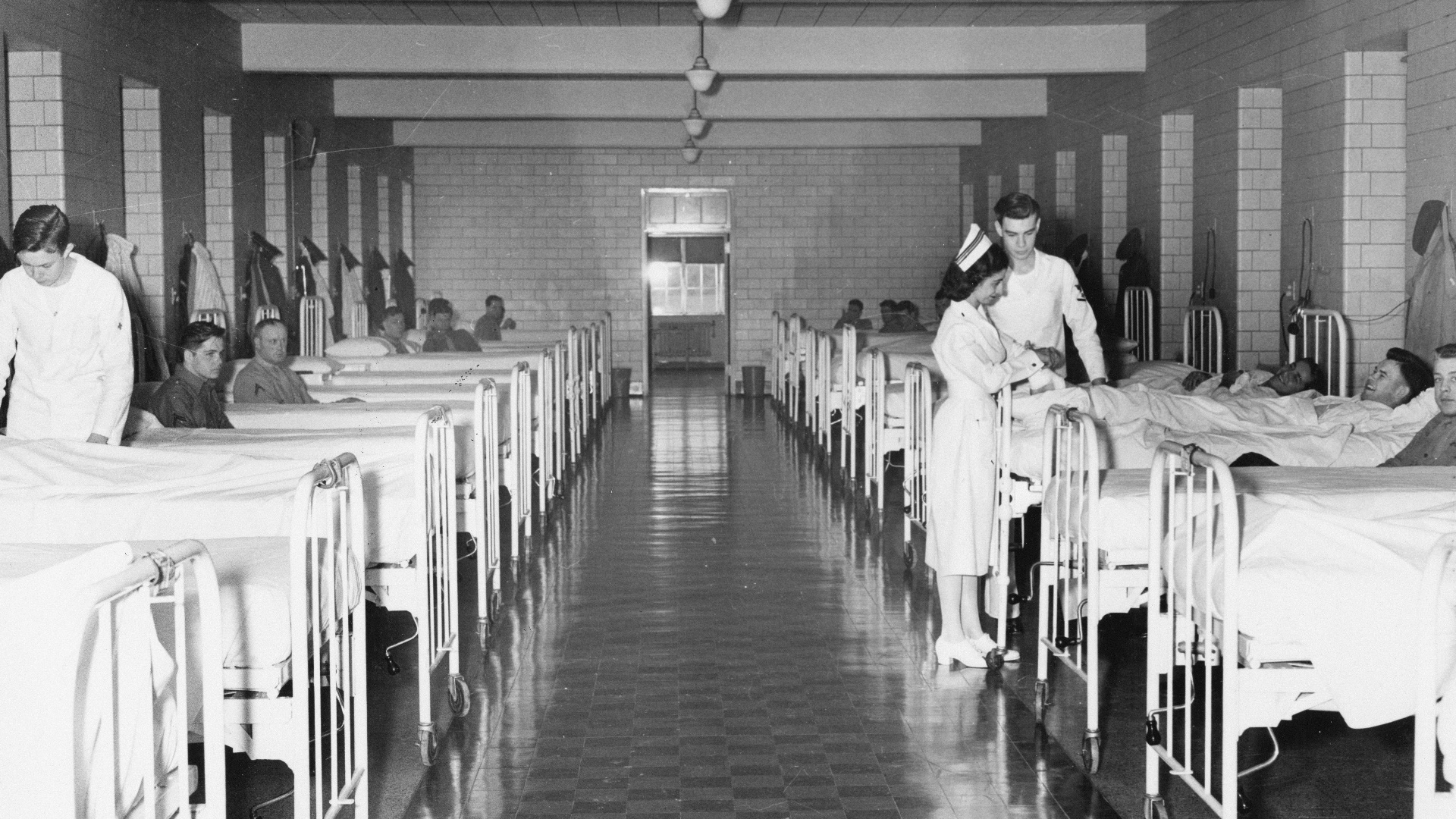
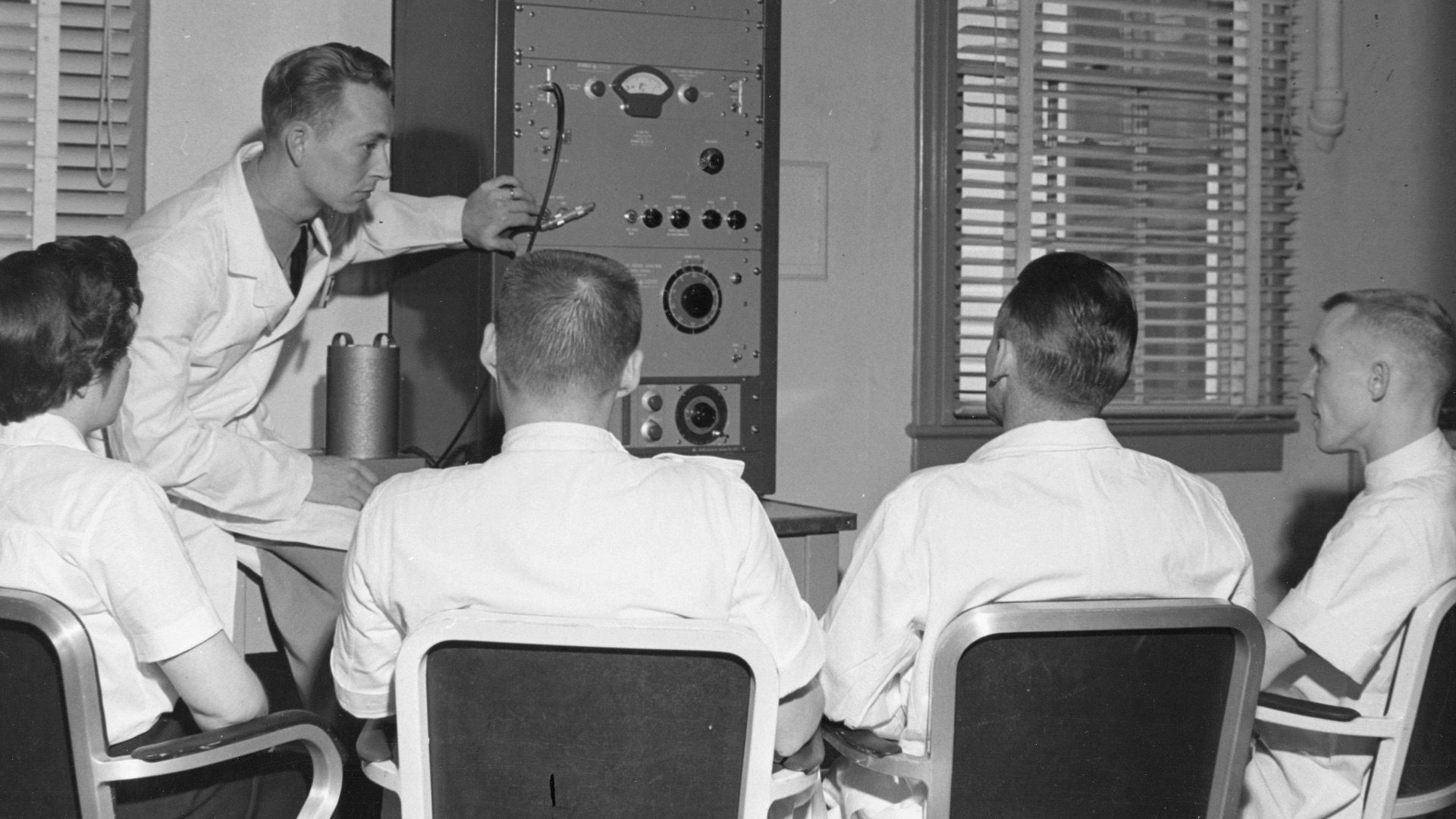
As scientists working on the Manhattan Project tried to understand the dangers posed by newly produced plutonium, they decided that information about how the substance behaved inside human bodies would be useful. Beginning in 1945, patients were injected with plutonium so researchers could study its metabolism and retention, with 18 people ultimately receiving plutonium injections during the program. One of the earliest subjects was Ebb Cade, an otherwise healthy 53-year-old man who had been hospitalized after an automobile accident and was injected while being treated for his injuries. Government investigations decades later brought the experiments to much wider public attention and documented the severe shortcomings surrounding disclosure and consent.
10. The Fernald School Radioactive Cereal Studies
Children living at Massachusetts' Walter E. Fernald State School were recruited into what was presented as a "science club" while researchers conducted nutritional experiments involving radioactive substances. During studies in the late 1940s and early 1950s, boys were exposed to radioactive iron or calcium so investigators could measure how their bodies absorbed nutrients from food. Letters sent to parents emphasized activities and benefits associated with participation but didn't disclose that radioactive tracers were involved, undermining any meaningful claim that families had been fully informed. The children were also institutionalized and offered privileges such as outings and special food, making the circumstances surrounding supposedly voluntary participation especially problematic.

11. The Oregon and Washington Prison Radiation Studies
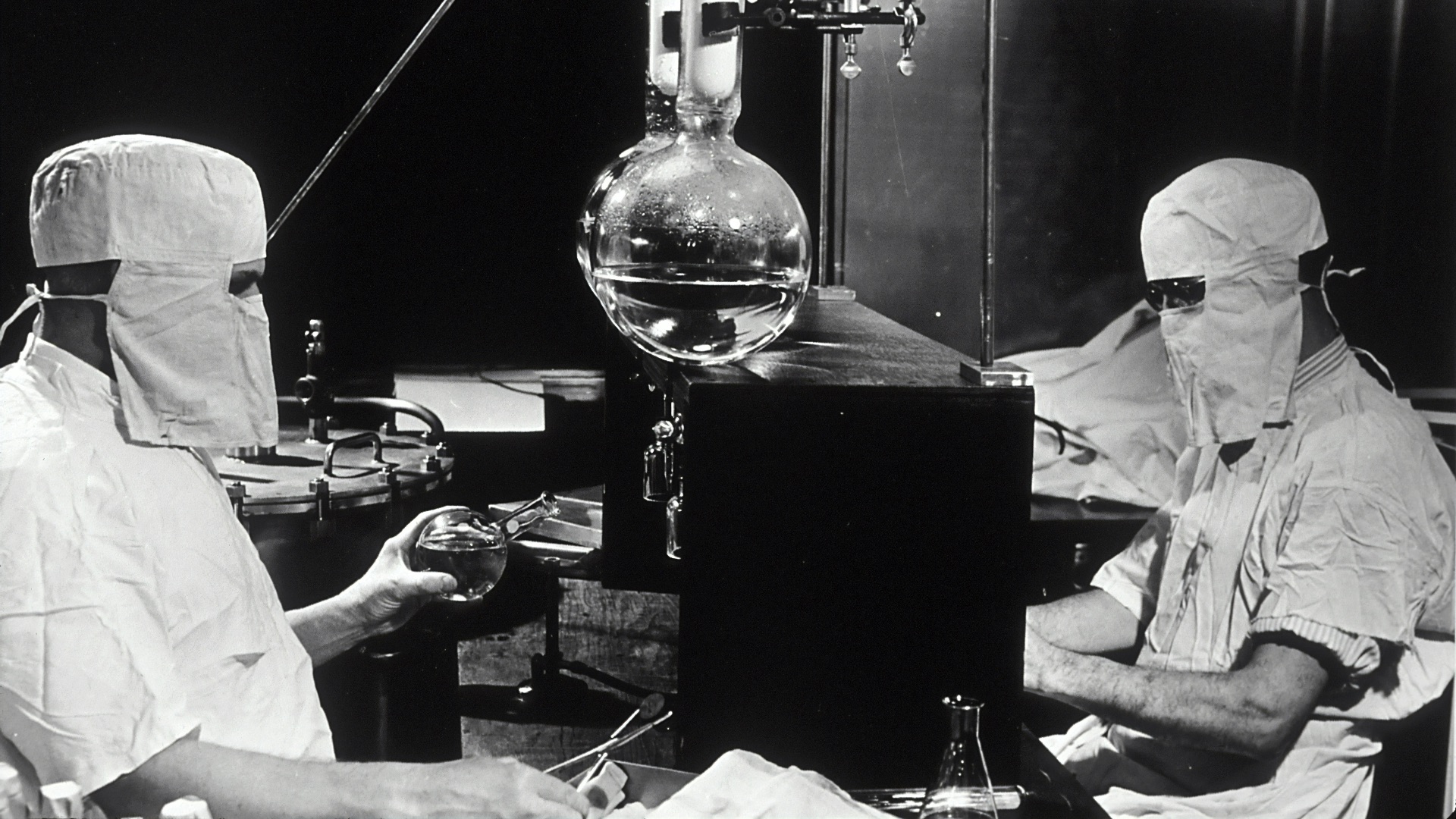
Between 1963 and 1973, researchers studying radiation's effects on male reproduction exposed incarcerated men in Oregon and Washington to testicular radiation. The research involved 131 prisoners across the two programs, and subjects could undergo repeated biopsies while receiving payments that were substantial compared with normal prison wages. Oregon participants were also expected to undergo vasectomies afterward because researchers were concerned about possible genetic damage to future children. Even where consent forms existed, the extreme imbalance of power and the financial circumstances of prisoners raised difficult questions about whether incarcerated participants could make an entirely free choice.
 National Cancer Institute on Unsplash
12. The Holmesburg Prison Experiments
For decades, prisoners at Philadelphia's Holmesburg Prison became subjects in dermatological, pharmaceutical, and chemical research led in large part by dermatologist Albert Kligman. Experiments exposed incarcerated men to substances and procedures ranging from skin irritants and infectious organisms to psychoactive compounds, radioactive materials, and dioxin, with participants commonly receiving money in return. Because prison wages were extremely low, even relatively modest experimental payments could exert enormous influence on a person's decision to participate. The program continued into the 1970s and has since become an important example of how financial pressure and incarceration can make supposedly voluntary research participation ethically complicated.
13. MKUltra and Donald Ewen Cameron's Experiments
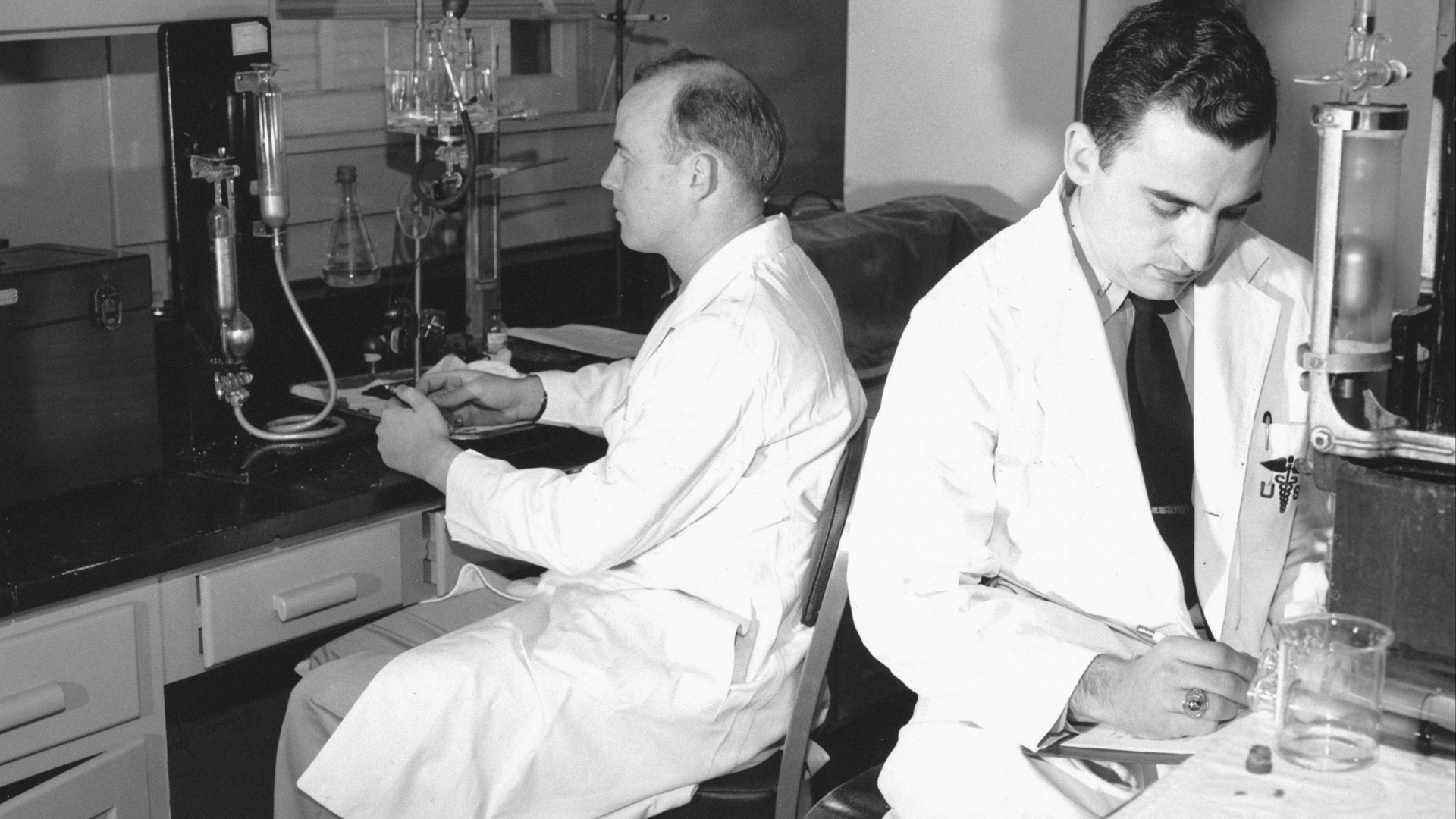
The CIA's MKUltra program funded numerous attempts to investigate drugs, interrogation, behavior modification, and possible methods of controlling or disrupting the human mind during the Cold War. Among the researchers who received covert CIA funding was psychiatrist Donald Ewen Cameron, whose work in Montreal included extreme forms of electroconvulsive treatment, prolonged drug-induced sleep, and a procedure called "psychic driving," in which recorded messages were repeatedly played to psychiatric patients. Many of those people had entered treatment seeking help rather than expecting to become part of intelligence-linked experimentation, and Cameron himself received the CIA money through a front organization rather than directly from the agency. Some patients experienced serious and lasting impairments, making this one of the most disturbing intersections of psychiatry, covert government research, and inadequate consent.
14. The Little Albert Experiment
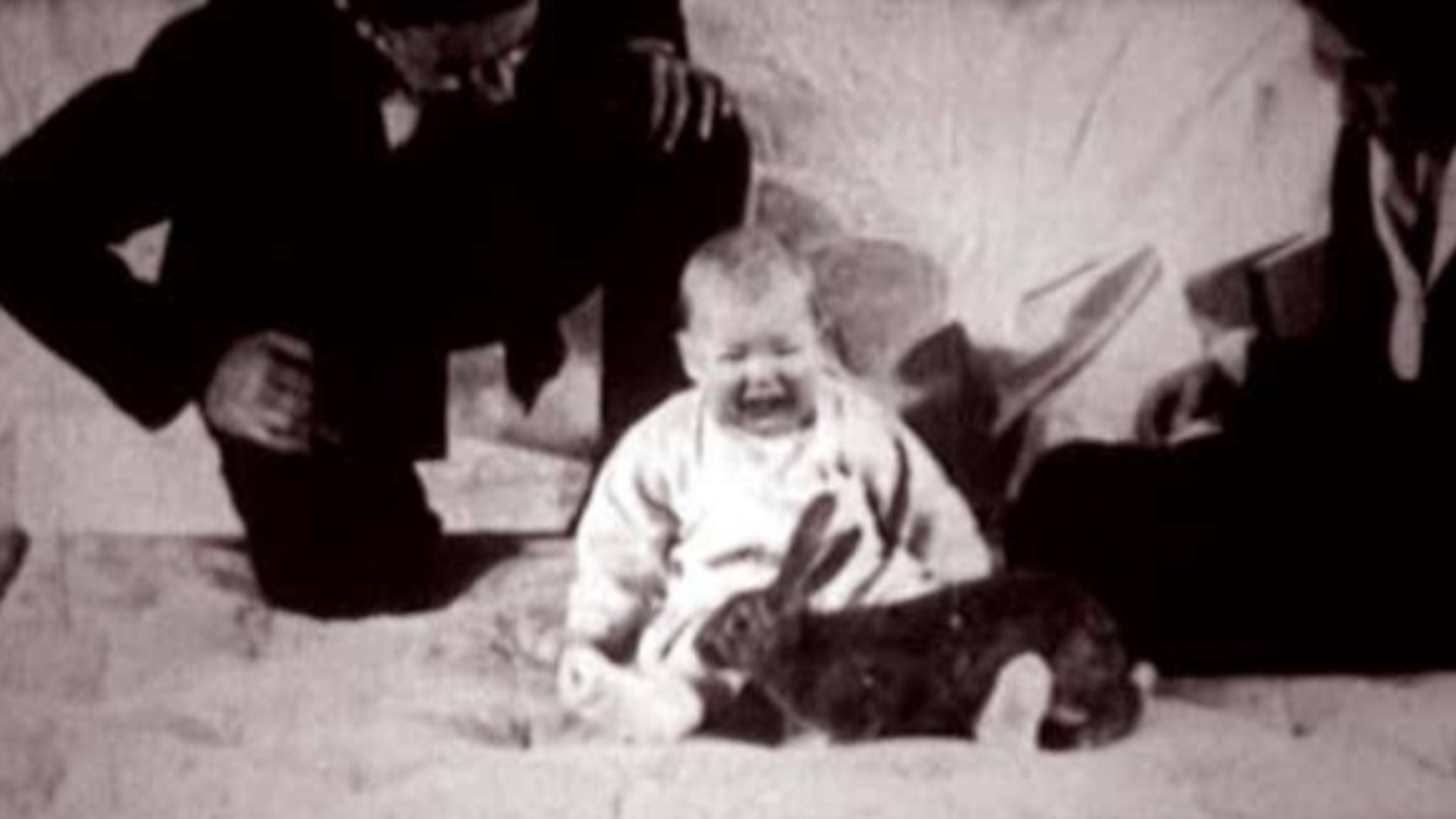
In 1920, psychologists John B. Watson and Rosalie Rayner attempted to deliberately create a fear response in an infant remembered by the pseudonym "Little Albert." They repeatedly paired the appearance of a white rat with a frightening loud noise, then reported that Albert's fear extended to other furry objects. Whatever you think of the study's importance to early behaviorism, deliberately producing distress in a baby who obviously couldn't consent would be difficult to justify under modern research standards. Historians have also debated Albert's true identity and medical condition, adding further uncertainty to a study that became far more famous than its very small experimental basis might suggest.
15. The "Monster Study" on Children's Speech
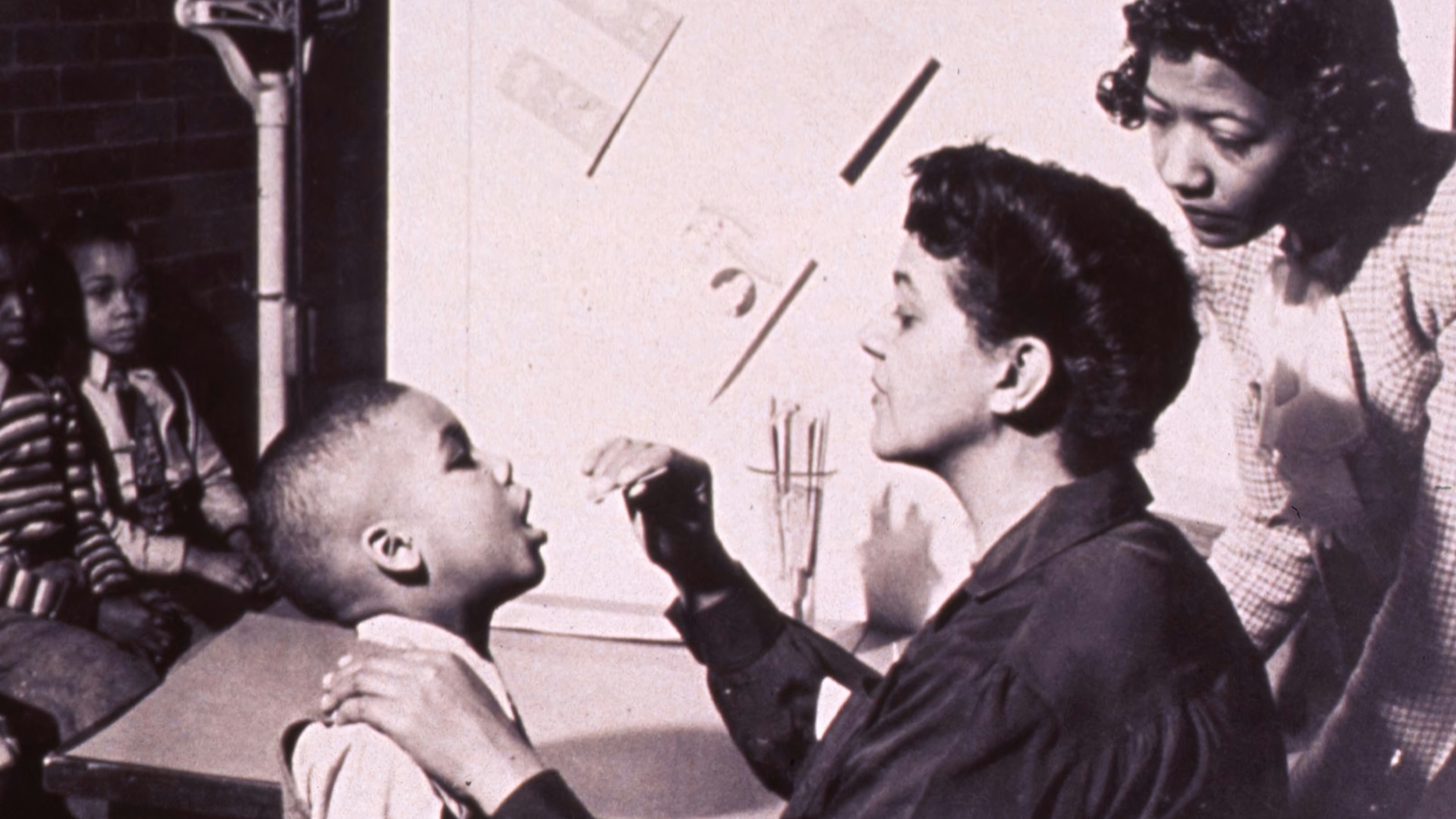
In 1939, researchers associated with the University of Iowa conducted a speech experiment on children living in an Iowa orphanage while investigating theories about stuttering. Some children who spoke normally were repeatedly given negative evaluations of their speech and were led to believe they were developing serious speech problems, while other participants received more positive reinforcement. The research involved children who occupied an especially vulnerable position because they were institutionalized and couldn't provide independent adult consent for what was being done to them. The experiment later became widely known as the "Monster Study," a name reflecting the ethical outrage surrounding the decision to manipulate children's confidence and speech behavior for research purposes.
 National Library of Medicine on Unsplash
16. The Stateville Prison Malaria Experiments
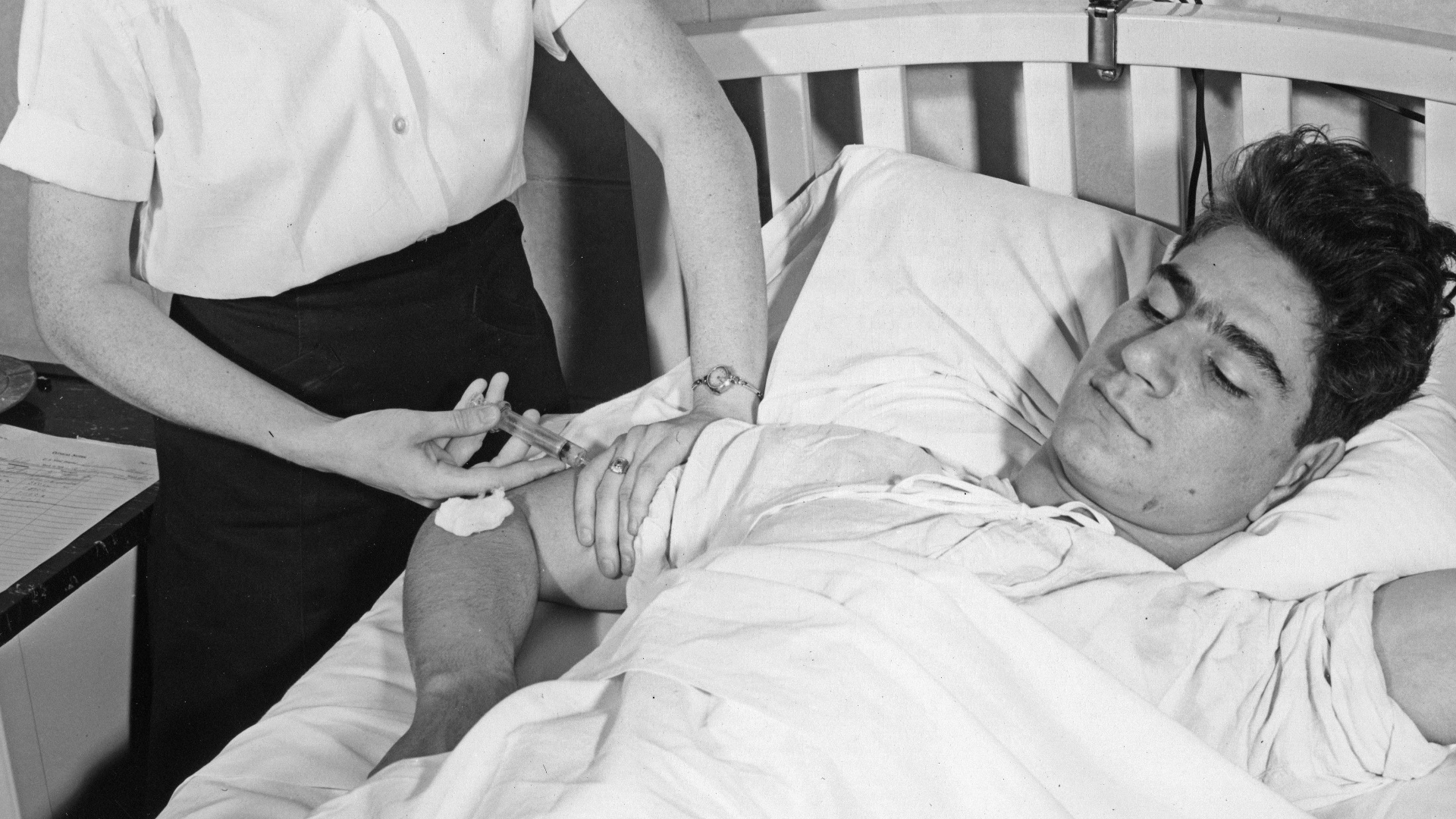
During World War II, malaria threatened U.S. troops serving in regions where the disease was widespread, creating intense pressure to develop and test new treatments. Researchers at Illinois' Stateville Penitentiary deliberately infected incarcerated men with malaria and tested medications while taking advantage of a prison population that could be observed under highly controlled conditions. Participants received incentives, and possible benefits involving parole consideration have contributed to long-running debate about whether prisoners in such circumstances could provide fully voluntary consent. The irony became particularly sharp after the war, when American prisoner research was discussed while Nazi physicians defended their own experimentation during the Nuremberg proceedings.
17. The Puerto Rico Birth Control Pill Trials
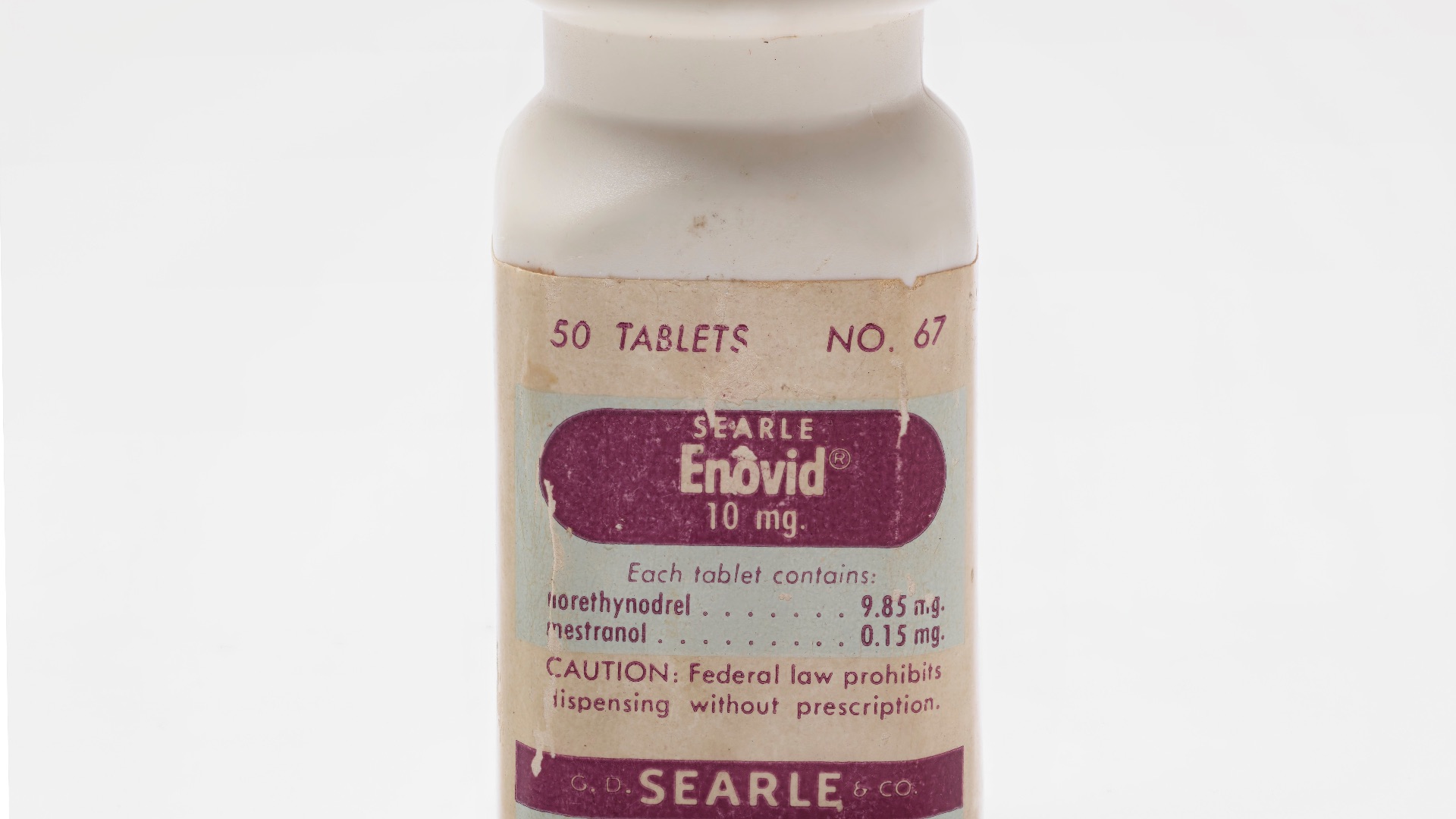
The first large-scale clinical trials of the oral contraceptive pill began in Puerto Rico in the 1950s, involving many working-class women who wanted reliable birth control. Participants knew they were receiving a contraceptive, but many weren't told that the pill was experimental or given adequate information about its potential side effects, meaning their consent fell far short of what would now be expected. Researchers also used a formulation containing considerably higher hormone levels than later generations of oral contraceptives, while complaints such as nausea and headaches were sometimes treated as inconveniences rather than warnings requiring deeper investigation. The pill eventually transformed reproductive health, but that enormous benefit doesn't erase the ethical problems surrounding the women whose bodies were used to establish its effectiveness.
18. The Vanderbilt Radioactive Iron Experiment
Between 1945 and 1949, hundreds of pregnant women receiving care through Vanderbilt University Hospital participated in research examining how the body absorbed iron during pregnancy. Roughly 829 women ingested radioactive iron-59 during the studies, which allowed investigators to trace iron metabolism at different stages of pregnancy. Records and later legal proceedings raised serious concerns that subjects weren't adequately informed about the radioactive substance or the nontherapeutic nature of the research. Using pregnant women and their developing fetuses in radiation research without full disclosure made the episode particularly troubling even by the standards that were emerging during the postwar period.
19. Harry Harlow's Maternal-Deprivation Experiments
Psychologist Harry Harlow's research with rhesus monkeys became influential in demonstrating the importance of affection and social attachment, but some of his experimental methods inflicted severe psychological distress on animals. Infant monkeys were separated from their mothers and, in some studies, raised with artificial surrogate mothers or subjected to extended periods of social isolation. Researchers observed abnormal behaviors, impaired social development, and signs of severe distress in monkeys deprived of normal social relationships. The work contributed substantially to the study of attachment, yet its deliberate production of profound suffering has made Harlow's research one of the most contentious chapters in the history of animal psychology.

20. The Learned Helplessness Experiments on Dogs
In research that helped establish the concept of learned helplessness during the 1960s, psychologists including Martin Seligman and Steven Maier exposed dogs to electric shocks under different conditions. Some animals could perform an action that stopped the shocks, while others received shocks they couldn't control, allowing researchers to study how uncontrollable stress affected later attempts to escape. When subsequently placed in situations where escape was possible, some dogs that had experienced uncontrollable shocks remained passive instead of trying to get away. The research became highly influential in psychology, but deliberately subjecting animals to repeated unavoidable electrical shocks and severe stress would provoke substantial ethical concern under contemporary expectations for animal welfare.

KEEP ON READING