10 Inventions That Spread Rapidly & 10 That Took Centuries to Catch On
Certain Inventions Spread Faster Than Others
A great invention doesn’t automatically become an instant success, because usefulness is sometimes only a small part of the equation. Price, manufacturing, social attitudes, and familiarity can determine whether people embrace something immediately or ignore it for years. History offers plenty of both extremes, from technologies that crossed oceans within years to everyday objects that took centuries to work their way into ordinary life. Here are 10 inventions that spread rapidly and 10 that took centuries to catch on.
1. The Printing Press
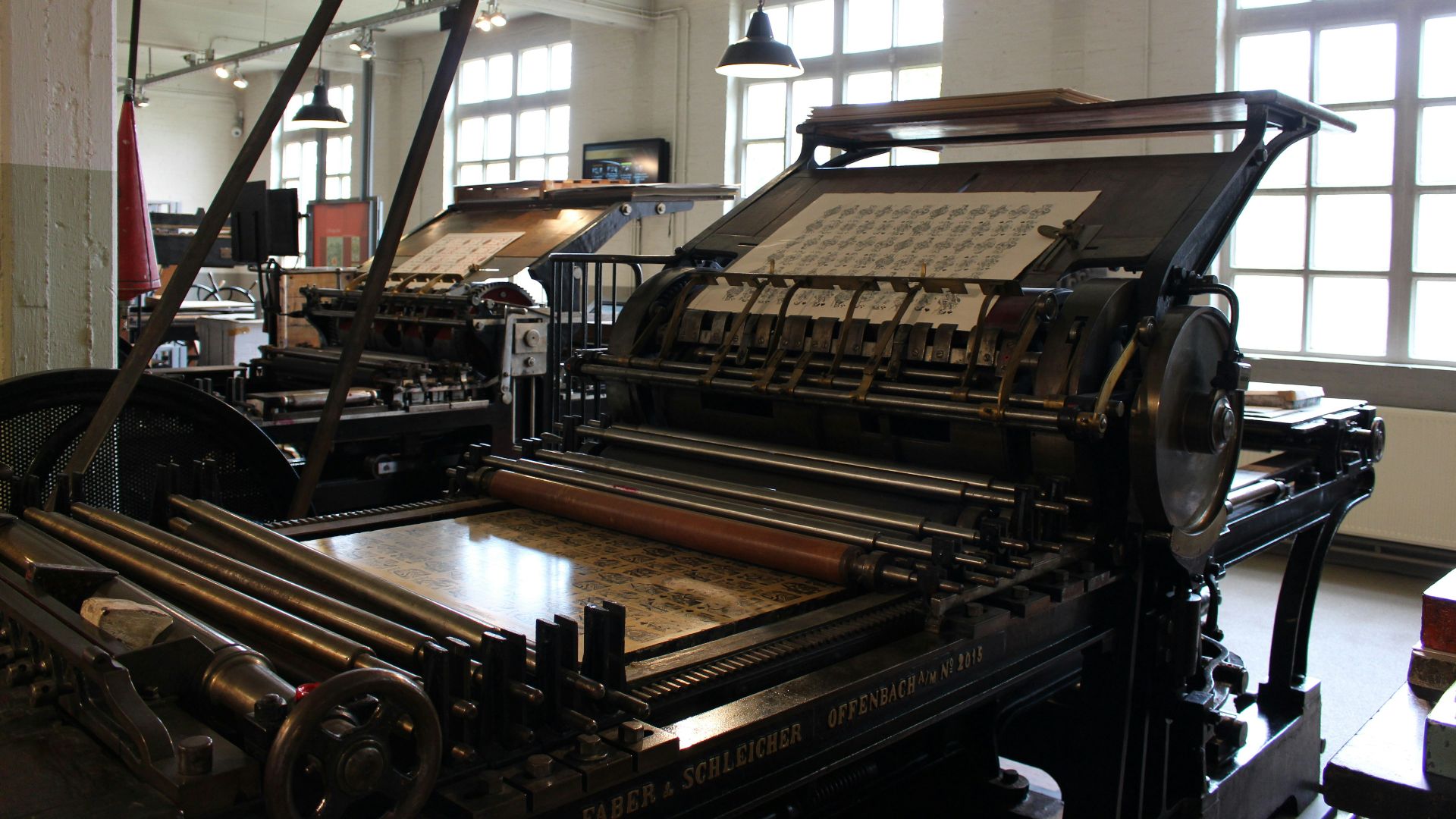
Johannes Gutenberg’s movable-type printing system appeared in Europe during the mid-15th century and spread incredibly fast. By 1500, printing presses were operating in many European cities, producing books on a scale handwritten copying couldn't come close to matching.
2. Smallpox Vaccination
Edward Jenner published his research on vaccination against smallpox in 1798 after developing his method using cowpox material. Within roughly three years, vaccination had reached numerous parts of Europe as well as North America, Asia, and parts of the Middle East.
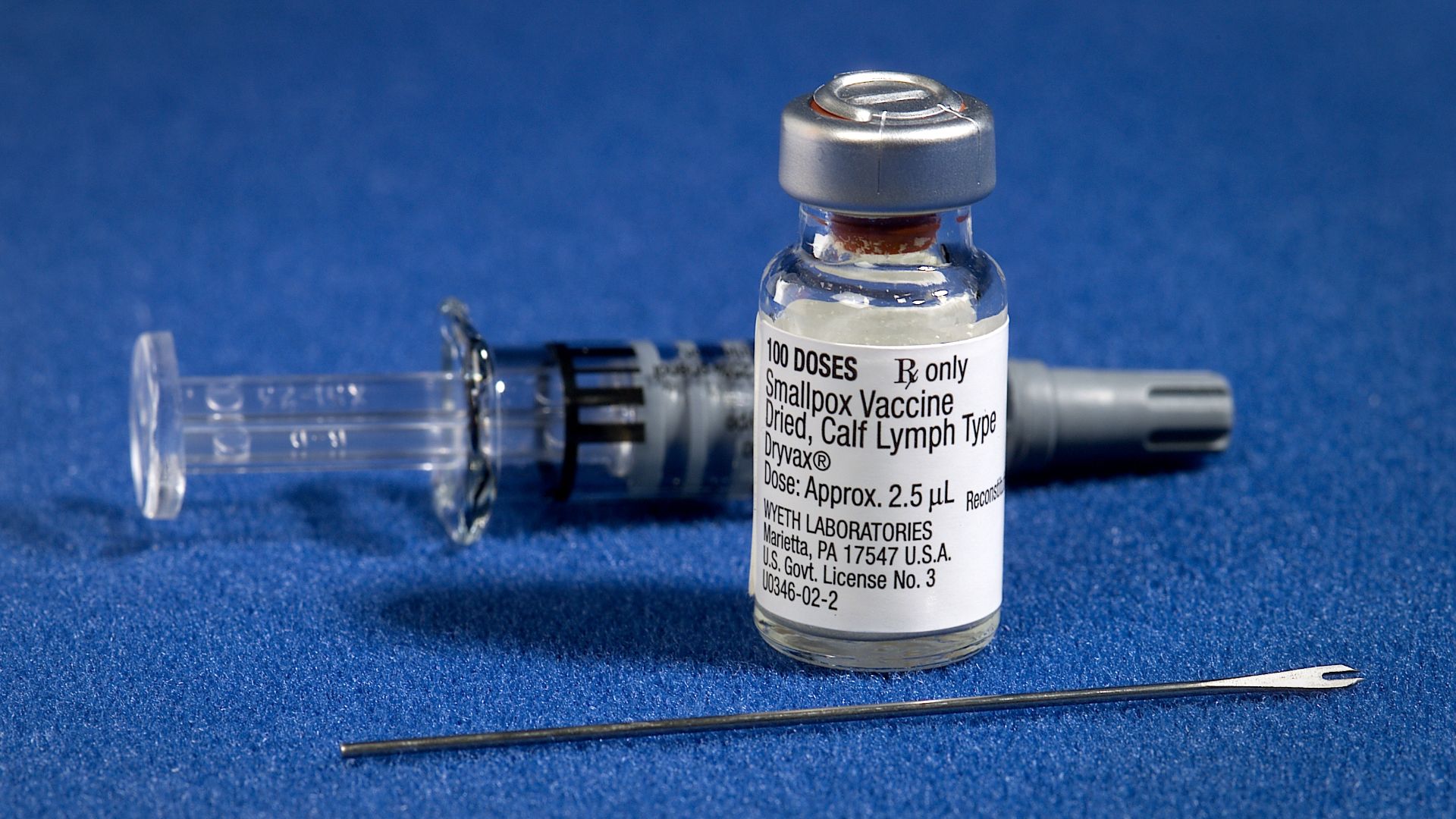 Photo Credit: James Gathany
Content Providers(s): CDC on Wikimedia
Photo Credit: James Gathany
Content Providers(s): CDC on Wikimedia
3. The Electric Telegraph
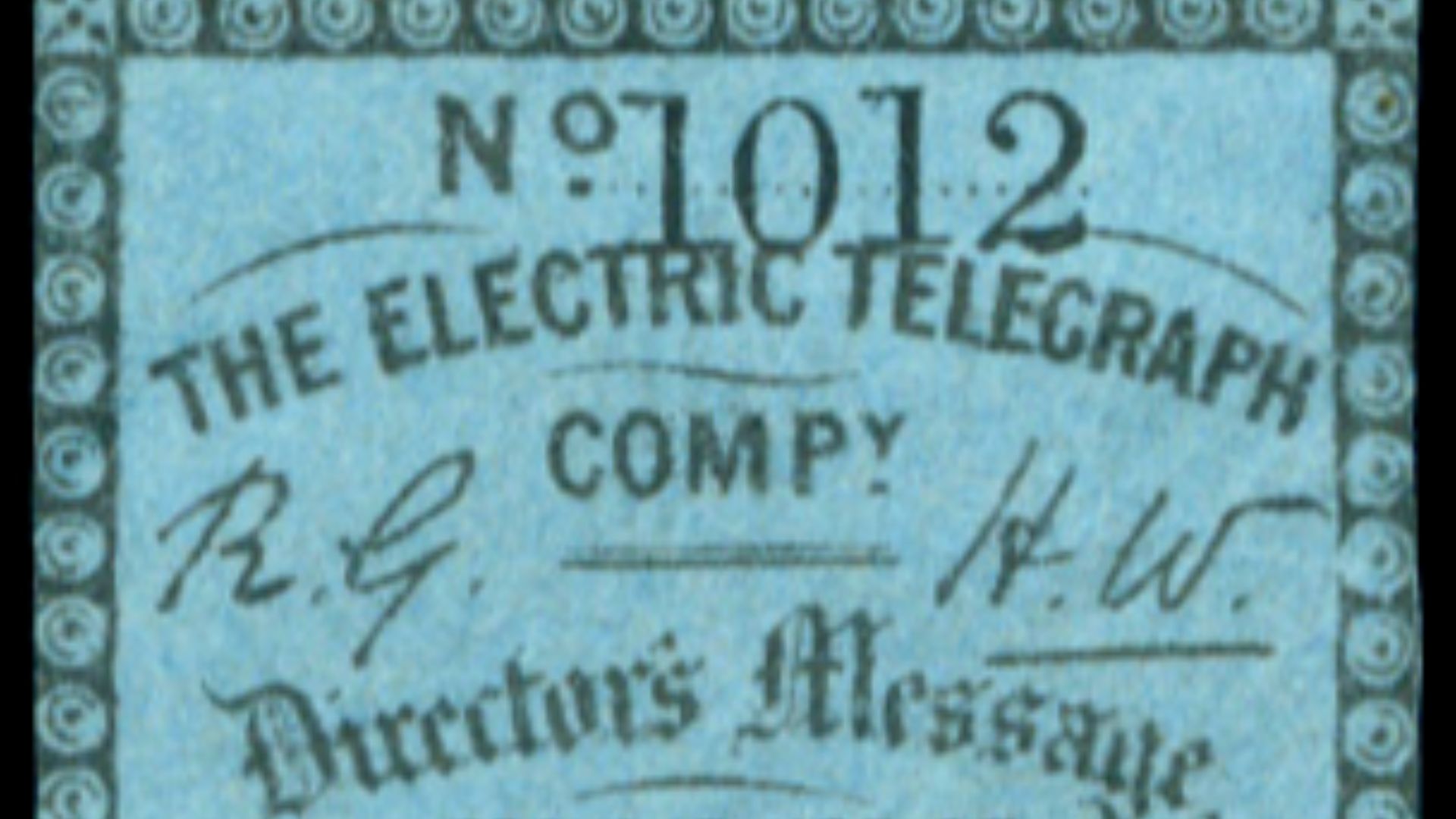
Practical electrical telegraph systems appeared during the 1830s and 1840s, with Samuel Morse's system becoming rather influential in the United States. Telegraph networks expanded quickly alongside railroads because governments, newspapers, businesses, and transportation companies all required and benefited from nearly instantaneous long-distance communication.
 Electric Telegraph Company on Wikimedia
4. The Telephone
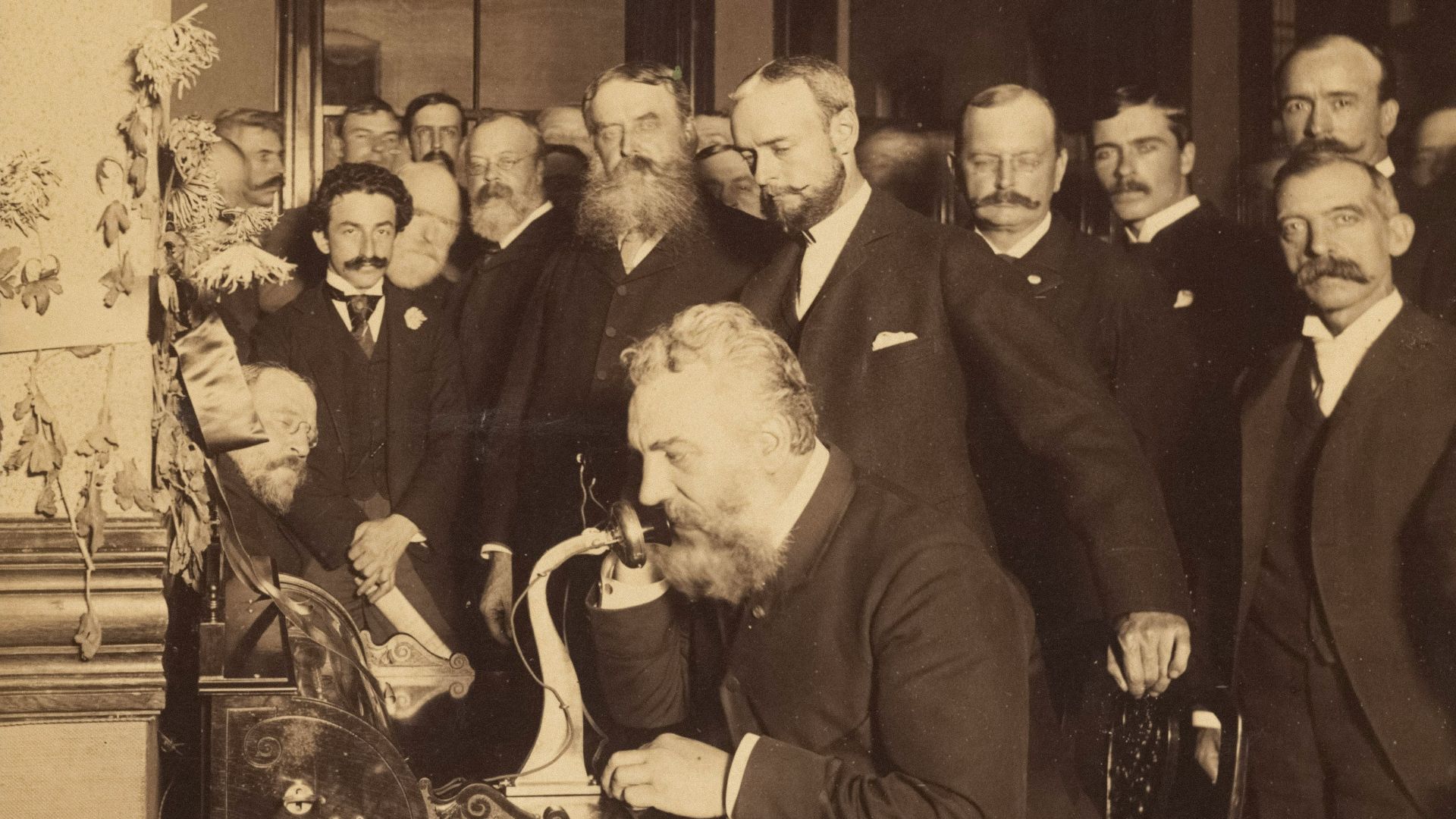
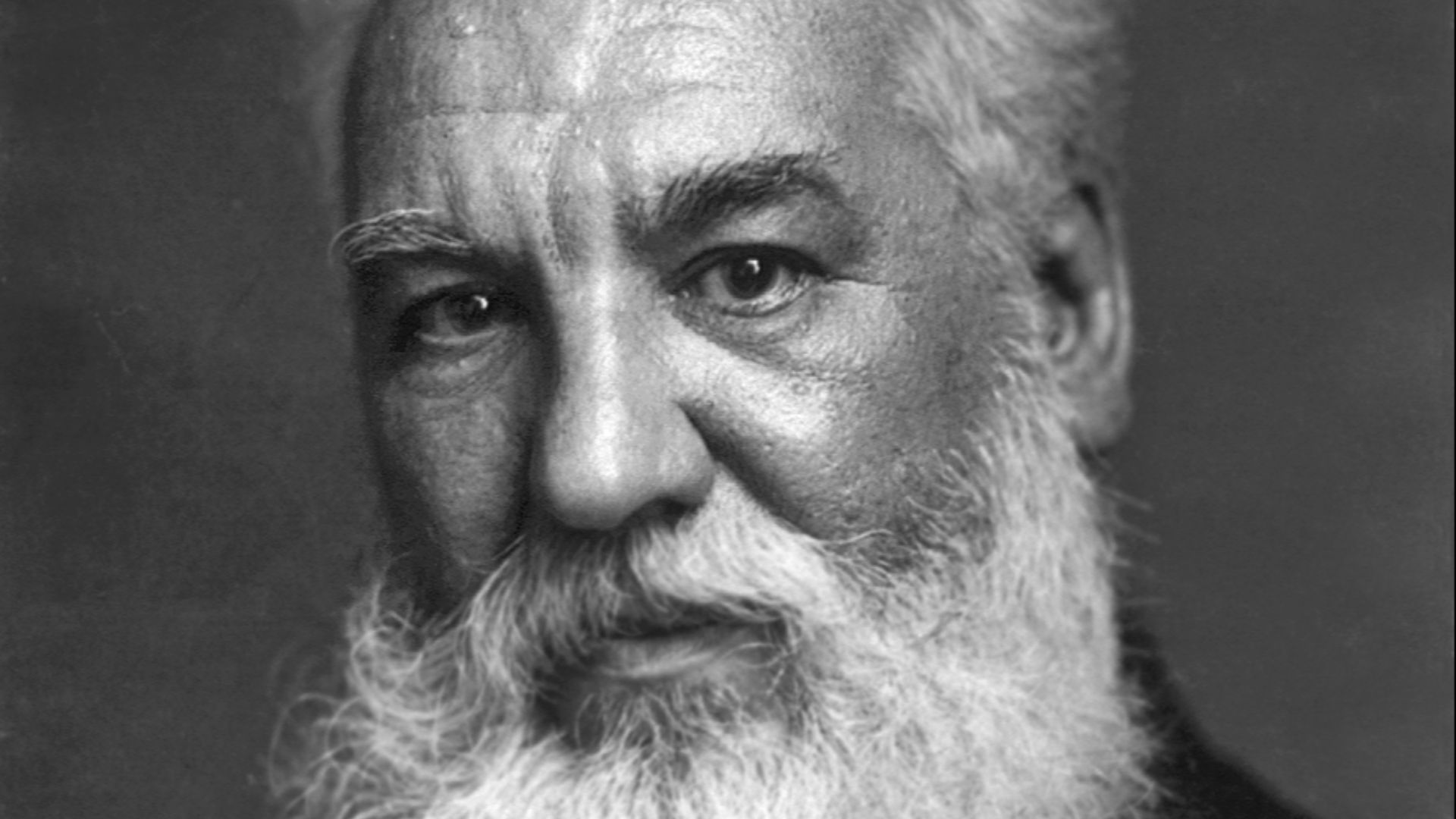
Alexander Graham Bell received his famous telephone patent in 1876, and commercial telephone services followed shortly afterward. Exchanges appeared in American cities within just a few years, while interconnected networks grew rapidly during the following decades.
 Unknown authorUnknown author on Wikimedia
5. Radio Broadcasting
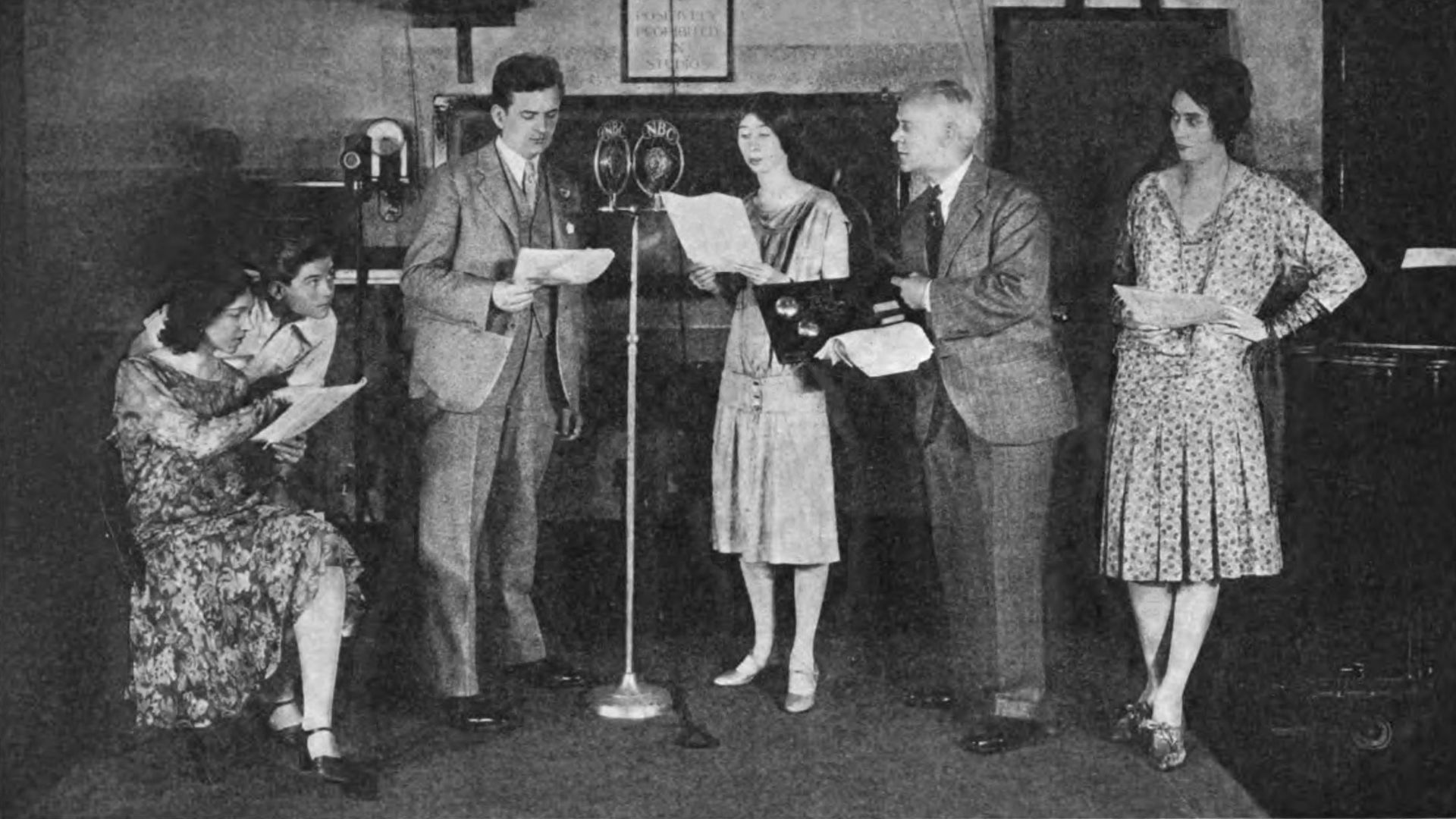
Commercial radio broadcasting developed rapidly in the United States during the early 1920s. Stations multiplied impressively, manufacturers sold millions of receivers, and by the end of the decade roughly 40 percent of American families enjoyed radios in their homes.
 Unknown authorUnknown author on Wikimedia
6. The Automobile
Cars were expensive novelties during their earliest years, but mass production transformed their everyday prospects. Ford's moving assembly line, introduced for automobile production in 1913, helped lower manufacturing costs and made cars accessible to many more Americans.

7. Electric Lighting
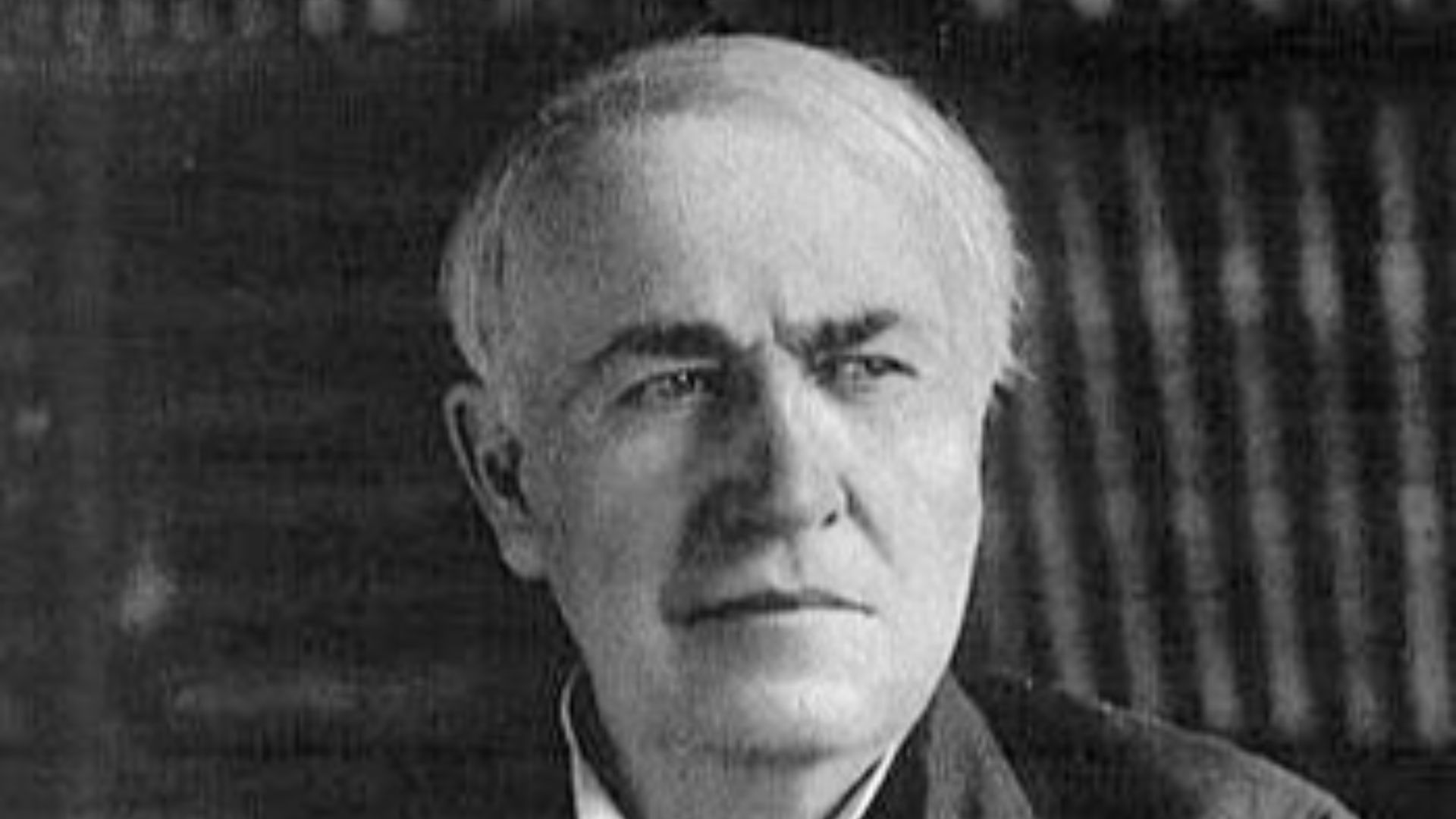
Thomas Edison's practical incandescent lighting system arrived at the end of the 1870s, although several inventors contributed to the development of electric lamps. Once generating stations and electrical networks began sprouting across the country, businesses and wealthier urban households adopted electric lighting relatively quickly.
 Unknown authorUnknown author on Wikimedia
8. Personal Computers
Early personal computers attracted hobbyists in the 1970s, but the market expanded considerably as machines became easier to operate and useful software hit the market. In technological terms, the shift from specialist machines to everyday consumer products happened remarkably fast.
9. Mobile Phones
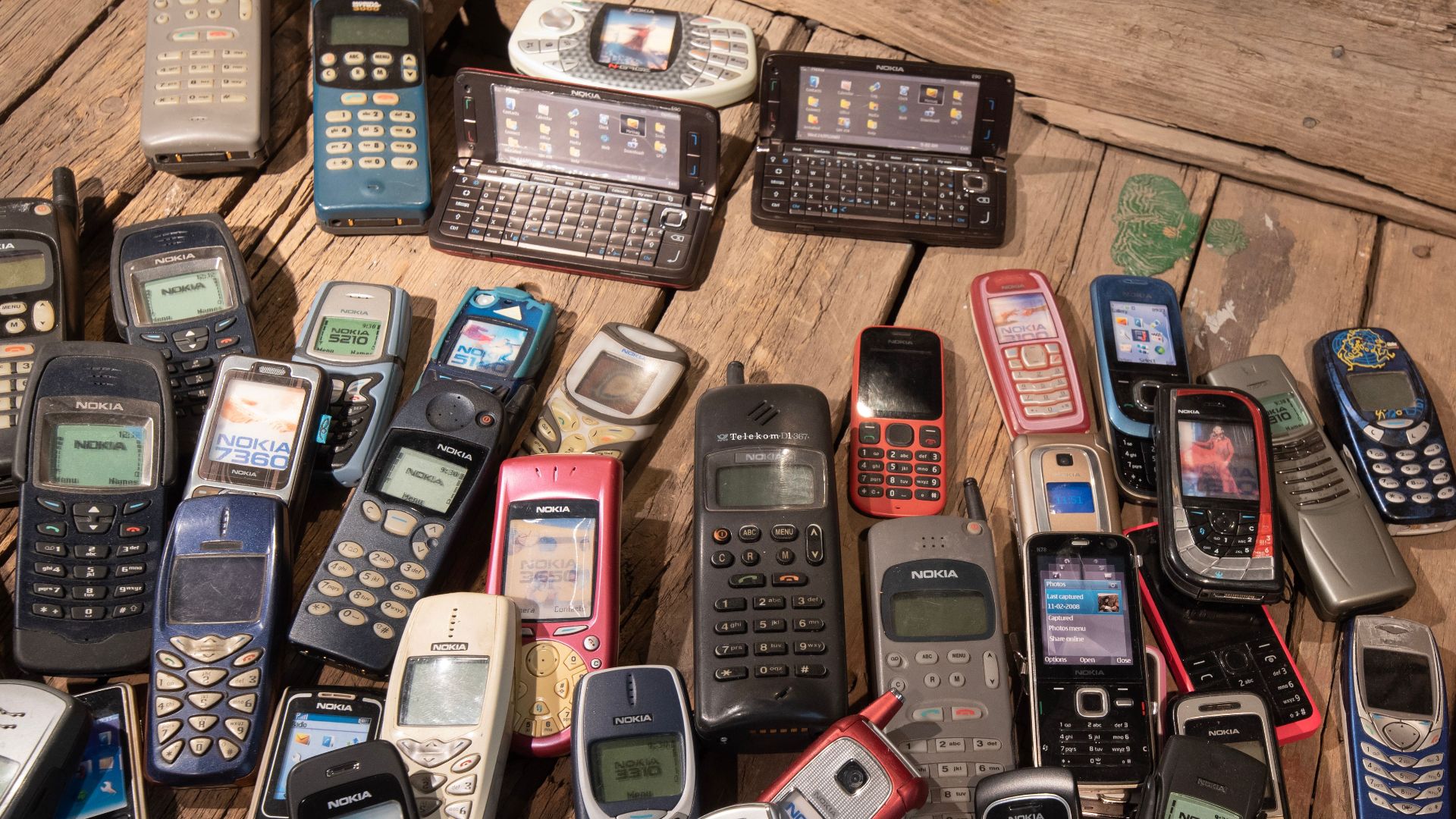
Mobile telecommunications experienced extraordinary market growth during the 1990s as handsets became smaller, networks expanded, and prices declined. Worldwide cellular subscriptions rose from about 11 million in 1990 to more than 300 million by the end of 1998.
10. The Internet
The Internet developed from earlier, and rather basic computer networks, but public adoption accelerated dramatically after the World Wide Web launched in the early 1990s. Browsers, commercial Internet providers, email, and websites rapidly introduced millions of everyday people to online communication.

1. Paper
Paper is documented in China by the second century BCE, although improvements in papermaking are traditionally associated with the official Cai Lun in 105 CE. The technology gradually traveled through Asia and the Islamic world before becoming established in medieval Europe many centuries later.

2. The Dining Fork
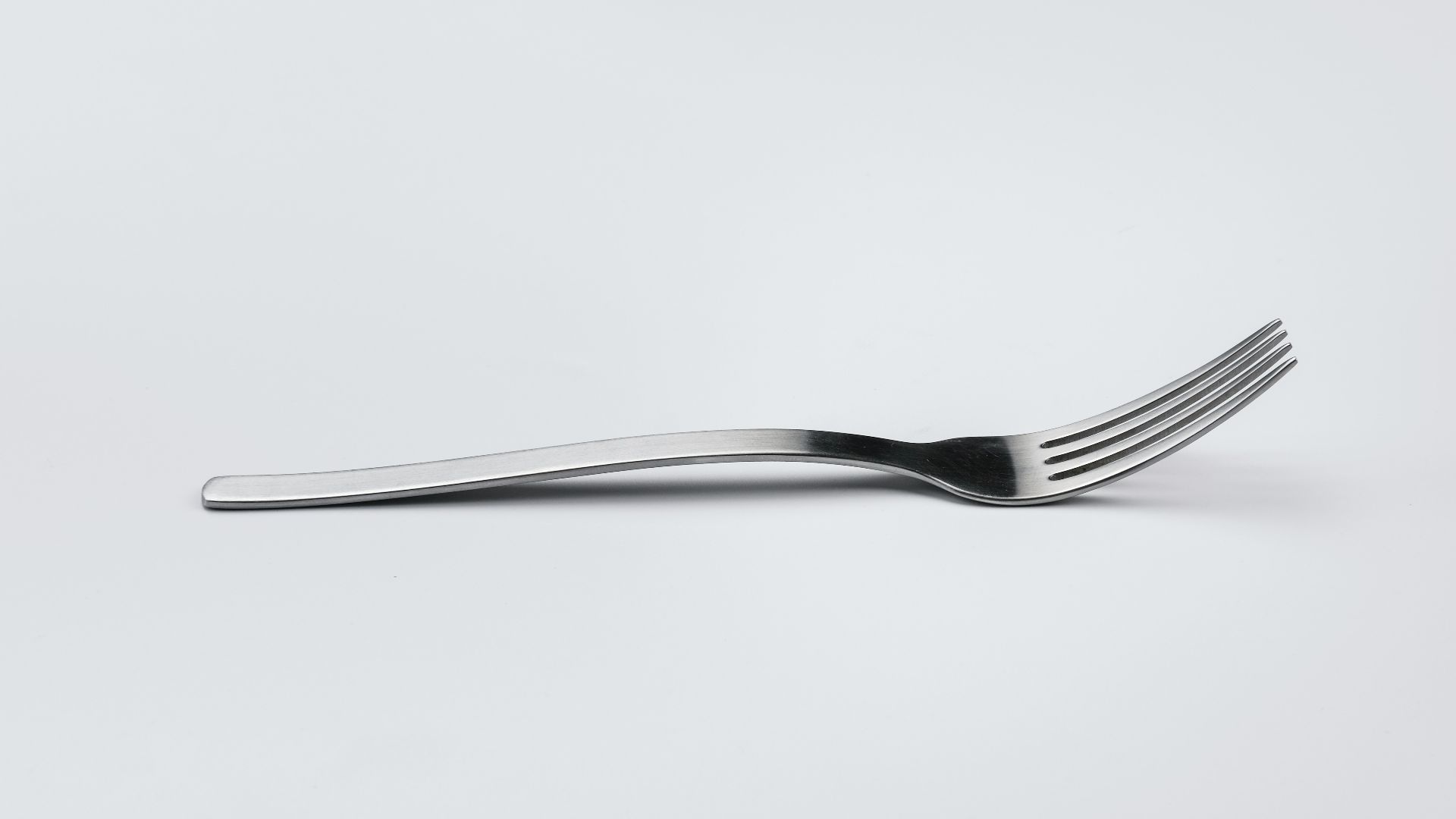
Fork-like tools existed in antiquity, but using a personal fork at the dining table took much longer to become customary across Europe. Medieval Byzantine elites used them, while an 11th-century appearance at a Venetian court famously attracted criticism from some observers.
3. The Flush Toilet
Sir John Harington designed a flushing toilet in England in 1596, but his invention didn't immediately transform sanitation or households. Consequently, recognizable flush toilets became widespread only much later, particularly during the great urban sanitation improvements that were part of the 19th century.

4. Porcelain Manufacturing
Chinese craftspeople mastered porcelain centuries before Europeans learned to manufacture an equivalent material successfully. Imported Chinese porcelain became highly desirable in Europe, encouraging elites, rulers, scientists, and potters to investigate its production secrets.

5. The Toothbrush
People have cleaned their teeth since ancient times, but recognizable bristle toothbrushes appeared much later. Chinese toothbrushes using animal bristles attached to handles were known centuries before mass-produced versions became common across Europe and North America.

6. Eyeglasses
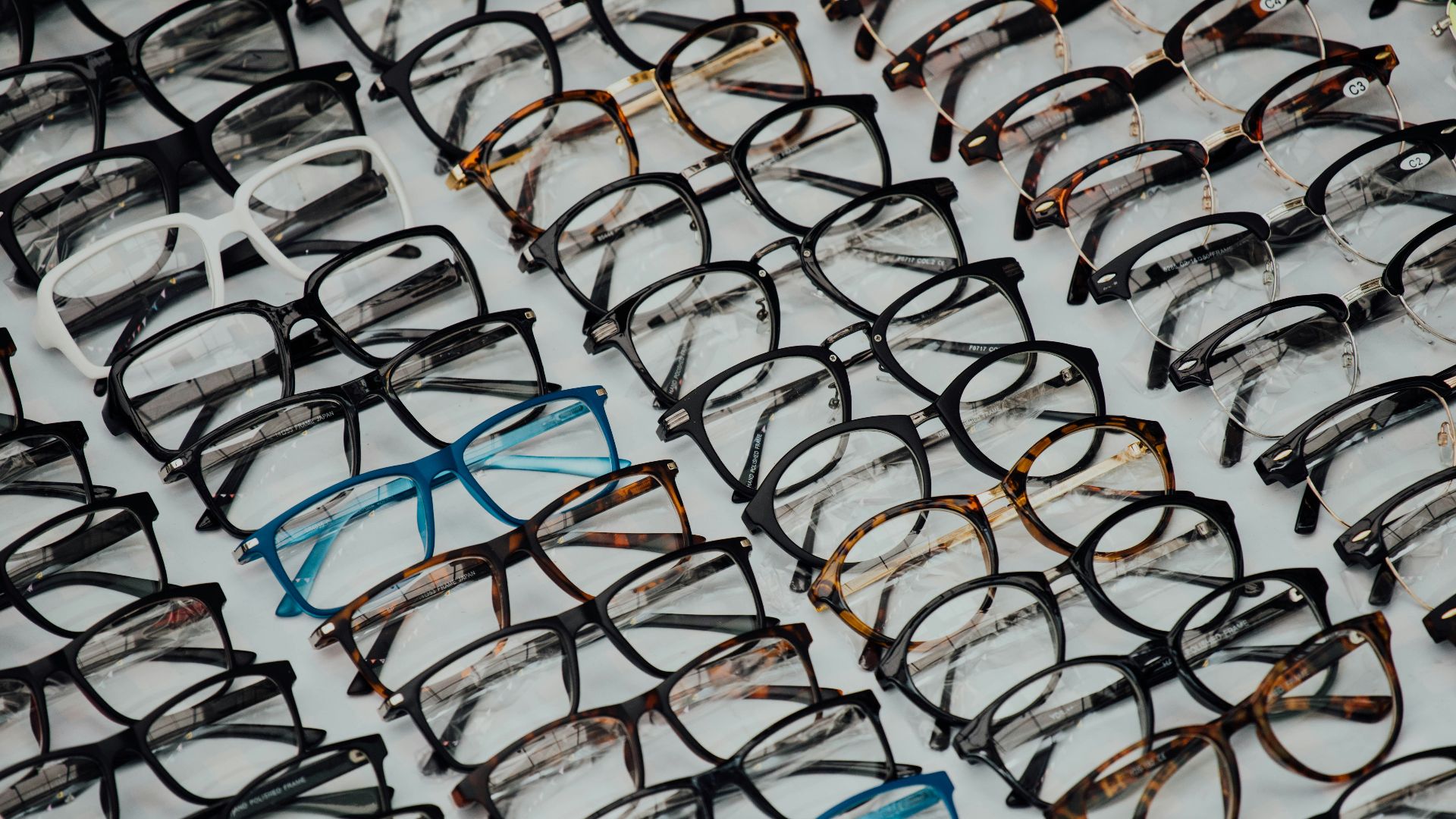
Corrective eyeglasses appeared in northern Italy during the late 13th century and immediately helped people struggling with age-related farsightedness. However, early glasses were expensive, awkward, and limited in the types of vision problems they could correct effectively.
7. Paper Money
China experimented with forms of paper currency centuries before European economies adopted similar systems. Government-backed paper money became important during China's Song dynasty, while Europeans continued relying heavily on coins and other financial instruments.

8. Gunpowder
Gunpowder was developed in China by roughly the ninth century, initially appearing in incendiary and explosive mixtures. Its military applications grew over time, while knowledge of the substance gradually traveled westward,d eventually landing in European countries in the 13th century.

9. The Magnetic Compass
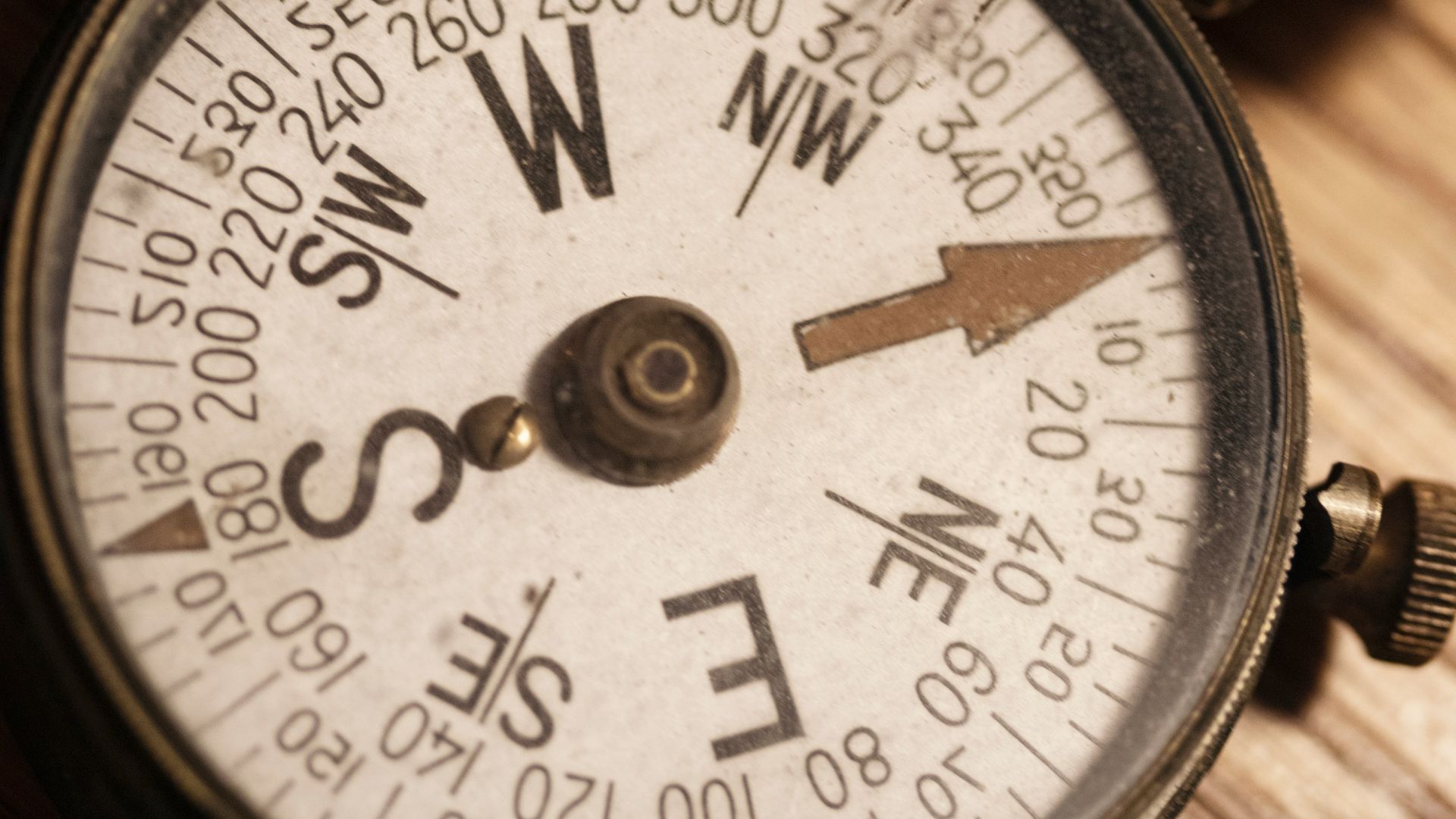
Chinese sources describe magnetic direction-finding devices long before compasses became standard equipment for European mariners. Their eventual importance was enormous, but transferring the underlying knowledge and adapting it for effective navigation took centuries.
10. Mechanical Clocks
Large mechanical clocks began appearing in European towers starting in the late 13th century. Smaller domestic clocks and portable watches emerged through later innovations after centuries of refinement and improved manufacturing.

KEEP ON READING