Can You Believe These Must Be Followed?
Picture this: you're born into one of the most photographed families on the planet, and yet you can't marry who you want without a heads-up to Parliament, your dead relatives might stay locked away for 90 years, and there's an ancient legal claim connecting your family to a bunch of swans. Welcome to life in the British royal family, where centuries of laws, religious feuds, and stubborn tradition have created a rulebook so strange that half of it sounds like it was invented for a fantasy novel. It wasn't. Every rule below is real, and each one has a surprisingly logical (if very old) story behind it.
1. The Crown Changes Hands Instantly
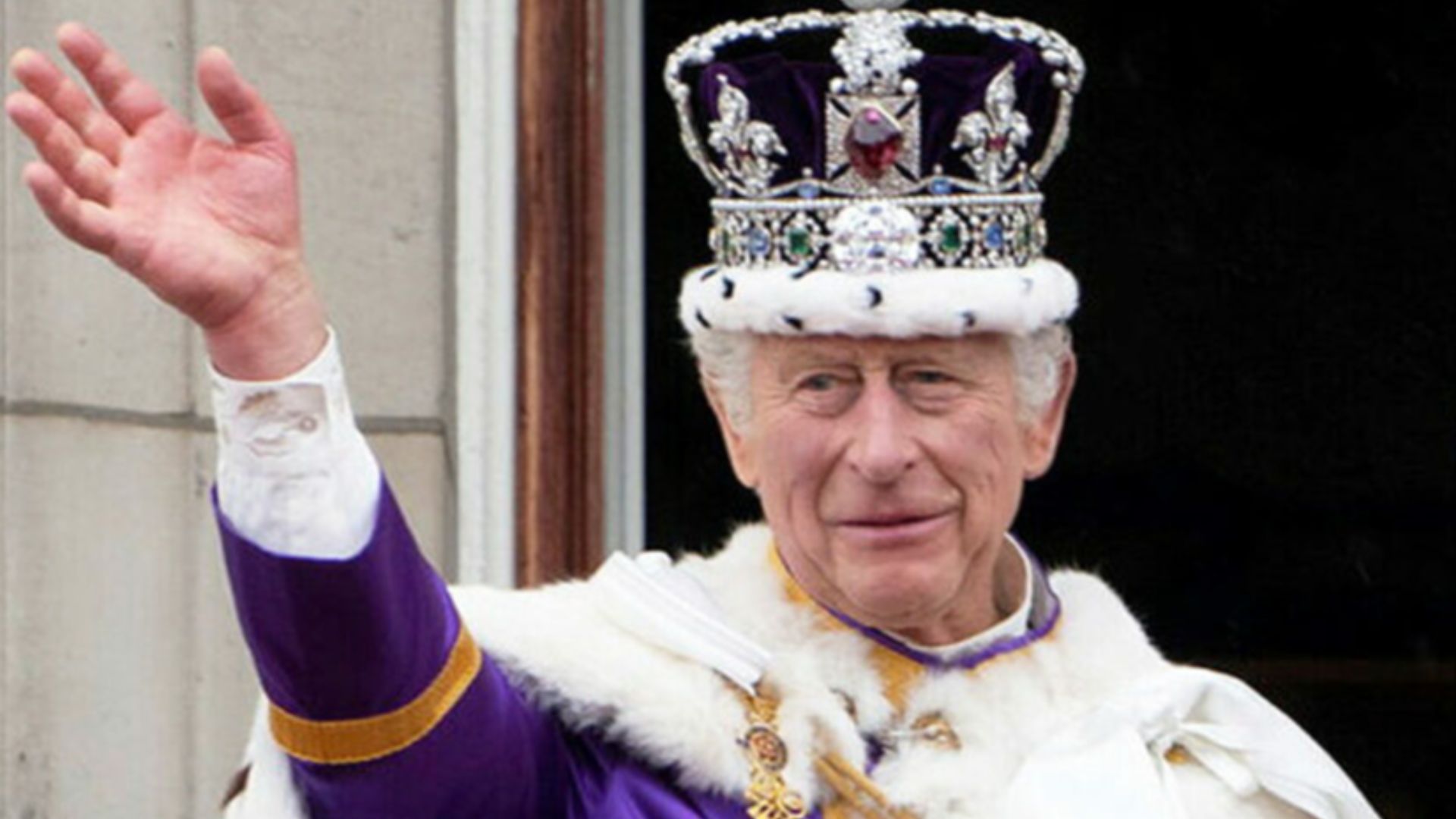
Forget what the movies show you. A coronation is simply a celebration, and isn’t legally binding. The moment a monarch dies, the next one takes the throne. The coronation happens later purely for the public's benefit, giving the country time to plan a spectacle. Behind the scenes, the transfer of power has already happened, often before most people even hear the news.
2. Catholicism Is Still a Dealbreaker
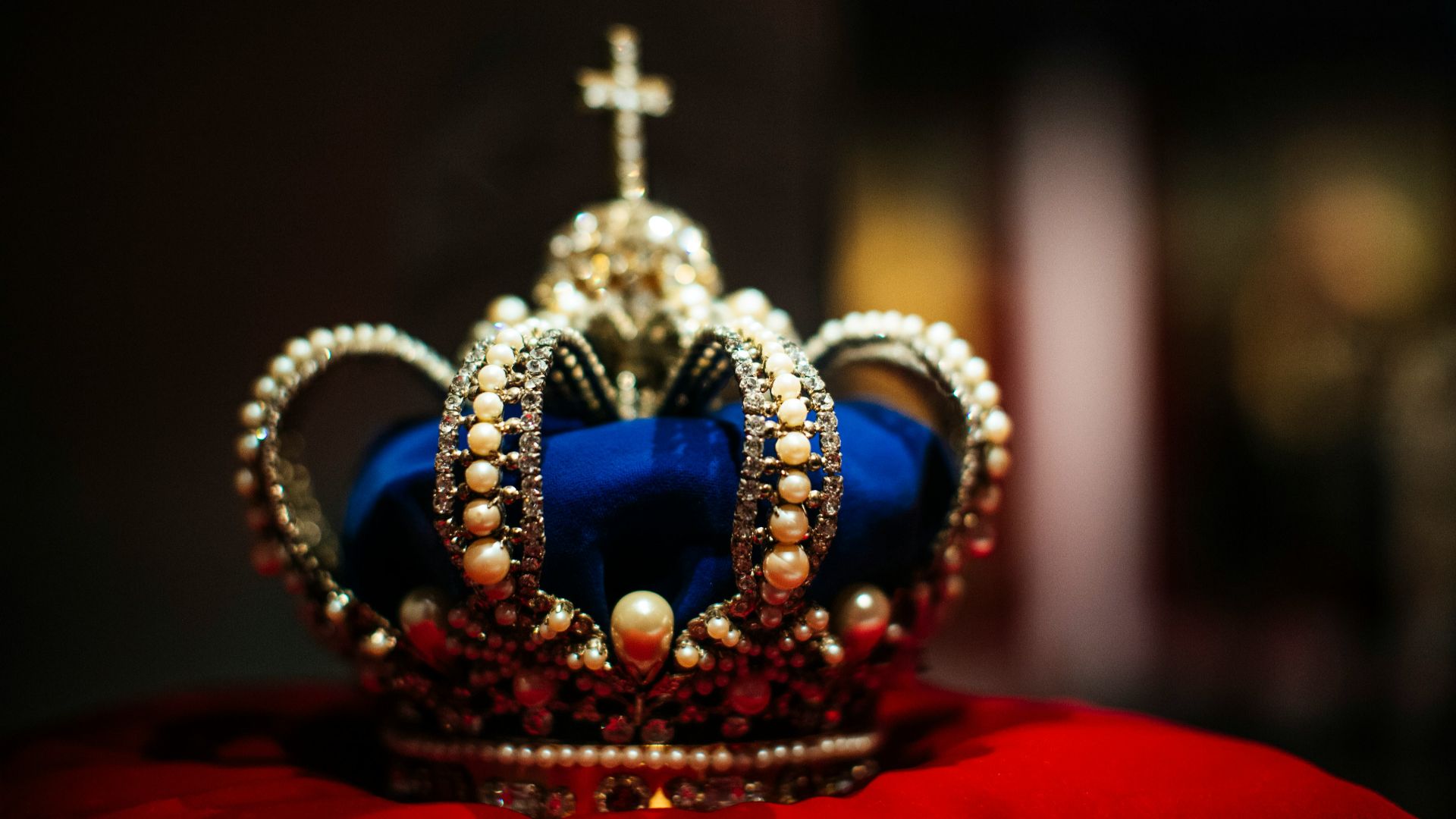
Britain has updated plenty of its succession rules, but one restriction has stubbornly survived: a Roman Catholic cannot become monarch. This modern policy decision is a holdover from brutal religious and political fights in the 1600s and early 1700s.
3. Age Cutoffs
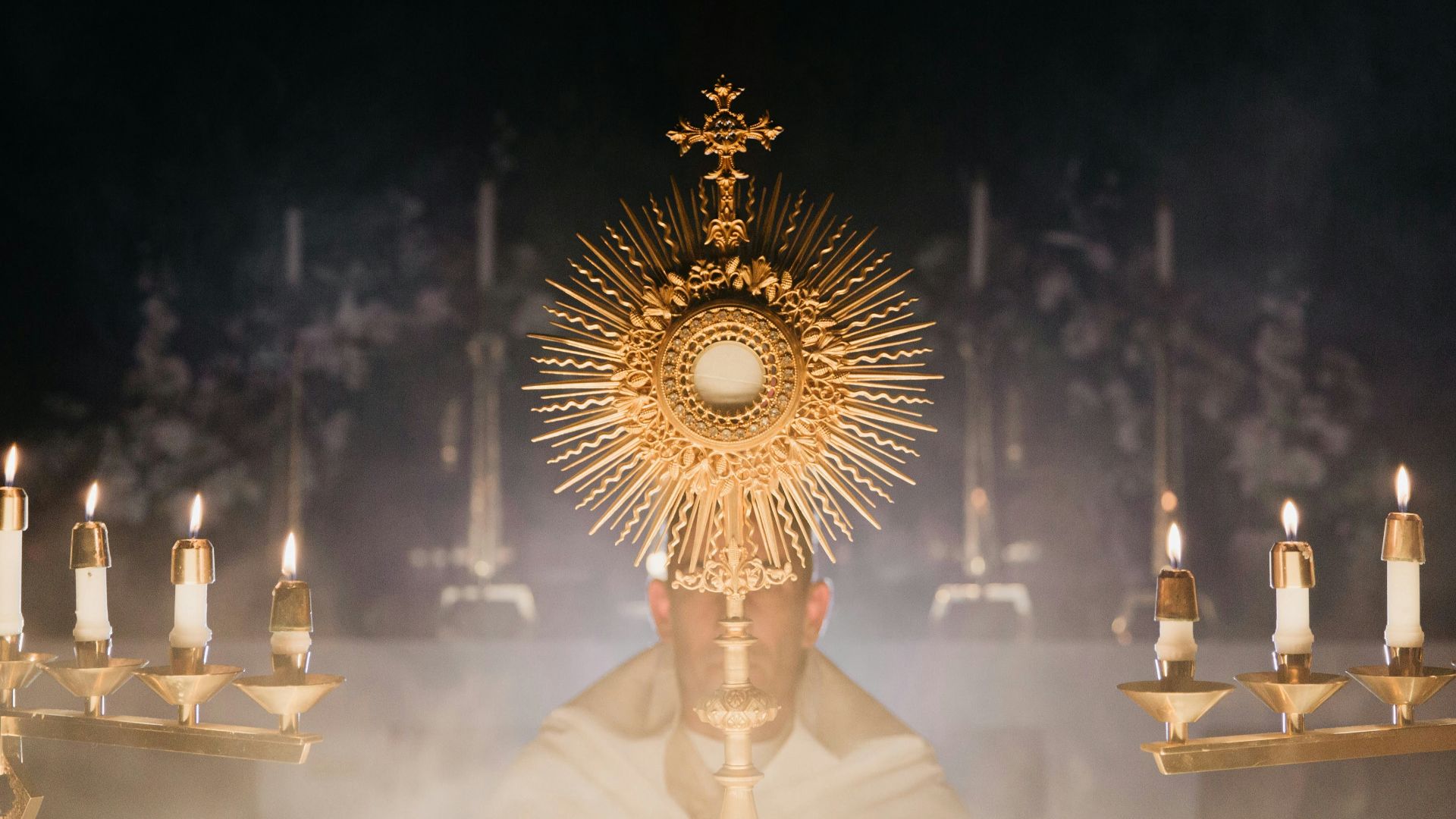
There used to be a built-in bias in royal succession: younger sons leapfrogged older sisters. That finally changed for anyone born after October 28, 2011. Birth order, not gender, now decides the line. That said, there’s a twist: royals born before that cutoff date still abide by the old system.
4. Declaring Their Faith
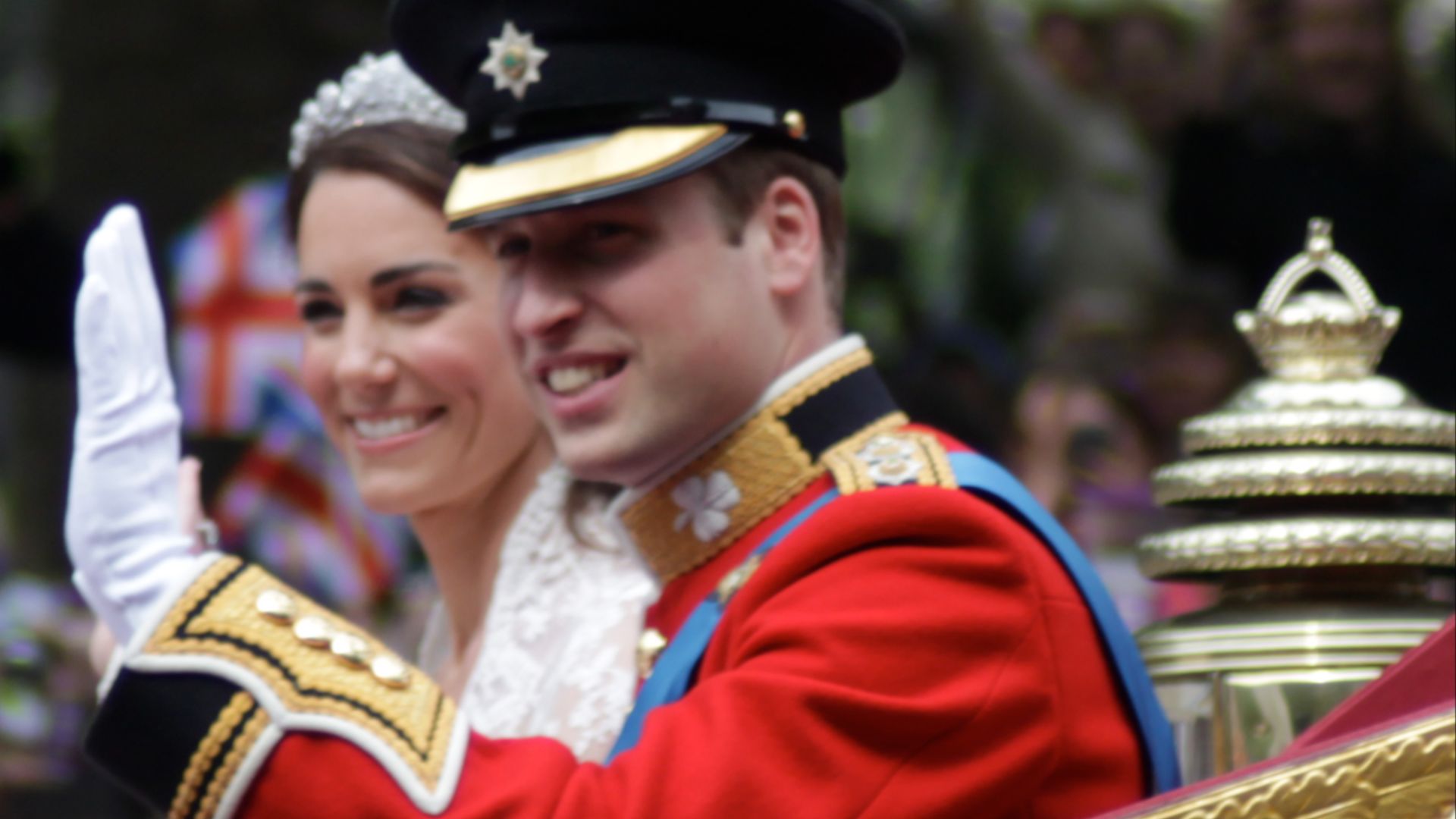
When they take the throne, the monarch is legally required to make a formal declaration affirming Protestant faith. It's a direct echo of Britain's long, messy history of religious conflict, when the relationship between the Crown, Parliament, and the church was anything but settled.
5. Scotland
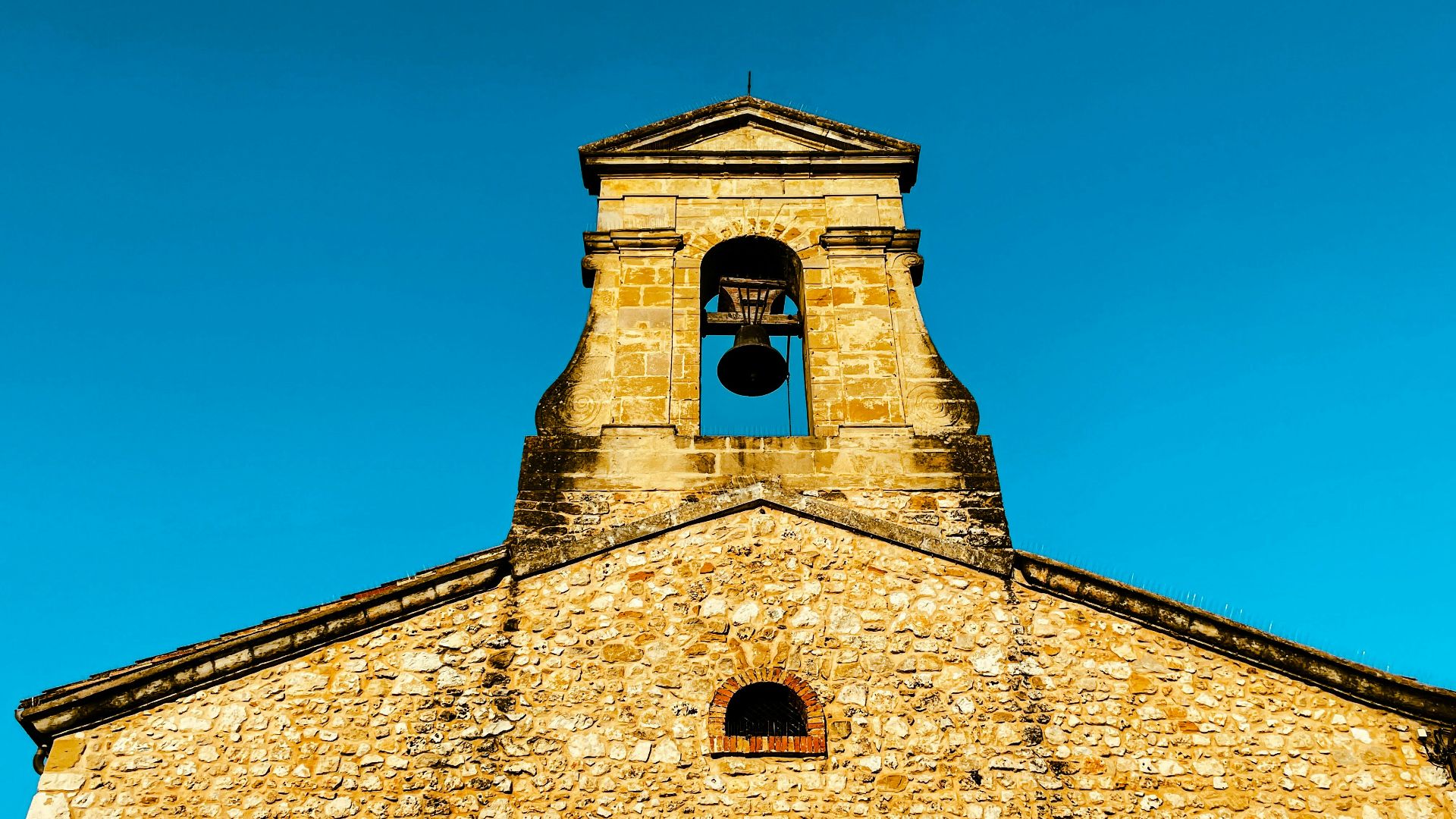
As if one declaration weren't enough, the monarch must also make a separate promise specifically about the Church of Scotland, vowing to protect its government, worship style, and privileges.
6. The Coronation Oath
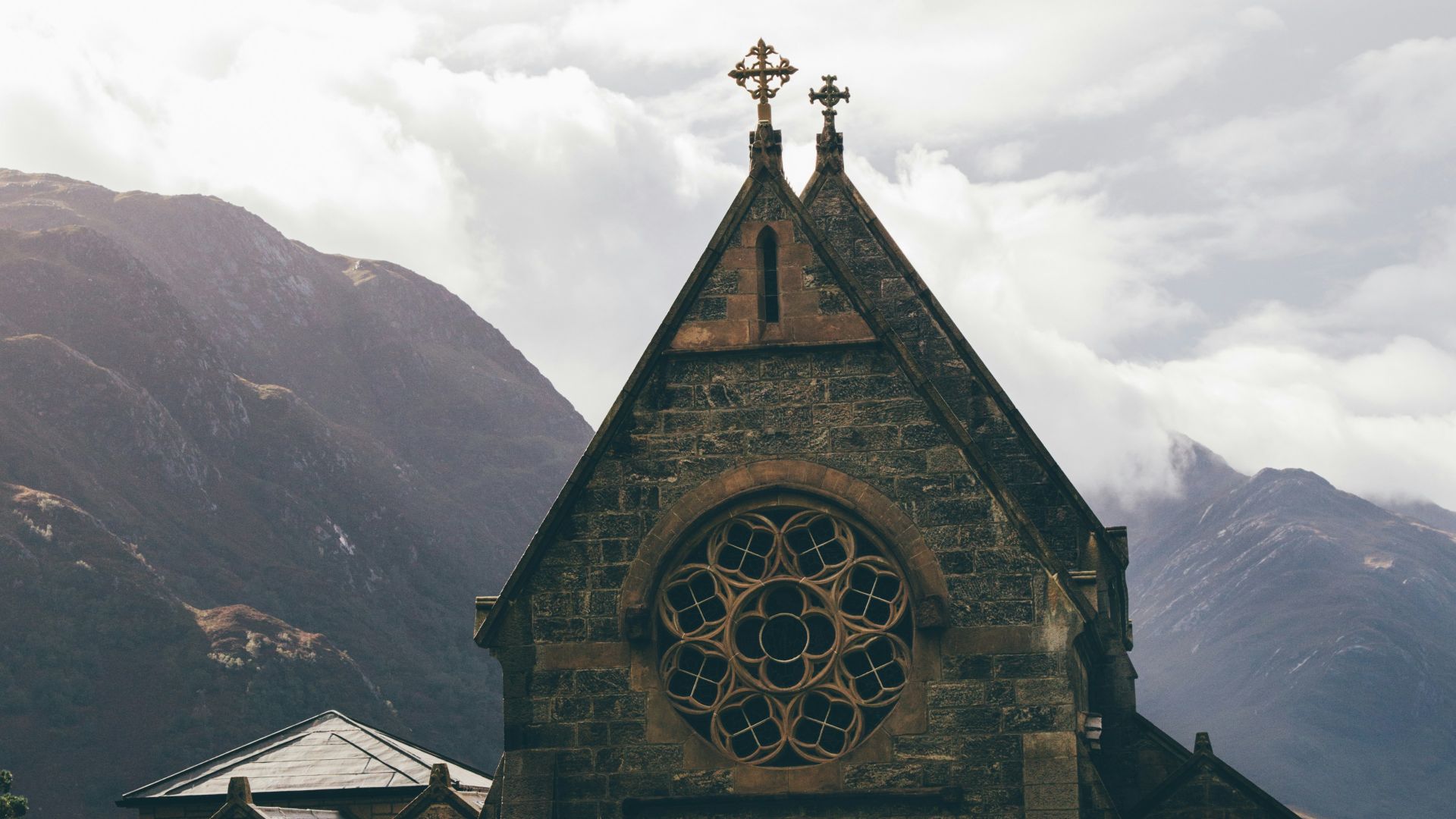
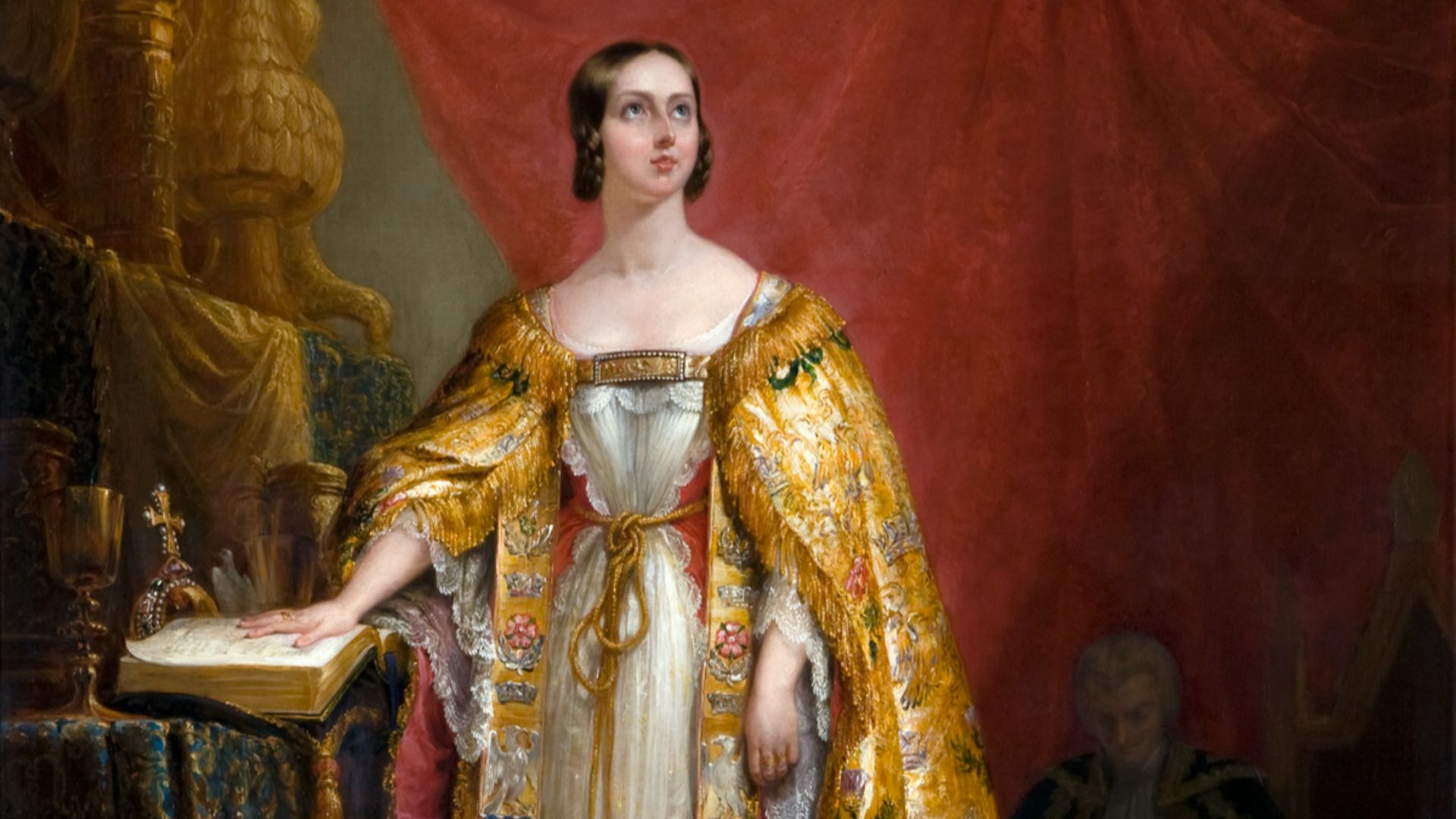
The monarch doesn't get to freestyle a few nice-sounding promises on coronation day. Chunks of the oath trace back to legislation passed in 1688, covering commitments to law, justice, and the Protestant faith. So even though coronations today look wildly different from their 17th-century counterparts, some of the actual words being spoken are over 300 years old.
7. The King Doesn't Carry a Passport
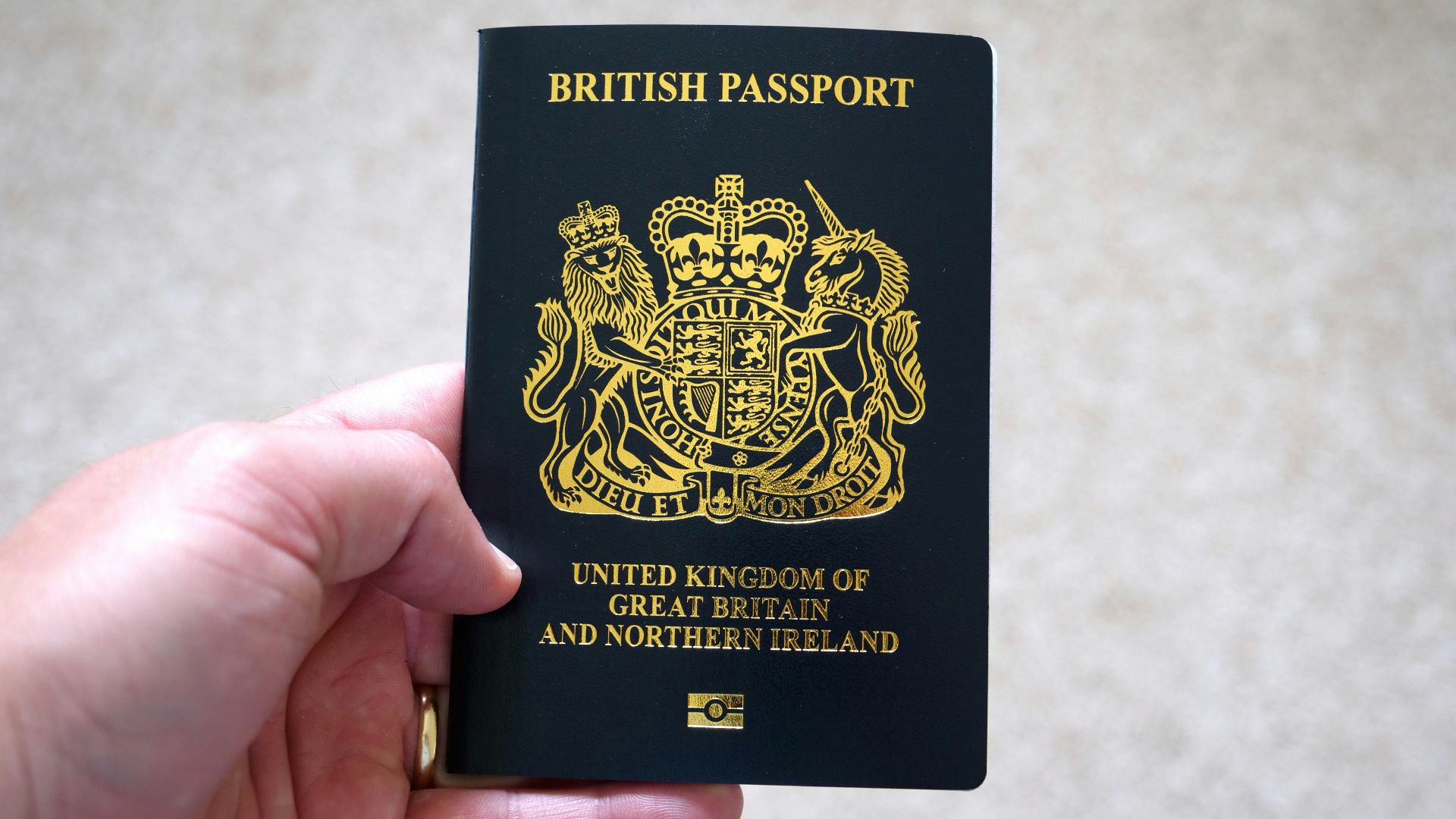
Here's a fun one: the reigning monarch can travel internationally without a British passport. Why? Because passports are issued under the sovereign's own authority, there's no logical reason for the monarch to issue one to themselves. Every other member of the royal family, however, needs a passport just like the rest of us.
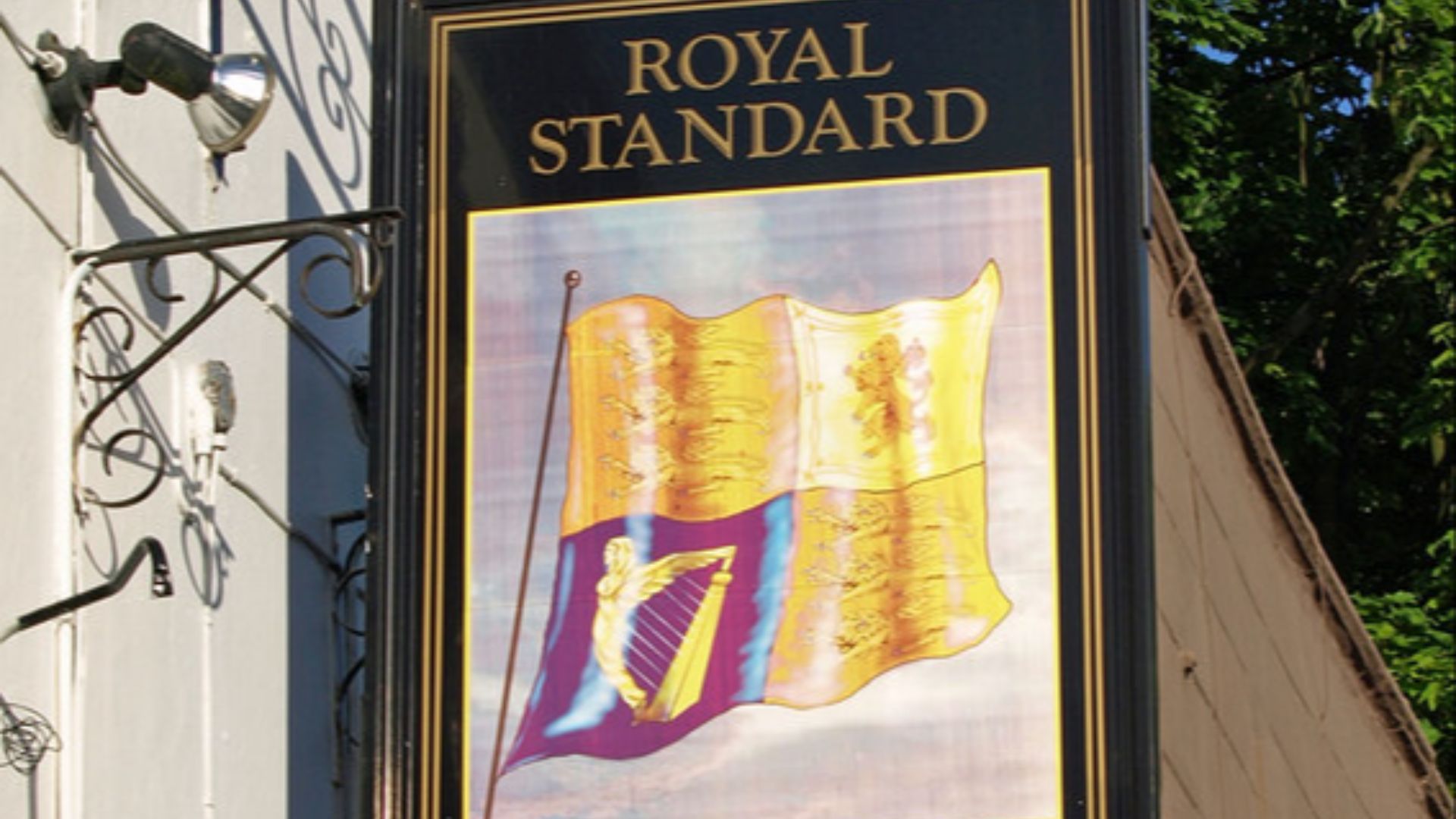
8. The Royal Standard Never Drops to Half-Mast
When a monarch dies, flags across the country lower to half-mast in mourning, but not the Royal Standard. That flag represents the sovereign specifically, and since a new monarch takes over the instant the old one dies, there's technically always a living king or queen for it to represent. No gap in power means no reason to lower it.
9. Birthdays
The monarch's actual birthday and their official birthday celebration rarely land on the same day. The big public event, complete with military parades and packed crowds, is deliberately scheduled during warmer weather for practical reasons.
 Department for Digital, Culture, Media and Sport on Wikimedia
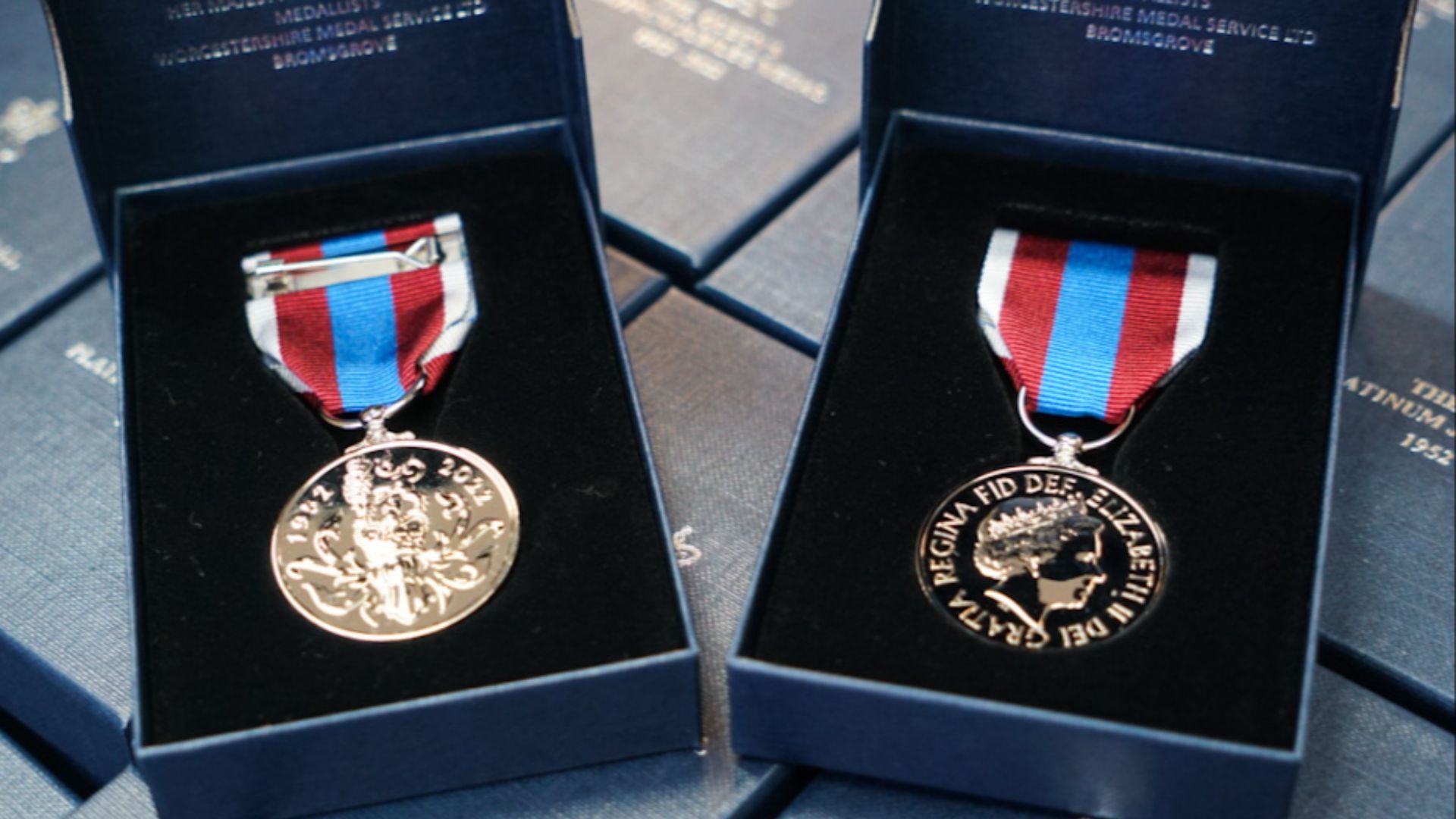
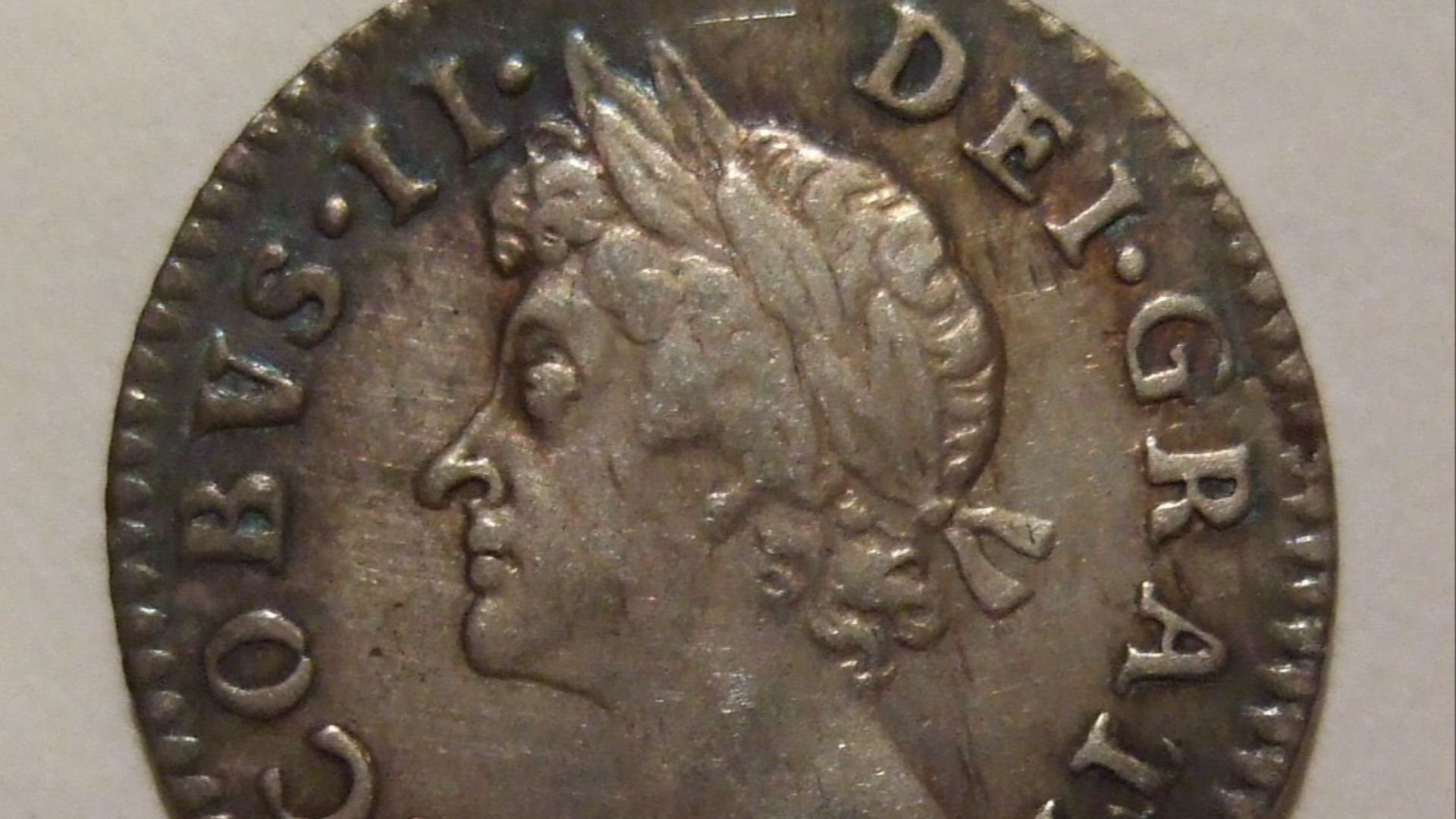
10. Royal Maundy
During the Royal Maundy service, the number of people who receive gifts and the number of pence in the specially minted Maundy coins both correspond to the monarch's age. As the sovereign gets older, the ceremony literally grows with them.
11. Royal Wills
Imagine dying and having your will kept secret for nearly a century. That's the reality for senior royals, whose wills are sealed from public access for 90 years. Even after that long stretch ends, the documents aren't automatically released.
12. Surnames
Most senior royals skip using a regular last name in official settings, mostly because titles like prince, princess, duke, or duchess are pretty good identifiers. On the rare occasions a surname is needed, certain descendants of Queen Elizabeth II and Prince Philip can use Mountbatten-Windsor.
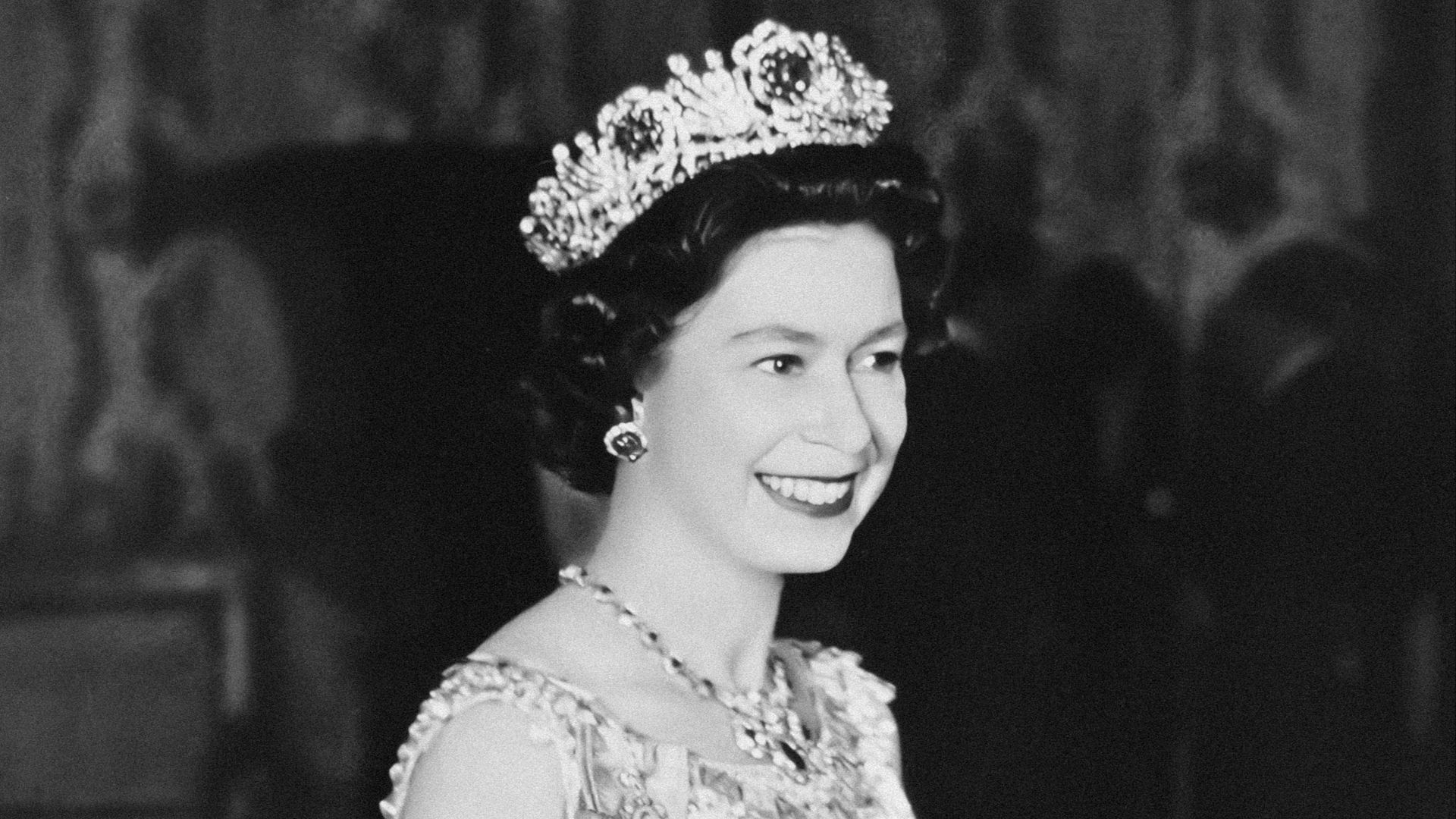 Museums of History New South Wales on Unsplash
13. Relatives
Sharing DNA with the monarch doesn't automatically earn someone a royal title. Rules established back in 1917 restricted exactly who in the family could be styled prince or princess, and later adjustments have tweaked those boundaries for specific generations.
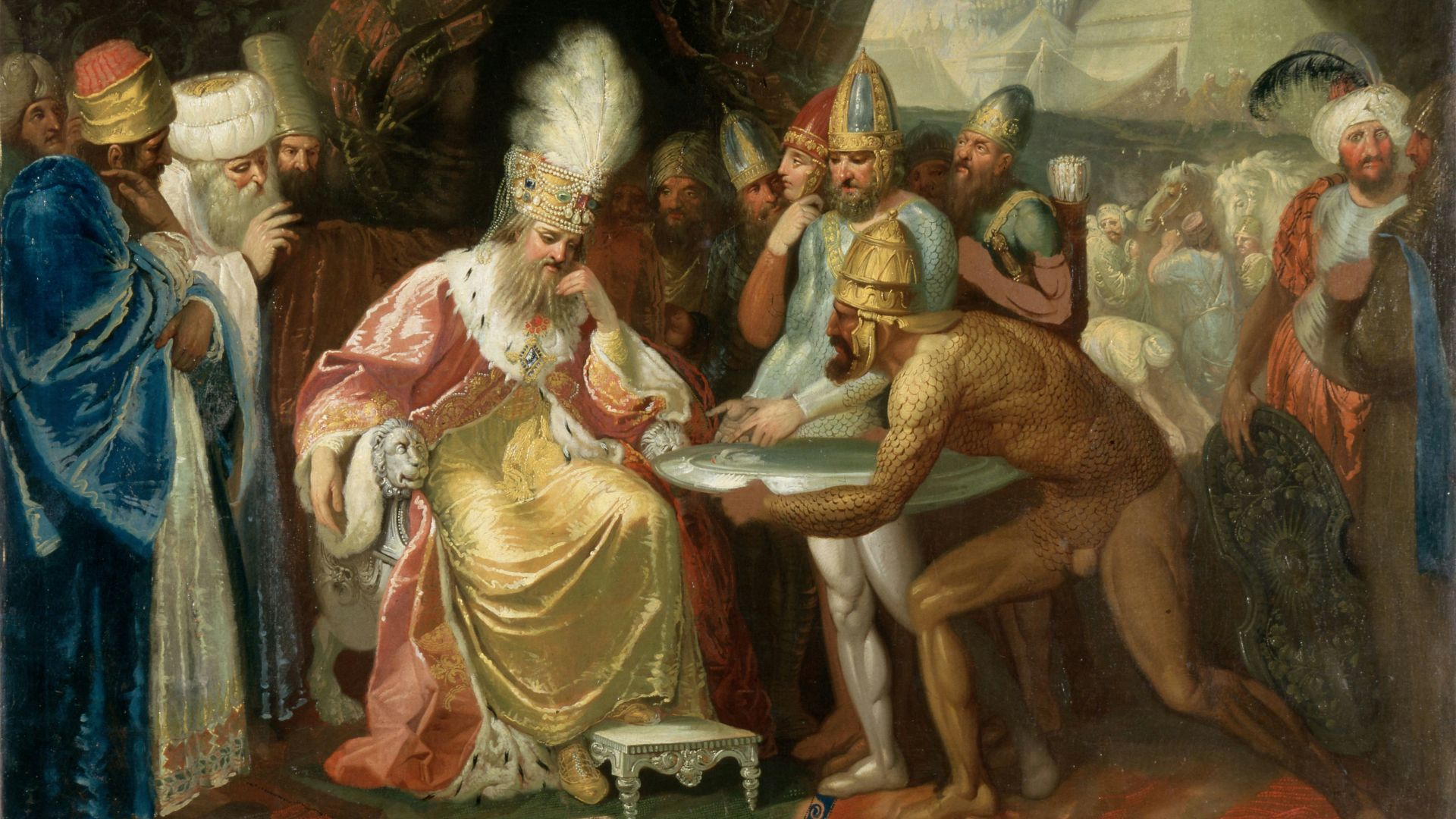
14. A Princess's Title
This rule trips up a lot of people. A woman who becomes a princess through marriage can use the feminine version of her husband's own princely title, rather than attaching her own first name to it.
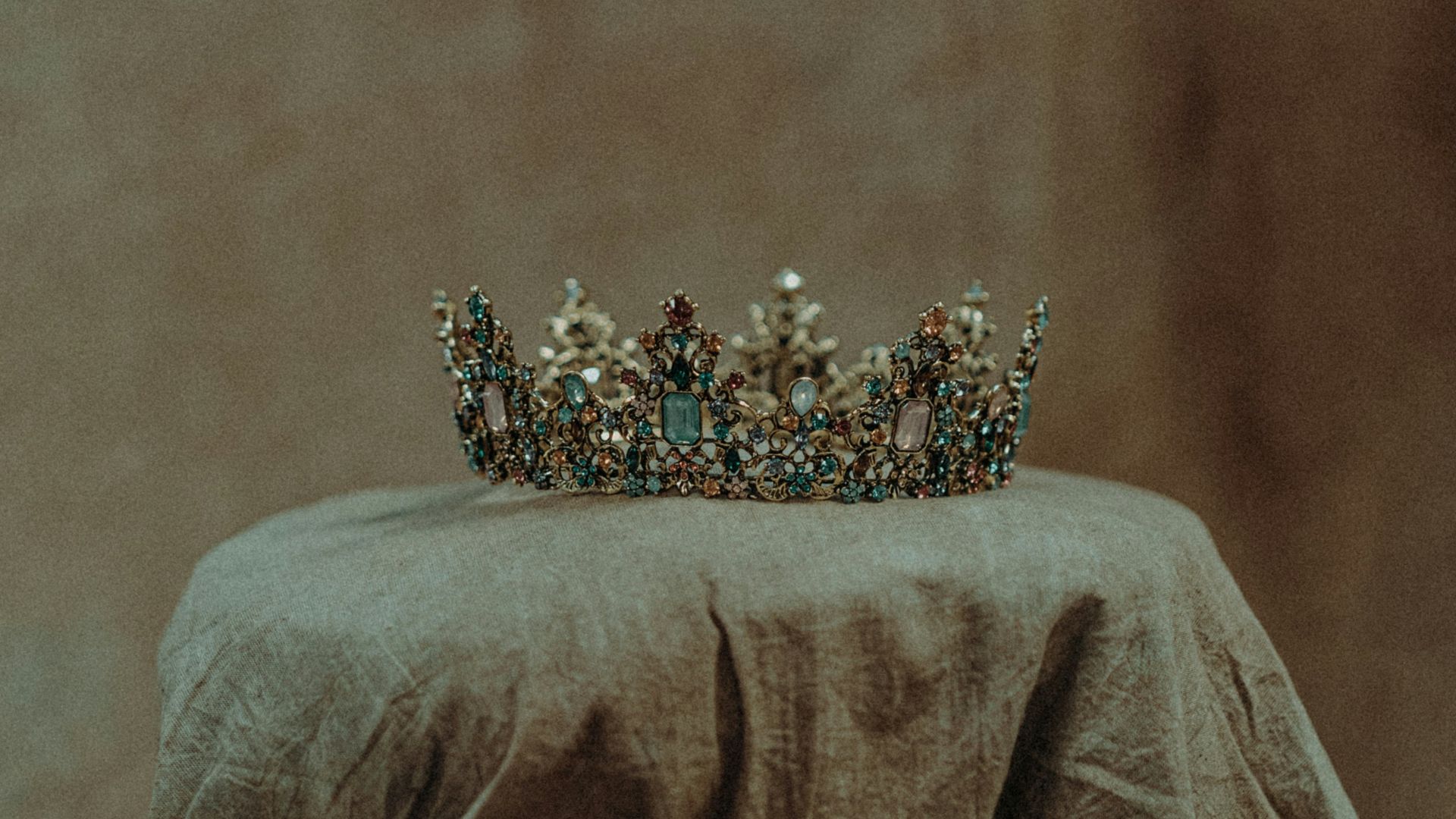
15. Stand-Ins
When illness or travel keeps the monarch from handling official business, senior royals called Counsellors of State can step in and manage certain duties. It's not a blank check, though. Some responsibilities are so tied to the sovereign personally that they simply cannot be delegated to anyone else.
 Museums of History New South Wales on Unsplash
16. Duke of Cornwall
Simply being next in line for the throne isn't enough to snag the title Duke of Cornwall. The Duchy is reserved specifically for the sovereign's eldest surviving son who is also heir to the throne. It’s pretty precise wording, done to exempt certain heirs from being able to claim the title for themselves.
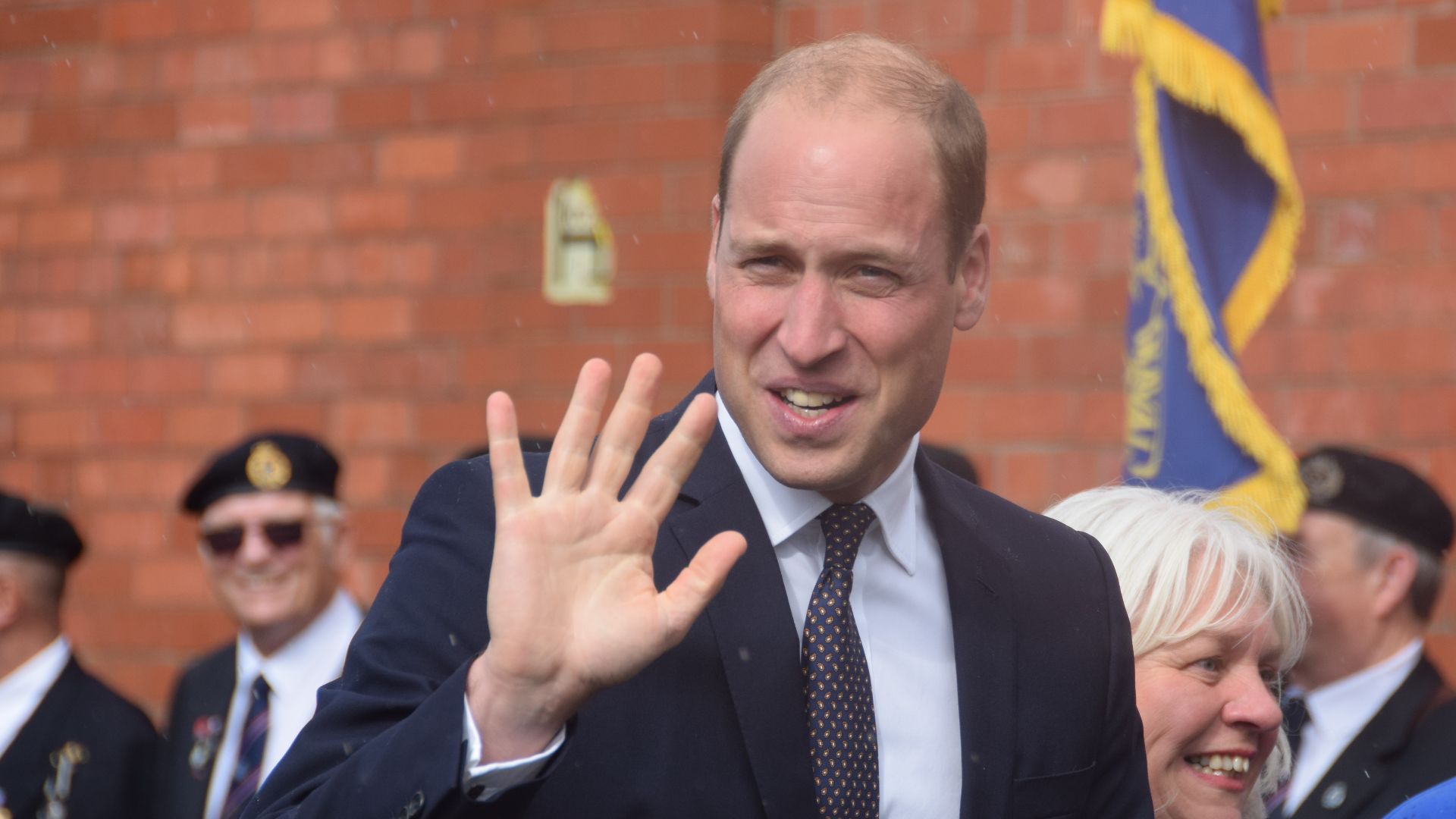
17. The Duke’s Land
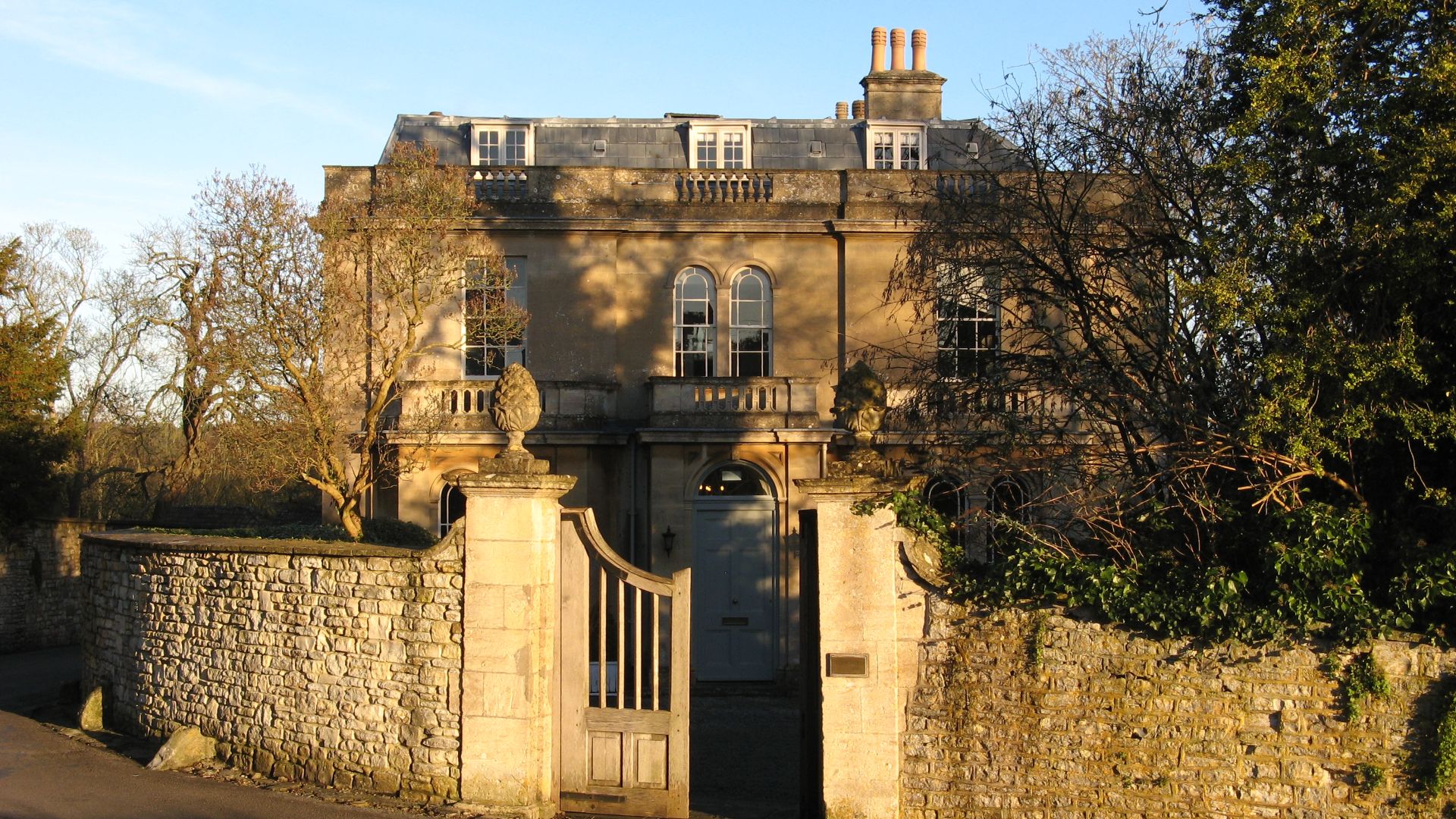
Owning the Duchy of Cornwall doesn't mean treating its land like a personal real estate portfolio. Major property sales require outside oversight, which prevents any one duke from breaking apart or offloading significant assets. The whole point is preserving the estate for whoever holds the title next.
18. The Crown Estate
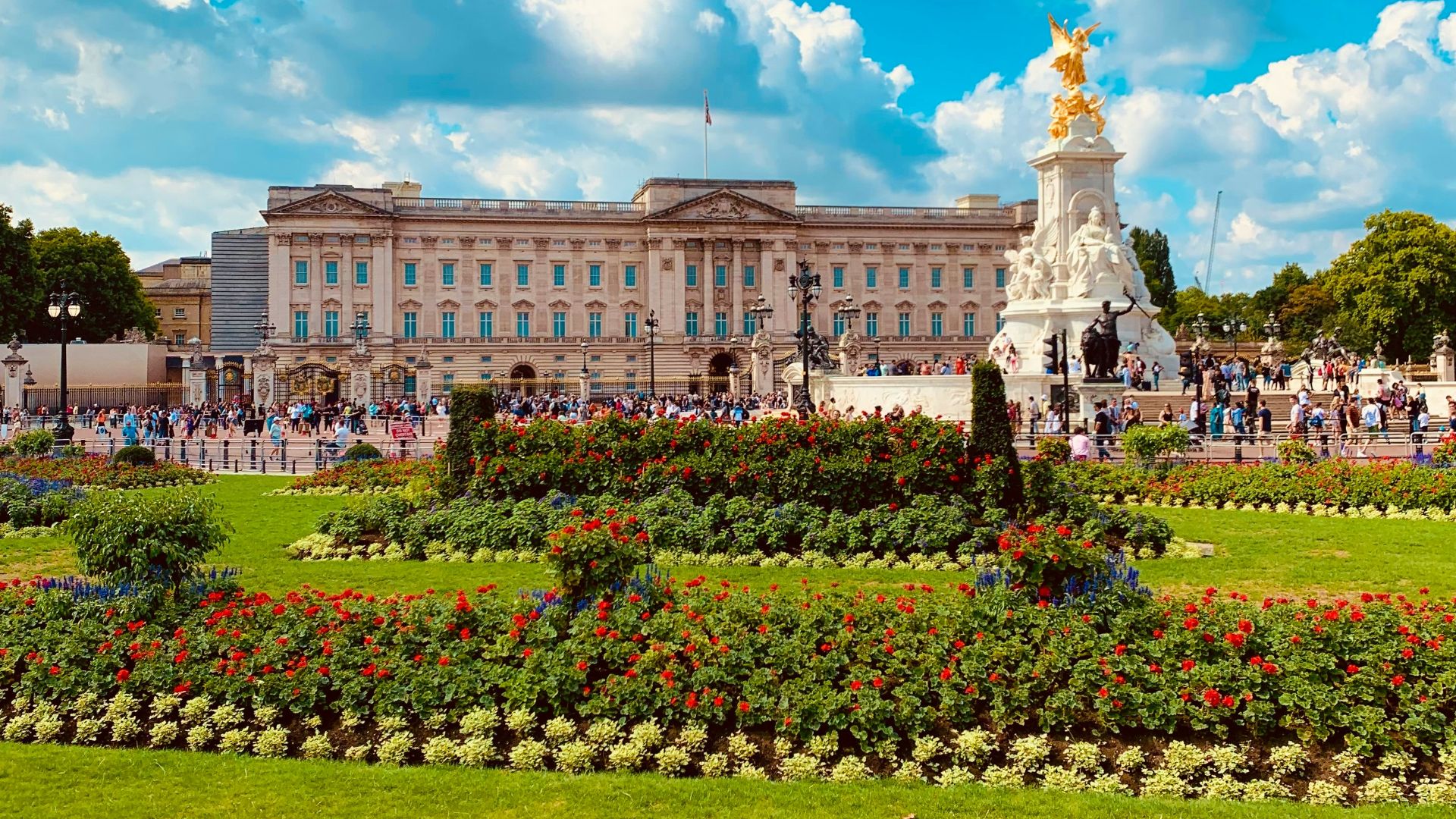
Despite the name, the Crown Estate doesn't belong to the monarch personally, and the sovereign can't sell it off and pocket the profits. These assets are tied to the institution of the Crown itself rather than counted among the monarch's private wealth, and they're managed separately from what the royal family actually owns as individuals.
19. Swans
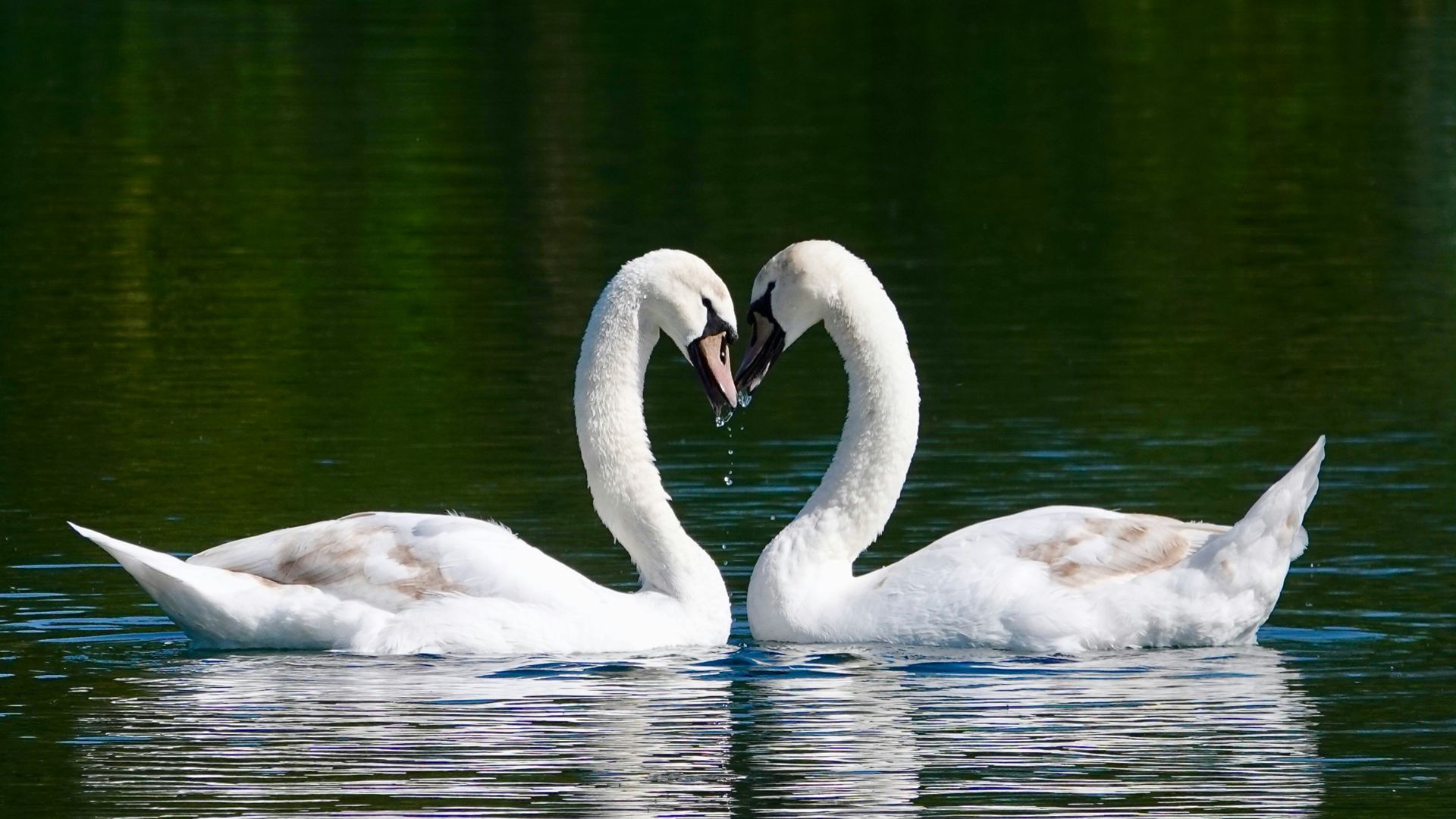
The popular myth that the monarch owns every swan in Britain isn't quite true, but the real tradition is still strange enough to raise eyebrows. The Crown holds an ancient right connected to certain unmarked mute swans found in open waters. In modern day, this old custom mostly translates into conservation and monitoring efforts rather than anything else.
 Trevor John Williams on Unsplash
20. A Symbolic Hostage
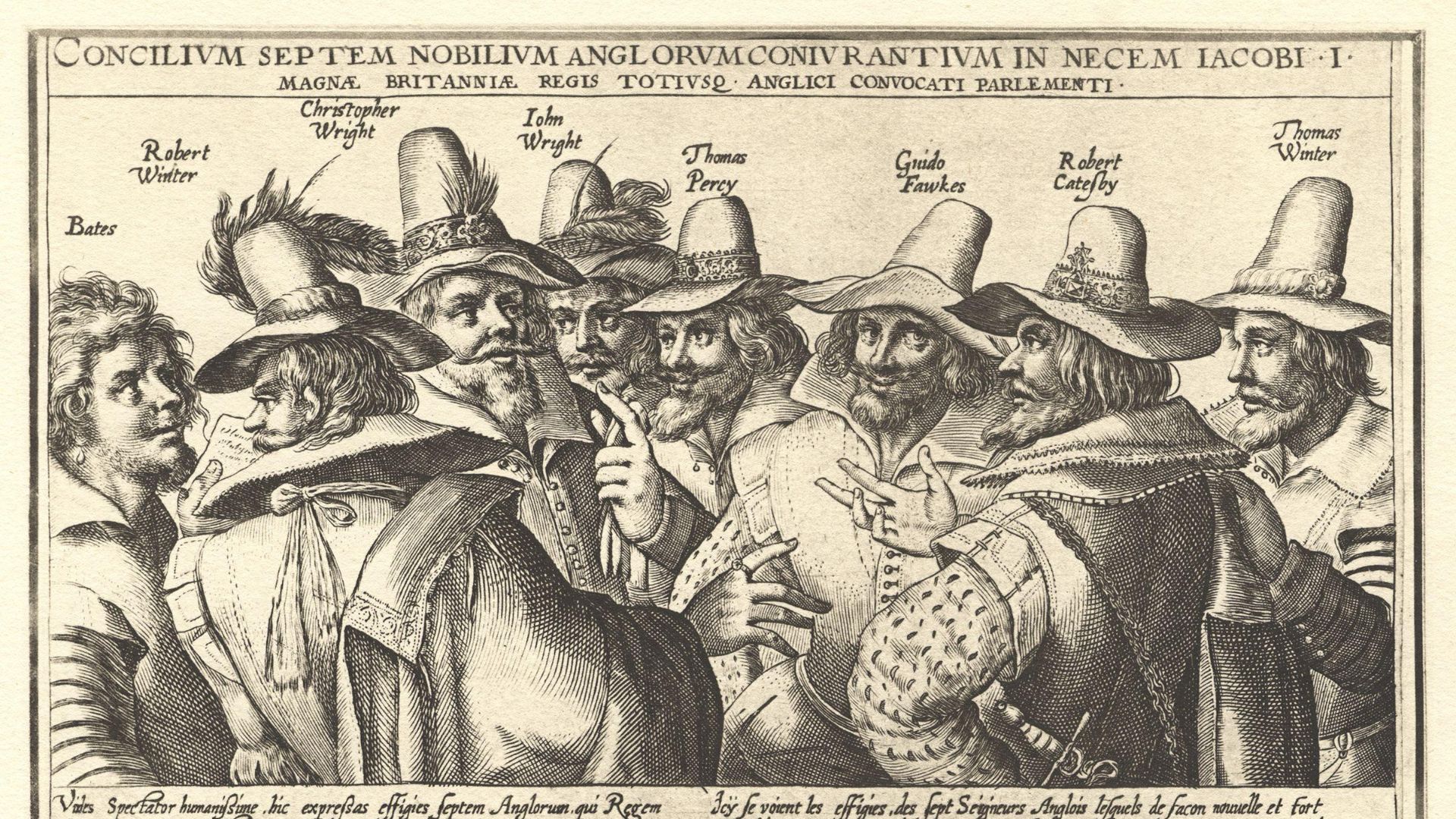
Few royal traditions sound more dramatic than this one. Before the monarch arrives for the State Opening of Parliament, ceremonial guards search the cellars, a ritual dating back to the Gunpowder Plot of 1605. Meanwhile, an MP is symbolically held at the royal residence as a ceremonial "hostage" until the sovereign safely returns, keeping alive one of the stranger political customs still practiced in Britain today.
KEEP ON READING