Sound The Alarm
Flip through old newspapers, medical journals, and sermons, and a strange pattern emerges. It didn't matter whether the "threat" was a novel, a dance step, a haircut, or a bicycle. If it gave women more say over their own bodies, minds, or schedules, somebody was ready to call it dangerous. Sometimes the panic wore the costume of morality. Sometimes it borrowed the language of medicine, warning about fragile nerves, damaged fertility, or the vague menace of female "delicacy." But peel back the justification and the real fear was almost always the same: women were slipping the leash. They were reading things they weren't supposed to read, going places they weren't supposed to go, meeting people they weren't supposed to meet, and deciding for themselves how they wanted to look, move, and live.
 Unknown authorUnknown author on Wikimedia
1. Novels and Romances
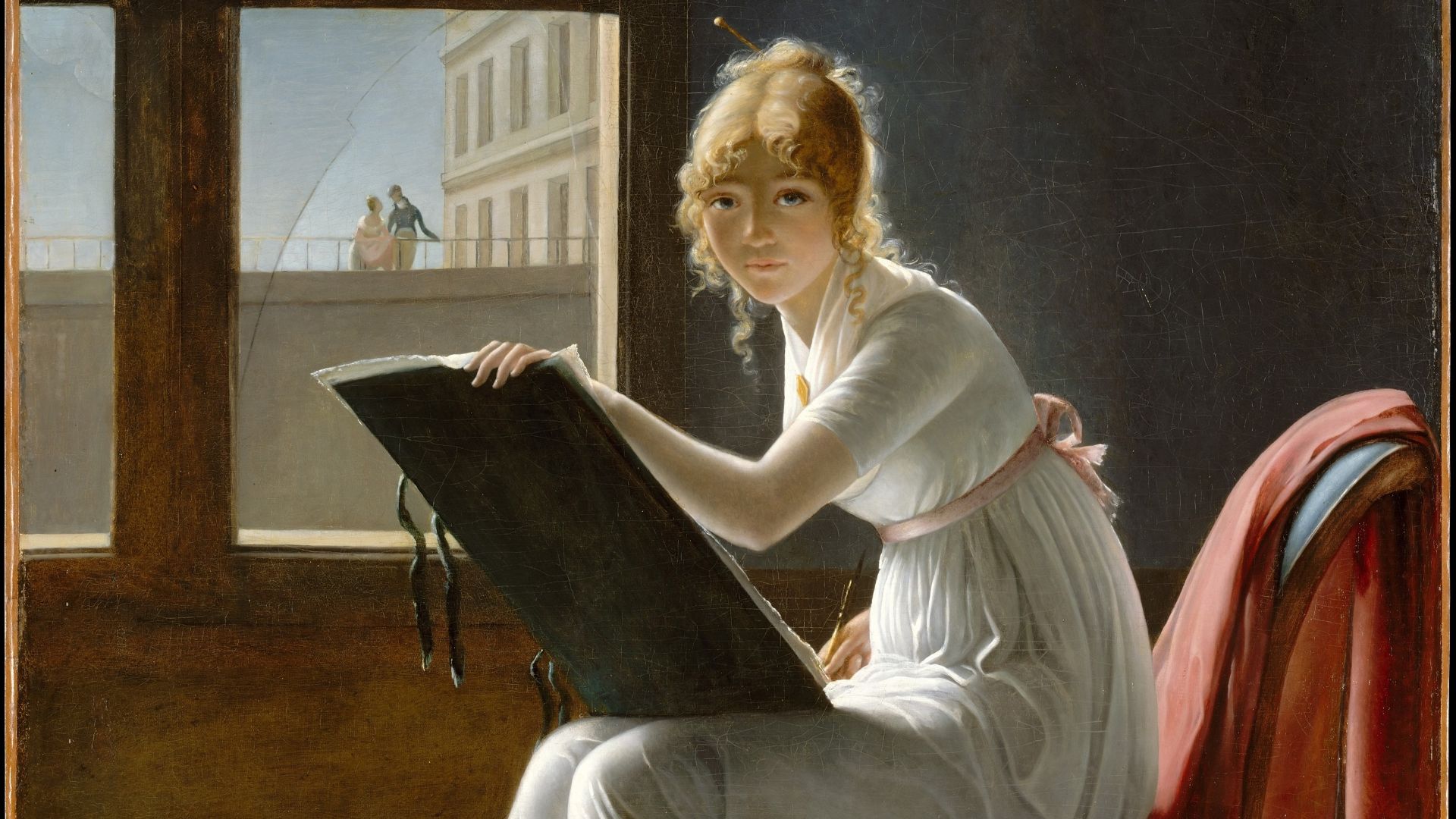
Long before anyone worried about television rotting young minds, they worried about books doing it. Gothic novels and romantic fiction were accused of filling women's heads with dangerous ideas about love, desire, and independence. Critics defending censorship insisted women were uniquely susceptible to being "corrupted" by what they read.
 Lucas George Wendt on Unsplash
2. The Waltz
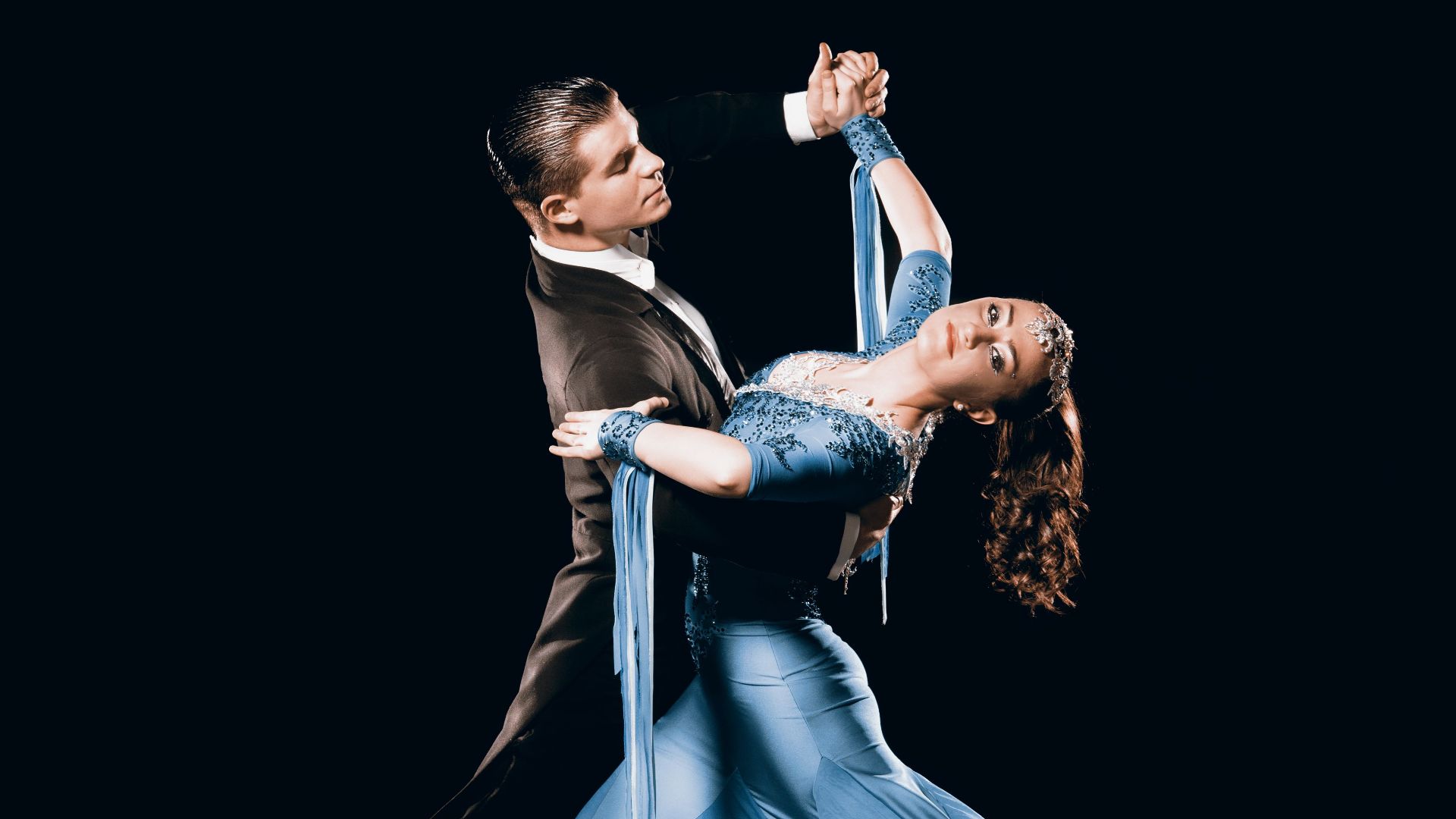
Today it's the stuff of period dramas and wedding receptions, but the waltz was once considered scandalously intimate. Unlike older, more formal group dances, it put two bodies close together, moving in sync, for an entire song. Religious leaders and moral crusaders called it improper, even suggestive, warning that it could unravel a woman's virtue.
3. Higher Education
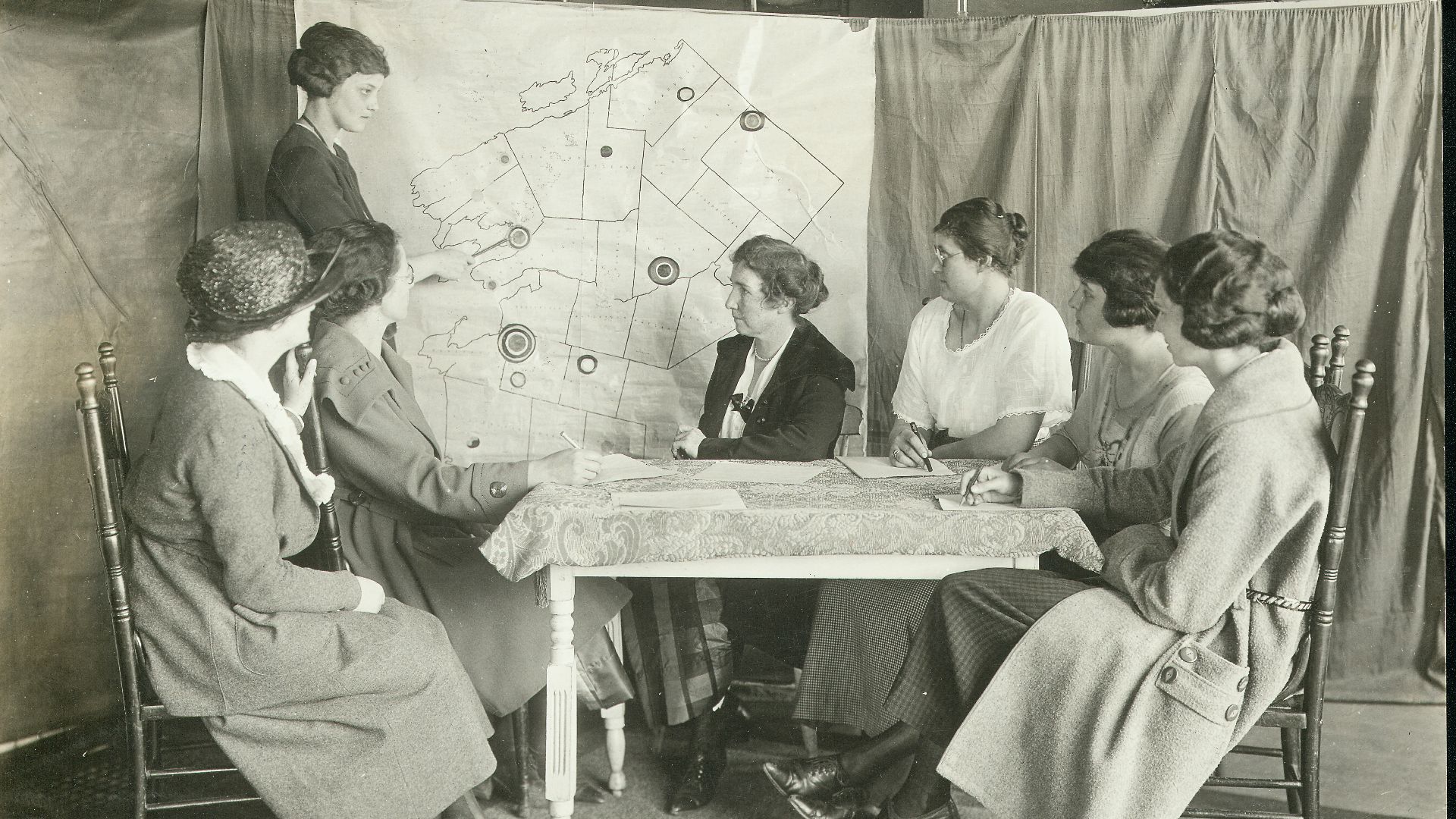
In the 1870s, some physicians made the startling claim that too much studying could physically damage a young woman's reproductive system. The theory held that the female body had only so much energy to spare, and pouring it into algebra or Latin meant stealing it from the womb.
 Cornell University Library on Wikimedia
4. Piano Lessons
Even something as wholesome as music practice wasn't safe from suspicion. Nineteenth-century writers worried that girls who trained seriously at the piano risked overstimulating their nerves, inflaming their imaginations, or disrupting their menstrual cycles.

5. Bloomers and Trousers
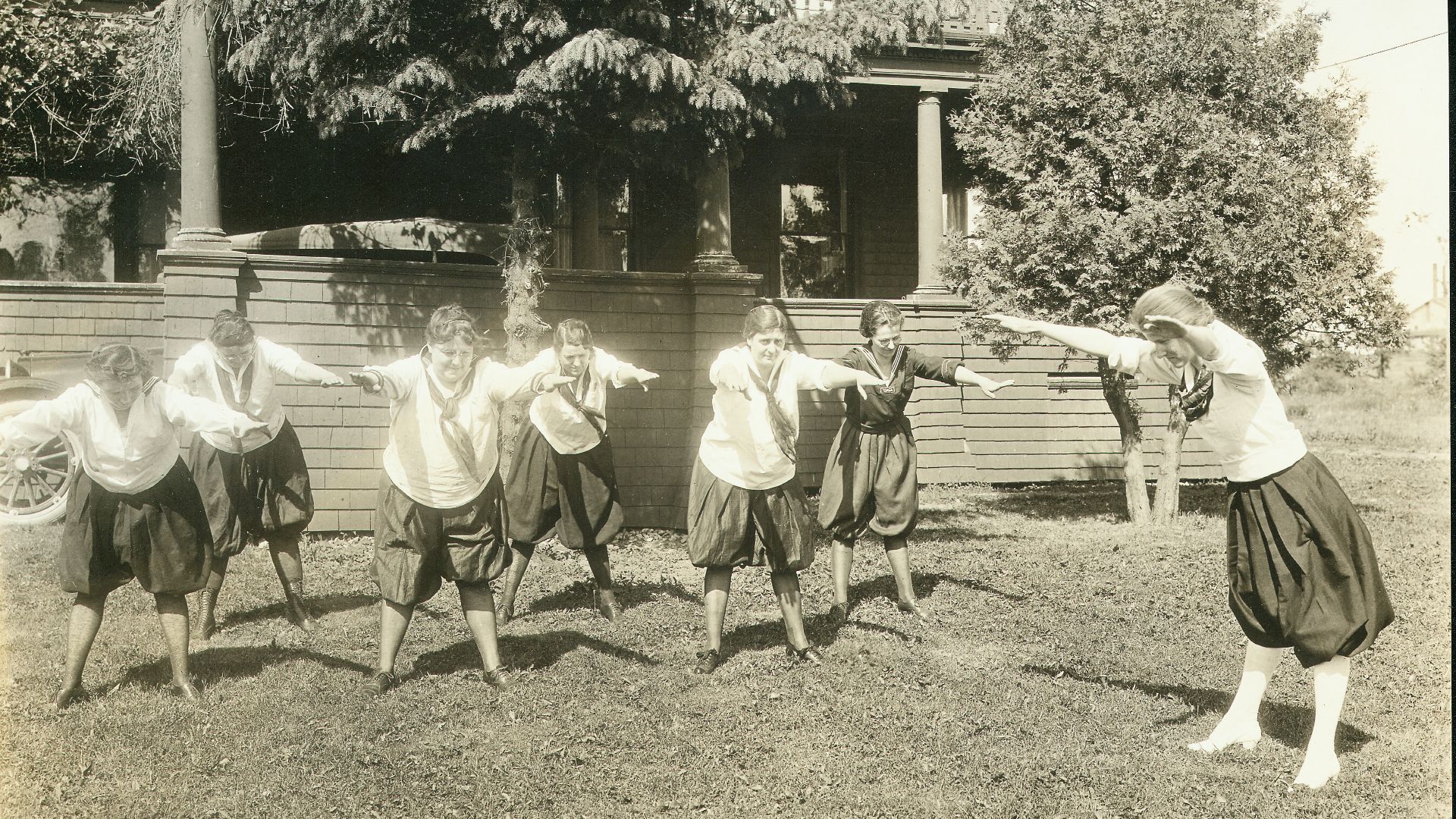
Dress reformers had a simple, practical goal: get women out of clothing that made it hard to walk, breathe, or move. Bloomers, worn under a shorter skirt, were the answer. Critics were unimpressed, accusing the item of being an assault on femininity itself.
 Cornell University Library on Wikimedia
6. Bicycles
Few inventions handed women as much literal freedom as the bicycle. Suddenly, a woman could travel on her own, without a chaperone, farther and faster than ever before. It also required looser, more practical clothing, which only added fuel to the fire. In 1896, a prominent critic went so far as to blame the bicycle for a supposed rise in immorality among young American women.

7. Women's Suffrage
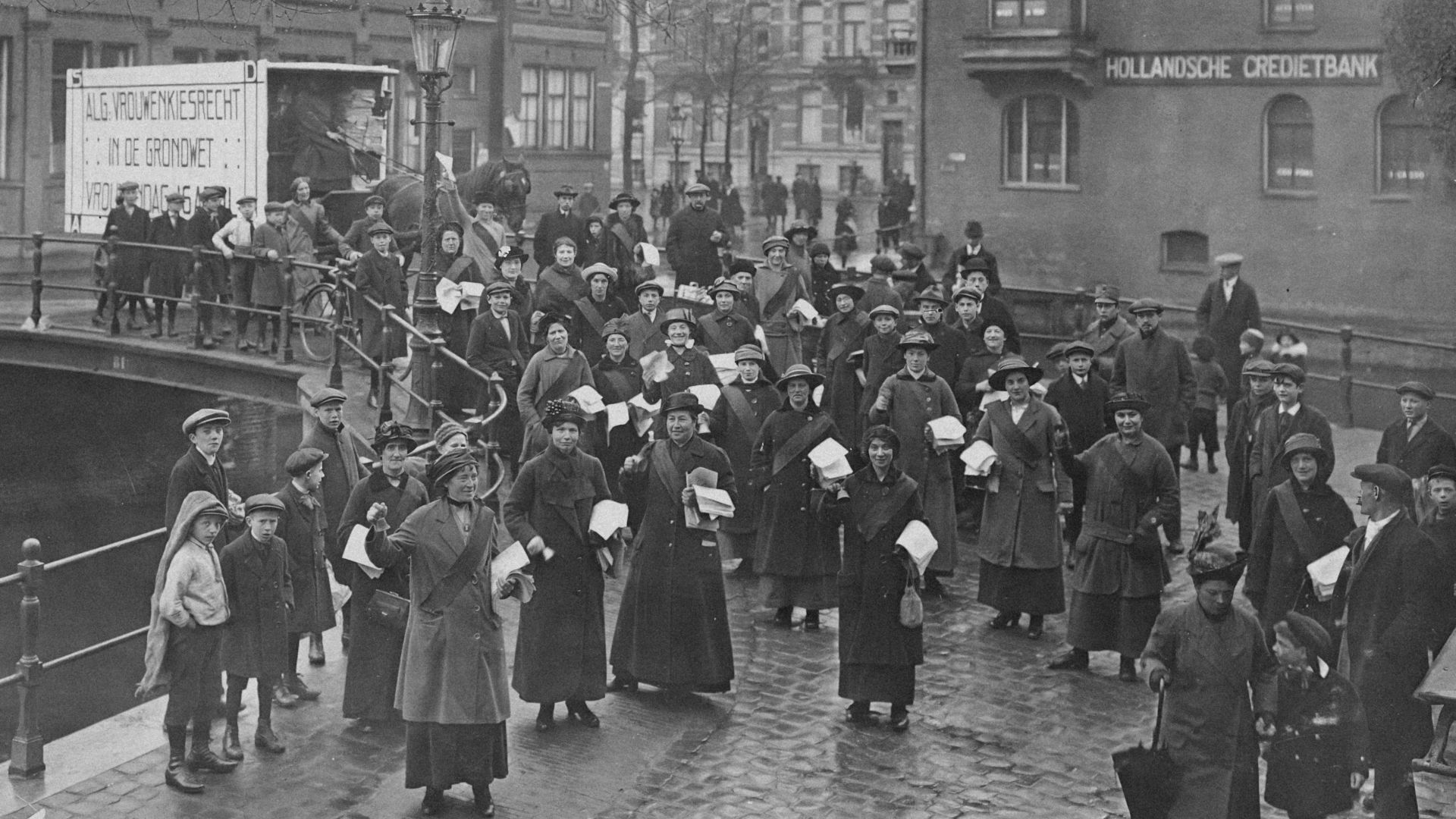
The fight over the vote was never just about ballots. Anti-suffragists argued that letting women participate in politics would topple the household division of labor, blur gender roles, and lure women away from home and family.
 Amsterdam City Archives on Unsplash
8. Birth Control
For much of American history, information about preventing pregnancy could legally be classified as obscene. Reformers who tried to educate women about their own bodies risked prosecution, while anti-vice campaigners treated reproductive knowledge as a moral hazard.
 Reproductive Health Supplies Coalition on Unsplash
9. Automobiles
Cars solved a problem parents had spent generations trying to prevent: privacy. By the 1920s, adults were openly anxious about young couples "motoring" off together, out of sight and out of earshot.
 Mehmet Turgut Kirkgoz on Pexels
10. Public Dance Halls
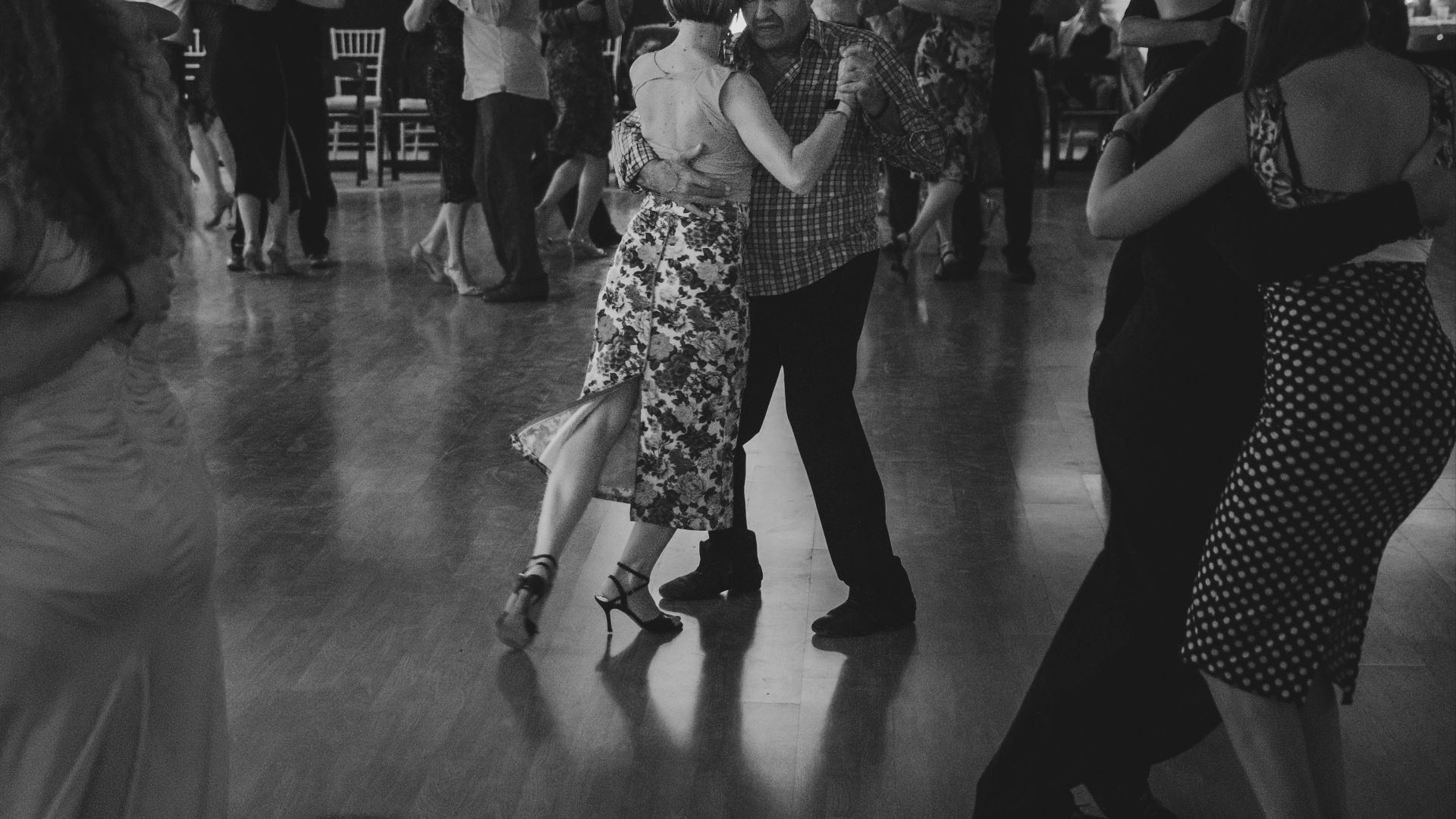
Dance halls gave young people something rare: a space to gather, socialize, and dance without a parent hovering nearby. Cities responded with strict rules governing hours, supervision, and behavior. One ordinance famously required dancers to stay at least six inches apart.
11. Motion Pictures
Movies brought romance, crime, drinking, and glamorous rule-breaking to audiences on a scale no one had seen before. The worry was straightforward: young women watching thrilling, larger-than-life versions of forbidden behavior might get ideas of their own.

12. Jazz
Jazz landed right at the center of 1920s anxiety about youth culture. Critics tied the music to drinking, close dancing, and "petting," and racist attitudes toward its Black musical roots made the backlash even sharper. Its massive popularity with young white audiences crossed cultural lines that plenty of older Americans desperately wanted to keep intact.

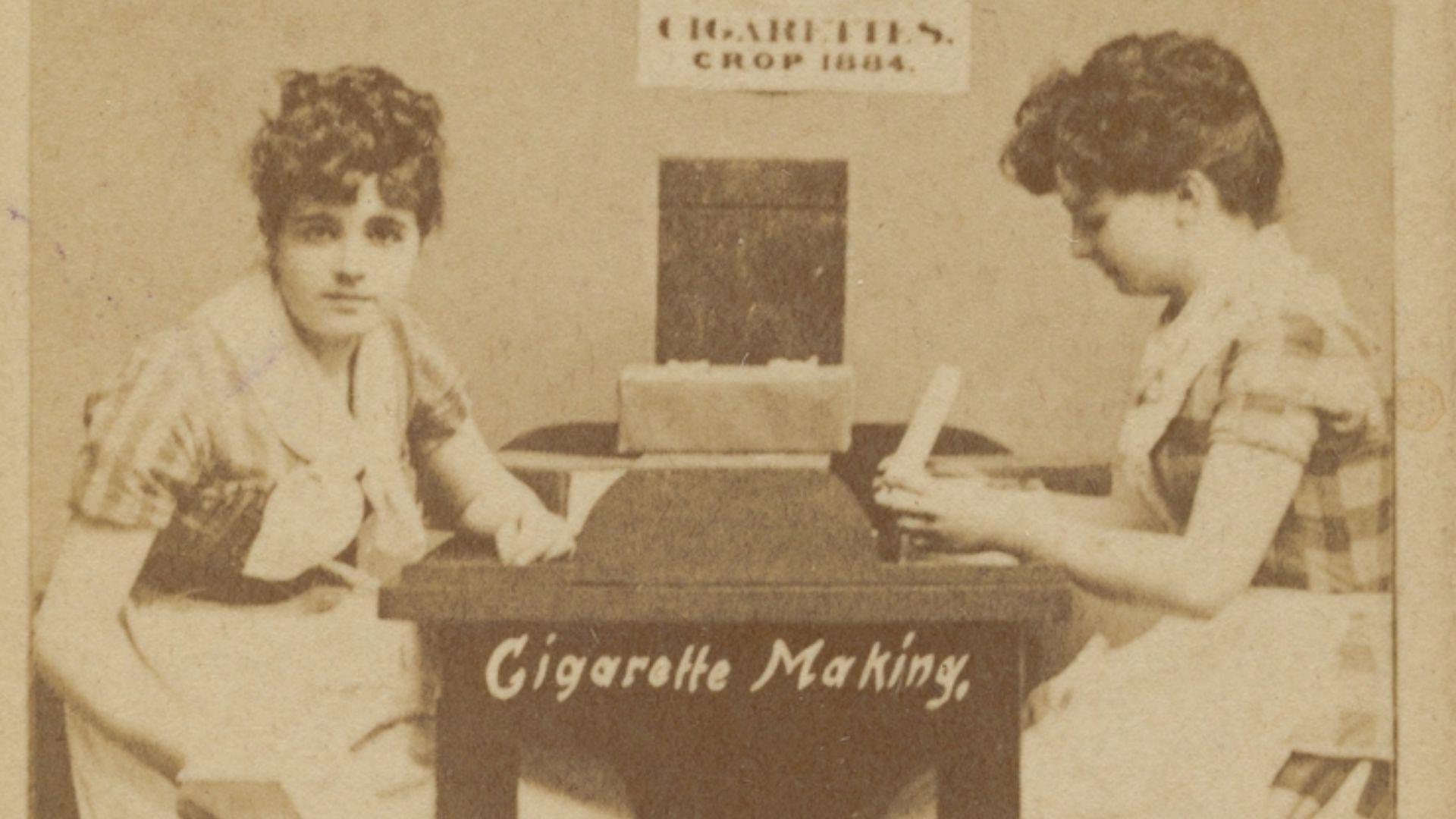
13. Cigarettes
A woman smoking in public was once an act of defiance. By the 1920s, cigarettes had become a signature accessory of the flapper, already a controversial figure. Lighting up in public was a small, visible way of claiming a freedom that had long belonged almost exclusively to men.
14. Cocktails and Speakeasies
Hip flasks, speakeasies, late nights, and dancing alongside men became hallmarks of the "fast" young woman critics loved to condemn. What really unsettled traditionalists wasn't just the alcohol. It was the fact that these nights happened somewhere parents couldn't reach.
 Hybrid Storytellers on Unsplash
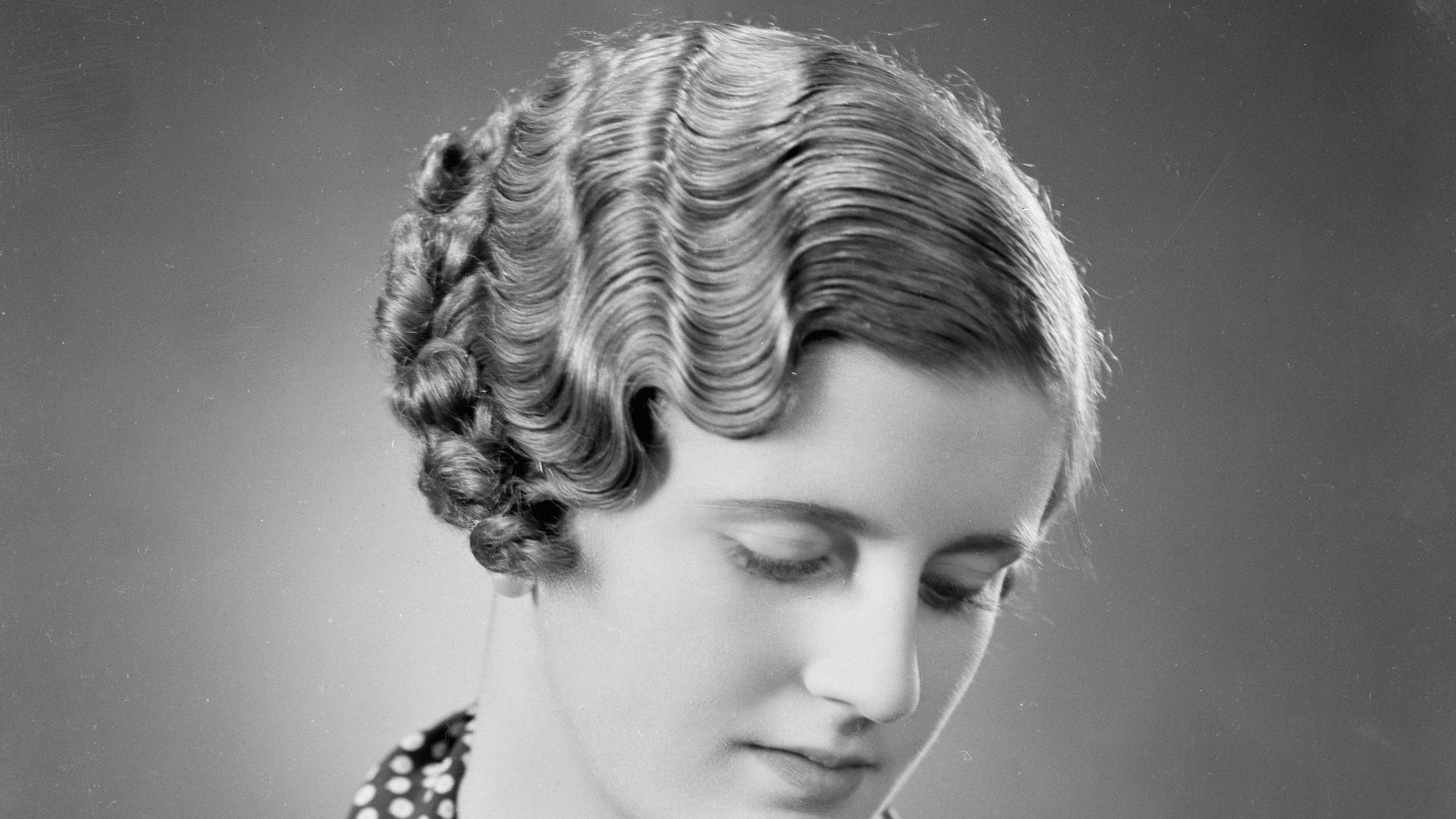
15. Bobbed Hair
Cutting your hair short doesn't sound particularly rebellious today, but in the early 20th century it could cause a genuine family crisis. The bob became so tightly linked to rebellious young women that some hairdressers initially refused to cut it. Popular culture treated the style as scandalous enough to shock an entire household, all because it visibly broke with older ideas about what femininity was supposed to look like.
 Museum of New Zealand Te Papa Tongarewa on Unsplash
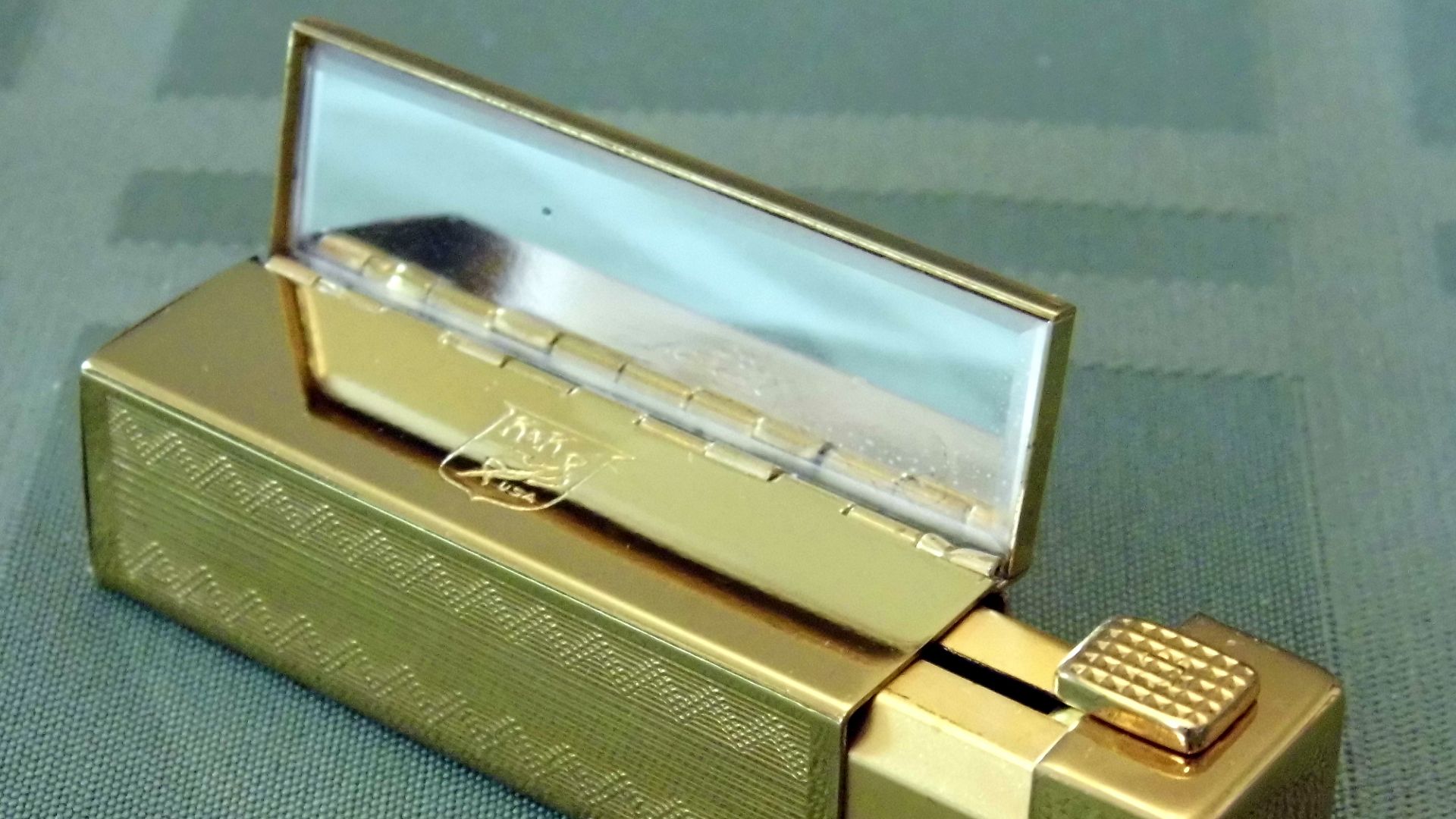
16. Lipstick and Visible Makeup
Before cosmetics went mainstream, visible makeup carried a reputation problem. Rouge and lipstick had long been associated with women considered disreputable, so a young woman wearing obvious makeup was rejecting older standards of modesty.
 Joe Haupt from USA on Wikimedia
17. One-Piece Bathing Suits
Modesty rules didn't stop at the shoreline. Women's swimwear once covered nearly the entire body, so when suits started getting shorter and more practical in the 1910s and 1920s, the shift felt seismic. The one-piece became part of the broader flapper aesthetic, and suddenly bare arms and legs were caught up in a much larger argument about female respectability.

18. Competitive Sports
For generations, female athletes were told that intense exercise could wreck their health or harm their fertility. Sports also built visible muscle, required practical clothing, and put women in public competition, all of which chipped away at the Victorian idea that women were meant to be delicate and decorative.

19. Rock 'n' Roll
By the 1950s, adults had a new soundtrack to panic over. Elvis Presley's hip movements and devoted teenage fan base drew accusations of vulgarity and even "animalism." The genre's roots in Black rhythm and blues added another charged layer to the backlash, tangling up youth culture, race, sexuality, and shifting social norms.
 Diane Picchiottino on Unsplash
20. Miniskirts
As hemlines climbed dramatically above the knee in the 1960s, older generations reacted with predictable shock. Young women, meanwhile, embraced the miniskirt as a symbol of a looser, more informal era and a growing willingness to ignore their parents' rules about respectable dress.
 LOGAN WEAVER | @LGNWVR on Unsplash
KEEP ON READING