What Got Left Behind When The Machines Took Over
Before factories took over, almost everything in a household got made by someone with calloused hands and a slow, deliberate process. Butter got churned by arm strength, nails got hammered out one at a time, and a pair of shoes might take a cobbler an entire afternoon to finish. None of it was efficient by today's standards, but it held up in ways mass production rarely bothers with anymore. Once machines could do the same job in a fraction of the time, most of these trades faded fast, surviving mostly in museum demonstrations and hobbyist workshops. Here's 20 handmade practices that industrialization mostly wiped out.
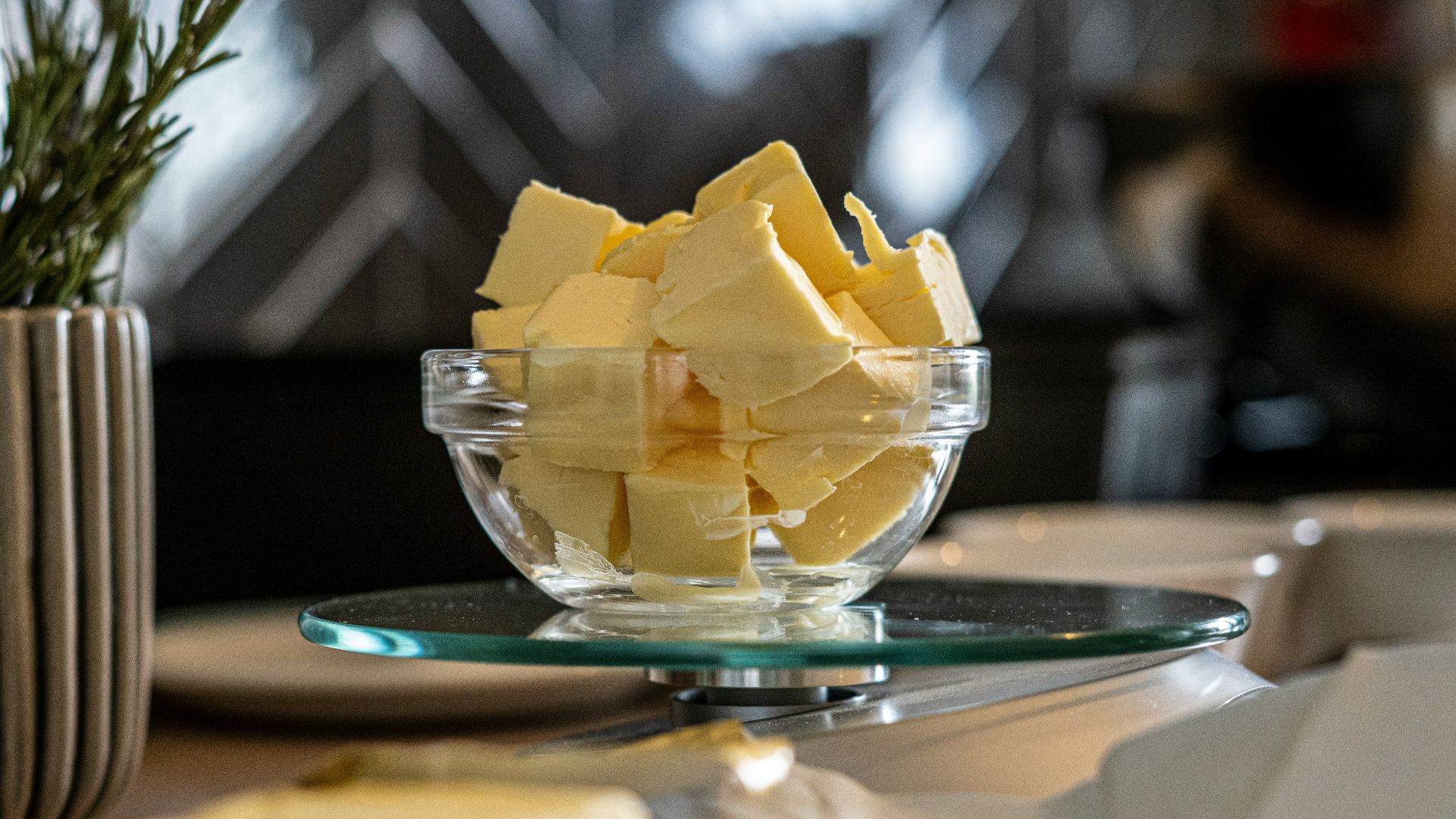
1. Churning Butter
Cream had to be shaken or paddled for a long stretch of time before it separated into butter and buttermilk. It was arm-numbing work, often given to kids or the newest person in the kitchen. A factory churn does the same job in minutes now, and almost nobody misses the ache in their shoulders.
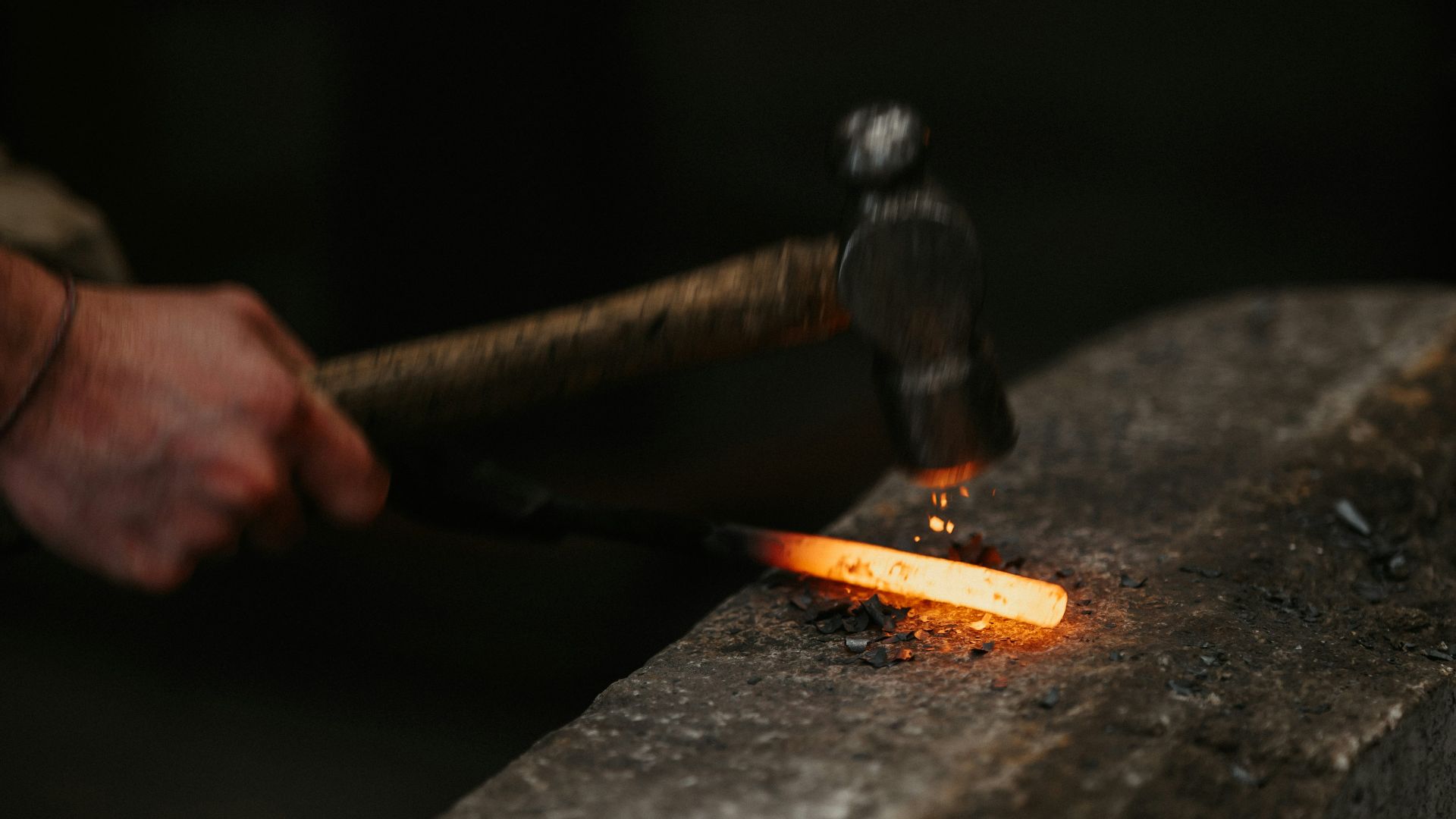
2. Forging Nails
Every nail used to be hammered out individually on an anvil, heated and shaped until it held a point. A single blacksmith could spend an entire day producing what a modern machine stamps out in seconds. That's part of why old houses with forged nails in the framing get treated like small treasures now.
3. Setting Type Letter By Letter
Before printing presses could set type automatically, someone had to place individual metal letters into a frame, one at a time, backward, and under real time pressure. A single misplaced letter meant redoing the line. Typesetters developed a kind of speed and precision that looked almost like sleight of hand.

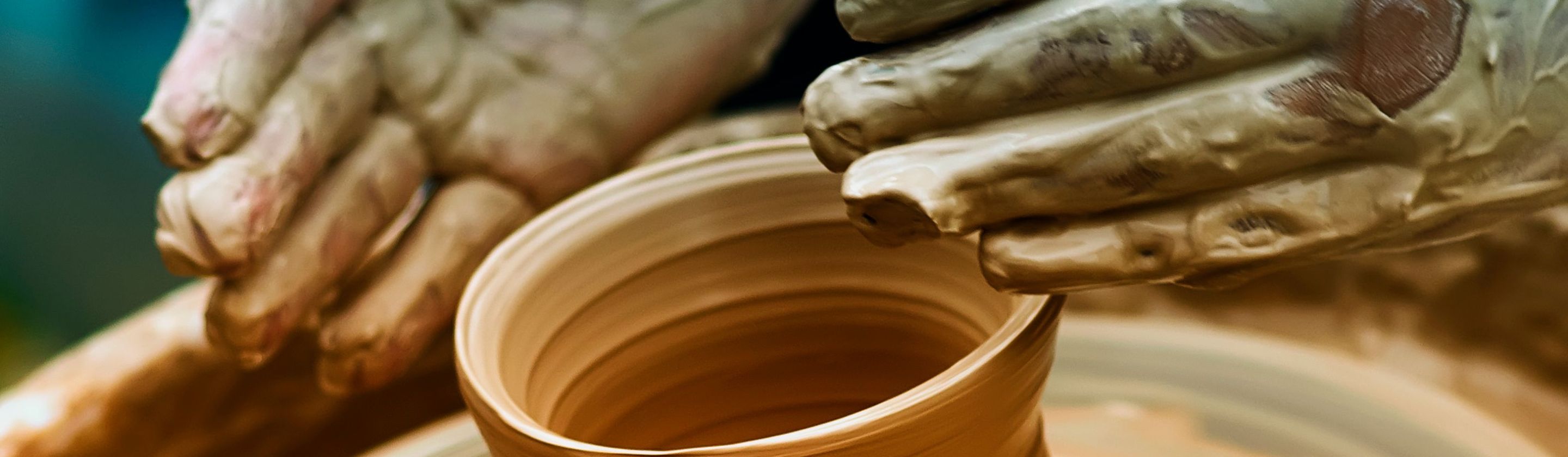
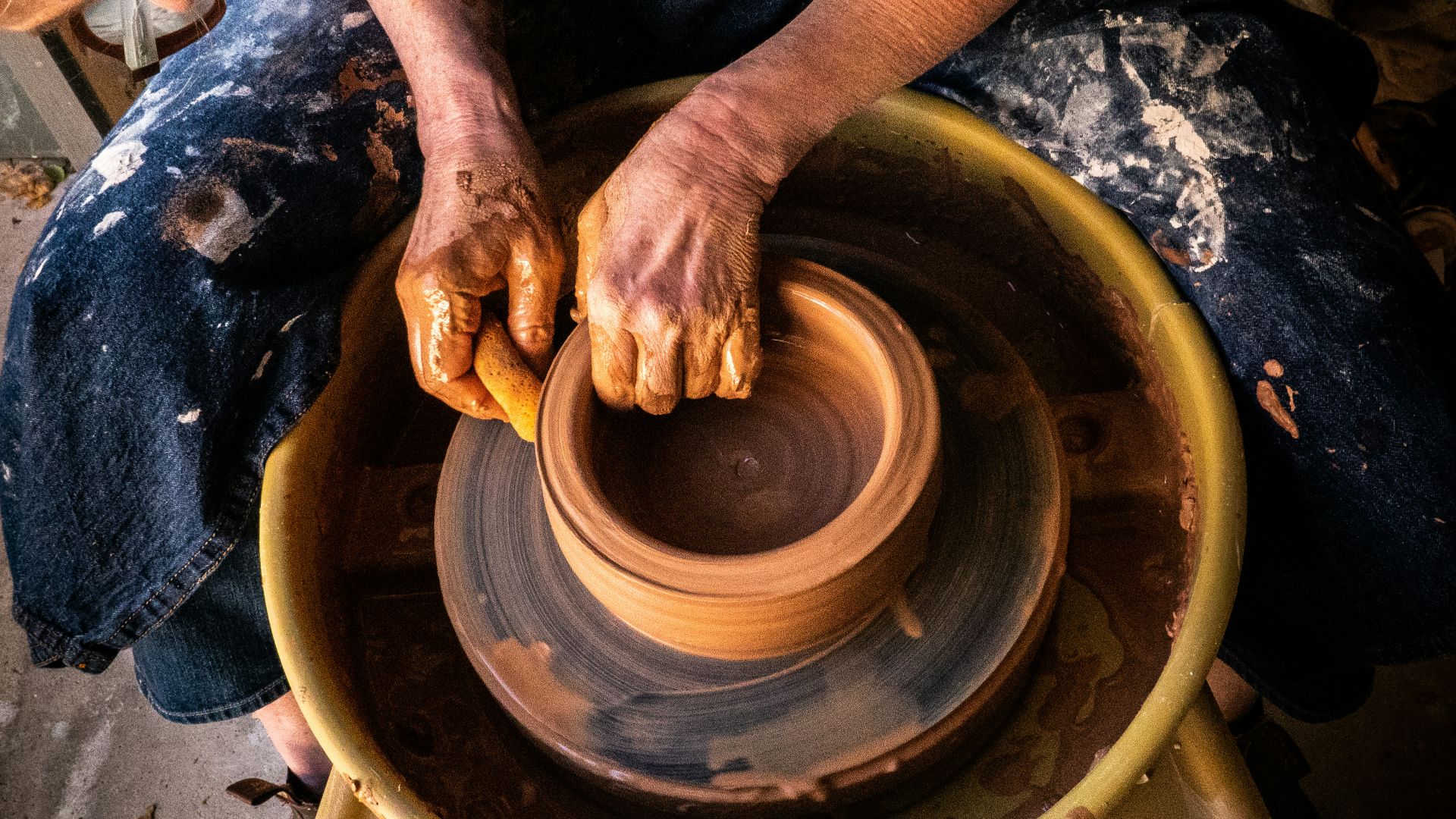
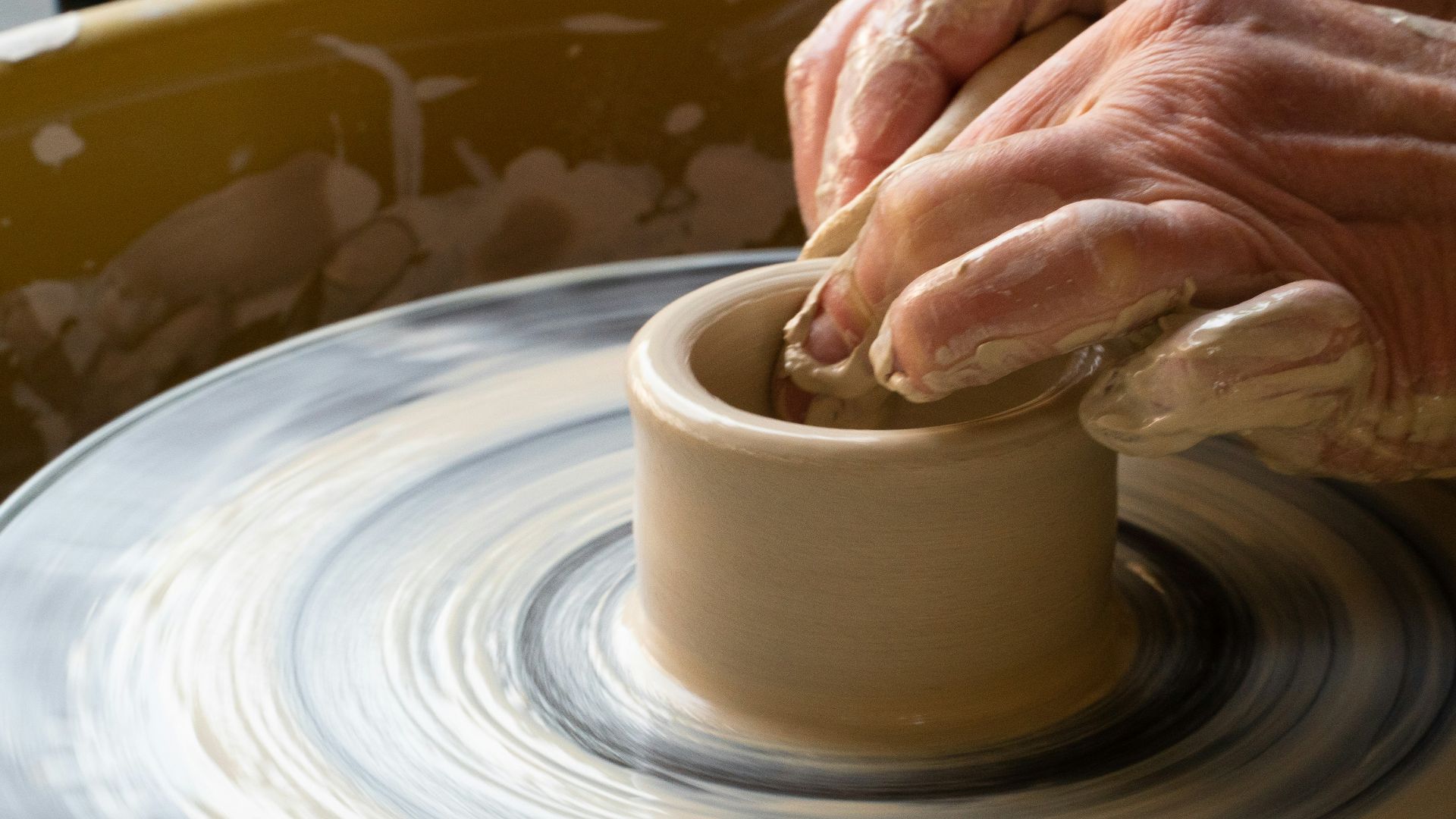
4. Throwing Pottery On A Wheel
Every bowl or jug used to come off a wheel spun by foot, shaped by someone reading the clay as it moved. No two pieces were ever quite identical, and that unevenness was part of the charm rather than a flaw. Ceramic factories can now produce a thousand identical mugs before lunch.
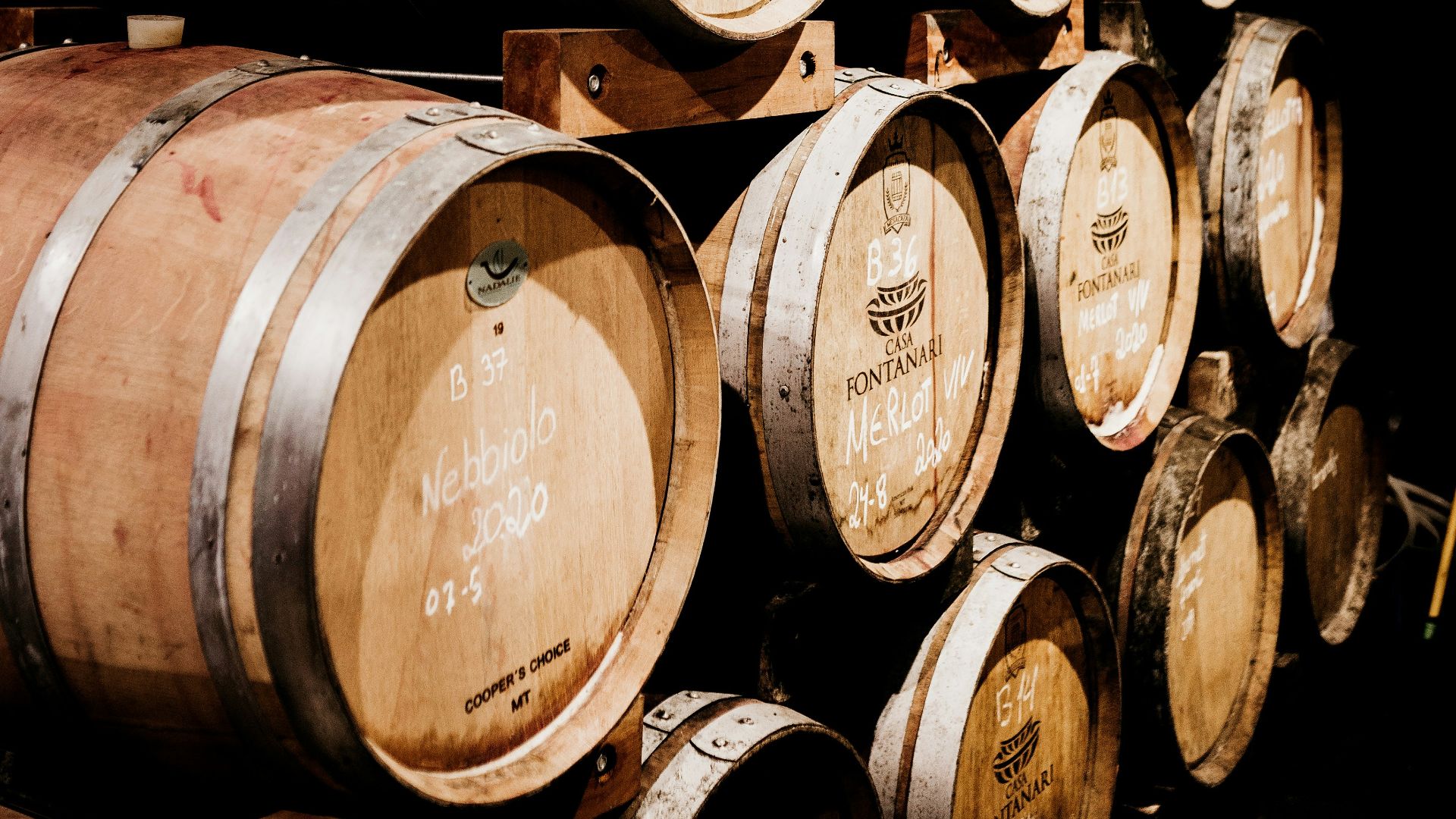
5. Building Barrels
Building a watertight wooden barrel without a single nail or screw took real skill, bending staves with heat and steam until they curved just right. Coopers were once considered essential tradespeople in nearly every town. Steel and plastic containers replaced most of that need, and the craft nearly disappeared with it.
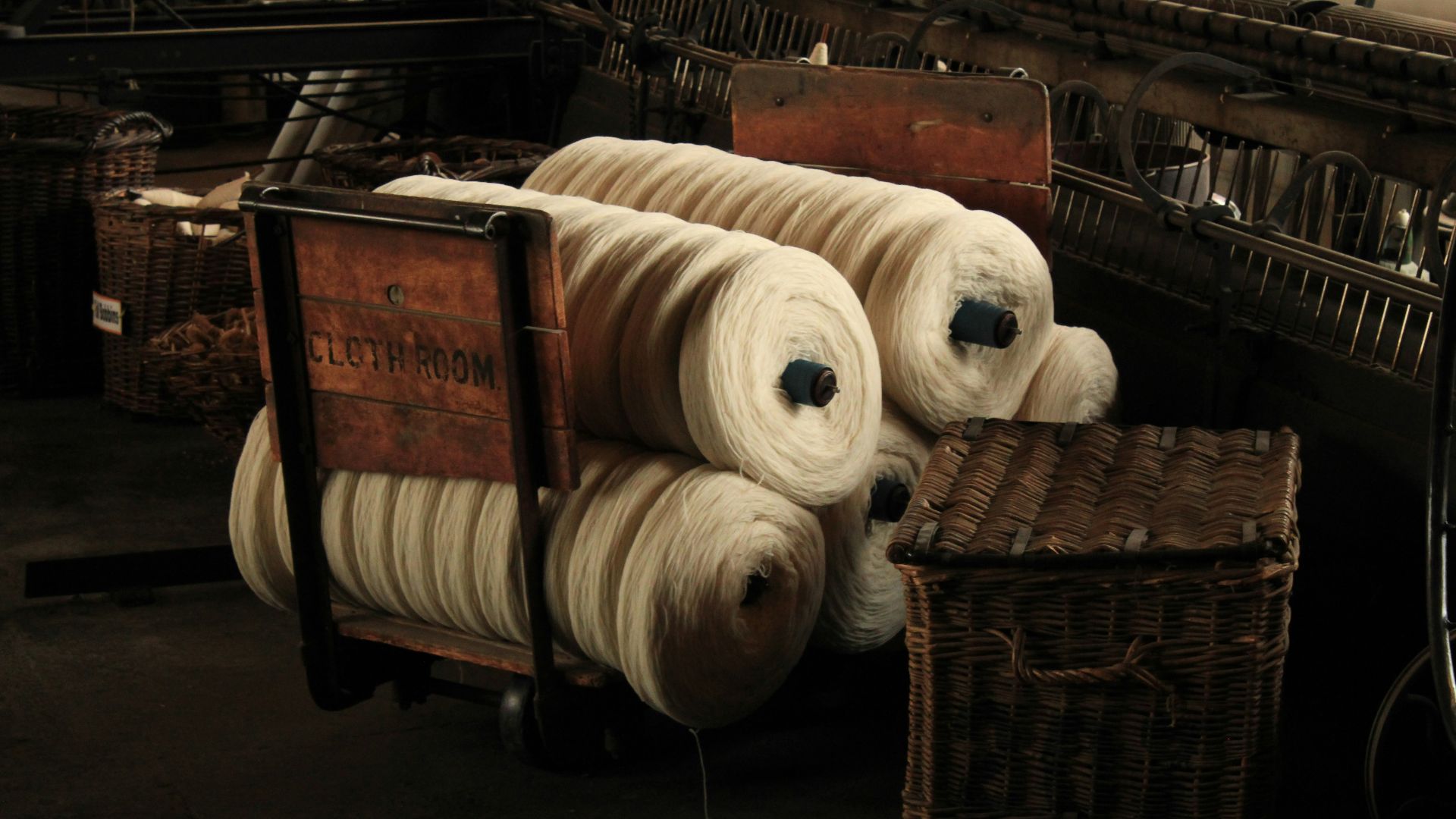
6. Spinning Wool Into Yarn
Wool had to be carded and spun on a wheel long before it ever became a sweater or blanket. It was slow, meditative work that often filled entire winter evenings. Industrial spinning mills could do in an hour what once took a household several days.
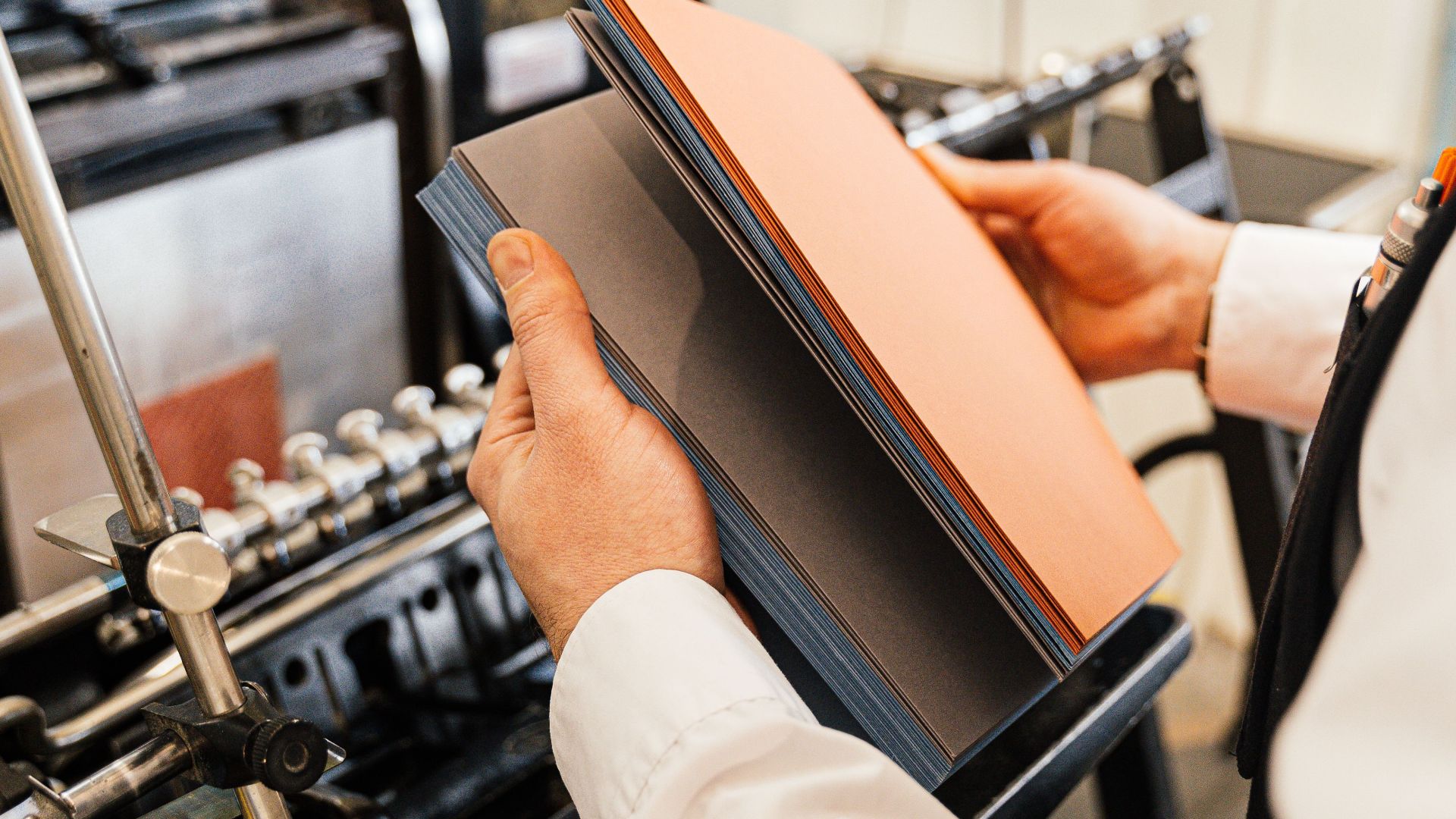
7. Binding A Book
Books used to be stitched together page by page, with covers cut and glued individually before a single word got printed. A skilled bookbinder could spend days on one volume. Modern binding machines can now assemble hundreds of books in the time it once took to finish just one.
 Antoni Shkraba / AI25.studio on Pexels
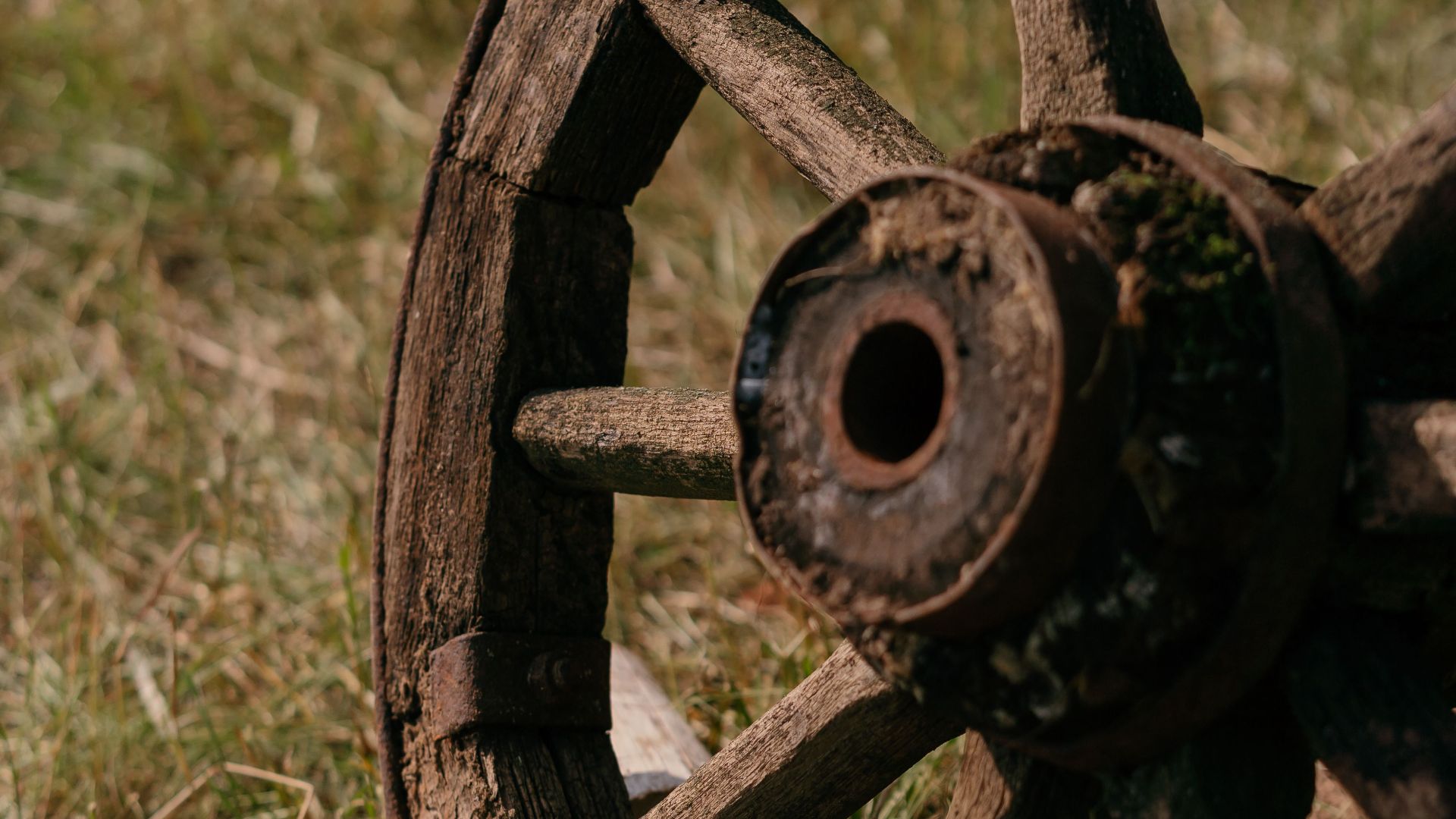
8. Wheelwrighting
Building a wooden wagon wheel required steaming and bending wood into a perfect circle, then fitting an iron rim around the outside with exact precision. It was one of the most respected trades in a horse-drawn economy. Once cars and rubber tires took over, the skill mostly disappeared along with the need for it.
9. Dipping Candles
Candles used to be made by repeatedly dipping a wick into melted tallow or wax, letting each layer cool before adding the next. It could take dozens of dips just to build up a candle thick enough to burn through the night. Molded and machine-made candles made the whole process obsolete within a generation.

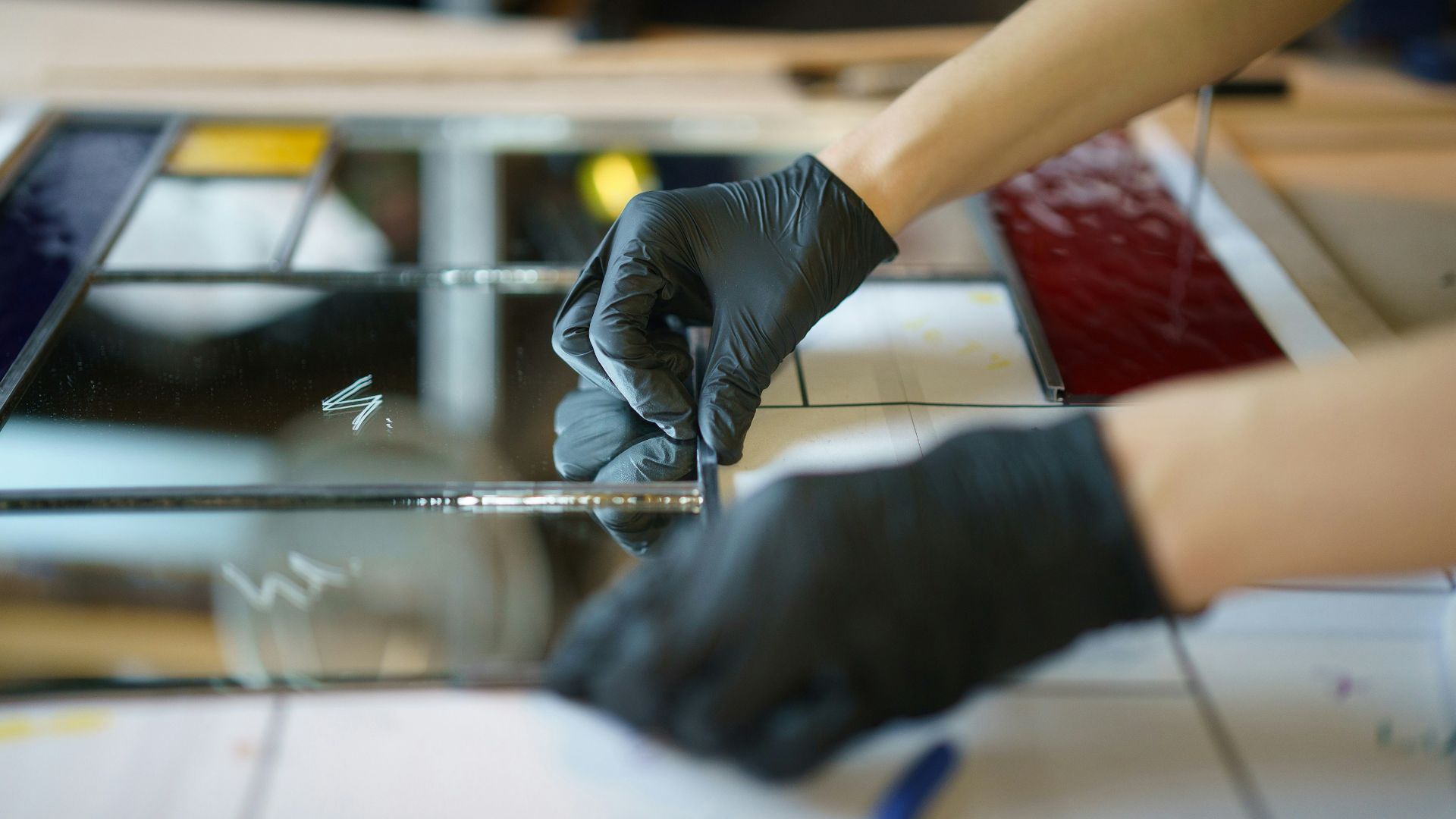
10. Cutting Glass
Glassmakers once scored and cut sheets of glass entirely by feel, judging pressure and angle without any measuring tool. A single wrong cut could ruin an entire pane. Automated glass cutting now handles that work with a precision no craftsman could reliably match.
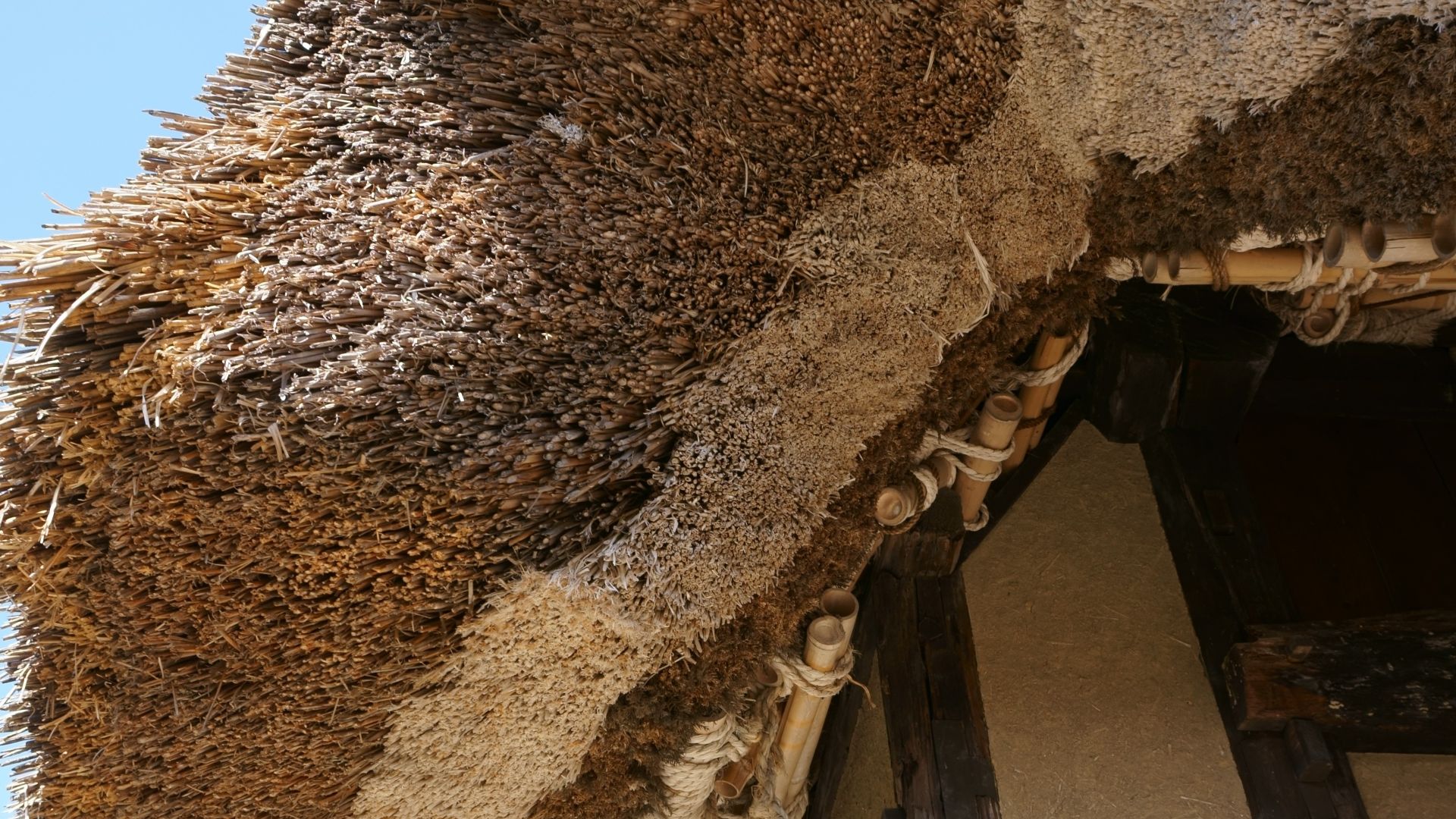
11. Thatching A Roof
Roofs made from bundled straw or reeds required a thatcher to layer and tie each section, working outward from the eaves. A well-built thatched roof could last decades, but the skill to build one took years to learn properly. Asphalt shingles wiped out most of the demand for it.
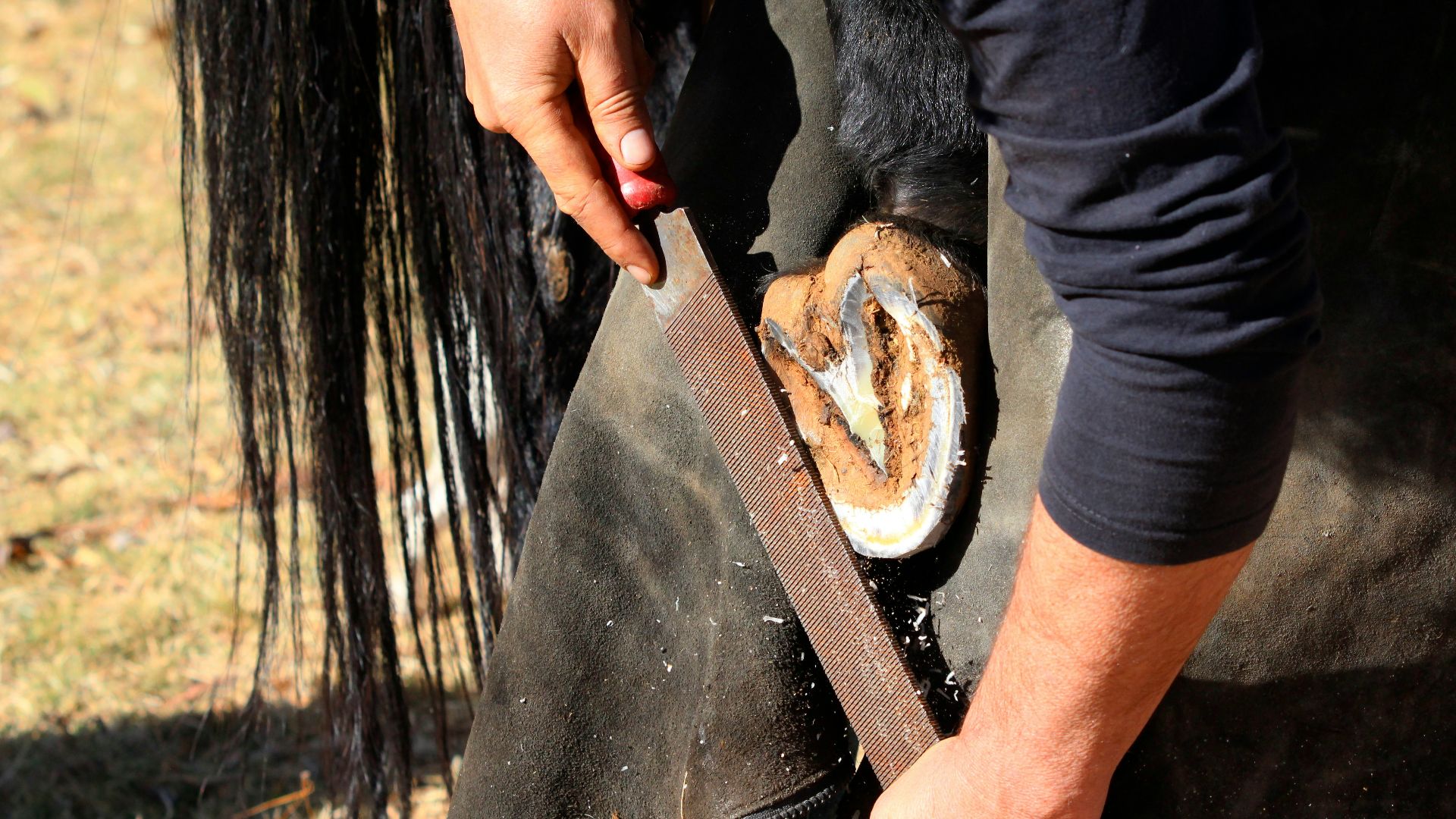
12. Shoeing A Horse
A blacksmith had to heat, hammer, and fit a horseshoe to each individual animal's hoof, adjusting the shape as they went. It was physical, exacting work done at a forge that ran hot all day. Cars replaced horses as everyday transportation, and the trade shrank down to a small handful of specialists.
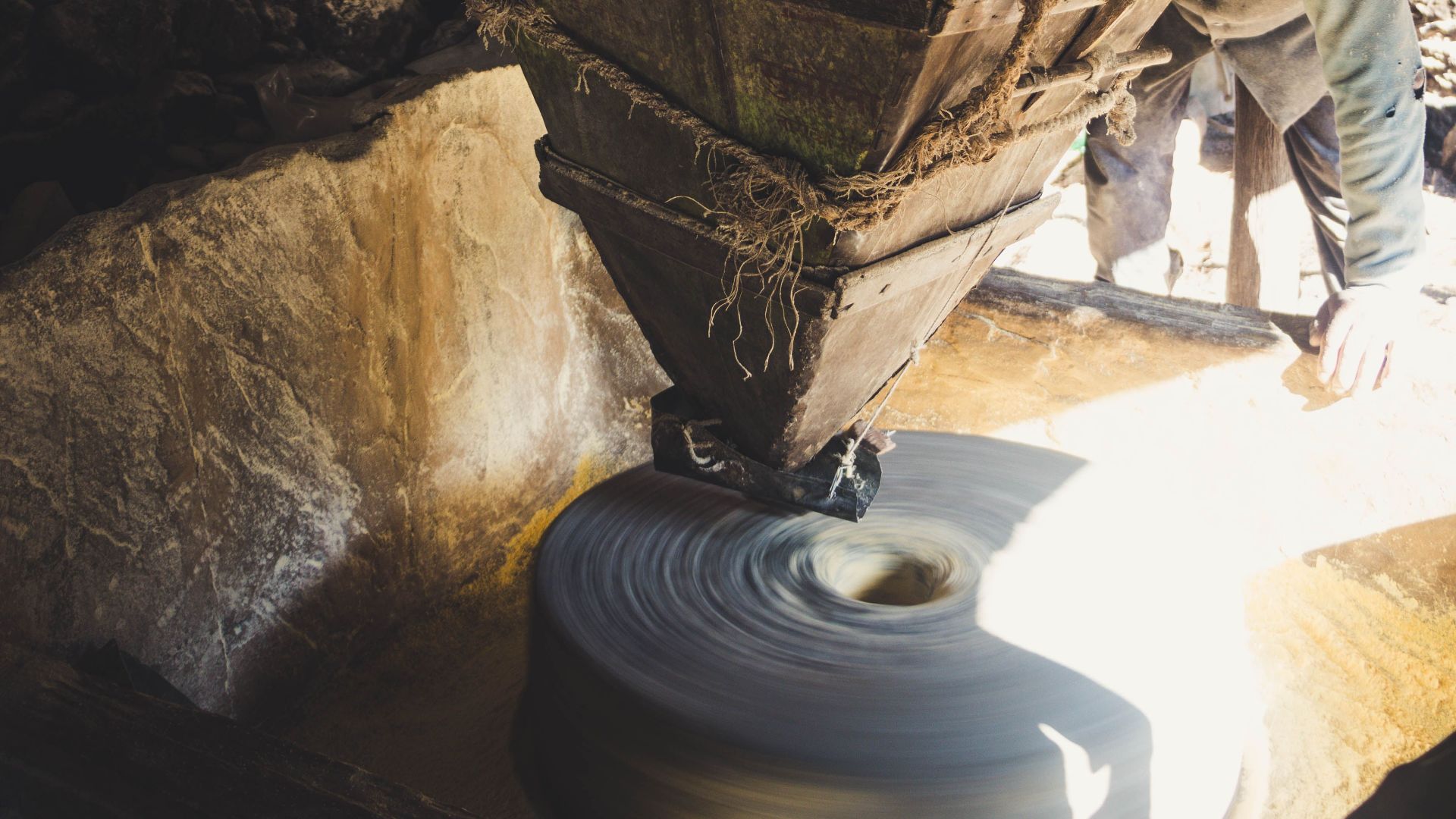
13. Grinding Flour Between Stones
Grain used to be ground between heavy stone wheels turned by water, wind, or animal power, producing flour with a coarser, more textured feel. Millers had to know exactly how to adjust the stones to avoid scorching the grain from friction. Steel roller mills eventually took over almost entirely, and stone-ground flour became something you seek out rather than something you default to.
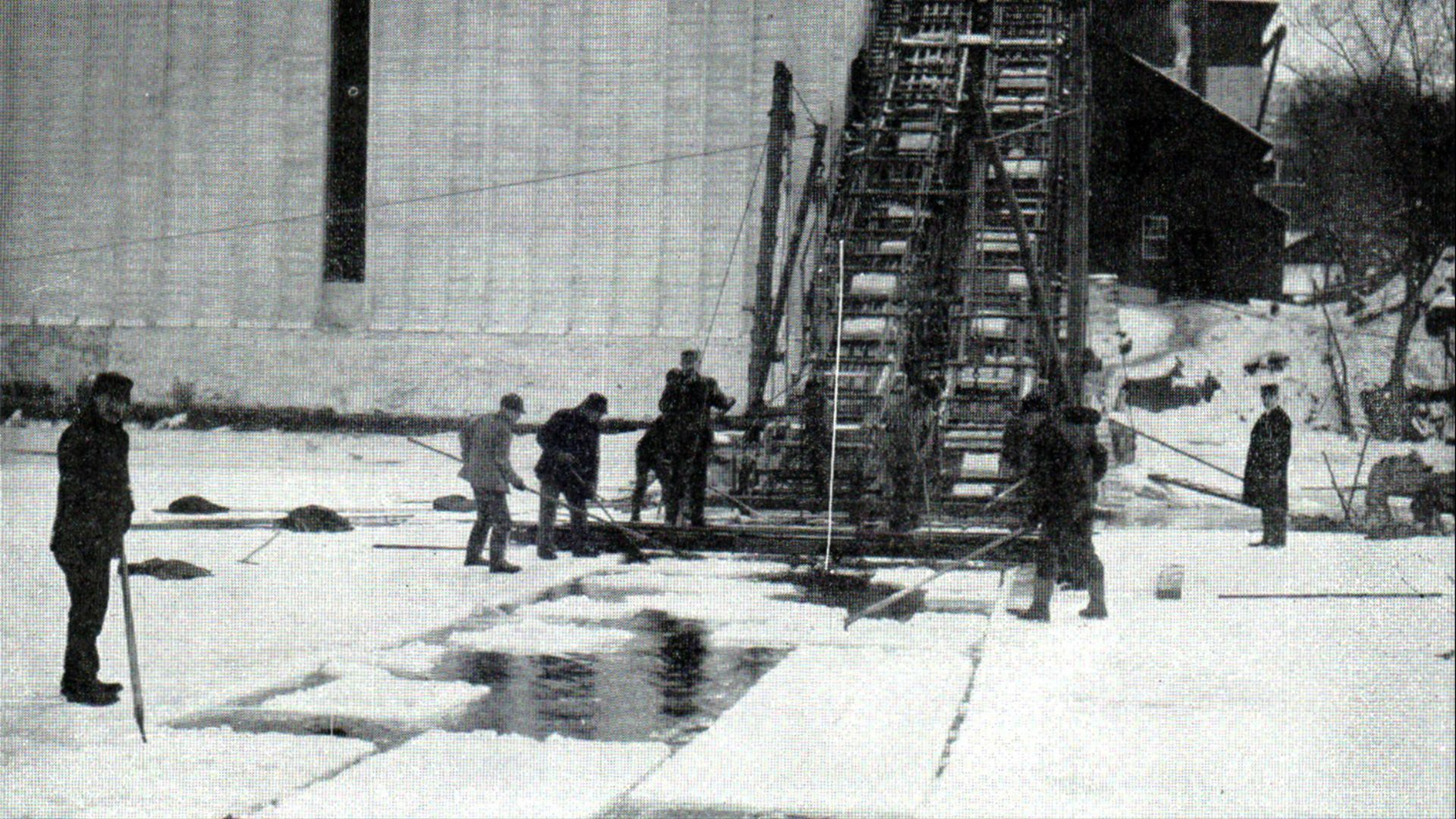
14. Harvesting Ice
Before refrigeration, workers cut massive blocks of ice from frozen lakes in winter, hauling them into insulated icehouses to last through the summer. It was dangerous, freezing work that depended entirely on the weather cooperating. Mechanical refrigeration made the entire industry disappear within a few decades.
15. Lettering A Storefront Sign
Storefront signs used to be lettered entirely with a brush, a sign painter carefully outlining and filling in each letter using a steady hand and a straight edge. A good sign painter could make lettering look almost printed despite doing it freehand. Vinyl lettering and digital printing largely replaced the trade, though a few holdouts still work by request.

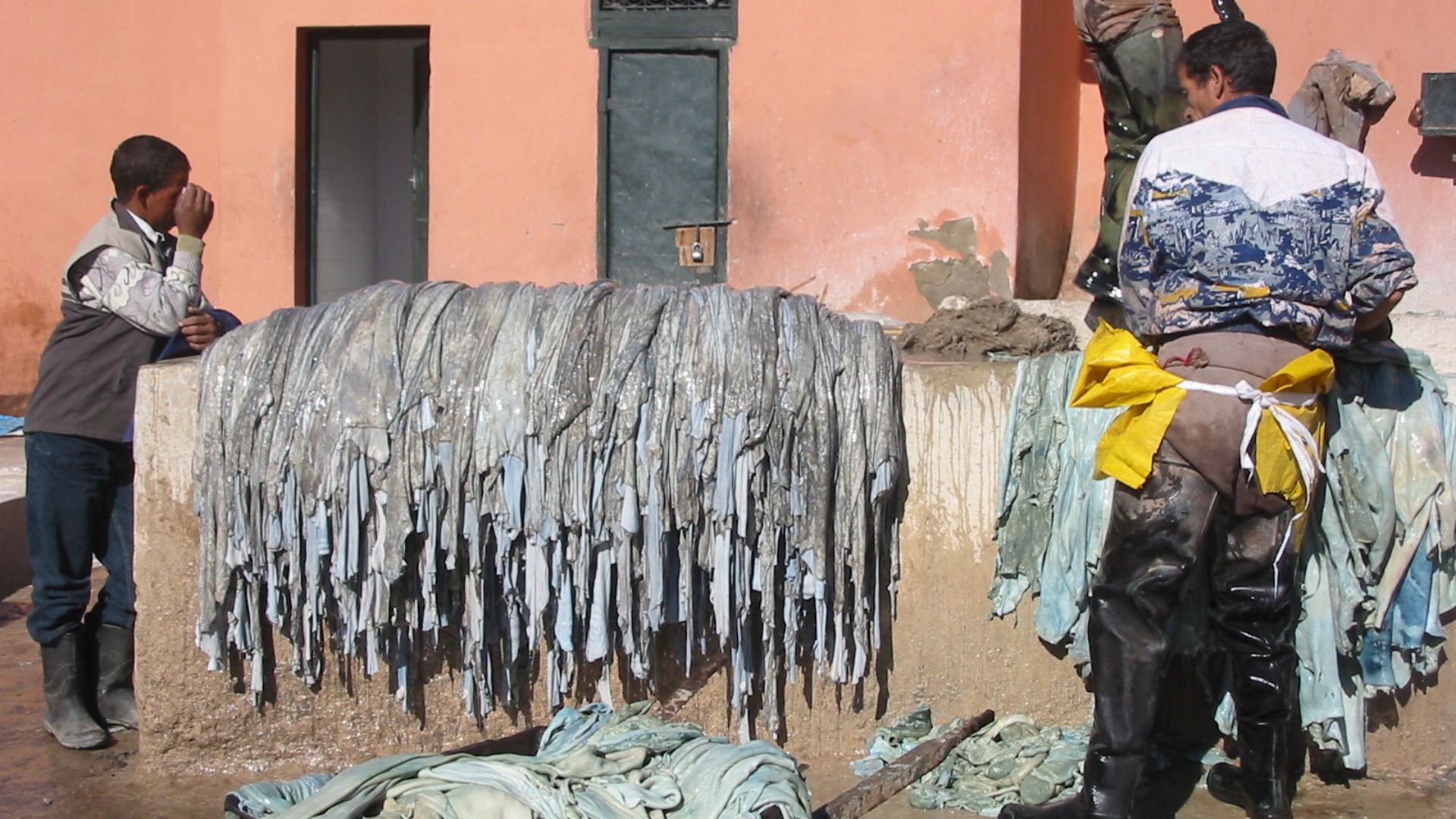
16. Tanning Leather
Turning raw animal hide into usable leather used to involve soaking, scraping, and treating it over the course of weeks, often using tannins pulled from tree bark. It smelled awful and took real patience. Chemical tanning processes cut that timeline down dramatically, though the leather often loses some of the character the slow method used to give it.
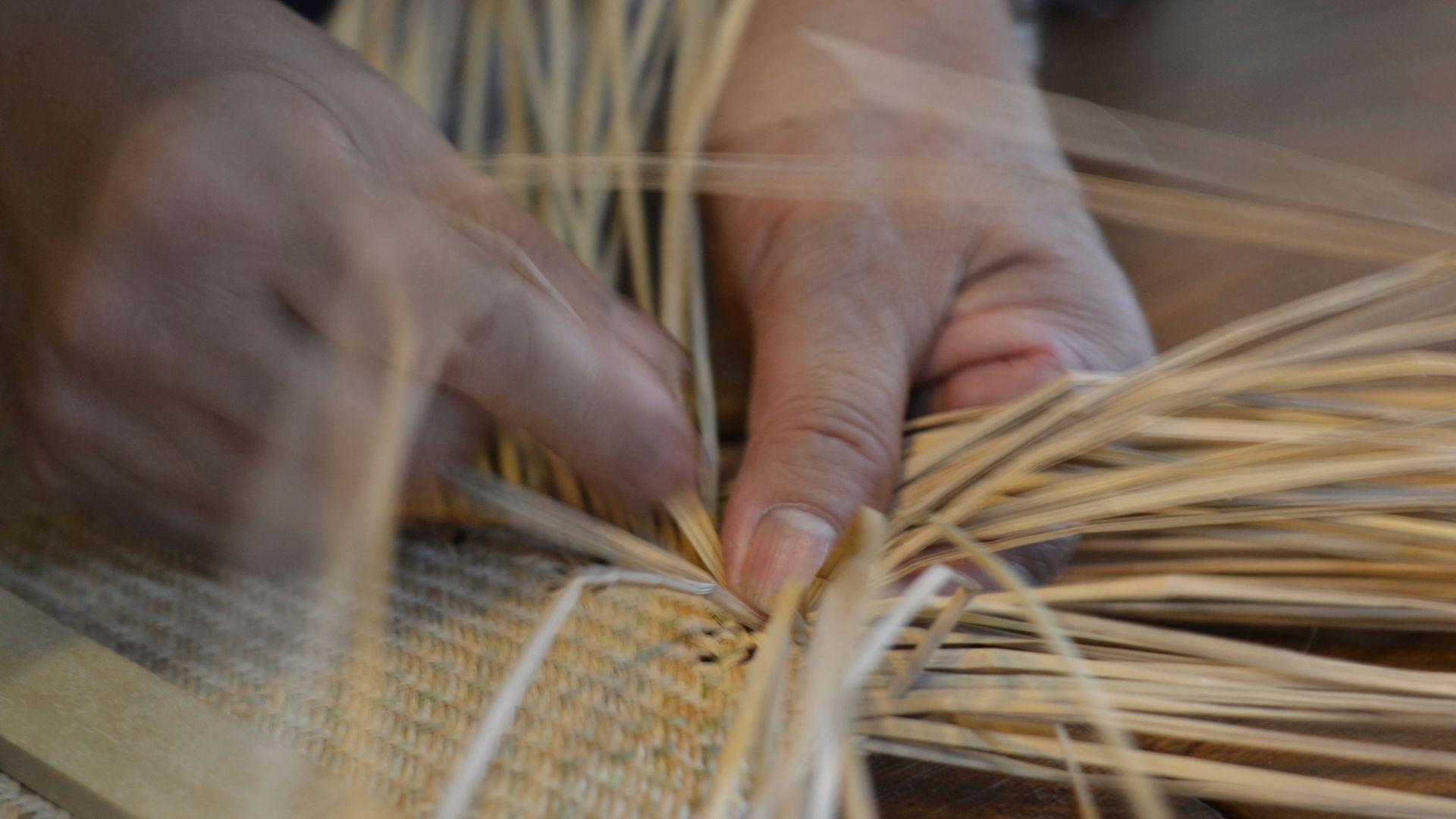
17. Weaving A Basket
Baskets used to be woven from reeds, willow, or split wood, with the weaver working the material while it was still pliable enough to bend without snapping. Every region tended to develop its own weaving pattern based on the materials available locally. Plastic and machine-woven baskets took over most everyday uses, leaving woven versions mostly in craft markets now.
18. Twisting Rope
Rope used to be made by twisting fibers together, sometimes with a simple walking wheel, a process that took real coordination to keep the tension even. Uneven tension meant a weak rope that could fail under load. Industrial rope-making machines eventually standardized the process completely, removing most of the guesswork along with the labor.

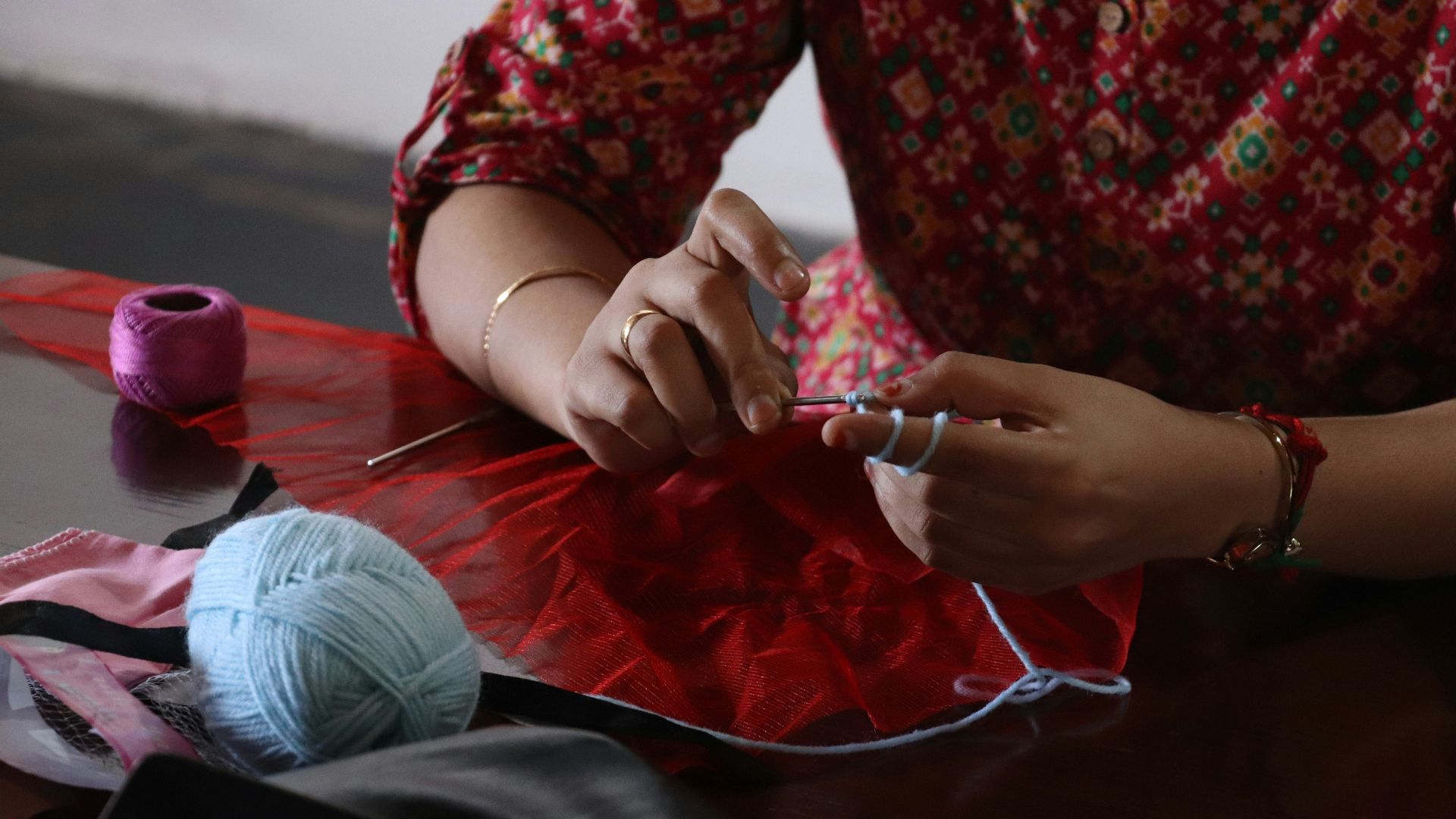
19. Stitching A Quilt
Quilts used to be stitched entirely by needle, often over the course of months, with the actual quilting done in small, even stitches through multiple layers of fabric and batting. It was frequently social work, done in groups where the labor doubled as a gathering. Sewing machines can now finish a quilt top in a single afternoon, though something about the older version still feels different to hold.
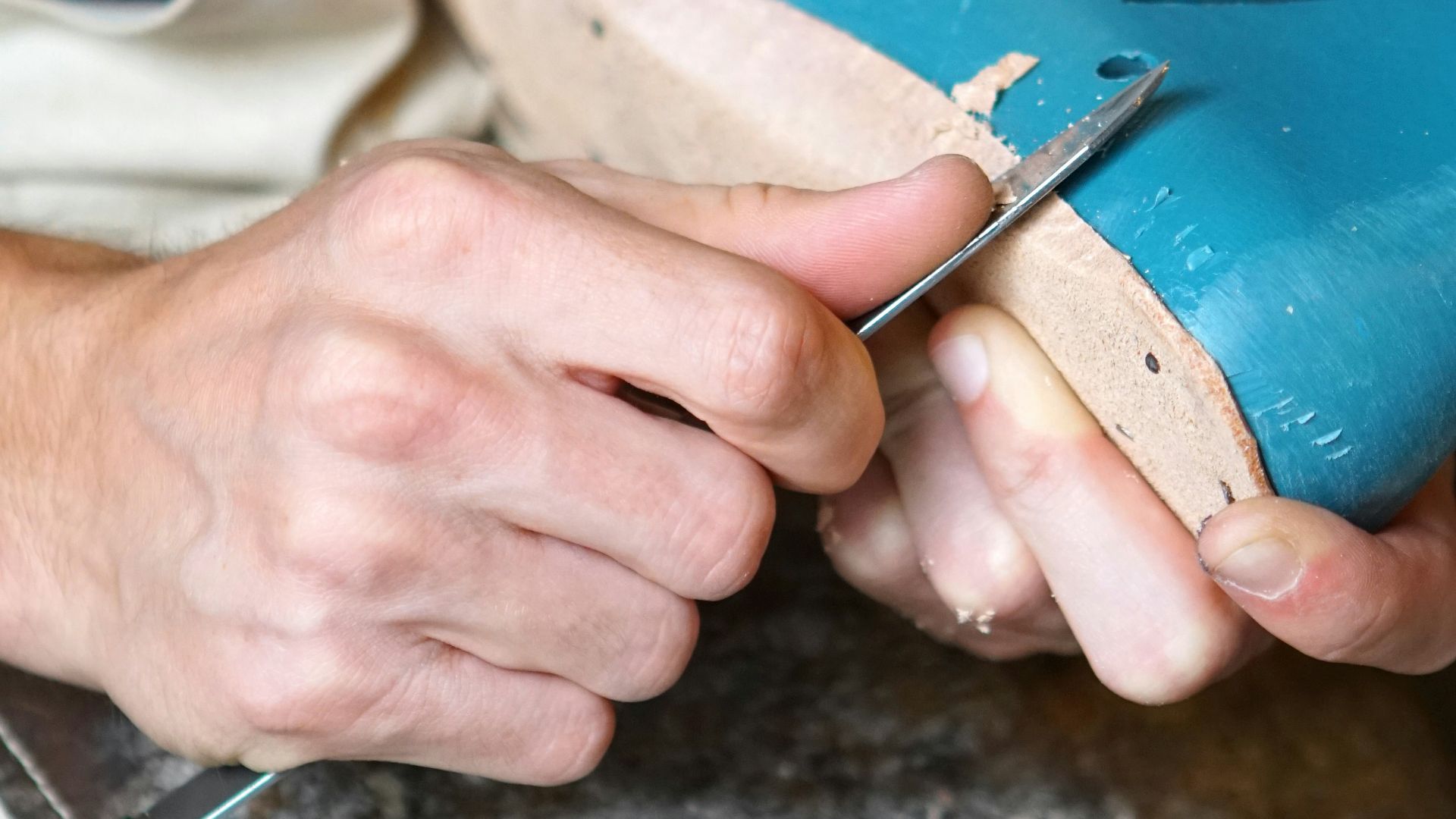
20. Building A Shoe Around A Last
Shoes used to be built entirely around a wooden foot form called a last, with a cobbler shaping and stitching the leather to match its exact contours. A well-made pair could be resoled and repaired for years rather than replaced. Mass manufacturing eventually made shoes cheap and disposable, and the slower, sturdier version became something closer to a luxury.
KEEP ON READING