Revenge Got Very Ugly
History has plenty of women who were expected to accept the worst parts of humanity: betrayal, invasion, abuse, or humiliation—and they were to accept those crimes without causing any trouble of their own. Well, some women really didn’t stand for that, and these 20 figures proved that they weren’t about to let those injustices go.

1. Tomyris
Persian king Cyrus the Great captured the son of Queen Tomyris by tricking his army with a rather generous supply of wine. The humiliation was great enough that her son later took his own life, and Tomyris responded by defeating Cyrus in battle before supposedly putting his head into a container filled with blood.
2. Parysatis
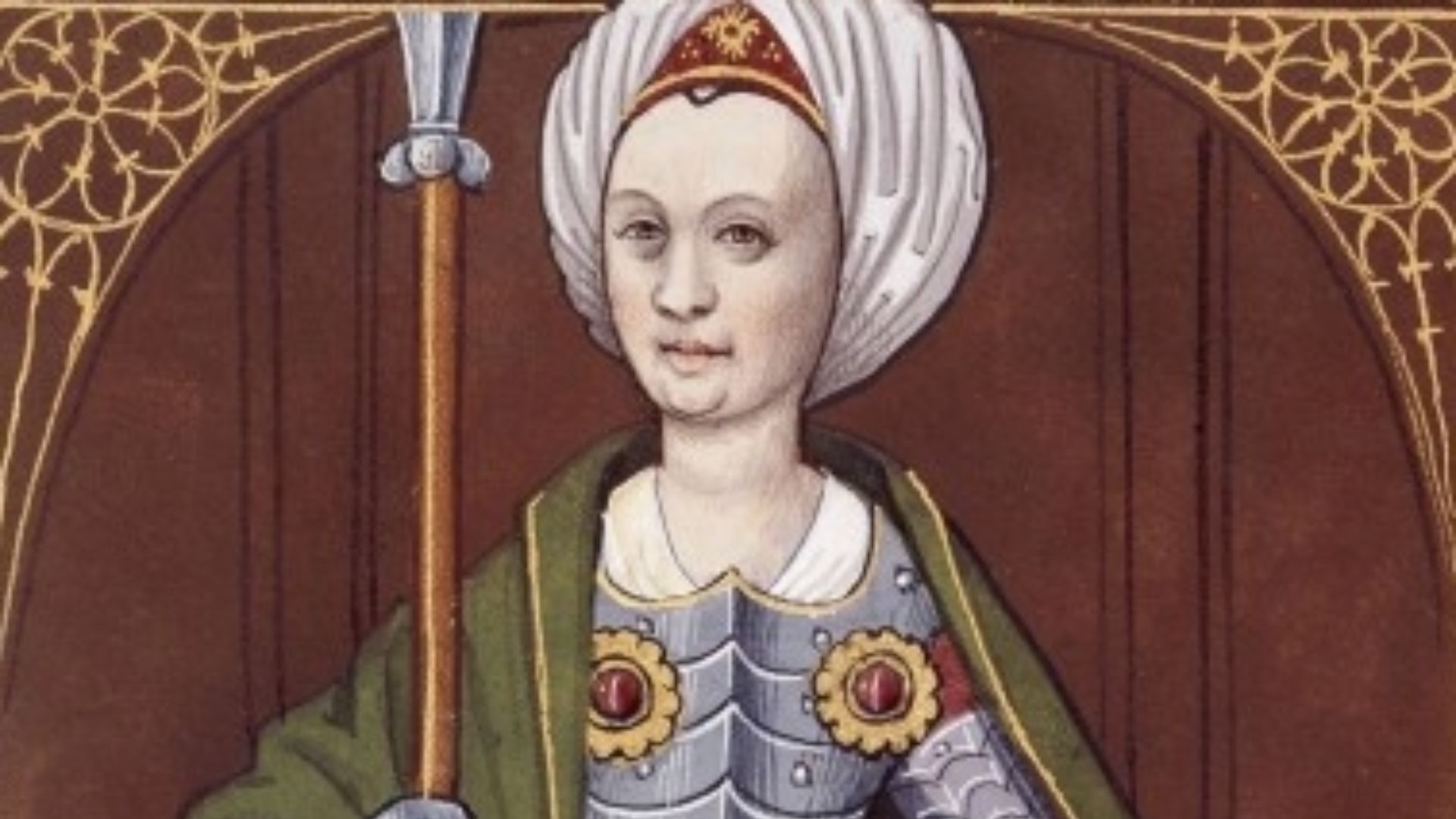
Parysatis adored her son Cyrus, so his death while trying to seize the throne in 401 BC left a lot of names on her hit list. Mithridates was subjected to the horrific execution known as scaphism, while Masabates was flayed alive. At this point, historians agree that some details may have been exaggerated, but Parysatis definitely got revenge and gained a reputation.
3. Fulvia
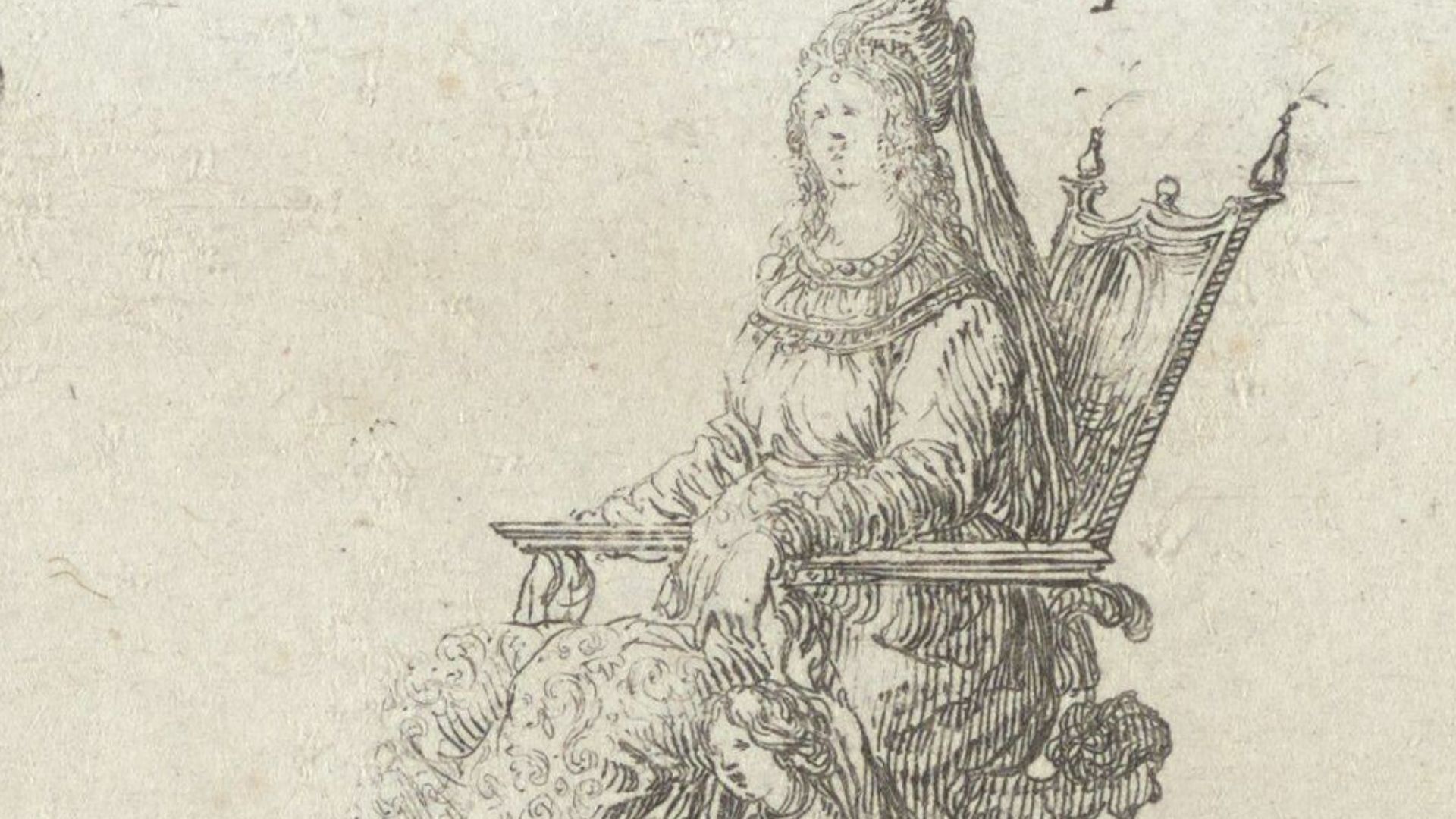
Roman politician Cicero was never shy about attacking Fulvia's husbands and family in his speeches. However, he eventually ended up on a list of enemies marked for death. After Cicero was killed in 43 BC, it’s said that Fulvia pulled out his tongue and stabbed it with one of her hairpins.
4. Lü Zhi
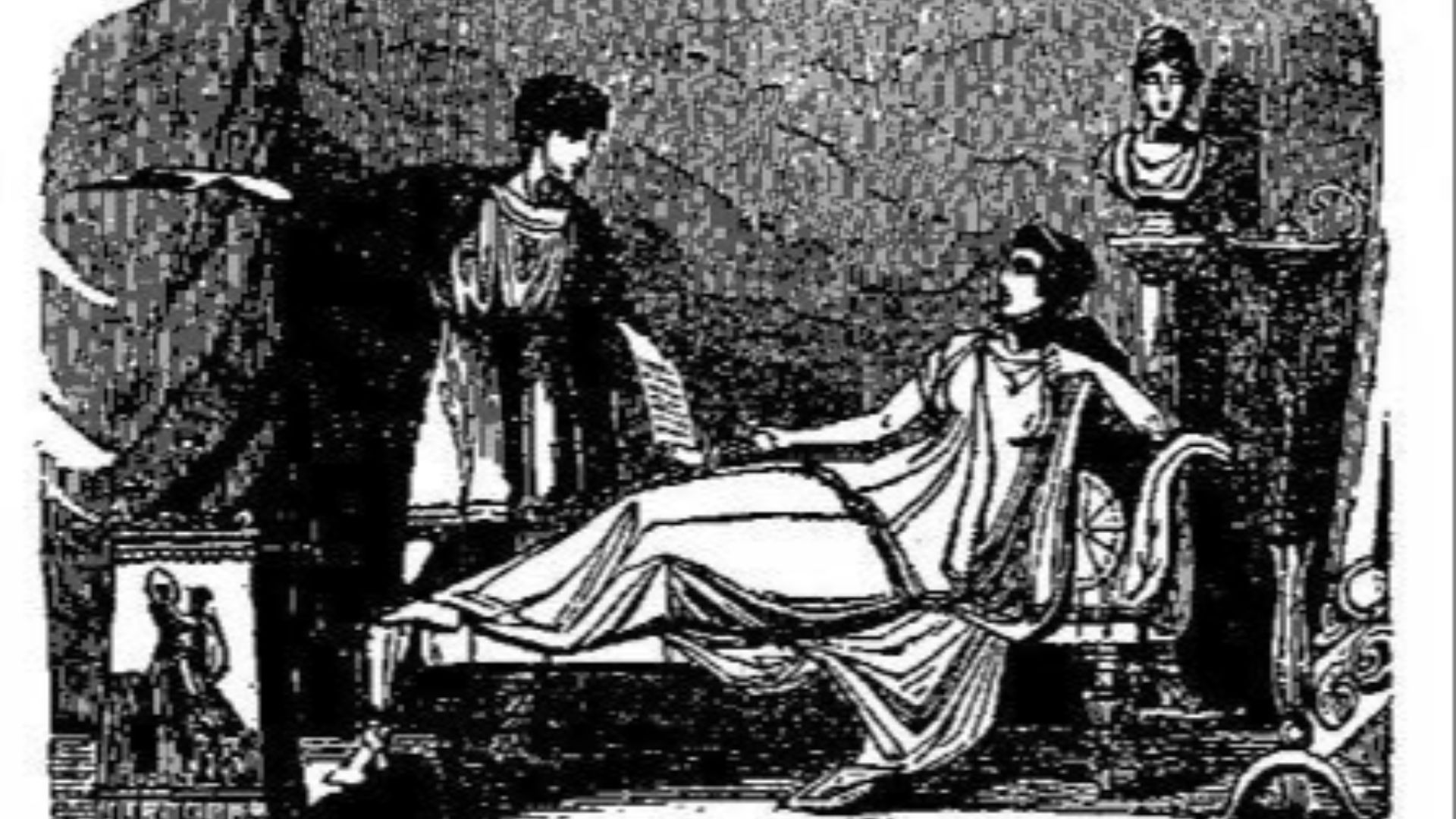
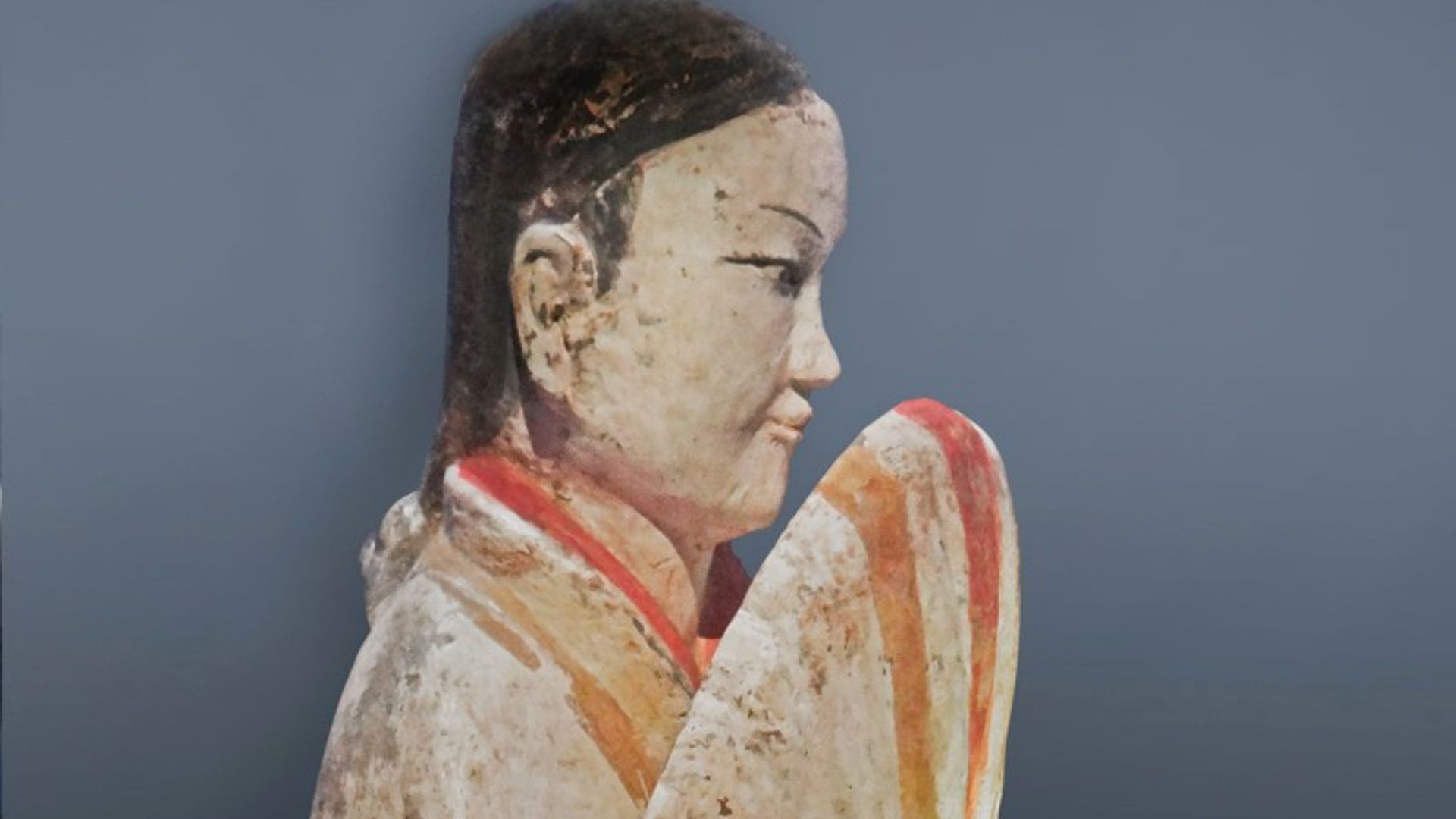
Concubines almost always caused some friction, but Empress Lü Zhi had a long-running hatred of Consort Qi, one of her husband's favorites. To make things hairier, Qi also wanted her own son to be the next emperor. Well, after Lü gained power, she had Qi's son poisoned before ordering Qi to be mutilated and imprisoned.
 Jean-Pierre Dalbéra from Paris, France on Wikimedia
5. Olympias
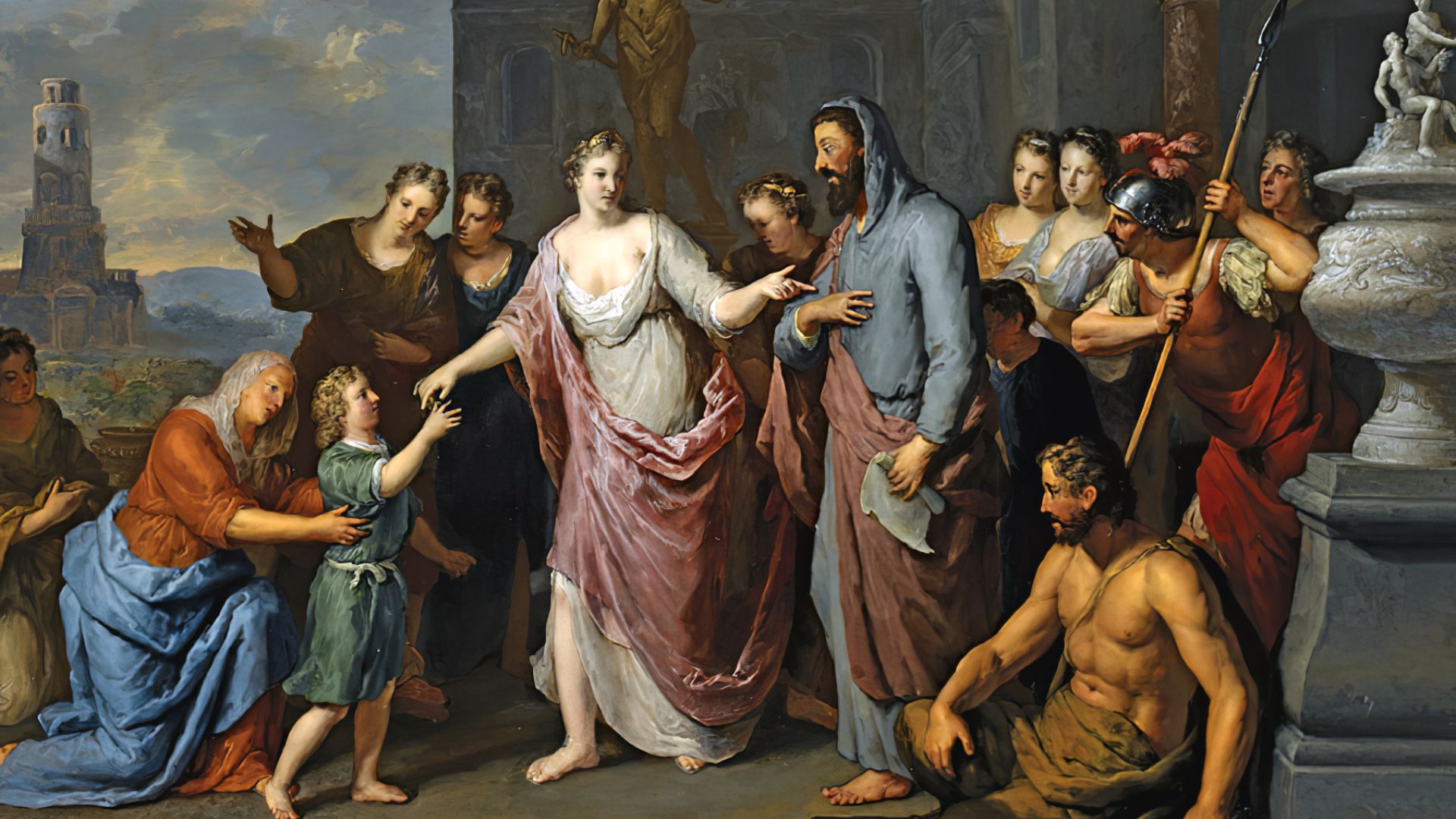
After Alexander the Great died, his mother Olympias returned to Macedonia, and she wasn’t interested in shaking hands. She ordered the deaths of King Philip III, forced his wife Eurydice to end her life, killed Nicanor, and desecrated the tomb of Iolaus, all because she blamed him for Alexander's death.
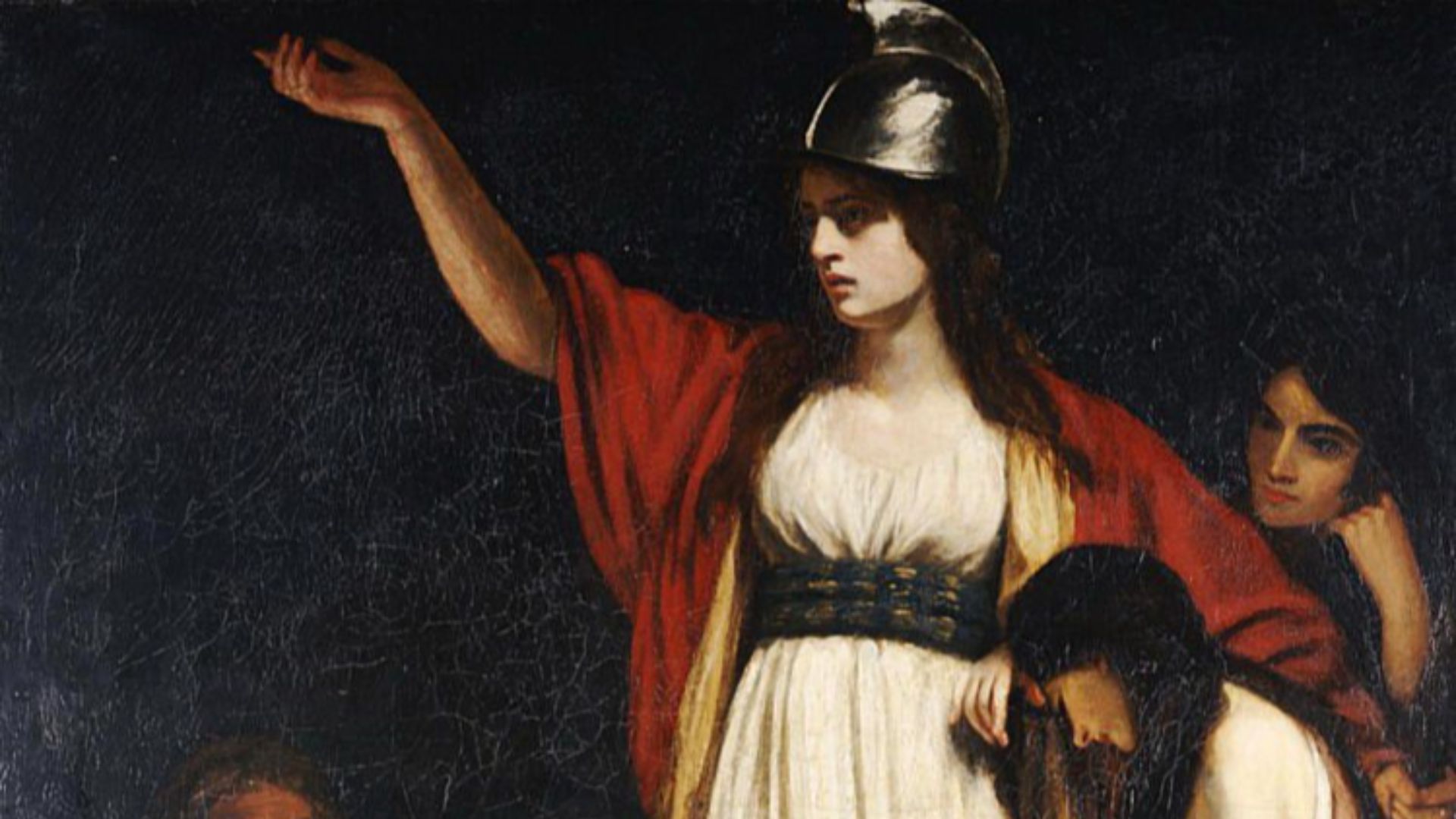
6. Boudica
Boudica had good reason to hate Rome after officials seized her family's property, flogged her, and assaulted her daughters. Once her husband died around AD 60, she organized a massive uprising that destroyed several Roman-controlled towns. Her movement was eventually crushed, but not before Boudica's army wiped out plenty of Romans and their supporters.
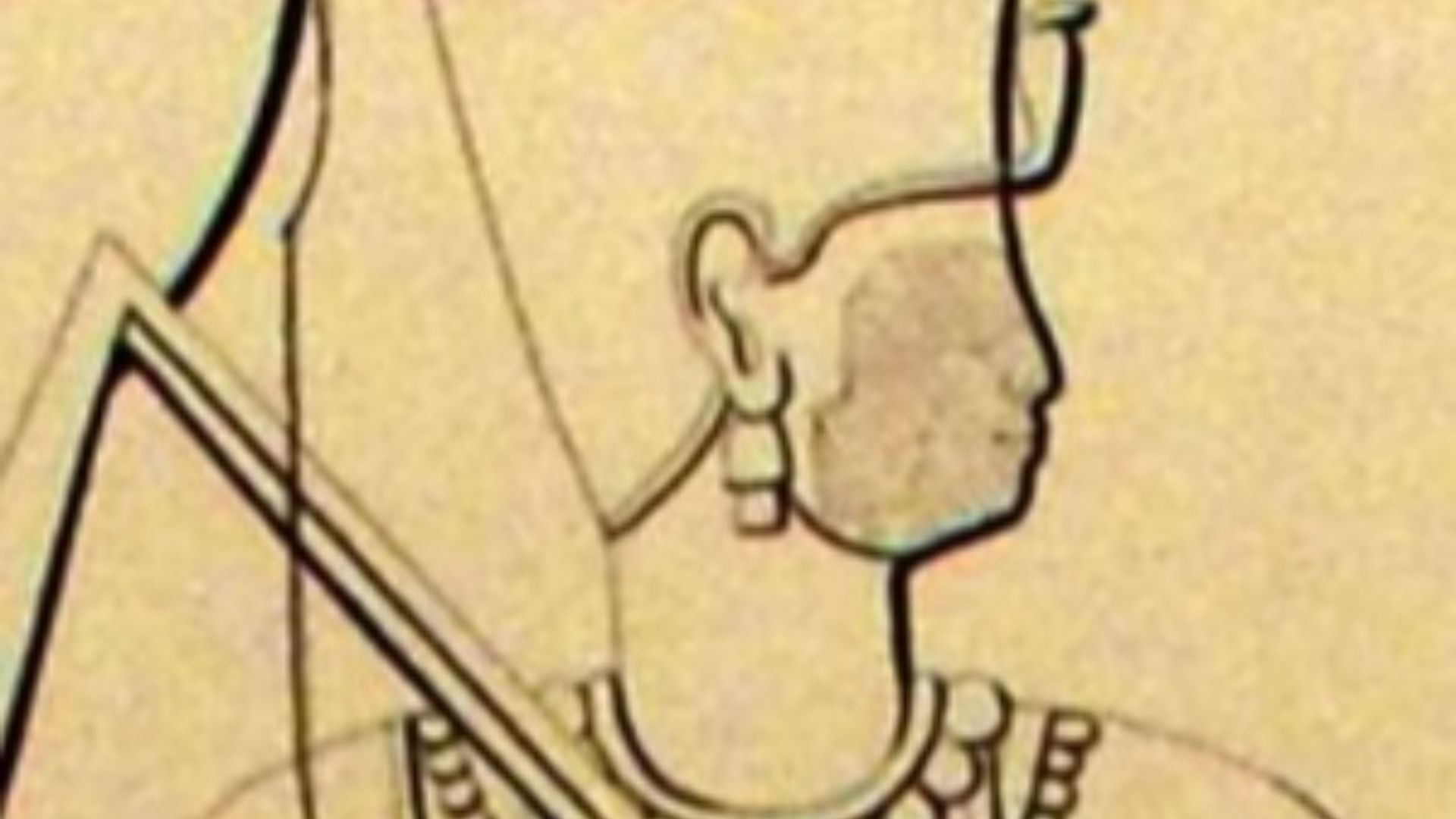
7. Amanirenas
Queen Amanirenas fought Rome after Roman power moved into territories bordering her kingdom. Kushite forces responded by attacking settlements, carrying off captives, smashing statues, and removing the head from a bronze statue of Augustus. The statue was actually buried beneath the steps of a temple at Meroë, so people literally walked over the emperor's face.
 Karl Richard Lepsius (1810-84) on Wikimedia
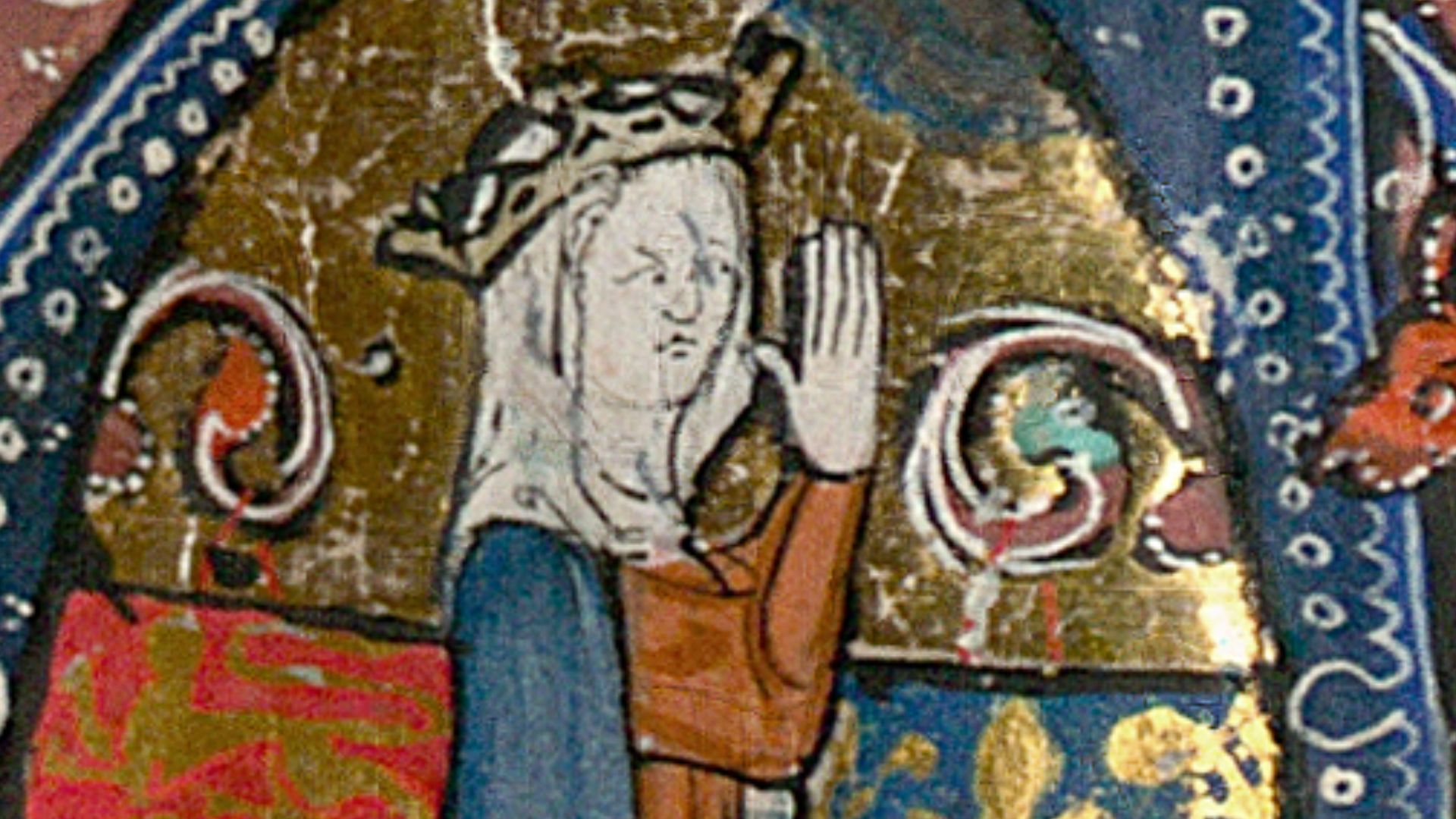
8. Isabella of France
Queen Isabella got a pretty bum deal when she married Edward II. The marriage was bad enough, but the king's favorite, Hugh Despenser the Younger, accumulated enough influence to help push her from power. Isabella didn’t go quietly, though. She returned to England in 1326, overthrew her husband's regime, and captured Despenser before he was given a brutal public execution for treason.
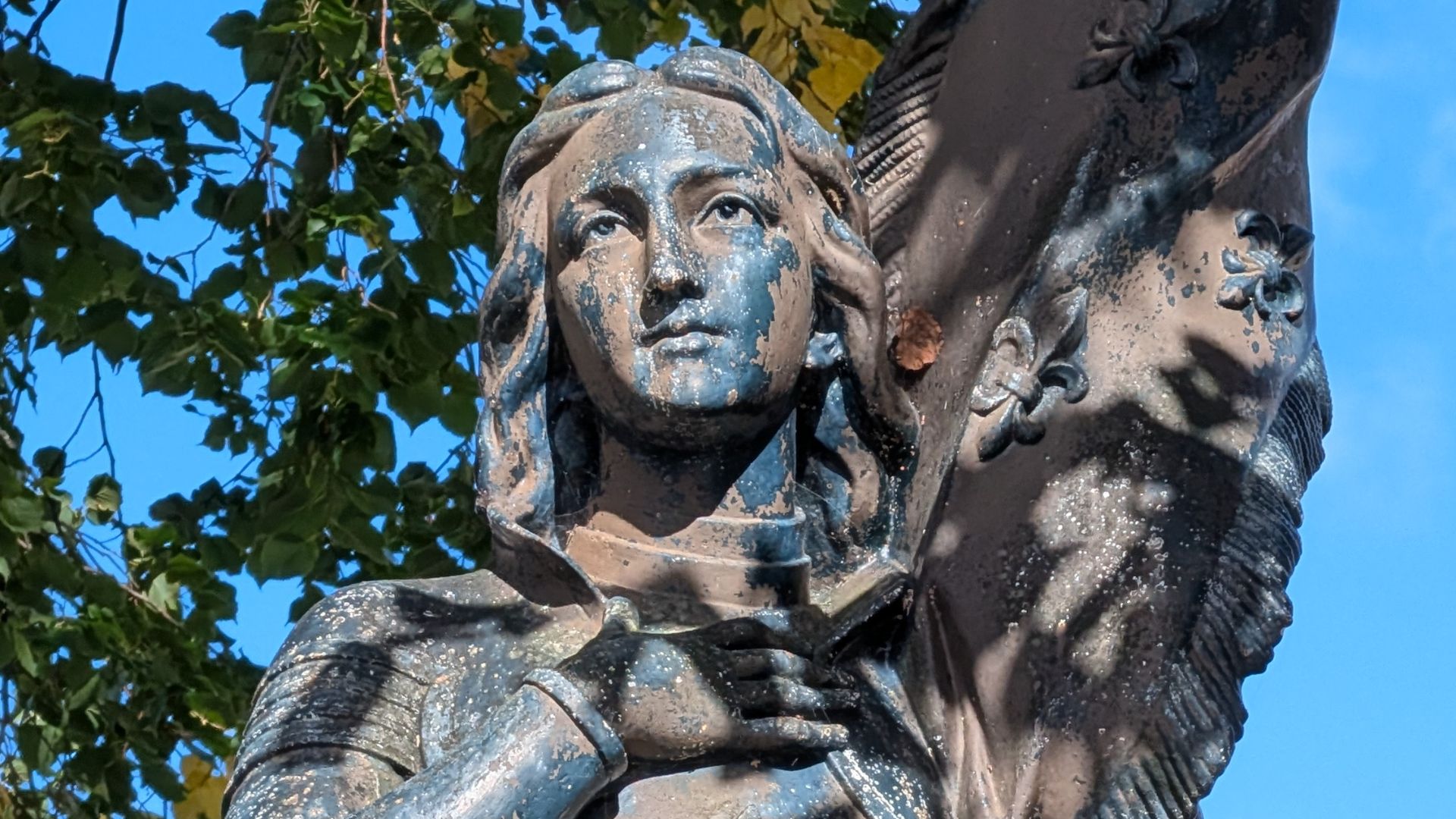
9. Jeanne De Clisson
When French authorities executed Olivier de Clisson for treason in 1343, they displayed his head publicly. The whole thing convinced his widow Jeanne that King Philip VI had murdered her husband, so she raised fighting men and entered the war against France. The whole thing even earned her a later reputation as the "Lioness of Brittany."
10. Sayyida Al-Hurra
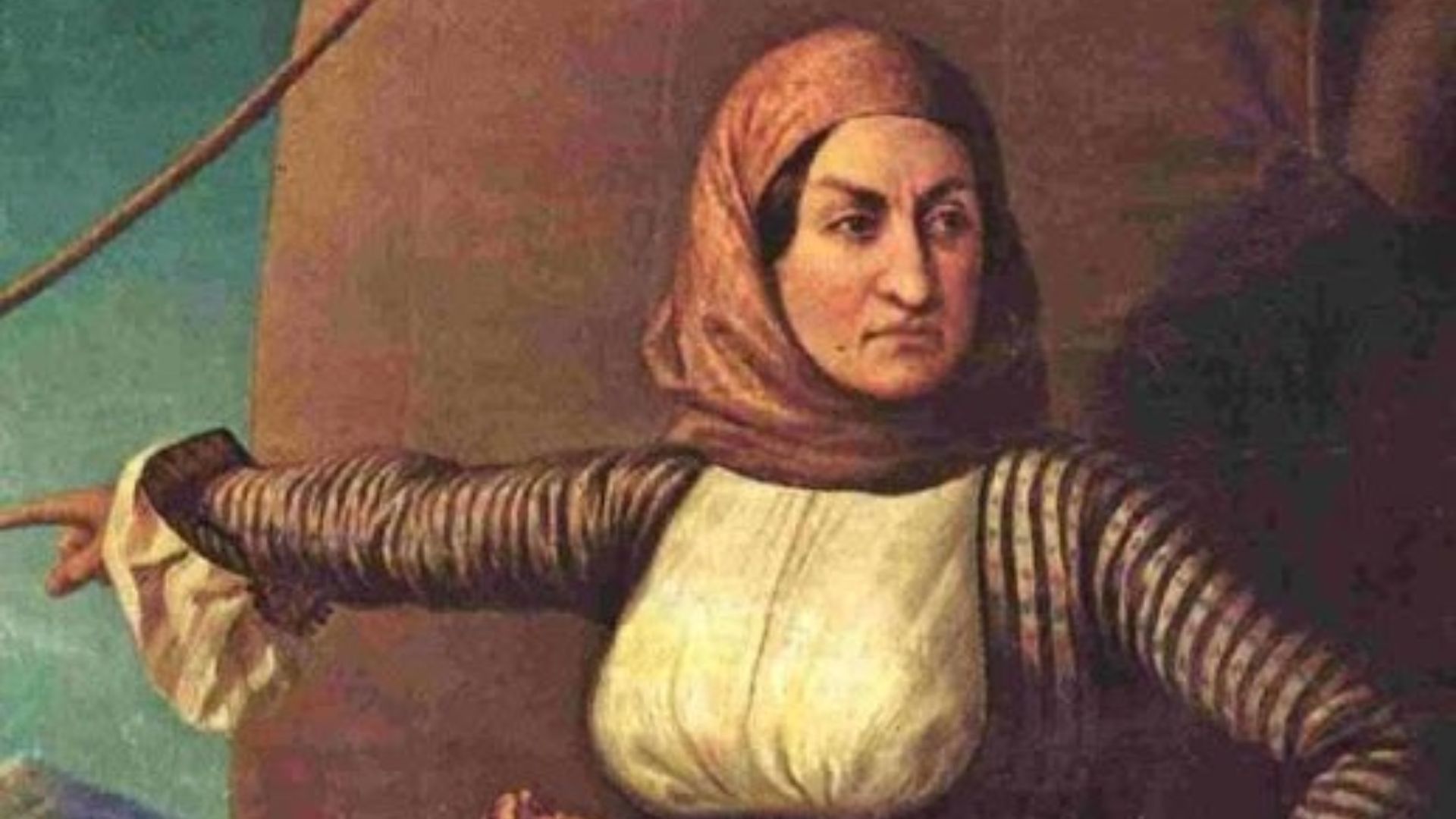
Sayyida al-Hurra grew up in a Muslim family, one that was forced out of Spain as Christian kingdoms completed the Reconquista. After becoming ruler of Tétouan in North Africa, she supported attacks against Spanish ships, and historians have since connected that anger not only to the loss of Granada, but also to the displacement of families like her own.
11. Christina of Sweden
After abdicating her throne, Christina of Sweden discovered evidence that Gian Rinaldo Monaldeschi, a member of her household, had betrayed her confidence. In 1657, she showed up with incriminating letters and allowed him just enough time to plead for his life. She then ordered her servants to kill him.
 Sébastien Bourdon on Wikimedia
12. Velu Nachiyar
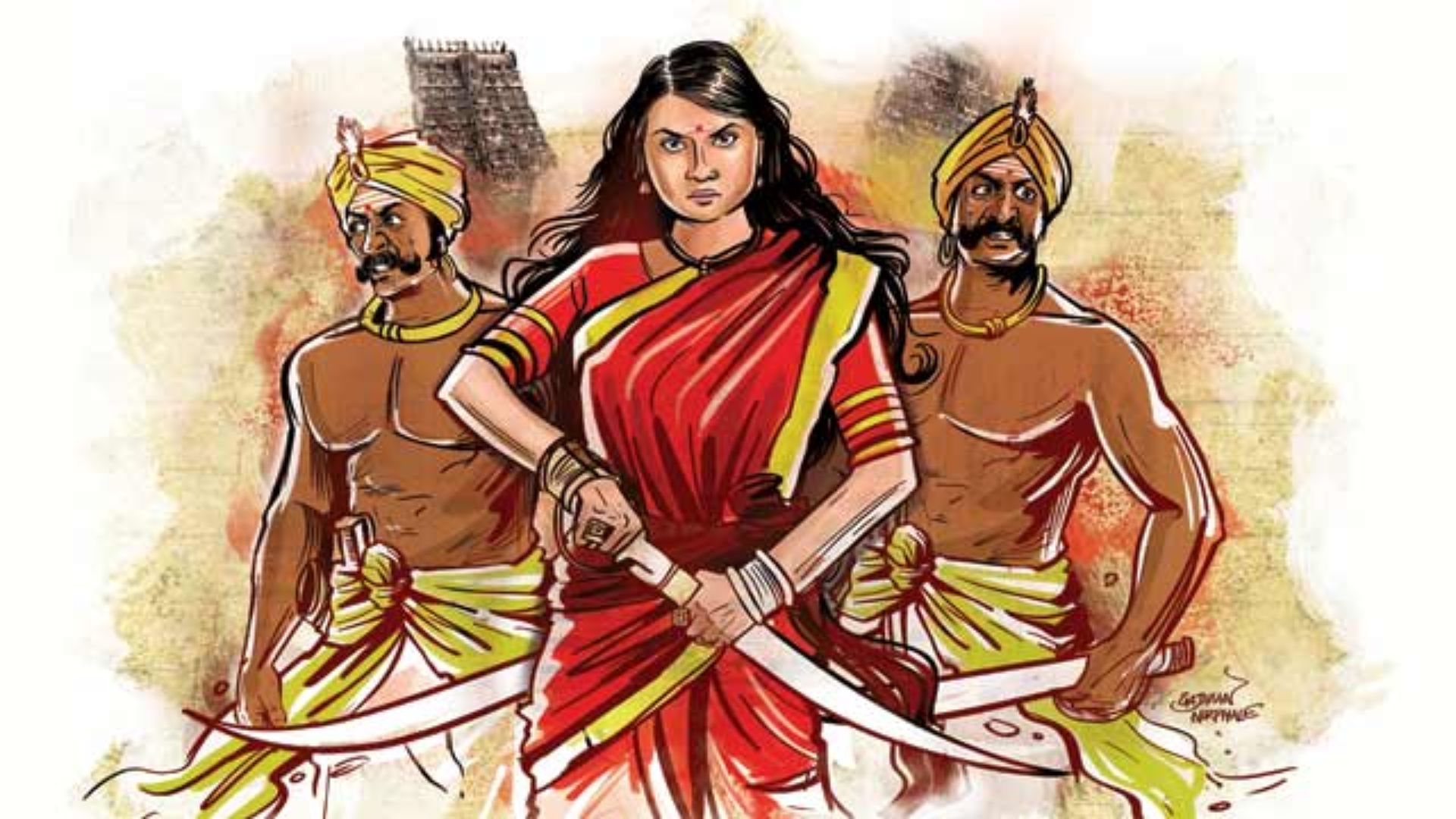
Velu Nachiyar lost her husband when enemy forces attacked Sivaganga in 1772. She managed to escape and spent years gathering allies and soldiers, preparing for a proper return rather than foolishly rushing into battle. In 1780, her forces retook Sivaganga, allowing her to reclaim both her kingdom and a serious dose of revenge.
13. Uda Devi
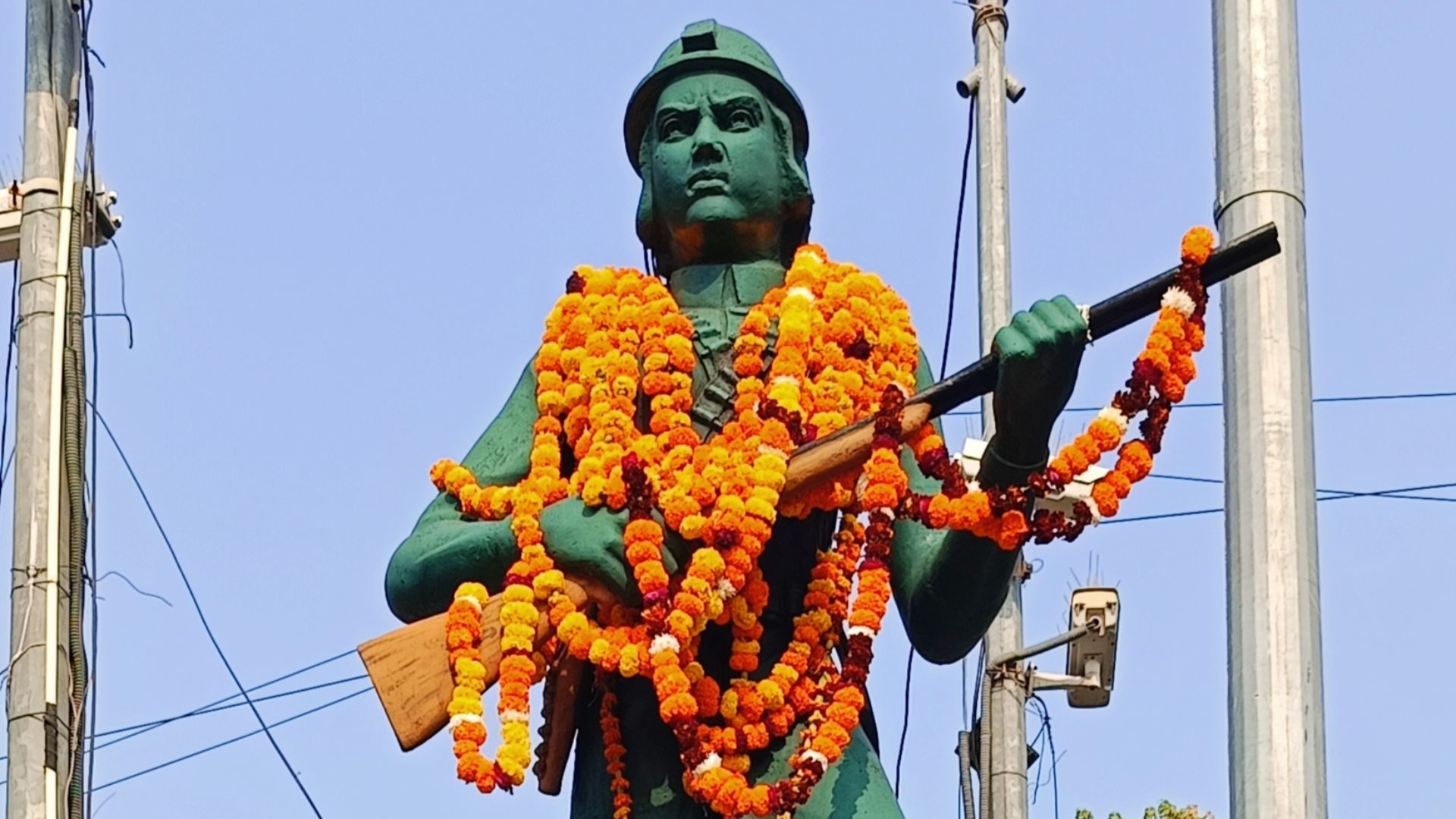
Uda Devi fought during the Indian Rebellion of 1857, and later accounts say the death of her husband made her even more bloodthirsty toward British troops. During the Battle of Sikandar Bagh, accounts say that she hid in a tree and shot down soldiers from above until the British eventually found her. Said accounts can’t quite agree on how many men she killed, but she definitely got a few.
14. Celia
In 1855, an enslaved young woman known only as Celia took revenge against her enslaver—one who had assaulted her for years. When he came to her cabin again, she struck him, killed him, and burned his body in her fireplace before hiding the remains. She was then convicted of murder and hanged.
 TheAnonymousPhotographer on Wikimedia
15. Maria Spiridonova
Long story short, Russian revolutionary Maria Spiridonova believed government official Gavriil Luzhenovsky was responsible for brutal attacks happening on rebellious peasants. In 1906, she approached him at a railway station while disguised as a schoolgirl and shot him point-blank. He later died, and Spiridonova became famous among revolutionaries for carrying out the deed herself.

16. Henriette Caillaux
French newspaper editor Gaston Calmette spent months attacking politician Joseph Caillaux, constantly threatening to publish private material about his personal life. Caillaux’s wife, Henriette, went to the newspaper office in 1914 and shot Calmette, actually being acquitted after her lawyers convinced the jury that she had acted in a sudden emotional state.
17. Ruth Ellis
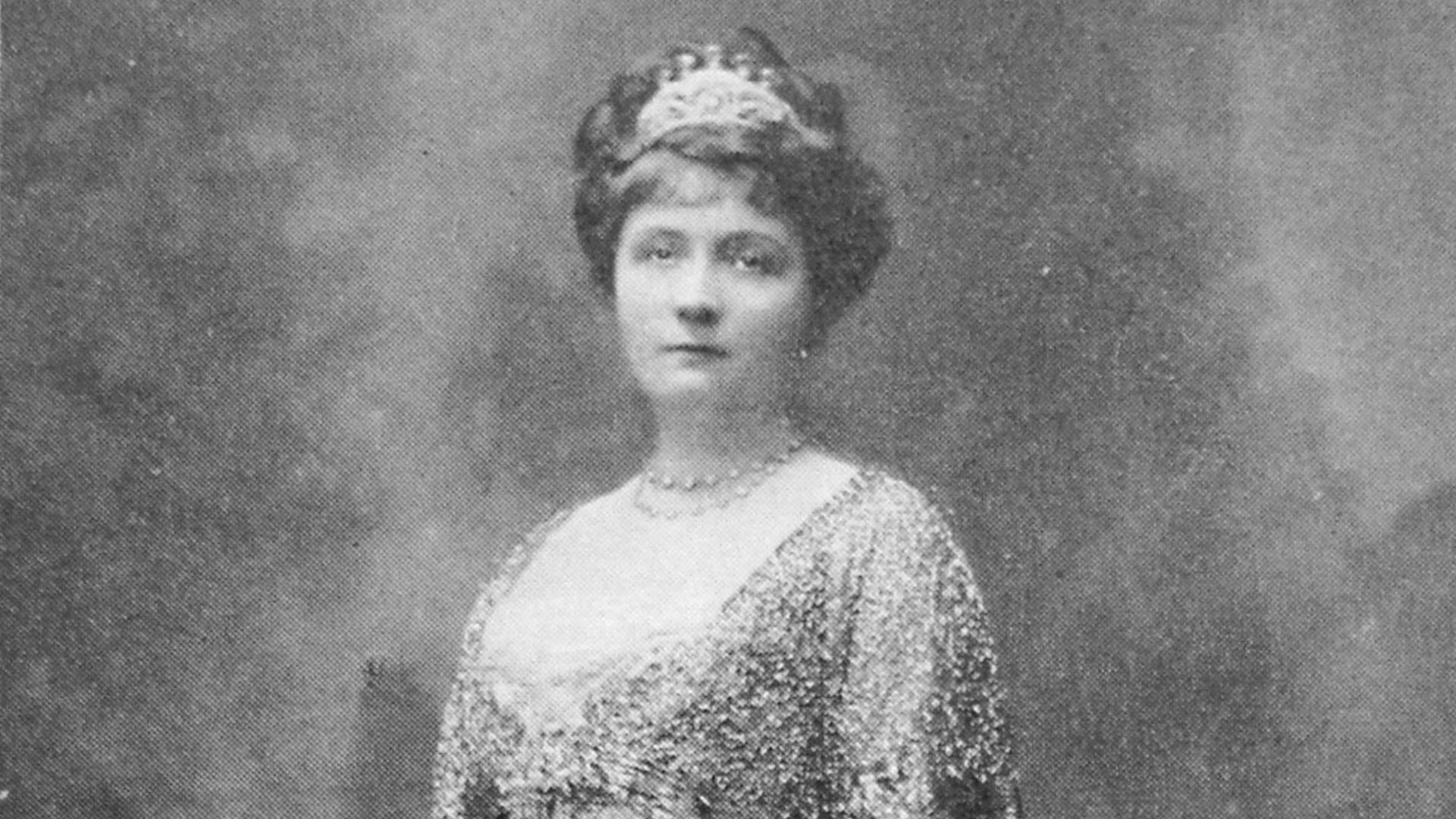
Ruth Ellis's relationship with David Blakely was a terrible situation filled with violence. After so long dealing with his temper, in 1955, Ellis found him outside a pub, shot him as he tried to run, then stood over him and fired more rounds before waiting for police to arrive. She was hanged for it, but just last month she received a posthumous conditional pardon recognizing that the justice system had failed to consider the domestic abuse surrounding the act.
 Tingey Injury Law Firm on Unsplash
18. Mariya Oktyabrskaya
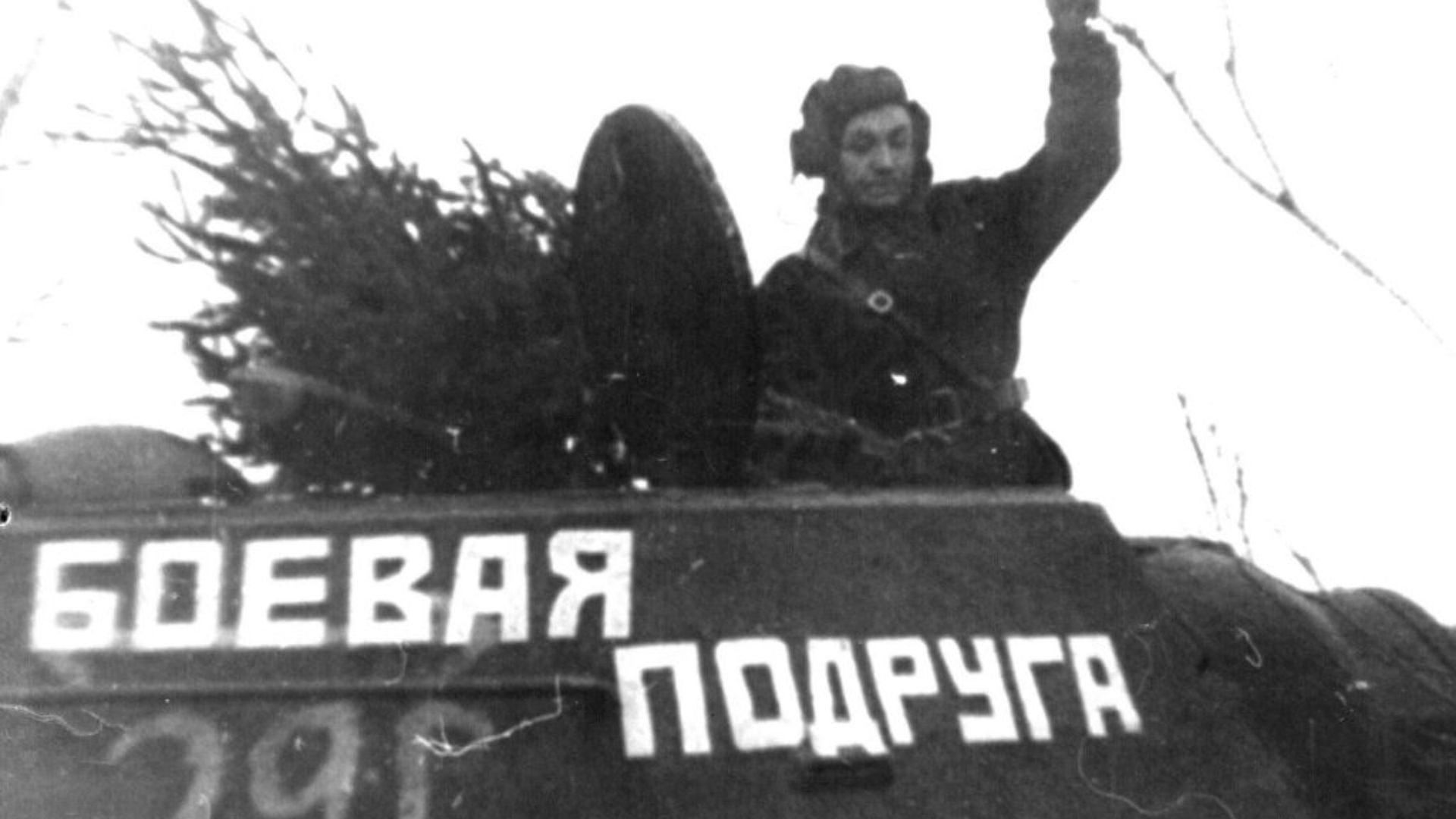
After learning that her husband had been killed fighting Nazi Germany, Mariya Oktyabrskaya sold almost everything she had and bought a T-34 tank. She asked Soviet authorities to let her drive it herself, named it "Fighting Girlfriend," and went into combat on the Eastern Front. Her crew destroyed a lot of German positions and equipment, and though Oktyabrskaya died from wounds, she was posthumously named a Hero of the Soviet Union.
19. Roza Shanina
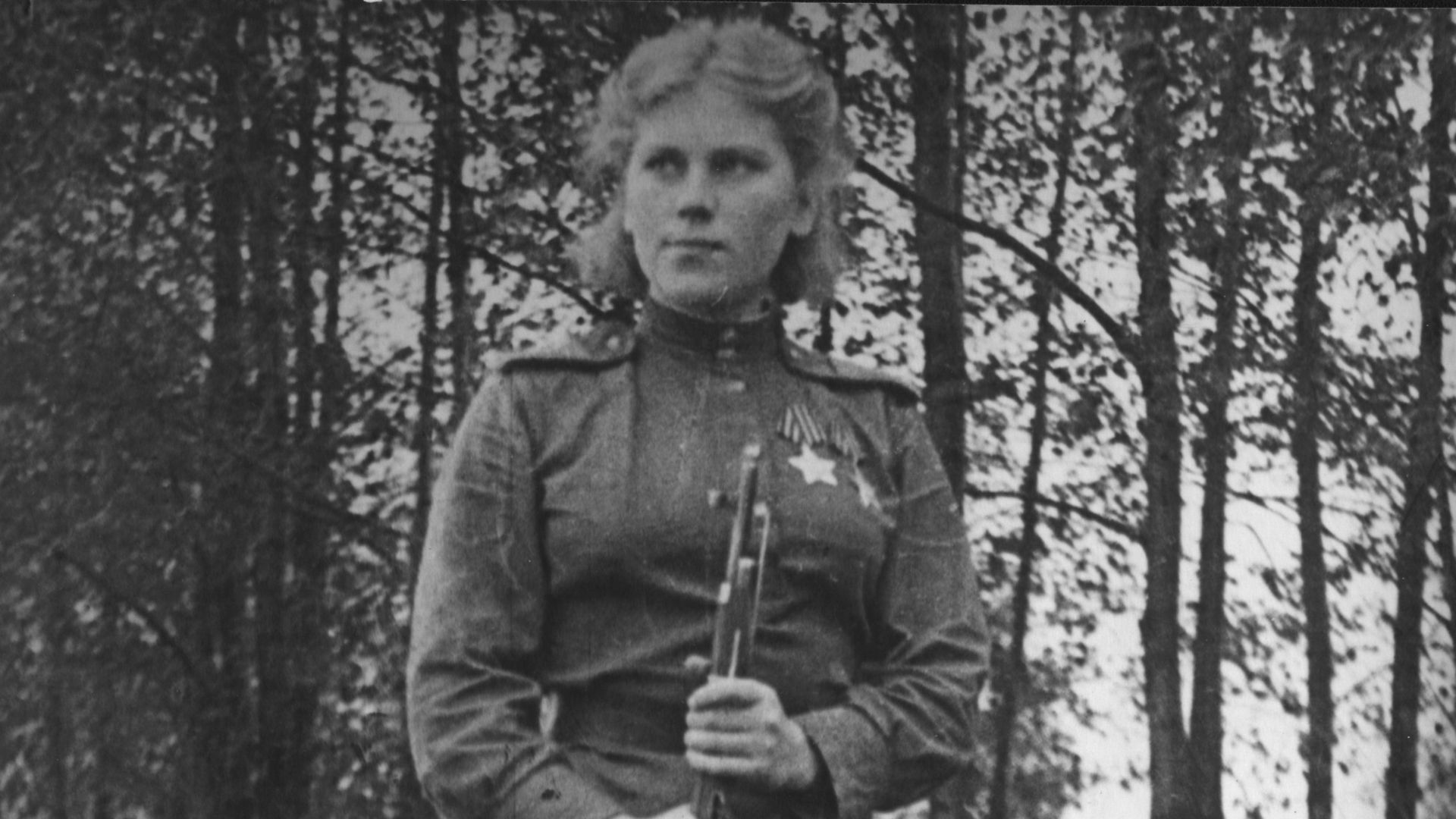
Roza Shanina lost family during Nazi Germany's invasion of the Soviet Union, including a brother. She trained as a sniper and became one of the Red Army's most successful female marksmen, with roughly five dozen confirmed kills under her belt. Shanina was only 20 when she was fatally wounded in 1945.
 Александр Фридлянский on Wikimedia
20. Marianne Bachmeier
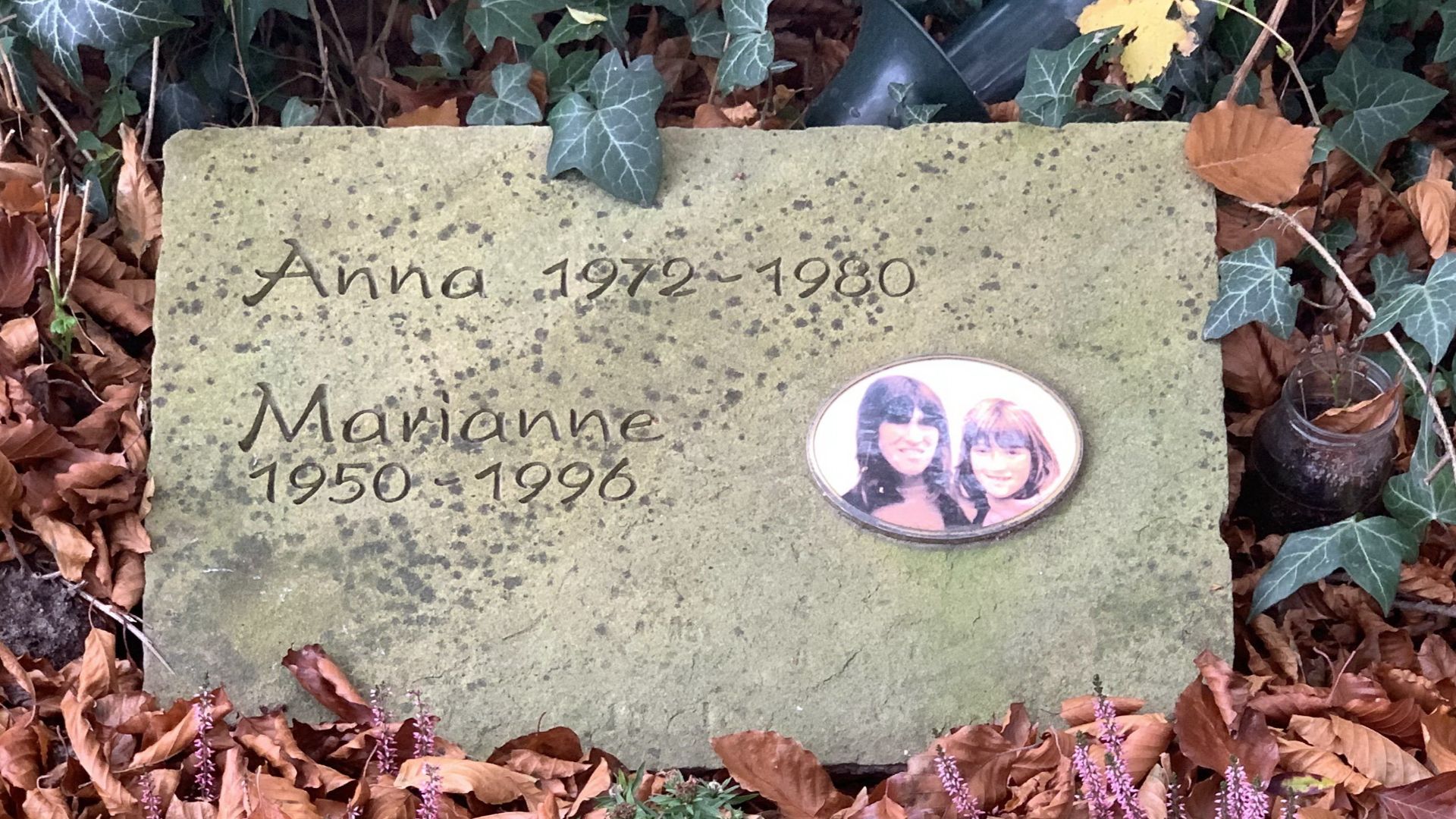
In 1981, Marianne Bachmeier attended the trial of Klaus Grabowski, the man accused of assaulting and murdering her seven-year-old daughter, Anna. Bachmeier snuck a pistol into the courtroom and shot him dead before the trial could continue. She was later convicted of manslaughter in 1983 and sentenced to six years in prison, but was released after about three.
KEEP ON READING