Power, Privilege, and Poor Record-Keeping
History rewards the powerful with a strange kind of immunity, one that rarely extends to anyone without a crown, or enough money to make problems disappear. Plenty of well-documented killers walked free simply because the people meant to hold them accountable answered to them instead. Some hid behind nobility, some behind chaos, and a few just had the good luck to outlive everyone with the will to prosecute them. The stories range from ancient palace intrigue to modern courtroom acquittals, but the pattern barely changes across centuries. Here's 20 historical figures who, by most accounts, got away with murder.
 Anonymous photographer, not identified anywhere on Wikimedia
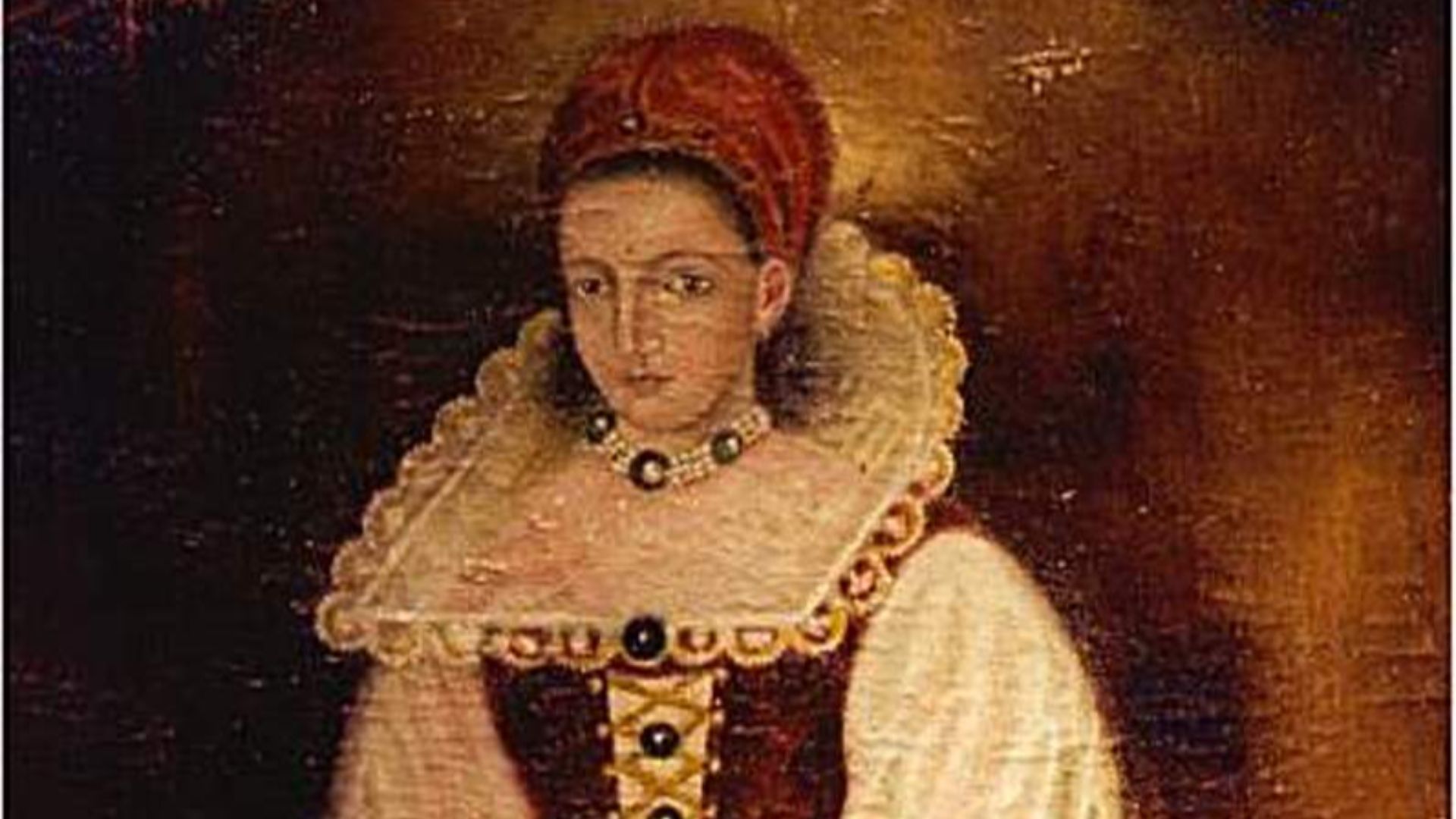
1. Countess Elizabeth Báthory
Rumors accused this Hungarian countess of torturing and killing dozens of young women in the early 1600s, allegedly bathing in their blood to preserve her youth. Her noble status meant she avoided a public trial entirely; her accomplices were executed while she was walled into a set of rooms in her own castle instead. She died there a few years later, technically punished but never formally convicted of anything.
 Unknown authorUnknown author on Wikimedia
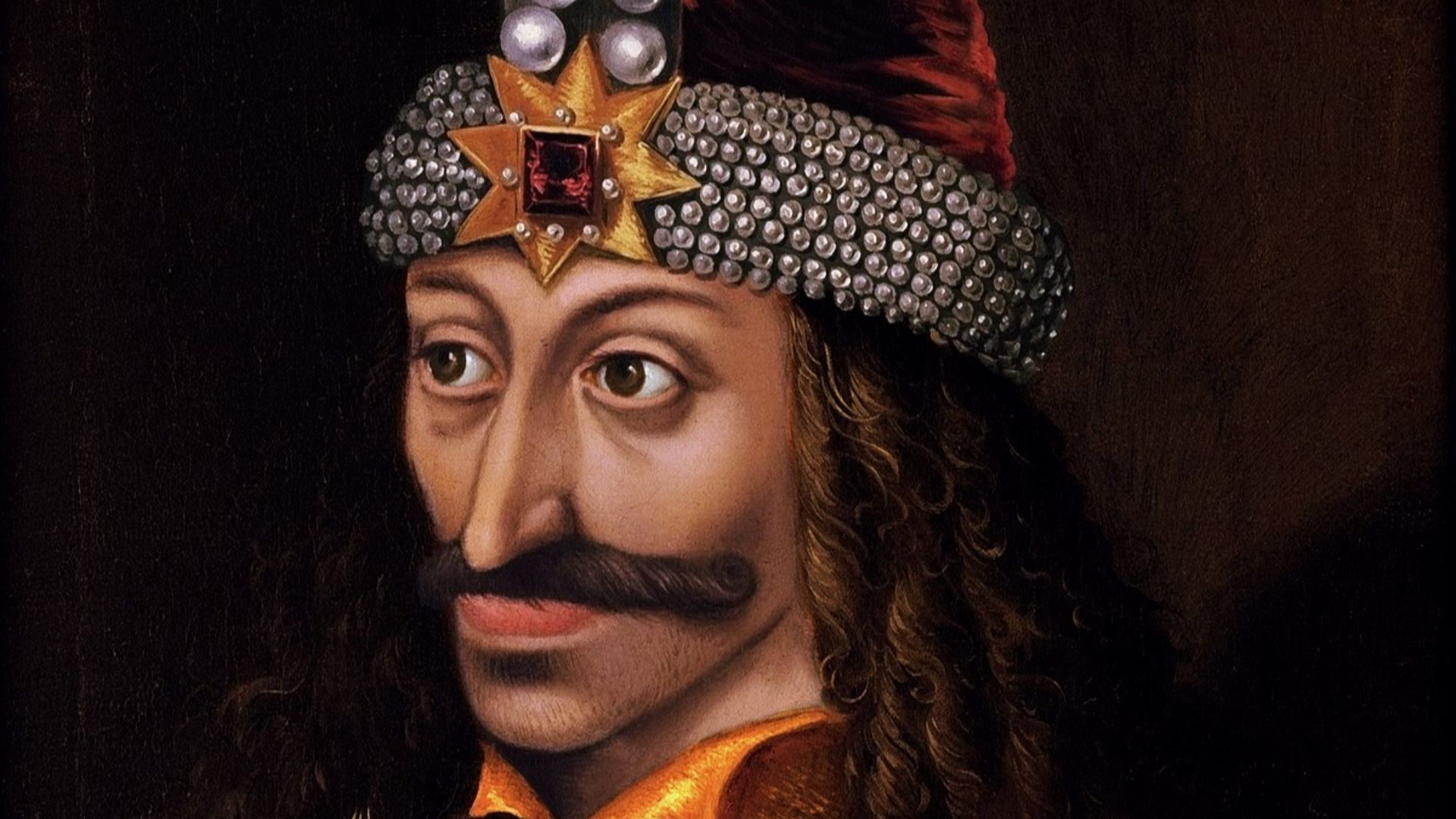
2. Vlad the Impaler
The Wallachian prince impaled thousands of enemies and suspected traitors on wooden stakes, a punishment gruesome enough to become his defining legacy. He ruled during an era when brutality against political rivals barely registered as a crime worth prosecuting. Vlad died in battle, never once answering for the killings that made him famous.
3. King Herod the Great
Herod ordered the execution of his own wife, several of his sons, and reportedly a group of infants in Bethlehem out of fear for his throne. As king of Judea, he answered to no court higher than himself, which made accountability essentially impossible. Rome, more interested in a loyal client king than a moral one, never intervened.
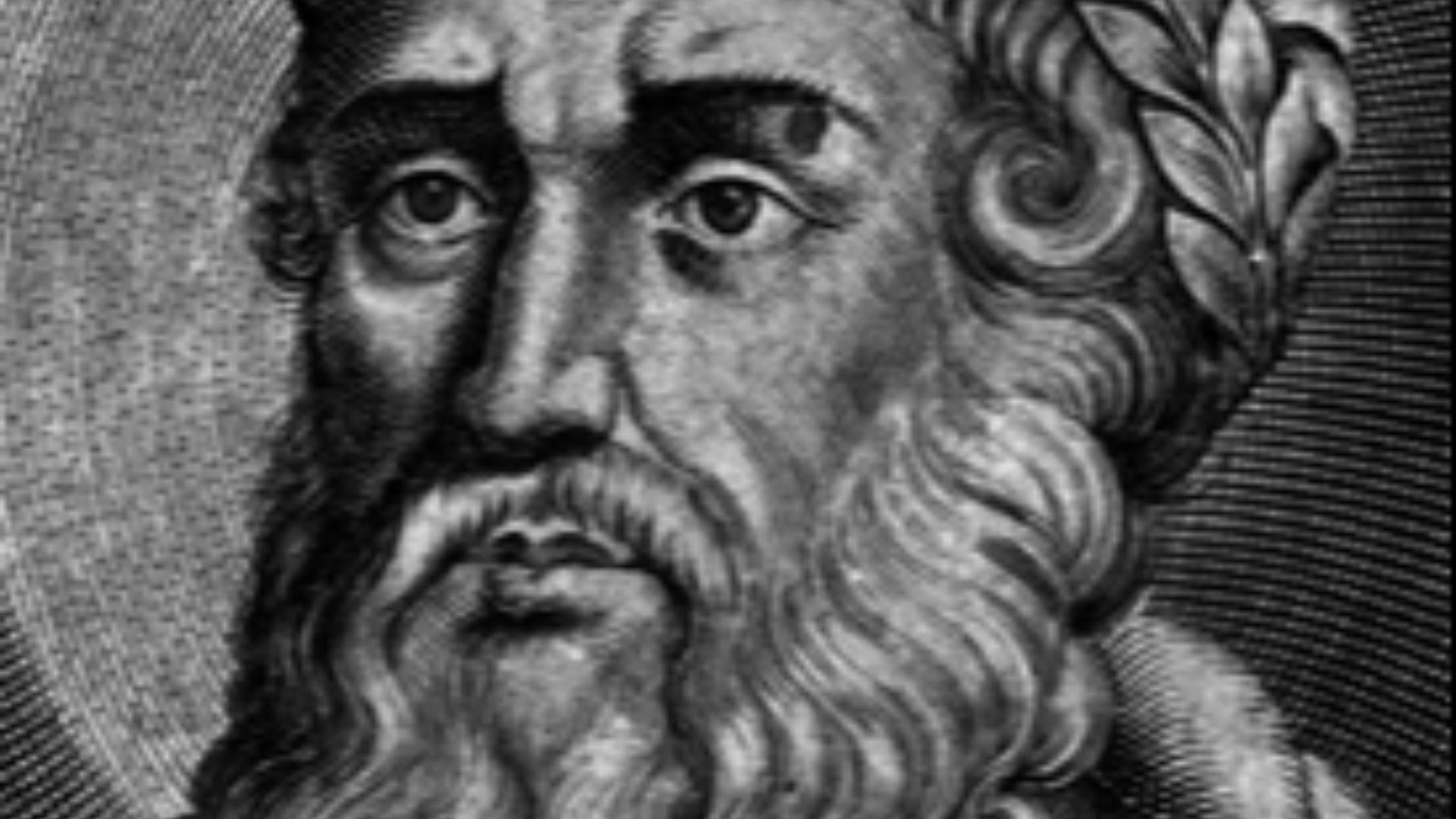 Unknown authorUnknown author on Wikimedia
4. Ivan the Terrible
Ivan killed his own son in a fit of rage during an argument, a death historians still debate the details of centuries later. He ran the Oprichnina, a private police force that executed and tortured suspected enemies with his blessing. As Tsar, the only court capable of judging him was the one he controlled.
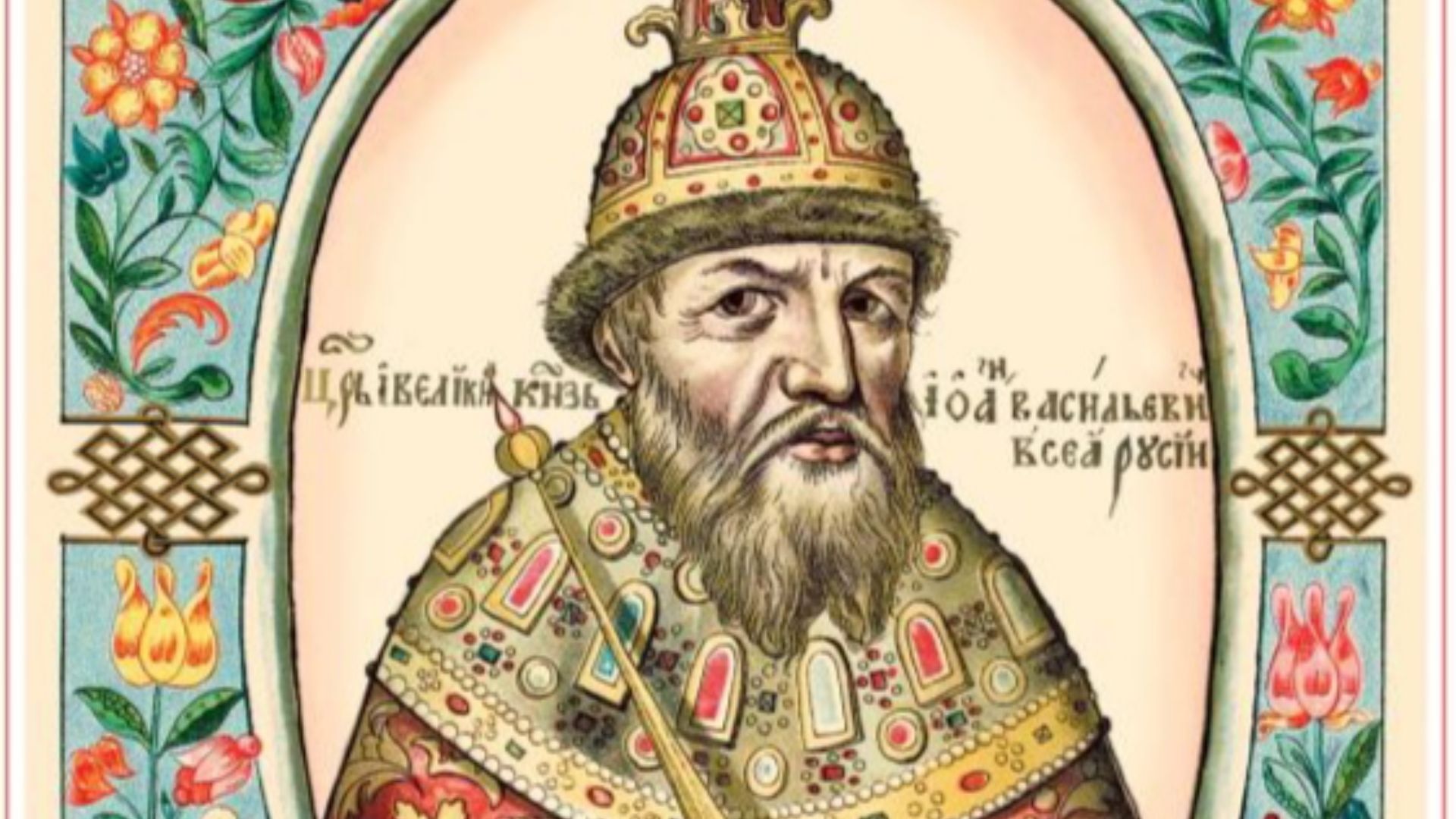 Unknown authorUnknown author on Wikimedia
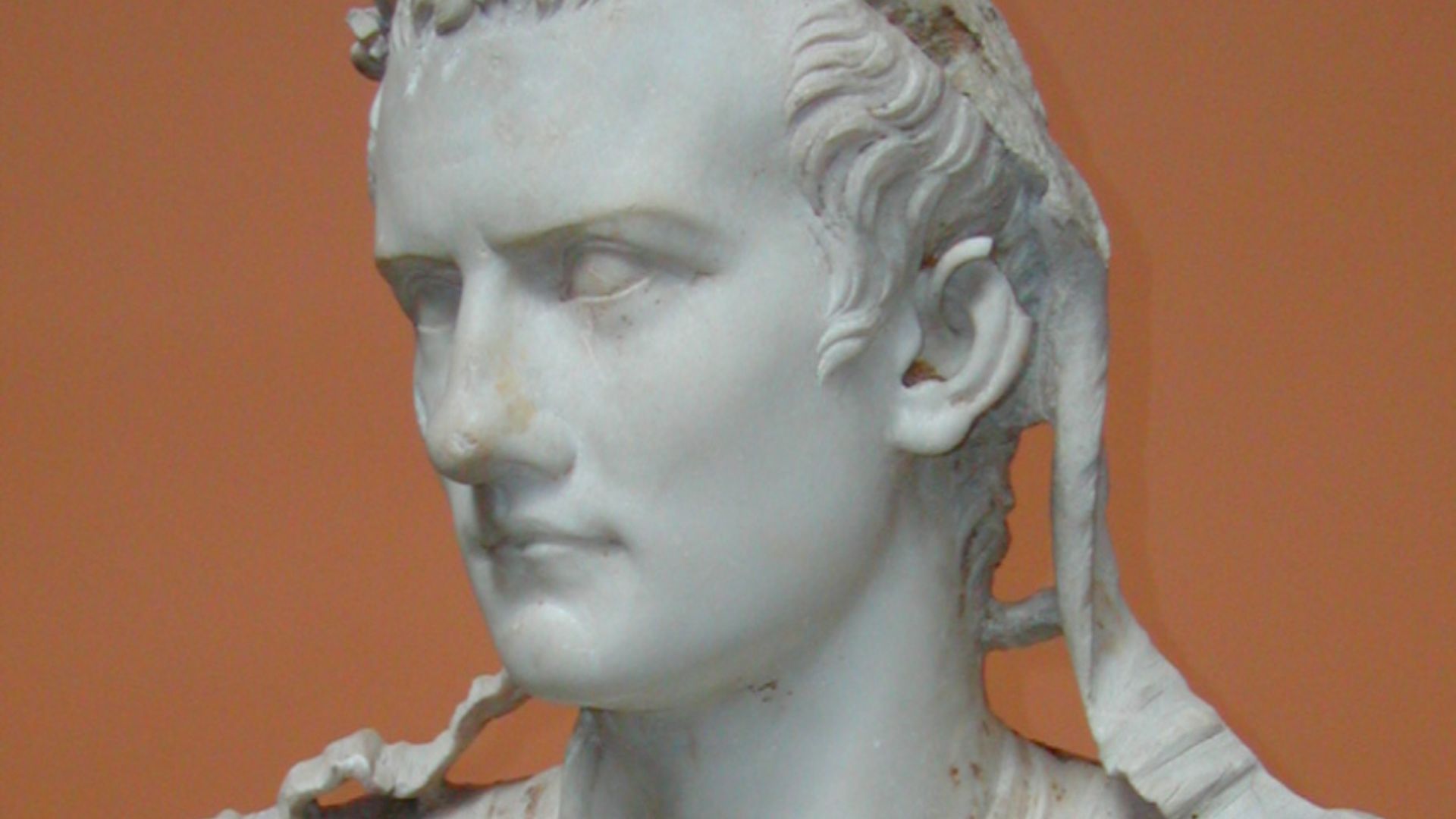
5. Caligula
Roman senators and historians accused Caligula of ordering executions on a whim, sometimes reportedly just to watch the reaction. His absolute power as emperor meant no formal justice system existed above him, only conspirators willing to act outside the law. He was eventually assassinated by his own guard, which is its own kind of justice, but never a trial.
6. Lucrezia Borgia
Poison rumors followed Lucrezia through most of her life, tied to a family notorious for eliminating rivals quietly and efficiently. Historians still argue over how much of it was true and how much was political propaganda from Borgia enemies. Either way, no formal charge or trial ever touched her.
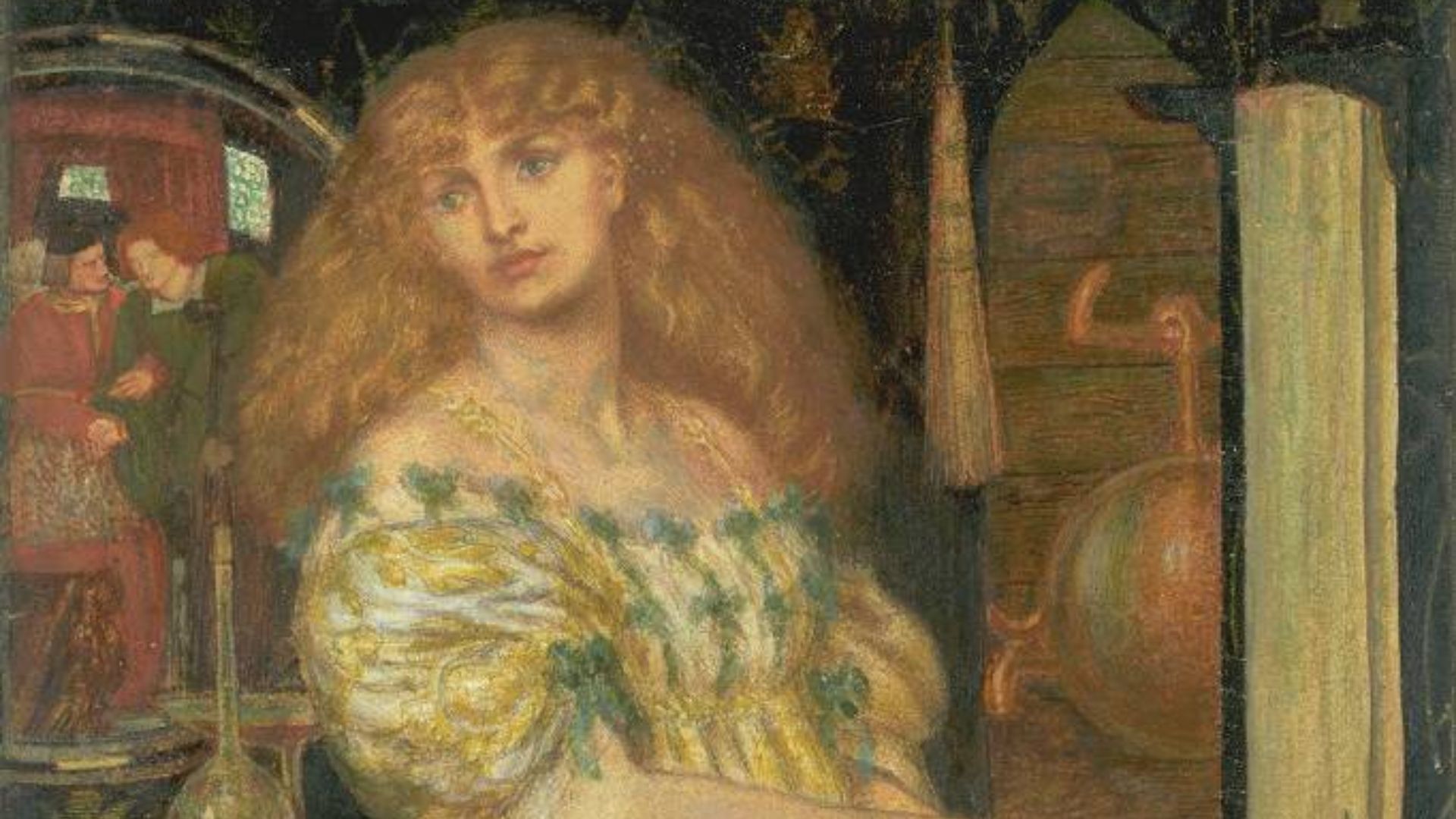 Dante Gabriel Rossetti on Wikimedia
7. Aaron Burr
Burr shot and killed Alexander Hamilton in a duel in 1804, an act that was technically illegal even by the standards of the time. He was indicted in two states, but the charges quietly disappeared and he finished out his term as vice president. Dueling occupied a strange gray area where killing someone with witnesses present rarely led anywhere near a courtroom.
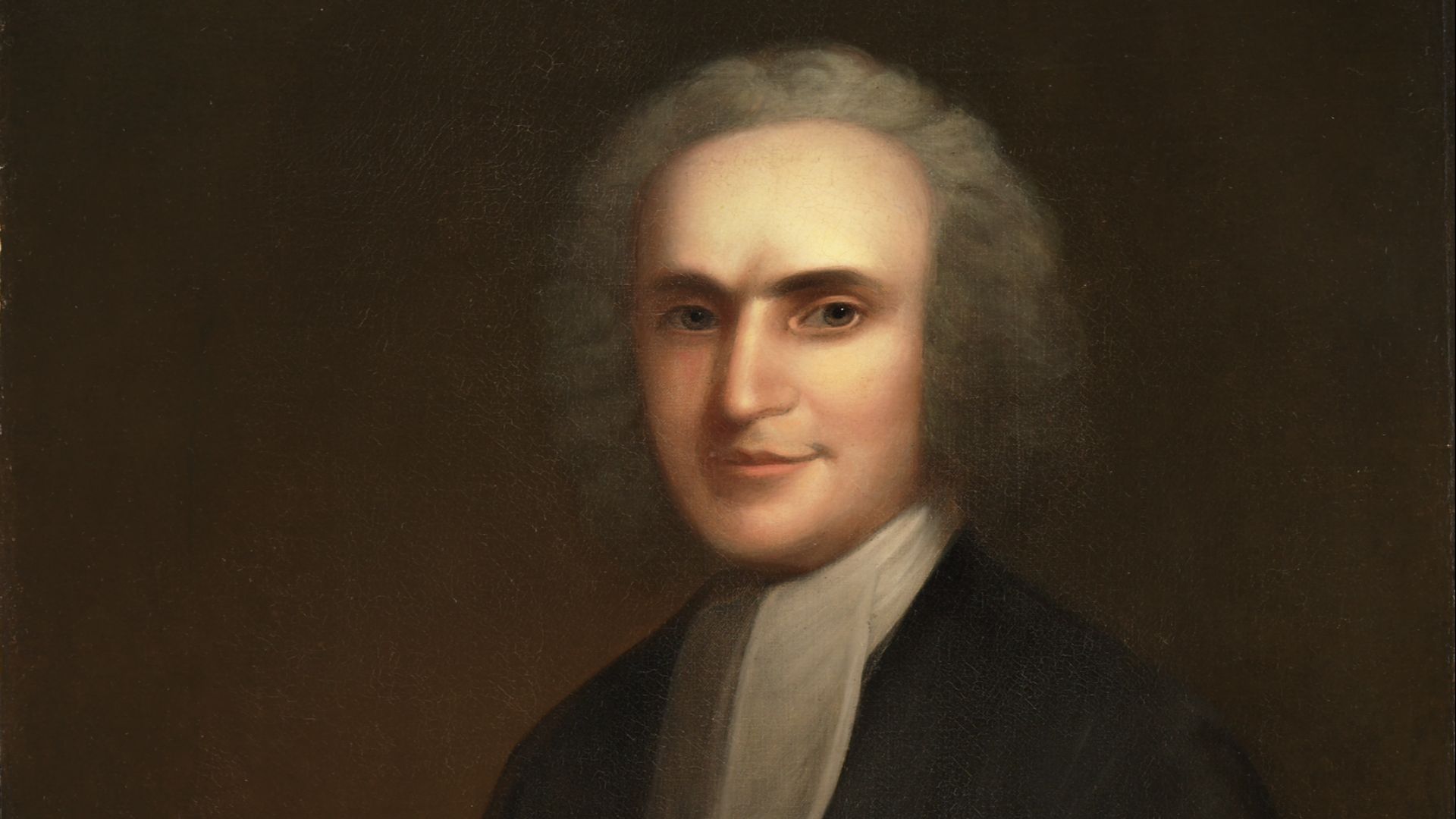 Edward Ludlow Mooney, American, 1813–1887 on Wikimedia
8. Lizzie Borden
Borden stood trial for the axe murders of her father and stepmother in 1892 and was acquitted after a jury deliberated for barely an hour. The physical evidence against her was substantial by most accounts, but her gender and social class worked heavily in her favor with an all-male jury. She lived the rest of her life in the same town, wealthy and free.
 Unknown authorUnknown author on Wikimedia
9. Prince Felix Yusupov
Yusupov helped lure Rasputin to his palace and kill him in 1916, later writing candidly about his role in the killing. Imperial Russia's own laws protected members of the royal family from standard prosecution, so his punishment amounted to exile from the capital. He spent his later decades in Paris, unbothered by any legal consequence.
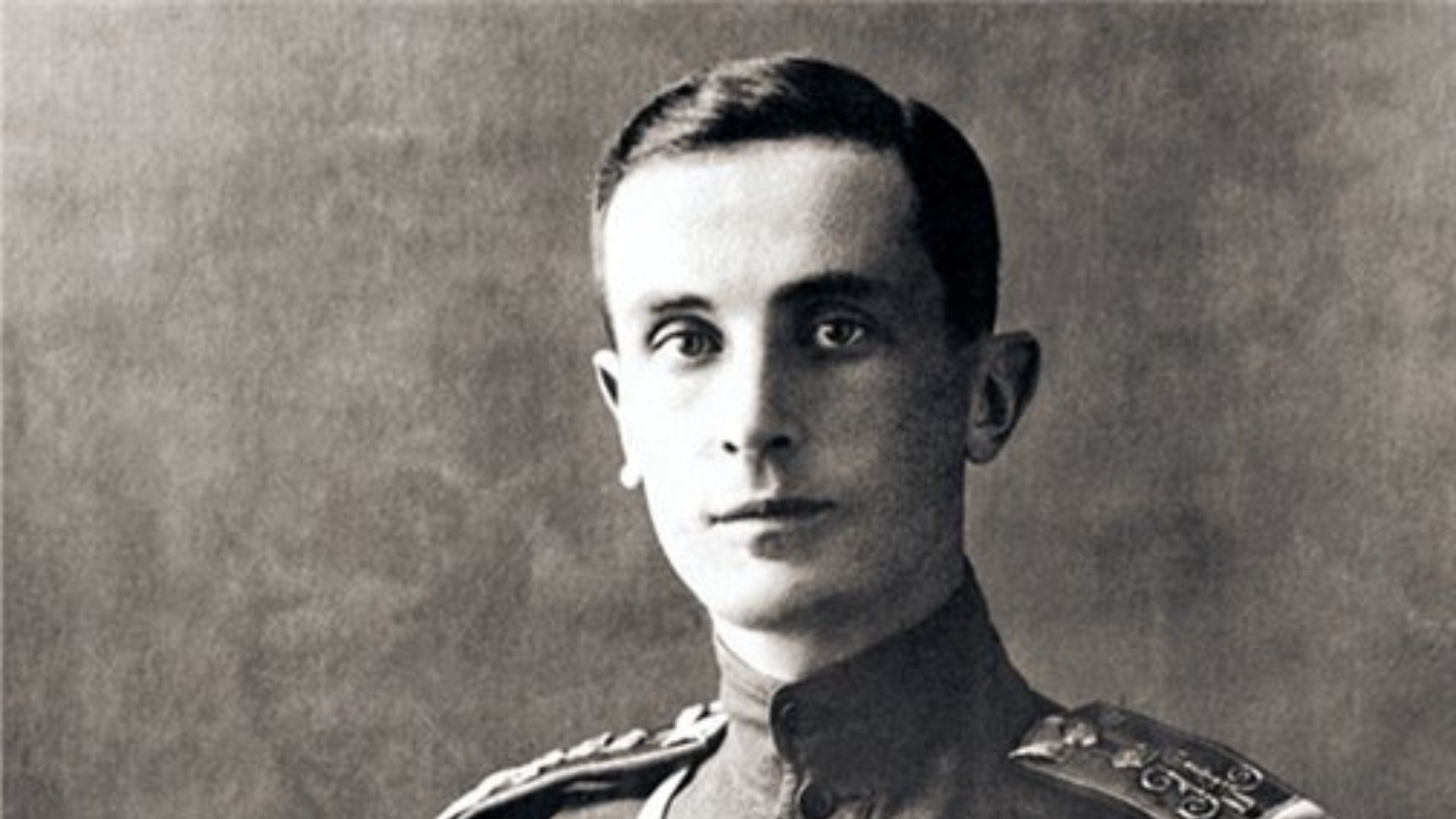 Unknown authorUnknown author on Wikimedia
10. Empress Wu Zetian
Wu Zetian's rise to become China's only female emperor involved a string of convenient deaths among rivals and family members, including accusations that she killed her own infant daughter to frame a political enemy. As the person who controlled the imperial court, she was also the one who decided which accusations got investigated. Nobody with the power to charge her ever did.
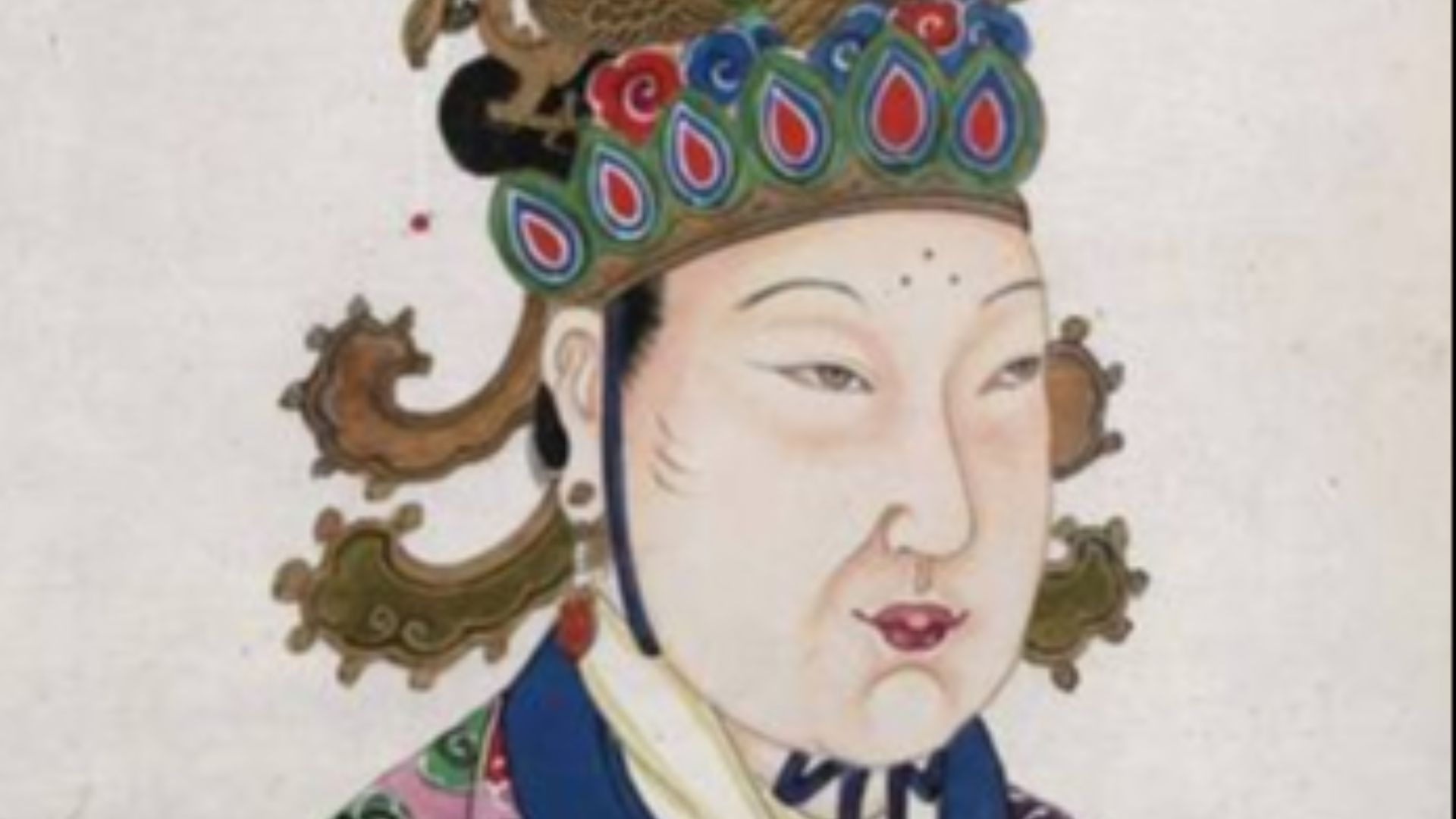 Unknown authorUnknown author on Wikimedia
11. King Leopold II of Belgium
Leopold ran the Congo Free State as a personal possession, and the forced labor system under his rule killed an estimated ten million people through violence, starvation, and disease. International pressure eventually forced Belgium to take the territory away from him directly, but no court ever charged him personally. He died wealthy, still treated as royalty at home.
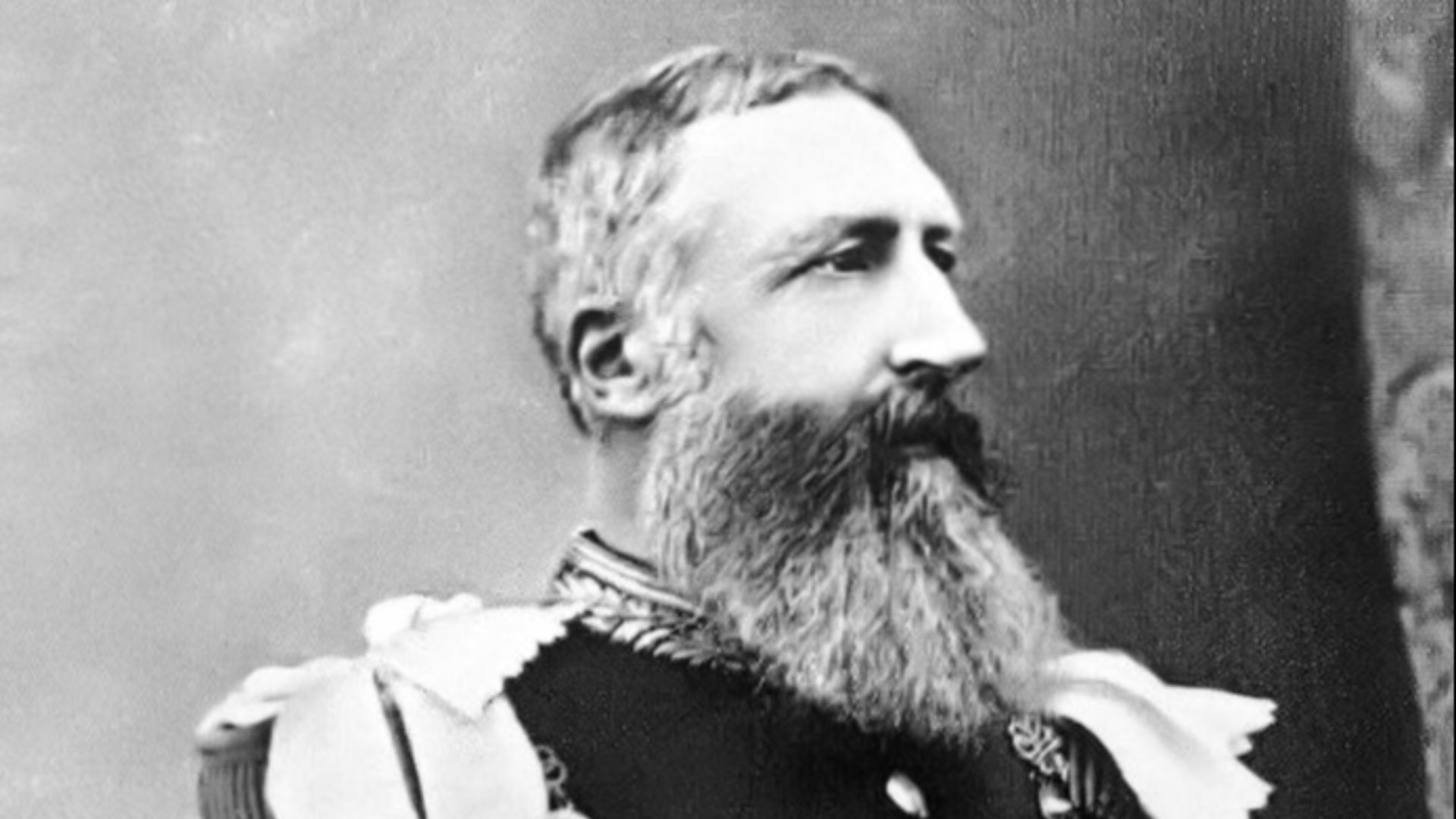 London Stereoscopic and Photographic Company on Wikimedia
12. Josef Mengele
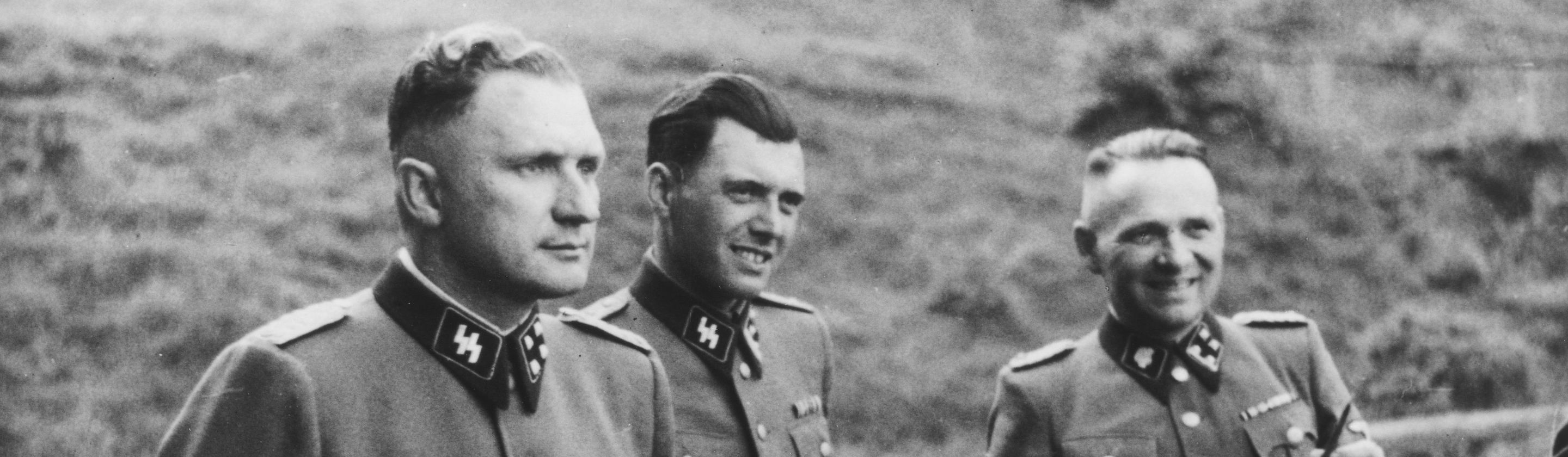
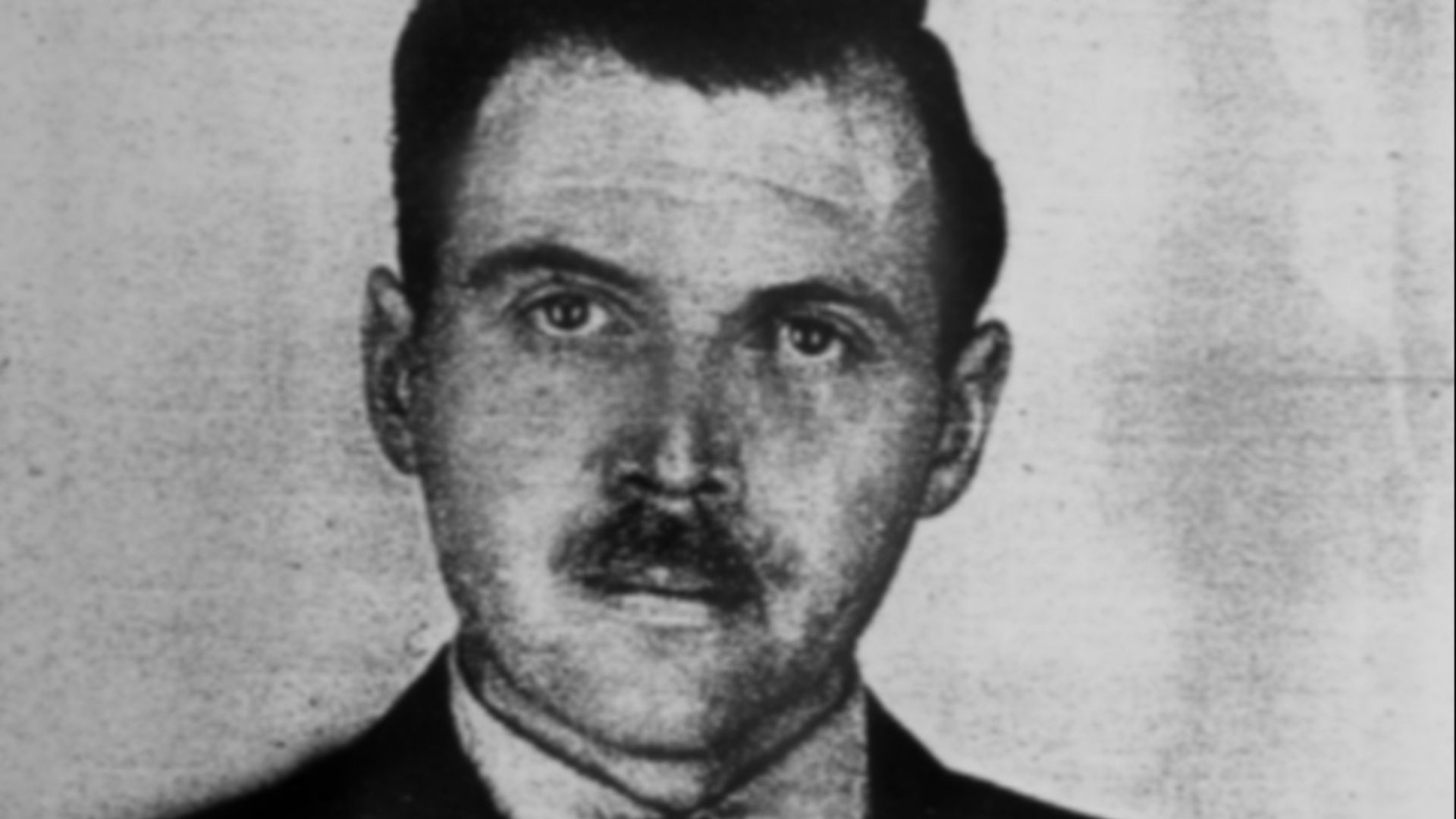
Mengele conducted lethal experiments on prisoners at Auschwitz, then fled Europe after the war before Allied forces could put him on trial. He lived under assumed names across South America for decades, occasionally tracked but never captured. He drowned while swimming off the coast of Brazil in 1979, still a free man.
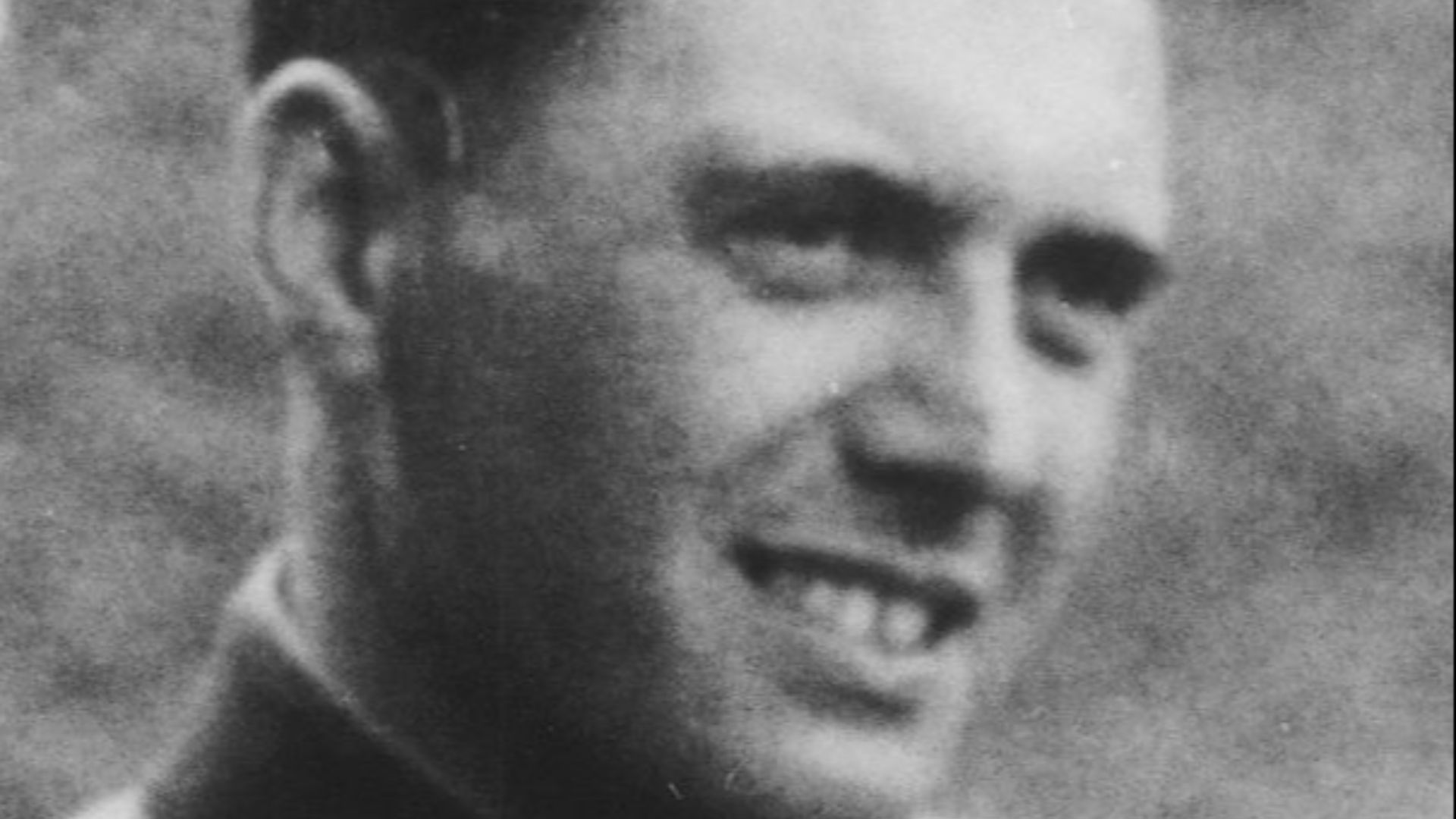 Unknown, i.e. either Bernhard Walther or Ernst Hofmann or Karl-Friedrich Höcker on Wikimedia
13. Genghis Khan
Genghis Khan's military campaigns killed an estimated tens of millions of people across Asia and the Middle East, a death toll historians still argue over the exact size of. As the founder of an empire rather than a subject of one, no authority existed with any power to judge him. He died peacefully, likely from illness or injury, still commanding the empire he built.
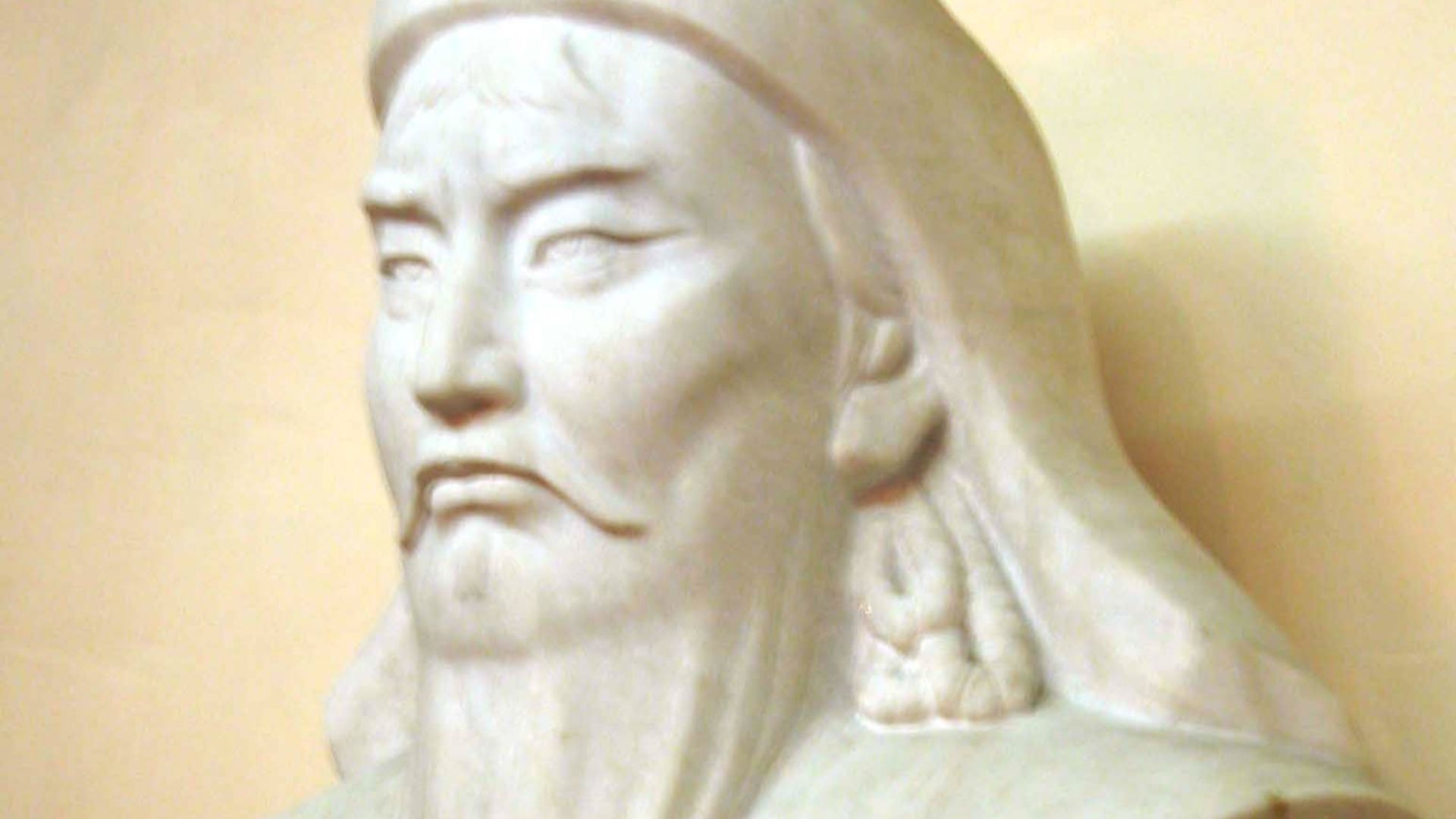 Jim Garamone, American Forces Press Service on Wikimedia
14. Attila the Hun
Attila led invasions across Europe that left entire regions devastated and depopulated, earning him the nickname "Scourge of God" from terrified contemporaries. Like most rulers of expanding empires, his violence was simply the mechanism of his power rather than a crime committed against it. He died of a sudden hemorrhage on his wedding night, escaping any earthly reckoning entirely.
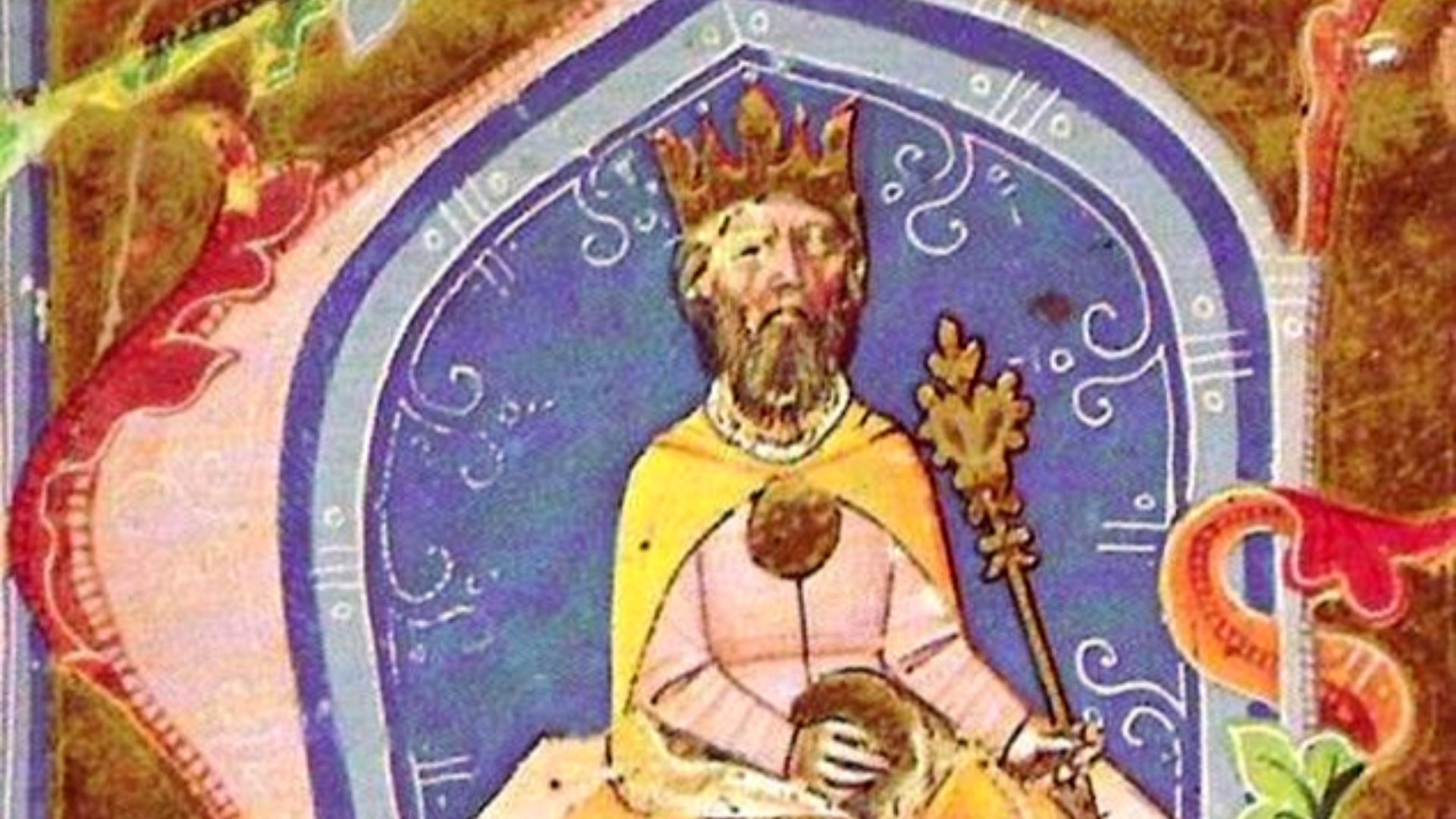 Anonymus (P. Magister) on Wikimedia
15. Catherine de Medici
Catherine has long been suspected of orchestrating the St. Bartholomew's Day Massacre in 1572, an event that killed thousands of French Protestants over the course of a few brutal days. As queen mother and de facto ruler, she held enough influence to shape the historical narrative around her own involvement. She died decades later, never having faced any formal accusation over what happened.
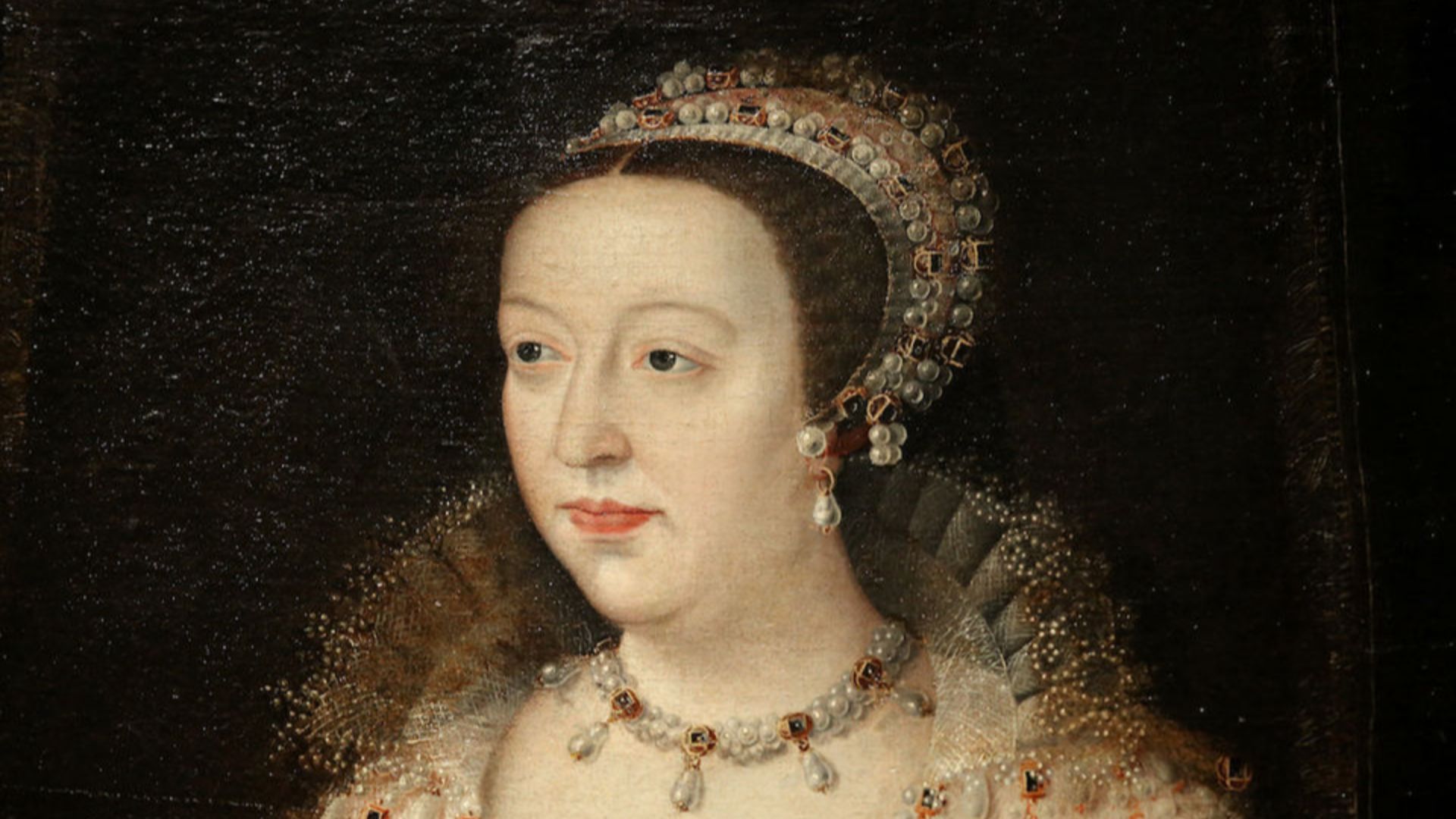 Attributed to Germain Le Mannier on Wikimedia
16. Andrew Jackson
Jackson killed a man named Charles Dickinson in a duel in 1806, carrying the bullet from that fight in his chest for the rest of his life. Dueling laws existed on paper, but enforcement against a popular military figure was practically nonexistent. He went on to become president less than two decades later.
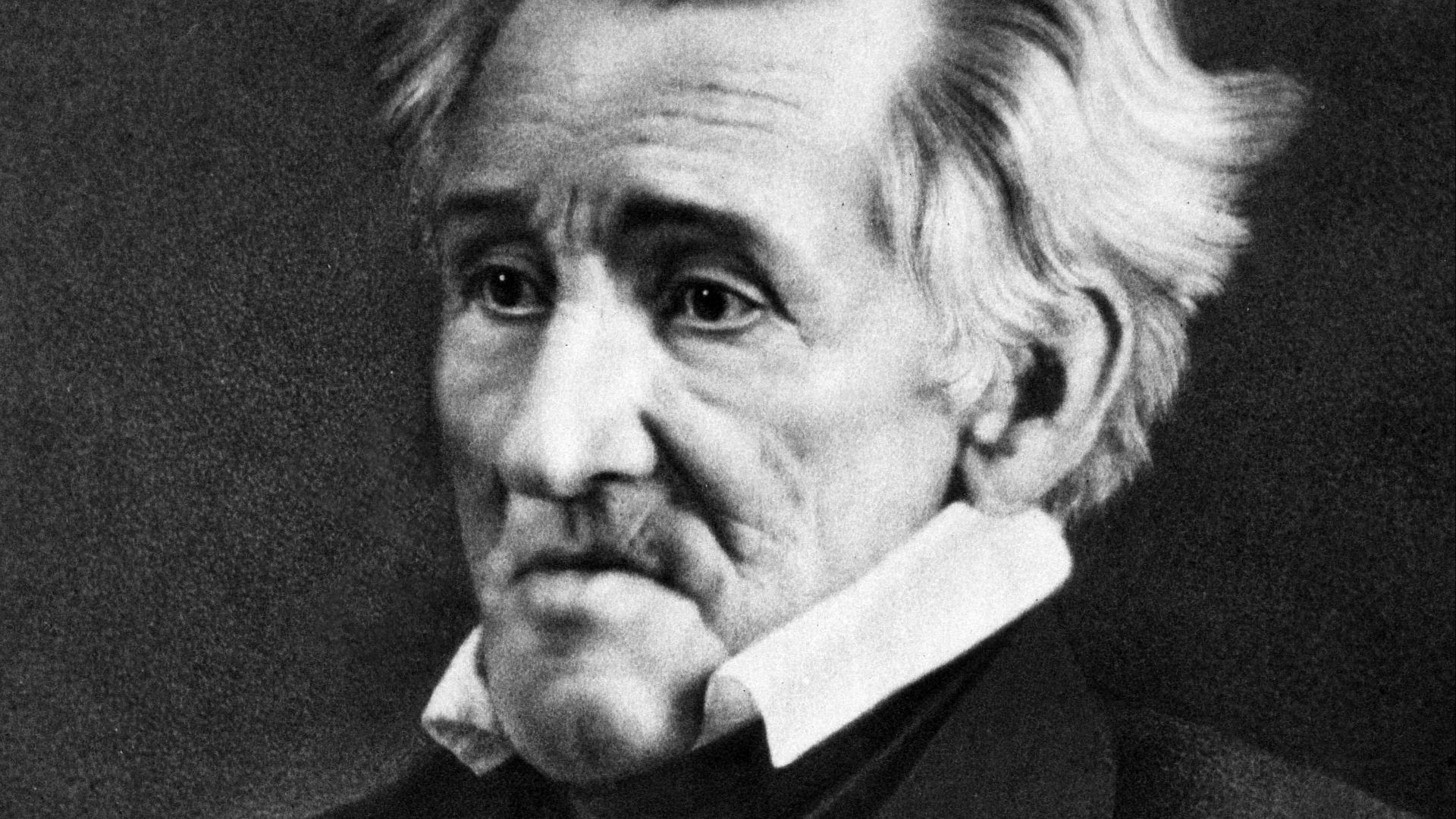 Mathew Benjamin Brady on Wikimedia
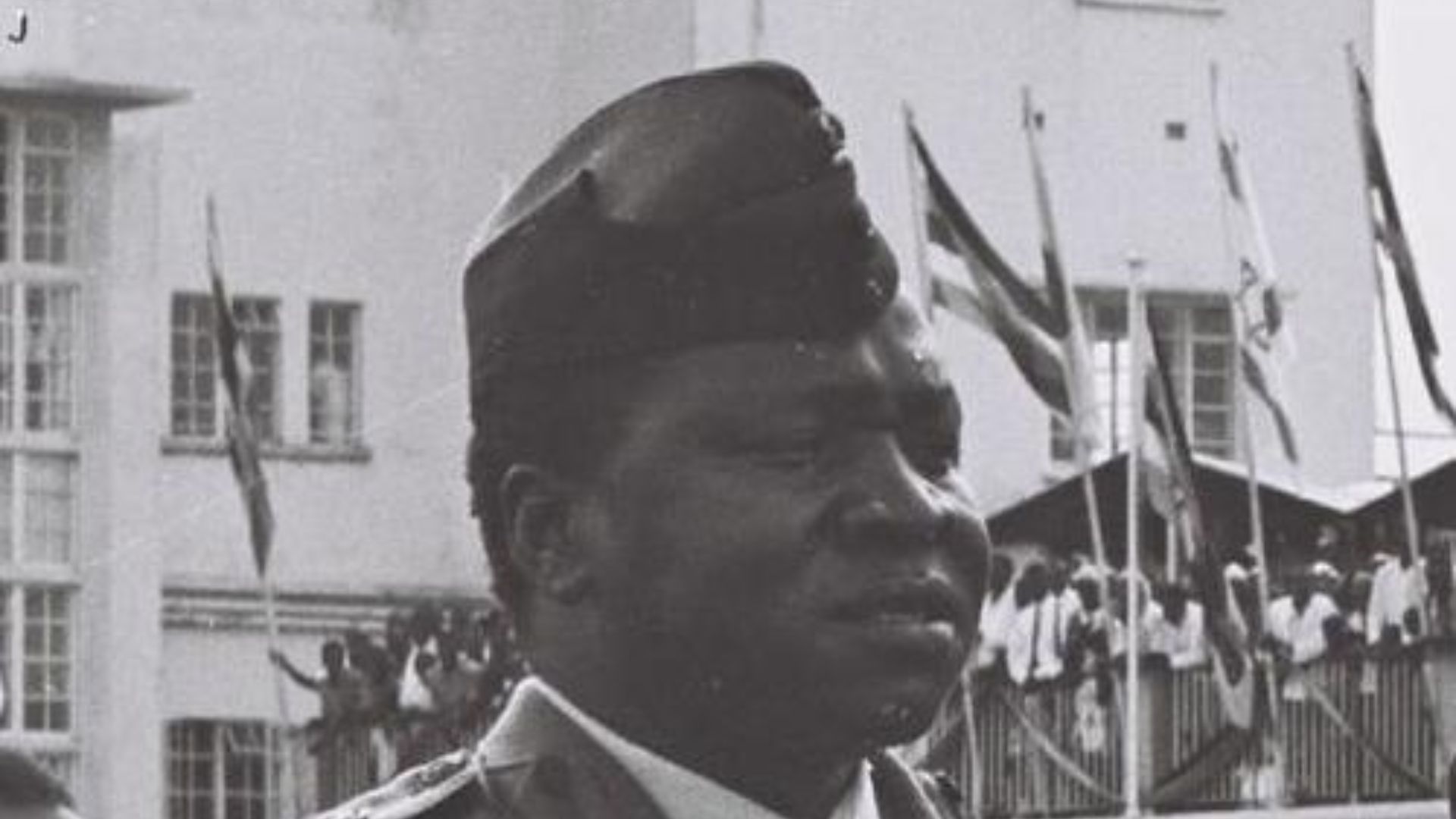
17. Idi Amin
Amin's regime in Uganda is estimated to have killed between one hundred thousand and five hundred thousand people during his rule in the 1970s. When he was finally overthrown, he fled to Saudi Arabia, where he lived comfortably under political asylum for the rest of his life. He died of natural causes in 2003, never having faced a single charge.
18. Pol Pot
Pol Pot's Khmer Rouge regime killed roughly two million Cambodians through executions, starvation, and forced labor in the late 1970s. He was eventually put under a form of house arrest by his own former allies, but an international tribunal never got the chance to try him. He died in 1998, just as extradition talks were finally gaining momentum.
 Unknown authorUnknown author on Wikimedia
19. Richard III
Richard has been suspected for centuries of ordering the deaths of his two young nephews, the Princes in the Tower, to clear his own path to the English throne. No formal charge or trial ever addressed the boys' disappearance, and their fate is still debated by historians today. He ruled for two more years before dying in battle, never having answered for it.
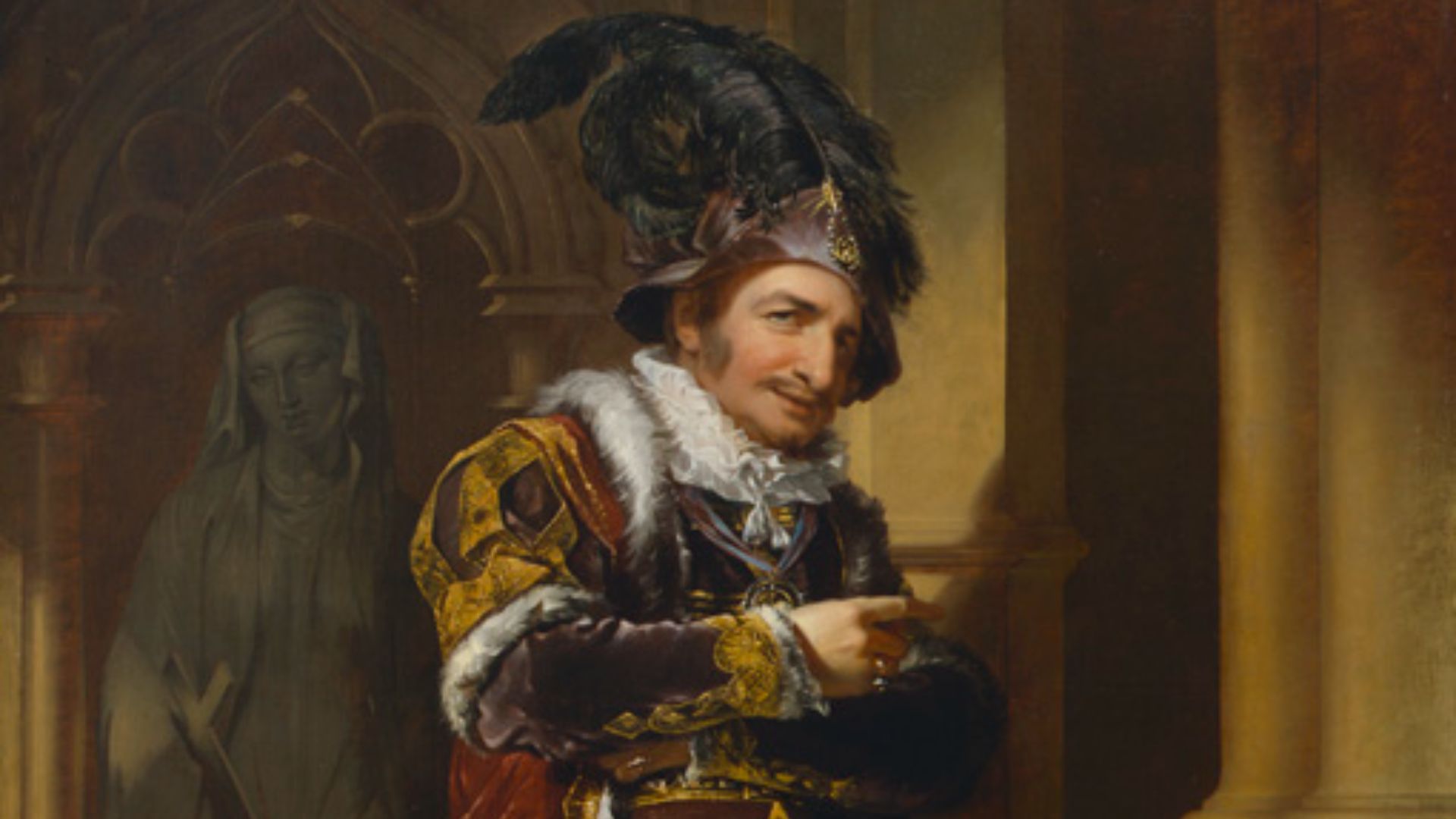
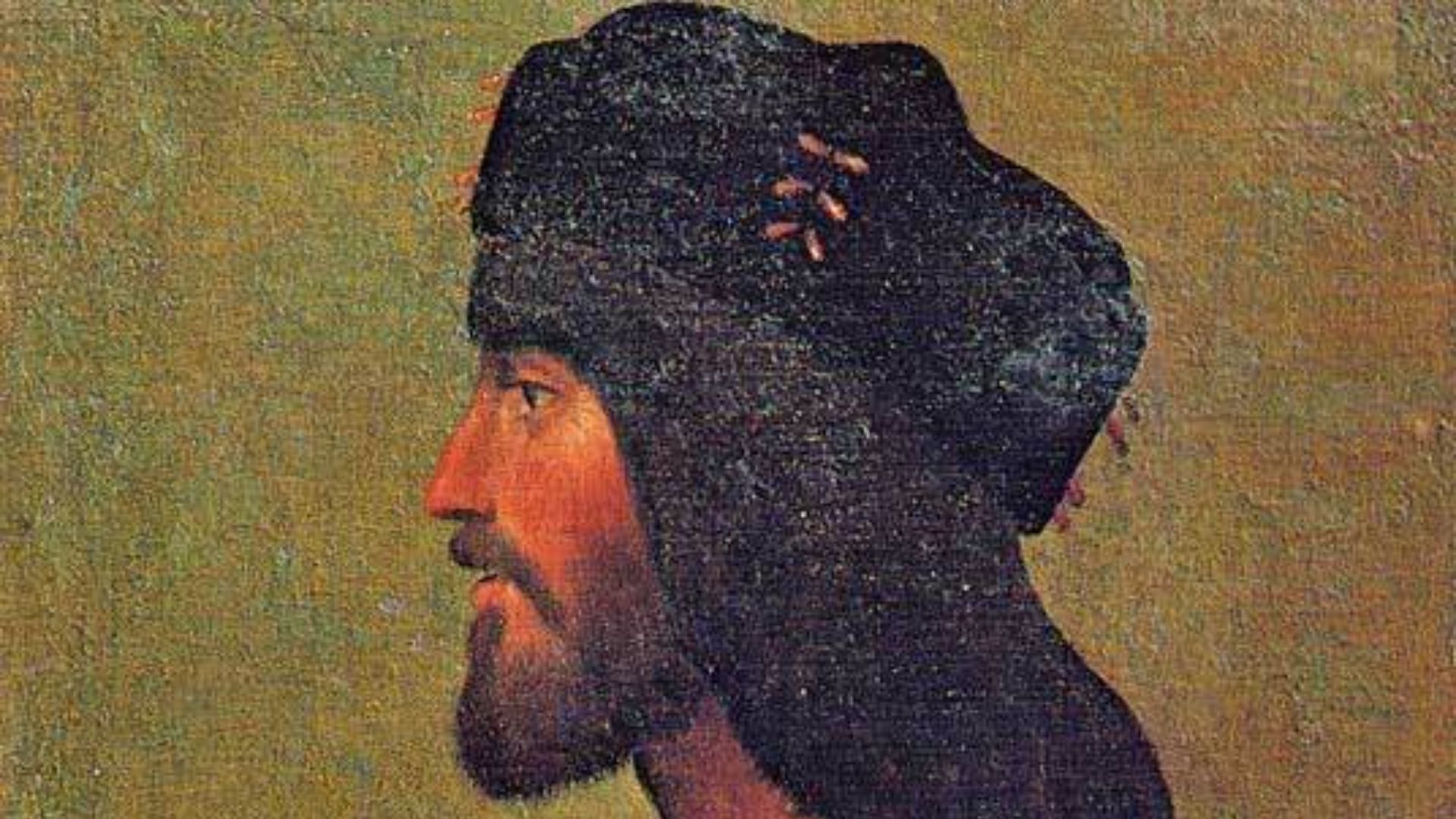
20. Cesare Borgia
Cesare was long suspected of murdering his own brother, Giovanni, in 1497 to clear his path toward greater power within the family and the Church. He was already a cardinal and a favorite of his father, Pope Alexander VI, which meant investigators had little appetite for pursuing a case against him. The accusation followed him for the rest of his life, but no formal charge was ever brought.
KEEP ON READING