The Little Screen Caused Some Very Big Worries
Picture a single decade that turned a living room curiosity into the beating heart of American life. In 1950, only about one home in eight owned a television set. By 1960, seven out of eight did. Whenever something spreads that fast, it drags a wave of panic in behind it. Parents, teachers, preachers, politicians, and entire industries suddenly had to reckon with a glowing box that could hold a person's attention for hours at a stretch. Television got blamed for lazy habits, shrinking attention spans, dying traditions, and even the slow rot of democracy itself. Some of those fears turned out to be wildly overblown. Others kicked off arguments we are, remarkably, still having today. Here are 20 things people once swore television would destroy.
 Unknown authorUnknown author on Wikimedia
1. Family Conversation
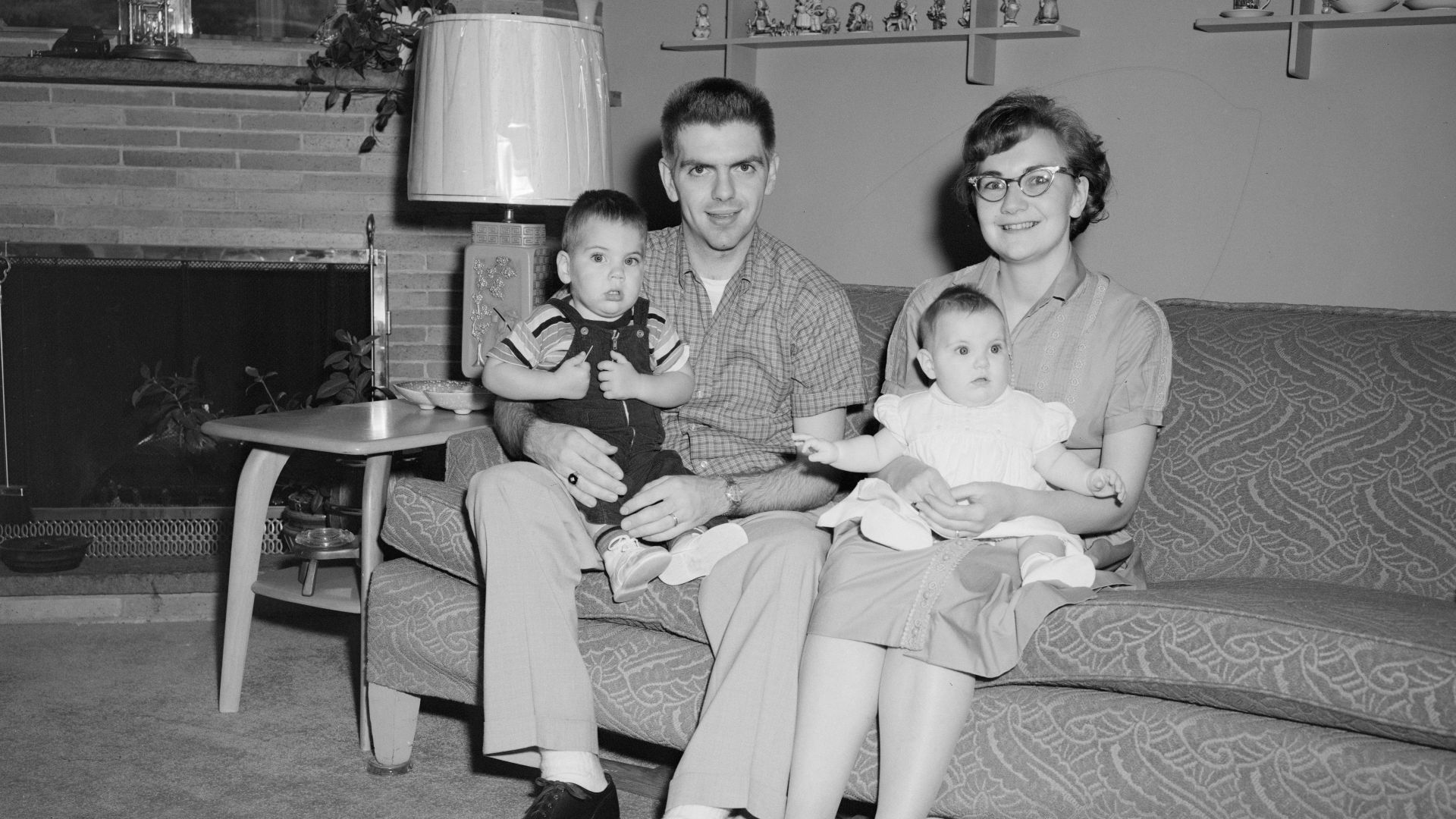
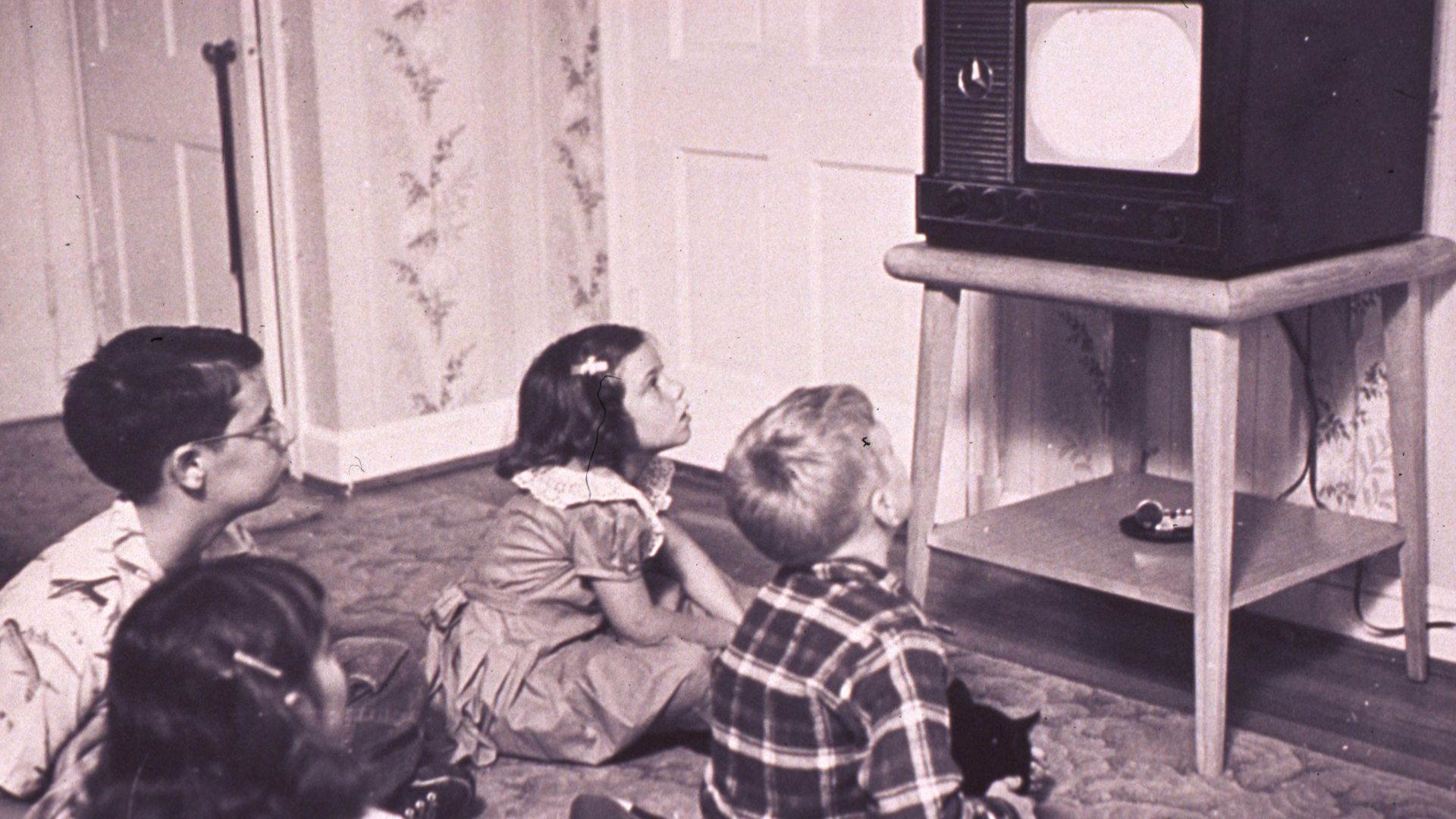
The very first complaint out of the gate: television would gather families into the same room and then make sure nobody said a word to each other. Sure, everyone stayed home in the evening now, glued to the same glowing screen, but critics noticed something missing. Where was the conversation? The card games? The actual togetherness that being together was supposed to produce?
 Boston Public Library on Unsplash
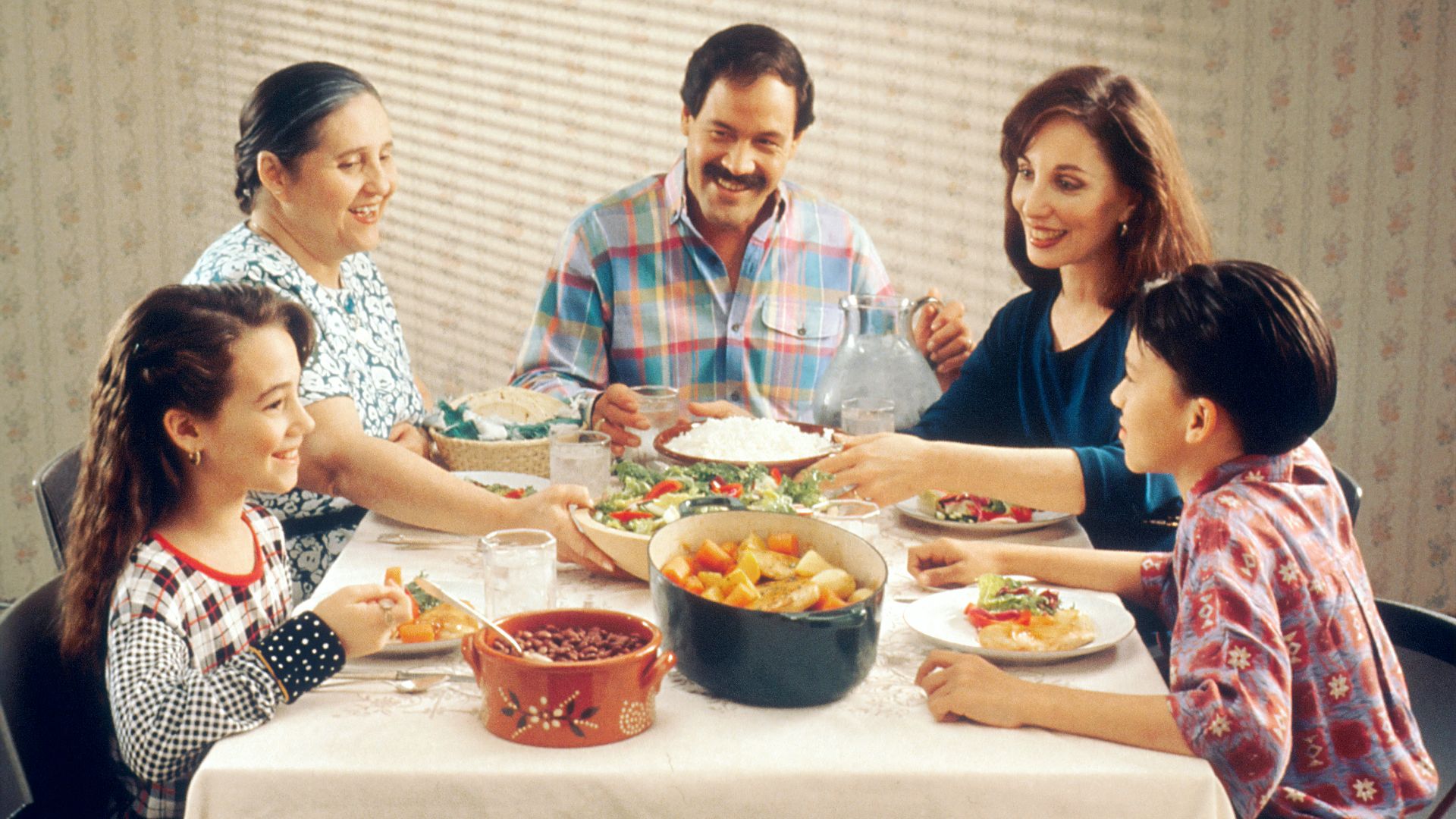
2. The Family Dinner
Then came the TV dinner, that stackable tray of meat, starch, and vegetable, engineered for eating on your lap in front of a show instead of at the table. Folding trays became furniture. Critics feared the sit-down meal, with its forced eye contact and shared conversation, would quietly vanish from American homes, one frozen Salisbury steak at a time.
 National Cancer Institute on Unsplash
3. Housework
Radio had been a forgiving companion; you could listen while scrubbing a floor or ironing a shirt. Television demanded something radio never had: your eyes. Once a favorite program came on, dishes could wait. Critics pictured entire households sliding into disorder while mothers sat transfixed, dust accumulating in the corners of a suddenly neglected home.

4. The Living Room
Furniture used to face each other, arranged for conversation. Now it turned to face a box. Sofas and armchairs rotated toward this new centerpiece, and some critics genuinely mourned the shift, watching a room built for human connection reorganize itself around a machine.

5. Reading
Why crack open a novel when a story could simply unfold in front of you, complete with sound and motion and no effort required? Critics were certain children would abandon books entirely. In reality, television mostly stole time from comic books, movies, and pulpy magazines, not from literature itself.

6. Homework
Few things tested a teenager's willpower like an algebra assignment competing with a favorite show airing at exactly the wrong time. Parents worried grades would crumble under the weight of prime-time temptation.

7. Sleep
A television show, unlike a parent, does not care about bedtime. It just keeps going. Kids negotiated later and later curfews to catch the end of a program, and bedtimes did creep back somewhat. But the exhausted, sleep-deprived generation some adults imagined never fully showed up.

8. Eyesight
"Don't sit so close, you'll ruin your eyes." Nearly every household ran some version of this warning, as children parked themselves inches from the screen. It became folk wisdom, repeated for decades. And yet nothing showed that television-watching kids actually developed worse eyesight than anyone else.

9. Outdoor Play
Every hour spent on the couch was an hour not spent on a bike, in a tree, or chasing a ball down the street, and adults noticed. Television did carve into outdoor time, but it didn’t turn an entire generation into shut-ins with no interest in the world beyond the screen.

10. Children's Values
Suddenly, kids were watching crime, romance, betrayal, and grown-up conflict play out nightly in the family room, often depicting situations far outside their experience. Critics worried these fictional characters were rewriting children's sense of right and wrong, success and failure, authority and rebellion, one episode at a time.

11. Children's Peace of Mind
A scary scene in a book stays on the page. A scary scene on television comes right into your living room. Younger children, still learning to separate fiction from reality, could be genuinely rattled by frightening content, and parents worried television was delivering nightmares directly to the couch.

12. Childhood Behavior
Would kids copy what they saw? Fistfights, gun battles, cartoon mayhem: parents, lawmakers, and researchers spent decades arguing over whether onscreen violence bred real-world aggression. By the early 1970s, this had ballooned into a full-blown national concern, and the debate over media violence never really got resolved.
 National Library of Medicine on Unsplash
13. Good Taste
Chase the biggest possible audience, and what do you get? Critics feared television would always choose the lowest common denominator over ambition, favoring formula and spectacle while drama, music, and serious ideas got shoved aside. Commercial pressure, they worried, would flatten culture into something safe, easy, and forgettable.
14. Radio
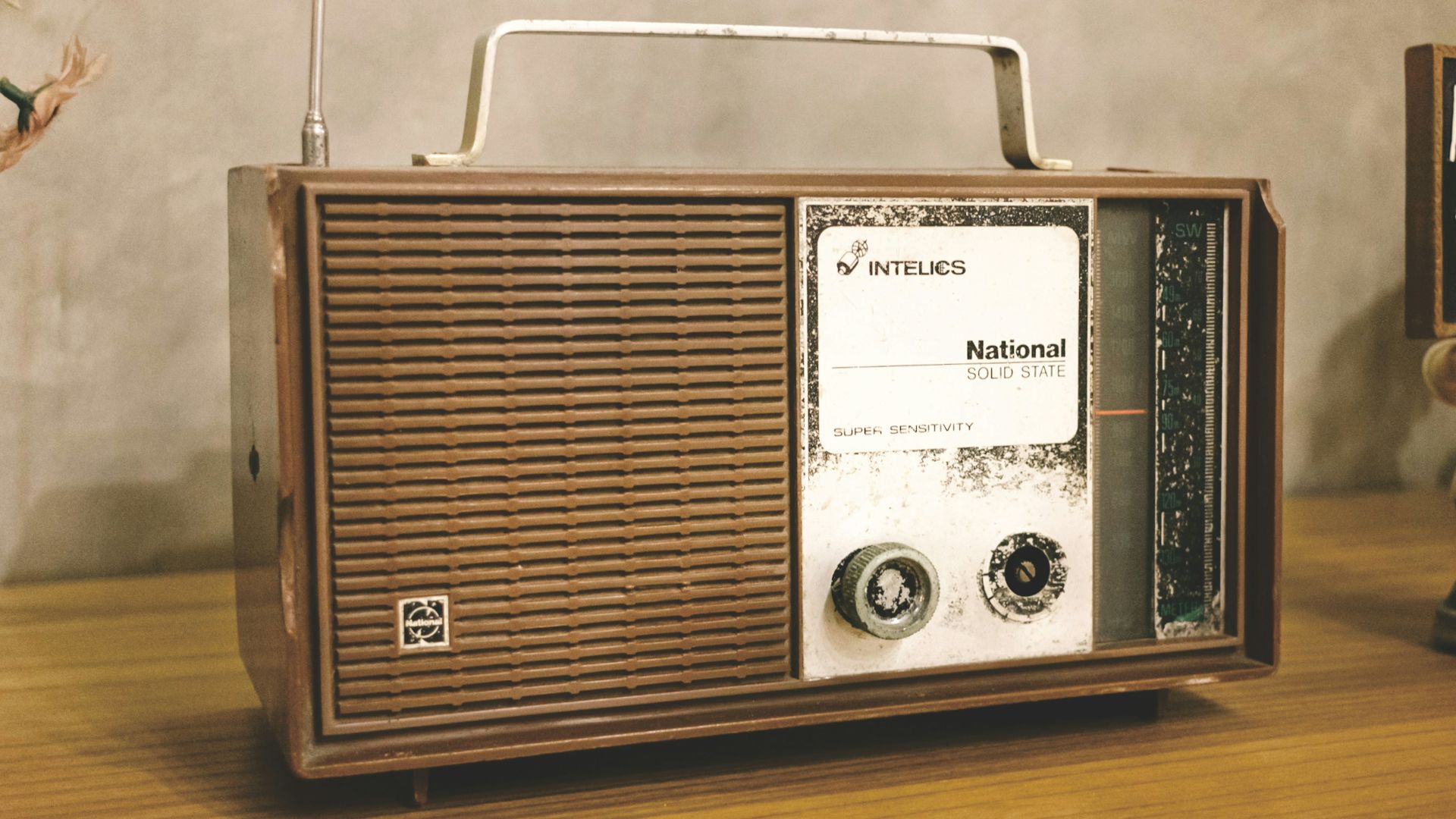
Radio had already reshaped the American living room once, so it made sense that television also seemed like a threat. Audiences drifted toward TV for the dramas and comedies they once tuned into on radio. Radio did not die, though. It reinvented itself around music, news, and talk, and found a second life.
15. Movie Theaters
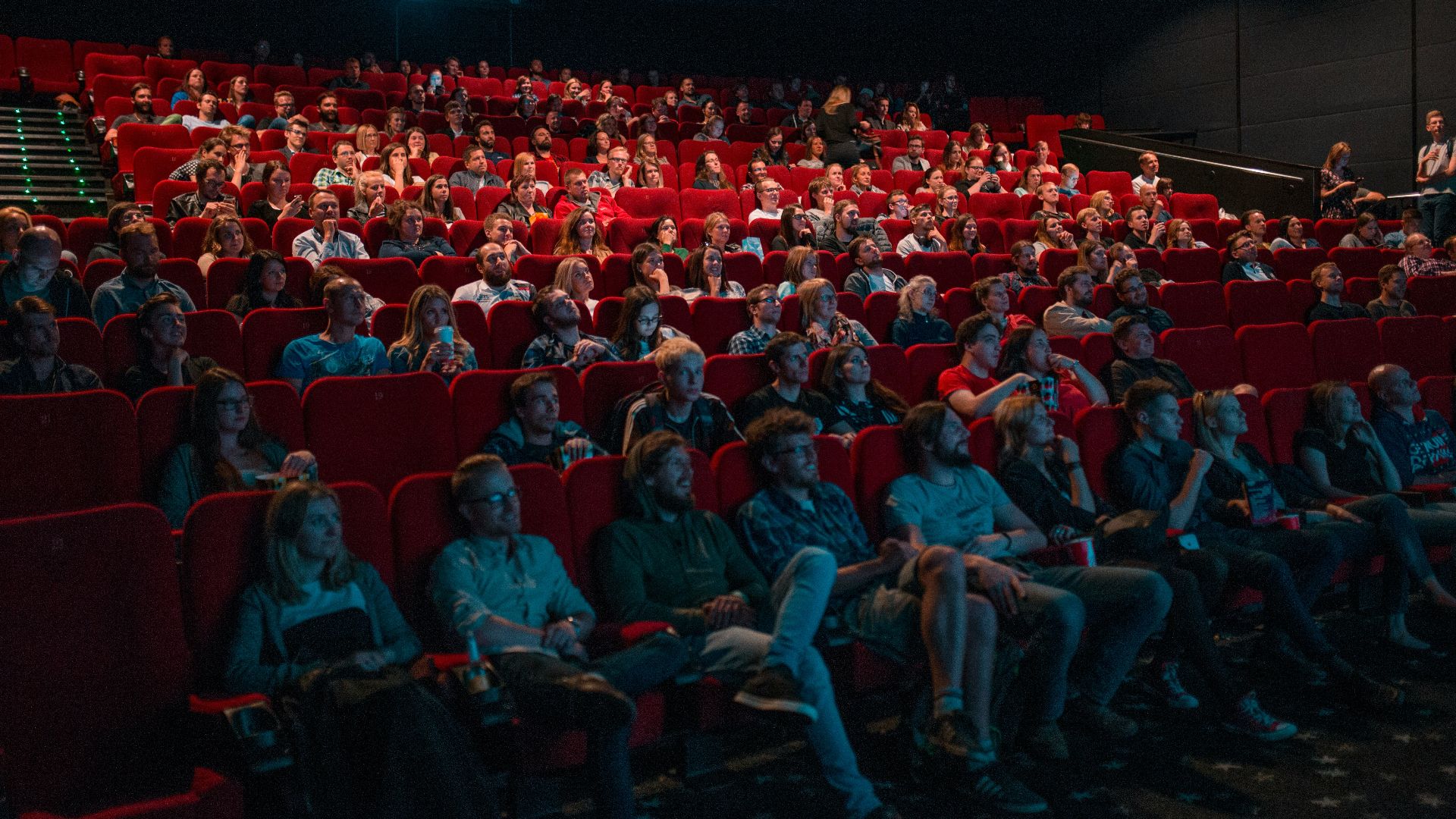
Why pay for a ticket and a babysitter when entertainment now came free, right into the living room? Hollywood watched attendance slide, though suburbanization and studio upheaval share the blame too. The film industry fought back with widescreen spectacle, three-dimensional gimmicks, and color that a tiny black-and-white television screen simply could not match.
16. Stadium Crowds
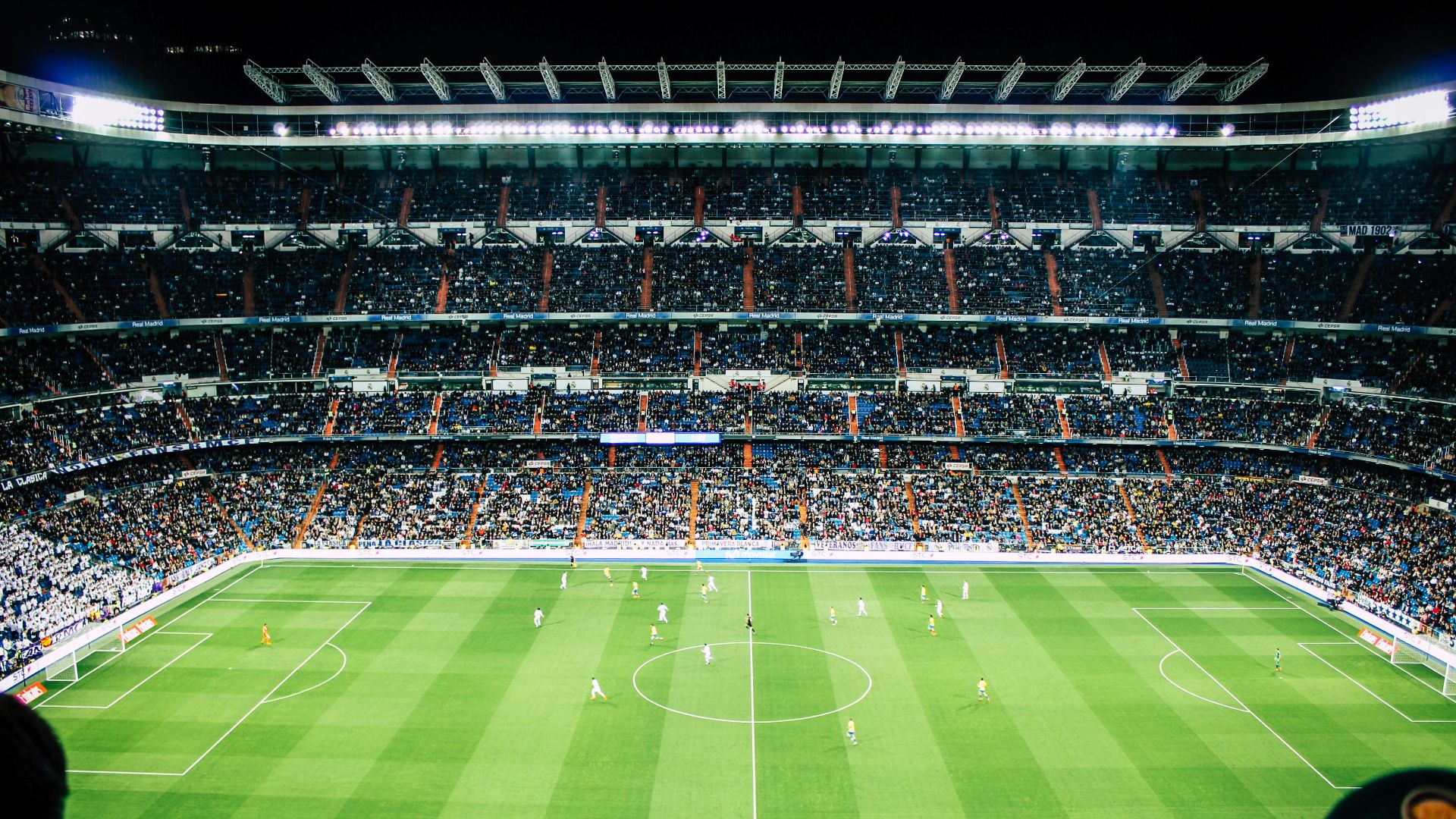
College football administrators panicked at the thought of fans skipping the stadium for a free broadcast at home. Attendance did dip in markets where televised games went head-to-head with ticket sales. The response was blunt: restrict live broadcasts and protect the gate, while everyone scrambled to figure out what this new technology meant for the future of live sports.
17. Local Newspapers
Why wait for tomorrow's paper when tonight's news anchor could tell you what happened today? Television handed national and even local news straight into people's homes, and newspapers felt the squeeze almost immediately, in both circulation and advertising dollars. Local reporting, in particular, had to adapt fast to a rival that never went to print.

18. Serious Journalism
Even television's own journalists worried the medium was chasing comfort over substance. In 1958, one prominent broadcaster warned that commercial interests were flooding prime time with escapism while pushing genuine public affairs coverage to the margins.

19. Democratic Politics
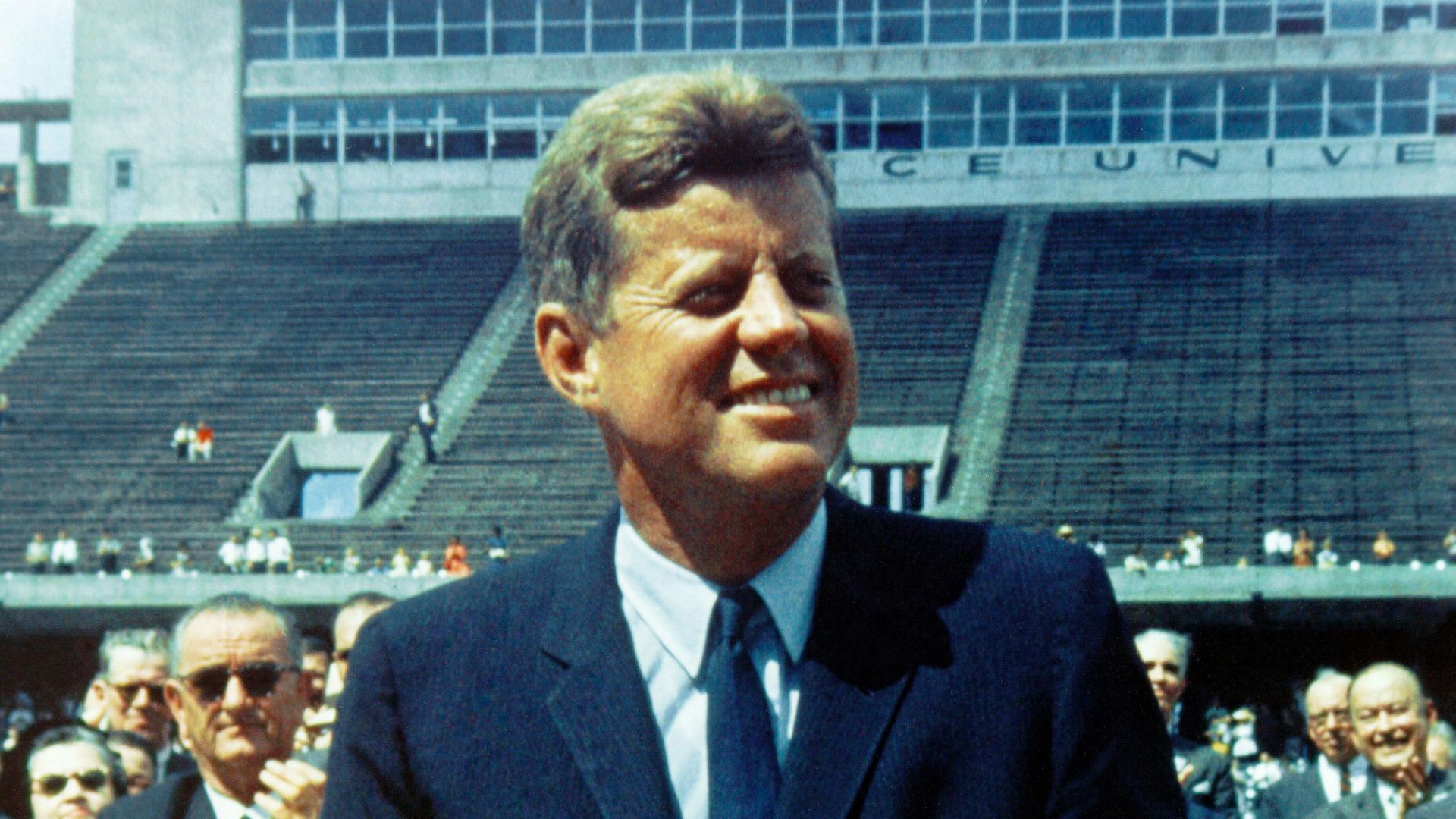
Once candidates started campaigning through a camera lens, critics worried style would eclipse substance. Would a confident smile and a well-lit studio start outweighing actual policy? Others saw real promise in it, arguing that voters finally had a front-row seat to watch politicians up close and judge their character for themselves.
20. Childhood Without Advertising
Advertisers realized something powerful: children were watching, and children asked their parents to buy things. By the 1970s, this had triggered real regulatory pushback, targeting commercial time limits and "host-selling," where a beloved television personality pitched products during the very show kids trusted. The worry was simple: could young viewers tell where the story ended, and the sales pitch began?

KEEP ON READING