Charlie Chaplin — From America’s Sweetheart to Hollywood Outcast
The Rise And Fall of A Hollywood Legend
Charlie Chaplin became one of the most beloved faces on Earth without saying a word. His shabby little Tramp made audiences laugh through wars, poverty, and heartbreak, while Chaplin himself became richer and more powerful than almost anyone in Hollywood. But the man behind the bowler hat lived a far messier life. There were teenage brides, bitter divorces, explosive courtroom battles, political enemies, an FBI investigation, and eventually a humiliating rejection by the country that had made him a superstar. Even after his death, the drama wasn’t over: Someone actually stole his body.
1. He Was Born Into Show Business
Charlie Chaplin was born in London on April 16, 1889, to two music-hall performers, Charles Chaplin Sr. and Hannah Chaplin. On paper, it sounded like the perfect beginning for a future entertainer. In reality, his childhood was anything but glamorous. His parents separated when Charlie was young, his father provided little dependable support, and his mother struggled to keep the family afloat. Long before Hollywood made Charlie wealthy beyond imagination, he learned what it felt like to have almost nothing.
And things were about to get much worse.

2. His Mother Lost Her Voice
Hannah Chaplin performed under the stage name Lily Harley, but illness gradually destroyed the career she depended upon. During one famous episode, her voice failed while performing before a difficult music-hall audience. Five-year-old Charlie was sent onto the stage in her place. Instead of freezing, he sang, entertained the crowd, and reportedly stopped to collect coins audience members tossed toward him.
It was an almost unbelievable preview of his future. But Hannah’s failing career meant Charlie’s first big laugh came during a family disaster.
3. Poverty Nearly Swallowed Them
With Hannah increasingly unable to work, Charlie and his older half-brother Sydney lived through frightening poverty. At different points, the family depended upon public assistance, and the boys spent time in institutions for impoverished children. The elegant millionaire Chaplin later became never forgot the humiliations of those years. Hunger, shabby clothing, loneliness, and fear would all reappear in different forms in his films.
The Little Tramp eventually made poverty funny. Charlie had learned the painful reality first—and his mother’s condition soon separated the family again.
4. His Mother Was Taken Away
Hannah’s physical and mental health deteriorated until she required institutional care. She would struggle with mental illness for much of the rest of her life. For Charlie, watching the mother who had entertained him with songs and impressions become increasingly unwell was a wound that never completely disappeared. He later credited her powers of observation and mimicry as major influences on his acting.
The boy who would make millions of strangers laugh was learning early that laughter could exist right beside heartbreak. Soon, he needed to earn his own living.
5. He Became A Child Performer
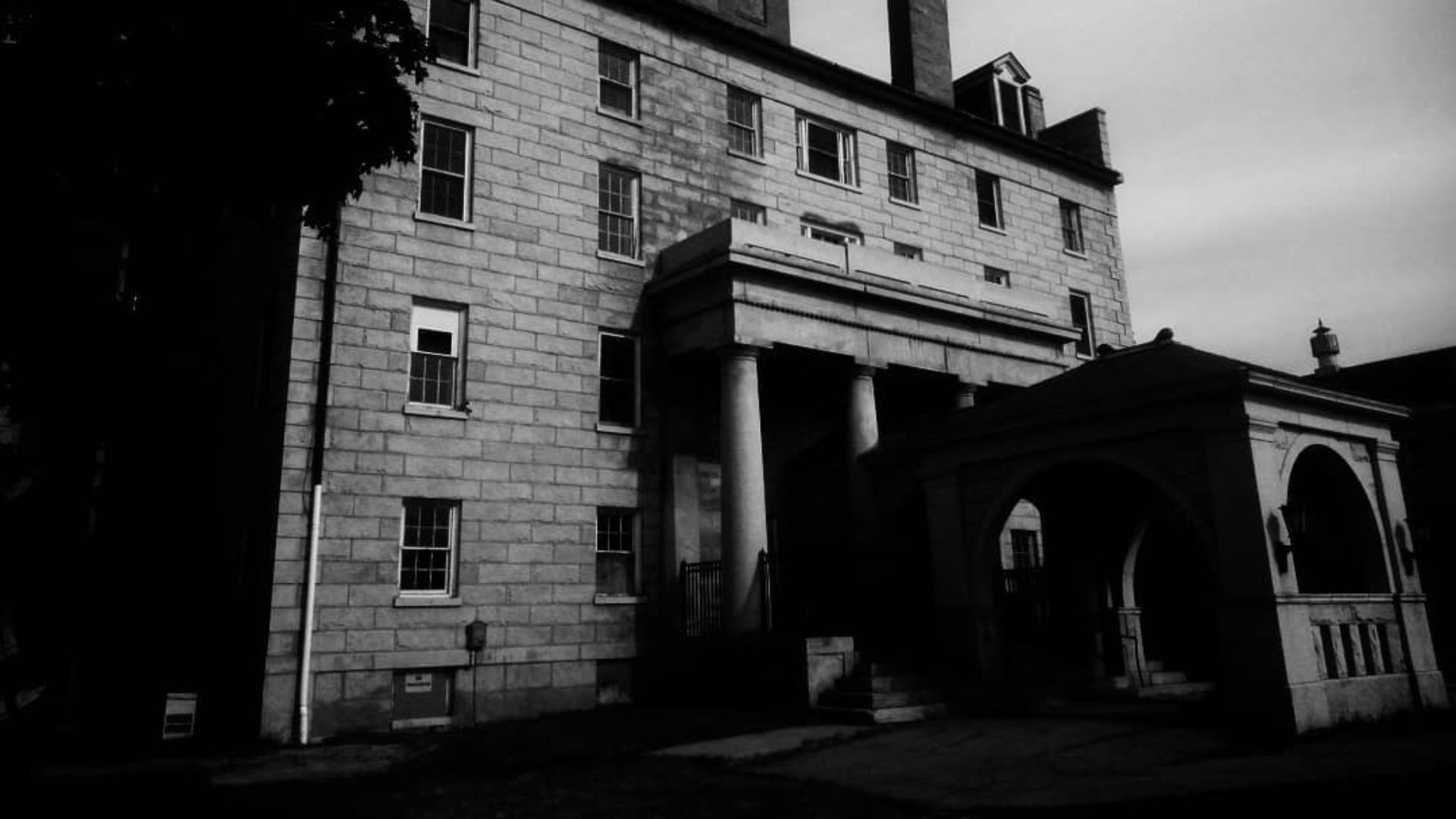
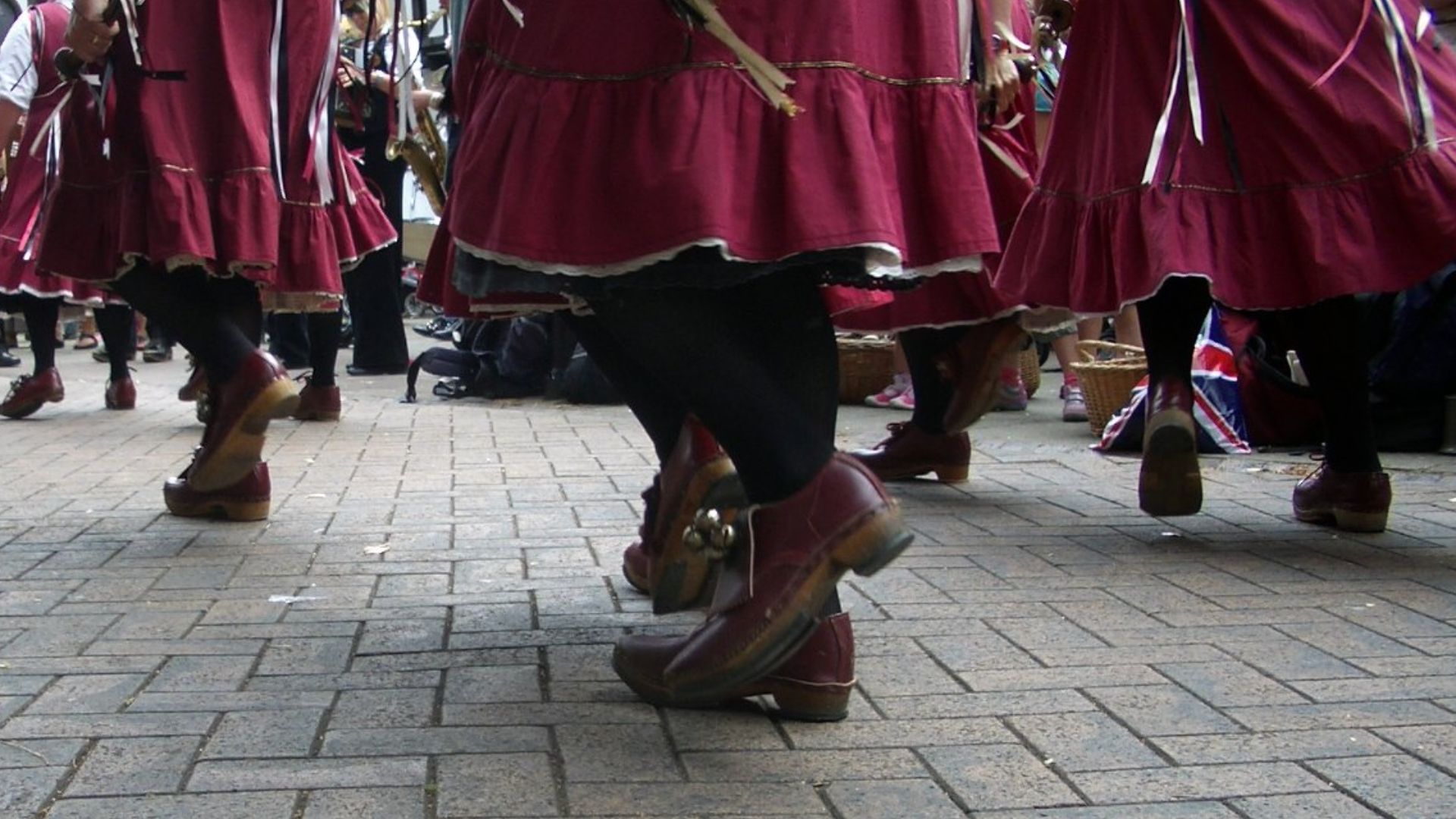
At only nine years old, Charlie joined a clog-dancing troupe called the Eight Lancashire Lads. It gave him regular stage experience and, more importantly, a possible escape from the poverty surrounding him. He later landed acting work in productions of Sherlock Holmes, gradually proving that his gifts extended beyond dancing. Charlie was still a child, but performing was no longer simply entertainment.
It was survival. And by his teenage years, the frightened London boy was developing the precise comic instincts that would eventually conquer another continent.
 Howard Dickins from Cardiff, UK on Wikimedia
6. His Father Was Already Gone
Charlie’s father had also been a successful music-hall performer, but his life deteriorated badly, in part because of a serious drinking problem. Charles Chaplin Sr. died in 1901, when Charlie was only 12. With his mother frequently unable to care for the family, Charlie’s connection to a stable childhood was essentially gone.
Yet the stage kept providing him a path forward. Before long, he joined one of Britain’s best-known comedy organizations—and that job would carry him straight toward the country that later embraced, investigated, and rejected him.
7. America Changed Everything
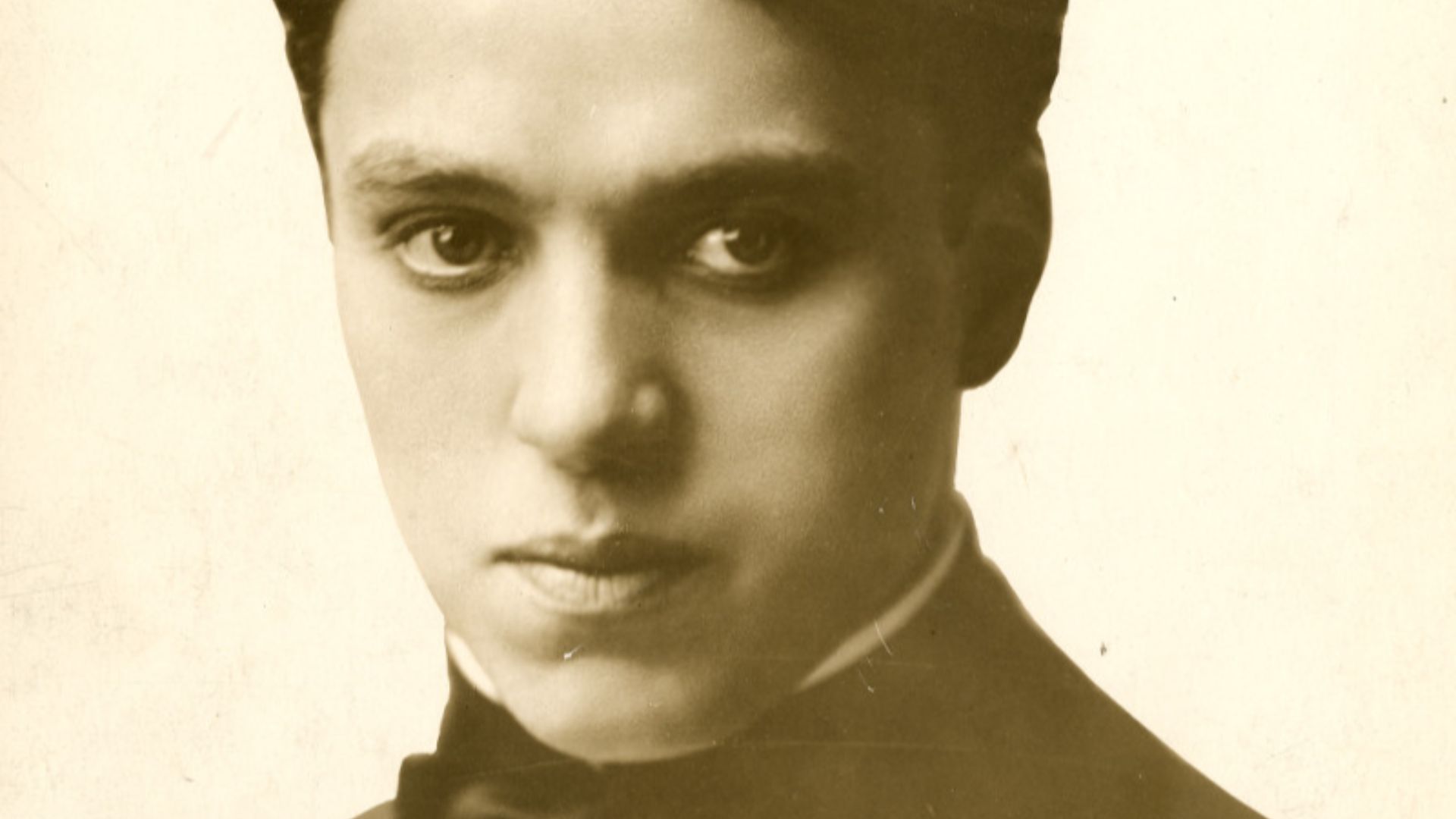
Chaplin joined impresario Fred Karno’s famous comedy company and toured the United States beginning in 1910. American audiences responded enthusiastically to his performances, particularly his role in a sketch called A Night in an English Music Hall. When the troupe returned for another American tour, people in the growing motion-picture business began paying attention.
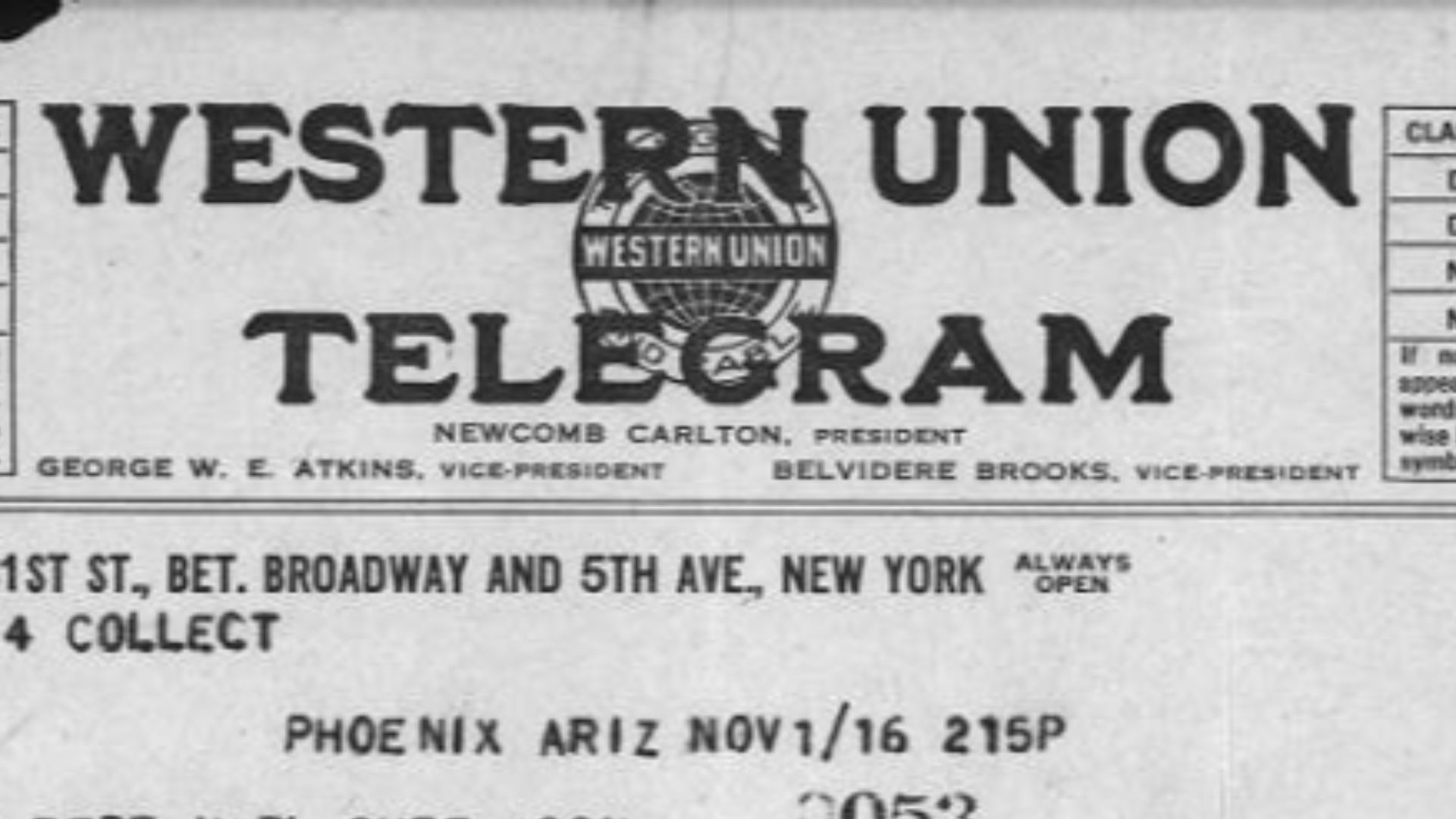
In 1913, Chaplin received a mysterious telegram asking about a performer whose name the sender could barely remember. Chaplin initially wondered whether an inheritance awaited him. The real offer was worth much more.
 Unknown authorUnknown author on Wikimedia
8. Hollywood Wanted Him
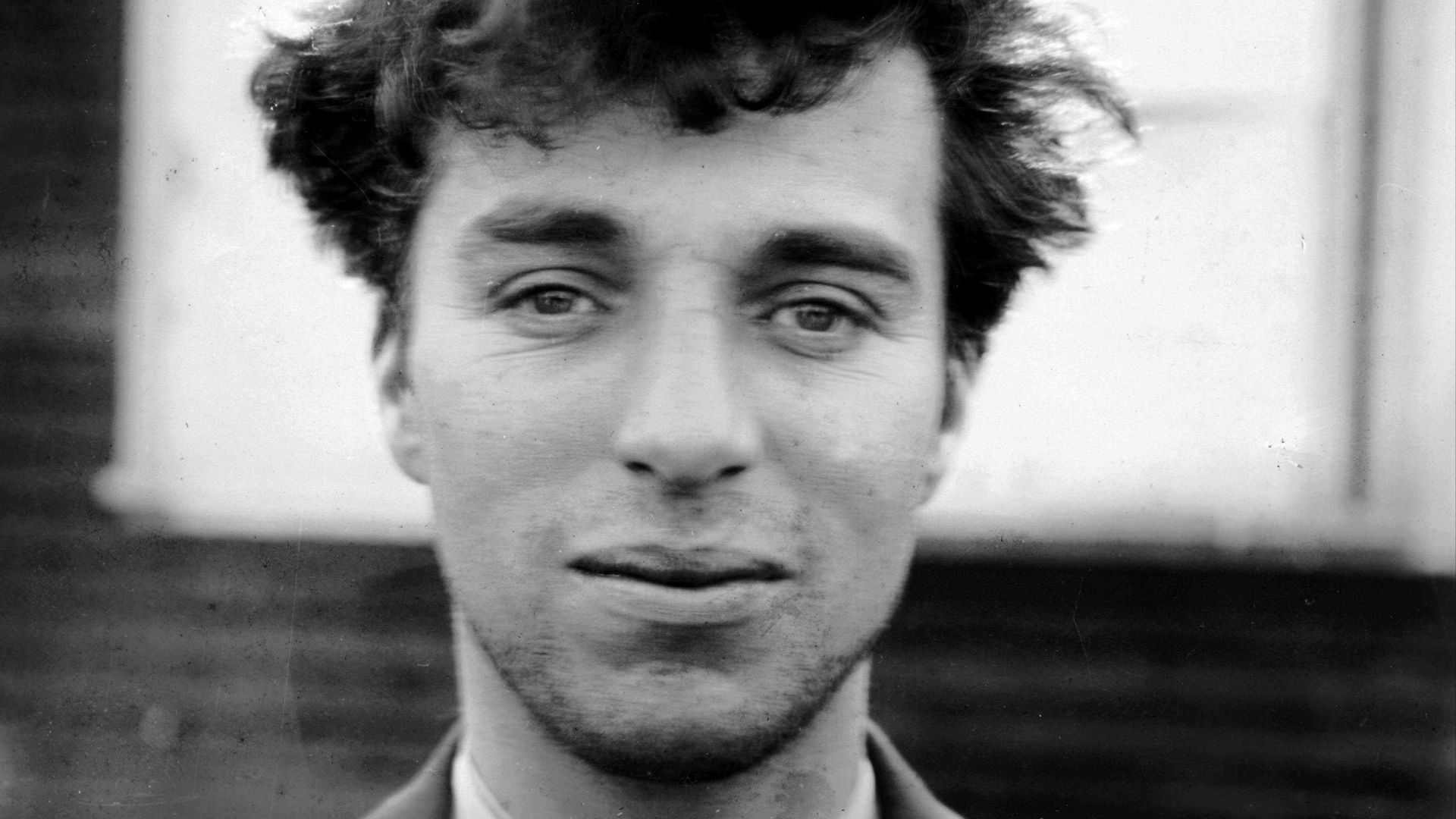
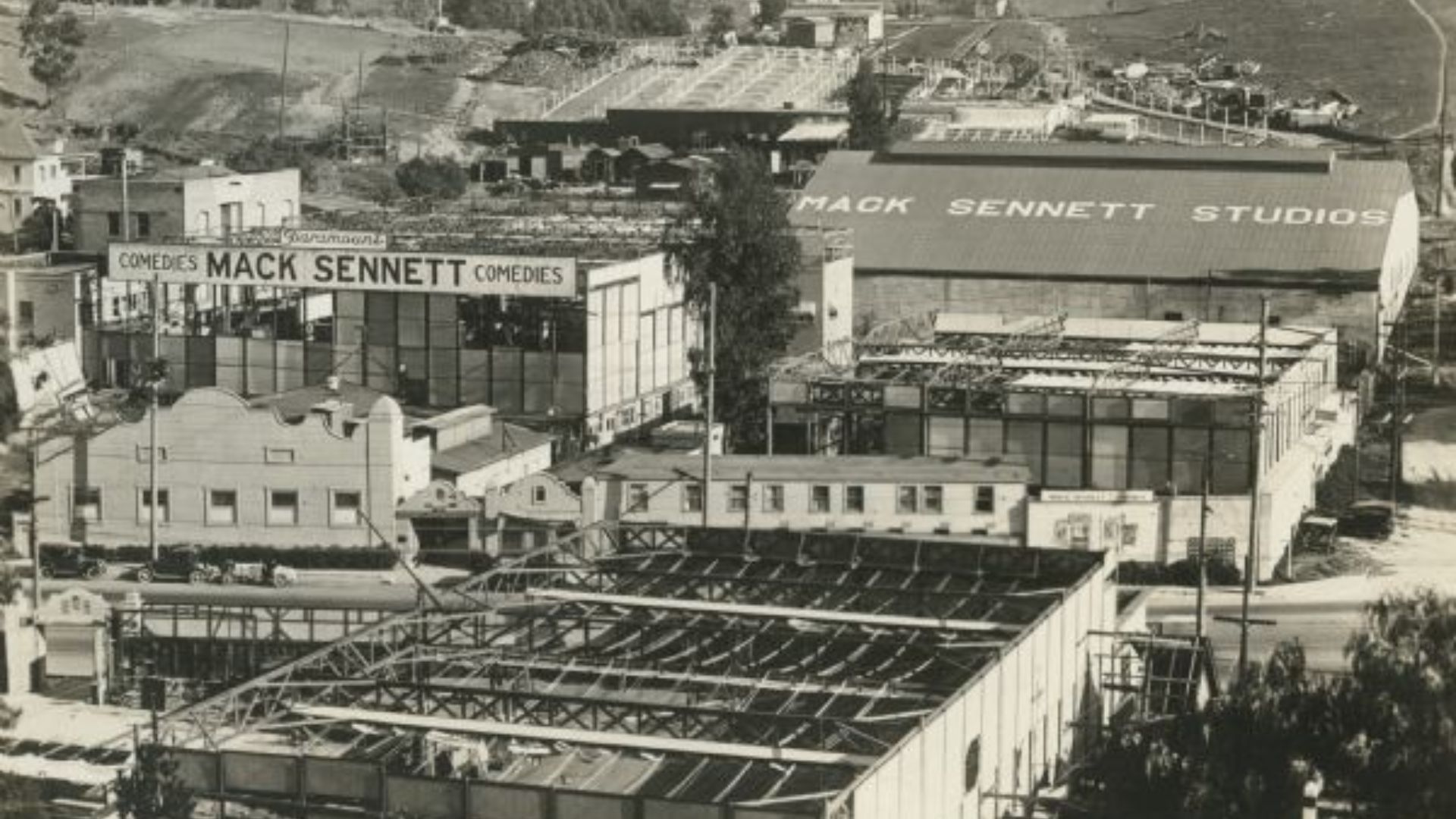
The telegram led Chaplin to representatives of the company behind Mack Sennett’s Keystone studio. They wanted him as a film comedian. Chaplin hesitated, but Keystone offered him $150 a week, later rising to $175—more than twice what he earned with Karno. He signed a one-year contract in 1913.
Movies were still considered lightweight entertainment by many established stage actors. Chaplin couldn’t have known that within a remarkably short time, his face would become recognizable almost everywhere. First, however, he needed something memorable to wear.
 Unknown photographer on Wikimedia
9. He Invented A Stranger
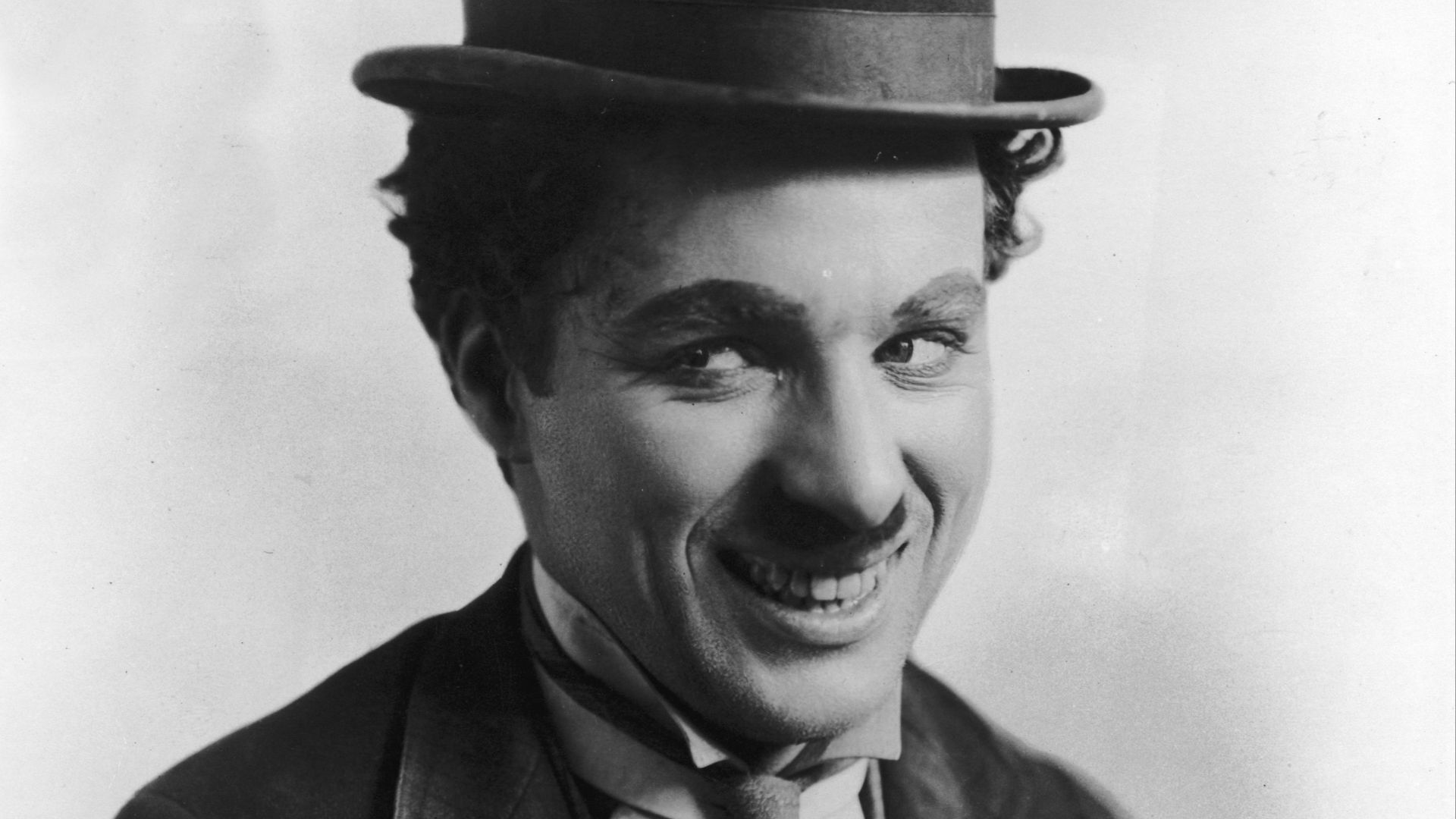
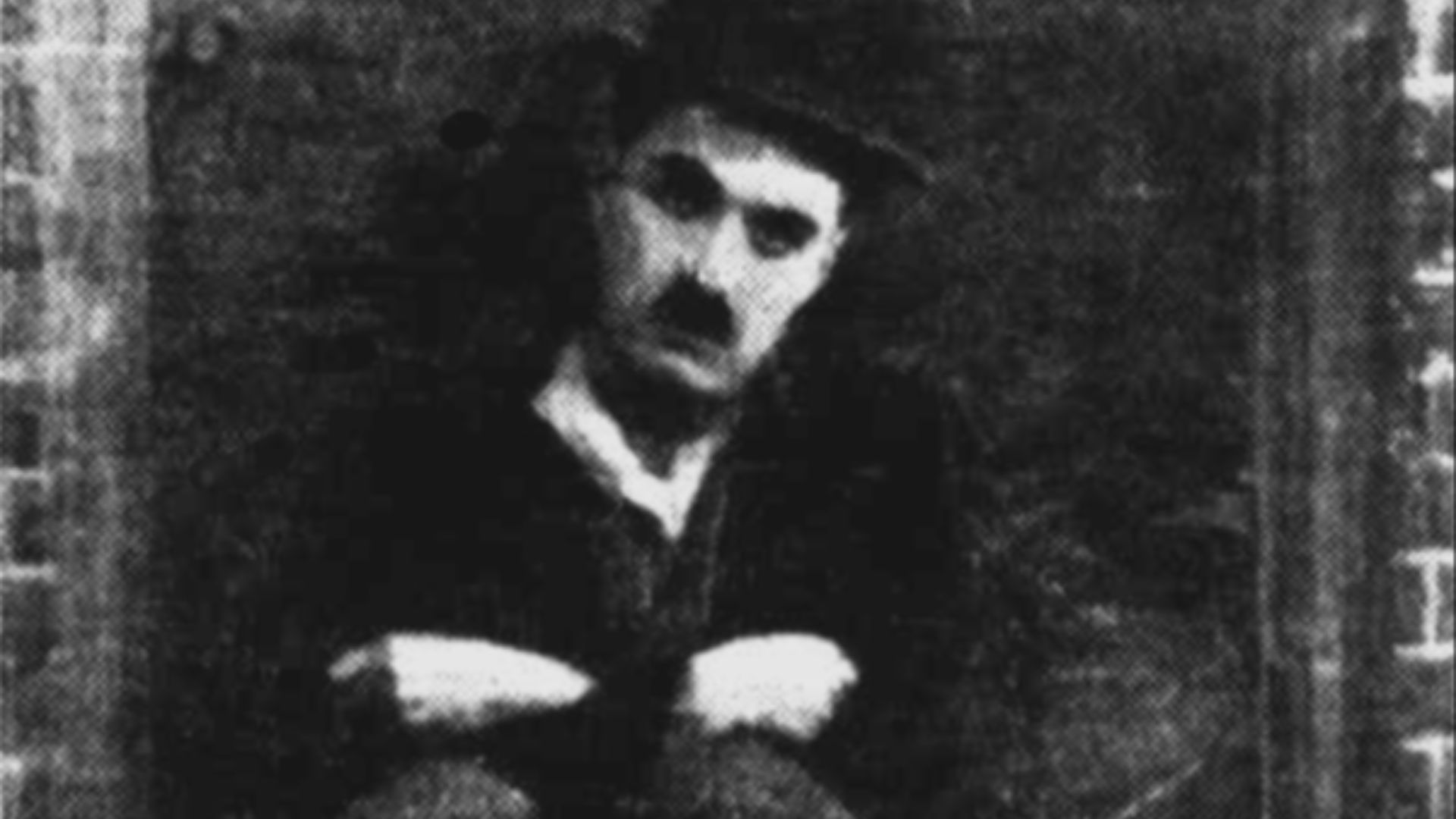
In 1914, Chaplin assembled the costume that would define him: baggy pants, oversized shoes, a tight coat, bowler hat, cane, and tiny toothbrush moustache. The pieces deliberately contradicted one another. The clothes suggested both dignity and poverty, confidence and absurdity. Chaplin later developed the character into the Little Tramp, a penniless outsider who kept trying to behave like a gentleman.
Audiences adored him almost immediately. The strange little character who owned practically nothing was about to make his creator astonishingly rich.
10. He Became Famous Almost Overnight
Within months, demand for Chaplin’s Keystone films exploded. He pushed for more creative control and even offered his entire savings as a guarantee if Mack Sennett would let him direct. Sennett eventually agreed. Chaplin began slowing down Keystone’s frantic slapstick, adding character, emotion, and carefully constructed comic moments.
By the end of 1914, competitors knew Chaplin was worth stealing. The poor boy from London discovered something intoxicating: Studios needed him far more than he needed them. His next contract proved just how valuable he had become.
 Unknown authorUnknown author on Wikimedia
11. His Salary Became Outrageous
Chaplin left Keystone for Essanay in 1915. His new deal reportedly paid $1,250 per week plus a $10,000 signing bonus—staggering money for the time. With more control, he softened the Tramp and gave him greater emotional depth. Audiences didn’t merely laugh at Charlie anymore. They worried about him, rooted for him, and sometimes cried with him.
Chaplin had discovered that comedy became even more powerful when mixed with sadness. Hollywood had discovered something else: There seemed to be no ceiling on what people would pay to see him.

12. He Became The Biggest Star Alive
By 1916, only a few years after entering motion pictures, Chaplin was arguably the most famous entertainer in the world. Mutual Film Corporation offered him an extraordinary deal worth roughly $670,000 for a year’s work. Public fascination with his salary became part of his celebrity. His films circulated internationally, while imitators copied everything from his walk to his moustache.
Chaplin had achieved the sort of fame that barely existed before movies. But while the public adored his lovable outsider, the private Charlie was beginning a romantic pattern that would eventually haunt him.
 Unknown authorUnknown author on Wikimedia
13. His First Great Love Was Only Fifteen
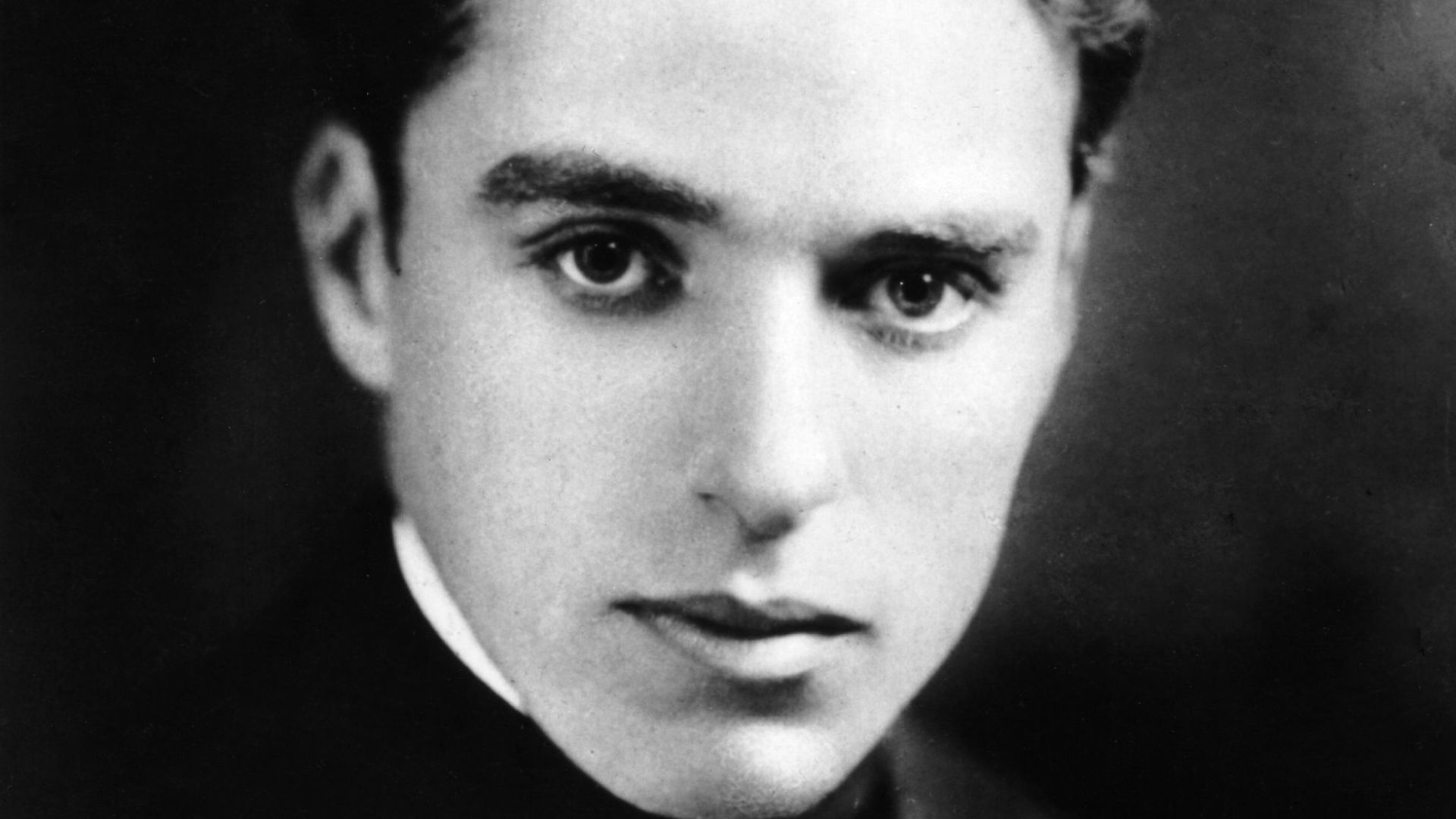
Years before his Hollywood marriages, 19-year-old Chaplin became infatuated with 15-year-old dancer Hetty Kelly in England. Their relationship was brief, but Chaplin later romanticized her as his first love. He would remember her decades afterward, long after their lives had separated permanently.
The age difference was an early sign of something that became increasingly controversial as Chaplin grew older. Again and again, the aging superstar became involved with very young women. At first, however, America saw little except the charming man behind its favorite screen character.
 Unknown authorUnknown author on Wikimedia
14. He Didn’t Fight The War
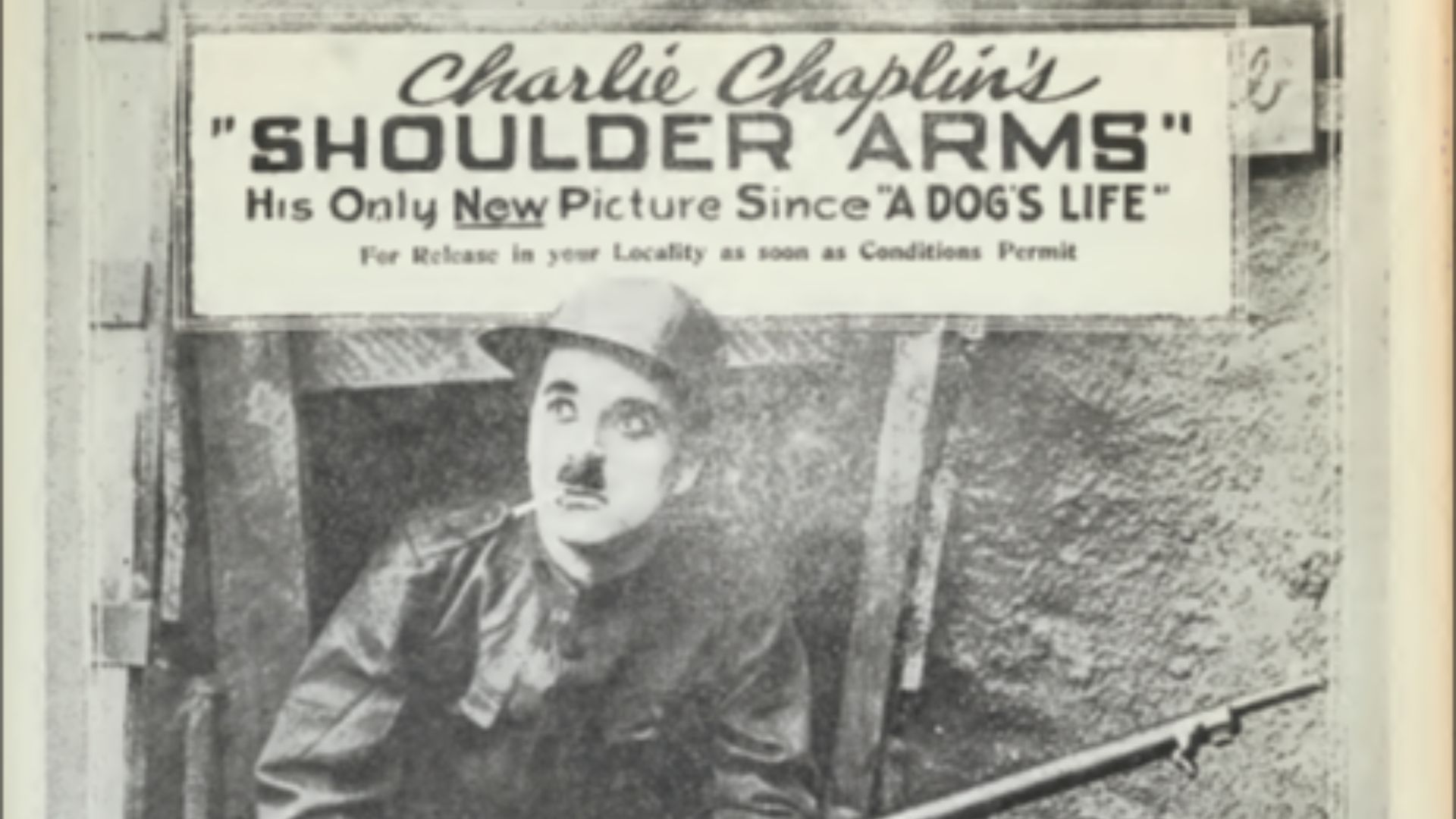
Chaplin’s enormous fame created awkward questions during World War I. Some critics wondered why the healthy young British star was making movies in America instead of serving overseas. Chaplin registered for the U.S. draft, but he was not called for service. Instead, he helped sell war bonds and made the wildly popular military comedy Shoulder Arms.
Even soldiers reportedly carried Chaplin images into the trenches. He had become an unofficial symbol of laughter during catastrophe. Yet being foreign-born in America would eventually become much less charming to his critics.
 Unknown authorUnknown author on Wikimedia
15. He Married A Teenager
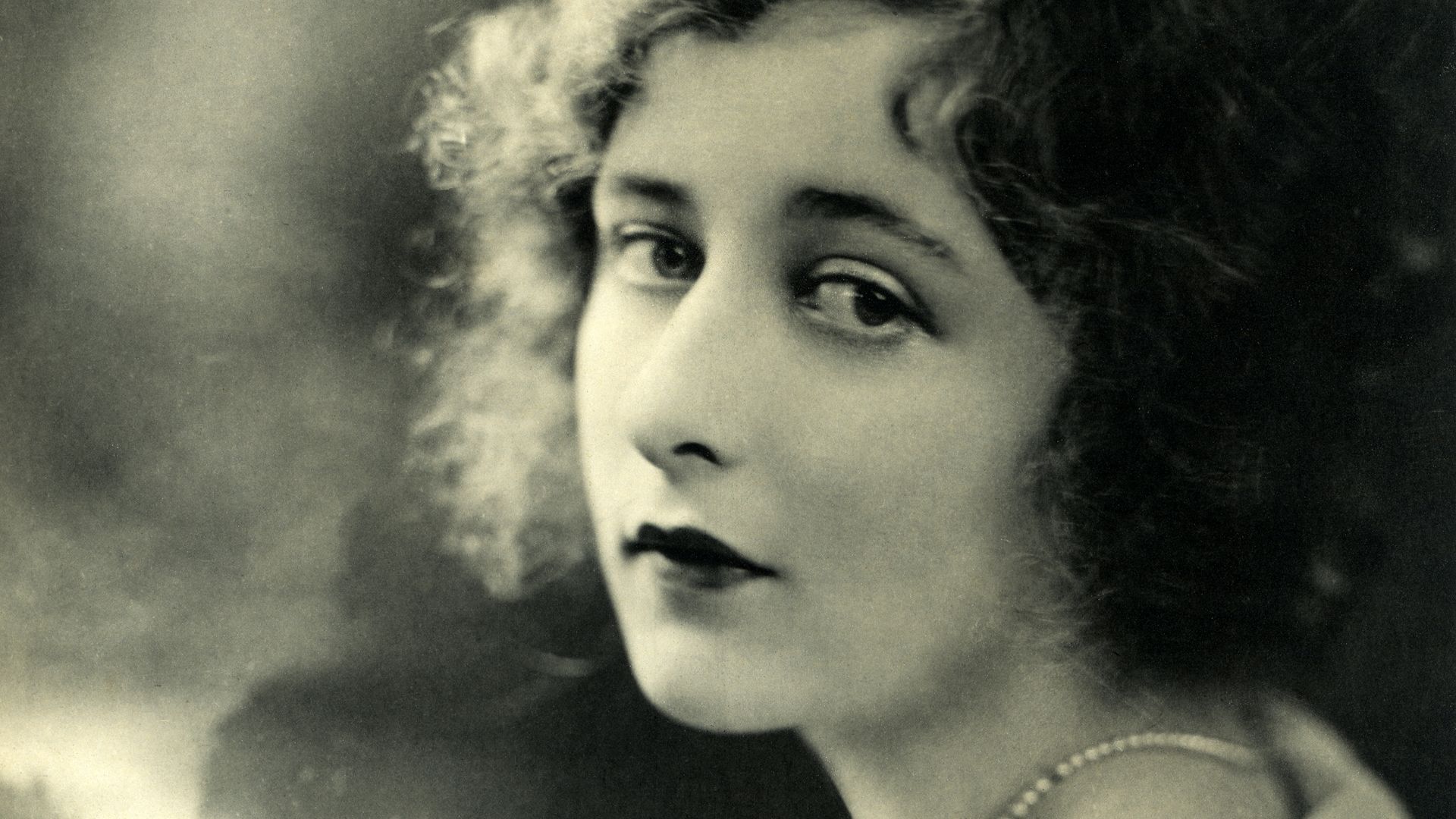
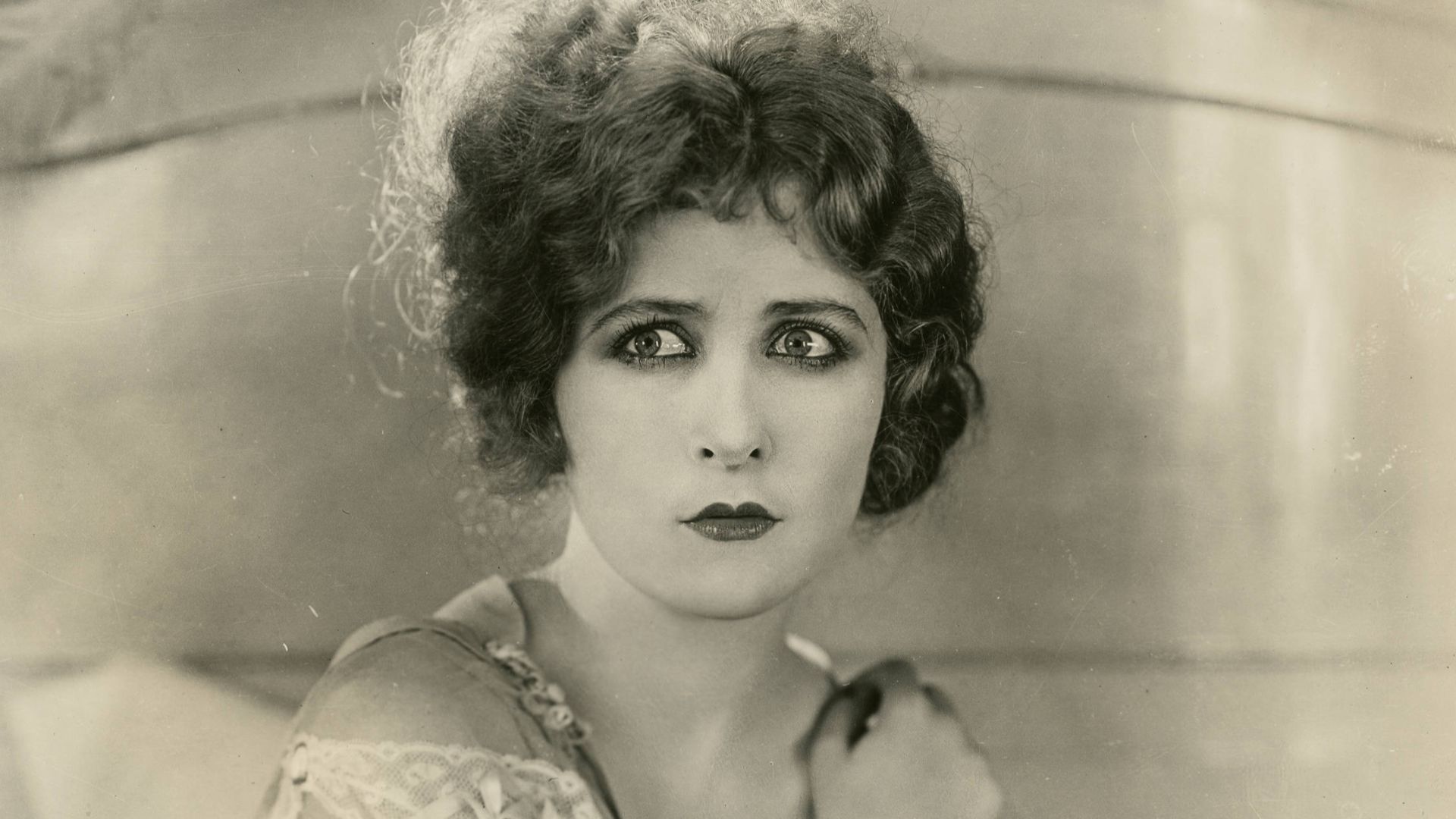
In 1918, 29-year-old Chaplin married 16-year-old actress Mildred Harris after she told him she was pregnant. Chaplin later learned that the pregnancy had been a false alarm, but the marriage continued. Their relationship was troubled almost immediately. Mildred soon became pregnant again, and in 1919 she delivered their son, Norman Spencer Chaplin.
For Chaplin, who had risen from an unstable childhood, becoming a father might have looked like a chance to create the family he never had. Instead, tragedy arrived almost immediately.
16. His Baby Lived Only Days
Norman Spencer Chaplin was born with serious health problems and survived for only three days. The loss devastated the young couple, but it did not bring them closer together. Chaplin buried himself in work while the marriage deteriorated. Mildred eventually filed for divorce, and their split became fodder for the press.
Chaplin had already learned how quickly private misery could become public entertainment. Soon, however, he would turn his grief into one of the most beloved films of the silent era—and find a surrogate son on screen.
 Unknown authorUnknown author on Wikimedia
17. He Found His Perfect Kid
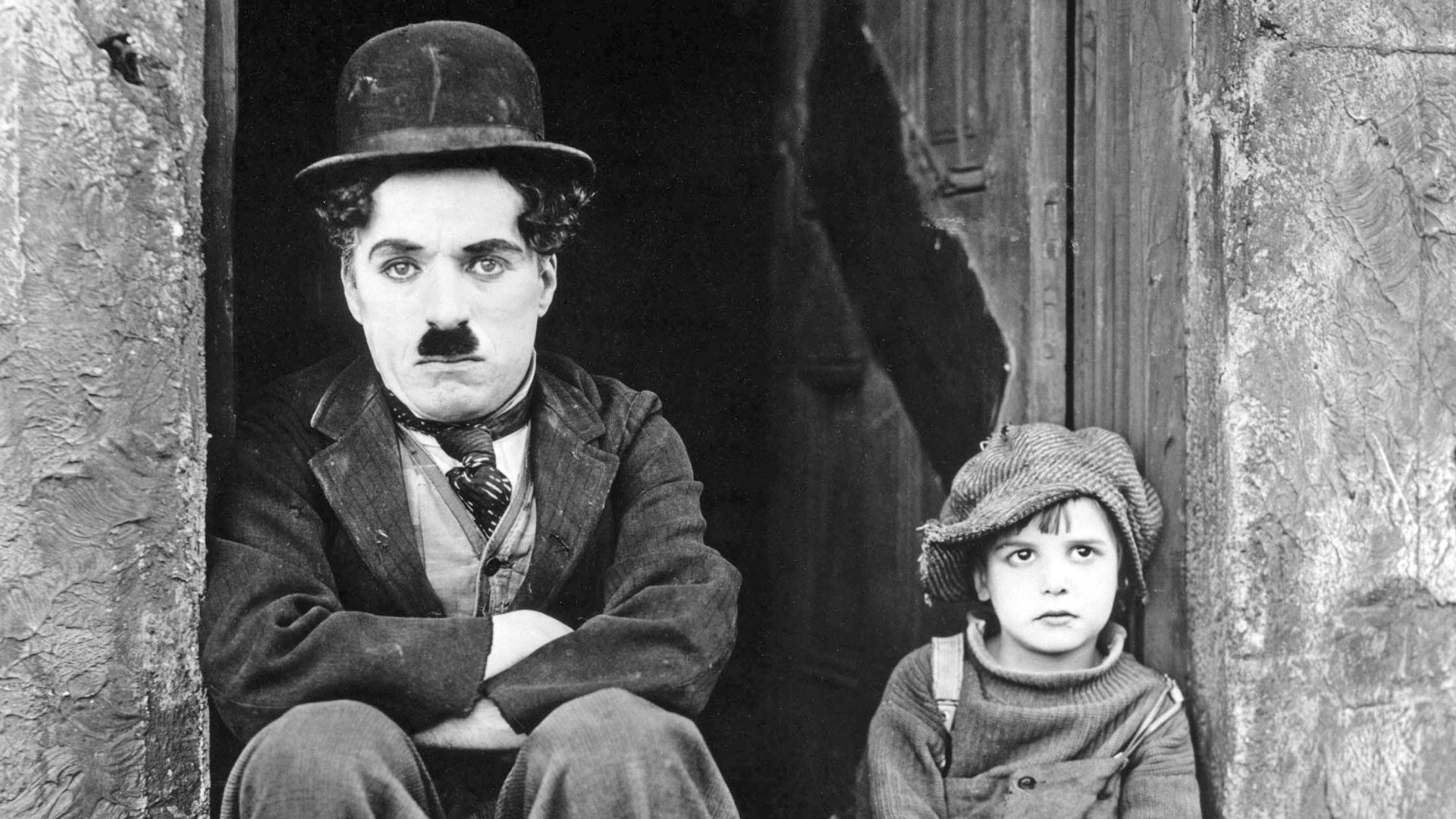
Chaplin cast young Jackie Coogan alongside him in The Kid, released in 1921. The story followed the Tramp raising an abandoned child, mixing broad comedy with the pain of separation and poverty. Much of its emotional world echoed Chaplin’s own childhood experiences.
The film became another major triumph and helped prove that feature-length comedy could carry genuine emotional weight. Chaplin could transform childhood misery into art. His success also gave him something Hollywood stars desperately wanted: enough power to challenge the studios themselves.
18. He Helped Hollywood Stars Rebel
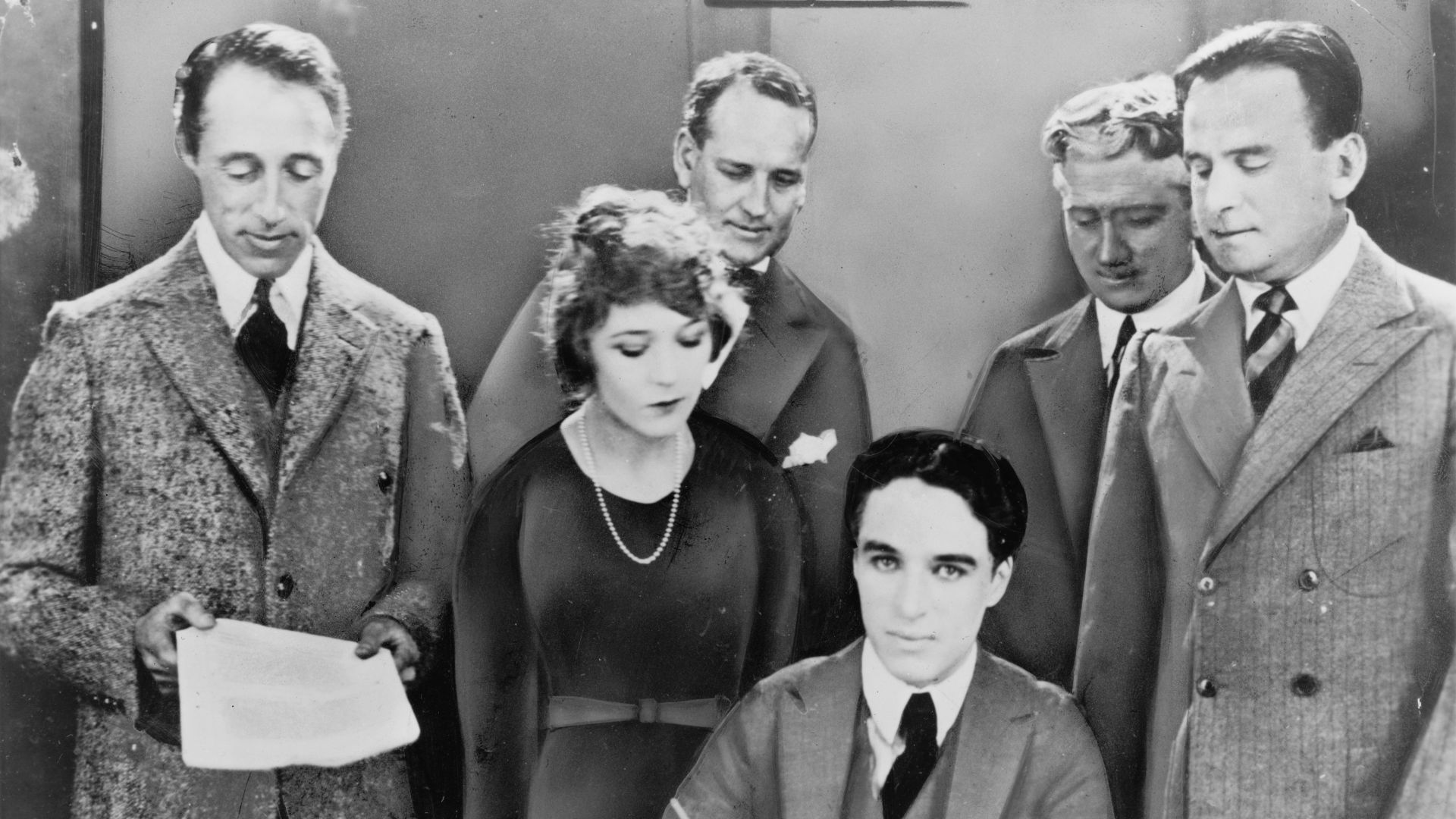
In 1919, Chaplin joined Mary Pickford, Douglas Fairbanks, and director D.W. Griffith in forming United Artists. The idea was revolutionary: Instead of letting powerful studios dictate their careers, major filmmakers could distribute their own work and maintain greater independence. Chaplin was no longer merely an actor demanding higher salaries. He had become a businessman with enormous control over his films.
That independence would later allow him to make projects other studios might have considered too risky. It also made him harder for Hollywood—or Washington—to pressure. And pressure was coming.
 New York World-Telegram and the Sun Newspaper Photograph Collection staff photographer on Wikimedia
19. His Fame Could Cause Chaos
When Chaplin returned to Europe in 1921, enormous crowds gathered to see him. He had left London as a struggling performer and returned as an international phenomenon. The contrast was almost surreal. Everywhere he traveled, fans treated him like royalty.
But fame also intensified Chaplin’s contradictions. He could portray poor people with extraordinary tenderness while living as a wealthy celebrity. He could seem painfully shy yet exercise near-total authority on his sets. Most dangerously, his private relationships were becoming increasingly difficult to keep private.
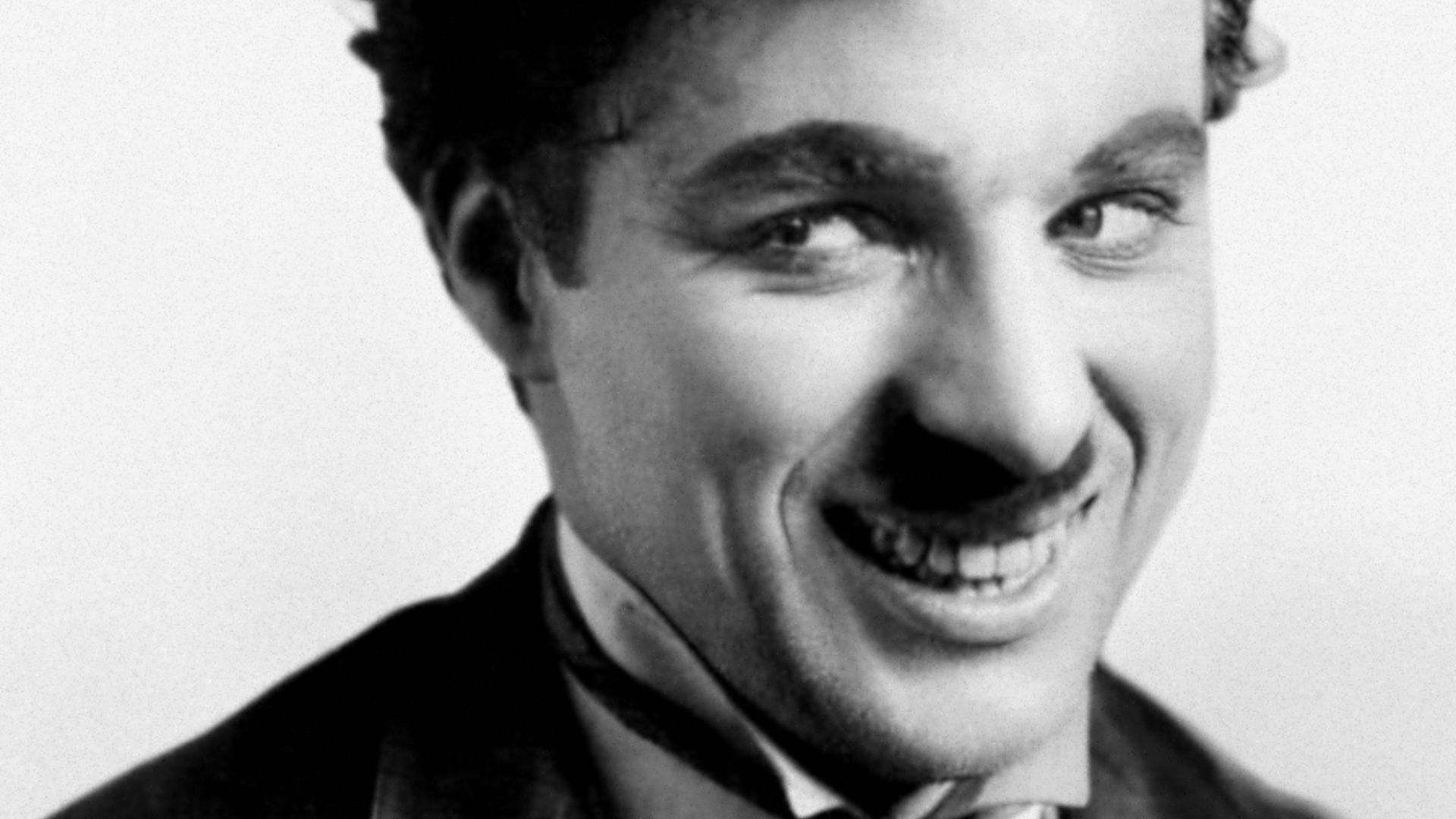
20. He Met Another Very Young Actress
Lillita McMurray, later known as Lita Grey, had appeared in Chaplin’s films while still a child. When Chaplin prepared The Gold Rush, he selected her as his leading lady. Their relationship soon moved beyond work. Lita became pregnant while still 16, while Chaplin was 35.
The situation exposed Chaplin to potentially catastrophic scandal and possible legal trouble. Rather than allow the matter to become public immediately, Chaplin arranged a marriage outside the United States. What followed became one of Hollywood’s ugliest divorces.
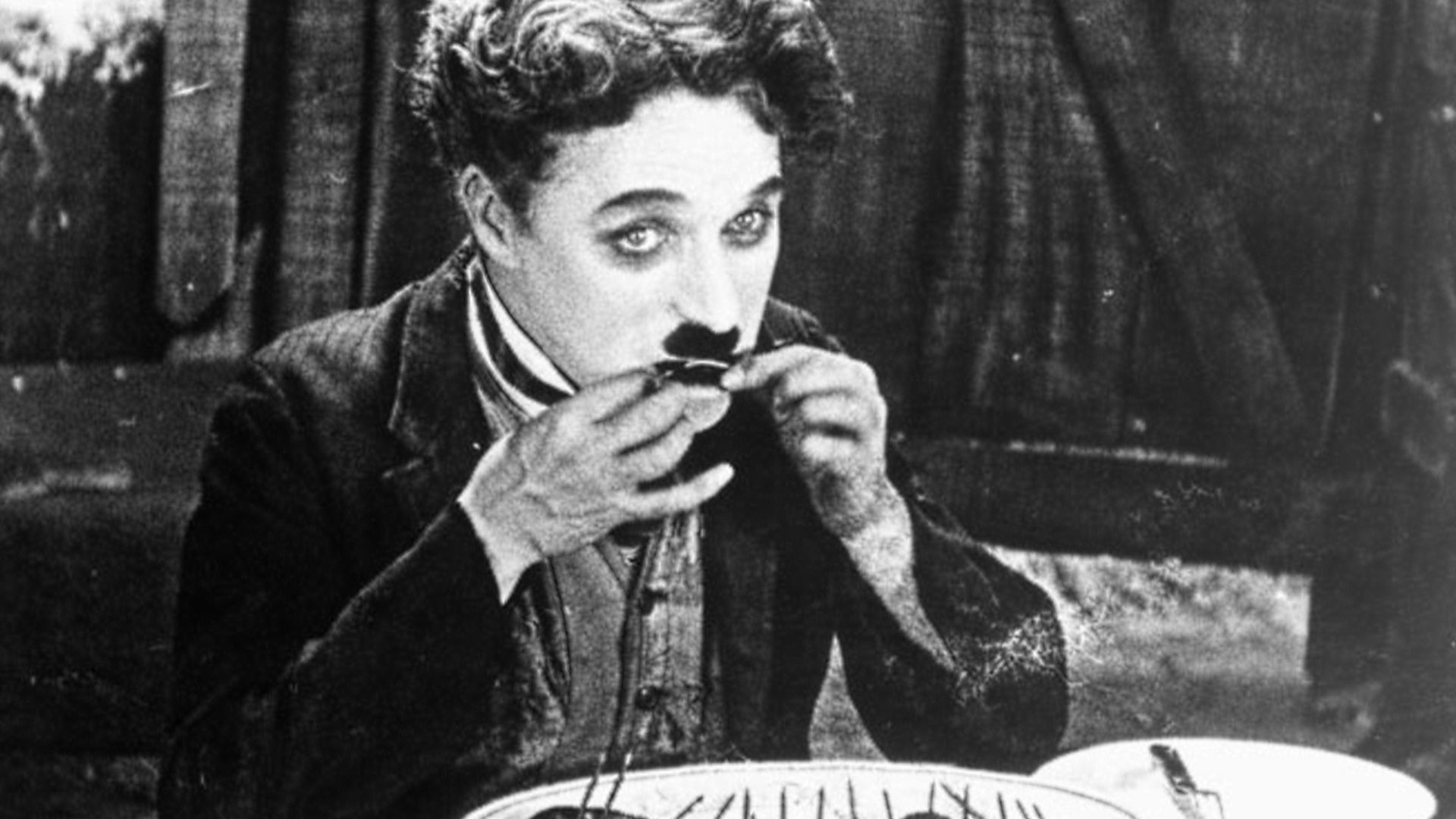 United Artists (work for hire) on Wikimedia
21. They Married In Secret
Chaplin and Lita Grey married quietly in Mexico in November 1924. Their first son, Charles Chaplin Jr., arrived in 1925, followed by Sydney Chaplin in 1926. From the outside, Chaplin now had the family life that had eluded him during his first marriage.
Behind closed doors, however, the relationship was collapsing. Their age difference, Chaplin’s controlling personality, accusations of infidelity, and constant conflict created a miserable household. When Lita finally sought a divorce, she did not leave quietly.
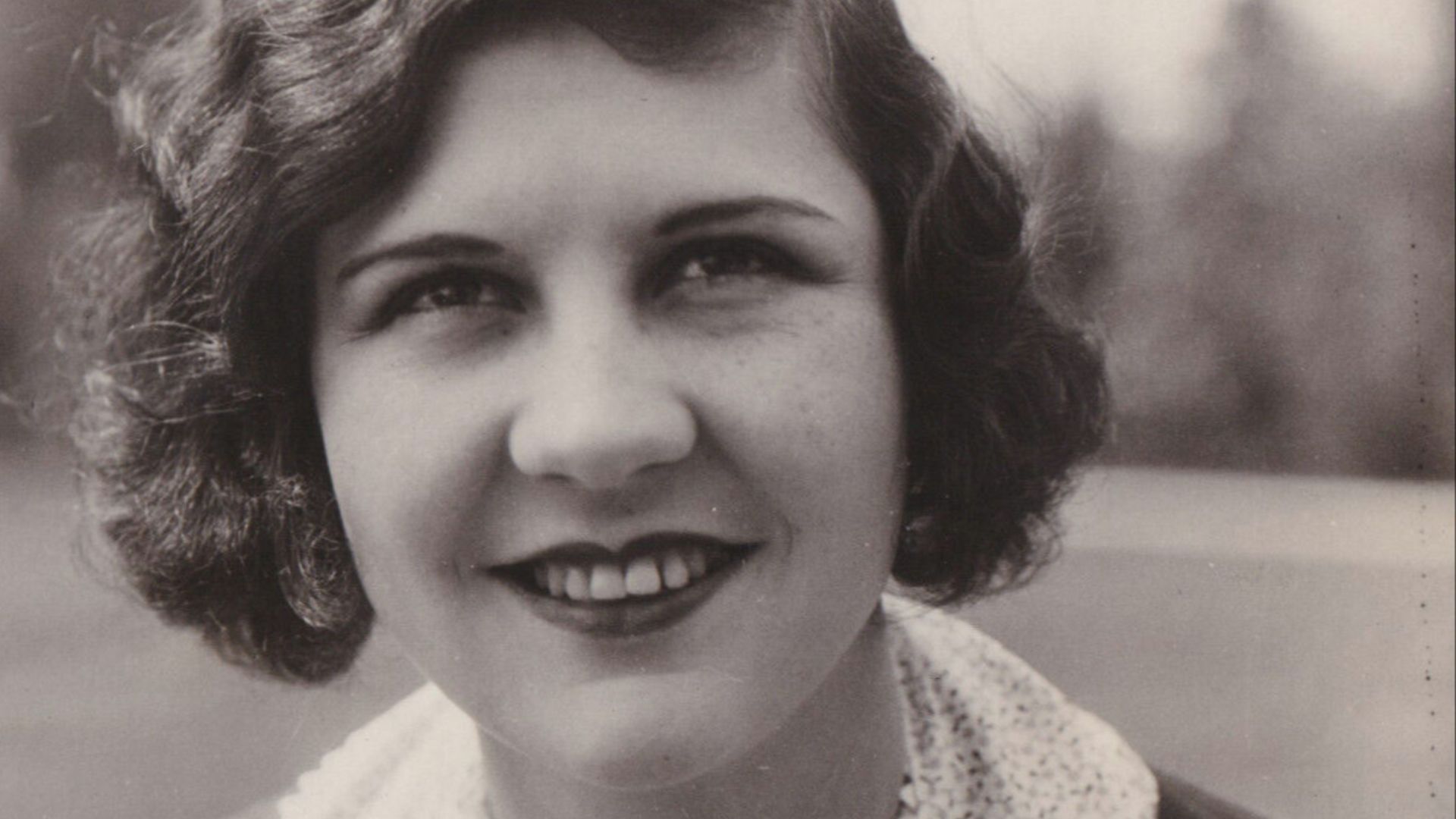
22. His Divorce Became Sensational
Lita Grey’s divorce complaint contained extraordinary accusations about Chaplin’s private conduct, including infidelity and deeply inappropriate behavior. Newspapers eagerly circulated the allegations, and some groups demanded boycotts of his films. Chaplin denied important portions of her account, but the reputational damage was enormous.
The eventual settlement reportedly cost him $825,000, then an astonishing figure for a California divorce. For the first time, the wholesome Little Tramp’s creator looked dangerously different from his screen persona. Chaplin survived the scandal—but America would remember it.
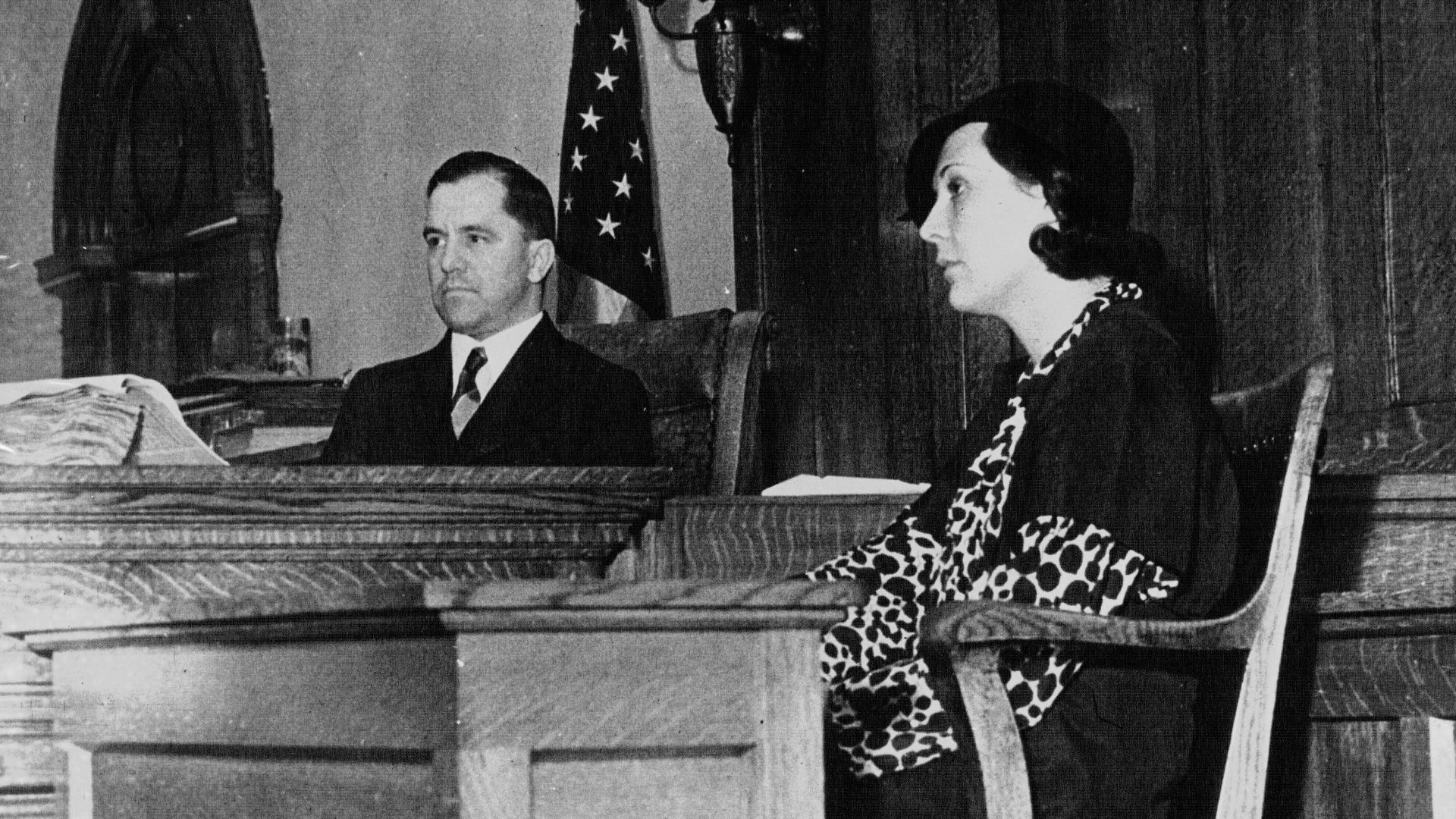 Acme Newspicture (Agence de presse). Agence photographique (commanditaire) on Wikimedia
23. He Nearly Broke Under The Pressure
The divorce erupted while Chaplin was making The Circus. The combination of personal scandal, hostile headlines, production problems, and financial pressure reportedly pushed him toward a serious emotional collapse. Yet somehow he finished the film, and it became another success.
Hollywood had discovered that scandals capable of destroying ordinary careers seemed to bounce off Chaplin. Audiences still loved the Tramp. But a technological revolution was beginning, and it threatened something even more fundamental than bad publicity: Silent movies themselves were about to disappear.
24. He Refused To Let The Tramp Speak
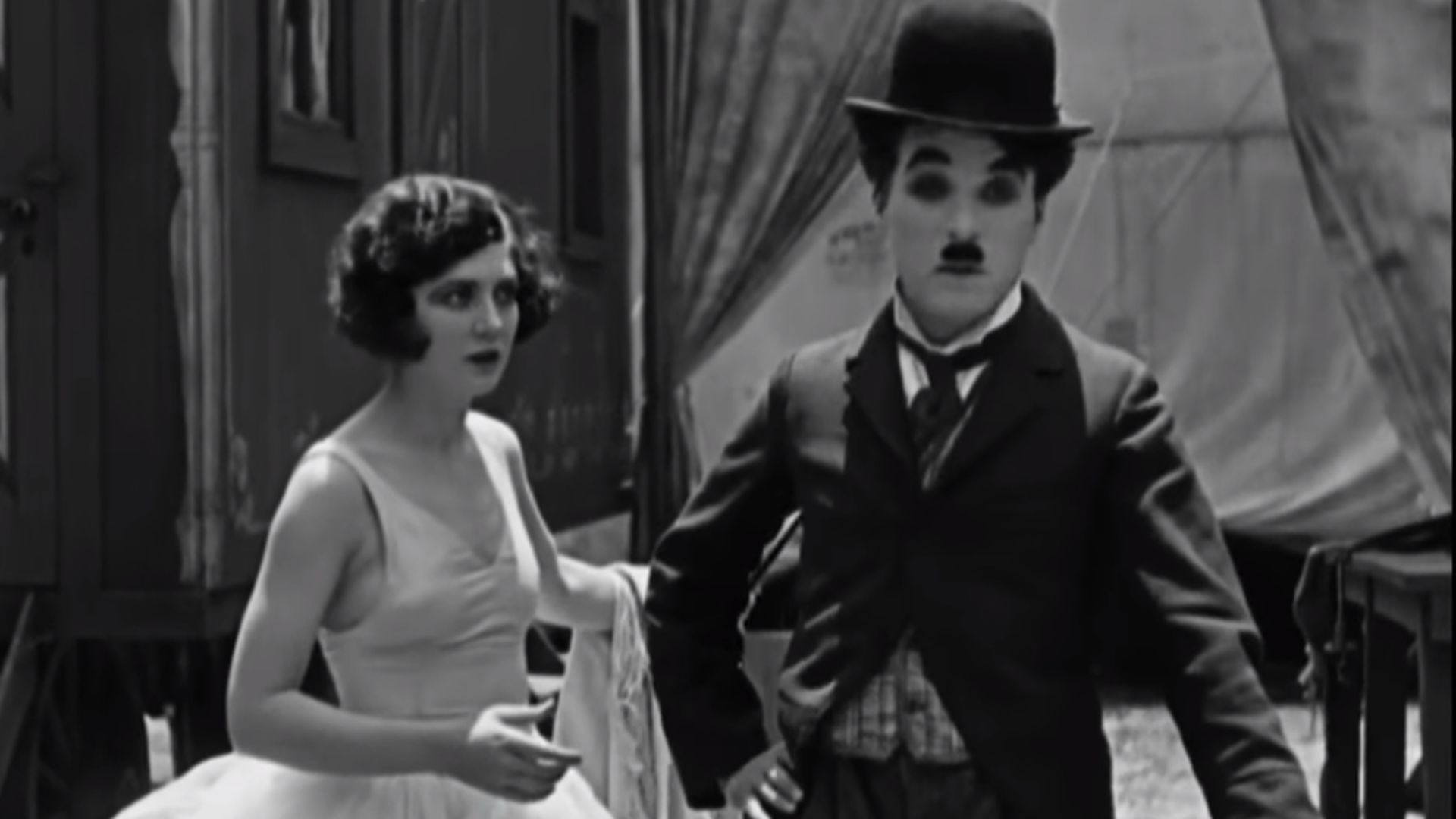
By the late 1920s, synchronized sound had transformed Hollywood. Silent stars rushed to prove their voices could survive the transition. Chaplin resisted. He believed the Tramp belonged to the universal world of pantomime and feared that giving him a specific voice would destroy his international appeal.
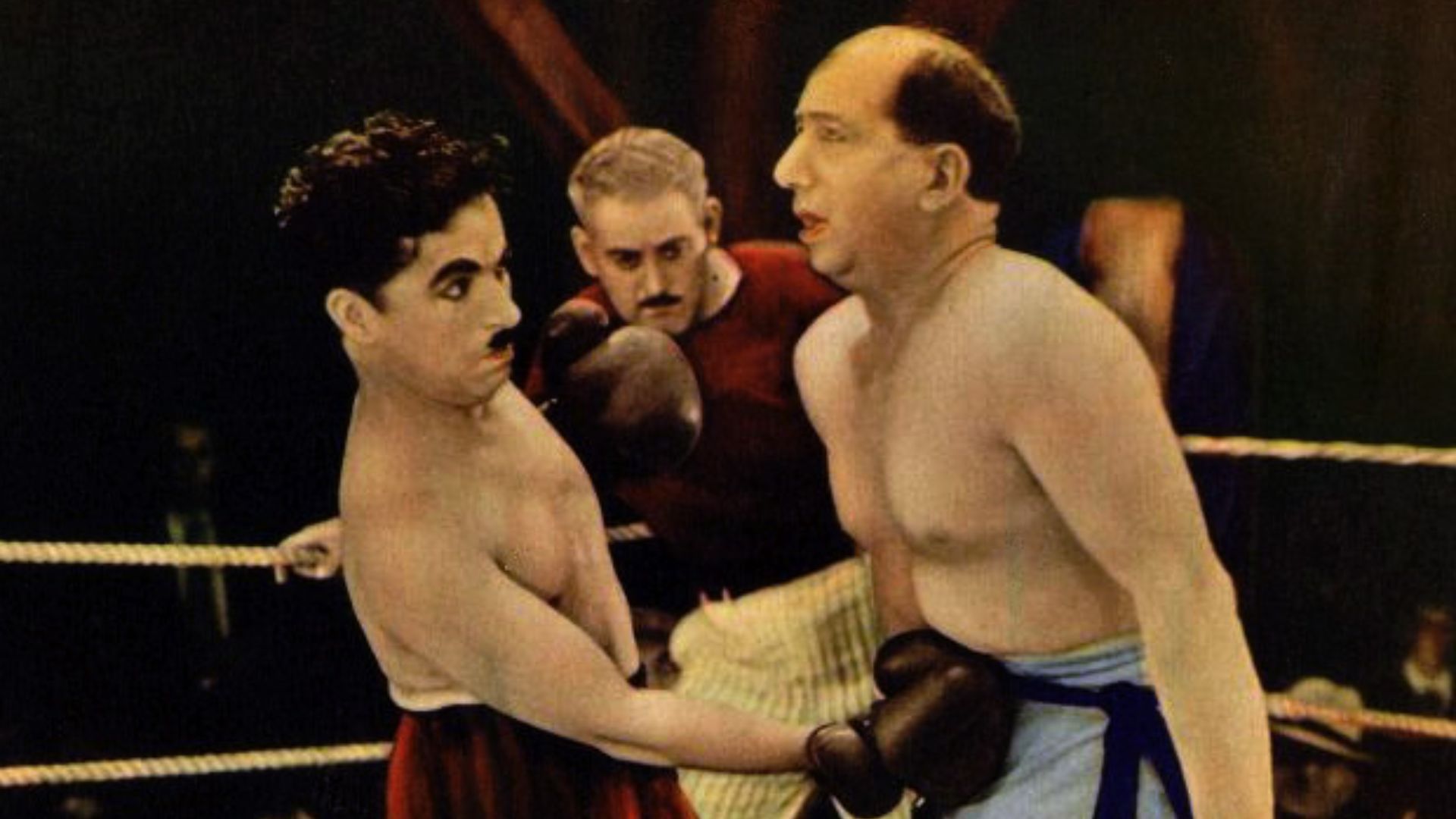
It was an enormous gamble. With City Lights in 1931, Chaplin released a mostly silent romantic comedy into an industry obsessed with talking pictures. Hollywood could have laughed him out of the business. Instead, Chaplin proved he could still command an audience.
25. He Made Them Cry Without Words
City Lights paired the Tramp with a blind flower seller who mistakenly believes he is wealthy. The movie ends with one of Chaplin’s most celebrated scenes, when she finally realizes the shabby stranger before her is the man who helped her.
The film was a major success and demonstrated that Chaplin could defy Hollywood fashion on sheer artistic authority. But privately, his life remained complicated. While traveling after the film’s release, he met politicians, intellectuals, and prominent figures—and his growing interest in social issues began influencing his work.
26. He Started Looking At The Machine
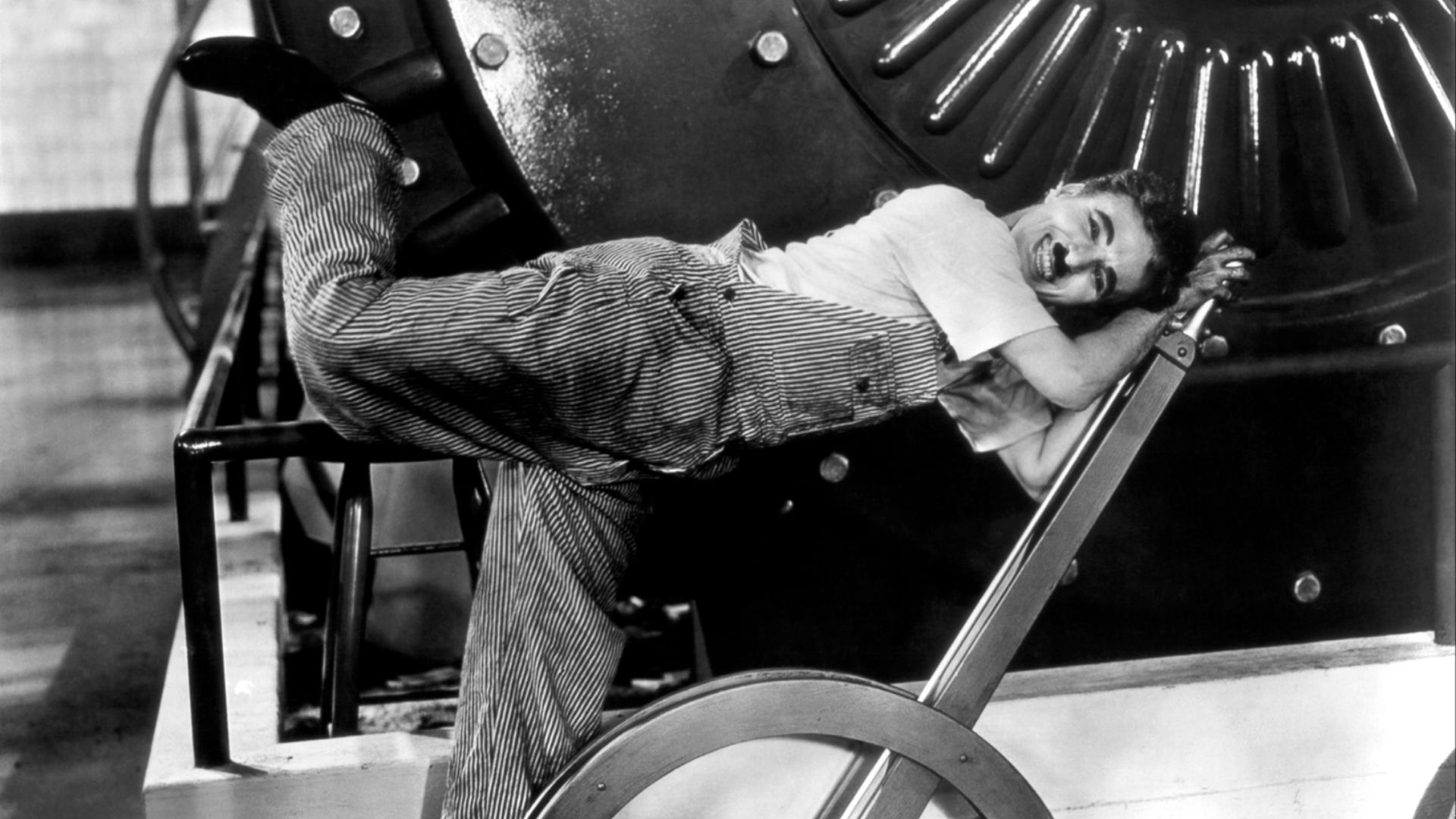
The Great Depression surrounded Chaplin with scenes that reminded him of his childhood: unemployment, insecurity, and ordinary people struggling against forces they could barely control. He became increasingly critical of an economic world in which machines and huge organizations seemed to reduce human beings to numbers.
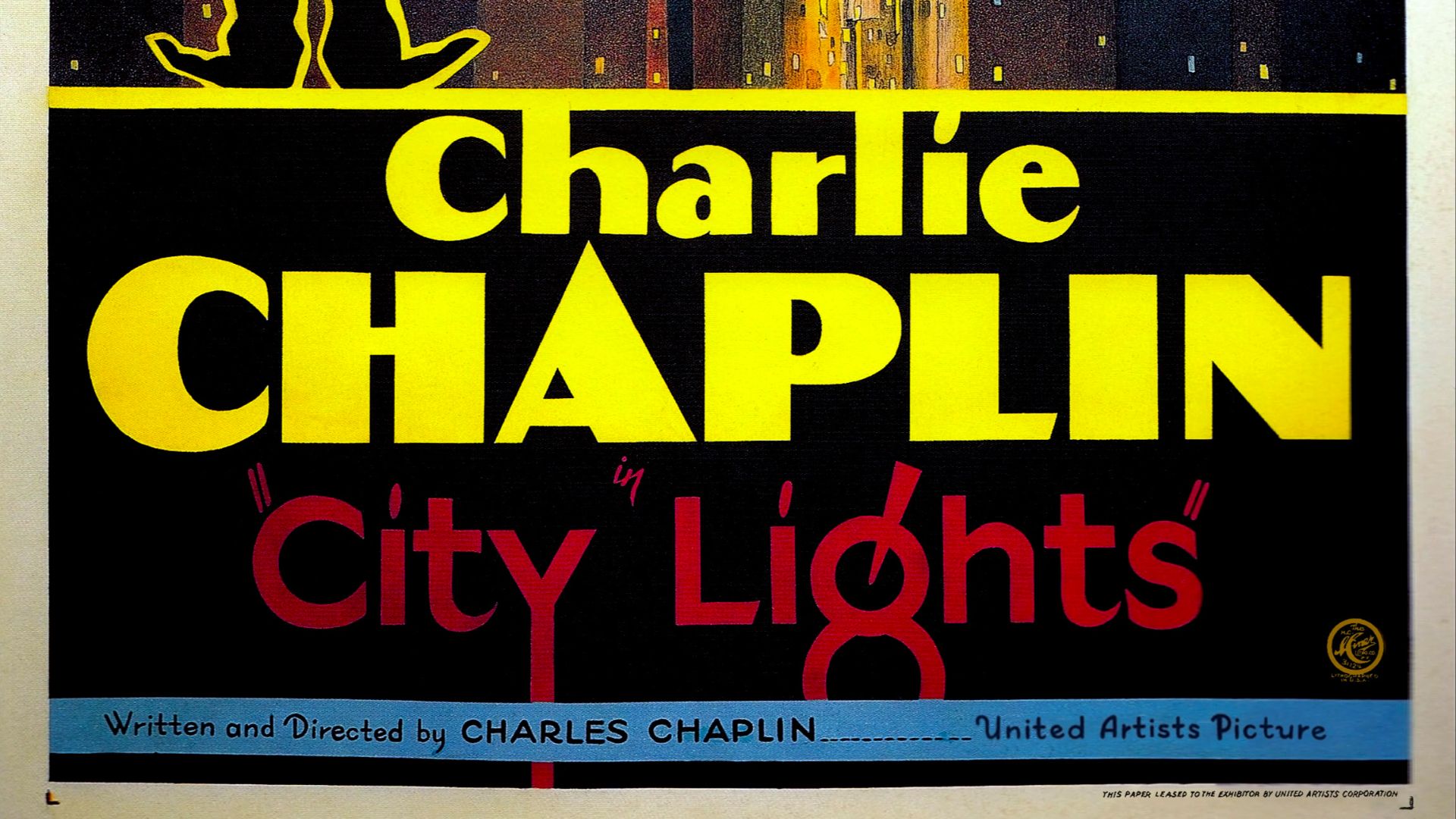
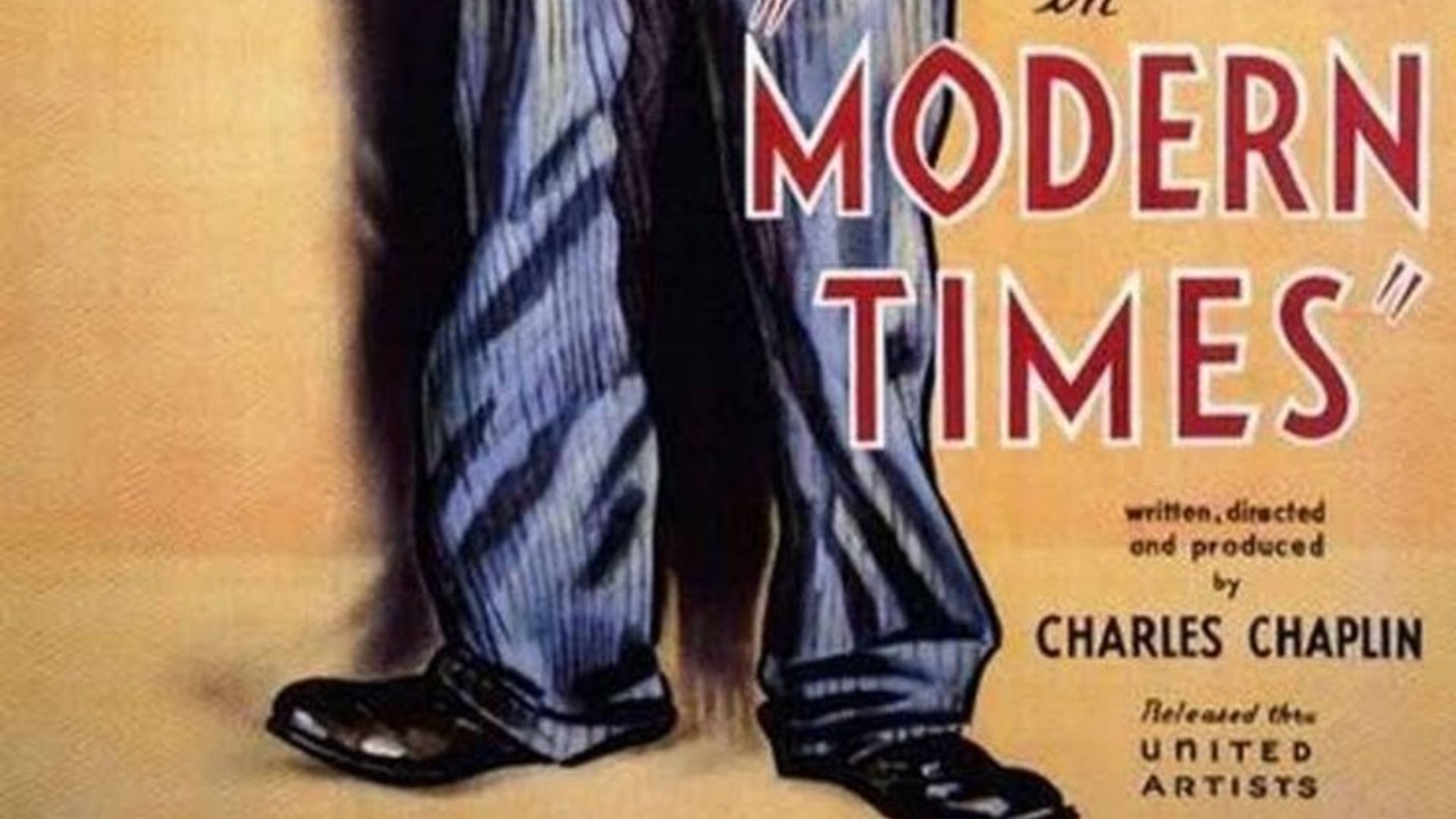
Those anxieties shaped Modern Times, released in 1936. The comedy showed the Tramp literally being swallowed by industrial machinery. Audiences laughed. Political critics noticed something else. Chaplin was no longer simply making jokes about slipping on banana peels.
 Unknown authorUnknown author on Wikimedia
27. Modern Times Made People Suspicious
Modern Times mocked assembly lines, unemployment, police suspicion, and the pressures of industrial capitalism. Chaplin insisted on his independence from organized political movements, but conservative critics increasingly saw radical ideas in his films.
The fact that he remained a British citizen despite decades in America added to the unease. Why, critics would eventually ask, should a foreign millionaire lecture Americans about their society? The question had not yet become dangerous. For now, another glamorous woman was standing beside Chaplin—and unlike his previous marriages, this relationship stayed relatively peaceful.
28. Paulette Goddard Became His Leading Lady
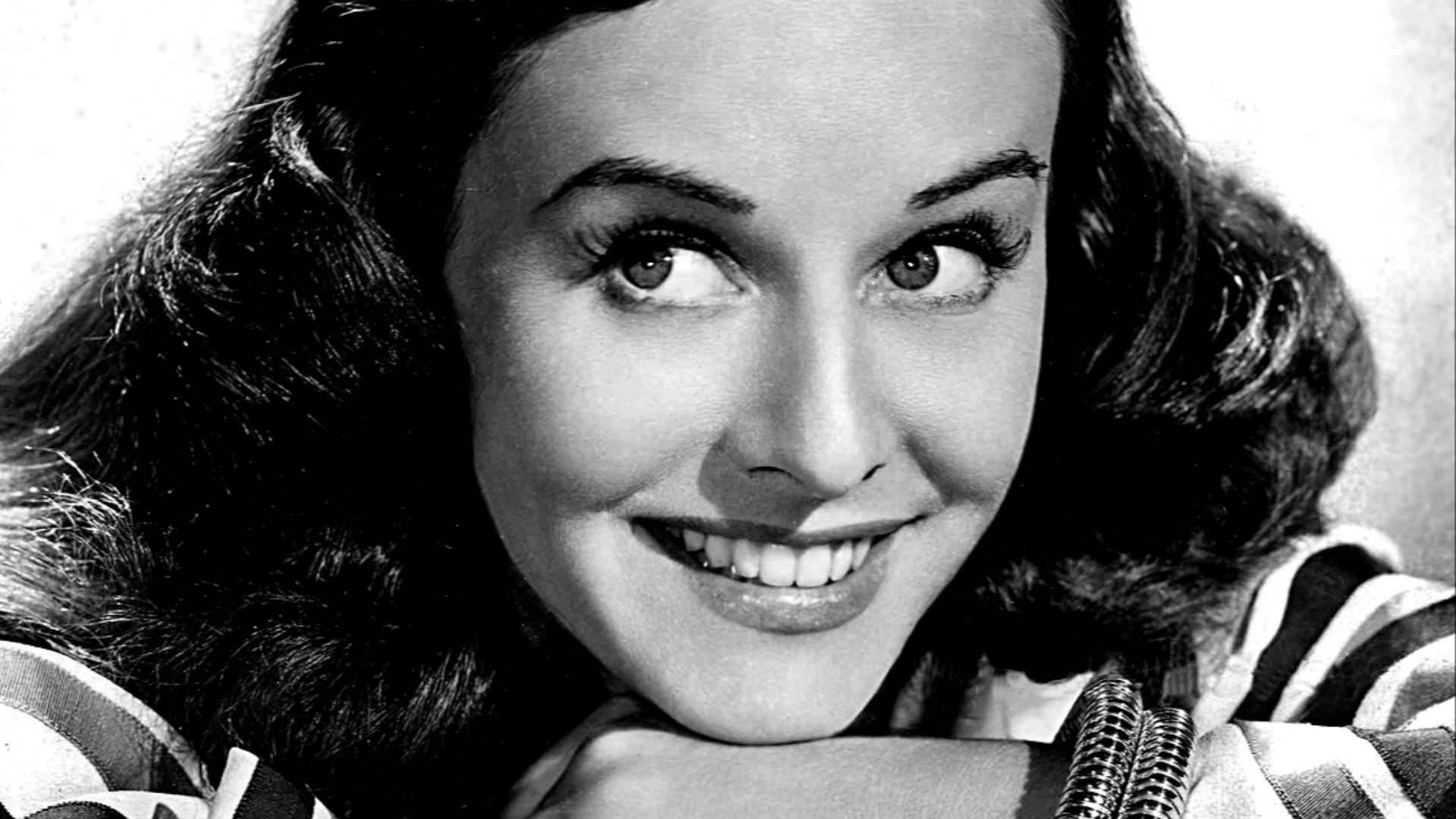
Chaplin developed a relationship with actress Paulette Goddard, who starred beside him in Modern Times. Exactly when they married remained unusually private, although Chaplin later said they had married in China; the marriage is generally dated from 1936. Goddard was independent, glamorous, and already experienced in show business.
Their partnership appeared far more balanced than Chaplin’s earlier marriages. She would also star in his most politically explosive film. Before their eventual divorce, Chaplin was about to challenge one of the world’s most dangerous dictators using nothing but comedy.
29. He Had Hitler’s Moustache
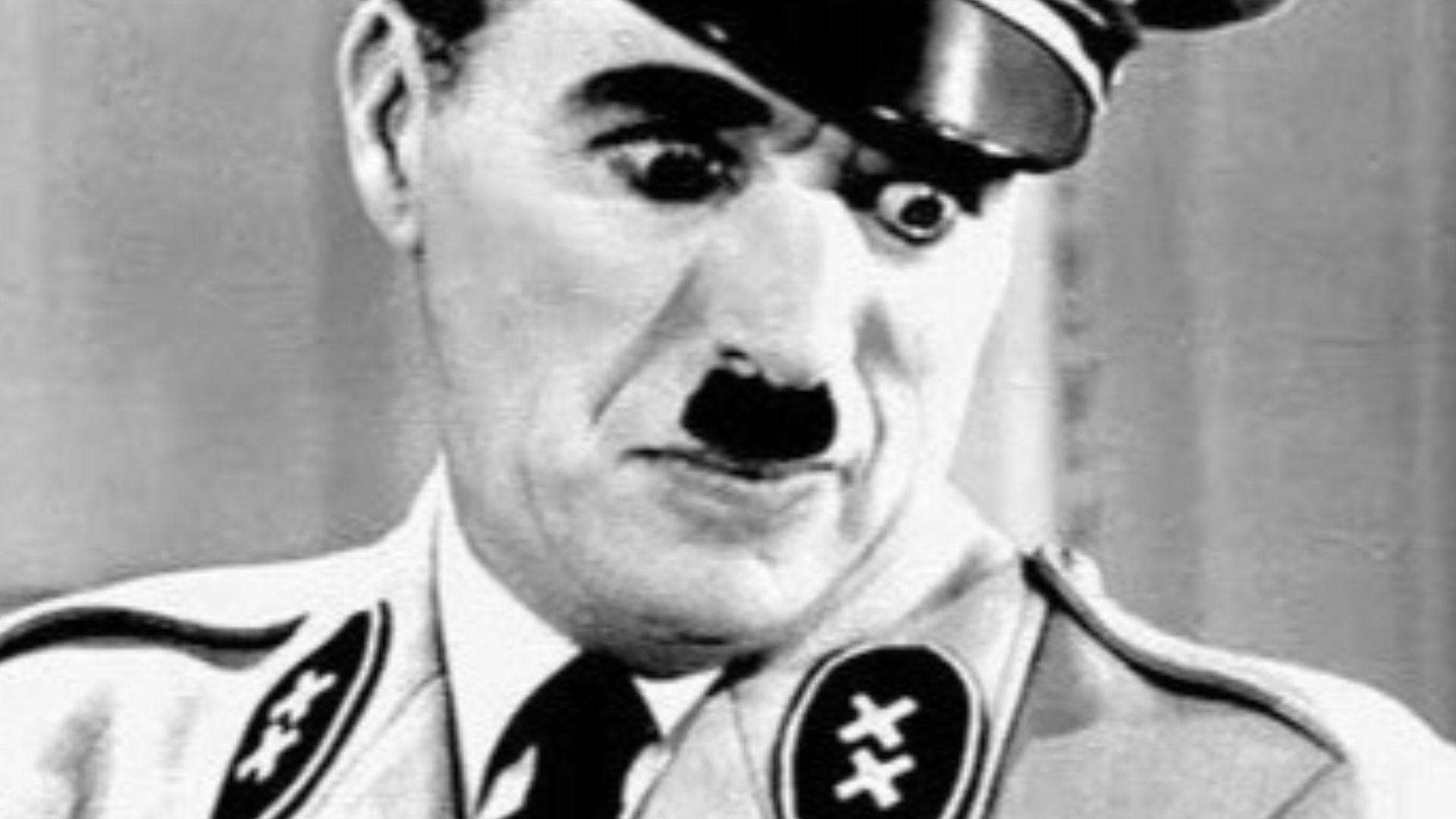
Chaplin noticed an eerie visual coincidence: Adolf Hitler wore a toothbrush moustache remarkably similar to the Tramp’s. The two men had even been born just four days apart in April 1889. Chaplin decided to use the resemblance for satire.
In The Great Dictator, he played both a persecuted Jewish barber and a ridiculous dictator named Adenoid Hynkel. Making the movie was risky. The United States was still officially neutral when production began, and Chaplin faced criticism before audiences had seen a frame.
30. Powerful People Wanted Him To Stop
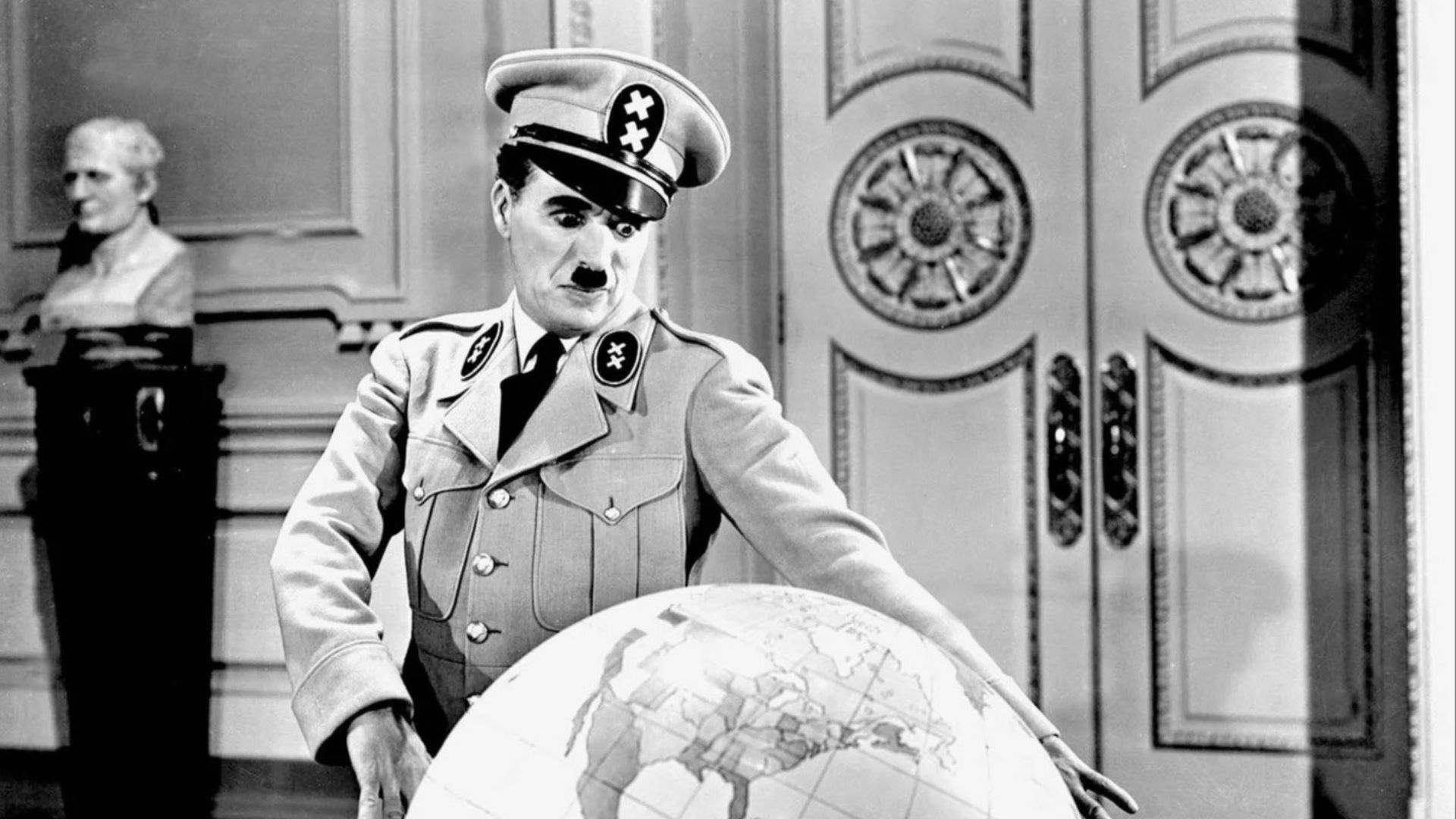
Before The Great Dictator opened, Chaplin faced objections from people worried about antagonizing Germany or dragging entertainment into foreign politics. German authorities despised Chaplin and had falsely portrayed him as Jewish, something Chaplin refused to treat as an insult.
He pressed forward anyway. When the film premiered in October 1940, it became a commercial success. But Chaplin had crossed a line. The comedian once beloved for saying nothing was now delivering political messages—and some powerful Americans strongly disliked what he had to say.
31. He Finally Spoke
At the end of The Great Dictator, Chaplin abandoned ordinary comedy and delivered a lengthy appeal for democracy, tolerance, liberty, and human dignity. Some viewers found the speech moving. Others complained that a comedian had become preachy.
More importantly, Chaplin had now attached his own public identity to political causes. He could no longer hide entirely behind the Tramp. His speeches outside the movies would soon attract even more attention—particularly when he began advocating assistance for the Soviet Union during World War II. His FBI file was getting thicker.
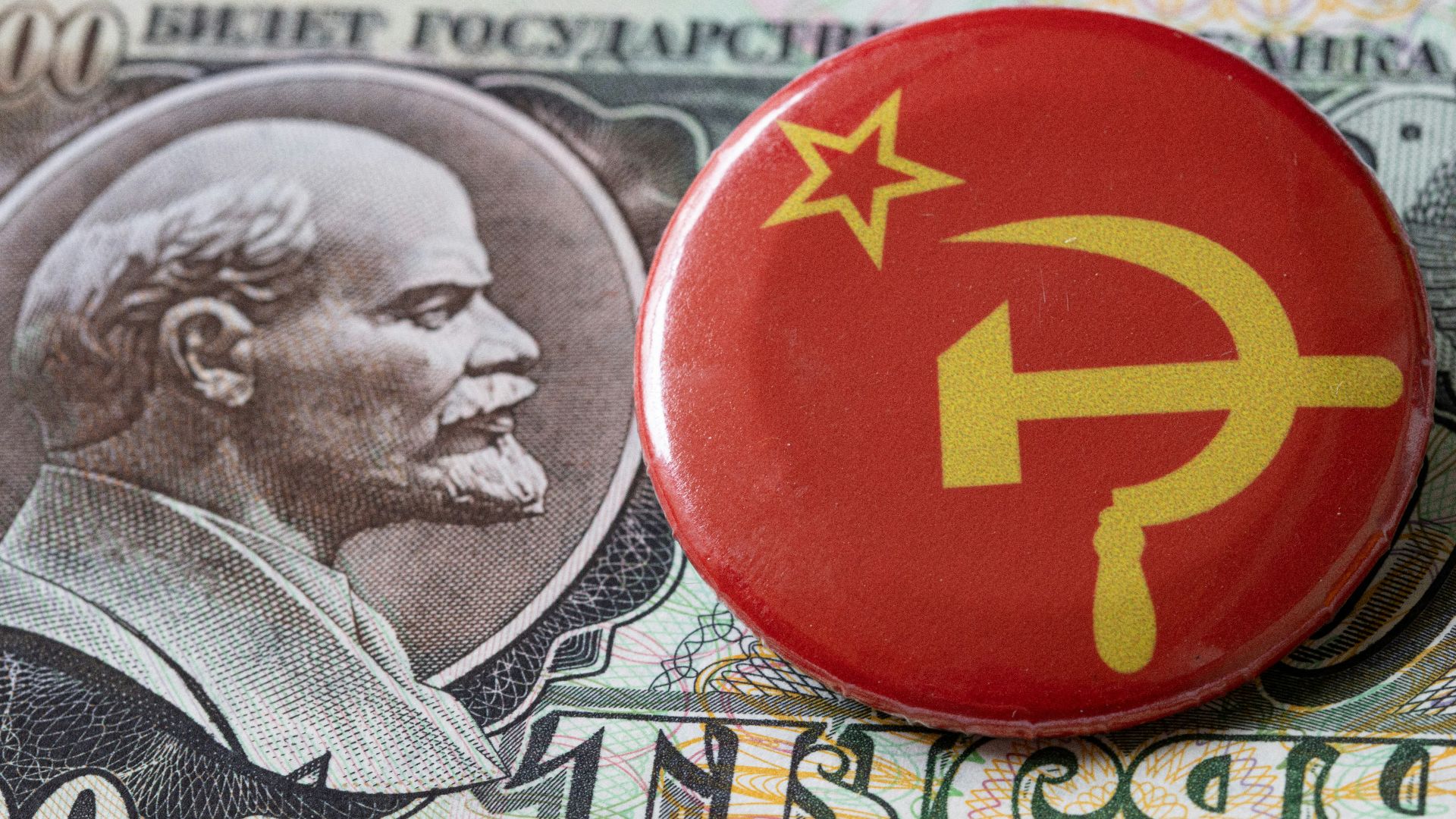
32. The FBI Had Been Watching Him For Years
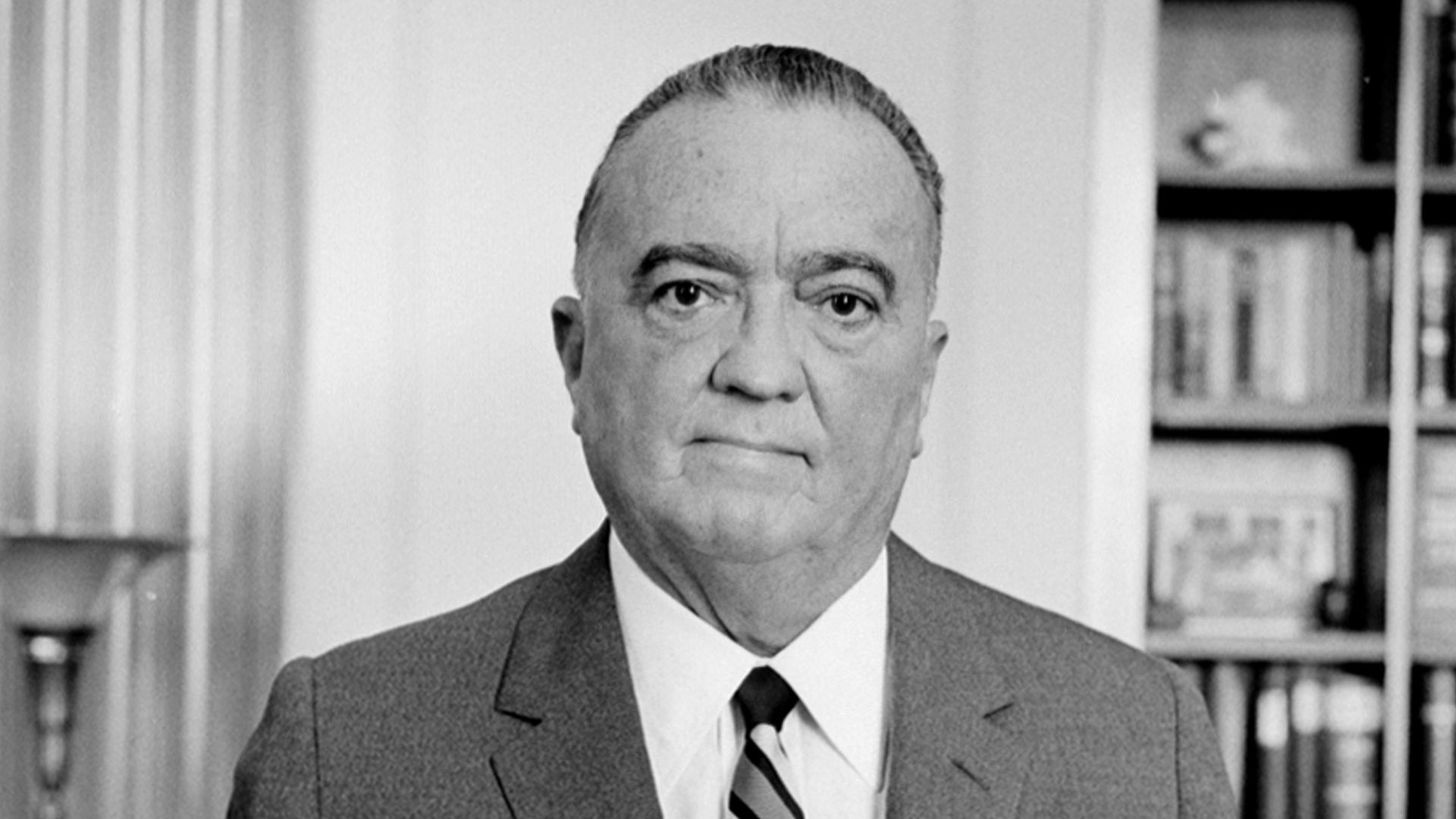
Federal investigators had taken an interest in Chaplin long before the height of the Cold War. J. Edgar Hoover’s FBI eventually accumulated a file running to roughly 2,000 pages. Investigators examined Chaplin’s political associations, personal behavior, immigration status, and supposed radical connections.
Yet the enormous file never produced solid proof that Chaplin belonged to the Communist Party. That distinction would matter little once political suspicion combined with another personal scandal. Chaplin’s enemies were about to receive exactly the kind of headlines they needed.
 Marion S. Trikosko on Wikimedia
33. Joan Barry Entered His Life
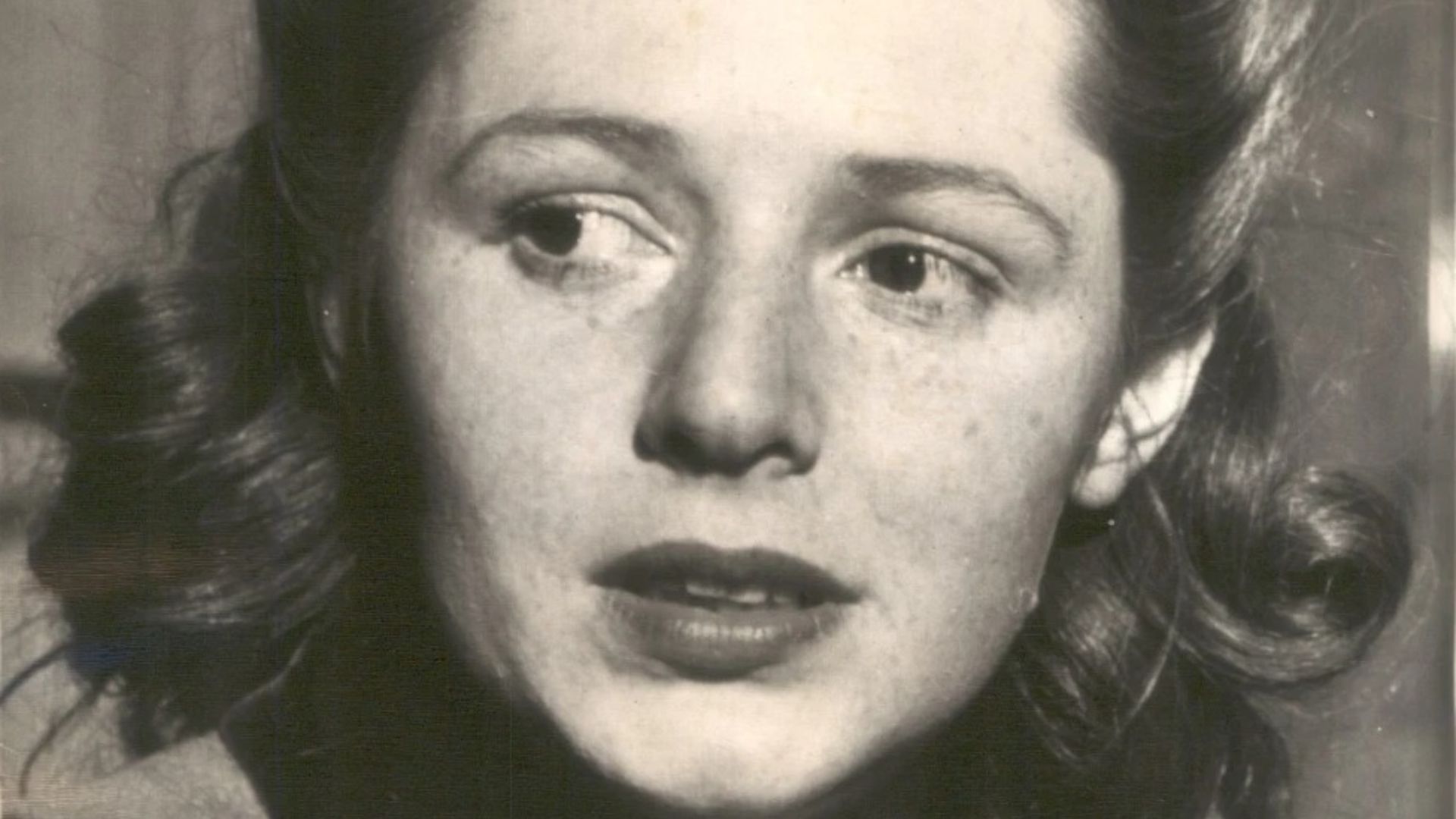
In 1941, Chaplin met aspiring actress Joan Barry, who was in her early twenties. Their relationship became brief, volatile, and ultimately catastrophic for his reputation. Barry later appeared repeatedly at Chaplin’s home, and their disputes became increasingly serious.
Then came the accusation that changed everything: Barry said Chaplin had fathered her child. Chaplin denied it. What might otherwise have remained an ugly private battle escalated into courtroom drama, federal charges, and national headlines. This time, Chaplin’s past relationships returned to haunt him all at once.
 Unknown authorUnknown author on Wikimedia
34. The Government Put Him On Trial
Federal prosecutors charged Chaplin under the Mann Act, alleging that he had transported Barry across state lines for an improper romantic purpose. A conviction could have sent one of the world’s most famous entertainers to prison.
The courtroom became a referendum on Chaplin’s character as much as on the specific charge. Prosecutors and hostile commentators drew attention to his history with younger women. In 1944, however, the jury acquitted Chaplin. Legally, he had won the federal case. Publicly, the damage was nowhere near finished.
 Cassowary Colorizations on Wikimedia
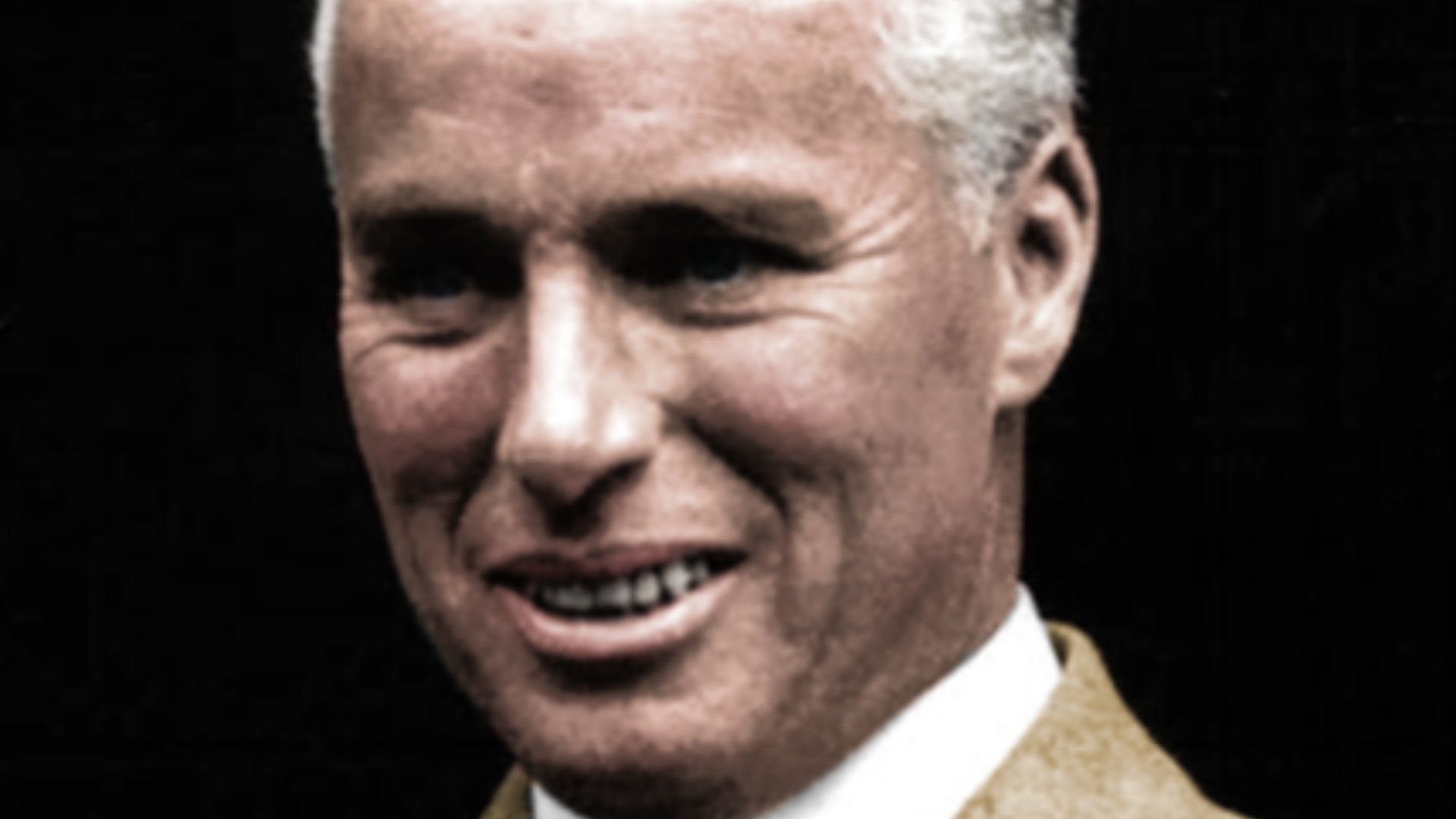
35. The Blood Test Said One Thing
The separate paternity case produced an extraordinary contradiction. Blood testing indicated Chaplin could not be the biological father of Barry’s daughter. At the time, however, California courts did not treat that evidence as automatically decisive.
A jury found Chaplin legally responsible for the child, and he was ordered to provide support. Newspapers had everything they could want: scandal, an aging celebrity, a young woman, courtroom accusations, and scientific evidence seemingly at odds with the verdict. Chaplin’s acquittal suddenly mattered much less in the court of public opinion.
 Tingey Injury Law Firm on Unsplash
36. Then He Married An Eighteen-Year-Old
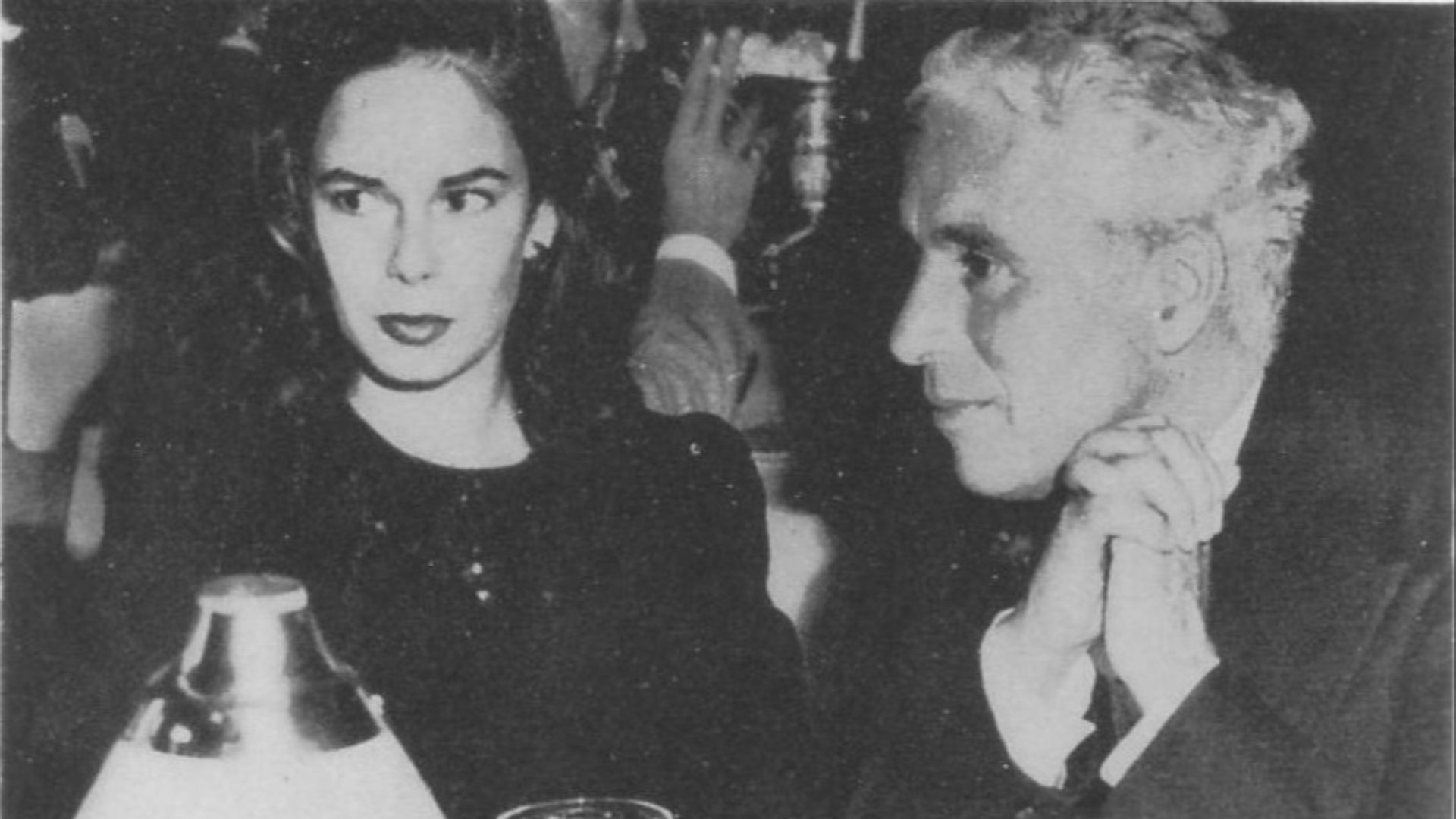
Right in the middle of this turmoil, 54-year-old Chaplin married 18-year-old Oona O’Neill in June 1943. She was the daughter of celebrated playwright Eugene O’Neill, who was almost exactly Chaplin’s age. Her father was furious. Eugene reportedly cut Oona off after the marriage and never reconciled with her.
To Chaplin’s critics, the wedding seemed to confirm every uncomfortable story about his preference for very young women. Yet predictions that the marriage would quickly collapse turned out to be spectacularly wrong.
 Unknown authorUnknown author on Wikimedia
37. Oona Stayed
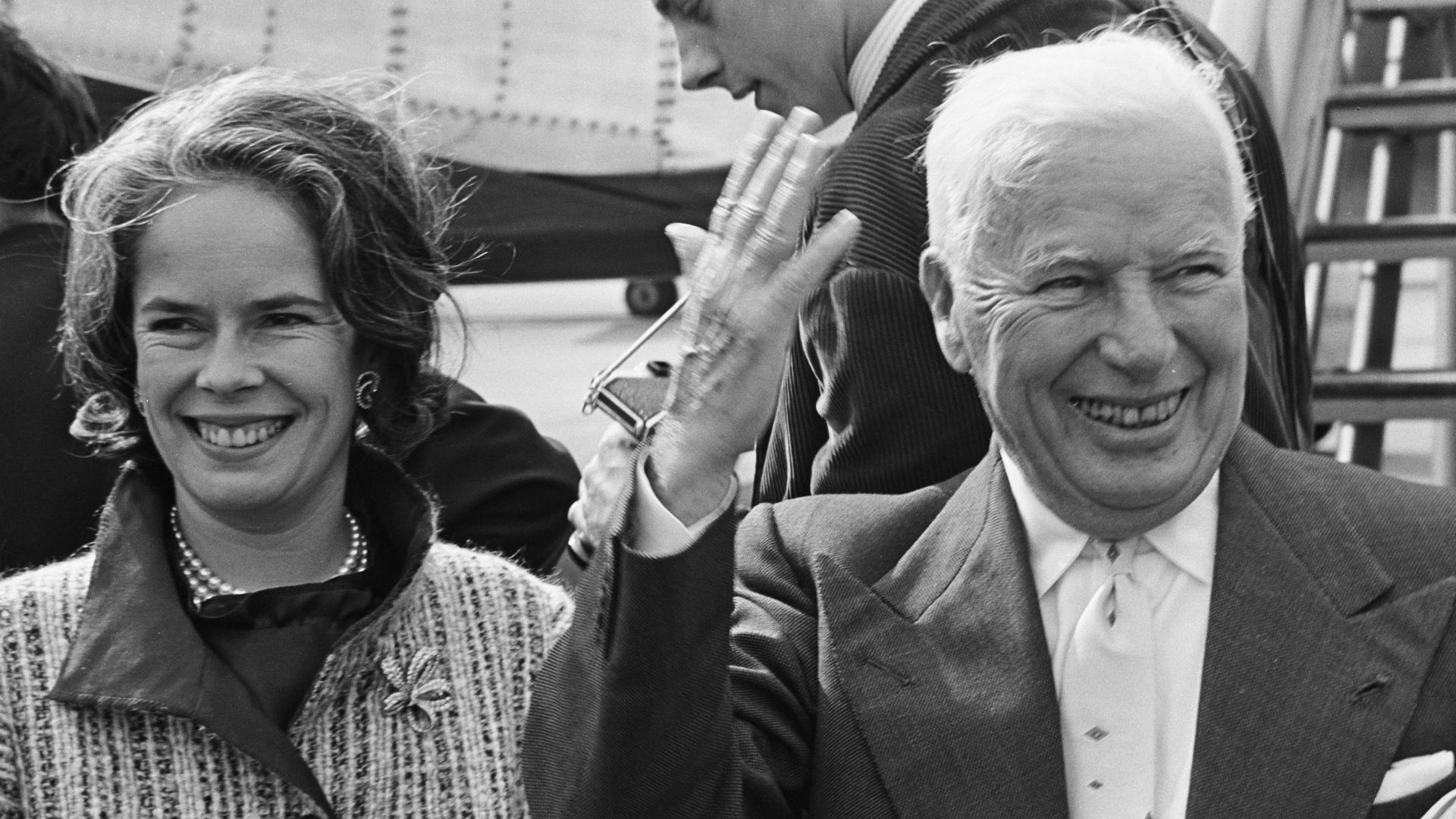
Despite their 36-year age gap, Charlie and Oona remained married until his death more than three decades later. She stood beside him through lawsuits, political attacks, exile, aging, and declining health. Together they eventually had eight children.
For Chaplin, whose earlier marriages had ended bitterly, Oona appears to have provided the stable family life he had long lacked. But even domestic happiness could not protect him from the political storm gathering outside. By the late 1940s, America’s affection for Charlie Chaplin was turning into something much colder.
38. Hedda Hopper Wanted Him Gone
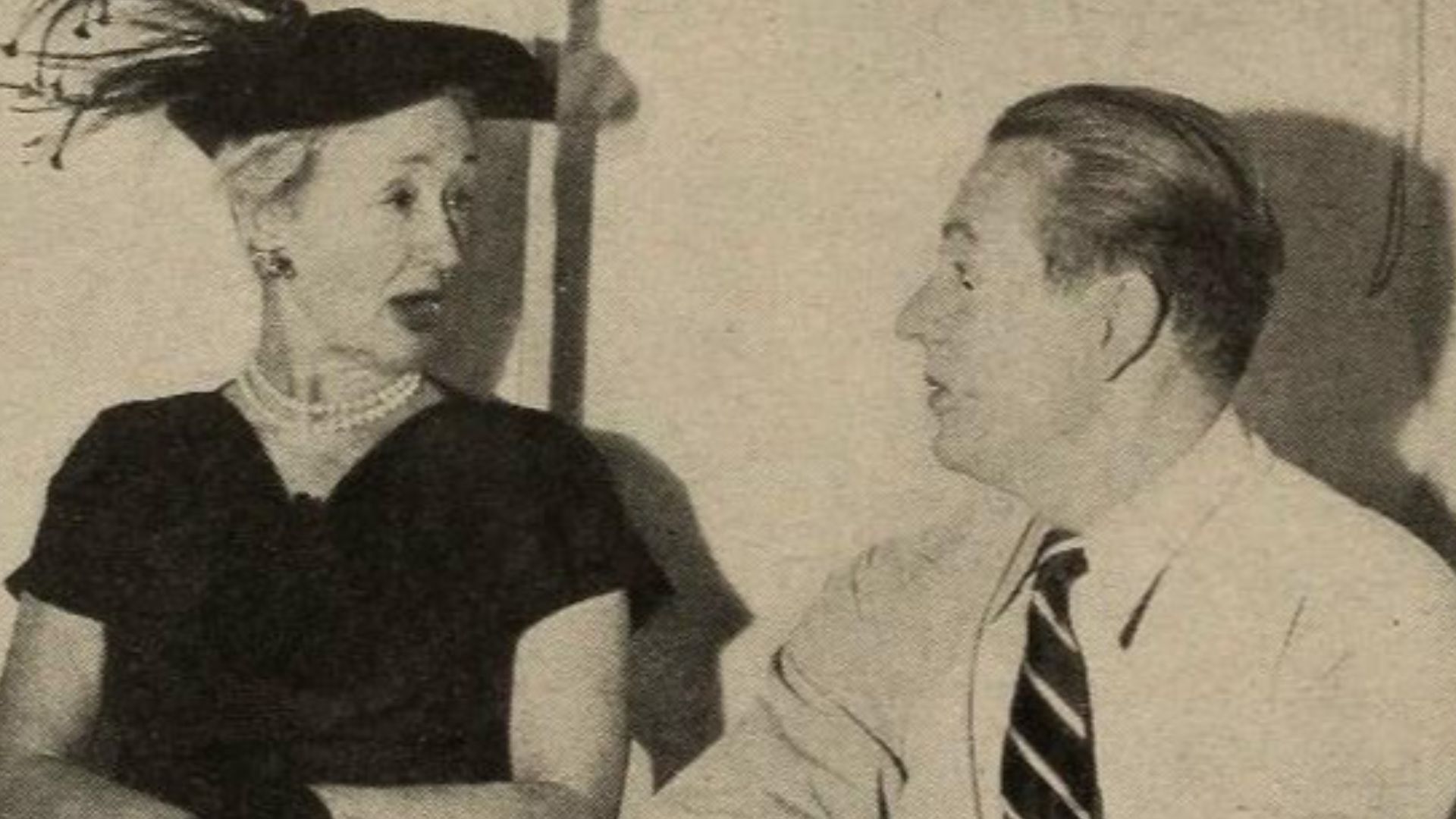
Powerful gossip columnist Hedda Hopper became one of Chaplin’s fiercest public enemies. A staunch conservative, Hopper attacked both his personal morality and his political views. She had a massive readership and understood how to turn celebrity scandal into political outrage.
Chaplin presented an irresistible target: a foreign-born star who had never sought American citizenship, endured sensational romantic scandals, criticized aspects of American society, and associated with left-leaning causes. The beloved Tramp was being recast as something sinister. Soon, even his movie premieres felt like political interrogations.
 Photographer not credited on Wikimedia
39. Reporters Stopped Asking About Movies
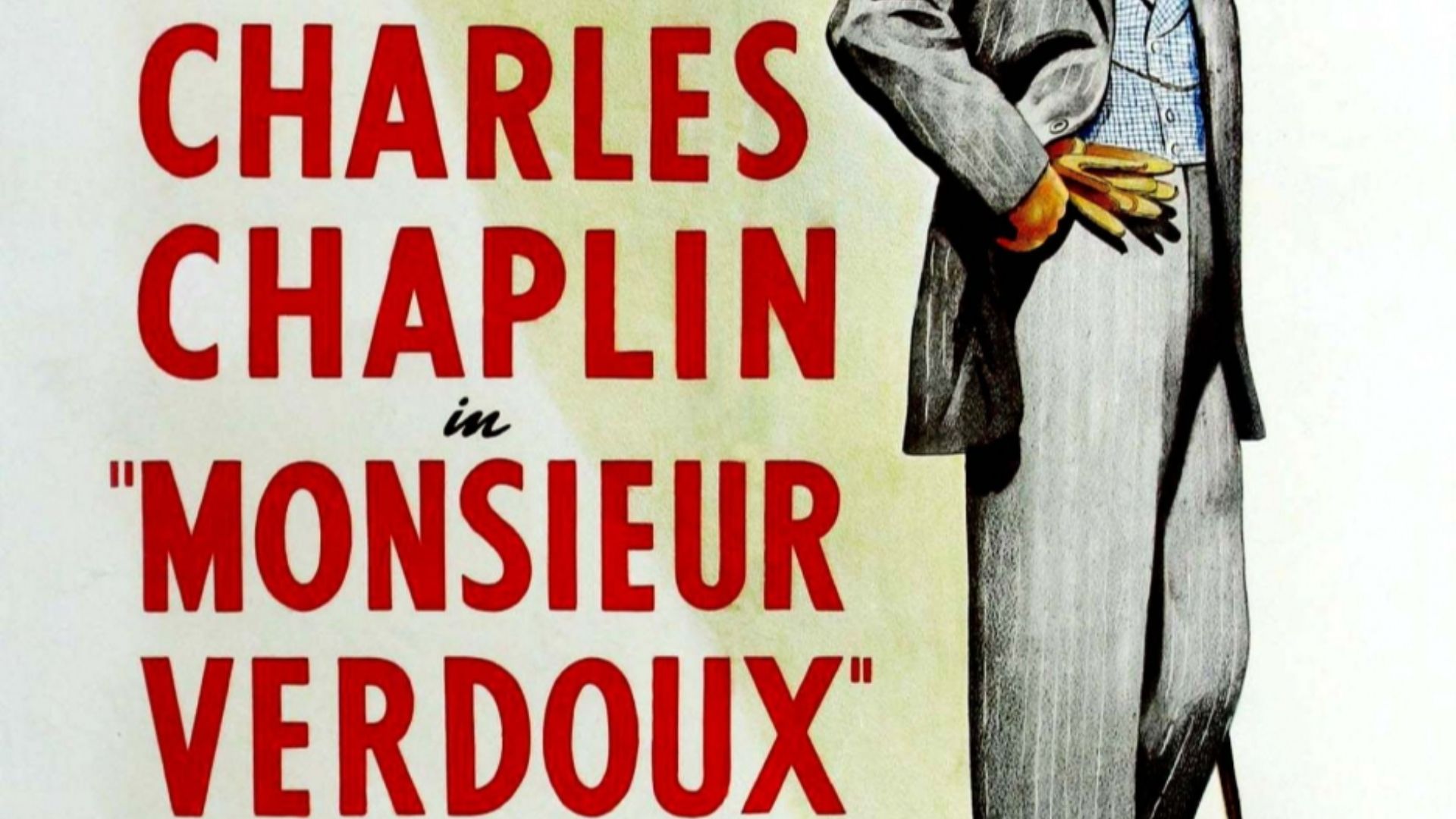
When Chaplin released Monsieur Verdoux in 1947, many reporters at his press conference seemed far more interested in his politics than his film. They challenged him about patriotism, taxes, political sympathies, and his refusal to become an American citizen.
Chaplin, never famous for quietly absorbing criticism, argued back. Monsieur Verdoux itself offered a dark satire of respectable society and mass killing, hardly the reassuring comedy hostile audiences wanted from him. The confrontation reinforced the impression that Chaplin and America were heading toward a bitter divorce.
40. He Refused To Call Himself A Communist
Chaplin repeatedly denied being a Communist Party member. His political beliefs were difficult to fit neatly into one label. He expressed sympathy for workers, attacked fascism, criticized intolerance, defended civil liberties, and associated with people on the political left. Associates also recalled him as suspicious of dictatorship and highly individualistic.
None of that stopped critics from calling him a Communist sympathizer during the Red Scare. In that atmosphere, nuance had little value. Chaplin’s refusal to become an American citizen made the attacks even easier.
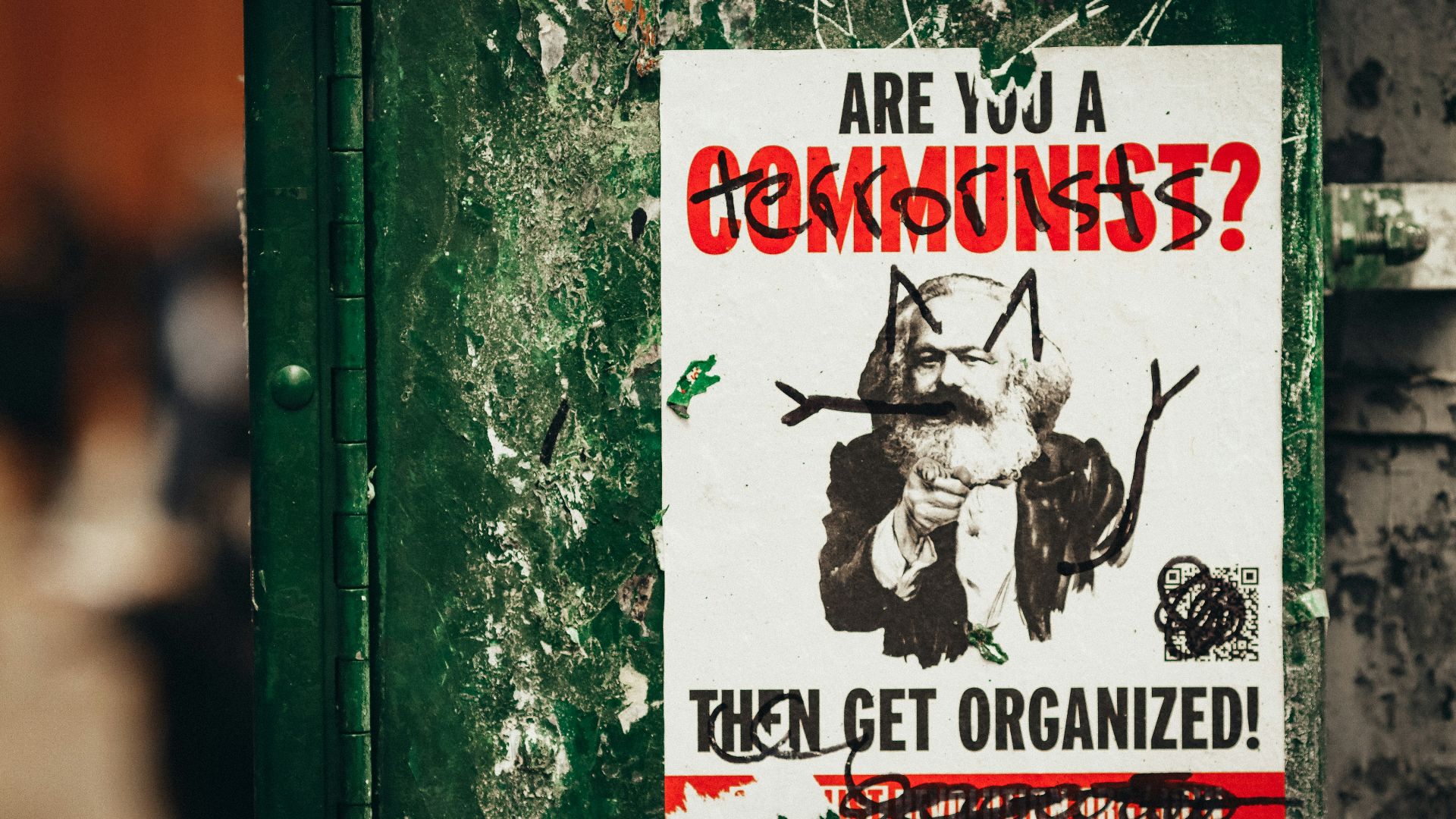
41. Congress Became Interested
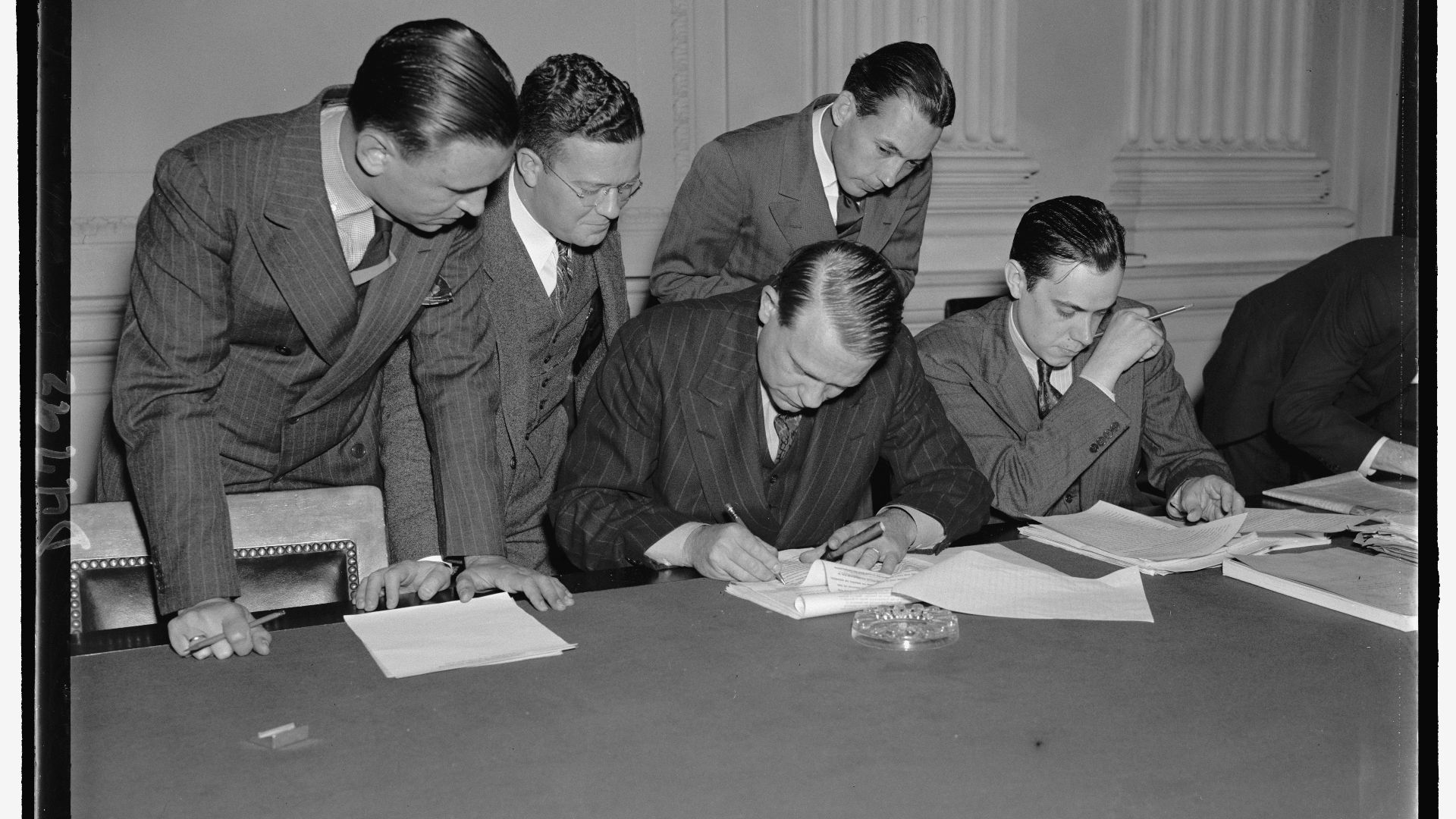
Chaplin’s political speeches and associations drew scrutiny from anti-Communist politicians and organizations. He criticized the House Un-American Activities Committee and spoke on causes that conservatives considered suspicious. Calls for his deportation grew louder.
The irony was extraordinary. Chaplin had spent roughly four decades entertaining American audiences and building much of the early movie industry. Now people questioned whether he should be allowed to remain in the country at all. The government did not need to convict him of a political crime to make his life difficult. Immigration law offered another route.
 Harris & Ewing, official White House photographers on Wikimedia
42. He Made A Movie About A Forgotten Performer
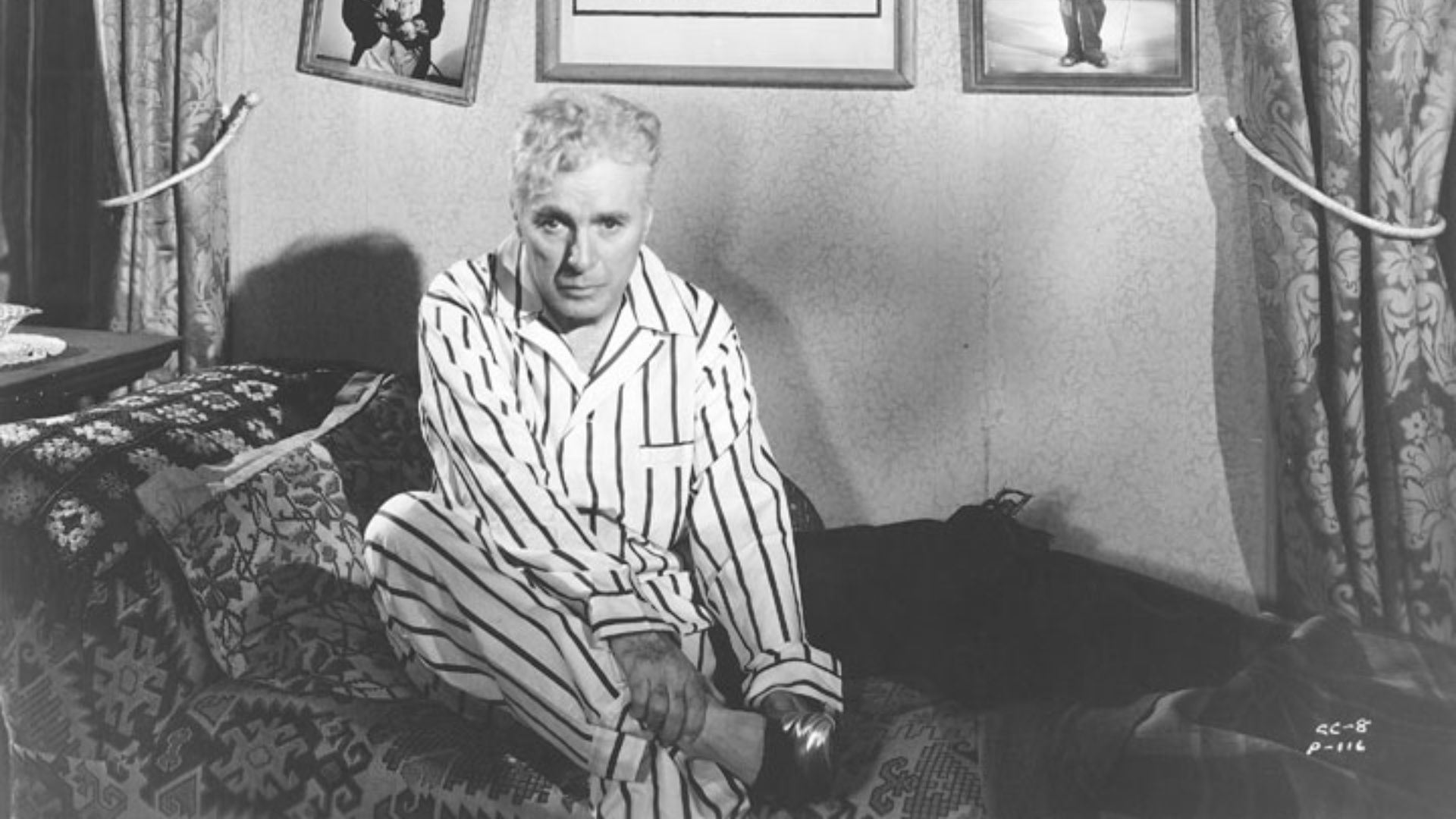
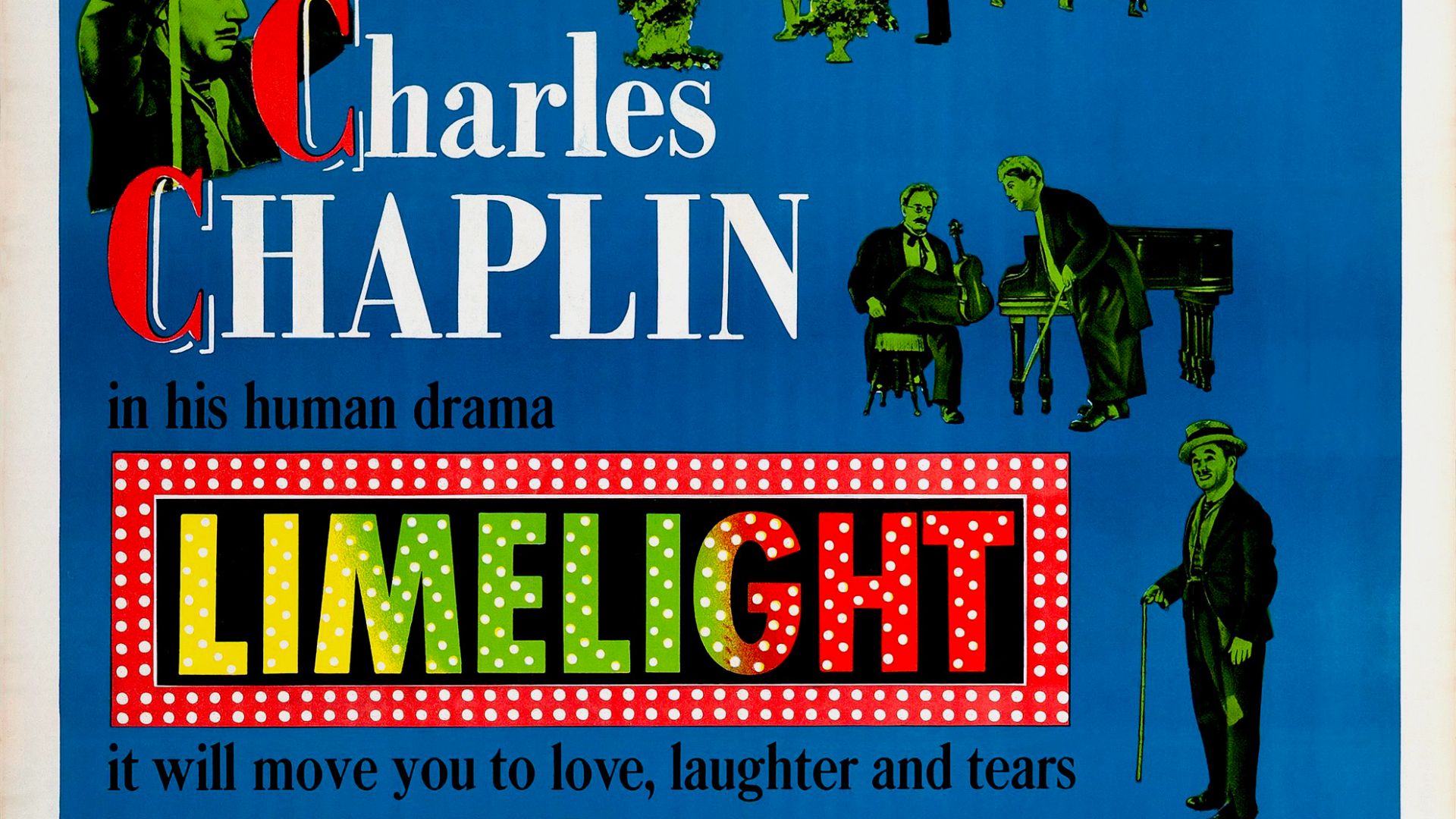
By 1952, Chaplin was working on Limelight, the melancholy story of Calvero, an aging music-hall performer whose audience no longer finds him funny. The parallels to Chaplin’s own situation were impossible to miss. America, which had once adored him, seemed increasingly determined to reject him.
The movie also returned emotionally to the London theatrical world of his youth. Chaplin appeared alongside Buster Keaton in a rare pairing of silent-era giants. Then, while Chaplin was traveling overseas to promote the film, reality surpassed anything he had written.
 Charlie Chaplin Studios on Wikimedia
43. America Locked The Door Behind Him
In September 1952, Chaplin sailed for Europe with Oona and their children to attend the London premiere of Limelight. While he was at sea, U.S. Attorney General James McGranery announced that Chaplin’s re-entry permit had been revoked. If Chaplin wanted to return, he would have to submit to questioning concerning his political views and moral character.
After nearly 40 years in America, the world’s most recognizable comedian suddenly faced the possibility of being treated like an undesirable outsider. Chaplin was furious.
 Unknown, likely a work-for-hire commissioned by the film studio, United Artists. on Wikimedia
44. He Chose Not To Beg
Chaplin possibly could have fought to regain entry to the United States. Instead, he decided he had endured enough. He denounced what he saw as political persecution and moved his family permanently to Europe.
He later settled at Manoir de Ban near Lake Geneva in Switzerland. The contrast was enormous: Hollywood sunshine and studio politics were replaced by a quiet estate overlooking mountains and water. Oona even relinquished her American citizenship. Chaplin had lost his adopted country—but he had not lost his desire to answer his enemies.

45. He Got Revenge On Film
Chaplin’s 1957 movie A King in New York took direct aim at American political paranoia. The story followed a deposed European monarch who encounters celebrity culture, advertising, surveillance, and anti-Communist investigations in the United States.
It was hardly subtle. Chaplin used comedy to mock the very forces he believed had driven him from America. The film was not initially released theatrically in the United States. Even in exile, Chaplin could still provoke the country that had rejected him. But time was slowly changing his reputation again.
 Joost Evers / Anefo on Wikimedia
46. America Finally Asked Him Back
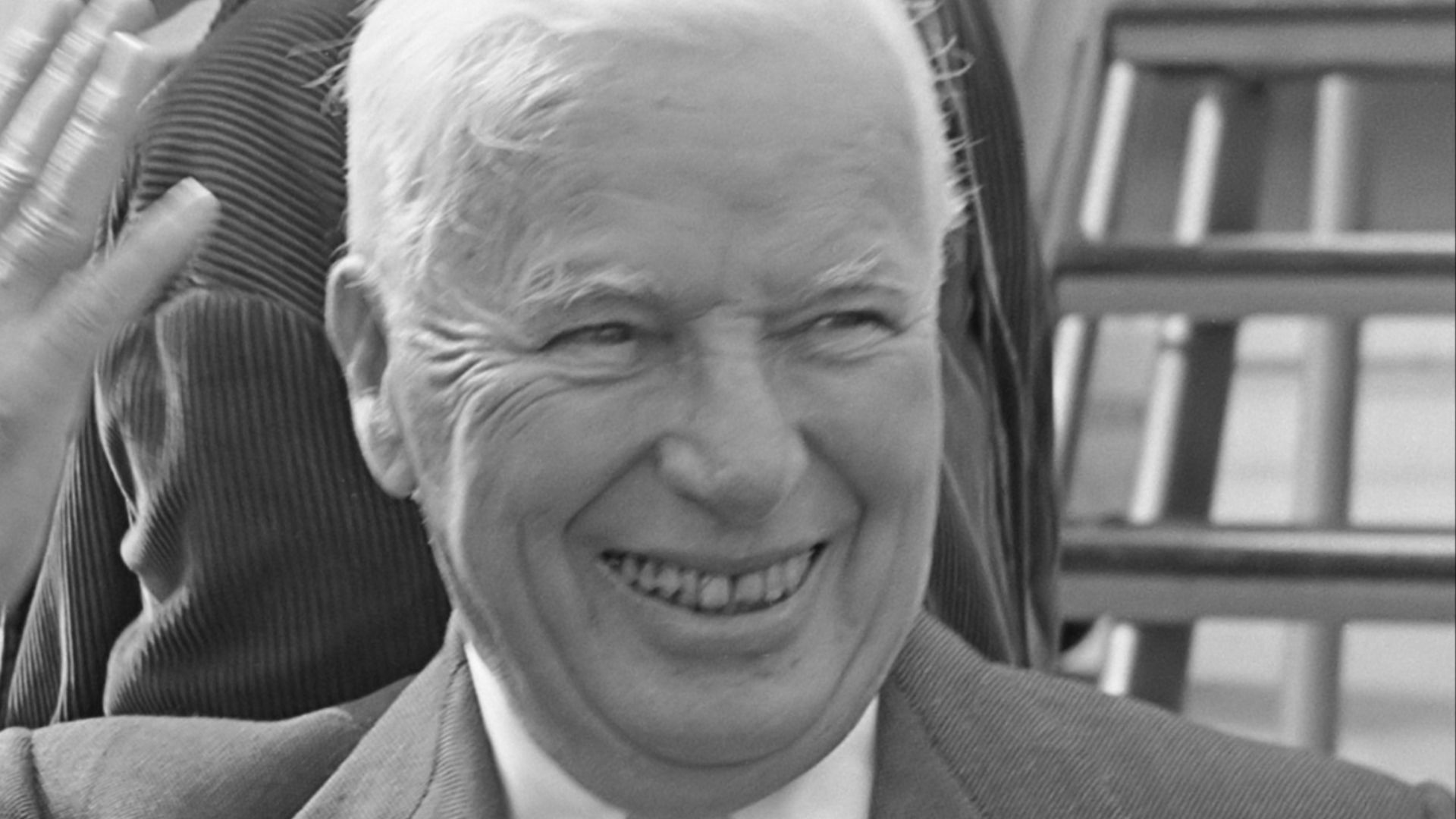
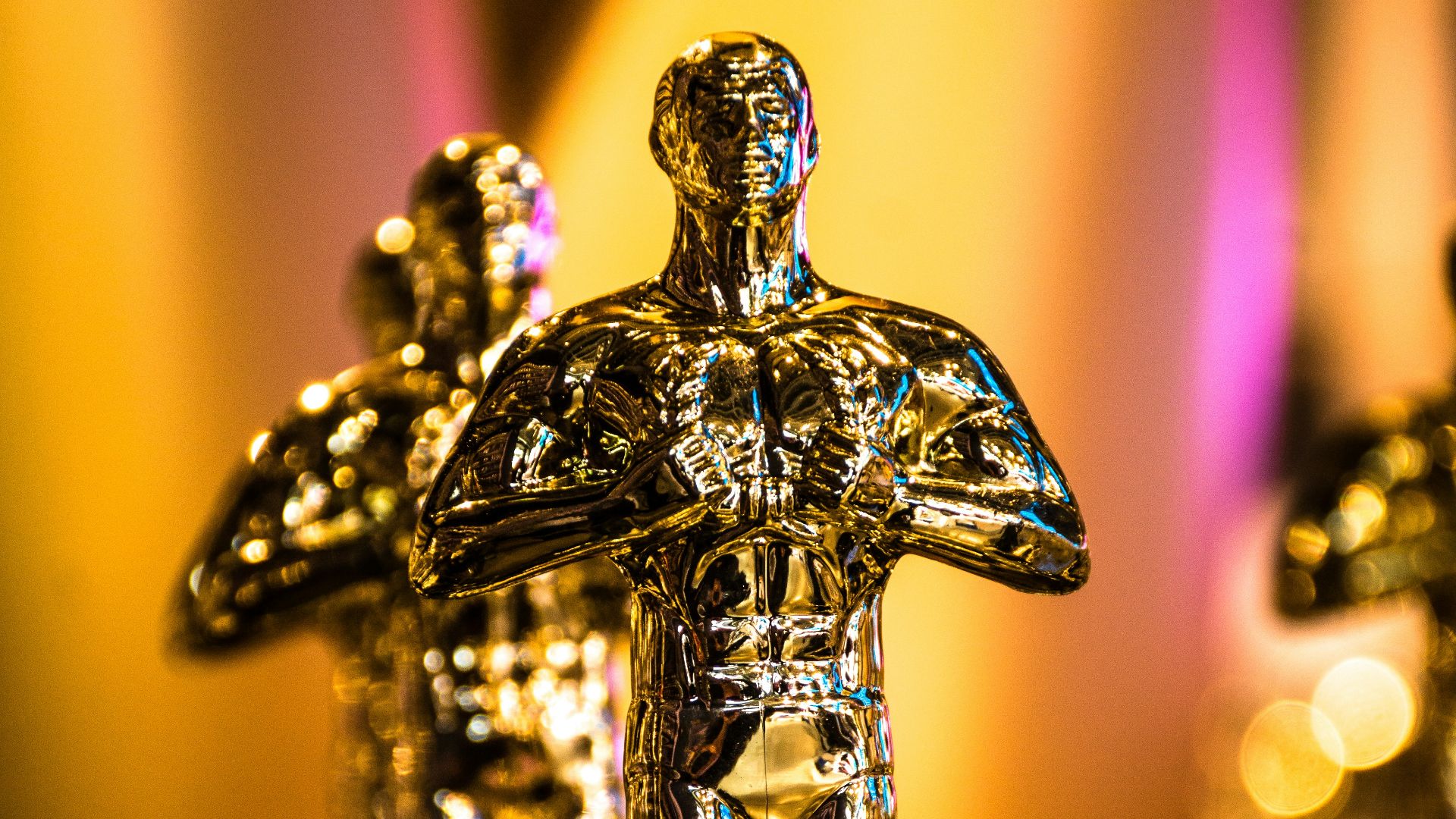
Twenty years after his departure, Chaplin returned to the United States in 1972 to receive an honorary Academy Award. The moment carried enormous symbolic weight. The entertainer once treated as politically suspect was now being welcomed as one of cinema’s founding geniuses.
At the ceremony, the audience gave Chaplin an extraordinary prolonged standing ovation. He was visibly moved. Whatever America had once thought of his politics or private scandals, Hollywood was finally acknowledging what could no longer be denied: Charlie Chaplin had helped invent the language of movies.
47. The Queen Made Him A Knight
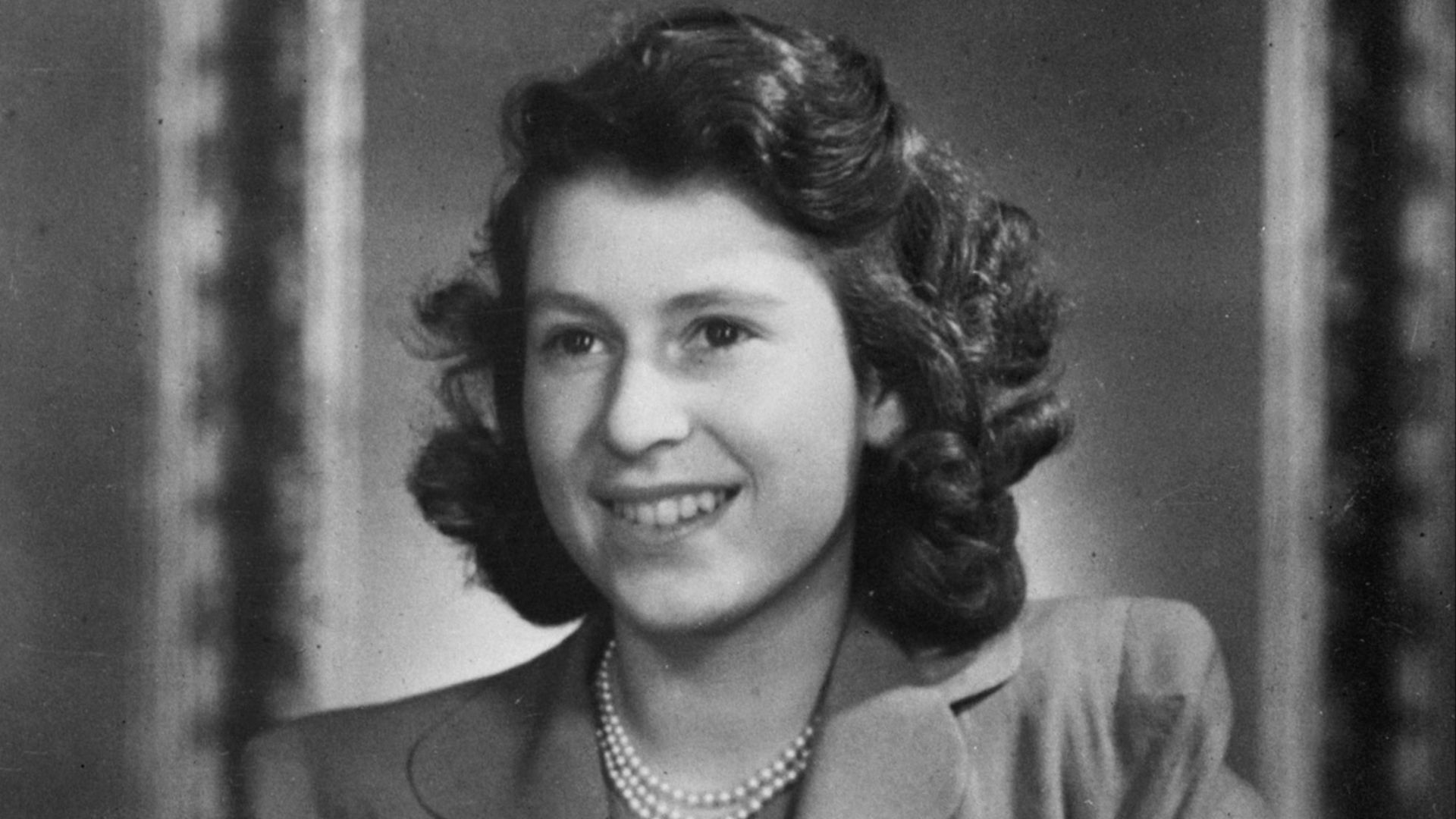
Chaplin received another remarkable honor in 1975 when Queen Elizabeth II knighted him. He was now Sir Charles Chaplin, an extraordinary destination for a boy who had once lived in desperate poverty in London.
By then, age and declining health had slowed him dramatically. He lived quietly in Switzerland surrounded by his large family. The scandals that had once dominated American newspapers were fading into history, while his films were being rediscovered by younger audiences. His life appeared finally calm. That calm ended on Christmas Day 1977.
48. He Died At Home
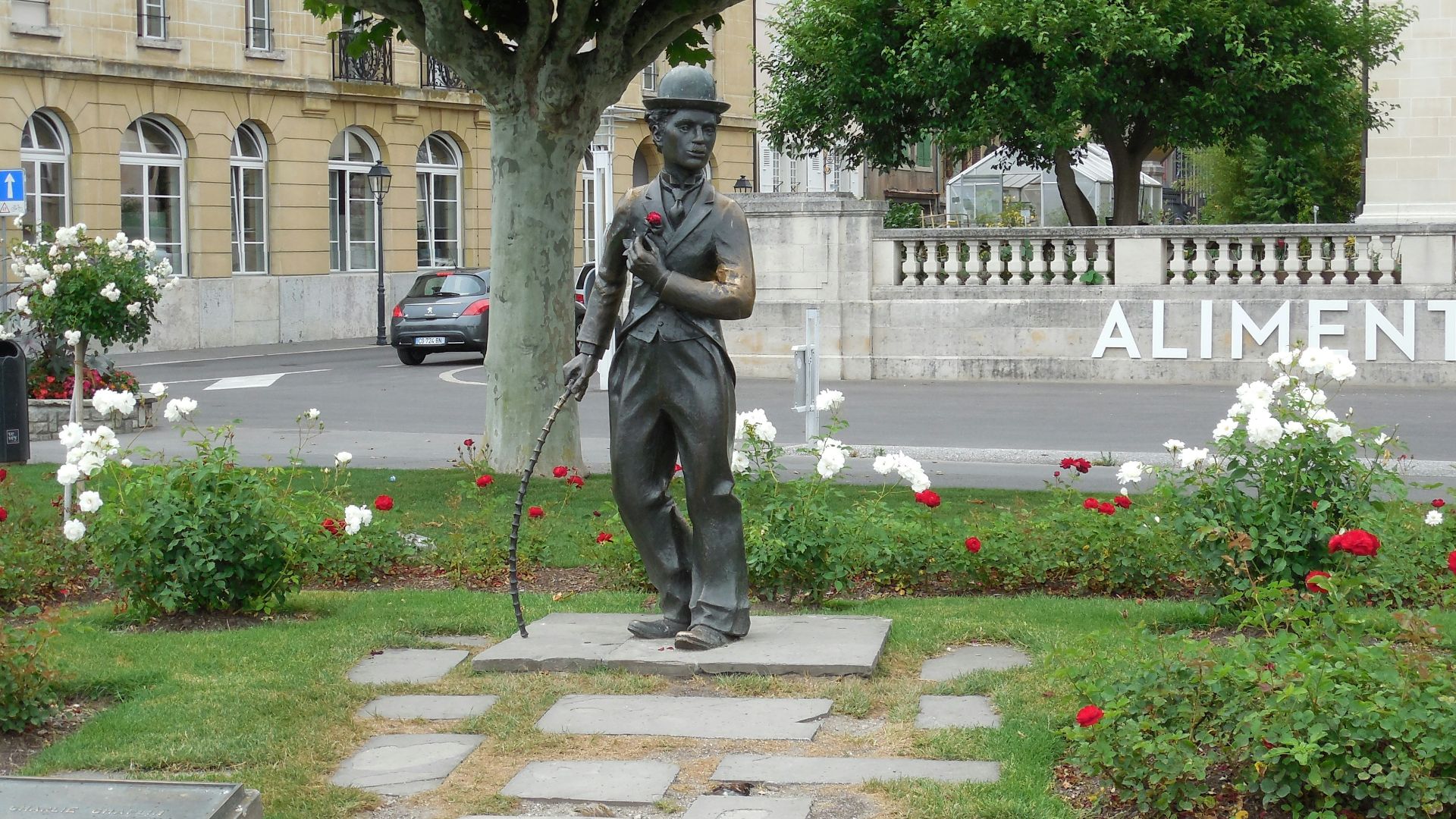
Charlie Chaplin died in his sleep at his Swiss home on December 25, 1977. He was 88 years old. Oona and their children had been with him during his final years, and he was buried in the cemetery at Corsier-sur-Vevey.
It seemed like the quiet ending to an impossibly public life: the workhouse child, millionaire comedian, controversial husband, political target, exile, and finally honored elder statesman of cinema. But Charlie Chaplin apparently could not escape bizarre headlines even after death. Two months later, his grave was empty.

49. Someone Stole Charlie Chaplin
In March 1978, thieves dug up Chaplin’s coffin and removed his remains from the Swiss cemetery. They contacted Oona and demanded a huge ransom—reported at roughly $600,000—for its return. She refused to pay. According to later accounts, the criminals even made threats involving the family.
Police monitored communications and eventually arrested two men. Investigators recovered Chaplin’s coffin from a field where it had been secretly buried. It was one final grotesque twist in the story of the world’s most famous silent comedian.

50. They Made Sure Nobody Could Take Him Again
After recovering Charlie Chaplin’s remains, authorities returned him to the cemetery at Corsier-sur-Vevey. This time, his coffin was reburied beneath reinforced concrete to discourage anyone from attempting another theft. The Little Tramp, at last, was staying put.
Chaplin’s reputation continued changing after his death. The personal scandals remain uncomfortable, and historians still debate aspects of his politics and character. Yet the government investigations never erased the films. The man America once considered dangerous ultimately became inseparable from Hollywood history—the rejected outsider who helped create the movies America sold to the world.
KEEP ON READING