Siege Tactics That Defined Battles
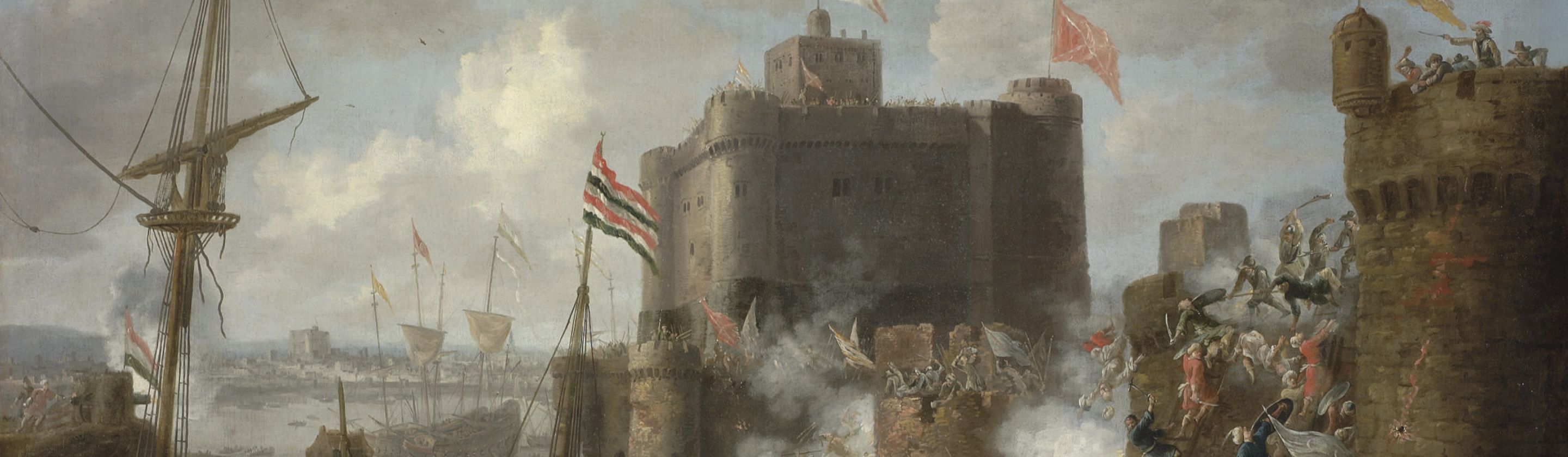
Sieges were never simple contests between attackers and stone walls. Armies redirected rivers, tunneled underground, starved cities, constructed enormous machines, and even built roads across stretches of sea when conventional attacks weren't enough. A single successful tactic could open a capital, destroy a kingdom’s defenses, or shift control of an entire region, which is why these 20 siege tactics turned the tide of empires.
 AnonymousUnknown author on Wikimedia
1. Caesar Surrounded Alesia Twice
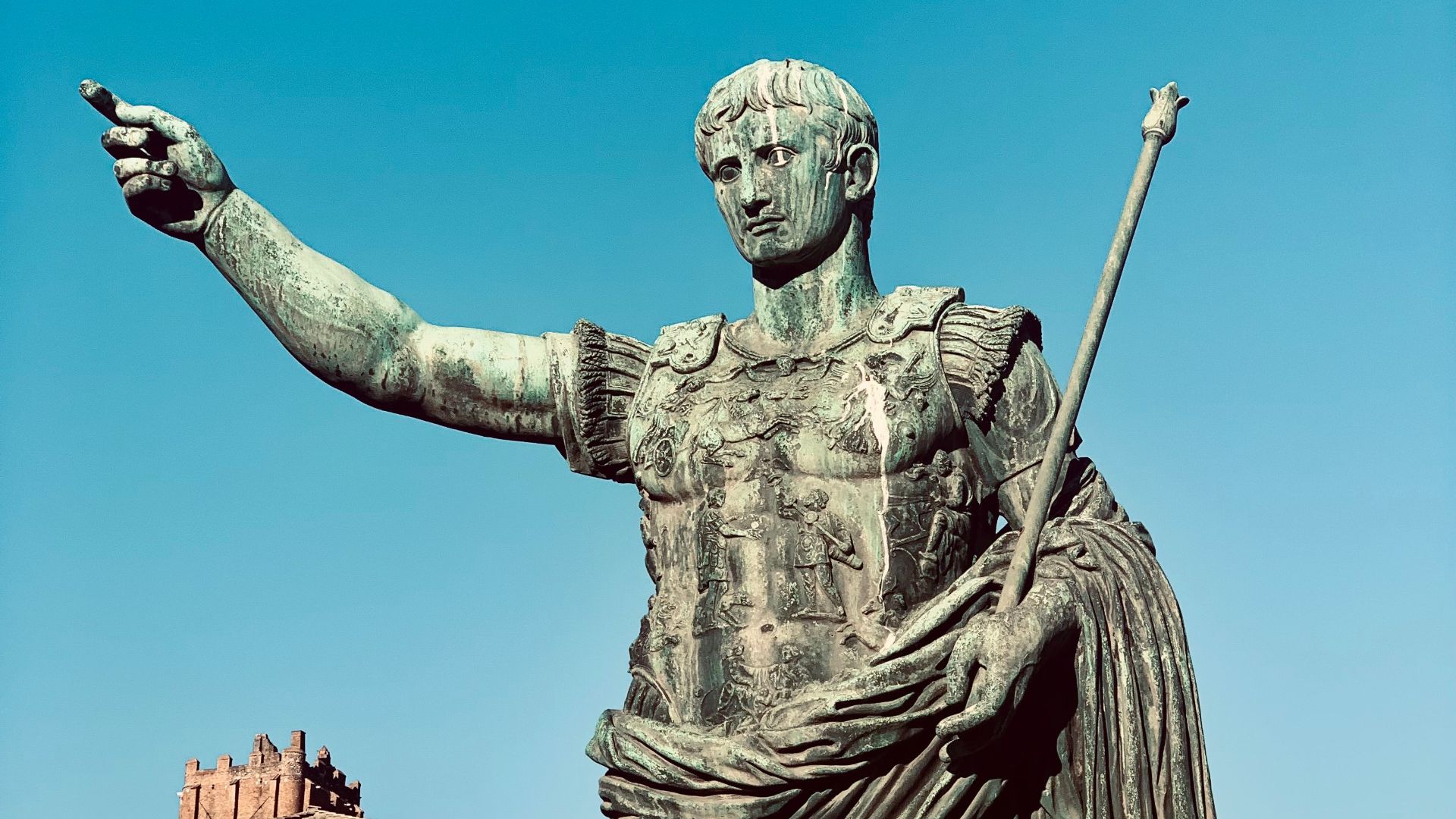
At Alesia in 52 BC, Julius Caesar commanded fortifications facing both the trapped Gauls and the relief army expected outside. The Romans effectively protected themselves while conducting a siege at the same time. Vercingetorix eventually surrendered, helping Rome win its conquest of Gaul and enhancing Caesar’s political control.
2. Alexander Built A Road To Tyre
Tyre’s island position presented Alexander the Great with an enormous problem in 332 BC, so his forces constructed a causeway that extended from the mainland. Siege engines could then be moved closer to the city while Alexander assembled his army to challenge Tyrian naval power.
 Pierre André Leclercq on Wikimedia
3. Syracuse's Machines Vs. Ships
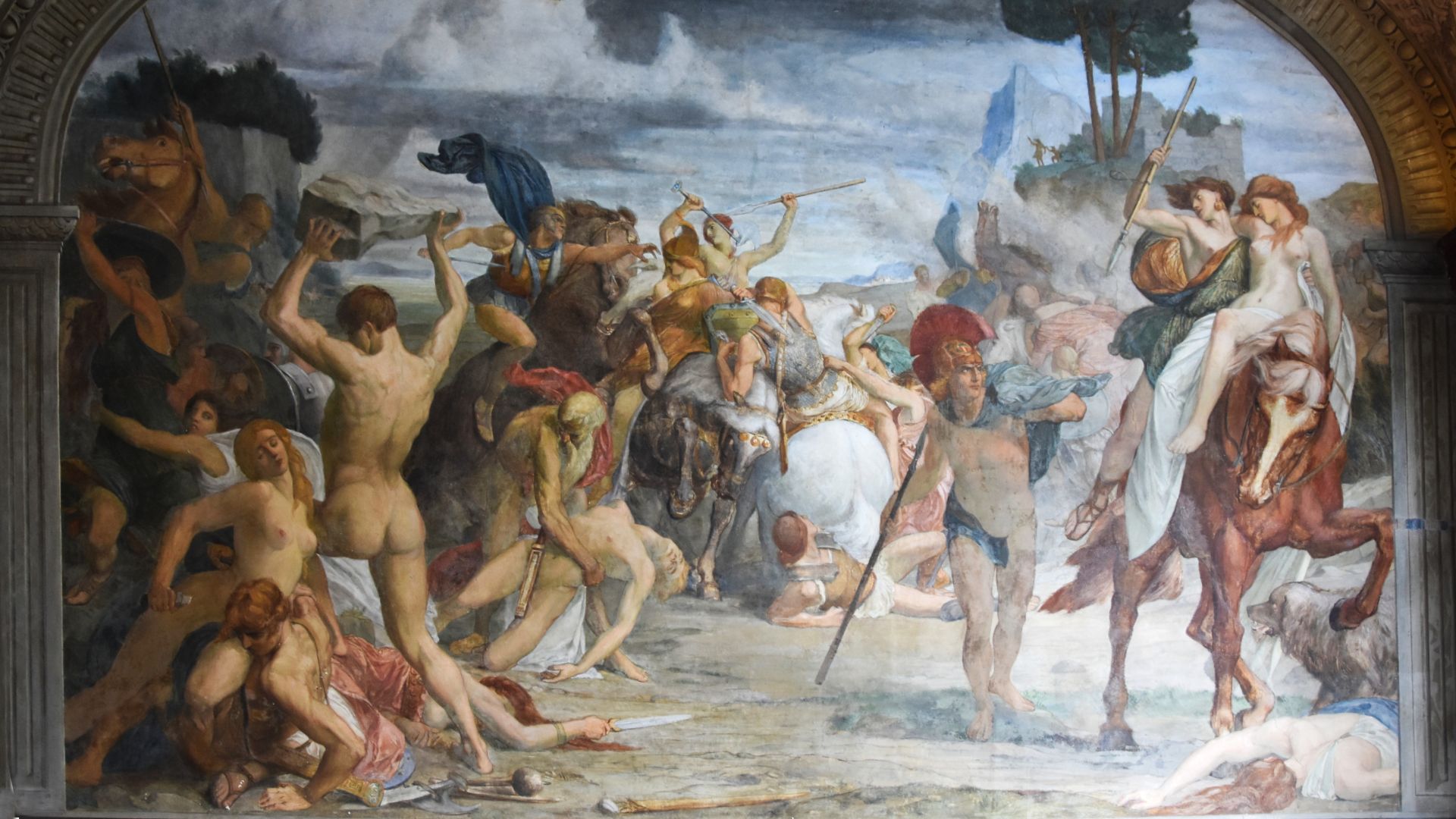
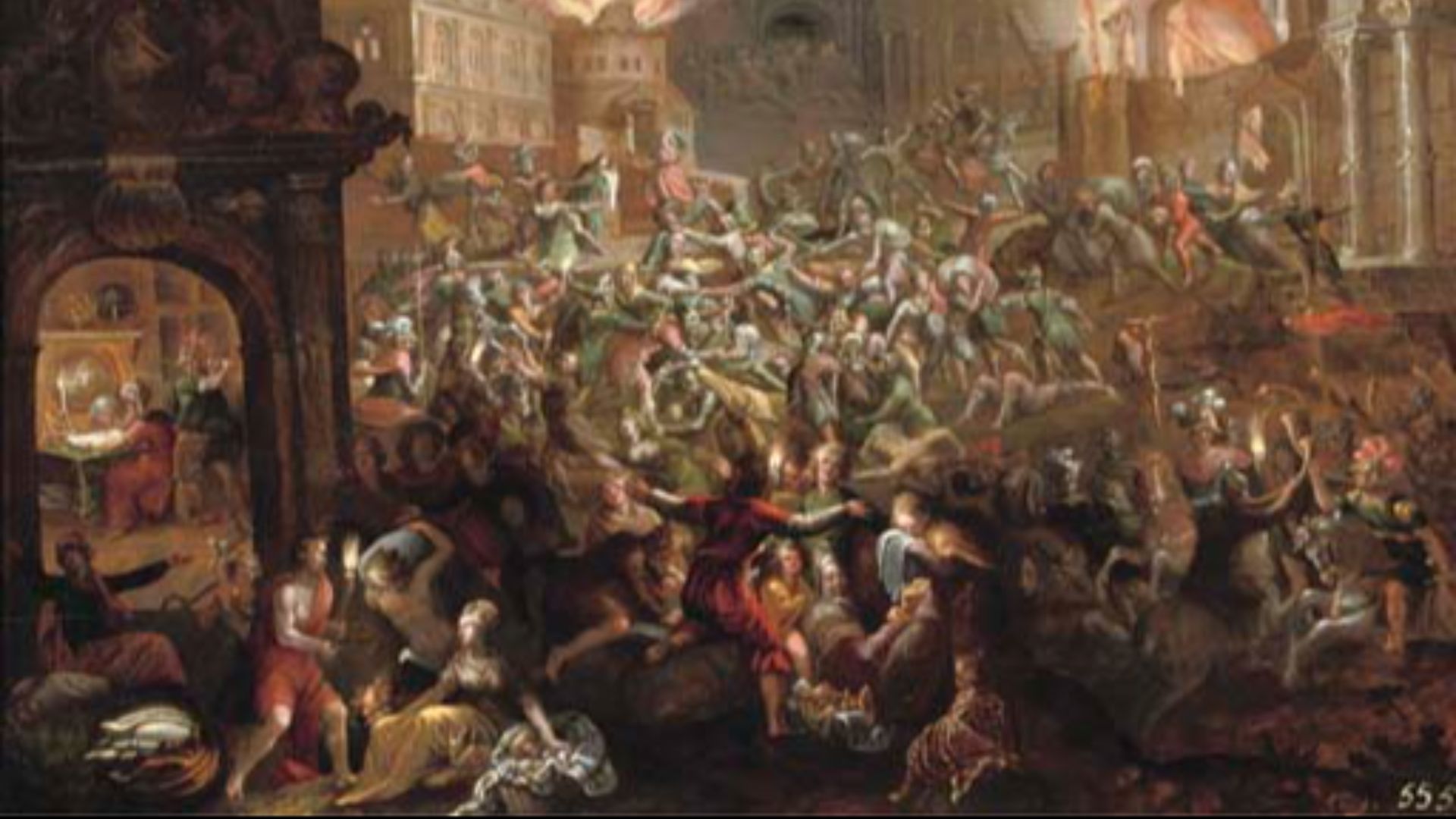
During Rome’s siege of Syracuse beginning in 214 BC, defenders benefited from machines traditionally associated with Archimedes. Ancient accounts describe artillery and mechanical devices that frustrated Roman attempts to approach the walls via the sea. Rome eventually captured the city through a combination of infiltration and ongoing pressure, ending Syracuse’s independence.
 Frederik van Valckenborch on Wikimedia
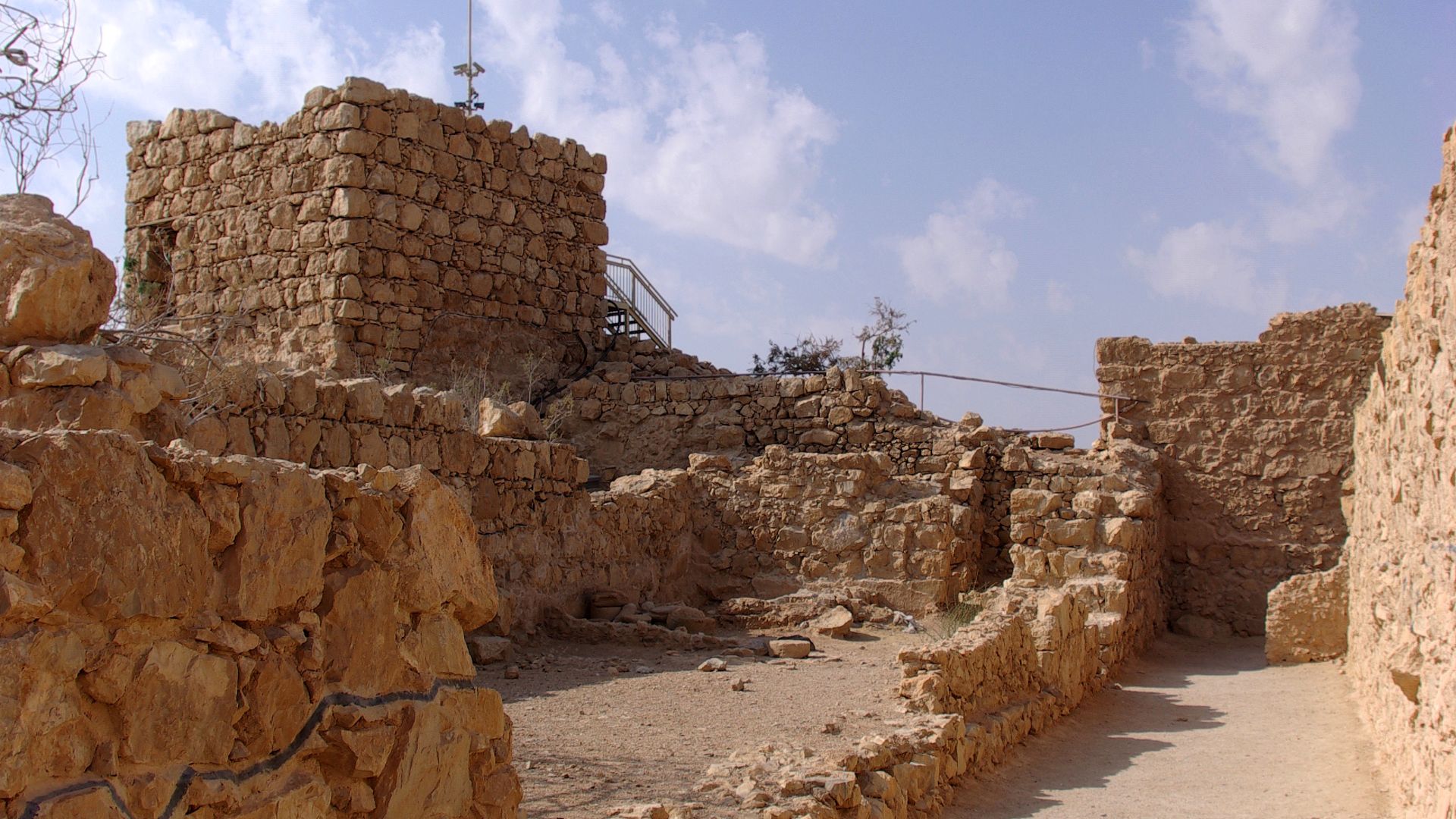
4. Rome Raised A Ramp At Masada
Masada’s position atop a steep plateau gave its defenders considerable natural protection during the First Jewish-Roman War. Roman troops nevertheless built a massive assault ramp against the western side and moved siege equipment toward the fortress. Its capture demonstrated how Roman engineering could overcome geography as well as well-constructed defenses.
5. Crusaders Rolled Towers Toward Jerusalem
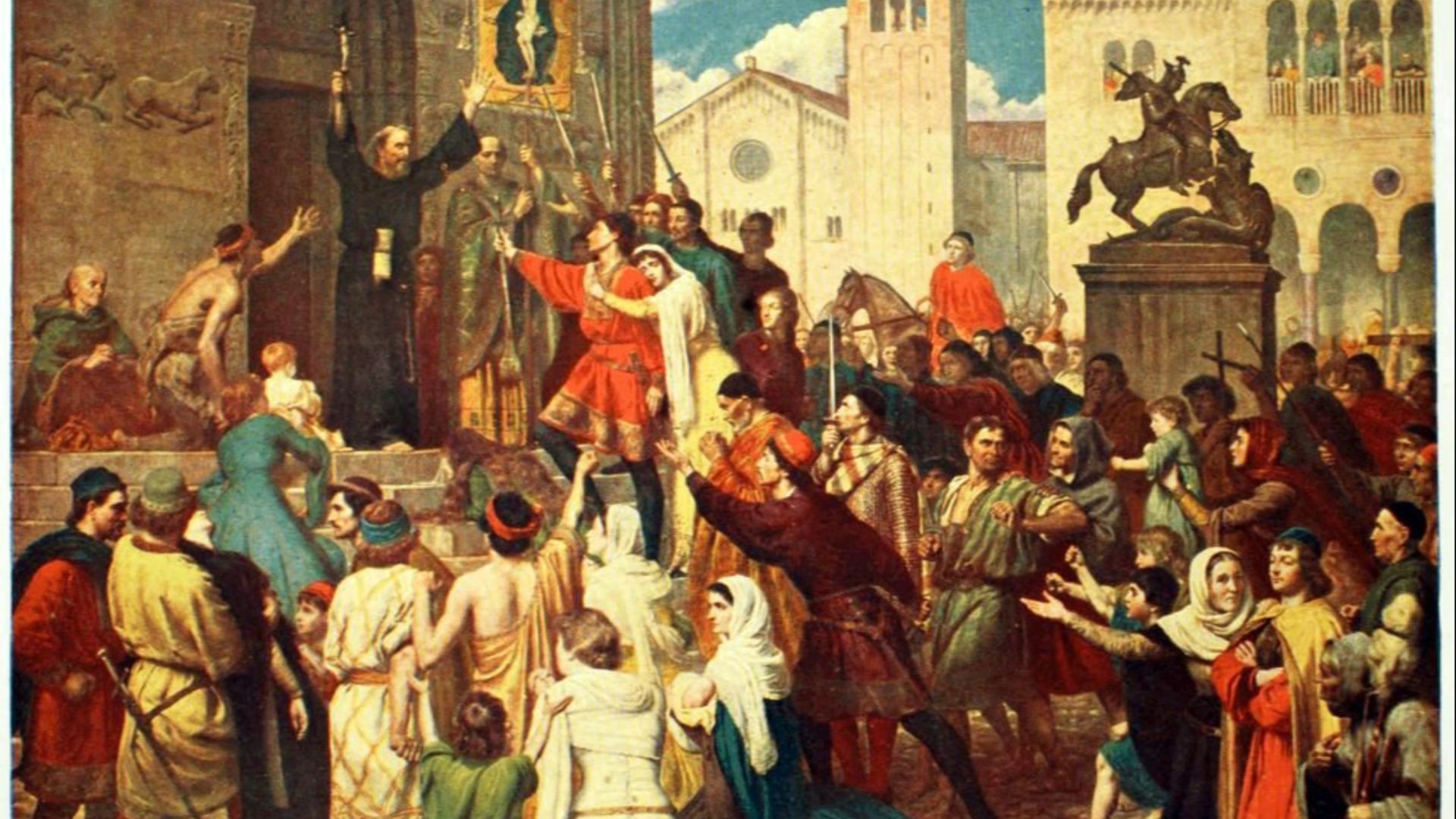
The First Crusade initially lacked the equipment needed to break Jerusalem’s impressive defenses in 1099. After obtaining timber and supplies, the Crusaders constructed siege towers, ladders, and other equipment for a coordinated assault.
 AnonymousUnknown author on Wikimedia
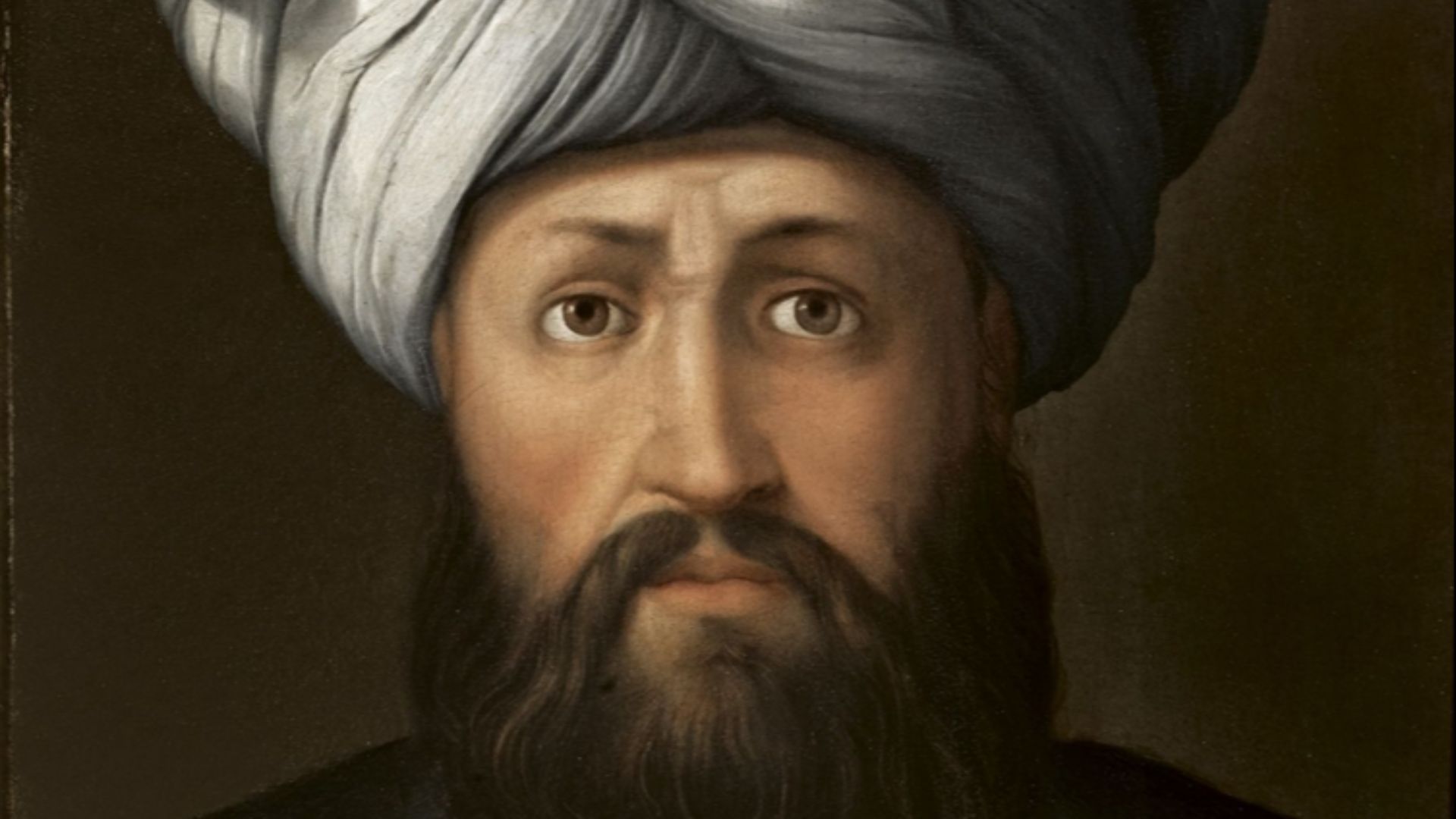
6. Saladin Isolated Jerusalem
When Saladin besieged Jerusalem in 1187, his forces combined bombardment with pressure against vulnerable portions of the defenses. Jerusalem’s surrender restored the city to Muslim rule and dramatically changed the political situation confronting the Crusader states.
 Cristofano dell'Altissimo on Wikimedia
7. The Mongols Recruited Siege Specialists
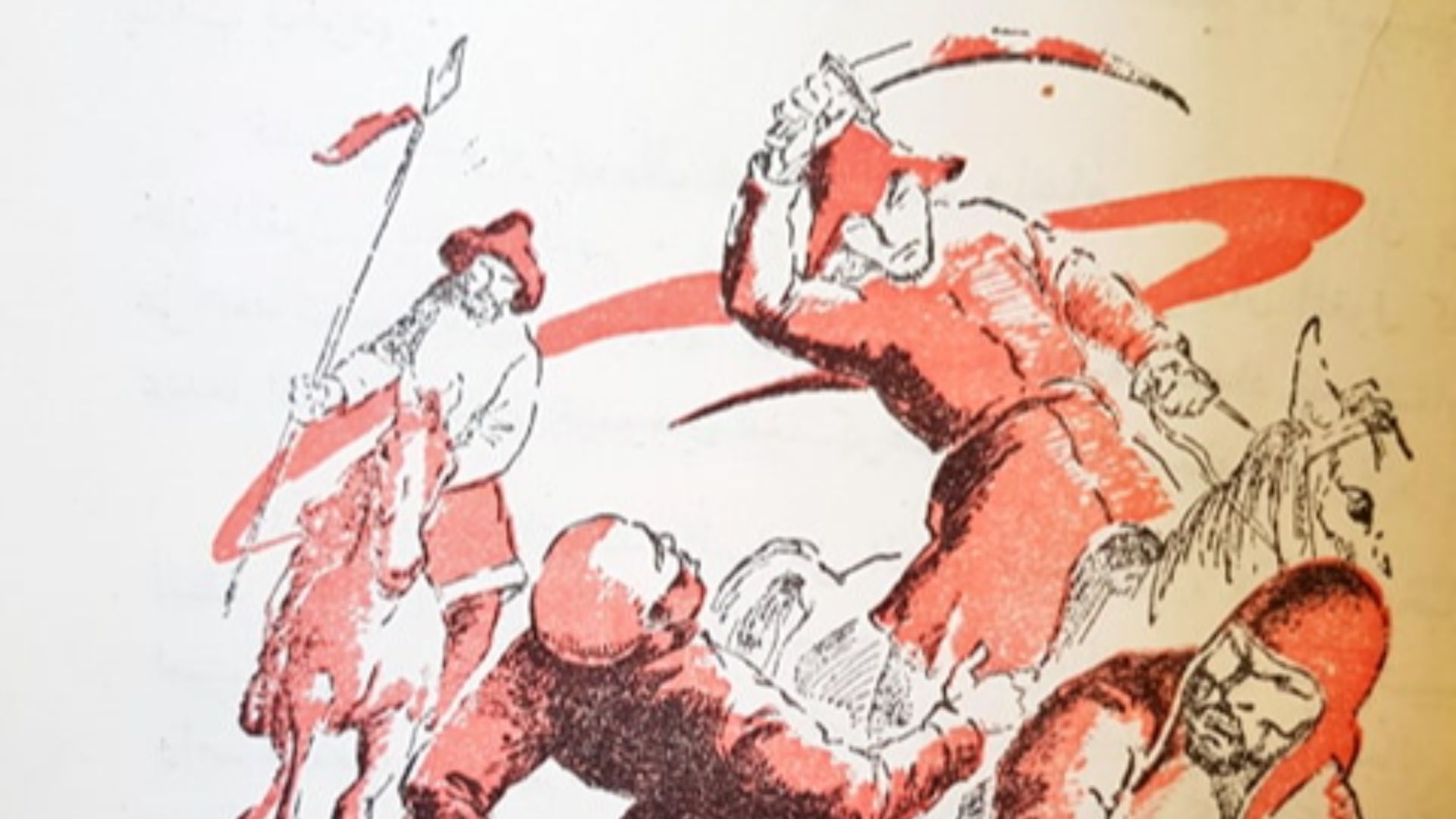
Mongol armies understood that excellent cavalry alone couldn’t reliably and comfortably defeat heavily fortified cities. During campaigns across Asia and the Middle East, they incorporated engineers and siege experts from conquered or allied populations, letting them deploy specialized artillery and mining techniques.
 Unknown authorUnknown author on Wikimedia
8. Baghdad Faced Concentrated Siege Engines
Hulagu’s Mongol army surrounded Baghdad in 1258 and subjected its defenses to an intense series of siege operations. Baghdad fell quickly, bringing the Abbasid caliphate’s effective political rule from the city to an abrupt and devastating end.
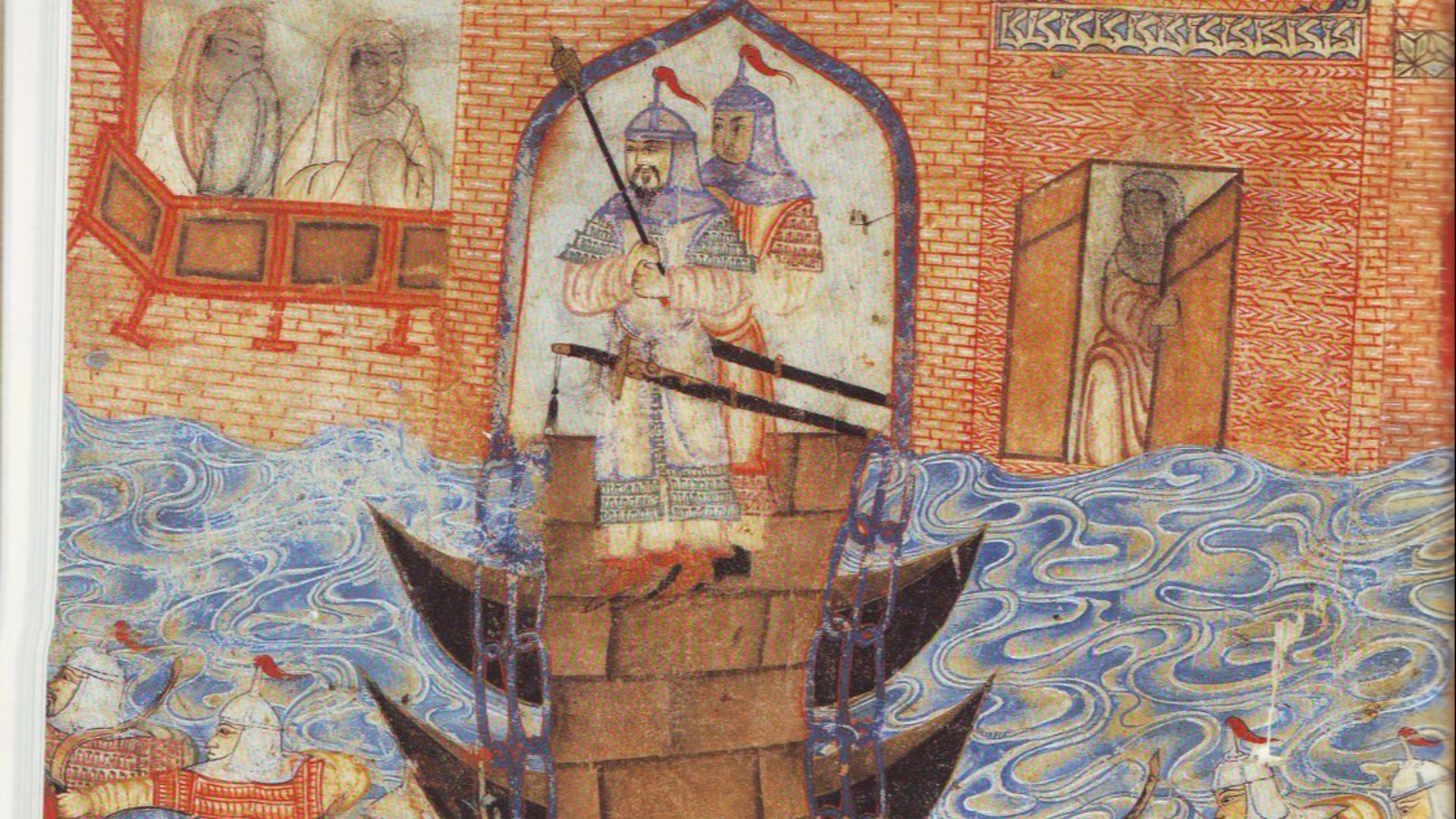 Unknown authorUnknown author on Wikimedia
9. Counterweight Trebuchets Helped Break Xiangyang
Xiangyang and neighboring Fancheng resisted Mongol forces for years thanks to their fortifications and river access, which made them exceptionally difficult targets. Powerful counterweight trebuchets introduced during the later stages strengthened the besiegers’ ability to attack defenses from a longer range. Their fall in 1273 removed a crucial barrier to the Mongol conquest of the Southern Song.
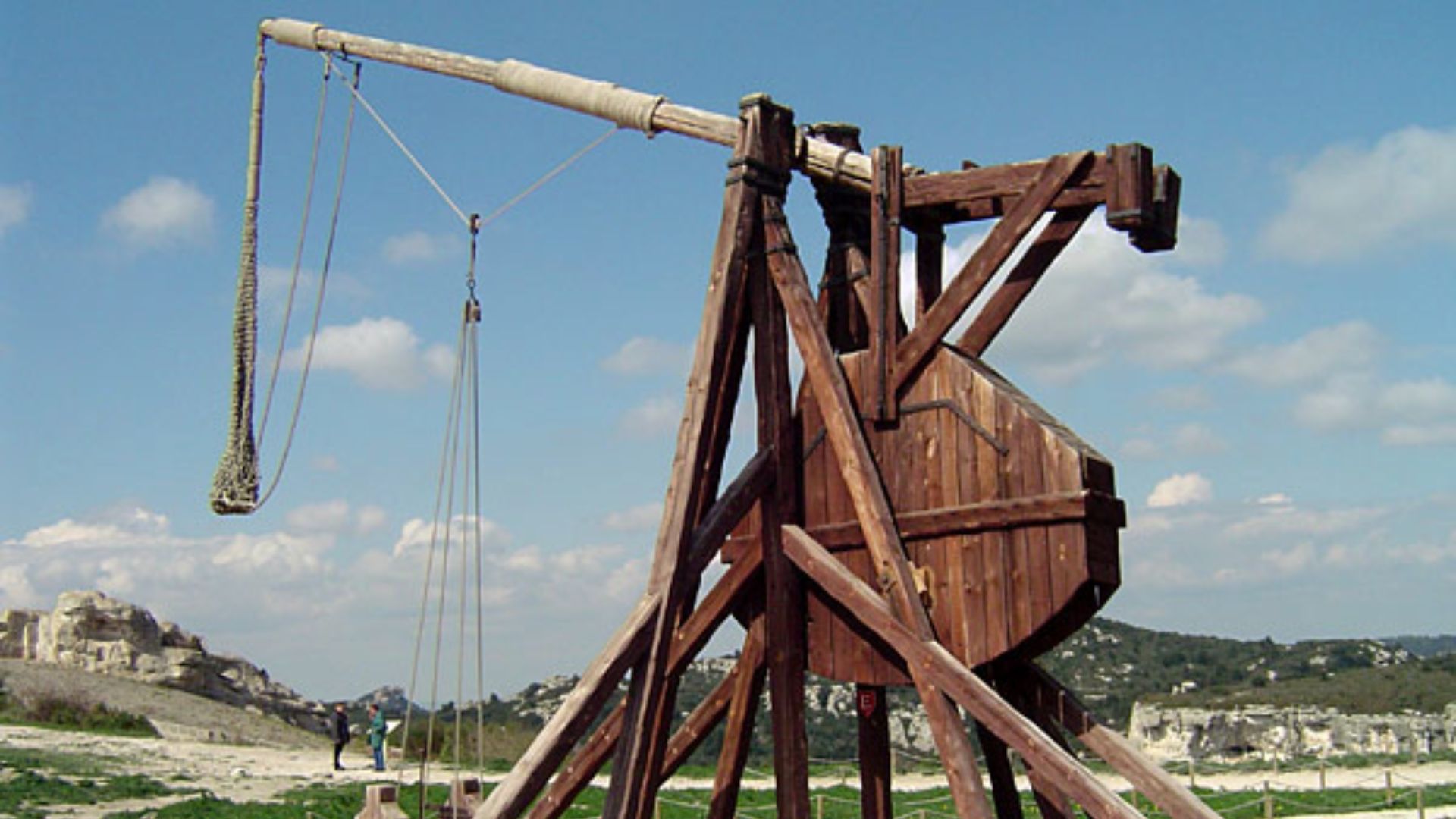 No machine-readable author provided. Quistnix assumed (based on copyright claims). on Wikimedia
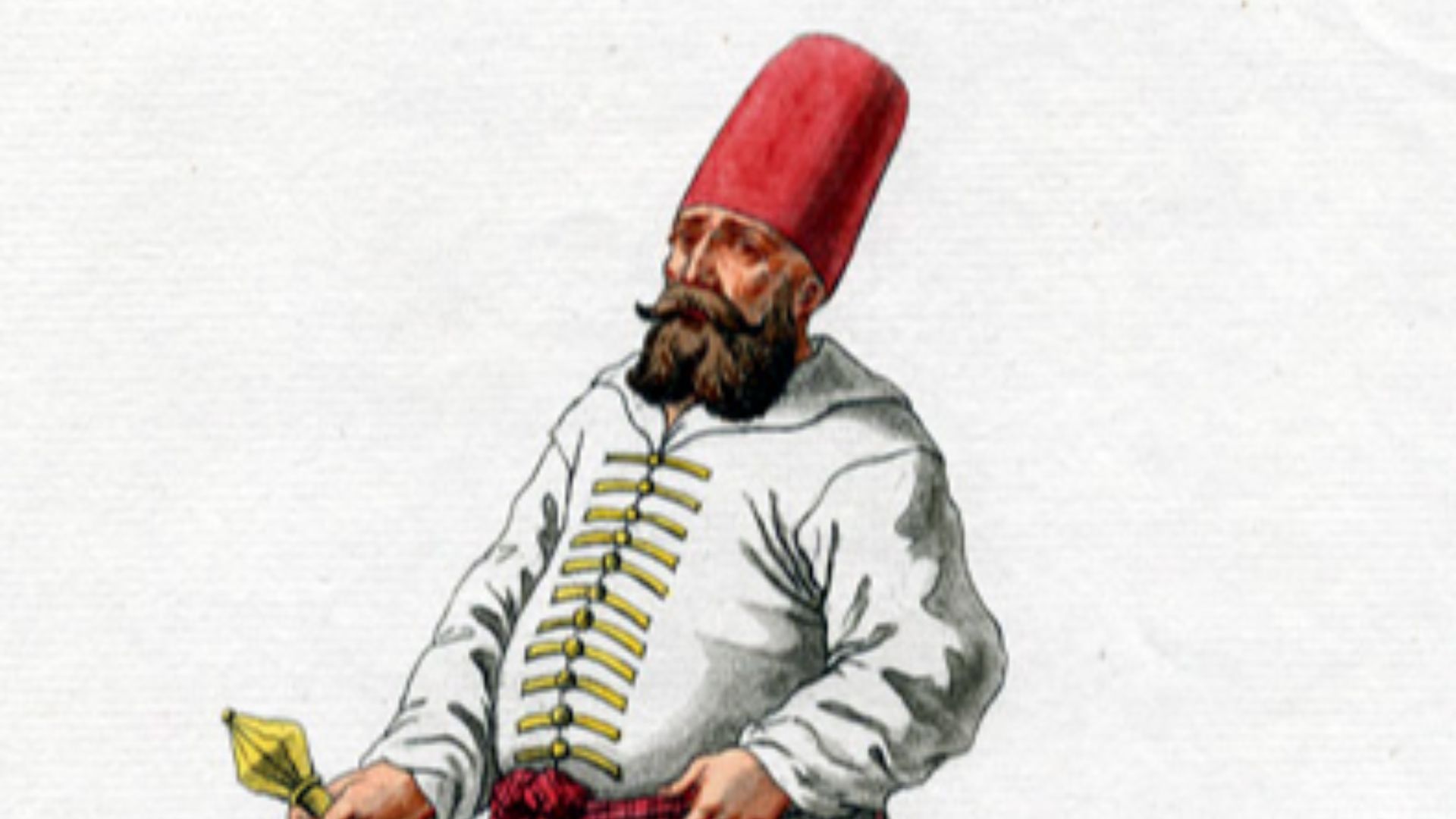
10. Mamluk Sappers Undermined Acre
The Mamluks attacked Acre in 1291 with artillery, infantry, and engineers capable of damaging its formidable defenses. Once Acre fell, the Crusader states lost their principal mainland stronghold, effectively ending their territorial presence along the Levantine coast.
11. French Forces Attacked The English Bastilles
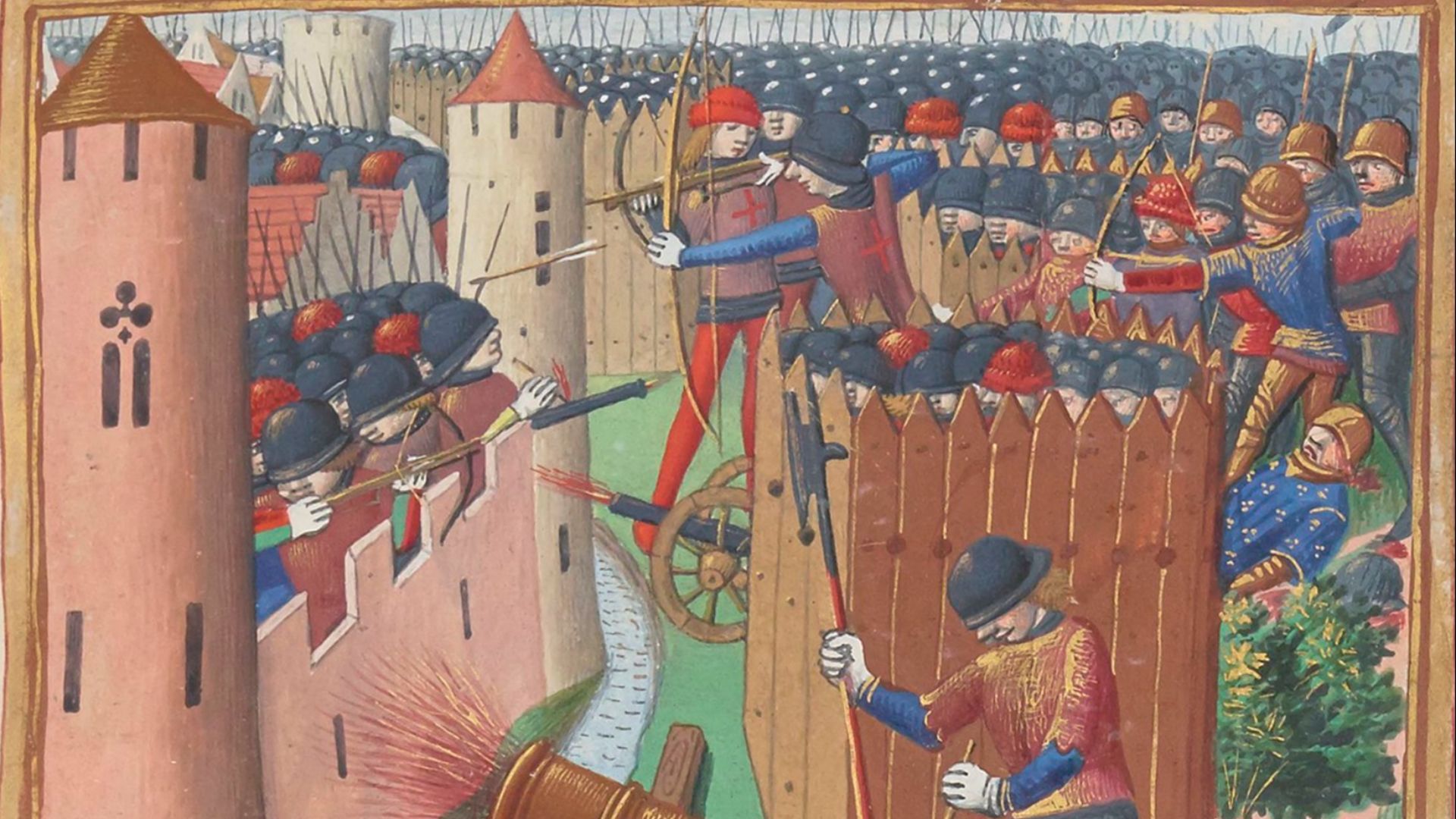
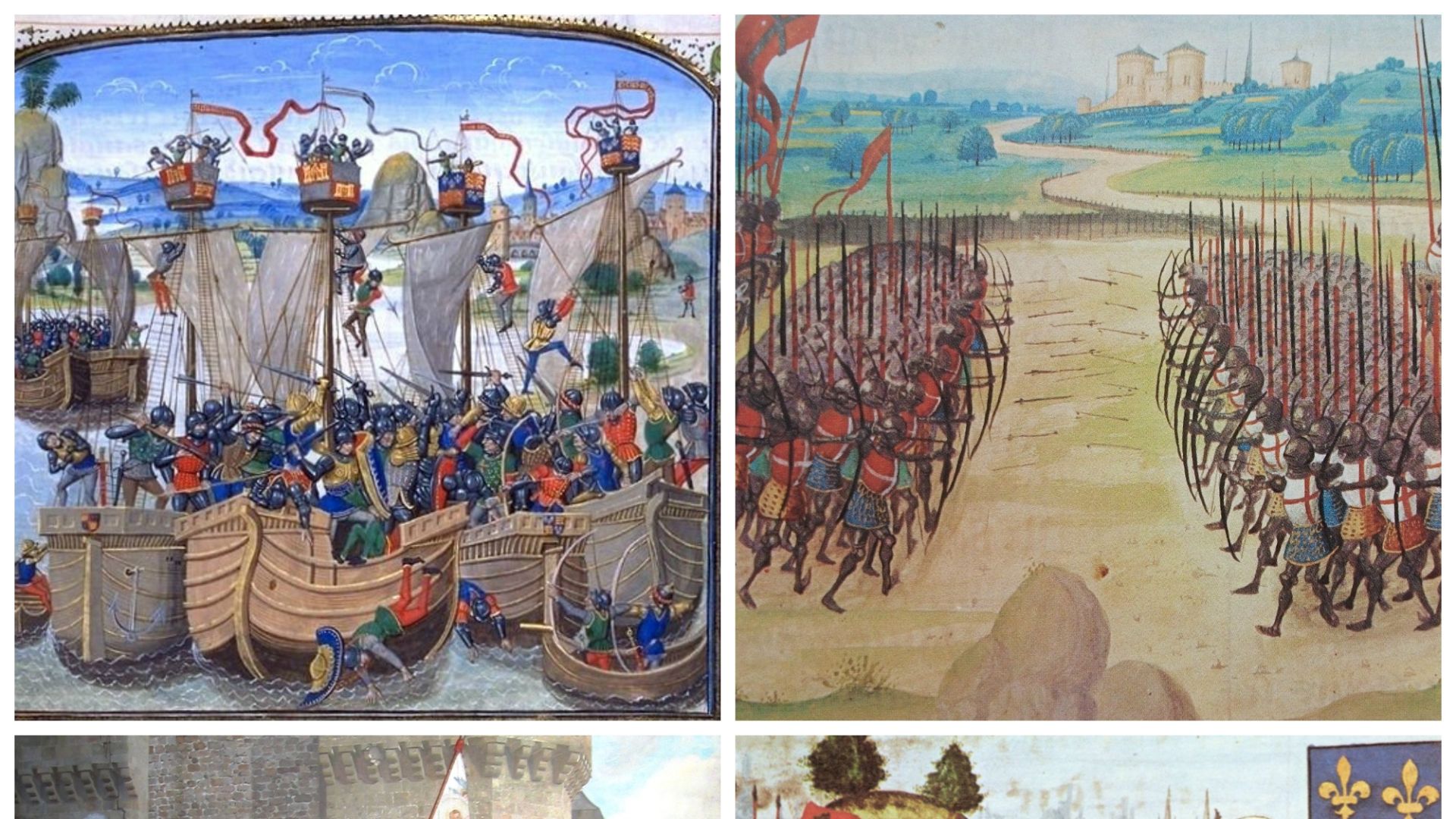
The English siege of Orléans depended on fortified positions surrounding important approaches to the city. In 1429, French troops under commanders including Joan of Arc aggressively attacked several of these positions instead of hiding behind Orléans’ defenses. The English eventually withdrew, and the victory helped France regain momentum during the Hundred Years’ War.
12. Ottoman Cannons Assaulted Constantinople
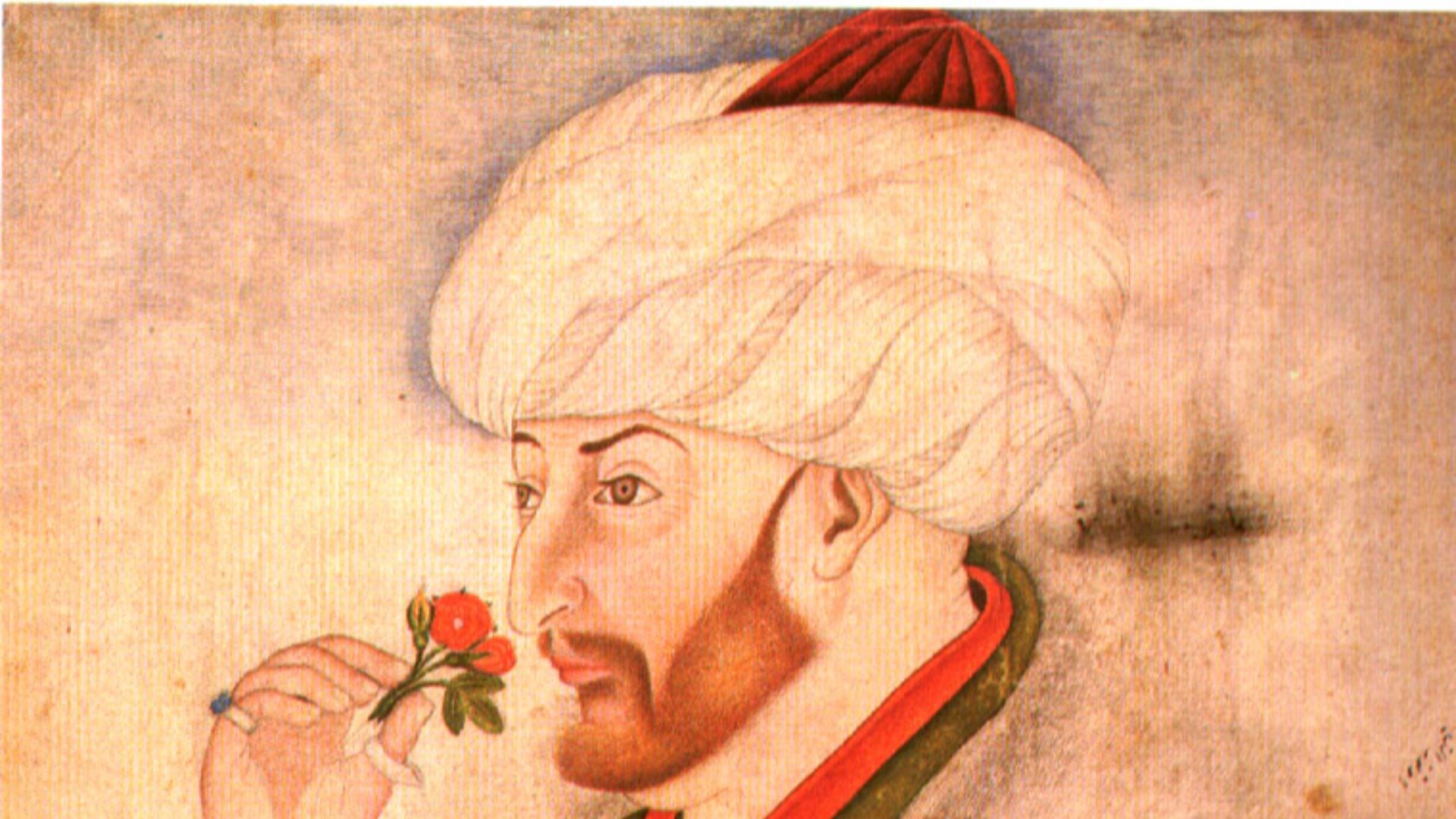
Constantinople’s walls had resisted attackers for centuries, but Mehmed II arrived in 1453 with substantial gunpowder artillery. Ottoman cannons repeatedly assaulted sections of the fortifications while infantry assaults kept Byzantine defenders under constant pressure. The city’s capture ended the Byzantine Empire and established Constantinople as the Ottoman Empire’s new capital.
13. Ottoman Ships Bypassed The Harbor Chain
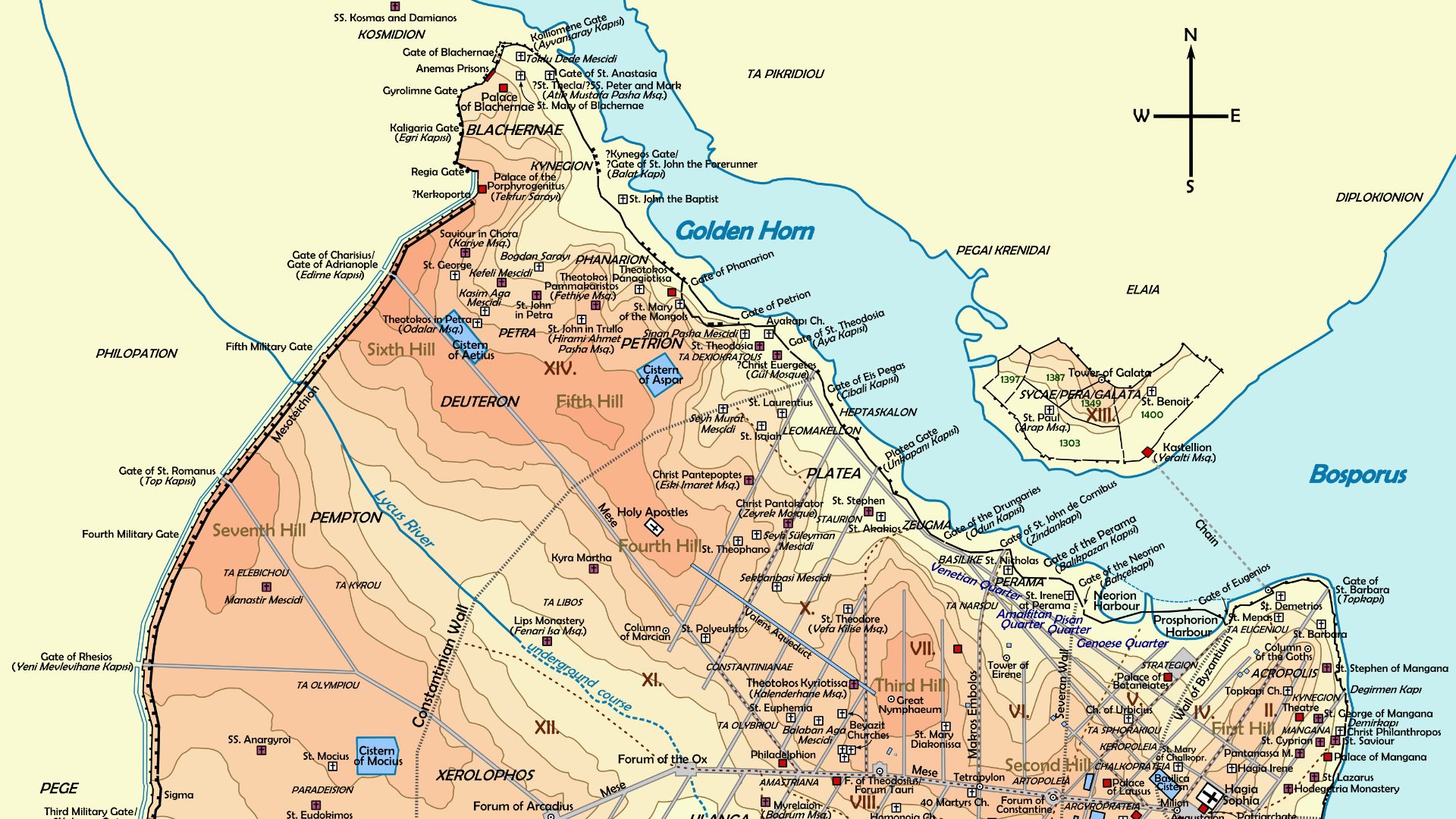
The Byzantines protected the Golden Horn with a large defensive chain that prevented Ottoman warships from easily sailing into the harbor. Mehmed II responded by having vessels transported overland on a prepared route and relaunched from inside the protected waters.
14. Spain Built A Fleet For Tenochtitlan
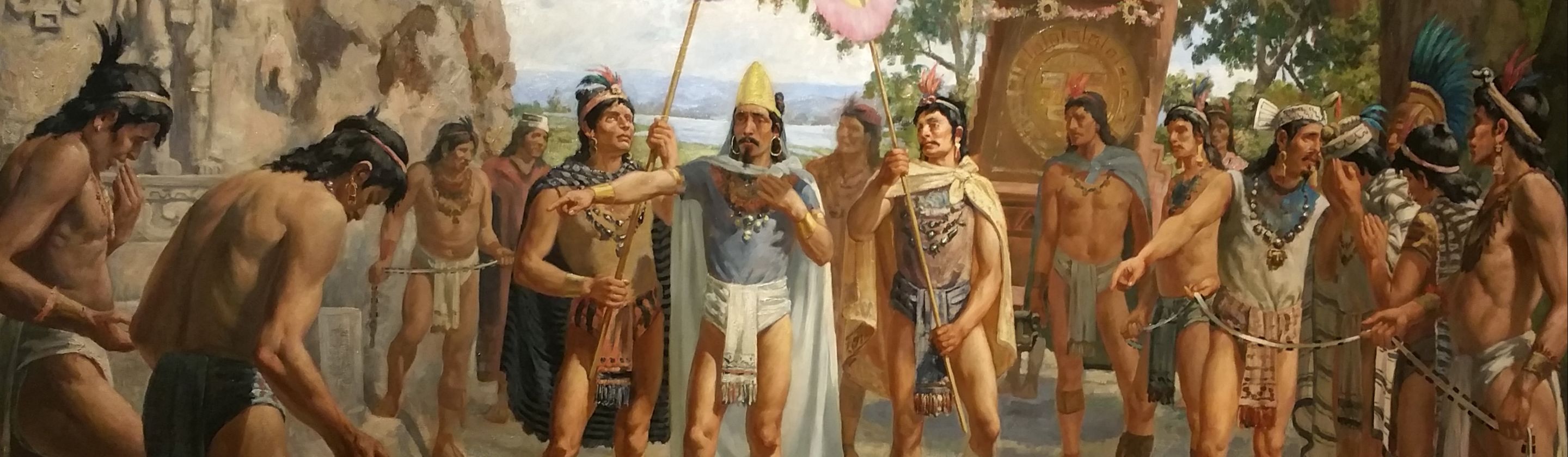
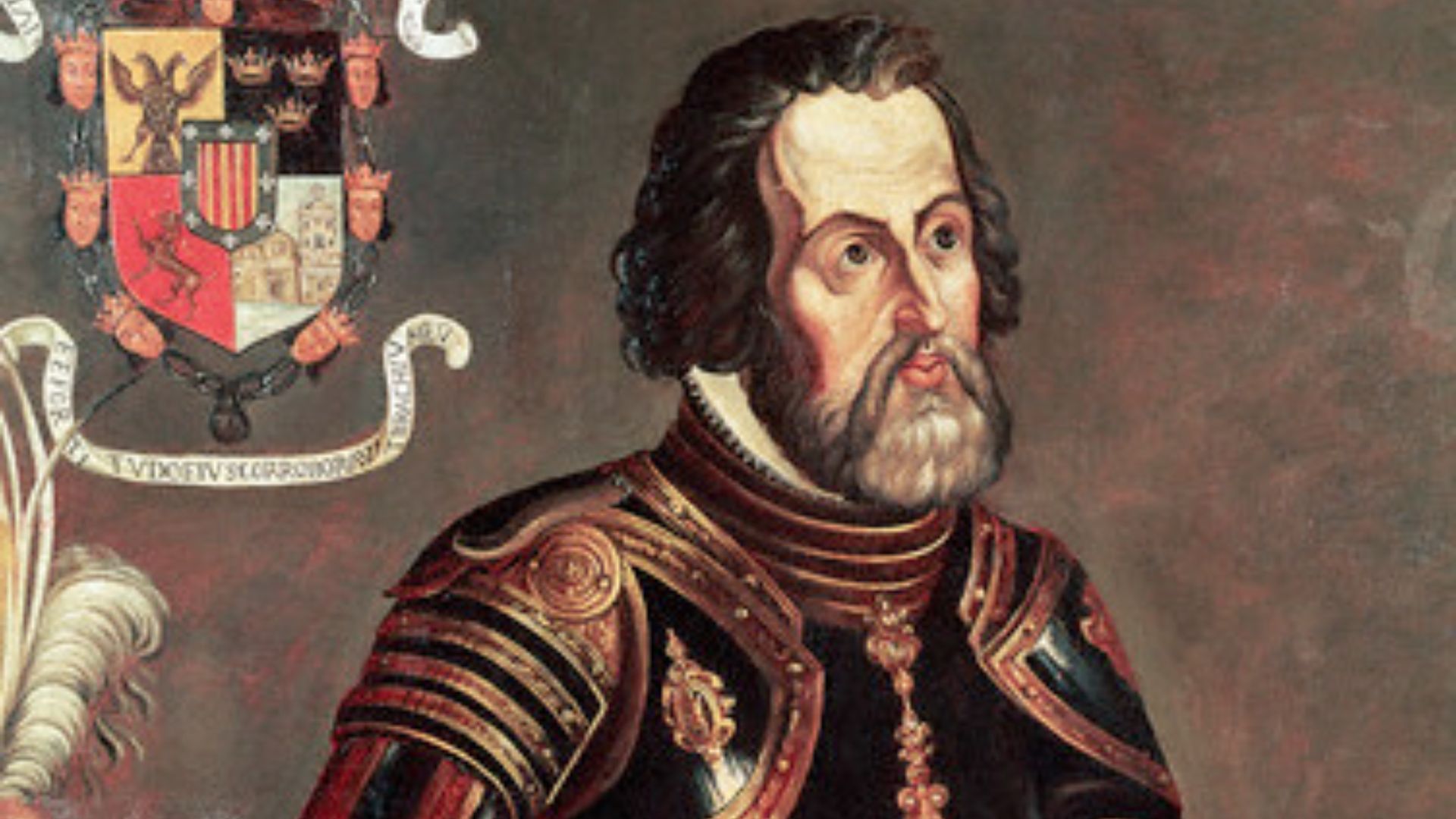
Tenochtitlan’s location within Lake Texcoco made control of the surrounding water strategically vital in 1521. Hernán Cortés used brigantines to challenge Aztec canoes, support fighting along the causeways, and strengthen the blockade while Indigenous allies supplied much of his manpower.
 AnonymousUnknown author on Wikimedia
15. Ottomans Mined Beneath Rhodes
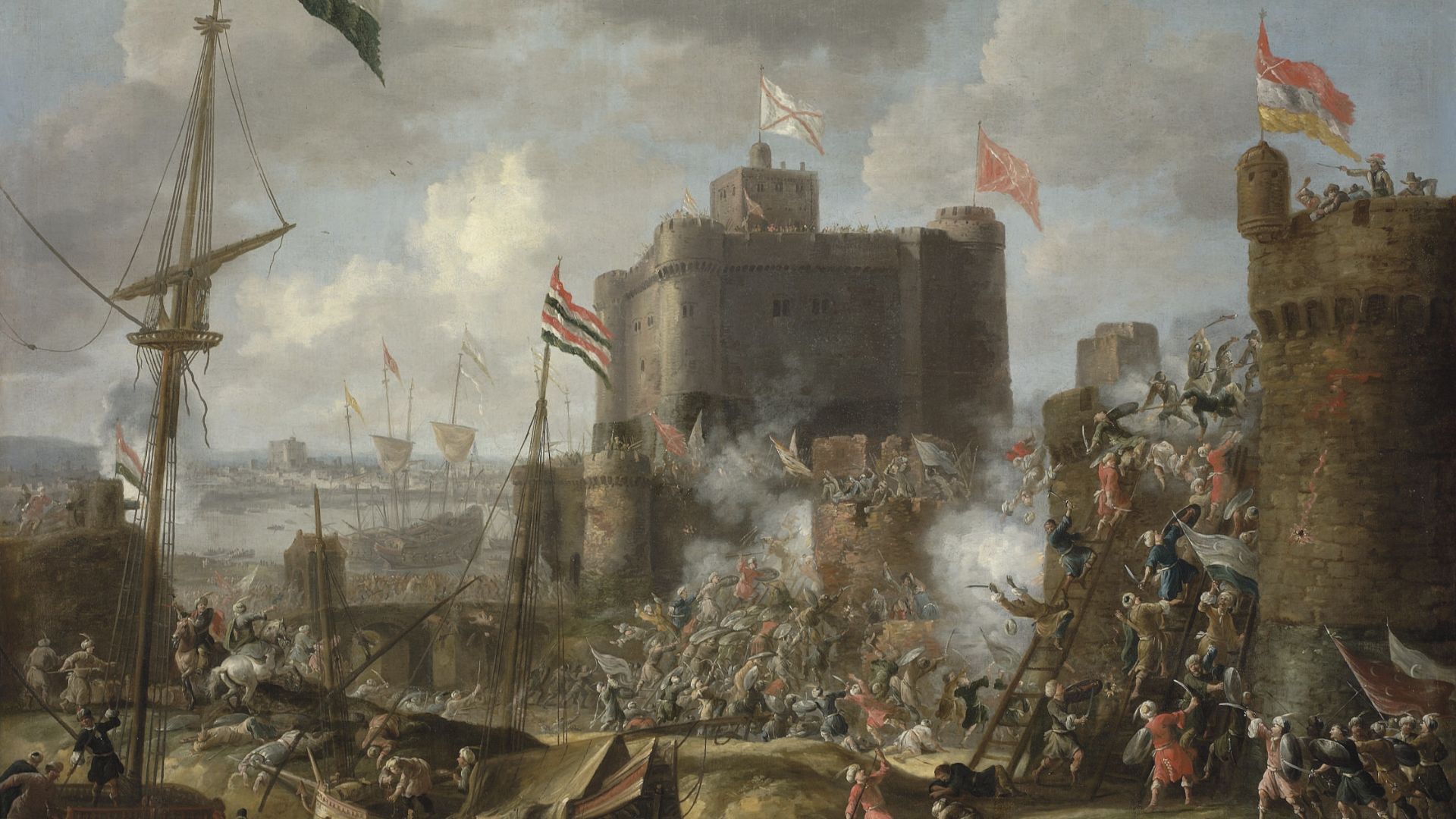
Rhodes possessed formidable fortifications when Suleiman the Magnificent besieged the Knights Hospitaller in 1522. After several long months of fighting, the defenders negotiated their departure, strengthening Ottoman control across important eastern Mediterranean sea routes.
 Jan Peeters the Elder on Wikimedia
16. Malta’s Defenders Concentrated Their Resistance
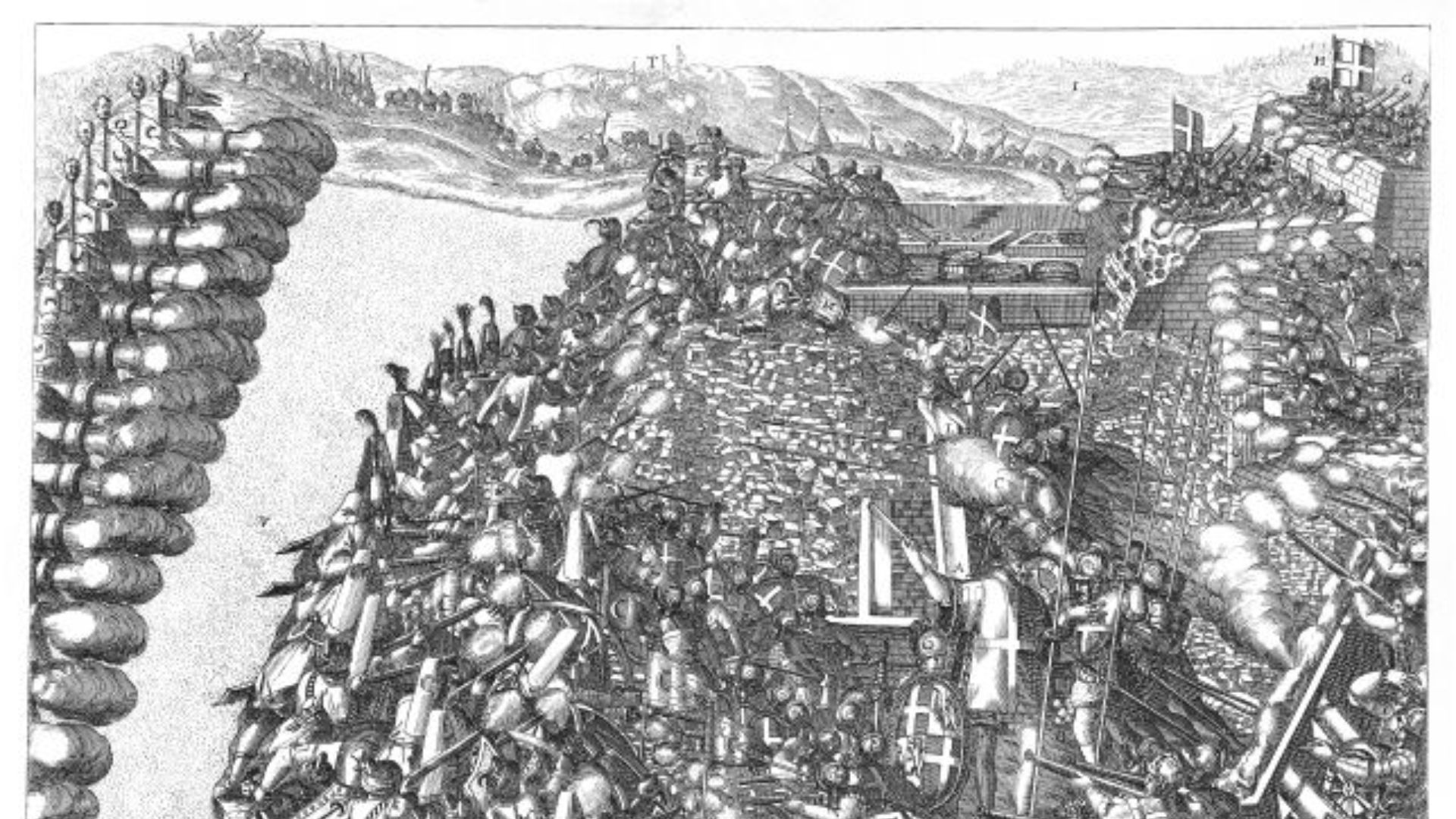
During the Great Siege of Malta in 1565, the Hospitallers and their allies faced a much larger Ottoman expedition. Instead of trying to defend every location with equal commitment, they relied heavily on interconnected fortifications around the main harbors while conducting counterattacks whenever opportunities appeared.
 Matteo Pérez de Alesio on Wikimedia
17. Defenders Turned Mining Into Countermining
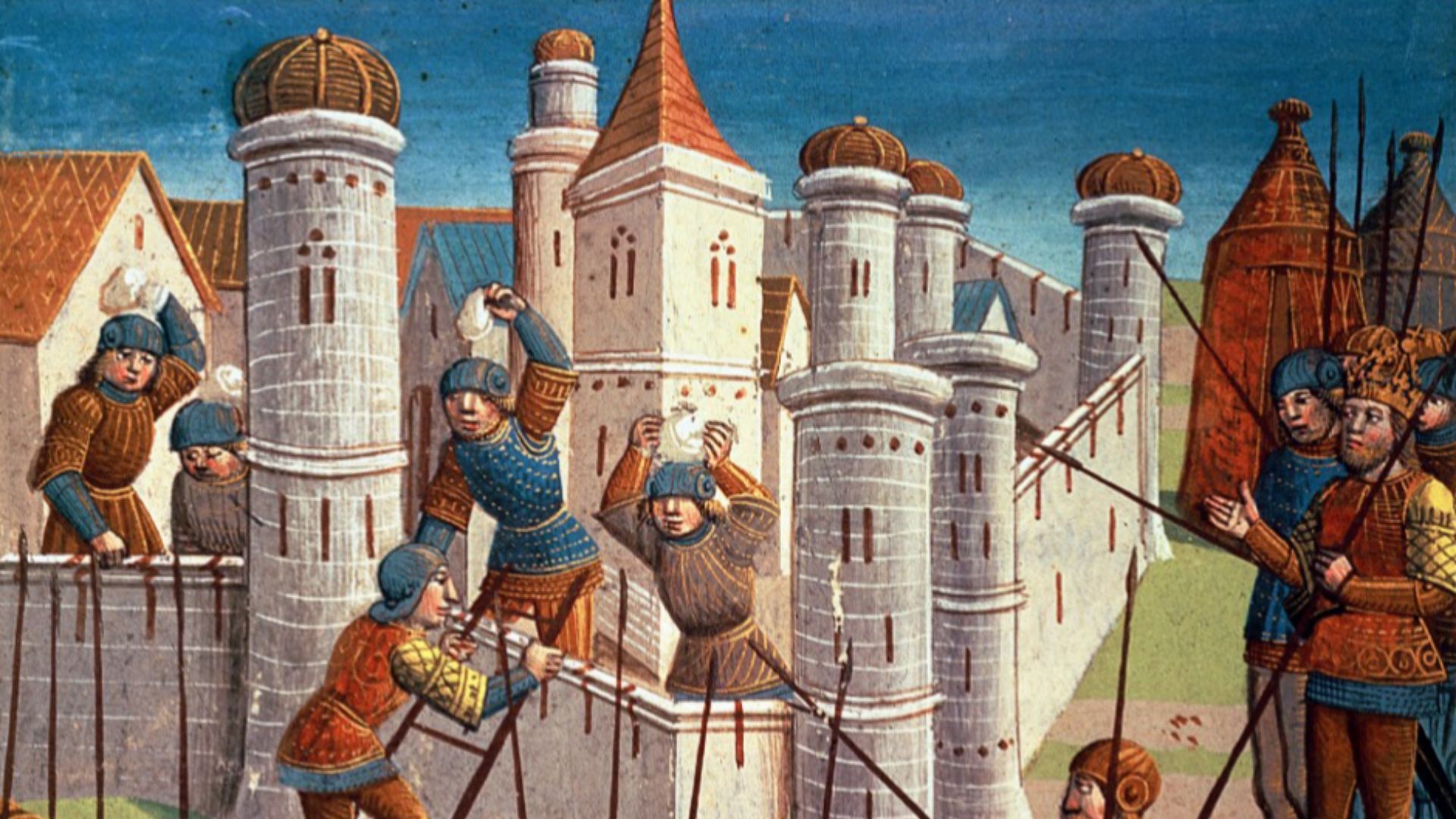
By the early modern period, attackers increasingly dug tunnels beneath fortifications to plant explosives or cause defensive walls to collapse. Garrison engineers answered by listening for underground work and digging countermines to intercept enemy tunnels.
 AnonymousUnknown author on Wikimedia
18. Candia Became A War Of Trenches
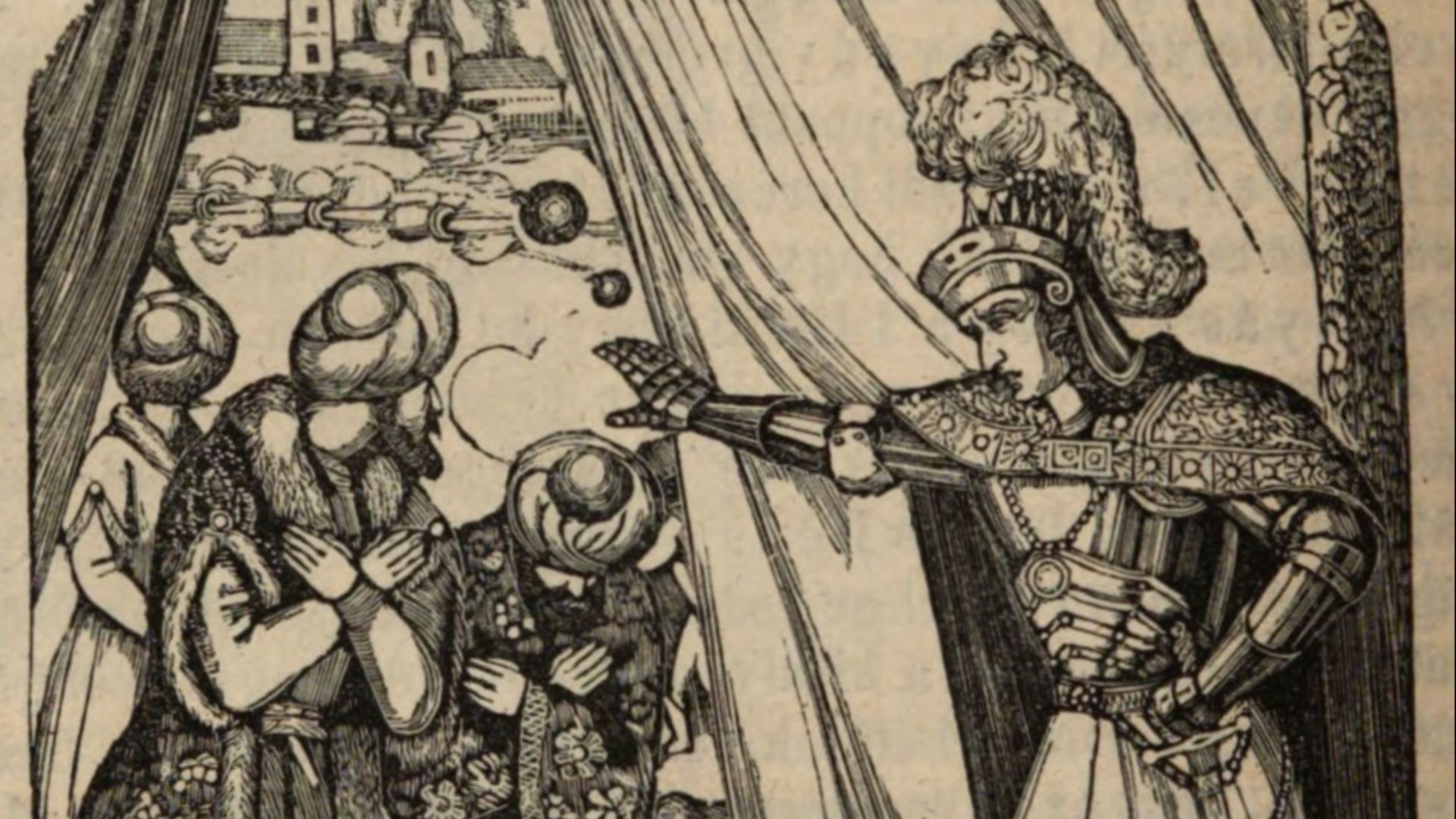
The Ottoman siege of Venetian-held Candia on Crete lasted from 1648 until 1669, making it one of history’s longest major sieges. Attackers slowly advanced through trenches, artillery positions, and extensive mining while defenders did their best to repair damage and launch effective counterattacks.
 János Mihálovics (active c. 1840-1870) on Wikimedia
19. Vienna’s Defenders Fought Underground
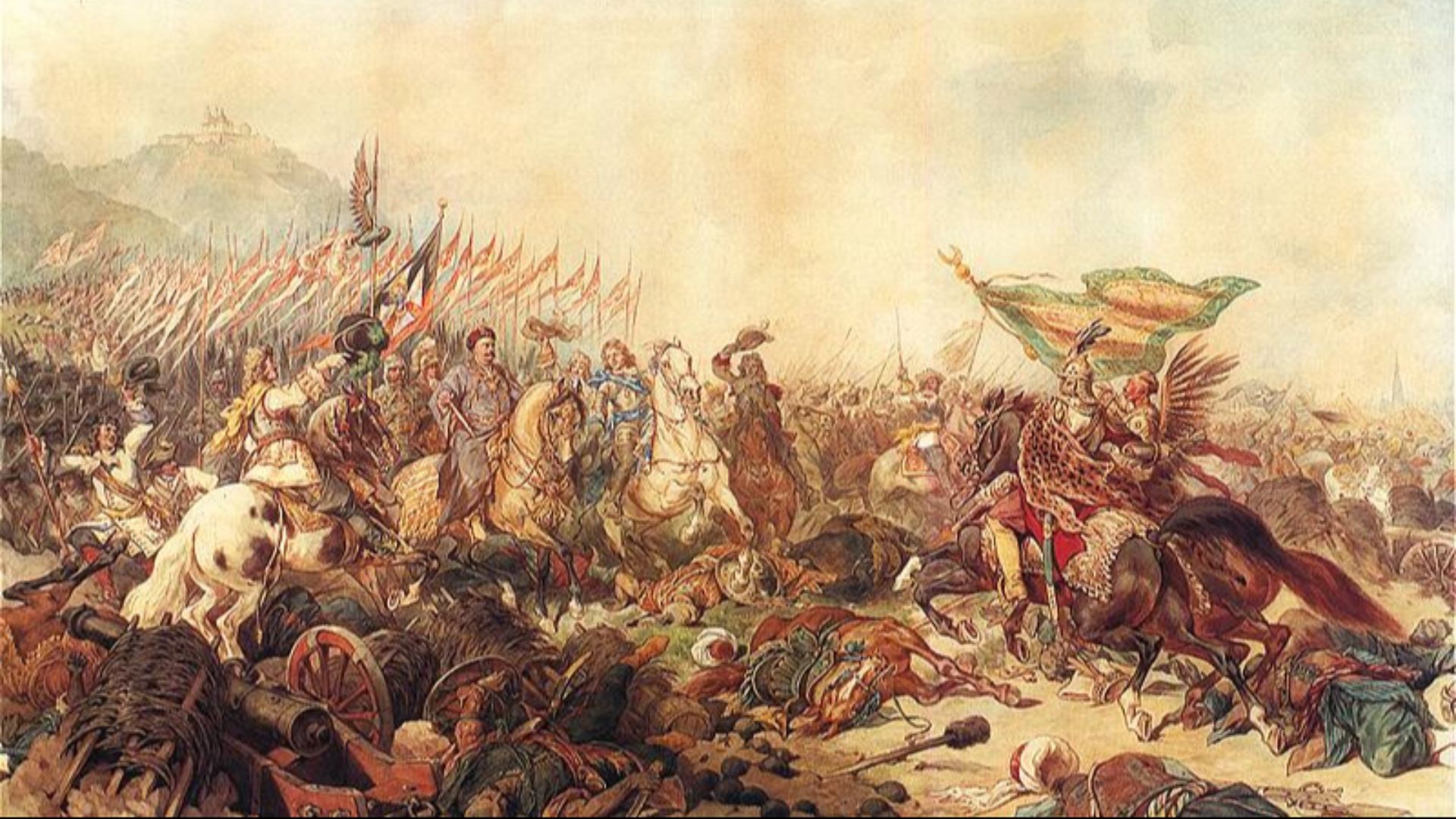
During the Ottoman siege of Vienna in 1683, mining became one of the attackers’ principal methods for breaching the city’s defenses. Vienna held firm until a relief army arrived, halting a major Ottoman attempt to extend control deeper into Central Europe.
20. Vauban Made Sieges Systematic
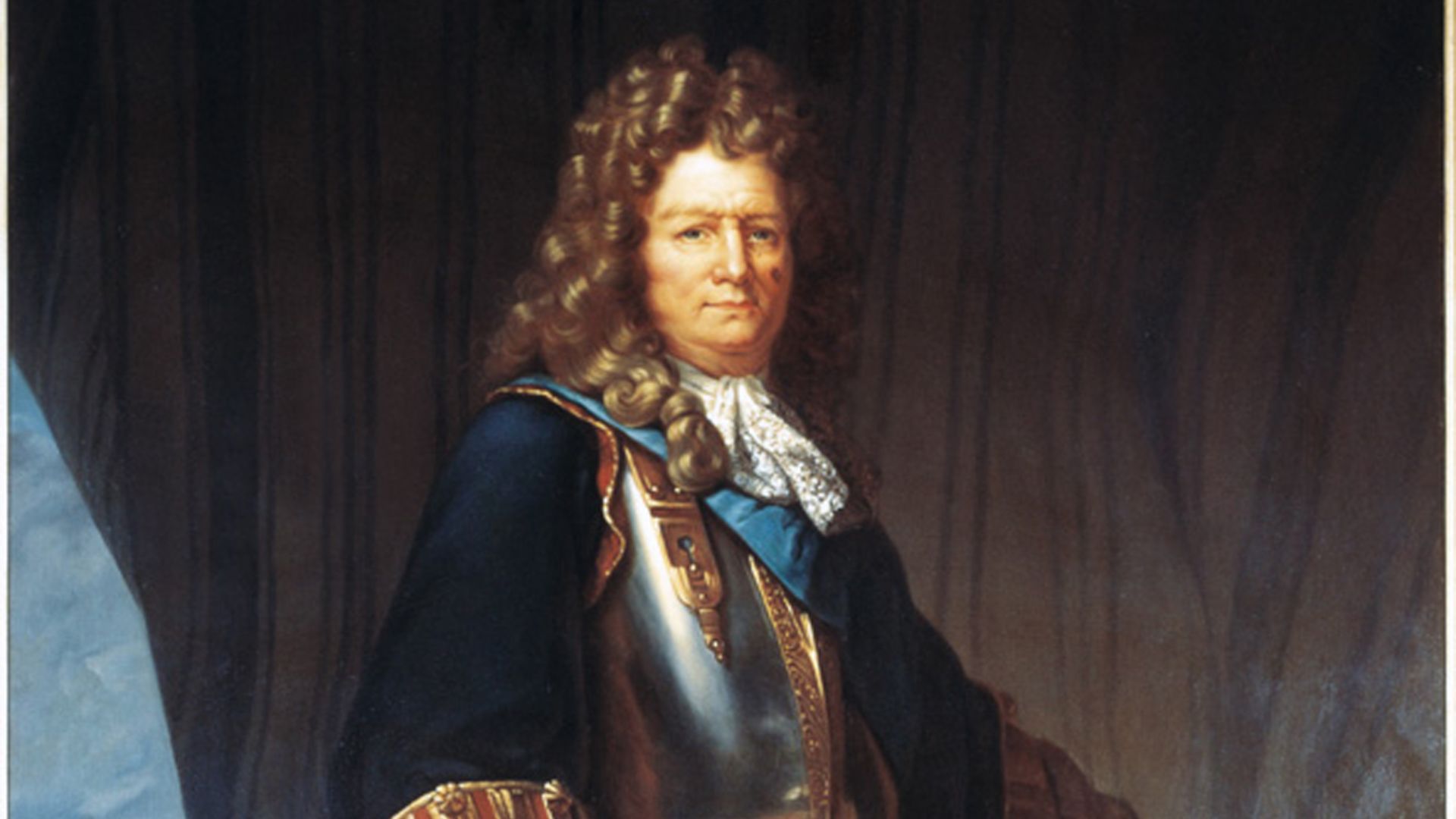
Under Louis XIV, French engineer Sébastien Le Prestre de Vauban refined siege warfare into a highly organized sequence of approaches. His methods helped France capture fortified places efficiently and influenced European siege warfare for generations.
KEEP ON READING