Do You Know What Dinosaurs Actually Looked Like?
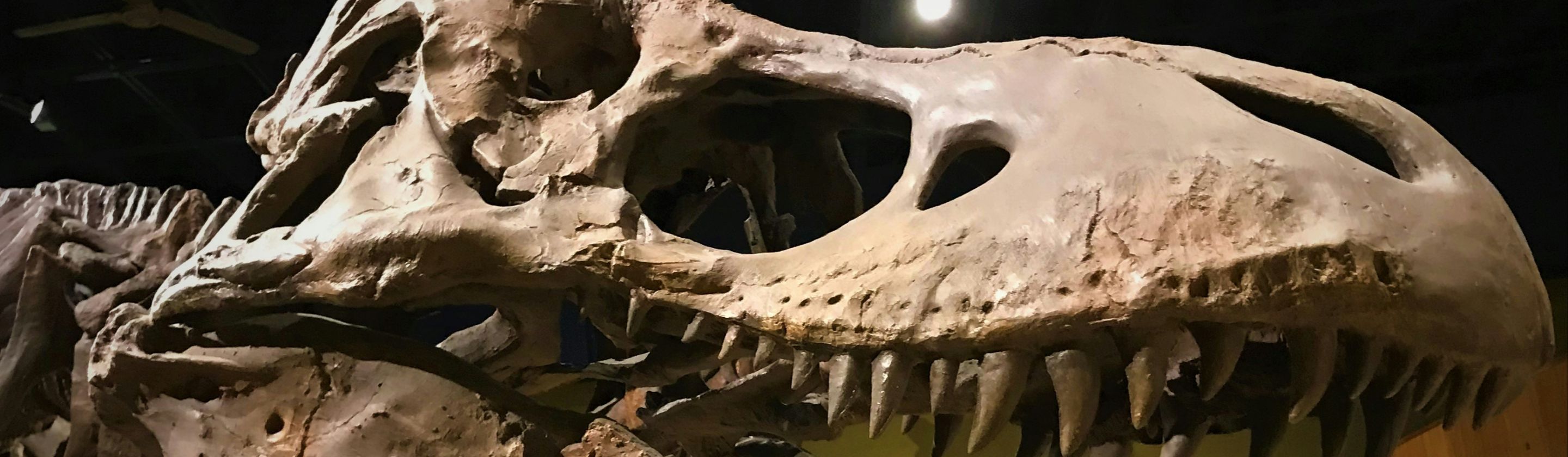
Hollywood has given us countless memorable dinosaur scenes, but filmmakers have never been particularly interested in getting every prehistoric detail right. Some mistakes come from outdated scientific ideas, while others exist because a roaring dinosaur chasing terrified people makes for better entertainment than a scientifically accurate animal doing something mundane. Real dinosaurs were already fascinating creatures, and once you look beyond the movie version, plenty of familiar scenes start looking surprisingly inaccurate.
1. Dinosaurs Didn't All Live Together
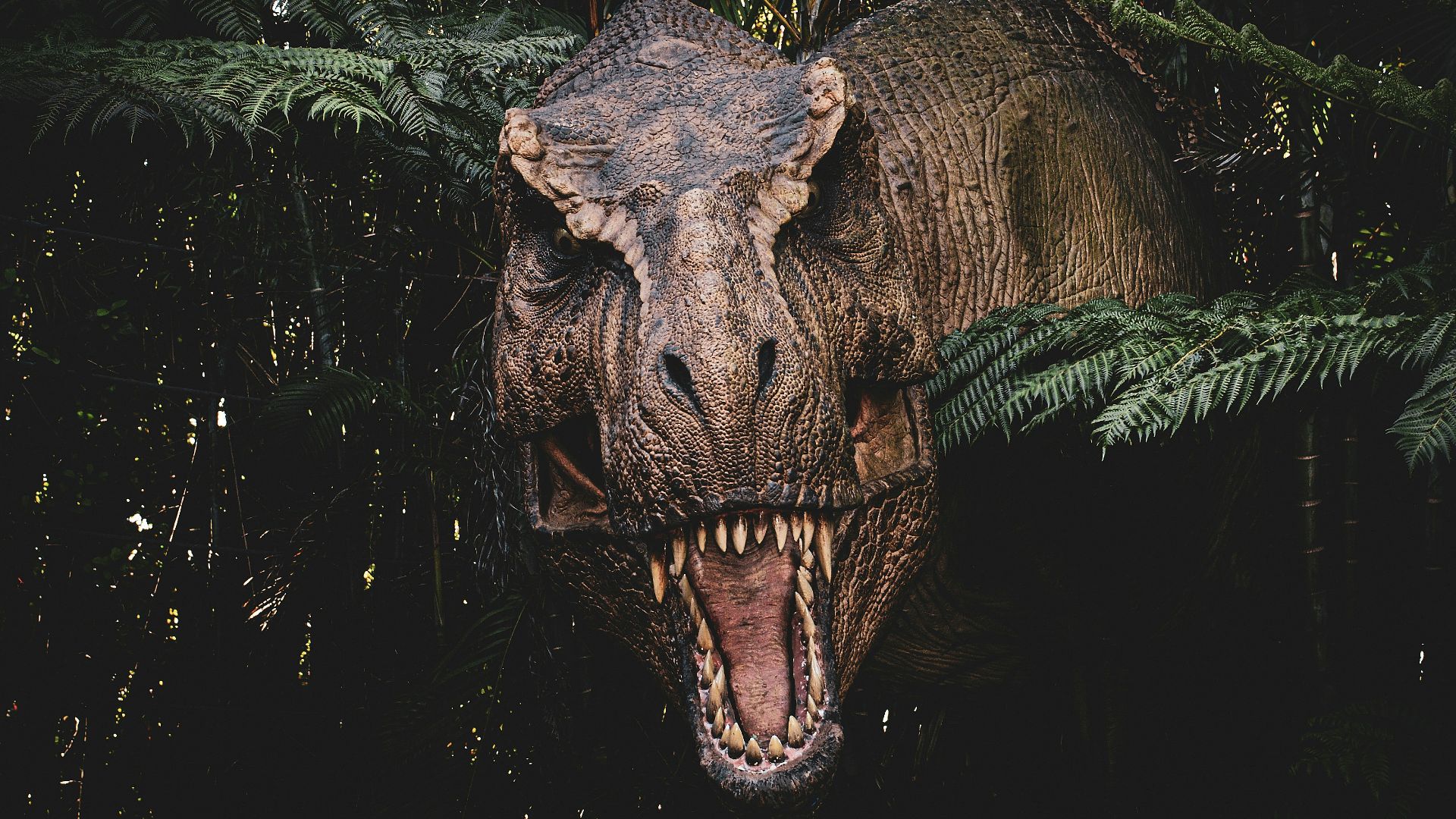
One of Hollywood's favorite tricks is putting dinosaurs from completely different periods into the same location. Tyrannosaurus rex might wander onto the same screen as Stegosaurus and Velociraptor, even though T. rex didn’t show up for another 150 million years after Stegosaurus went extinct.
2. T. Rex Didn't Hunt Everything That Moved
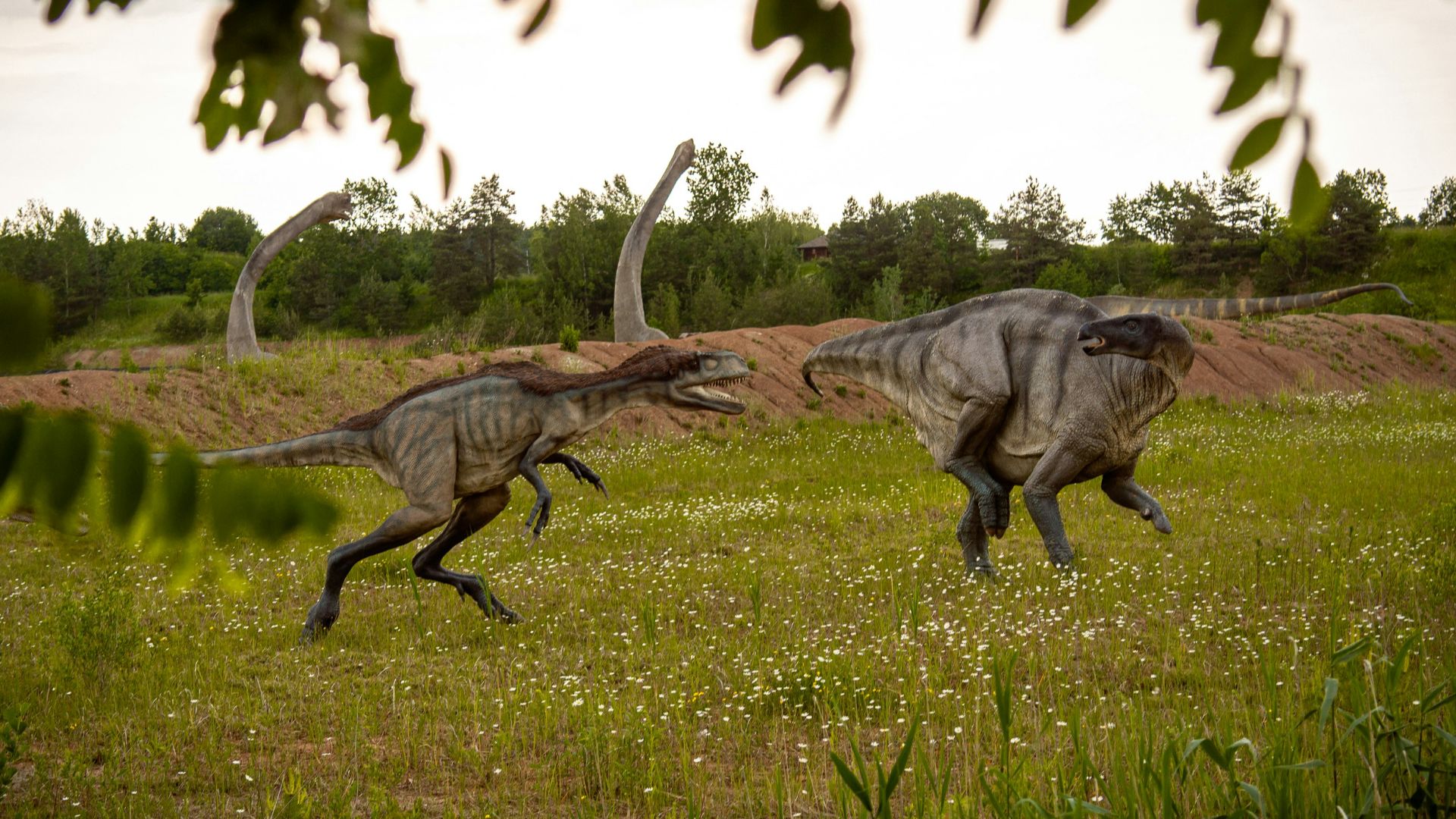
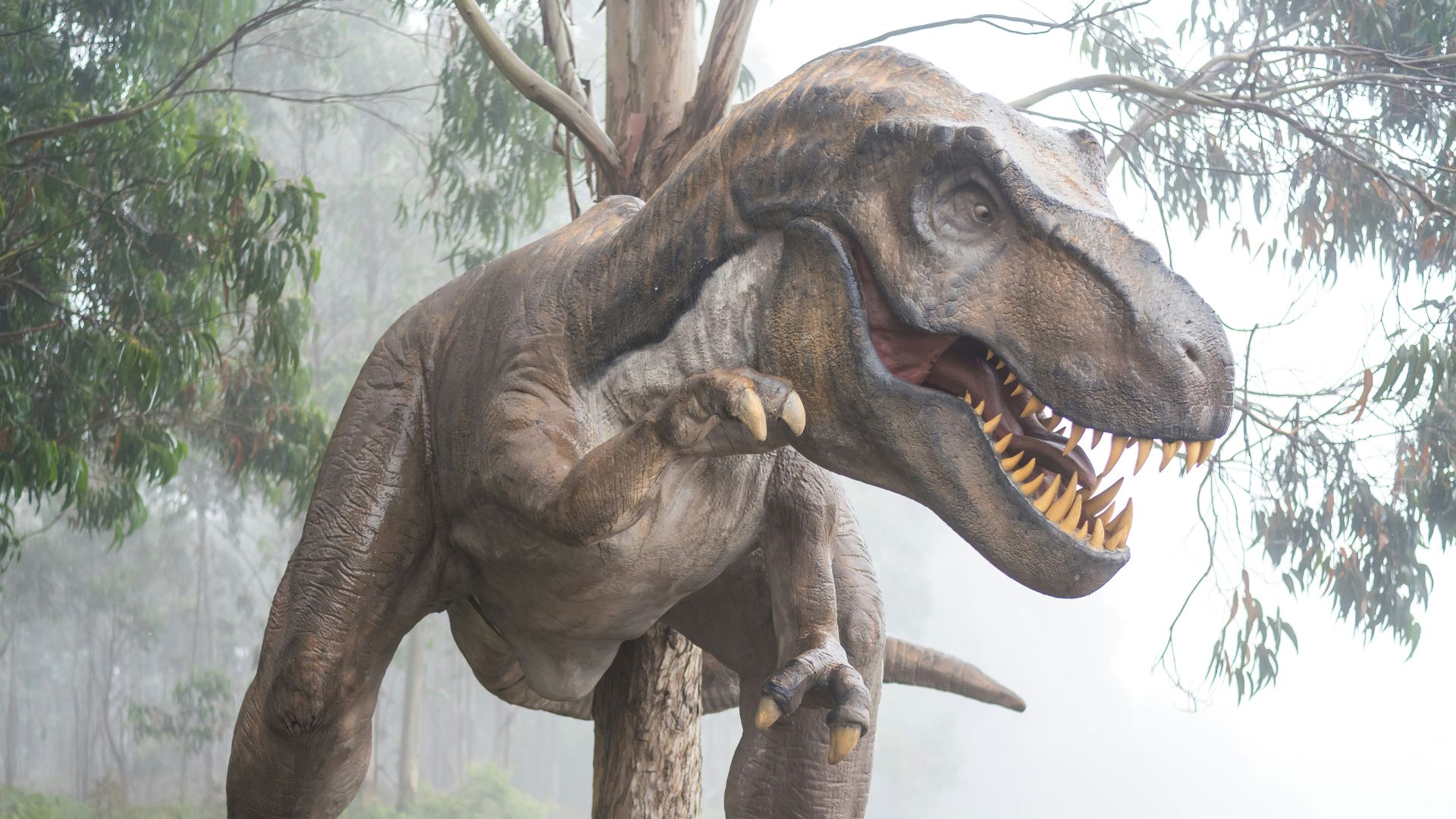
You know those fast scenes where Tyrannosaurus attacks out of nowhere? Real predators don't necessarily waste energy chasing every possible target, particularly when a failed hunt could leave them injured or exhausted. T. rex was probably capable of taking down big game, but evidence also suggests it may have scavenged at least part of the time.
3. Velociraptors Were Much Smaller
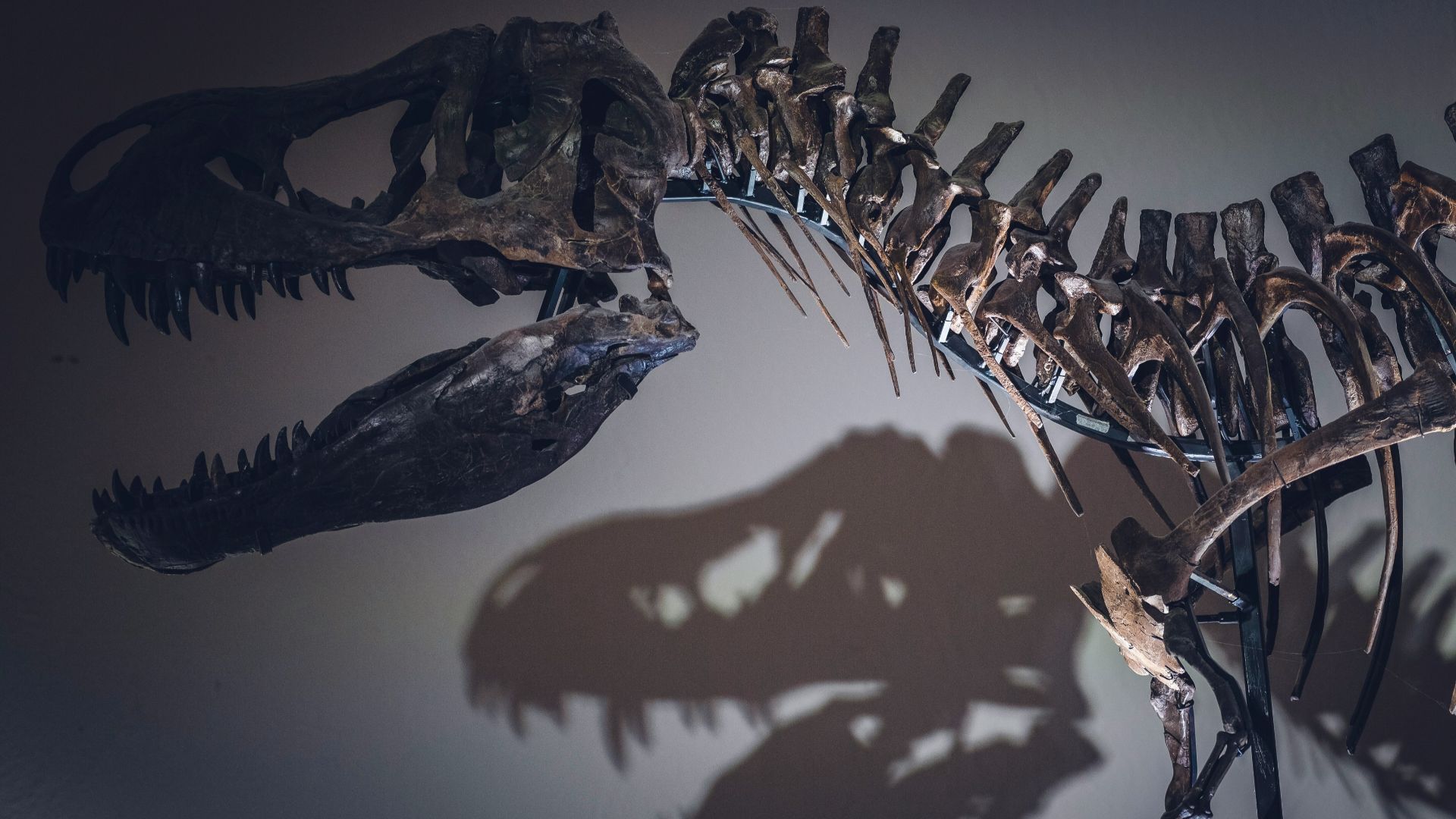
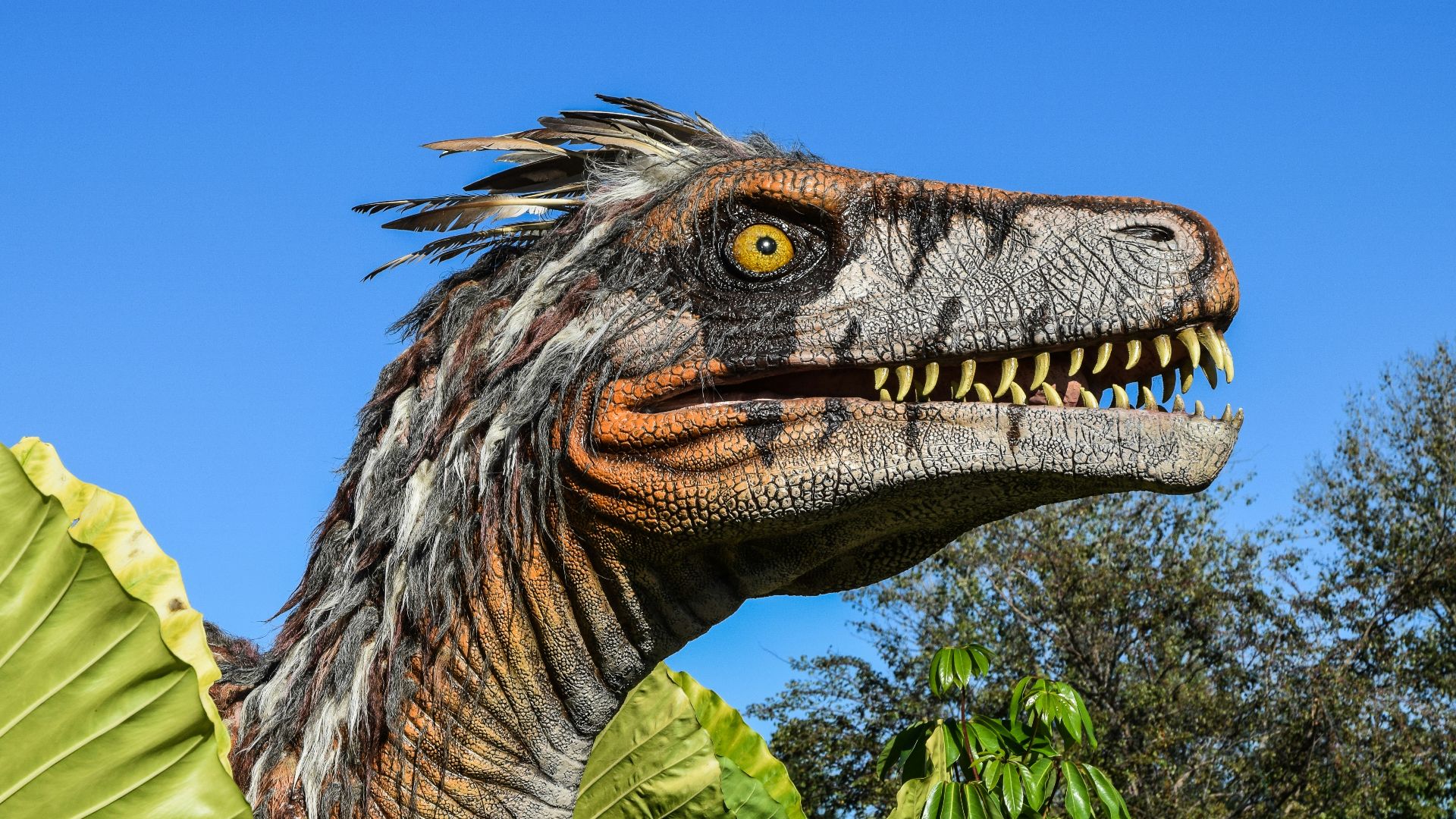
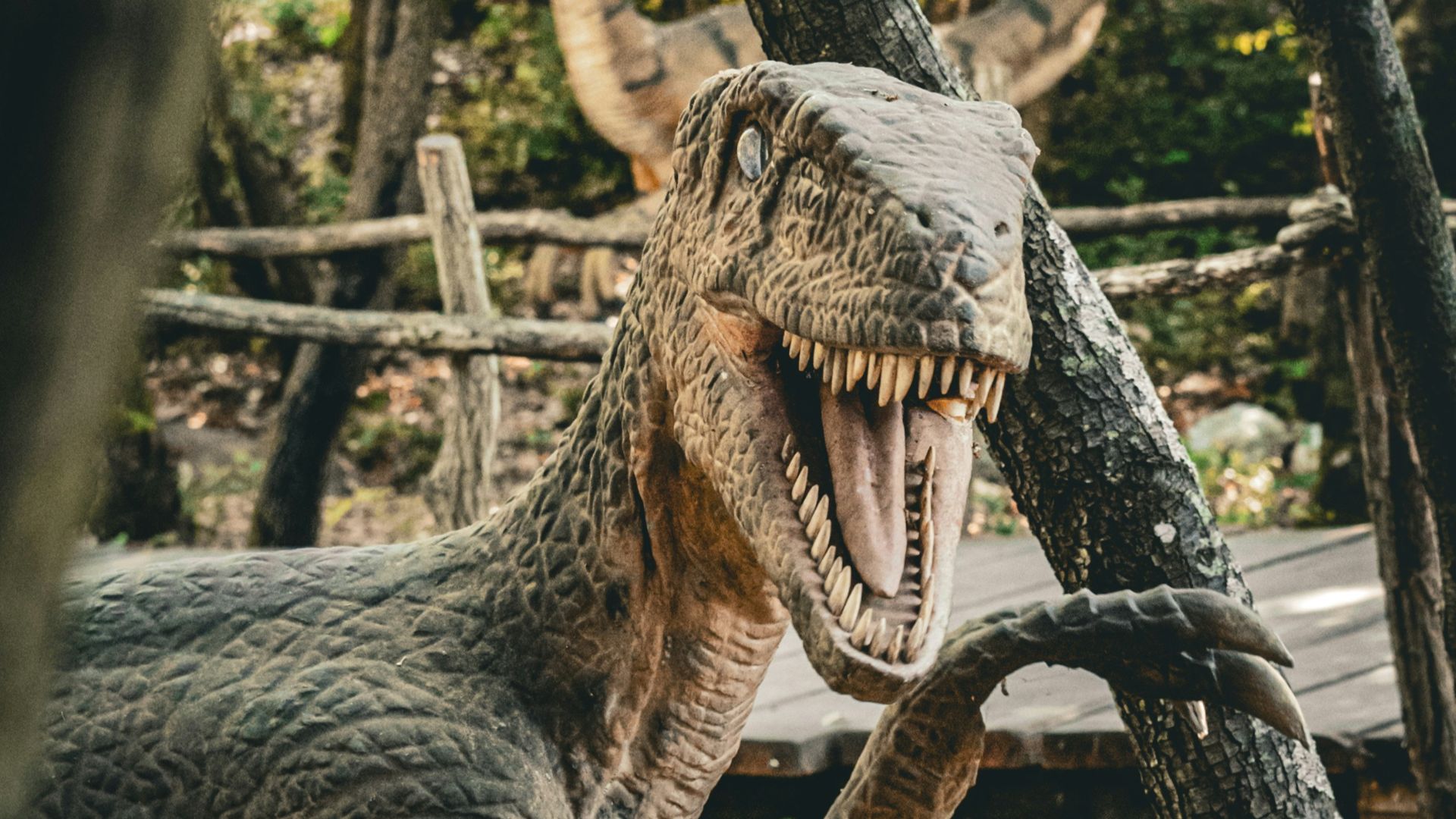
Velociraptors are instantly recognizable by their overall shape, but Hollywood takes liberties with their size. Actual velociraptors were only about the size of a turkey. They did have long tails and wicked claws, though. Raptors in Jurassic Park were based partly on similar dinosaurs called Deinonychus, but not exclusively on velociraptors.
4. Dinosaurs Didn't Roar Like Movie Monsters
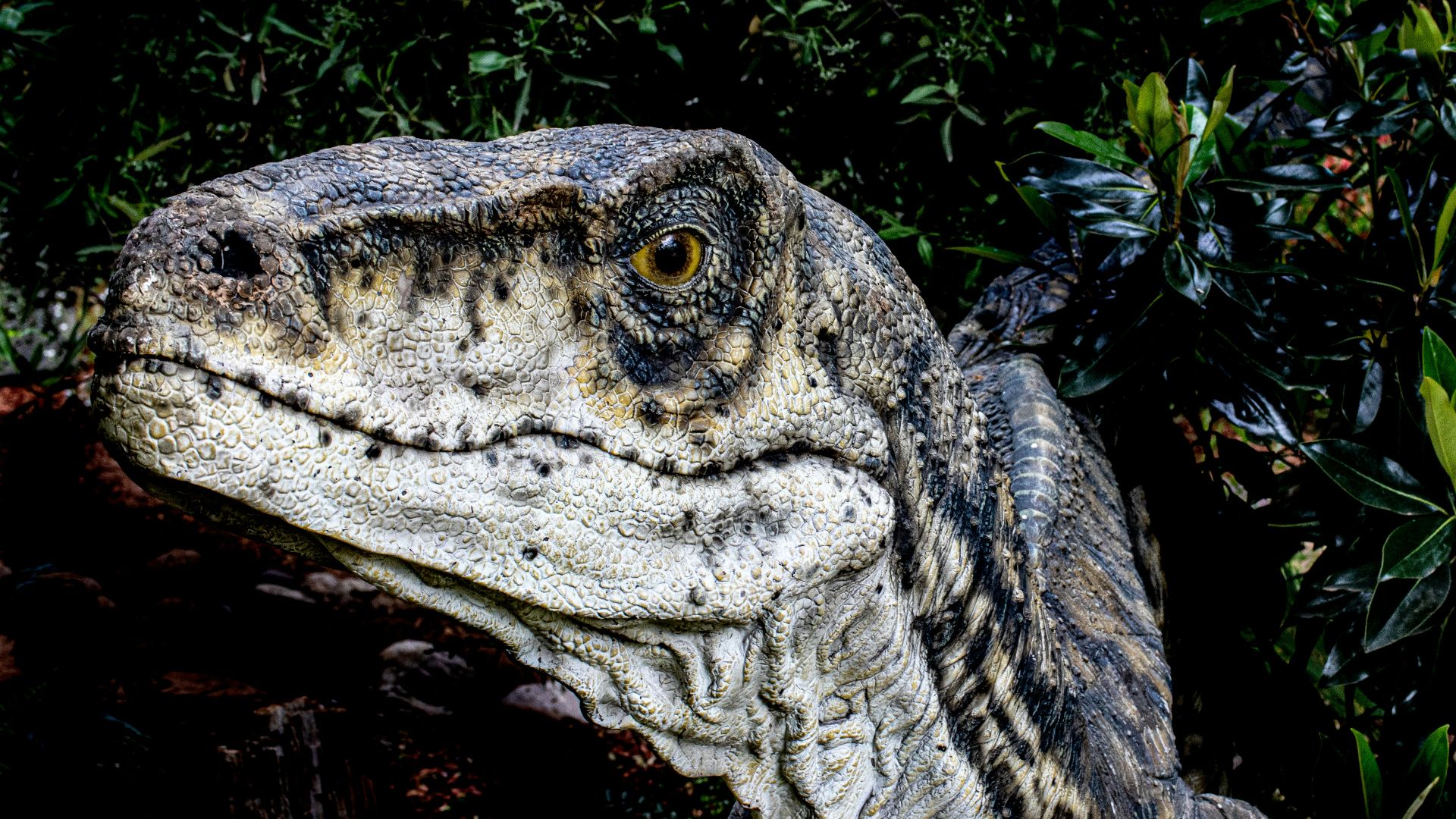
Deep, drumming dinosaur roars may be satisfying to hear, but we don’t know that dinosaurs actually made them. Scientists can infer what might have produced certain sounds based on fossil anatomy, but that doesn’t mean they could or would vocalize like movie monsters. If anything, they probably made a wider variety of weird noises.
5. Not Every Dinosaur Was Covered in Scales
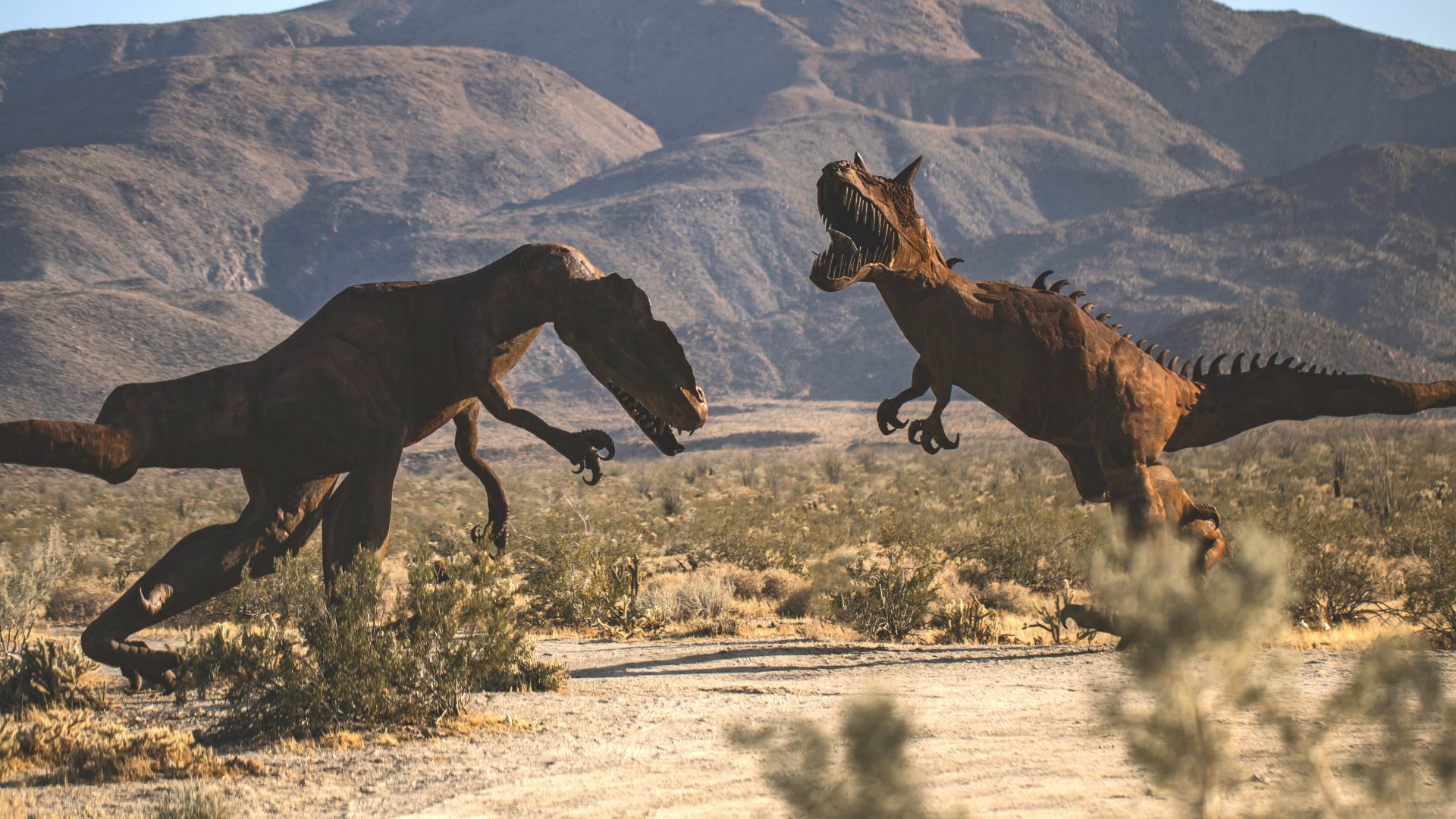
For generations of kids, dinosaurs were scaly from head to toe. We now know some dinosaurs had feathers or feather-like structures, though. Several groups of dinosaurs appear to have evolved feathers, including species closely related to the ancestors of modern birds.
6. Dinosaurs Didn't Have Expressive Faces
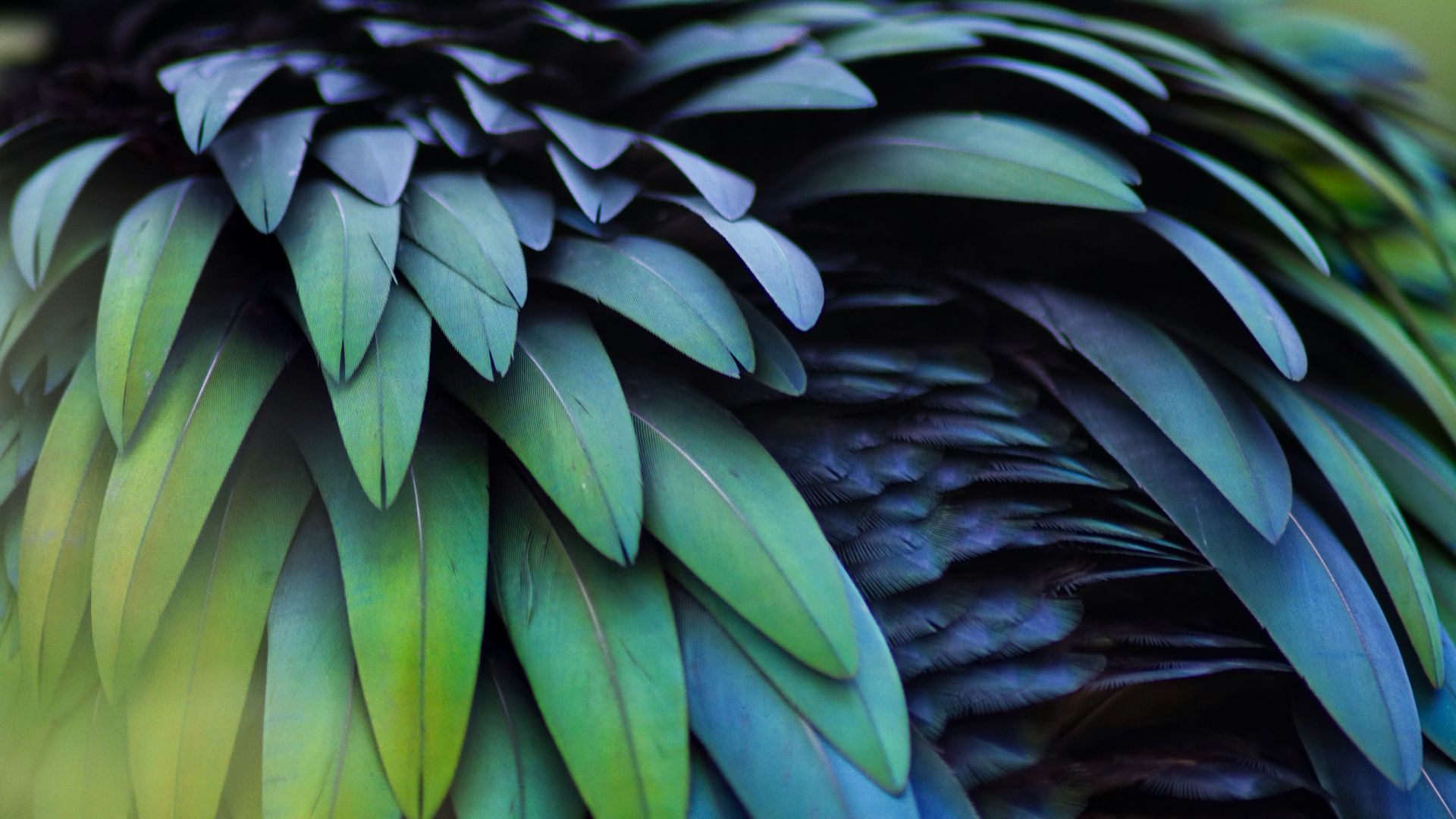
Human faces are very expressive, but that doesn’t mean dinosaurs moved their features the same way we do. Dinosaurs probably did communicate through body language, movement, vocalizations, and other behaviors. But we don’t know if they “looked” at someone the way an angry movie character might.
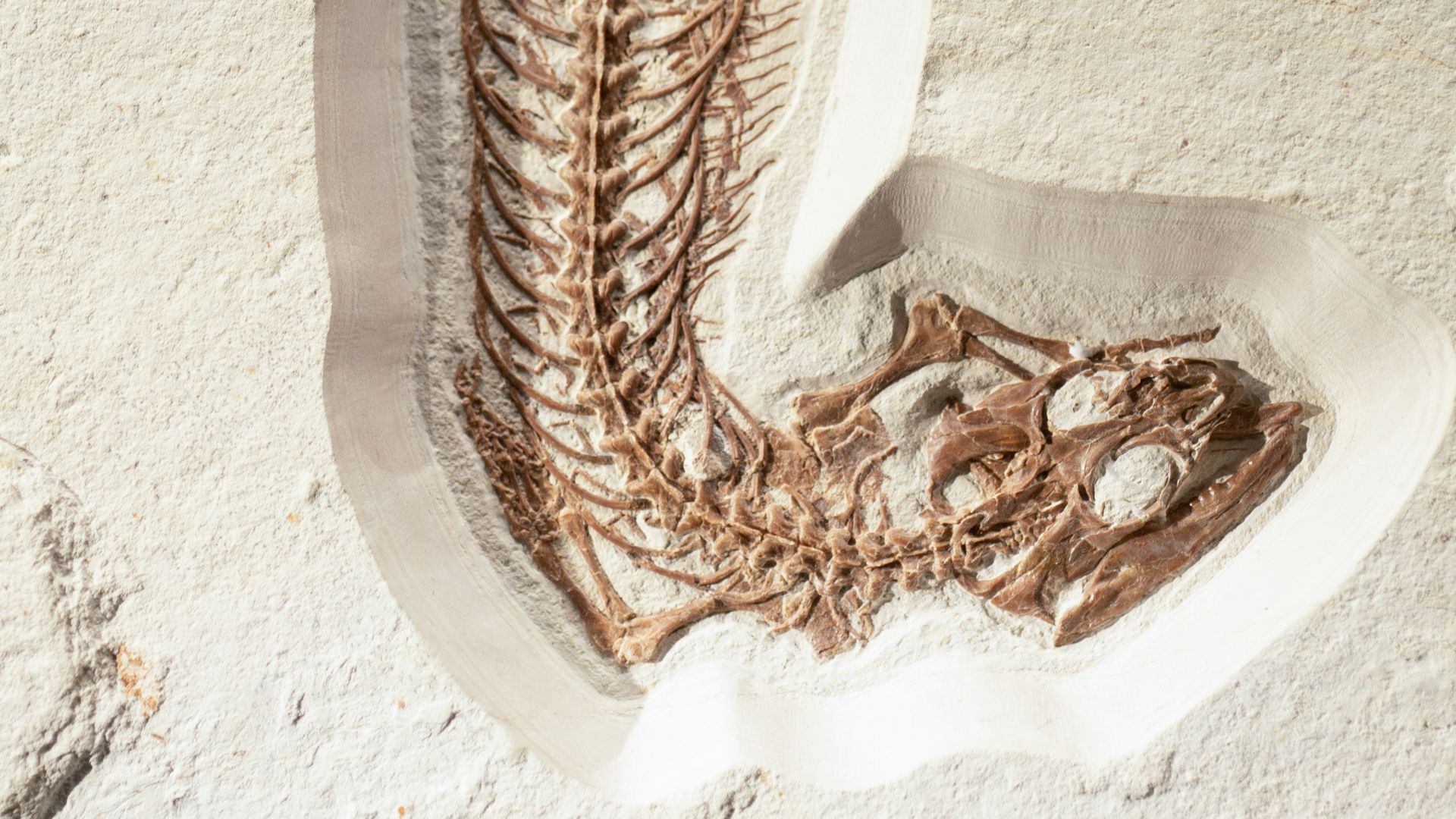
7. They Weren't Constantly Attacking
If dinosaurs were constantly hunting humans, the people in dinosaur movies wouldn't have much time to do anything else. In reality, humans weren't even around during the overwhelming majority of dinosaur history, so dinosaurs obviously didn't evolve specifically to regard us as prey. Even if humans had somehow encountered a dinosaur, the animal's response would depend on its species, circumstances, and behavior.
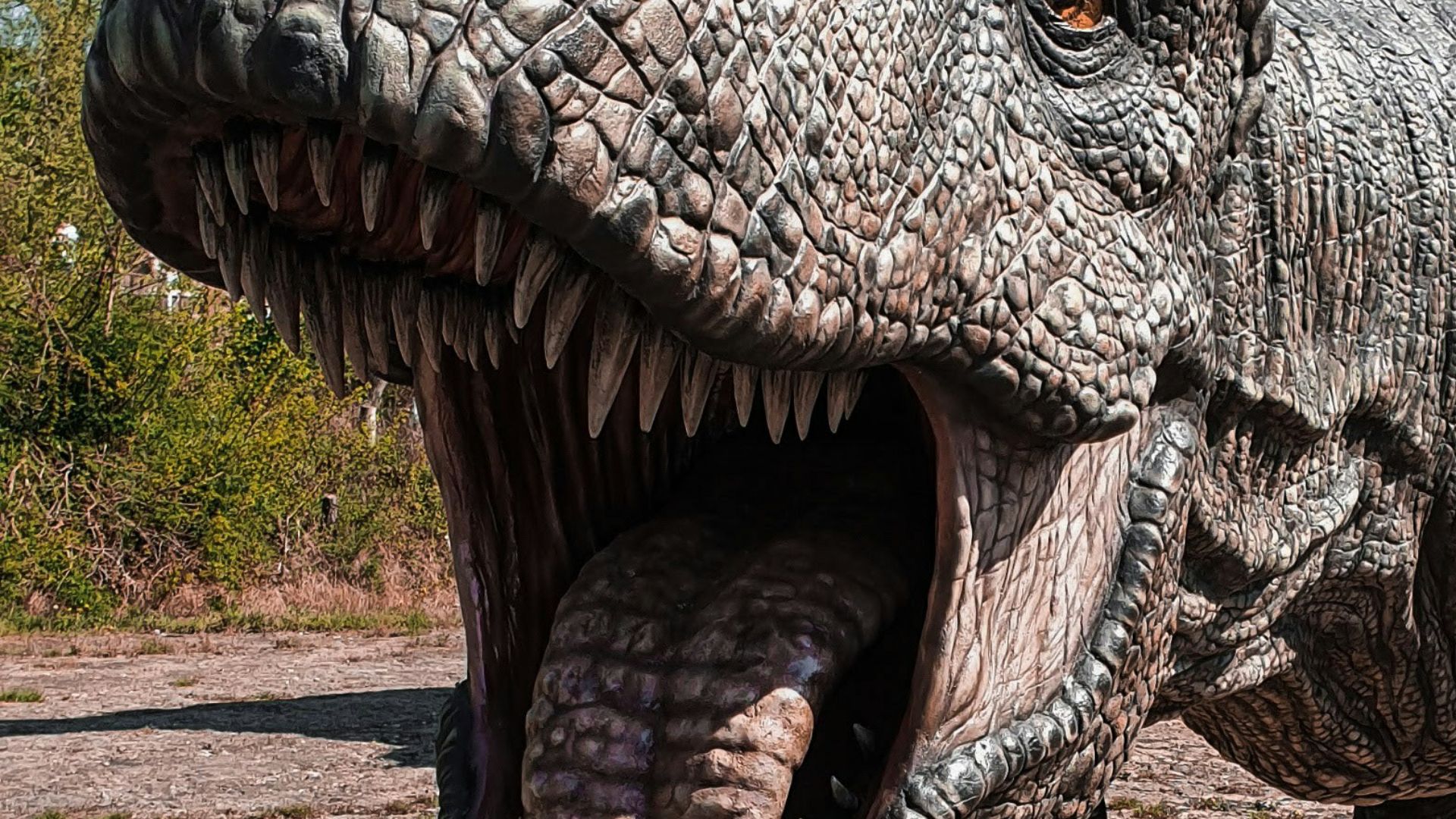
8. Dinosaurs Didn't Walk Like Giant Lizards
Old depictions of dinosaurs have them walking with their abdomens curled up toward their legs, essentially towering over their tails. Dinosaurs actually stood in a more horizontally oriented position. They held their tails off the ground, stood atop stronger, more upright hips, and held their limbs stiffly.
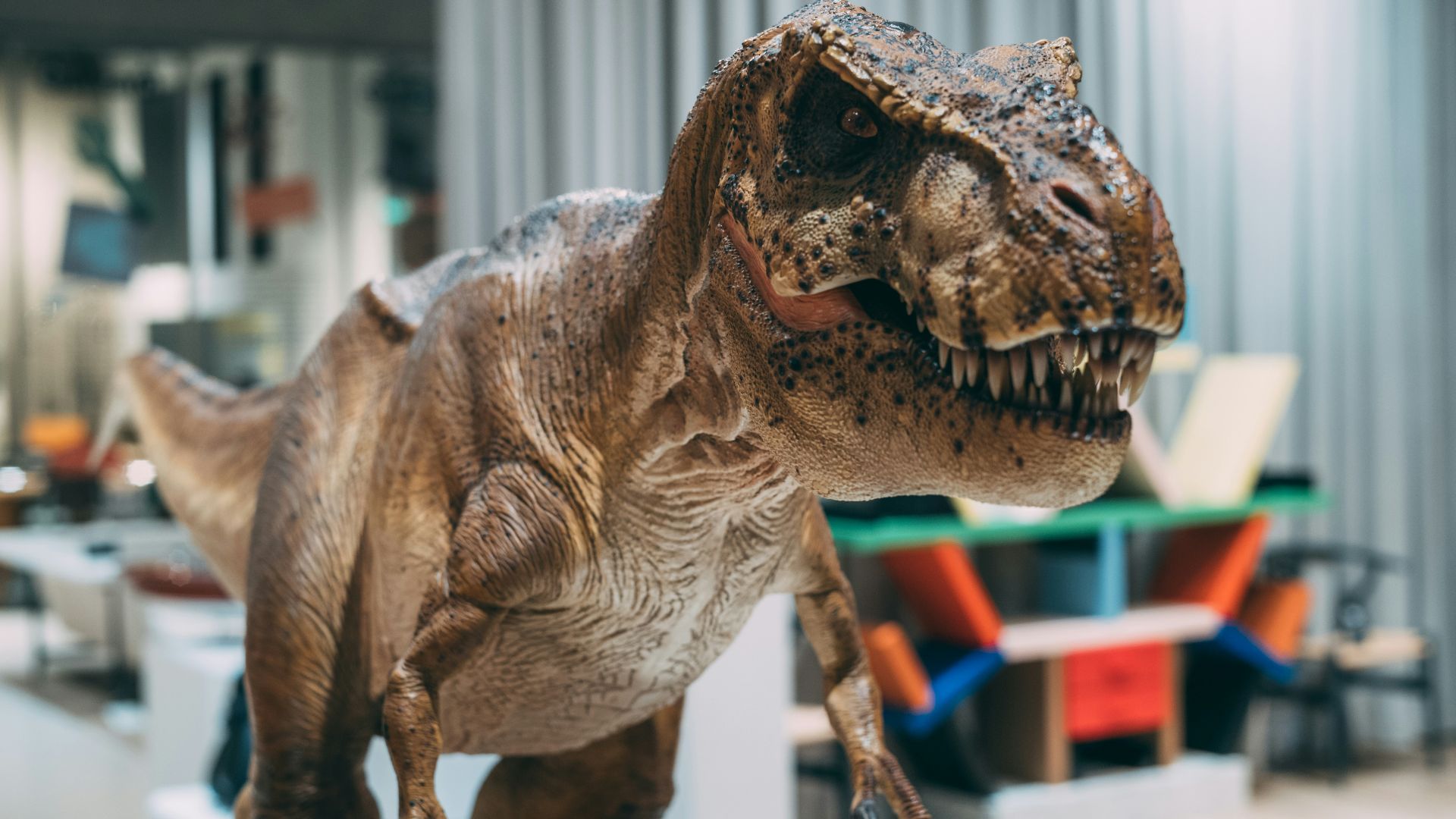
9. The T. Rex Couldn't Necessarily See You If You Stood Still
The idea that T. rex had terrible vision and couldn't see stationary prey has become a popular movie trope. There's no solid reason to believe that freezing in place would magically make a large predator unable to notice you. T. rex had substantial eyes and a skull adapted for powerful sensory capabilities, and studies of its brain and anatomy suggest it wasn't dependent on movement alone to detect its surroundings.
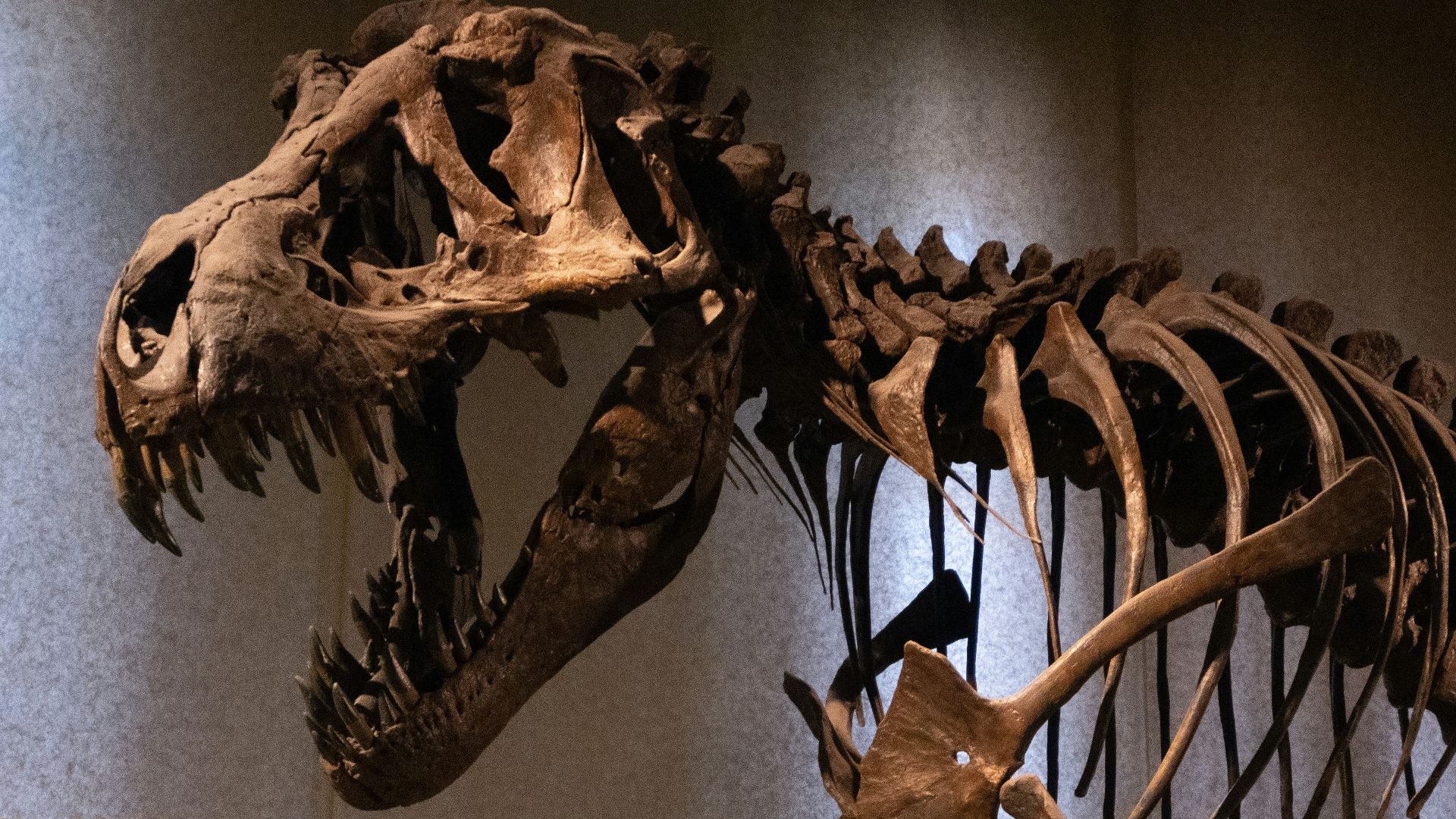
10. Dinosaurs Weren't All Huge
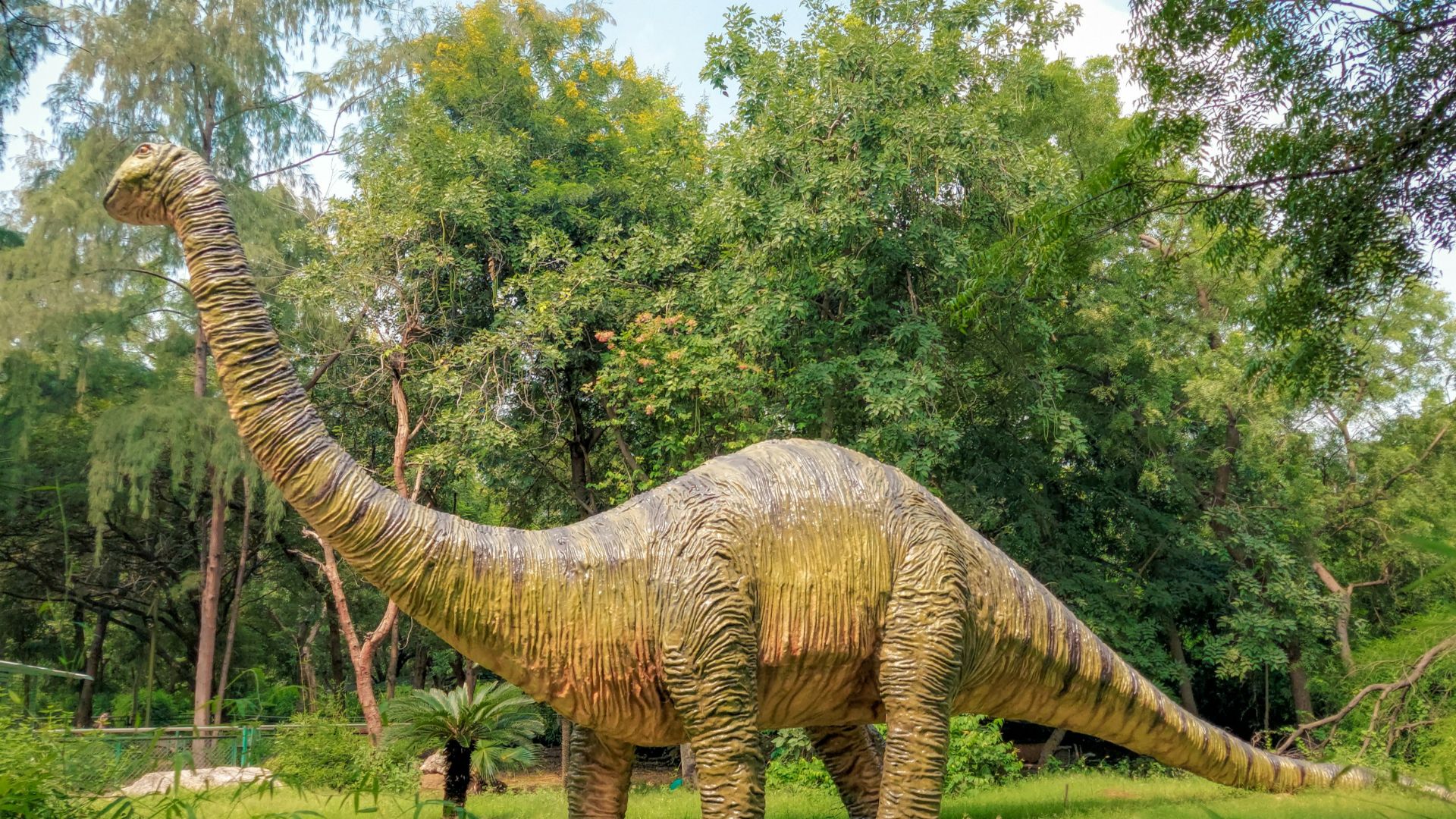
Blockbuster-sized dinosaurs are way more exciting on screen. In reality, dinosaurs ranged from relatively tiny species up to giants many times the size of T. rex. It’s entirely possible to have a historically accurate dinosaur movie featuring nothing but small-to-medium dinosaurs.
11. Herbivores Weren't Completely Harmless
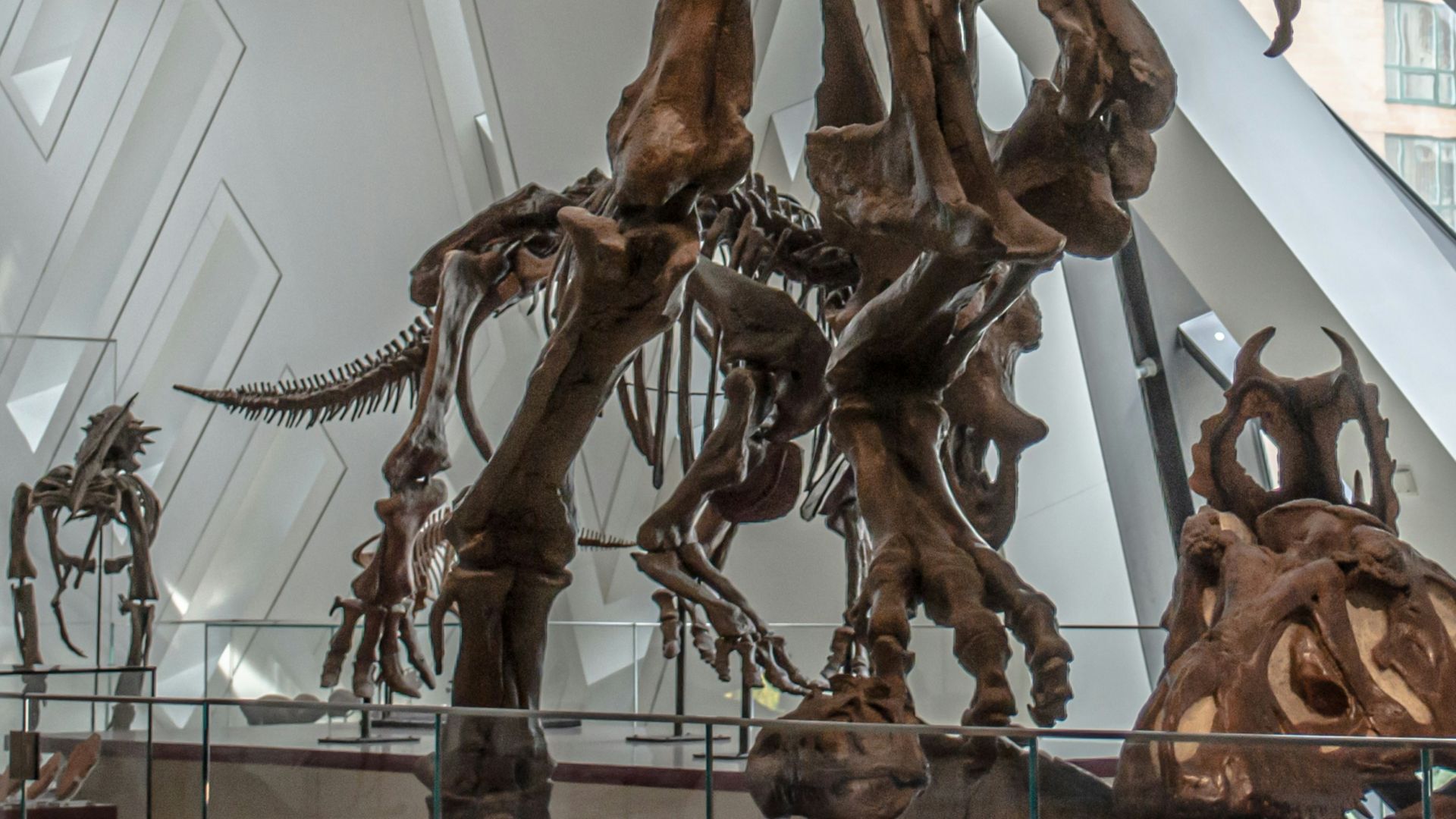
Herbivores wander around calmly, posing little threat beyond their size alone. Large animals can still do significant damage if threatened or provoked, especially if they have young. Many modern herbivores like elephants and rhinos are more than capable of hurting a human.
12. Dinosaurs Didn't Live in a Single "Dinosaur World"
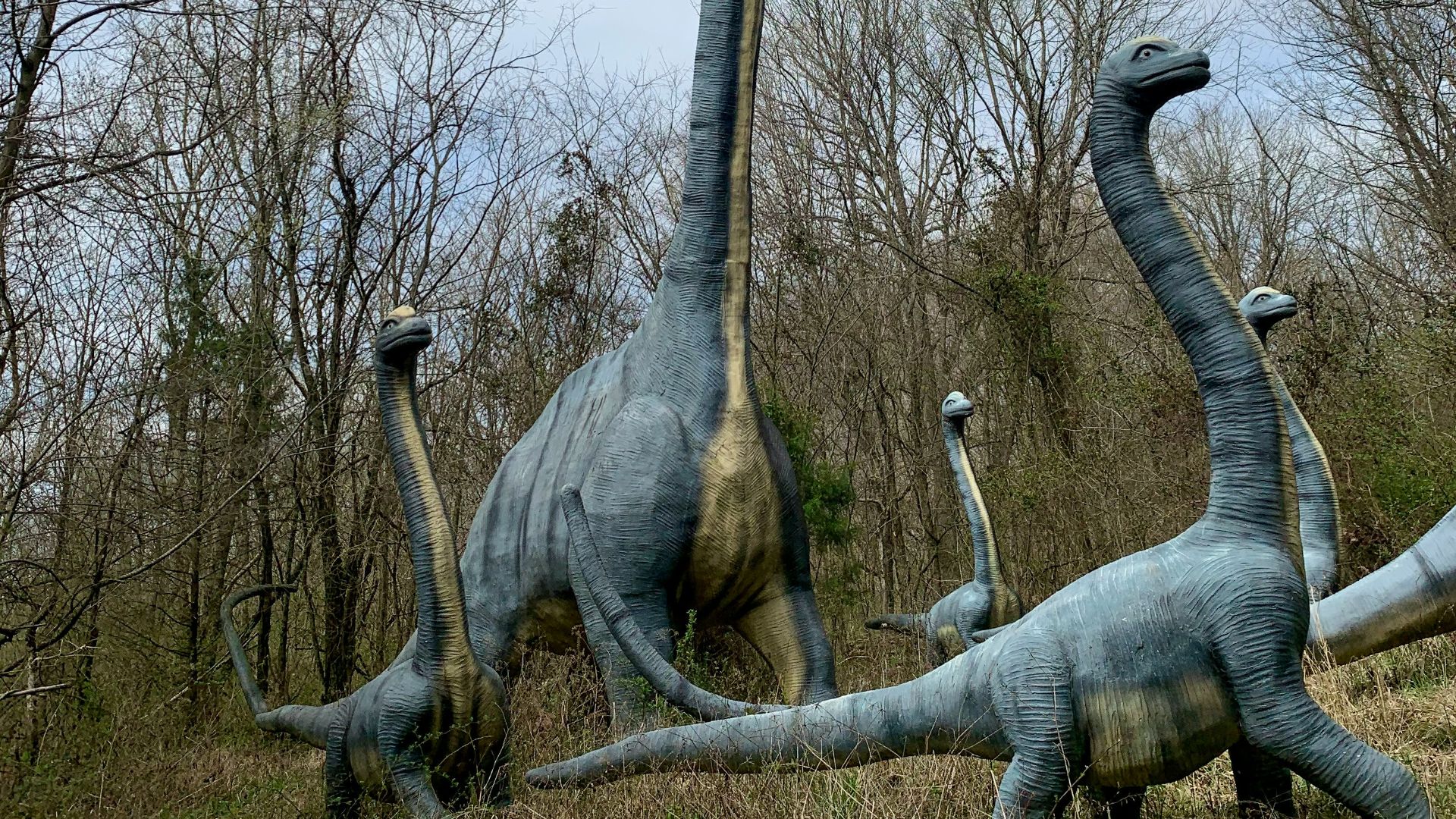
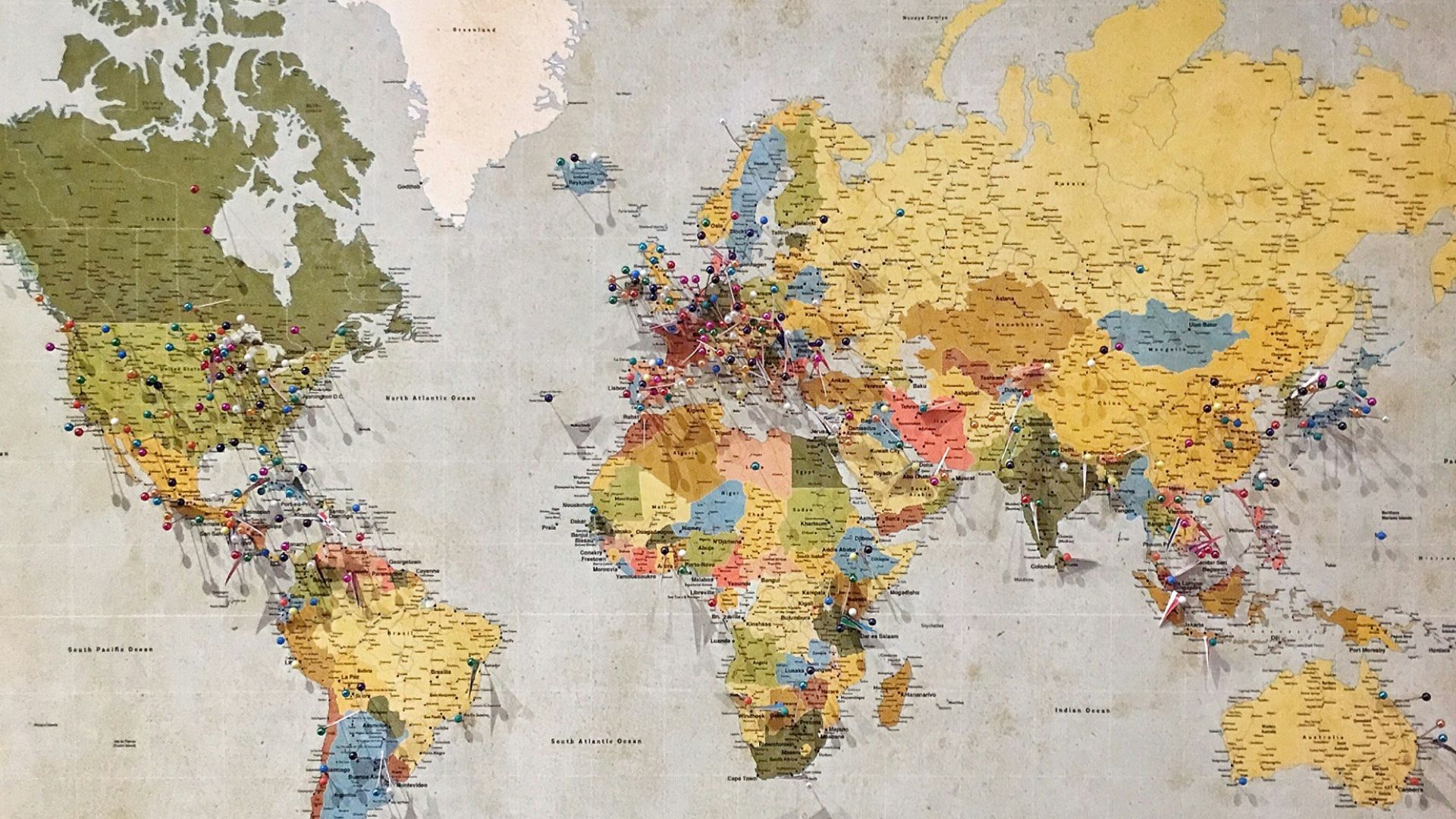
Whenever someone goes looking for dinosaurs in movies, they inevitably end up in a single cohesive world filled with every famous dinosaur species. In reality, different dinosaur species lived in different places across the world. Some species of dinosaur were regional, while others had wider ranges.
13. Fossils Don't Give Us Every Detail
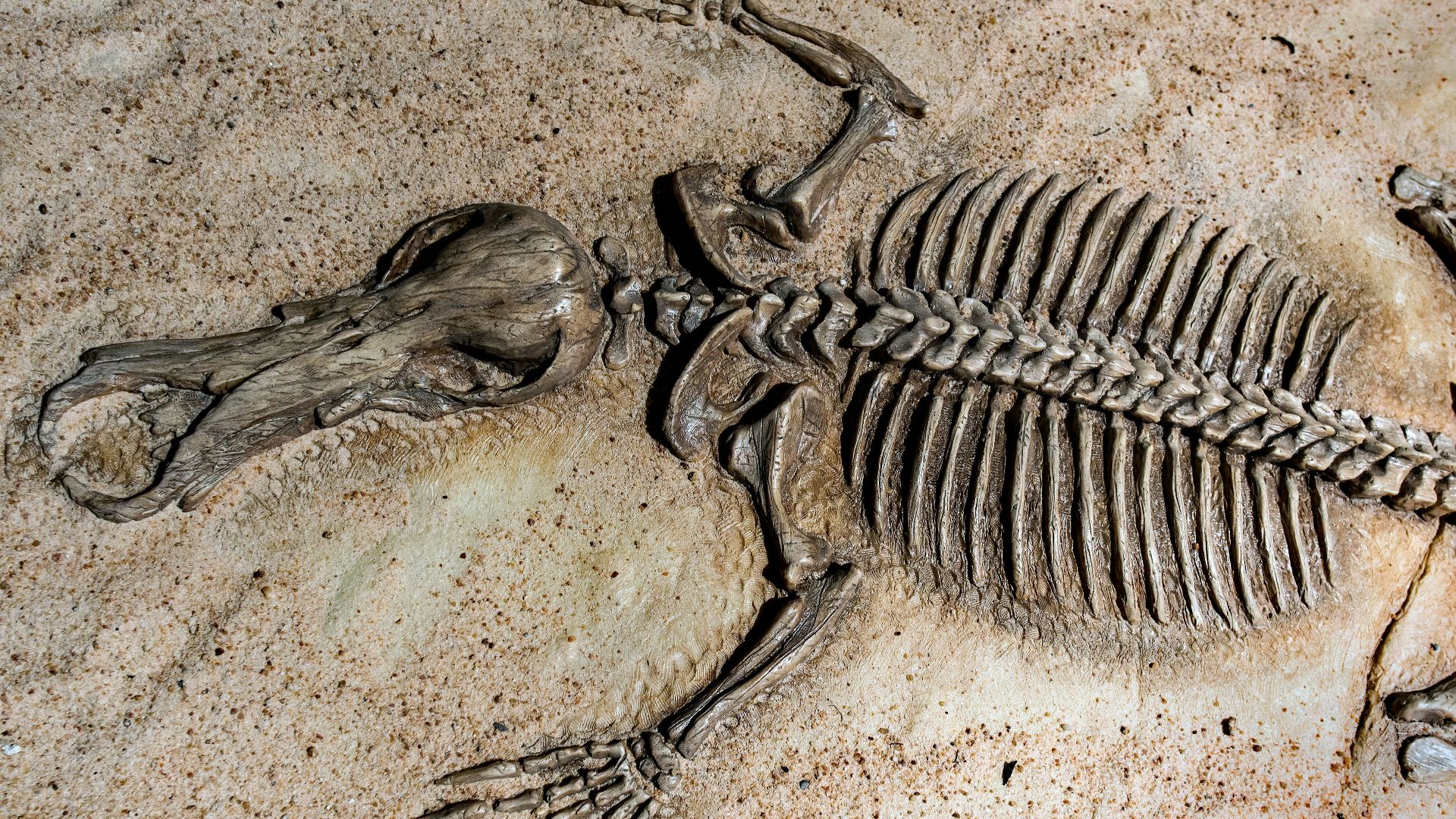
Characters in movies will often pretend to know the most intimate details of a dinosaur’s life from just some fragmentary fossils. Fossils can provide information on anatomy, growth, behavior, injuries, diseases, diet, and more. However, there are still some gaps in the fossil record.
14. Dinosaurs Probably Had More Interesting Colors
You might notice most Hollywood dinosaurs are browns, greens, and grays. It helps filmmakers give prehistoric landscapes a moody, dramatic appearance. Fossilized evidence has revealed colors and patterning for some ancient birds and dinosaurs.
15. Dinosaurs Didn't All Move at the Same Speed
Run too fast and you’re just a rampaging monster. Walk too slow and you might as well be a turtle. Dinosaurs in movies are often guilty of falling into a binary speed category. Real animals’ speeds were dictated by anatomy, environment, and more.
16. Dinosaurs Had More Than One Parenting Strategy
The classic image of dinosaurs as giant reptiles that simply laid eggs and wandered away doesn't fit the evidence for many species. Fossil nesting sites and bone studies provide evidence that some dinosaurs built nests, guarded nesting areas, or cared for young. Different species almost certainly had different reproductive and parenting behaviors.
Fausto García-Menéndez on Unsplash
17. Jurassic Park's "Velociraptors" Were From the Wrong Period
There's an additional problem with Hollywood's famous raptors beyond their size. The actual Velociraptor lived in what is now Mongolia during the Late Cretaceous, while the name "Jurassic" refers to a much earlier geological period. The movie creatures were inspired partly by larger relatives, but the name stuck because it sounded much more dramatic.
18. Dinosaurs Didn't Suddenly Become Extinct
It often looks like the dinosaurs suddenly became extinct without any transitional event. The asteroid-triggered end-Cretaceous extinction was a long process. First, the asteroid struck, causing rapid environmental changes that affected the entire food web and wiped them out during a period of time rather than one day.

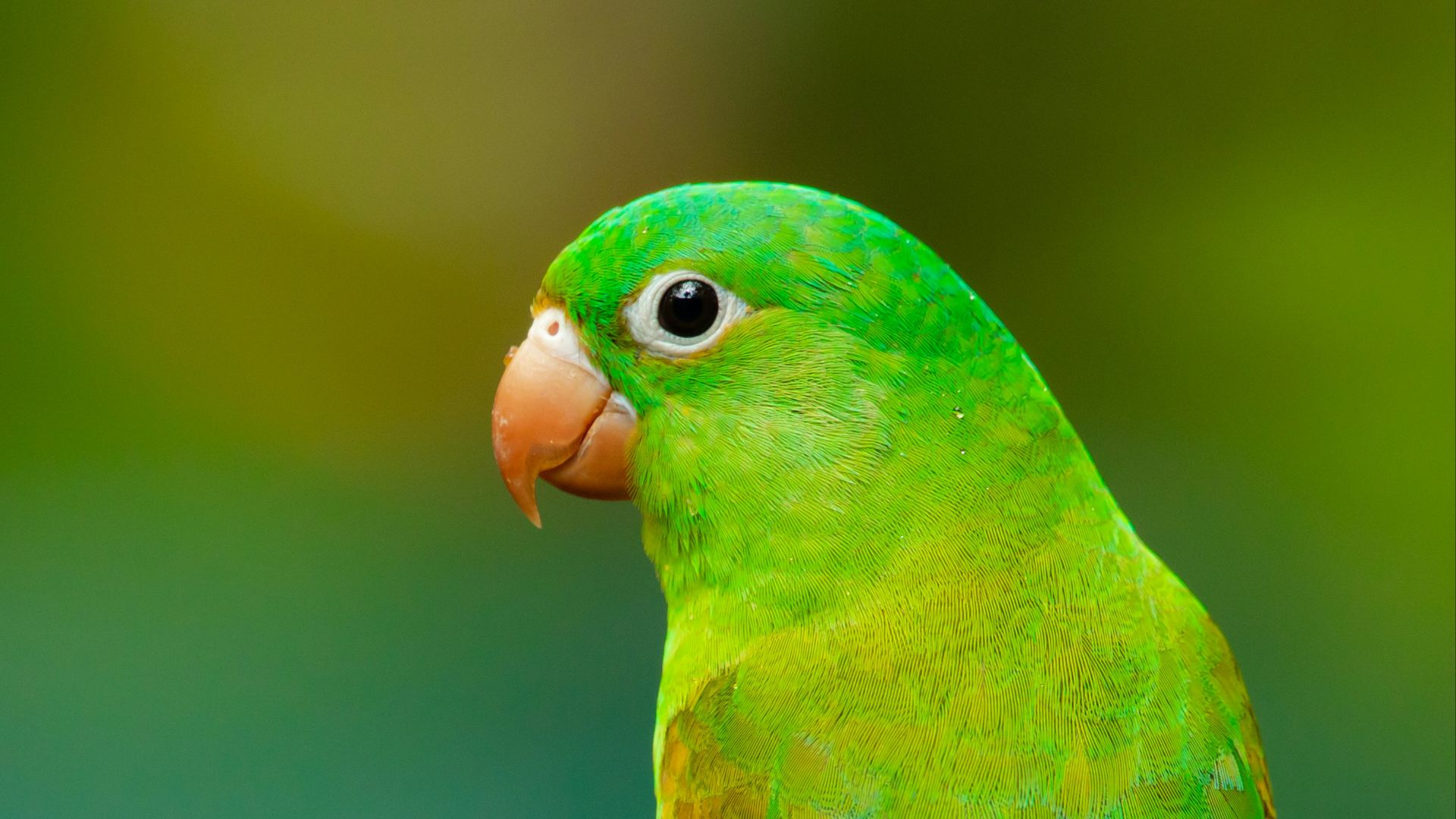
19. Birds Are Dinosaurs
Movies love telling us that birds and dinosaurs are closely related. What they forget to mention is that birds are dinosaurs. Birds are descendants of the theropod line of dinosaurs, meaning they didn’t suddenly appear but evolved from earlier species.
20. Paleontologists Don't Know Everything
Above all else, Hollywood seems to think we know everything about dinosaurs already. Movies will casually put information into the mouths of characters that real experts don’t know. While paleontology does have established facts, plenty of questions remain.
KEEP ON READING