The Real Stories Behind the Myth
Most of what people think they know about Vikings comes from movies, and movies love a good exaggeration. The real history turns out to be stranger than the horned helmets and constant pillaging most of us grew up picturing. Some of it reads like a myth someone made up for a documentary, and yet the record backs it up again and again. Archaeologists keep digging up details that don't fit the stereotype at all, from bathing habits to eyeliner. Here's 20 facts about the Vikings that sound made up but hold up under a closer look.
1. Bath Day Was a Weekly Ritual
The Old Norse word for Saturday, laugardagr, translates roughly to bathing day, and Vikings took that literally. Regular bathing was common enough that Icelandic still calls Saturday laugardagur today, centuries later. Compared to a lot of medieval Europe, that level of hygiene was unusual.

2. Viking Women Could Own Property and Ask for Divorce
Norse law gave women rights that were rare for the era, including the ability to own property and request a divorce if a marriage wasn't working. That last part surprises people the most, since divorce initiated by a woman was almost unheard of elsewhere in medieval Europe. It didn't mean full equality, but it put Norse women well ahead of their neighbors on paper.
 Gunnar Ridderström on Unsplash
3. They Reached North America Five Centuries Before Columbus
A Viking settlement at L'Anse aux Meadows in Newfoundland dates back to around the year 1000, roughly 500 years before Columbus ever set sail. It's the only confirmed Norse site in North America, complete with the remains of turf buildings and iron tools. The sagas hinted at a place called Vinland for centuries before archaeologists finally found the proof.
4. Some Warriors Were Women
A well-known Viking Age grave in Birka, Sweden, was buried with a full set of weapons and once assumed to belong to a male warrior simply because of what was inside it. DNA testing in 2017 confirmed the skeleton was female. Historians still debate exactly what her role in battle looked like, but the burial itself has forced a rethink of who Viking warriors actually were.

5. Vikings Wore Eyeliner
An Arab traveler named Ahmad ibn Fadlan, who encountered Norse traders along the Volga River in the 10th century, wrote that both men and women lined their eyes with a dark cosmetic. The look wasn't just decorative in his account, it read as a marker of status. It's a detail that doesn't fit the rugged-warrior image most people carry around.
6. Their Ships Could Raid Deep Inland
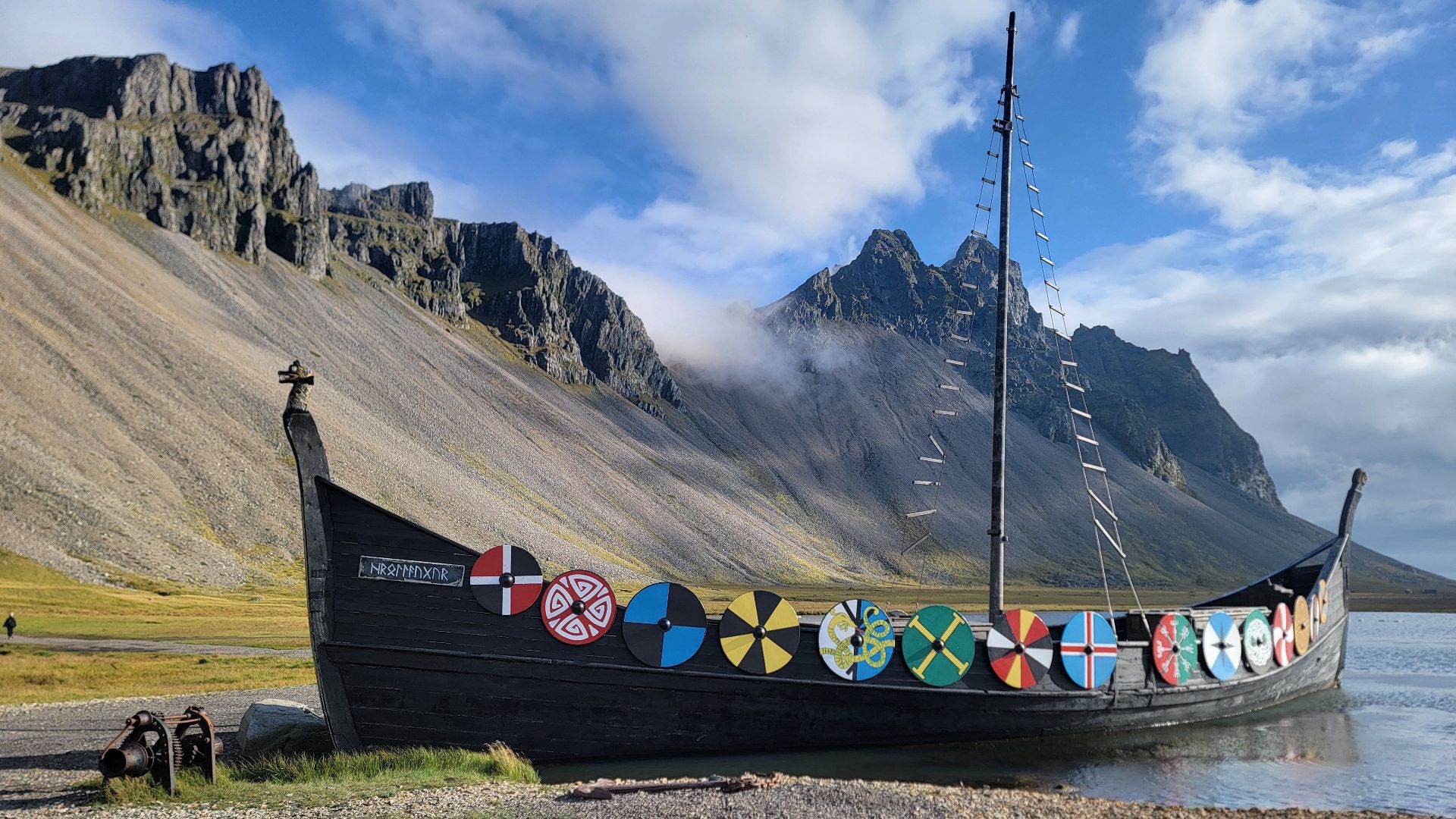
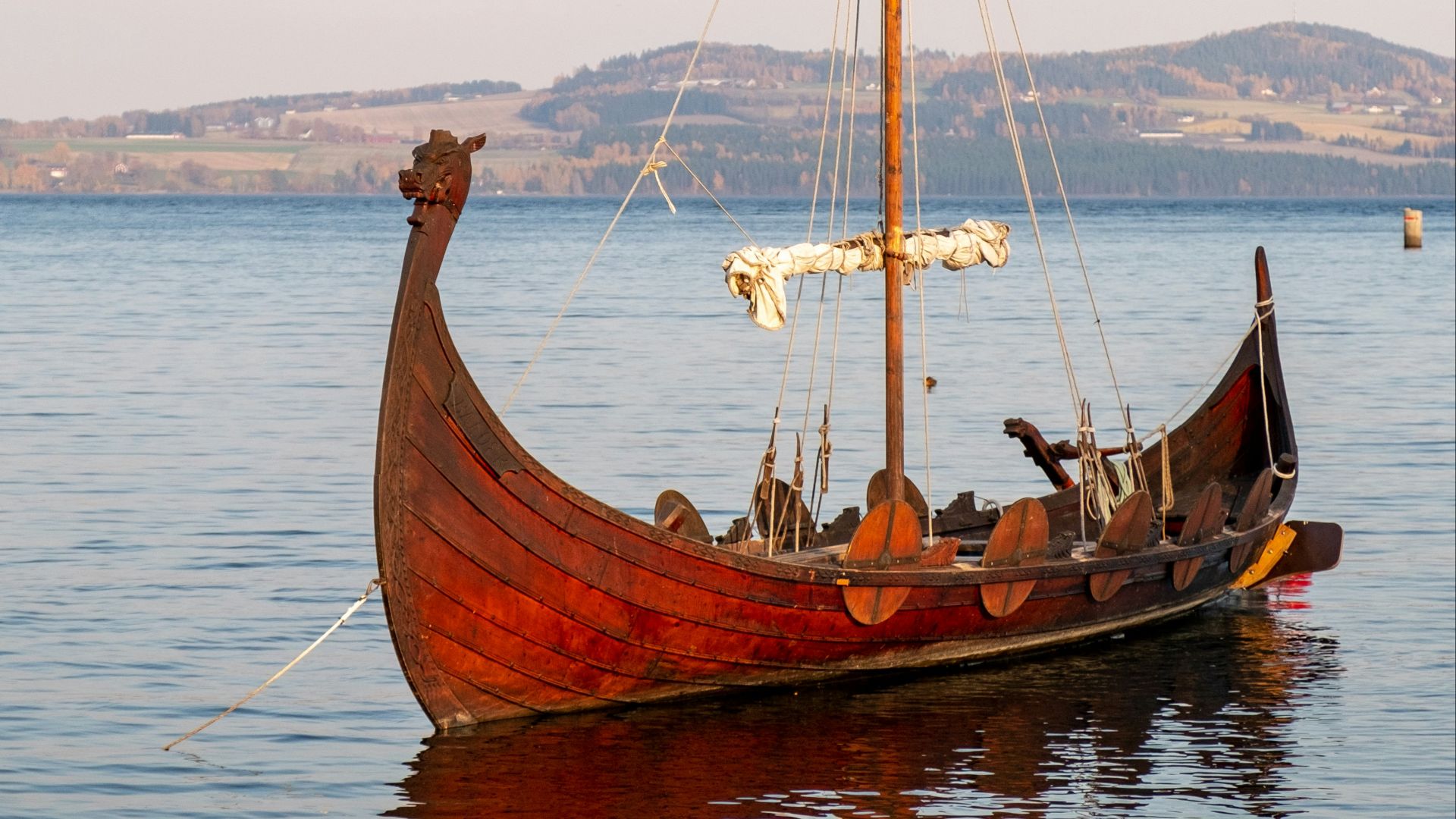
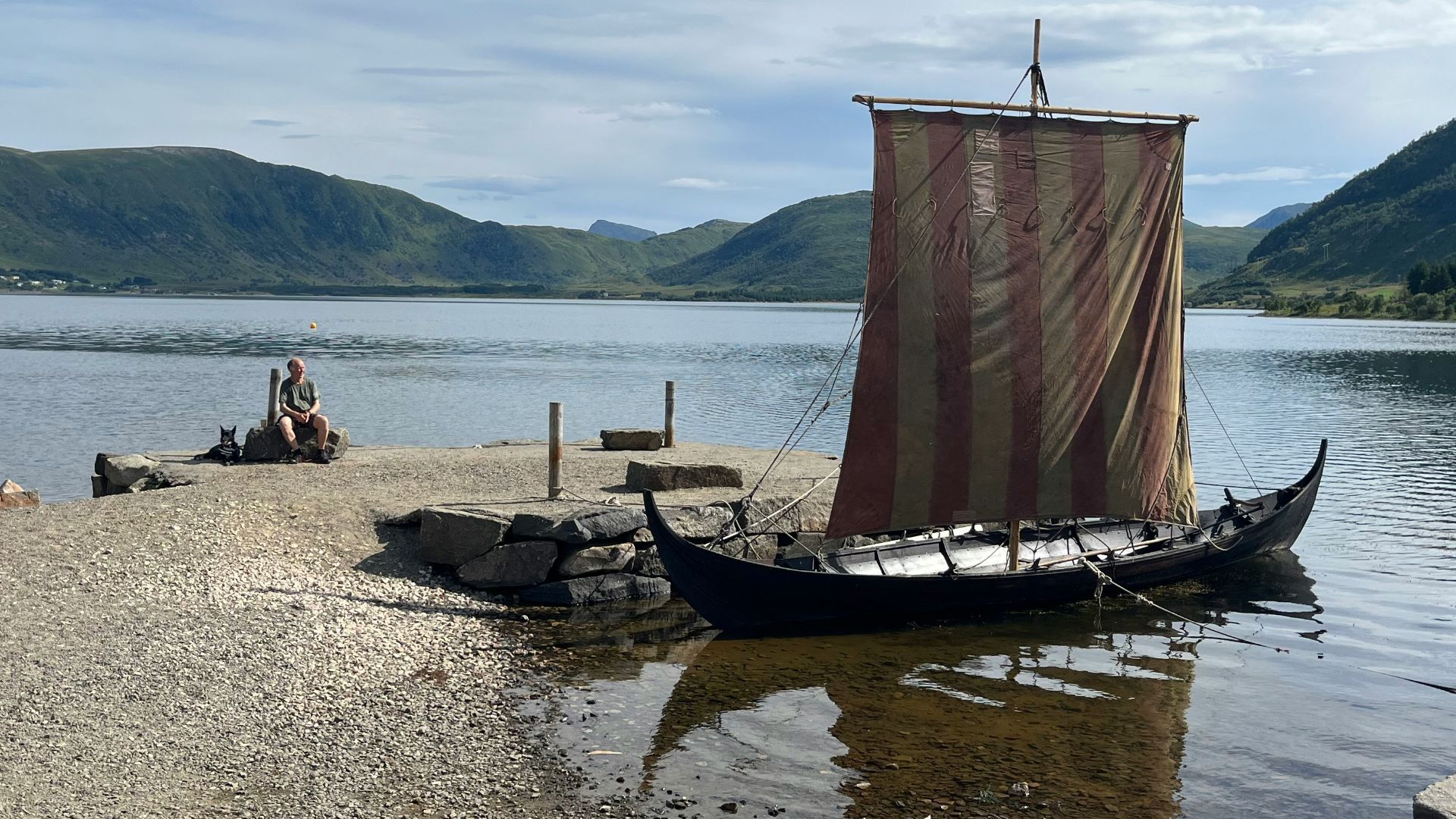
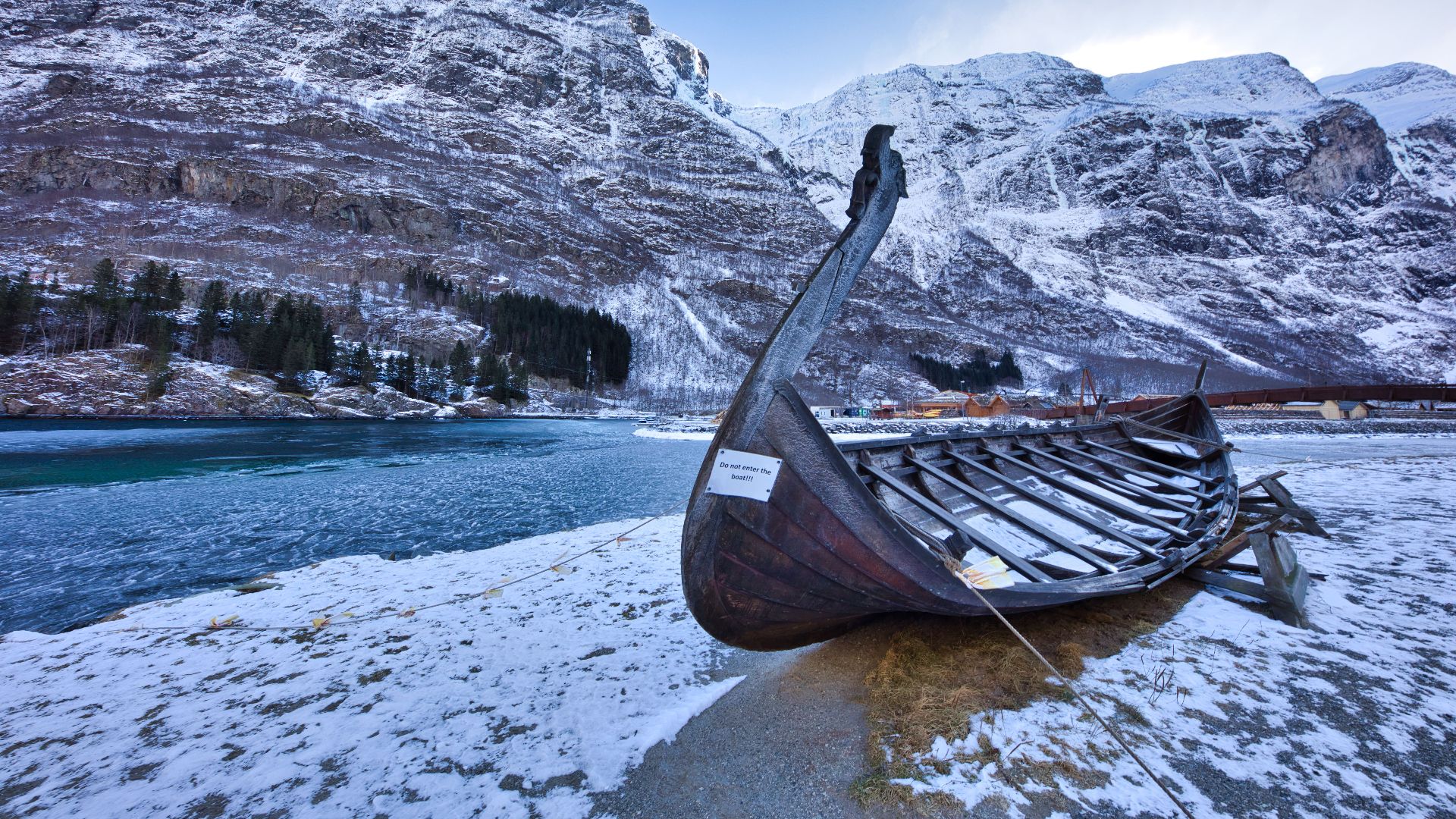
Viking longships had a shallow enough draft to sail up rivers, not just across open ocean, which let raiding parties strike cities that felt impossibly far from the coast. Paris was attacked this way in 845, and Seville saw a Viking raid come up the Guadalquivir River. The design that made Viking ships famous on the open sea is the same one that let them show up almost anywhere with a river.
7. Berserkers Fought in a Trance
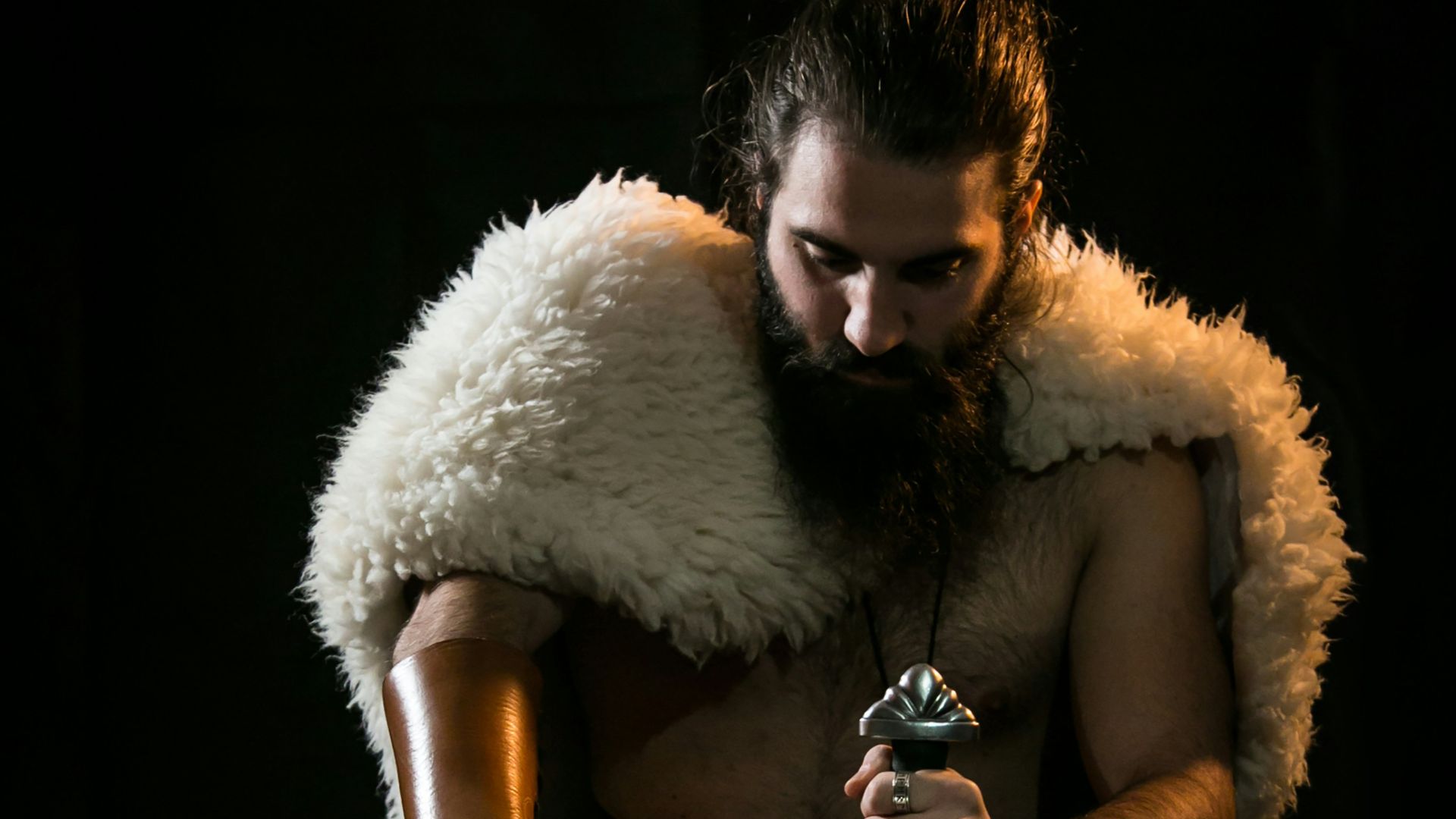
The word berserker likely comes from an Old Norse term meaning bear-shirt, describing warriors who worked themselves into a frenzied state before battle. Accounts describe them fighting without armor and seemingly immune to pain in the moment. Historians still argue over whether the trance came from ritual or pure adrenaline, but the reputation stuck either way.
8. Iceland's Parliament Is Over a Thousand Years Old
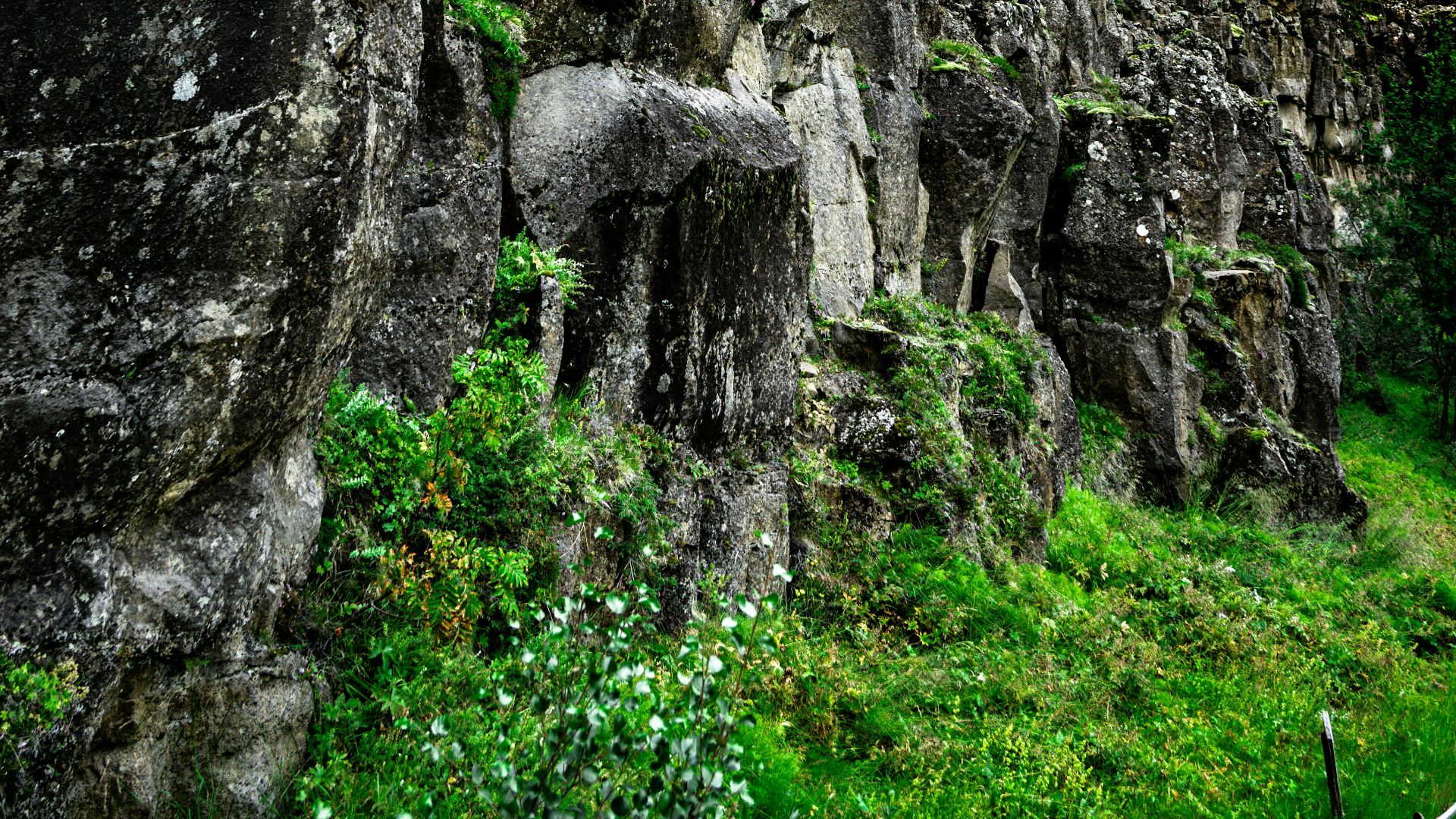
The Althing, founded in Iceland in 930, is one of the oldest parliamentary institutions still in existence anywhere in the world. Free men gathered once a year at Thingvellir to settle disputes and hear laws read aloud. It ran for centuries before Iceland had a king to answer to.
9. They May Have Navigated With Sunstones
Icelandic sagas mention a sólarsteinn, or sunstone, used to locate the sun's position even through heavy cloud cover. Modern experiments with calcite crystals have shown the method could actually work, using the way the mineral polarizes light. Whether it was common practice or a rare trick, it points to navigation skills well beyond guesswork.
10. Grooming Was Basically a Competitive Sport
Combs, tweezers, and ear cleaners show up constantly in Viking graves, more often than weapons in some cases. A medieval English writer complained that Danish men combed their hair daily and bathed every Saturday, and that English women found it a little too appealing. Vanity, it turns out, was part of the culture.

11. They Ice Skated on Bones
Vikings strapped carved animal bones to their feet and used poles to push themselves across frozen lakes and rivers, an early form of skating built for speed over style. Archaeologists have found these bone skates at sites across Scandinavia. It was practical winter transportation long before anyone thought to put a metal blade on a boot.
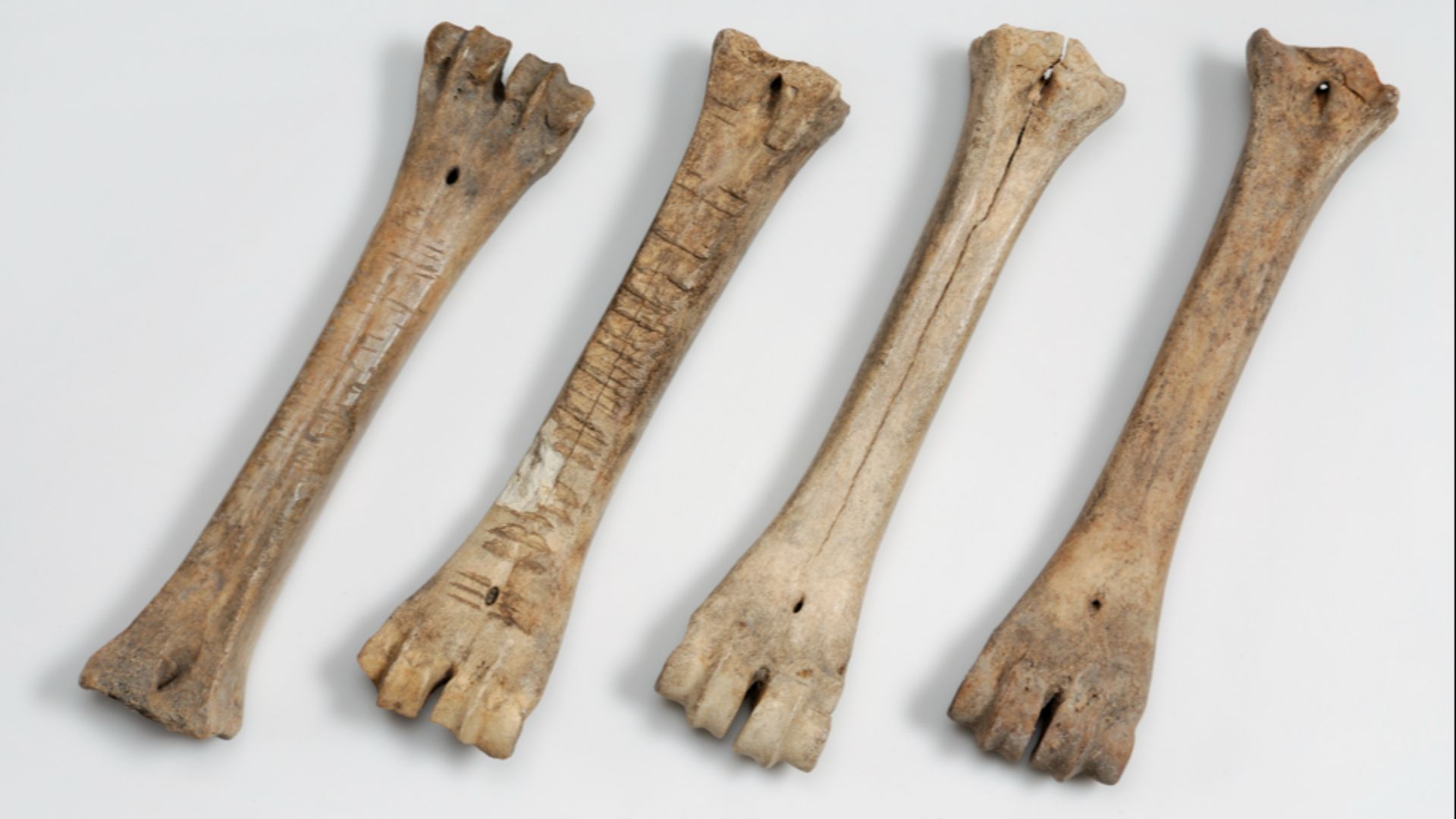 The Swedish History Museum, Stockholm from Sweden on Wikimedia
12. They Played a Strategy Game Called Hnefatafl
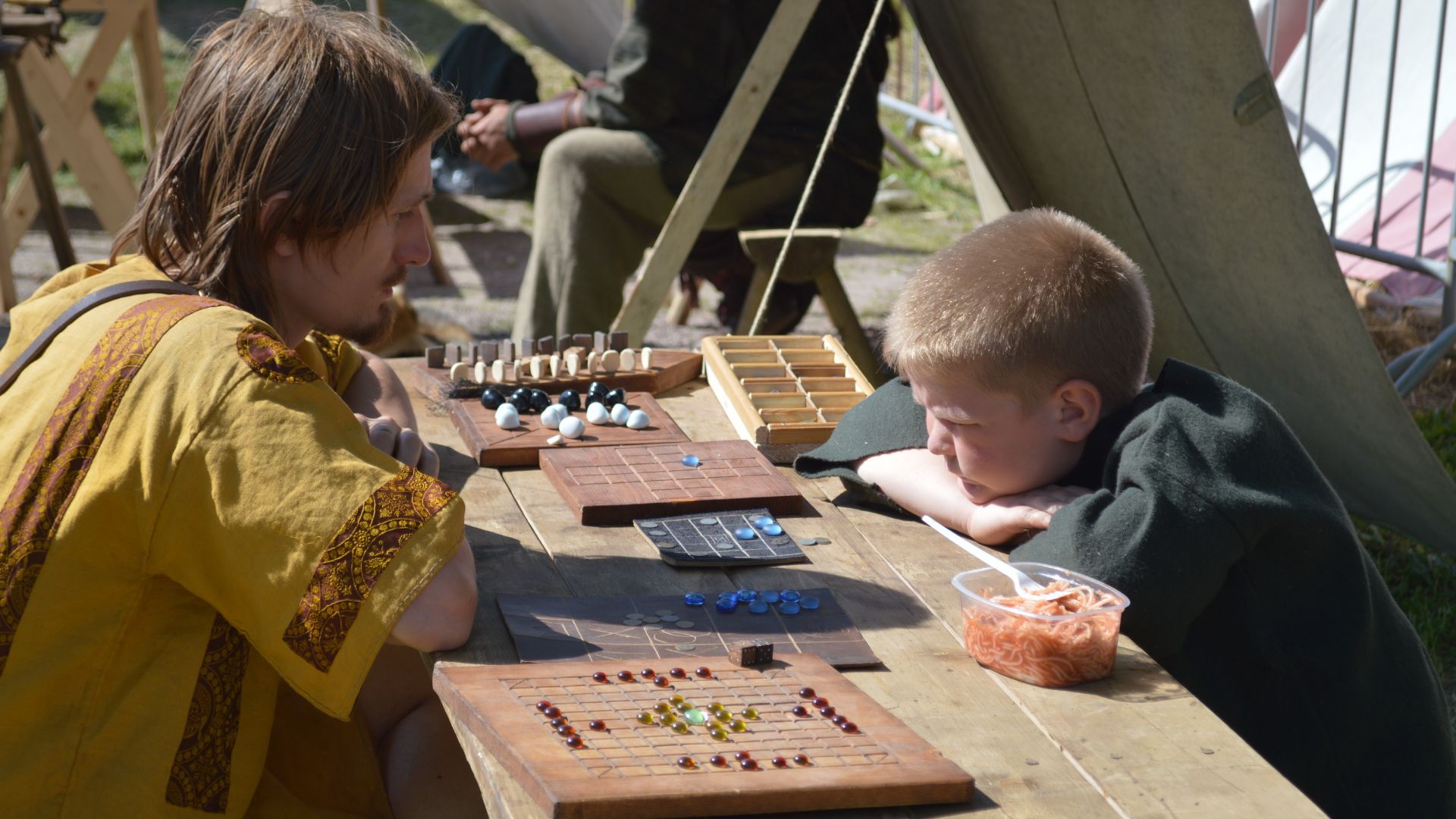
Hnefatafl, sometimes called King's Table, was a board game where one side defended a king piece and the other side tried to capture it. Boards and pieces have turned up in graves across the Viking world, suggesting it was popular enough to bury alongside the dead. It predates chess in Scandinavia by a wide margin.
13. Their Trade Routes Reached Baghdad
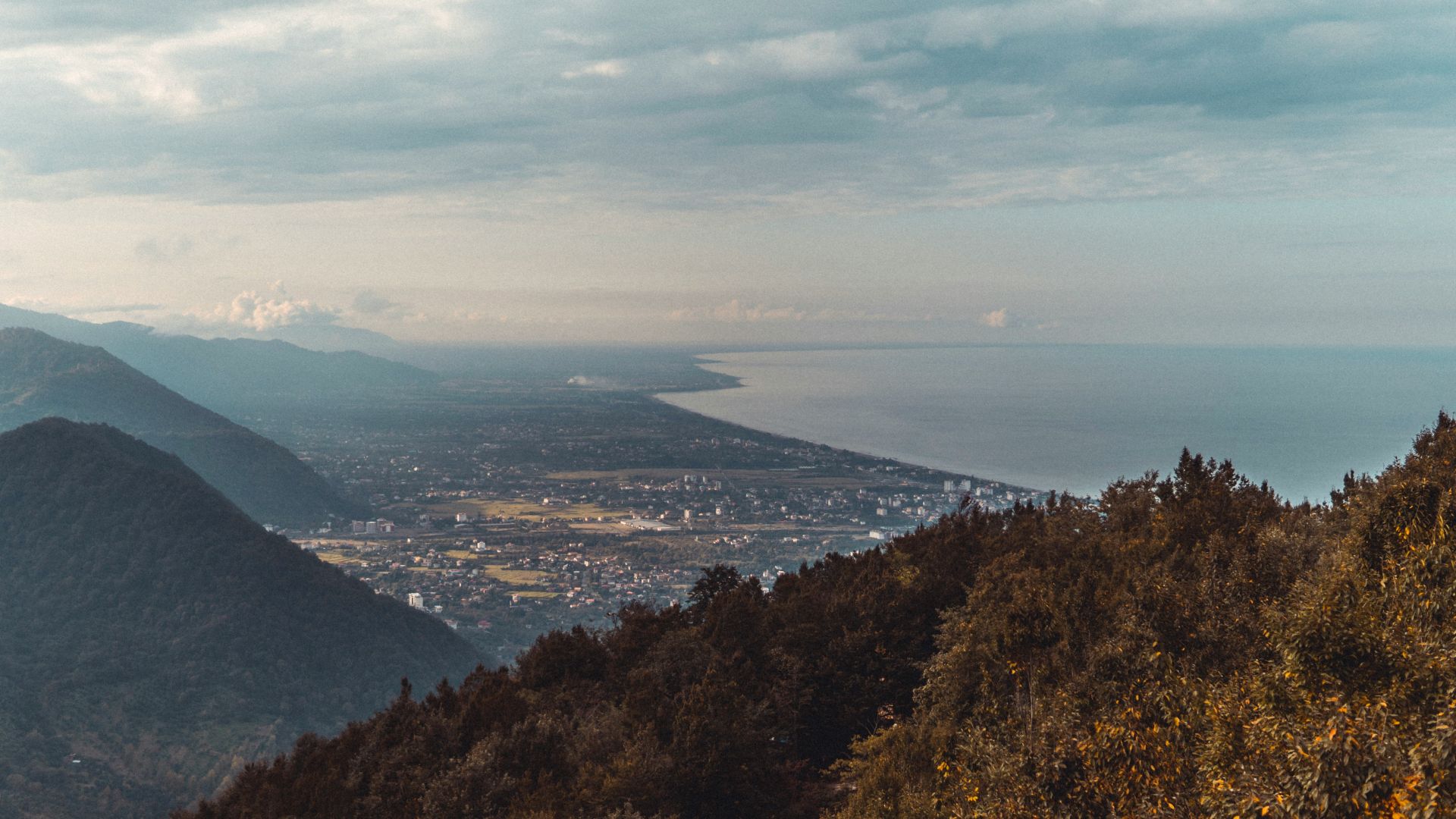
Viking traders followed river routes through Russia all the way to the Caspian Sea, bringing back Arab silver coins by the thousands. Gotland alone has produced more Islamic silver dirhams than almost anywhere else in the Viking world. Raiding gets all the attention, but trading was just as central to how Vikings actually made a living.
14. Some Served as the Byzantine Emperor's Bodyguards
The Varangian Guard was an elite unit of Norse warriors who served as personal bodyguards to the Byzantine emperor in Constantinople. Serving in the guard was seen as a path to serious wealth, and men traveled from Scandinavia specifically to join it. Runic graffiti carved by guard members has even been found scratched into monuments as far away as the Hagia Sophia.
15. Some Swords Were Signed
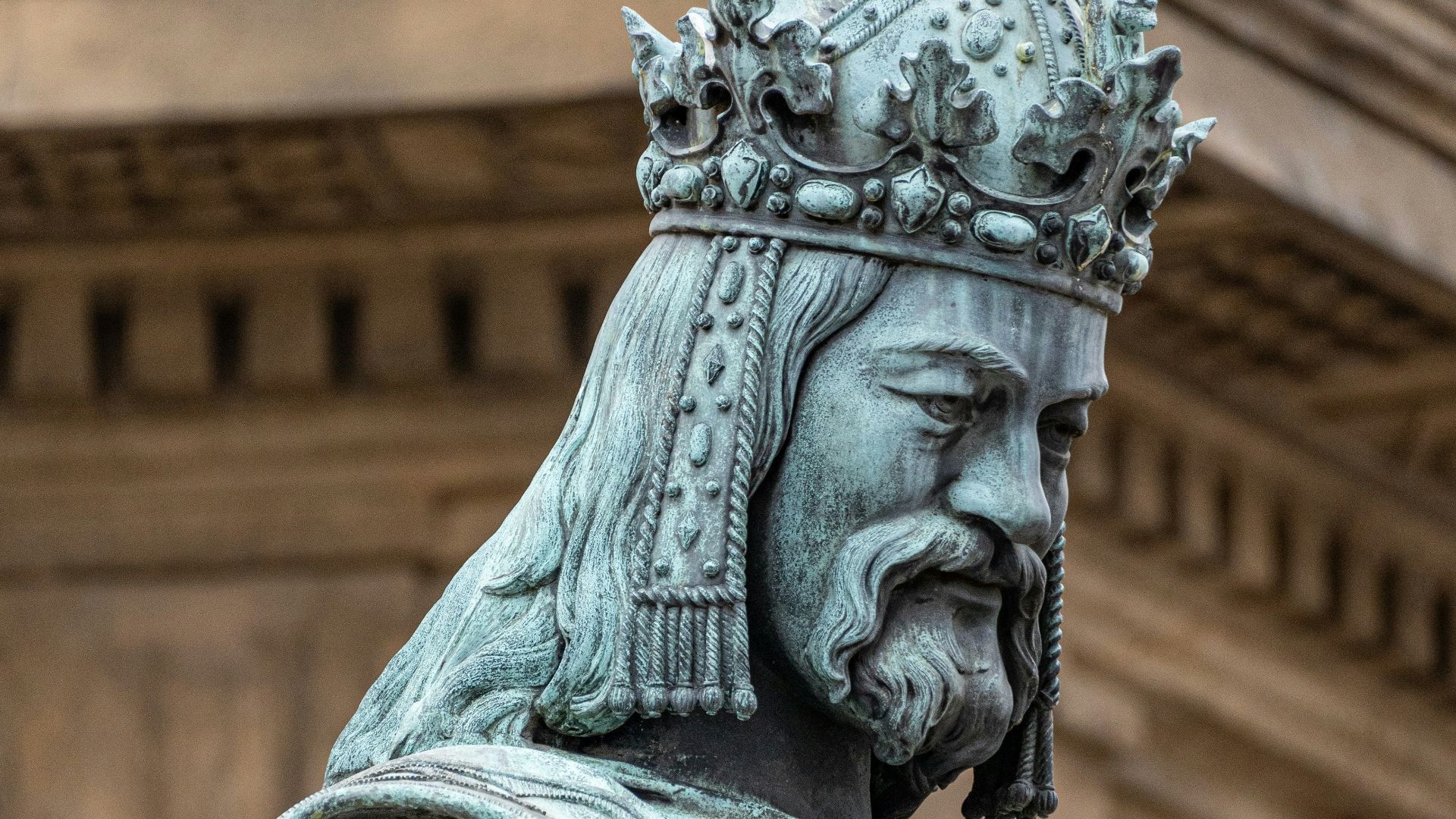
A group of Viking Age swords bear the inscription Ulfberht, made from steel far purer than what most European smiths could produce at the time. Researchers believe the raw material may have come from crucible steel imported through Islamic trade networks. Owning one would have been the medieval equivalent of a status symbol.
16. Local Assemblies Settled Disputes Democratically
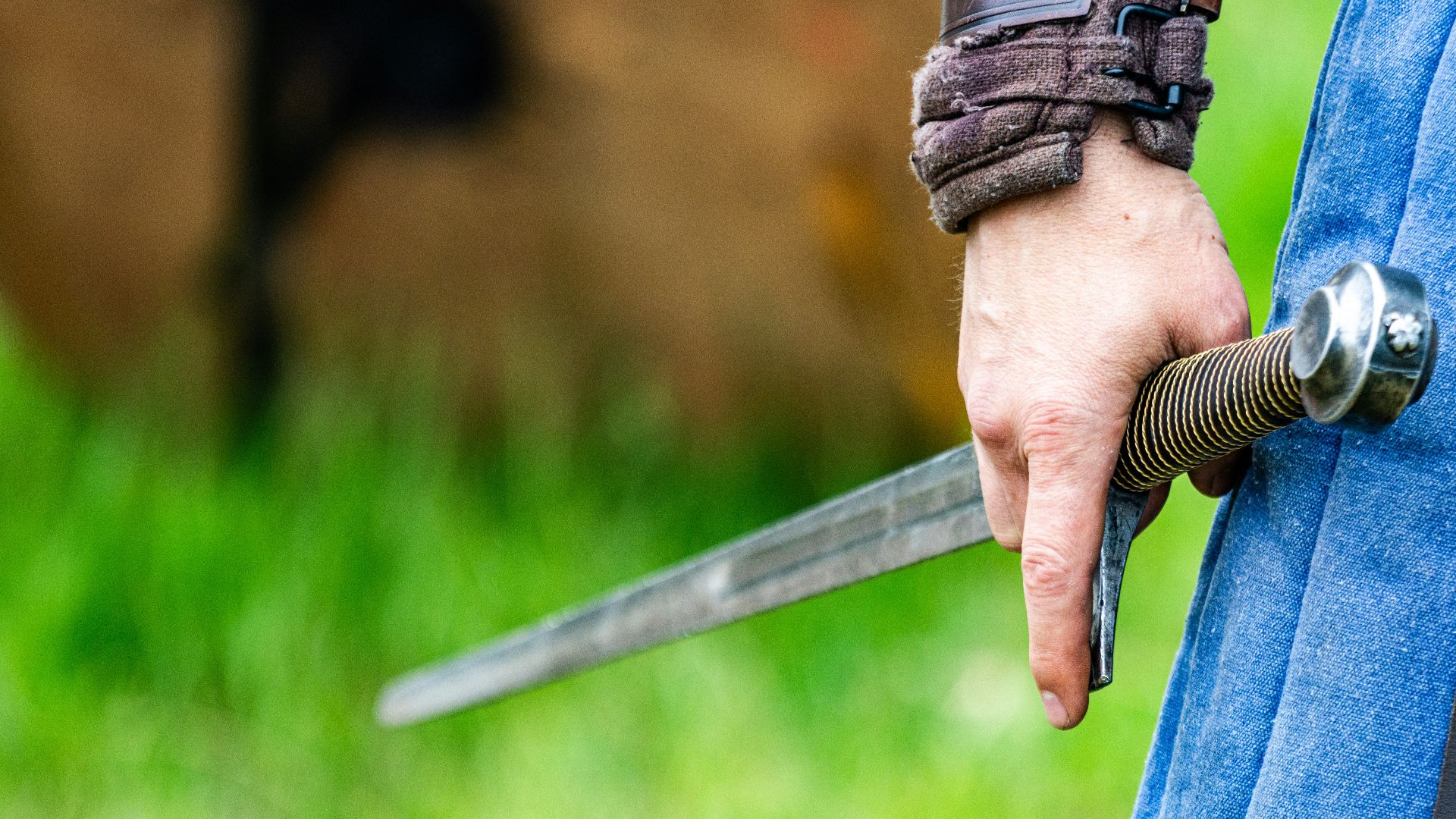
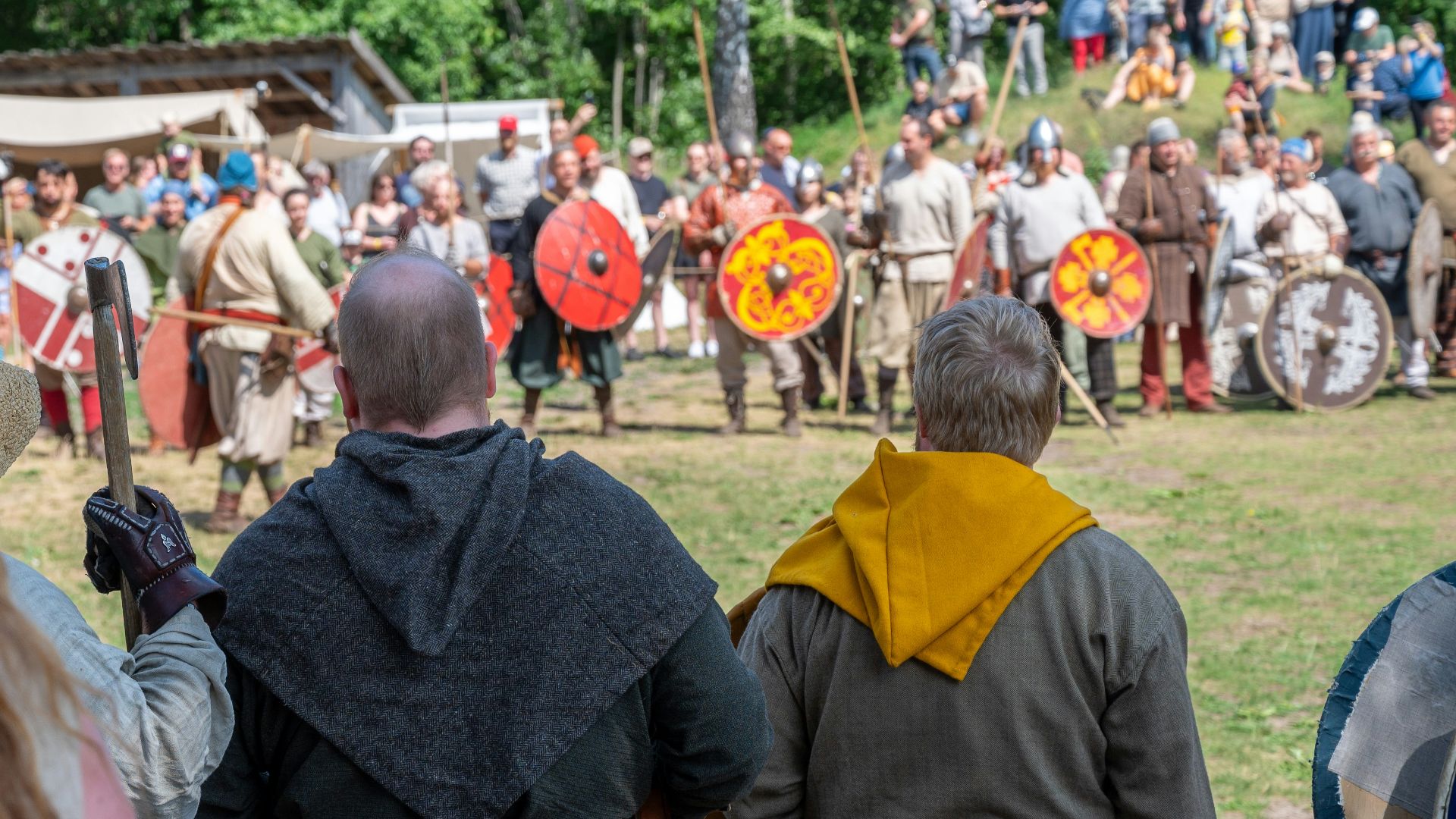
Beyond Iceland's Althing, smaller regional assemblies called Things met regularly to resolve conflicts and set local rules. Free men could speak and argue their case directly, rather than leaving every decision to a chieftain. It wasn't democracy in the modern sense, but it gave ordinary people a real voice.
 Gunnar Ridderström on Unsplash
17. Some Vikings Filed Grooves Into Their Teeth
Skeletons from Viking Age Sweden have turned up with deliberate horizontal grooves filed into their front teeth. Researchers still debate the exact reason, whether it signaled status or something closer to intimidation. Either way, it's one of the more startling details to come out of Viking Age dentistry.
18. "Viking" Was a Job, Not an Identity
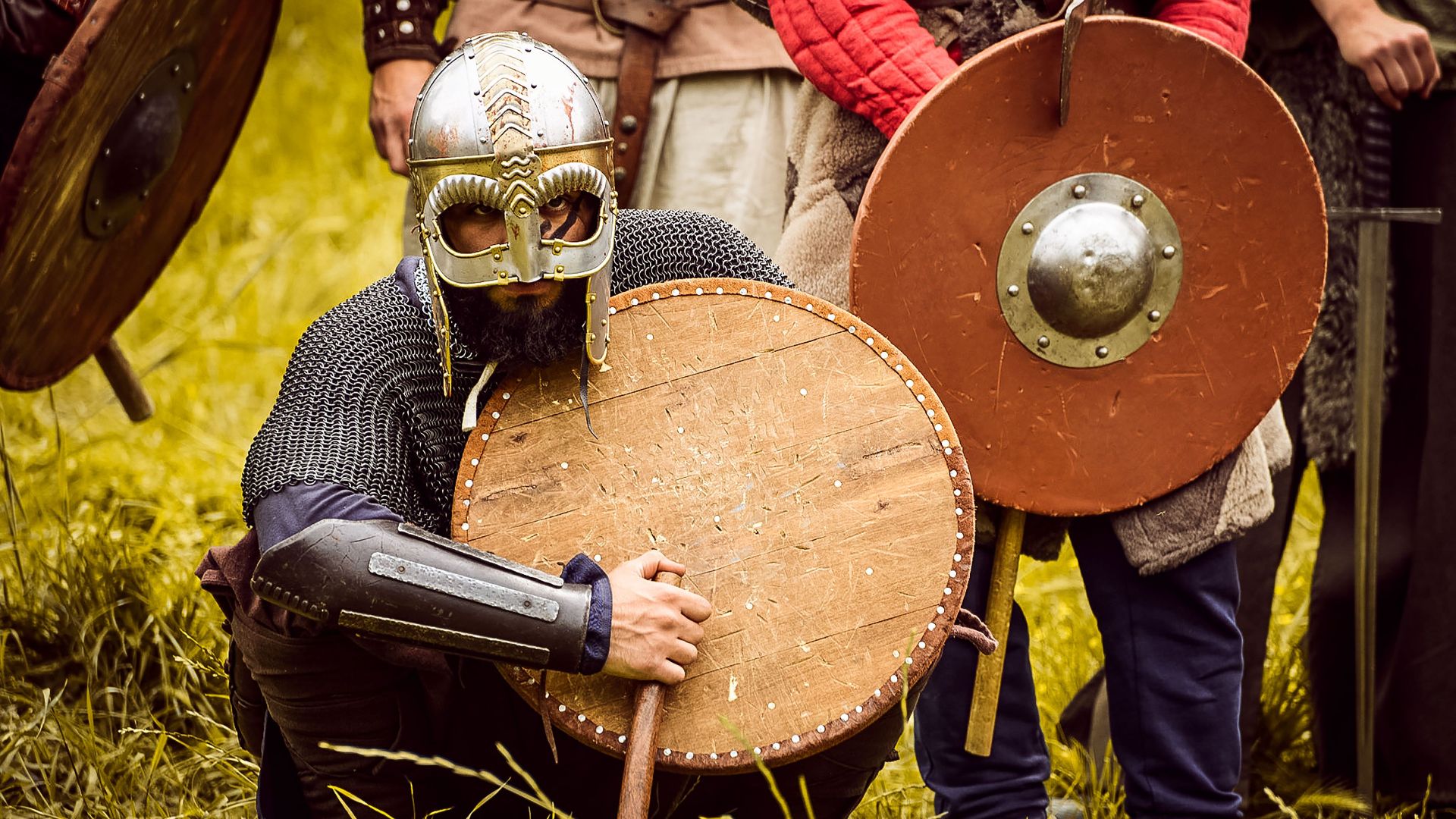
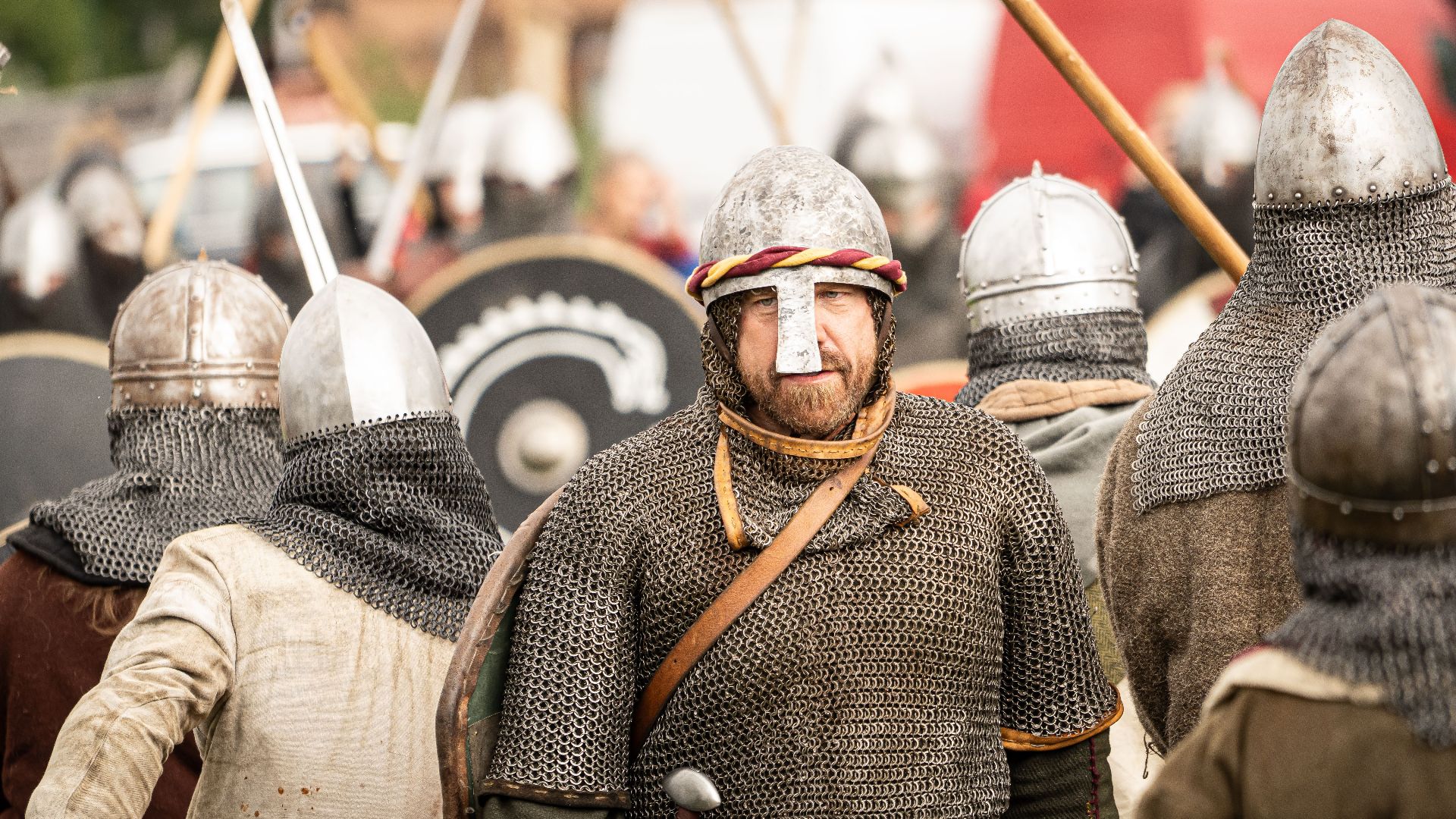
The word originally described an activity, going raiding or trading overseas, not a fixed ethnic group or lifestyle. Most Norse people during the period were farmers, fishermen, and craftspeople who never left home. Only a portion of the population actually went "viking" at any given time.
19. They Wore More Color Than People Assume
Textile fragments recovered from Birka include imported silk and bands woven with silver and gold thread, a far cry from the drab furs Vikings get portrayed in. Dye analysis on preserved cloth has picked up reds and blues, hardly the muted tones most people picture. Status was clearly on display through clothing, not just weapons.

20. A Ship Burial Revealed High-Status Women
The Oseberg ship, unearthed in Norway in 1904, held the remains of two women buried with an extraordinary collection of grave goods, from an elaborately carved sledge to a ceremonial cart. The scale of the burial suggests at least one of them held real social standing. It remains one of the richest Viking Age discoveries ever found.
KEEP ON READING