A Vacant Throne Could Change Societies
For much of history, the death of a ruler created problems far beyond arranging a funeral and choosing a successor. Unclear inheritance rules, rival claimants, disputed loyalties, and foreign ambitions could turn a death into civil war, invasion, or a complete change of government in short order. From ancient empires to modern states, here are 20 deaths that triggered immediate political chaos and dramatically altered what happened next.
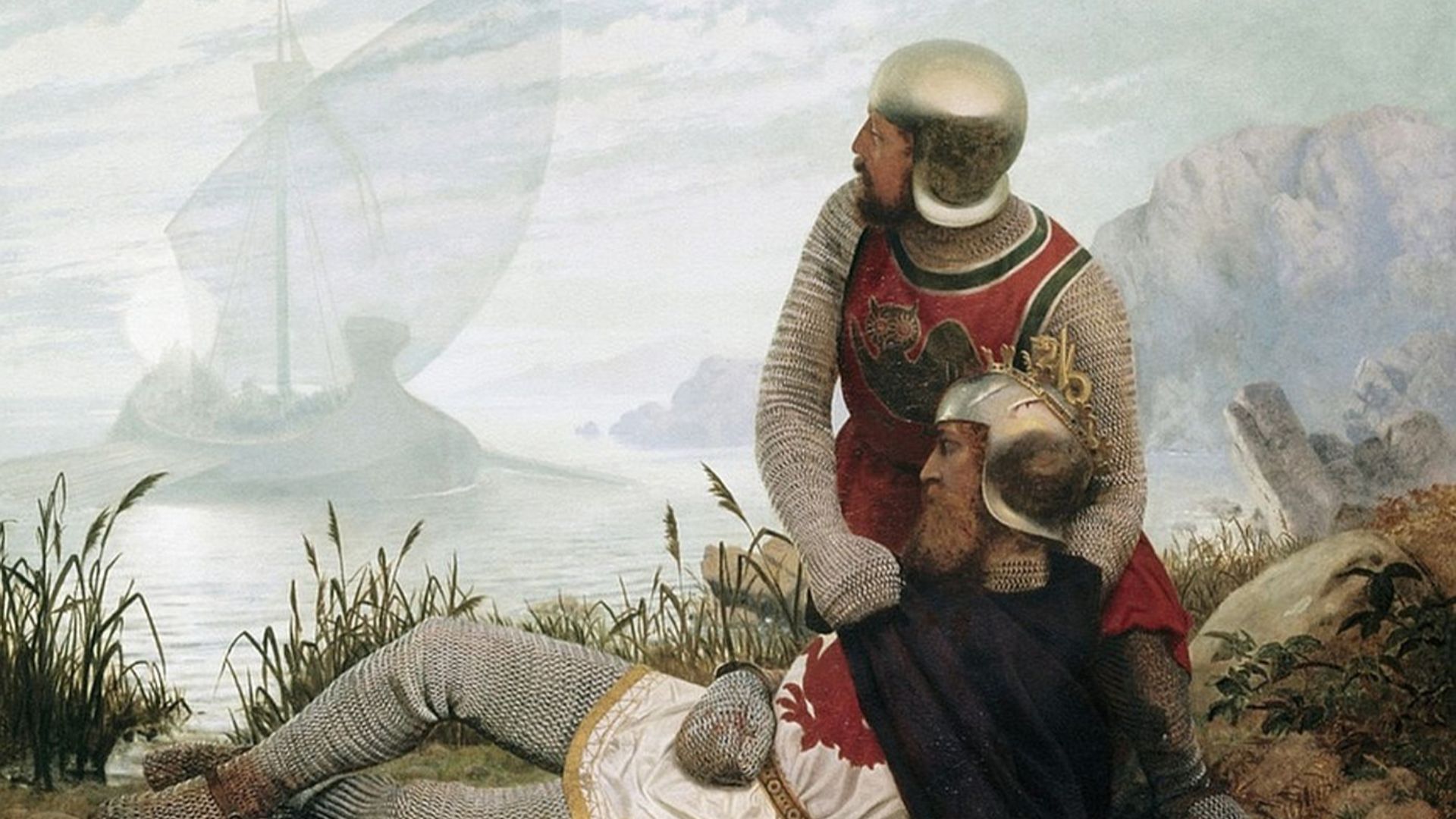 John Mulcaster Carrick on Wikimedia
1. Alexander The Great, 323 BC
Alexander died in Babylon without leaving an adult heir capable of stepping in to command his enormous empire. The resulting Wars of the Diadochi lasted for decades and ultimately divided Alexander’s conquests among several Hellenistic dynasties.
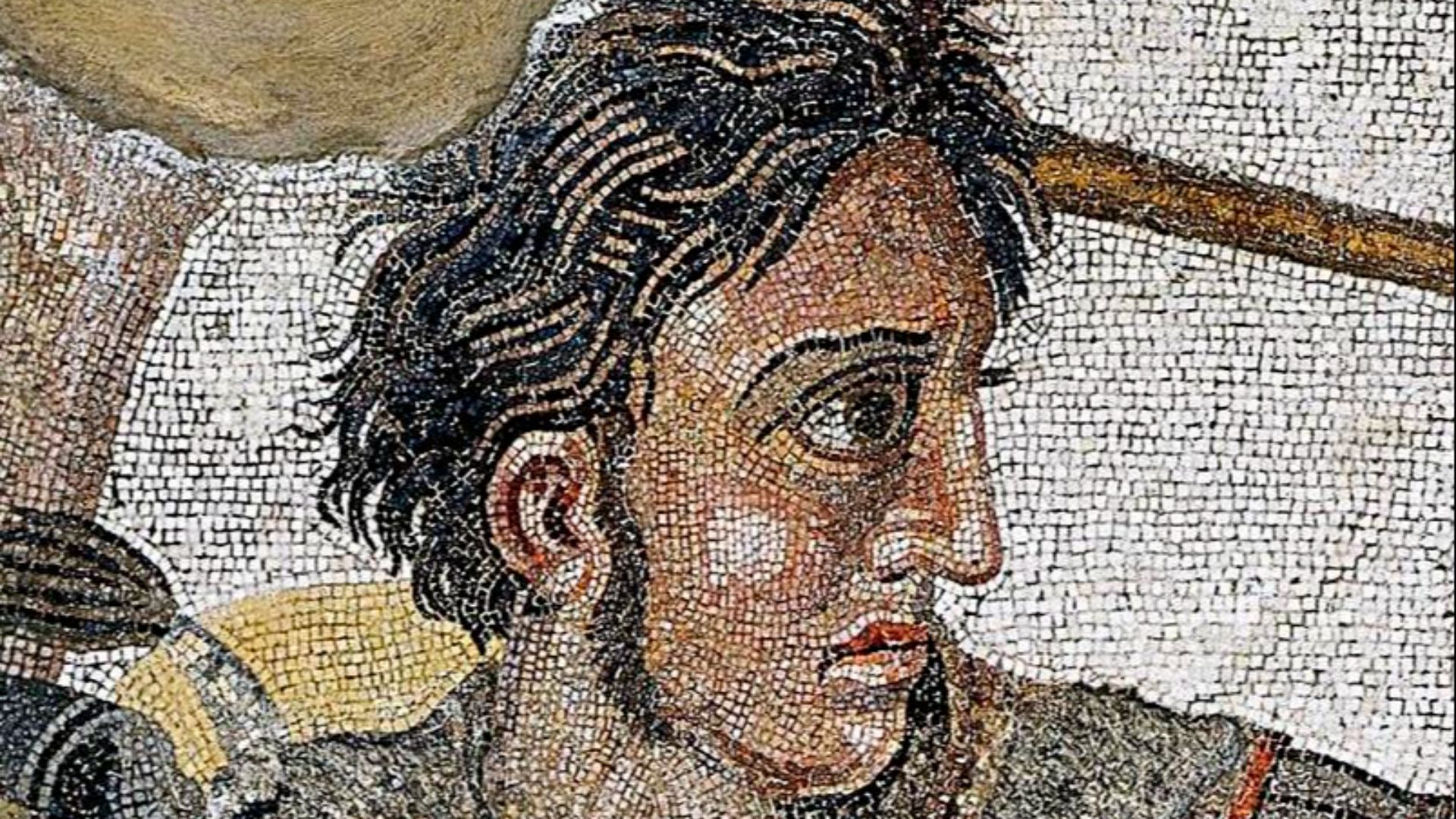 Unknown authorUnknown author on Wikimedia
2. Julius Caesar, 44 BC
The senators who assassinated Julius Caesar hoped his death would restore the Roman Republic to its former state, but events moved in the opposite direction. Renewed civil wars followed, eventually leaving Octavian as Rome’s dominant ruler and ending republican government.
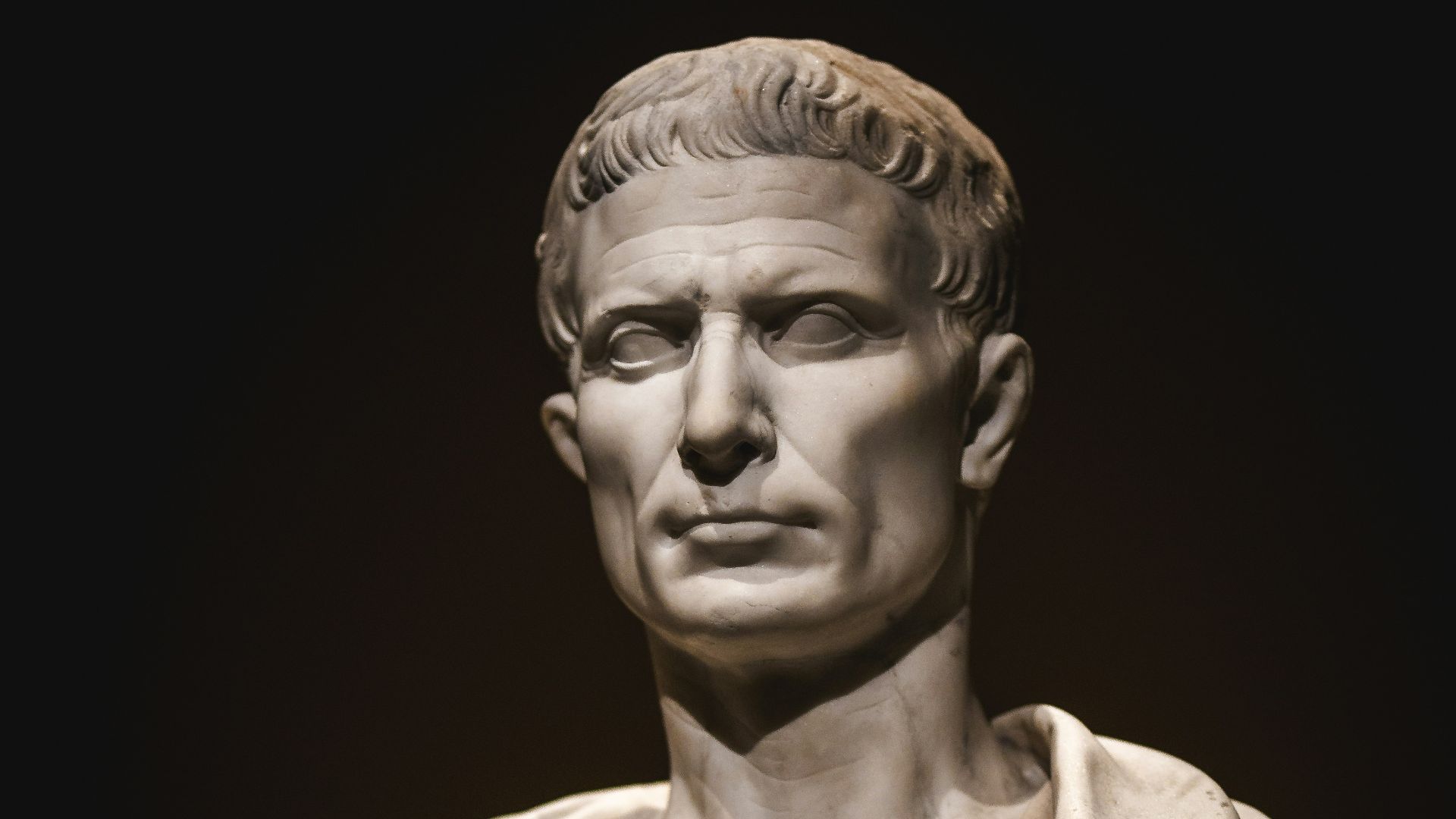
3. Nero, AD 68
When Nero took his own life, he ended the Julio-Claudian dynasty without providing Rome with an established hereditary successor. Galba became emperor, but his authority proved fragile as military commanders and their armies began supporting rivals. Rome entered the Year of the Four Emperors, during which Galba, Otho, Vitellius, and Vespasian fought for supremacy.
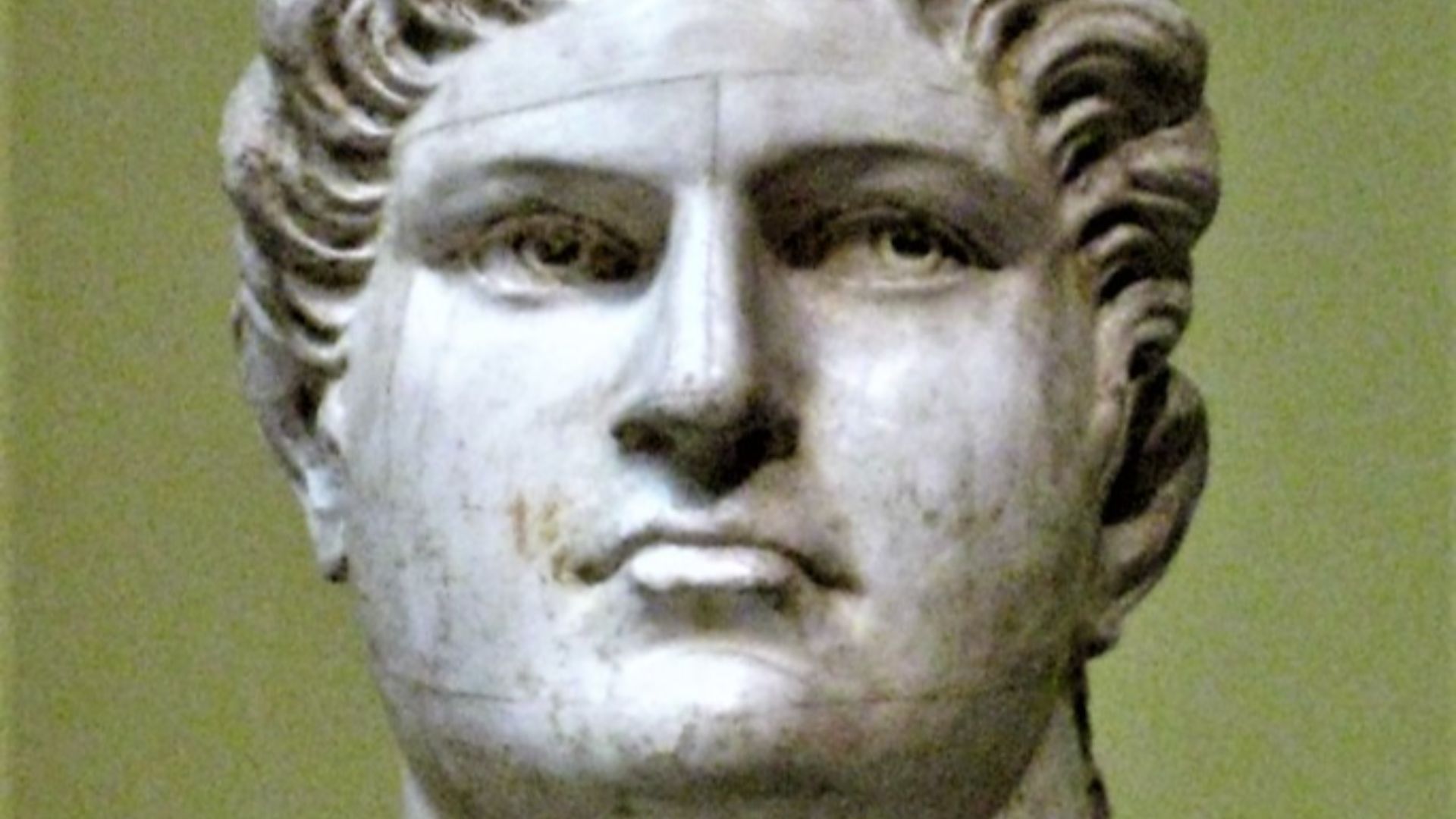
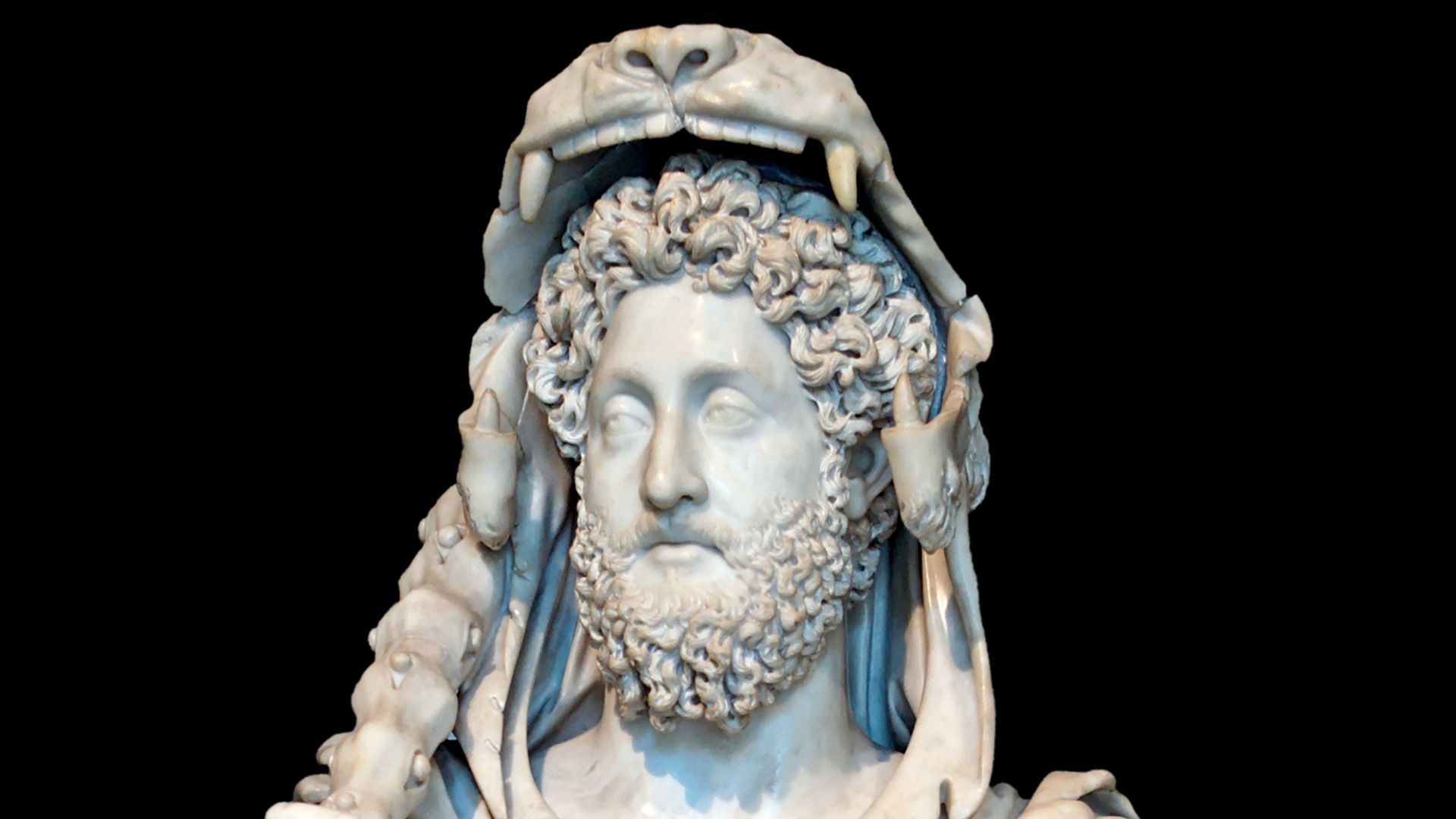
4. Commodus, AD 192
Commodus was assassinated in 192, after members of his inner circle became convinced their own lives were at risk. Pertinax succeeded him but lasted less than three months before the Praetorian Guard killed him. A series of competing imperial claims then produced the Year of the Five Emperors and another Roman civil war.
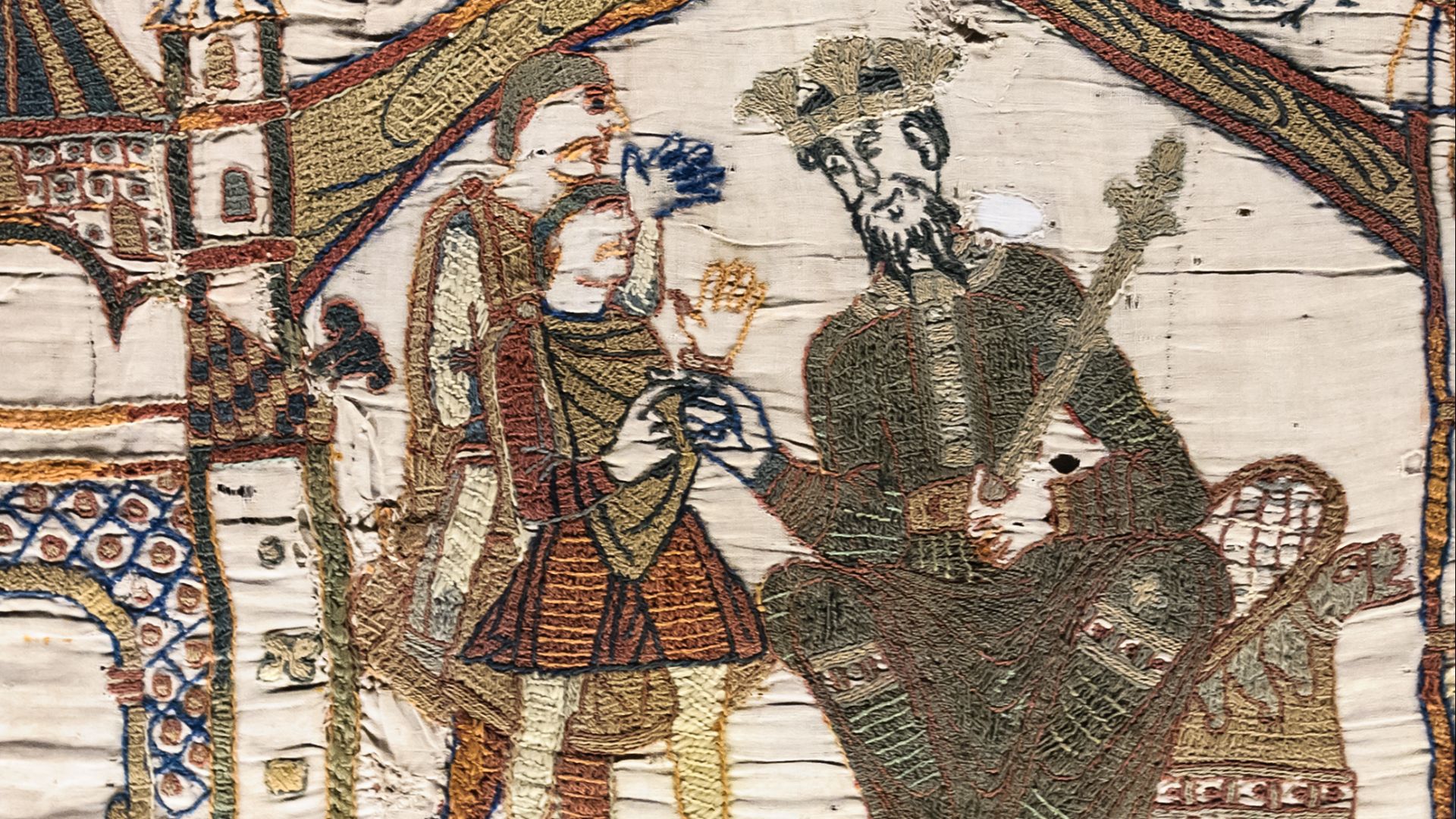
5. Edward the Confessor, 1066
Edward the Confessor died childless in January 1066, leaving England without a true successor. Harold Godwinson took the throne, while William of Normandy and Harald Hardrada pursued competing claims through invasion.
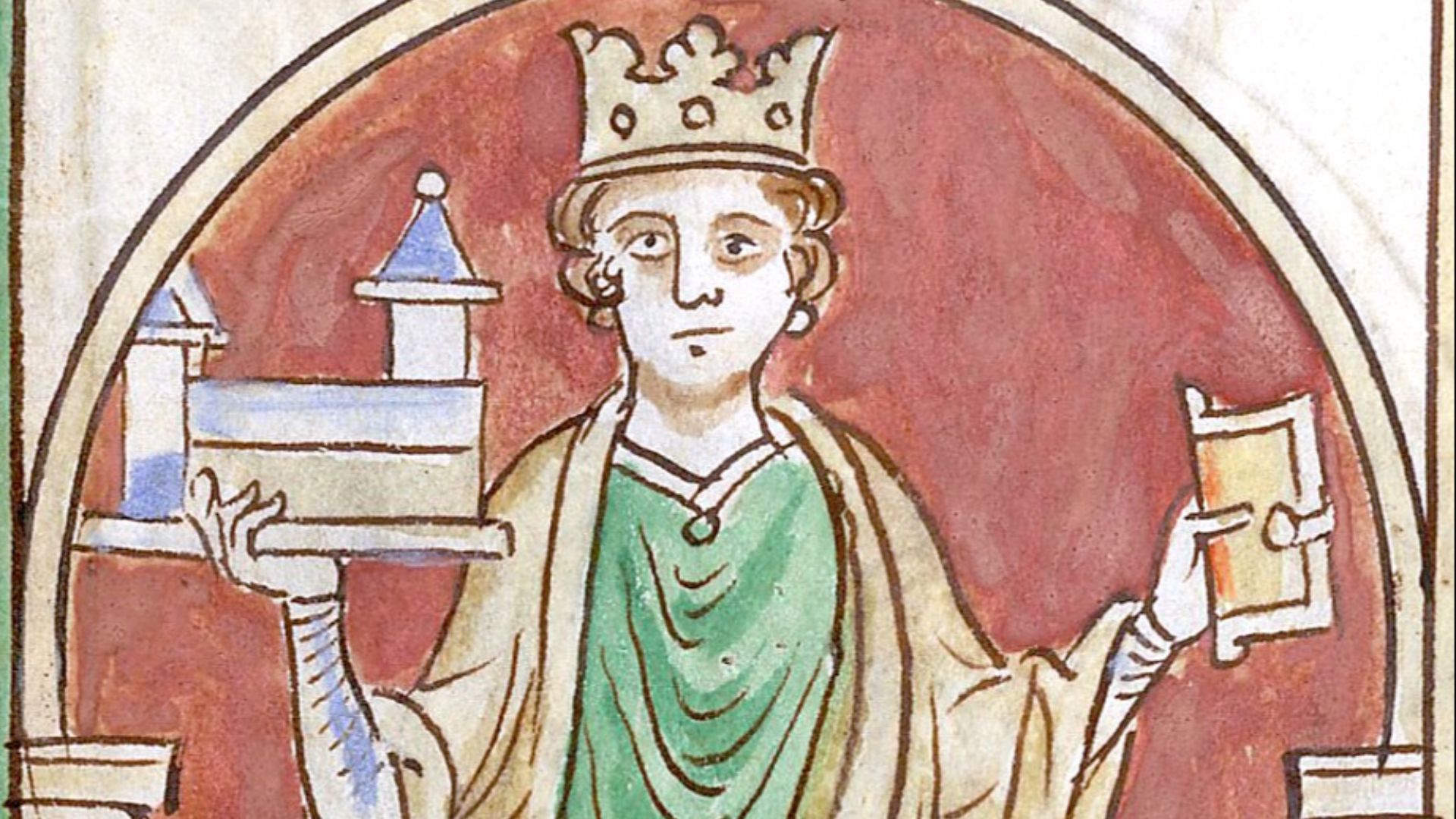
6. Henry I of England, 1135
Henry I had required leading nobles to recognize his daughter, Empress Matilda, as his chosen heir after his legitimate son died in the White Ship disaster. The disputed succession developed into the prolonged civil conflict referred to as the Anarchy.
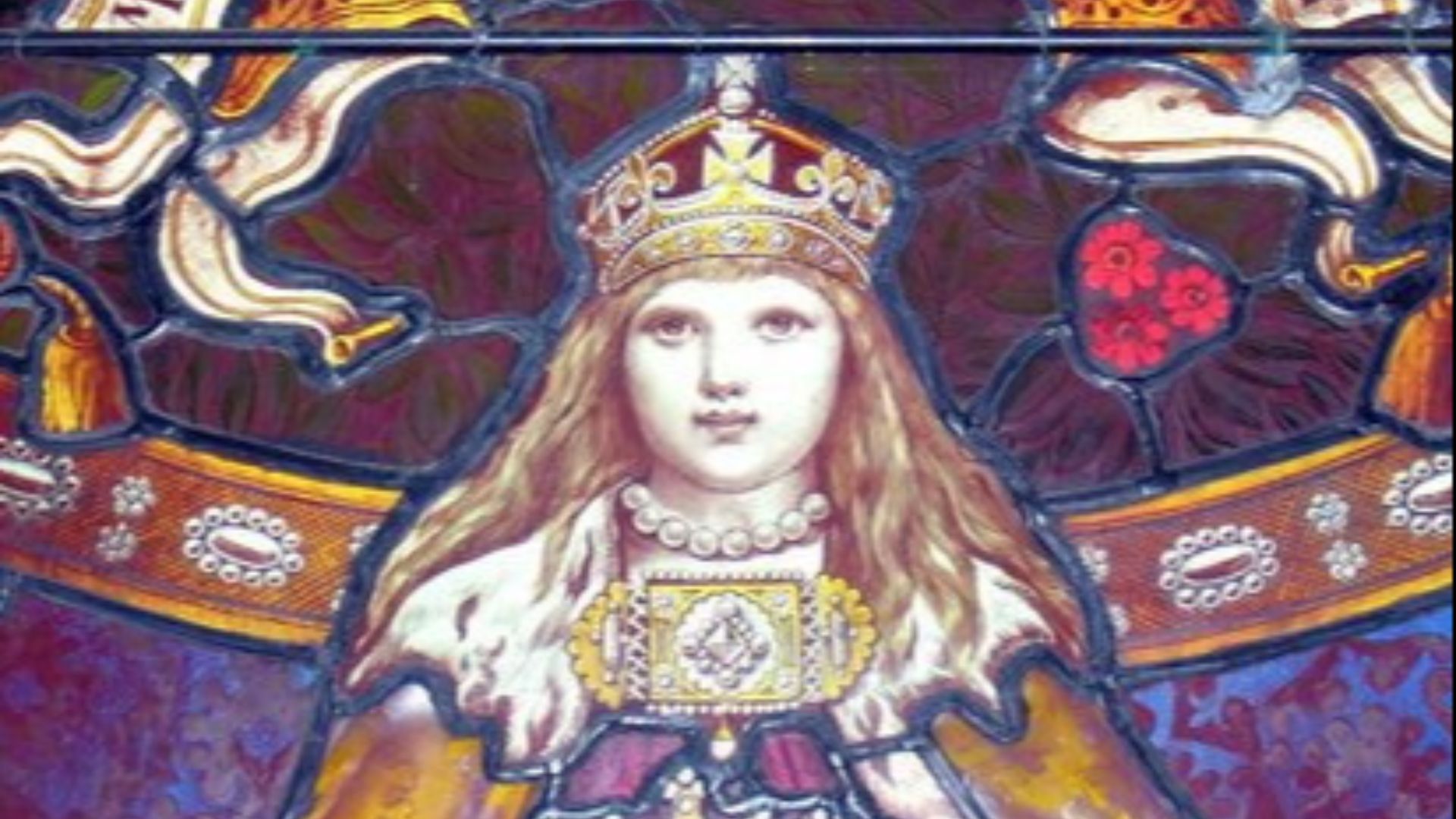
7. Margaret, Maid of Norway, 1290
Young Margaret, Maid of Norway, was recognized as the heir to the Scottish throne but died while traveling to Scotland in 1290. Her death left several nobles with realistic claims to the crown and no obvious successor.
8. Charles IV of France, 1328
Charles IV died without a son, bringing the direct male line of the Capetian dynasty to an end. Philip of Valois became Philip VI, but England’s Edward III later made a claim through his mother, Charles’s sister Isabella. The disputed succession became one of the more important causes of the Hundred Years’ War.
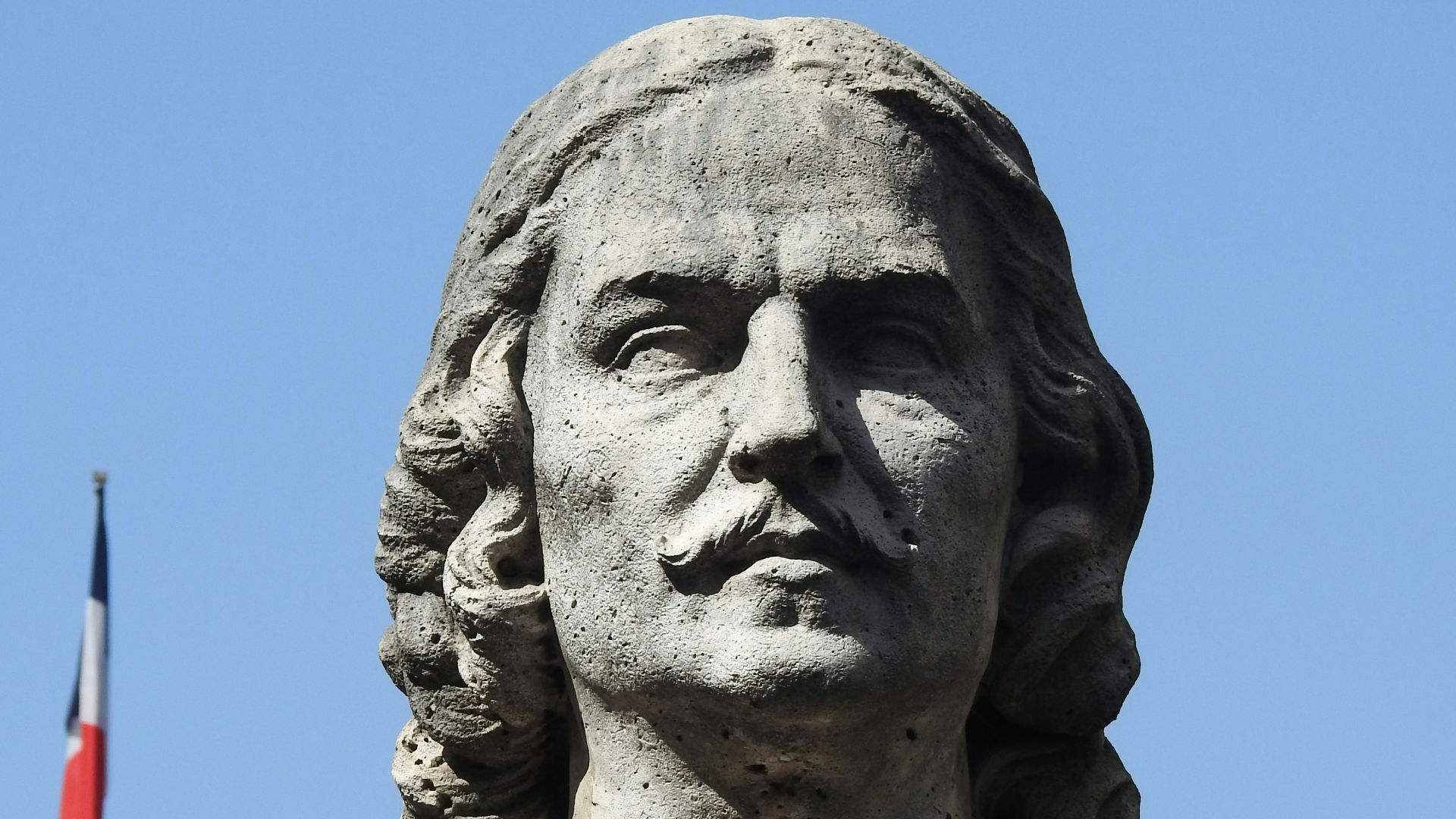
9. Timur, 1405
Timur died while preparing an enormous campaign against Ming China, leaving an empire heavily dependent on his authority. His designated heir, Pir Muhammad, couldn’t secure acceptance from other members of the ruling family.
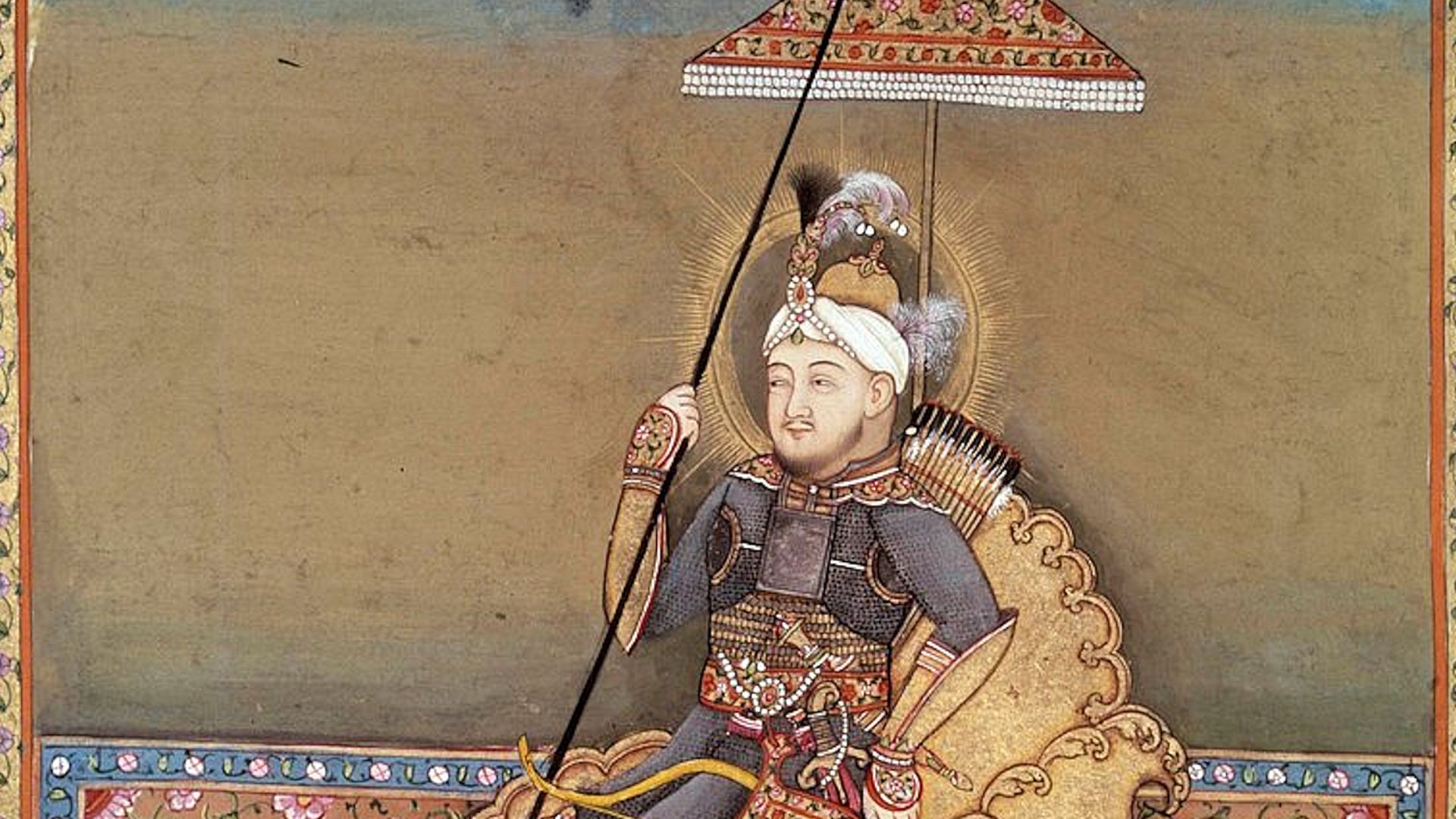 15th century artist on Wikimedia
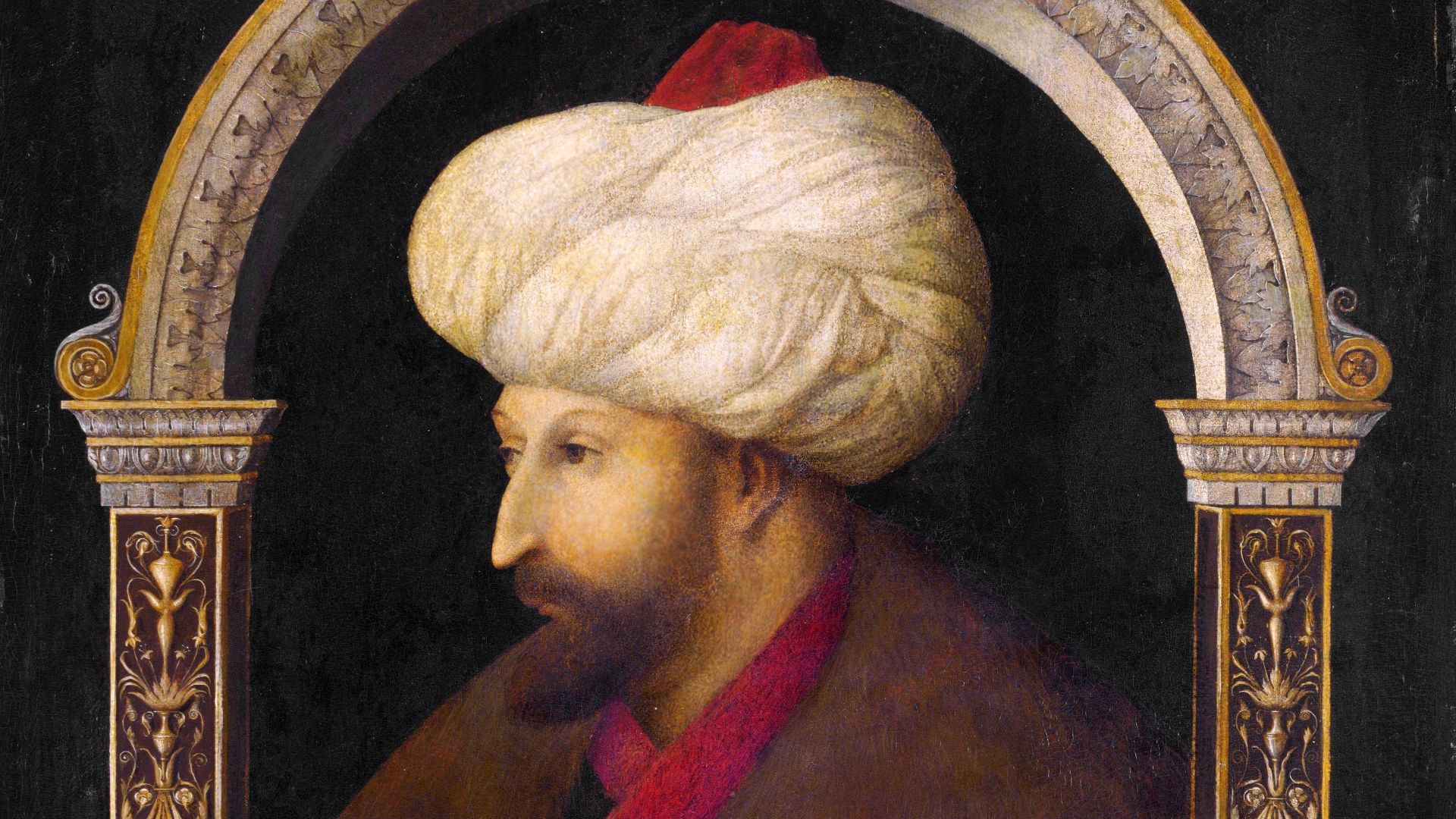
10. Mehmed II, 1481
Ottoman Sultan Mehmed II died without a settled succession arrangement between his sons Bayezid and Cem. Both princes tried to claim the throne, while factions inside the empire backed competing candidates.
11. Henry III of France, 1589
Henry III was assassinated during the French Wars of Religion, and his death brought the Valois dynasty’s male line to an end. The new Henry IV consequently had to fight to establish control of his kingdom before gaining universal recognition.
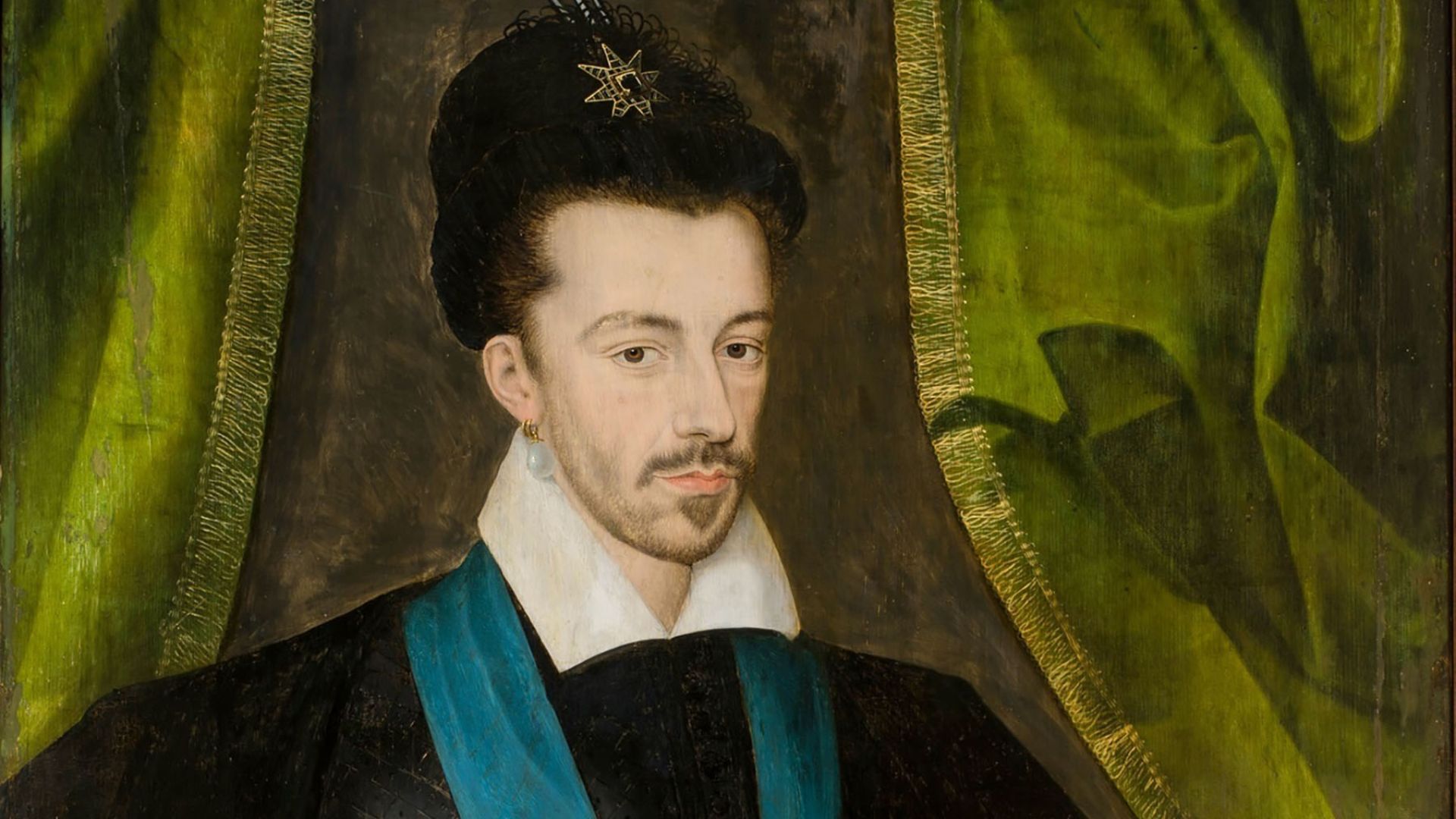 Attributed to Étienne Dumonstier on Wikimedia
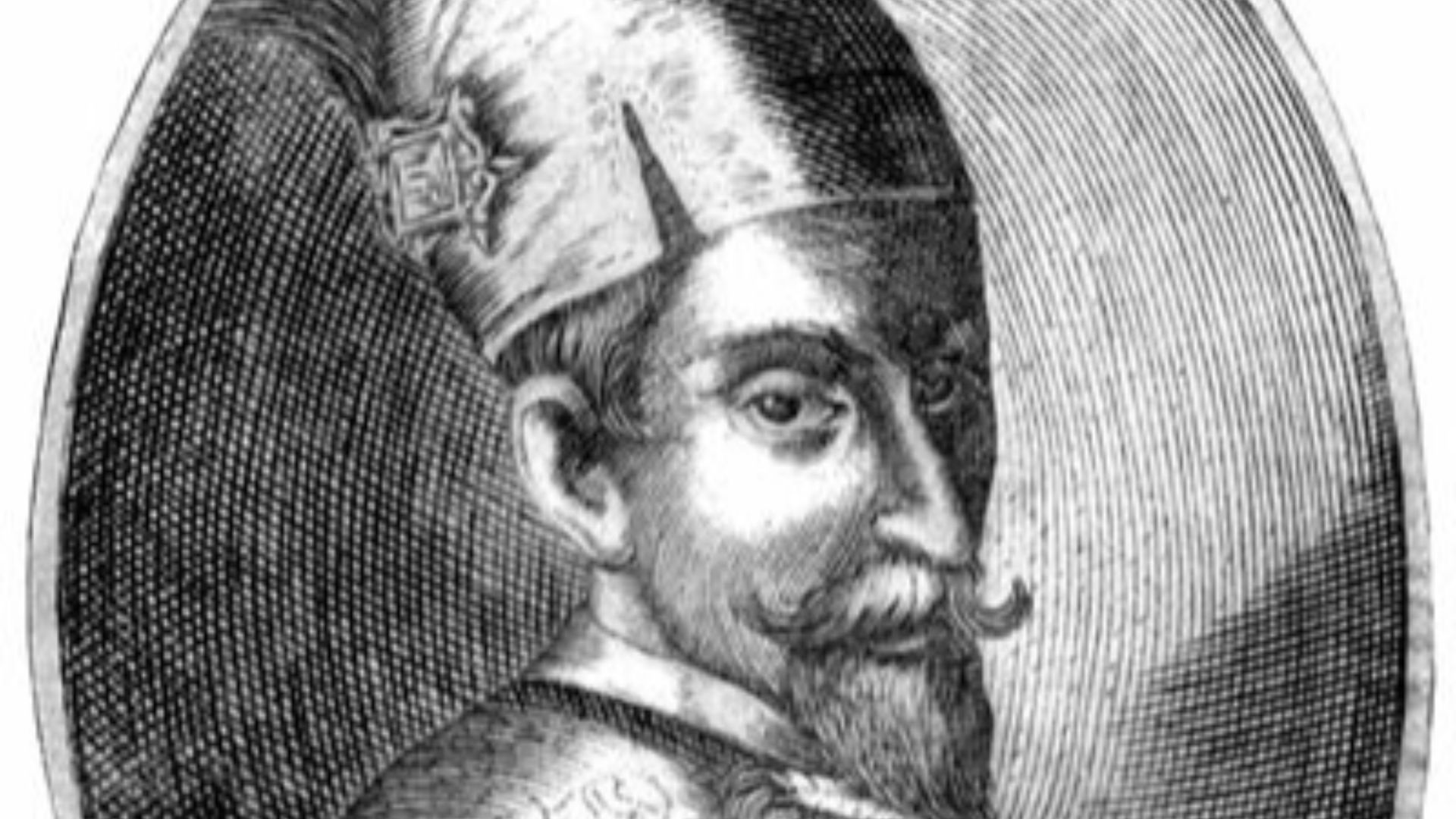
12. Feodor I of Russia, 1598
Tsar Feodor I died childless in 1598, ending the centuries-old Rurik dynasty that had ruled every inch of Russia. Russia entered the Time of Troubles, bringing rival claimants, impostors, rebellions, famine, and foreign intervention before the Romanovs seized control.
 R. Van Bergen. No image credit on Wikimedia
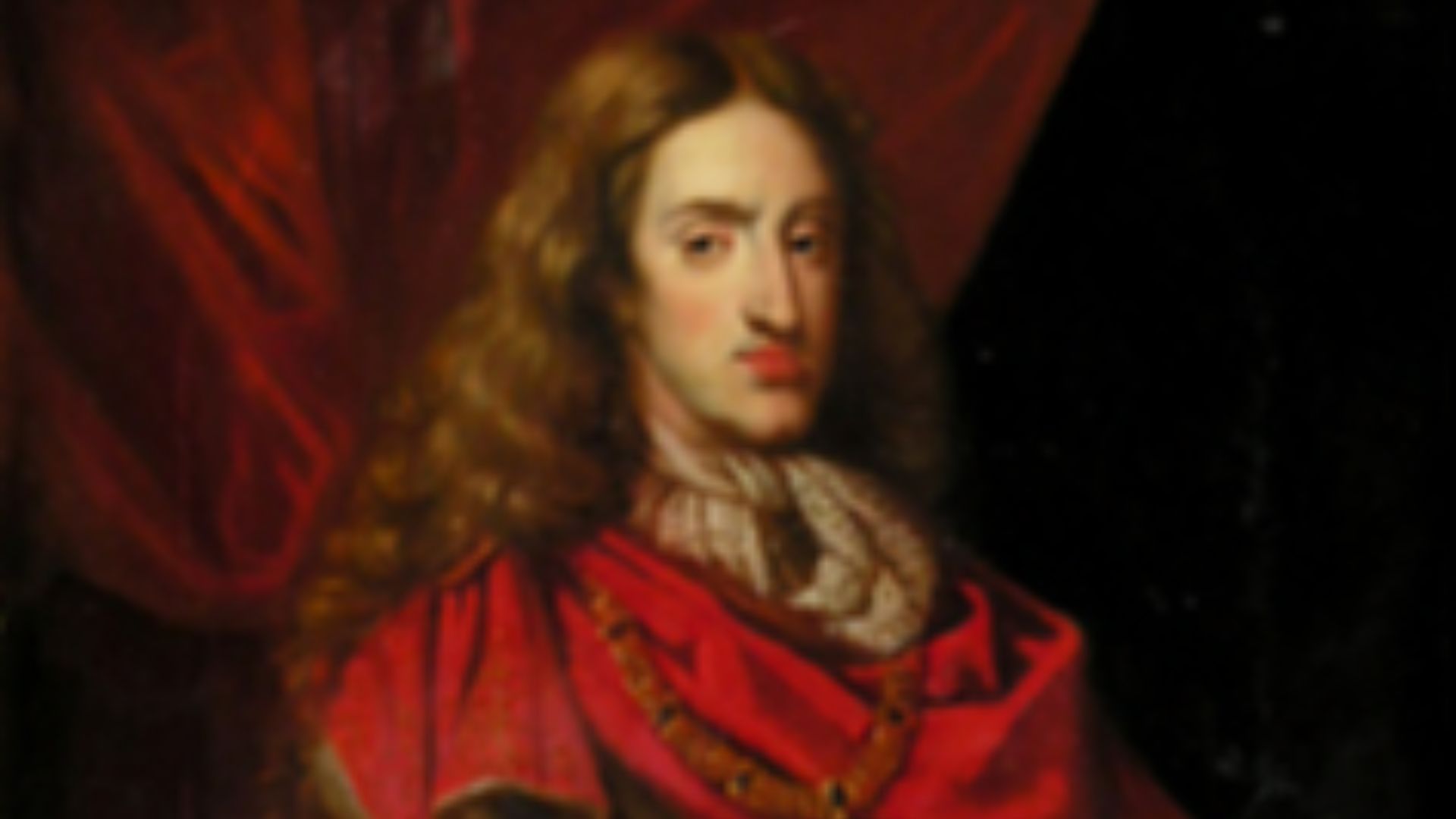
13. Charles II of Spain, 1700
Charles II died without an heir after years of European concern over who would inherit Spain’s vast collection of territories. His will named Philip of Anjou, a grandson of France’s Louis XIV, alarming other major powers. The succession dispute soon produced the War of the Spanish Succession, drawing much of Europe into prolonged and violent conflict.
 Unidentified painter on Wikimedia
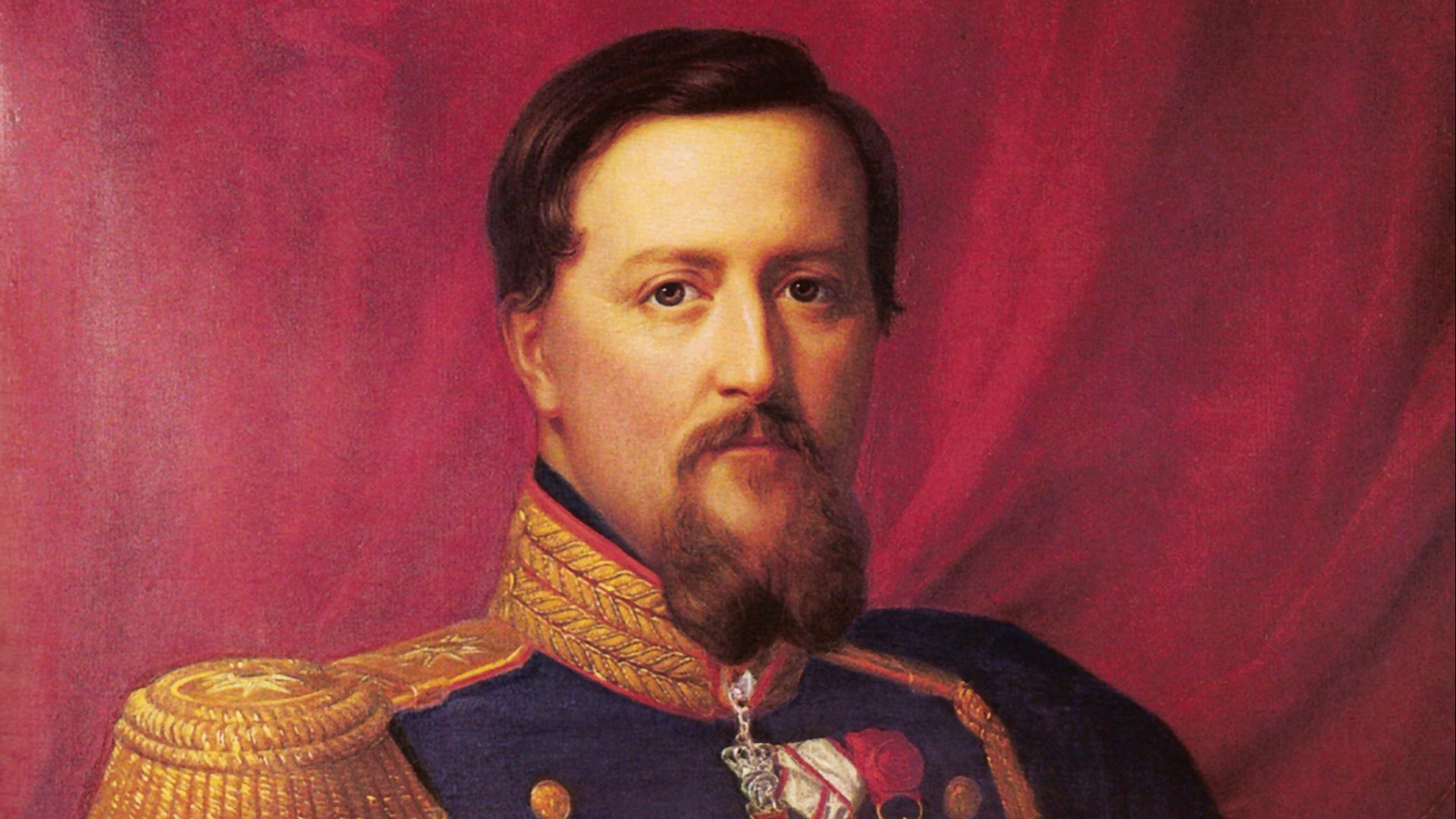
14. Frederick VII of Denmark, 1863
Frederick VII died childless just as tensions over Schleswig and Holstein were reaching an intense and advanced stage. Prussia and Austria eventually invaded in 1864, defeating Denmark and transforming the political balance within the German-speaking world.
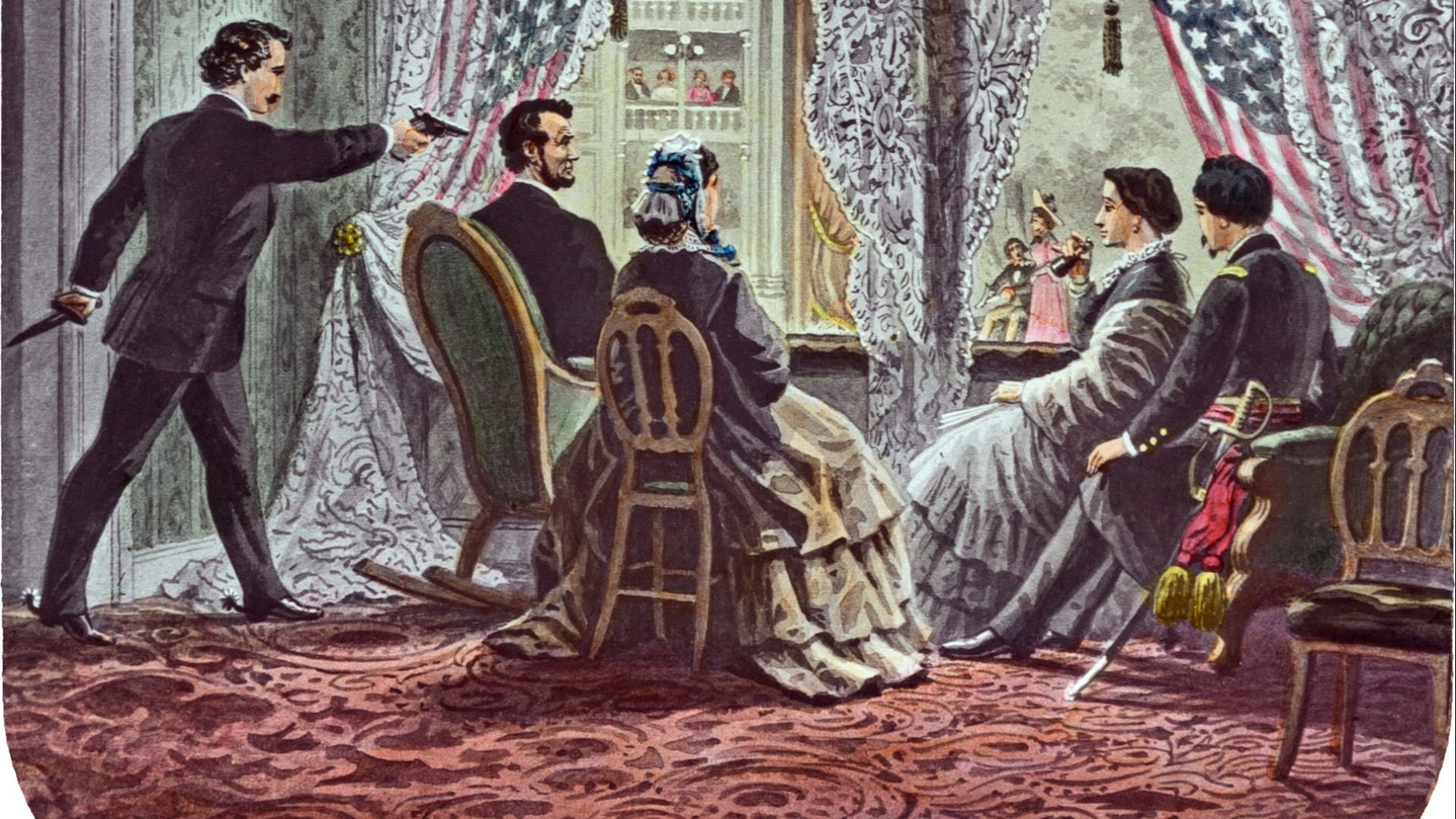
15. Abraham Lincoln, 1865
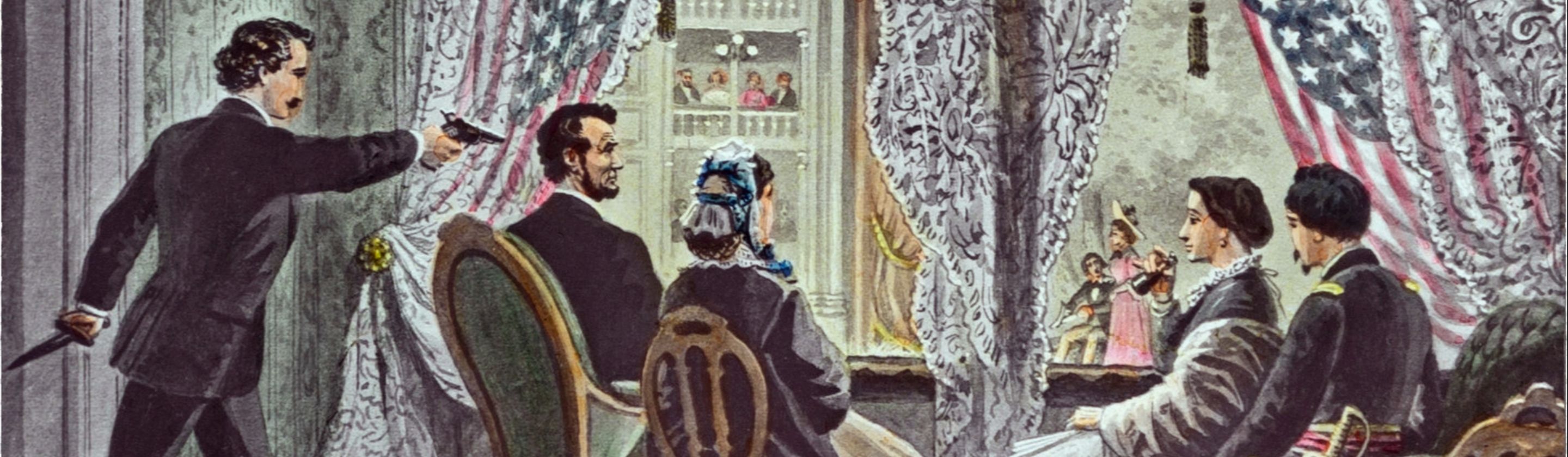
Abraham Lincoln was assassinated only days after Confederate General Robert E. Lee made his historic surrender at Appomattox Court House. Disagreements between Andrew Johnson and congressional Republicans soon produced an exceptionally bitter struggle over postwar policy and reconstruction.
16. Carlos I of Portugal, 1908
King Carlos I and his heir, Luís Filipe, were assassinated together in Lisbon in February 1908. Carlos’s younger son unexpectedly became King Manuel II at just 18 years old amid deep political divisions and hostility toward the monarchy. Governments continued changing rapidly, and Portugal’s monarchy was overthrown by a republican revolution in 1910.
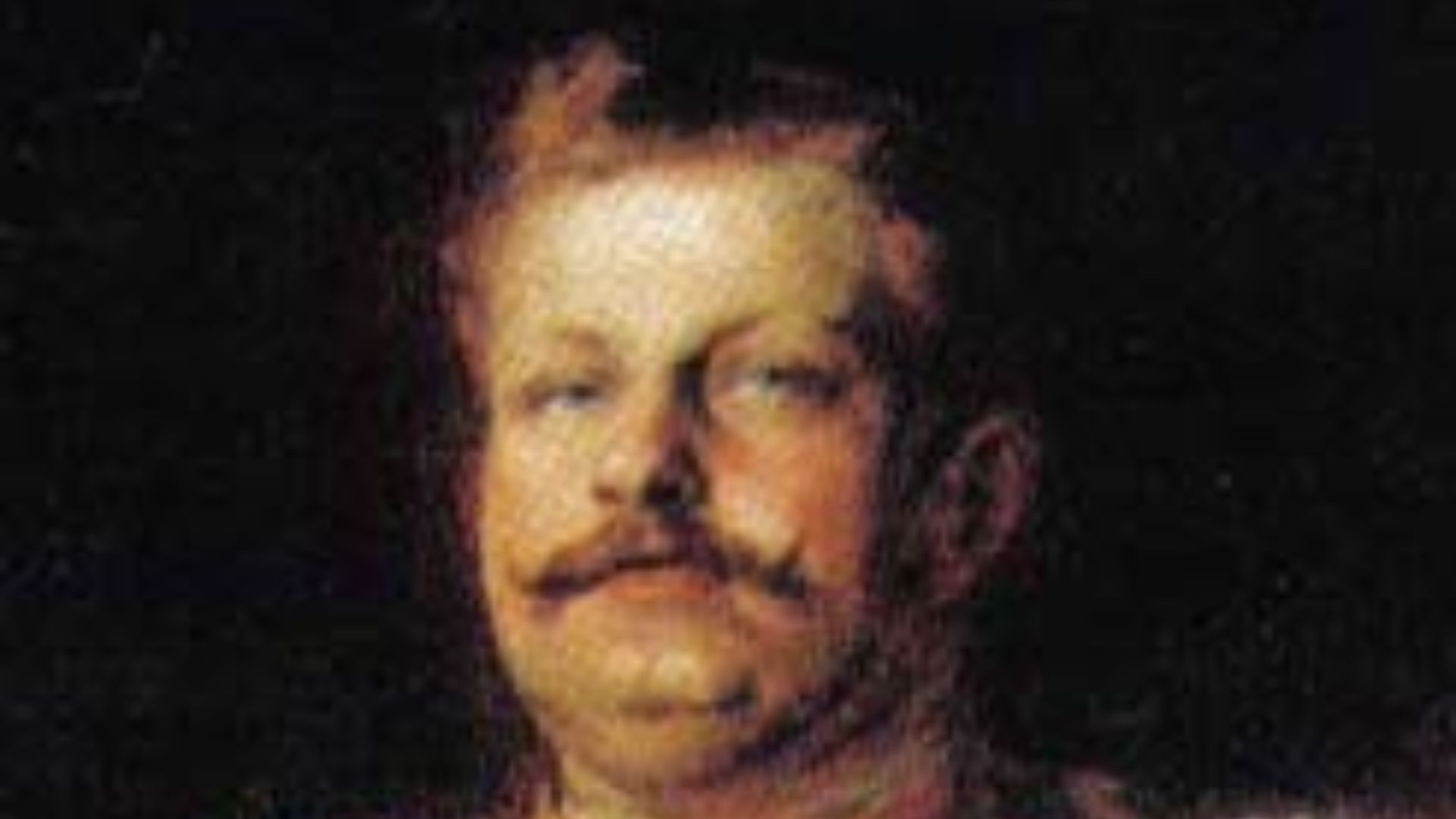
17. Archduke Franz Ferdinand, 1914
The assassination of Archduke Franz Ferdinand in Sarajevo on June 28, 1914, immediately intensified already severe tensions between Austria-Hungary and Serbia. Within weeks, the July Crisis had escalated into the First World War.
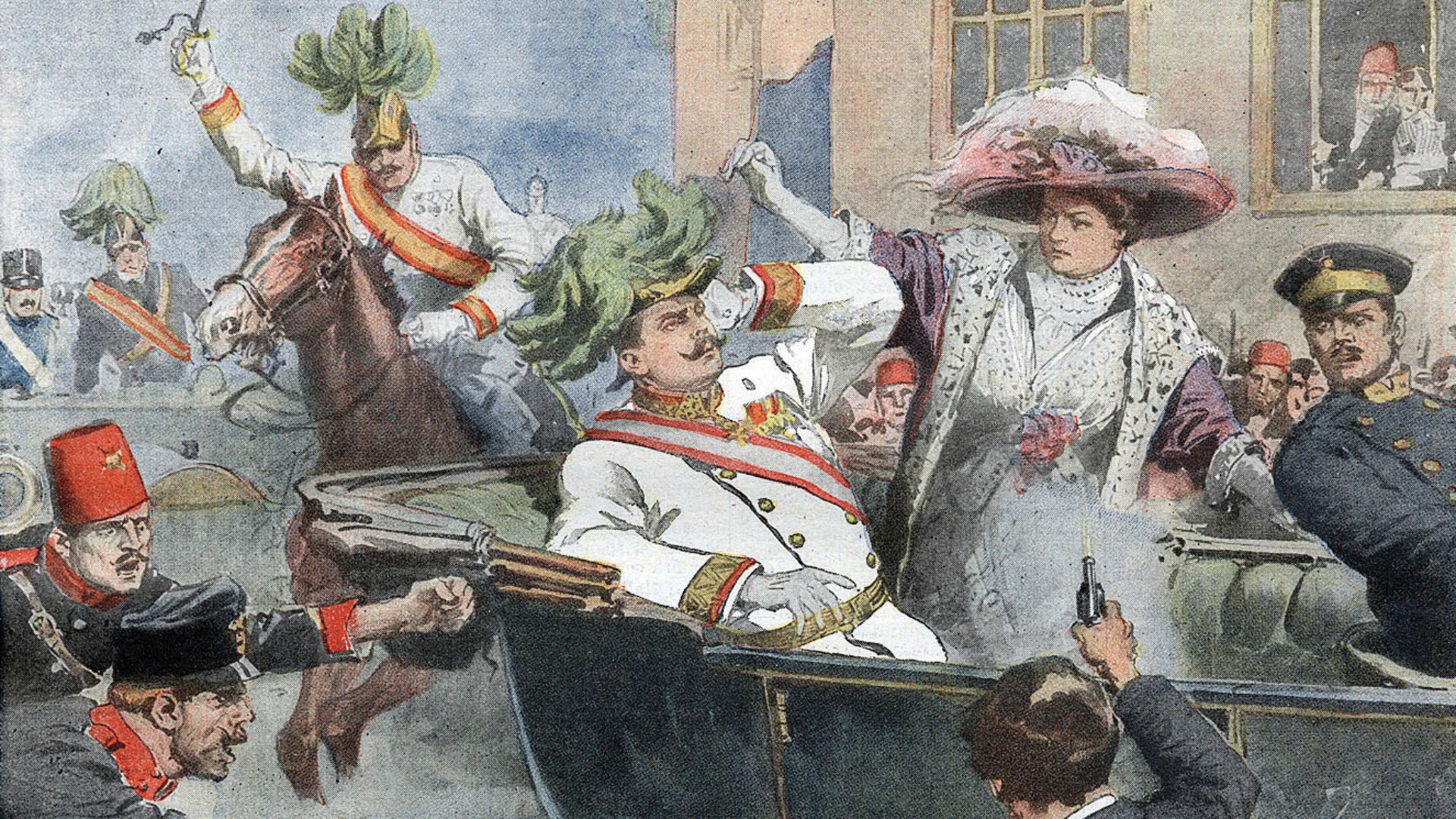
18. Rafael Trujillo, 1961
Dominican dictator Rafael Trujillo was assassinated in May 1961 after dominating the country for more than three decades. The struggle that followed brought instability, competing factions, and eventually a difficult transition away from Trujillo’s dictatorship.
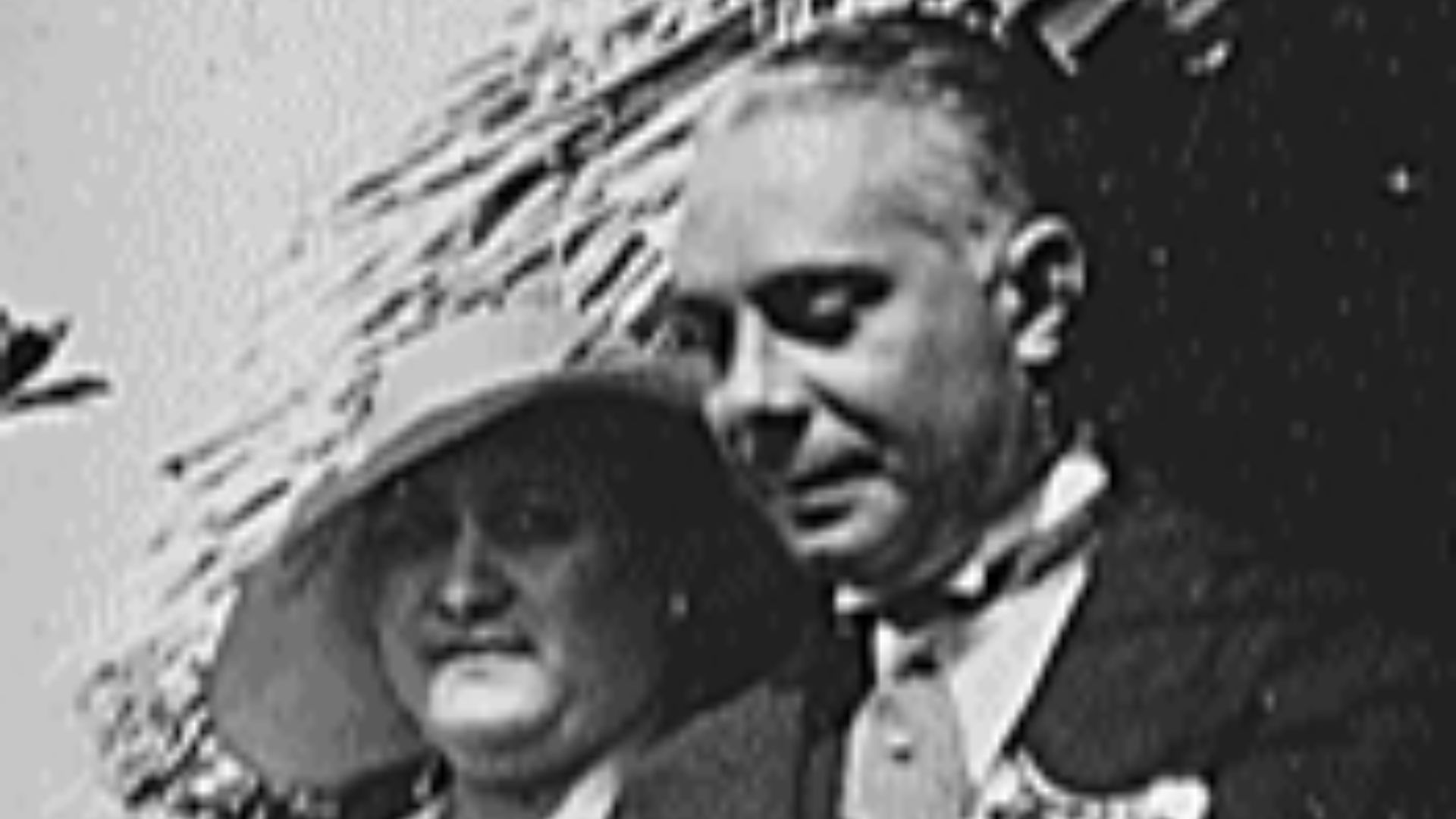
19. Indira Gandhi, 1984
Indian Prime Minister Indira Gandhi was assassinated by two of her Sikh bodyguards on October 31, 1984. Thousands were killed during the unrest that followed her assassination.
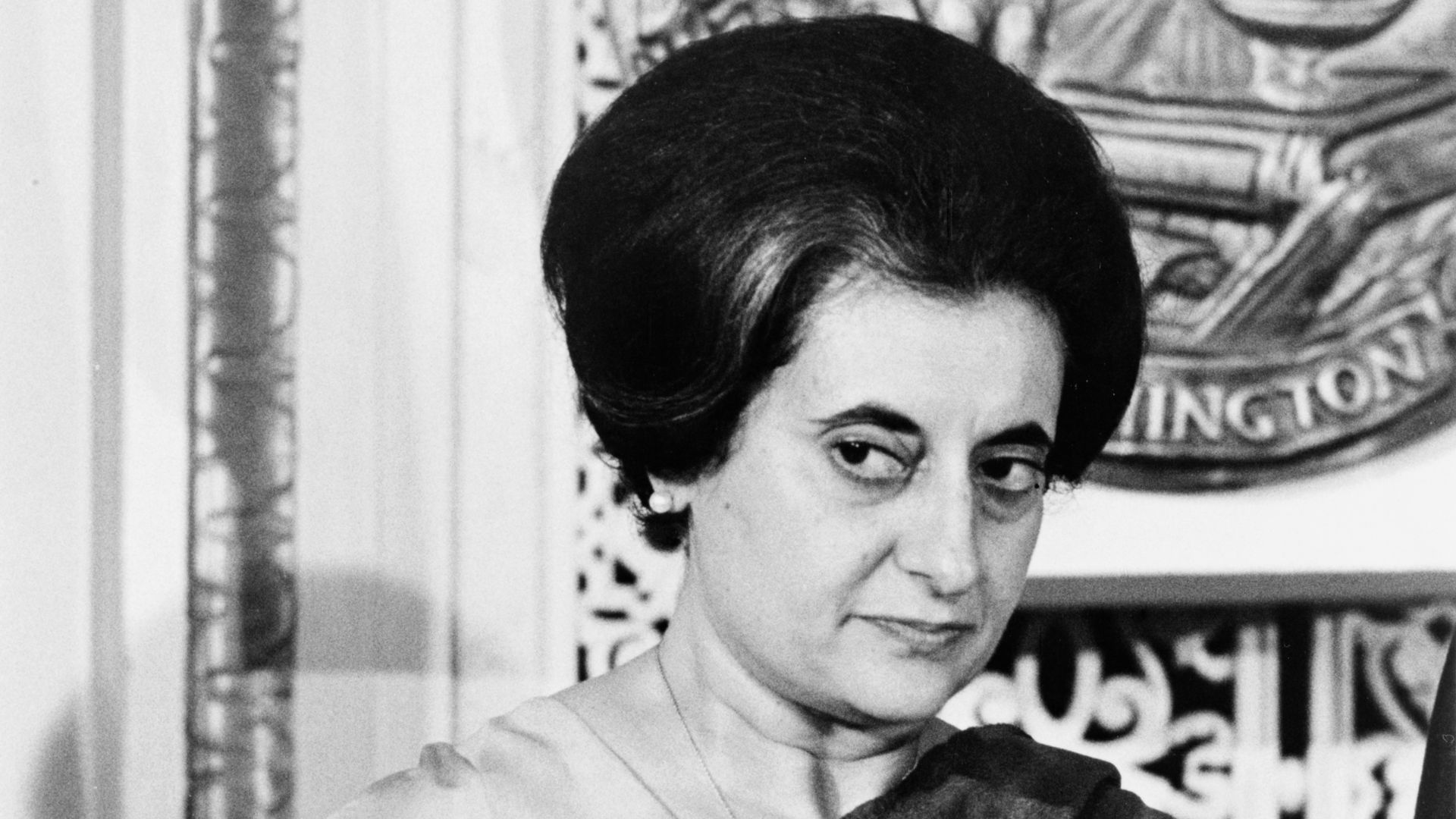 U.S. News & World Report photographer Warren K. Leffler on Wikimedia
20. Juvénal Habyarimana, 1994
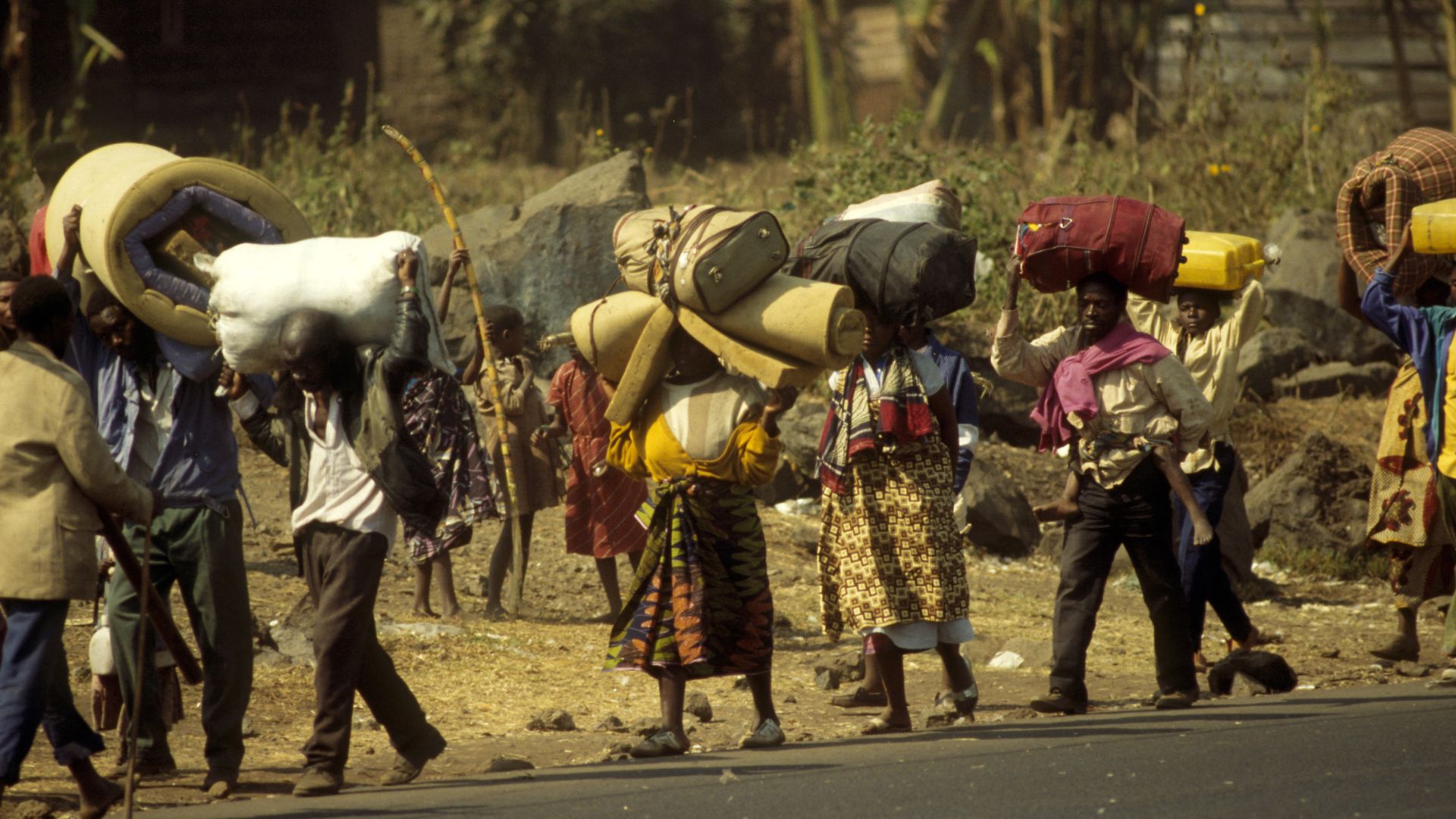
Rwandan President Juvénal Habyarimana died when the aircraft carrying him and Burundian President Cyprien Ntaryamira was shot down near Kigali on April 6, 1994. The assassination became the trigger for the Rwandan genocide amid an already active and bloody civil war.
KEEP ON READING