10 Ancient “Monsters” Based on Real Animals & 10 That Were Pure Imagination
When Nature Met a Very Dramatic Storyteller
Ancient monsters often came from a mix of fear, rumor, real animal encounters, and a generous amount of embellishment. A strange skull, a half-seen creature at sea, or a traveler’s description of an unfamiliar animal could grow into something much larger by the time the story reached the next village. Some legendary beasts seem to have clear roots in the natural world, while others were built from symbolism, religion, and pure imagination with no obvious real-world animal waiting underneath. Here are 10 ancient monsters that were probably based on something real and 10 that were completely made up.
1. The Cyclops
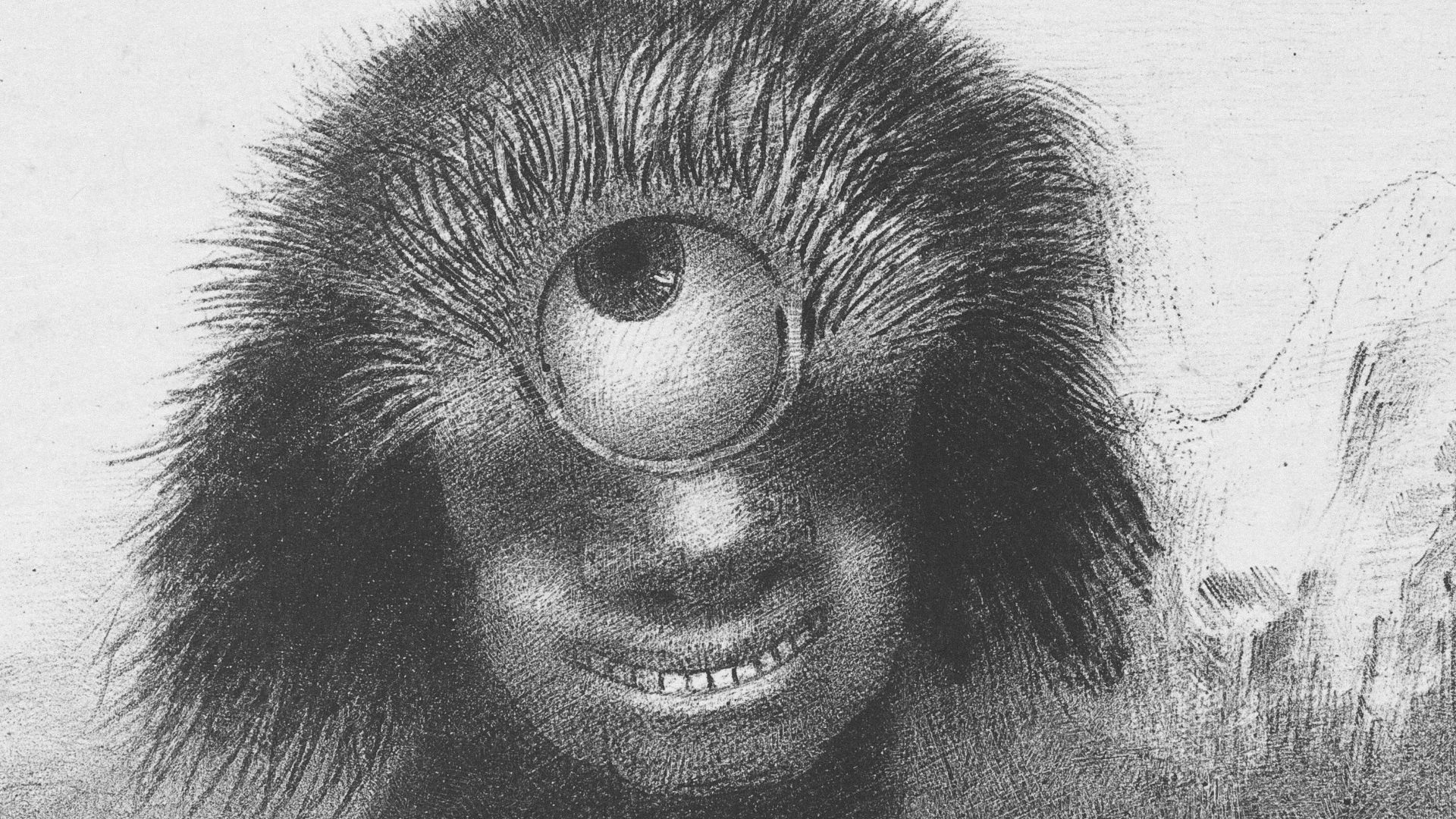
The Cyclops may have been inspired in part by ancient elephant or mammoth skulls. The large central nasal opening in those skulls could look like a single huge eye socket to the untrained eye. A fossil cave plus a little imagination can do a lot here.
 National Gallery of Art on Unsplash
2. The Kraken
The Kraken was described in later northern European sea lore as a giant creature that could threaten ships. While the tales were exaggerated, giant squid and other large cephalopods aren't far off the mark. It's easy to imagine how the story grew more and more fantastical after sailors witnessed these creatures for the first time.
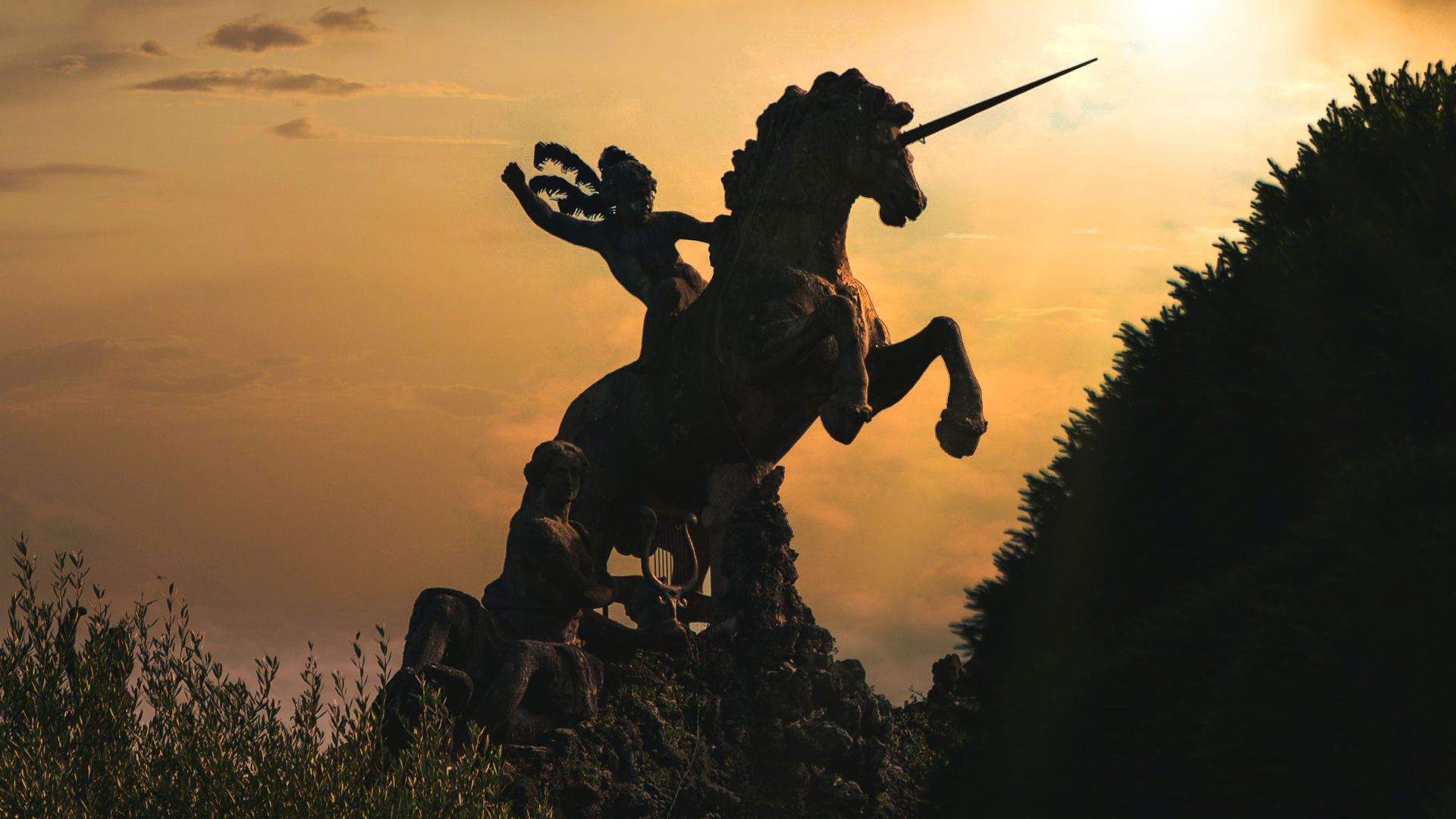
3. The Unicorn
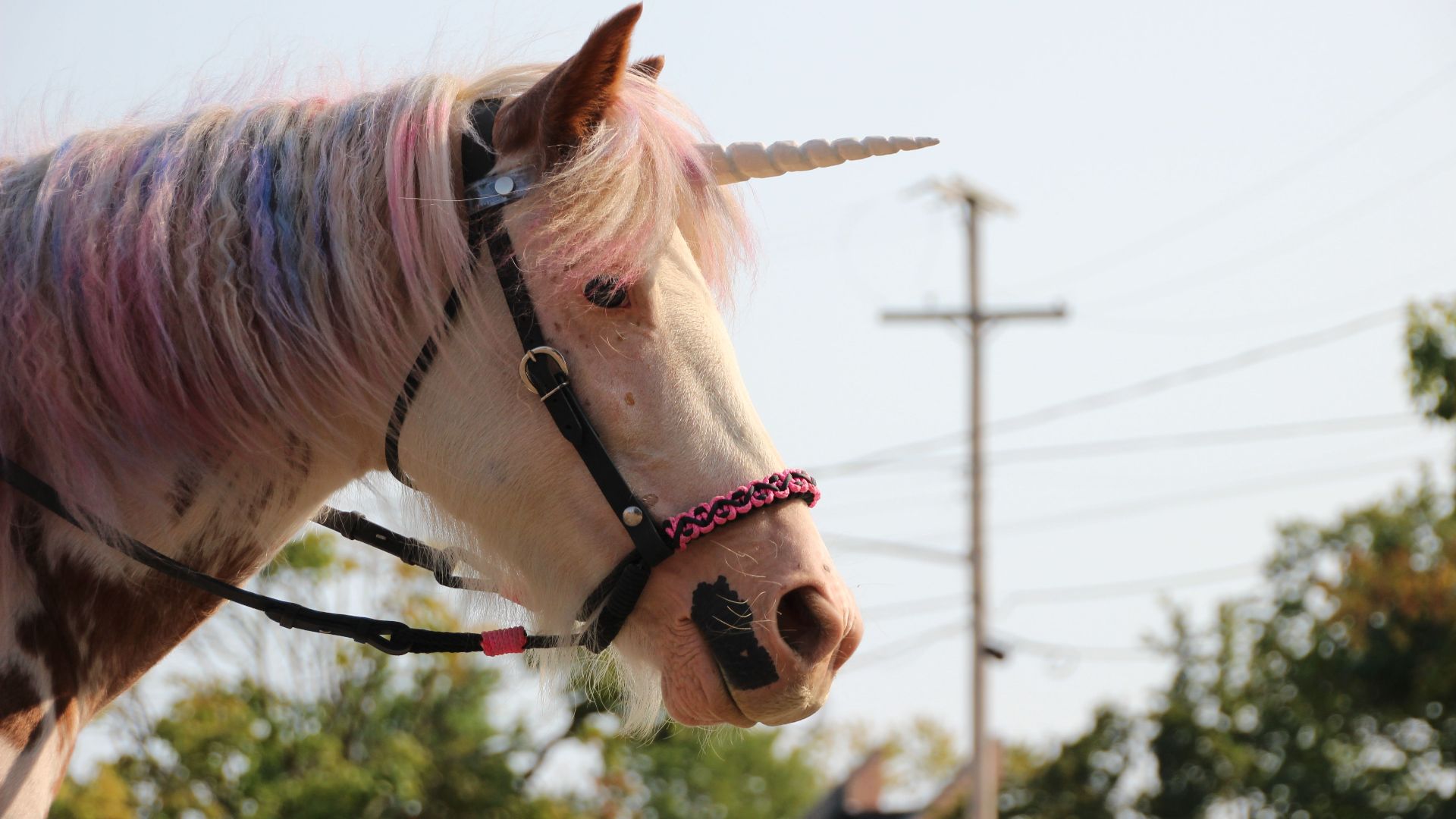
Ancient and medieval unicorn stories may have drawn from several real animals, including rhinoceroses, antelopes, wild oxen, and later, traded narwhal tusks. A traveler describing a powerful one-horned beast could easily create confusion among people who had never seen the animal themselves. In artists' imaginations, the unicorn became much more elegant than most of its likely inspirations.
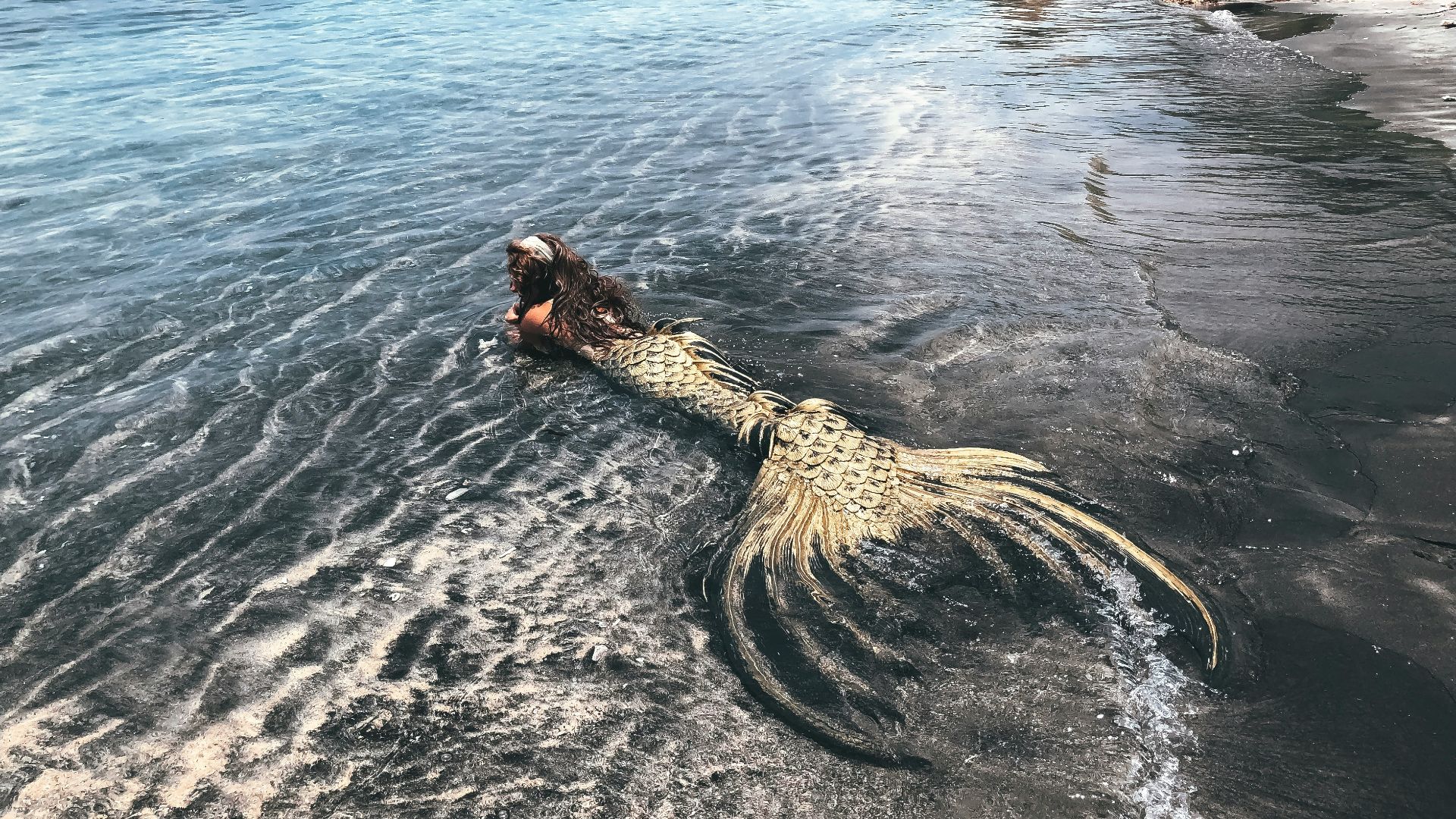
4. The Mermaid
Mermaid legends are often linked to sightings of manatees, dugongs, or seals by sailors far from home. That may sound like a stretch when you look at a manatee today, but poor visibility, distance, exhaustion, and wishful thinking can make the sea very persuasive. When all you see is a tail, imagination has free reign with the rest.
 Naja Bertolt Jensen on Unsplash
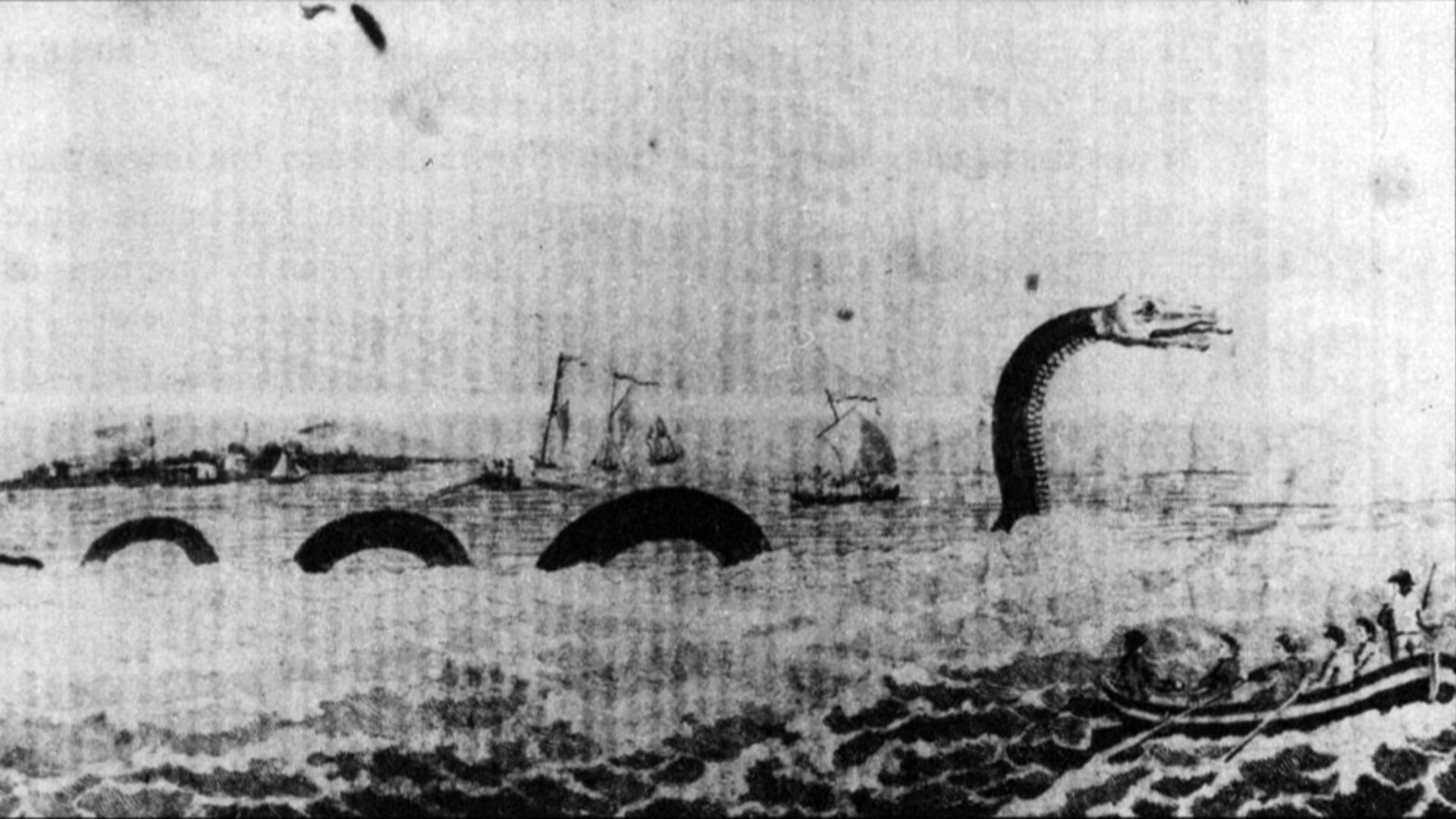
5. The Sea Serpent
Sea serpents appear in stories from many coastal cultures, and some reports may have been inspired by real ocean animals. Oarfish, whales, large eels, and floating animal remains could all look strange and frightening to people without modern zoology. A long, pale fish rising near the surface would be unsettling even now, and ancient sailors had fewer comforting explanations available. Sometimes the ocean really does provide the rough draft for a monster.
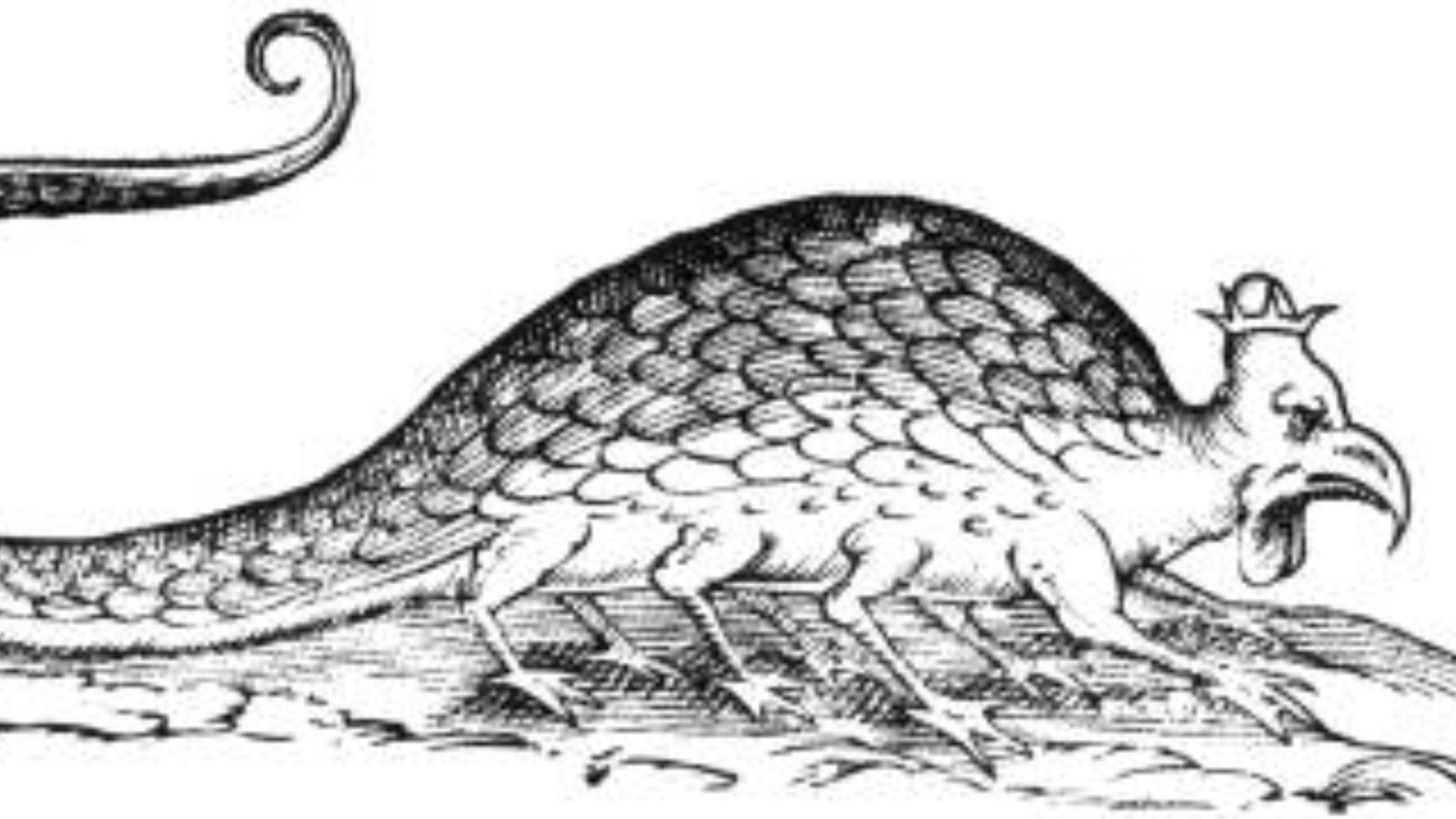
6. The Basilisk
The basilisk was said to be a deadly creature whose look or breath could kill. Some versions may have been influenced by venomous snakes, cobras, or lizards that frightened people with real danger. Once a creature is already poisonous, storytellers don’t need much encouragement to make it worse.
7. The Behemoth
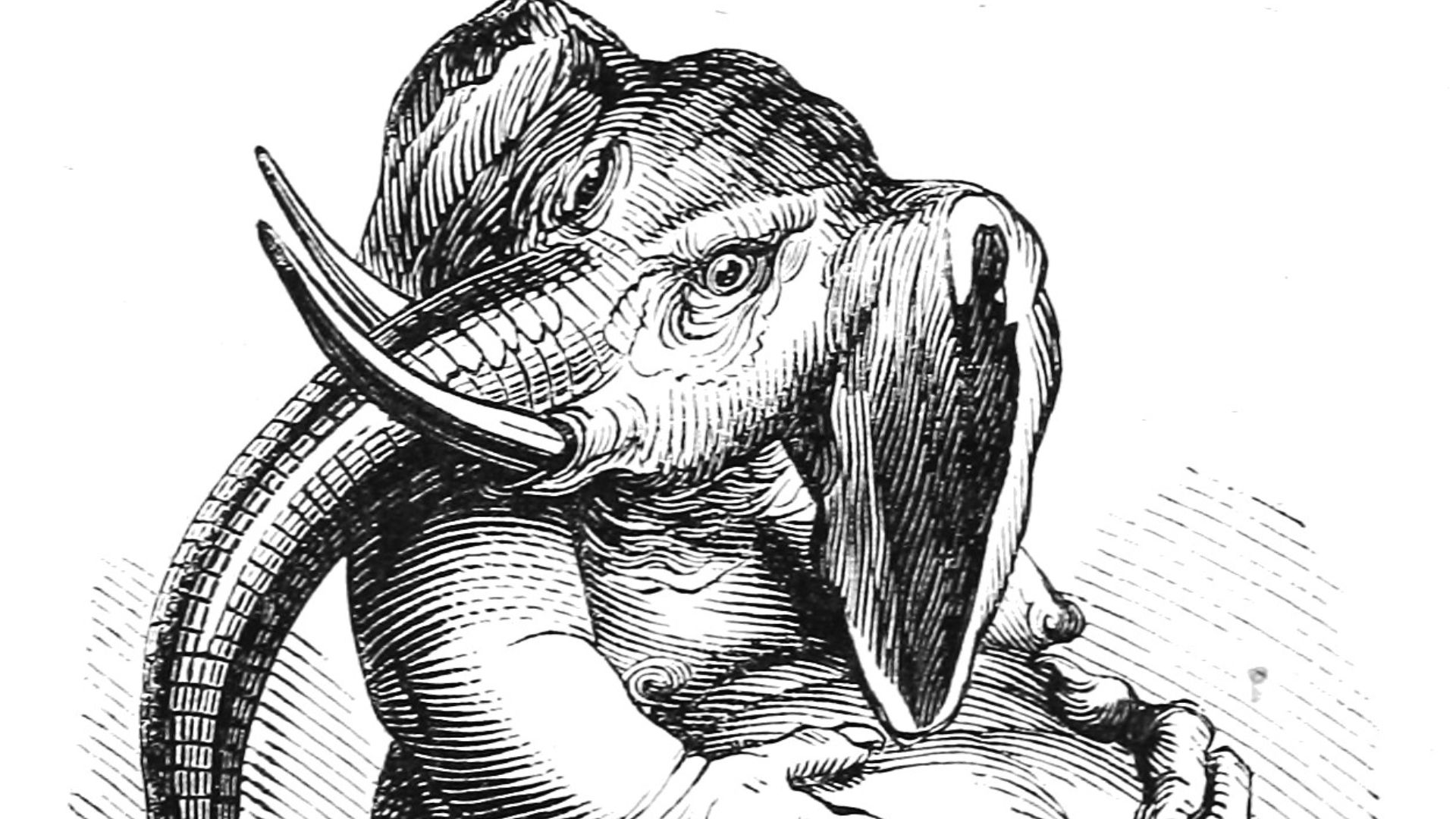
The Behemoth from ancient Hebrew texts may have been inspired by a real large animal, often interpreted as a hippopotamus, elephant, or wild ox. Its description emphasizes enormous strength, huge size, and an intimidating presence, which fits the way people might describe an animal that was both familiar and frightening. Later interpretations made it more monstrous, but the original image likely started with the awe people felt around massive land animals.
8. The Dragon
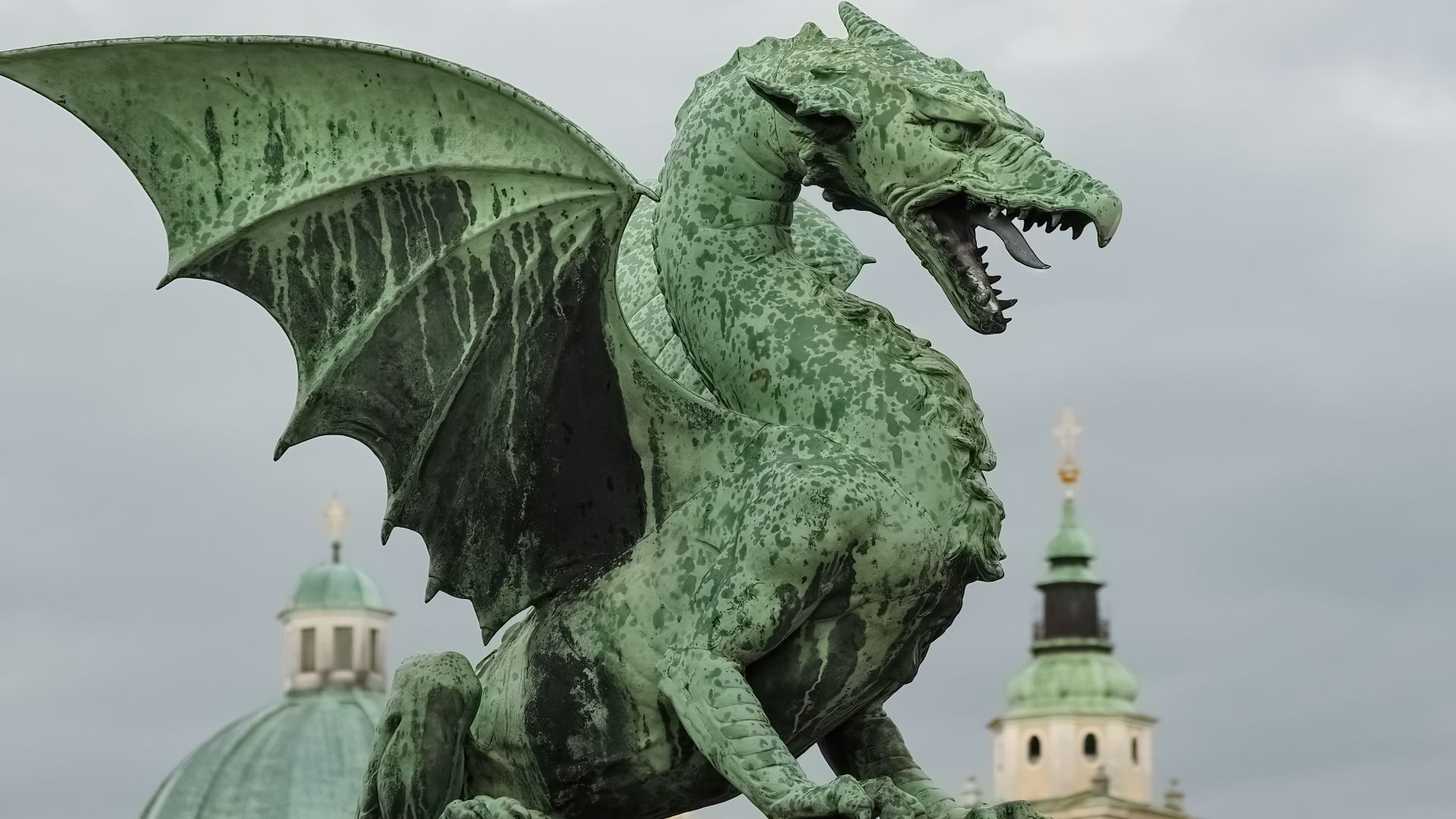
Dragons are too widespread and varied to have one simple origin. In some places, crocodiles, large snakes, monitor lizards, and fossil bones may have helped inspire stories of giant reptilian creatures. Add fire, wings, treasure, and a habit of menacing heroes, and the animal roots get buried under centuries of flair.
9. The Roc
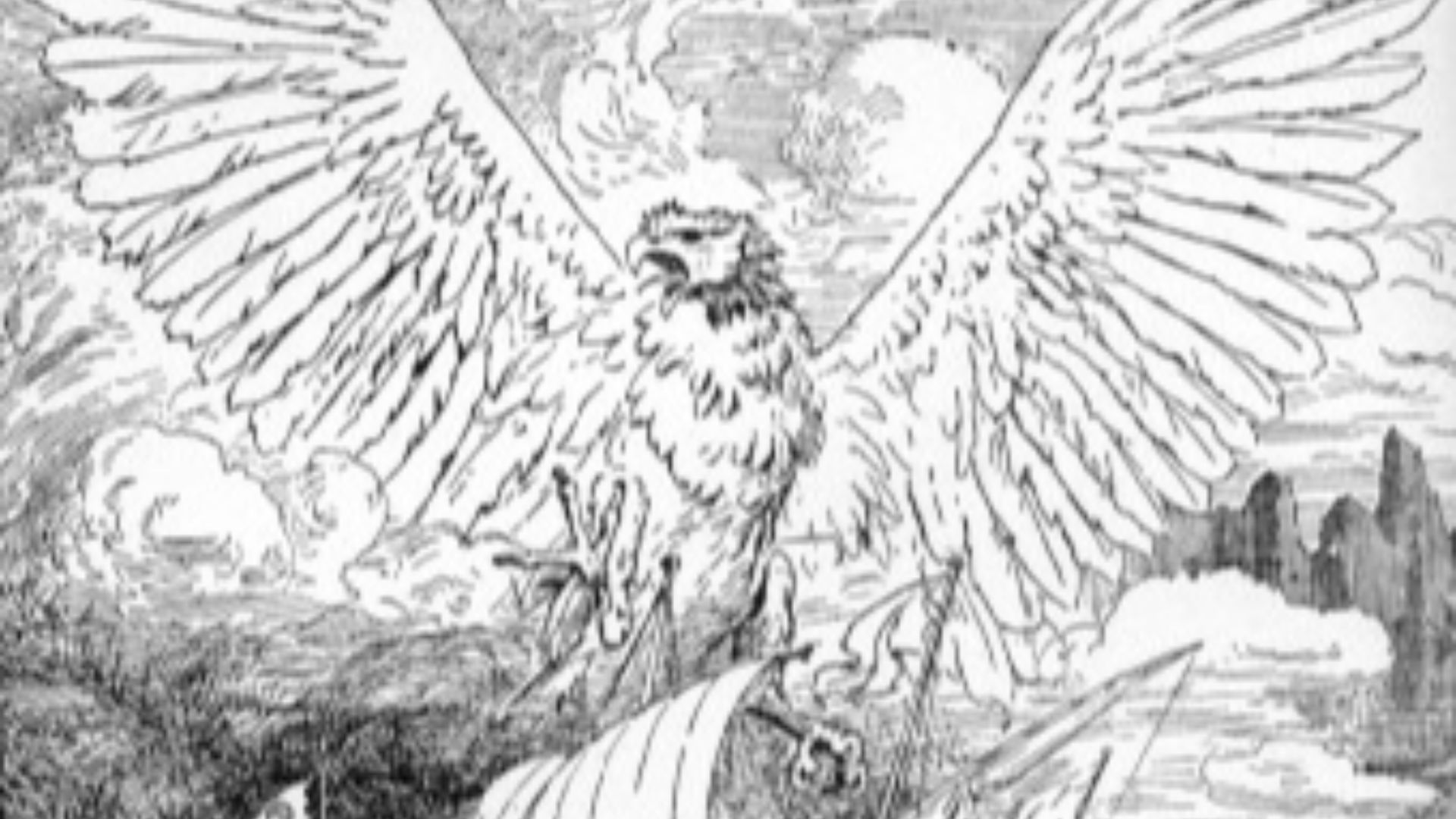
The Roc was a giant bird from Middle Eastern and South Asian tales, famous for being large enough to carry off elephants in some stories. Real large birds, including eagles and the now-extinct elephant bird of Madagascar, may have helped shape the idea. Travelers’ tales could stretch size very quickly, especially when the audience couldn’t check the bird’s measurements.
10. The Centaur
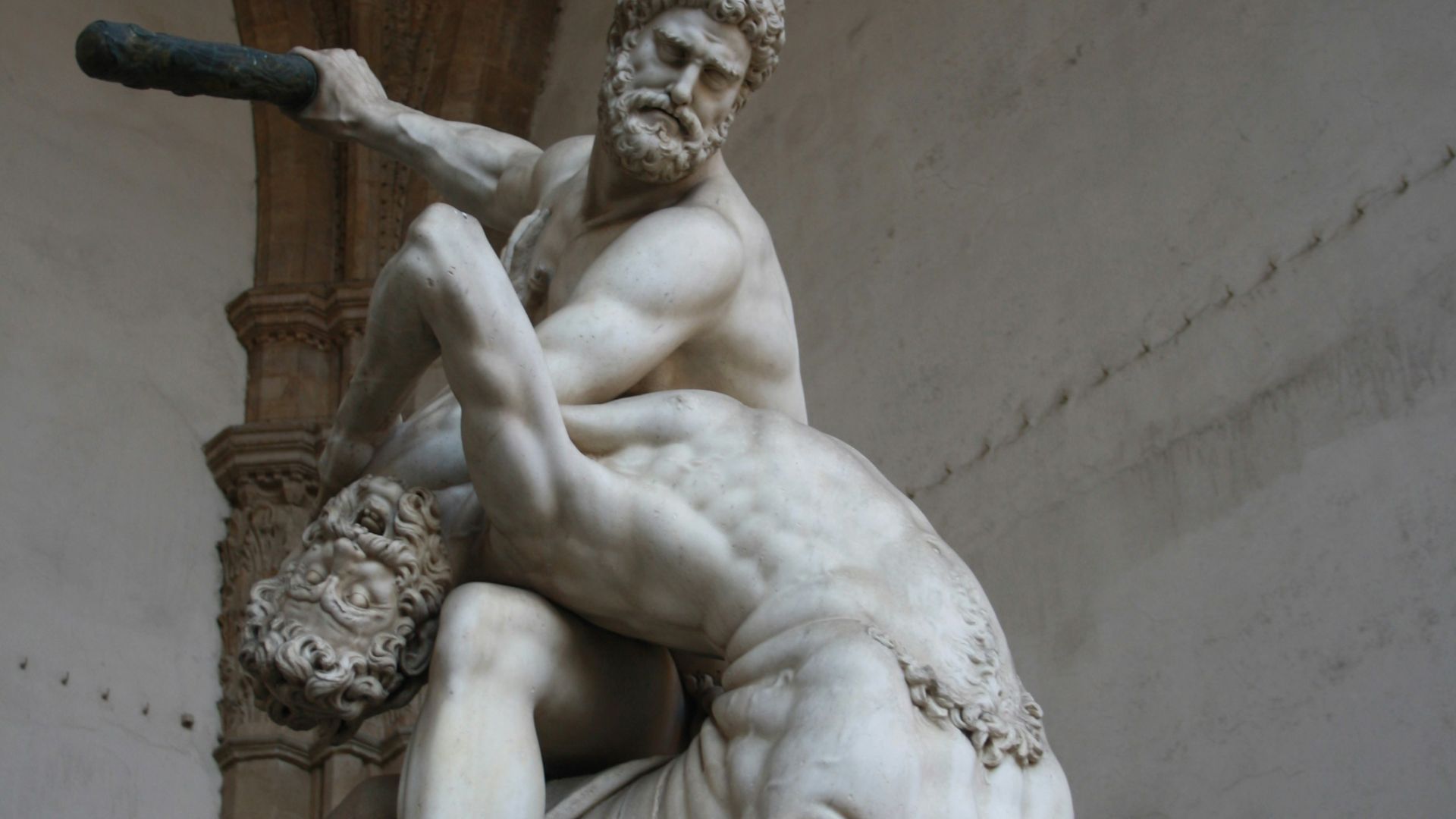
The centaur wasn't based on a literal half-human, half-horse creature, but it may reflect ancient encounters with skilled horse-riding peoples. To communities unfamiliar with mounted riders, a person and horse moving together could seem almost like one being. The myth also grew into a symbol of wildness, impulse, and untamed behavior in Greek culture.
Now that we've talked about the ancient monsters that were probably based on real animals, let's cover the ones that were purely imaginary.
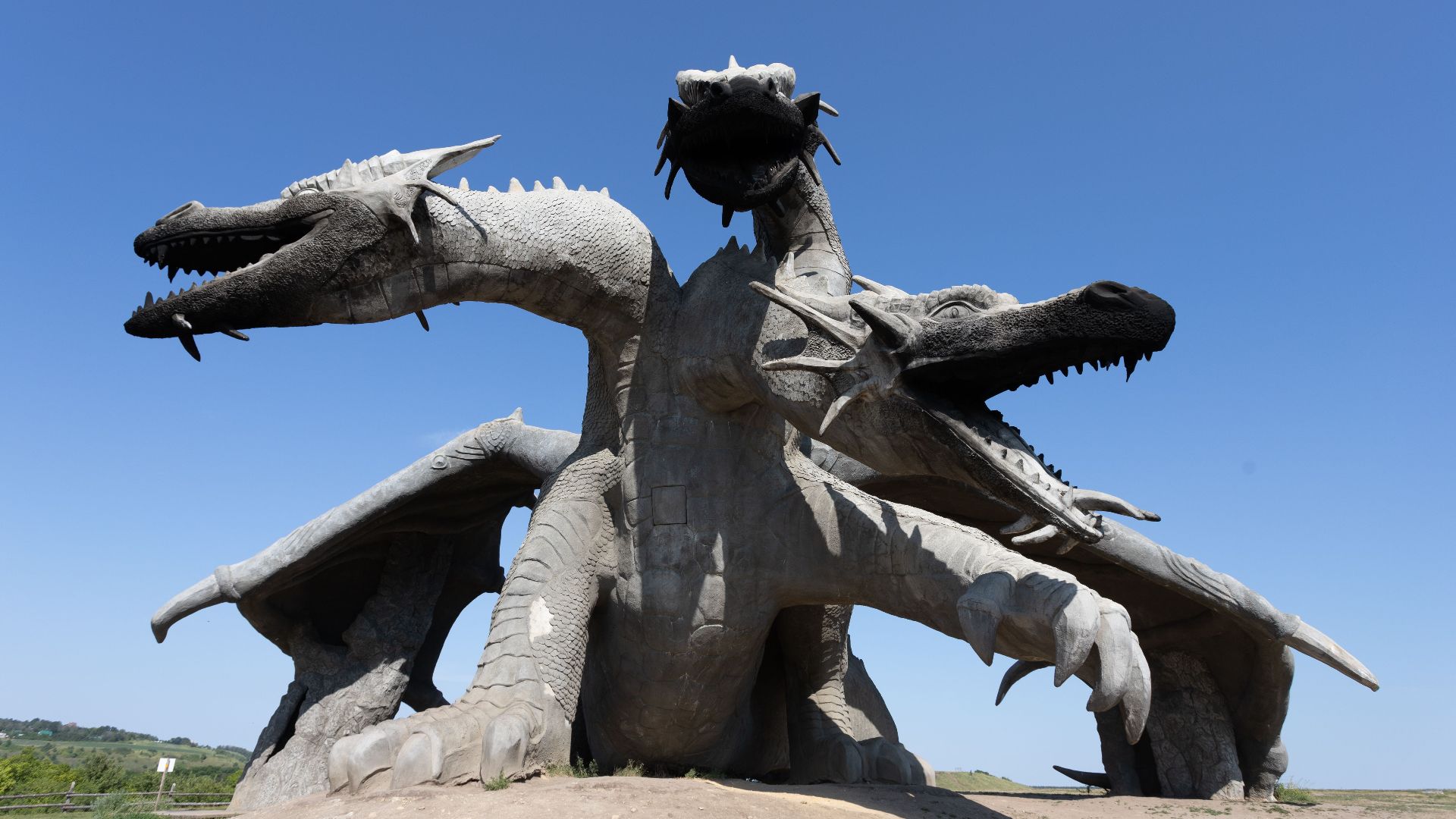
1. The Hydra
The Hydra is one of those monsters that becomes less realistic the more you learn about it. A many-headed serpent is strange enough, but the fact that two heads could grow back when one was cut off puts it firmly in mythic territory. Nature has some weird animals, but the Hydra is clearly playing by different rules.
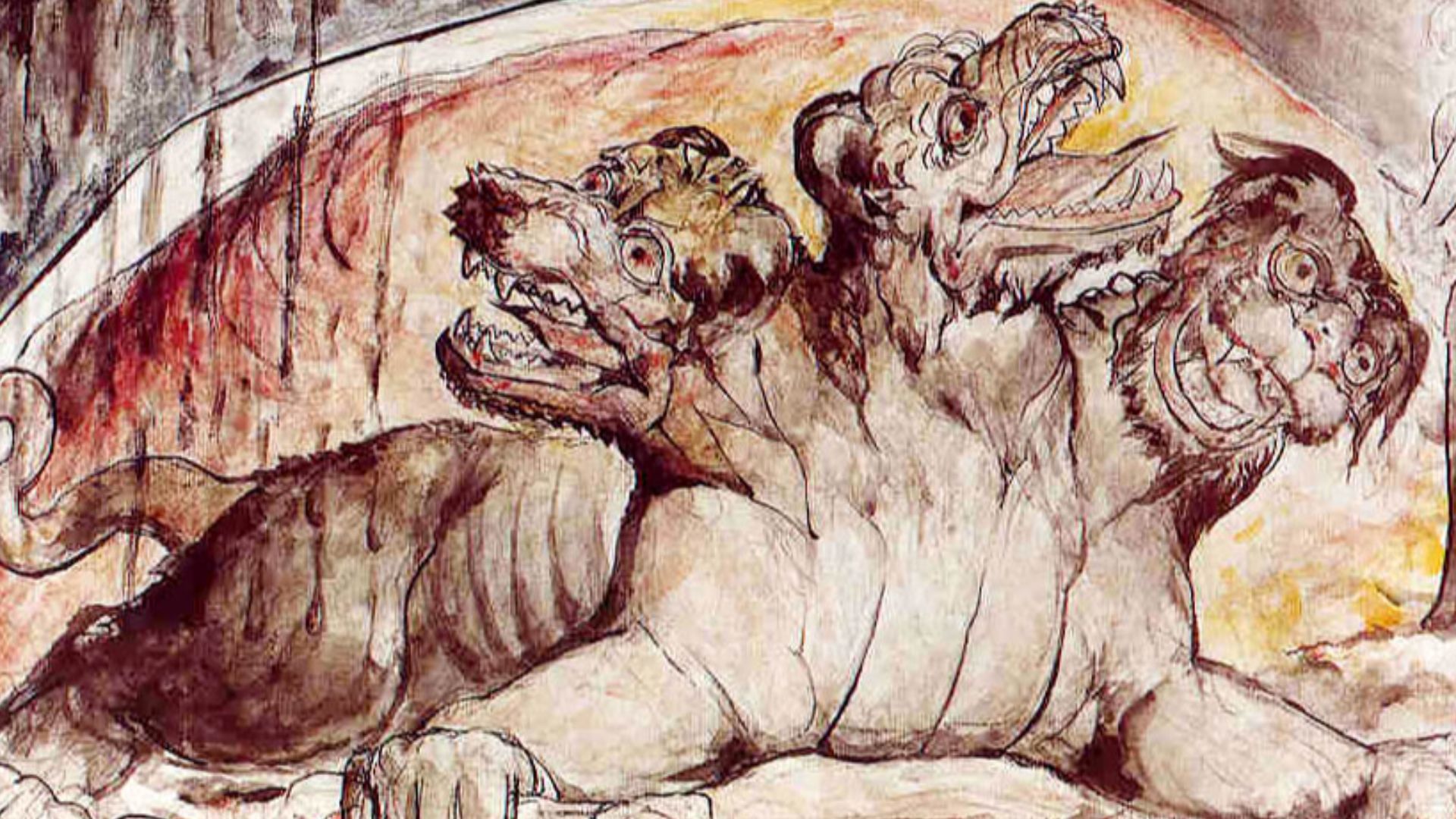
2. Cerberus
Cerberus, the three-headed dog guarding the underworld, is more symbolic than zoological. Dogs were real enough, of course, and guardian animals appear in many cultures, but the three heads and connection to the realm of the dead make him a mythic figure first. He isn’t really about explaining a strange animal sighting. He’s about making the entrance to the afterlife feel properly intimidating.
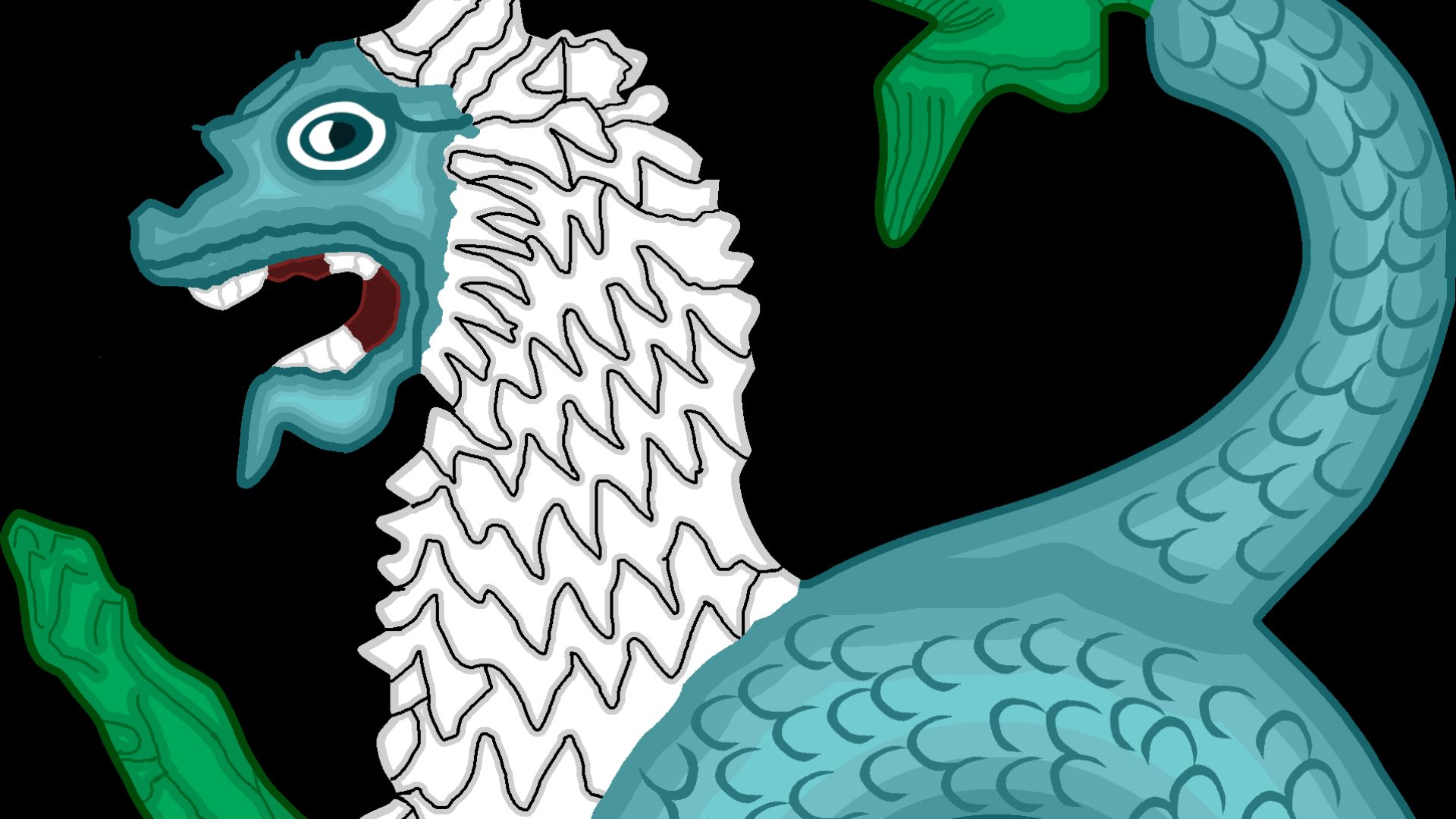
3. The Chimera
The Chimera combines a lion, goat, and serpent into one fire-breathing monster, which isn't exactly a normal outcome of animal breeding. Its mixed body feels designed to be unnatural, dangerous, and memorable. Ancient storytellers may have drawn on real animals for the parts, but the full creature is a fantasy construction.
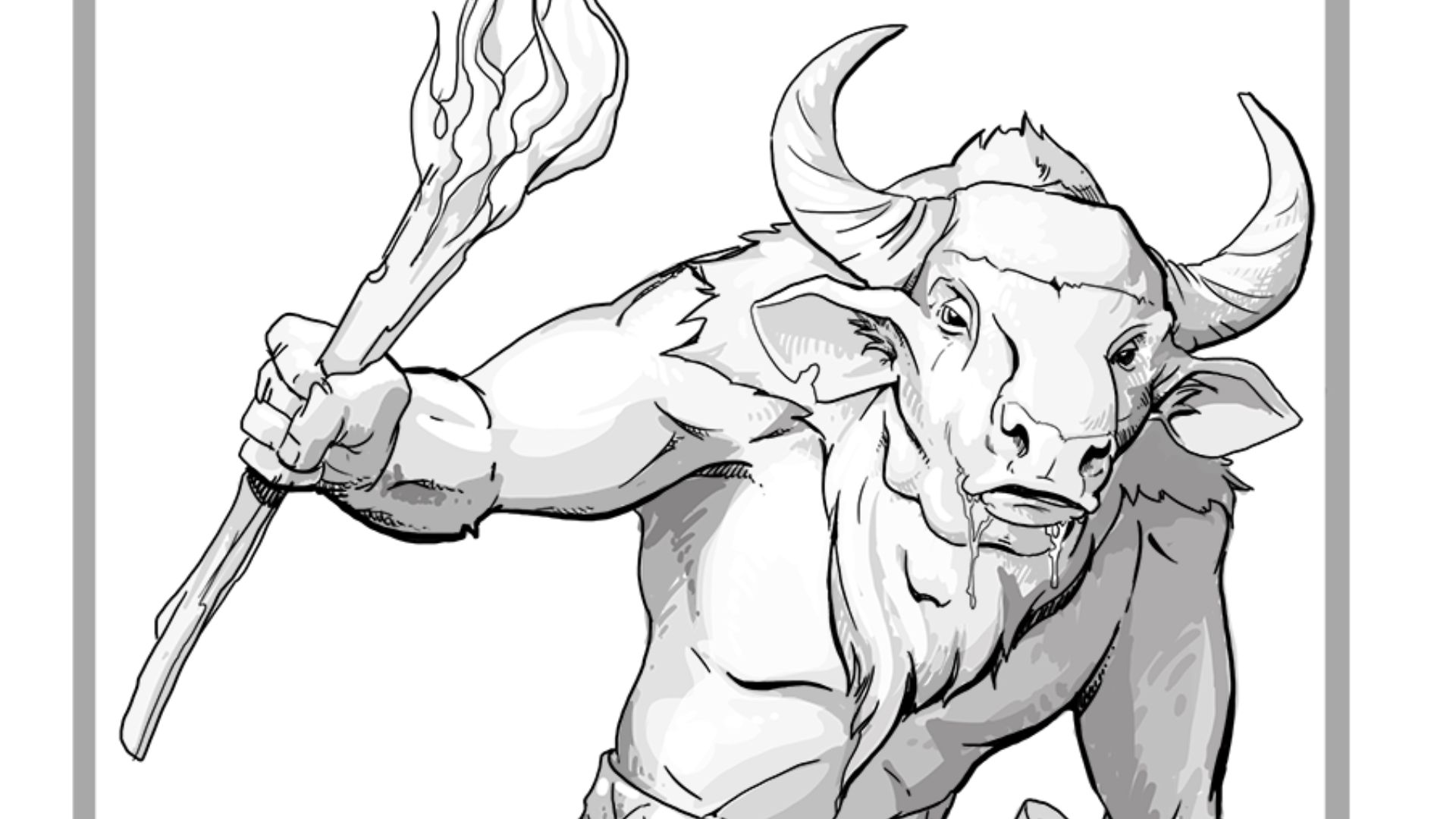
4. The Minotaur
The Minotaur has a bull’s head and a human body, but the story around him is deeply mythological. He belongs to a tale involving divine punishment, royal secrets, and a labyrinth built to hide a family problem that got badly out of hand. Bulls were powerful symbols in ancient Mediterranean cultures, but the Minotaur isn't just an exaggerated bull. He’s a monster made from fear, shame, and storytelling.
5. Medusa
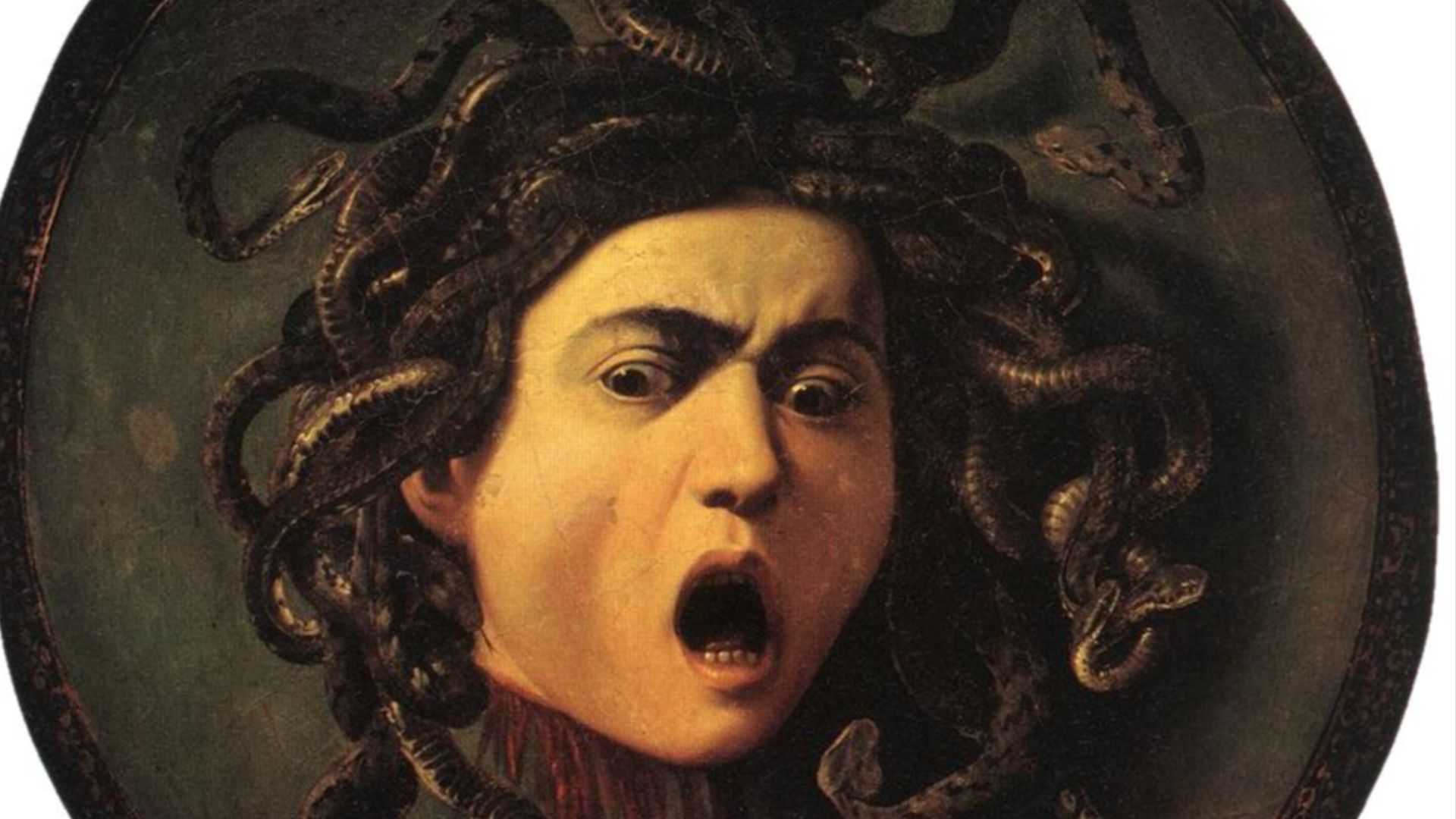
Medusa’s snake hair makes her visually unforgettable, but her power is what pushes her beyond any real animal basis. Turning people to stone with a look is pure myth, tied to danger, punishment, beauty, fear, and later layers of interpretation. Snakes may have supplied the imagery, but they don’t explain the full force of the story, which is symbolically loaded.
6. The Sphinx
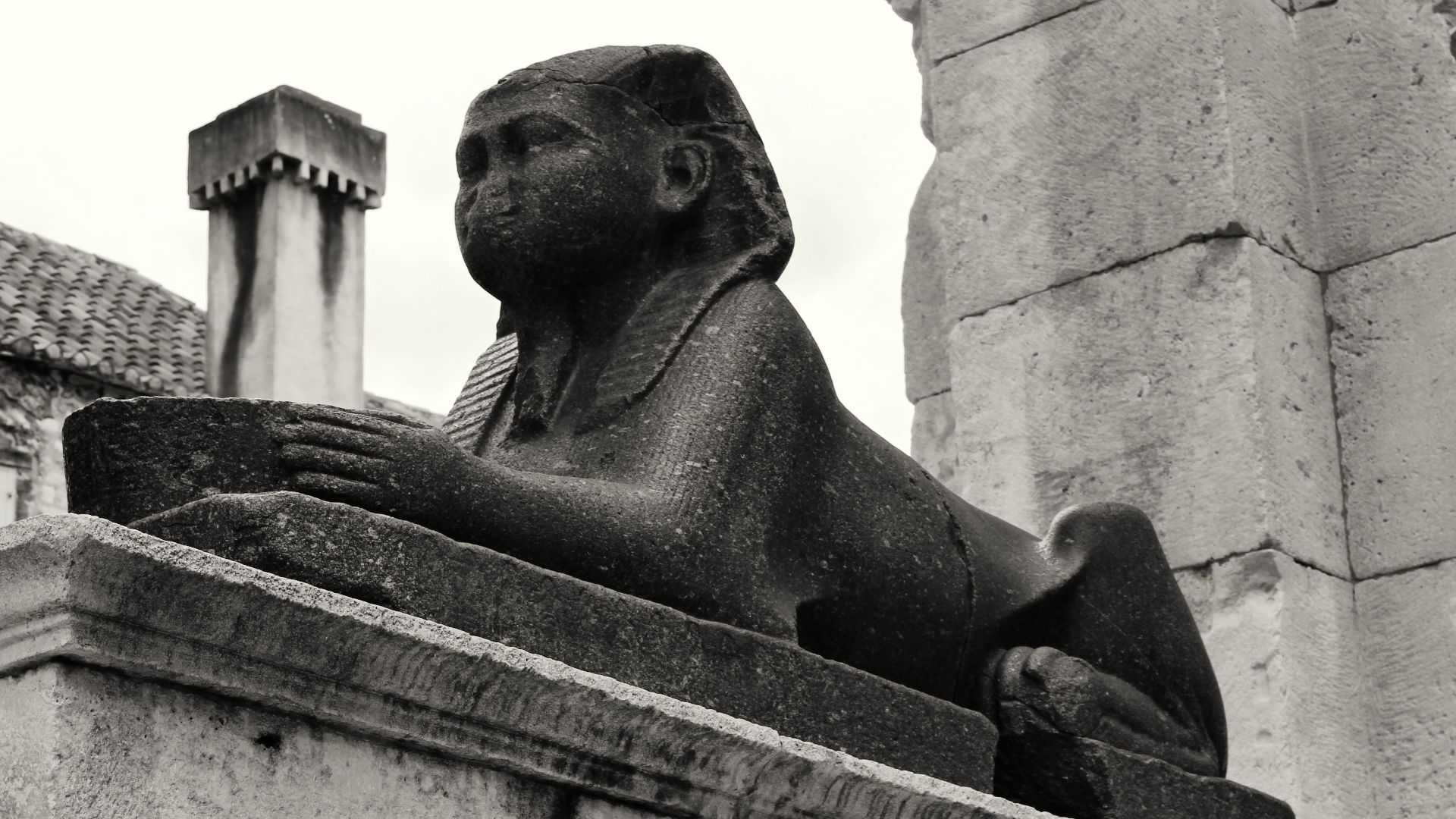
The Sphinx combines a human head with a lion’s body, and in Greek tradition, she adds riddles and deadly consequences. Ancient Egyptian sphinxes had different meanings, often tied to royal power and protection. Either way, this isn't a creature someone mistook for a regular animal on a bad day.
7. Typhon
Typhon was one of Greek mythology’s most over-the-top monsters, often described as a gigantic, storming creature with serpents, wings, fire, and enough destructive power to challenge the gods themselves. He wasn’t just a scary animal exaggerated through rumor; he was basically chaos given a body and a very dramatic job description. His story belongs firmly in the world of divine battles, cosmic terror, and mythic spectacle.
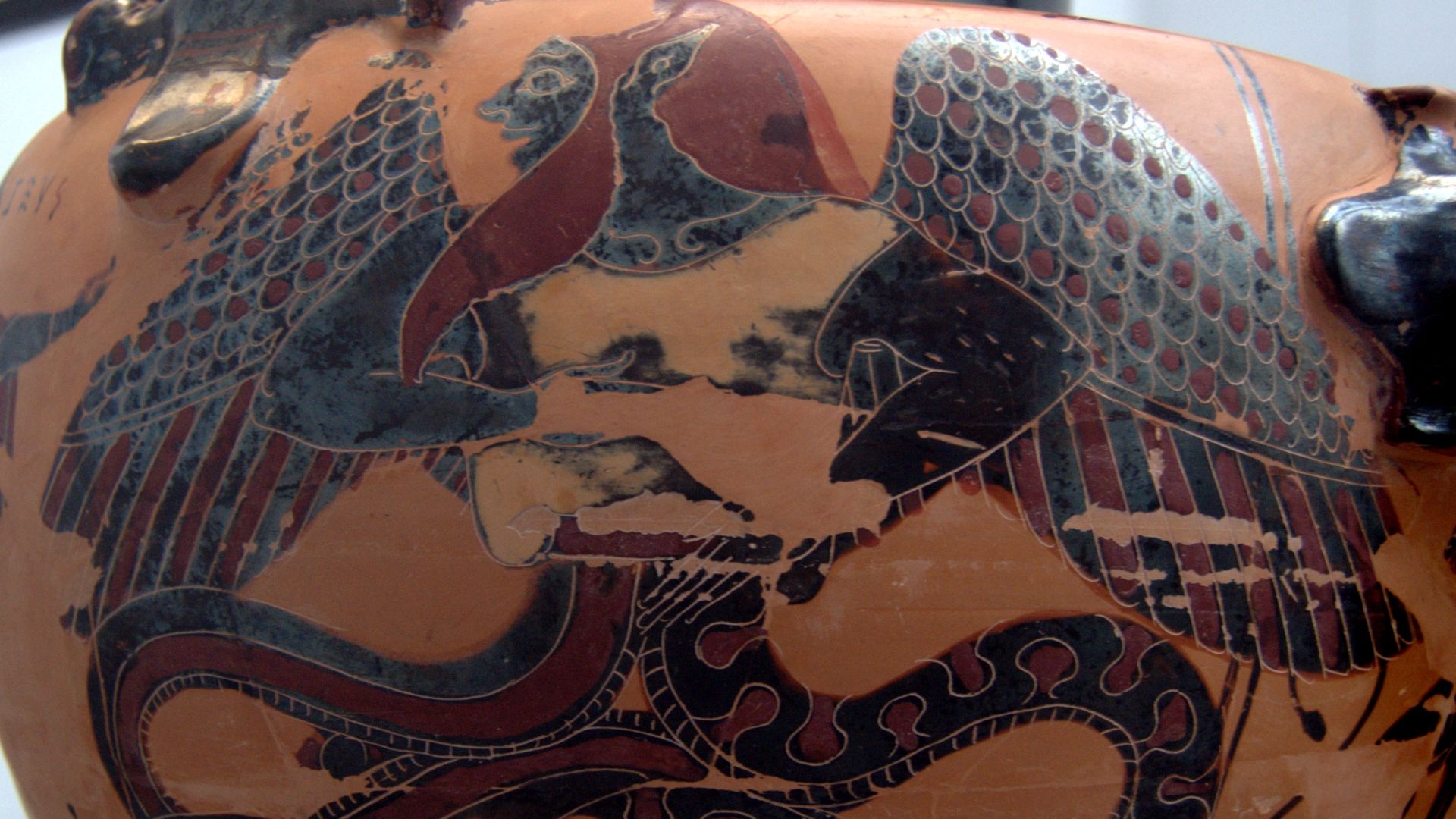 User:Bibi Saint-Pol on Wikimedia
8. The Harpy
Harpies were part woman, part bird, and very good at making life unpleasant in Greek myth. They were often associated with storm winds, punishment, and snatching things away. Birds of prey may have influenced the wings and claws, but the creature itself is more supernatural force than strange animal report.
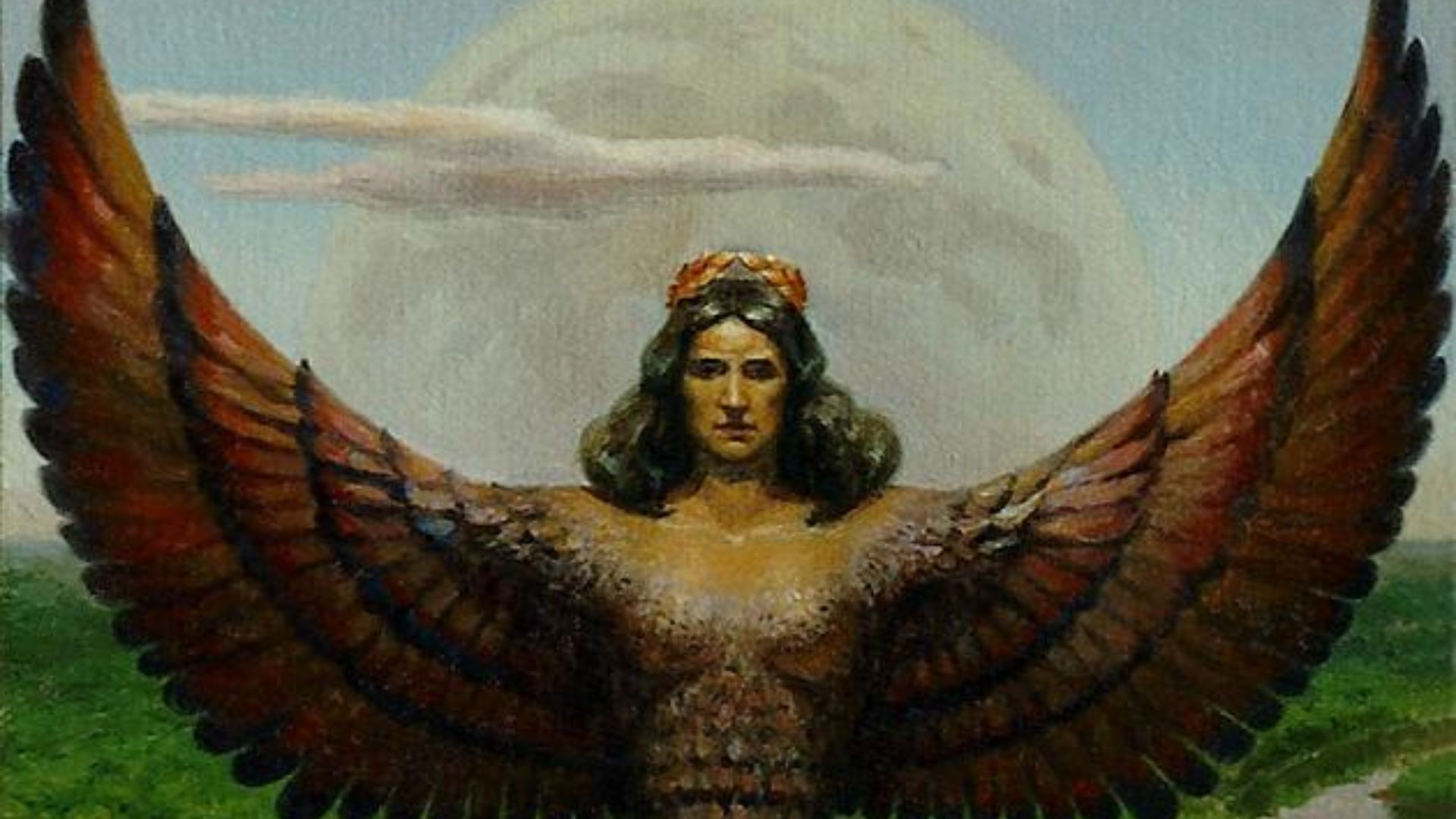 Сергей Панасенко-Михалкин on Wikimedia
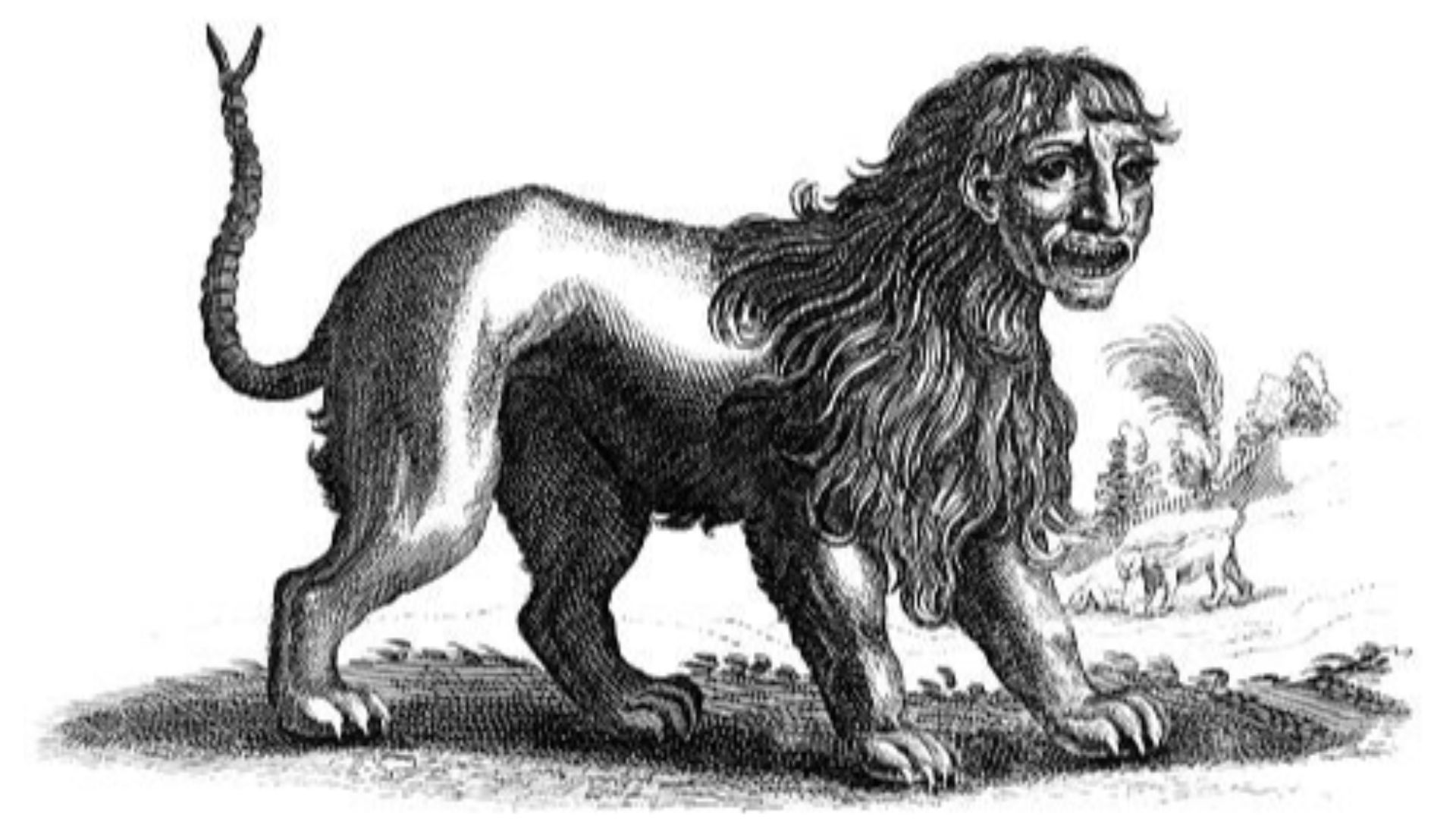
9. The Manticore
The manticore was described with a human-like face, a lion’s body, and a scorpion tail, which is a lot for one creature to manage. Some scholars have suggested distant links to misunderstood animals, but the classic version is too stitched-together to feel zoological. Its appeal comes from combining several fears into one tidy monster.
10. The Hecatoncheires
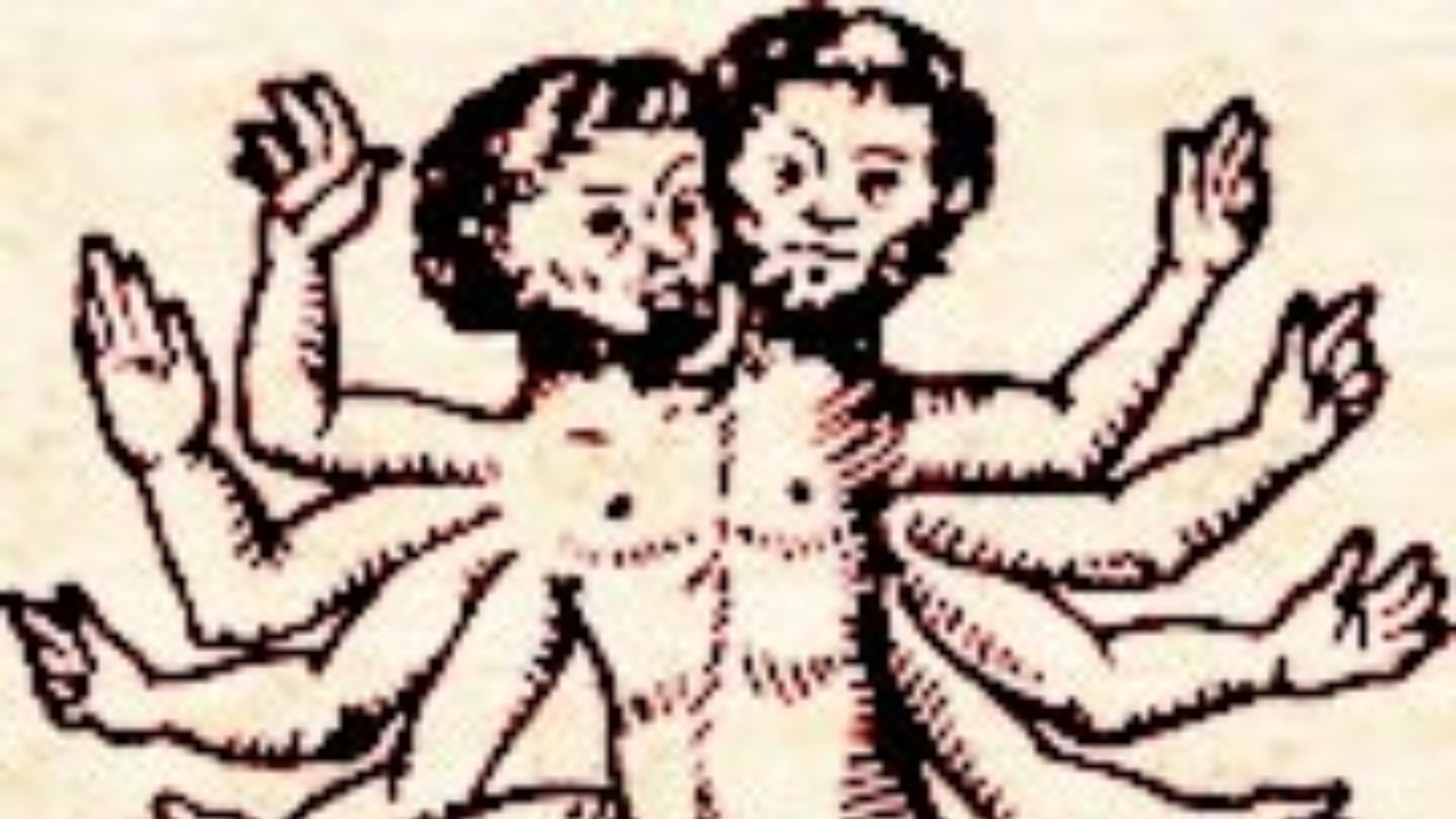
The Hecatoncheires were some of the strangest beings in Greek mythology, described as giants with fifty heads and one hundred hands each. That’s not a distorted animal sighting; that’s mythology fully committing to excess. Their impossible bodies made them feel less like creatures from nature and more like living symbols of overwhelming power.
KEEP ON READING