The Many Rules Around Eating
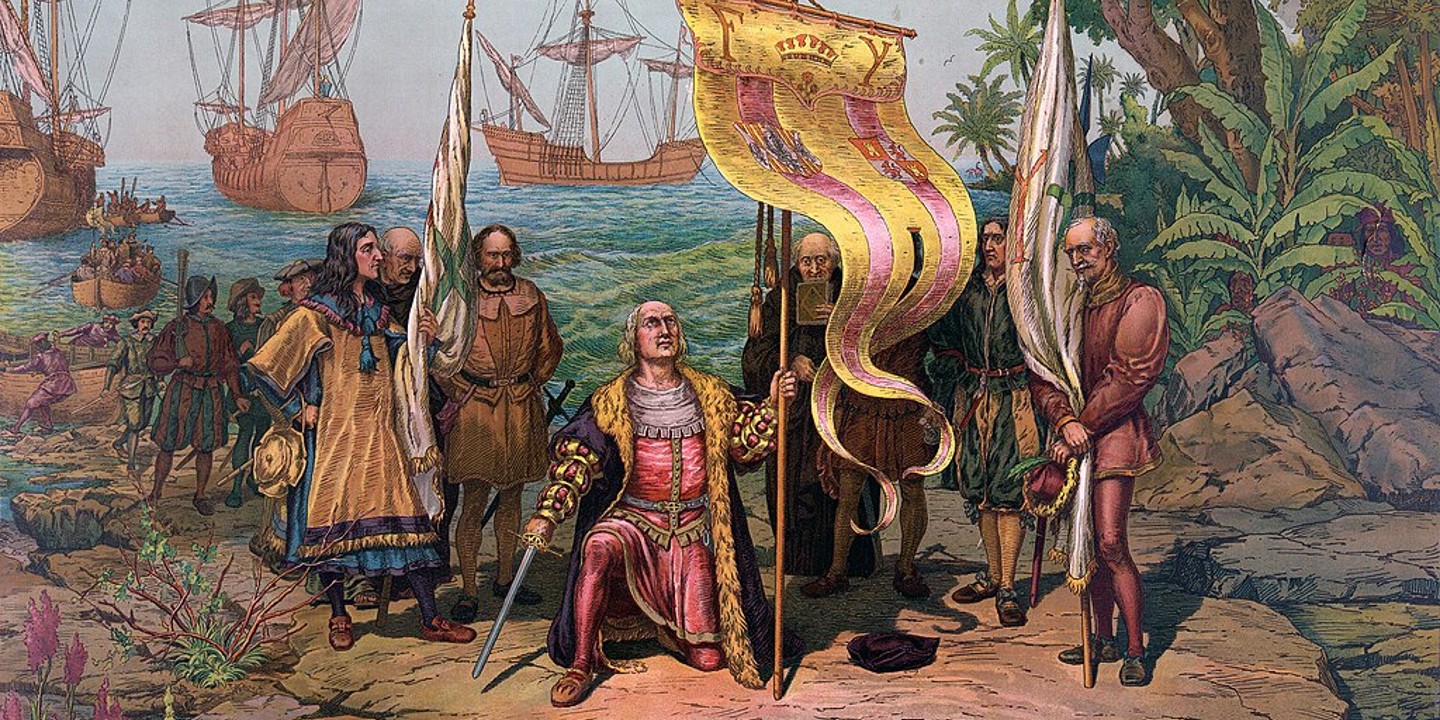
Food taboos say a lot about the people who followed them. They show us what societies feared, what leaders wanted to control, and what counted as “proper” behavior at the table. Some old food rules came from religion, some came from class pressure, and some came from a very shaky understanding of health and science. A few of these ideas still show up in small cultural or religious settings, but they don’t shape everyday meals the way they once did. Here are 20 historical food taboos we’re glad have mostly disappeared from the menu.
1. Poisonous Tomatoes
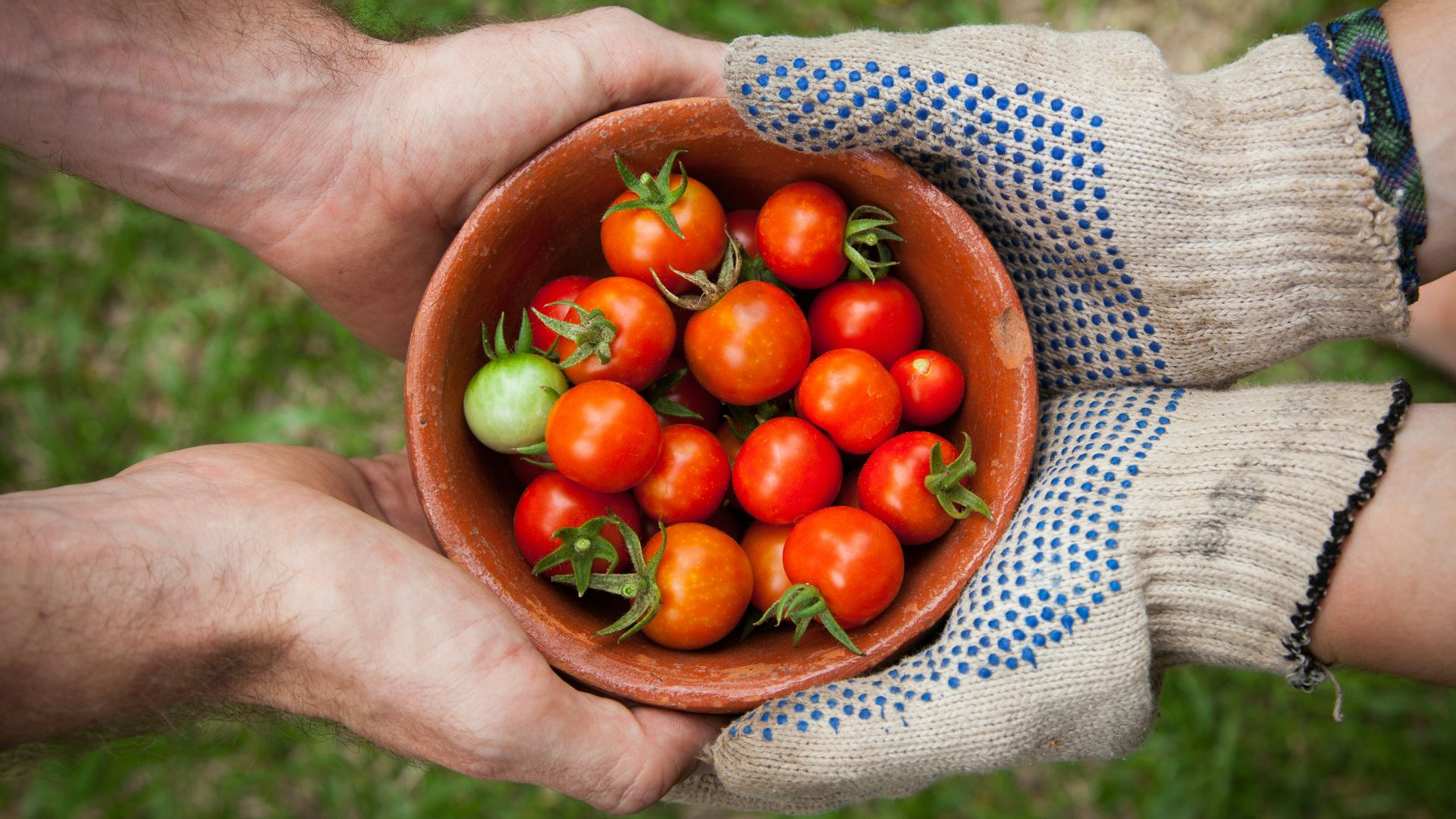
Tomatoes are everywhere now, from pizza sauce and salsa to the ketchup bottle hanging out in the fridge door. In parts of early modern Europe, though, people tended to avoid the fruit because they belonged to the nightshade family. Since some nightshade plants are poisonous, the tomato got stuck with a scary reputation.
2. Potatoes Were Blamed For Disease
Potatoes are comfort food staples now, but in parts of Europe, they were once seen as strange, low-status, or even dangerous. In France, some people linked potatoes with disease, including leprosy, before they eventually became a trusted everyday crop.

3. Eggplants Were Called “Mad Apples”
Eggplant once carried the dramatic nickname “mad apple.” Like tomatoes and potatoes, it belongs to the nightshade family, and that made some Europeans nervous. Other cultures had already been eating eggplant for ages, but suspicion still followed it in places where it felt unfamiliar.
4. Coffee’s For Closers
Coffee has always been good at bringing people together, and that’s exactly what worried some rulers. Coffeehouses gave people a place to talk, debate, gossip, and sometimes complain about those in charge. You can understand why some officials tried to shut down these communal spaces.

5. Chocolate Sparked Religious Debate
When chocolate entered European life, people didn’t only ask whether it tasted good. They argued about whether drinking it during a religious fast counted as breaking the rules. Since chocolate was often served as a drink, it landed in a strange gray area between food, beverage, and medicine.

6. Margarine Was Judged By Its Color
Margarine once caused a surprisingly serious fight over appearance. In the United States, some laws restricted yellow margarine because it looked too much like butter, and dairy producers didn’t love the competition.

7. Absinthe
Absinthe built up a spooky reputation as the so-called “green fairy.” People blamed it for hallucinations, madness, and moral decline. Today, absinthe is treated like a strong spirit, not some magical shortcut to chaos.

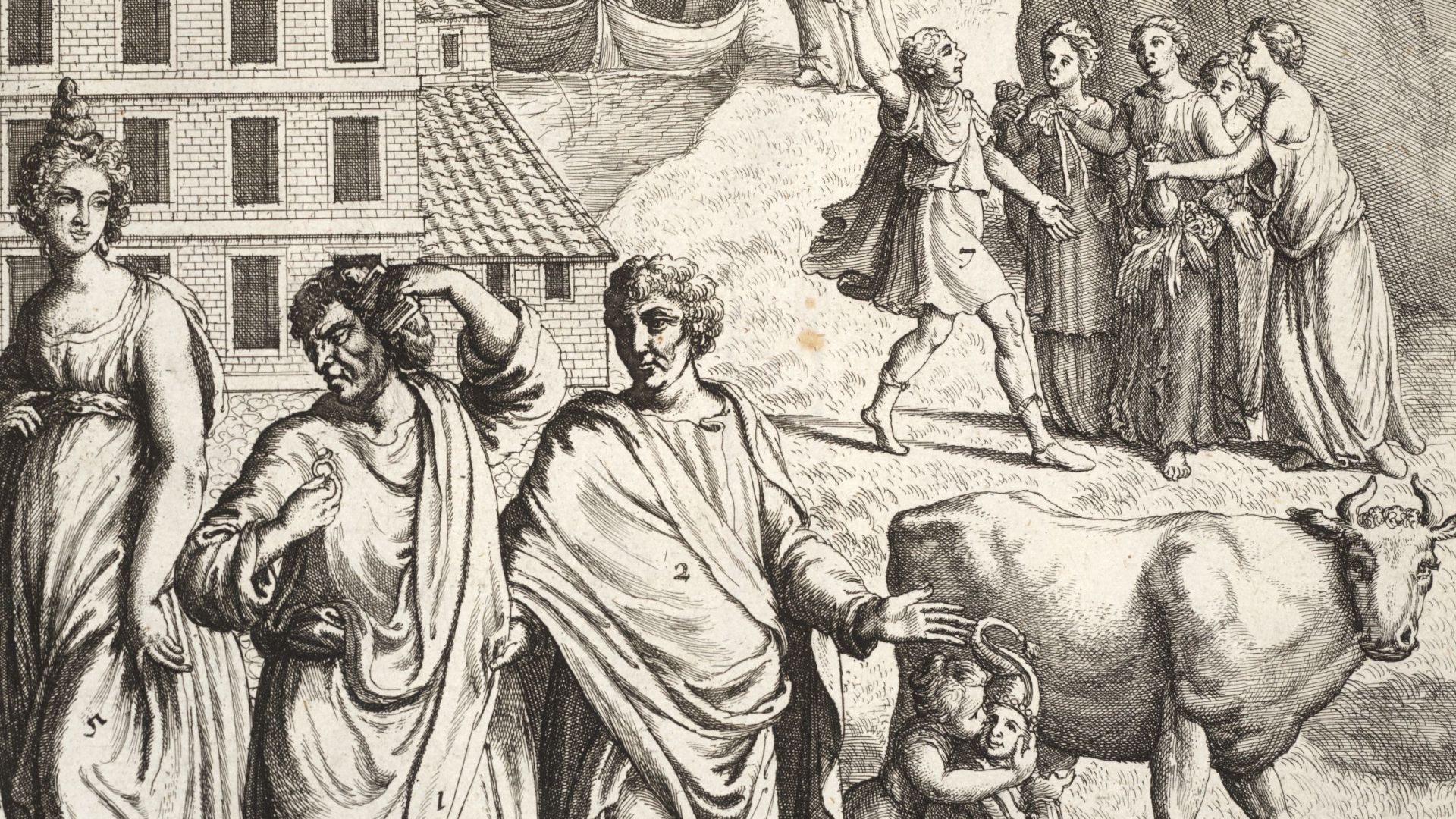
8. Roman Women Were Discouraged From Drinking Wine
In early Roman tradition, women were expected to avoid certain kinds of wine, though historians still debate how widely that rule actually applied. The taboo was tied to ideas about respectability, household control, and ritual purity.
 Wenceslaus Hollar on Wikimedia
9. Fava Beans Became Spiritually Suspicious
Fava beans seem pretty harmless now, especially with olive oil, lemon, and a little salt. Some ancient followers of Pythagoras reportedly avoided them for reasons tied to souls, death, ritual impurity, or bodily discomfort. Today, we typically associate them with a quote from Hannibal Lecter.

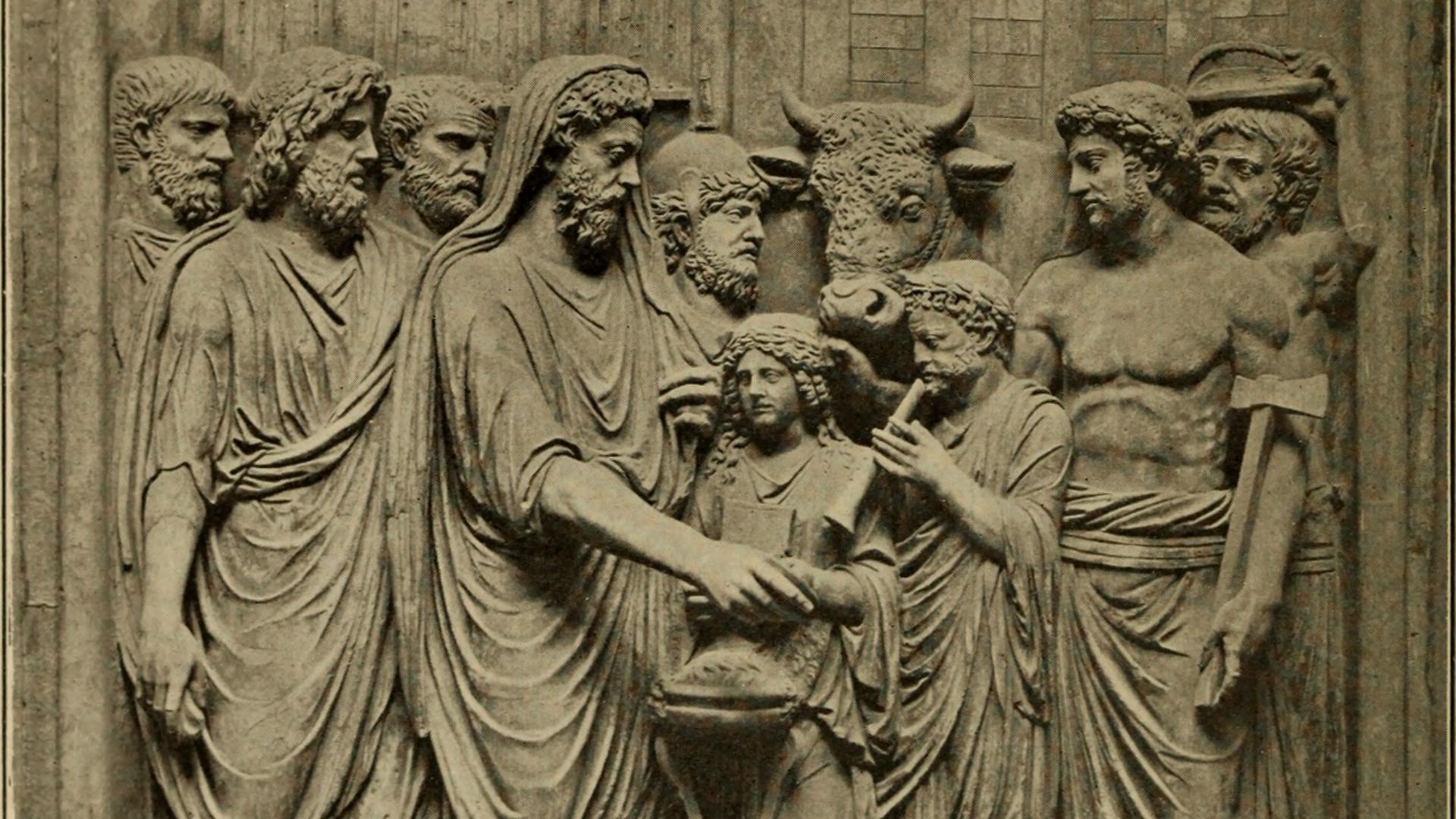
10. Roman Priests
The Flamen Dialis, a high-ranking priest of Jupiter in ancient Rome, lived with a long list of rules. He wasn’t supposed to touch or even name certain things, including beans, raw meat, and female goats. This wasn’t a normal Roman diet plan, but it shows how tightly food could be tied to sacred duty.
 Internet Archive Book Images on Wikimedia
11. Some Egyptian Priests Avoided Fish
In certain priestly or temple settings, fish could be treated as ritually sensitive or off-limits. That said, the rule depended on time, place, and religious context.

12. Lent Once Meant Giving Up Much More Than Meat
Modern Lenten food rules can feel pretty manageable compared with older Western Christian practices. In medieval Europe, Lent could mean avoiding meat, eggs, dairy, and animal fats, which made everyday cooking much more limited. That’s one reason rich pre-Lenten foods mattered so much, since people wanted to use up butter, milk, and eggs before fasting began.

13. Fast Days
Religious fasting once affected far more than a few Fridays in spring. In many Catholic communities, meat and certain animal products were restricted on a long list of fast days, vigils, and seasonal observances. The calendar could decide what went into the pot, which made fish, grains, vegetables, and legumes a much bigger part of daily meals.
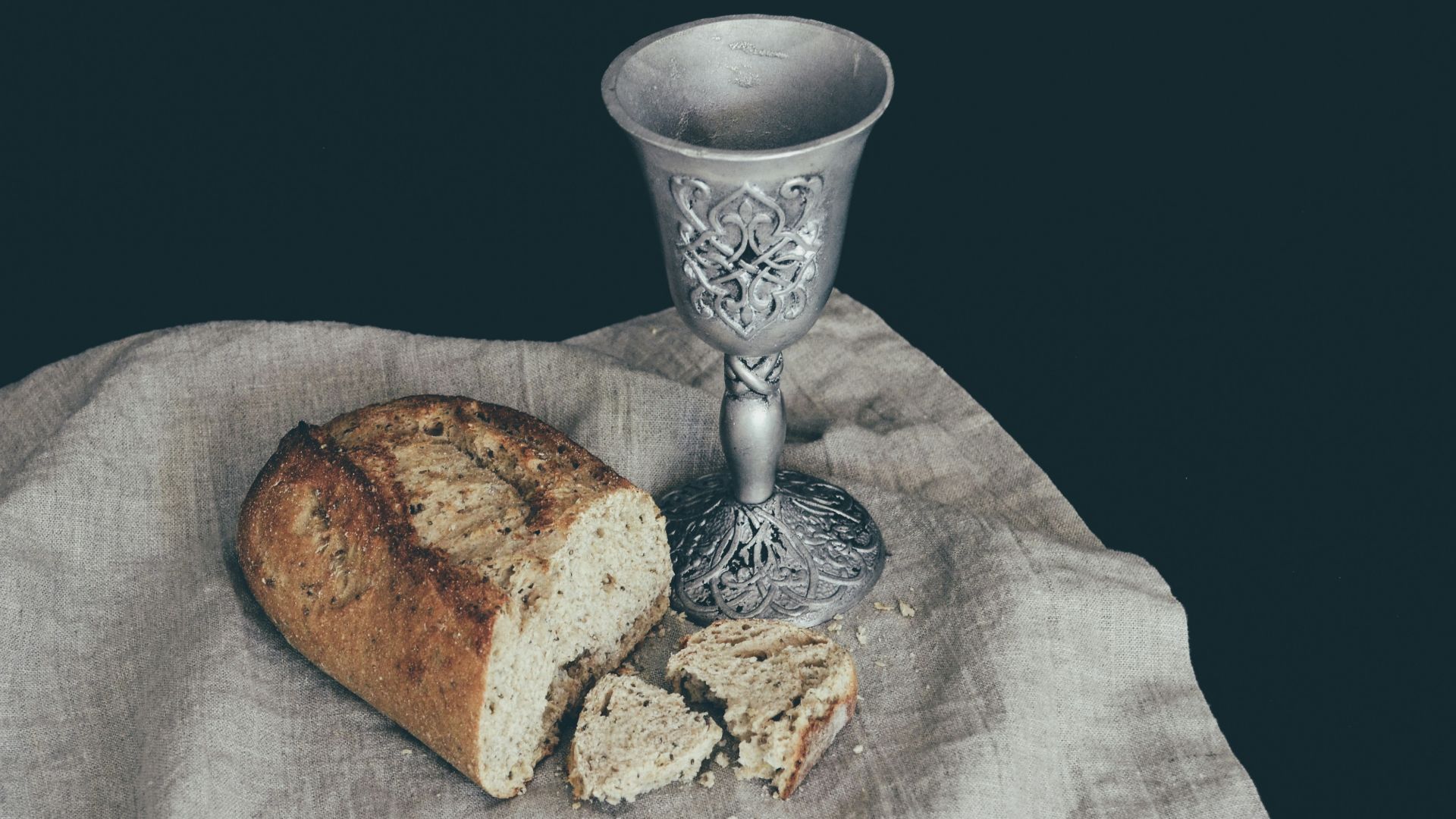
14. Communion Once Required A Much Longer Fast
Catholics preparing for Communion once followed a much stricter fast than most do today. For a long time, the rule generally meant fasting from midnight before receiving Communion, and older practice could even include avoiding water. Later changes shortened the fast, which made it much easier to follow with modern schedules.
15. Japan Spent Centuries Treating Meat With Suspicion
For much of Japanese history, meat eating could feel morally, religiously, or socially uncomfortable. Buddhist ideas about killing animals, beliefs about purity, and respect for working animals all shaped the way people thought about meat. The picture was never perfectly uniform, but meat became far more publicly accepted during Japan’s modernization period.
16. Beef Carried Moral Baggage In China
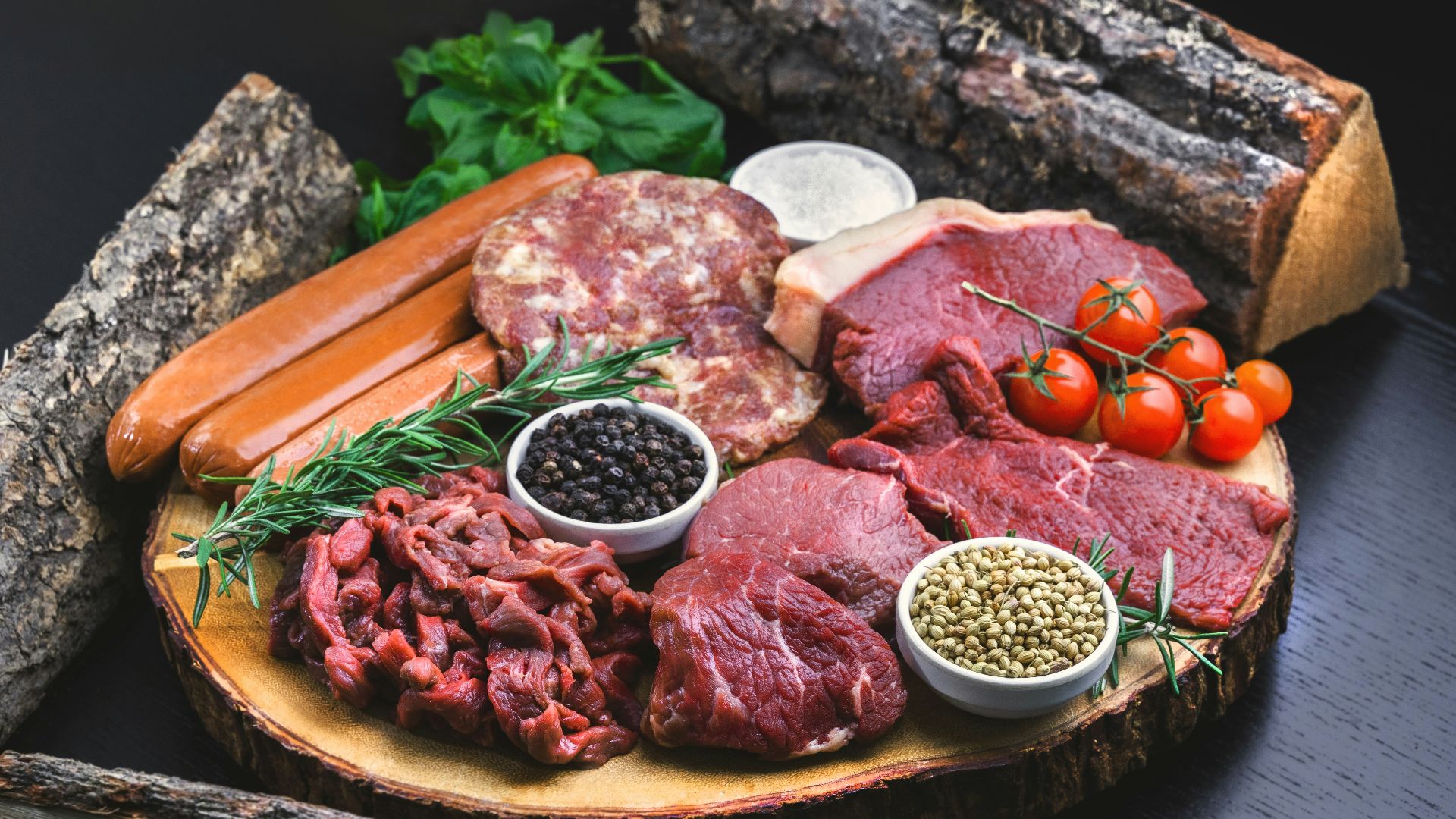
In premodern China, cattle were valuable working animals, especially in farming. Because of that, eating beef could be seen as wasteful or morally questionable in many communities. People still ate beef in some places and situations, but it often carried a kind of weight that other meats didn’t.
17. Horse Meat Was Linked With Pagan Practice
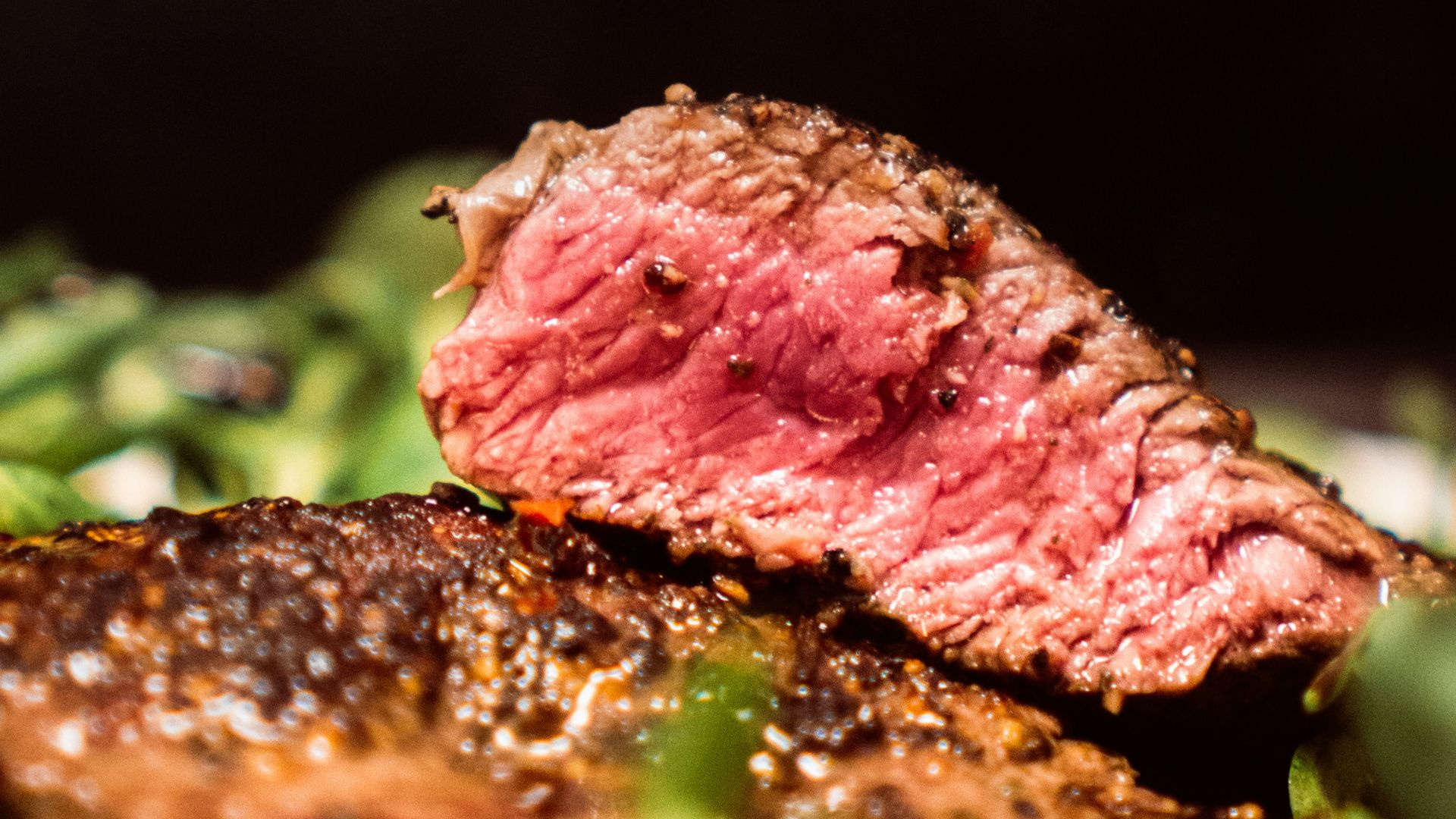
In parts of medieval Christian Europe, horse meat had more than culinary meaning. Horse sacrifice and horse eating were associated with some pre-Christian traditions, so church leaders discouraged those customs as Christianity spread. Over time, avoiding horse meat could become tied to religious identity, not just personal taste.

18. Pulque Was Not For Casual Drinking
Pulque, a fermented agave drink from central Mexico, once had a strong sacred and social meaning. In Aztec society, it was connected with ritual, age, and status. It wasn’t simply something everyone casually drank.
 Secretaría de Cultura CDMX on Wikimedia
19. Venison And Class Power
In medieval England, venison was more than just deer meat. It was tied to land, privilege, royal control, and the right to hunt. Forest laws protected game for kings and nobles, while ordinary people could face serious punishment for poaching.
20. Fancy Dinners Could Be Legally Limited
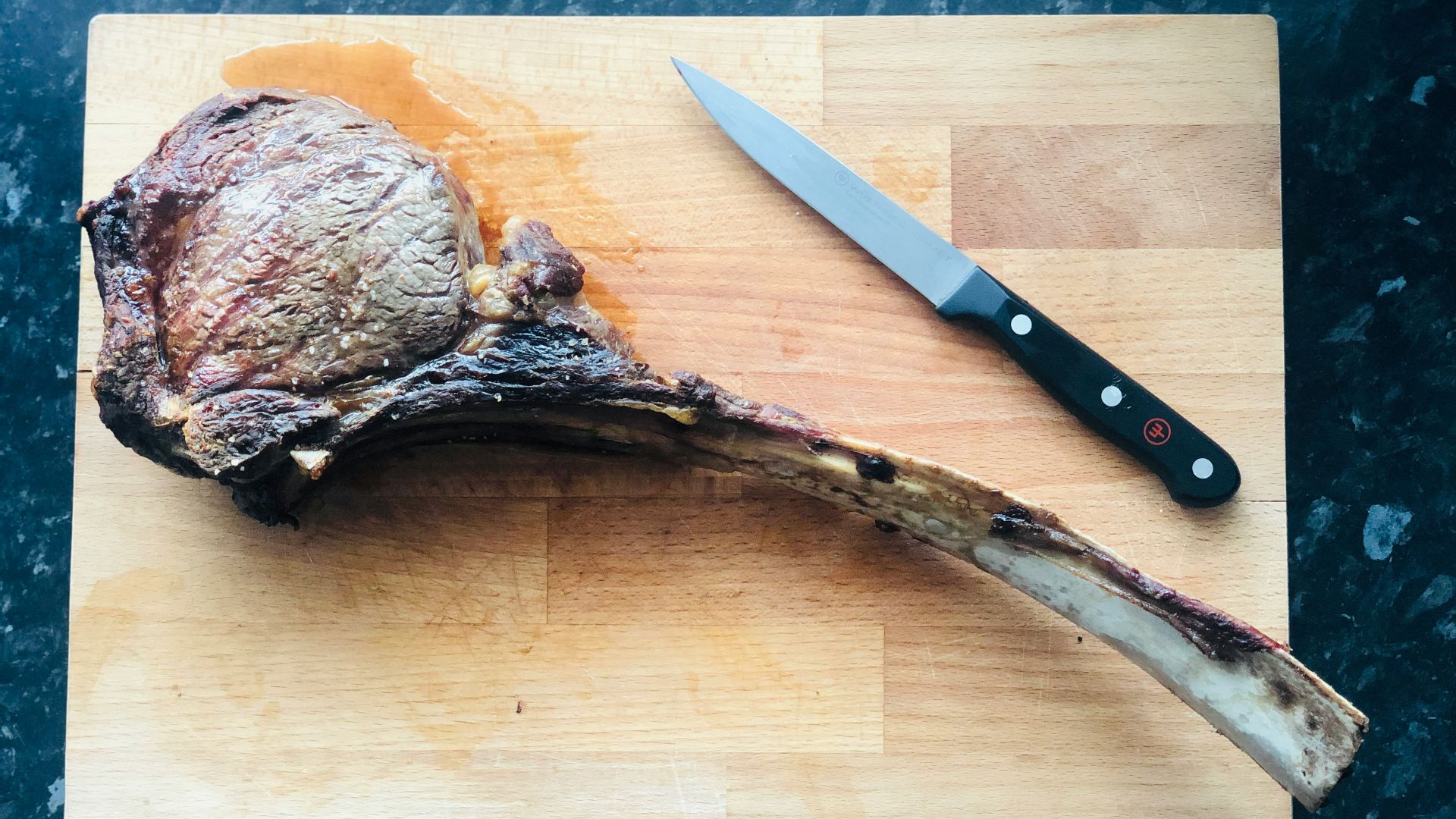
Some sumptuary laws tried to control how lavish meals could be. In parts of medieval and early modern Europe, rules sometimes limited the number of dishes, courses, or banquet excesses people could show off. Today, an overstuffed holiday table might cause a fridge-space problem, but at least it’s usually not a legal one.