Smart, Strange, Or Downright Beautiful
Ancient houses weren’t just places where people slept at night. They were family spaces, workspaces, status symbols, and clever little experiments in staying cool, getting warm, storing water, and making daily life run smoothly. Some ancient homes had painted walls, peaceful courtyards, and smart drainage, while others were cramped, smoky, dark, or stuck with bathroom setups we’d never accept now. The funny part is that ancient builders got some things very right, even without modern tools, plumbing, or electricity. So, let’s look at 20 quirks from ancient homes, starting with the ones we’re glad are gone and ending with the ones we’d happily bring back.
1. Egyptian Headrests Instead Of Pillows
Ancient Egyptian headrests were made to support a person’s neck while they slept, and some were carefully carved and nicely shaped. They may have helped in a hot climate and kept the head raised, but most people today would still pick a soft pillow over a wooden neck rest.
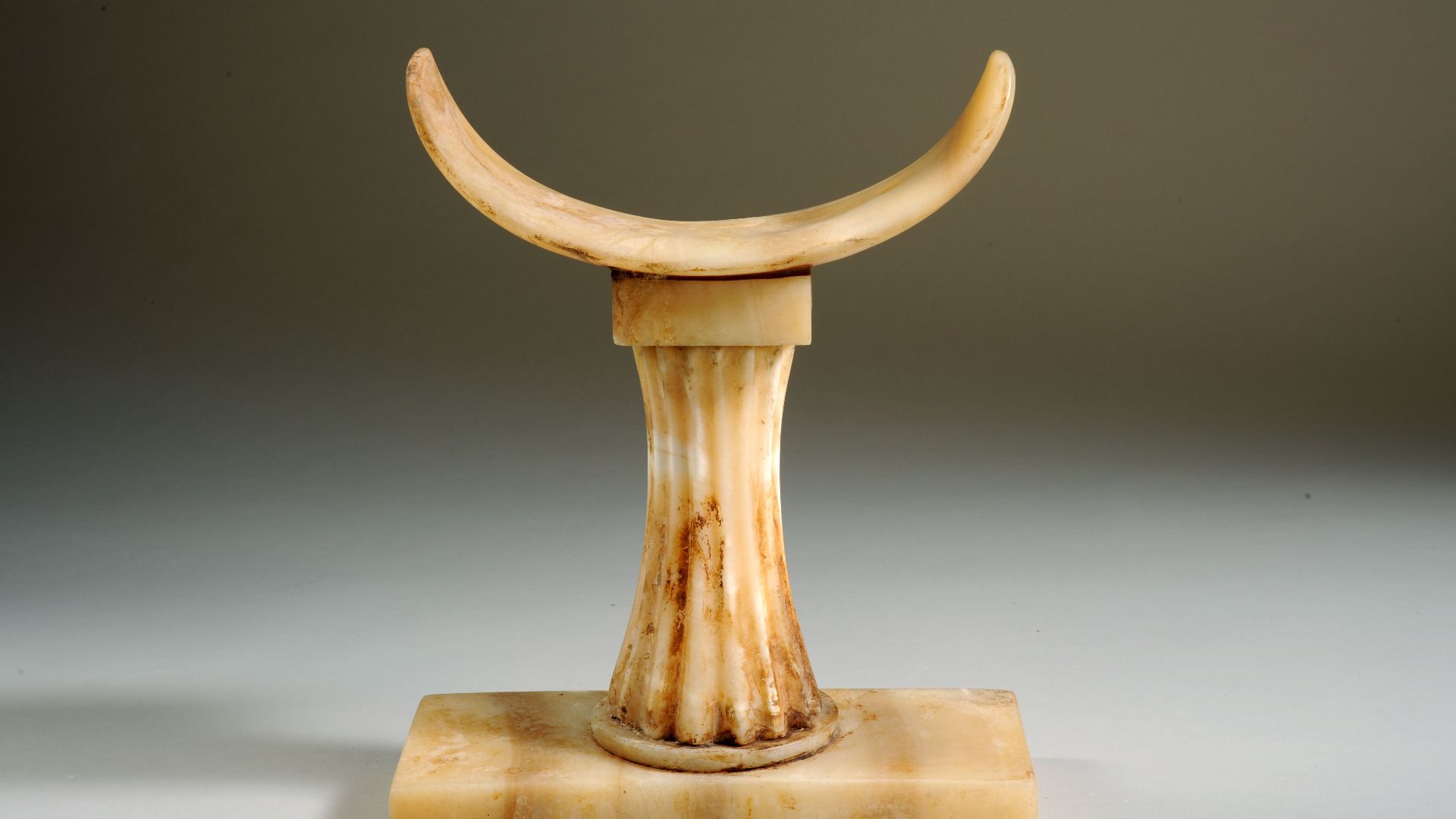 Marco Chemello (WMIT) on Wikimedia
2. Roman Apartment Blocks
Many ordinary Romans lived in insulae, which were multi-story apartment buildings in busy cities. They helped people live close to work and city life, but they could also be crowded, poorly built, and a huge fire risk, so they weren’t exactly cozy by modern standards.
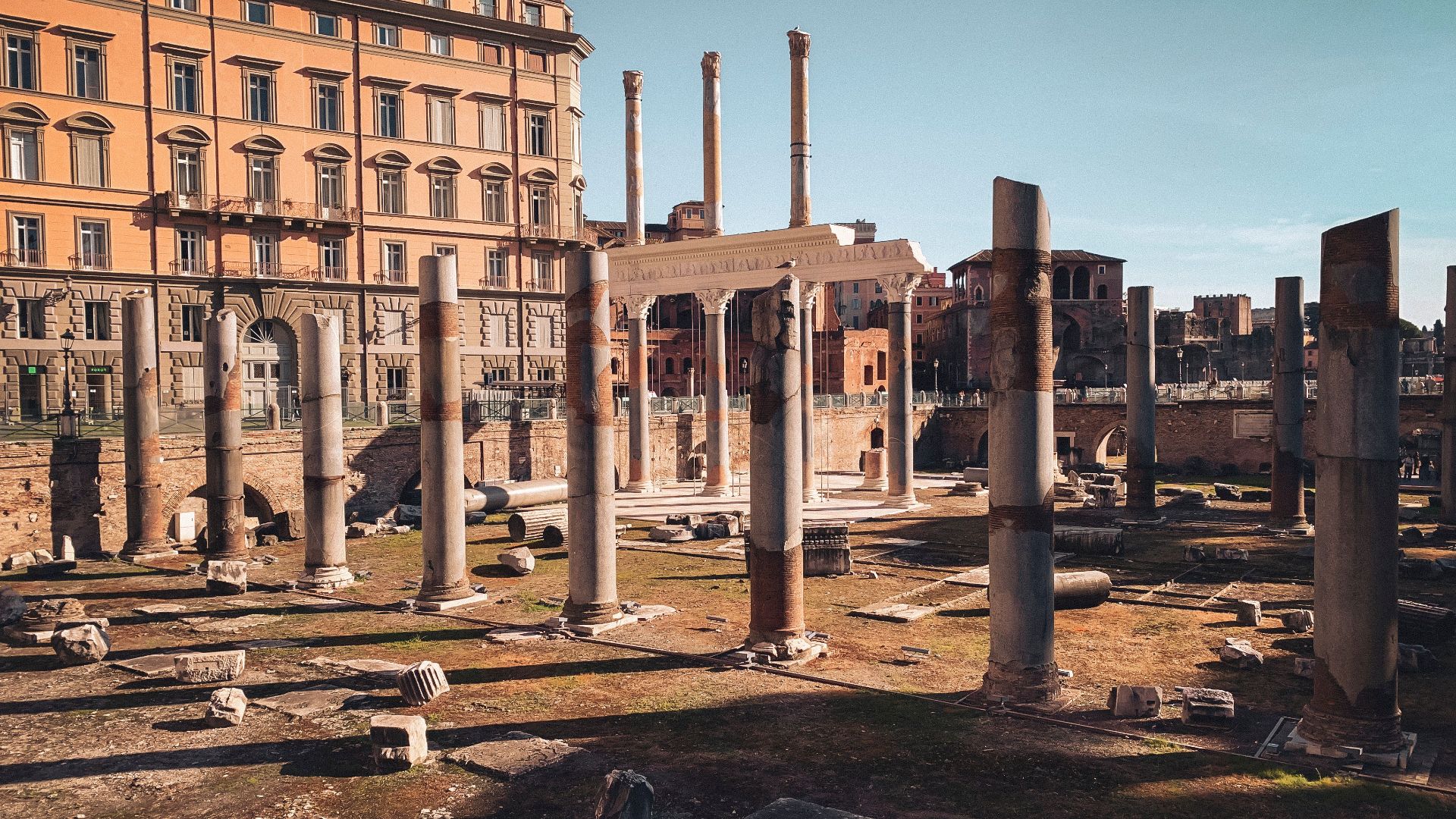 Vinicius A. Nascimento on Pexels
3. Latrines Near Food Spaces
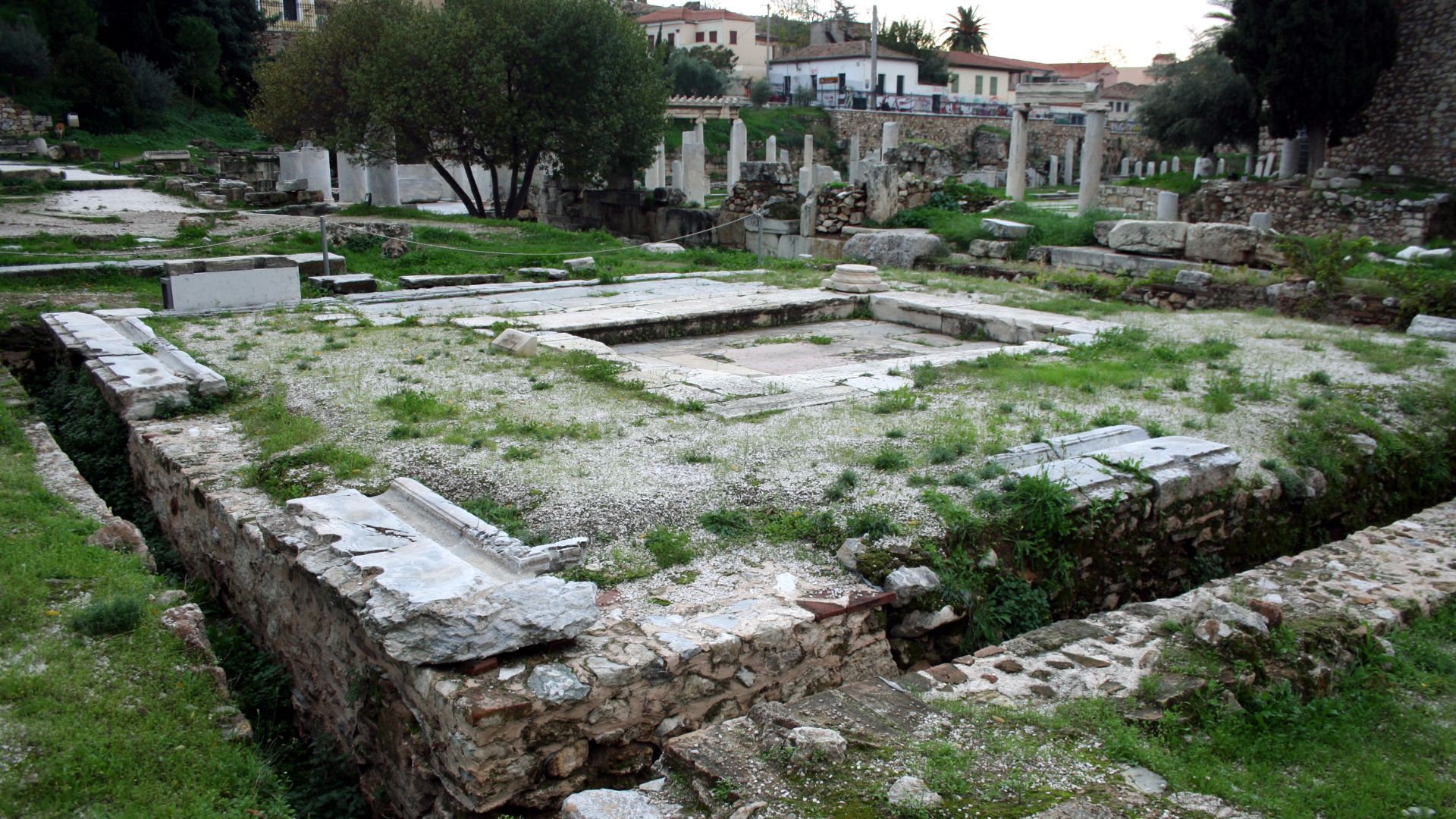
Some Roman homes had private latrines near kitchens, entrances, or small service rooms. That layout made practical sense in terms of drain systems and organizing household labor. That said, we’re still under the belief that food prep and bathroom smells are better kept far apart.
4. Smoky Cooking Areas
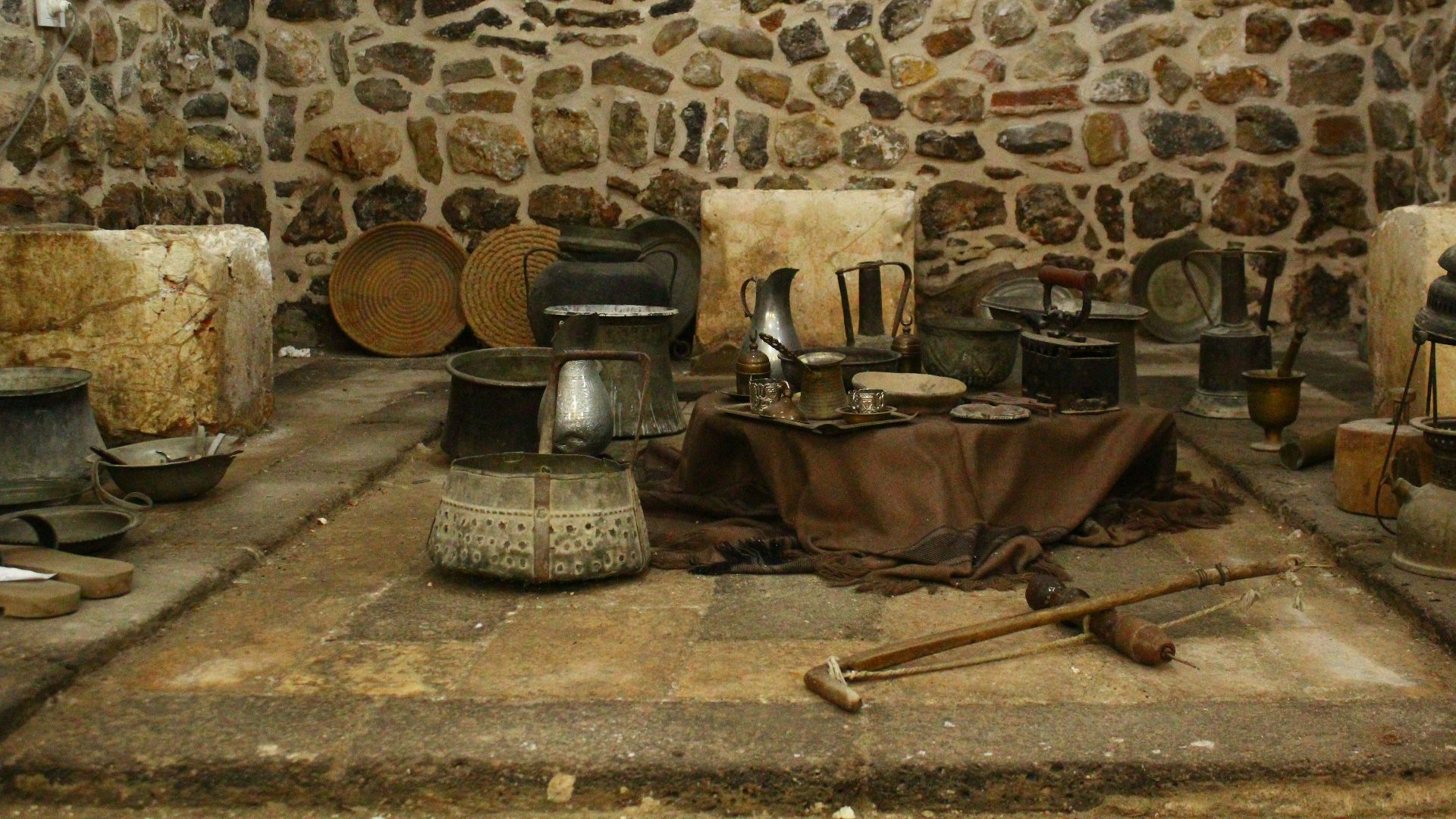
Ancient cooking was very fire-focused, with smoke escaping through doors, openings, or courtyards. Wealthier households could keep the smoke away from formal dining rooms, but someone still had to work near the heat and breathe in all that smoke.
5. Little Privacy In Busy Homes
Ancient homes could be crowded, especially in cities where families, workers, visitors, and business activity often shared the same building. A house might include work areas, storage, reception spaces, and sleeping areas all close together, so getting any type of privacy at home wasn’t always easy.
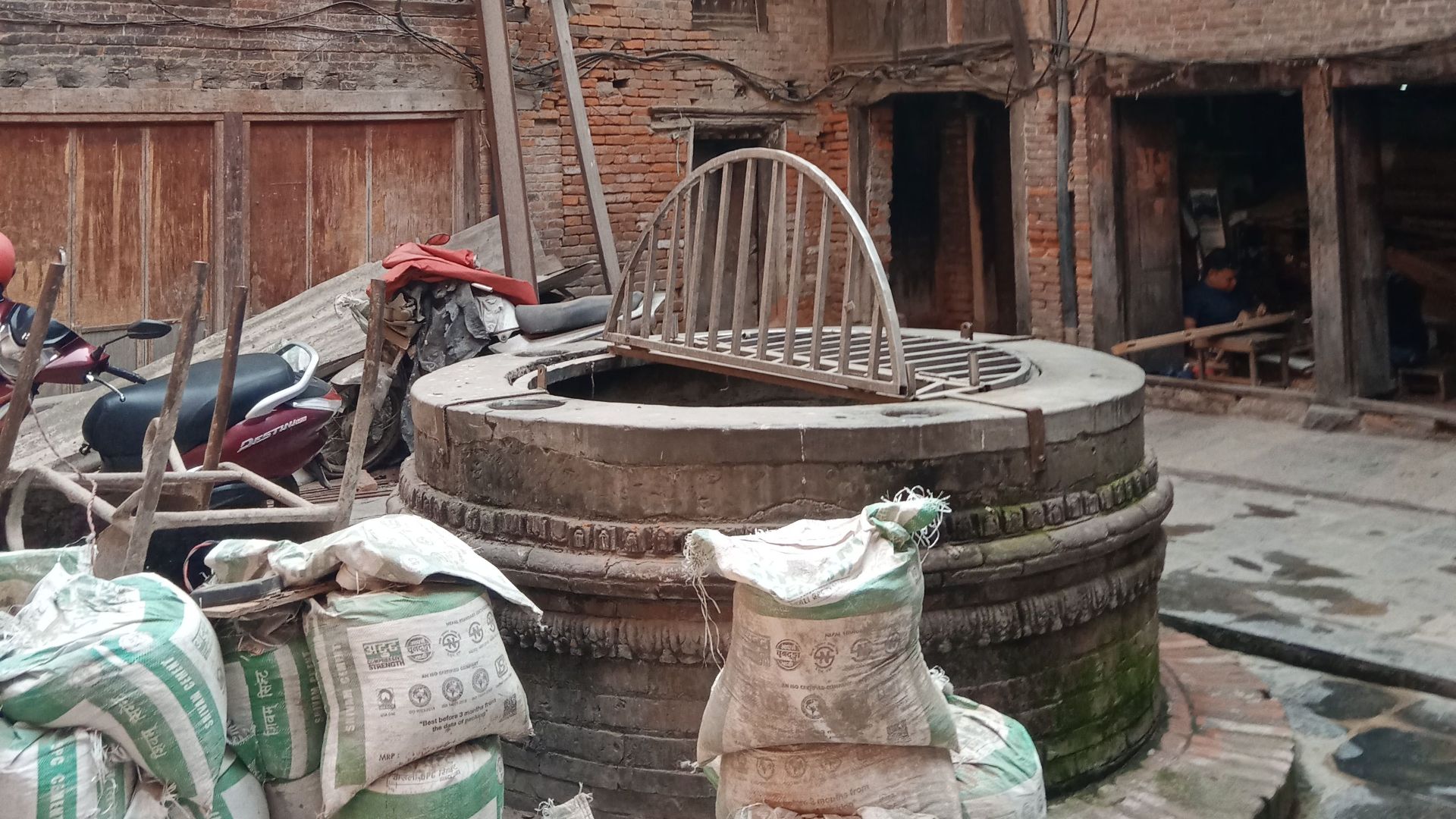
6. Reclining Through Dinner
Elite Greeks and Romans often reclined on couches while they ate, drank, and talked. It looks graceful in artists' renditions, but in real life, it doesn’t actually seem all that comfortable.
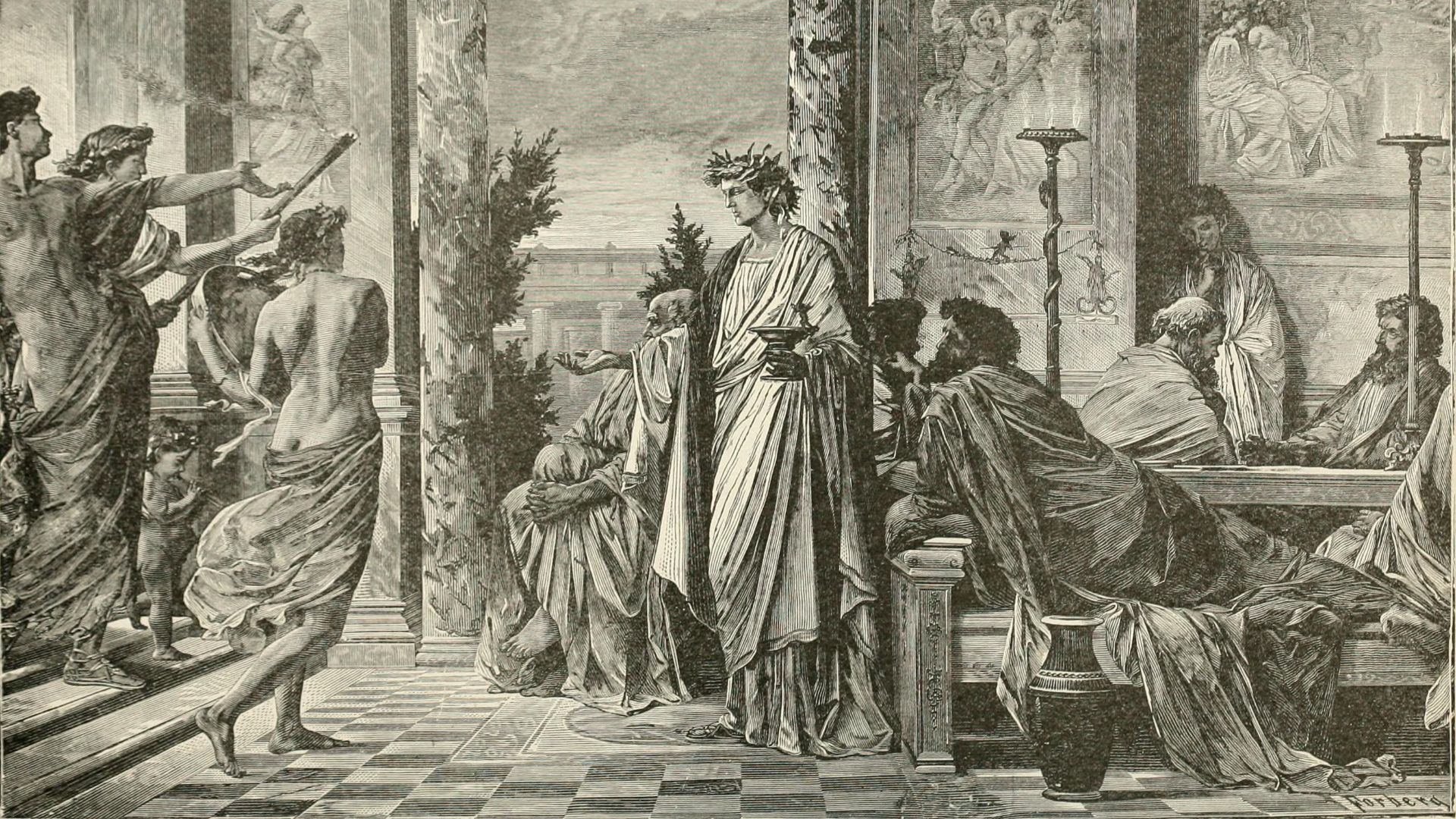 Internet Archive Book Images on Wikimedia
7. Dark Street-Facing Walls
Many ancient city homes turned inward, with plain outer walls and only a few openings facing the street. Courtyards brought light and air into the middle of the house, which helped with privacy and noise, but some rooms still would’ve felt pretty dim.
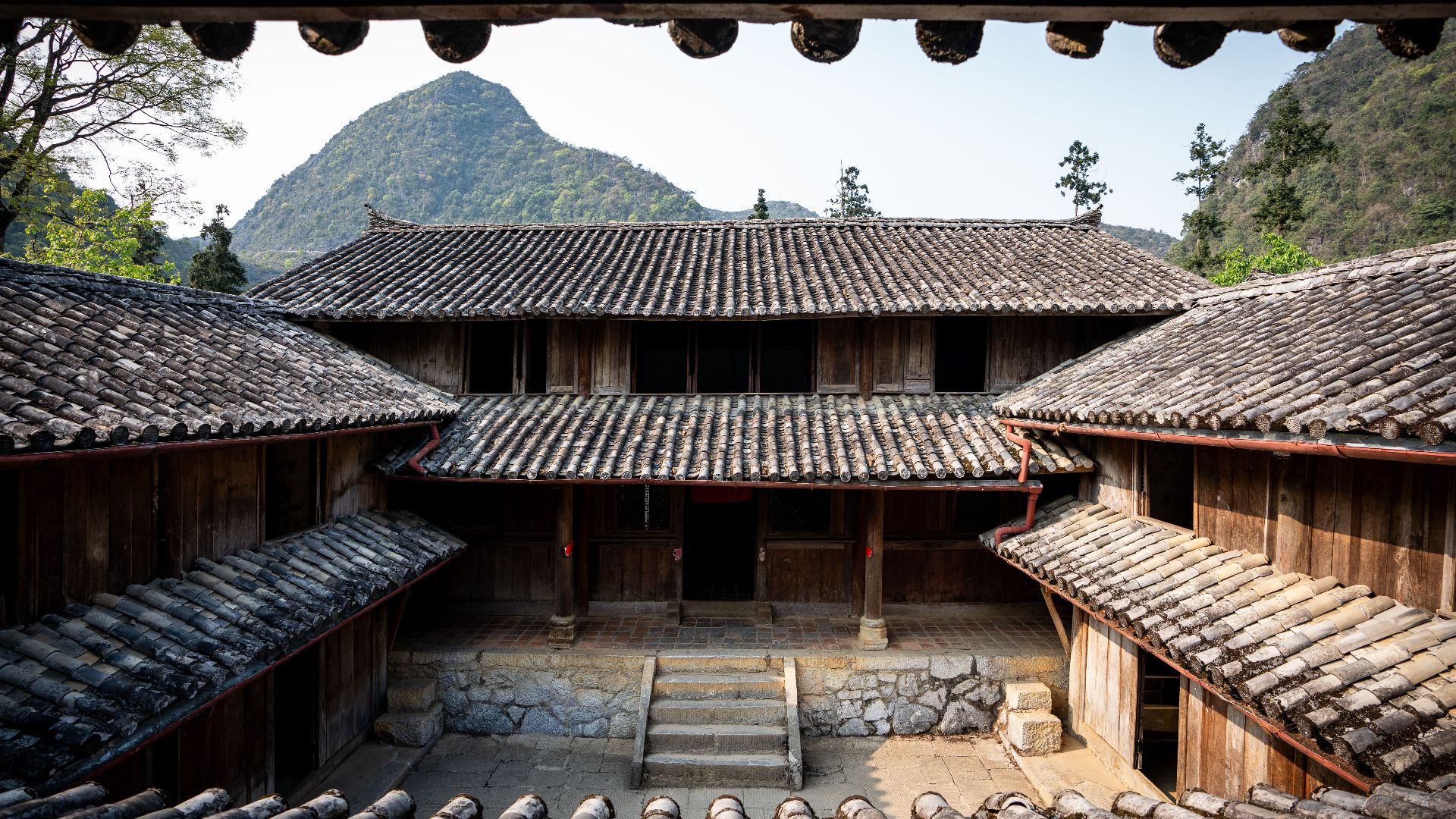
8. Mudbrick That Needed Upkeep
Mudbrick was affordable, practical, and useful in hot, dry places, which is why so many ancient homes were made with it. The problem was that sun-dried earth could wear down, crumble, or need regular repairs after weather and daily use took their toll.
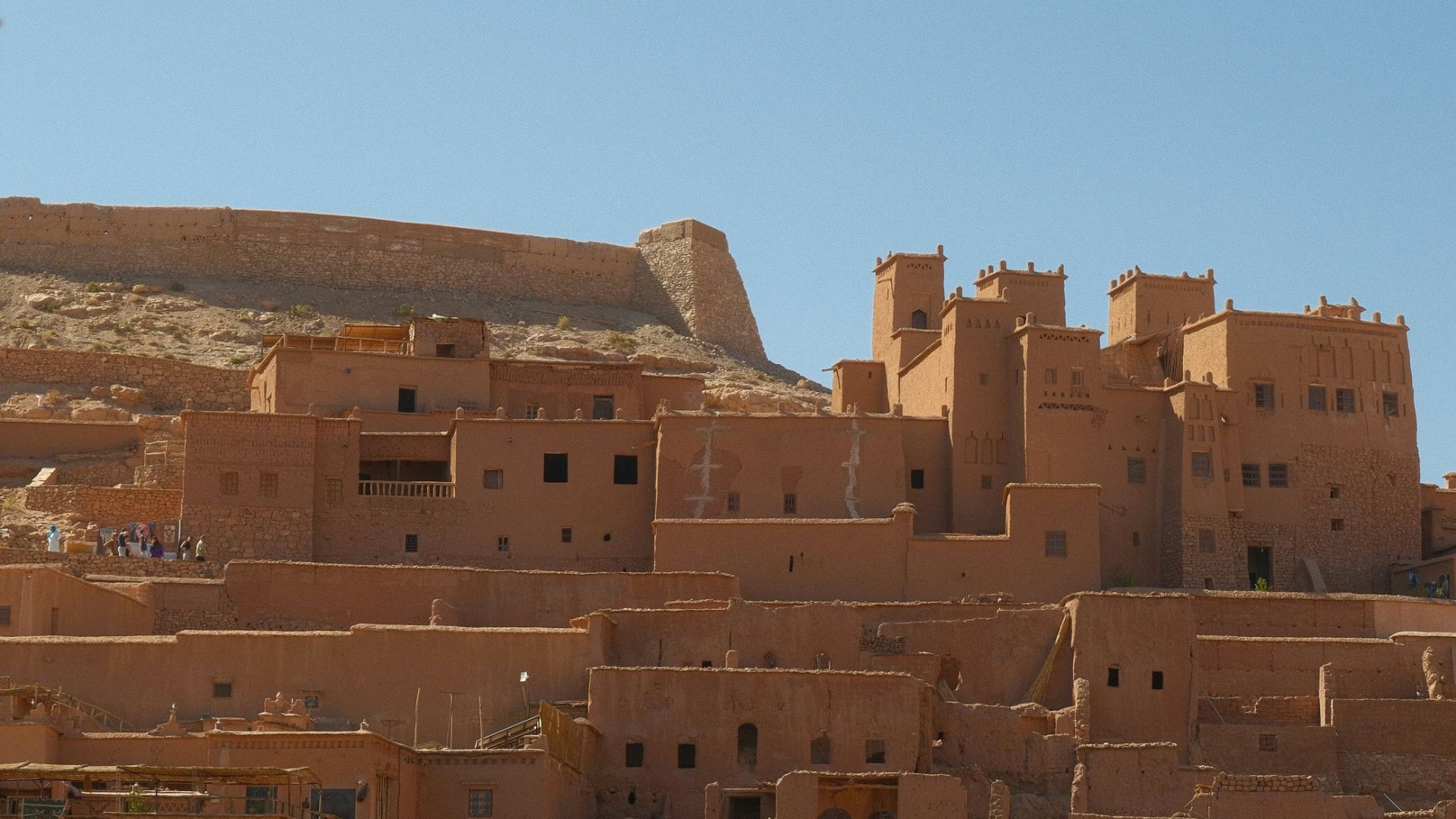 Raúl Mermans García on Unsplash
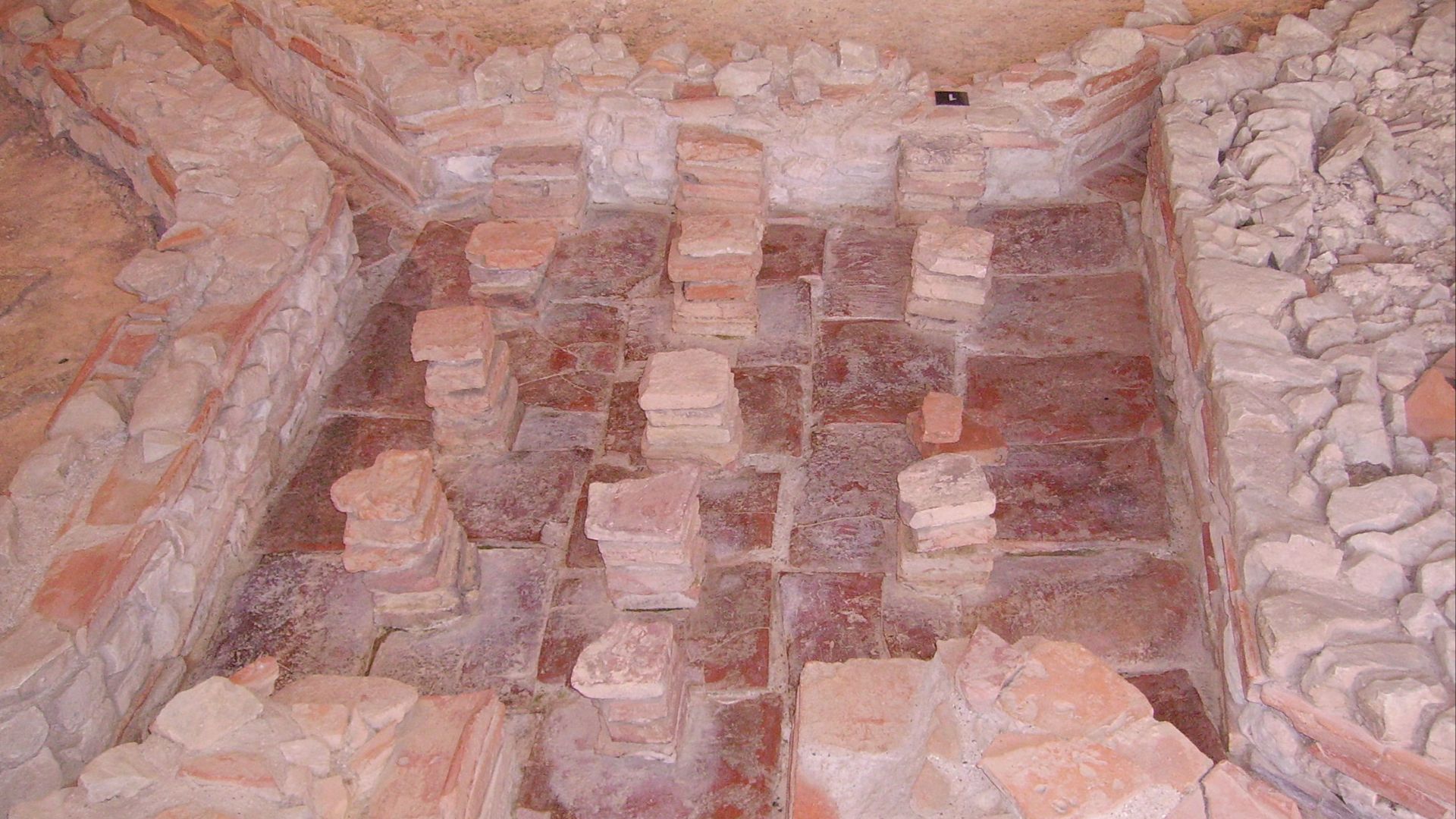
9. Labor-Heavy Heating
Roman hypocaust systems could warm floors by moving hot air underneath them. That sounds lovely, especially in cold weather, but the system needed fuel, care, and maintenance, so one person’s warm room often depended on someone else doing the hard work.
 --Immanuel Giel 07:09, 17 August 2007 (UTC) on Wikimedia
10. The Blending of Work And Home Life
Ancient homes often stood next to shops, workshops, food stalls, and storage spaces, and some household areas also served as places of business. That setup kept cities busy and practical, but it also meant the line between work and rest was often blurred.
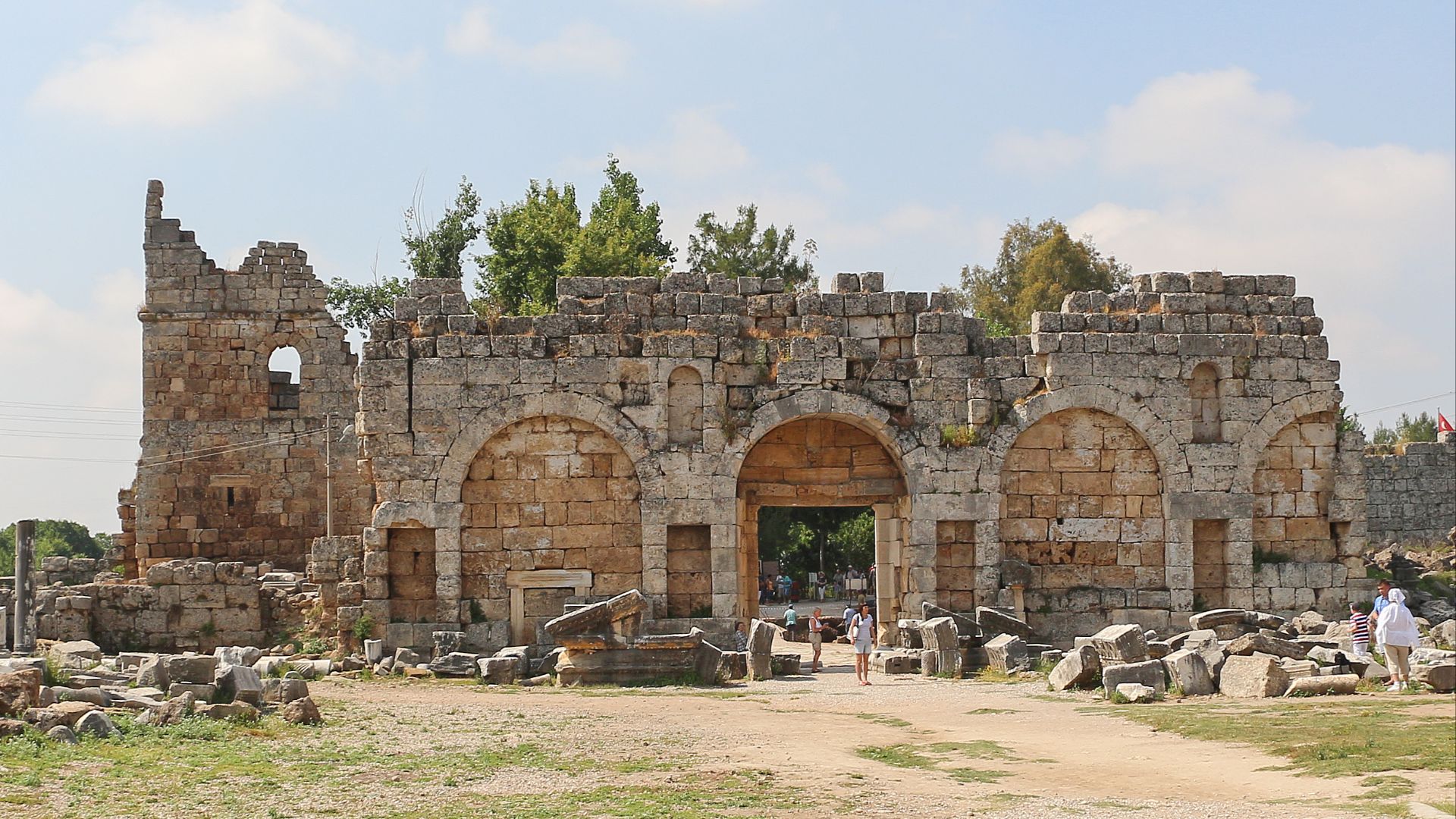
1. Atriums That Collected Rainwater
Roman atriums could bring light, air, and rain into the center of the house through an opening in the roof. In many homes, the rainwater fell into a basin below and could be stored, which made the entrance both useful and beautiful.
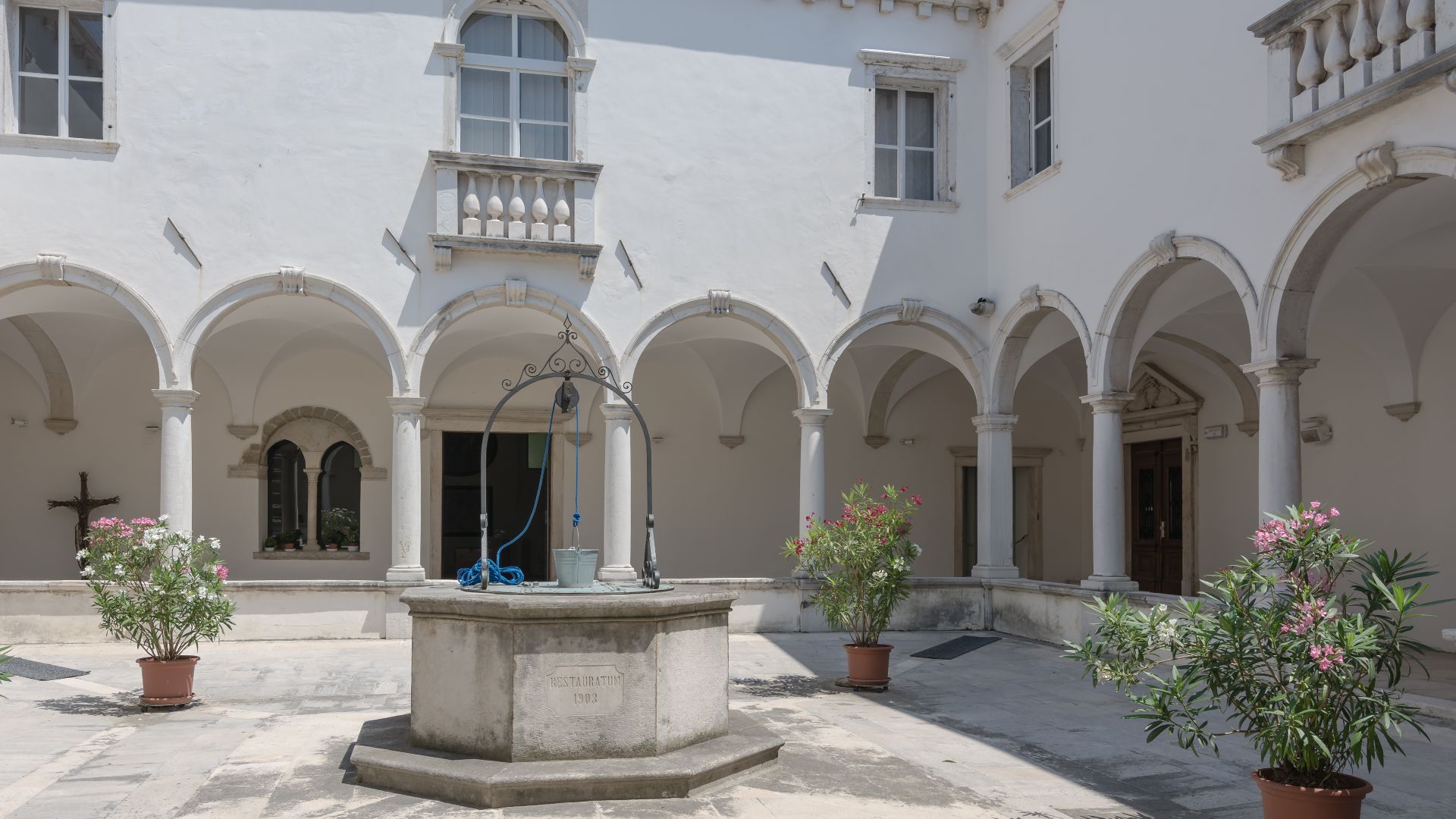
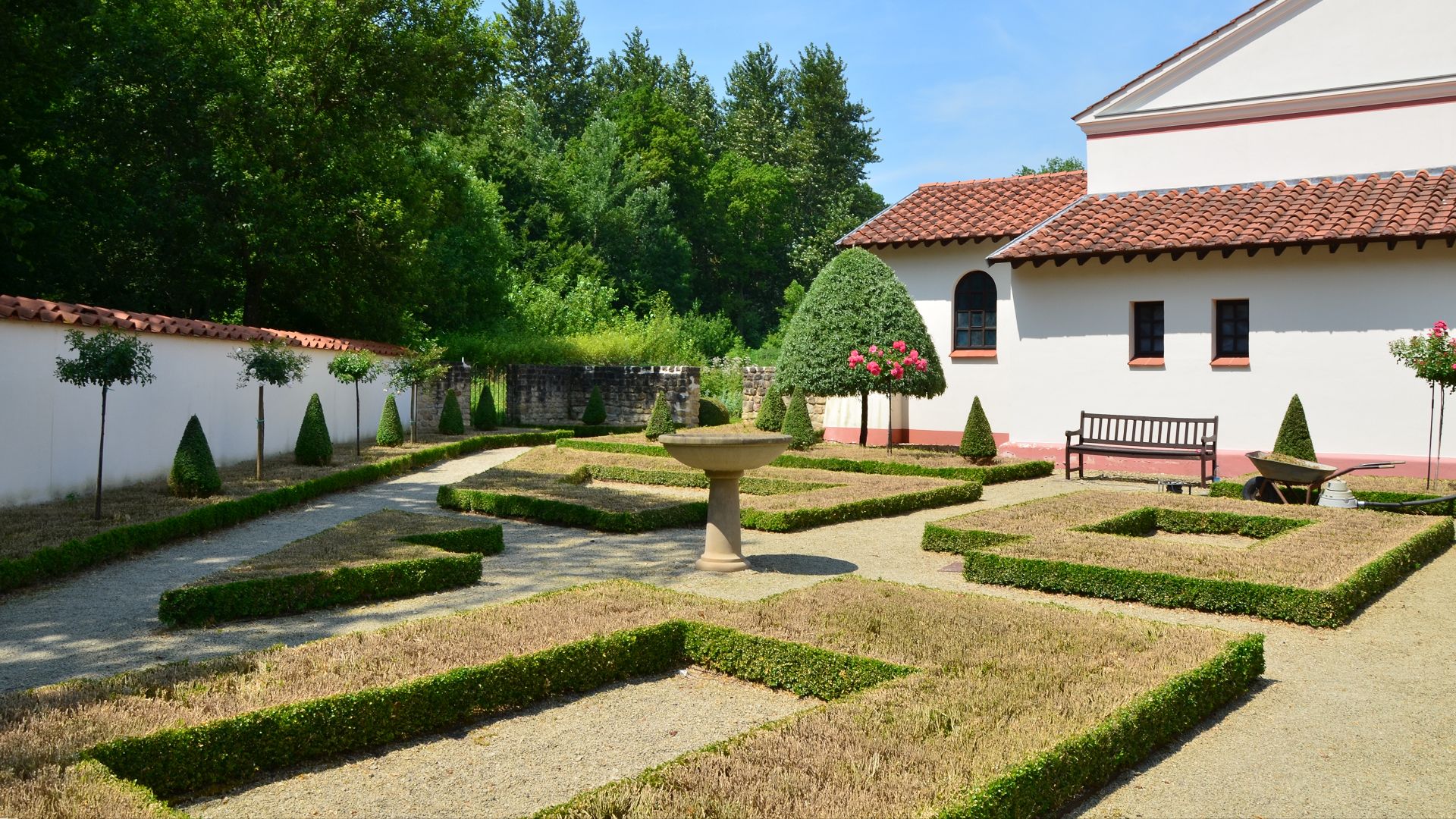
2. Courtyard Gardens At Home
A peristyle garden gave larger Roman houses a private outdoor space with columns, plants, paths, and shade. It created a peaceful patch of greenery right inside the home, which still sounds pretty wonderful when so many outdoor spaces feel squeezed in or forgotten.
 Following Hadrian on Wikimedia
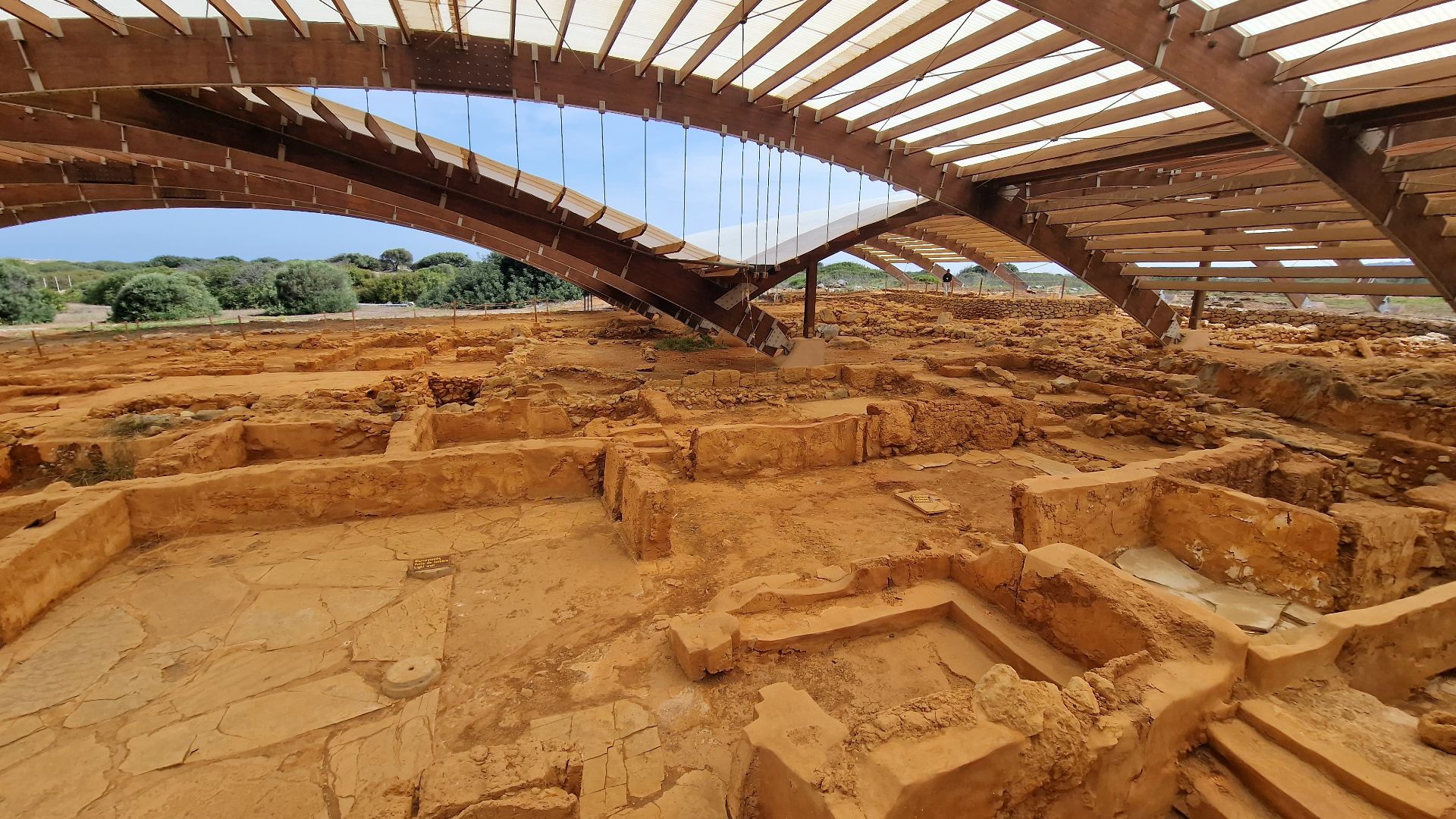
3. Minoan Light Wells
Minoan buildings used light wells and air passages to bring brightness and fresh air into deeper indoor spaces. That kind of planning feels smart and practical, especially in homes where interior rooms have to depend on lamps all day.
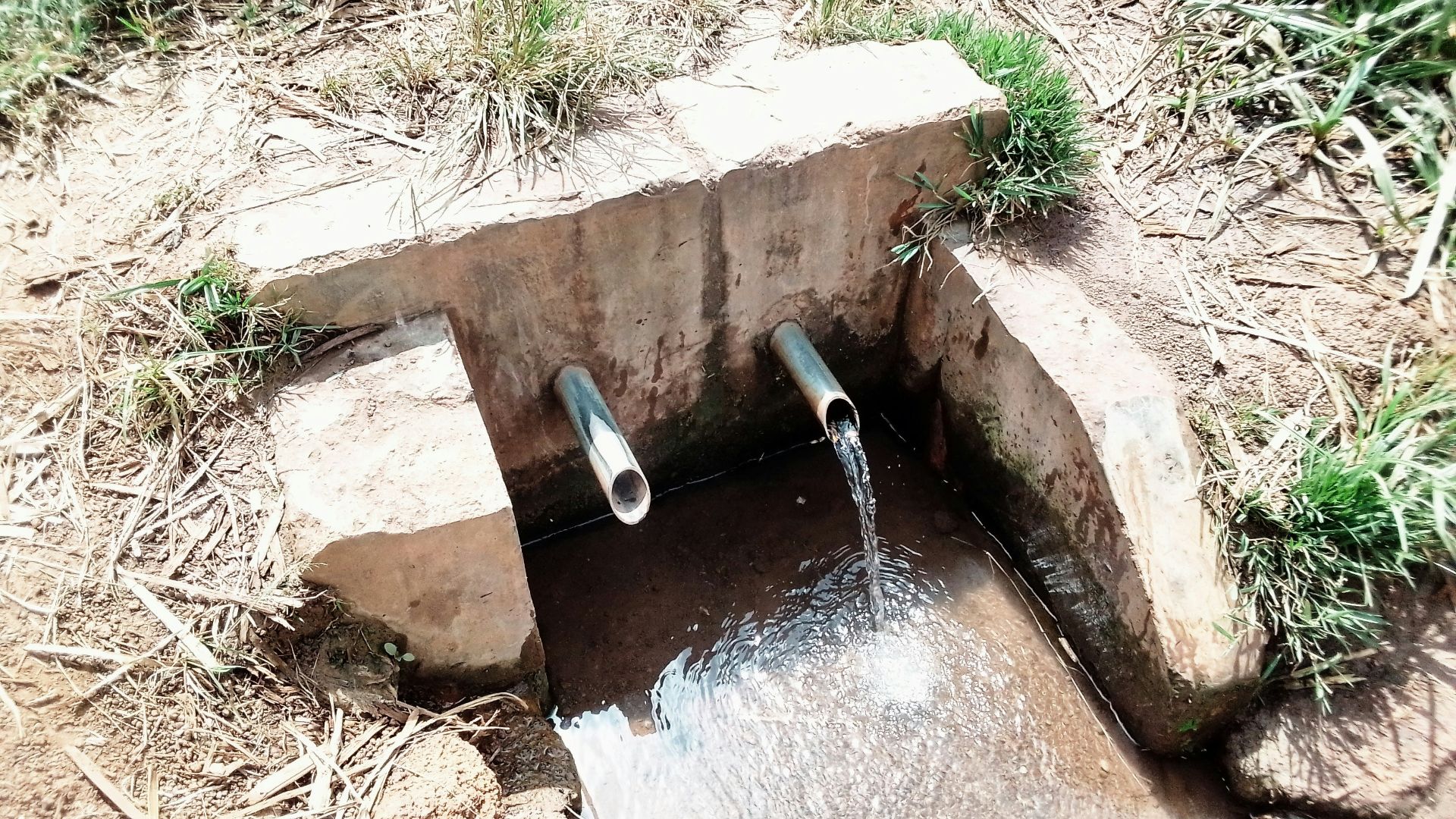
4. Drainage
Some Indus Valley cities treated wells, bathing areas, household water, and drainage as part of the bigger city plan. That level of care still feels impressive, as good water management is difficult to achieve, especially when you have to dig it out by hand.
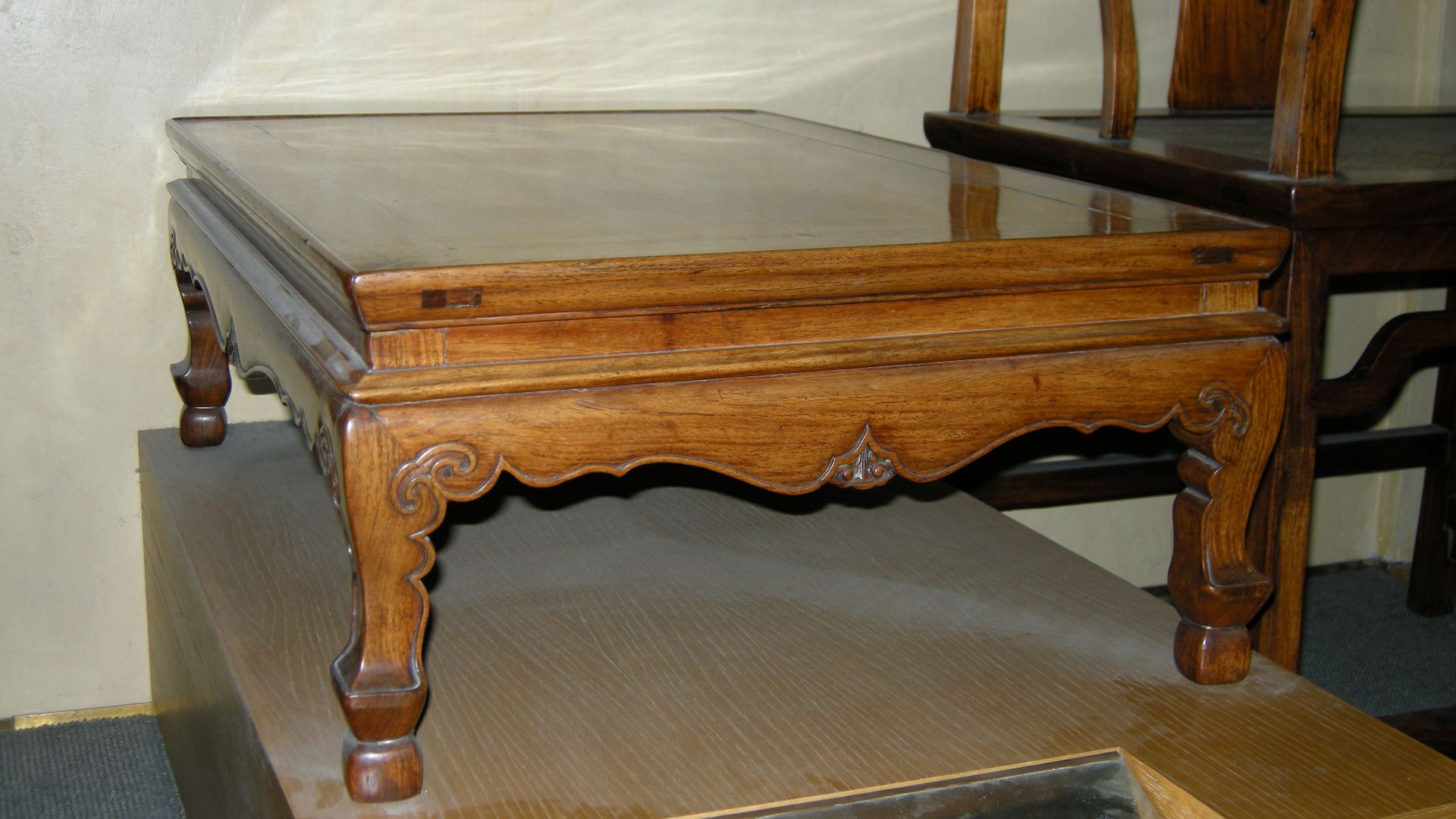
5. Heated Platforms For Cold Weather
The Chinese kang, a long-standing northern heating tradition, worked as a heated platform where people could sleep, sit, and gather. Heat moved beneath the raised surface, so folks would never get chilly.
 Wikipedia Loves Art participant
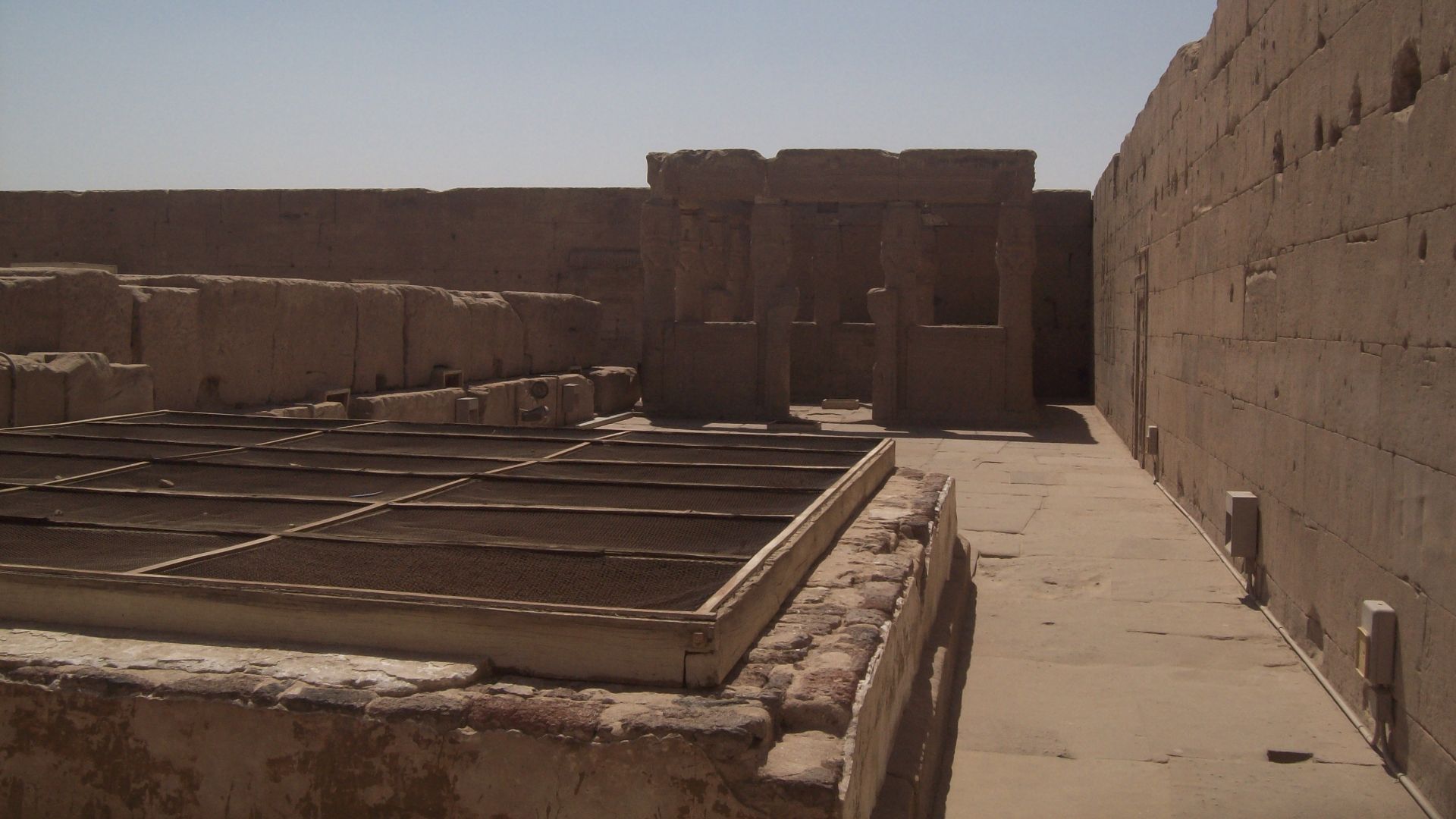
6. Rooftops That Actually Got Used
Ancient Egyptian house models show stairs leading to flat rooftops, where people could sleep during hot weather or to store provisions. That made the roof a useful part of the house, not just the place everyone ignored until something needed fixing.
 Institute for the Study of the Ancient World on Wikimedia
7. Cooling Built Into The Architecture
Ancient builders in hot climates often used thick walls, courtyards, shade, small openings, roof access, and airflow to make homes more comfortable. Air conditioning is hard to give up, of course, but homes that work with the weather can still feel smarter and easier to live in.

8. Walls With Personality
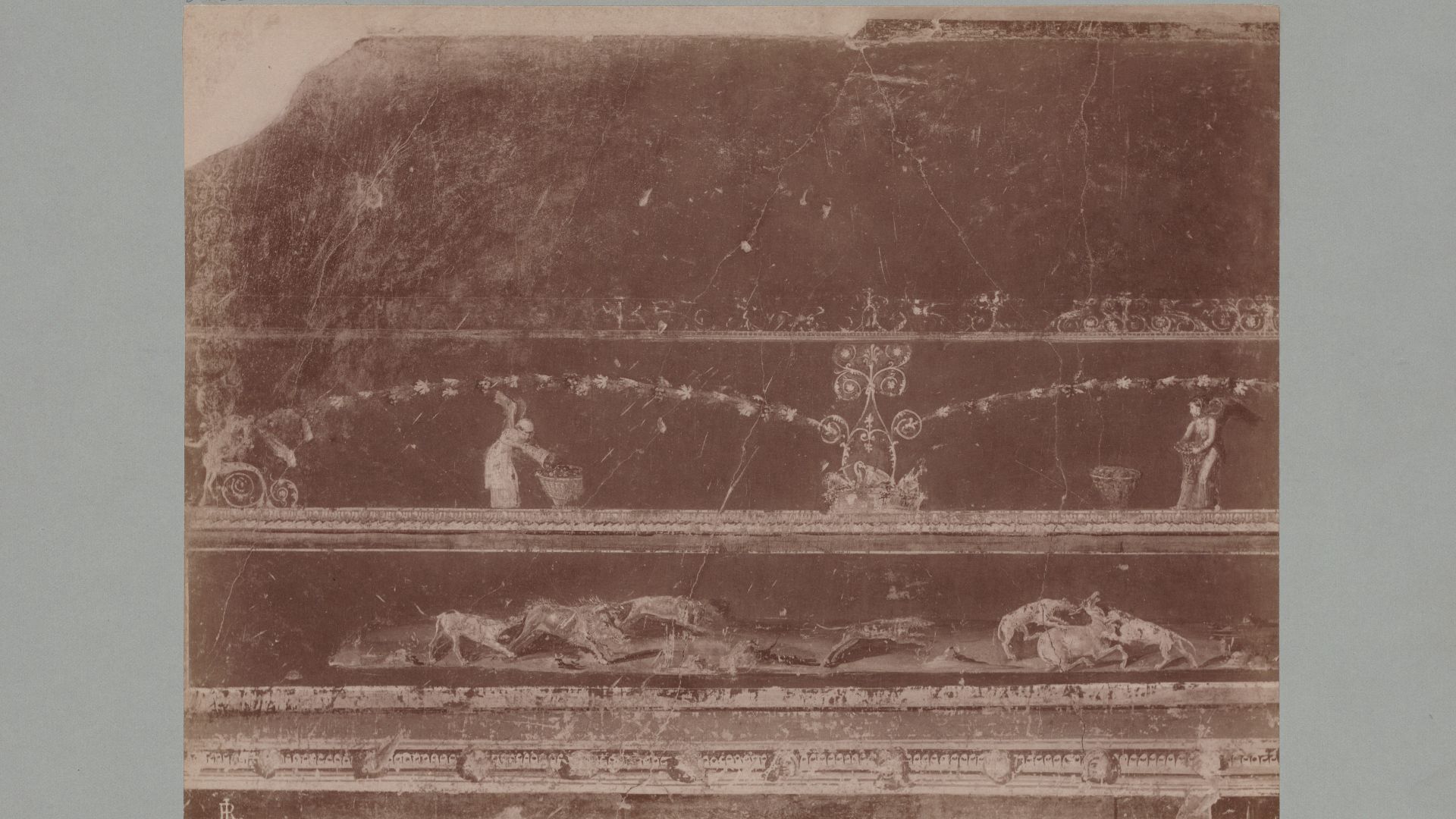
Roman interiors could be covered with frescoes, painted scenes, architectural illusions, landscapes, and bright color. Plain walls can be calming, but ancient decorators clearly understood that a room could have warmth, story, and style before any furniture was moved in.
9. Household Shrines
Some Roman homes included small shrines tied to family rituals, memory, and daily offerings. The religious meaning belonged to its own time and culture, but the broader idea of having a quiet household corner for reflection still feels meaningful.

10. Flexible Rooms
Ancient rooms often changed roles depending on the hour, the season, the household, or the work being done. That flexibility still makes sense today, especially in homes where some rooms barely get used while everyone naturally gathers in the same familiar spot.