Rarely Boring Lives
We’ll let you in on a secret: history gets a lot more entertaining once you move past the portraits and fancy titles. Some people didn’t reach infamy because of power or talent—they’re remembered because their lives were often stranger than fiction. From eccentric aristocrats and self-declared emperors to sword-fighting singers, these 20 figures prove that the past was never as tidy as it looks in textbooks.
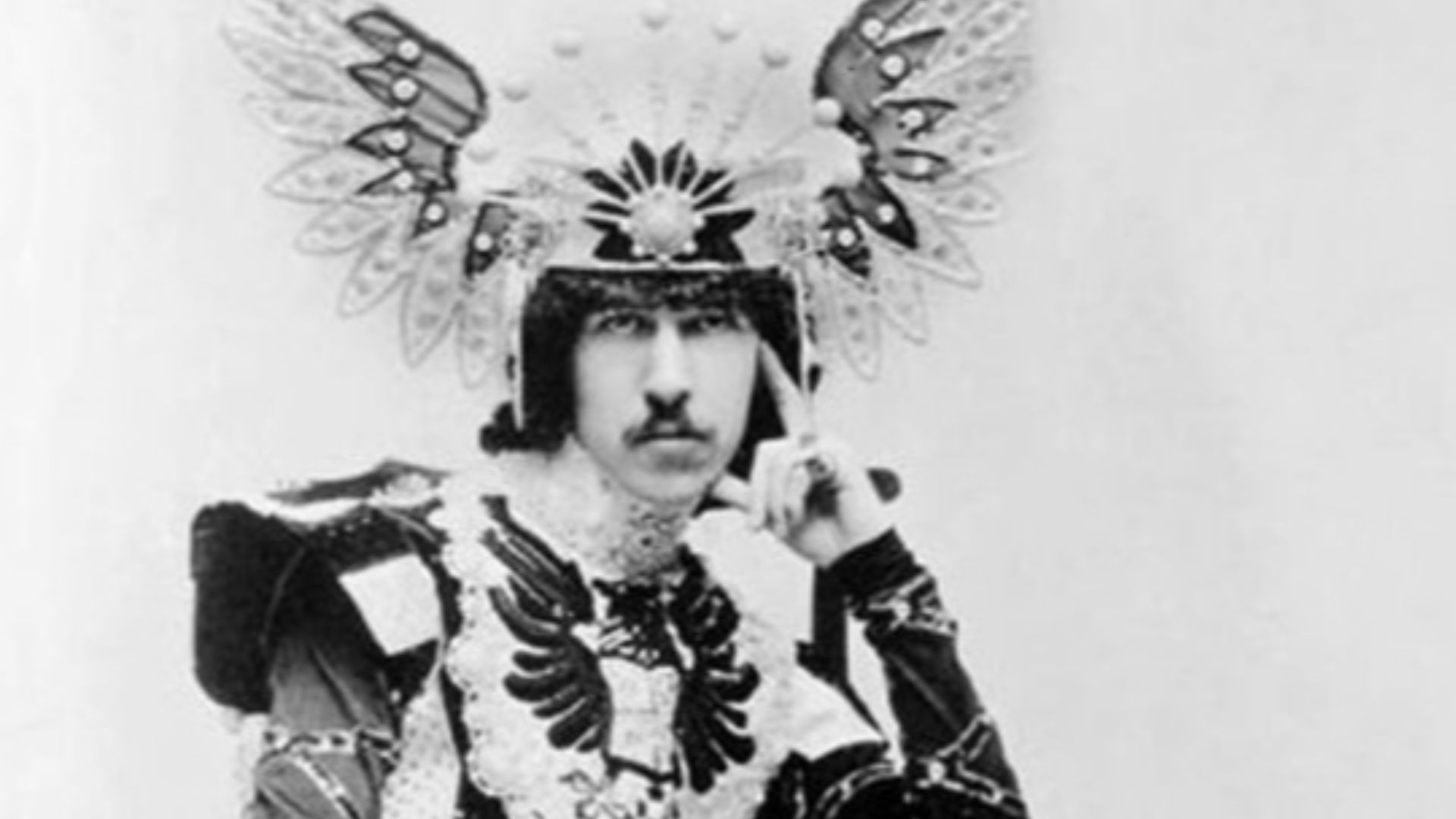
1. Henry Paget, 5th Marquess of Anglesey
Henry Paget, the 5th Marquess of Anglesey, inherited a huge fortune in 1898 and immediately turned aristocratic life into a free-for-all. He spent lavishly on jeweled costumes, perfumed performances, and a custom-built theater where he staged elaborate shows for guests who were sort of just forced to watch his one-man plays. By the time he died in 1905, his estate was deeply in debt, and while his family tried to erase his existence, history refused to let him go.
 John Wickens (1865–1936) on Wikimedia
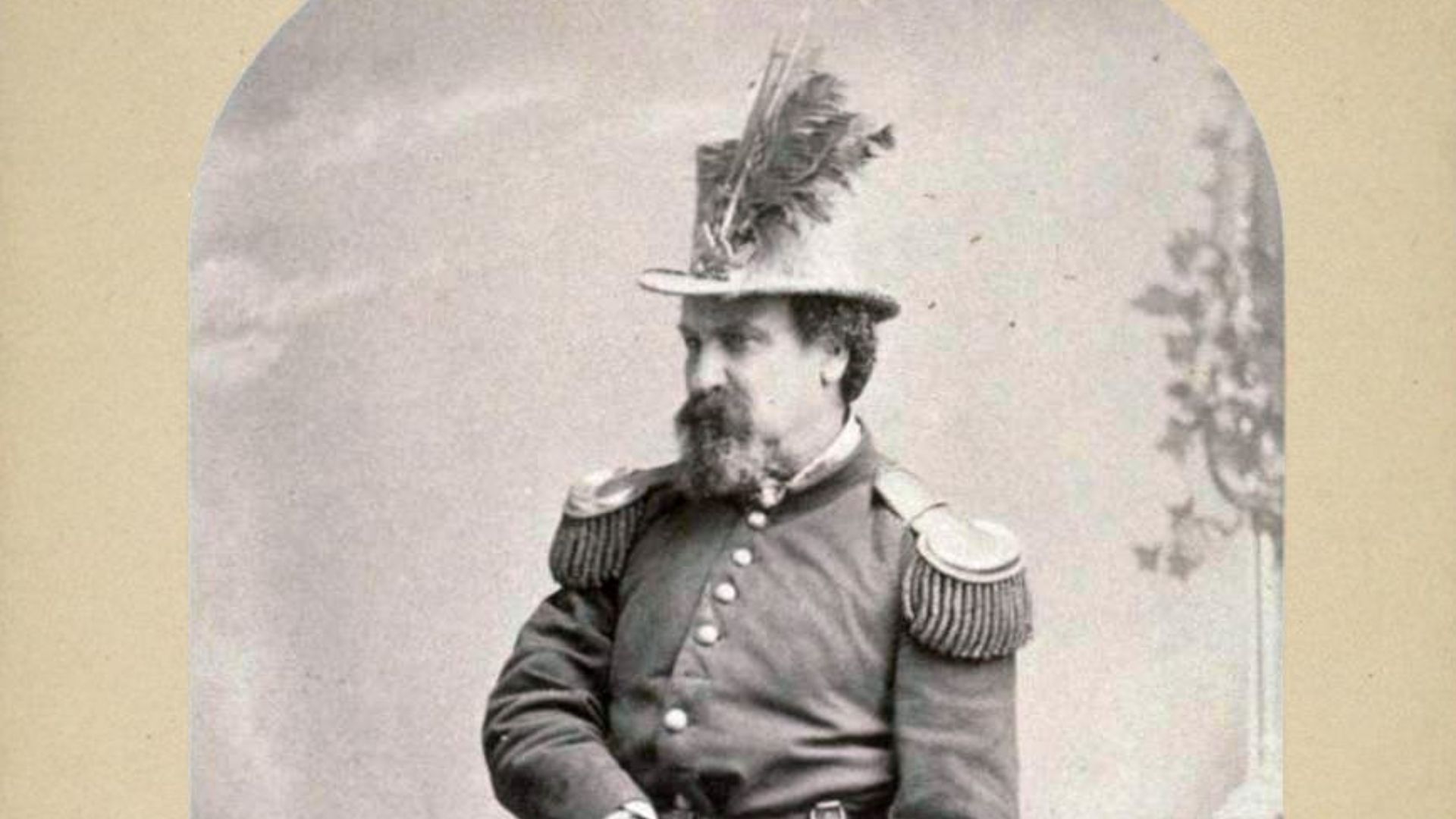
2. Joshua Norton
If you’re thinking that there’s no such thing as the “Emperor of the United States,” you’d be right. That didn’t stop failed San Francisco businessman Joshua Norton from declaring himself as such, however. In 1859, locals humored him so warmly that restaurants accepted his self-issued currency, newspapers printed his proclamations, and police reportedly treated him with real courtesy. San Francisco actually greatly mourned him when he died in 1880.
 H.W. Bradley or William Rulofson on Wikimedia
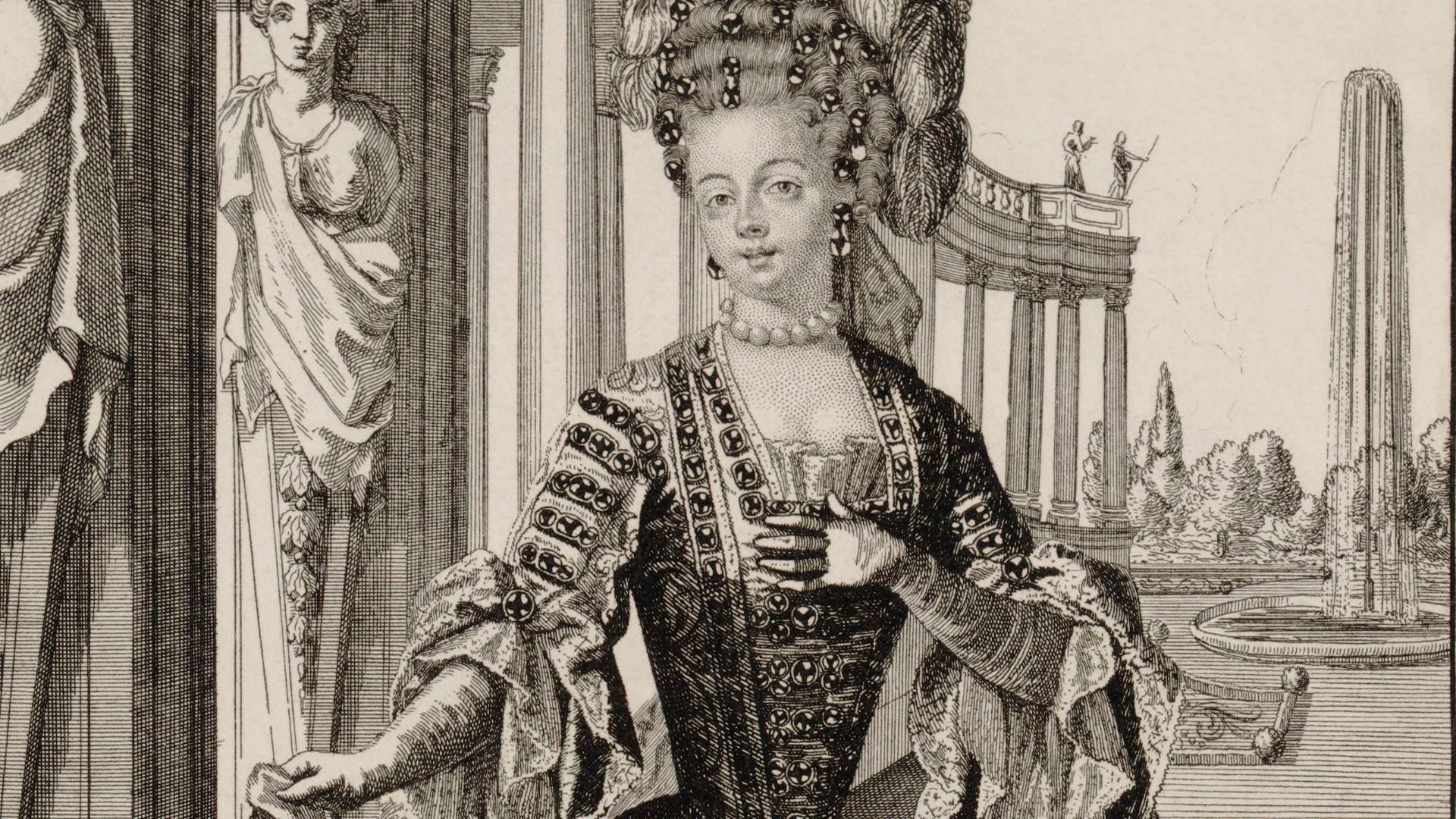
3. Julie d’Aubigny
Julie d’Aubigny sang on the French opera stage, but that was hardly the most interesting thing about her. She also fought duels in men’s clothing and caused scandals that made polite society pretty uncomfortable. One famous story claims she once entered a convent to reach a lover, then helped stage an escape using the body of a dead nun.
4. Diogenes
Diogenes of Sinope rejected comfort so aggressively that he became famous for living in extreme simplicity…so simple, in fact, that he’s often described as sleeping in a large ceramic jar. He also mocked wealth and supposedly told Alexander the Great to stop blocking his sunlight when the conqueror offered him a favor.
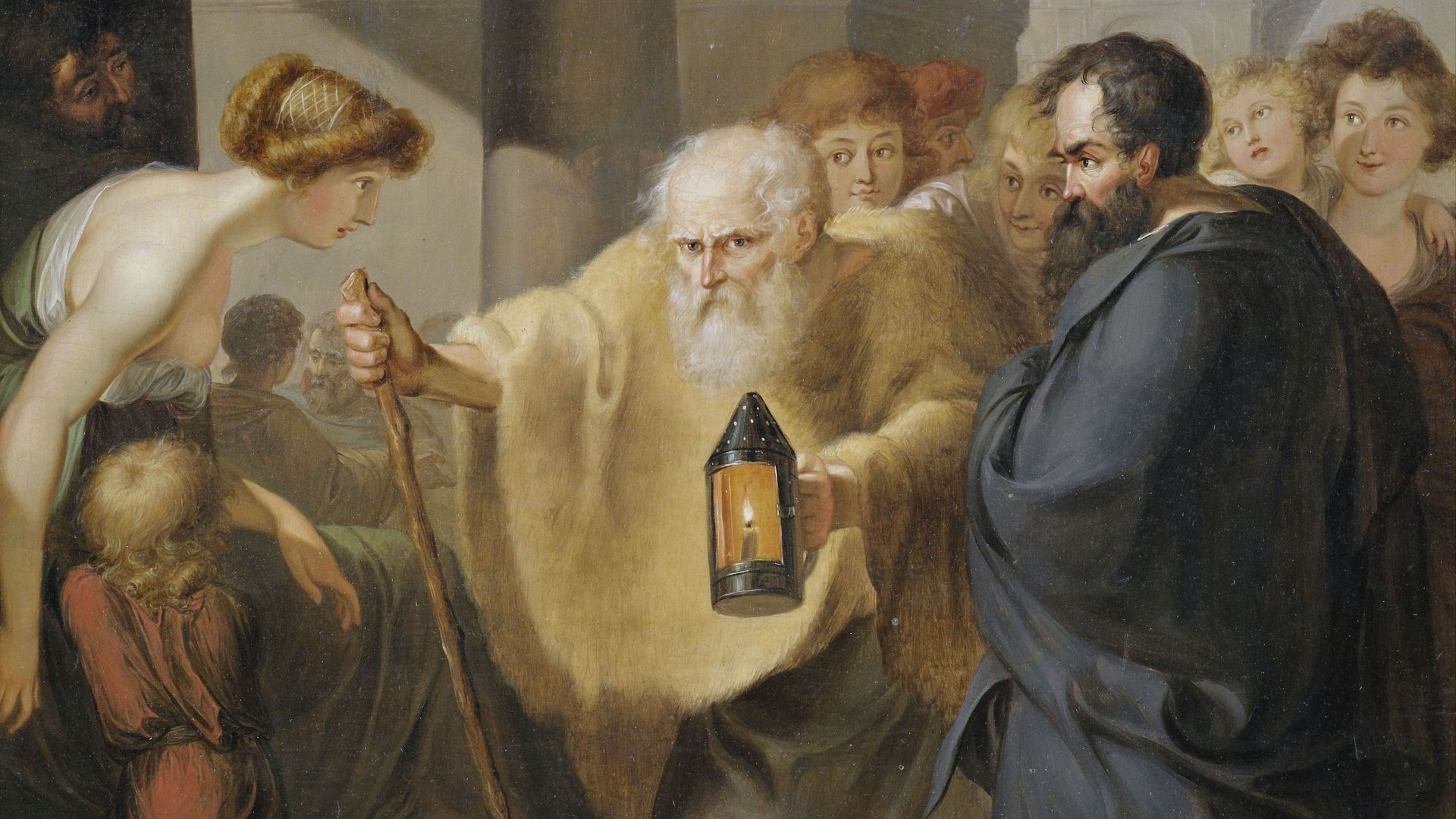 Attributed to Johann Heinrich Wilhelm Tischbein on Wikimedia
5. Catalina de Erauso
Catalina de Erauso escaped a convent in Spain, disguised herself as a man, and traveled to the Americas during the early 1600s. That alone is enough to grant her a few chapters in history books, but she also fought, gambled, quarreled, and served as a soldier while living under male identities. She even earned the nickname “the Lieutenant Nun.”
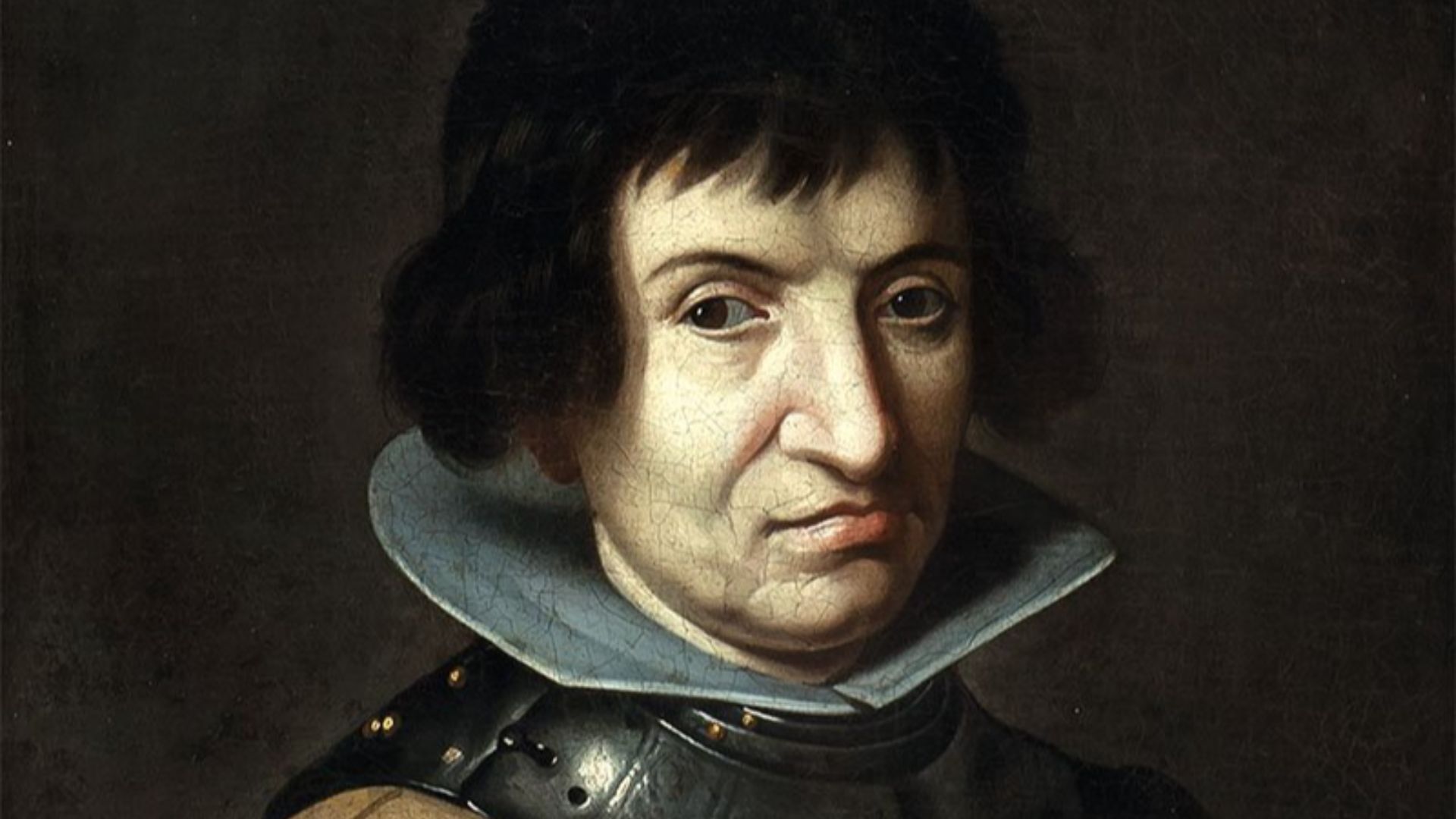 Attributed to Juan van der Hamen / Formerly attributed to Francisco Pacheco on Wikimedia
6. Simeon Stylites
Simeon Stylites became famous in the 5th century for spending decades living atop pillars in Syria as an act of religious devotion. Stories of his efforts drew quite a bit of attention; crowds traveled to see him and ask questions. They’d also seek him specifically to receive spiritual guidance.
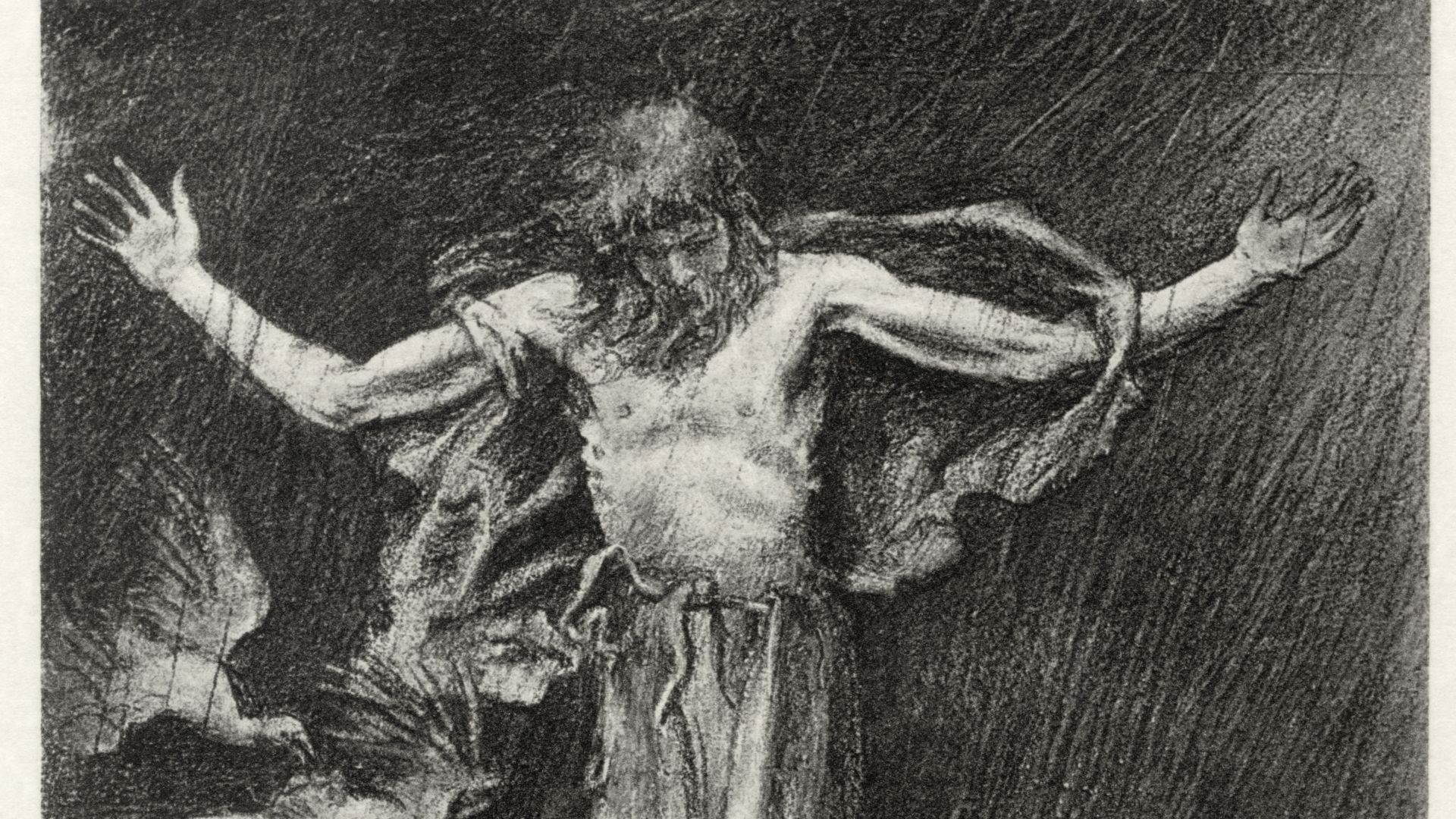 William Edward Frank Britten (1848–1916) on Wikimedia
7. Mary Toft
Mary Toft became a national sensation in England in 1726 after claiming she had given birth to rabbits. No, we’re not kidding, and several doctors initially took the case seriously. The hoax eventually collapsed (obviously), but not before it embarrassed prominent physicians and made Toft one of the oddest names in British medical history.
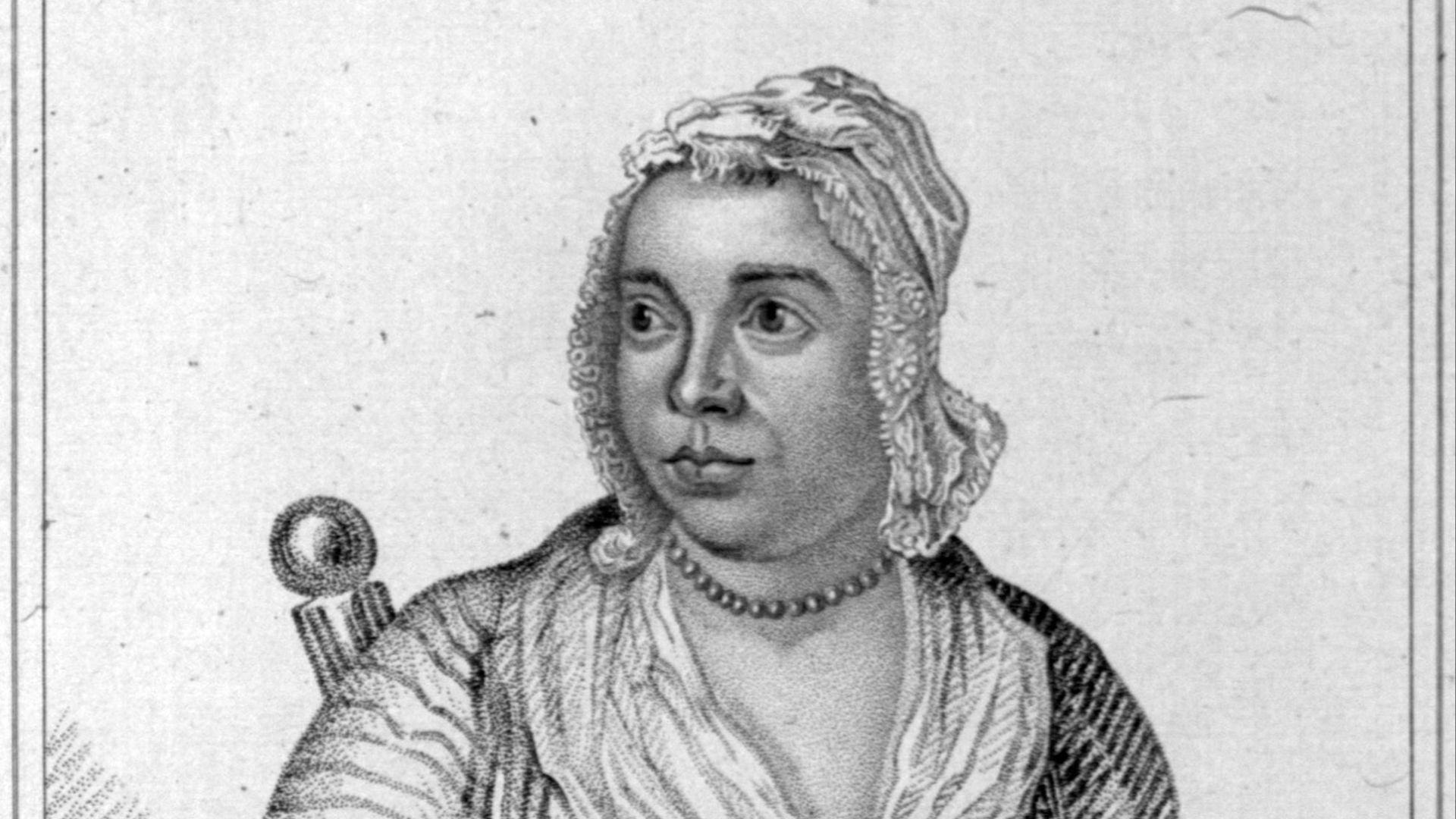 James Caulfield (1764–1826) on Wikimedia
8. Chevalier d’Éon
Chevalier d’Éon served France as a diplomat, soldier, and spy during the 18th century. Despite the impressive CV, what made d’Éon even more fascinating was the public debate over gender. Londoners placed bets on d’Éon’s sex, while the French court eventually recognized d’Éon as a woman and even required women’s dress as part of the agreement to return home in 1777. They lived publicly as a woman for the final three decades of life.
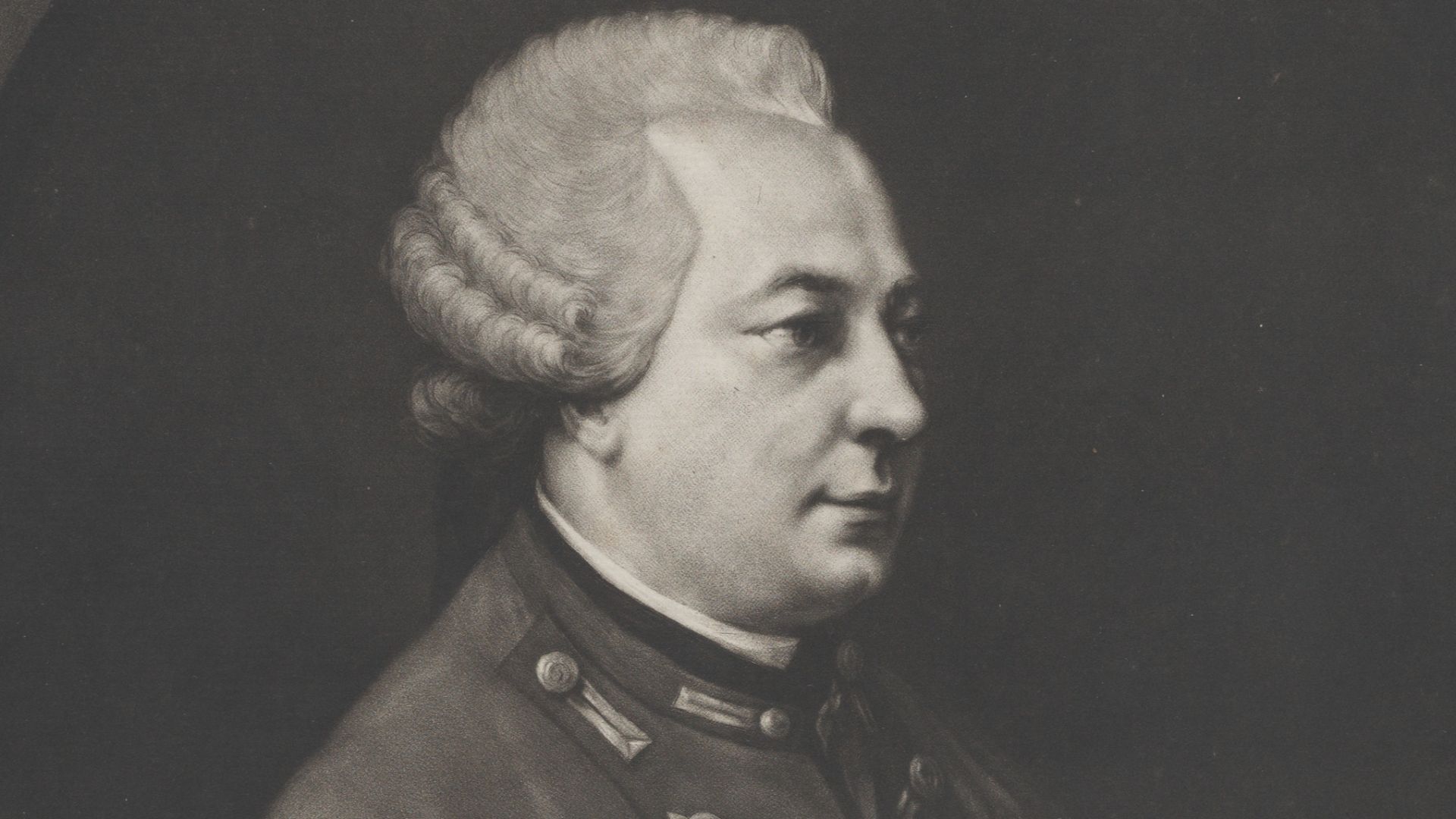
9. Peter Freuchen
Peter Freuchen was a Danish Arctic explorer whose life included polar expeditions, frostbite, imprisonment by the Nazis, and a long career as a writer. So what if he lost part of his leg after severe frostbite? That didn’t stop him from continuing to travel and later even win big on the television quiz show The $64,000 Question.
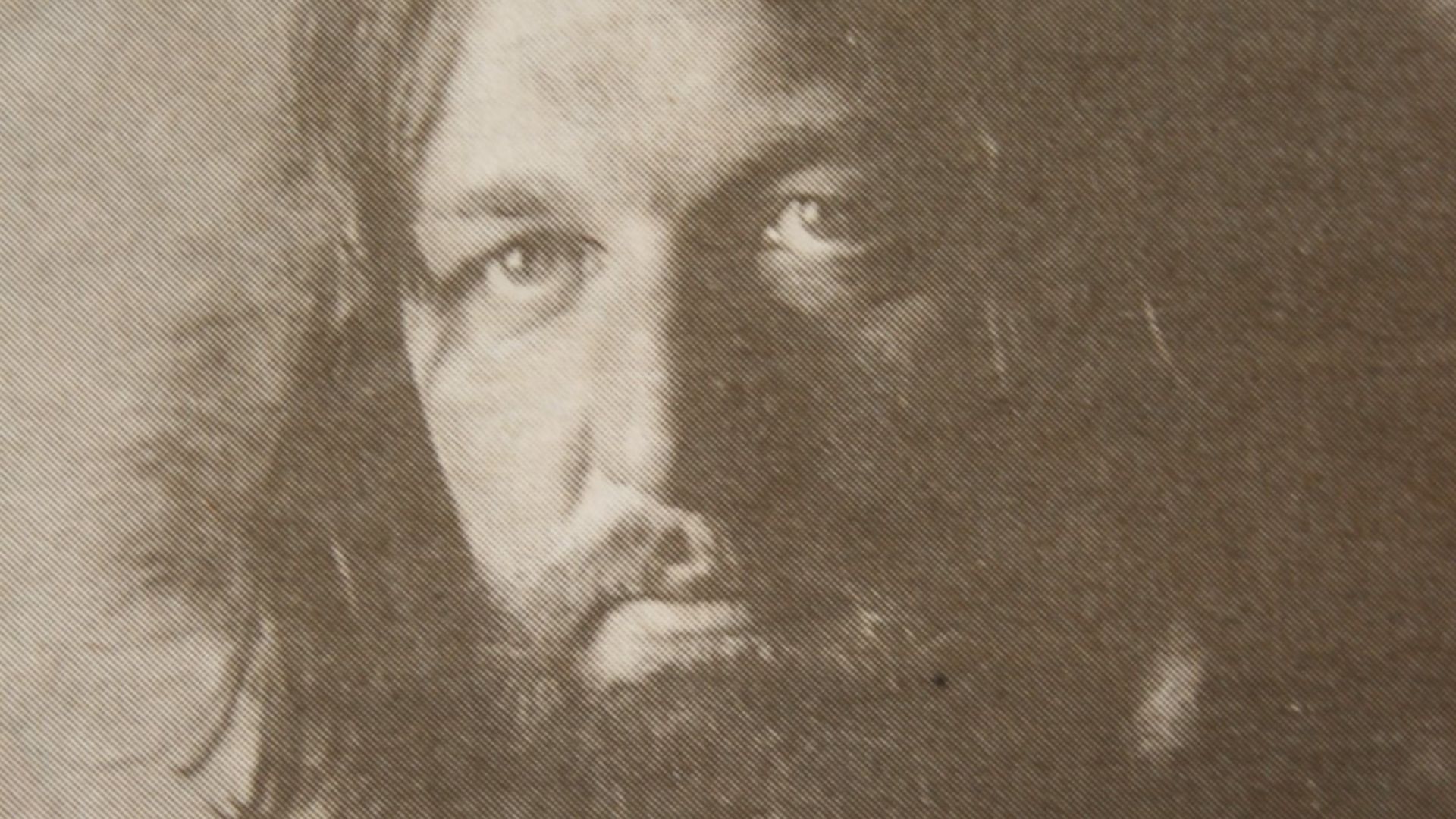 Knud Rasmussen (1879-1933)? on Wikimedia
10. Violet Jessop
Violet Jessop worked as a nurse aboard some of the most famous ships of the early 20th century, which isn’t as glamorous as it sounds. She actually made it through some of history’s most tragic accidents. She survived the RMS Olympic collision in 1911, the sinking of the Titanic in 1912, and the sinking of the HMHS Britannic in 1916.
 Originally loaded to en-wiki by Boylo on Wikimedia
11. Jack Parsons
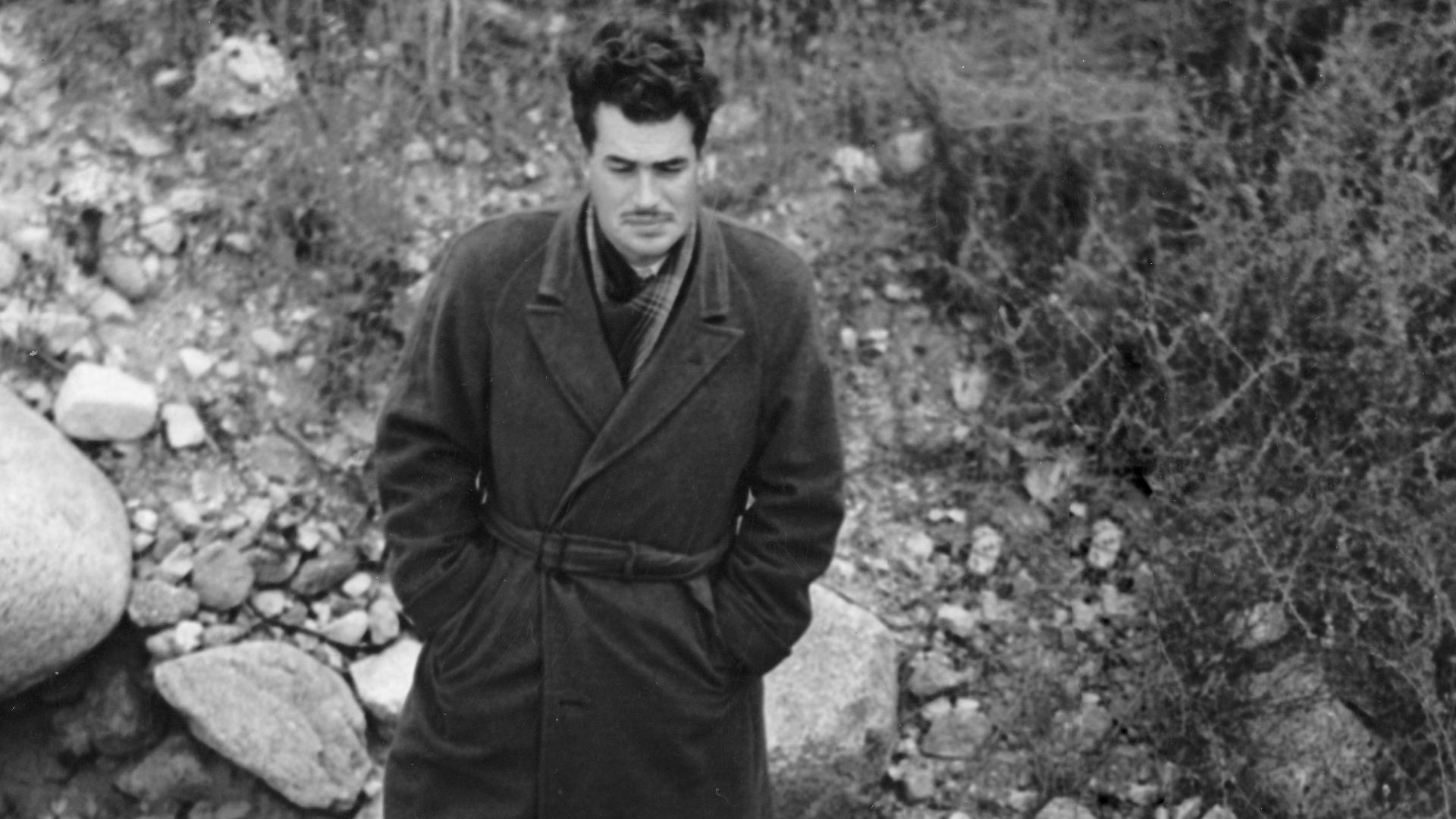
Jack Parsons helped develop early American rocketry and worked with the group that later became central to the Jet Propulsion Laboratory’s story. But outside of his life of science, he was also involved in occult circles. If that wasn’t enough, his 1952 death was caused by a laboratory explosion, adding one last strange twist to his life.
12. Margery Kempe
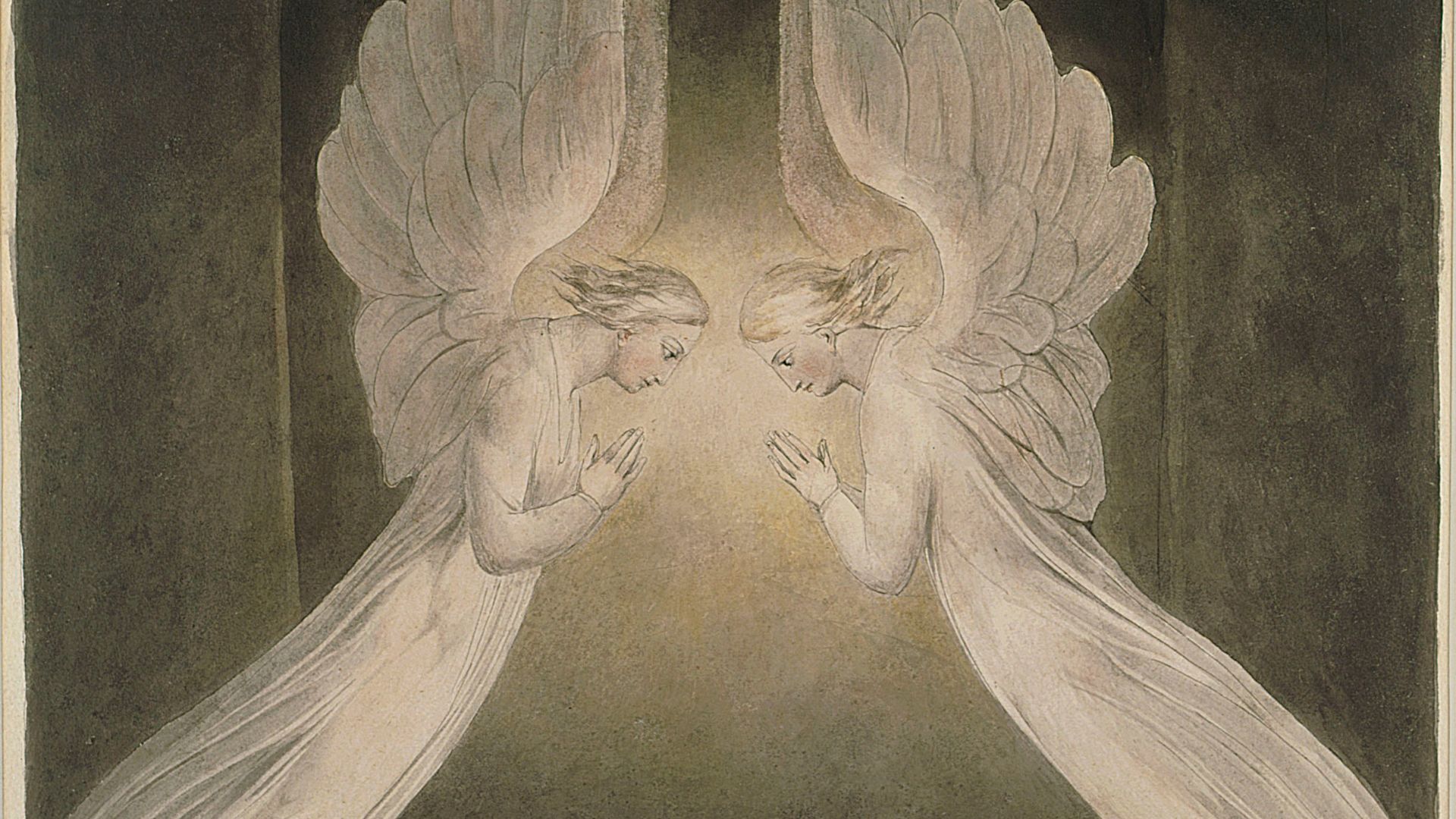
Margery Kempe lived in 14th- and 15th-century England and dictated what is often called the first autobiography in English. Though impressive, her life story mainly gained traction due to intense religious experiences. In her book, she described being so moved by thoughts of Jesus’ pain and human sin that she’d literally wail and sometimes collapse during pilgrimage, which plenty of people found disruptive and even heretical.
13. Stede Bonnet
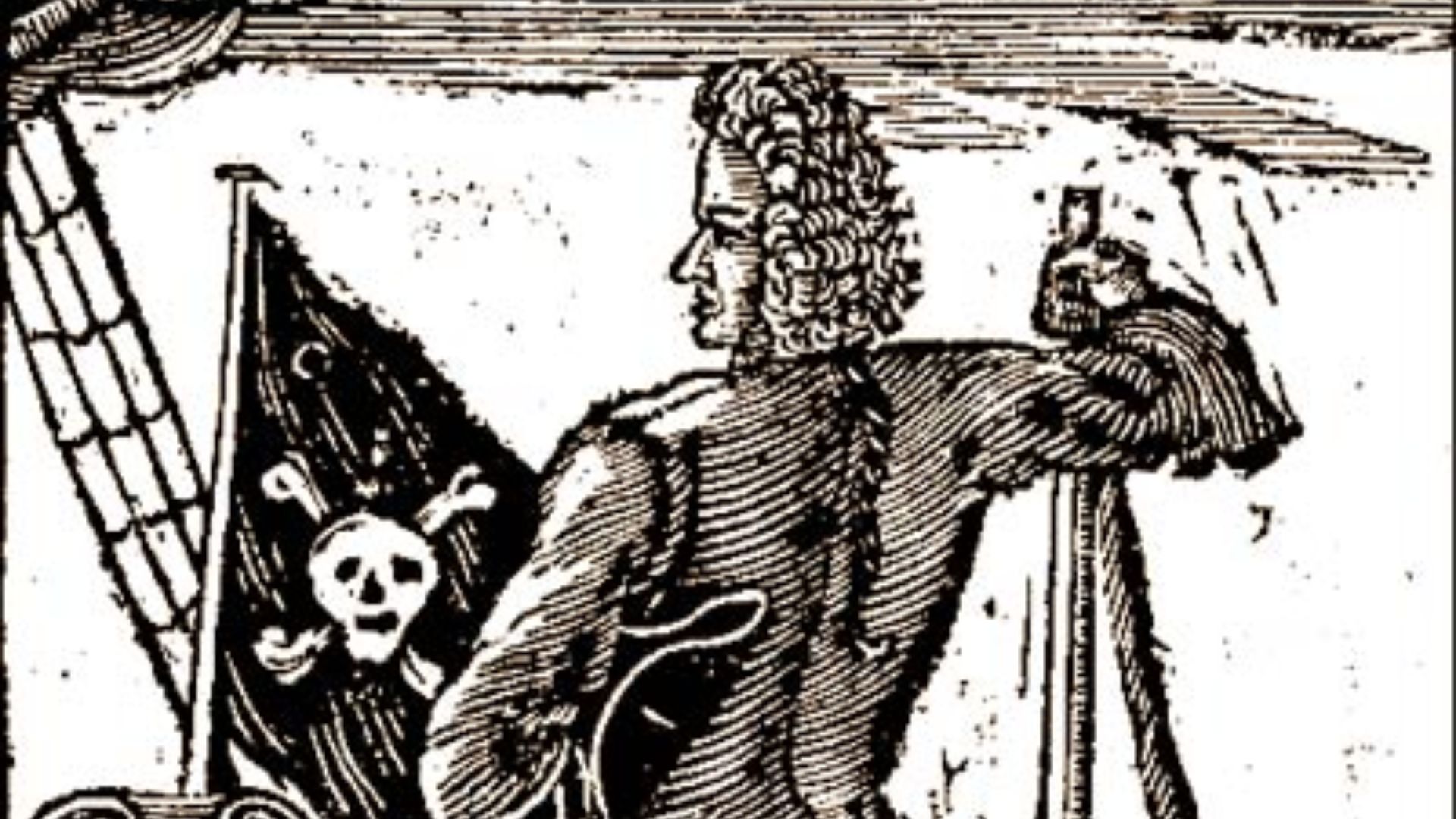
Stede Bonnet was a wealthy Barbados landowner who suddenly decided to become a pirate in the early 1700s. He didn’t have any real practical experience at sea, but that didn’t matter. He still bought a ship, hired a crew, and entered the pirate world. His partnership with Blackbeard only made the story stranger.
14. Timothy Dexter
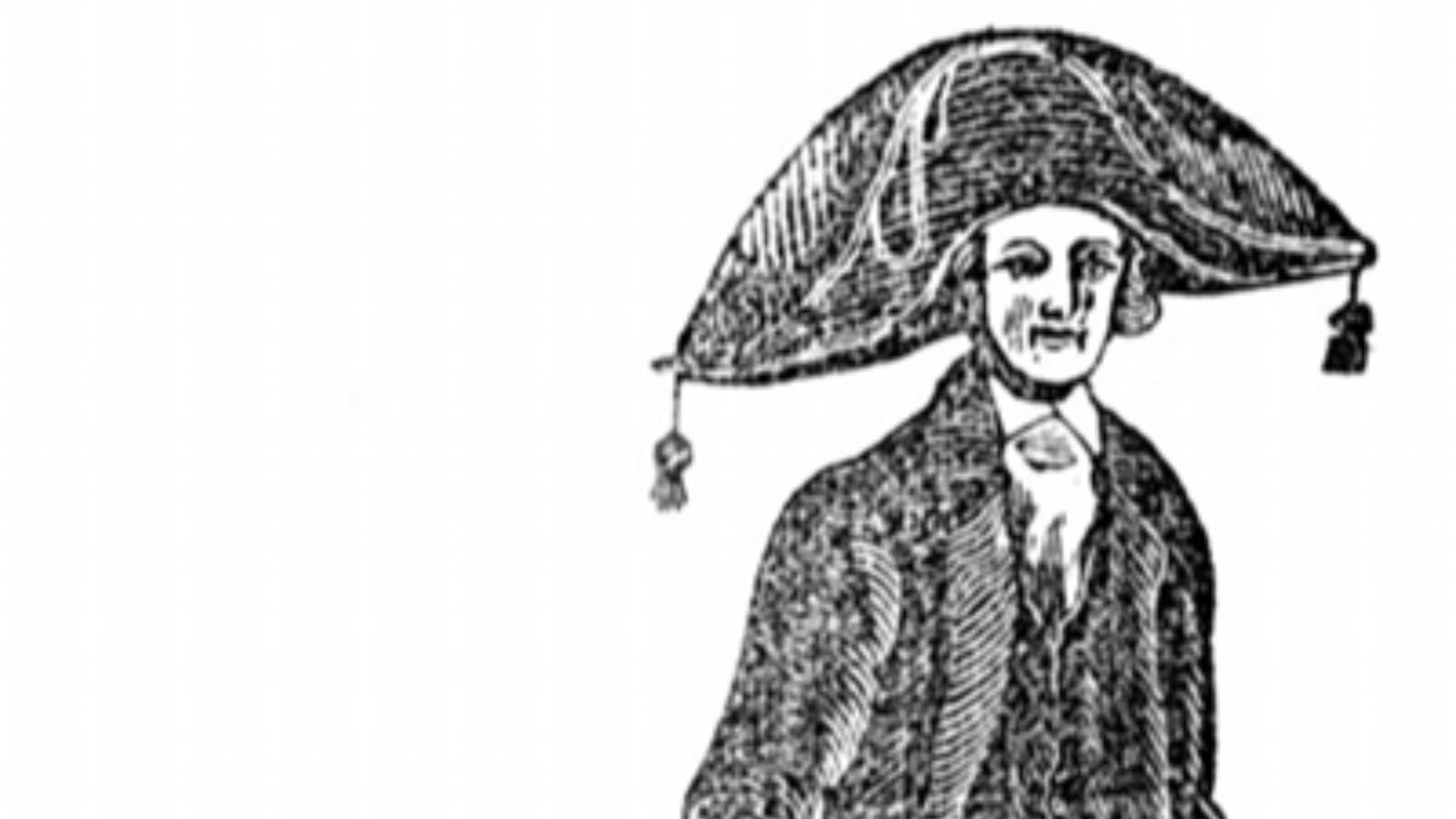
When you’re richer than sin, you can do all kinds of wacky things—just ask Timothy Dexter, an eccentric American businessman. He famously called himself “Lord Timothy Dexter” and shipped warming pans to the Caribbean, where they were repurposed for molasses work. He published a book with punctuation that readers were to insert themselves. He even supposedly staged his own funeral to see who would actually mourn.
15. James Barry
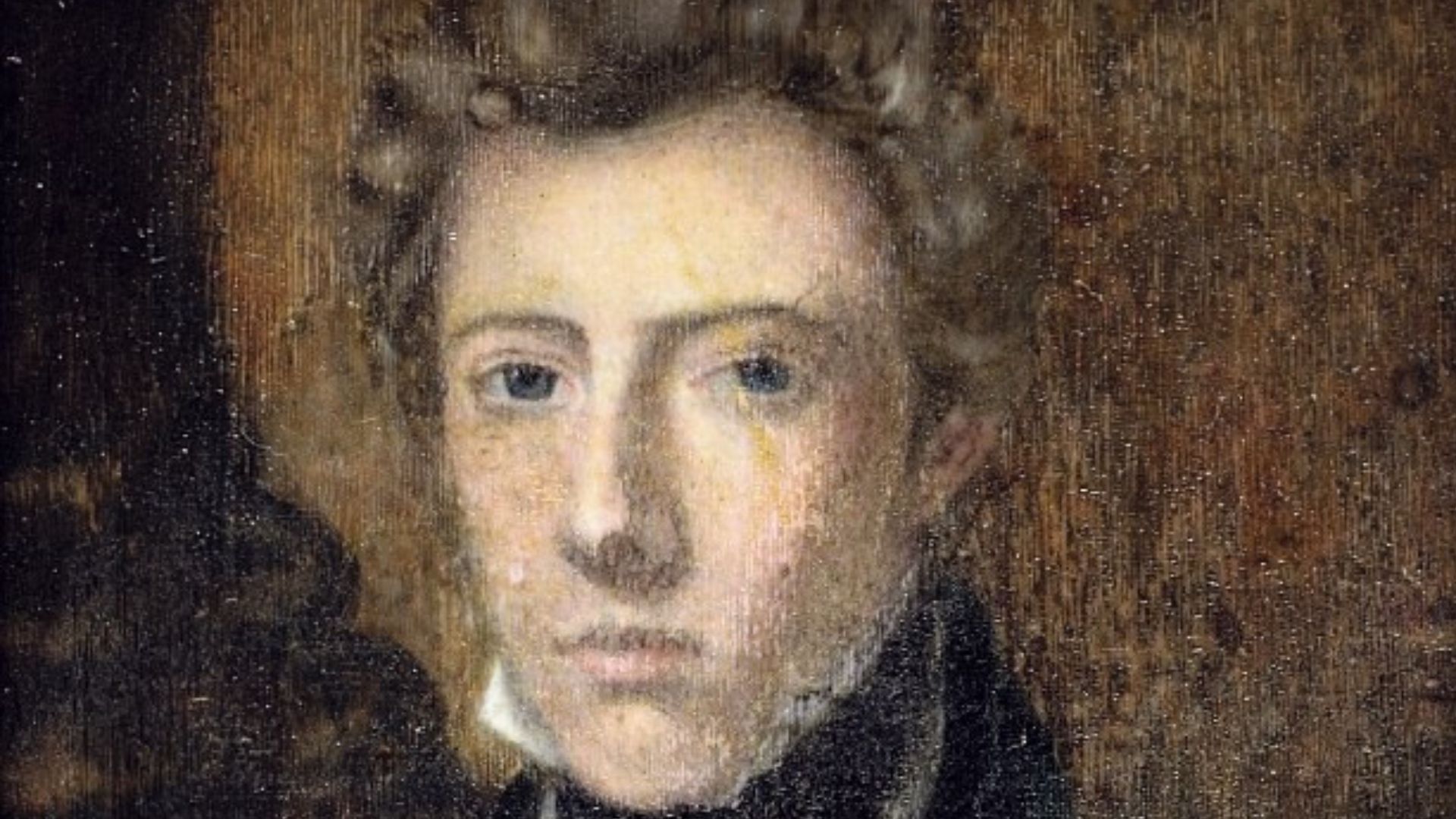
James Barry became one of the British Army’s most skilled surgeons in the 19th century. He improved hospital conditions, pushed for better sanitation, and performed one of the first recorded successful C-sections in which both mother and child survived. Despite all the achievements, it was only after Barry died in 1865 that attendants discovered that Barry had been assigned female at birth.
16. Jeanne Baret
Jeanne Baret joined Louis Antoine de Bougainville’s expedition in 1766. We know that sounds mundane, but French naval rules didn’t allow women aboard, so she did it disguised as a man. She worked as an assistant to botanist Philibert Commerson and helped collect plant specimens during a voyage that eventually made her the first known woman to circumnavigate the globe.
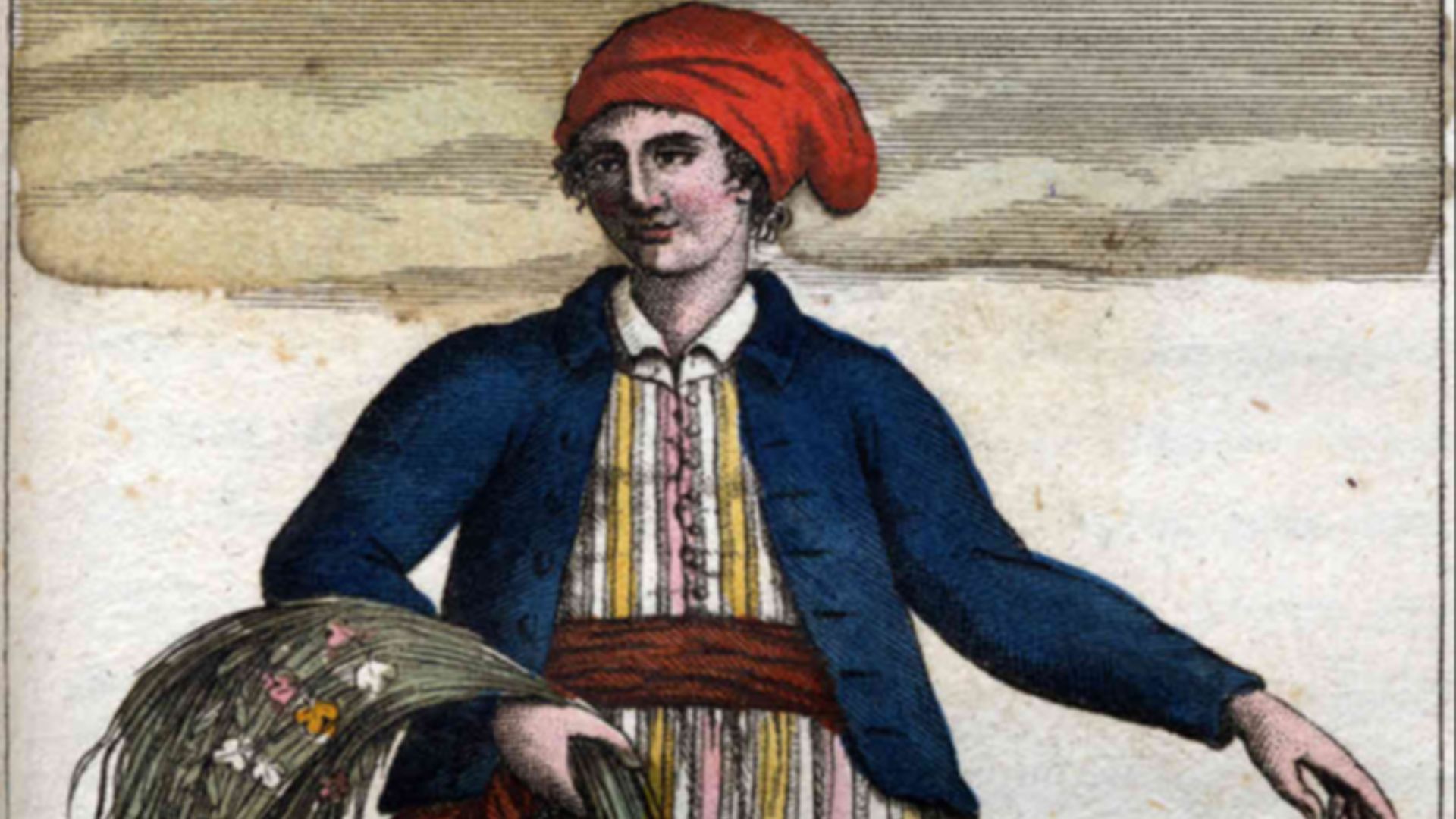 Cristoforo Dall'Acqua on Wikimedia
17. Howard Hughes
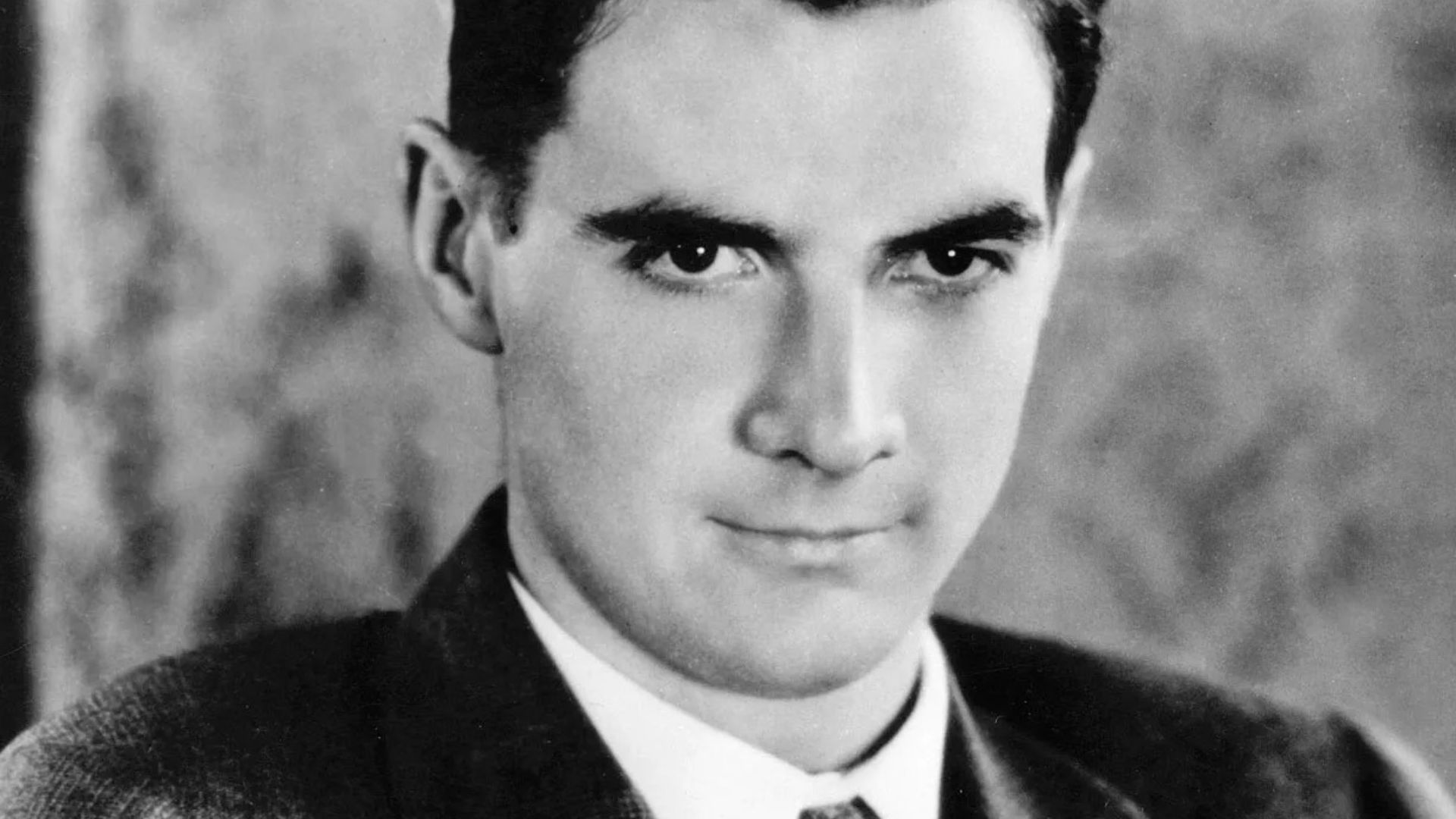
Howard Hughes was a lot of things: filmmaker, aviator, industrialist, and one of the most famous big whigs in 20th-century America. His early life was full of Hollywood productions and business deals, but his final years were anything but. After serious plane crashes left him injured, he withdrew into hotel rooms and reportedly spent long periods watching movies in darkness.
18. Alexis St. Martin
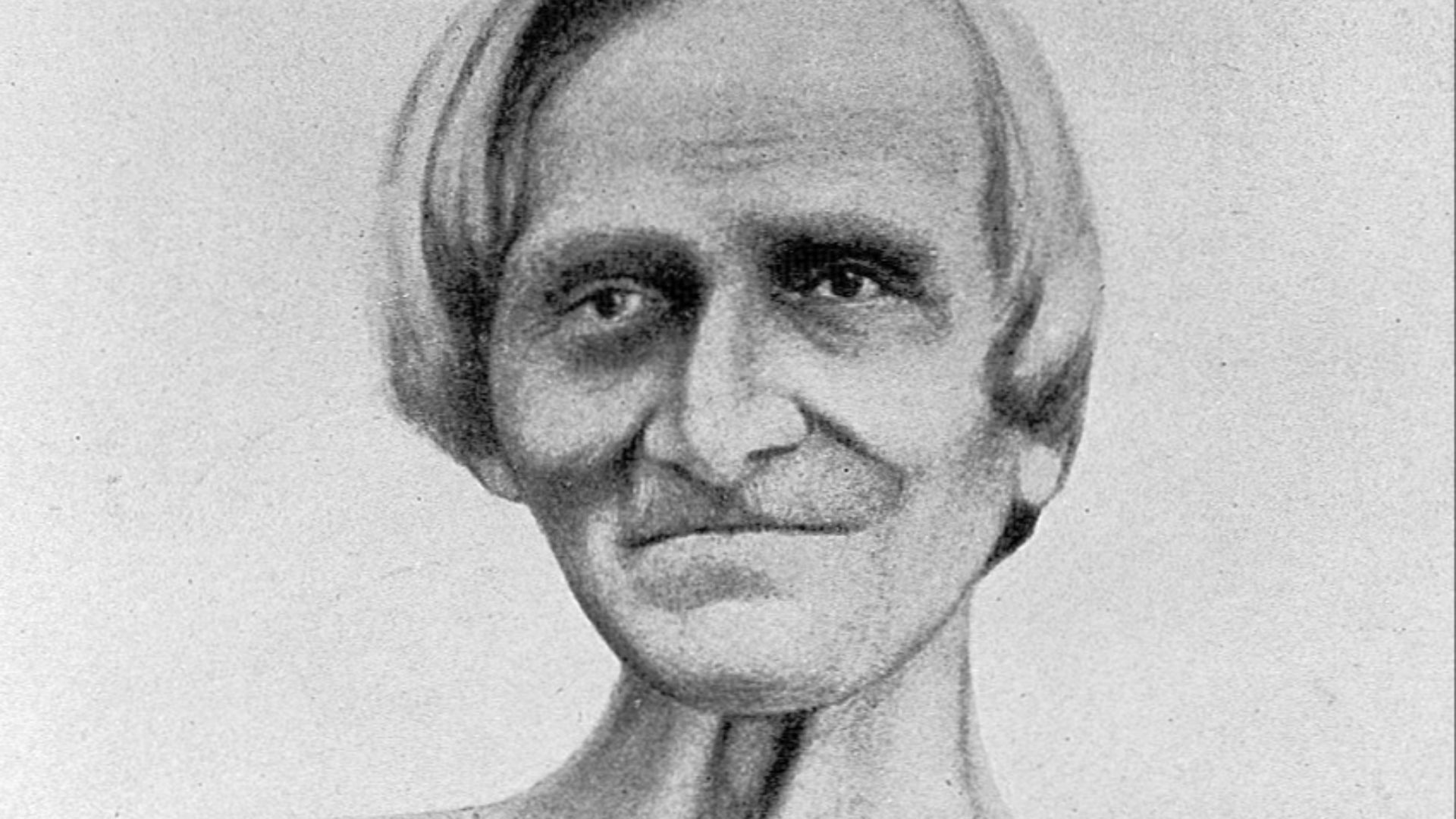
Hold onto your toques for this one. Alexis St. Martin was a Canadian fur trapper who survived an 1822 shotgun accident that left a permanent opening into his stomach. It also opened the door to medical examination. Army surgeon William Beaumont treated him, then studied digestion by placing food into the opening and observing what happened. Martin went along with it for a while, but he did eventually refuse further study.
19. Emperor Caligula
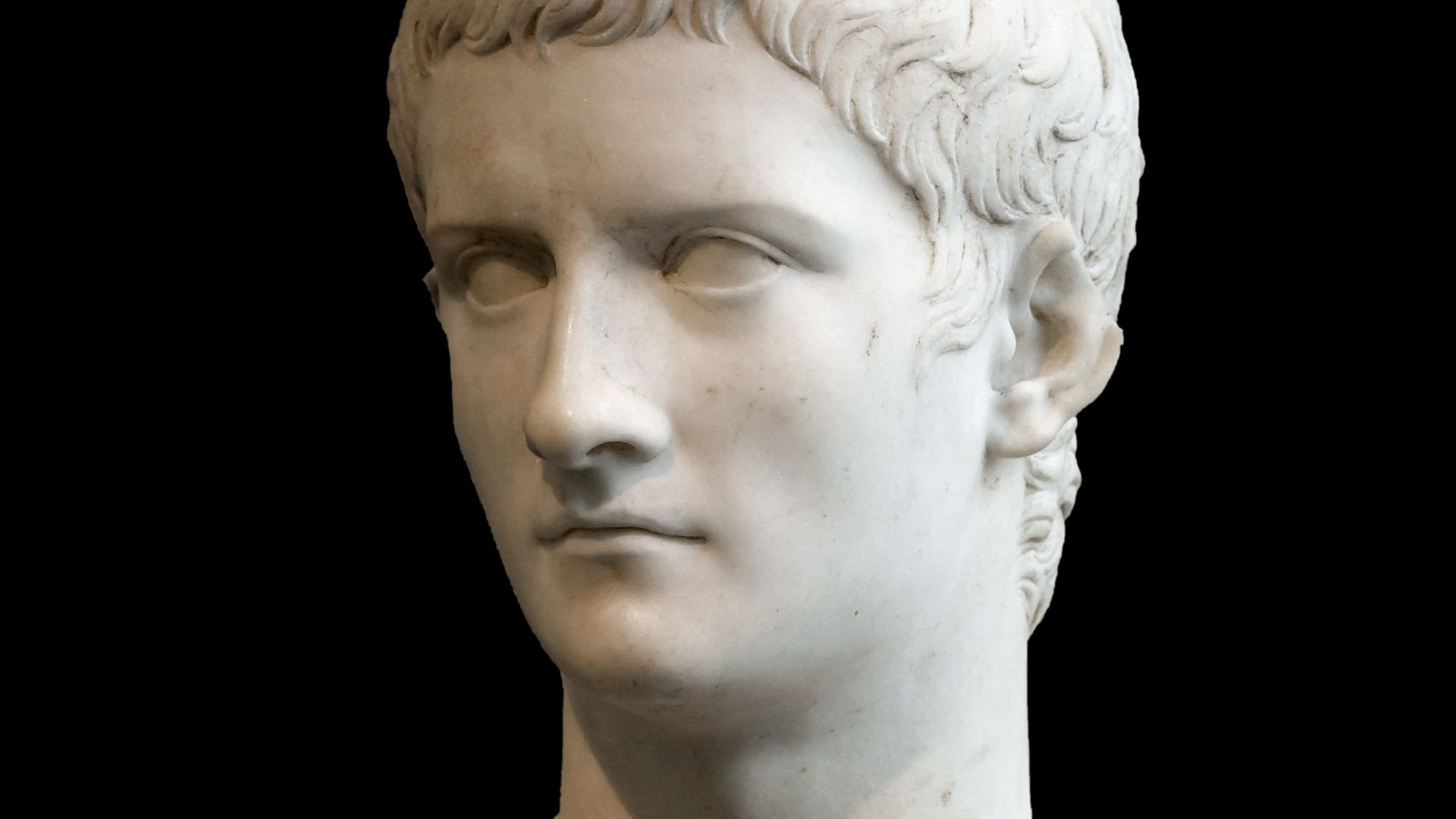
Caligula’s life is way more than just a weird movie. He began his reign in 37 with public goodwill, but ancient writers soon described him as dangerously extravagant, cruel, and unpredictable. He humiliated senators. He staged strange spectacles. He also reportedly pampered his horse Incitatus and built a floating bridge just to ride over it. Some stories were likely blown out of proportion, but everything that was documented gave us dozens of stories to sift through.
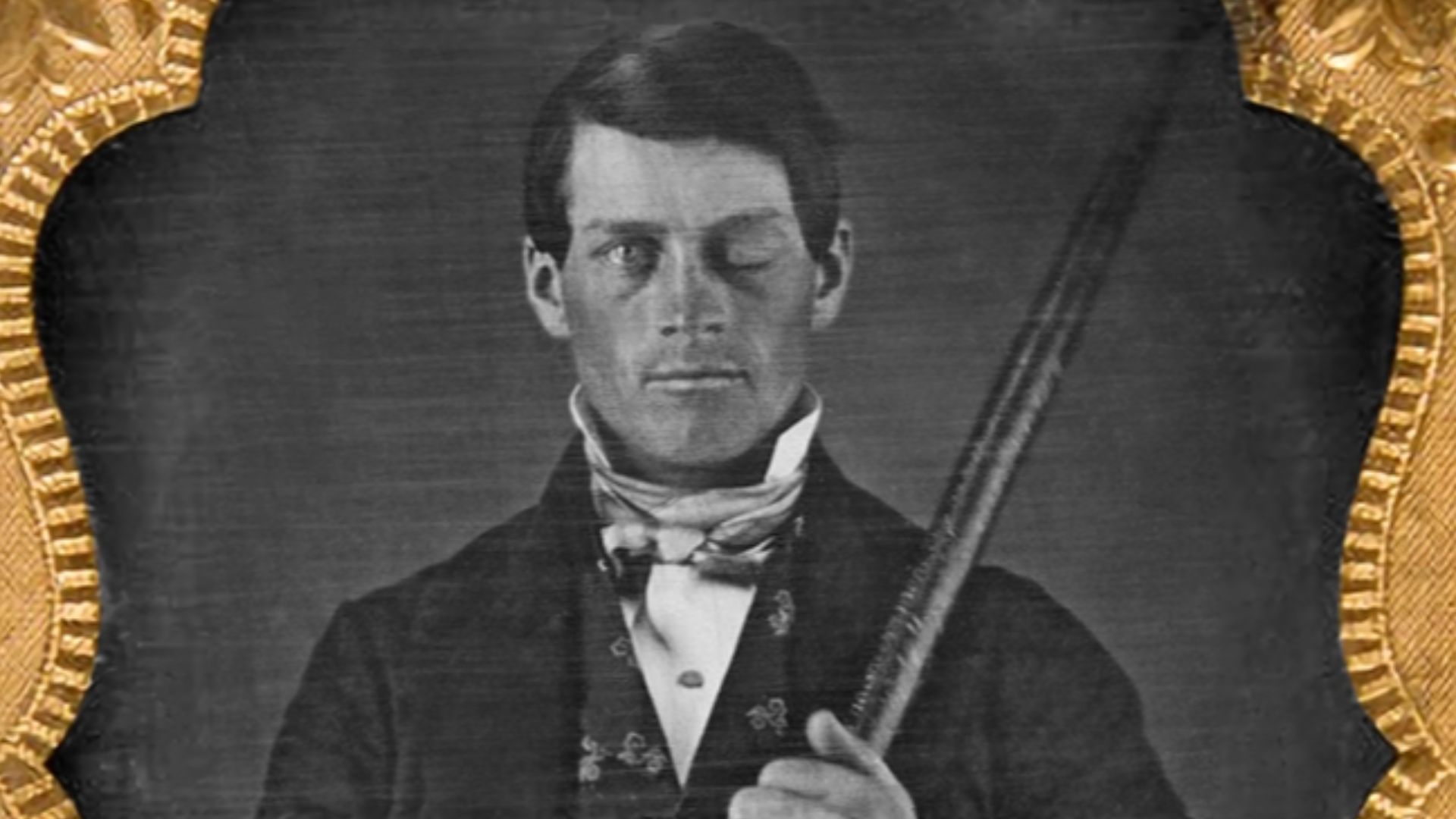
20. Phineas Gage
Phineas Gage was a railroad worker who survived a gnarly 1848 accident: an iron tamping rod passed through his skull. He stayed conscious afterward and became one of the most famous cases in the history of neuroscience, mainly because doctors debated how his personality changed after the injury.
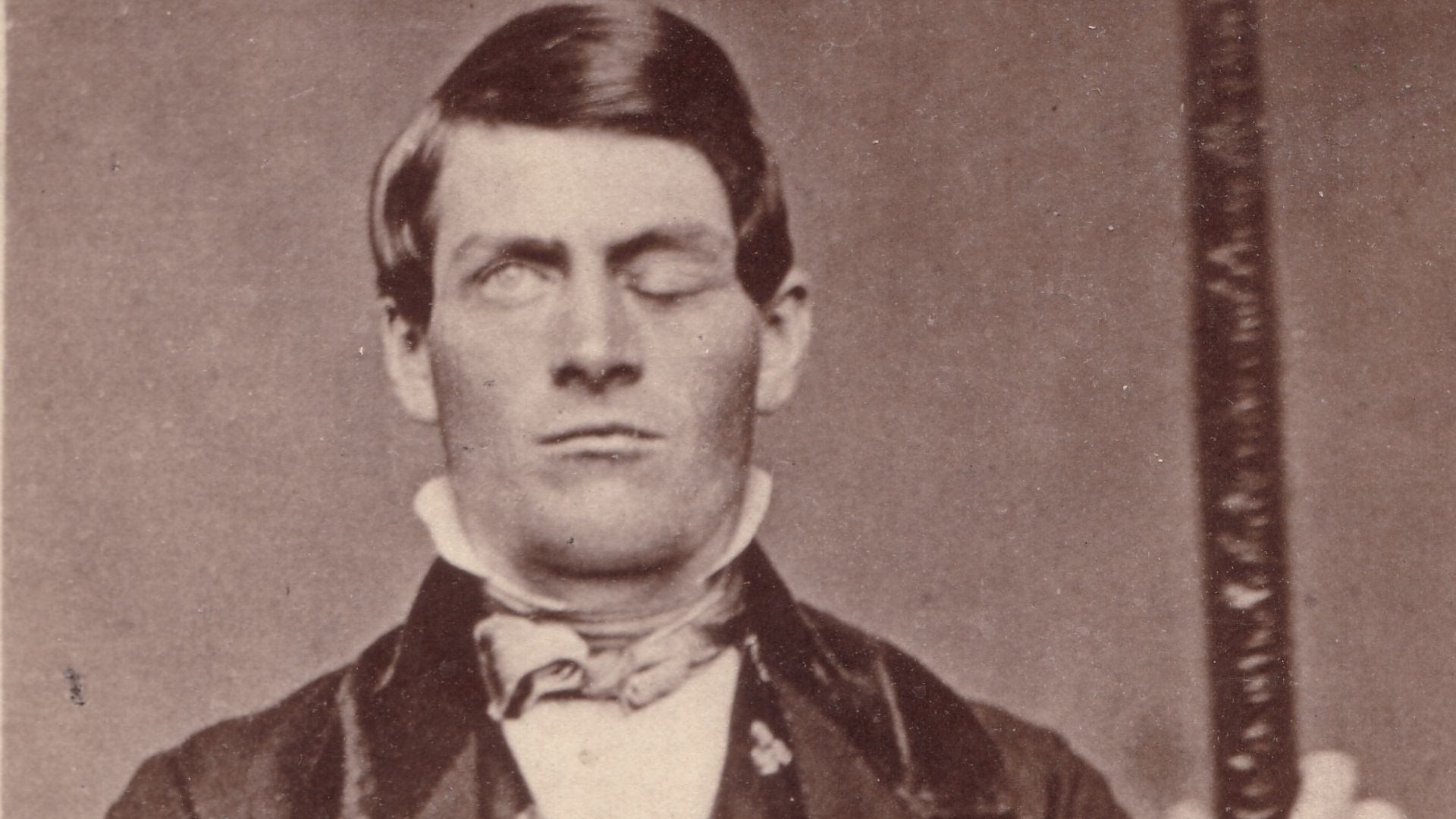 Author of underlying work unknown. on Wikimedia
KEEP ON READING