A Turning Point For Everyday Life
Modern life didn't arrive all at once. Instead, it emerged through a series of breakthroughs that permanently changed how people traveled, communicated, worked, learned, and understood the world around them. These 20 historical firsts introduced ideas and technologies that became so influential they're now easy to take for granted, even though each one marked the beginning of a new era.
 Unknown authorUnknown author on Wikimedia
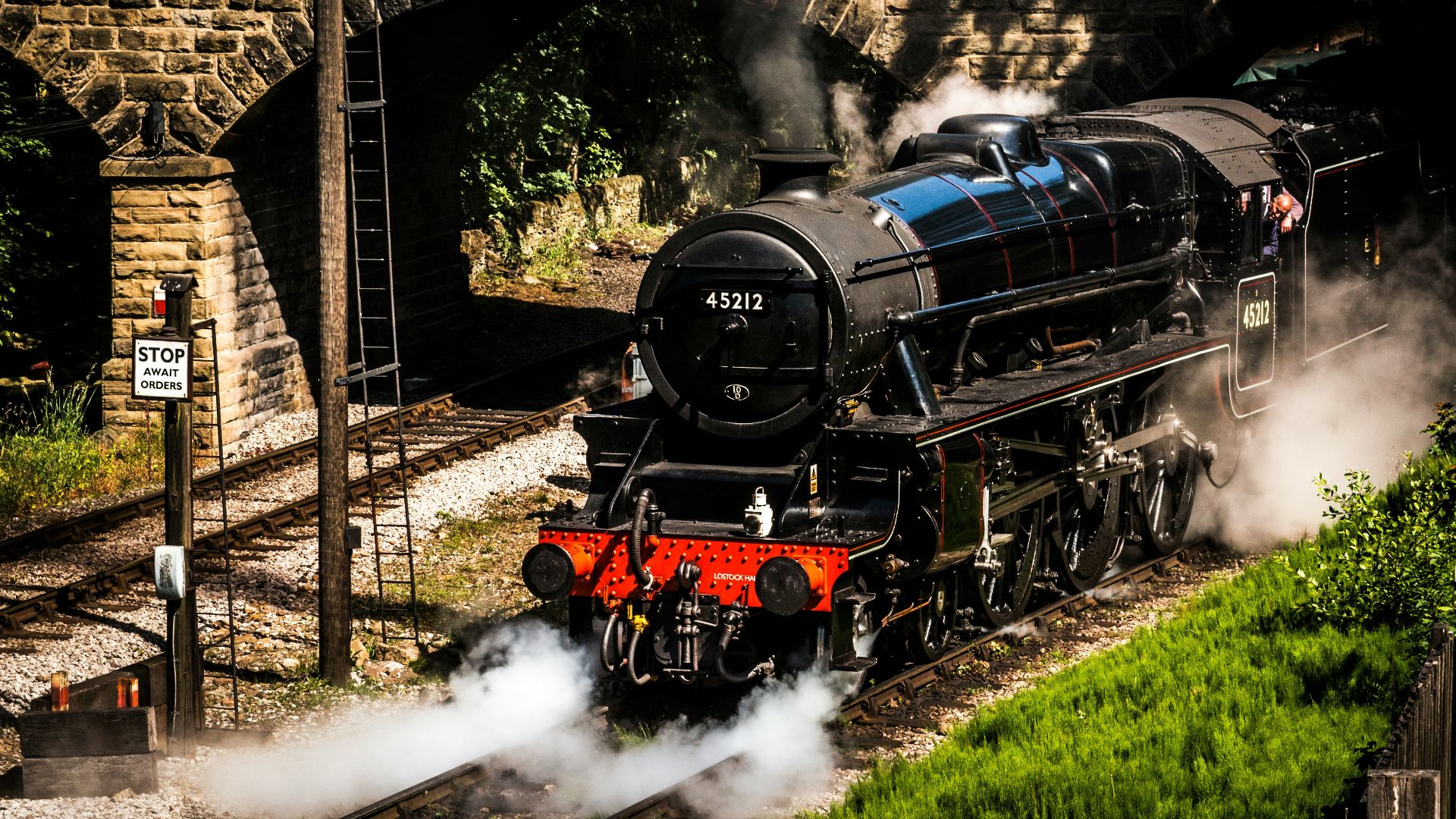
1. The First Successful Steam-Powered Railway
The opening of the Stockton and Darlington Railway in England in 1825 proved that steam locomotives could move both passengers and freight on a practical scale. It transformed transportation by making long-distance travel faster and more reliable than horse-drawn alternatives. Railways soon spread around the world and reshaped trade, industry, and daily life.
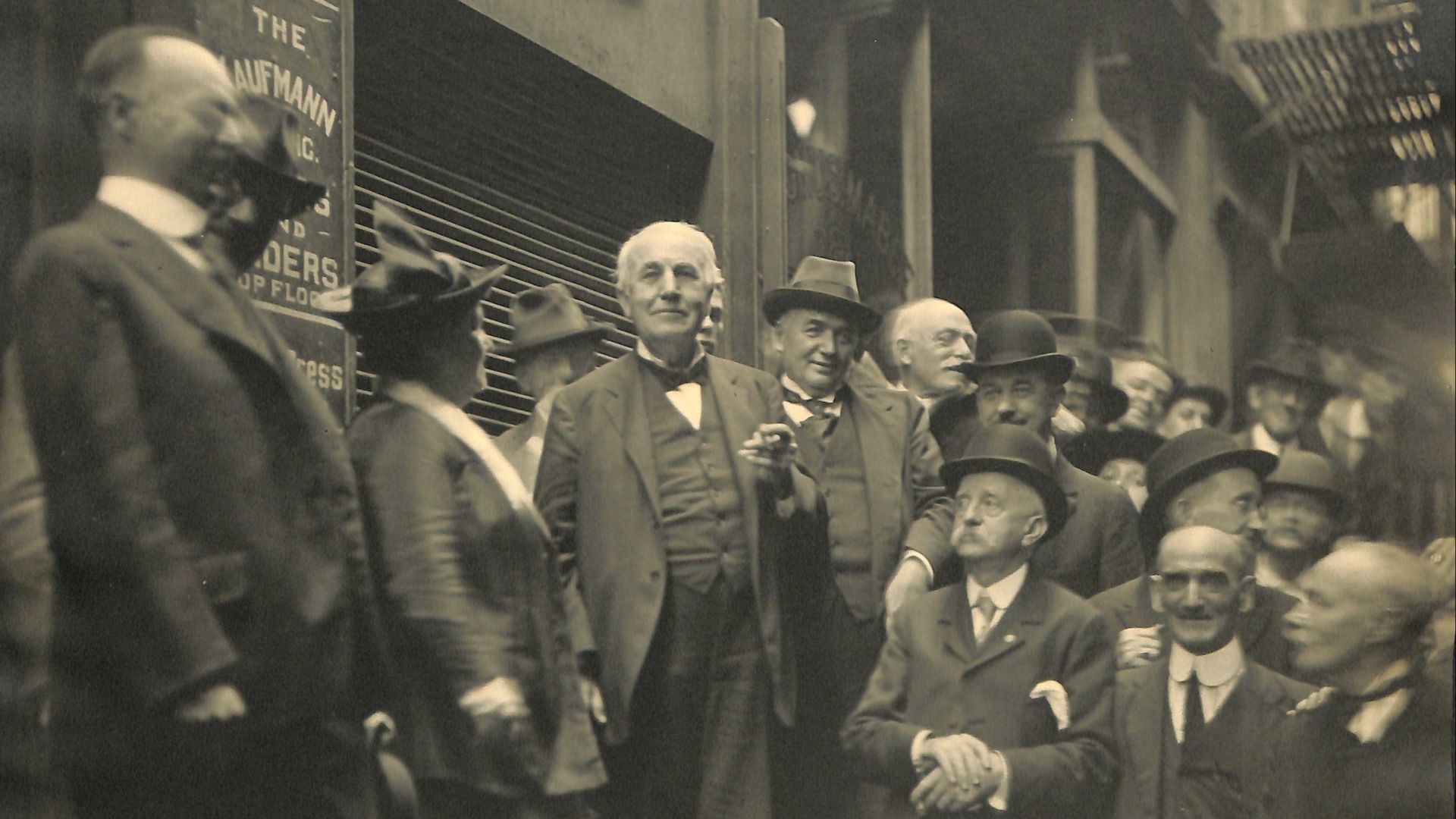
2. The First Public Electric Power Station
Thomas Edison's Pearl Street Station began supplying electricity to customers in New York City in 1882. Instead of relying on individual generators, businesses and homes could receive centralized electric power. That model became the foundation for modern electrical grids.
 Unknown authorUnknown author on Wikimedia
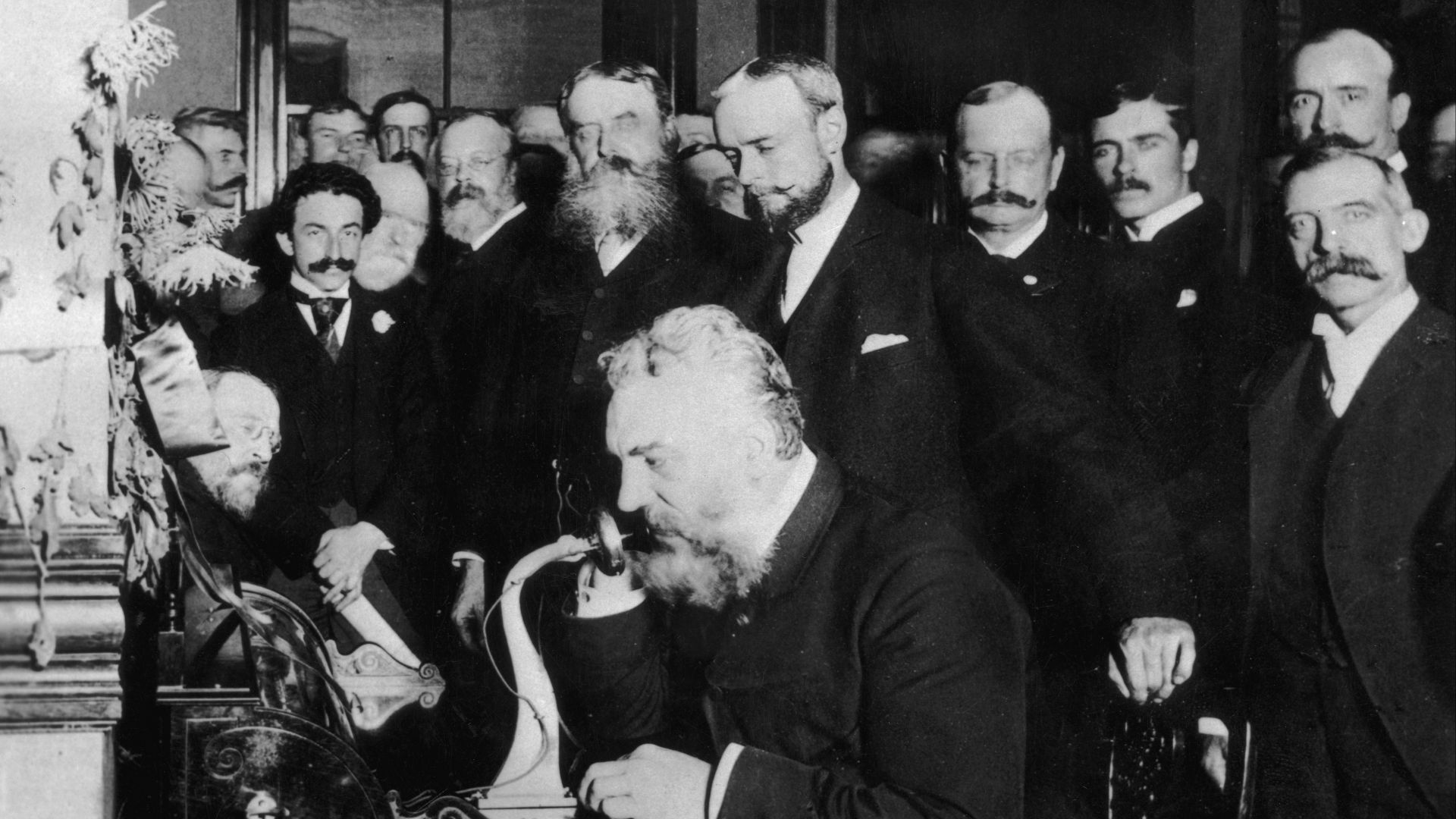
3. The First Telephone Call
Alexander Graham Bell made the first successful telephone call in 1876 when he summoned his assistant with a now-famous request. Although early telephones were limited, they demonstrated that voices could travel instantly over wires. Communication would never again depend solely on letters or face-to-face meetings.
 Gilbert H. Grosvenor Collection, Prints and Photographs Division, Library of Congress. on Wikimedia
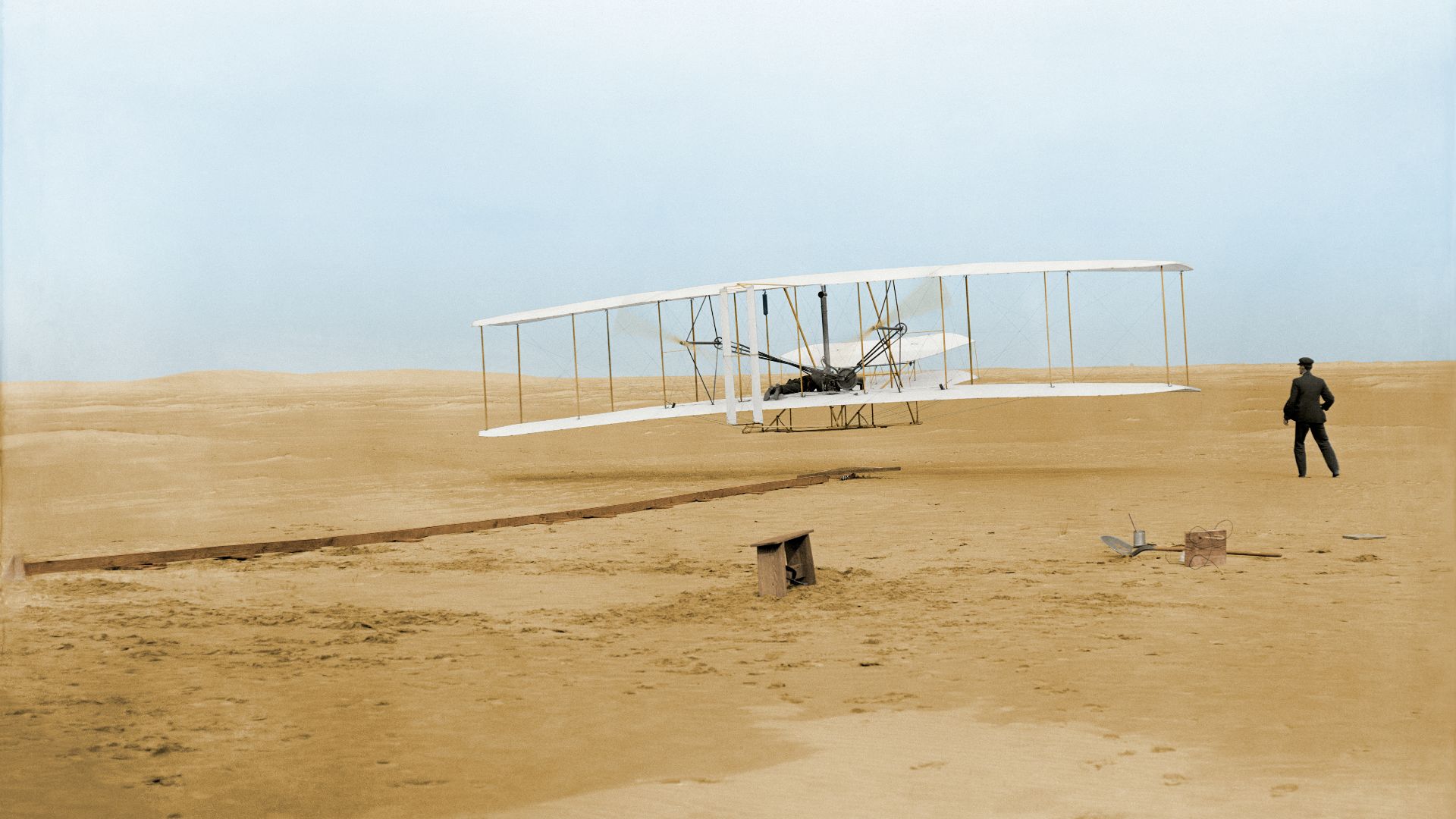
4. The First Powered Airplane Flight
In 1903, Orville and Wilbur Wright achieved the first sustained powered flight at Kitty Hawk, North Carolina. Their aircraft stayed aloft for only seconds, but it proved that controlled flight was possible. Aviation quickly evolved from an experiment into a global transportation industry.
 John T. Daniels (restoration & colorization by Wright Stuf) on Wikimedia
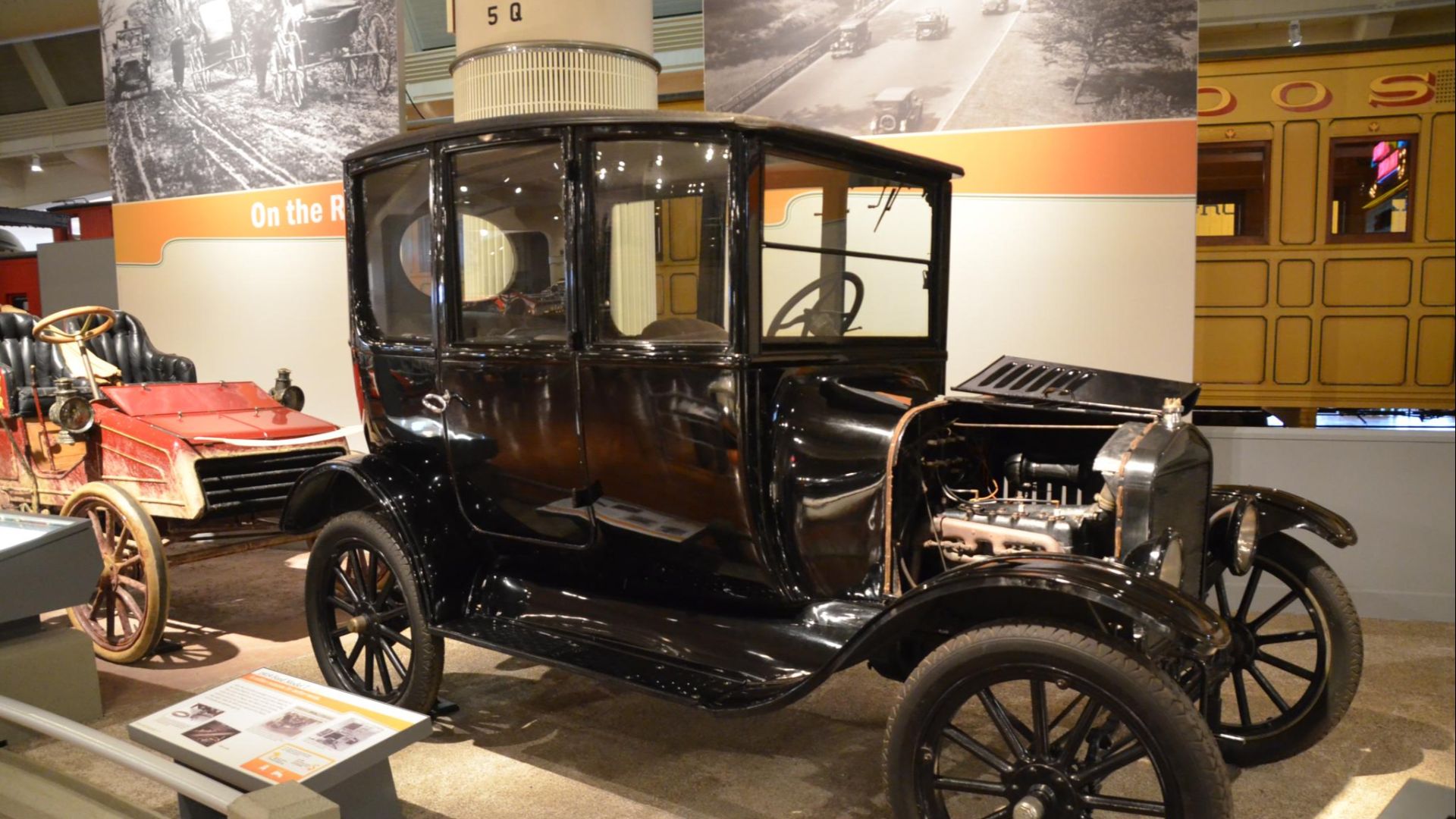
5. The First Mass-Produced Automobile
Henry Ford's Model T entered production in 1908 and became affordable through assembly-line manufacturing. Owning a car gradually became realistic for ordinary families rather than just the wealthy. Personal transportation changed where people lived, worked, and traveled.
 Joe Ross from Lansing, Michigan on Wikimedia
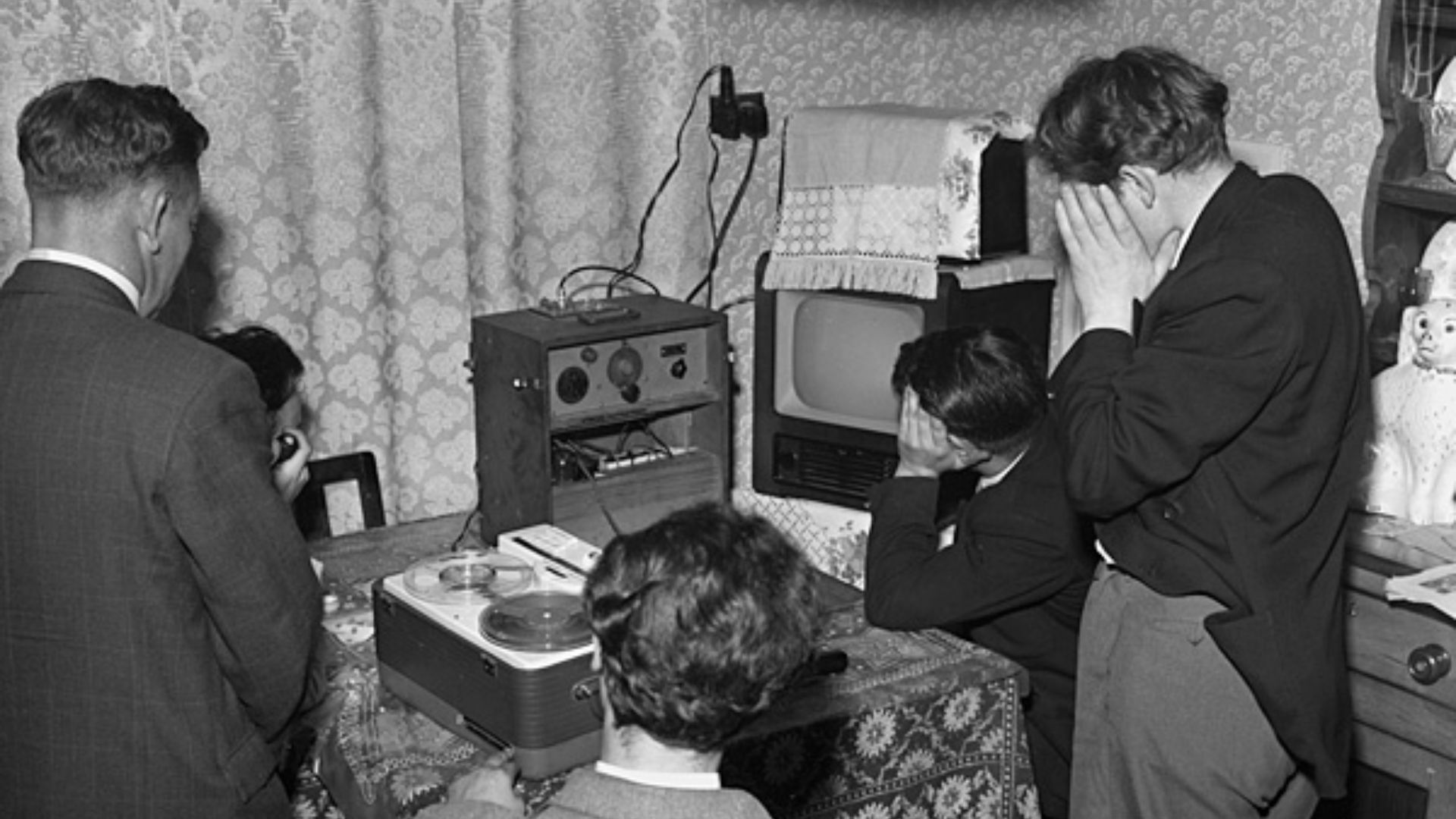
6. The First Commercial Radio Broadcast
Station KDKA in Pittsburgh broadcast election results in 1920, marking one of the first regularly scheduled commercial radio services. News and entertainment could suddenly reach thousands of listeners at the same time. Radio became one of the defining technologies of the twentieth century.
7. The First Successful Vaccine
Edward Jenner introduced the smallpox vaccine in 1796 after observing immunity linked to cowpox exposure. His work established vaccination as a practical medical tool rather than a theory. It eventually led to one of humanity's greatest public health achievements when smallpox was eradicated.
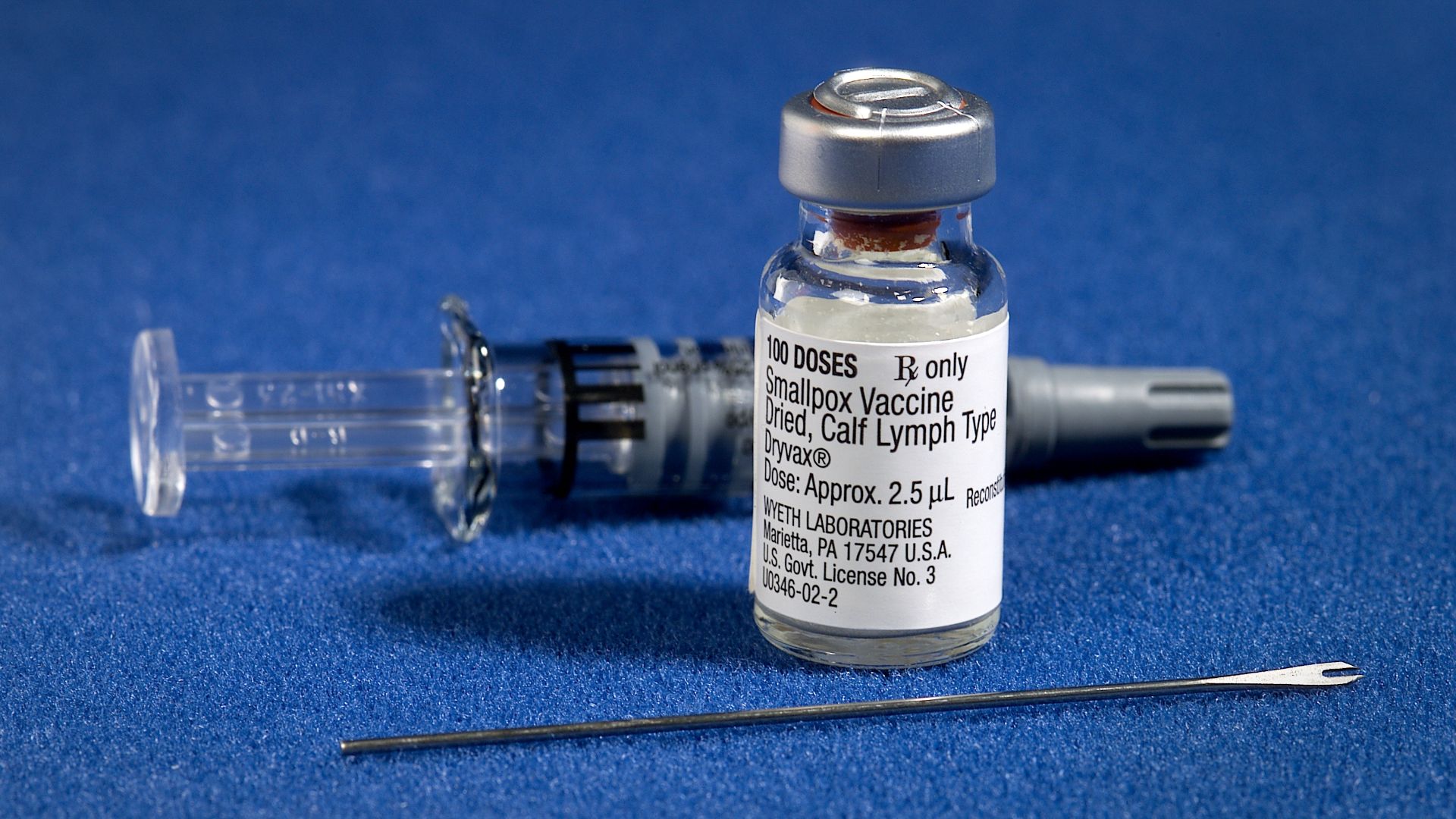 Photo Credit: James Gathany
Content Providers(s): CDC on Wikimedia
Photo Credit: James Gathany
Content Providers(s): CDC on Wikimedia
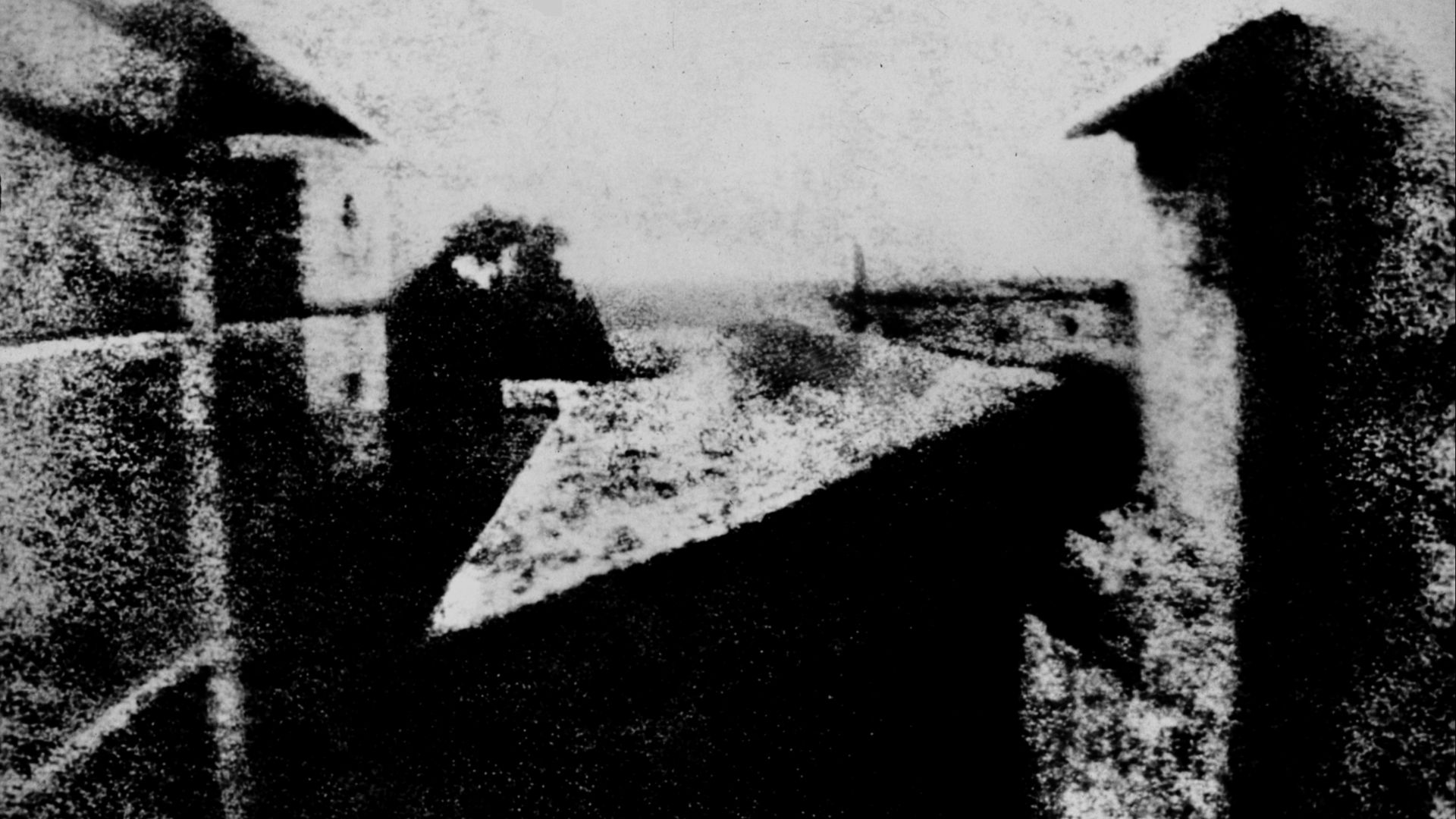
8. The First Photograph
Joseph Nicéphore Niépce created the earliest surviving permanent photograph in the 1820s using a lengthy exposure process. Capturing real scenes without drawing them represented an entirely new way of preserving history. Photography later transformed journalism, science, and personal memories.
 Joseph Nicéphore Niépce on Wikimedia
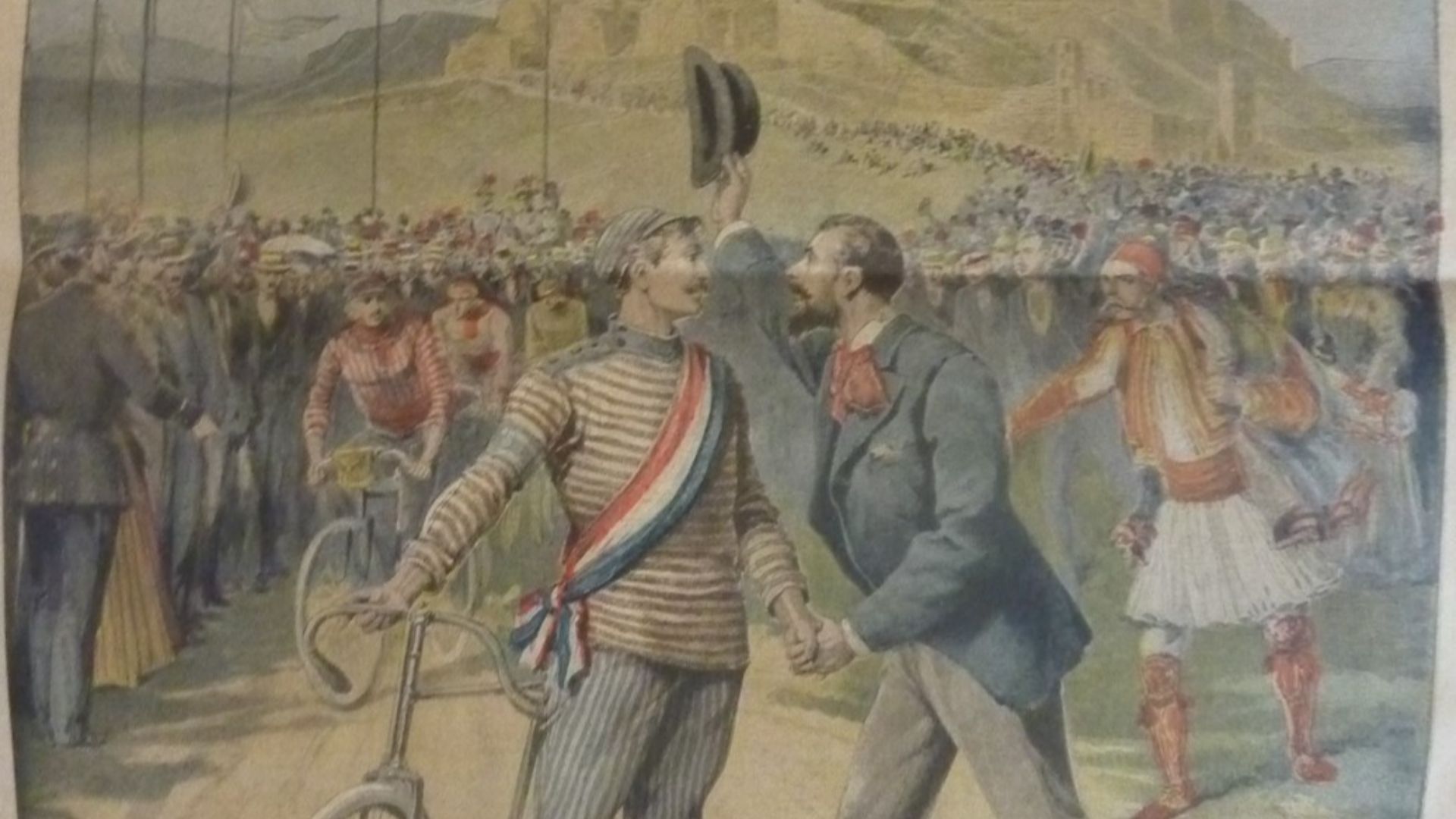
9. The First Modern Olympic Games
Athletes from numerous nations gathered in Athens in 1896 for the first modern Olympic Games. The event revived an ancient tradition while promoting international competition through organized sport. It became one of the world's largest recurring global events.
 Unknown authorUnknown author on Wikimedia
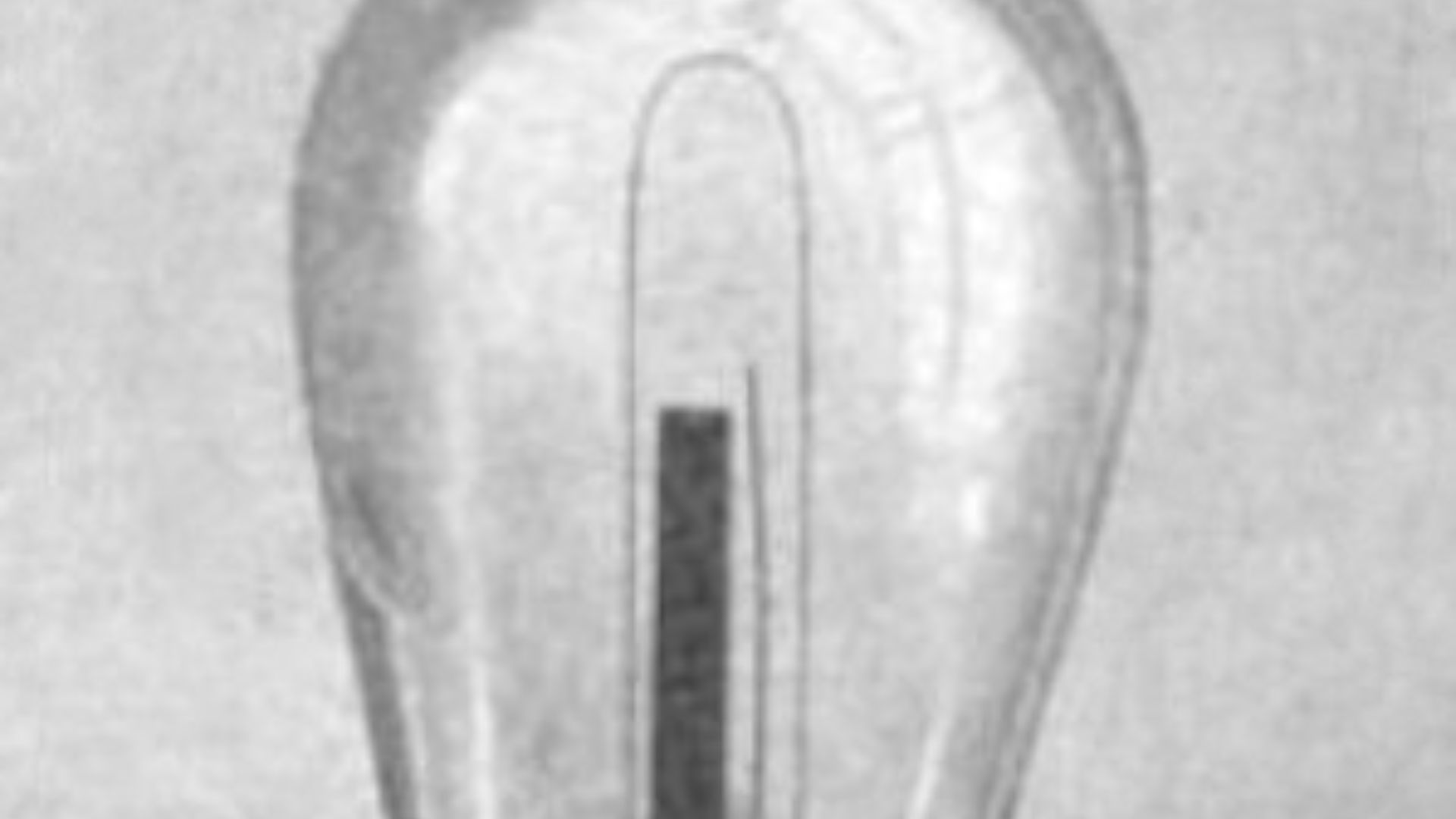
10. The First Practical Light Bulb
Although several inventors contributed to electric lighting, practical incandescent bulbs developed during the late nineteenth century made indoor lighting dependable and widespread. Homes and businesses were no longer limited by daylight or open flames. Longer productive hours became possible across society.
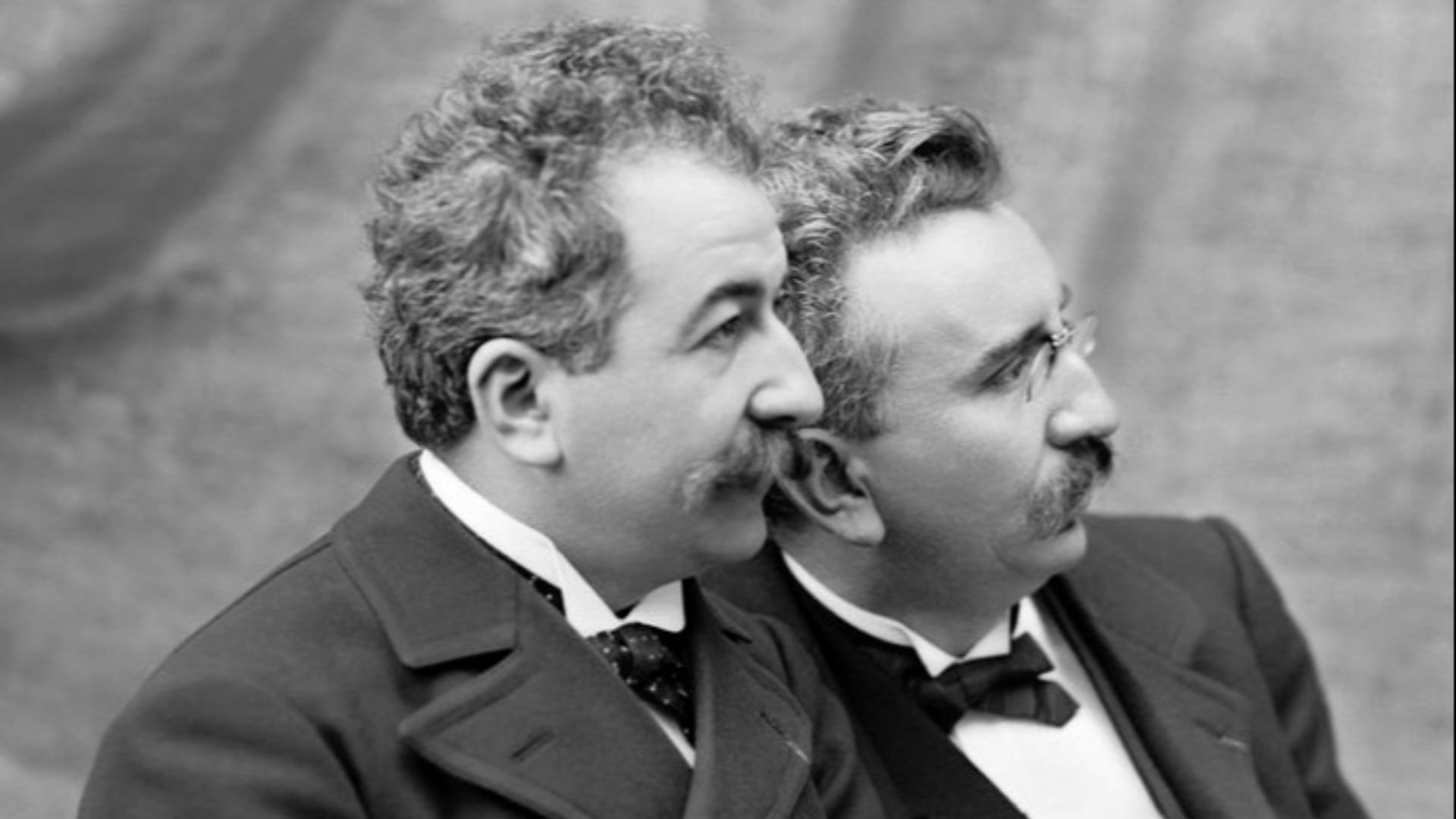
11. The First Successful Motion Picture Screening
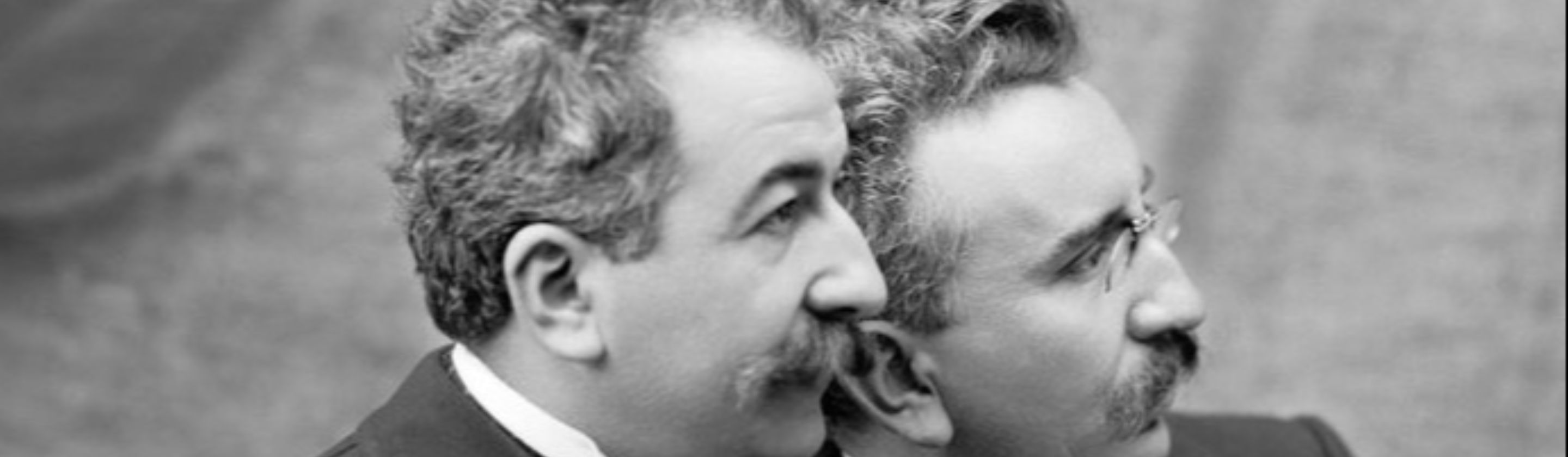
In 1895, the Lumière brothers held one of the first public film screenings for paying audiences in Paris. Moving pictures immediately demonstrated their potential as entertainment and storytelling.
 Unknown authorUnknown author on Wikimedia
12. The First Human In Space
Yuri Gagarin orbited Earth aboard Vostok 1 in 1961, becoming the first person to travel into space. His flight proved humans could survive and operate beyond Earth's atmosphere. It marked a major milestone during the Space Race.
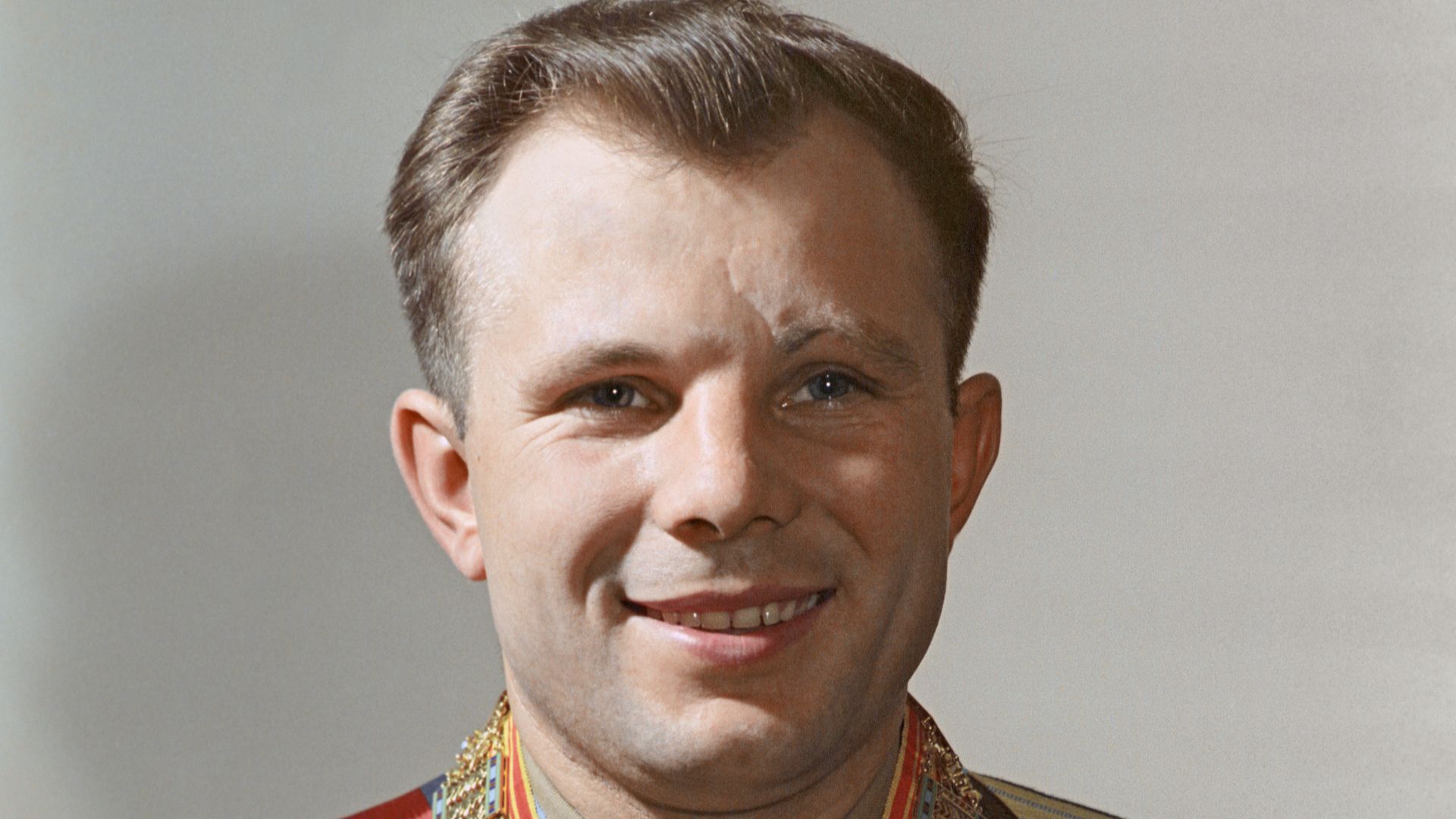 Александр Моклецов / СовИнформБюро on Wikimedia
13. The First Moon Landing
Apollo 11 landed astronauts Neil Armstrong and Buzz Aldrin on the Moon in 1969 while Michael Collins remained in lunar orbit. It represented one of the most ambitious engineering achievements in history.
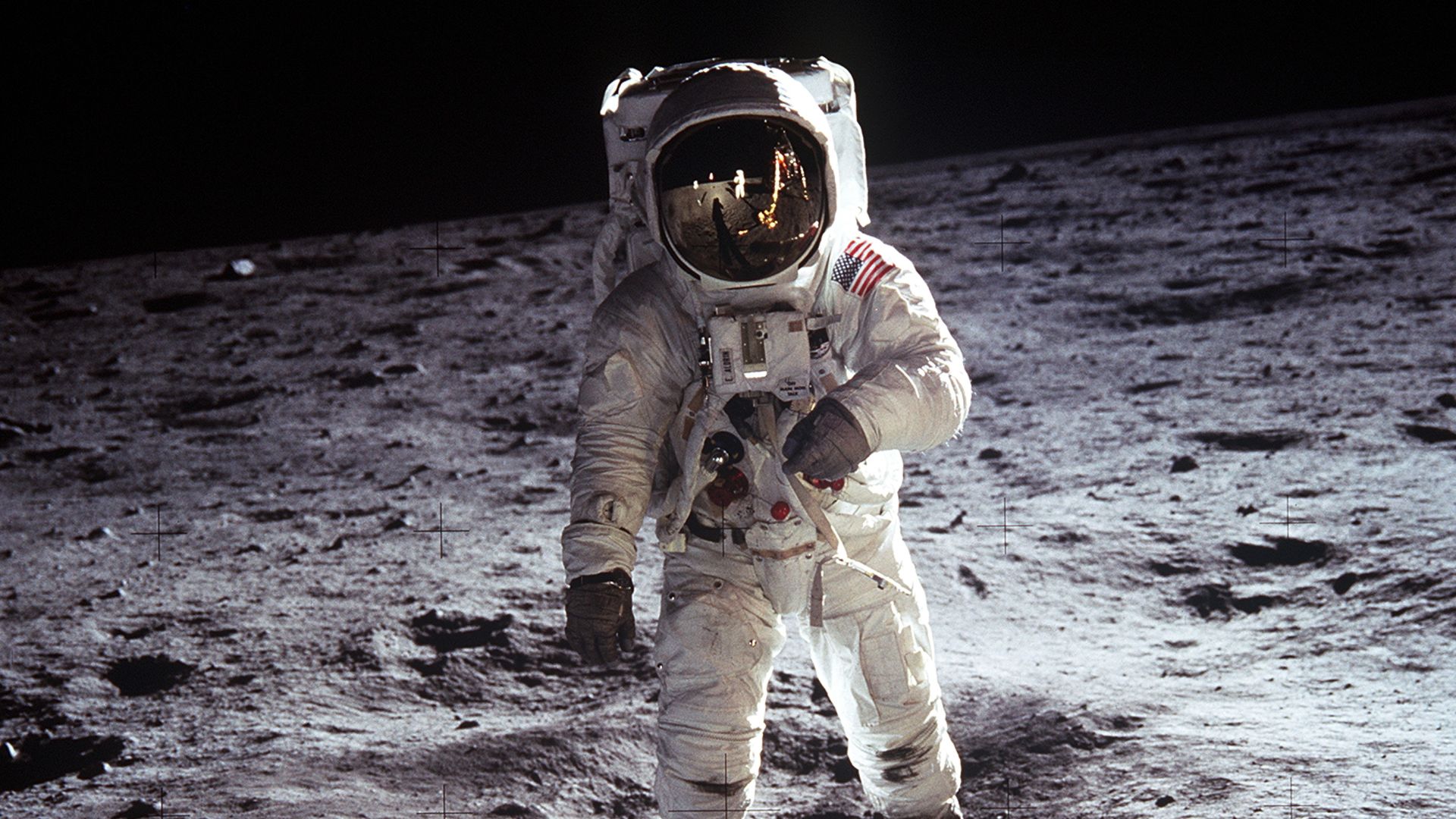 Neil A. Armstrong on Wikimedia
14. The First Electronic Computer
ENIAC became one of the first general-purpose electronic digital computers when it was introduced in 1945. Although enormous by today's standards, it performed calculations far faster than earlier methods. Modern computing traces much of its development to machines like it.
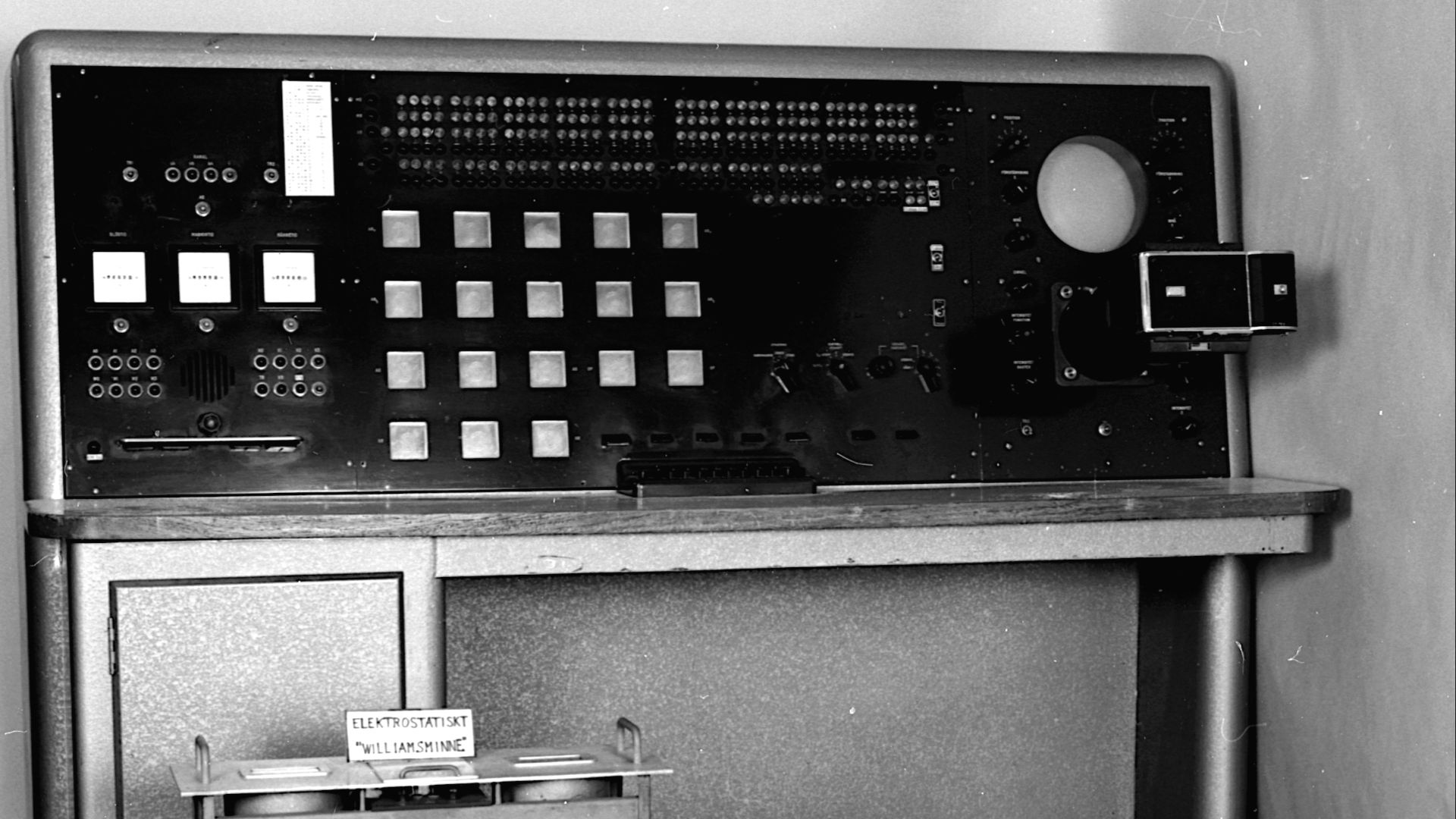
15. The First Successful Internet Message
In 1969, researchers using ARPANET transmitted one of the earliest messages between connected computers. The system crashed after the letters "LO," but the experiment proved that computer networking could work.
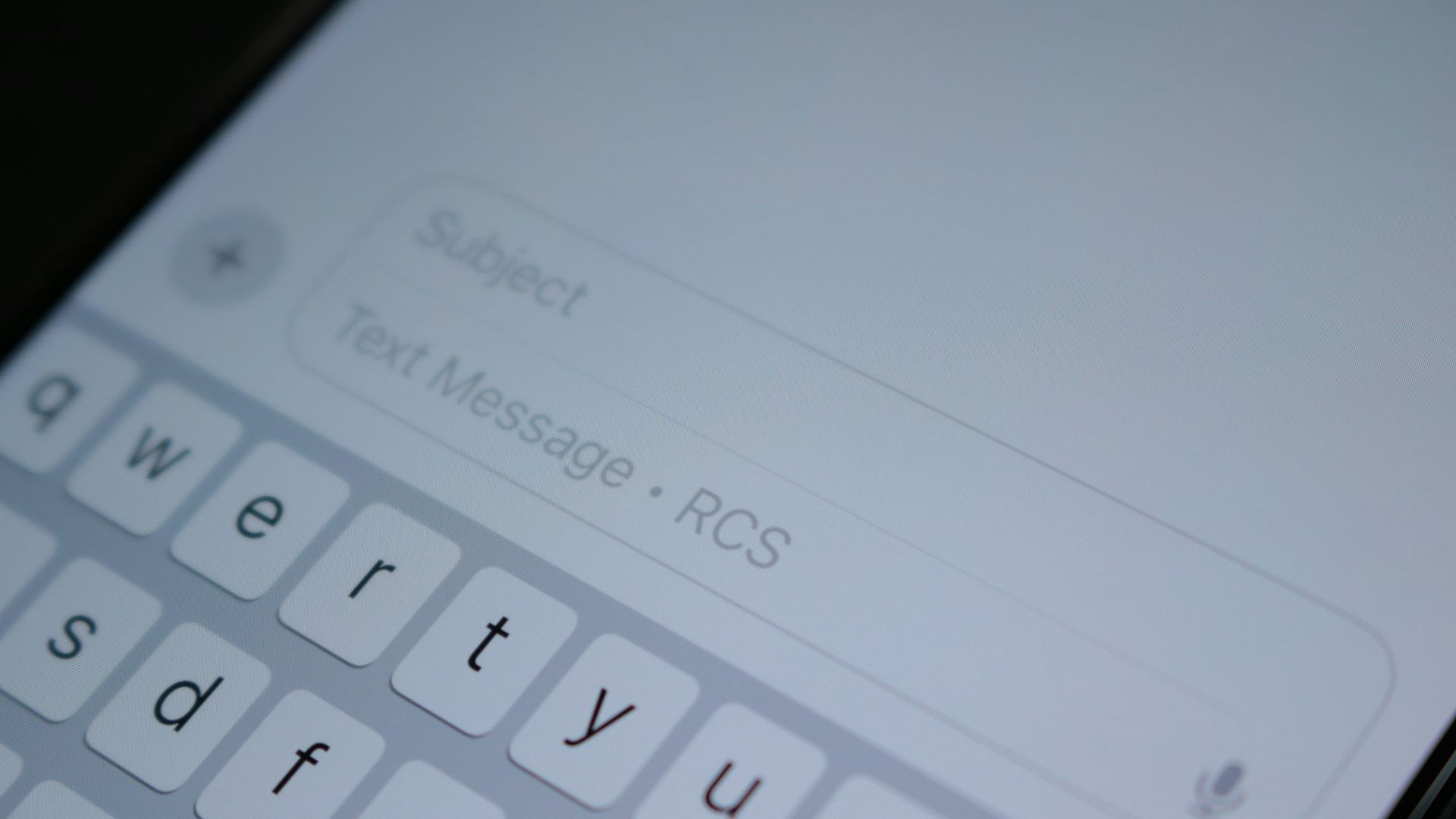
16. The First World Wide Web Website
Tim Berners-Lee launched the first website in 1991 to explain how the World Wide Web functioned. It introduced a simple way for people to access linked information online.

17. The First Successful Organ Transplant
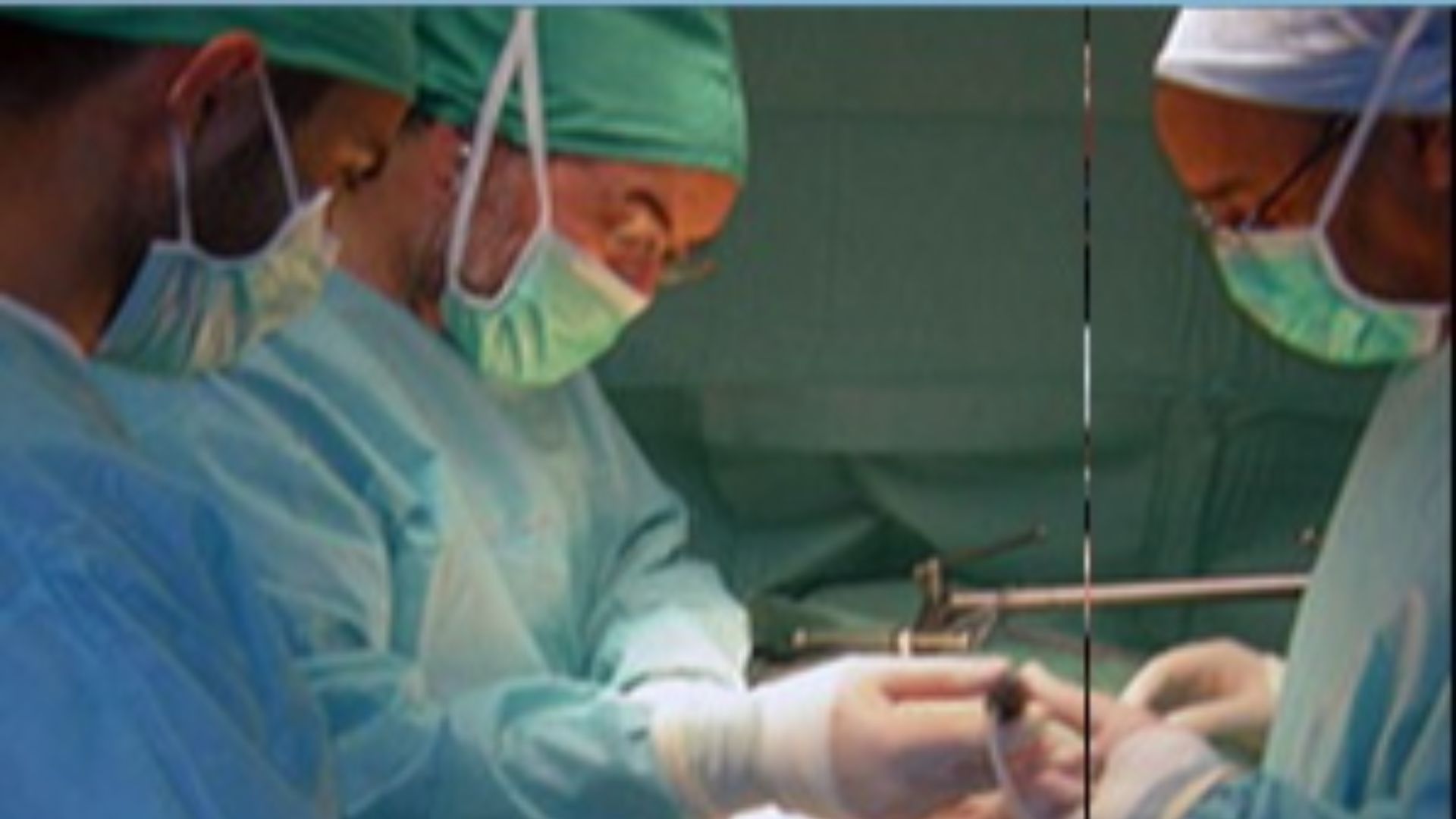
Doctors completed the first successful kidney transplant between identical twins in 1954. Because the patients shared the same genetic makeup, rejection was avoided. The procedure opened the door to modern transplant medicine.
18. The First Credit Card For Widespread Consumer Use
The BankAmericard, introduced in 1958, helped establish the model for modern bank-issued credit cards. Consumers could make purchases without carrying large amounts of cash.

19. The First GPS Satellite Launch
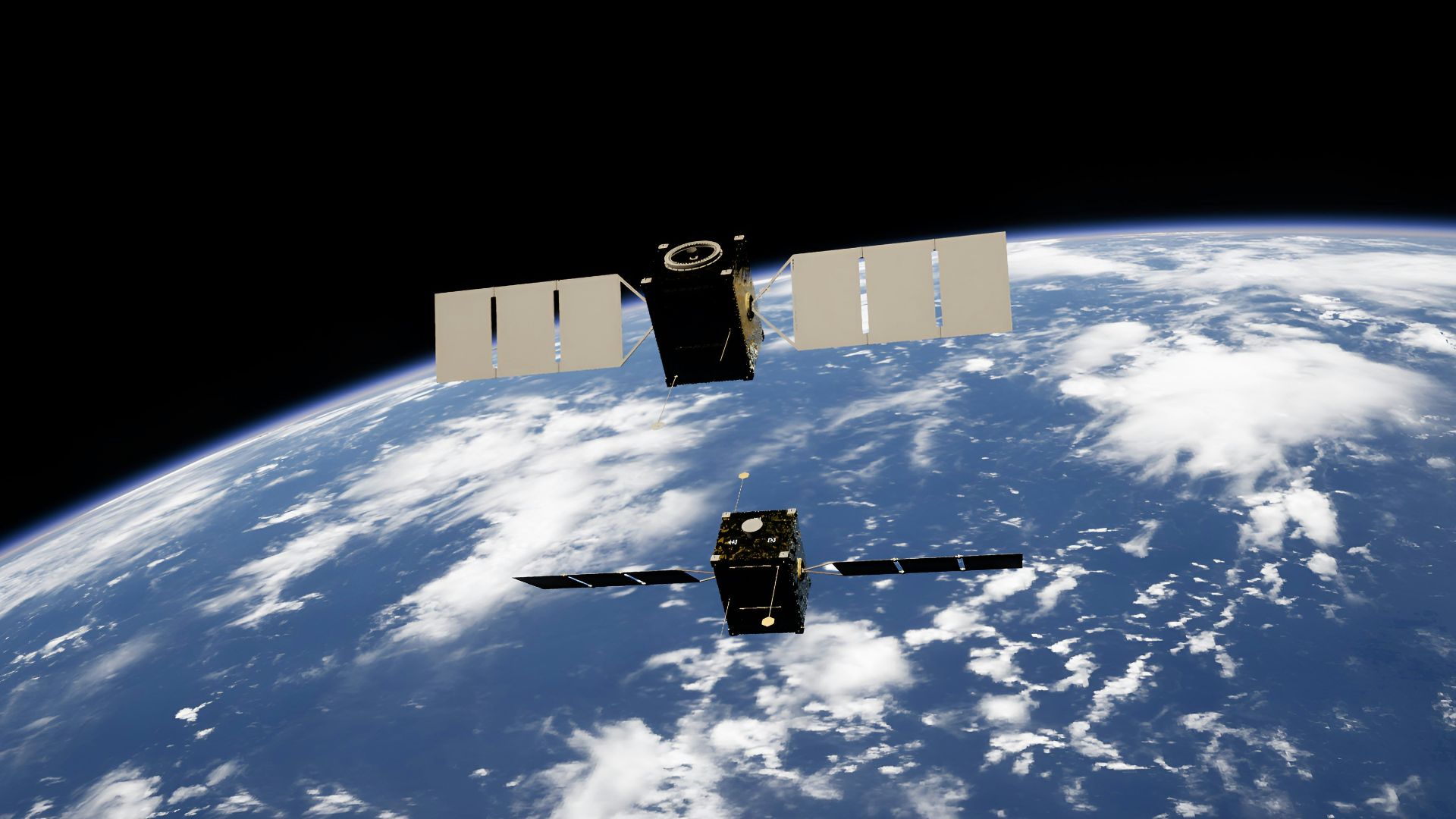
The United States launched the first NAVSTAR GPS satellite in 1978, beginning the development of satellite navigation. Originally designed for military purposes, GPS later became available for civilian use.
20. The First Smartphone
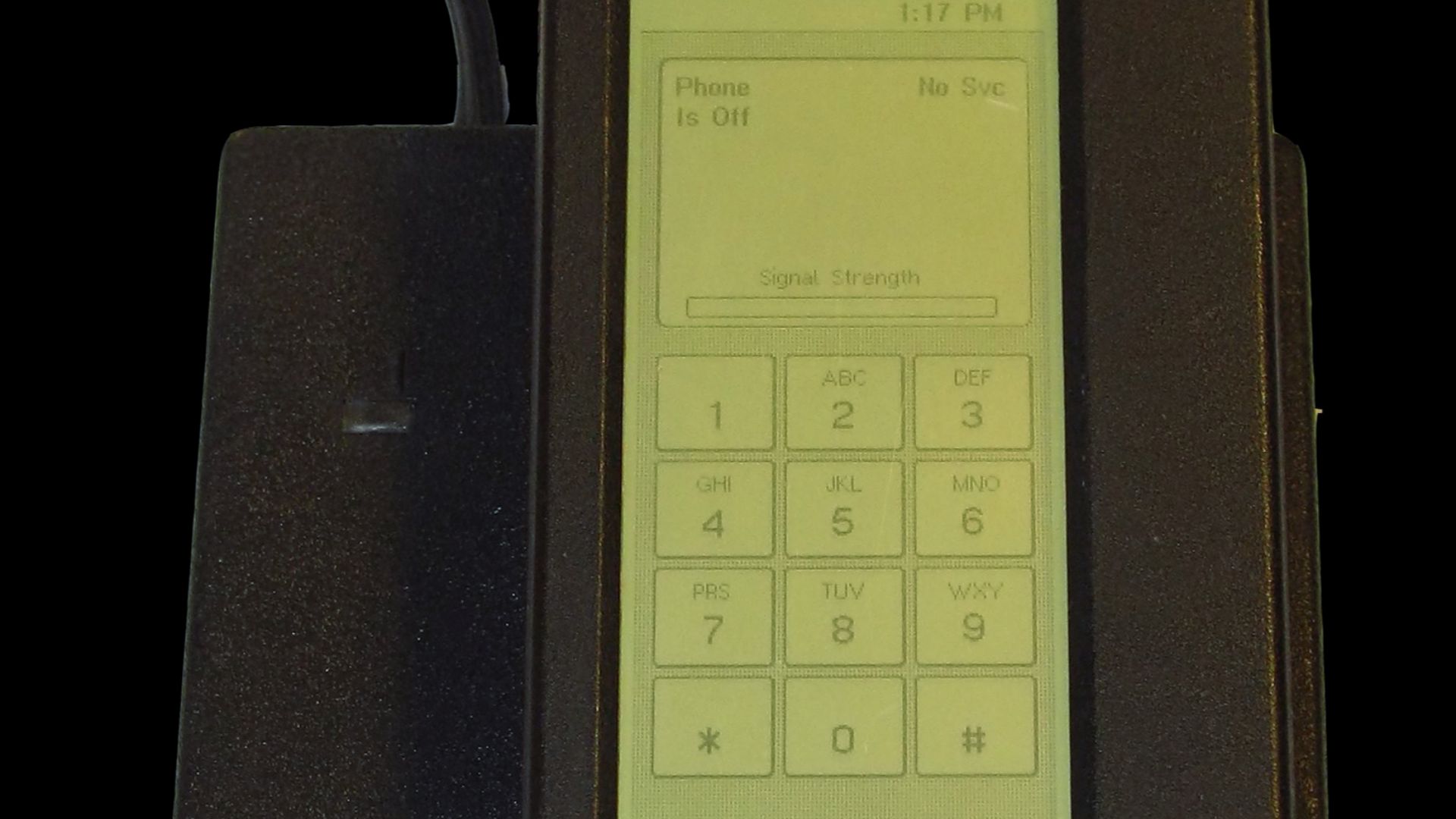
IBM introduced the Simon Personal Communicator in 1994, combining mobile calling with touchscreen features, email capability, and digital organization tools. Although it was well ahead of its time, it established concepts that later smartphones refined.
KEEP ON READING